

Forest Volatile Organic Compounds and Their Effects on Human Health: A State-of-the-Art Review
Open accessThe DOI matches its Crossref record; 174 of the 174 references it cites were found in a registry or an index.
Abstract
The aim of this research work is to analyze the chemistry and diversity of forest VOCs (volatile organic compounds) and to outline their evidence-based effects on health. This research work was designed as a narrative overview of the scientific literature. Inhaling forest VOCs like limonene and pinene can result in useful antioxidant and anti-inflammatory effects on the airways, and the pharmacological activity of some terpenes absorbed through inhalation may be also beneficial to promote brain functions by decreasing mental fatigue, inducing relaxation, and improving cognitive performance and mood. The tree composition can markedly influence the concentration of specific VOCs in the forest air, which also exhibits cyclic diurnal variations. Moreover, beneficial psychological and physiological effects of visiting a forest cannot be solely attributed to VOC inhalation but are due to a global and integrated stimulation of the five senses, induced by all specific characteristics of the natural environment, with the visual component probably playing a fundamental role in the overall effect. Globally, these findings can have useful implications for individual wellbeing, public health, and landscape design. Further clinical and environmental studies are advised, since the majority of the existing evidence is derived from laboratory findings.
Overview
The claims and statistics of this paper haven’t been checked yet.
Free: it reads the open-access text and checks the first 5 claims that cite a source we can check. Create a free account to check every claim.
Integrity signals
Registry
Cites
Statistics
Figures
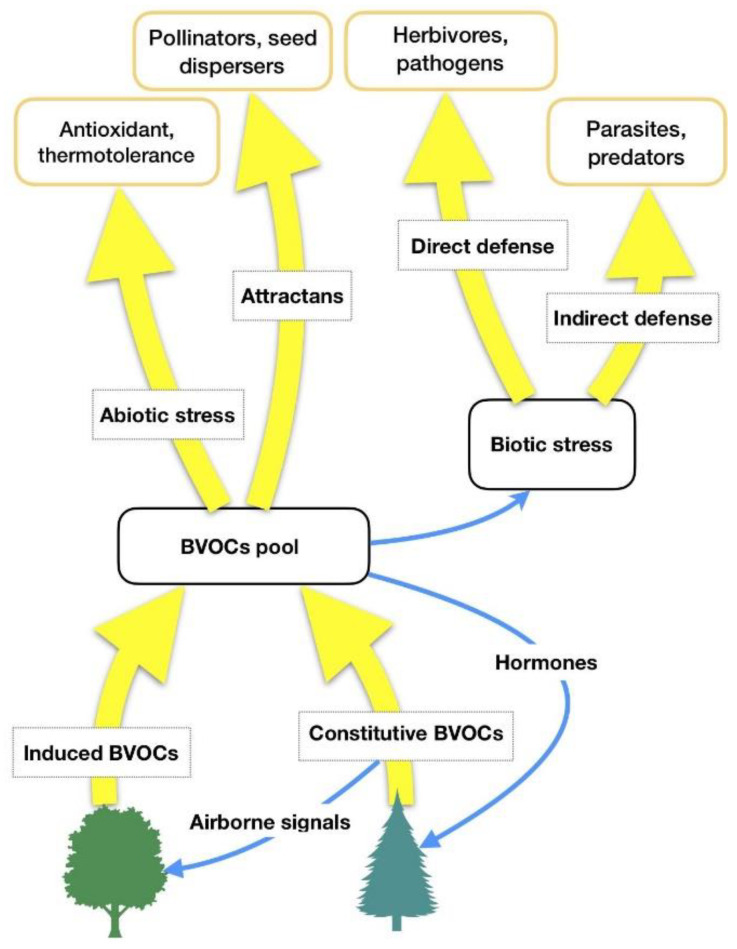
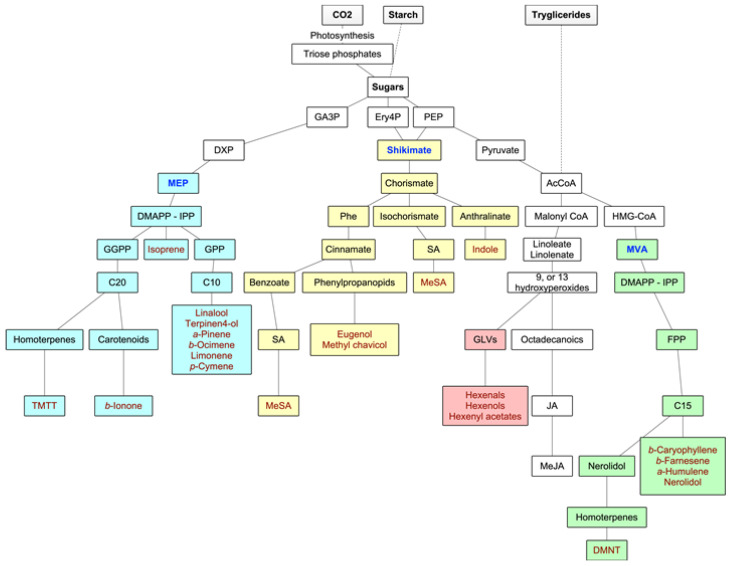
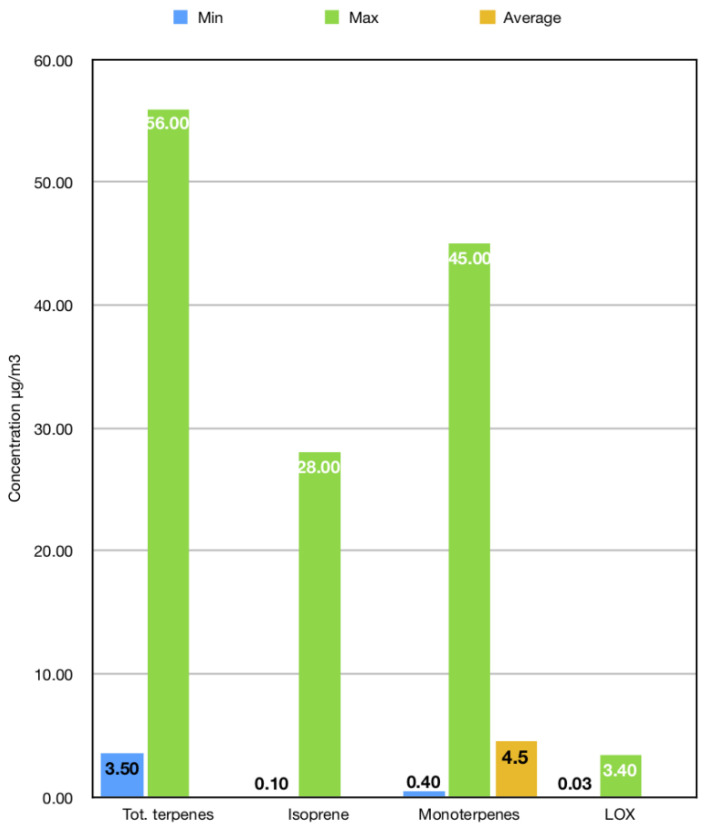
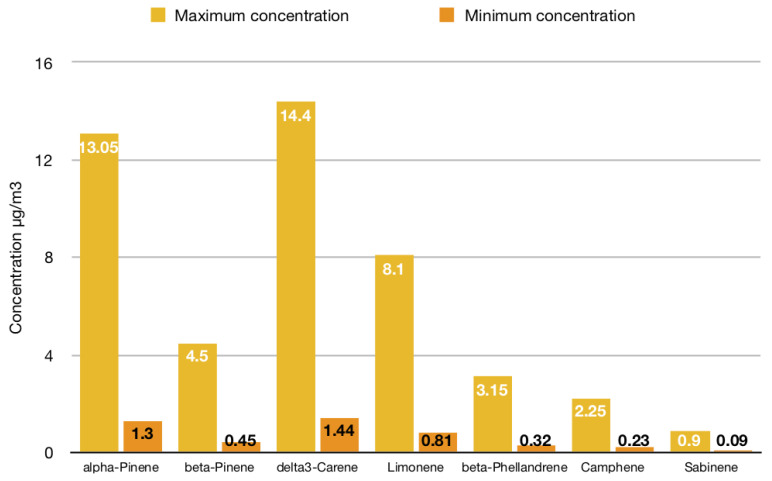
Verification
Claims the paper makes
The claims and statistics of this paper haven’t been checked yet.
Free: it reads the open-access text and checks the first 5 claims that cite a source we can check. Create a free account to check every claim.
Claims other papers make about this one
Each is checked against this paper’s own text: does it say what the citing paper says it does?
The cited source says what the claim attributes to it.
In the citing paper
“In addition, biogenic volatile organic compounds (BVOCs) in the air are thought to be important [50].”
From EAACI Guidelines on the Importance of Green Space in Urban Environments for Allergy and Asthma Prevention (2026) · cites this paper as [50]
Self-check
Percentages, sums and reported differences re-computed from the paper’s own numbers.
The self-check needs the paper’s full text.
Citations
Cites
1 retracted
Bai, J., Zheng, Y., Wang, G., & Liu, P. (2015) · Oxidative Medicine and Cellular Longevity · doi:10.1155/2016/5962832 · Cited by 73
RetractedGuenther, A. B., Jiang, X., Heald, C. L., Sakulyanontvittaya, T., Duhl, T., Emmons, L. K., & Wang, X. (2012) · Geoscientific Model Development · doi:10.5194/gmd-5-1471-2012 · Cited by 4,112 · cited 14×
“Specifically, according to Guenther and colleagues [3], isoprene dominates the emissions, with around 50% of the Figure 2.”
BackgroundInfluentialWriting narrative literature reviews for peer-reviewed journals: secrets of the trade
Green, B. N., Johnson, C. D., & Adams, A. (2006) · Journal of Chiropractic Medicine · doi:10.1016/s0899-3467(07)60142-6 · Cited by 2,224 · cited 1×
“General recommendations to improve the quality of narrative reviews were taken into account for better structuring this research [26,27].”
BackgroundMechanisms of plant defense against insect herbivores
War, A. R., Paulraj, M. G., Ahmad, T., Buhroo, A. A., Hussain, B., Ignacimuthu, S., & Sharma, H. C. (2012) · Plant Signaling & Behavior · doi:10.4161/psb.21663 · Cited by 2,180 · cited 2×
“More than 1000 different BVOCs are released from plant flowers, vegetative parts, or roots [9].”
BackgroundWriting narrative style literature reviews
Ferrari, R. (2015) · Medical Writing · doi:10.1179/2047480615z.000000000329 · Cited by 1,907 · cited 1×
“General recommendations to improve the quality of narrative reviews were taken into account for better structuring this research [26,27].”
BackgroundBiogenic Volatile Organic Compounds (VOC): An Overview on Emission, Physiology and Ecology
Kesselmeier, J., & Staudt, M. (1999) · Journal of Atmospheric Chemistry · doi:10.1023/a:1006127516791 · Cited by 1,879
The health benefits of urban green spaces: a review of the evidence
Lee, A. C. K., & Maheswaran, R. (2011) · Journal of Public Health · doi:10.1093/pubmed/fdq068 · Cited by 1,551
Morbidity is related to a green living environment
Maas, J., Verheij, R. A., de Vries, S., Spreeuwenberg, P., Schellevis, F. G., & Groenewegen, P. P. (2009) · Journal of Epidemiology and Community Health · doi:10.1136/jech.2008.079038 · Cited by 1,133
Biochemistry of Plant Volatiles
Dudareva, N., Pichersky, E., & Gershenzon, J. (2004) · Plant Physiology · doi:10.1104/pp.104.049981 · Cited by 1,128
Abiotic stresses and induced BVOCs
Loreto, F., & Schnitzler, J.-P. (2010) · Trends in Plant Science · doi:10.1016/j.tplants.2009.12.006 · Cited by 1,096 · cited 5×
“Most deciduous species do not hav such structures and release BVOCs directly fro mesophyll cells in a more light- and temperature-dependent manner (in particular, Fagaceae and Salicaceae) [12].”
BackgroundInfluential
Research works printed but not linked: 9
- Dyakov Y.T. Dzhavakhiya V.G. Korpela T. Comprehensive and Molecular Phytopathology Elsevier Amsterdam, The Netherlands 2007 9780444521323
- Memari H.R. Pazouki L. Niinemets Ü. The Biochemistry and Molecular Biology of Volatile Messengers in Trees Biology, Controls and Models of Tree Volatile Organic Compound Emissions Niinemets Ü. Monson R.K. Springer Dordrecht, The Netherlands 2013 47 93 9789400766068 · DOI · Paper page
- Rai M. Kon K. Fighting Multidrug Resistance with Herbal Extracts, Essential Oils and Their Components Academic Press Cambridge, MA, USA 2013 9780124017085
- Tisserand R. Young R. Essential Oil Safety: A Guide for Health Care Professionals Churchill Livingstone/Elsevier London, UK 2013 9780443062414
- PubChem Alpha-Pinene Available online: https://pubchem.ncbi.nlm.nih.gov/compound/6654 (accessed on 18 June 2020)
- PubChem Beta-Pinene Available online: https://pubchem.ncbi.nlm.nih.gov/compound/14896 (accessed on 18 June 2020)
- Beyer S.V. Singing to the Plants: A Guide to Mestizo Shamanism in the Upper Amazon UNM Press Albuquerque, NM, USA 2010 9780826347305
- Kotte D. Li Q. Shin W.S. International Handbook of Forest Therapy Cambridge Scholars Publishing Cambridge, UK 2019 9781527541740
- Marcus C.C. Barnes M. Healing Gardens: Therapeutic Benefits and Design Recommendations John Wiley & Sons Hoboken, NJ, USA 1999 9780471192039
Cited by
Mangotra, A., & Singh, S. K. (2024) · Journal of Biotechnology · doi:10.1016/j.jbiotec.2023.12.013 · Cited by 181
Stier-Jarmer, M., Throner, V., Kirschneck, M., Immich, G., Frisch, D., & Schuh, A. (2021) · International Journal of Environmental Research and Public Health · doi:10.3390/ijerph18041770 · Cited by 163
“The authors emphasised that tree composition can significantly influence the concentration of certain VOCs in forest air [50].”
BackgroundShinde, R. S., Khairnar, S. D., Patil, M. R., Adole, V. A., Koli, P. B., Deshmane, V. V., Halwar, D. K., Shinde, R. A., Pawar, T. B., Jagdale, B. S., et al. (2022) · Journal of Inorganic and Organometallic Polymers and Materials · doi:10.1007/s10904-021-02178-9 · Cited by 171
Duan, C.-S., Liao, H., Wang, K., & Ren, Y. (2022) · Environmental Research · doi:10.1016/j.envres.2022.114386 · Cited by 160
Effects of forest bathing (shinrin-yoku) on individual well-being: an umbrella review
Antonelli, M., Donelli, D., Carlone, L., Maggini, V., Firenzuoli, F., & Bedeschi, E. (2021) · International Journal of Environmental Health Research · doi:10.1080/09603123.2021.1919293 · Cited by 136
“…different plant species can release a diverse and variable array of biogenic VOCs into the forest air (Vivaldo et al. 2017; Kigathi et al. 2019; Antonelli et al. 2020a), and various plant shapes and colors can also result in different visual stimulations (Valdez and Mehrabian 1994; Lee et al.…”
BackgroundSelf-citationEssential Oils, Phytoncides, Aromachology, and Aromatherapy—A Review
Thangaleela, S., Sivamaruthi, B. S., Kesika, P., Bharathi, M., Kunaviktikul, W., Klunklin, A., Chanthapoon, C., & Chaiyasut, C. (2022) · Applied Sciences · doi:10.3390/app12094495 · Cited by 121
“Forest bathing with phytoncides promotes brain function by producing relaxation, reducing mental stress, promoting cognitive ability, and stabilizing the mood [147].”
BackgroundProspects for ozone pollution control in China: An epidemiological perspective
Li, A., Zhou, Q., & Xu, Q. (2021) · Environmental Pollution · doi:10.1016/j.envpol.2021.117670 · Cited by 97
Effect of Forest Therapy on Depression and Anxiety: A Systematic Review and Meta-Analysis
Yeon, P., Jeon, J. Y., Jung, M.-S., Min, G.-M., Kim, G.-Y., Han, K.-M., Shin, M., Jo, S.-H., Kim, J.-G., & Shin, W.-S. (2021) · International Journal of Environmental Research and Public Health · doi:10.3390/ijerph182312685 · Cited by 113
“As another critical factor, trees in the forest release biogenic volatile organic compounds (BVOCs) such as limonene, alpha-pinene, and beta-pinene, which affects not only human health in terms of anti-inflammatory, antioxidant, or neuroprotection activities [105–107], but also benefits psychological and cognitive pro…”
BackgroundImmunological resilience and biodiversity for prevention of allergic diseases and asthma
Haahtela, T., Alenius, H., Lehtimäki, J., Sinkkonen, A., Fyhrquist, N., Hyöty, H., Ruokolainen, L., & Mäkelä, M. J. (2021) · Allergy · doi:10.1111/all.14895 · Cited by 86
Impact of climate change on immune responses and barrier defense
Skevaki, C. L., Nadeau, K. C., Rothenberg, M. E., Alahmad, B., Mmbaga, B. T., Masenga, G. G., Sampath, V., Christiani, D. C., Haahtela, T., & Renz, H. E. (2024) · Journal of Allergy and Clinical Immunology · doi:10.1016/j.jaci.2024.01.016 · Cited by 87
Tourism as a Tool in Nature-Based Mental Health: Progress and Prospects Post-Pandemic
Buckley, R., & Cooper, M. (2022) · International Journal of Environmental Research and Public Health · doi:10.3390/ijerph192013112 · Cited by 86
Dynamic environmental interactions shaped by vegetative plant volatiles
Escobar‐Bravo, R., Lin, P., Waterman, J. M., & Erb, M. (2023) · Natural Product Reports · doi:10.1039/d2np00061j · Cited by 81
“225,229”
BackgroundPeters, E. M. J., Schedlowski, M., Watzl, C., & Gimsa, U. (2021) · Neurobiology of Stress · doi:10.1016/j.ynstr.2021.100296 · Cited by 69
“Part of the effect can be attributed to volatile organic compounds that are inhaled (Antonelli et al., 2020).”
Dzhambov, A. M., Lercher, P., Rüdisser, J., Browning, M. H. E. M., & Markevych, I. (2021) · Environmental Research · doi:10.1016/j.envres.2020.110456 · Cited by 60
Shin, S., Browning, M. H. E. M., & Dzhambov, A. M. (2022) · Ecopsychology · doi:10.1089/eco.2021.0032 · Cited by 54
“Although past smellscape research has largely chosen compounds emitted by conifers or fragrant garden plants (Antonelli et al., 2020; Franco, Shanahan, & Fuller, 2017; Hedblom et al., 2019a; Song, Ikei, & Miyazaki, 2019), the landscape native to the study region and forest setting shown excluded…”
Environmental neuroscience unravels the pathway from the physical environment to mental health
Kühn, S., & Gallinat, J. (2023) · Nature Mental Health · doi:10.1038/s44220-023-00137-6 · Cited by 56
“…20 , these might actually be elicited by the presence of the color green 21 , low-level visual features such as fractals 22,23 or edge density 24,25 , the terpenes (essential oils) emitted by trees 26 , the songs of birds or sounds of other animals 27 , or the higher presence of negative ions 28 .”
Zhu, S., Hu, F.-F., He, S.-Y., Qiu, Q., Yan, S., He, Q., & Li, J. (2021) · Forests · doi:10.3390/f12020207 · Cited by 49
“Previous research findings strongly suggest that tree-derived phytoncides have beneficial effects on antifungal, anti-inflammatory, antimicrobial, analgesic, anti-stress, antioxidant [14–19], human immune functions [20], even sleep quality improvement [13,21].”
BackgroundManaging the allergy and asthma epidemic in 2020s—Lessons from the Finnish experience
Haahtela, T., Jantunen, J., Saarinen, K., Tommila, E., Valovirta, E. J., Vasankari, T., & Mäkelä, M. J. (2022) · Allergy · doi:10.1111/all.15266 · Cited by 47
Lee, K., Kim, B.-N., Cho, J., Jang, Y.-Y., Choi, Y., Lee, W.-S., Han, C., Bae, H.-J., Lim, Y.-H., Kim, J. I., et al. (2020) · The Science of The Total Environment · doi:10.1016/j.scitotenv.2020.143561 · Cited by 47
Plant Molecular Phenology and Climate Feedbacks Mediated by BVOCs
Satake, A., Hagiwara, T., Nagano, A. J., Yamaguchi, N., Sekimoto, K., Shiojiri, K., & Sudo, K. (2024) · Annual Review of Plant Biology · doi:10.1146/annurev-arplant-060223-032108 · Cited by 41
Nanomaterial-based VOC sensing applications and a deep dive into their developmental trends
Rosario, W., Singh, P. K., Tiwari, A., Jain, U., Avasthi, D. K., & Chauhan, N. (2024) · Journal of Materials Chemistry A · doi:10.1039/d3ta07171e · Cited by 40
Kang, M., Kim, H., & Kim, J. (2022) · International Journal of Environmental Research and Public Health · doi:10.3390/ijerph19084884 · Cited by 43
“Forests not only preserve the natural environment but also contribute to health and emotions and provide psychological effects by emitting beneficial substances such as phytoncides, terpenes, negative ions, and wave emissions [10].”
BackgroundA Review of Biogenic Volatile Organic Compounds from Plants: Research Progress and Future Prospects
Luo, R., Lun, X., Gao, R., Wang, L., Yang, Y., Su, X., Habibullah‐Al‐Mamun, M., Xu, X., Li, H., & Li, J. (2025) · Toxics · doi:10.3390/toxics13050364 · Cited by 43
“Never-theless, their oxidation products are important precursors of secondary organic aerosols (SOAs) [136–138].”
Bergamot Oil: Botany, Production, Pharmacology
Valussi, M., Donelli, D., Firenzuoli, F., & Antonelli, M. (2021) · Encyclopedia · doi:10.3390/encyclopedia1010016 · Cited by 36
Self-citationShort-Term Effects of Forest Therapy on Mood States: A Pilot Study
(2021) · doi:10.3390/ijerph18189509 · Cited by 35
“Finally, only TVOCs concentration was measured, while individual monoterpenes are known to potentially produce different and specialized health effects [25], which could be related to the outcomes of forest therapy sessions.”
BackgroundResultInfluentialSelf-citationKaviya, M., Balasubramanian, B., Kathirvel, B., Malaisamy, A., Al-Dhabi, N. A., Mariadhas, V. A., Anand, A. V., & Liu, W. (2022) · Molecules · doi:10.3390/molecules27041280 · Cited by 33
Buckley, R., Cooper, M., Chauvenet, A. L. M., & Zhong, L. S. (2022) · Journal of Destination Marketing & Management · doi:10.1016/j.jdmm.2022.100744 · Cited by 41
Wei, C., Li, C., Zhou, Y., Zhang, W., Zhang, P., Wang, M., Xiong, M., Deng, C., Xiong, Q., Liu, W., et al. (2023) · Frontiers in Endocrinology · doi:10.3389/fendo.2022.1076664 · Cited by 36
Donelli, D., Meneguzzo, F., Antonelli, M., Ardissino, D., Niccoli, G., Gronchi, G., Baraldi, R., Neri, L., & Zabini, F. (2023) · International Journal of Environmental Research and Public Health · doi:10.3390/ijerph20042773 · Cited by 31
Self-citationNature As Medicine: The 7th (Unofficial) Pillar of Lifestyle Medicine
Sundermann, M., Chielli, D., & Spell, S. (2023) · American Journal of Lifestyle Medicine · doi:10.1177/15598276231174863 · Cited by 35
“been shown to have antiinflammatory effects.(27)”
Preparation of adsorption resin and itas application in VOCs adsorption
Fu, L., Zuo, J., Liao, K., Shao, M., Si, W., Zhang, H., Gu, F., Huang, W., Li, B., & Shao, Y. (2023) · Journal of Polymer Research · doi:10.1007/s10965-023-03510-2 · Cited by 31
Senses, emotions and wellbeing in forest recreation and tourism
Zhong, L., Campbell, C. E., Buckley, R., Zhu, D., Yu, H., Chauvenet, A. L. M., & Cooper, M. (2024) · Tourism Recreation Research · doi:10.1080/02508281.2024.2312347 · Cited by 38
“Smell and air chemistry (Antonelli et al., 2020; Bentley et al., 2023; Dann & Jacobsen, 2003; De Luca & Botelho, 2020; Flavián et al., 2021; Khamsi, 2022; Kim et al., 2020; Lwin & Wijaya, 2010; Madzharov, 2022; Meneguzzo et al., 2019; Pedro et al., 2020; Xiao et al., 2020).”
Yang, B., Ma, D., Wang, X., Dong, W., He, S., Zhou, Y., Dong, D., Shi, Y. Y., Wang, Y., Zeng, S., et al. (2025) · Journal of Environmental Management · doi:10.1016/j.jenvman.2025.124408 · Cited by 29
Subirana-Malaret, M., Miró, A., Camacho-Guzmán, A., Gesse, A., & McEwan, K. (2023) · Forests · doi:10.3390/f14050904 · Cited by 30
“For example, a review by Antonelli et al. 2020 [53] found that breathing in phytoncides can result in antioxidant and anti-inflammatory effects on the airways and decrease mental fatigue, improve cognitive performance and mood, and induce relaxation.”
Effects of Urban Forest Therapy Program on Depression Patients
Yeon, P., Kim, I.-O., Kang, S.-N., Lee, N.-E., Kim, G.-Y., Min, G.-M., Chung, C.-Y., Lee, J.-S., Kim, J.-G., & Shin, W.-S. (2022) · International Journal of Environmental Research and Public Health · doi:10.3390/ijerph20010507 · Cited by 30
“Many previous studies reported that five-sense stimulation such as forest landscape [74,75], forest-induced auditory stimulation [76,77], scent [78], and touch [79,80] improve mental and physical relaxation and stress recovery.”
BackgroundHakim, L., Kumar, L., & Gaikwad, K. K. (2023) · Progress in Organic Coatings · doi:10.1016/j.porgcoat.2023.107629 · Cited by 26
Zorić, M., Farkić, J. M., Kebert, M., Mladenović, E., Karaklić, D., Isailović, G., & Orlović, S. (2022) · International Journal of Environmental Research and Public Health · doi:10.3390/ijerph19095504 · Cited by 30
“To date, great efforts have been made in the realm of public health to explore the positive effects that spending time in arboreal environments have on human health, generating a large corpus of data to draw from [7].”
BackgroundInfluentialRecalibrating Olfactory Neuroscience to the Range of Naturally Occurring Odor Concentrations
Wachowiak, M., Dewan, A., Bozza, T. C., O’Connell, T. F., & Hong, E. J. (2025) · Journal of Neuroscience · doi:10.1523/jneurosci.1872-24.2024 · Cited by 28
The Relationship between Perceptions and Objective Measures of Greenness
Hart, J. L., Yeager, R. A., Riggs, D. W., Fleischer, D., Owolabi, U., Walker, K. L., Bhatnagar, A., & Keith, R. J. (2022) · International Journal of Environmental Research and Public Health · doi:10.3390/ijerph192316317 · Cited by 25
“For instance, it is unclear how greenness affects mental states and whether these effects are entirely psychological or due to some other effects of greenness, such as sunlight [13], reduction in noise [14], light [15], or air pollution [16], or due to plant-derived volatile chemicals that can affect psychological sta…”
BackgroundA short history from Karelia study to biodiversity and public health interventions
Haahtela, T., Alenius, H. T., Auvinen, P., Fyhrquist, N., von Hertzen, L., Jousilahti, P., Karisola, P., Laatikainen, T. K., Lehtimäki, J., Paalanen, L., et al. (2023) · Frontiers in Allergy · doi:10.3389/falgy.2023.1152927 · Cited by 28
Borsdorf, H., Bentele, M., Müller, M., Rebmann, C., & Mayer, T. (2023) · Atmosphere · doi:10.3390/atmos14091347 · Cited by 23
Ho, V. T. T., Chau, D. H., Bui, K. Q., Nguyen, N. T. T., Tran, T. K. N., Bạch, L. G., & Truong, S. N. (2022) · Inorganics · doi:10.3390/inorganics10030029 · Cited by 22
Li, H., & Zhang, G. (2023) · International Journal of Environmental Health Research · doi:10.1080/09603123.2023.2170990 · Cited by 25
“These compounds have more than 1000 types and are usually released by plants’ flowers, roots, and other organs, and some of them can even come from microorganisms related to plant communities (Antonelli et al. 2020).”
BackgroundHealth by design; optimising our urban environmental microbiomes for human health
Matthews, K. E., Cavagnaro, T. R., Weinstein, P., & Stanhope, J. (2024) · Environmental Research · doi:10.1016/j.envres.2024.119226 · Cited by 23
Roviello, V., Scognamiglio, P. L., Caruso, U., Vicidomini, C., & Roviello, G. N. (2021) · International Journal of Environmental Research and Public Health · doi:10.3390/ijerph19010273 · Cited by 22
The exposome from neurodevelopment to neurodegeneration: A narrative review
Dallere, S., Rasà, D. M., Pavarino, G., Schellino, R., Vercelli, A., & Boido, M. (2025) · Neuroscience & Biobehavioral Reviews · doi:10.1016/j.neubiorev.2025.106247 · Cited by 23
“…compounds (VOCs) released by plants, such as terpenes, have been shown to possess therapeutic properties that can boost cognitive function, decrease mental distress and support emotional balance (Rasmussen and Went, 1965; Reklaitiene et al., 2014; Bratman et al., 2019; Antonelli et al., 2020).”
Gonçalves, F. D., Carvalho, L., Rodrigues, J. A., & Ramos, R. M. (2025) · Molecules · doi:10.3390/molecules30153195 · Cited by 21
The Psychological Effects of Park Therapy Components on Campus Landscape Preferences
Pratiwi, P. I., Sulistyantara, B., Sisriany, S., & Lazuardi, S. N. (2022) · Journal of Contemporary Urban Affairs · doi:10.25034/ijcua.2022.v6n2-3 · Cited by 21
“Thus, practising forest bathing in space with high prospects and low refuge by integrating stimulation of the five senses in the natural landscape leads to beneficial psychological and physiological effects (Antonelli et al., 2020).”
BackgroundBaek, J., Jung, J., Shin, H., Kim, S., Sung, S.-Y., Park, S., Hahm, S., Cho, H.-Y., & Lee, M.-G. (2022) · International Journal of Environmental Research and Public Health · doi:10.3390/ijerph19084863 · Cited by 21
“As per previous studies, exposure to BVOCs was deemed to produce remarkable effects on human health [47].”
ResultBenefits of Urban Forest Healing Program on Depression and Anxiety Symptoms in Depressive Patients
Yeon, P., Kang, S.-N., Lee, N.-E., Kim, I.-O., Min, G.-M., Kim, G.-Y., Kim, J.-G., & Shin, W.-S. (2023) · Healthcare · doi:10.3390/healthcare11202766 · Cited by 21
“Previous studies have reported that five-sensory stimulation in a forest environment is effective in physical and mental relaxation [39–42].”
BackgroundTree species classification improves the estimation of BVOCs from urban greenspace
Bao, X., Zhou, W., Wang, W., Yao, Y., & Xu, L. (2024) · The Science of The Total Environment · doi:10.1016/j.scitotenv.2023.169762 · Cited by 20
Buckley, R., Cooper, M., & Zhong, L. (2024) · People and Nature · doi:10.1002/pan3.10723 · Cited by 20
Dalton, K. R., Louis, L. M., Fandiño-Del-Río, M., Rule, A. M., Pool, W., Randolph, K., Thomas, S. B., Davis, M. F., & Quirós-Alcalá, L. (2022) · Environmental Research · doi:10.1016/j.envres.2022.114125 · Cited by 21
Forest bathing: a quantitative exploration of emerging trends, patterns, and growth areas
Paletto, A., Notaro, S., & Cristian, P. (2024) · Journal of Forest Research · doi:10.1080/13416979.2024.2324206 · Cited by 18
“…(Roviello and Roviello 2021; Walker et al. 2023) or as an adjunct therapy for long-COVID patients (McEwan et al. 2022), and the role of forest environment to stimulate the five senses and to improve the cognitive performance of forest visitors (Antonelli et al. 2020; Grilli and Sacchelli 2020).”
Zorić, M., Kostić, S., Kladar, N., Božin, B. N., Vasić, V., Kebert, M., & Orlović, S. (2021) · Forests · doi:10.3390/f12070928 · Cited by 17
Yang, B., Ta, W., Dong, W., Ma, D., Duan, J., Lin, H., Dong, D., Chen, J., Zeng, S., Shi, Y. Y., et al. (2024) · Forests · doi:10.3390/f15030555 · Cited by 19
Park, S., Choi, Y., Kim, G., Kim, E., Kim, S.-J., & Paek, D. (2021) · International Journal of Environmental Research and Public Health · doi:10.3390/ijerph18179283 · Cited by 16
“This result is consistent with prior studies showing that forest healing effectively increases NK cell activity and population [17,28,55].”
ResultKim, E., Park, S., Kim, S.-J., Choi, Y., Cho, J. H., & Kim, G. (2022) · Frontiers in Public Health · doi:10.3389/fpubh.2022.1021618 · Cited by 18
Klimkaitė, L., Liveikis, T., Kaspute, G., Armalytė, J., & Aldonytė, R. (2023) · Future Microbiology · doi:10.2217/fmb-2022-0258 · Cited by 16
A New Wearable System for Personal Air Pollution Exposure Estimation: Pilot Observational Study
Bernasconi, S., Angelucci, A., Rossi, A., & Aliverti, A. (2025) · JMIR mhealth and uhealth · doi:10.2196/60426 · Cited by 18
“Studies suggest that VOCs from trees may have beneficial effects, such as enhancing cognitive functions and reducing mental fatigue [31].”
Simulated Forest Immersion Therapy: Methods Development
Ross, A. M., & Jones, R. (2022) · International Journal of Environmental Research and Public Health · doi:10.3390/ijerph19095373 · Cited by 18
“Research shows positive effects of forest bathing on NK cell numbers and activity [67] (NK CD3−/CD56+/ and NK CD3−/CD56+/CD69+, respectively) and on expressed proteins, such as perforin and granulysin [6,20,68,69].”
BackgroundBiodiversity for resilience—What is needed for allergic children
Haahtela, T. (2022) · Pediatric Allergy and Immunology · doi:10.1111/pai.13779 · Cited by 17
How Nature Benefits Mental Health: Empirical Evidence, Prominent Theories, and Future Directions
Herchet, M., Varadarajan, S., Kolassa, I., & Hofmann, M. (2022) · Zeitschrift für Klinische Psychologie und Psychotherapie · doi:10.1026/1616-3443/a000674 · Cited by 19
Donelli, D., Antonelli, M., Baraldi, R., Corli, A., Finelli, F., Gardini, F., Margheritini, G., Meneguzzo, F., Neri, L., Lazzeroni, D., et al. (2023) · Forests · doi:10.3390/f14102012 · Cited by 16
Self-citationWang, C., Wang, W., Liu, X., Tang, Y., Wang, F., Li, H., Wen, M., Li, G., & An, T. (2024) · Journal of Hazardous Materials · doi:10.1016/j.jhazmat.2024.135121 · Cited by 16
Walker, H. J., Jena, A., McEwan, K., Evans, G., & Campbell, S. (2023) · Forests · doi:10.3390/f14010092 · Cited by 16
Popescu, D. I., Botoran, O. R., Cristea, R. M., Mihăescu, C. F., & Şuţan, N. A. (2023) · Horticulturae · doi:10.3390/horticulturae9030325 · Cited by 15
Hawaiian Plants with Beneficial Effects on Sleep, Anxiety, and Mood, etc.
Meesakul, P., Shea, T., Wong, S. X., Kuroki, Y., & Cao, S. (2023) · Pharmaceuticals · doi:10.3390/ph16091228 · Cited by 16
Grote, V., Frühwirth, M., Lackner, H. K., Goswami, N., Köstenberger, M., Likar, R., & Moser, M. (2021) · International Journal of Environmental Research and Public Health · doi:10.3390/ijerph18189749 · Cited by 18
“In addition to the small sample size, one limitation of this study might be the lack of knowledge about the volatile organic compound (VOCs) compositions and concentrations in the bedrooms of the study participants, as the most likely factor influencing the observed effects.”
BackgroundInfluentialTaufer, F., Pálsdóttir, A. M., & Hedblom, M. (2025) · npj Urban Sustainability · doi:10.1038/s42949-025-00274-0 · Cited by 17
“Emerging research explores how to incorporate smells from nature into thedesignofbothindoorand outdoorenvironments 91,92 and highlights their importance to connect with nature within urban contexts 93 .”
Emergence and spread of multidrug-resistant pathogens: A global health challenge
Steve, D., Kiarii, E. M., Makara, M. W. K., & Nyariki, J. N. (2026) · Mass gathering medicine. · doi:10.1016/j.mgmed.2026.100050 · Cited by 16
Kim, S.-O., Son, S. Y., Kim, M., Lee, C. H., & Park, S.-A. (2022) · Journal of the American Society for Horticultural Science · doi:10.21273/jashs05146-21 · Cited by 14
Bridhikitti, A., Khumphokha, P., Wanitha, W., & Prasopsin, S. (2024) · European Journal of Forest Research · doi:10.1007/s10342-023-01646-w · Cited by 14
“Forests play significant roles in providing fresh O 2 -rich air and emitting volatile organic compounds, which benefit human health by having antioxidant and anti-inflammatory effects on human airways (Antonelli et al. 2020).”
Yerezhepova, N., Kurmanbayeva, M. S., Terletskaya, N. V., Жумагул, М., Kebert, M., Rašeta, M., Gafforov, Y., Jalmakhanbetova, R. I., & Razhanov, M. (2024) · Forests · doi:10.3390/f15050790 · Cited by 14
The Optical Sensing of Volatile Organic Compounds Using Porphyrins
Ermakova, E. V., & Bessmertnykh‐Lemeune, A. (2024) · Chemosensors · doi:10.3390/chemosensors12120253 · Cited by 13
Lee, H., & Lee, S. (2024) · Journal of Industrial Textiles · doi:10.1177/15280837241248838 · Cited by 13
“39,40 For the lemongrass oil – PVA nano fi brous membranes, the amount of TVOCs and NVOCs increased during the initial 4 h of the testing period, after which the released amounts gradually decreased during the remainder of the testing period (Table 6).”
Levy, C., Riederer, A. M., Simpson, C. D., Gassett, A. J., Gilbert, A. J., Paulsen, M. H., Silva, L. K., Bhandari, D., Newman, C. A., Blount, B. C., et al. (2025) · Environmental Research · doi:10.1016/j.envres.2025.121482 · Cited by 14
“…limits to interpretation, our trend-level findings in the hypothesized directions for positive affect, negative affect, systolic blood pressure, cortisol, TNF-α , and CRP are generally in line with those posited from the Shinrin-yoku literature (Antonelli et al., 2020; Park et al., 2009).”
Michels, N., Boudrez, S., Pineda, P. A. L., & Walgraeve, C. (2023) · Environment and Behavior · doi:10.1177/00139165231201608 · Cited by 12
“These BVOCs act as communication signal by plants and as a defense mechanism (Antonelli et al., 2020; Šimpraga et al., 2019; Woo & Lee, 2020).”
BackgroundMethodInfluentialFrom biodiversity to nature deficiency in human health and disease
Haahtela, T., Bousquet, J. J., & Antó, J. M. (2024) · Porto Biomedical Journal · doi:10.1097/j.pbj.0000000000000245 · Cited by 12
“41,42 Identifying BVOCs in nature contacts and studying their immunological and clinical impact is an exciting field.”
BackgroundRook, G. A. W. (2024) · Neuroscience & Biobehavioral Reviews · doi:10.1016/j.neubiorev.2024.105653 · Cited by 12
Fidelis, M., Tienaho, J., Meneguzzo, F., Pihlava, J., Rudolfsson, M., Järvenpää, E., Imao, H., Hellström, J., Liimatainen, J., Kilpeläinen, P. O., et al. (2024) · LWT · doi:10.1016/j.lwt.2024.117055 · Cited by 11
Public psychology and holistic approaches to prevention and treatment of depression
Patterson, E. H., Miller, C., & Hannapel, M. (2025) · Frontiers in Psychiatry · doi:10.3389/fpsyt.2025.1600094 · Cited by 14
Erat, A., & Addor, G. (2025) · Cosmetics · doi:10.3390/cosmetics12050202 · Cited by 13
Vuong, Q., Sari, N. P. W. P., La, V., & Nguyen, M.-H. (2025) · Discover Public Health · doi:10.1186/s12982-025-00987-8 · Cited by 13
“Plants release volatile organic compounds (VOCs) known as phytoncides, which affect human physiology when inhaled [49, 57].”
Unveiling the “hidden quality” of the walnut pellicle: a precious source of bioactive lipids
Abbattista, R., Feinberg, N. G., Snodgrass, I. F., Newman, J. W. I., & Dandekar, A. M. (2024) · Frontiers in Plant Science · doi:10.3389/fpls.2024.1395543 · Cited by 13
Prediction of Natural Volatile Organic Compounds Emitted by Bamboo Groves in Urban Forests
Choi, Y., Kim, G., Park, S., Kim, E., & Kim, S.-J. (2021) · Forests · doi:10.3390/f12050543 · Cited by 12
“In particular, α-pinene, 3-carene and camphene accounted for 70% of the total emissions, with α-pinene known to have anxiolytic, anti-inflammatory, antioxidant, and antiproliferative effects, and 3-carene is known to improve inflammatory conditions [13,26-29].”
BackgroundManu, S., & Rysanek, A. (2024) · Buildings · doi:10.3390/buildings14092965 · Cited by 11
Haahtela, T., O'Mahony, L., Traidl‐Hoffmann, C., Akdis, M., Ceylan, O., Chaslaridis, P., Damialis, A., Del Giacco, S., Lauerma, A., Nadeau, K. C., et al. (2026) · Allergy · doi:10.1111/all.70182 · Cited by 9
Benefits of Gardenia jasminoides Ellis’s floral volatile components on human emotions and moods
Cai, Y., Chen, H., Zhang, X., Bu, W., & Ning, W. (2025) · Scientific Reports · doi:10.1038/s41598-024-84190-w · Cited by 10
Longares, J. M., Mselle, B. D., Galindo, J. I. G., & Ballestín, V. (2024) · Energies · doi:10.3390/en17225534 · Cited by 9
Yang, Y., Xu, M., Lin, C.-M., Sun, Q., Li, J., Peng, L., & Chang, W. (2024) · Forests · doi:10.3390/f15122208 · Cited by 9
Exurban and suburban forests have superior healthcare benefits beyond downtown forests
Zhu, S., He, S.-Y., Hu, F.-F., Guo, Y., Yan, S., Cui, G., Li, J., Qiu, Q., & He, Q. (2023) · Frontiers in Ecology and Evolution · doi:10.3389/fevo.2023.1105213 · Cited by 9
“, 2021), phytoncide (Antonelli et al., 2020; Woo and Lee, 2020), human comfort (Jeong et al.”
BackgroundWendin, K., Pálsdóttir, A. M., Spendrup, S., & Mårtensson, L. (2023) · Molecules · doi:10.3390/molecules28114511 · Cited by 9
“Flowers, stems, and leaves release BVOCs to attract insects and animals for their own reproduction; however, as described previously, these compounds have also been shown to promote health and well-being [9].”
BackgroundBach, A., Cerón, J. M. C., Maneja, R., Llusià, J., Peñuelas, J., & Escribano, D. (2021) · Forests · doi:10.3390/f12111600 · Cited by 13
“A recent study undertaken in the same forest type and site reported significant concentrations of monoterpenes (Biogenic Volatile Organic Compounds) [57], a group of chemical compounds that have been previously shown to have stress relief effects [58].”
BackgroundHatamian-Zarmi, A., Tasharofi, Z., Alvandi, H., Tashnizi, M. B., Ebrahimi-Hosseinzadeh, B., & Mokhtari‐Hosseini, Z. B. (2022) · Applied food biotechnology · doi:10.22037/afb.v9i1.36579 · Cited by 10
Roviello, G. N. (2025) · Forests · doi:10.3390/f16121808 · Cited by 8
Chen, X., Gong, D., Liu, S., Meng, X., Zhu, L., Lin, Y., Li, Q., Xu, R., Chen, S., Chang, Q., et al. (2024) · The Science of The Total Environment · doi:10.1016/j.scitotenv.2024.176668 · Cited by 9
Ji, X. (2020) · Journal of Essential Oil Bearing Plants · doi:10.1080/0972060x.2020.1854128 · Cited by 9
Pasquini, D., Detti, C., Ferrini, F., Brunetti, C., & Gori, A. (2021) · Italus Hortus · doi:10.26353/j.itahort/2021.1.0331 · Cited by 9
“Another important role is related to their antimicrobial and insecticidal activity, for this reason some Biogenic Volatile Organic Compounds (BVOCs) have been defined as “phytoncides” (phyton in ancient Greek is “plant”, plus cide, which indicates “killing”) (Antonelli et al., 2020).”
BackgroundDry powder inhalation, part 1: ancient history and precursors to modern dry powder inhalers
de Boer, A. H., Hagedoorn, P., & Grasmeijer, F. (2022) · Expert Opinion on Drug Delivery · doi:10.1080/17425247.2022.2112568 · Cited by 8
Metadata
- Authors
- Antonelli, M., Donelli, D., Barbieri, G., Valussi, M., Maggini, V., & Firenzuoli, F.
- Affiliations
- University of Parma (IT)
- Azienda Sanitaria Unità Locale di Reggio Emilia (IT)
- Binini Partners S.r.l. Engineering and Architecture, 42121 Reggio Emilia RE, Italy
- European Herbal and Traditional Medicine Practitioners Association (EHTPA), Norwich NR3 1HG, UK
- Azienda Ospedaliero-Universitaria Careggi (IT)
- Corresponding author
- Antonelli, Michele
- ORCID
- Venue
- International Journal of Environmental Research and Public Health
- Publisher
- MDPI AG
- Published
- 2020-09-07
- Volume
- 17
- Issue
- 18
- Pages
- 6506
- ISSN
- 1660-4601 (ISSN-L)
- PMC
- PMC7559006
- OpenAlex
- W3083518526
- Semantic Scholar
- 2567c3842a6032096e1c316212ca857d06270ebe
- Cited by
- 237
- References
- 173
- Citations by year
- 2026: 40 · 2025: 45 · 2024: 52 · 2023: 36 · 2022: 40 · 2021: 20 · 2020: 4
- FWCI
- 2.17
- Type
- journal article
- Language
- en
- Open access
- gold
- doi.org
- Licence
- Locations
- International Journal of Environmental Research and Public Health (publishedVersion, cc-by)
- PubMed Central (publishedVersion, cc-by)
- PubMed (publishedVersion)
- RePEc: Research Papers in Economics (submittedVersion)
- DOAJ (DOAJ: Directory of Open Access Journals) (submittedVersion)
- Topics
- Social Sciences › Urban Studies › Urban Green Space and Health
- Physical Sciences › Environmental Science › Health, Toxicology and Mutagenesis › Indoor Air Quality and Microbial Exposure
- Life Sciences › Biochemistry, Genetics and Molecular Biology › Molecular Biology › Plant biochemistry and biosynthesis
- Keywords
- terpenes, limonene, pinene, antioxidant activity, anti-inflammatory activity, cognitive performance, mood, mental fatigue, forest bathing, diurnal variation, tree species composition, multisensory stimulation, visual perception, well-being, landscape design
- MeSH terms
- Air Pollutants, Environmental Health, Environmental Monitoring, Humans, Trees, Volatile Organic Compounds, Forests
About these checks
Registry, retraction, Cites and statistics results are computed, not judged, with one exception: a printed reference that no index lists is read once by a model before it counts as a citation error. Claims are extracted by a model and kept only when their quote appears verbatim in the text; each cited source is then checked, with a model’s help, for whether it says what the claim relies on. Those verdicts can be wrong — read the claim’s quote and the cited source before relying on one.
Statistics and arithmetic are recomputed, not judged.
Confidence bands are shown only for fields calibrated on our annotated test set. None is calibrated yet, so no band is shown.
What counts as a claim ›How we measure confidence ›How we check this ›
Are you an author, or do you see a problem with this page? Request a review
Data sources
Bibliographic data: Semantic Scholar, OpenAlex, Crossref.
Contains information from the Semantic Scholar Academic Graph Datasets, made available under the ODC Attribution License (ODC-BY 1.0).
Semantic Scholar’s data is described in: Kinney, R., et al. (2023). The Semantic Scholar Open Data Platform. arXiv:2301.10140.
