

Forest Volatile Organic Compounds and Their Effects on Human Health: A State-of-the-Art Review
Open accessThe DOI matches its Crossref record; 174 of the 174 references it cites were found in a registry or an index.
Abstract
The aim of this research work is to analyze the chemistry and diversity of forest VOCs (volatile organic compounds) and to outline their evidence-based effects on health. This research work was designed as a narrative overview of the scientific literature. Inhaling forest VOCs like limonene and pinene can result in useful antioxidant and anti-inflammatory effects on the airways, and the pharmacological activity of some terpenes absorbed through inhalation may be also beneficial to promote brain functions by decreasing mental fatigue, inducing relaxation, and improving cognitive performance and mood. The tree composition can markedly influence the concentration of specific VOCs in the forest air, which also exhibits cyclic diurnal variations. Moreover, beneficial psychological and physiological effects of visiting a forest cannot be solely attributed to VOC inhalation but are due to a global and integrated stimulation of the five senses, induced by all specific characteristics of the natural environment, with the visual component probably playing a fundamental role in the overall effect. Globally, these findings can have useful implications for individual wellbeing, public health, and landscape design. Further clinical and environmental studies are advised, since the majority of the existing evidence is derived from laboratory findings.
Overview
The claims and statistics of this paper haven’t been checked yet.
Free: it reads the open-access text and checks the first 5 claims that cite a source we can check. Create a free account to check every claim.
Integrity signals
Registry
Cites
Statistics
Figures
Verification
Claims the paper makes
The claims and statistics of this paper haven’t been checked yet.
Free: it reads the open-access text and checks the first 5 claims that cite a source we can check. Create a free account to check every claim.
Claims other papers make about this one
Each is checked against this paper’s own text: does it say what the citing paper says it does?
The cited source says what the claim attributes to it.
In the citing paper
“In addition, biogenic volatile organic compounds (BVOCs) in the air are thought to be important [50].”
From EAACI Guidelines on the Importance of Green Space in Urban Environments for Allergy and Asthma Prevention (2026) · cites this paper as [50]
Self-check
Percentages, sums and reported differences re-computed from the paper’s own numbers.
The self-check needs the paper’s full text.
Citations
Cites
1 retracted
Bai, J., Zheng, Y., Wang, G., & Liu, P. (2015) · Oxidative Medicine and Cellular Longevity · doi:10.1155/2016/5962832 · Cited by 73
RetractedGuenther, A. B., Jiang, X., Heald, C. L., Sakulyanontvittaya, T., Duhl, T., Emmons, L. K., & Wang, X. (2012) · Geoscientific Model Development · doi:10.5194/gmd-5-1471-2012 · Cited by 4,112 · cited 14×
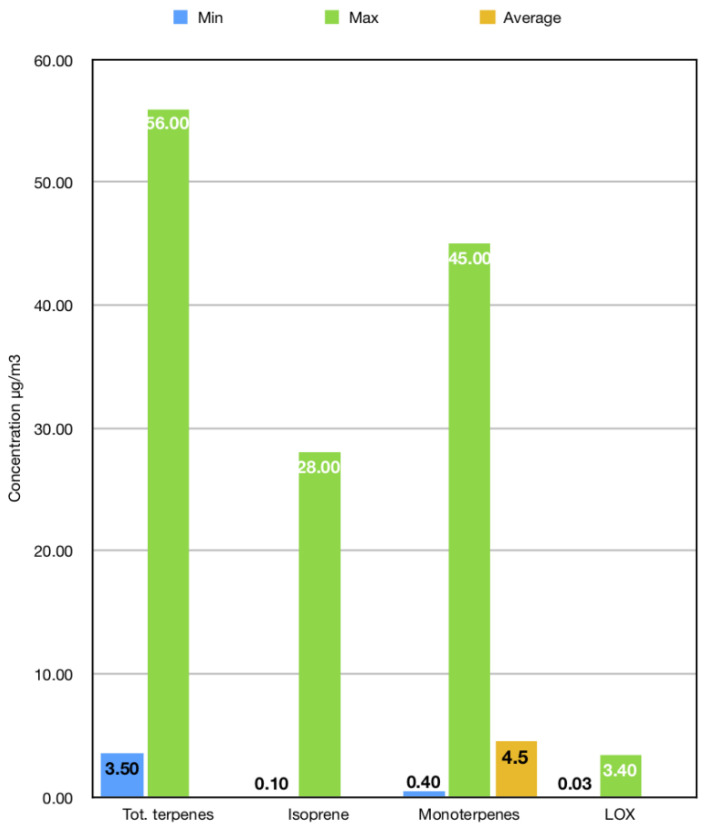
“Specifically, according to Guenther and colleagues [3], isoprene dominates the emissions, with around 50% of the Figure 2.”
BackgroundInfluentialWriting narrative literature reviews for peer-reviewed journals: secrets of the trade
Green, B. N., Johnson, C. D., & Adams, A. (2006) · Journal of Chiropractic Medicine · doi:10.1016/s0899-3467(07)60142-6 · Cited by 2,224 · cited 1×
“General recommendations to improve the quality of narrative reviews were taken into account for better structuring this research [26,27].”
BackgroundMechanisms of plant defense against insect herbivores
War, A. R., Paulraj, M. G., Ahmad, T., Buhroo, A. A., Hussain, B., Ignacimuthu, S., & Sharma, H. C. (2012) · Plant Signaling & Behavior · doi:10.4161/psb.21663 · Cited by 2,180 · cited 2×
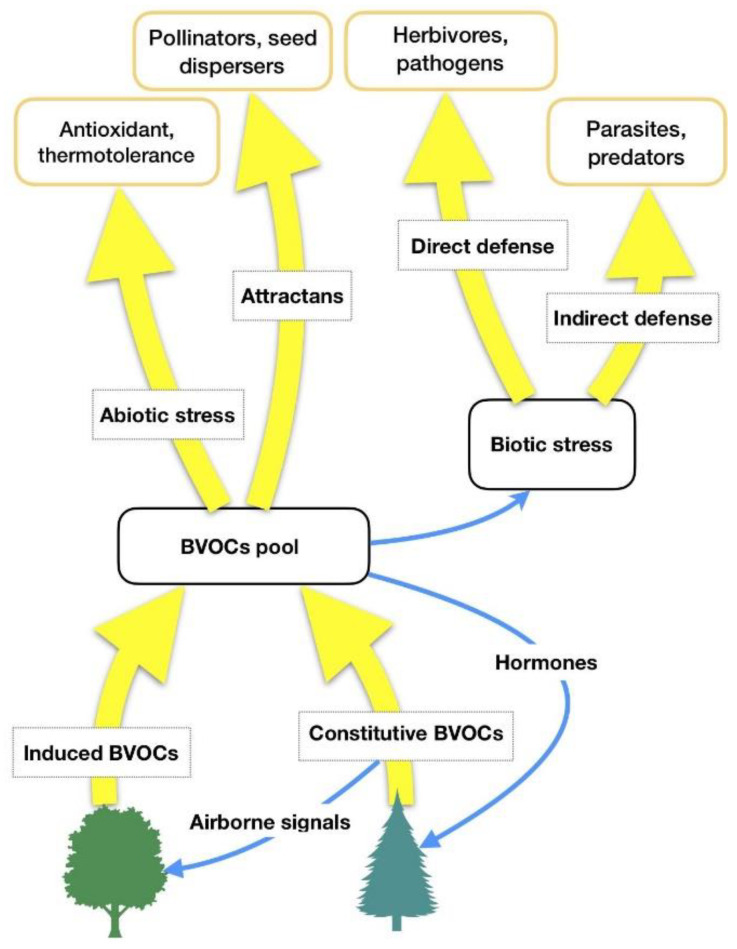
“More than 1000 different BVOCs are released from plant flowers, vegetative parts, or roots [9].”
BackgroundWriting narrative style literature reviews
Ferrari, R. (2015) · Medical Writing · doi:10.1179/2047480615z.000000000329 · Cited by 1,907 · cited 1×
“General recommendations to improve the quality of narrative reviews were taken into account for better structuring this research [26,27].”
BackgroundBiogenic Volatile Organic Compounds (VOC): An Overview on Emission, Physiology and Ecology
Kesselmeier, J., & Staudt, M. (1999) · Journal of Atmospheric Chemistry · doi:10.1023/a:1006127516791 · Cited by 1,879
The health benefits of urban green spaces: a review of the evidence
Lee, A. C. K., & Maheswaran, R. (2011) · Journal of Public Health · doi:10.1093/pubmed/fdq068 · Cited by 1,551
Morbidity is related to a green living environment
Maas, J., Verheij, R. A., de Vries, S., Spreeuwenberg, P., Schellevis, F. G., & Groenewegen, P. P. (2009) · Journal of Epidemiology and Community Health · doi:10.1136/jech.2008.079038 · Cited by 1,133
Biochemistry of Plant Volatiles
Dudareva, N., Pichersky, E., & Gershenzon, J. (2004) · Plant Physiology · doi:10.1104/pp.104.049981 · Cited by 1,128
Abiotic stresses and induced BVOCs
Loreto, F., & Schnitzler, J.-P. (2010) · Trends in Plant Science · doi:10.1016/j.tplants.2009.12.006 · Cited by 1,096 · cited 5×
“Most deciduous species do not hav such structures and release BVOCs directly fro mesophyll cells in a more light- and temperature-dependent manner (in particular, Fagaceae and Salicaceae) [12].”
BackgroundInfluentialBiological Activities of Essential Oils: From Plant Chemoecology to Traditional Healing Systems
Sharifi-Rad, J., Sureda, A., Tenore, G., Daglia, M., Sharifi-Rad, M., Valussi, M., Tundis, R., Sharifi-Rad, M., Loizzo, M., Ademiluyi, A., et al. (2017) · Molecules · doi:10.3390/molecules22010070 · Cited by 889 · cited 3×
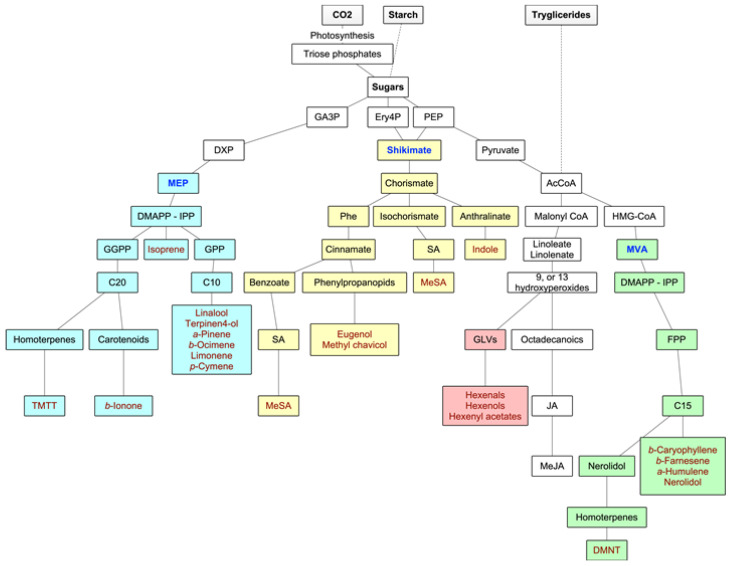
“Hence, MEP-derived IPP or DMAPP need to travel from plastids to the cytosol [17,18].”
BackgroundSelf-citationvan den Berg, M., Wendel-Vos, W., van Poppel, M., Kemper, H., van Mechelen, W., & Maas, J. (2015) · Urban Forestry & Urban Greening · doi:10.1016/j.ufug.2015.07.008 · Cited by 852
Indirect defence via tritrophic interactions
Heil, M. (2008) · New Phytologist · doi:10.1111/j.1469-8137.2007.02330.x · Cited by 755 · cited 3×
“This can be important for the evaluation of biological activities of forest VOCs because the range of biotic-induced compounds is often highly different from that of constitutive ones and can be also different from the abiotic-induced ones [29,30].”
BackgroundTherapeutic Potential of α- and β-Pinene: A Miracle Gift of Nature
Salehi, B., Upadhyay, S., Erdogan Orhan, I., Kumar Jugran, A., L.D. Jayaweera, S., A. Dias, D., Sharopov, F., Taheri, Y., Martins, N., Baghalpour, N., et al. (2019) · Biomolecules · doi:10.3390/biom9110738 · Cited by 696 · cited 3×
“Amongst pharmacological effects of pinenes demonstrated on the basis of preclinical evidence, authors of the previously mentioned review specifically analyzed those relevant to cancer growth, allergies, inflammation, infections, and anxiety [23].”
BackgroundKennedy, D. O., & Wightman, E. L. (2011) · Advances in Nutrition · doi:10.3945/an.110.000117 · Cited by 684
Biogenic volatile organic compounds in the Earth system
Laothawornkitkul, J., Taylor, J. E., Paul, N. D., & Hewitt, C. N. (2009) · New Phytologist · doi:10.1111/j.1469-8137.2009.02859.x · Cited by 673 · cited 12×
“[3,8,42]: highly abundant emissions: ****; abundant emissions: ***; moderately abundant emissions:”
BackgroundInfluentialSoković, M., Glamočlija, J., Marin, P. D., Brkić, D., & Griensven, L. J. L. D. V. (2010) · Molecules · doi:10.3390/molecules15117532 · Cited by 672
Shinrin-Yoku (Forest Bathing) and Nature Therapy: A State-of-the-Art Review
Hansen, M. M., Jones, R., & Tocchini, K. (2017) · International Journal of Environmental Research and Public Health · doi:10.3390/ijerph14080851 · Cited by 652 · cited 1×
“A systematic review on the general effects of forest bathing found that this meditative practice can be associated with positive health benefits, like a reduction in heart rate and blood pressure, increased relaxation, ameliorated general wellbeing, and improvement of depression scores [86], although available evidenc…”
BackgroundWENT, F. W. (1960) · Nature · doi:10.1038/187641a0 · Cited by 425 · cited 5×
“The first estimate of global terpene emissions was 175 millions of tons C/year [1], but more”
BackgroundInfluentialA Review of the Benefits of Nature Experiences: More Than Meets the Eye
Franco, L. S., Shanahan, D. F., & Fuller, R. A. (2017) · International Journal of Environmental Research and Public Health · doi:10.3390/ijerph14080864 · Cited by 411 · cited 2×
“As with all studies about forest bathing, the suggestion that the mechanism for the observed health benefits is due to the inhalation of forest BVOCs must be balanced by the possible role of mediators like other sensory or non-sensory stimulators [63].”
BackgroundA Review of Psychological Literature on the Health and Wellbeing Benefits of Biophilic Design
Gillis, K., & Gatersleben, B. (2015) · Buildings · doi:10.3390/buildings5030948 · Cited by 400
Limonene: Aroma of innovation in health and disease
Vieira, A. J., Beserra, F. P., Souza, M. C., Totti, B. M., & Rozza, A. L. (2018) · Chemico-Biological Interactions · doi:10.1016/j.cbi.2018.02.007 · Cited by 384 · cited 8×
“In a review conducted by Vieira and colleagues, limonene was described as an antioxidant compound with free radical scavenging properties, capable of reducing oxidative stress in diabetic rats and of attenuating oxidative stress not only in murine lymphocytes but also in human epithelial cells and fibroblasts, with ce…”
BackgroundInfluentialPerry, N. S. L., Bollen, C., Perry, E. K., & Ballard, C. (2003) · Pharmacology Biochemistry and Behavior · doi:10.1016/s0091-3057(03)00108-4 · Cited by 383
Physiological Effects of Nature Therapy: A Review of the Research in Japan
Song, C., Ikei, H., & Miyazaki, Y. (2016) · International Journal of Environmental Research and Public Health · doi:10.3390/ijerph13080781 · Cited by 374
Plant volatiles: Production, function and pharmacology
Maffei, M. E., Gertsch, J., & Appendino, G. (2011) · Natural Product Reports · doi:10.1039/c1np00021g · Cited by 369 · cited 7×
“However, the most typical compounds emitted fter biotic stress are the homoterpenes TMTT and DMNT [17].”
BackgroundInfluentialVolatile organic compounds in the atmosphere of forests
Isidorov, V. A., Zenkevich, I. G., & Ioffe, B. V. (1985) · Atmospheric Environment (1967) · doi:10.1016/0004-6981(85)90131-3 · Cited by 355
BVOCs: plant defense against climate warming?
Peñuelas, J. (2003) · Trends in Plant Science · doi:10.1016/s1360-1385(03)00008-6 · Cited by 350 · cited 2×
“Other quantitatively important forests VOCs such as GLVs and acetaldehyde are emitted in quantities of around 260 million tons and show atmospheric concentrations of around 1–3 nmol/mol [11,16].”
BackgroundAnticancer Properties of Essential Oils and Other Natural Products
Blowman, K., Magalhães, M., Lemos, M. F. L., Cabral, C., & Pires, I. M. (2018) · Evidence-Based Complementary and Alternative Medicine · doi:10.1155/2018/3149362 · Cited by 296
Volatile signalling by sesquiterpenes from ectomycorrhizal fungi reprogrammes root architecture
Ditengou, F. A., Müller, A., Rosenkranz, M., Felten, J., Lasok, H., van Doorn, M. M., Legué, V., Palme, K., Schnitzler, J.-P., & Polle, A. (2015) · Nature Communications · doi:10.1038/ncomms7279 · Cited by 290 · cited 1×
“These limits notwithstanding, one study showed that the emission of sesquiterpenes (in particular, (–)-thujopsene) by fungi (Laccaria bicolor) can interact with the ability of Populus trees to develop their root system (in particular, with the proliferation of their lateral roots) [20].”
BackgroundTherapeutic Potential of Volatile Terpenes and Terpenoids from Forests for Inflammatory Diseases
Kim, T., Song, B., Cho, K. S., & Lee, I.-S. (2020) · International Journal of Molecular Sciences · doi:10.3390/ijms21062187 · Cited by 281 · cited 15×
“Furthermore, mitogen-activated protein kinase (MAPK) signal transduction pathways (e.g., JNK and p38) can be inhibited by myrcene, limonene, and borneol [70,71].”
BackgroundInfluentialKim, D.-S., Lee, H.-J., Jeon, Y.-D., Han, Y.-H., Kee, J.-Y., Kim, H.-J., Shin, H.-J., Kang, J., Lee, B. S., Kim, S.-H., et al. (2015) · The American Journal of Chinese Medicine · doi:10.1142/s0192415x15500457 · Cited by 277
Antonelli, M., Barbieri, G., & Donelli, D. (2019) · International Journal of Biometeorology · doi:10.1007/s00484-019-01717-x · Cited by 271 · cited 2×
“and pointed out that, although further research is needed, forest bathing can significantly influence cortisol levels in the short term in such a way as to reduce stress, with anticipated placebo effects playing an important role in this [99].”
BackgroundSelf-citationEffect of Phytoncide from Trees on Human Natural Killer Cell Function
Li, Q., Kobayashi, M., Wakayama, Y., Inagaki, H., Katsumata, M., Hirata, Y., Hirata, K., Shimizu, T., Kawada, T., Park, B. J., et al. (2009) · International Journal of Immunopathology and Pharmacology · doi:10.1177/039463200902200410 · Cited by 270 · cited 2×
“α-pinene also appears to exert moderate antimicrobial [150,151] and immune-modulating effects [61,62].”
BackgroundResultEffects of inhaled Linalool in anxiety, social interaction and aggressive behavior in mice
Linck, V. M., da Silva, A. L., Figueiró, M., Caramão, E. B., Moreno, P. R. H., & Elisabetsky, E. (2010) · Phytomedicine · doi:10.1016/j.phymed.2009.10.002 · Cited by 267 · cited 1×
“Moreover, inhaled linalool and β-pinene have shown anxiolytic [94,95] and antidepressive [96,97] properties in different animal models.”
BackgroundGurgel do Vale, T., Couto Furtado, E., Santos, J. G., & Viana, G. S. B. (2002) · Phytomedicine · doi:10.1078/094471102321621304 · Cited by 262
Handbook of Essential Oils: Science, Technology, and Applications, Second Edition
(2015) · CRC Press eBooks · doi:10.1201/b19393 · Cited by 251
Bioavailability and Pharmacokinetics of Natural Volatile Terpenes in Animals and Humans
Kohlert, C., van Rensen, I., März, R., Schindler, G., Graefe, E. U., & Veit, M. (2000) · Planta Medica · doi:10.1055/s-2000-8616 · Cited by 250
Health and well-being benefits of spending time in forests: systematic review
Oh, B., Lee, K. J., Zaslawski, C., Yeung, A., Rosenthal, D., Larkey, L., & Back, M. (2017) · Environmental Health and Preventive Medicine · doi:10.1186/s12199-017-0677-9 · Cited by 250 · cited 1×
“A systematic review on the general effects of forest bathing found that this meditative practice can be associated with positive health benefits, like a reduction in heart rate and blood pressure, increased relaxation, ameliorated general wellbeing, and improvement of depression scores [86], although available evidenc…”
BackgroundRufino, A. T., Ribeiro, M., Sousa, C., Judas, F., Salgueiro, L., Cavaleiro, C., & Mendes, A. F. (2015) · European Journal of Pharmacology · doi:10.1016/j.ejphar.2015.01.018 · Cited by 227 · cited 8×
“Furthermore, mitogen-activated protein kinase (MAPK) signal transduction pathways (e.g., JNK and p38) can be inhibited by myrcene, limonene, and borneol [70,71].”
BackgroundInfluentialBento, A. F., Marcon, R., Dutra, R. C., Claudino, R. F., Cola, M., Pereira Leite, D. F., & Calixto, J. B. (2011) · The American Journal of Pathology · doi:10.1016/j.ajpath.2010.11.052 · Cited by 224 · cited 1×
“Interestingly, β-caryophyllene has been shown to bind the peripheral receptor for cannabinoids (CB2R) and modulate the immune function [72,73].”
BackgroundD-limonene exhibits antitumor activity by inducing autophagy and apoptosis in lung cancer
Yu, X., Lin, H., Wang, Y., Lv, W., Zhang, S., Qian, Y., Deng, X., Feng, N., Yu, H., & Qian, B. (2018) · OncoTargets and Therapy · doi:10.2147/ott.s155716 · Cited by 218
Rufino, A. T., Ribeiro, M., Judas, F., Salgueiro, L., Lopes, M. C., Cavaleiro, C., & Mendes, A. F. (2014) · Journal of Natural Products · doi:10.1021/np400828x · Cited by 216
VOLATILE ORGANIC MATERIAL OF PLANT ORIGIN IN THE ATMOSPHERE
Rasmussen, R. A., & Went, F. W. (1965) · Proceedings of the National Academy of Sciences · doi:10.1073/pnas.53.1.215 · Cited by 214 · cited 1×
“In two seminal articles [1,2], the Dutch scientist Fritz Went and his colleagues hypothesized that the blue haze observed above many forests was caused at least partially by volatile organic compounds emitted by plants (forest VOCs) and went on to estimate the impact that biogenic emissions have on the global balance…”
BackgroundThe network of plants volatile organic compounds
Vivaldo, G., Masi, E., Taiti, C., Caldarelli, G., & Mancuso, S. (2017) · Scientific Reports · doi:10.1038/s41598-017-10975-x · Cited by 212 · cited 2×
“) [11], thus suggesting that metabolic pathways related to their production have been highly preserved during evolution [14].”
BackgroundYoon, W.-J., Lee, N. H., & Hyun, C.-G. (2010) · Journal of Oleo Science · doi:10.5650/jos.59.415 · Cited by 211
Limonene-induced regression of mammary carcinomas.
Haag, J. D., Lindstrom, M. J., & Gould, M. N. (1992) · PubMed · Cited by 209
Granger, R. E., Campbell, E. L., & Johnston, G. A. R. (2005) · Biochemical Pharmacology · doi:10.1016/j.bcp.2005.01.002 · Cited by 207
Myrcene mimics the peripheral analgesic activity of lemongrass tea
Lorenzetti, B. B., Souza, G. E. P., Sarti, S. J., Santos Filho, D., & Ferreira, S. H. (1991) · Journal of Ethnopharmacology · doi:10.1016/0378-8741(91)90187-i · Cited by 202
Roberto, D., Micucci, P., Sebastian, T., Graciela, F., & Anesini, C. (2010) · Basic & Clinical Pharmacology & Toxicology · doi:10.1111/j.1742-7843.2009.00467.x · Cited by 199
Phase I and pharmacokinetic study of d -limonene in patients with advanced cancer
Vigushin, D. M., Poon, G. K., Boddy, A., English, J., Halbert, G. W., Pagonis, C., Jarman, M., & Coombes, R. C. (1998) · Cancer Chemotherapy and Pharmacology · doi:10.1007/s002800050793 · Cited by 198
Phytoncides (Wood Essential Oils) Induce Human Natural Killer Cell Activity
Li, Q., Nakadai, A., Matsushima, H., Miyazaki, Y., Krensky, A. M., Kawada, T., & Morimoto, K. (2006) · Immunopharmacology and Immunotoxicology · doi:10.1080/08923970600809439 · Cited by 194 · cited 1×
“In any case, only a small number of preclinical studies have investigated the role of total extracts of forest BVOCs: volatile compounds extracted from hinoki wood essential oil have been reported to increase in vitro the natural killer (NK) cell activity by enhancing the expression of cytolytic enzymes [64]; also, an…”
BackgroundBiology, Controls and Models of Tree Volatile Organic Compound Emissions
(2013) · Tree Physiology · doi:10.1007/978-94-007-6606-8 · Cited by 190 · cited 1×
“All plants can potentially synthesize volatile isoprenoids if triggered by abiotic and biotic stress factors, but only some species can do this constitutively [15].”
Yu, L., Yan, J., & Sun, Z. (2017) · Molecular Medicine Reports · doi:10.3892/mmr.2017.6241 · Cited by 189
Helmig, D., Klinger, L. F., Guenther, A., Vierling, L., Geron, C., & Zimmerman, P. (1999) · Chemosphere · doi:10.1016/s0045-6535(98)00425-1 · Cited by 188 · cited 4×
“Studies on emissions from plants after artificial lesions [46,47], or experiments performed using techniques such as branch enclosures, which are likely to produce stress in the plant [48], show the presence of GLVs like cis-3-hexen-1-ol, cis-3-hexenyl acetate, cis-3-hexenyl butyrate, and cis-3hexenyl valerate, althou…”
BackgroundInfluentialMatsuo, A. L., Figueiredo, C. R., Arruda, D. C., Pereira, F. V., Borin Scutti, J. A., Massaoka, M. H., Travassos, L. R., Sartorelli, P., & Lago, J. H. G. (2011) · Biochemical and Biophysical Research Communications · doi:10.1016/j.bbrc.2011.06.176 · Cited by 184
Salvia lavandulaefolia (Spanish Sage) enhances memory in healthy young volunteers
Tildesley, N. T. J., Kennedy, D. O., Perry, E. K., Ballard, C. G., Savelev, S., Wesnes, K. A., & Scholey, A. B. (2003) · Pharmacology Biochemistry and Behavior · doi:10.1016/s0091-3057(03)00122-9 · Cited by 184
Anti-tumor effect of α-pinene on human hepatoma cell lines through inducing G2/M cell cycle arrest
Chen, W., Liu, Y., Li, M., Mao, J., Zhang, L., Huang, R., Jin, X., & Ye, L. (2015) · Journal of Pharmacological Sciences · doi:10.1016/j.jphs.2015.01.008 · Cited by 177
Limonene - a Review: Biosynthetic, Ecological and Pharmacological Relevance
Erasto, P., & Viljoen, A. M. (2008) · Natural Product Communications · doi:10.1177/1934578x0800300728 · Cited by 176
Wattenberg, L. W., & Coccia, J. B. (1991) · Carcinogenesis · doi:10.1093/carcin/12.1.115 · Cited by 176
Where do herbivore-induced plant volatiles go?
Holopainen, J. K., & Blande, J. D. (2013) · Frontiers in Plant Science · doi:10.3389/fpls.2013.00185 · Cited by 173
Brilli, F., Ciccioli, P., Frattoni, M., PRESTININZI, M., Spanedda, A. F., & Loreto, F. (2009) · Plant Cell & Environment · doi:10.1111/j.1365-3040.2009.01948.x · Cited by 172
Linalool and β-pinene exert their antidepressant-like activity through the monoaminergic pathway
Guzmán-Gutiérrez, S. L., Bonilla-Jaime, H., Gómez-Cansino, R., & Reyes-Chilpa, R. (2015) · Life Sciences · doi:10.1016/j.lfs.2015.02.021 · Cited by 170 · cited 1×
“Moreover, inhaled linalool and β-pinene have shown anxiolytic [94,95] and antidepressive [96,97] properties in different animal models.”
BackgroundQuintans‐Júnior, L. J., Moreira, J. C. F., Pasquali, M. A. D. B., Rabie, S. M. S., Pires, A. S., Schröder, R., Rabelo, T. K., dos Santos, J. P. A., Lima, P. S. S., Cavalcanti, S. C. H., et al. (2013) · ISRN Toxicology · doi:10.1155/2013/459530 · Cited by 167
Horváth, B., Mukhopadhyay, P., Kechrid, M., Patel, V., Tanchian, G., Wink, D. A., Gertsch, J., & Pacher, P. (2012) · Free Radical Biology and Medicine · doi:10.1016/j.freeradbiomed.2012.01.014 · Cited by 165 · cited 1×
“Interestingly, β-caryophyllene has been shown to bind the peripheral receptor for cannabinoids (CB2R) and modulate the immune function [72,73].”
BackgroundAntinociceptive Effect of the Monoterpene R-(+)-Limonene in Mice
do Amaral, J. F., Silva, M. I. G., de Aquino Neto, M. R. A., Neto, P. F. T., Moura, B. A., de Melo, C. T. V., de Araújo, F. L. O., de Sousa, D. P., de Vasconcelos, P. F., de Vasconcelos, S. M. M., et al. (2007) · Biological and Pharmaceutical Bulletin · doi:10.1248/bpb.30.1217 · Cited by 158
An Overview on Citrus aurantium L.: Its Functions as Food Ingredient and Therapeutic Agent
Suntar, I., Khan, H., Patel, S., Celano, R., & Rastrelli, L. (2018) · Oxidative Medicine and Cellular Longevity · doi:10.1155/2018/7864269 · Cited by 157
Guzmán‐Gutiérrez, S. L., Gómez‐Cansino, R., García-Zebadúa, J. C., Jiménez-Pérez, N. C., & Reyes‐Chilpa, R. (2012) · Journal of Ethnopharmacology · doi:10.1016/j.jep.2012.07.026 · Cited by 157 · cited 1×
“Moreover, inhaled linalool and β-pinene have shown anxiolytic [94,95] and antidepressive [96,97] properties in different animal models.”
BackgroundLima, N. G. P. B., de Sousa, D. P., Pimenta, F. C. F., Alves, M. F., de Souza, F. S., Macêdo, R. O., Cardoso, R. B., de Morais, L. C. S. L., Diniz, M. D. F. F. M., & de Almeida, R. N. (2012) · Pharmacology Biochemistry and Behavior · doi:10.1016/j.pbb.2012.09.005 · Cited by 151
Anxiolytic-like effects of inhaled linalool oxide in experimental mouse anxiety models
Maior, F. N. S., de Carvalho, F. L., de Morais, L. C. S. L., Netto, S. M., de Sousa, D. P., & de Almeida, R. N. (2011) · Pharmacology Biochemistry and Behavior · doi:10.1016/j.pbb.2011.08.029 · Cited by 150 · cited 1×
“Moreover, inhaled linalool and β-pinene have shown anxiolytic [94,95] and antidepressive [96,97] properties in different animal models.”
BackgroundTholl, D., Sohrabi, R., Huh, J., & Lee, S. (2011) · Phytochemistry · doi:10.1016/j.phytochem.2011.01.019 · Cited by 150 · cited 1×
“DMNT derives from the oxidative degradation of (E)-nerolidol (a C15-alcohol), and TMTT from the oxidative degradation of (E,E)-geranyl linalool (a C20-alcohol) [28].”
BackgroundSabogal-Guáqueta, A. M., Osorio, E., & Cardona-Gómez, G. P. (2016) · Neuropharmacology · doi:10.1016/j.neuropharm.2015.11.002 · Cited by 148 · cited 1×
“Finally, inhibition of neuro-inflammation has been shown in vitro for 1,8-cineole [81] andβ-caryophyllene [82,83] and in in vivo animal models for d-limonene [84] and linalool [85].”
BackgroundScherer, M. M. D. C., Marques, F. M., Figueira, M. M., Peisino, M. C. O., Schmitt, E. F. P., Kondratyuk, T. P., Endringer, D. C., Scherer, R., & Fronza, M. (2019) · Journal of Tissue Viability · doi:10.1016/j.jtv.2019.02.003 · Cited by 141
Chi, G., Wei, M., Xie, X., Soromou, L. W., Liu, F., & Zhao, S. (2012) · Inflammation · doi:10.1007/s10753-012-9571-1 · Cited by 138
In vitro inhibition of CYP2B1 monooxygenase by β-myrcene and other monoterpenoid compounds
De-Oliveira, A. C. A., Pinto, L. F. R., & Paumgartten, F. J. R. (1997) · Toxicology Letters · doi:10.1016/s0378-4274(97)00034-9 · Cited by 138
Girola, N., Figueiredo, C. R., Farias, C. F., Azevedo, R., Ferreira, A. K., Teixeira, S. F., Capello, T. M., Martins, E. G. A., Matsuo, A. L., Travassos, L. R., et al. (2015) · Biochemical and Biophysical Research Communications · doi:10.1016/j.bbrc.2015.10.041 · Cited by 137
Aromatherapy as an Adjuvant Treatment in Cancer Care – A Descriptive Systematic Review
Boehm, K., Büssing, A., & Ostermann, T. (2012) · African Journal of Traditional Complementary and Alternative Medicines · doi:10.4314/ajtcam.v9i4.7 · Cited by 135
Human Breast Tissue Disposition and Bioactivity of Limonene in Women with Early-Stage Breast Cancer
Miller, J. A., Lang, J. E., Ley, M., Nagle, R., Hsu, C.-H., Thompson, P. A., Cordova, C., Waer, A., & Chow, H.-H. S. (2013) · Cancer Prevention Research · doi:10.1158/1940-6207.capr-12-0452 · Cited by 135
Effect of myrcene on nociception in mice
Rao, V. S. N., Menezes, A. M. S., & Viana, G. S. B. (1990) · Journal of Pharmacy and Pharmacology · doi:10.1111/j.2042-7158.1990.tb07046.x · Cited by 132
Rehman, M. U., Tahir, M., Khan, A. Q., Khan, R., Oday-O-Hamiza, Lateef, A., Hassan, S. K., Rashid, S., Ali, N., Zeeshan, M., et al. (2014) · Experimental Biology and Medicine · doi:10.1177/1535370213520112 · Cited by 128
Central nervous system activity of acute administration of isopulegol in mice
Silva, M. I. G., Neto, M. R. D. A., Neto, P. F. T., Moura, B. A., do Amaral, J. F., de Sousa, D. P., Vasconcelos, S. M. M., & de Sousa, F. C. F. (2007) · Pharmacology Biochemistry and Behavior · doi:10.1016/j.pbb.2007.07.015 · Cited by 122
Linalool Inhibits LPS-Induced Inflammation in BV2 Microglia Cells by Activating Nrf2
Li, Y., Lv, O., Zhou, F., Li, Q., Wu, Z., & Zheng, Y. (2015) · Neurochemical Research · doi:10.1007/s11064-015-1629-7 · Cited by 122
1,8-Cineol Attenuates LPS-Induced Acute Pulmonary Inflammation in Mice
Zhao, C., Sun, J., Fang, C., & Tang, F. (2013) · Inflammation · doi:10.1007/s10753-013-9770-4 · Cited by 122
Atmospheric Chemistry in a Changing World
Scholes, M. C., Maatrai, P. A., Andreae, M. O., Smith, K. A., Manning, M. R., Artaxo, P., Barrie, L. A., Bates, T. S., Butler, J. H., Ciccioli, P., et al. (2003) · Global change - the IGBP series · doi:10.1007/978-3-642-18984-5 · Cited by 121
Anti-inflammatory effects of linalool on ovalbumin-induced pulmonary inflammation
Kim, M.-G., Kim, S., Min, J., Kwon, O., Park, M., Park, J., Ahn, H. I., Hwang, J., Oh, S.-R., Lee, J., et al. (2019) · International Immunopharmacology · doi:10.1016/j.intimp.2019.105706 · Cited by 119
Piccinelli, A. C., Radai, J. A. S., Konkiewitz, E. C., Oesterreich, S. A., Formagio, A. S. N., Croda, J., Ziff, E. B., & Kassuya, C. A. L. (2014) · Nutritional Neuroscience · doi:10.1179/1476830514y.0000000119 · Cited by 118
Zhang, L., Yang, Z.-Y., Fan, G., Ren, J., Yin, K., & Pan, S. (2019) · Journal of Agricultural and Food Chemistry · doi:10.1021/acs.jafc.9b00650 · Cited by 118
Porres-Martínez, M., González-Burgos, E., Carretero, M. E., & Gómez-Serranillos, M. P. (2016) · Zeitschrift für Naturforschung C · doi:10.1515/znc-2014-4135 · Cited by 116
Methods in plant foliar volatile organic compounds research
Materić, D., Bruhn, D., Turner, C., Morgan, G., Mason, N. J., & Gauci, V. (2015) · Applications in Plant Sciences · doi:10.3732/apps.1500044 · Cited by 116
Pediculocidal and scabicidal properties of Lippia multiflora essential oil
Oladimeji, F. A., Orafidiya, O. O., Ogunniyi, T. A. B., & Adewunmi, T. A. (2000) · Journal of Ethnopharmacology · doi:10.1016/s0378-8741(00)00229-4 · Cited by 116
Effect of d-limonene on immune response in BALB/c mice with lymphoma
del Toro‐Arreola, S., Flores-Torales, E., Torres-Lozano, C., Toro‐Arreola, A. D., Tostado-Pelayo, K., Ramírez‐Dueñas, M. G., & Daneri‐Navarro, A. (2005) · International Immunopharmacology · doi:10.1016/j.intimp.2004.12.012 · Cited by 115
Khan, A., Vaibhav, K., Javed, H., Tabassum, R., Ahmed, M. E., Khan, M. M., Khan, M. B., Shrivastava, P., Islam, F., Siddiqui, M. S., et al. (2013) · Neurochemical Research · doi:10.1007/s11064-013-1231-9 · Cited by 114 · cited 1×
“Finally, inhibition of neuro-inflammation has been shown in vitro for 1,8-cineole [81] andβ-caryophyllene [82,83] and in in vivo animal models for d-limonene [84] and linalool [85].”
BackgroundCho, J., Chang, H., Lee, S. K., Kim, H.-J., Hwang, J., & Chun, H. S. (2006) · Life Sciences · doi:10.1016/j.lfs.2006.11.038 · Cited by 113
Yang, H., Woo, J., Pae, A. N., Um, M. Y., Cho, N., Park, K. D., Yoon, M., Kim, J., Lee, C. J., & Cho, S. (2016) · Molecular Pharmacology · doi:10.1124/mol.116.105080 · Cited by 113
Strong sesquiterpene emissions from Amazonian soils
Bourtsoukidis, E., Behrendt, T., Yáñez‐Serrano, A. M., Hellén, H., Diamantopoulos, E., Catão, E. C. P., Ashworth, K., Pozzer, A., Quesada, C. A., Lira‐Martins, D., et al. (2018) · Nature Communications · doi:10.1038/s41467-018-04658-y · Cited by 112 · cited 1×
“One research article reported that, in the Amazonian rainforest, soil microorganisms can emit large amounts of sesquiterpenes, and these emissions strongly influence atmospheric chemistry near the soil surface and under the canopy, to an extent comparable with canopy emissions themselves [21].”
GABAA receptor modulation by terpenoids from Sideritis extracts
Kessler, A., Nadeem, H. Ş., Lummis, S. C. R., Weigel, I., Pischetsrieder, M., Buettner, A., & Villmann, C. (2013) · Molecular Nutrition & Food Research · doi:10.1002/mnfr.201300420 · Cited by 110
Falk‐Filipsson, A., Löf, A., Hagberg, M., Hjelm, E. W., & Wang, Z. (1993) · Journal of Toxicology and Environmental Health · doi:10.1080/15287399309531702 · Cited by 109
Evaluation of anti-inflammatory activity of essential oils from two Asteraceae species.
de Souza, M. C., Siani, A. C., Ramos, M. F. D. S., Menezes‐de‐Lima, O., & Henriques, M. D. G. (2003) · PubMed · Cited by 107
Vallianou, I., Peroulis, N., Pantazis, P., & Hadzopoulou-Cladaras, M. (2011) · PLoS ONE · doi:10.1371/journal.pone.0020516 · Cited by 107
Elaissi, A., Rouis, Z., Mabrouk, S., Salah, K. B. H., Aouni, M., Khouja, M. L., Farhat, F., Chemli, R., & Harzallah-Skhiri, F. (2012) · Molecules · doi:10.3390/molecules17033044 · Cited by 107
Unravelling the functions of biogenic volatiles in boreal and temperate forest ecosystems
Šimpraga, M., Ghimire, R. P., Van Der Straeten, D., Blande, J. D., Kasurinen, A., Sorvari, J., Holopainen, T., Adriaenssens, S., Holopainen, J. K., & Kivimäenpää, M. (2019) · European Journal of Forest Research · doi:10.1007/s10342-019-01213-2 · Cited by 107 · cited 5×
“Šimpraga and colleagues reported that there is no similar assessment for temperate and boreal forests, but there are limited data on bacterial VOC profiles (rich in alkenes, alcohols, ketones, and terpenes) and fungal VOC profiles (dominated by alcohols, benzenoids, aldehydes, and ketones) [19].”
BackgroundInfluentialCourtois, E. A., Paine, C. E. T., Blandinières, P.-A., Stien, D., Bessière, J., Houël, E., Baraloto, C., & Chave, J. (2009) · Journal of Chemical Ecology · doi:10.1007/s10886-009-9718-1 · Cited by 106 · cited 4×
“Studies on emissions from plants after artificial lesions [46,47], or experiments performed using techniques such as branch enclosures, which are likely to produce stress in the plant [48], show the presence of GLVs like cis-3-hexen-1-ol, cis-3-hexenyl acetate, cis-3-hexenyl butyrate, and cis-3hexenyl valerate, althou…”
BackgroundInfluentialKennedy, D., Okello, E., Chazot, P., Howes, M.-J., Ohiomokhare, S., Jackson, P., Haskell-Ramsay, C., Khan, J., Forster, J., & Wightman, E. (2018) · Nutrients · doi:10.3390/nu10081029 · Cited by 104
Thomas, A. F., & Bessière, Y. (1989) · Nat. Prod. Rep. · doi:10.1039/np9890600291 · Cited by 104
Porres-Martínez, M., González‐Burgos, E., Carretero, M. E., & Gómez-Serranillos, M. P. (2014) · Pharmaceutical Biology · doi:10.3109/13880209.2014.950672 · Cited by 97
de Almeida, A. A. C., de Carvalho, R. B. F., Silva, O. A., de Sousa, D. P., & de Freitas, R. M. (2014) · Pharmacology Biochemistry and Behavior · doi:10.1016/j.pbb.2014.01.006 · Cited by 96
The therapeutic efficacy of α-pinene in an experimental mouse model of allergic rhinitis
Nam, S., Chung, C., Seo, J., Rah, S., Kim, H., & Jeong, H. (2014) · International Immunopharmacology · doi:10.1016/j.intimp.2014.09.010 · Cited by 94
Guo, K., Mou, X., Huang, J., Xiong, N., & Li, H. (2014) · Journal of Molecular Neuroscience · doi:10.1007/s12031-014-0243-5 · Cited by 94
Much More Than a Pleasant Scent: A Review on Essential Oils Supporting the Immune System
Péterfalvi, Á., Mikó, É., Nagy, T., Réger, B., Simon, D., Miseta, A., Czéh, B., & Szereday, L. (2019) · Molecules · doi:10.3390/molecules24244530 · Cited by 92
Plant Responses to Air Pollution
Saxena, P., & Kulshrestha, U. C. (2016) · Springer eBooks · doi:10.1007/978-981-10-1201-3 · Cited by 88
Efficacy and Tolerability of Myrtol Standardized in Acute Bronchitis
Matthys, H., de Mey, C., Carls, C., Ryś, A., Geib, A., & Wittig, T. (2011) · Arzneimittelforschung · doi:10.1055/s-0031-1300276 · Cited by 87
Khoshnazar, S. M., Bigdeli, M. R., Parvardeh, S., & Pouriran, R. (2019) · Journal of Pharmacy and Pharmacology · doi:10.1111/jphp.13164 · Cited by 85
Differential effects of the aromas of Salvia species on memory and mood
Moss, L., Rouse, M., Wesnes, K. A., & Moss, M. C. (2010) · Human Psychopharmacology Clinical and Experimental · doi:10.1002/hup.1129 · Cited by 81
Shin, M., Liu, Q. F., Choi, B., Shin, C., Lee, B., Yuan, C., Song, Y. J., Yun, H. S., Lee, I.-S., Koo, B.-S., et al. (2020) · Biological and Pharmaceutical Bulletin · doi:10.1248/bpb.b19-00495 · Cited by 80 · cited 1×
“Finally, inhibition of neuro-inflammation has been shown in vitro for 1,8-cineole [81] andβ-caryophyllene [82,83] and in in vivo animal models for d-limonene [84] and linalool [85].”
Backgroundβ-Caryophyllene Attenuates Focal Cerebral Ischemia-Reperfusion Injury by Nrf2/HO-1 Pathway in Rats
Lou, J., Cao, G., Li, R., Liu, J., Dong, Z., & Xu, L. (2016) · Neurochemical Research · doi:10.1007/s11064-016-1826-z · Cited by 80
Monoterpene concentrations in and above a forest of scots pine
Janson, R. W. (1992) · Journal of Atmospheric Chemistry · doi:10.1007/bf00115246 · Cited by 79 · cited 2×
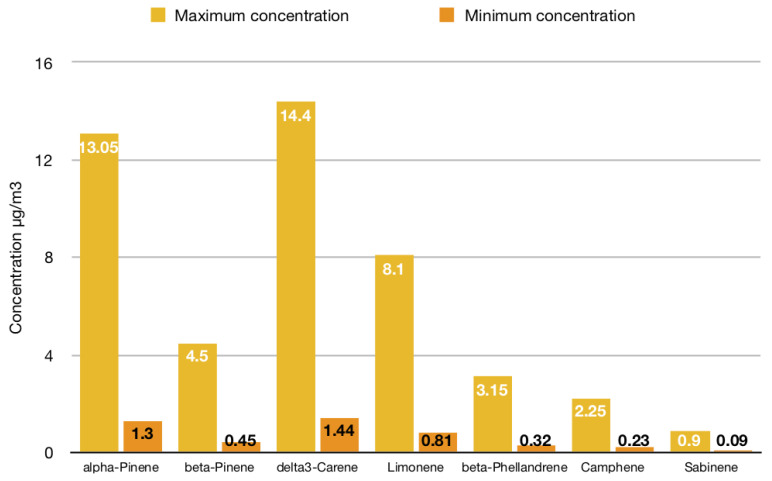
“Atmospheric concentrations of seven monoterpenes under the canopy of a Scots pine forest [44].”
BackgroundControls over monoterpene emissions from boreal forest conifers
Lerdau, M., Litvak, M. E., Palmer, P. T., & Monson, R. K. (1997) · Tree Physiology · doi:10.1093/treephys/17.8-9.563 · Cited by 76 · cited 1×
“In particular, among monoterpenes, limonene and pinene are important for their biological activities even on human subjects [36,58] and, therefore, their health properties have been described in dedicated paragraphs.”
BackgroundHu, Y., Zeng, Z., Wang, B., & Guo, S. (2017) · International Immunopharmacology · doi:10.1016/j.intimp.2017.07.009 · Cited by 75 · cited 1×
“Finally, inhibition of neuro-inflammation has been shown in vitro for 1,8-cineole [81] andβ-caryophyllene [82,83] and in in vivo animal models for d-limonene [84] and linalool [85].”
BackgroundANTINOCICEPTIVE ACTIVITY OF ALPHA-PINENE AND FENCHONE
Him, A., Özbek, H., Türel, İ., & ÖNER, A. C. (2008) · Van Yüzüncü Yıl University Academic Data Management System · Cited by 72
Yoshida, N., Takada, T., Yamamura, Y., Adachi, I., Suzuki, H., & Kawakami, J. (2008) · Drug Metabolism and Disposition · doi:10.1124/dmd.107.019513 · Cited by 70
Daily Inhalation of α‐Pinene in Mice: Effects on Behavior and Organ Accumulation
Satou, T., Kasuya, H., Maeda, K., & Koike, K. (2013) · Phytotherapy Research · doi:10.1002/ptr.5105 · Cited by 69
Siqueira, H. D. S., Neto, B. S., de Sousa, D. P., Gomes, B. D. S., Freitas, F. V. D. S., Cunha, F. V. M., Wanderley, C. W. S., Pinheiro, G., Cândido, A. G. F., Wong, D. V. T., et al. (2016) · Life Sciences · doi:10.1016/j.lfs.2016.07.008 · Cited by 69
Alleviating effects of plant-derived fragrances on stress-induced hyperthermia in rats
Akutsu, H., Kikusui, T., Takeuchi, Y., Sano, K., Hatanaka, A., & Mori, Y. (2002) · Physiology & Behavior · doi:10.1016/s0031-9384(01)00670-9 · Cited by 65
EFFECTS OF PHYTONCIDES ON BLOOD PRESSURE UNDER RESTRAINT STRESS IN SHRSP
Kawakami, K., Kawamoto, M., Nomura, M., Otani, H., Nabika, T., & Gonda, T. (2004) · Clinical and Experimental Pharmacology and Physiology · doi:10.1111/j.1440-1681.2004.04102.x · Cited by 65
Limonene inhalation reduces allergic airway inflammation in Dermatophagoides farinae-treated mice
Hirota, R., Nakamura, H., Bhatti, S. A., Ngatu, N. R., Muzembo, B. A., Dumavibhat, N., Eitoku, M., Sawamura, M., & Suganuma, N. (2012) · Inhalation Toxicology · doi:10.3109/08958378.2012.675528 · Cited by 60
Neuropharmacological activities of phytoncide released from Cryptomeria japonica
Cheng, W.-W., Lin, C., Chu, F., Chang, S., & Wang, S. (2008) · Journal of Wood Science · doi:10.1007/s10086-008-0984-2 · Cited by 58 · cited 1×
“Anxiolytic Antidepressant Sedative ICR mice Elevated plus maze test [90]”
BackgroundSantana, H. S. R., de Carvalho, F. O., Silva, E. R., Santos, N. G. L., Shanmugam, S., Santos, D. N., Wisniewski, J. O., Junior, J. S. C., Nunes, P. S., Araujo, A. A. S., et al. (2020) · Current Pharmaceutical Design · doi:10.2174/1381612826666200320130443 · Cited by 58
Temporal and Spatial Variability of Volatile Organic Compounds in the Forest Atmosphere
Meneguzzo, F., Albanese, L., Bartolini, G., & Zabini, F. (2019) · International Journal of Environmental Research and Public Health · doi:10.3390/ijerph16244915 · Cited by 57 · cited 3×
“In general, beyond differences in tree composition, levels of BVOCs in the forest air exhibit diurnal quali-quantitative variations, with two daily peaks (early in the morning and in the afternoon) [31,32], and these cyclic changes may influence the magnitude and type of potential beneficial effects of their inhalatio…”
BackgroundNoe, S. M., Hüve, K., Niinemets, Ü., & Copolovici, L. O. (2012) · Atmospheric chemistry and physics · doi:10.5194/acp-12-3909-2012 · Cited by 56
Piccinelli, A. C., Morato, P. N., Barbosa, M. D. S., Croda, J., Sampson, J. M., Kong, X., Konkiewitz, E. C., Ziff, E. B., Amaya‐Farfán, J., & Kassuya, C. A. L. (2016) · Life Sciences · doi:10.1016/j.lfs.2016.11.017 · Cited by 56
In vitro assessment of cytogenetic and oxidative effects of α-pinene
Türkez, H., & Aydın, E. (2013) · Toxicology and Industrial Health · doi:10.1177/0748233713498456 · Cited by 55
Buckle, J. (2015) · Elsevier eBooks · doi:10.1016/b978-0-7020-5440-2.00002-4 · Cited by 54
Borneol alleviates oxidative stress via upregulation of Nrf2 and Bcl-2 in SH-SY5Y cells
Hur, J., Pak, S. C., Koo, B., & Jeon, S. (2012) · Pharmaceutical Biology · doi:10.3109/13880209.2012.700718 · Cited by 52
Estimating the emission of volatile organic compounds (VOC) from the French forest ecosystem
Simon, V. (2001) · Atmospheric Environment · doi:10.1016/s1352-2310(00)00565-3 · Cited by 52
The determination of terpenes in forest air
Peters, R. (1994) · Atmospheric Environment · doi:10.1016/1352-2310(94)90393-x · Cited by 51
Cutillas, A.-B., Carrasco, A., Martinez-Gutierrez, R., Tomas, V., & Tudela, J. (2018) · PLOS ONE · doi:10.1371/journal.pone.0190790 · Cited by 50
Tang, X., Guo, X.-H., Geng, D., & Lian-jin, W. (2019) · Environmental Toxicology and Pharmacology · doi:10.1016/j.etap.2019.05.001 · Cited by 50
de Almeida, A. A. C., Silva, R. O., Nicolau, L. A. D., de Brito, T. V., de Sousa, D. P., Barbosa, A. L. D. R., de Freitas, R. M., Lopes, L. D. S., Medeiros, J. V. R., & Ferreira, P. M. P. (2017) · Inflammation · doi:10.1007/s10753-016-0496-y · Cited by 49
Yun, J. (2014) · Phytomedicine · doi:10.1016/j.phymed.2013.12.004 · Cited by 48
Ostan, R., Béné, M. C., Spazzafumo, L., Pinto, A., Donini, L. M., Pryen, F., Charrouf, Z., Valentini, L., Lochs, H. H., Bourdel‐Marchasson, I., et al. (2015) · Clinical Nutrition · doi:10.1016/j.clnu.2015.06.010 · Cited by 47
Seasonal variations in terpene emission factors of dominant species in four ecosystems in NE Spain
Llusià, J., Peñuelas, J., Guenther, A., & Rapparini, F. (2013) · Atmospheric Environment · doi:10.1016/j.atmosenv.2013.01.005 · Cited by 45 · cited 1×
“Evidence from research done on open-field emissions of both conifer and deciduous forests [34–36], and on un-detached leaves or branchlets [30,37], supports these estimates, indicating that, apart from isoprene, the most common and dominant forest VOCs in terms of percentage of the total emissions are monoterpenes suc…”
BackgroundWoo, J., & Lee, C. J. (2020) · Experimental Neurobiology · doi:10.5607/en20013 · Cited by 45 · cited 2×
“Recently, it has been reported that substances derived from pine trees, such as α-pinene and 3-carene, can enhance sleep by acting as a positive modulator for GABA-A-BZD receptors [91].”
BackgroundThe effect of central administration of alpha‐pinene on capsaicin‐induced dental pulp nociception
Rahbar, I., Abbasnejad, M., Haghani, J., Raoof, M., Kooshki, R., & Esmaeili‐Mahani, S. (2018) · International Endodontic Journal · doi:10.1111/iej.13006 · Cited by 45
Durço, A. O., Souza, D. S., Heimfarth, L., Miguel‐dos‐Santos, R., Rabelo, T. K., Barreto, T. D. O., Rhana, P., Santana, M. N. S., Fernandes‐Braga, W., Cruz, J. S., et al. (2019) · Journal of Natural Products · doi:10.1021/acs.jnatprod.9b00523 · Cited by 45
Conifer-Derived Monoterpenes and Forest Walking
Sumitomo, K., Akutsu, H., Fukuyama, S., Minoshima, A., Kukita, S., Yamamura, Y., Sato, Y., Hayasaka, T., Osanai, S., Funakoshi, H., et al. (2015) · Mass Spectrometry · doi:10.5702/massspectrometry.a0042 · Cited by 44 · cited 4×
“In particular, among monoterpenes, limonene and pinene are important for their biological activities even on human subjects [36,58] and, therefore, their health properties have been described in dedicated paragraphs.”
BackgroundInfluentialQuintão, N. L. M., da Silva, G., Antonialli, C. S., Rocha, L. W., Filho, V. C., & Cicció, J. F. (2010) · Planta Medica · doi:10.1055/s-0029-1240891 · Cited by 43
Miller, J. A., Hakim, I. A., Chew, W. M., Thompson, P. A., Thomson, C. A., & Chow, H. ‐. S. (2010) · Nutrition and Cancer · doi:10.1080/01635581003693066 · Cited by 42
Kong, Y., Wang, T., Wang, R., Ma, Y., Song, S., Liu, J., Hu, W., & Li, S. (2017) · Science China Life Sciences · doi:10.1007/s11427-016-9034-8 · Cited by 42
Human metabolism of α-pinene and metabolite kinetics after oral administration
Schmidt, L., & Göen, T. (2015) · Archives of Toxicology · doi:10.1007/s00204-015-1656-9 · Cited by 42 · cited 2×
“Accumulation in the adipose tissue has been demonstrated for some BVOCs like limonene [59], as well as some degree of metabolization for terpenes like pinene [60].”
BackgroundHwang, E., Ngo, H. T. T., Park, B., Seo, S.-A., Yang, J.-E., & Yi, T. (2017) · The American Journal of Chinese Medicine · doi:10.1142/s0192415x17500604 · Cited by 39
Evolutionary patterns of volatile terpene emissions across 202 tropical tree species
Courtois, E. A., Dexter, K. G., Paine, C. E. T., Stien, D., Engel, J., Baraloto, C., & Chave, J. (2016) · Ecology and Evolution · doi:10.1002/ece3.1810 · Cited by 38 · cited 4×
“Studies on emissions from plants after artificial lesions [46,47], or experiments performed using techniques such as branch enclosures, which are likely to produce stress in the plant [48], show the presence of GLVs like cis-3-hexen-1-ol, cis-3-hexenyl acetate, cis-3-hexenyl butyrate, and cis-3hexenyl valerate, althou…”
BackgroundInfluentialBorneol alleviates brain injury in sepsis mice by blocking neuronal effect of endotoxin
Wang, L., Liang, Q., Lin, A., Wu, Y., Min, H., Song, S., Wang, Y., Wang, H., Yi, L., & Gao, Q. (2019) · Life Sciences · doi:10.1016/j.lfs.2019.116647 · Cited by 37 · cited 1×
“, JNK and p38) can be inhibited by myrcene, limonene, and borneol [70,71].”
BackgroundKang, S., Lee, J., Lee, H. C., Petriello, M. C., Kim, B. Y., Tae, J., Lim, D., Lee, H., & Han, S. G. (2016) · Journal of Microbiology and Biotechnology · doi:10.4014/jmb.1510.10070 · Cited by 37 · cited 1×
“In any case, only a small number of preclinical studies have investigated the role of total extracts of forest BVOCs: volatile compounds extracted from hinoki wood essential oil have been reported to increase in vitro the natural killer (NK) cell activity by enhancing the expression of cytolytic enzymes [64]; also, an…”
BackgroundBach, A., Yáñez‐Serrano, A. M., Llusià, J., Filella, I., Maneja, R., & Peñuelas, J. (2020) · International Journal of Environmental Research and Public Health · doi:10.3390/ijerph17124391 · Cited by 35 · cited 2×
“In general, beyond differences in tree composition, levels of BVOCs in the forest air exhibit diurnal quali-quantitative variations, with two daily peaks (early in the morning and in the afternoon) [31,32], and these cyclic changes may influence the magnitude and type of potential beneficial effects of their inhalatio…”
BackgroundThe Effects of Frankincense Essential Oil on Stress in Rats
Okano, S., Honda, Y., Kodama, T., & Kimura, M. (2019) · Journal of Oleo Science · doi:10.5650/jos.ess19114 · Cited by 33
Ueno, H., Shimada, A., Suemitsu, S., Murakami, S., Kitamura, N., Wani, K., Matsumoto, Y., Okamoto, M., & Ishihara, T. (2019) · Evidence-based Complementary and Alternative Medicine · doi:10.1155/2019/2745453 · Cited by 31
Mofikoya, A. O., Miura, K., Ghimire, R. P., Blande, J. D., Kivimäenpää, M., Holopainen, T., & Holopainen, J. K. (2018) · Scientific Reports · doi:10.1038/s41598-018-31084-3 · Cited by 31 · cited 1×
“czerepanovii (mountain birch), the authors found that BVOCs emitted by the understorey vegetation of Rhododendron tomentosum are adsorbed by tree stands growing above them, thus affecting the volatile emission profile of mountain birches [22].”
BackgroundBerliocchi, L., Chiappini, C., Adornetto, A., Gentile, D., Cerri, S., Russo, R., Bagetta, G., & Corasaniti, M. T. (2018) · Phytomedicine · doi:10.1016/j.phymed.2018.01.005 · Cited by 30
Medical dissolution of gallstones
Igimi, H., Tamura, R., Toraishi, K., Yamamoto, F., Kataoka, A., Ikejiri, Y., Hisatsugu, T., & Shimura, H. (1991) · Digestive Diseases and Sciences · doi:10.1007/bf01300757 · Cited by 30
Dietary camphene attenuates hepatic steatosis and insulin resistance in mice
Kim, S., Choi, Y., Choi, S., Choi, Y., & Park, T. (2013) · Obesity · doi:10.1002/oby.20554 · Cited by 29
Characteristics and distribution of terpenes in South Korean forests
Lee, J., Cho, K. S., Jeon, Y., Kim, J. B., Lim, Y., Lee, K., & Lee, I. (2017) · Journal of Ecology and Environment · doi:10.1186/s41610-017-0038-z · Cited by 21
Kusuhara, M., Maruyama, K., Ishii, H., Masuda, Y., Sakurai, K., Tamai, E., & Urakami, K. (2019) · Integrative Cancer Therapies · doi:10.1177/1534735419845139 · Cited by 18
Effects of Plant-derived Odors on Sleep-Wakefulness and Circadian Rhythmicity in Rats
Yamaoka, S. (2005) · Chemical Senses · doi:10.1093/chemse/bjh216 · Cited by 18
Comparison of Phytoncide (monoterpene) Concentration by Type of Recreational Forest
Lee, Y., Woo, J.-S., Choi, S.-R., & Shin, E.-S. (2015) · Korean Journal of Environmental Health Sciences · doi:10.5668/jehs.2015.41.4.241 · Cited by 17
Elaissi, A., Rouis, Z., Mabrouk, S., Salah, K. B. H., Aouni, M., Khouja, M. L., Farhat, F., Chemli, R., & Harzallah‐Skhiri, F. (2021) · Book Publisher International (a part of SCIENCEDOMAIN International) · doi:10.9734/bpi/tipr/v5/7199d · Cited by 15
Kim, L., Galbally, I. E., Porter, N. A., Weeks, I. A., & Lawson, S. J. (2011) · Journal of Atmospheric Chemistry · doi:10.1007/s10874-012-9221-x · Cited by 15 · cited 4×
“Studies on emissions from plants after artificial lesions [46,47], or experiments performed using techniques such as branch enclosures, which are likely to produce stress in the plant [48], show the presence of GLVs like cis-3-hexen-1-ol, cis-3-hexenyl acetate, cis-3-hexenyl butyrate, and cis-3hexenyl valerate, althou…”
BackgroundInfluentialBagetta, G., Cosentino, M., & Sakurada, T. (2015) · CRC Press eBooks · doi:10.1201/b19651 · Cited by 13
Comparison of Major Monoterpene Concentrations in the Ambient Air of South Korea Forests
Oh, G.-Y., Park, G.-H., Kim, I.-S., Bae, J.-S., Park, H.-Y., Seo, Y.-G., Yang, S.-I., Lee, J.-K., Jeong, S.-H., & Lee, W.-J. (2010) · 한국산림과학회지(구 한국임학회지) · Cited by 10
Chen, S.-W., Wu, P.-J., & Chiang, B. (2012) · Journal of Agricultural and Food Chemistry · doi:10.1021/jf302320f · Cited by 6
Ghavami, M. B., & Ahmadi, S. (2017) · Journal of Advances in Medical and Biomedical Research · Cited by 6
Phytoncide – Its Properties and Applications in Practical Use
Nomura, M. (2011) · KARGER eBooks · doi:10.1159/000321956 · Cited by 5 · cited 1×
“Some forest VOCs are also defined as “phytoncides” and this term, first introduced in the last century by the Russian biologist Boris Petrovich Tokin, derives from the combination of two words: “phyton”, which refers to plants and botany in ancient Greek, plus the suffix “cide”, which indicates “killing” or “extermina…”
BackgroundShamanism and the hunters of the Siberian forest: soul, life force, spirit
Hamayon, R. N. (2013) · doi:10.4324/9781315728964.ch22 · Cited by 5
Reading and interpreting reviews for health professionals: a practical review
Antonelli, M., Firenzuoli, F., Salvarani, C., Gensini, G. F., & Donelli, D. (2020) · Internal and Emergency Medicine · doi:10.1007/s11739-020-02334-y · Cited by 4 · cited 1×
“This research work was designed as an overview of the scientific literature with a critical discussion of retrieved evidence [25].”
MethodSelf-citationFactors Affecting Ambient Monoterpene Levels in a Pine Forest
Kim, J.-C., & Kim, K. (2002) · Journal of Environmental Science International · doi:10.5322/jes.2002.11.8.811 · Cited by 1
Research works printed but not linked: 9
- Dyakov Y.T. Dzhavakhiya V.G. Korpela T. Comprehensive and Molecular Phytopathology Elsevier Amsterdam, The Netherlands 2007 9780444521323
- Memari H.R. Pazouki L. Niinemets Ü. The Biochemistry and Molecular Biology of Volatile Messengers in Trees Biology, Controls and Models of Tree Volatile Organic Compound Emissions Niinemets Ü. Monson R.K. Springer Dordrecht, The Netherlands 2013 47 93 9789400766068 · DOI · Paper page
- Rai M. Kon K. Fighting Multidrug Resistance with Herbal Extracts, Essential Oils and Their Components Academic Press Cambridge, MA, USA 2013 9780124017085
- Tisserand R. Young R. Essential Oil Safety: A Guide for Health Care Professionals Churchill Livingstone/Elsevier London, UK 2013 9780443062414
- PubChem Alpha-Pinene Available online: https://pubchem.ncbi.nlm.nih.gov/compound/6654 (accessed on 18 June 2020)
- PubChem Beta-Pinene Available online: https://pubchem.ncbi.nlm.nih.gov/compound/14896 (accessed on 18 June 2020)
- Beyer S.V. Singing to the Plants: A Guide to Mestizo Shamanism in the Upper Amazon UNM Press Albuquerque, NM, USA 2010 9780826347305
- Kotte D. Li Q. Shin W.S. International Handbook of Forest Therapy Cambridge Scholars Publishing Cambridge, UK 2019 9781527541740
- Marcus C.C. Barnes M. Healing Gardens: Therapeutic Benefits and Design Recommendations John Wiley & Sons Hoboken, NJ, USA 1999 9780471192039
Cited by
Mangotra, A., & Singh, S. K. (2024) · Journal of Biotechnology · doi:10.1016/j.jbiotec.2023.12.013 · Cited by 181
Stier-Jarmer, M., Throner, V., Kirschneck, M., Immich, G., Frisch, D., & Schuh, A. (2021) · International Journal of Environmental Research and Public Health · doi:10.3390/ijerph18041770 · Cited by 163
“The authors emphasised that tree composition can significantly influence the concentration of certain VOCs in forest air [50].”
BackgroundShinde, R. S., Khairnar, S. D., Patil, M. R., Adole, V. A., Koli, P. B., Deshmane, V. V., Halwar, D. K., Shinde, R. A., Pawar, T. B., Jagdale, B. S., et al. (2022) · Journal of Inorganic and Organometallic Polymers and Materials · doi:10.1007/s10904-021-02178-9 · Cited by 171
Duan, C.-S., Liao, H., Wang, K., & Ren, Y. (2022) · Environmental Research · doi:10.1016/j.envres.2022.114386 · Cited by 160
Effects of forest bathing (shinrin-yoku) on individual well-being: an umbrella review
Antonelli, M., Donelli, D., Carlone, L., Maggini, V., Firenzuoli, F., & Bedeschi, E. (2021) · International Journal of Environmental Health Research · doi:10.1080/09603123.2021.1919293 · Cited by 136
“…different plant species can release a diverse and variable array of biogenic VOCs into the forest air (Vivaldo et al. 2017; Kigathi et al. 2019; Antonelli et al. 2020a), and various plant shapes and colors can also result in different visual stimulations (Valdez and Mehrabian 1994; Lee et al.…”
BackgroundSelf-citation
Metadata
- Authors
- Antonelli, M., Donelli, D., Barbieri, G., Valussi, M., Maggini, V., & Firenzuoli, F.
- Affiliations
- University of Parma (IT)
- Azienda Sanitaria Unità Locale di Reggio Emilia (IT)
- Binini Partners S.r.l. Engineering and Architecture, 42121 Reggio Emilia RE, Italy
- European Herbal and Traditional Medicine Practitioners Association (EHTPA), Norwich NR3 1HG, UK
- Azienda Ospedaliero-Universitaria Careggi (IT)
- Corresponding author
- Antonelli, Michele
- ORCID
- Venue
- International Journal of Environmental Research and Public Health
- Publisher
- MDPI AG
- Published
- 2020-09-07
- Volume
- 17
- Issue
- 18
- Pages
- 6506
- ISSN
- 1660-4601 (ISSN-L)
- PMC
- PMC7559006
- OpenAlex
- W3083518526
- Cited by
- 237
- References
- 173
- Citations by year
- 2026: 40 · 2025: 45 · 2024: 52 · 2023: 36 · 2022: 40 · 2021: 20 · 2020: 4
- FWCI
- 2.17
- Type
- journal article
- Language
- en
- Open access
- gold
- doi.org
- Licence
- Locations
- International Journal of Environmental Research and Public Health (publishedVersion, cc-by)
- PubMed Central (publishedVersion, cc-by)
- PubMed (publishedVersion)
- RePEc: Research Papers in Economics (submittedVersion)
- DOAJ (DOAJ: Directory of Open Access Journals) (submittedVersion)
- Topics
- Social Sciences › Urban Studies › Urban Green Space and Health
- Physical Sciences › Environmental Science › Health, Toxicology and Mutagenesis › Indoor Air Quality and Microbial Exposure
- Life Sciences › Biochemistry, Genetics and Molecular Biology › Molecular Biology › Plant biochemistry and biosynthesis
- Keywords
- terpenes, limonene, pinene, antioxidant activity, anti-inflammatory activity, cognitive performance, mood, mental fatigue, forest bathing, diurnal variation, tree species composition, multisensory stimulation, visual perception, well-being, landscape design
- MeSH terms
- Air Pollutants, Environmental Health, Environmental Monitoring, Humans, Trees, Volatile Organic Compounds, Forests
About these checks
Registry, retraction, Cites and statistics results are computed, not judged, with one exception: a printed reference that no index lists is read once by a model before it counts as a citation error. Claims are extracted by a model and kept only when their quote appears verbatim in the text; each cited source is then checked, with a model’s help, for whether it says what the claim relies on. Those verdicts can be wrong — read the claim’s quote and the cited source before relying on one.
Statistics and arithmetic are recomputed, not judged.
Confidence bands are shown only for fields calibrated on our annotated test set. None is calibrated yet, so no band is shown.
What counts as a claim ›How we measure confidence ›How we check this ›
Are you an author, or do you see a problem with this page? Request a review
Data sources
Bibliographic data: Semantic Scholar, OpenAlex, Crossref.
Contains information from the Semantic Scholar Academic Graph Datasets, made available under the ODC Attribution License (ODC-BY 1.0).
Semantic Scholar’s data is described in: Kinney, R., et al. (2023). The Semantic Scholar Open Data Platform. arXiv:2301.10140.
