

Occupational Heat Stress: Multi-Country Observations and Interventions
Open accessThe DOI matches its Crossref record; 49 of the 49 references it cites were found in a registry or an index.
Abstract
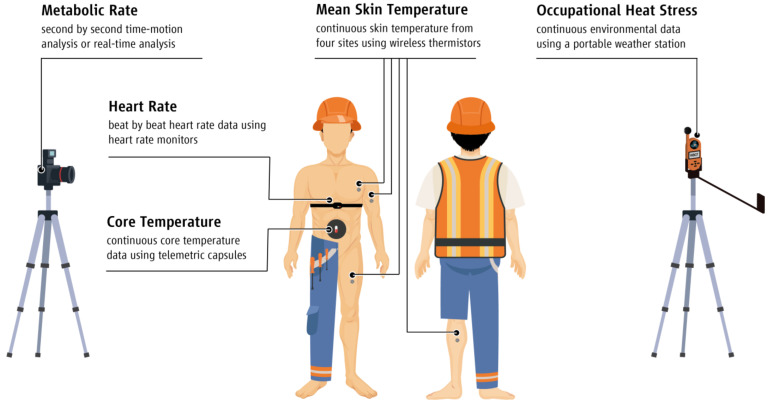
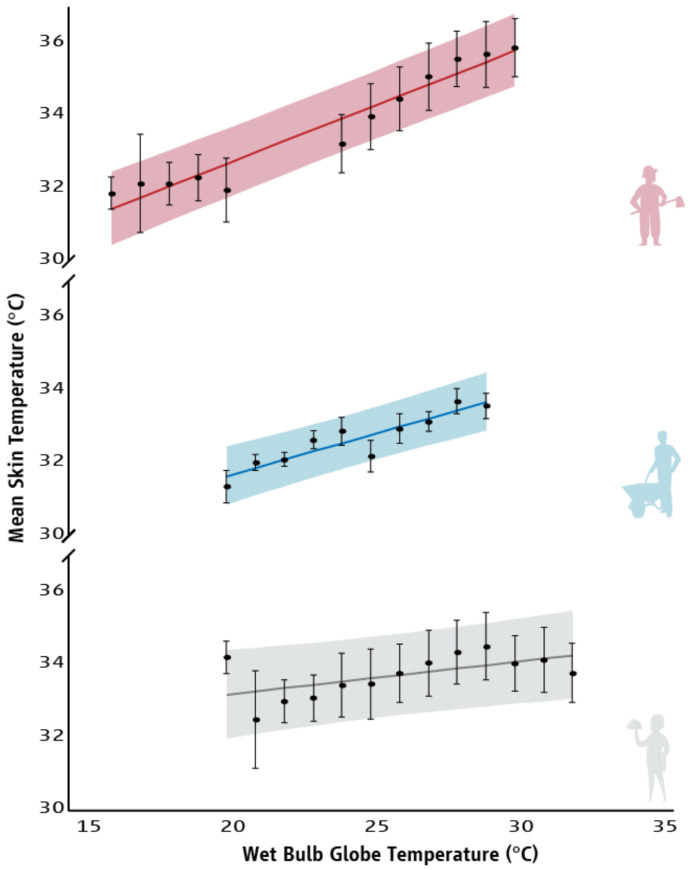
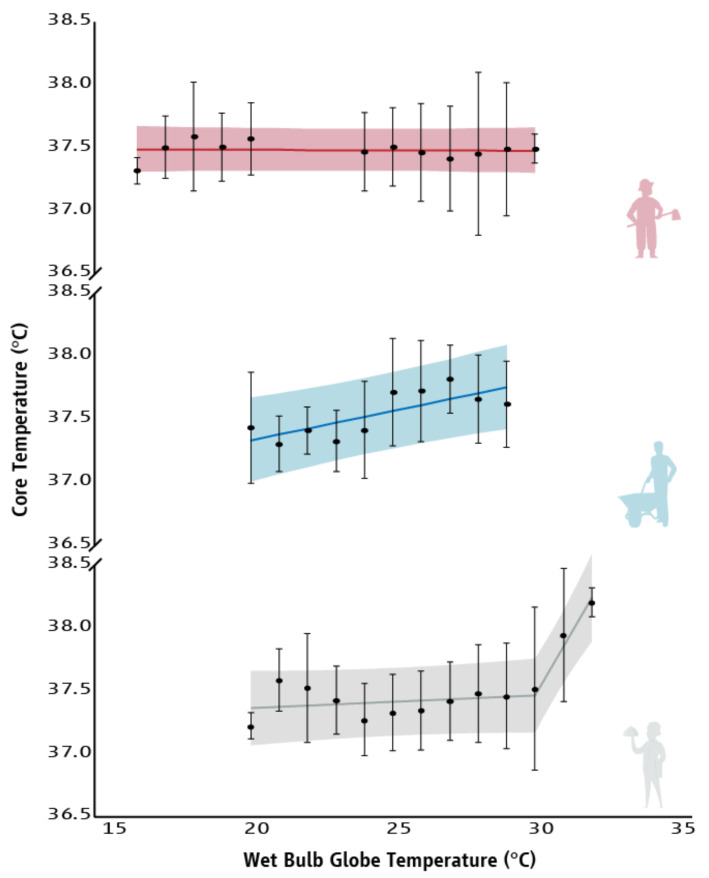
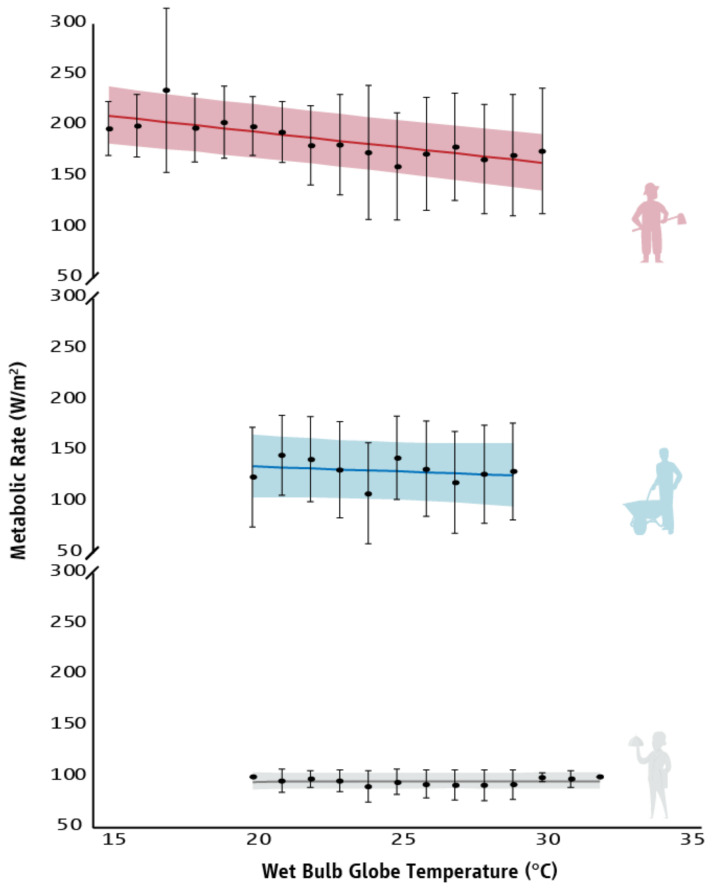
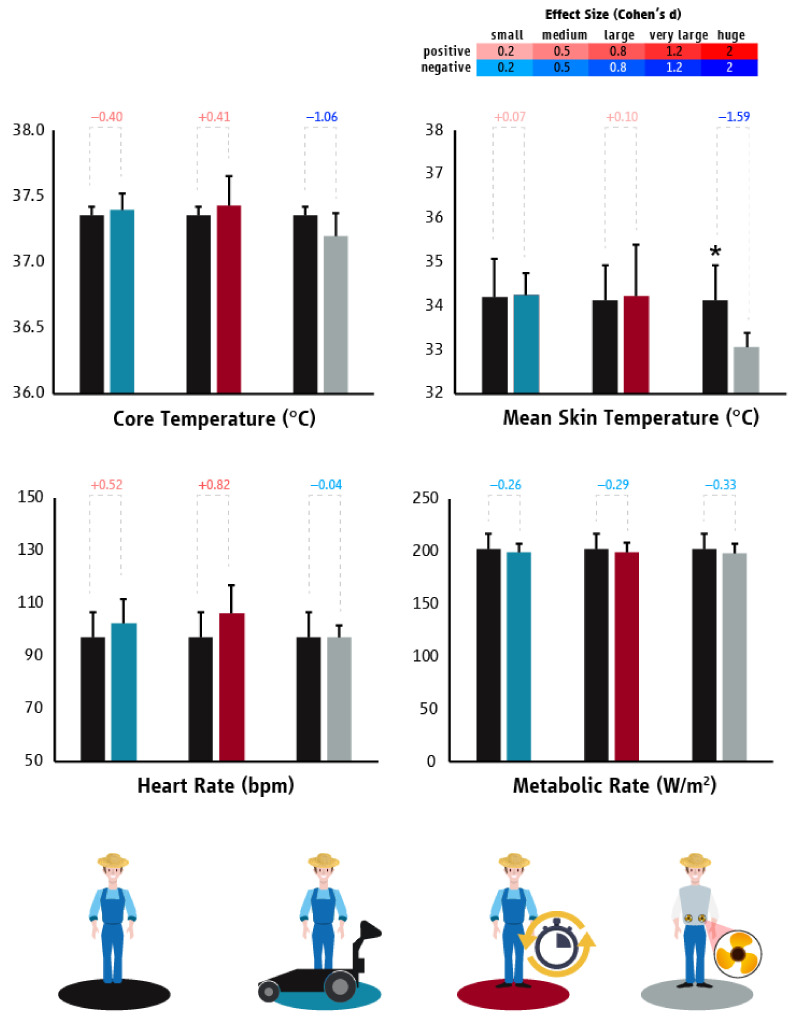
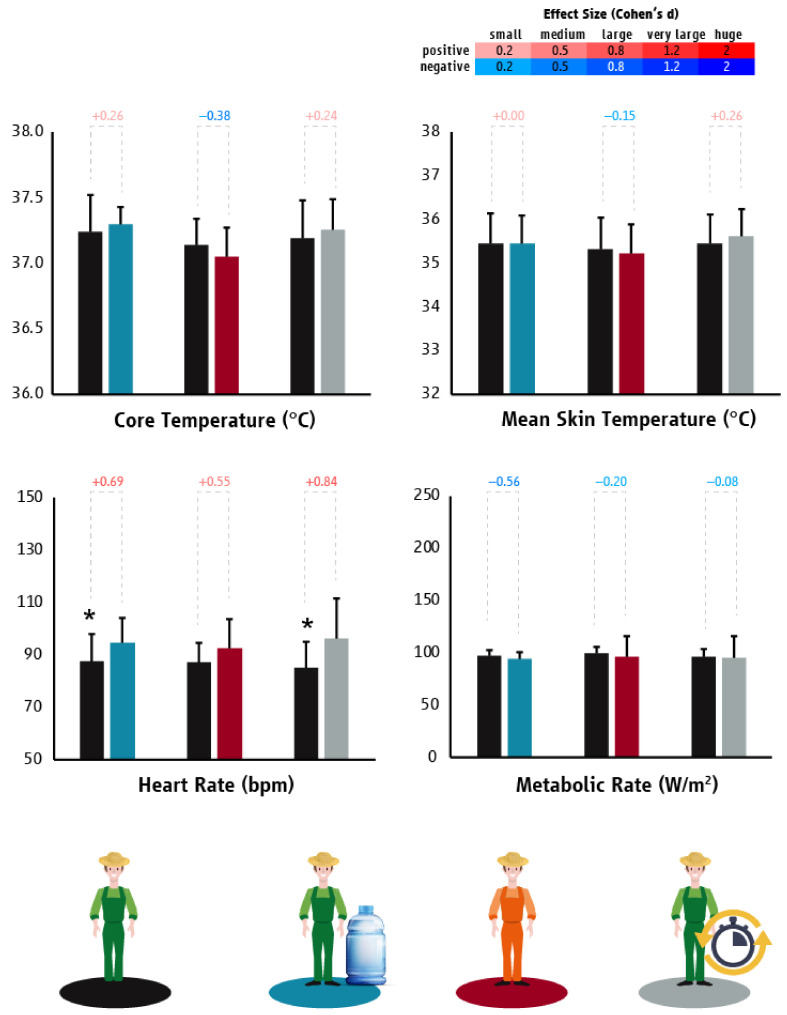
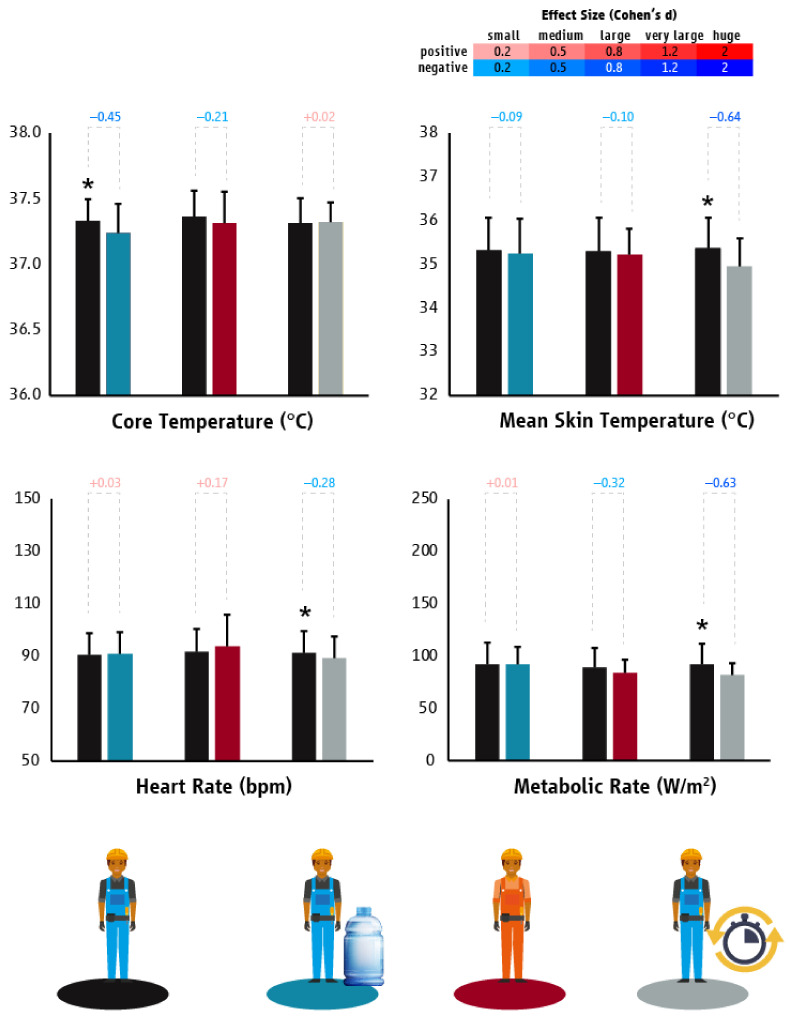
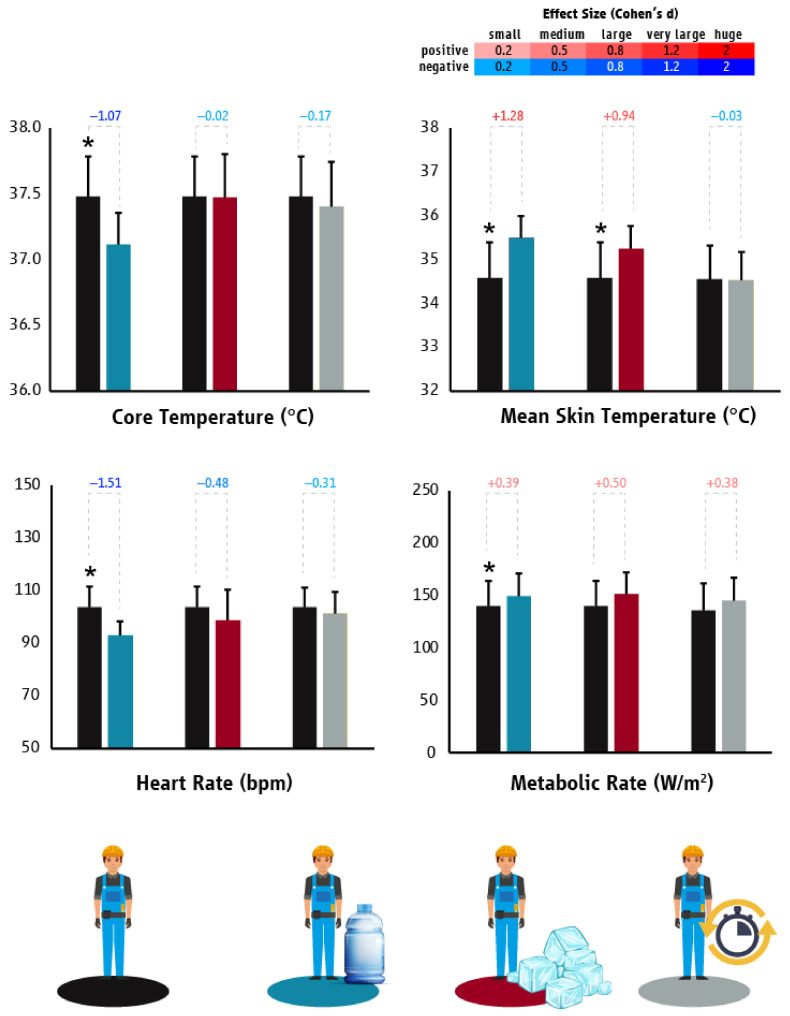
Background: Occupational heat exposure can provoke health problems that increase the risk of certain diseases and affect workers’ ability to maintain healthy and productive lives. This study investigates the effects of occupational heat stress on workers’ physiological strain and labor productivity, as well as examining multiple interventions to mitigate the problem. Methods: We monitored 518 full work-shifts obtained from 238 experienced and acclimatized individuals who work in key industrial sectors located in Cyprus, Greece, Qatar, and Spain. Continuous core body temperature, mean skin temperature, heart rate, and labor productivity were collected from the beginning to the end of all work-shifts. Results: In workplaces where self-pacing is not feasible or very limited, we found that occupational heat stress is associated with the heat strain experienced by workers. Strategies focusing on hydration, work-rest cycles, and ventilated clothing were able to mitigate the physiological heat strain experienced by workers. Increasing mechanization enhanced labor productivity without increasing workers’ physiological strain. Conclusions: Empowering laborers to self-pace is the basis of heat mitigation, while tailored strategies focusing on hydration, work-rest cycles, ventilated garments, and mechanization can further reduce the physiological heat strain experienced by workers under certain conditions.
Overview
The claims and statistics of this paper haven’t been checked yet.
Free: it reads the open-access text and checks the first 5 claims that cite a source we can check. Create a free account to check every claim.
Integrity signals
Registry
Cites
Statistics
Figures
Verification
Claims the paper makes
The claims and statistics of this paper haven’t been checked yet.
Free: it reads the open-access text and checks the first 5 claims that cite a source we can check. Create a free account to check every claim.
Claims other papers make about this one
Each is checked against this paper’s own text: does it say what the citing paper says it does?
The cited source says what the claim attributes to it.
In the citing paper
“This is probably related to the well-described effect of self-pacing that is known to act proactively to avoid an increase in workers’ core body temperature [13,25].”
From The Impacts of Sun Exposure on Worker Physiology and Cognition: Multi-Country Evidence and Interventions (2021) · cites this paper as [25]
The cited source says what the claim attributes to it.
In the citing paper
“While white work coveralls can be effective in reducing the physiological strain during work under the sun, the adoption of other heat mitigation strategies, such as hydration protocols, work–rest cycles for jobs that do not allow for self-pacing, ventilated garments, and mechanization of heavy work, can further reduce the physiological strain experienced by people working manually outdoors [25].”
From The Impacts of Sun Exposure on Worker Physiology and Cognition: Multi-Country Evidence and Interventions (2021) · cites this paper as [25]
Self-check
Percentages, sums and reported differences re-computed from the paper’s own numbers.
The self-check needs the paper’s full text.
Citations
Cites
Correlation Coefficients: Appropriate Use and Interpretation
Schober, P., Boer, C., & Schwarte, L. A. (2018) · Anesthesia & Analgesia · doi:10.1213/ane.0000000000002864 · Cited by 10,986 · cited 1×
“The magnitude of the observed relationships was determined based on previous literature [35].”
MethodPractical Statistics for Medical Research
Altman, D. G. (1990) · doi:10.1201/9780429258589 · Cited by 10,668
2011 Compendium of Physical Activities: A Second Update of Codes and MET Values
AINSWORTH, B. E., HASKELL, W. L., HERRMANN, S. D., MECKES, N., BASSETT, D. R., TUDOR-LOCKE, C., GREER, J. L., VEZINA, J., WHITT-GLOVER, M. C., & LEON, A. S. (2011) · Medicine & Science in Sports & Exercise · doi:10.1249/mss.0b013e31821ece12 · Cited by 6,317
New Effect Size Rules of Thumb
Sawilowsky, S. S. (2009) · Journal of Modern Applied Statistical Methods · doi:10.22237/jmasm/1257035100 · Cited by 3,254
ACSM Position Stand: Exercise and Fluid Replacement
Convertino, V. A., Armstrong, L. E., Coyle, E. F., Mack, G. W., Sawka, M. N., Senay, L. C., & Sherman, W. M. (1996) · Medicine & Science in Sports & Exercise · doi:10.1097/00005768-199610000-00045 · Cited by 1,965
A new weighting system for mean surface temperature of the human body
Ramanathan, N. L. (1964) · Journal of Applied Physiology · doi:10.1152/jappl.1964.19.3.531 · Cited by 1,883
Mora, C., Dousset, B., Caldwell, I. R., Powell, F. E., Geronimo, R. C., Bielecki, C. R., Counsell, C. W. W., Dietrich, B. S., Johnston, E. T., Louis, L. V., et al. (2017) · Nature Climate Change · doi:10.1038/nclimate3322 · Cited by 1,746
American College of Sports Medicine Position Stand: Exercise and Fluid Replacement
Shephard, R. J. (2007) · Yearbook of Sports Medicine · doi:10.1016/s0162-0908(08)70206-x · Cited by 667
Implications of Global Climate Change for Tourism Flows and Seasonality
Amelung, B., Nicholls, S., & Viner, D. (2007) · Journal of Travel Research · doi:10.1177/0047287506295937 · Cited by 599 · cited 1×
“Beyond these obvious cases of occupational heat exposure, climate-dependent industrial sectors such as tourism are likely to experience a lengthening of their summer seasons [11], leading their workers to experience a more prolonged working season in the heat.”
BackgroundFlouris, A. D., Dinas, P. C., Ioannou, L. G., Nybo, L., Havenith, G., Kenny, G. P., & Kjellstrom, T. (2018) · The Lancet Planetary Health · doi:10.1016/s2542-5196(18)30237-7 · Cited by 579 · cited 2×
“Hydration status is of vital importance for workers’ health and well-being, especially during work in the heat [1,6].”
BackgroundSelf-citation
Research works printed but not linked: 1
- American Conference of Governmental Industrial Hygienists (ACGIH) TLVs and BEIs, Threshold Limit Values for Chemical Substances and Physical Agents and Biological Exposure Indices Signature Publications Cincinnati, OH, USA 2012
Cited by
Occupational heat strain in outdoor workers: A comprehensive review and meta-analysis
Ioannou, L. G., Foster, J., Morris, N. B., Piil, J. F., Havenith, G., Mekjavic, I. B., Kenny, G. P., Nybo, L., & Flouris, A. D. (2022) · Temperature · doi:10.1080/23328940.2022.2030634 · Cited by 208
“Andreas Flouris is an Associate Professor at the University of Thessaly, in Greece, and an Adjunct Professor at the University of Ottawa, Canada.”
BackgroundInfluentialSelf-citationImpacts of climate change and heat stress on farmworkers’ health: a scoping review
El Khayat, M., Halwani, D. A., Hneiny, L., Alameddine, I., Haidar, M. A., & Habib, R. R. (2022) · Frontiers in Public Health · doi:10.3389/fpubh.2022.782811 · Cited by 204
“Other measures include various engineering controls including the use of mechanical aids to reduce the levels of physical activity (87, 165).”
BackgroundBonell, A., Sonko, B. J., Badjie, J., Samateh, T., Saidy, T., Sosseh, F., Sallah, Y., Bajo, K., Murray, K. A., Hirst, J. E., et al. (2021) · The Lancet Planetary Health · doi:10.1016/s2542-5196(22)00242-x · Cited by 135
Impact of climate change and heat stress on workers’ health and productivity: A scoping review
Amoadu, M., Ansah, E. W., Sarfo, J. O., & Hormenu, T. (2023) · The Journal of Climate Change and Health · doi:10.1016/j.joclim.2023.100249 · Cited by 163
Ioannou, L. G., Tsoutsoubi, L., Mantzios, K., Gkikas, G., Piil, J. F., Dinas, P. C., Notley, S. R., Kenny, G. P., Nybo, L., & Flouris, A. D. (2021) · International Journal of Environmental Research and Public Health · doi:10.3390/ijerph18147698 · Cited by 91
“While white work coveralls can be effective in reducing the physiological strain during work under the sun, the adoption of other heat mitigation strategies, such as hydration protocols, work–rest cycles for jobs that do not allow for self-pacing, ventilated garments, and mechanization of heavy work, can further reduc…”
BackgroundSelf-citationIndicators to assess physiological heat strain – Part 1: Systematic review
Ioannou, L. G., Mantzios, K., Tsoutsoubi, L., Notley, S. R., Dinas, P. C., Brearley, M. B., Epstein, Y., Havenith, G., Sawka, M. N., Bröde, P., et al. (2022) · Temperature · doi:10.1080/23328940.2022.2037376 · Cited by 84
Self-citationExtreme Heat and Occupational Health Risks
Gibb, K., Beckman, S., Vergara, X. P., Heinzerling, A., & Harrison, R. (2024) · Annual Review of Public Health · doi:10.1146/annurev-publhealth-060222-034715 · Cited by 102
Ioannou, L. G., Tsoutsoubi, L., Mantzios, K., Vliora, M., Nintou, E., Piil, J. F., Notley, S. R., Dinas, P. C., Gourzoulidis, G. A., Havenith, G., et al. (2022) · Temperature · doi:10.1080/23328940.2022.2044739 · Cited by 72
“%) experienced (assessed work was their primary occupation) and acclimatized (i.e., living and working in the area for ≥2 months) workers (Table 1) during one to five work shifts (in total 893 full work shifts) performed in nine countries (Australia, Canada, Cyprus, Denmark, Greece, Qatar, Slovenia, Spain, and the Uni…”
BackgroundResultInfluentialSelf-citationSpencer, S., Samateh, T., Wabnitz, K. J. P., Mayhew, S., Allen, H., & Bonell, A. (2022) · Frontiers in Public Health · doi:10.3389/fpubh.2022.785254 · Cited by 71
Heat stress and adverse pregnancy outcome: Prospective cohort study
Shanmugam, R., Jagadeesh, N. S., Bhuvana, S., Kanmani, S., Hirst, J. E., & Venugopal, V. (2023) · BJOG An International Journal of Obstetrics & Gynaecology · doi:10.1111/1471-0528.17680 · Cited by 56
Spinelli, J. C., Suleski, B. J., Wright, D. E., Grow, J. L., Fagans, G. R., Buckley, M. J., Yang, D. S., Yang, K., Beil, S. M., Wallace, J. C., et al. (2025) · npj Digital Medicine · doi:10.1038/s41746-025-01466-9 · Cited by 44
“Properhydrationisthesinglemostimportant and economically feasible mitigation strategy against occupational heat strain 16 .”
Effects of Temperatures and Heatwaves on Occupational Injuries in the Agricultural Sector in Italy
Blasi, C. D., Marinaccio, A., Gariazzo, C., Taiano, L., Bonafede, M., Leva, A., Morabito, M., Michelozzi, P., de'Donato, F. K., & on behalf of the Worklimate Collaborative Group (2023) · International Journal of Environmental Research and Public Health · doi:10.3390/ijerph20042781 · Cited by 51
Heat stress and the labour force
Dasgupta, S., ROBINSON, E. J. Z., Shayegh, S., Bosello, F., Park, R. J., & Gosling, S. N. (2024) · Nature Reviews Earth & Environment · doi:10.1038/s43017-024-00606-1 · Cited by 63
Karthick, S., Kermanshachi, S., & Pamidimukkala, A. (2022) · Journal of Legal Affairs and Dispute Resolution in Engineering and Construction · doi:10.1061/jladah.ladr-882 · Cited by 44
Guzmán-Echavarría, G., Middel, A., & Vanos, J. (2022) · Temperature · doi:10.1080/23328940.2022.2149024 · Cited by 41
Obe, O. B., Morakinyo, T. E., & Mills, G. M. (2024) · International Journal of Biometeorology · doi:10.1007/s00484-024-02627-3 · Cited by 36
Hunt, A. P., Brearley, M. B., Hall, A., & Pope, R. (2023) · International Journal of Environmental Research and Public Health · doi:10.3390/ijerph20095675 · Cited by 27
“The mechanisation of work tasks may alleviate the physical demands of, and thereby metabolic rates associated with, certain tasks, which may reduce workers’ heat strain [46].”
BackgroundIoannou, L. G., Testa, D. J., Tsoutsoubi, L., Mantzios, K., Gkikas, G., Agaliotis, G., Nybo, L., Babar, Z. R., & Flouris, A. D. (2023) · Journal of Immigrant and Minority Health · doi:10.1007/s10903-023-01493-2 · Cited by 23
“The same video recordings were analyzed on a second-bysecond basis [12, 30], to estimate the amount of time spent on unplanned breaks as well as the work intensity (in W/ m2) of each worker throughout the entire work shift [12, 30].”
BackgroundMethodResultInfluentialSelf-citationEfficacy of cooling vests based on different heat-extraction concepts: The HEAT-SHIELD project
Ciuha, U., Valenčič, T., Ioannou, L. G., & Mekjavić, I. B. (2023) · Journal of Thermal Biology · doi:10.1016/j.jtherbio.2022.103442 · Cited by 27
Self-citationIndicators to assess physiological heat strain – Part 2: Delphi exercise
Ioannou, L. G., Dinas, P. C., Notley, S. R., Gofa, F., Gourzoulidis, G. A., Brearley, M. B., Epstein, Y., Havenith, G., Sawka, M. N., Bröde, P., et al. (2022) · Temperature · doi:10.1080/23328940.2022.2044738 · Cited by 20
“productivity [1,3,4,6], and it is projected to worsen with the ongoing global warming [9].”
BackgroundSelf-citationShishavan, H. H., Garza, J. L. B., Henning, R. A., Cherniack, M. C., Hirabayashi, L., Scott, E., & Kim, I.-S. (2022) · Applied Ergonomics · doi:10.1016/j.apergo.2022.103937 · Cited by 24
Notley, S. R., Mitchell, D., & Taylor, N. A. S. (2023) · European Journal of Applied Physiology · doi:10.1007/s00421-023-05276-3 · Cited by 21
Performance research of portable thermoelectric cooling garment under different working conditions
Li, Z., Yuan, T., Hu, P., Jia, Q., Wang, Q., & Xu, Y. (2023) · International Journal of Refrigeration · doi:10.1016/j.ijrefrig.2023.01.010 · Cited by 21
Quantitative Comparison of Personal Cooling Garments in Performance and Design: A Review
Zhou, Y., Lou, L., & Fan, J. (2023) · Processes · doi:10.3390/pr11102976 · Cited by 19
Spatiotemporal characterization of heatwave exposure across historically vulnerable communities
Bhattarai, S., Bista, S., Sharma, S., White, L. D., Amini, F., & Talchabhadel, R. (2024) · Scientific Reports · doi:10.1038/s41598-024-71704-9 · Cited by 19
“Heat waves also pose significant health risks, especially for vulnerable populations like older adults, those with underlying medical conditions such as asthma 79,80 , and outdoor workers 81,82 .”
BackgroundThe Impact of Workplace Heat and Cold on Work Time Loss
Ioannou, L. G., Tsoutsoubi, L., Mantzios, K., Gkikas, G., Agaliotis, G., Koutedakis, Y., García-León, D., Havenith, G., Liang, J., Arkolakis, C., et al. (2025) · Journal of Occupational and Environmental Medicine · doi:10.1097/jom.0000000000003332 · Cited by 18
Self-citationComparison of Slate Safety Wearable Device to Ingestible Pill and Wearable Heart Rate Monitor
Callihan, M., Cole, H. S., Stokley, H., Gunter, J., Clamp, K., Martin, A., & Doherty, H. (2023) · Sensors · doi:10.3390/s23020877 · Cited by 17
“Given the impact of increased temperatures within the various climates worldwide, we must have the means to monitor the effects of heat on workers [7].”
BackgroundThe usability of ClimApp: A personalized thermal stress warning tool
Eggeling, J., Rydenfält, C., Kingma, B., Toftum, J., & Gao, C. (2022) · Climate Services · doi:10.1016/j.cliser.2022.100310 · Cited by 17
Self-citationHealth and social needs of migrant construction workers for big sporting events
Onarheim, K. H., Phua, K. H., Babar, Z. R., Flouris, A. D., & Hargreaves, S. (2021) · BMJ · doi:10.1136/bmj.n1591 · Cited by 20
Self-citationBonell, A., Nadjm, B., Samateh, T., Badjie, J., Perry-Thomas, R., Forrest, K., Prentice, A. M., & Maxwell, N. (2021) · Frontiers in Public Health · doi:10.3389/fpubh.2021.712481 · Cited by 14
Flouris, A. D., Babar, Z. R., Ioannou, L. G., Onarheim, K. H., Phua, K. H., & Hargreaves, S. (2021) · BMJ · doi:10.1136/bmj.n1615 · Cited by 13
Self-citationTokizawa, K. (2023) · Frontiers in Physiology · doi:10.3389/fphys.2023.1122504 · Cited by 13
“Future research should consider investigating whether strategies to supplement sweat production and ventilation garments can effectively mitigate thermal strain in real occupational fields of observational and intervention studies (Ioannou et al., 2021).”
BackgroundHeat and health of occupational workers: a short summary of literature
Sai Venkata Sarath Chandra, N., & Xu, Z. (2024) · Journal of Occupational Health · doi:10.1093/joccuh/uiae018 · Cited by 23
“49 Heat monitoring at workplaces in hot tropical countries, providing shade for outdoor workers, reduction in work intensity, heat protection advice for workers in local languages, and access to clean drinking water are important to reduce occupational heat stress.”
BackgroundFlouris, A. D., Ioannou, L. G., Notley, S. R., & Kenny, G. P. (2021) · Journal of Occupational and Environmental Hygiene · doi:10.1080/15459624.2021.2001475 · Cited by 12
“In addition, radiant heat sources such as the sun, worksite vehicles, and mechanized equipment can contribute substantially to environmental heat stress (Piil et al. 2020; Ioannou et al. 2021c).”
BackgroundMethodResultSelf-citationHydration Status in Men Working in Different Thermal Environments: A Pilot Study
Orysiak, J., Młynarczyk, M., & Tomaszewski, P. (2022) · International Journal of Environmental Research and Public Health · doi:10.3390/ijerph19095627 · Cited by 22
“It was suggested that maintaining good hydration status may be a simple and economical strategy to prevent occupational heat stress [3,31].”
BackgroundWork–rest regimens for work in hot environments: A scoping review
Deshayes, T. A., Hsouna, H., Braham, M. A. A., Arvisais, D., Pageaux, B., Ouellet, C., Jay, O., Maso, F. D., Begon, M., Saïdi, A., et al. (2024) · American Journal of Industrial Medicine · doi:10.1002/ajim.23569 · Cited by 19
Exploring Intervention Strategies to Prevent Occupational Heat Stress. A Scoping Review
Khorshid, S., & Song, S. (2025) · Safety and Health at Work · doi:10.1016/j.shaw.2025.03.005 · Cited by 17
Rînjea, C., Chivu, O. R., Darabont, D. C., Feier, A. I., Borda, C., Gheorghe, M., & Niţoi, D. F. (2022) · International Journal of Environmental Research and Public Health · doi:10.3390/ijerph19148572 · Cited by 11
“Occupational thermal stress, determined by an improper thermal environment, could lead to a higher risk of diseases and health problems, reduces employees’ work capacity and lowers productivity output [3].”
BackgroundEvaluation of Health Care Costs for Workers in Extreme Weather Conditions
Karthick, S., Kermanshachi, S., & Pamidimukkala, A. (2022) · ASCE International Conference on Transportation and Development (ICTD) · doi:10.1061/9780784484340.026 · Cited by 11
Tetzlaff, E. J., Ioannou, L. G., O’Connor, F. K., Καλτσάτου, Α., Ly, V., & Kenny, G. P. (2024) · American Journal of Industrial Medicine · doi:10.1002/ajim.23672 · Cited by 17
Self-citationTeyton, A., Bailey, J., Luo, E., Ajaj, R., Raymond, C., Tuholske, C. P., & Benmarhnia, T. (2025) · GeoHealth · doi:10.1029/2024gh001277 · Cited by 14
“Furthermore, occupational heat‐ related injuries have occurred for workers within the region, as limited heat adaptation strategies for workers are imposed (Ioannou et al., 2021).”
Ioannou, L. G., Ciuha, U., Fisher, J. T., Tsoutsoubi, L., Tobita, K., Bonell, A., Cotter, J. D., Kenny, G. P., Flouris, A. D., & Mekjavić, I. B. (2023) · Applied Sciences · doi:10.3390/app13158561 · Cited by 10
Self-citationUse of Thermoregulatory Models to Evaluate Heat Stress in Industrial Environments
Yermakova, I. I., Potter, A. W., Raimundo, A. M., Xu, X., Hancock, J. W., & Oliveira, A. V. M. (2022) · International Journal of Environmental Research and Public Health · doi:10.3390/ijerph19137950 · Cited by 16
Exploring on the prediction model of human skin temperature and rectal temperature under heat stress
Li, Y., Yao, R., Zhang, H., & Du, C. (2024) · Building and Environment · doi:10.1016/j.buildenv.2024.111373 · Cited by 11
Bera, M., & Nag, P. K. (2025) · Theoretical and Applied Climatology · doi:10.1007/s00704-025-05922-0 · Cited by 11
Uchiyama, K., King, J., Wallman, K. E., Taggart, S. M., Dugan, C., & Girard, O. (2022) · European Journal of Applied Physiology · doi:10.1007/s00421-022-04979-3 · Cited by 12
“Studies assessing the efficacy of interventions designed to minimise the deleterious consequences of heat stress in outdoor mine workers are scarce (Ioannou et al. 2021).”
BackgroundCardiovascular responses to orthostasis during a simulated 3-day heatwave
Fisher, J. T., Ciuha, U., Ioannou, L. G., Simpson, L. L., Possnig, C., Lawley, J. S., & Mekjavić, I. B. (2022) · Scientific Reports · doi:10.1038/s41598-022-24216-3 · Cited by 10
Self-citationDing, R., Wang, Y., Yu, Y., Meng, X., Gong, Q., Tang, Y., Wang, J., Mu, X., Li, H., Zhou, H., et al. (2025) · Environmental Health Perspectives · doi:10.1289/ehp14172 · Cited by 11
“56,62 Perfect OHI preventive programs will e ff ectively reduce the OHI risk among outdoor workers in the increasingly hot work environment in the future.”
Exploring the Applicability of Physiological Monitoring to Manage Physical Fatigue in Firefighters
Bustos, D., Cardoso, R., Carvalho, D., Guedes, J. C., Vaz, M. A. P., Costa, J. T., Baptista, J. S., & Fernandes, R. J. (2023) · Sensors · doi:10.3390/s23115127 · Cited by 7
“Furthermore, core body temperature was considered since it has also been found to be strongly related to time to exhaustion during exercise [40], and recent reviews have addressed its applicability within some occupational environments [6,41].”
BackgroundComprehensive evaluation framework for intervention on health effects of ambient temperature
Wang, J., Wang, P., Liu, B., Kinney, P. L., Huang, L., & Chen, K. (2024) · Eco-Environment & Health · doi:10.1016/j.eehl.2024.01.004 · Cited by 10
Ngajilo, D., Adams, S., Baatjies, R., & Jeebhay, M. F. (2024) · Journal of Agromedicine · doi:10.1080/1059924x.2024.2407986 · Cited by 7
“47”
Glutamine Supplementation: A Possible Strategy to Help Mitigate Health Risks of Heat‐Related Illness
Zuhl, M., Specht, J. W., Beatty, S., & Mermier, C. M. (2024) · Journal of Nutrition and Metabolism · doi:10.1155/jnme/1638244 · Cited by 7
Physiological strain in outdoor workers: The hidden danger of high humidity
Isaac, T. S., Ranjith, S., Latha, P. K., Shanmugam, R., & Venugopal, V. (2025) · Environmental Research · doi:10.1016/j.envres.2025.121495 · Cited by 12
Nowrouzi‐Kia, B., Choi, C., Premji, R., Sathananthan, A., Balakrishnar, K., Haritos, A. M., Long, B.-Z. S., Mazur, M., & Bani‐Fatemi, A. (2026) · PLOS Global Public Health · doi:10.1371/journal.pgph.0005888 · Cited by 11
“This aligns with the prevailing consensus in the literature, underscoring the need for targeted strategies to enhance hydration levels and manage heat stress effectively [89–91].”
Empirical adaption of Work/Rest schedules to physiological variability in heat response
Oh, J., Chung, F., Koo, C., Castro‐Lacouture, D., & Ashuri, B. (2024) · Safety Science · doi:10.1016/j.ssci.2024.106574 · Cited by 12
Heat exposure and occupational health
Pisaniello, D., & Corleto, R. D. (2022) · Elsevier eBooks · doi:10.1016/b978-0-12-819080-7.00004-5 · Cited by 7
Predicting Deep Body Temperature (Tb) from Forehead Skin Temperature: Tb or Not Tb?
Fisher, J. T., Ciuha, U., Tipton, M., Ioannou, L. G., & Mekjavić, I. B. (2022) · Sensors · doi:10.3390/s22030826 · Cited by 7
“The countermeasures include the availability of cold drinking water, cool and ventilated rooms during rest breaks, and cooling vests [7].”
BackgroundSelf-citationHydration of Workers in Thermal Environments—Practical Recommendation
Orysiak, J., Młynarczyk, M., Bugajska, J., & Łastowiecka-Moras, E. (2025) · Nutrients · doi:10.3390/nu18010064 · Cited by 8
“This hydration strategy also resulted in a significantly reduced core temperature, but there was no effect on labor effort [12].”
An IoT-based heat stress management system for the construction industry
Edirisinghe, R. K., & Gunathilake, L. (2024) · Engineering Construction & Architectural Management · doi:10.1108/ecam-06-2024-0813 · Cited by 9
Ioannou, L. G., Tsoutsoubi, L., Mantzios, K., Ciuha, U., Kenny, G. P., Nybo, L., Flouris, A. D., & Mekjavić, I. B. (2024) · Applied Physiology, Nutrition, and Metabolism · doi:10.1139/apnm-2024-0105 · Cited by 6
Self-citationAssociation of occupational heat exposure and colorectal cancer in the MCC-Spain study
Hinchliffe, A., Kogevinas, M., Molina, A. J., Moreno, V. R., Aragonés, N., Castaño‐Vinyals, G., Jiménez‐Moleón, J. J., Gómez‐Acebo, I., Ederra, M., Amiano, P., et al. (2023) · Scandinavian Journal of Work Environment & Health · doi:10.5271/sjweh.4082 · Cited by 5
“In many occupations, heat exposures are common ( 6).”
BackgroundBrink, N. B., Mansoor, K., Swiers, J., Lakhoo, D. P., Parker, C., Nakstad, B., Sawry, S., Aunan, K., Otto, I. M., & Chersich, M. (2024) · International Journal of Environmental Research and Public Health · doi:10.3390/ijerph21121565 · Cited by 8
Tetzlaff, E. J., Kirby, N. V., Ioannou, L. G., Meade, R. D., O’Connor, F. K., Flouris, A. D., & Kenny, G. P. (2025) · Journal of Occupational and Environmental Hygiene · doi:10.1080/15459624.2025.2449947 · Cited by 3
“…and in related plants (e.g., smelters, mills) can experience substantial heat stress in the form of high ambient temperatures, elevated humidity, and exposure to radiant heat sources, such as the sun and mechanized equipment (Piil et al. 2020; Flouris et al. 2021; Ioannou, Tsoutsoubi, et al. 2021).”
Self-citationHeat Strain Evaluation of Power Grid Outdoor Workers Based on a Human Bioheat Model
Li, L., Sun, B., Hu, Z., Zhang, J., Gao, S., Bian, H., & Wu, J. (2022) · International Journal of Environmental Research and Public Health · doi:10.3390/ijerph19137843 · Cited by 4
Morrissey, M. C., Langan, S. P., Brewer, G. J., Struder, J. F., Navarro, J. S., Nye, M., & Casa, D. J. (2023) · American Journal of Industrial Medicine · doi:10.1002/ajim.23462 · Cited by 5
Heat waves and health crises: The unseen threat of heat stress on multiple organ systems
Jaswal, P., Rana, D., Chaudhary, R., Basu, J., Bansal, N., Gupta, S., & Bansal, S. (2026) · Journal of Thermal Biology · doi:10.1016/j.jtherbio.2026.104375 · Cited by 3
Zhao, Y., Xu, Q., Wu, X., Song, Y., Yang, X., & Liu, W. (2026) · Building Simulation · doi:10.1007/s12273-026-1422-3 · Cited by 2
“Theoretically, the combined high-temperature and thermal radiation environment may pose a more significant risk to work efficiency and safety compared to high temperature alone (Vangelova et al. 2006; Dang and Dowell 2014; Ioannou et al. 2021a; Kimmich et al. 2025).”
Mezőgazdaság és foglalkoztatás a klímaváltozás szorításában
Koós, B., Kovács, K., Váradi, M. M., & Hamza, E. (2025) · Tér és Társadalom · doi:10.17649/tet.38.4.3607 · Cited by 2
Anggraini, M. T. (2022) · Jurnal Ilmiah Kesehatan · doi:10.33221/jikes.v21i2.1706 · Cited by 21
Bonell, A., Sonko, B. J., Badjie, J., Samateh, T., Saidy, T., Sosseh, F., Sallah, Y., Bajo, K., Murray, K. A., Hirst, J. E., et al. (2021) · SSRN Electronic Journal · doi:10.2139/ssrn.3965382 · Cited by 2
Ciuha, U., Podgornik, S., Fisher, J. T., Marolt, B., & Mekjavić, I. B. (2024) · Journal of Thermal Biology · doi:10.1016/j.jtherbio.2024.104014 · Cited by 3
Kaufman, C. E., Morrissey, M. C., Marcelino, M., & Casa, D. J. (2025) · American Journal of Industrial Medicine · doi:10.1002/ajim.23734 · Cited by 4
Georgievska, M., Odhiambo, S. A., Copot, C., Malengier, B., Langenhove, L. V., & Wullens, H. (2025) · Journal of Industrial Textiles · doi:10.1177/15280837251349943 · Cited by 2
“6,18,19 Due to limitations described later in Limitations, this sample size was not reached so the focus in this study is on observed trends in subjects.”
Investigating the impact of dehydration and hydration on In-Vivo hip soft tissue biomechanics
Khorami, F., Foroutan, Y., & Sparrey, C. J. (2025) · PLoS ONE · doi:10.1371/journal.pone.0328054 · Cited by 2
The impact of work intensity on scaffolding workers’ safety
Szer, I., Lipecki, T., & Szer, J. (2025) · Safety Science · doi:10.1016/j.ssci.2025.107013 · Cited by 1
Heat stress and neurological biomarkers in outdoor workers: a cross-sectional observational study
Stufano, A., Plantone, D., Ravallese, R., Sacino, G., Ravallese, R., Schino, V., Manco, C., Righi, D., Lucchese, G., Stefano, N. D., et al. (2025) · Environmental Research · doi:10.1016/j.envres.2025.123273 · Cited by 4
Eggert, E., Gunga, H.-C., Sie, A. B., Ouèrmi, L., Ouédraogo, W. A., Kwaro, D., Sauerborn, R., Bunker, A., Barteit, S., Bärnighausen, T., et al. (2025) · The Lancet Planetary Health · doi:10.1016/j.lanplh.2025.101344 · Cited by 5
Nagashima, Y., Hisaoka, T., Sato, T., Ehara, Y., Horikawa, A., Shiohara, A., Mitsume, A., Mineo, S., & Yoshida, H. (2026) · Temperature · doi:10.1080/23328940.2026.2635186 · Cited by 1
Lived experiences of heat stress among migrant agricultural workers in Spain: a qualitative study
van Selm, L., Voorhis, C., Williams, S., Izuzquiza-Regalado, D., Notario-Gallego, S., Diop, S., Evangelidou, S., Briones‐Vozmediano, E., & Requena-Mendez, A. (2026) · International Journal for Equity in Health · doi:10.1186/s12939-026-02850-x · Cited by 3
Accuracy of next‐generation wireless skin temperature sensors during exercise–heat stress
Bach, A. J. E., Morris, N. R., Sabapathy, S., Borg, D. N., Ennever, I., Sharma, P. K., & O’Connor, F. K. (2026) · Experimental Physiology · doi:10.1113/ep093856 · Cited by 2
“Beyondcontrolledlaboratorysettings, wireless temperature sensors have been adopted in field-based and occupational settings (Ioannou et al., 2021), veterinary sciences (Lee et al., 2015), free-living sleep science (Hasselberg et al., 2013) and for ambient environmental logging (Runkle et al.,…”
Riedel, N., Steghaus, S., & Wischniewski, S. (2026) · BMC Public Health · doi:10.1186/s12889-026-28055-z · Cited by 1
“Empowering outdoor workers with greater control over their work is not just a matter of improving job satisfaction but is an essential occupational health strategy for climate change adaptation [35].”
InfluentialYadoung, S., Jeeno, P., Tongchai, P., Ounjaijean, S., Boonyapranai, K., Kawichai, S., Chuljerm, H., Kulprachakarn, K., Wongta, A., & Hongsibsong, S. (2026) · Toxics · doi:10.3390/toxics14060512 · Cited by 1
High atmospheric temperatures and the health of workers
Revich, B., & Shaposhnikov, D. A. (2025) · Russian Journal of Occupational Health and Industrial Ecology · doi:10.31089/1026-9428-2025-65-2-101-112 · Cited by 1
Tetzlaff, E. J., Oddson, B. E., Janetos, K. T., Meade, R. D., & Kenny, G. P. (2025) · American Journal of Industrial Medicine · doi:10.1002/ajim.70024 · Cited by 1
“Further, heat ‐ exposed workers are also at risk for impaired work performance and cognitive function [3, 4, 8], which in turn lead to an increased risk of work ‐ related injuries [3, 4, 9, 10].”
Wearable Connected Devices to Track the Body's Vital SignsPreprint
Baballe, M. A. (2023) · SSRN Electronic Journal · doi:10.2139/ssrn.4650332
Protecting workers from increasing heat
Nemer, M., Venugopal, V., Suraya, A., & Misha, F. A. (2026) · BMJ · doi:10.1136/bmj-2026-101095 · Cited by 1
The Effect of Chronic Heart Failure on Hemic Parameters during Polytrauma
Lutska, S. (2022) · Ukraïnsʹkij žurnal medicini bìologìï ta sportu · doi:10.26693/jmbs07.02.115
Nurullita, U., Sinta Dwi Surya, P., Samual, M. R., & Sumanto, D. (2022) · International journal of research and scientific innovation · doi:10.51244/ijrsi.2022.9404
Estrés térmico laboral y sus efectos en la salud de los trabajadores
Ruiz-Chávez, P. J., Molina-Delgado, J. R., Rodríguez, R. C., & Noroña-Salcedo, D. R. (2023) · Revista Arbitrada Interdisciplinaria de Ciencias de la Salud Salud y Vida · doi:10.35381/s.v.v7i2.3502
Iot-Based Circuit in a Smart Vest for Heat Stress Management in ConstructionPreprint
Edirisinghe, R. K., & Gunathilake, L. (2024) · SSRN Electronic Journal · doi:10.2139/ssrn.4819825
Zhao, Y., Xu, Q., Wu, X., Song, Y., Yang, X., & Liu, W. (2025) · SSRN Electronic Journal · doi:10.2139/ssrn.5644196
Roles of Psychiatry, Dietary, and Oncology Services in Occupational Medicine: A Comprehensive Review
Jogie, J. A., Mohammed, Z., Bobb, T., Suite-Stewart, Z., & Ali, O. (2025) · Cureus · doi:10.7759/cureus.98069 · Cited by 1
The impact of cooling vests on restaurant workers: A study
Far, M. S., Ghiri, P. A., Zamanian, Z., Oliaei, M., & Fararouei, M. (2025) · Work · doi:10.1177/10519815251392899
“Similarly, a study by Ioannou et al. 25 and Melaku et al. 26 found that immersing hands and forearms in water was effective for fi re fi ghters facing short-term heat strain.”
Gerosa, T., Fortunato, R., Cellina, F., Ragettli, M. S., Marzorati, D., Baldassari, A., Levati, S., Karabegovic, A., & Baumann, I. (2025) · INQUIRY The Journal of Health Care Organization Provision and Financing · doi:10.1177/00469580251405766 · Cited by 1
“15,30 This study has several notable strengths.”
InfluentialKumar, A. P., Newmaster, S. G., Panda, S., Hemamalini, A. J., Krishnan, S., Shanmugam, R., & Venugopal, V. (2026) · Oxford Open Climate Change · doi:10.1093/oxfclm/kgag002 · Cited by 1
Rest in a Warming Workplace: Resituating the Science and Policy of Non‐Work Under Climate Change
Mishra, P., & Parsons, L. (2026) · Geo Geography and Environment · doi:10.1002/geo2.70070 · Cited by 1
Ziegler, M., Seipp, H., Steffens, T., Klages, M., & Herzog‐Niescery, J. (2026) · Atmosphere · doi:10.3390/atmos17050503 · Cited by 1
“Personal cooling systems have been proposed in occupational settings with high thermal loads and limited environmental control, showing potential to reduce heat strain without compromising ambient conditions [4,6].”
KUMAR, S. M., Isaac, T. S., Vijayalakshmi, P., Krishnan, S., Panda, S., Shanmugam, R., Latha, P. K., & Venugopal, V. (2026) · Discover Public Health · doi:10.1186/s12982-026-02155-y
“Importantly, existing tools do not provide a validated, worker-level Heat Vulnerability Index that integrates both physiological strain and heat exposure [26, 27].”
Amir‐ud‐Din, R., Ahmed, R., Irfan, F., & Zafar, S. (2026) · Journal of Developmental Origins of Health and Disease · doi:10.1017/s2040174426100701
Torres, T. P. M., & Gomides, L. D. M. (2026) · Vigiles · doi:10.56914/vigiles.v9n1a5
Metadata
- Authors
- Ioannou, L. G., Mantzios, K., Tsoutsoubi, L., Nintou, E., Vliora, M., Gkiata, P., Dallas, C. N., Gkikas, G., Agaliotis, G., Sfakianakis, K., Kapnia, A. K., Testa, D. J., Amorim, T., Dinas, P. C., Mayor, T. S., Gao, C., Nybo, L., & Flouris, A. D.
- Affiliations
- University of Copenhagen (DK)
- University of Thessaly (GR)
- FAME Laboratory, Department of Physical Education and Sport Science, University of Thessaly, 42100 Trikala, Greece
- Universidade do Porto (PT)
- Lund University (SE)
- Corresponding author
- Flouris, Andreas D.
- ORCID
- Venue
- International Journal of Environmental Research and Public Health
- Publisher
- MDPI AG
- Published
- 2021-06-10
- Volume
- 18
- Issue
- 12
- Pages
- 6303
- ISSN
- 1660-4601 (ISSN-L)
- PMC
- PMC8296111
- OpenAlex
- W3172062634
- Cited by
- 107
- References
- 49
- Citations by year
- 2026: 22 · 2025: 22 · 2024: 17 · 2023: 17 · 2022: 23 · 2021: 6
- FWCI
- 9.88
- Type
- journal article
- Language
- en
- Open access
- gold
- doi.org
- Licence
- Locations
- International Journal of Environmental Research and Public Health (publishedVersion, cc-by)
- PubMed Central (publishedVersion, cc-by)
- PubMed (publishedVersion)
- Research at the University of Copenhagen (University of Copenhagen) (publishedVersion, cc-by)
- RePEc: Research Papers in Economics (submittedVersion)
- DOAJ (DOAJ: Directory of Open Access Journals) (submittedVersion)
- University of Thessaly Institutional Repository (University of Thessaly) (submittedVersion)
- Lund University Publications (Lund University) (submittedVersion)
- Funders
- International Labour Organization (40262271 / 1)
- Horizon 2020 (project HEAT-SHIELD; Grant agreement No 668786)
- Topics
- Health Sciences › Medicine › Physiology (medical) › Thermoregulation and physiological responses
- Health Sciences › Medicine › Public Health, Environmental and Occupational Health › Occupational Health and Safety in Workplaces
- Health Sciences › Health Professions › Occupational Therapy › Occupational Health and Safety Management
- Keywords
- occupational heat stress, heat strain, labor productivity, physiological strain, core body temperature, skin temperature, heart rate, self-pacing, hydration, work-rest cycles, mechanization, industrial workers, acclimatization
- MeSH terms
- Cyprus, Greece, Hot Temperature, Humans, Occupational Diseases, Qatar, Spain, Occupational Exposure, Heat-Shock Response, Heat Stress Disorders
About these checks
Registry, retraction, Cites and statistics results are computed, not judged, with one exception: a printed reference that no index lists is read once by a model before it counts as a citation error. Claims are extracted by a model and kept only when their quote appears verbatim in the text; each cited source is then checked, with a model’s help, for whether it says what the claim relies on. Those verdicts can be wrong — read the claim’s quote and the cited source before relying on one.
Statistics and arithmetic are recomputed, not judged.
Confidence bands are shown only for fields calibrated on our annotated test set. None is calibrated yet, so no band is shown.
What counts as a claim ›How we measure confidence ›How we check this ›
Are you an author, or do you see a problem with this page? Request a review
Data sources
Bibliographic data: Semantic Scholar, OpenAlex, Crossref.
Contains information from the Semantic Scholar Academic Graph Datasets, made available under the ODC Attribution License (ODC-BY 1.0).
Semantic Scholar’s data is described in: Kinney, R., et al. (2023). The Semantic Scholar Open Data Platform. arXiv:2301.10140.
