

Mental Health of Canadian Firefighters: The Impact of Sleep
Open accessThe DOI matches its Crossref record; 54 of the 58 references it cites were found in a registry or an index; 7 of the 33 sources its claims cite were checked for support.
Abstract
Volunteer and career firefighters are at risk of major depressive disorders, posttraumatic stress disorder (PTSD), alcohol use disorder, and other mental health disorders due to the demanding and unpredictable nature of their employment. The mental health risks are exacerbated by the need to work extended hours, night shifts, and/or rotating schedules, or the competing demands of other employment, especially in volunteer firefighters. The mental health disorders and risk factors interact with altered sleeping patterns. In the current study, we examined volunteer and career firefighters regarding the association between mental health and sleep, drawing from a national Canadian mental health survey of 1217 firefighters. Most (69%) of the firefighters reported less than ideal sleep quality and 21% screened positive for clinical insomnia, with no significant difference between volunteer and career subgroups. Firefighters with insomnia had higher odds ratios (OR) and frequencies for PTSD (OR = 4.98), generalized anxiety disorder (OR = 7.15), panic disorder (OR = 6.88), social phobia (OR = 4.98), and major depressive disorder (OR = 7.91), than firefighters without insomnia. The burden of sleep disorders and their association with mental health disorders suggests that sleep should be considered in health monitoring and self-management, environmental design, fire service work-organization policies, and health programming.
Overview
CoChat Summary
## TL;DR
This cross-sectional survey of 1,217 Canadian firefighters found that sleep problems were common and clinically significant insomnia was strongly associated with worse mental health screening outcomes. Firefighters who screened positive for insomnia had higher odds of positive screens for PTSD, GAD, panic disorder, social anxiety disorder, and major depressive disorder.
## Key findings
- Among 1,217 firefighters, 69.2% reported overall sleep quality as “fair,” “poor,” or “very poor,” and 21.3% screened positive for clinical insomnia.
- Firefighters who screened positive for clinical insomnia had statistically significantly higher odds of screening positive for PTSD, GAD, PD, SAD, and MDD, with odds ratios between 4.98 and 8.53.
- The abstract reports specific ORs for insomnia vs. no insomnia as: PTSD 4.98, GAD 7.15, panic disorder 6.88, social phobia 4.98, and major depressive disorder 7.91.
- No statistically significant differences were found between career and volunteer firefighters, or among firefighter categories, in the association between sleep disruption and mental health screens.
## Methods
- Cross-sectional analysis of firefighters drawn from a larger national Canadian public safety personnel survey; data were collected via web-based self-report surveys in English or French from 1 September 2016 to 31 January 2017.
- Sample: 1,217 firefighters; 84% male, 89% career firefighters, and 10.8% volunteers.
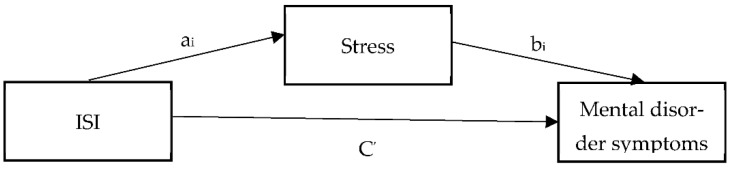
- Main analyses included descriptive statistics, chi-square tests, ANOVA, moderator analyses, logistic regression controlling for age and gender, Pearson correlations, and mediation analyses with stress as a mediator; insomnia was measured with the ISI and mental health symptoms with validated screening tools (PCL-5, PHQ-9, PDSS, GAD-7, SIPS, AUDIT, DASS-21).
## Limitations
- The paper states that the volunteer firefighter sample was relatively small and the number of women firefighters was small, limiting confidence in applying results to women and/or volunteer firefighters.
- The data were self-reported, which may have introduced personal and societal bias and recall bias; the paper also notes participants had to remember and report sleep and mental health data from the past year.
- The study was cross-sectional, so no causal inferences can be made and the direction of the sleep–mental health relationship could not be determined; this is explicitly stated in the paper.
- Evident from the text: the study did not objectively assess shift schedules, even though schedule differences may affect sleep and mental health.
Model-written summary. Check it against the paper before relying on it.
Integrity signals
Registry
Cites
Statistics
Figures
Verification
Claims the paper makes
4 Valid · 0 Not valid · 13 Not checked · 31 Own results and interpretations
The cited sources support only part of this claim — read each source’s verdict below.
In the paper
“The current results indicated 69.2% of participants reported having below adequate sleep quality, a finding consistent with that found among Chinese and Iranian (69.9%) [27] and U.S. firefighters (66%) [41]”
§ Mental Health of Canadian Firefighters: The Impact of Sleep > 5. Discussion
What the sources say
- Not checked yetcites [27] Mehrdad R. Haghighi K.S. Esfahani A.H.N. Sleep quality of professional firefighters Int. J. Prev. Med. 2013 4 1095 1100 24130955 PMC3793495
- Partly supportedcites [41] Hom Melanie A. Stanley Ian H. Rogers Megan L. Tzoneva M. Bernert Rebecca A. Joiner Thomas E. The Association between Sleep Disturbances and Depression among Firefighters: Emotion Dysregulation as an Explanatory Factor J. Clin. Sleep Med. 2016 12 235 245 26350604 PMC4751428 sourceExperimental — accuracy not yet measured
Our copy of Hom et al. (2016) is a U.S. firefighter study (n = 880) that does report high rates of sleep problems — Results/Descriptive Statistics give 52.7% clinically significant insomnia symptoms (ISI ≥ 10), 44.8% at least some disturbing dreams and 19.2% moderate-to-extreme nightmares, and the Introduction credits 59% 'disturbed sleep patterns and/or sleep deprivation' to an earlier study of 112 firefighters (ref. 3, Carey et al. 2011). However, no passage states a 66% rate, and the paper assessed insomnia severity (ISI), nightmares (PCL-C item) and depression (CES-D) — it contains no sleep-quality measure (e.g., PSQI) and no 'below adequate sleep quality' prevalence. The specific 66% sleep-quality figure attributed to this source is therefore unsupported; only the general point that a large proportion of U.S. firefighters report sleep disturbance is in our copy (the 0.66 appearing in Table 1 is the CES-D–ISI correlation, not a prevalence). (LLM, conf=0.65)
plain- Asserted: passes — The authors put it forward as true.
- Checkable: passes — It can be checked against evidence.
- Load-bearing: unclear — It is unclear whether the paper’s conclusions depend on it.
- Based: passes — The paper gives a reason why it holds.
The cited sources support only part of this claim — read each source’s verdict below.
In the paper
“The lack of research is a contributing factor in absent nationwide regulation for the work and rest schedules of Canadian firefighters [8,26].”
§ Mental Health of Canadian Firefighters: The Impact of Sleep > 1. Introduction Firefighters are regularly exposed to highly stressful, unpredictable, dangerous, and potentially psychologically traumatic events (PPTE) when responding to calls on duty [1]. Some firefighters classify firefighting as their career, whereas others serve in a volunteer capacity [2]. Most firefighting (83%) in Canada is done by volunteers in rural areas [3] who are on call to provide 24-h emergency services, despite having separate careers [2,4]. Volunteer firefighters respond to overnight calls and are still expected to return to their day jobs, despite these calls impeding their cognitive performance [4]. Although some services maintain 12-h shift schedules, career firefighters typically work on rotating schedules of 24 h on/48 h off, or 48 h on/96 h off [5]; however, some firefighters still adopt a variation of 12, 10, or 8 h shifts [6]. Firefighter shifts, for both career and volunteer workers, can fluctuate frequently between day, night, and 24 h shifts; even a firefighter resting during a 24-h shift with no immediate emergency is still required to be alert, in case of an impending emergency [4,5,7]. Many fire departments allow for career firefighter shifts that last up to 72 consecutive hours [8], increasing firefighters’ susceptibility to shift work health risks. There is an expectation that firefighters sleep during these extended shift call volumes; however, environmental design, staffing levels, seasons and many other factors can interfere with sleep opportunities. Shift work includes night shifts, rotating schedules, and extended hours [9], and places the worker population at a greater risk of disordered sleep and the subsequent health risks. Surani’s [10] study of individuals from the Detroit general population found evidence that 32.1% of night shift workers and 26.1% of rotating shift workers experienced disordered sleep, compared with only 18% of day workers. Ferri and colleagues [11] found evidence from U.S. nursing data (n = 75,000) that death due to cardiovascular incidents was significantly increased for rotating night shift workers. The World Health Organization (WHO) found evidence that circadian rhythm disruption due to shift work is a potential carcinogen, increasing shift workers’ vulnerability to cancer [12]. Additionally, shift workers’ irregular sleeping hours can result in social isolation and generate psychological and psychosocial distress, resulting in an increased risk of the symptoms of mood disorders, anxiety disorders, and alcohol use disorder [13]. Sleep is a vital biological function that directly impacts physical and mental health [14,15]. Most adults (ages 18–60) require a minimum of seven hours of sleep per night that is of good quality, regularity, and appropriate timing to support their physical and mental health [16]. Sleep quality, regularity, and timing help to regulate the circadian rhythm—the body’s biological clock in charge of the sleep wake cycle, autonomic processes, thought processes, emotions and behaviors [9]—and promote sufficient sleep and well-being. Continuous disruption of the circadian rhythm due to irregular sleep stimulates the HPA axis and can lead to an increased stress response and subsequent decline in health [12]. Insufficient sleep (e.g., less than 4–6 h per night) increases the risk of death by suicide [7,17], mortality, cardiovascular disease, depression, diabetes, decreases immune system functioning, and has a negative impact on cognition [14,18]. A large portion of the general U.S. population (35–40%) reports insufficient sleep [14]; similarly, in Europe disordered sleep estimates range from 17% in Italy to 31% in Poland [19]. In addition to dealing with the impact of disordered sleep from shift work, up to 75% of public safety personnel (PSP) are also faced with PPTE on a regular basis [1]. The irregular, lengthy hours of work and increased PPTE exposure increase PSP risk for disordered sleep, and therein their susceptibility to physical and mental health concerns [20]. Firefighters, as a result of their occupations, are also susceptible to musculoskeletal disorders [21], pulmonary conditions [22], cancer [23], and cardiovascular disease [24], all of which reflexively disrupt sleep. Almost 100% of Canadian firefighters report dozens or hundreds of lifetime exposures to an average of 10.23 different types of PPTE, as a function of their work [1,21,25]. The PPTE firefighters experience have been linked with substantially higher rates of diverse mental disorders in Canada [26] and internationally [27,28], as well as pervasive problems with disordered sleep [29]. When working a 24-h shift, firefighters may be active for the full 24 h, or on alert for emergency calls, neither of which are conducive environments to substantial sleep [7]. The two most commonly reported problems among a sample of U.S. firefighters were that of sleep deprivation at 59% and binge drinking at 58% [7]. Firefighters experience long, irregular shifts, and unpredictable emergencies, all of which are associated with lowered mood, fatigue and alertness, and disordered sleep [7,30]. Disordered sleep also contributed to lower back pain among firefighters in a 13-year longitudinal study [31]. There are extreme physical, psychological and structural demands placed on firefighters, both career and volunteer, necessitating further examination of firefighter job demands, and their impact on sleep and overall health and wellbeing [7]. We have some information connecting firefighters’ sleep to their health, but research is limited, and the connections are not typically specific to firefighters, especially Canadian firefighters. The lack of research is a contributing factor in absent nationwide regulation for the work and rest schedules of Canadian firefighters [8,26]. This study investigated sleep and mental health constructs, such as posttraumatic stress disorder, depression, anxiety, stress, panic, social phobias, and alcohol use.
What the sources say
- Partly supportedcites [8] Choi B. Schnall P.L. Dobson M. Garcia-Rivas J. Kim H. Zaldivar F. Israel L. Baker D. Very Long (>48 h) Shifts and Cardiovascular Strain in Firefighters: A Theoretical Framework Ann. Occup. Environ. Med. 2014 26 5 10.1186/2052-4374-26-5 24602344 PMC3995990 sourceExperimental — accuracy not yet measured
In the Review section, “Consecutive 24-hr Shifts among Firefighters” (page not provided), the paper says firefighters lack nationwide work-and-rest regulations partly because evidence of harm is insufficient. Its discussion concerns US firefighters and does not establish that this explanation applies to Canadian firefighters. (LLM, conf=0.88)
- Could not verifycites [26] Carleton R.N. Afifi T.O. Turner S. Taillieu T. Duranceau S. LeBouthillier D.M. Sareen J. Ricciardelli R. MacPhee R.S. Groll D. Mental disorder symptoms among public safety personnel in Canada Can. J. Psychiatry 2018 63 54 64 10.1177/0706743717723825 28845686 PMC5788123 sourceExperimental — accuracy not yet measured
The Background says Canadian data on mental disorders among public safety personnel are sparse, and the Interpretation calls for more research on mental-health risk factors. Neither passage addresses nationwide regulation of firefighters’ work and rest schedules or says that a lack of research contributed to its absence. Searches for work/rest schedules and regulation found no passage making that connection; page numbers were unavailable in our copy. (LLM, conf=0.76)
plainstates a cause- Asserted: passes — The authors put it forward as true.
- Checkable: passes — It can be checked against evidence.
- Load-bearing: passes — The paper’s conclusions depend on it.
- Based: passes — The paper gives a reason why it holds.
- Partly supported
A result the paper reports from its own data — it cites no other source for it, so there is none to check. The quote shows it is in the paper.
In the paper
“Firefighters with insomnia had higher odds ratios (OR) and frequencies for PTSD (OR = 4.98), generalized anxiety disorder (OR = 7.15), panic disorder (OR = 6.88), social phobia (OR = 4.98), and major depressive disorder (OR = 7.91), than firefighters without insomnia.”
§ Mental Health of Canadian Firefighters: The Impact of Sleep > Abstract
plainstates an association- Asserted: passes — The authors put it forward as true.
- Checkable: passes — It can be checked against evidence.
- Load-bearing: passes — The paper’s conclusions depend on it.
- Based: passes — The paper gives a reason why it holds.
21 more claims
Create a free account to see all 48 claims and to verify the 26 references still open.
- It may state two separate claims as one. 15
- Probably not a substantial claim. 11
Claims other papers make about this one
Each is checked against this paper’s own text: does it say what the citing paper says it does?
The source backs part of the claim, not all of it — or backs it for a different population, condition or comparison.
In the citing paper
“Thus, the prevalence of poor sleep quality ranges depending on the assessment and the working schedule of the firefighters but is typically higher than the general population of the area [10,11,26,45].”
From The Cyclical Battle of Insomnia and Mental Health Impairment in Firefighters: A Narrative Review (2024) · cites this paper as [10]
Experimental — accuracy not yet measuredThe source backs part of the claim, not all of it — or backs it for a different population, condition or comparison.
In the citing paper
“Data from the National Canadian Mental Health Survey indicated firefighters with insomnia to be 7.15 times more likely to suffer from GAD relative to firefighters without insomnia [10].”
From The Cyclical Battle of Insomnia and Mental Health Impairment in Firefighters: A Narrative Review (2024) · cites this paper as [10]
Experimental — accuracy not yet measuredThe source backs part of the claim, not all of it — or backs it for a different population, condition or comparison.
In the citing paper
“Cramm et al. [10] assessed 1217 firefighters from the National Canadian Mental Health Survey and reported firefighters with insomnia to be 7.91 times more likely to experience MDD than firefighters without insomnia.”
From The Cyclical Battle of Insomnia and Mental Health Impairment in Firefighters: A Narrative Review (2024) · cites this paper as [10]
Experimental — accuracy not yet measuredThe cited source says what the claim attributes to it.
In the citing paper
“In a large study by Cramm et al. [10], 69% of 1217 volunteer and full-time Canadian firefighters self-reported their sleep quality as “fair” to “very poor”, and 21.3% were found to have clinical insomnia based on the ISI scores.”
From The Cyclical Battle of Insomnia and Mental Health Impairment in Firefighters: A Narrative Review (2024) · cites this paper as [10]
The cited source says what the claim attributes to it.
In the citing paper
“In a large study by Cramm et al. [10], 69% of 1217 volunteer and full-time Canadian firefighters self-reported their sleep quality as “fair” to “very poor”, and 21.3% were found to have clinical insomnia based on the ISI scores.”
From The Cyclical Battle of Insomnia and Mental Health Impairment in Firefighters: A Narrative Review (2024) · cites this paper as [10]
Citations
Cites
Lovibond, P. F., & Lovibond, S. H. (1995) · Behaviour Research and Therapy · doi:10.1016/0005-7967(94)00075-u · Cited by 14,523
Validation of the Insomnia Severity Index as an outcome measure for insomnia research
Bastien, C. (2001) · Sleep Medicine · doi:10.1016/s1389-9457(00)00065-4 · Cited by 8,067 · cited 1×
“The ISI is a self-report questionnaire assessing the nature, severity, and impact of insomnia [39].”
BackgroundWatson, N. F., Badr, M. S., Belenky, G., Bliwise, D. L., Buxton, O. M., Buysse, D., Dinges, D. F., Gangwisch, J., Grandner, M. A., Kushida, C., et al. (2015) · Journal of Clinical Sleep Medicine · doi:10.5664/jcsm.4758 · Cited by 1,320 · cited 1×
“Most adults (ages 18–60) require a minimum of seven hours of sleep per night that is of good quality, regularity, and appropriate timing to support their physical and mental health [16].”
BackgroundMulticenter Collaborative Panic Disorder Severity Scale
Shear, M. K., Brown, T. A., Barlow, D. H., Money, R., Sholomskas, D. E., Woods, S. W., Gorman, J. M., & Papp, L. A. (1997) · American Journal of Psychiatry · doi:10.1176/ajp.154.11.1571 · Cited by 1,001 · cited 5×
“Participants reported their symptoms in the timeframe per the instructions for each scale: PCL-5, past month; MDD, past 14 days; PDSS, past seven days; GAD-7, past 14 days; SIPS, currently, no specific time window; AUDIT, past year; DASS-21, past seven days, and ISI past month.”
MethodInfluentialCardiovascular, inflammatory, and metabolic consequences of sleep deprivation
Mullington, J. M., Haack, M., Toth, M., Serrador, J. M., & Meier-Ewert, H. K. (2009) · Progress in Cardiovascular Diseases · doi:10.1016/j.pcad.2008.10.003 · Cited by 783
Mental Disorder Symptoms among Public Safety Personnel in Canada
Carleton, R. N., Afifi, T. O., Turner, S., Taillieu, T., Duranceau, S., LeBouthillier, D. M., Sareen, J., Ricciardelli, R., MacPhee, R. S., Groll, D., et al. (2018) · The Canadian Journal of Psychiatry · doi:10.1177/0706743717723825 · Cited by 558 · cited 9×
“The lack of research is a contributing factor in absent nationwide regulation for the work and rest schedules of Canadian firefighters [8,26].”
BackgroundMethodSelf-citationShift Work: Disrupted Circadian Rhythms and Sleep—Implications for Health and Well-being
James, S. M., Honn, K. A., Gaddameedhi, S., & Van Dongen, H. P. A. (2017) · Current Sleep Medicine Reports · doi:10.1007/s40675-017-0071-6 · Cited by 517 · cited 2×
“The World Health Organization (WHO) found evidence that circadian rhythm disruption due to shift work is a potential carcinogen, increasing shift workers’ vulnerability to cancer [12].”
BackgroundValidation of the PHQ-9 in a psychiatric sample
Beard, C., Hsu, K. J., Rifkin, L. S., Busch, A. B., & Björgvinsson, T. (2016) · Journal of Affective Disorders · doi:10.1016/j.jad.2015.12.075 · Cited by 467 · cited 2×
“In the PHQ-9 individuals were asked to consider the past two weeks and to rate nine symptoms of depression on a scale of 0 (not at all) to 3 (nearly every day).”
MethodThe Subjective Meaning of Sleep Quality: A Comparison of Individuals with and without Insomnia
Harvey, A. G., Stinson, K., Whitaker, K. L., Moskovitz, D., & Virk, H. (2008) · Sleep · doi:10.1093/sleep/31.3.383 · Cited by 458
Sleep disturbances as an evidence-based suicide risk factor
Bernert, R. A., Kim, J. S., Iwata, N. G., & Perlis, M. L. (2015) · Current Psychiatry Reports · doi:10.1007/s11920-015-0554-4 · Cited by 406 · cited 1×
“, less than 4–6 h per night) increases the risk of death by suicide [7,17], mortality, cardiovascular disease, depression, diabetes, decreases immune system functioning, and has a negative impact on cognition [14,18].”
Background
Research works printed but not linked: 1
- Babor T.F. Higgins-Biddle J.C. Saunders J.B. Monteiro M.G. AUDIT: The Alcohol Use Disorders Identification Test: Guidelines for Use in Primary Health Care World Health Organization Geneva, Switzerland 2001
Cited by
Khoshakhlagh, A. H., Sulaie, S. A., Yazdanirad, S., Orr, R. M., Dehdarirad, H., & Milajerdi, A. (2023) · Heliyon · doi:10.1016/j.heliyon.2023.e13250 · Cited by 61
Mobile phone addiction and mental health: the roles of sleep quality and perceived social support
Yang, L.-L., Guo, C., Li, G., Kai-peng, G., & Luo, J.-H. (2023) · Frontiers in Psychology · doi:10.3389/fpsyg.2023.1265400 · Cited by 45
Prevalence of sleep disorders among first responders for medical emergencies: A meta-analysis
Huang, G., Lee, T., Banda, K. J., Pien, L., Jen, H., Chen, R., Liu, D., Hsiao, S. S., & Chou, K. (2022) · Journal of Global Health · doi:10.7189/jogh.12.04092 · Cited by 36
Sleep quality and mental disorder symptoms among correctional workers in Ontario, Canada
Ricciardelli, R., Taillieu, T., McElheran, M., Cramm, H. A., Ajith, H., Johnston, M. S., & Carleton, R. N. (2024) · Scientific Reports · doi:10.1038/s41598-024-65891-8 · Cited by 15
“In the current study, the odds of screening positive for any mental health disorder were associated with disrupted sleep quantity and quality, and the prevalence of positive screens for insomnia were similar to results from studies with diverse PSP 15 , police officers 39,40 , and firefighters 41 .”
ResultSelf-citationZhang, S., Jiang, J., Hao, L., Yu, Y., Zhang, Q., & Meng, H. (2022) · Stress and Health · doi:10.1002/smi.3215 · Cited by 16
The Effectiveness of Debriefing on the Mental Health of Rescue Teams: A Systematic Review
Ancarani, F., Añaños, P. G., Gutierrez, B., Pérez-Nievas, J., Vicente‐Rodríguez, G., & Marco, F. G. (2025) · International Journal of Environmental Research and Public Health · doi:10.3390/ijerph22040590 · Cited by 23
The Cyclical Battle of Insomnia and Mental Health Impairment in Firefighters: A Narrative Review
Holland-Winkler, A. M., Greene, D. R., & Oberther, T. J. (2024) · Journal of Clinical Medicine · doi:10.3390/jcm13082169 · Cited by 9
“Many studies have sought to determine the relationship between insomnia and mental health as well as interventions that may improve these conditions in firefighters [10,30].”
BackgroundInfluentialTestoff, A. C., Pauley, J. L., Brewer, M., Weidlich, C. P., Koru-Sengul, T., Solle, N. S., & Caban-Martinez, A. J. (2024) · Journal of Occupational & Environmental Medicine · doi:10.1097/jom.0000000000003173 · Cited by 7
Stretton, S. M., MacDermid, J. C., Lomotan, M., & Killip, S. C. (2024) · Comprehensive Psychiatry · doi:10.1016/j.comppsych.2024.152547 · Cited by 8
Self-citationHershey, M. S., Bouziani, E., Chen, X. Y., Lidoriki, I., Hadkhale, K., Huang, Y., Filippou, T., López‐Gil, J. F., Gribble, A. K., Lan, F., et al. (2023) · Frontiers in Endocrinology · doi:10.3389/fendo.2023.1250041 · Cited by 8
“In addition, due to the nature of shift work, many fi re fi ghters report poor sleep quality, sleep disturbances, and sleep disorders, which have been associated with impaired cardiometabolic and mental health outcomes (21 – 23).”
BackgroundHawlader, M. D. H., Dalal, K., Sabrina, F., Faruq, M., Munaf, N. B., Hossain, A., & Kibria, M. G. (2025) · BMC Public Health · doi:10.1186/s12889-025-23919-2 · Cited by 9
“In Canada, the same research also reported that 21% of fighting personnel screened positive for clinical insomnia [7].”
InfluentialFirefighters’ medical use and Korean Medicine experience in Korea: A qualitative study protocol
Ha, J., Youn, I., Han, Y., Kim, J., Kim, S.-J., Jin, H., Kang, J. W., & Leem, J. (2024) · PLoS ONE · doi:10.1371/journal.pone.0300532 · Cited by 4
“Moreover, firefighters frequently experience potentially psychologically traumatic events, leading to a high prevalence of various psychiatric problems, including PTSD, anxiety, and depression [39].”
BackgroundRichmond, R., Ricciardelli, R., Barry, B., & Cramm, H. A. (2024) · Journal of Workplace Behavioral Health · doi:10.1080/15555240.2024.2394683 · Cited by 4
“Working these shifts in addition to their other jobs, often accompanies sleep deficits and many other mental health symptoms (Cramm et al., 2021).”
Self-citationGörlich, T., Borck, V., Hüttermann, N., Pahnke, F., Wellendorff, T., & Wesemann, U. (2025) · Healthcare · doi:10.3390/healthcare13192395 · Cited by 2
“These comorbidities have been reported to be more prevalent among firefighters than the general population [6,7,15–18].”
Firefighter Stressors: A Systematic Review on Individual, Occupational, and Environmental Stressors
Choudhury, N. A., Bush, K., & Saravanan, P. (2025) · Proceedings of the Human Factors and Ergonomics Society Annual Meeting · doi:10.1177/10711813251357882 · Cited by 2
“Past studies have explored the effects of various stressors on firefighters, such as sleep deprivation (Cramm et al., 2021), job insecurity (Lingard et al., 2024), family issues (B. W. Smith et al., 2019), and extreme weather conditions (Games et al., 2020).”
Hashempour, J., Shebani, Z., & Kimble, J. (2023) · International Journal of Emergency Services · doi:10.1108/ijes-12-2022-0075 · Cited by 2
Kim, M., Lee, D., Kim, W., Lee, J. E., Lee, J., Kim, Y. T., Lee, S., Oh, S., Park, K., Koh, S. B., et al. (2022) · Neuroscience Letters · doi:10.1016/j.neulet.2022.136924 · Cited by 3
“Sleep affects everything”: understanding challenges and interventions for police sleep health
Gullion, C. L., Spadola, C., Groton, D. B., Fallik, S. W., & Guastaferro, W. P. (2025) · Policing An International Journal · doi:10.1108/pijpsm-12-2024-0209 · Cited by 1
Bakirci, A. E., Şar, V., & Cetin, A. (2025) · European Journal of Investigation in Health Psychology and Education · doi:10.3390/ejihpe15050075 · Cited by 3
“…through multiple interwoven psychological mechanisms, each potentially serving as both mediator and moderator in the trauma response trajectory (Bevan et al., 2022; Cramm et al., 2021; Gulliver et al., 2021; Healy & Vujanovic, 2021; Henson et al., 2022; Karnick et al., 2024; Stanley et al., 2019).”
Tungkijanansin, N., Kulsing, C., Tunvirachaisakul, C., Sriswasdi, S., Kerr, S. J., Hanvoravongchai, J., Thewaran, N., Sirinara, P., & Maes, M. H. J. (2025) · medRxiv · doi:10.1101/2025.05.06.25327121 · Cited by 1
Almasry, H. (2025) · American Journal of Health Medicine and Nursing Practice · doi:10.47672/ajhmn.2669 · Cited by 1
Sleep Hygiene Within the Fire Service: A Narrative Review
Hare, M. M., Wohlgemuth, K. J., & Mota, J. A. (2024) · Strength and conditioning journal · doi:10.1519/ssc.0000000000000871 · Cited by 3
Zakrzewska, M. (2023) · Scientific Papers of Silesian University of Technology Organization and Management Series · doi:10.29119/1641-3466.2023.188.44 · Cited by 1
Evaluating the 24/72 shift schedule in the fire service: agency experiences and perceived impacts
O’Dare, K., Atwell, L., Carlson-Moore, B., Porter, L., Bellamy, M., Davis, J., Wells, R., Thomas, K., & Tullius, R. (2026) · Frontiers in Environmental Health · doi:10.3389/fenvh.2026.1743492
The Sleep Quality of Han Chinese and Tibetan Firefighters at High Altitude: A Field Study
Tang, X., Tang, L., Li, S., Gu, X., Li, X., Li, X., Jiang, W., Wang, Q., & Yang, Y. (2026) · Nature and Science of Sleep · doi:10.2147/nss.s591315
White, N. C., & Wagner, S. L. (2026) · American Journal of Industrial Medicine · doi:10.1002/ajim.70073
Zegel, M., Lebeaut, A., McGrew, S. J., Anderson-Fletcher, E. A., Zvolensky, M. J., & Vujanovic, A. A. (2025) · Journal of Affective Disorders · doi:10.1016/j.jad.2025.120696 · Cited by 2
Factors Associated With Insomnia in Shift-Working Airline Mechanics
Park, D.-I., & Kim, J.-H. (2025) · Workplace Health & Safety · doi:10.1177/21650799251348476
“Consequently, this could contribute to a higher prevalence of insomnia compared with our study population (Cramm et al., 2021).”
Laying the foundation: exploring the family impact of public safety personnel sleep health
Cox, M., & Cramm, H. A. (2025) · FACETS · doi:10.1139/facets-2025-0081 · Cited by 1
Self-citation
Metadata
- Authors
- Cramm, H., Richmond, R., Jamshidi, L., Edgelow, M., Groll, D., Ricciardelli, R., MacDermid, J. C., Keiley, M., & Carleton, R. N.
- Affiliations
- Queen's University (CA)
- University of Regina (CA)
- Department of Sociology, Memorial University of Newfoundland, St. John’s, NL A1C 5S7, Canada
- Western University (CA)
- Kingston Fire & Rescue, Kingston, ON K7P 1N3, Canada
- Corresponding author
- Cramm, Heidi
- ORCID
- Venue
- International Journal of Environmental Research and Public Health
- Publisher
- MDPI AG
- Published
- 2021-12-16
- Volume
- 18
- Issue
- 24
- Pages
- 13256
- ISSN
- 1660-4601 (ISSN-L)
- PMC
- PMC8701315
- OpenAlex
- W4200433491
- Cited by
- 32
- References
- 58
- Citations by year
- 2026: 6 · 2025: 11 · 2024: 7 · 2023: 5 · 2022: 3
- FWCI
- 3.62
- Type
- journal article
- Language
- en
- Open access
- gold
- doi.org
- Licence
- Locations
- International Journal of Environmental Research and Public Health (publishedVersion, cc-by)
- PubMed Central (publishedVersion, cc-by)
- PubMed (publishedVersion)
- RePEc: Research Papers in Economics (submittedVersion)
- DOAJ (DOAJ: Directory of Open Access Journals) (submittedVersion, cc-by-sa)
- oURspace (University of Regina) (submittedVersion, cc-by)
- Funders
- Canadian Institutes of Health Research (FRN: 13666, New Investigator Award, Foundation Scheme Award)
- Ministry of Public Safety and Emergency Preparedness (Policy Development Contribution Program)
- Topics
- Social Sciences › Psychology › Experimental and Cognitive Psychology › Sleep and related disorders
- Health Sciences › Medicine › Public Health, Environmental and Occupational Health › Occupational Health and Performance
- Social Sciences › Psychology › Experimental and Cognitive Psychology › Sleep and Work-Related Fatigue
- Keywords
- firefighters, mental health, sleep, insomnia, sleep quality, post-traumatic stress disorder, major depressive disorder, generalized anxiety disorder, panic disorder, social anxiety disorder, volunteer firefighters, career firefighters, shift work, occupational stress
- MeSH terms
- Sleep Quality, Canada, Major Depressive Disorder, Depressive Disorder, Major, Humans, Mental Health, Sleep, Firefighters
About these checks
Registry, retraction, Cites and statistics results are computed, not judged, with one exception: a printed reference that no index lists is read once by a model before it counts as a citation error. Claims are extracted by a model and kept only when their quote appears verbatim in the text; each cited source is then checked, with a model’s help, for whether it says what the claim relies on. Those verdicts can be wrong — read the claim’s quote and the cited source before relying on one.
The claim verdicts this report counts are experimental: their accuracy is not yet measured.
A language model drew the claims from the paper on 2026-10-11, under version 3 of the claim definition (model deepseek-v4.1-flash, prompt extract-v3).
A second model labelled each claim on 2026-10-11 (model jev-1.13-20260917, definition revision gold-guideline-v0.2).
Cited sources are checked with a language model’s help (qwen3.8-omni-flash and gpt-6-sol).
Statistics and arithmetic are recomputed, not judged.
Confidence bands are shown only for fields calibrated on our annotated test set. None is calibrated yet, so no band is shown.
What counts as a claim ›How we measure confidence ›How we check this ›
Are you an author, or do you see a problem with this page? Request a review
Data sources
Bibliographic data: Semantic Scholar, OpenAlex, Crossref.
Contains information from the Semantic Scholar Academic Graph Datasets, made available under the ODC Attribution License (ODC-BY 1.0).
Semantic Scholar’s data is described in: Kinney, R., et al. (2023). The Semantic Scholar Open Data Platform. arXiv:2301.10140.
