

The DOI matches its Crossref record; 97 of the 98 references it cites were found in a registry or an index, and 1 are not checked yet.
Artificial Intelligence Enabled Personalised Assistive Tools to Enhance Education of Children with Neurodevelopmental Disorders—A Review
Open accessAbstract
Mental disorders (MDs) with onset in childhood or adolescence include neurodevelopmental disorders (NDDs) (intellectual disability and specific learning disabilities, such as dyslexia, attention deficit disorder (ADHD), and autism spectrum disorders (ASD)), as well as a broad range of mental health disorders (MHDs), including anxiety, depressive, stress-related and psychotic disorders. There is a high co-morbidity of NDDs and MHDs. Globally, there have been dramatic increases in the diagnosis of childhood-onset mental disorders, with a 2- to 3-fold rise in prevalence for several MHDs in the US over the past 20 years. Depending on the type of MD, children often grapple with social and communication deficits and difficulties adapting to changes in their environment, which can impact their ability to learn effectively. To improve outcomes for children, it is important to provide timely and effective interventions. This review summarises the range and effectiveness of AI-assisted tools, developed using machine learning models, which have been applied to address learning challenges in students with a range of NDDs. Our review summarises the evidence that AI tools can be successfully used to improve social interaction and supportive education. Based on the limitations of existing AI tools, we provide recommendations for the development of future AI tools with a focus on providing personalised learning for individuals with NDDs.
Overview
The claims and statistics of this paper haven’t been checked yet.
Run the check — free, no account needed. It reads the open-access text and checks the sources it cites.
Integrity signals
Registry
Cites
Statistics
Figures

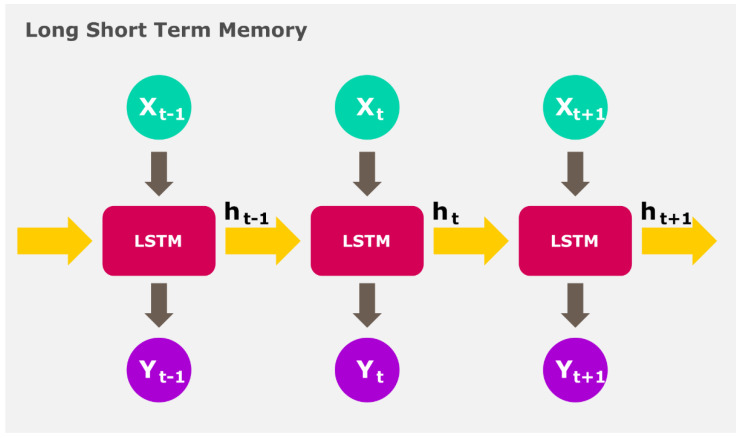
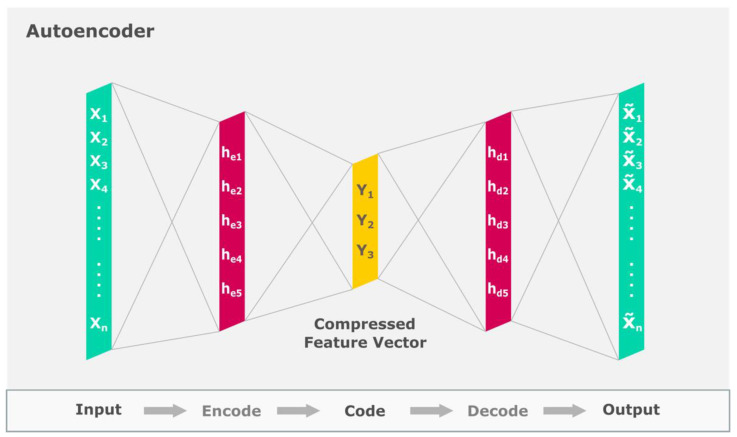
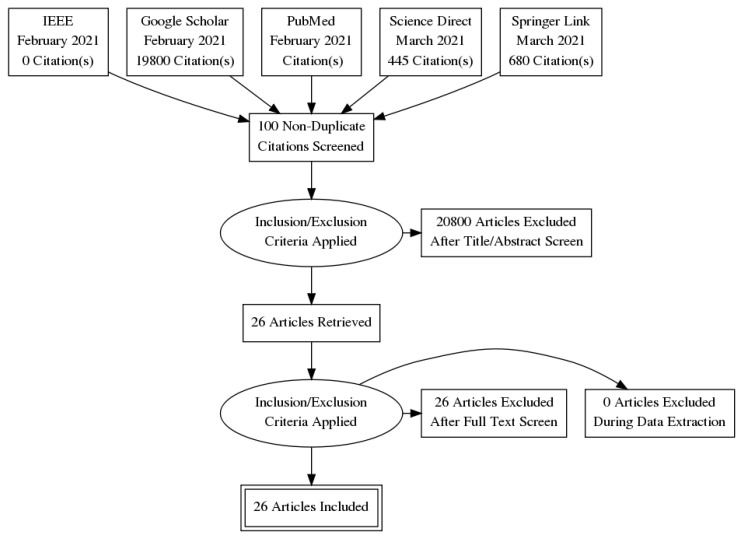
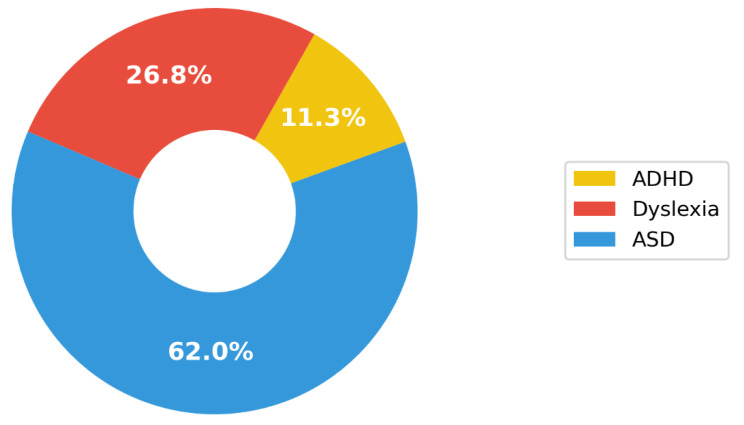
Verification
Claims the paper makes
The claims and statistics of this paper haven’t been checked yet.
Run the check — free, no account needed. It reads the open-access text and checks the sources it cites.
Claims other papers make about this one
Each is checked against this paper’s own text: does it say what the citing paper says it does?
The cited source says what the claim attributes to it.
In the citing paper
“Artificial intelligence can be used to support students with disabilities in a variety of ways (Barua et al., 2022).”
From The Future of Artificial Intelligence in Special Education Technology (2023) · cites this paper as Barua et al., 2022
Self-check
Percentages, sums and reported differences re-computed from the paper’s own numbers.
The self-check needs the paper’s full text.
Citations
Cites
Hochreiter, S., & Schmidhuber, J. (1997) · Neural Computation · doi:10.1162/neco.1997.9.8.1735 · Cited by 102,318
Reducing the dimensionality of data with neural networks
Hinton, G. E., & Salakhutdinov, R. R. (2006) · Science · doi:10.1126/science.1127647 · Cited by 20,928
Child and adolescent mental health worldwide: evidence for action
Kieling, C., Baker-Henningham, H., Belfer, M., Conti, G., Ertem, I., Omigbodun, O., Rohde, L. A., Srinath, S., Ulkuer, N., & Rahman, A. (2011) · The Lancet · doi:10.1016/s0140-6736(11)60827-1 · Cited by 2,449
Encyclopedia of Quality of Life and Well-Being Research
Michalos, A. C. (2014) · Springer eBooks · doi:10.1007/978-94-007-0753-5 · Cited by 1,291
Danielson, M. L., Bitsko, R. H., Ghandour, R. M., Holbrook, J. R., Kogan, M. D., & Blumberg, S. J. (2018) · Journal of Clinical Child & Adolescent Psychology · doi:10.1080/15374416.2017.1417860 · Cited by 1,181
Loss of mTOR-Dependent Macroautophagy Causes Autistic-like Synaptic Pruning Deficits
Tang, G., Gudsnuk, K., Kuo, S.-H., Cotrina, M. L., Rosoklija, G., Sosunov, A., Sonders, M. S., Kanter, E., Castagna, C., Yamamoto, A., et al. (2014) · Neuron · doi:10.1016/j.neuron.2014.07.040 · Cited by 1,146
BIEDERMAN, J., MONUTEAUX, M. C., MICK, E., SPENCER, T., WILENS, T. E., SILVA, J. M., SNYDER, L. E., & FARAONE, S. V. (2006) · Psychological Medicine · doi:10.1017/s0033291705006410 · Cited by 850
Conceptual Understanding of Convolutional Neural Network- A Deep Learning Approach
Indolia, S., Goswami, A. K., Mishra, S., & Asopa, P. (2018) · Procedia Computer Science · doi:10.1016/j.procs.2018.05.069 · Cited by 841
Linnet, K. M., Dalsgaard, S., Obel, C., Wisborg, K., Henriksen, T. B., Rodriguez, A., Kotimaa, A., Moilanen, I., Thomsen, P. H., Olsen, J., et al. (2003) · American Journal of Psychiatry · doi:10.1176/appi.ajp.160.6.1028 · Cited by 778
Automated EEG-based screening of depression using deep convolutional neural network
Acharya, U. R., Oh, S. L., Hagiwara, Y., Tan, J. H., Adeli, H., & Subha, D. P. (2018) · Computer Methods and Programs in Biomedicine · doi:10.1016/j.cmpb.2018.04.012 · Cited by 650
Self-citation
Research works printed but not linked: 6
- (2012). Dyslexia. Encyclopedia of Human Behavior, Academic Press. [2nd ed.].
- Sharif, H., and Khan, R.A. (2019). A novel framework for automatic detection of Autism: A study on Corpus Callosum and Intracranial Brain Volume. arXiv.
- Shukla, 2020, A Comprehensive Study of Audio Visual Aids for Dyslexic Children, IJEET, 11, 211
- Rouhi, A., Spitale, M., Catania, F., Cosentino, G., Gelsomini, M., and Garzotto, F. (2019, January 16–20). Emotify: Emotional game for children with autism spectrum disorder based-on machine learning. Proceedings of the 24th International Conference on Intelligent User Interfaces: Companion, Marina del Ray, CA, USA.
- Smith, S.W., Bourgeois, D.T., James, L., and Mortati, J. (2021, February 25). The Ethical and Legal Implications of Information Systems; 2021. Available online: https://bus206.pressbooks.com/chapter/chapter-12-the-ethical-and-legal-implications-of-information-systems/.
- 2015, The Internet of Things. A New Companion to Digit, Humanit, 2012, 42
Cited by
Sorted by citations
Items 101–200 of 270
Borazjani, K., Khosravan, N., Sahay, R., Akram, B., & Hosseinalipour, S. (2025) · Frontiers in Artificial Intelligence · doi:10.3389/frai.2025.1683960 · Cited by 5
Ali, S. A., Nisar, H., Aziz, N. A. A., Fadzil, N. A., Zaber, N. S. M., & Ismail, L. I. (2024) · Elsevier eBooks · doi:10.1016/b978-0-443-29150-0.00017-2 · Cited by 4
Marco, F. D., & Brusini, A. (2025) · Computer Methods in Biomechanics & Biomedical Engineering · doi:10.1080/10255842.2025.2457118 · Cited by 4
Introduction to the Role of Artificial Intelligence in Disability Support
Malviya, R., & Rajput, S. (2025) · SpringerBriefs in modern perspectives on disability research. · doi:10.1007/978-981-96-6069-8_1 · Cited by 4
He, Y., Chen, Y. Y., & Fletcher, R. (2025) · Lecture notes in computer science · doi:10.1007/978-3-031-98462-4_60 · Cited by 3
Arslan, B., Wilschut, T., van Rijn, H., & van der Velde, M. (2025) · Lecture notes in computer science · doi:10.1007/978-3-031-98417-4_34 · Cited by 3
Nhan, L. K. (2025) · Turkish Online Journal of Distance Education · doi:10.17718/tojde.1612295 · Cited by 3
Enhancing Adaptive Personalized Learning Interfaces with Generative AI for Individuals with ADHD
Gunawardana, R., Perera, M. A. I., Lakshika, R., Ranasinghe, C., & Karunanayaka, K. T. (2025) · International Conference of Human-Computer Interaction Design & Research · doi:10.1145/3768633.3770138 · Cited by 4
Gadzhimusieva, D., Meliá, S., LLEDÓ, G. L., & Nasabeh, S. S. (2026) · Education and Information Technologies · doi:10.1007/s10639-025-13888-9 · Cited by 3
Kandati, D. R., Anusha, S., & Hussain, A. (2024) · Applied Intelligence and Informatics. · doi:10.1007/978-981-97-0914-4_14 · Cited by 4
Chukwuemeka, C. J., & Agbarakwe, H. A. (2024) · Springer eBooks · doi:10.1007/978-3-031-68530-9_16 · Cited by 3
Lamb, R. L., Malone, D., Owens, T. L., Firestone, J. B., Nitta, N., Nookarapu, S. K. S., Kundu, S., Thakare, V., & Ray, P. (2026) · Journal of Educational & Psychological Research · doi:10.33140/jepr.08.01.06 · Cited by 3
Li, S., & Liu, Y. (2022) · Computational Intelligence and Neuroscience · doi:10.1155/2022/7842304 · Cited by 3
الشهري, د. ب. ب. ع. (2023) · Mağallaẗ Al-Qirā'aẗ wa Al-Maʿrifaẗ/Mağallaẗ Al-Qirā'aẗ wa Al-Maʿrifaẗ · doi:10.21608/mrk.2023.309389 · Cited by 3
Bueno, M. L. P., & Thill, S. (2023) · Lecture notes in networks and systems · doi:10.1007/978-3-031-42134-1_7 · Cited by 3
A Reading Comprehension Interface for Students with Learning Disorders
Galletti, M., Pasqua, E., Bianchi, F., Calanca, M., Padovani, F., Nardi, D., & Tomaiuoli, D. (2023) · INTERNATIONAL CONFERENCE ON MULTIMODAL INTERACTION · doi:10.1145/3610661.3616176 · Cited by 3
Toki, E. I., Zakopoulou, V., Tatsis, G., & Pange, J. (2024) · JMIR Formative Research · doi:10.2196/53465 · Cited by 3
Preparing Educators for the Future
Kayyali, M. (2025) · Advances in computational intelligence and robotics book series · doi:10.4018/979-8-3373-1952-0.ch009 · Cited by 3
Leveraging Artificial Intelligence for Enhanced Project Completion in EducationPreprint
Swargiary, K., & Roy, K. (2023) · Qeios · doi:10.32388/adg6h8 · Cited by 3
Exploring the Impact of AI Tools on Student Engagement, Learning Outcomes, and Wellbeing
Bhimavarapu, U. (2025) · Advances in computational intelligence and robotics book series · doi:10.4018/979-8-3693-9974-3.ch007 · Cited by 2
Leveraging AI to Enhance Literacy in Students with ASD: Insights and Applications
Lawton, A. (2025) · Georgia Journal of Literacy · doi:10.56887/galiteracy.183 · Cited by 2
Generative AI in Education: Exploring EAP Faculty Perspectives at a Multicultural UAE University
Bashir, A., Nomaan, S., & Hysaj, A. (2025) · Lecture notes in computer science · doi:10.1007/978-3-031-93539-8_9 · Cited by 3
Rosmayanti, V. (2025) · Advances in computational intelligence and robotics book series · doi:10.4018/979-8-3373-1952-0.ch008 · Cited by 3
Beirat, M. A., Algolaylat, A. S., & Al-Makhzoomy, A. K. (2025) · Dirasat: Educational Sciences · doi:10.35516/edu.2025.11154 · Cited by 5
Mamatha, M., & Singh, R. K. (2025) · International Conference on Sustainable Computing and Data Communication Systems (ICSCDS) · doi:10.1109/icscds65426.2025.11166783 · Cited by 2
Khan, R., Yeasmin, S., Rony, M. K. K., Das, S., Semi, M. M. A., Islam, M. A., Sabeena, A. A., Samiun, M., & Hasan, R. (2025) · International Journal of Developmental Disabilities · doi:10.1080/20473869.2025.2562953 · Cited by 3
Design of an Adaptive Educational Platform for Special Needs Students Using Artificial Intelligence
Baumuratova, D., Zhukabayeva, T. K., Baumuratova, S., & Нурбекова, Г. Ф. (2025) · doi:10.1109/ubmk67458.2025.11207013 · Cited by 2
Noor, A., Almukhalfi, H. M., Atlam, E.-S., & Noor, T. H. (2025) · Disabilities · doi:10.3390/disabilities6010003 · Cited by 2
Al-Shamaileh, O., Hammady, R., Abdelrahman, M., & Mubin, O. (2026) · Computers in Human Behavior Reports · doi:10.1016/j.chbr.2026.100980 · Cited by 6
A Scoping Review of Conversational Agents in Adolescence
Madera, F., Nicodemo, G., Guasco, S., Ciulli, T., & Cardinali, P. (2026) · European Psychologist · doi:10.1027/1016-9040/a000580 · Cited by 2
Perry, N., Boulton, K., Hankin, L., Roisenberg, B. B., & Guastella, A. J. (2026) · Digital Health · doi:10.1177/20552076251411228 · Cited by 2
Temur, S. (2026) · Türk Eğitim Bilimleri Dergisi · doi:10.37217/tebd.1766423 · Cited by 3
Belda-Medina, J. R. (2023) · Digital Education Review · doi:10.1344/der.2023.44.93-104 · Cited by 2
درجة توظيف معلمي الرياضيات بالمرحلة الثانوية لتطبيقات الذكاء الاصطناعي بمدارس محافظة ظفار.
مشترك, د. ه. ع. (2024) · العلوم التربوية · doi:10.21608/ssj.2024.359211 · Cited by 2
Metaverse technology-based enhanced machine learning models for mental healthcare
Devi, R. M., Sangeetha, M., Keerthika, P., Suresh, P., Devendran, K., & Sagana, C. (2024) · Elsevier eBooks · doi:10.1016/b978-0-443-13565-1.00008-7 · Cited by 2
Utilizing Artificial Intelligence to Support Autism Research
Varghese, E. B., Qaraqe, M., & Al‐Thani, D. (2024) · Studies in neuroscience, psychology and behavioral economics · doi:10.1007/978-3-031-70355-3_7 · Cited by 2
Robots, Dogs, and Drags: The Politics of Reading and Being Read
Sjödin, E. S., & Rahm, L. (2025) · Postdigital Science and Education · doi:10.1007/s42438-025-00540-5 · Cited by 3
A survey on AI based Dyslexia detection and strategies to assist Dyslexic children
Yamunathangam, D., Latha, L., Priya, C. B., & Primya, T. (2025) · AIP conference proceedings · doi:10.1063/5.0262966 · Cited by 2
Ivanova, G., Ivanov, A. L., & Kirilova, M. (2025) · International Symposium INFOTEH-JAHORINA (INFOTEH) · doi:10.1109/infoteh64129.2025.10959247 · Cited by 2
Leveraging Artificial Intelligence for Enhanced Project Completion in EducationPreprint
Swargiary, K. (2024) · Research Square · doi:10.21203/rs.3.rs-3462413/v2 · Cited by 2
A Thematic Framework for Human-AI Co-creative Writing: Writers' Experiences of the ProcessPreprint
Hansen, I. B., & Rafner, J. F. (2025) · OSF Preprints (OSF Preprints) · doi:10.31219/osf.io/fgqcz_v1 · Cited by 3
Adaptive Learning App for ADHD in Lima Schools
Herrera, C. D. D. P., Solis, E. A. P., & Herrera-Trujillo, E. A. (2024) · Communications in computer and information science · doi:10.1007/978-3-031-58950-8_14 · Cited by 1
Augusto, J. A. D. O., Ferreira, T. F. L., Arduini, R. G., Bastos, T. M. D. A., Campanha, N. S. P., Fornasari, R. D. C. C. V., Stella, P. R. F., Simão, A. N. D. P., de Moraes, J. N. L., & Ciasca, S. M. (2025) · Frontiers in Psychology · doi:10.3389/fpsyg.2025.1363536 · Cited by 5
Shao, K., Wilson, D. M., Cho, E., Tang, S. M., Ma, H., & Makhsous, S. (2025) · Collaborative Network for Engineering and Computing Diversity Conference (CoNECD) · doi:10.18260/1-2--54075 · Cited by 1
Meletiadou, E. (2025) · Advances in computational intelligence and robotics book series · doi:10.4018/979-8-3693-5623-4.ch001 · Cited by 1
Khan, N., Khalique, F., Khan, M. A., & Saini, K. (2025) · Advances in computational intelligence and robotics book series · doi:10.4018/979-8-3373-4576-5.ch001 · Cited by 1
Vascelli, L., Riccio, E., Giannatiempo, S., Pozzolo, P., Zamarra, G., Norfo, A., & Semino, M. (2025) · Journal of Developmental and Physical Disabilities · doi:10.1007/s10882-025-10024-w · Cited by 1
Impact of Artificial Intelligence on Teaching Learning Among Lecturers in Special Education
OLADIMEJIO, O. O., & Ogunwale, O. R. (2025) · Advances in computational intelligence and robotics book series · doi:10.4018/979-8-3373-5550-4.ch002 · Cited by 1
Yıldırım, S. (2025) · IntechOpen eBooks · doi:10.5772/intechopen.1011396 · Cited by 1
Olivier, C., & Weilbach, L. (2025) · Lecture notes in computer science · doi:10.1007/978-3-031-98185-2_10 · Cited by 2
Sufelfa, A. R., Petrishcheva, K., Щербина, К. К., Николаевич, П. Г., & Ivanova, N. V. (2025) · Problems of Balneology Physiotherapy and Exercise Therapy · doi:10.17116/kurort202510203154 · Cited by 2
GenAI Chatbots as Agents in a Community of Inquiry: Exploring Their Role in Online Distance Learning
Olivier, C., & Weilbach, L. (2025) · Lecture notes in networks and systems · doi:10.1007/978-3-031-99965-9_2 · Cited by 1
Impact of Neuroeducation on Teaching Learning Process
Das, S. K., & Karmakar, S. (2026) · IGI Global eBooks · doi:10.4018/979-8-3373-3581-0.ch011 · Cited by 1
Gülay, A. (2026) · Yaşadıkça Eğitim · doi:10.33308/26674874.2026401903 · Cited by 1
Karthik, S. A., Gururaj, H. L., & Shreyas, J. (2026) · Discover Artificial Intelligence · doi:10.1007/s44163-026-00875-3 · Cited by 1
Parmar, R., Oyelere, S. S., & Aruleba, K. (2026) · Discover Education · doi:10.1007/s44217-026-01264-9 · Cited by 5
Dabaghi, K., D’Urso, S., & Sciarrone, F. (2026) · International Journal of Artificial Intelligence in Education · doi:10.1016/j.ijaied.2026.100012 · Cited by 3
Dhar, S. R., Alam, M. S., Rony, M. K. K., Rashid, M. M., Shahi, D., Shahidullah, M., Sizan, A. A., Das, S., & Semi, M. M. A. (2026) · International Journal of Developmental Disabilities · doi:10.1080/20473869.2026.2654176 · Cited by 1
Li, Y., Zeng, K., Zong, J., Zhang, Y., Deng, H., Wang, L., & Tong, X. (2026) · CHI Conference on Human Factors in Computing Systems · doi:10.1145/3772318.3791948 · Cited by 1
Uses of AI in Children’s Education: A Literature Review and Future Research Agenda
Bhuiyan, M. M., Gbadegeshin, G. F., & Gbadegeshin, S. A. (2026) · Lecture notes in networks and systems · doi:10.1007/978-3-032-00264-8_18 · Cited by 1
Enhancing digital reading for dyslexic learners: an AI-based approach to cognitive load reduction
Amjad, A., Amirhosseini, M. H., & Kalabi, F. (2026) · Journal of Enabling Technologies · doi:10.1108/jet-08-2025-0060 · Cited by 1
Artificial intelligence for engaging neurodiverse learners in K-12 education: a systematic review
Uddın, M. M., Luo, F., & Moon, J. (2026) · Interactive Learning Environments · doi:10.1080/10494820.2026.2679063 · Cited by 2
Zraydi, F., Opoku, M. P., Guirguis, B. M., Ndijuye, L. G., & Gyimah, E. M. (2026) · Disability and Rehabilitation Assistive Technology · doi:10.1080/17483107.2026.2714681 · Cited by 1
Maheux, A. J., & Maes, C. (2026) · Perspectives on Psychological Science · doi:10.1177/17456916261460771 · Cited by 2
The Fusion of Minds: Navigating the Confluence of AI, ML, and Psychology in the Digital Era
(2024) · Journal of Mathematical Techniques and Computational Mathematics · doi:10.33140/jmtcm.03.06.01 · Cited by 3
Future Support Teachers’ Intentions to Adopt and Use Technology with Students with ASD
Zappalà, E., Viola, I., & Aiello, P. (2024) · Lecture notes in computer science · doi:10.1007/978-3-031-57402-3_9 · Cited by 1
Scientometric Analysis of Personalized Learning Research
Jantakun, T., Jantakun, K., & Jantakoon, T. (2025) · Journal of Education and Learning · doi:10.5539/jel.v14n3p137 · Cited by 1
Silveira, L. C. G., de Alvarenga, P. W., Ribeiro, L. O. M., Gonçalves, E. M. N., Vicari, R. M., & Bärwaldt, R. (2024) · IEEE Frontiers in Education Conference (FIE) · doi:10.1109/fie61694.2024.10893218 · Cited by 1
Neuropsychological Interventions in Inclusive Education
Efthymiou, E., Katsarou, D. V., Sofologi, M., Argyriadis, A., Argyriadi, A., & Megari, K. (2025) · IGI Global eBooks · doi:10.4018/979-8-3693-9689-6.ch020 · Cited by 2
Navigating the Ethical Frontier
Öztürk, H. İ., Doğuş, M., Şahin, V., Çakmak, M., & Gürses, İ. (2025) · Advances in computational intelligence and robotics book series · doi:10.4018/979-8-3373-0122-8.ch011 · Cited by 1
Using AI to Support Children With Neurodevelopmental Disorders
Katsarou, D. V., Mantsos, E., Sofologi, M., Efthymiou, E., Megari, K., Papadopoulou, S. L., & Kougioumtzis, G. Α. (2025) · Advances in computational intelligence and robotics book series · doi:10.4018/979-8-3373-5072-1.ch006 · Cited by 1
Kristanto, Y. (2022) · Edunesia Jurnal Ilmiah Pendidikan · doi:10.51276/edu.v4i1.289 · Cited by 1
Leveraging Artificial Intelligence for Enhanced Project Completion in EducationPreprint
Swargiary, K., & Roy, K. (2024) · Qeios · doi:10.32388/adg6h8.2 · Cited by 1
Gözüm, A. İ. C. (2025) · Wiley eBooks · doi:10.1002/9781394352821.ch07 · Cited by 1
استخدام الذكاء الاصطناعي في تنمية الانتباه لدى الأطفال ذوي اضطراب فرط الحركة وتشتت الانتباه
mousa, G., & عبدالحميد, غ. (2022) · مجلة الطفولة · doi:10.21608/jchild.2022.136810.1026
الشهري, د. ب. ب. ع. (2023) · Mağallaẗ Al-Qirā'aẗ wa Al-Maʿrifaẗ/Mağallaẗ Al-Qirā'aẗ wa Al-Maʿrifaẗ · doi:10.21608/mrk.2023.317217
Efthymiou, E. (2023) · Advances in psychology, mental health, and behavioral studies (APMHBS) book series · doi:10.4018/979-8-3693-1982-6.ch002
Generative AI for Children's Digital Health: Clinician Advice
Kucirkova, N. I., & ZUCKERMAN, B. S. (2023) · Journal of Developmental & Behavioral Pediatrics · doi:10.1097/dbp.0000000000001234
Inclusive Assessment and Autistic students in Third Level Education in Ireland
Hugh, M. M., & Collins, N. (2023) · International Journal of Technology and Inclusive Education · doi:10.20533/ijtie.2047.0533.2023.0226
Diagnosis and treatment of attention deficit hyperactivity disorder using artificial intelligence
Tarnima, S., Sandhya, P., Vani, V. C., & Bhaumik, A. (2024) · AIP conference proceedings · doi:10.1063/5.0182356
Innovative Iot-Infused Games: Enhancing Learning For Children With Autism Spectrum Disorder
Shyja, K. G. (2024) · i-manager s Journal on Augmented & Virtual Reality · doi:10.26634/javr.1.2.20358
Yang, F., Wei, J., Zhao, X., & An, R. (2024) · doi:10.2196/preprints.58597
Role of AI in Special Education in India
Chakraborty, O. (2024) · Advances in educational technologies and instructional design book series · doi:10.4018/979-8-3693-5538-1.ch011
Intellectual disabilities: clinical reasoning and decision-making
Shaw, S. R., & Kang, Y. H. (2024) · Elsevier eBooks · doi:10.1016/b978-0-443-13552-1.00018-7
López, M. J. C., Casados, J. C., & Herrera, R. D. J. G. (2024) · Lecture notes on data engineering and communications technologies · doi:10.1007/978-981-97-9255-9_10 · Cited by 1
Ribeiro, P. V. D. S., & Neto, M. G. D. S. (2024) · Revista Brasileira de Informática na Educação · doi:10.5753/rbie.2024.4005 · Cited by 1
Unveiling the Convenience and Drawbacks of Artificial Intelligence (AI) in Education
Ampong, R. L. T., Codilla, L. L., Romero, T. J., & Caparo, P. D. P. (2024) · International Conference on TVET Excellence & Development (ICTeD) · doi:10.1109/icted62334.2024.10844614 · Cited by 3
Role of AI Tools in Evaluating Brand Performance
Chauhan, S., & Thapliyal, S. (2025) · Advances in marketing, customer relationship management, and e-services book series · doi:10.4018/979-8-3693-9461-8.ch003
DIGICOMPASS: A Framework for Global Language Education
Rocca, S. (2024) · Springer eBooks · doi:10.1007/978-3-031-81318-4_2 · Cited by 1
Artificial Intelligence in Pediatric Healthcare: Unique Considerations
Molten, A., & Abo, A. M. (2025) · Springer eBooks · doi:10.1007/978-3-031-83526-1_8
Parkman, E. (2025) · Journal of Learning Development in Higher Education · doi:10.47408/jldhe.vi36.1498
Scientific analysis of the productivity of using AI in mastering languages and interpretation
Yefymenko, T., Бойко, О., Гудманян, А., Pavlov, V., & Велика, А. (2025) · Metaverse Basic and Applied Research · doi:10.56294/mr2025178 · Cited by 2
Ngandoh, S. T., Riandi, R., Rahmat, A., & Muslim, M. (2025) · SciEnggJ · doi:10.54645/202518suplqr-24
Inclusive Technologies education
Nykvist, S. S., Maher, D., McMaster, N., & Levins, M. (2025) · Routledge eBooks · doi:10.4324/9781003490715-14 · Cited by 2
ทฤษฎ PERMA: กญแจสองคกรแหงความสข
อัฑฒ์ทิวัตถ์ธนา, ฐ. (2024) · วารสารสังคมศึกษาปริทรรศน์ · doi:10.64186/jsp1070
Innovating Curriculum Design with AI and Gamification
Mertayasa, I. K., & Saputra, P. W. (2025) · Advances in computational intelligence and robotics book series · doi:10.4018/979-8-3373-1062-6.ch010
Artificial Intelligence in Special Education
Donne, V. J., & Hansen, M. A. (2025) · Advances in computational intelligence and robotics book series · doi:10.4018/979-8-3373-2397-8.ch009 · Cited by 1
The Design of a Virtual Reality Environment for ADHD Intervention
Nasser, K., & Soobhany, A. R. (2025) · Proceedings of the AAAI Symposium Series · doi:10.1609/aaaiss.v6i1.36065
Alkaabi, A. M., Aljanahi, M. H., Alketbi, L., Aljanahi, M. H., Alhammadi, K., & Ahmed, H. (2025) · Advances in computational intelligence and robotics book series · doi:10.4018/979-8-3373-0573-8.ch013
Georgiadi, M., Tomprou, D. M., Inglezaki, I., Meramveliotakis, I., & Plexousakis, S. (2025) · Advances in computational intelligence and robotics book series · doi:10.4018/979-8-3373-0573-8.ch007
Metadata
- Authors
- Barua, P. D., Vicnesh, J., Gururajan, R., Oh, S. L., Palmer, E., Azizan, M. M., Kadri, N. A., & Acharya, U. R.
- Affiliations
- University of Technology Sydney (AU)
- Ngee Ann Polytechnic (SG)
- University of Southern Queensland (AU)
- UNSW Sydney (AU)
- Universiti Sains Islam Malaysia (MY)
- University of Malaya (MY)
- Asia University (TW)
- Corresponding author
- Azizan, Muhammad Mokhzaini
- ORCID
- Venue
- International Journal of Environmental Research and Public Health
- Publisher
- MDPI AG
- Published
- 2022-01-21
- Volume
- 19
- Issue
- 3
- Pages
- 1192
- ISSN
- 1660-4601 (ISSN-L)
- PMC
- PMC8835076
- OpenAlex
- W4205370021
- Cited by
- 270
- References
- 97
- Citations by year
- 2026: 70 · 2025: 106 · 2024: 63 · 2023: 23 · 2022: 8
- FWCI
- 6.31
- Type
- journal article
- Language
- en
- Open access
- gold
- doi.org
- Licence
- Locations
- International Journal of Environmental Research and Public Health (publishedVersion, cc-by)
- PubMed Central (publishedVersion, cc-by)
- PubMed (publishedVersion)
- RePEc: Research Papers in Economics (submittedVersion)
- DOAJ (DOAJ: Directory of Open Access Journals) (submittedVersion)
- Topics
- Social Sciences › Education › Artificial Intelligence in Education
- Physical Sciences › Computer Science › Artificial Intelligence › Intelligent Tutoring Systems and Adaptive Learning
- Life Sciences › Neuroscience › Cognitive Neuroscience › Autism Spectrum Disorder Research
- Keywords
- artificial intelligence, assistive technology, neurodevelopmental disorders, children with disabilities, personalized learning, autism spectrum disorder, dyslexia, attention deficit hyperactivity disorder, intellectual disability, mental illness, learning difficulties, social interaction, machine learning, educational intervention
- MeSH terms
- Autism Spectrum Disorder, Adolescent, Anxiety Disorders, Artificial Intelligence, Attention Deficit Disorder with Hyperactivity, Child, Humans, Neurodevelopmental Disorders
About these checks
Registry, retraction, Cites and statistics results are computed, not judged, with one exception: a printed reference that no index lists is read once by a model before it counts as a citation error. Claims are extracted by a model and kept only when their quote appears verbatim in the text; each cited source is then checked, with a model’s help, for whether it says what the claim relies on. Those verdicts can be wrong — read the claim’s quote and the cited source before relying on one.
Statistics and arithmetic are recomputed, not judged.
Confidence bands are shown only for fields calibrated on our annotated test set. None is calibrated yet, so no band is shown.
What counts as a claim ›How we measure confidence ›How we check this ›
Are you an author, or do you see a problem with this page? Request a review
