

The DOI matches its Crossref record; 97 of the 98 references it cites were found in a registry or an index, and 1 are not checked yet.
Artificial Intelligence Enabled Personalised Assistive Tools to Enhance Education of Children with Neurodevelopmental Disorders—A Review
Open accessAbstract
Mental disorders (MDs) with onset in childhood or adolescence include neurodevelopmental disorders (NDDs) (intellectual disability and specific learning disabilities, such as dyslexia, attention deficit disorder (ADHD), and autism spectrum disorders (ASD)), as well as a broad range of mental health disorders (MHDs), including anxiety, depressive, stress-related and psychotic disorders. There is a high co-morbidity of NDDs and MHDs. Globally, there have been dramatic increases in the diagnosis of childhood-onset mental disorders, with a 2- to 3-fold rise in prevalence for several MHDs in the US over the past 20 years. Depending on the type of MD, children often grapple with social and communication deficits and difficulties adapting to changes in their environment, which can impact their ability to learn effectively. To improve outcomes for children, it is important to provide timely and effective interventions. This review summarises the range and effectiveness of AI-assisted tools, developed using machine learning models, which have been applied to address learning challenges in students with a range of NDDs. Our review summarises the evidence that AI tools can be successfully used to improve social interaction and supportive education. Based on the limitations of existing AI tools, we provide recommendations for the development of future AI tools with a focus on providing personalised learning for individuals with NDDs.
Overview
The claims and statistics of this paper haven’t been checked yet.
Run the check — free, no account needed. It reads the open-access text and checks the sources it cites.
Integrity signals
Registry
Cites
Statistics
Figures
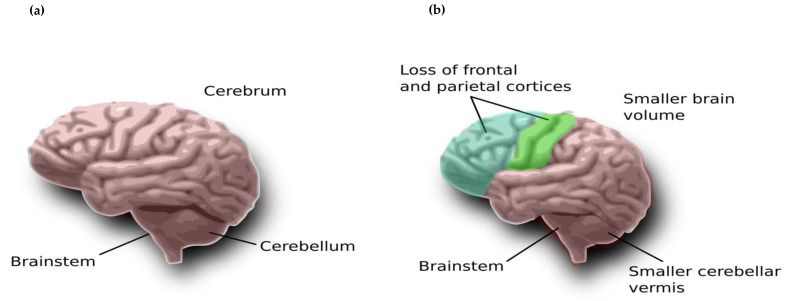
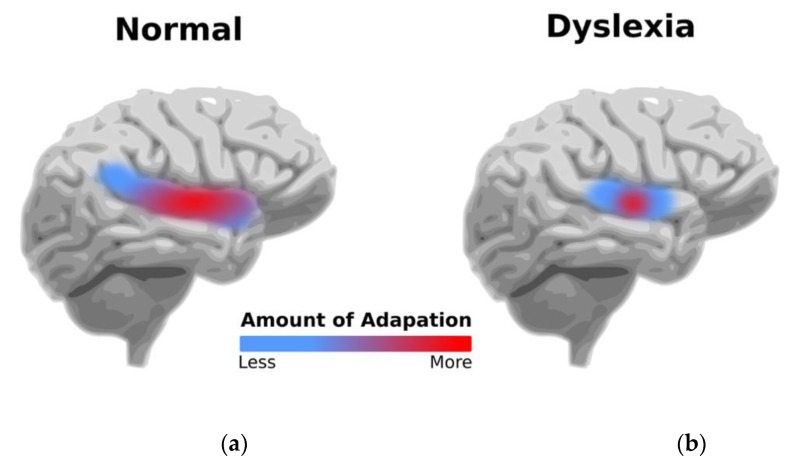
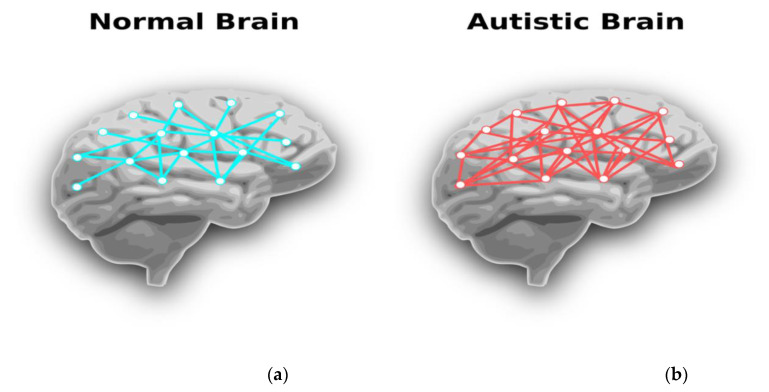

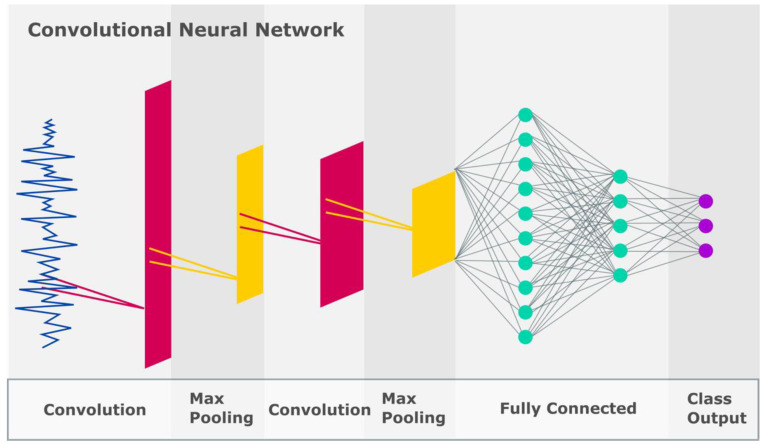
Verification
Claims the paper makes
The claims and statistics of this paper haven’t been checked yet.
Run the check — free, no account needed. It reads the open-access text and checks the sources it cites.
Claims other papers make about this one
Each is checked against this paper’s own text: does it say what the citing paper says it does?
The cited source says what the claim attributes to it.
In the citing paper
“Artificial intelligence can be used to support students with disabilities in a variety of ways (Barua et al., 2022).”
From The Future of Artificial Intelligence in Special Education Technology (2023) · cites this paper as Barua et al., 2022
Self-check
Percentages, sums and reported differences re-computed from the paper’s own numbers.
The self-check needs the paper’s full text.
Citations
Cites
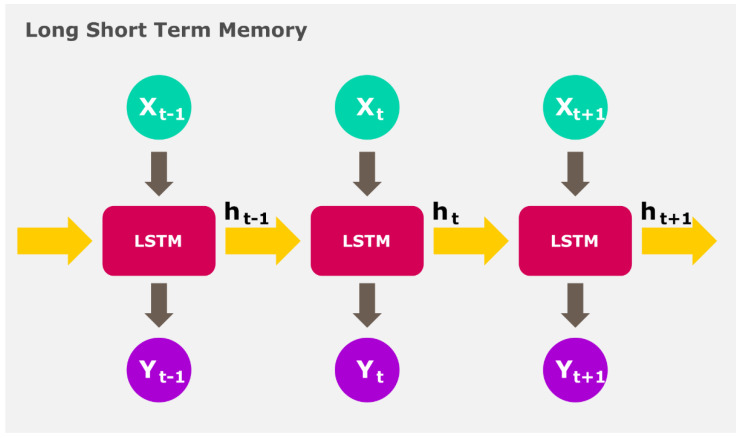
Hochreiter, S., & Schmidhuber, J. (1997) · Neural Computation · doi:10.1162/neco.1997.9.8.1735 · Cited by 102,318
Reducing the dimensionality of data with neural networks
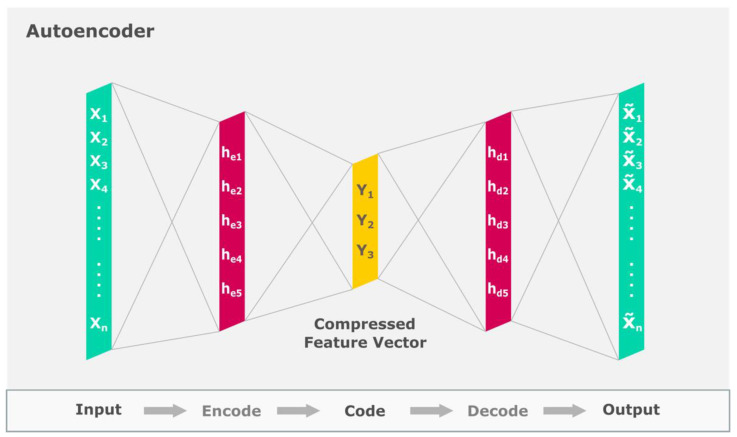
Hinton, G. E., & Salakhutdinov, R. R. (2006) · Science · doi:10.1126/science.1127647 · Cited by 20,928
Child and adolescent mental health worldwide: evidence for action
Kieling, C., Baker-Henningham, H., Belfer, M., Conti, G., Ertem, I., Omigbodun, O., Rohde, L. A., Srinath, S., Ulkuer, N., & Rahman, A. (2011) · The Lancet · doi:10.1016/s0140-6736(11)60827-1 · Cited by 2,449
Encyclopedia of Quality of Life and Well-Being Research
Michalos, A. C. (2014) · Springer eBooks · doi:10.1007/978-94-007-0753-5 · Cited by 1,291
Danielson, M. L., Bitsko, R. H., Ghandour, R. M., Holbrook, J. R., Kogan, M. D., & Blumberg, S. J. (2018) · Journal of Clinical Child & Adolescent Psychology · doi:10.1080/15374416.2017.1417860 · Cited by 1,181
Loss of mTOR-Dependent Macroautophagy Causes Autistic-like Synaptic Pruning Deficits
Tang, G., Gudsnuk, K., Kuo, S.-H., Cotrina, M. L., Rosoklija, G., Sosunov, A., Sonders, M. S., Kanter, E., Castagna, C., Yamamoto, A., et al. (2014) · Neuron · doi:10.1016/j.neuron.2014.07.040 · Cited by 1,146
BIEDERMAN, J., MONUTEAUX, M. C., MICK, E., SPENCER, T., WILENS, T. E., SILVA, J. M., SNYDER, L. E., & FARAONE, S. V. (2006) · Psychological Medicine · doi:10.1017/s0033291705006410 · Cited by 850
Conceptual Understanding of Convolutional Neural Network- A Deep Learning Approach
Indolia, S., Goswami, A. K., Mishra, S., & Asopa, P. (2018) · Procedia Computer Science · doi:10.1016/j.procs.2018.05.069 · Cited by 841
Linnet, K. M., Dalsgaard, S., Obel, C., Wisborg, K., Henriksen, T. B., Rodriguez, A., Kotimaa, A., Moilanen, I., Thomsen, P. H., Olsen, J., et al. (2003) · American Journal of Psychiatry · doi:10.1176/appi.ajp.160.6.1028 · Cited by 778
Automated EEG-based screening of depression using deep convolutional neural network
Acharya, U. R., Oh, S. L., Hagiwara, Y., Tan, J. H., Adeli, H., & Subha, D. P. (2018) · Computer Methods and Programs in Biomedicine · doi:10.1016/j.cmpb.2018.04.012 · Cited by 650
Self-citationComorbidity of LD and ADHD: Implications of DSM-5 for Assessment and Treatment
DuPaul, G. J., Gormley, M. J., & Laracy, S. D. (2013) · Journal of Learning Disabilities · doi:10.1177/0022219412464351 · Cited by 451
Mattila, M., Hurtig, T. M., Haapsamo, H., Jussila, K. K., Kuusikko‐Gauffin, S., Kielinen, M., Linna, S., Ebeling, H. E., Bloigu, R., Joskitt, L., et al. (2010) · Journal of Autism and Developmental Disorders · doi:10.1007/s10803-010-0958-2 · Cited by 427
Jensen, C. M., & Steinhausen, H.-C. (2015) · ADHD Attention Deficit and Hyperactivity Disorders · doi:10.1007/s12402-014-0142-1 · Cited by 402
Nepon, J., Belik, S.-L., Bolton, J., & Sareen, J. (2010) · Depression and Anxiety · doi:10.1002/da.20674 · Cited by 374
Hopkins, I. M., Gower, M. W., Perez, T. A., Smith, D. S., Amthor, F. R., Wimsatt, F. C., & Biasini, F. J. (2011) · Journal of Autism and Developmental Disorders · doi:10.1007/s10803-011-1179-z · Cited by 371
ADHD as a Risk Factor for Incident Unprovoked Seizures and Epilepsyin Children
Hesdorffer, D. C., Lúðvígsson, P., Ólafsson, E., Guðmundsson, G., Kjartansson, Ó., & Hauser, W. A. (2004) · Archives of General Psychiatry · doi:10.1001/archpsyc.61.7.731 · Cited by 348
Proximal Psychiatric Risk Factors for Suicidality in Youth
Foley, D. L., Goldston, D. B., Costello, E. J., & Angold, A. C. (2006) · Archives of General Psychiatry · doi:10.1001/archpsyc.63.9.1017 · Cited by 344
Personalized machine learning for robot perception of affect and engagement in autism therapy
Rudovic, O., Lee, J., Dai, M., Schuller, B., & Picard, R. W. (2018) · Science Robotics · doi:10.1126/scirobotics.aao6760 · Cited by 316
Deep Convolutional Neural Network Model for Automated Diagnosis of Schizophrenia Using EEG Signals
Oh, S. L., Vicnesh, J., Ciaccio, E. J., Yuvaraj, R., & Acharya, U. R. (2019) · Applied Sciences · doi:10.3390/app9142870 · Cited by 312
Self-citationHenricsson, L., & Rydell, A. (2004) · Merrill-palmer Quarterly · doi:10.1353/mpq.2004.0012 · Cited by 307
Yerys, B. E., Wallace, G. L., Sokoloff, J. L., Shook, D. A., James, J. D., & Kenworthy, L. (2009) · Autism Research · doi:10.1002/aur.103 · Cited by 299 · cited 1×
“The complex web of comorbidities between NDDs and MHDs can contribute to the severity of learning disabilities [11] in individual children and can further reduce the quality of life.”
BackgroundKhodatars, M., Shoeibi, A., Sadeghi, D., Ghaasemi, N., Jafari, M., Moridian, P., Khadem, A. A., Alizadehsani, R., Zare, A., Kong, Y., et al. (2021) · Computers in Biology and Medicine · doi:10.1016/j.compbiomed.2021.104949 · Cited by 294
Self-citationRegan, P. M., & Jesse, J. (2019) · Ethics and Information Technology · doi:10.1007/s10676-018-9492-2 · Cited by 286
Gjevik, E., Eldevik, S., Fjæran-Granum, T., & Sponheim, E. (2010) · Journal of Autism and Developmental Disorders · doi:10.1007/s10803-010-1095-7 · Cited by 259
Automatic analysis of affective postures and body motion to detect engagement with a game companion,
Sanghvi, J., Castellano, G., Leite, I., Pereira, A., McOwan, P. W., & Paiva, A. (2011) · Proceedings of the 6th international conference on Human-robot interaction · doi:10.1145/1957656.1957781 · Cited by 250
Automated depression analysis using convolutional neural networks from speech
He, L., & Cui, C. (2018) · Journal of Biomedical Informatics · doi:10.1016/j.jbi.2018.05.007 · Cited by 250
Fridin, M. (2013) · Computers & Education · doi:10.1016/j.compedu.2013.07.043 · Cited by 249
Evaluating the Engagement with Social Robots
Anzalone, S. M., Boucenna, S., Ivaldi, S., & Chétouani, M. (2015) · International Journal of Social Robotics · doi:10.1007/s12369-015-0298-7 · Cited by 236
Elsahar, Y., Hu, S., Bouazza‐Marouf, K., Kerr, D., & Mansor, A. (2019) · Sensors · doi:10.3390/s19081911 · Cited by 229
Comprehensive electrocardiographic diagnosis based on deep learning
Lih, O. S., Jahmunah, V., San, T. R., Ciaccio, E. J., Yamakawa, T., Tanabe, M., Kobayashi, M., Faust, O., & Acharya, U. R. (2020) · Artificial Intelligence in Medicine · doi:10.1016/j.artmed.2019.101789 · Cited by 225
Self-citationMultimodal Child-Robot Interaction: Building Social Bonds
Belpaeme, T., Baxter, P. E., Read, R., Wood, R., Cuayáhuitl, H., Kiefer, B., Racioppa, S., Kruijff‐Korbayová, I., Αθανασόπουλος, Γ., Enescu, V., et al. (2013) · Journal of Human-Robot Interaction · doi:10.5898/jhri.1.2.belpaeme · Cited by 213
Tsai, Y.-S., & Gasevic, D. (2017) · Proceedings of the Seventh International Learning Analytics & Knowledge Conference · doi:10.1145/3027385.3027400 · Cited by 211
Dubreuil-Vall, L., Ruffini, G., & Camprodon, J. A. (2020) · Frontiers in Neuroscience · doi:10.3389/fnins.2020.00251 · Cited by 184
Hansen, B. H., Oerbeck, B., Skirbekk, B., Petrovski, B. É., & Kristensen, H. (2018) · Nordic Journal of Psychiatry · doi:10.1080/08039488.2018.1444087 · Cited by 182
Privacy-Preserving Decentralized Key-Policy Attribute-Based Encryption
Han, J., Susilo, W., Mu, Y., & Yan, J. H. (2012) · IEEE Transactions on Parallel and Distributed Systems · doi:10.1109/tpds.2012.50 · Cited by 174
ADHD symptoms and the teacher–student relationship: a systematic literature review
Ewe, L. P. (2019) · Emotional and Behavioural Difficulties · doi:10.1080/13632752.2019.1597562 · Cited by 163
Rice, L., Wall, C. A., Fogel, A., & Shic, F. (2015) · Journal of Autism and Developmental Disorders · doi:10.1007/s10803-015-2380-2 · Cited by 162
Automated ASD detection using hybrid deep lightweight features extracted from EEG signals
Bayğın, M., Doğan, Ş., Tuncer, T., Barua, P. D., Faust, O., Arunkumar, N., Abdulhay, E., Palmer, E. E., & Acharya, U. R. (2021) · Computers in Biology and Medicine · doi:10.1016/j.compbiomed.2021.104548 · Cited by 160
Self-citationDeveloping Kaspar: A Humanoid Robot for Children with Autism
Wood, L. J., Zaraki, A., Robins, B., & Dautenhahn, K. (2019) · International Journal of Social Robotics · doi:10.1007/s12369-019-00563-6 · Cited by 157
A historical perspective of speech recognition
Huang, X., Baker, J., & Reddy, R. (2014) · Communications of the ACM · doi:10.1145/2500887 · Cited by 153
Dysfunction of Rapid Neural Adaptation in Dyslexia
Perrachione, T. K., Tufo, S. N. D., Winter, R. E., Murtagh, J., Cyr, A. B., Chang, P., Halverson, K. K., Ghosh, S., Christodoulou, J. A., & Gabrieli, J. D. E. (2016) · Neuron · doi:10.1016/j.neuron.2016.11.020 · Cited by 153
Using electrodermal activity to recognize ease of engagement in children during social interactions
Hernandez, J., Riobo, I., Rozga, A., Abowd, G. D., & Picard, R. W. (2014) · ACM International Joint Conference on Pervasive and Ubiquitous Computing (UbiComp) · doi:10.1145/2632048.2636065 · Cited by 144
A Review on Artificial Intelligence in Special Education
Drigas, A. S., & Ioannidou, R.-E. (2013) · Communications in computer and information science · doi:10.1007/978-3-642-35879-1_46 · Cited by 139
Esteban, P. G., Baxter, P. E., Belpaeme, T., Billing, E., Cai, H., Cao, H.-L., Coeckelbergh, M., Costescu, C. A., David, D., Beir, A. D., et al. (2017) · Paladyn Journal of Behavioral Robotics · doi:10.1515/pjbr-2017-0002 · Cited by 139
Suicide in Autism Spectrum Disorders
Richa, S., Fahed, M., Khoury, E., & Mishara, B. (2014) · Archives of Suicide Research · doi:10.1080/13811118.2013.824834 · Cited by 135
Tor, H. T., Ooi, C. P., Lim-Ashworth, N., Wei, J. K. E., Jahmunah, V., Oh, S. L., Acharya, U. R., & Fung, D. S. S. (2021) · Computer Methods and Programs in Biomedicine · doi:10.1016/j.cmpb.2021.105941 · Cited by 130
Self-citationSymptoms of Attention-Deficit/Hyperactivity Disorder Following Traumatic Brain Injury in Children
Levin, H., Hanten, G., Max, J., Li, X., Swank, P., Ewing-Cobbs, L., Dennis, M., Menefee, D. S., & Schachar, R. (2007) · Journal of Developmental & Behavioral Pediatrics · doi:10.1097/01.dbp.0000267559.26576.cd · Cited by 123
Social Robots in Special Education: A Systematic Review
Papakostas, G. A., Sidiropoulos, G. K., Papadopoulou, C. I., Vrochidou, Ε., Kaburlasos, V. G., Papadopoulou, M. T., Holeva, V., Nikopoulou, V. A., & Dalivigkas, N. (2021) · Electronics · doi:10.3390/electronics10121398 · Cited by 118
E-Readers Are More Effective than Paper for Some with Dyslexia
Schneps, M. H., Thomson, J., Chen, C., Sonnert, G., & Pomplun, M. (2013) · PLoS ONE · doi:10.1371/journal.pone.0075634 · Cited by 110
Jain, S., Thiagarajan, B., Shi, Z., Clabaugh, C., & Matarić, M. J. (2020) · Science Robotics · doi:10.1126/scirobotics.aaz3791 · Cited by 107
Autism Spectrum Disorder Diagnostic System Using HOS Bispectrum with EEG Signals
Pham, T., Vicnesh, J., Wei, J. K. E., Oh, S. L., Arunkumar, N., Abdulhay, E., Ciaccio, E. J., & Acharya, U. R. (2020) · International Journal of Environmental Research and Public Health · doi:10.3390/ijerph17030971 · Cited by 101
Self-citationGenetics of attention-deficit/hyperactivity disorder: an update
Akutagava‐Martins, G. C., Rohde, L. A., & Hutz, M. H. (2015) · Expert Review of Neurotherapeutics · doi:10.1586/14737175.2016.1130626 · Cited by 97
A novel automated autism spectrum disorder detection system
Oh, S. L., Jahmunah, V., Arunkumar, N., Abdulhay, E., Gururajan, R., Adib, N., Ciaccio, E. J., Cheong, K. H., & Acharya, U. R. (2021) · Complex & Intelligent Systems · doi:10.1007/s40747-021-00408-8 · Cited by 95
Self-citationKoh, J. E. W., Ooi, C. P., Lim-Ashworth, N., Vicnesh, J., Tor, H. T., Lih, O. S., Tan, R., Acharya, U. R., & Fung, D. S. S. (2021) · Computers in Biology and Medicine · doi:10.1016/j.compbiomed.2021.105120 · Cited by 87
Self-citationAlcorn, A. M., Ainger, E., Charisi, V., Mantinioti, S., Petrović, S., Schadenberg, B. R., Tavassoli, T., & Pellicano, E. (2019) · Frontiers in Robotics and AI · doi:10.3389/frobt.2019.00107 · Cited by 77
Diagnosis of attention deficit hyperactivity disorder using imaging and signal processing techniques
Sridhar, C., Bhat, S., Acharya, U. R., Adeli, H., & Bairy, G. M. (2017) · Computers in Biology and Medicine · doi:10.1016/j.compbiomed.2017.07.009 · Cited by 75
Self-citationNeurodevelopmental Behavioral and Cognitive Disorders
Jeste, S. (2015) · CONTINUUM Lifelong Learning in Neurology · doi:10.1212/01.con.0000466661.89908.3c · Cited by 71
Gwernan‐Jones, R., Moore, D. A., Cooper, P. W., Russell, A. E., Richardson, M. A., Rogers, M., Coon, J. T., Stein, K., Ford, T. J., & Garside, R. (2016) · Emotional and Behavioural Difficulties · doi:10.1080/13632752.2015.1120055 · Cited by 69
Siam, K., & Al-Natour, M. (2016) · International Education Studies · doi:10.5539/ies.v9n12p167 · Cited by 61
Improving communication skills of children with ASDs through interaction with virtual characters
Abirached, B., Zhang, Y., Aggarwal, J. K., Tamersoy, B., Fernandes, T., & Carlos, J. (2011) · SeGAH ... IEEE ... International Conference on Serious Games and Applications for Health/IEEE International Conference on Serious Games and Applications for Health · doi:10.1109/segah.2011.6165464 · Cited by 60
Arshad, N. I., Hashim, A. S., Ariffin, M. M., Aszemi, N. M., Low, H. M., & Norman, A. A. (2020) · IEEE Access · doi:10.1109/access.2020.3001629 · Cited by 58
Victor, E., Aghajan, Z. M., Sewart, A. R., & Christian, R. (2019) · Psychological Assessment · doi:10.1037/pas0000724 · Cited by 57
Swedish child and adolescent psychiatric out-patients
Kopp, S., & Gillberg, C. (2003) · European Child & Adolescent Psychiatry · doi:10.1007/s00787-003-0309-3 · Cited by 52
Designing Real Time Assistive Technologies
Sonne, T., Obel, C., & Grønbæk, K. (2015) · Australian Conference on Computer-Human Interaction (OzCHI) · doi:10.1145/2838739.2838815 · Cited by 47
Educational Software as Assistive Technologies for Children with Autism Spectrum Disorder
Purnama, Y., Herman, F. A., Hartono, J., Neilsen, Suryani, D., & Sanjaya, G. (2021) · Procedia Computer Science · doi:10.1016/j.procs.2020.12.002 · Cited by 46
Oerbeck, B., Øvergaard, K. R., Aspenes, S. T., Pripp, A. H., Mørdre, M., Aase, H., Reichborn‐Kjennerud, T., & Zeiner, P. (2017) · BMC Psychiatry · doi:10.1186/s12888-017-1204-7 · Cited by 45
Recent Stressful Life Events and Suicide Attempt
Wang, Y., Sareen, J., Afifi, T. O., Bolton, J. M., Johnson, E. A., & Bolton, J. M. (2012) · Psychiatric Annals · doi:10.3928/00485713-20120217-07 · Cited by 44
Muharib, R., Correa, V. I., Wood, C. L., & Haughney, K. L. (2018) · Journal of Special Education Technology · doi:10.1177/0162643418783479 · Cited by 43
Muharib, R., & Alzrayer, N. M. (2017) · Review Journal of Autism and Developmental Disorders · doi:10.1007/s40489-017-0122-4 · Cited by 40
Yoro, A. J., Fourie, J. V., & van der Merwe, M. (2020) · African Journal of Disability · doi:10.4102/ajod.v9i0.561 · Cited by 38
Speaking Math — A Voice Input, Speech Output Calculator for Students with Visual Impairments
Bouck, E. C., Flanagan, S. M., Joshi, G. S., Sheikh, W., & Schleppenbach, D. (2011) · Journal of Special Education Technology · doi:10.1177/016264341102600401 · Cited by 37
Blockchain for Cybersecurity: A Comprehensive Survey
Bansal, P., Panchal, R., Bassi, S., & Kumar, A. (2020) · IEEE International Conference on Communication Systems and Network Technologies (CSNT) · doi:10.1109/csnt48778.2020.9115738 · Cited by 33
Colton, M. B., Ricks, D. J., Goodrich, M. A., Dariush, B., Fujimura, K., & Fujiki, M. (2010) · Cited by 32
(2008) · PsycEXTRA Dataset · doi:10.1037/e588242011-001 · Cited by 31
Rello, L., Williams, K., Ali, A. X., White, N. C., & Bigham, J. P. (2016) · International Web for All Conference (W4A) · doi:10.1145/2899475.2899491 · Cited by 30
Kim, J. C., Azzi, P., Jeon, M., Howard, A. M., & Park, C. H. (2017) · International Conference on Ubiquitous Robots and Ambient Intelligence · doi:10.1109/urai.2017.7992881 · Cited by 30
Examining the Effectiveness of Gamification in Human Computation
Wang, X., Goh, D. H., Lim, E., Vu, A. W. L., & Chua, A. Y. K. (2017) · International Journal of Human-Computer Interaction · doi:10.1080/10447318.2017.1287458 · Cited by 29
Athanaselis, T., Bakamidis, S., Dologlou, I., Argyriou, E. N., & Symvonis, A. (2012) · Multimedia Tools and Applications · doi:10.1007/s11042-012-1073-5 · Cited by 29
Novack, M. N., Hong, E. S., Dixon, D. R., & Granpeesheh, D. (2018) · Behavior Analysis in Practice · doi:10.1007/s40617-018-00312-7 · Cited by 28
A Physical-Layer Location Privacy-Preserving Scheme for Mobile Public Hotspots in NEMO-Based VANETs
Taha, S., & Shen, X. (2013) · IEEE Transactions on Intelligent Transportation Systems · doi:10.1109/tits.2013.2265311 · Cited by 26
Elsahar, Y., Hu, S., Bouazza‐Marouf, K., Kerr, D., & Mansor, A. (2019) · Preprints.org · doi:10.20944/preprints201903.0033.v1 · Cited by 25
Sood, M. R., Toornstra, A., Sereno, M. I., Boland, M., Filaretti, D., & Sood, A. (2018) · JMIR Research Protocols · doi:10.2196/resprot.9583 · Cited by 23
Trends of Cloud Computing in Education
Shi, Y., Yang, H. H., Yang, Z., & Wu, D. (2014) · Lecture notes in computer science · doi:10.1007/978-3-319-08961-4_12 · Cited by 22
A Novel Reinforcement-Based Paradigm for Children to Teach the Humanoid Kaspar Robot
Zaraki, A., Khamassi, M., Wood, L. J., Lakatos, G., Tzafestas, C. S., Amirabdollahian, F., Robins, B., & Dautenhahn, K. (2019) · International Journal of Social Robotics · doi:10.1007/s12369-019-00607-x · Cited by 21
A study of computer-based learning model for students with dyslexia
Hamid, S. S. A., Admodisastro, N. I., & Kamaruddin, A. (2015) · Malaysian Software Engineering Conference (MySEC) · doi:10.1109/mysec.2015.7475234 · Cited by 20
An intelligent integrative assistive system for dyslexic learners
Ndombo, D. M., Ojo, S. O., & Osunmakinde, I. O. (2013) · Journal of Assistive Technologies · doi:10.1108/jat-11-2012-0036 · Cited by 17
Analysis of speech properties of neurotypicals and individuals diagnosed with autism and down
Hoque, M. E. (2008) · International ACM SIGACCESS Conference on Computers and Accessibility (ASSETS) · doi:10.1145/1414471.1414554 · Cited by 16
Mental Illness in Children: Childhood Illness and Supporting the Family
Sheehan, R. (2017) · Brain Sciences · doi:10.3390/brainsci7080097 · Cited by 15
A Long-term Study of Robot-Assisted Therapy for Children with Severe Autism and ADHD
Rakhymbayeva, N., Seitkazina, N., Turabayev, D., Pak, A., & Sandygulova, A. (2020) · ACM/IEEE International Conference on Human-Robot Interaction (HRI) · doi:10.1145/3371382.3378356 · Cited by 14
Handbook of Research on Practices and Outcomes in E-Learning
Yang, H. H., & Yuen, S. C.-Y. (2010) · IGI Global eBooks · doi:10.4018/978-1-60566-788-1 · Cited by 14
Renemane, L., Ķīvīte‐Urtāne, A., & Rancāns, E. (2021) · Medicina · doi:10.3390/medicina57090970 · Cited by 12
Learning Analytics in Higher Education: A Reflection
Zilvinskis, J., & Wills, J. E. (2019) · InSight A Journal of Scholarly Teaching · doi:10.46504/14201903zi · Cited by 11
Somma, F., Rega, A., & Gigliotta, O. (2019) · Cited by 6
Tsampalas, E., Dimitrios, S., Papadimitropoulou, P., Vergou, M., & Zakopoulou, V. (2017) · Zenodo (CERN European Organization for Nuclear Research) · doi:10.5281/zenodo.1095186 · Cited by 3
Kerr, K. (2020) · Cited by 3
Tsampalas, E., Dimitrios, S., Papadimitropoulou, P., Vergou, M., & Zakopoulou, V. (2017) · Open Access Publishing Group - European Journal of Special Education Research · doi:10.46827/ejse.v0i0.1254 · Cited by 2
Researching, Evaluating, and Choosing a Backup Service in the Cloud.
Hastings, R. (2012) · Cited by 2
DytectiveU application: contribution to the literacy in children with dyslexia
Agama, A. A., & Gómez, R. M. (2021) · Espirales revista multidisciplinaria de investigación · doi:10.31876/er.v5i36.777 · Cited by 2
Research works printed but not linked: 6
- (2012). Dyslexia. Encyclopedia of Human Behavior, Academic Press. [2nd ed.].
- Sharif, H., and Khan, R.A. (2019). A novel framework for automatic detection of Autism: A study on Corpus Callosum and Intracranial Brain Volume. arXiv.
- Shukla, 2020, A Comprehensive Study of Audio Visual Aids for Dyslexic Children, IJEET, 11, 211
- Rouhi, A., Spitale, M., Catania, F., Cosentino, G., Gelsomini, M., and Garzotto, F. (2019, January 16–20). Emotify: Emotional game for children with autism spectrum disorder based-on machine learning. Proceedings of the 24th International Conference on Intelligent User Interfaces: Companion, Marina del Ray, CA, USA.
- Smith, S.W., Bourgeois, D.T., James, L., and Mortati, J. (2021, February 25). The Ethical and Legal Implications of Information Systems; 2021. Available online: https://bus206.pressbooks.com/chapter/chapter-12-the-ethical-and-legal-implications-of-information-systems/.
- 2015, The Internet of Things. A New Companion to Digit, Humanit, 2012, 42
Cited by
Sorted by citations
State of the art and practice in AI in education
Holmes, W., & Tuomi, I. (2022) · European Journal of Education · doi:10.1111/ejed.12533 · Cited by 1,093
AI‐driven adaptive learning for sustainable educational transformation
Strielkowski, W., Grebennikova, V., Lisovskiy, A., Rakhimova, G., & Vasileva, T. (2025) · Sustainable Development · doi:10.1002/sd.3221 · Cited by 581
Almufareh, M. F., Kausar, S., Humayun, M., & Tehsin, S. (2024) · Journal of Disability Research · doi:10.57197/jdr-2023-0060 · Cited by 159
The Future of Artificial Intelligence in Special Education Technology
Marino, M. T., Vasquez, E., Dieker, L., Basham, J., & Blackorby, J. (2023) · Journal of Special Education Technology · doi:10.1177/01626434231165977 · Cited by 142
The threat, hype, and promise of artificial intelligence in education
Humble, N., & Mozelius, P. (2022) · Discover Artificial Intelligence · doi:10.1007/s44163-022-00039-z · Cited by 125
Metadata
- Authors
- Barua, P. D., Vicnesh, J., Gururajan, R., Oh, S. L., Palmer, E., Azizan, M. M., Kadri, N. A., & Acharya, U. R.
- Affiliations
- University of Technology Sydney (AU)
- Ngee Ann Polytechnic (SG)
- University of Southern Queensland (AU)
- UNSW Sydney (AU)
- Universiti Sains Islam Malaysia (MY)
- University of Malaya (MY)
- Asia University (TW)
- Corresponding author
- Azizan, Muhammad Mokhzaini
- ORCID
- Venue
- International Journal of Environmental Research and Public Health
- Publisher
- MDPI AG
- Published
- 2022-01-21
- Volume
- 19
- Issue
- 3
- Pages
- 1192
- ISSN
- 1660-4601 (ISSN-L)
- PMC
- PMC8835076
- OpenAlex
- W4205370021
- Cited by
- 270
- References
- 97
- Citations by year
- 2026: 70 · 2025: 106 · 2024: 63 · 2023: 23 · 2022: 8
- FWCI
- 6.31
- Type
- journal article
- Language
- en
- Open access
- gold
- doi.org
- Licence
- Locations
- International Journal of Environmental Research and Public Health (publishedVersion, cc-by)
- PubMed Central (publishedVersion, cc-by)
- PubMed (publishedVersion)
- RePEc: Research Papers in Economics (submittedVersion)
- DOAJ (DOAJ: Directory of Open Access Journals) (submittedVersion)
- Topics
- Social Sciences › Education › Artificial Intelligence in Education
- Physical Sciences › Computer Science › Artificial Intelligence › Intelligent Tutoring Systems and Adaptive Learning
- Life Sciences › Neuroscience › Cognitive Neuroscience › Autism Spectrum Disorder Research
- Keywords
- artificial intelligence, assistive technology, neurodevelopmental disorders, children with disabilities, personalized learning, autism spectrum disorder, dyslexia, attention deficit hyperactivity disorder, intellectual disability, mental illness, learning difficulties, social interaction, machine learning, educational intervention
- MeSH terms
- Autism Spectrum Disorder, Adolescent, Anxiety Disorders, Artificial Intelligence, Attention Deficit Disorder with Hyperactivity, Child, Humans, Neurodevelopmental Disorders
About these checks
Registry, retraction, Cites and statistics results are computed, not judged, with one exception: a printed reference that no index lists is read once by a model before it counts as a citation error. Claims are extracted by a model and kept only when their quote appears verbatim in the text; each cited source is then checked, with a model’s help, for whether it says what the claim relies on. Those verdicts can be wrong — read the claim’s quote and the cited source before relying on one.
Statistics and arithmetic are recomputed, not judged.
Confidence bands are shown only for fields calibrated on our annotated test set. None is calibrated yet, so no band is shown.
What counts as a claim ›How we measure confidence ›How we check this ›
Are you an author, or do you see a problem with this page? Request a review
