

Effects of Restorative Environment and Presence on Anxiety and Depression Based on Interactive Virtual Reality Scenarios
Open accessThe DOI matches its Crossref record; 115 of the 115 references it cites were found in a registry or an index.
Abstract
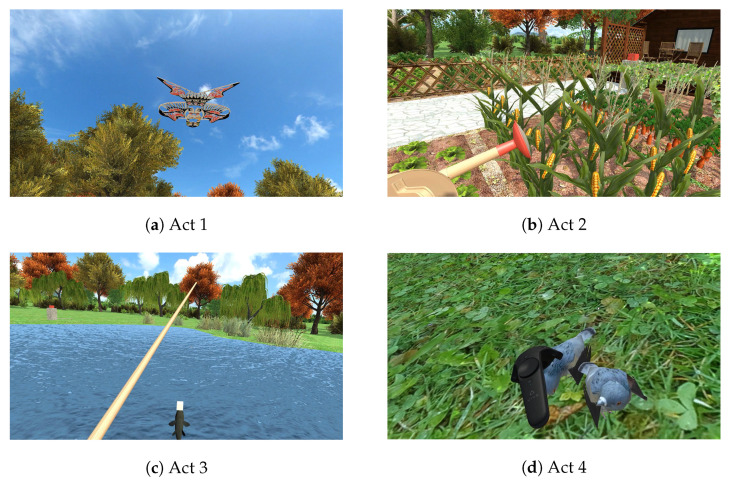
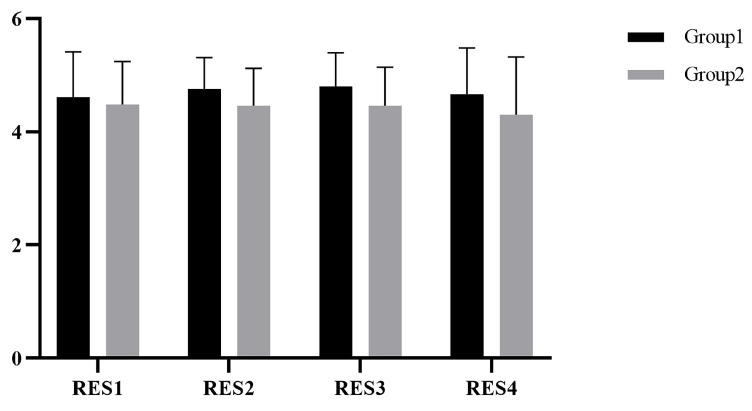
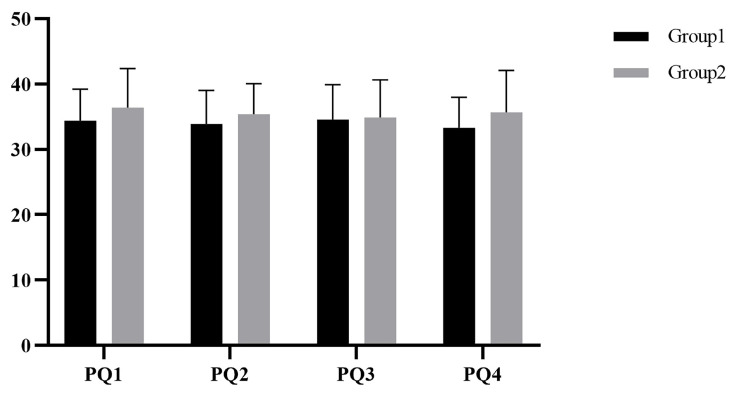
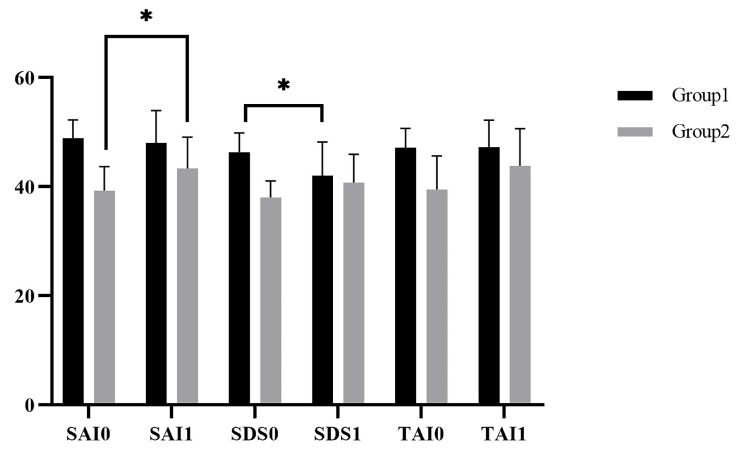
Anxiety and depression have been growing global mental health problems. The following studies explored the effect of interactive VR scenarios to find a low-cost and high-efficiency solution. Study 1 designed a 2 (anxiety and depression state) × 4 (interactive VR scenarios) experiment, the results of 20 participants showed that the designed scenarios had good restoration and presence, assisting to improve depression mood for people with mild to moderate anxiety and depression. Study 2 further investigated the intervention effects of two environment types (urban and park) and four interactive activities (automatic viewing, free-roaming, fishing, and watering plants in the park environment), based on data from a 10-minute experiment conducted by 195 participants with mild to moderate anxiety and depression. The subjective scales, EEG and EMG, and scenario experience were analyzed and the results showed that: (1) the restorative and present VR scenarios were beneficial in alleviating state anxiety and depression; (2) the restorative environment and presence were significantly and positively related to the reduction of anxiety and depression respectively, moreover, presence mediated the restorative environment on the recovery from anxiety and depression; (3) the environmental settings, the complexity of interaction, human factors, and maturity of VR devices and technology were also key factors that influenced the effects of interactive VR scenario experience and intervention. These studies revealed VR psychological intervention scenarios could be designed with comprehensive factors. Moreover, they might help pave the way for future study in exploring the physiology and psychology mode in virtual and real spaces, enhancing intervention effectiveness.
Overview
The claims and statistics of this paper haven’t been checked yet.
Free: it reads the open-access text and checks the first 5 claims that cite a source we can check. Create a free account to check every claim.
Integrity signals
Registry
Cites
Statistics
Figures

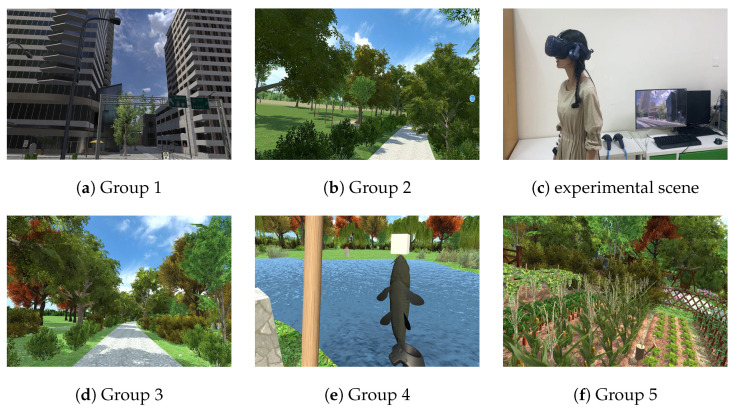
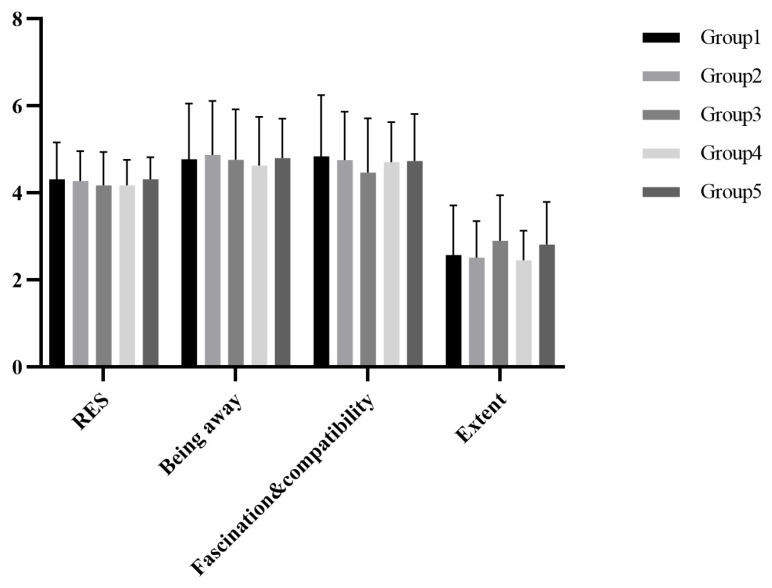
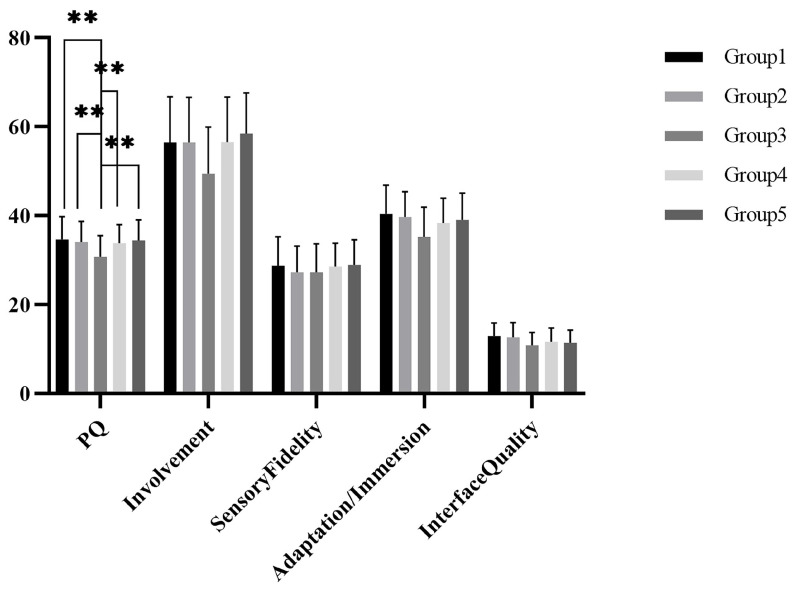
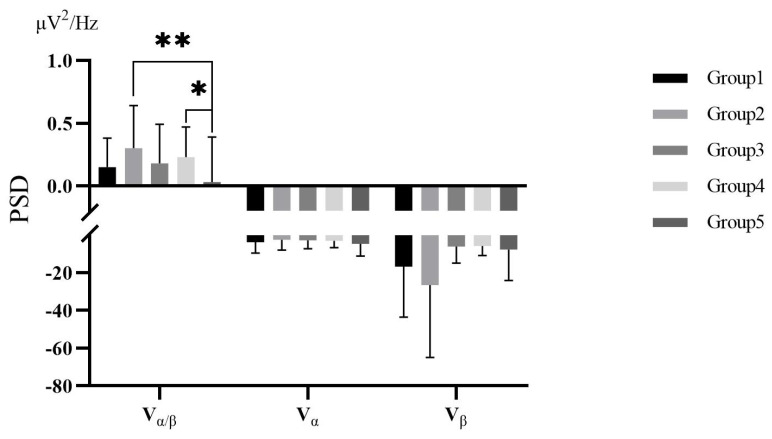
Verification
Claims the paper makes
The claims and statistics of this paper haven’t been checked yet.
Free: it reads the open-access text and checks the first 5 claims that cite a source we can check. Create a free account to check every claim.
Claims other papers make about this one
Each is checked against this paper’s own text: does it say what the citing paper says it does?
The source backs part of the claim, not all of it — or backs it for a different population, condition or comparison.
In the citing paper
“The majority of the studies have implemented gamification and persuasive technology features in VR interventions specifically targeting anxiety and depression (7, 8, 10–13, 20, 32, 41, 42, 44).”
From A systematic review on the efficacy of virtual reality and gamification interventions for managing anxiety and depression (2023) · cites this paper as [13]
Experimental — accuracy not yet measuredThe cited source says what the claim attributes to it.
In the citing paper
“Twelve studies found a positive treatment outcome, as evidenced by a statistical decrease in symptoms of depression (7–13, 20, 24, 32, 41, 42).”
From A systematic review on the efficacy of virtual reality and gamification interventions for managing anxiety and depression (2023) · cites this paper as [13]
The cited source says what the claim attributes to it.
In the citing paper
“The results show that the most commonly used frequency in implementing VR interventions was once per week, with 7 out of 15 studies implementing the intervention at this frequency (9, 10, 13, 21, 24, 42, 43).”
From A systematic review on the efficacy of virtual reality and gamification interventions for managing anxiety and depression (2023) · cites this paper as [13]
The cited source says what the claim attributes to it.
In the citing paper
“In 12 of the studies the VR intervention was done in 4 to 24 sessions (7–10, 12, 13, 20, 24, 32, 41, 42, 44).”
From A systematic review on the efficacy of virtual reality and gamification interventions for managing anxiety and depression (2023) · cites this paper as [13]
The check wasn’t confident either way, so it gives no verdict — never disputed.
In the citing paper
“The results showed that 11 studies utilised an individual setting (7–13, 21, 24, 32, 42, 44), while four used a group setting (7, 8, 20, 41, 43).”
From A systematic review on the efficacy of virtual reality and gamification interventions for managing anxiety and depression (2023) · cites this paper as [13]
Experimental — accuracy not yet measured
Self-check
Percentages, sums and reported differences re-computed from the paper’s own numbers.
The self-check needs the paper’s full text.
Citations
Cites
The Discovery of Grounded Theory: Strategies for Qualitative Research
Glaser, B. G., & Strauss, A. L. (2017) · Aldine (Routledge reprint) · doi:10.4324/9780203793206 · Cited by 25,789
The Ecological Approach to Visual Perception: Classic Edition
Gibson, J. J. (2014) · doi:10.4324/9781315740218 · Cited by 12,132
The restorative benefits of nature: toward an integrative framework
Kaplan, S. (1995) · Journal of Environmental Psychology · doi:10.1016/0272-4944(95)90001-2 · Cited by 6,923 · cited 1×
“However, the park environment made it easier to leave the urban context to restore physical and mental state, which was in line with Kaplan’s focus on the being away and resting directed attention of the natural environment [38].”
BackgroundMeasuring Presence in Virtual Environments: A Presence Questionnaire
Witmer, B. G., & Singer, M. J. (1998) · Presence: Teleoperators and Virtual Environments · doi:10.1162/105474698565686 · Cited by 6,371
Stress recovery during exposure to natural and urban environments
Ulrich, R. S., Simons, R. F., Losito, B. D., Fiorito, E., Miles, M. A., & Zelson, M. (1991) · Journal of Environmental Psychology · doi:10.1016/s0272-4944(05)80184-7 · Cited by 5,990 · cited 1×
“SRT suggests the human aesthetic need for a natural environment activates the parasympathetic nervous system, evoking positive emotions and releasing stress [35,36].”
BackgroundDefining virtual reality: Dimensions determining telepresence
Steuer, J. (1992) · Journal of Communication · doi:10.1111/j.1460-2466.1992.tb00812.x · Cited by 5,459 · cited 1×
“However, it is not only realistic and immersive environments that can inspire presence, but scenarios that are appropriate to individual performance, with rich and vivid extent (settings with breadth and depth) and good interactivity (naturalness and ease of engaging in interactive activities) [75,80,81].”
BackgroundSantomauro, D. F., Mantilla Herrera, A. M., Shadid, J., Zheng, P., Ashbaugh, C., Pigott, D. M., Abbafati, C., Adolph, C., Amlag, J. O., Aravkin, A. Y., et al. (2021) · The Lancet · doi:10.1016/s0140-6736(21)02143-7 · Cited by 5,444
Bem, D. J. (1972) · Advances in Experimental Social Psychology · doi:10.1016/s0065-2601(08)60024-6 · Cited by 5,241
No health without mental health
Prince, M., Patel, V., Saxena, S., Maj, M., Maselko, J., Phillips, M. R., & Rahman, A. (2007) · The Lancet · doi:10.1016/s0140-6736(07)61238-0 · Cited by 3,753
Korcelli-Olejniczak, E. (2017) · RCIN (Digital Repository of the Scientifics Institutes) (Institute of Archaeology and Ethnology of the Polish Academy of Sciences) · Cited by 3,244
Research works printed but not linked: 4
- Kaplan R. Kaplan S. The Experience of Nature: A Psychological Perspective Cambridge University Press Cambridge, UK 1989
- Desmedt J.E. Computer Aided Electromyography and Expert Systems Elsevier Science Inc. Amsterdam, The Netherlands 1989
- Ulrich R.S. Biophilia, biophobia, and natural landscapes Biophilia Hypothesis 1993 7 73 137
- Sharp H. Jennifer Preece, Y.R. Interaction Design: Beyond Human-Computer Interaction 5th ed. Wiley Hoboken, NJ, USA 2019
Cited by
Jingili, N., Oyelere, S. S., Nyström, M. B. T., & Anyshchenko, L. (2023) · Frontiers in Digital Health · doi:10.3389/fdgth.2023.1239435 · Cited by 69
Impacts of sights and sounds on anxiety relief in the high-density city
Xu, W., Wang, H., Su, H., SULLIVAN, W. C., Lin, G., Pryor, M., & Jiang, B. (2023) · Landscape and Urban Planning · doi:10.1016/j.landurbplan.2023.104927 · Cited by 56
The Physiological Restorative Role of Soundscape in Different Forest Structures
Hong, X. C., Cheng, S., Liu, J., Dang, E., Wang, J., & Cheng, Y. (2022) · Forests · doi:10.3390/f13111920 · Cited by 34
Self-citationZheng, L., Li, W., Song, S., Xiao, X., Low, S. R., Zhang, Y., Yu, X., & Peng, Y. (2024) · Mindfulness · doi:10.1007/s12671-024-02335-4 · Cited by 38
Xing, F., Hu, D., Fan, Y., Yang, J., Liang, H., Gao, T., & Qiu, L. (2025) · Building and Environment · doi:10.1016/j.buildenv.2025.113190 · Cited by 46
Metadata
- Authors
- Wang, Z., Li, Y., An, J., Dong, W., Li, H., Ma, H., Wang, J., Wu, J., Jiang, T., & Wang, G.
- Affiliations
- Beijing Normal University (CN)
- Lund University (SE)
- Beijing Forestry University (CN)
- Corresponding author
- Wu, Jianping
- Venue
- International Journal of Environmental Research and Public Health
- Publisher
- MDPI AG
- Published
- 2022-06-27
- Volume
- 19
- Issue
- 13
- Pages
- 7878
- ISSN
- 1660-4601 (ISSN-L)
- PMC
- PMC9266120
- OpenAlex
- W4283644310
- Cited by
- 51
- References
- 111
- Citations by year
- 2026: 14 · 2025: 17 · 2024: 11 · 2023: 8 · 2022: 1
- FWCI
- 4.58
- Type
- journal article
- Language
- en
- Open access
- gold
- doi.org
- Licence
- Locations
- International Journal of Environmental Research and Public Health (publishedVersion, cc-by)
- PubMed Central (publishedVersion, cc-by)
- PubMed (publishedVersion)
- RePEc: Research Papers in Economics (submittedVersion)
- Funders
- National Forestry and Grassland Administration, Forestry Soft Science Research: Technical Support Research on Forestry Restorative Functions in National Forests (2018-R17)
- Topics
- Physical Sciences › Computer Science › Human-Computer Interaction › Virtual Reality Applications and Impacts
- Social Sciences › Psychology › Applied Psychology › Digital Mental Health Interventions
- Social Sciences › Urban Studies › Urban Green Space and Health
- Keywords
- virtual reality, restorative environments, presence, anxiety, depression, state anxiety, depressive state
- MeSH terms
- Virtual Reality, Anxiety, Anxiety Disorders, Depression, Humans
About these checks
Registry, retraction, Cites and statistics results are computed, not judged, with one exception: a printed reference that no index lists is read once by a model before it counts as a citation error. Claims are extracted by a model and kept only when their quote appears verbatim in the text; each cited source is then checked, with a model’s help, for whether it says what the claim relies on. Those verdicts can be wrong — read the claim’s quote and the cited source before relying on one.
Statistics and arithmetic are recomputed, not judged.
Confidence bands are shown only for fields calibrated on our annotated test set. None is calibrated yet, so no band is shown.
What counts as a claim ›How we measure confidence ›How we check this ›
Are you an author, or do you see a problem with this page? Request a review
Data sources
Bibliographic data: Semantic Scholar, OpenAlex, Crossref.
Contains information from the Semantic Scholar Academic Graph Datasets, made available under the ODC Attribution License (ODC-BY 1.0).
Semantic Scholar’s data is described in: Kinney, R., et al. (2023). The Semantic Scholar Open Data Platform. arXiv:2301.10140.
