

The DOI matches its Crossref record; 8 of the 8 references it cites were found in a registry or an index.
Dual-Specificity Phosphatases in Immunity and Infection: An Update
Abstract
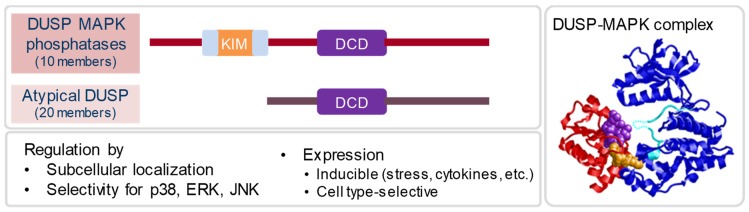
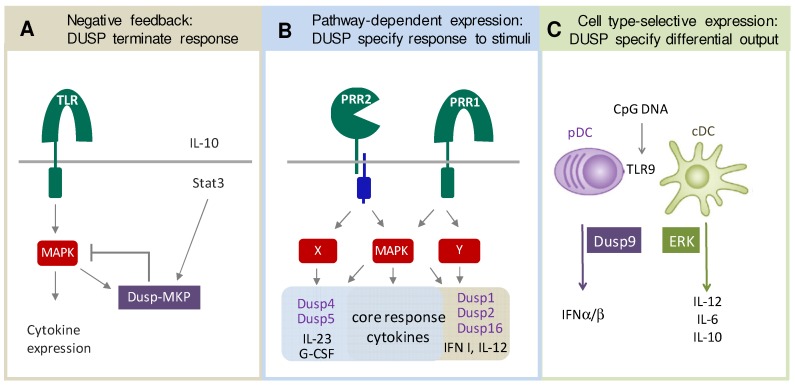
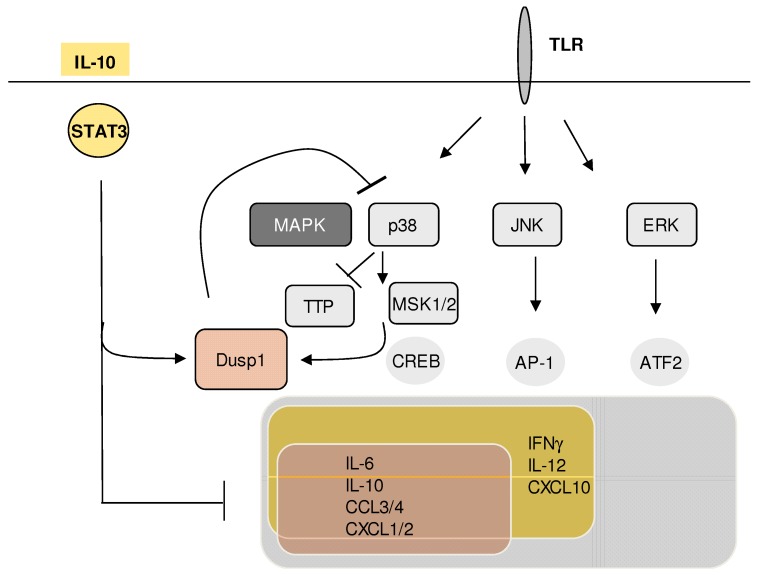
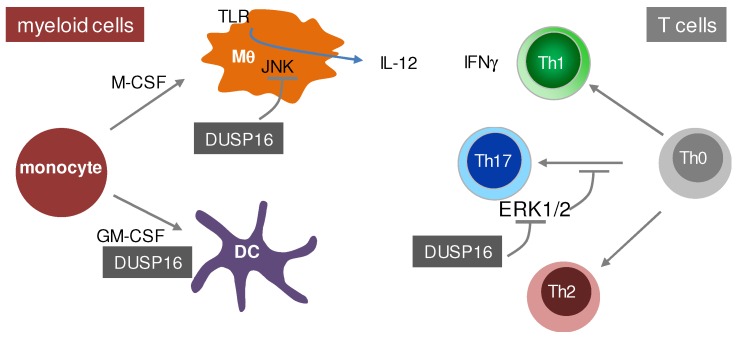
Kinase activation and phosphorylation cascades are key to initiate immune cell activation in response to recognition of antigen and sensing of microbial danger. However, for balanced and controlled immune responses, the intensity and duration of phospho-signaling has to be regulated. The dual-specificity phosphatase (DUSP) gene family has many members that are differentially expressed in resting and activated immune cells. Here, we review the progress made in the field of DUSP gene function in regulation of the immune system during the last decade. Studies in knockout mice have confirmed the essential functions of several DUSP-MAPK phosphatases (DUSP-MKP) in controlling inflammatory and anti-microbial immune responses and support the concept that individual DUSP-MKP shape and determine the outcome of innate immune responses due to context-dependent expression and selective inhibition of different mitogen-activated protein kinases (MAPK). In addition to the canonical DUSP-MKP, several small-size atypical DUSP proteins regulate immune cells and are therefore also reviewed here. Unexpected and complex findings in DUSP knockout mice pose new questions regarding cell type-specific and redundant functions. Another emerging question concerns the interaction of DUSP-MKP with non-MAPK binding partners and substrate proteins. Finally, the pharmacological targeting of DUSPs is desirable to modulate immune and inflammatory responses.
Overview
The claims and statistics of this paper haven’t been checked yet.
Run the check — free, no account needed. It reads the open-access text and checks the sources it cites.
Integrity signals
Registry
Cites
Statistics
Figures
Verification
Claims the paper makes
The claims and statistics of this paper haven’t been checked yet.
Run the check — free, no account needed. It reads the open-access text and checks the sources it cites.
Claims other papers make about this one
Each is checked against this paper’s own text: does it say what the citing paper says it does?
In the citing paper
“Predominately under IL1β stimulation, negative regulators of AP-1 (Dusp1/2/5/6) and NF-κB signaling (Nfkbia) are upregulated49,50.”
From Clonal hematopoiesis related TET2 loss-of-function impedes IL1β-mediated epigenetic reprogramming in hematopoietic stem and progenitor cells (2023) · cites this paper as [49]
Self-check
Percentages, sums and reported differences re-computed from the paper’s own numbers.
The self-check needs the paper’s full text.
Citations
Cites
Allosteric inhibition of SHP2 phosphatase inhibits cancers driven by receptor tyrosine kinases
Chen, Y.-N. P., LaMarche, M. J., Chan, H. M., Fekkes, P., Garcia-Fortanet, J., Acker, M. G., Antonakos, B., Chen, C. H.-T., Chen, Z., Cooke, V. G., et al. (2016) · Nature · doi:10.1038/nature18621 · Cited by 925 · cited 1×
“However, the recent development of specific allosteric inhibitors for SHP-1, SHP-2 [1] and several other phosphatases has led to a renewed interest in drug discovery for phosphatases [2,3].”
BackgroundTargeting dual-specificity phosphatases: Manipulating MAP kinase signalling and immune responses
Jeffrey, K. L., Camps, M., Rommel, C., & Mackay, C. R. (2007) · Nature Reviews Drug Discovery · doi:10.1038/nrd2289 · Cited by 533
Abraham, S. M., Lawrence, T., Kleiman, A., Warden, P., Medghalchi, M., Tuckermann, J., Saklatvala, J., & Clark, A. R. (2006) · The Journal of Experimental Medicine · doi:10.1084/jem.20060336 · Cited by 430
MAP kinase phosphatase 1 controls innate immune responses and suppresses endotoxic shock
Zhao, Q., Wang, X., Nelin, L. D., Yao, Y., Matta, R., Manson, M. E., Baliga, R. S., Meng, X., Smith, C. V., Bauer, J. A., et al. (2006) · The Journal of Experimental Medicine · doi:10.1084/jem.20051794 · Cited by 370
Hammer, M., Mages, J., Dietrich, H., Servatius, A., Howells, N., Cato, A. C. B., & Lang, R. (2006) · The Journal of Experimental Medicine · doi:10.1084/jem.20051753 · Cited by 327
Self-citationBarbour, M., Plevin, R., & Jiang, H.-R. (2016) · Scientific Reports · doi:10.1038/srep38999 · Cited by 206
Zhang, Y.-Y., Wu, J.-W., & Wang, Z.-X. (2011) · Science Signaling · doi:10.1126/scisignal.2002241 · Cited by 52 · cited 1×
“While this work revealed an important function for the FXF motif, that is conserved in other DUSP, for the binding and regulation of JNK1, the D-motif (=KIM) appears to control the binding of DUSP16 and of DUSP10 to p38 [106].”
DUSP4-mediated accelerated T-cell senescence in idiopathic CD4 lymphopenia
Bignon, A., Régent, A., Klipfel, L., Desnoyer, A., de la Grange, P., Martinez, V., Lortholary, O., Dalloul, A., Mouthon, L., & Balabanian, K. (2015) · Blood · doi:10.1182/blood-2014-08-598565 · Cited by 51
Research works printed but not linked: 154
- Mullard, 2018, Phosphatases start shedding their stigma of undruggability, Nat. Rev. Drug Discov., 17, 847, 10.1038/nrd.2018.201 · DOI
- Ran, 2016, Sticking It to Cancer with Molecular Glue for SHP2, Cancer Cell, 30, 194, 10.1016/j.ccell.2016.07.010 · DOI
- Lang, 2006, DUSP Meet Immunology: Dual Specificity MAPK Phosphatases in Control of the Inflammatory Response, J. Immunol., 177, 7497, 10.4049/jimmunol.177.11.7497 · DOI
- Liu, 2007, MAPK phosphatases--regulating the immune response, Nat. Rev. Immunol., 7, 202, 10.1038/nri2035 · DOI
- Alonso, 2016, The extended human PTPome: A growing tyrosine phosphatase family, FEBS J., 283, 2197, 10.1111/febs.13748 · DOI
- Caunt, 2013, Dual-specificity MAP kinase phosphatases (MKPs): Shaping the outcome of MAP kinase signalling, FEBS J., 280, 489, 10.1111/j.1742-4658.2012.08716.x · DOI · Paper page
- Katagiri, 2005, Phosphorylation of Ser-446 determines stability of MKP-7, J. Biol. Chem., 280, 14716, 10.1074/jbc.M500200200 · DOI
- Masuda, 2001, MKP-7, a novel mitogen-activated protein kinase phosphatase, functions as a shuttle protein, J. Biol. Chem., 276, 39002, 10.1074/jbc.M104600200 · DOI
- Hammer, 2005, Control of dual-specificity phosphatase-1 expression in activated macrophages by IL-10, Eur. J. Immunol., 35, 2991, 10.1002/eji.200526192 · DOI
- Hansen, M., Peltier, J., Killy, B., Amin, B., Bodendorfer, B., Hartlova, A., Uebel, S., Bosmann, M., Hofmann, J., and Buttner, C. (2019). Macrophage phosphoproteome analysis reveals MINCLE-dependent and -independent mycobacterial cord factor signaling. Mol. Cell. Proteom. · DOI
- Niedzielska, 2015, Selective Expression of the MAPK Phosphatase Dusp9/MKP-4 in Mouse Plasmacytoid Dendritic Cells and Regulation of IFN-beta Production, J. Immunol., 195, 1753, 10.4049/jimmunol.1400658 · DOI
- Kuwano, 2008, MKP-1 mRNA stabilization and translational control by RNA-binding proteins HuR and NF90, Mol. Cell. Biol., 28, 4562, 10.1128/MCB.00165-08 · DOI
- Schott, J., Reitter, S., Philipp, J., Haneke, K., Schafer, H., and Stoecklin, G. (2014). Translational regulation of specific mRNAs controls feedback inhibition and survival during macrophage activation. PLoS Genet., 10. · DOI
- Brondello, 1999, Reduced MAP kinase phosphatase-1 degradation after p42/p44MAPK-dependent phosphorylation, Science, 286, 2514, 10.1126/science.286.5449.2514 · DOI
- Chen, 2002, Restraint of proinflammatory cytokine biosynthesis by mitogen-activated protein kinase phosphatase-1 in lipopolysaccharide-stimulated macrophages, J. Immunol., 169, 6408, 10.4049/jimmunol.169.11.6408 · DOI
- Klotz, C., Ziegler, T., Figueiredo, A.S., Rausch, S., Hepworth, M.R., Obsivac, N., Sers, C., Lang, R., Hammerstein, P., and Lucius, R. (2011). A helminth immunomodulator exploits host signaling events to regulate cytokine production in macrophages. PLoS Pathog., 7. · DOI
- Shin, 2010, MKP1 regulates the induction of inflammatory response by pneumococcal pneumolysin in human epithelial cells, FEMS Immunol. Med. Microbiol., 60, 171, 10.1111/j.1574-695X.2010.00733.x · DOI
- Moyes, 2010, A biphasic innate immune MAPK response discriminates between the yeast and hyphal forms of Candida albicans in epithelial cells, Cell Host Microbe, 8, 225, 10.1016/j.chom.2010.08.002 · DOI
- Kassel, 2001, Glucocorticoids inhibit MAP kinase via increased expression and decreased degradation of MKP-1, EMBO J., 20, 7108, 10.1093/emboj/20.24.7108 · DOI
- Lasa, 2002, Dexamethasone causes sustained expression of mitogen-activated protein kinase (MAPK) phosphatase 1 and phosphatase-mediated inhibition of MAPK p38, Mol. Cell. Biol., 22, 7802, 10.1128/MCB.22.22.7802-7811.2002 · DOI
- Sakai, A., Han, J., Cato, A.C., Akira, S., and Li, J.D. (2004). Glucocorticoids synergize with IL-1beta to induce TLR2 expression via MAP Kinase Phosphatase-1-dependent dual Inhibition of MAPK JNK and p38 in epithelial cells. BMC Mol. Biol., 5. · DOI
- Chi, 2006, Dynamic regulation of pro- and anti-inflammatory cytokines by MAPK phosphatase 1 (MKP-1) in innate immune responses, Proc. Natl. Acad. Sci. USA, 103, 2274, 10.1073/pnas.0510965103 · DOI
- Salojin, 2006, Essential role of MAPK phosphatase-1 in the negative control of innate immune responses, J. Immunol., 176, 1899, 10.4049/jimmunol.176.3.1899 · DOI
- Frazier, 2009, Increased inflammation, impaired bacterial clearance, and metabolic disruption after gram-negative sepsis in Mkp-1-deficient mice, J. Immunol., 183, 7411, 10.4049/jimmunol.0804343 · DOI
- Hammer, 2010, Increased inflammation and lethality of Dusp1-/- mice in polymicrobial peritonitis models, Immunology, 131, 395, 10.1111/j.1365-2567.2010.03313.x · DOI
- Li, J., Wang, X., Ackerman, W.E.T., Batty, A.J., Kirk, S.G., White, W.M., Wang, X., Anastasakis, D., Samavati, L., and Buhimschi, I. (2018). Dysregulation of Lipid Metabolism in Mkp-1 Deficient Mice during Gram-Negative Sepsis. Int. J. Mol. Sci., 19. · DOI
- Wang, 2007, Knockout of Mkp-1 enhances the host inflammatory responses to gram-positive bacteria, J. Immunol., 178, 5312, 10.4049/jimmunol.178.8.5312 · DOI
- Rodriguez, 2010, Increased inflammation and impaired resistance to Chlamydophila pneumoniae infection in Dusp1(-/-) mice: Critical role of IL-6, J. Leukoc. Biol., 88, 579, 10.1189/jlb.0210083 · DOI
- Ananieva, 2008, The kinases MSK1 and MSK2 act as negative regulators of Toll-like receptor signaling, Nat. Immunol., 9, 1028, 10.1038/ni.1644 · DOI
- Schaljo, 2009, Tristetraprolin is required for full anti-inflammatory response of murine macrophages to IL-10, J. Immunol., 183, 1197, 10.4049/jimmunol.0803883 · DOI
- McGuire, 2017, Beta Interferon Production Is Regulated by p38 Mitogen-Activated Protein Kinase in Macrophages via both MSK1/2- and Tristetraprolin-Dependent Pathways, Mol. Cell. Biol., 37, e00454-16, 10.1128/MCB.00454-16 · DOI
- Smallie, 2015, Dual-Specificity Phosphatase 1 and Tristetraprolin Cooperate To Regulate Macrophage Responses to Lipopolysaccharide, J. Immunol., 195, 277, 10.4049/jimmunol.1402830 · DOI
- Clark, 2016, The control of inflammation via the phosphorylation and dephosphorylation of tristetraprolin: A tale of two phosphatases, Biochem. Soc. Trans., 44, 1321, 10.1042/BST20160166 · DOI
- Huang, 2011, Signaling by the phosphatase MKP-1 in dendritic cells imprints distinct effector and regulatory T cell fates, Immunity, 35, 45, 10.1016/j.immuni.2011.05.014 · DOI
- Huang, 2015, Control of IL-17 receptor signaling and tissue inflammation by the p38alpha-MKP-1 signaling axis in a mouse model of multiple sclerosis, Sci. Signal., 8, ra24, 10.1126/scisignal.aaa2147 · DOI
- Lawan, 2018, Skeletal Muscle-Specific Deletion of MKP-1 Reveals a p38 MAPK/JNK/Akt Signaling Node That Regulates Obesity-Induced Insulin Resistance, Diabetes, 67, 624, 10.2337/db17-0826 · DOI
- Lawan, 2015, Hepatic mitogen-activated protein kinase phosphatase 1 selectively regulates glucose metabolism and energy homeostasis, Mol. Cell. Biol., 35, 26, 10.1128/MCB.00503-14 · DOI
- Rohan, 1993, PAC-1: A mitogen-induced nuclear protein tyrosine phosphatase, Science, 259, 1763, 10.1126/science.7681221 · DOI
- Grumont, 1996, Activation of the mitogen-activated protein kinase pathway induces transcription of the PAC-1 phosphatase gene, Mol. Cell. Biol., 16, 2913, 10.1128/MCB.16.6.2913 · DOI
- Yin, 2003, PAC1 phosphatase is a transcription target of p53 in signalling apoptosis and growth suppression, Nature, 422, 527, 10.1038/nature01519 · DOI
- Jeffrey, 2006, Positive regulation of immune cell function and inflammatory responses by phosphatase PAC-1, Nat. Immunol., 7, 274, 10.1038/ni1310 · DOI
- Lu, 2015, The phosphatase DUSP2 controls the activity of the transcription activator STAT3 and regulates TH17 differentiation, Nat. Immunol., 16, 1263, 10.1038/ni.3278 · DOI
- Kanemaru, 2018, BATF2 activates DUSP2 gene expression and up-regulates NF-kappaB activity via phospho-STAT3 dephosphorylation, Int. Immunol., 30, 255, 10.1093/intimm/dxy023 · DOI
- Rim, 1995, A novel mitogen-activated protein kinase phosphatase. Structure, expression, and regulation, J. Biol. Chem., 270, 14587, 10.1074/jbc.270.24.14587 · DOI
- Sloss, 2005, Disruption of two putative nuclear localization sequences is required for cytosolic localization of mitogen-activated protein kinase phosphatase-2, Cell Signal., 17, 709, 10.1016/j.cellsig.2004.10.010 · DOI
- Chu, 1996, The mitogen-activated protein kinase phosphatases PAC1, MKP-1, and MKP-2 have unique substrate specificities and reduced activity in vivo toward the ERK2 sevenmaker mutation, J. Biol. Chem., 271, 6497, 10.1074/jbc.271.11.6497 · DOI
- Al-Mutairi, M.S., Cadalbert, L.C., McGachy, H.A., Shweash, M., Schroeder, J., Kurnik, M., Sloss, C.M., Bryant, C.E., Alexander, J., and Plevin, R. (2010). MAP kinase phosphatase-2 plays a critical role in response to infection by Leishmania mexicana. PLoS Pathog., 6. · DOI
- Woods, S., Schroeder, J., McGachy, H.A., Plevin, R., Roberts, C.W., and Alexander, J. (2013). MAP kinase phosphatase-2 plays a key role in the control of infection with Toxoplasma gondii by modulating iNOS and arginase-1 activities in mice. PLoS Pathog., 9. · DOI
- Cornell, 2010, Mitogen-activated protein kinase phosphatase 2 regulates the inflammatory response in sepsis, Infect. Immun., 78, 2868, 10.1128/IAI.00018-10 · DOI
- Huang, 2012, DUSP4 deficiency enhances CD25 expression and CD4+ T-cell proliferation without impeding T-cell development, Eur. J. Immunol., 42, 476, 10.1002/eji.201041295 · DOI
- Hsiao, W.Y., Lin, Y.C., Liao, F.H., Chan, Y.C., and Huang, C.Y. (2015). Dual-Specificity Phosphatase 4 Regulates STAT5 Protein Stability and Helper T Cell Polarization. PLoS ONE, 10. · DOI
- Yan, 2015, Imbalanced signal transduction in regulatory T cells expressing the transcription factor FoxP3, Proc. Natl. Acad. Sci. USA, 112, 14942, 10.1073/pnas.1520393112 · DOI
- Yu, 2012, Signal inhibition by the dual-specific phosphatase 4 impairs T cell-dependent B-cell responses with age, Proc. Natl. Acad. Sci. USA, 109, E879, 10.1073/pnas.1109797109 · DOI · Paper page
- Ahmad, 2013, Idiopathic CD4 Lymphocytopenia: Spectrum of opportunistic infections, malignancies, and autoimmune diseases, Avicenna J. Med., 3, 37, 10.4103/2231-0770.114121 · DOI
- Kwak, 1995, Multiple dual specificity protein tyrosine phosphatases are expressed and regulated differentially in liver cell lines, J. Biol. Chem., 270, 1156, 10.1074/jbc.270.3.1156 · DOI
- Mandl, 2005, Specific inactivation and nuclear anchoring of extracellular signal-regulated kinase 2 by the inducible dual-specificity protein phosphatase DUSP5, Mol. Cell. Biol., 25, 1830, 10.1128/MCB.25.5.1830-1845.2005 · DOI
- Rushworth, 2014, Dual-specificity phosphatase 5 regulates nuclear ERK activity and suppresses skin cancer by inhibiting mutant Harvey-Ras (HRasQ61L)-driven SerpinB2 expression, Proc. Natl. Acad. Sci. USA, 111, 18267, 10.1073/pnas.1420159112 · DOI
- Kidger, 2017, Dual-specificity phosphatase 5 controls the localized inhibition, propagation, and transforming potential of ERK signaling, Proc. Natl. Acad. Sci. USA, 114, E317, 10.1073/pnas.1614684114 · DOI
- Kutty, 2017, Dual Specificity Phosphatase 5-Substrate Interaction: A Mechanistic Perspective, Compr. Physiol., 7, 1449, 10.1002/cphy.c170007 · DOI
- Kovanen, 2003, Analysis of gamma c-family cytokine target genes. Identification of dual-specificity phosphatase 5 (DUSP5) as a regulator of mitogen-activated protein kinase activity in interleukin-2 signaling, J. Biol. Chem., 278, 5205, 10.1074/jbc.M209015200 · DOI
- Tanzola, 2006, The dual specificity phosphatase transcriptome of the murine thymus, Mol. Immunol., 43, 754, 10.1016/j.molimm.2005.03.006 · DOI
- Kovanen, 2008, T-cell development and function are modulated by dual specificity phosphatase DUSP5, J. Biol. Chem., 283, 17362, 10.1074/jbc.M709887200 · DOI
- Kutty, R.G., Xin, G., Schauder, D.M., Cossette, S.M., Bordas, M., Cui, W., and Ramchandran, R. (2016). Dual Specificity Phosphatase 5 Is Essential for T Cell Survival. PLoS ONE, 11. · DOI
- Holmes, 2015, Dusp5 negatively regulates IL-33-mediated eosinophil survival and function, EMBO J., 34, 218, 10.15252/embj.201489456 · DOI
- Seo, 2017, Dual-specificity phosphatase 5 acts as an anti-inflammatory regulator by inhibiting the ERK and NF-kappaB signaling pathways, Sci. Rep., 7, 17348, 10.1038/s41598-017-17591-9 · DOI
- Grasset, 2010, Macrophage differentiation of myeloid progenitor cells in response to M-CSF is regulated by the dual-specificity phosphatase DUSP5, J. Leukoc. Biol., 87, 127, 10.1189/jlb.0309151 · DOI
- Hu, 2015, Role of Erk1/2 signaling in the regulation of neutrophil versus monocyte development in response to G-CSF and M-CSF, J. Biol. Chem., 290, 24561, 10.1074/jbc.M115.668871 · DOI
- Arkell, 2008, DUSP6/MKP-3 inactivates ERK1/2 but fails to bind and inactivate ERK5, Cell Signal., 20, 836, 10.1016/j.cellsig.2007.12.014 · DOI
- Fine, 2010, TLR4 signaling in effector CD4+ T cells regulates TCR activation and experimental colitis in mice, J. Clin. Investig., 120, 570, 10.1172/JCI40055 · DOI
- Ham, 2015, Differential expression profiles and roles of inducible DUSPs and ERK1/2-specific constitutive DUSP6 and DUSP7 in microglia, Biochem. Biophys. Res. Commun., 467, 254, 10.1016/j.bbrc.2015.09.180 · DOI
- Maillet, 2008, DUSP6 (MKP3) null mice show enhanced ERK1/2 phosphorylation at baseline and increased myocyte proliferation in the heart affecting disease susceptibility, J. Biol. Chem., 283, 31246, 10.1074/jbc.M806085200 · DOI
- Bertin, 2015, Dual-specificity phosphatase 6 regulates CD4+ T-cell functions and restrains spontaneous colitis in IL-10-deficient mice, Mucosal Immunol., 8, 505, 10.1038/mi.2014.84 · DOI
- Hsu, 2018, DUSP6 mediates T cell receptor-engaged glycolysis and restrains TFH cell differentiation, Proc. Natl. Acad. Sci. USA, 115, E8027, 10.1073/pnas.1800076115 · DOI
- Li, 2012, Decline in miR-181a expression with age impairs T cell receptor sensitivity by increasing DUSP6 activity, Nat. Med., 18, 1518, 10.1038/nm.2963 · DOI · Paper page
- Nyunoya, 2005, Macrophages survive hyperoxia via prolonged ERK activation due to phosphatase down-regulation, J. Biol. Chem., 280, 26295, 10.1074/jbc.M500185200 · DOI
- Srivastava, 2011, CD40-modulated dual-specificity phosphatases MAPK phosphatase (MKP)-1 and MKP-3 reciprocally regulate Leishmania major infection, J. Immunol., 186, 5863, 10.4049/jimmunol.1003957 · DOI
- Christie, 2005, The dual-specificity protein phosphatase DUSP9/MKP-4 is essential for placental function but is not required for normal embryonic development, Mol. Cell. Biol., 25, 8323, 10.1128/MCB.25.18.8323-8333.2005 · DOI
- Dickinson, 2002, Expression of the ERK-specific MAP kinase phosphatase PYST1/MKP3 in mouse embryos during morphogenesis and early organogenesis, Mech. Dev., 113, 193, 10.1016/S0925-4773(02)00024-2 · DOI
- Li, 2012, BMP4 Signaling Acts via dual-specificity phosphatase 9 to control ERK activity in mouse embryonic stem cells, Cell Stem Cell, 10, 171, 10.1016/j.stem.2011.12.016 · DOI
- Fukuda, H., Imamura, M., Tanaka, Y., Iwata, M., Hirose, H., Kaku, K., Maegawa, H., Watada, H., Tobe, K., and Kashiwagi, A. (2012). A single nucleotide polymorphism within DUSP9 is associated with susceptibility to type 2 diabetes in a Japanese population. PLoS ONE, 7. · DOI
- Bao, 2012, Replication study of novel risk variants in six genes with type 2 diabetes and related quantitative traits in the Han Chinese lean individuals, Mol. Biol. Rep., 39, 2447, 10.1007/s11033-011-0995-8 · DOI
- Emanuelli, 2008, Overexpression of the dual-specificity phosphatase MKP-4/DUSP-9 protects against stress-induced insulin resistance, Proc. Natl. Acad. Sci. USA, 105, 3545, 10.1073/pnas.0712275105 · DOI
- Tanoue, 1999, Molecular cloning and characterization of a novel dual specificity phosphatase, MKP-5, J. Biol. Chem., 274, 19949, 10.1074/jbc.274.28.19949 · DOI
- Theodosiou, 1999, MKP5, a new member of the MAP kinase phosphatase family, which selectively dephosphorylates stress-activated kinases, Oncogene, 18, 6981, 10.1038/sj.onc.1203185 · DOI
- Zhang, 2004, Regulation of innate and adaptive immune responses by MAP kinase phosphatase 5, Nature, 430, 793, 10.1038/nature02764 · DOI
- Cheng, 2014, MAPK phosphotase 5 deficiency contributes to protection against blood-stage Plasmodium yoelii 17XL infection in mice, J. Immunol., 192, 3686, 10.4049/jimmunol.1301863 · DOI
- Qian, 2009, A non-redundant role for MKP5 in limiting ROS production and preventing LPS-induced vascular injury, EMBO J., 28, 2896, 10.1038/emboj.2009.234 · DOI
- Qian, 2012, Map kinase phosphatase 5 protects against sepsis-induced acute lung injury, Am. J. Physiol. Lung Cell. Mol. Physiol., 302, L866, 10.1152/ajplung.00277.2011 · DOI
- James, S.J., Jiao, H., Teh, H.Y., Takahashi, H., Png, C.W., Phoon, M.C., Suzuki, Y., Sawasaki, T., Xiao, H., and Chow, V.T. (2015). MAPK Phosphatase 5 Expression Induced by Influenza and Other RNA Virus Infection Negatively Regulates IRF3 Activation and Type I Interferon Response. Cell Rep. · DOI
- Negishi, 2013, Beneficial innate signaling interference for antibacterial responses by a Toll-like receptor-mediated enhancement of the MKP-IRF3 axis, Proc. Natl. Acad. Sci. USA, 110, 19884, 10.1073/pnas.1320145110 · DOI
- Manley, 2019, DUSP10 Negatively Regulates the Inflammatory Response to Rhinovirus through Interleukin-1beta Signaling, J. Virol., 93, e01659-18, 10.1128/JVI.01659-18 · DOI
- Yamamoto, 2018, DUSP10 constrains innate IL-33-mediated cytokine production in ST2(hi) memory-type pathogenic Th2 cells, Nat. Commun., 9, 4231, 10.1038/s41467-018-06468-8 · DOI
- Matsuguchi, 2001, A novel mitogen-activated protein kinase phosphatase is an important negative regulator of lipopolysaccharide-mediated c-Jun N-terminal kinase activation in mouse macrophage cell lines, Mol. Cell. Biol., 21, 6999, 10.1128/MCB.21.20.6999-7009.2001 · DOI
- Tanoue, 2001, A Novel MAPK phosphatase MKP-7 acts preferentially on JNK/SAPK and p38 alpha and beta MAPKs, J. Biol. Chem., 276, 26629, 10.1074/jbc.M101981200 · DOI
- Masuda, 2010, MKP-7, a JNK phosphatase, blocks ERK-dependent gene activation by anchoring phosphorylated ERK in the cytoplasm, Biochem. Biophys. Res. Commun., 393, 201, 10.1016/j.bbrc.2010.01.097 · DOI
- Niedzielska, 2014, Gene trap mice reveal an essential function of dual specificity phosphatase Dusp16/MKP-7 in perinatal survival and regulation of Toll-like receptor (TLR)-induced cytokine production, J. Biol. Chem., 289, 2112, 10.1074/jbc.M113.535245 · DOI
- Liu, 2016, A conserved motif in JNK/p38-specific MAPK phosphatases as a determinant for JNK1 recognition and inactivation, Nat. Commun., 7, 10879, 10.1038/ncomms10879 · DOI
- Zhang, 2015, MAPK phosphatase 7 regulates T cell differentiation via inhibiting ERK-mediated IL-2 expression, J. Immunol., 194, 3088, 10.4049/jimmunol.1402638 · DOI
- Romi, 2016, Axonal Degeneration Is Regulated by a Transcriptional Program that Coordinates Expression of Pro- and Anti-degenerative Factors, Neuron, 92, 991, 10.1016/j.neuron.2016.10.061 · DOI
- Zega, 2017, Dusp16 Deficiency Causes Congenital Obstructive Hydrocephalus and Brain Overgrowth by Expansion of the Neural Progenitor Pool, Front. Mol. Neurosci., 10, 372, 10.3389/fnmol.2017.00372 · DOI
- Ishibashi, 1992, Expression cloning of a human dual-specificity phosphatase, Proc. Natl. Acad. Sci. USA, 89, 12170, 10.1073/pnas.89.24.12170 · DOI
- Pavic, 2015, VHR/DUSP3 phosphatase: Structure, function and regulation, FEBS J., 282, 1871, 10.1111/febs.13263 · DOI
- Alonso, 2001, Inhibitory role for dual specificity phosphatase VHR in T cell antigen receptor and CD28-induced Erk and Jnk activation, J. Biol. Chem., 276, 4766, 10.1074/jbc.M006497200 · DOI
- Schumacher, 2002, Structural basis for the recognition of a bisphosphorylated MAP kinase peptide by human VHR protein Phosphatase, Biochemistry, 41, 3009, 10.1021/bi015799l · DOI
- Todd, 2002, Dual-specificity protein tyrosine phosphatase VHR down-regulates c-Jun N-terminal kinase (JNK), Oncogene, 21, 2573, 10.1038/sj.onc.1205344 · DOI
- Panico, 2013, Proteomic, cellular, and network analyses reveal new DUSP3 interactions with nucleolar proteins in HeLa cells, J. Proteome Res., 12, 5851, 10.1021/pr400867j · DOI
- Yan, Q., Sharma-Kuinkel, B.K., Deshmukh, H., Tsalik, E.L., Cyr, D.D., Lucas, J., Woods, C.W., Scott, W.K., Sempowski, G.D., and Thaden, J.T. (2014). Dusp3 and Psme3 are associated with murine susceptibility to Staphylococcus aureus infection and human sepsis. PLoS Pathog., 10. · DOI
- Kaforou, M., Wright, V.J., Oni, T., French, N., Anderson, S.T., Bangani, N., Banwell, C.M., Brent, A.J., Crampin, A.C., and Dockrell, H.M. (2013). Detection of tuberculosis in HIV-infected and -uninfected African adults using whole blood RNA expression signatures: A case-control study. PLoS Med., 10. · DOI
- Sweeney, 2016, Genome-wide expression for diagnosis of pulmonary tuberculosis: A multicohort analysis, Lancet Respir. Med., 4, 213, 10.1016/S2213-2600(16)00048-5 · DOI
- Singhania, 2018, The value of transcriptomics in advancing knowledge of the immune response and diagnosis in tuberculosis, Nat. Immunol., 19, 1159, 10.1038/s41590-018-0225-9 · DOI
- Hoyt, 2007, Cutting Edge: Selective Tyrosine Dephosphorylation of Interferon-Activated Nuclear STAT5 by the VHR Phosphatase, J. Immunol., 179, 3402, 10.4049/jimmunol.179.6.3402 · DOI
- Jardin, 2012, Identification of the structural features that mediate binding specificity in the recognition of STAT proteins by dual-specificity phosphatases, J. Biomol. Struct. Dyn., 29, 777, 10.1080/07391102.2012.10507413 · DOI
- Rahmouni, 2006, Loss of the VHR dual-specific phosphatase causes cell-cycle arrest and senescence, Nat. Cell Biol., 8, 524, 10.1038/ncb1398 · DOI
- Amand, 2014, DUSP3/VHR is a pro-angiogenic atypical dual-specificity phosphatase, Mol. Cancer, 13, 108, 10.1186/1476-4598-13-108 · DOI
- Singh, 2015, DUSP3 Genetic Deletion Confers M2-like Macrophage-Dependent Tolerance to Septic Shock, J. Immunol., 194, 4951, 10.4049/jimmunol.1402431 · DOI
- Vandereyken, 2017, Dual-Specificity Phosphatase 3 Deletion Protects Female, but Not Male, Mice from Endotoxemia-Induced and Polymicrobial-Induced Septic Shock, J. Immunol., 199, 2515, 10.4049/jimmunol.1602092 · DOI
- Vandereyken, M., Jacques, S., Van Overmeire, E., Amand, M., Rocks, N., Delierneux, C., Singh, P., Singh, M., Ghuysen, C., and Wathieu, C. (2017). Dusp3 deletion in mice promotes experimental lung tumour metastasis in a macrophage dependent manner. PLoS ONE, 12. · DOI
- Musumeci, 2015, Dual-specificity phosphatase 3 deficiency or inhibition limits platelet activation and arterial thrombosis, Circulation, 131, 656, 10.1161/CIRCULATIONAHA.114.010186 · DOI
- Bender, 2013, Combined in vivo depletion of glycoprotein VI and C-type lectin-like receptor 2 severely compromises hemostasis and abrogates arterial thrombosis in mice, Arterioscler. Thromb. Vasc. Biol., 33, 926, 10.1161/ATVBAHA.112.300672 · DOI
- Shi, 2007, Identification of a potent inhibitor of human dual-specific phosphatase, VHR, from computer-aided and NMR-based screening to cellular effects, Chembiochem. A Eur. J. Chem. Biol., 8, 2092, 10.1002/cbic.200700397 · DOI
- Wu, 2009, Multidentate small-molecule inhibitors of vaccinia H1-related (VHR) phosphatase decrease proliferation of cervix cancer cells, J. Med. Chem., 52, 6716, 10.1021/jm901016k · DOI
- Yuan, 1998, PIR1, a novel phosphatase that exhibits high affinity to RNA. ribonucleoprotein complexes, J. Biol. Chem., 273, 20347, 10.1074/jbc.273.32.20347 · DOI
- Deshpande, 1999, Human PIR1 of the protein-tyrosine phosphatase superfamily has RNA 5’-triphosphatase and diphosphatase activities, J. Biol. Chem., 274, 16590, 10.1074/jbc.274.23.16590 · DOI
- Burke, 2017, DUSP11—An RNA phosphatase that regulates host and viral non-coding RNAs in mammalian cells, RNA Biol., 14, 1457, 10.1080/15476286.2017.1306169 · DOI
- Burke, 2016, DUSP11 activity on triphosphorylated transcripts promotes Argonaute association with noncanonical viral microRNAs and regulates steady-state levels of cellular noncoding RNAs, Genes Dev., 30, 2076, 10.1101/gad.282616.116 · DOI
- Zhao, 2018, RIG-I like receptor sensing of host RNAs facilitates the cell-intrinsic immune response to KSHV infection, Nat. Commun., 9, 4841, 10.1038/s41467-018-07314-7 · DOI
- Kincaid, 2018, RNA triphosphatase DUSP11 enables exonuclease XRN-mediated restriction of hepatitis C virus, Proc. Natl. Acad. Sci. USA, 115, 8197, 10.1073/pnas.1802326115 · DOI
- Caprara, 2009, Isolation and characterization of DUSP11, a novel p53 target gene, J. Cell. Mol. Med., 13, 2158, 10.1111/j.1582-4934.2008.00616.x · DOI
- Albers, 2014, Integrating chemical and genetic silencing strategies to identify host kinase-phosphatase inhibitor networks that control bacterial infection, ACS Chem. Biol., 9, 414, 10.1021/cb400421a · DOI
- Guan, 1992, A yeast protein phosphatase related to the vaccinia virus VH1 phosphatase is induced by nitrogen starvation, Proc. Natl. Acad. Sci. USA, 89, 12175, 10.1073/pnas.89.24.12175 · DOI
- Muda, 1999, Identification of the human YVH1 protein-tyrosine phosphatase orthologue reveals a novel zinc binding domain essential for in vivo function, J. Biol. Chem., 274, 23991, 10.1074/jbc.274.34.23991 · DOI
- Kozarova, 2011, The dual-specificity phosphatase hYVH1 (DUSP12) is a novel modulator of cellular DNA content, Cell Cycle, 10, 1669, 10.4161/cc.10.10.15641 · DOI
- Sharda, 2009, The dual-specificity phosphatase hYVH1 interacts with Hsp70 and prevents heat-shock-induced cell death, Biochem. J., 418, 391, 10.1042/BJ20081484 · DOI
- Lo, 2009, Ribosome stalk assembly requires the dual-specificity phosphatase Yvh1 for the exchange of Mrt4 with P0, J. Cell Biol., 186, 849, 10.1083/jcb.200904110 · DOI
- Geng, 2017, The Atypical Dual Specificity Phosphatase hYVH1 Associates with Multiple Ribonucleoprotein Particles, J. Biol. Chem., 292, 539, 10.1074/jbc.M116.715607 · DOI
- Cho, 2017, Dual-Specificity Phosphatase 12 Targets p38 MAP Kinase to Regulate Macrophage Response to Intracellular Bacterial Infection, Front. Immunol., 8, 1259, 10.3389/fimmu.2017.01259 · DOI
- Huang, Z., Wu, L.M., Zhang, J.L., Sabri, A., Wang, S.J., Qin, G.J., Guo, C.Q., Wen, H.T., Du, B.B., and Zhang, D.H. (2019). DUSP12 Regulates Hepatic Lipid Metabolism through Inhibition of Lipogenesis and ASK1 Pathways. Hepatology. · DOI
- Marti, 2001, Negative-feedback regulation of CD28 costimulation by a novel mitogen-activated protein kinase phosphatase, MKP6, J. Immunol., 166, 197, 10.4049/jimmunol.166.1.197 · DOI
- Yang, 2014, Dual-specificity phosphatase 14 (DUSP14/MKP6) negatively regulates TCR signaling by inhibiting TAB1 activation, J. Immunol., 192, 1547, 10.4049/jimmunol.1300989 · DOI
- Yang, 2016, TRAF2-mediated Lys63-linked ubiquitination of DUSP14/MKP6 is essential for its phosphatase activity, Cell Signal., 28, 145, 10.1016/j.cellsig.2015.10.017 · DOI
- Zheng, 2013, The dual-specificity phosphatase DUSP14 negatively regulates tumor necrosis factor- and interleukin-1-induced nuclear factor-kappaB activation by dephosphorylating the protein kinase TAK1, J. Biol. Chem., 288, 819, 10.1074/jbc.M112.412643 · DOI
- Barreiro, 2012, Deciphering the genetic architecture of variation in the immune response to Mycobacterium tuberculosis infection, Proc. Natl. Acad. Sci. USA, 109, 1204, 10.1073/pnas.1115761109 · DOI
- Hijikata, 2016, Influence of the polymorphism of the DUSP14 gene on the expression of immune-related genes and development of pulmonary tuberculosis, Genes Immun., 17, 207, 10.1038/gene.2016.11 · DOI
- Aoyama, 2001, Molecular cloning and characterization of a novel dual specificity phosphatase, LMW-DSP2, that lacks the cdc25 homology domain, J. Biol. Chem., 276, 27575, 10.1074/jbc.M100408200 · DOI
- Chen, 2002, The dual specificity JKAP specifically activates the c-Jun N-terminal kinase pathway, J. Biol. Chem., 277, 36592, 10.1074/jbc.M200453200 · DOI
- Ju, A., Cho, Y.C., Kim, B.R., Park, S.G., Kim, J.H., Kim, K., Lee, J., Park, B.C., and Cho, S. (2016). Scaffold Role of DUSP22 in ASK1-MKK7-JNK Signaling Pathway. PLoS ONE, 11. · DOI
- Sekine, 2006, Regulation of STAT3-mediated signaling by LMW-DSP2, Oncogene, 25, 5801, 10.1038/sj.onc.1209578 · DOI
- Hamada, 2018, Expression analyses of Dusp22 (Dual-specificity phosphatase 22) in mouse tissues, Med. Mol. Morphol., 51, 111, 10.1007/s00795-017-0178-3 · DOI
- Li, 2014, The phosphatase JKAP/DUSP22 inhibits T-cell receptor signalling and autoimmunity by inactivating Lck, Nat. Commun., 5, 3618, 10.1038/ncomms4618 · DOI
- Zhou, 2017, JNK Pathway-Associated Phosphatase/DUSP22 Suppresses CD4(+) T-Cell Activation and Th1/Th17-Cell Differentiation and Negatively Correlates with Clinical Activity in Inflammatory Bowel Disease, Front. Immunol., 8, 781, 10.3389/fimmu.2017.00781 · DOI
- Chuang, 2016, Downregulation of the phosphatase JKAP/DUSP22 in T cells as a potential new biomarker of systemic lupus erythematosus nephritis, Oncotarget, 7, 57593, 10.18632/oncotarget.11419 · DOI
- Luchtel, 2018, Molecular profiling reveals immunogenic cues in anaplastic large cell lymphomas with DUSP22 rearrangements, Blood, 132, 1386, 10.1182/blood-2018-03-838524 · DOI
- Melard, 2016, Molecular alterations and tumor suppressive function of the DUSP22 (Dual Specificity Phosphatase 22) gene in peripheral T-cell lymphoma subtypes, Oncotarget, 7, 68734, 10.18632/oncotarget.11930 · DOI
- Caunt, 2016, Visualizing and Quantitating the Spatiotemporal Regulation of Ras/ERK Signaling by Dual-Specificity Mitogen-Activated Protein Phosphatases (MKPs), Methods Mol. Biol., 1447, 197, 10.1007/978-1-4939-3746-2_12 · DOI
Cited by
Multiple early factors anticipate post-acute COVID-19 sequelae
Su, Y., Yuan, D., Chen, D. G., Ng, R. H., Wang, K., Choi, J., Li, S., Hong, S., Zhang, R., Xie, J., et al. (2022) · Cell · doi:10.1016/j.cell.2022.01.014 · Cited by 1,156
McClatchy, J., Strogantsev, R., Wolfe, E., Lin, H. Y., Mohammadhosseini, M., Davis, B. A., Eden, C., Goldman, D., Fleming, W. H., Conley, P., et al. (2023) · Nature Communications · doi:10.1038/s41467-023-43697-y · Cited by 95
Impact of Age-, Cancer- and Treatment-Driven Inflammation on T Cell Function and Immunotherapy
Quinn, K. M., Kartikasari, A. E. R., Cooke, R. E., Koldej, R. M., Ritchie, D. S., & Plebanski, M. (2020) · Journal of Leukocyte Biology · doi:10.1002/jlb.5mr0520-466r · Cited by 31
Metadata
- Authors
- Lang, R., & Raffi, F.
- Venue
- International Journal of Molecular Sciences
- Publisher
- MDPI AG
- Published
- 2019-06-02
- Volume
- 20
- Issue
- 11
- Pages
- 2710
- ISSN
- 1422-0067
- PMC
- PMC6600418
- Cited by
- 160
- References
- 8
- Language
- en
- Funders
- Deutsche Forschungsgemeinschaft (SFB 643, A10)
- IZKF Medical Faculty FAU Erlangen-Nürnberg (F1-11)
About these checks
Registry, retraction, Cites and statistics results are computed, not judged, with one exception: a printed reference that no index lists is read once by a model before it counts as a citation error. Claims are extracted by a model and kept only when their quote appears verbatim in the text; each cited source is then checked, with a model’s help, for whether it says what the claim relies on. Those verdicts can be wrong — read the claim’s quote and the cited source before relying on one.
Statistics and arithmetic are recomputed, not judged.
Confidence bands are shown only for fields calibrated on our annotated test set. None is calibrated yet, so no band is shown.
What counts as a claim ›How we measure confidence ›How we check this ›
Are you an author, or do you see a problem with this page? Request a review
