

GLP-1a: Going beyond Traditional Use
Open accessThe DOI matches its Crossref record; 105 of the 105 references it cites were found in a registry or an index.
Abstract
Glucagon-like peptide-1 (GLP-1) is a human incretin hormone derived from the proglucagon molecule. GLP-1 receptor agonists are frequently used to treat type 2 diabetes mellitus and obesity. However, the hormone affects the liver, pancreas, brain, fat cells, heart, and gastrointestinal tract. The objective of this study was to perform a systematic review on the use of GLP-1 other than in treating diabetes. PubMed, Cochrane, and Embase were searched, and the PRISMA guidelines were followed. Nineteen clinical studies were selected. The results showed that GLP-1 agonists can benefit defined off-medication motor scores in Parkinson’s Disease and improve emotional well-being. In Alzheimer’s disease, GLP-1 analogs can improve the brain’s glucose metabolism by improving glucose transport across the blood–brain barrier. In depression, the analogs can improve quality of life and depression scales. GLP-1 analogs can also have a role in treating chemical dependency, inhibiting dopaminergic release in the brain’s reward centers, decreasing withdrawal effects and relapses. These medications can also improve lipotoxicity by reducing visceral adiposity and decreasing liver fat deposition, reducing insulin resistance and the development of non-alcoholic fatty liver diseases. The adverse effects are primarily gastrointestinal. Therefore, GLP-1 analogs can benefit other conditions besides traditional diabetes and obesity uses.
Overview
The claims and statistics of this paper haven’t been checked yet.
Free: it reads the open-access text and checks the first 5 claims that cite a source we can check. Create a free account to check every claim.
Integrity signals
Registry
Cites
Statistics
Figures




Verification
Claims the paper makes
The claims and statistics of this paper haven’t been checked yet.
Free: it reads the open-access text and checks the first 5 claims that cite a source we can check. Create a free account to check every claim.
Claims other papers make about this one
Each is checked against this paper’s own text: does it say what the citing paper says it does?
The cited source says what the claim attributes to it.
In the citing paper
“GLP-1 and its analogues can also amplify insulin signaling in brain cells, leading to increased insulin sensitivity in neurons [7, 8].”
From Protection against stroke with glucagon-like peptide-1 receptor agonists: a comprehensive review of potential mechanisms (2022) · cites this paper as [7]
In the citing paper
“GLP-1 receptors are also widely expressed in the central nervous system, including the brainstem, cerebellum, hippocampus, cortex, hypothalamus, and amygdala [7, 10, 11].”
From Protection against stroke with glucagon-like peptide-1 receptor agonists: a comprehensive review of potential mechanisms (2022) · cites this paper as [7]
Self-check
Percentages, sums and reported differences re-computed from the paper’s own numbers.
The self-check needs the paper’s full text.
Citations
Cites
1 retracted
Shi, Q., Wang, Y., Hao, Q., Vandvik, P. O., Guyatt, G., Li, J., Chen, Z., Xu, S., Shen, Y., Ge, L., et al. (2022) · The Lancet · doi:10.1016/s0140-6736(21)01640-8 · Cited by 279
RetractedPreferred reporting items for systematic reviews and meta-analyses: The PRISMA statement
Moher, D., Liberati, A., Tetzlaff, J., Altman, D. G., & the PRISMA Group* (2009) · Annals of Internal Medicine · doi:10.7326/0003-4819-151-4-200908180-00135 · Cited by 37,554
Cochrane Handbook for Systematic Reviews of Interventions
(2019) · doi:10.1002/9781119536604 · Cited by 14,828
Mechanisms of NAFLD development and therapeutic strategies
Friedman, S. L., Neuschwander-Tetri, B. A., Rinella, M., & Sanyal, A. J. (2018) · Nature Medicine · doi:10.1038/s41591-018-0104-9 · Cited by 4,354
Gerstein, H. C., Colhoun, H. M., Dagenais, G. R., Diaz, R., Lakshmanan, M., Pais, P., Probstfield, J., Riesmeyer, J. S., Riddle, M. C., Rydén, L., et al. (2019) · The Lancet · doi:10.1016/s0140-6736(19)31149-3 · Cited by 3,163
Lane, C. A., Hardy, J., & Schott, J. M. (2018) · European Journal of Neurology · doi:10.1111/ene.13439 · Cited by 2,616
Armstrong, M. J., Gaunt, P., Aithal, G. P., Barton, D., Hull, D., Parker, R., Hazlehurst, J. M., Guo, K., Abouda, G., Aldersley, M. A., et al. (2016) · The Lancet · doi:10.1016/s0140-6736(15)00803-x · Cited by 2,203 · cited 3×
“[22] associated the use of liraglutide for 48 weeks with the histological resolution of NASH conditions, warranting extensive long-term studies.”
BackgroundInfluentialMechanisms of Action and Therapeutic Application of Glucagon-like Peptide-1
Drucker, D. J. (2018) · Cell Metabolism · doi:10.1016/j.cmet.2018.03.001 · Cited by 2,170 · cited 2×
“In turn, the main actions of the short-acting GLP-1 agonists in controlling blood glucose are related to the inhibition of gastric mobility leading to delayed intestinal glucose absorption and, consequently, to a reduction of postprandial insulin secretion [1,41,43,45,46].”
BackgroundA Placebo-controlled trial of subcutaneous semaglutide in nonalcoholic steatohepatitis
Newsome, P. N., Buchholtz, K., Cusi, K., Linder, M., Okanoue, T., Ratziu, V., Sanyal, A. J., Sejling, A.-S., & Harrison, S. A. (2021) · New England Journal of Medicine · doi:10.1056/nejmoa2028395 · Cited by 2,039 · cited 5×
“the nineteen studies used exenatide [9,17,21,34,36] as the GLP-1 receptor agonist, one study used semaglutide [18], and thirteen studies used liraglutide [22–33,35].”
BackgroundMethodInfluentialObesity Phenotypes, Diabetes, and Cardiovascular Diseases
Piché, M.-E., Tchernof, A., & Després, J.-P. (2020) · Circulation Research · doi:10.1161/circresaha.120.316101 · Cited by 1,986 · cited 2×
“Furthermore, genetic factors and phenotypical interactions can increase metabolic diabetes risk and contribute to the residual β-cells that cannot adequately control insulin secretion in the right proportions to overcome the insulin resistance state [37,39,40].”
Background
Cited by
Insulin resistance and cardiovascular disease
Kosmas, C. E., Bousvarou, M. D., Kostara, C. E., Papakonstantinou, E. J., Salamou, E., & Guzman, E. (2023) · Journal of International Medical Research · doi:10.1177/03000605231164548 · Cited by 385
Mapping the effectiveness and risks of GLP-1 receptor agonists
Xie, Y., Choi, T., & Al-Aly, Z. (2025) · Nature Medicine · doi:10.1038/s41591-024-03412-w · Cited by 300
“Our results supplement previous evidence showing that GLP-1RA use is associated with a reduced risk of alcohol use disorders 26 and tobacco use disorders 27 , as well as animal studies showing that GLP-1RAs may reduce the rewarding properties of alcohol and other addictive drugs 24,31–35 .”
Glucagon-Like Peptide-1 Receptor Agonist Use and Residual Gastric Content Before Anesthesia
Sen, S., Potnuru, P. P., Hernandez, N., Goehl, C., Praestholm, C., Sridhar, S., & Nwokolo, O. O. (2024) · JAMA Surgery · doi:10.1001/jamasurg.2024.0111 · Cited by 202
The mechanism and efficacy of GLP-1 receptor agonists in the treatment of Alzheimer’s disease
Du, H., Meng, X., Yao, Y., & Xu, J. (2022) · Frontiers in Endocrinology · doi:10.3389/fendo.2022.1033479 · Cited by 125
“While GLP-1(7-36)amide and GLP-1(7-37) are equally effective in stimulating insulin and Cpeptide secretion, GLP-1(1-37) is much lower insulinotropic efficacy (88, 90, 94).”
BackgroundInfluentialPostbiotics as Metabolites and Their Biotherapeutic Potential
Hijová, E. (2024) · International Journal of Molecular Sciences · doi:10.3390/ijms25105441 · Cited by 137
“SCFAs activate GPR-41 and GPR-43, promoting the secretion of the gut hormones PYY and GLP-1, which reduce food intake and appetite, ultimately causing weight loss [150,151].”
BackgroundGLP-1 receptor agonists effect on cognitive function in patients with and without type 2 diabetes
Monney, M., Jornayvaz, F. R., & Gariani, K. (2023) · Diabetes & Metabolism · doi:10.1016/j.diabet.2023.101470 · Cited by 91
Cheng, D., Yang, S., Zhao, X., & Wang, G. (2022) · Drug Design, Development and Therapy · doi:10.2147/dddt.s348055 · Cited by 84
Cól, J. P. D., de Lima, E. P., Pompeu, F. M., Araújo, A. C., Goulart, R. D. Á., Bechara, M. D., Laurindo, L. F., Méndez‐Sánchez, N., & Barbalho, S. M. (2024) · International Journal of Molecular Sciences · doi:10.3390/ijms25073694 · Cited by 92
“This connection controls plasma triglyceride and hepatic lipid levels as a hepatocyte protective complex [25,26].”
BackgroundSelf-citationVascular Impairment, Muscle Atrophy, and Cognitive Decline: Critical Age-Related Conditions
de Lima, E. P., Tanaka, M., Lamas, C. B., Quesada, K., Detregiachi, C. R. P., Araújo, A. C., Guiguer, E. L., Catharin, V. M. C. S., de Castro, M. V. M., Junior, E. B., et al. (2024) · Biomedicines · doi:10.3390/biomedicines12092096 · Cited by 73
Self-citationGlucagon-like Peptide-1 Receptor Agonist Use in Patients With Liver Cirrhosis and Type 2 Diabetes
Yen, F.-S., Hou, M.-C., Cheng-Chung Wei, J., Shih, Y.-H., Hsu, C. Y., Hsu, C.-C., & Hwu, C.-M. (2024) · Clinical Gastroenterology and Hepatology · doi:10.1016/j.cgh.2023.06.004 · Cited by 73
Spotlight on the Mechanism of Action of Semaglutide
Papakonstantinou, I. P., Tsioufis, K. P., & Katsi, V. K. (2024) · Current Issues in Molecular Biology · doi:10.3390/cimb46120872 · Cited by 102
“In addition to this, studies in animal models have suggested that activating the GLP-1Rs in the brain improves neuroinflammation and neurogenesis and confers neuroprotection [46,80,120,121].”
Vergès, B., Aboyans, V., Angoulvant, D., Boutouyrie, P., Cariou, B., Hyafil, F., Mohammedi, K., & Amarenco, P. (2022) · Cardiovascular Diabetology · doi:10.1186/s12933-022-01686-3 · Cited by 72
“GLP-1 and its analogues can also amplify insulin signaling in brain cells, leading to increased insulin sensitivity in neurons [7, 8].”
Backgroundde Lima, E. P., Moretti, R. C., Pomini, K. T., Laurindo, L. F., Sloan, K. P., Sloan, L. A., de Castro, M. V. M., Baldi, E., Ferraz, B. F. R., Pereira, E. D. S. B. M., et al. (2024) · Biology · doi:10.3390/biology13070519 · Cited by 86
Self-citationGLP-1 Receptor Agonists in Neurodegeneration: Neurovascular Unit in the Spotlight
Monti, G., Gomes Moreira, D., Richner, M., Mutsaers, H. A. M., Ferreira, N., & Jan, A. (2022) · Cells · doi:10.3390/cells11132023 · Cited by 68
Insights into Pathogenesis, Nutritional and Drug Approach in Sarcopenia: A Systematic Review
Mellem, R. H., Girotto, O. S., Marques, E. B., Laurindo, L. F., Grippa, P. C., Mendes, C. G., Garcia, L. N. H., Bechara, M. D., Barbalho, S. M., Sinatora, R. V., et al. (2023) · Biomedicines · doi:10.3390/biomedicines11010136 · Cited by 76
Self-citationFerrari, F., Moretti, A., & Villa, R. F. (2022) · Pharmacology & Therapeutics · doi:10.1016/j.pharmthera.2022.108277 · Cited by 59
Farokhnia, M., Tazare, J., Pince, C. L., Bruns, N., Gray, J. C., Re, V. L., Fiellin, D. A., Kranzler, H. R., Koob, G. F., Justice, A. C., et al. (2025) · Journal of Clinical Investigation · doi:10.1172/jci188314 · Cited by 72
Ren, W., Chen, J., Wang, W., Li, Q., Yin, X., Zhuang, G., Zhou, H., & Zeng, W. (2024) · Neuron · doi:10.1016/j.neuron.2023.12.012 · Cited by 68
Postbiotics against Obesity: Perception and Overview Based on Pre-Clinical and Clinical Studies
Park, S., Sharma, A., & Lee, H. (2023) · International Journal of Molecular Sciences · doi:10.3390/ijms24076414 · Cited by 69
Lv, C., Han, S., Sha, Z., Liu, M., Dong, S., Zhang, C., Li, Z., Zhang, K., Lu, S., Xu, Z., et al. (2023) · CNS Neuroscience & Therapeutics · doi:10.1111/cns.14308 · Cited by 52
Hachuła, M., Kosowski, M., Zielańska, K., Basiak, M., & Okopień, B. (2023) · International Journal of Environmental Research and Public Health · doi:10.3390/ijerph20032122 · Cited by 54
Kerem, L., & Stokar, J. (2024) · Archives of Pediatrics and Adolescent Medicine · doi:10.1001/jamapediatrics.2024.3812 · Cited by 47
Cai, M., Choi, T., Xie, Y., & Al‐Aly, Z. (2026) · BMJ · doi:10.1136/bmj-2025-086886 · Cited by 64
Obesity and hidradenitis suppurativa: targeting meta-inflammation for therapeutic gain
Mintoff, D., Agius, R., Benhadou, F., Das, A., Frew, J. W., & Pace, N. P. (2023) · Clinical and Experimental Dermatology · doi:10.1093/ced/llad182 · Cited by 46
Advances in GLP-1 receptor agonists for pain treatment and their future potential
He, Y., Xu, B., Zhang, M., Chen, D., Wu, S., Gao, J., Liu, Y., Zhang, Z., Kuang, J., & Fang, Q. (2025) · The Journal of Headache and Pain · doi:10.1186/s10194-025-01979-4 · Cited by 47
“Upon activation by GLP-1RAs, GLP-1R initiates diverse intracellular cascades, such as the cyclic adenosine monophosphate (cAMP) / protein kinase A (PKA) pathway and phosphatidylinositol 3-kinase (PI3K) / protein kinase B (Akt) signaling pathway [1, 9].”
Mi, R., Cheng, H.-F., Chen, R., Bai, B., An, L., Gao, F., & Xue, G. (2024) · Brain Circulation · doi:10.4103/bc.bc_38_24 · Cited by 39
“[39] Our findings indicated that in rats subjected to ischemic conditions, p65 expression in the ischemic region began to rise 1 day after CIR and peaked between days 1 and 3 before declining.”
Nakamura, H., Tanaka, T., Zheng, C., Afione, S. A., Warner, B. M., Noguchi, M., Atsumi, T., & Chiorini, J. A. (2023) · Arthritis & Rheumatology · doi:10.1002/art.42540 · Cited by 37
Mitophagy: A potential therapeutic target for insulin resistance
Ning, P., Jiang, X., Yang, J., Zhang, J., Yang, F., & Cao, H. (2022) · Frontiers in Physiology · doi:10.3389/fphys.2022.957968 · Cited by 39
“Glucagon-like peptide-1 (GLP-1) receptor agonists can activate the GLP-1 receptor, enhance insulin secretion in a glucosedependent manner, inhibit glucagon secretion, delay gastric emptying, and reduce food intake through central inhibition of appetite, thereby achieving hypoglycemic effects (Laurindo et al., 2022).”
BackgroundWang, M., Chen, X., Liu, Z., Li, Z., Zhu, Z., Liu, S., & Xiao, S. (2025) · EClinicalMedicine · doi:10.1016/j.eclinm.2025.103385 · Cited by 45
“34–36 However, the drug-specific nature of our findings suggests that semaglutide may possess unique pharmacokinetic properties, differential blood-brain barrier penetration, or specific receptor binding characteristics that distinguish it from other GLP-1RAs.”
Management of chronic kidney disease: The current novel and forgotten therapies
Pethő, Á. G., Tapolyai, M. B., Csongrádi, É., & Orosz, P. (2024) · Journal of Clinical & Translational Endocrinology · doi:10.1016/j.jcte.2024.100354 · Cited by 79
“This recommendation suggests that GLP-1 analogs could be appropriate for a wider range of patients than those with diabetes, promoting a more favorable metabolic environment and weight loss [14,59].”
BackgroundGunturu, S. (2024) · Indian Journal of Psychological Medicine · doi:10.1177/02537176241246744 · Cited by 34
“5 Animal models have demonstrated that GLP-1 receptor activation promotes neurogenesis, enhances synaptic plasticity, and modulates stress response pathways in mood disorders.”
BackgroundMeca, A.-D., Boboc, I. K. Ş., Mititelu-Tarțău, L., & Bogdán, M. (2024) · Current Issues in Molecular Biology · doi:10.3390/cimb46060354 · Cited by 33
“GLP-1 receptor agonists (especially SEM) have been found to reduce neuronal apoptosis, neuroinflammation, synapse loss, and brain accumulation of advanced glycation end products, as concluded by a systematic review [25].”
BackgroundInfluentialWan, J., Ferrari, C., & Tadros, M. S. (2024) · Gastroenterology Insights · doi:10.3390/gastroent15010014 · Cited by 34
“Furthermore, mouse models have showcased GLP-1R activation’s potential in improving neuroinflammation, neurogenesis, and synaptic plasticity while also counteracting inflammatory, oxidative, and apoptotic pathways in PD [3].”
BackgroundInfluentialUnlocking Longevity with GLP-1: A Key to Turn Back the Clock?
Chavda, V. P., Balar, P. C., Vaghela, D. A., & Dodiya, P. (2024) · Maturitas · doi:10.1016/j.maturitas.2024.108028 · Cited by 24
Glucagon-Like Peptide 1: An Introduction and Possible Implications for Neuropsychiatry
López-Ojeda, W., & Hurley, R. A. (2024) · Journal of Neuropsychiatry · doi:10.1176/appi.neuropsych.20230226 · Cited by 31
Targeting mitochondrial homeostasis in the treatment of non-alcoholic fatty liver disease: a review
Deng, Y., Dong, Y., Zhang, S., & Feng, Y. (2024) · Frontiers in Pharmacology · doi:10.3389/fphar.2024.1463187 · Cited by 33
Zhai, Y., Lu, K., Yuan, Y., Zhang, Z., Xue, L., Zhao, F., Xu, X., & Wang, H. (2025) · Journal of Alzheimer s Disease · doi:10.1177/13872877251329439 · Cited by 28
“14 Despite its pivotal role, GLP-1 exhibits a fl eeting half-life of merely 2 min, succumbing rapidly to degradation and inactivation by the enzyme dipeptidyl peptidase-4 (DPP-4).”
Lecis, D., Prandi, F. R., Barone, L., Belli, M., Sergi, D., Longo, S., Muscoli, S., Romeo, F., Federici, M., Lerakis, S., et al. (2023) · Biomolecules · doi:10.3390/biom13121695 · Cited by 23
“Data from human clinical trials have shown an improvement in some brain markers but have not thus far demonstrated a strong correlation to cognitive scores [75,78].”
Glucose metabolism impairment in major depressive disorder
Meng, F., Wang, J., Wang, L., & Zou, W. (2025) · Brain Research Bulletin · doi:10.1016/j.brainresbull.2025.111191 · Cited by 33
Chrysavgis, L., Kazanas, S., Bafa, K., Rozani, S., Koloutsou, M. E., & Cholongitas, Ε. (2024) · International Journal of Molecular Sciences · doi:10.3390/ijms25073832 · Cited by 26
Liu, T., Fan, Z., Li, Y., Xiao, B., & Chang, H. (2025) · International Journal of Cardiology · doi:10.1016/j.ijcard.2025.133229 · Cited by 25
SGLT-2 Inhibitors for Non-Alcoholic Fatty Liver Disease: A Review
Xu, R., Lian, D., Xie, Y., Chen, Z., Wang, Y., Mu, L., Wang, Y., & Zhang, B. (2023) · Frontiers in Bioscience-Landmark · doi:10.31083/j.fbl2807134 · Cited by 25
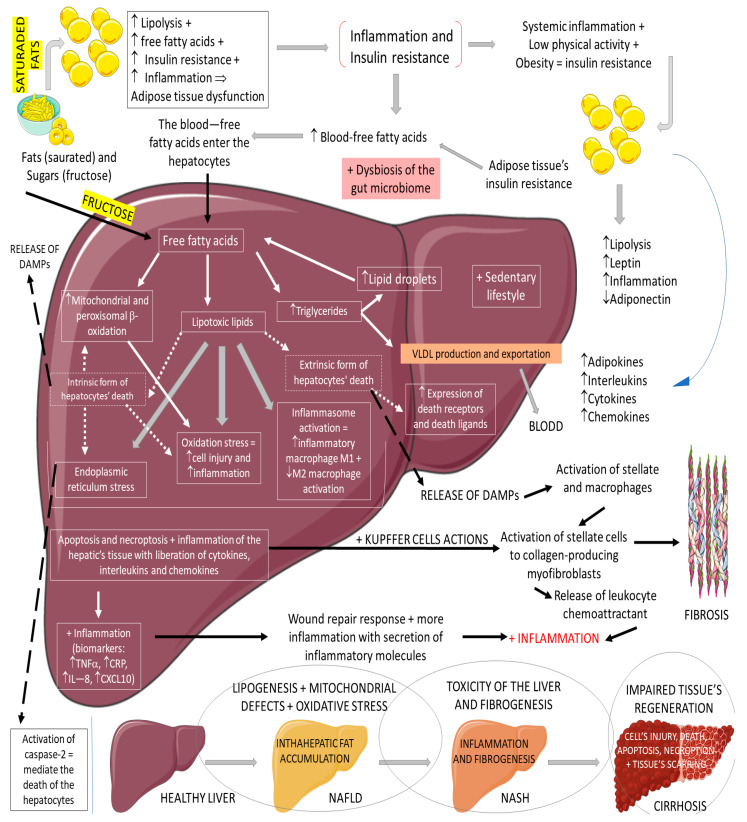
“…[32] ↑ CHF [35] ↓ HOMA-IR [33] ↑ peripheral edema [35] ↓ AST, ALT [34] ↑ bone fracture [35] GLP-1RA ↑ insulin sensitivity [36] ↓ gastric mobility [36] ↓ lipotoxicity and liver fat deposition [36] ↑ vomiting and diarrhea [39] ↓ steatosis, ballooning, and lobular infiltrates of NASH [37] ↓ weight…”
BackgroundInfluentialKałas, M., Stępniewska, E., Gniedziejko, M., Leszczyński-Czeczatka, J., & Siemiński, M. (2025) · Journal of Clinical Medicine · doi:10.3390/jcm14093122 · Cited by 24
“However, as previously mentioned, the enormous popularity of GLP-1 analogs attracted the interest of medical professionals from different specialties [25].”
GLP-1 receptor agonists synergistic effects of metabolic reprogramming and cardioprotection
Wang, X., Qi, M., Yang, L., Yang, L., Wang, X., Zhang, F., Cui, Y., Wang, D., Wang, Y., & Lv, W. (2025) · Frontiers in Endocrinology · doi:10.3389/fendo.2025.1614726 · Cited by 20
“These agonists can facilitate the transformation of visceral white adipose tissue (WAT) into brown adipose tissue (BAT), thereby stimulating BAT thermogenesis through sympathetic nervous system activation to enhance energy expenditure (110 – 112).”
Almeida, O. P., Fong, Z., Almeida, L. M. H., Sanfilippo, F. M., Page, A. T., & Etherton‐Beer, C. (2024) · Diabetes Obesity and Metabolism · doi:10.1111/dom.15616 · Cited by 17
Atiquzzaman, N. T., Razdolsky, N., & Parmar, M. S. (2025) · European Journal of Clinical Pharmacology · doi:10.1007/s00228-025-03898-4 · Cited by 16
“Their versatility extends to neurodegenerative diseases and psychiatric disorders [32], underscoring their broad therapeutic potential.”
Seizure recurrence after GLP ‐1 receptor agonist initiation in adults with epilepsy
AbuAlrob, M. A., Hussein, A., Abdellatif, R., Itbaisha, A., Zammar, K., & Mesraoua, B. (2026) · Epilepsia · doi:10.1111/epi.70022 · Cited by 14
Promising new pharmacological targets for depression: The search for efficacy
Tsugiyama, L. E., de Moraes, R. C. M., Moraes, Y. A. C., & de Oliveira, J. F. (2023) · Drug Discovery Today · doi:10.1016/j.drudis.2023.103804 · Cited by 16
GLP1-GIP receptor co-agonists: a promising evolution in the treatment of type 2 diabetes
Ciardullo, S., Morieri, M. L., DANIELE, G., Fiorentino, T. V., Mezza, T., Tricò, D., Consoli, A., Prato, S. D., Giorgino, F., Piro, S., et al. (2024) · Acta Diabetologica · doi:10.1007/s00592-024-02300-6 · Cited by 19
Patil, M., Casari, I., Warne, L. N., & Falasca, M. (2024) · Biomedicine & Pharmacotherapy · doi:10.1016/j.biopha.2024.116245 · Cited by 12
Zhao, Y., Jiang, L., Li, N., Cao, J., & Pi, J. (2025) · Reproductive Sciences · doi:10.1007/s43032-025-01788-9 · Cited by 14
“The absence of a significant effect on fasting insulin and OGTT 2-hour insulin levels may indicate that GLP1RAs primarily act through mechanisms other than direct insulin secretion, such as delaying gastric emptying and enhancing peripheral insulin sensitivity [27– 30 ].”
Hachuła, M., Kosowski, M., Basiak, M., & Okopień, B. (2023) · Pharmaceuticals · doi:10.3390/ph16091190 · Cited by 10
“GLP-1 receptors are located throughout our bodies; therefore, numerous studies have shown numerous pleiotropic effects connected with the therapy [22,23].”
BackgroundTestis–Gut‐Reproduction Axis: The Key to Reproductive Health
Zou, H., Chen, W., Hu, B., Liu, H., & Zhao, J. (2024) · Andrologia · doi:10.1155/2024/5020917 · Cited by 15
Turcano, P., Savica, R., & Benarroch, E. E. (2024) · Neurology · doi:10.1212/wnl.0000000000209781 · Cited by 16
Molecular basis of enhanced GLP-1 signaling mediated by GLP-1(9–36) in conjunction with LSN3318839
Li, J., Li, G., Mai, Y., Liu, X., Yang, D., Zhou, Q., & Wang, M. (2024) · Acta Pharmaceutica Sinica B · doi:10.1016/j.apsb.2024.09.002 · Cited by 8
Xiang, L., & Peng, Y. (2025) · International Journal of Molecular Sciences · doi:10.3390/ijms26062741 · Cited by 13
“Preclinical studies have provided pre-liminary evidence for the antidepressant and anxiolytic properties of GLP1RA [47], and several clinical studies have reported improvements in depressive symptoms following GLP1RA treatment [48,49].”
Giofrè, F., Zaffina, I., Pelle, M. C., & Arturi, F. (2025) · Frontiers in Endocrinology · doi:10.3389/fendo.2025.1696419 · Cited by 11
“Moreover, the neuroprotective effects of GLP-1RAs can be a consequence of the increased insulin signalling in the brain cells, leading to improved insulin sensitivity in the neurons (52).”
Zhang, Z., Li, S., Dai, X., Li, C., Pengfei, S., Qu, J., Jiang, H., & Pan, B. (2025) · Journal of Affective Disorders · doi:10.1016/j.jad.2025.119509 · Cited by 9
Ge, J. (2025) · Cardiology Plus · doi:10.1097/cp9.0000000000000112 · Cited by 7
Gulyaeva, N. V. (2025) · Journal of Evolutionary Biochemistry and Physiology · doi:10.1134/s0022093025050023 · Cited by 8
Sobral, M. V. S., Soares, V. G., Moreira, J. L. D. M. L., Rodrigues, L. K., Rocha, P., Bendaham, L. C. A. R., Gonçalves, O. R., Pirolla, R. D. C., Vilela, L. V., de Abreu, V. S., et al. (2024) · Parkinsonism & Related Disorders · doi:10.1016/j.parkreldis.2024.107210 · Cited by 6
Chen, Y., Chen, J., Zhang, S., Zhu, D., Deng, F., Zuo, R., Hu, Y., Zhao, Y., Duan, Y., Lin, B., et al. (2024) · Frontiers in Pharmacology · doi:10.3389/fphar.2024.1370594 · Cited by 5
To the Brain and Beyond: Neurological Implications of Glucagon-Like Peptide-1 Receptor Agonists
Guevara, L. R. H., Beam, W. B., & Pasternak, J. J. (2024) · Journal of Neurosurgical Anesthesiology · doi:10.1097/ana.0000000000000985 · Cited by 5
Nakamura, H., Tanaka, T., Noguchi, M., Atsumi, T., Warner, B. M., & Chiorini, J. A. (2025) · Arthritis & Rheumatology · doi:10.1002/art.43347 · Cited by 5
“78,79 Therefore, GLP-1R agonists might serve as lower-risk alternatives.”
Bloom, B. E., Bragg, M. A., Jay, M. R., Harel, D., Cline, C., Crowe, M., Montoya, A., Muthuramalingam, S., Santana, R., & Albert, S. L. (2025) · Journal of Medical Internet Research · doi:10.2196/66400 · Cited by 6
Shirani, A., & Stüve, O. (2025) · Expert Opinion on Investigational Drugs · doi:10.1080/13543784.2025.2587277 · Cited by 7
“Beyond glycemic control, GLP-1RAs have demonstrated significant benefits in weight reduction, leading to their approval for obesity management at higher doses (e.g. liraglutide 3 mg daily, semaglutide 2.4 mg weekly) [53,59].”
InfluentialNLRP3 inflammasome as a central target for the pleiotropic effects of GLP-1 receptor agonists
Mahmoudi, A. A., Saeedi‐Boroujeni, A., Vadizadeh, A., Kesharwani, P., & Sahebkar, A. (2026) · International Immunopharmacology · doi:10.1016/j.intimp.2026.117063 · Cited by 4
Mulcahy, J., DeLaRosby, A., & Norwood, T. (2025) · Physical Therapy · doi:10.1093/ptj/pzaf061 · Cited by 8
“54,55 While the treatment of many other diseases are being explored, there is conflicting evidence regarding the impact of GLP-1 agonists on areas that directly impact physical therapist practice such as OA and bone density.”
Neuroprotective Activity of GLP-1 Analogues: General Understanding of Implementation Mechanisms
Golovina, E. L., Ваизова, О. Е., & Samojlova, J. G. (2024) · Personalized Psychiatry and Neurology · doi:10.52667/2712-9179-2024-4-2-11 · Cited by 4
The Effect of GLP-1 Receptor Agonists on Epilepsy: No Appetite for Seizures
Karakis, I. (2026) · Epiliepsy currents/Epilepsy currents · doi:10.1177/15357597261440716 · Cited by 3
“2,3 8 Yet, how does that translate into clinical practice?”
Fan, L., Yang, H. H., Hu, X., Liu, J., You, Y., Li, X., Qin, G., Ge, Q., Hou, Y. X., & Xiao, X. (2022) · Life Sciences · doi:10.1016/j.lfs.2022.120515 · Cited by 2
Pink1 at the crossroads of aging, exercise, and diet in Parkinson’s disease: a mechanistic review
Lin, Y., & Wen, D. (2026) · Frontiers in Aging Neuroscience · doi:10.3389/fnagi.2026.1738559 · Cited by 3
GLP-1 receptor agonists in stroke prevention: a narrative review on emerging therapeutic frontiers
Chikatimalla, R., Shah, A., Shah, T., Perry, G., Banker, H., Aggarwal, K., & Jain, R. (2026) · Annals of Medicine · doi:10.1080/07853890.2026.2660386 · Cited by 4
“…its agonists play a vital role in glucose metabolism by stimulating the release of insulin from pancreatic beta cells and inhibiting the release of glucagon from alpha cells in a glucose-dependent manner, thereby exerting their therapeutic effect on both diabetic and non-diabetic patients [29,30].”
Bashaw, A. G., Roman-Ortiz, C., Gao, S. X., Schier, L. A., Borner, T., & Kanoski, S. E. (2026) · Biological Psychiatry · doi:10.1016/j.biopsych.2026.06.006 · Cited by 5
Exploring nontraditional cardiorenal advantages of SGLT-2 inhibitors and GLP-1 receptor agonists
Chen, J., Lee, T. H., & Yang, H. (2024) · Kidney International · doi:10.1016/j.kint.2024.01.002 · Cited by 2
Os possíveis efeitos adversos dos análogos de GLP-1 em pessoas não-diabéticas e não-obesas
Guerra, L. P. D. C., Antunes, E. M., & da Silva, R. E. (2024) · Brazilian Journal of Health Review · doi:10.34119/bjhrv7n3-357 · Cited by 6
GLP-1 receptor agonists in delirium and encephalopathies: a neuroprotective scoping review
Mercado, F., Kop, M. M., & Trinh, M. (2025) · Discover Medicine · doi:10.1007/s44337-025-00428-0 · Cited by 2
“GLP-1 RAs, owing to their potential neuroprotective effects in neurodegenerative disorders, may benefit the treatment and prevention of postoperative delirium[30].”
Diabetes in Old Age: Particularities and Specifics
Weber, P., Weberová, D., & Meluzínová, H. (2023) · IntechOpen eBooks · doi:10.5772/intechopen.1002479 · Cited by 3
Demographic Data, Risk Factors, and Disease Burden of HS Patients in Lithuania at a Reference Center
Raudonis, T., Šakaitytė, A., Vileikis, T. P., Černel, V., Gancevičienė, R., & Zouboulis, C. C. (2024) · Healthcare · doi:10.3390/healthcare12181849 · Cited by 1
“Male patients exhibited a statistically significant tendency to experience intermittent pain more frequently.”
BackgroundEffects of Glucagon like Peptide-1 agonists on patients with overactive bladder: A pilot study
Sandler, M. D., Williams, A. D., Wein, A., Amin, K. A., & Syan, R. (2025) · Continence Reports · doi:10.1016/j.contre.2025.100083 · Cited by 1
Grayson, K., Russell, M., Scott, R., & Rodriguez, A. J. (2026) · Sleep Epidemiology · doi:10.1016/j.sleepe.2026.100128 · Cited by 1
Glucagon-like peptide-1 receptor agonists across anti-inflammation
Chen, D. (2026) · Molecular Aspects of Medicine · doi:10.1016/j.mam.2026.101474 · Cited by 1
The neuro-metabolic epidemic and the CB1R paradox
Vaccaro, F., Malta, G., Rizzo, M., Plescia, F., & Lavanco, G. (2026) · Current Opinion in Pharmacology · doi:10.1016/j.coph.2026.102631 · Cited by 1
Xu, P., Dong, C., Xu, X., Zheng, K., Liu, Q., Duan, Y., Hu, Z., Bao, L., & Zhang, B. (2026) · International Journal of Endocrinology · doi:10.1155/ije/7060233 · Cited by 1
Gupta, M. K., Srivastava, R., Kumar, S., Varshney, K. K., & Singh, H. (2022) · Protein and Peptide Letters · doi:10.2174/0929866529666220829090810 · Cited by 1
Utilizing type 2 diabetes medications outside glycemic parameters – where are we headed?
Malkani, N. P., & Aroda, V. R. (2022) · Current Opinion in Endocrinology Diabetes and Obesity · doi:10.1097/med.0000000000000787 · Cited by 2
GLP-1 Agonists for Weight Loss and Beyond
Quinter, C., Motilall, H., & Maberry, K. (2024) · Transformative Medicine · doi:10.54299/tmed/curq6915
Advances in Biological and Clinical Research of GLP-1 Receptor Agonists
李, 鑫. (2022) · Advances in Clinical Medicine · doi:10.12677/acm.2022.124430
Shyshkan-Shyshova, К. О. (2023) · Clinical endocrinology and endocrine surgery · doi:10.30978/cees-2023-2-11
“Останнім часом із протидіабетичних засобів отримали поширення препарати, які діють на основі інкретинового ефекту — агоністи рецепторів ГПП-1 (арГПП-1), ефективність та безпечність яких доведено у великій кількості клінічних досліджень [2, 3].”
GLP-1 RECEPTORIŲ AGONISTŲ REIKŠMĖ 2 TIPO CUKRINIU DIABETU SERGANČIŲ PACIENČIŲ SVORIO MAŽINIMUI
Viliušytė, M., Maleckas, A., & Malinauskas, M. (2024) · Health Sciences · doi:10.35988/sm-hs.2024.021
“GLP-1 biologinis poveikis organizme įvairialypis: kasoje šis inkretinas didina insulino sintezę ir sekreciją, aktyvina kasos beta ląstelių proliferaciją, slopina gliukagono išskyrimą [10]; raumenų ląstelėse didina gliukozės pasisavinimą; adipocituose suaktyvina lipolizę [9].”
Effetti dei nuovi farmaci incretinici sulla salute dell’osso
Sorice, G. P., Caporusso, M., Gioia, L. D., Laviola, L., & Giorgino, F. (2024) · L Endocrinologo · doi:10.1007/s40619-024-01436-5
“Tra gli effetti extra-glicemici che hanno suscitato mag-giore interesse scientifico [6], i GLP1-RA hanno potenziale influenza sul metabolismo osseo [7].”
Dow, C. T. (2024) · Elsevier eBooks · doi:10.1016/b978-0-443-15500-0.00007-4
Therapeutic Delivery – Industry Update covering February 2024
SIMPSON, I. A. (2024) · Therapeutic Delivery · doi:10.1080/20415990.2024.2365614
Bell, D. S. H. (2025) · Annals of Internal Medicine · doi:10.7326/annals-24-03988-jc
Halimi, S. (2025) · Médecine des Maladies Métaboliques · doi:10.1016/j.mmm.2025.01.012
Poonawalla, I. B., Abdal, P., Hayes, M., John, I., Diaz, M., Dixon, S. W., & Bowe, A. (2025) · Journal of Managed Care & Specialty Pharmacy · doi:10.18553/jmcp.2025.31.7.627 · Cited by 1
Dietary intervention, stress, and neuropsychiatric disorders
Silva, M. F. S., Oliveira, F. D. C. E., Junior, S. A. D. S., Barichello, T., & Macedo, D. S. (2026) · Elsevier eBooks · doi:10.1016/b978-0-443-33841-0.00008-7
Tudosie, A. C., Marin, L.-M., Popa, S. G., & Golli, A. L. (2026) · International Journal of Molecular Sciences · doi:10.3390/ijms27083628 · Cited by 2
Romero, M. C. M., Barnett, D. J., & Gonçalves, M. (2026) · Revista Contemporânea · doi:10.56083/rcv6n7-004
Neuroprotective Potential of GLP-1 Receptor Agonists in Neurodegenerative Diseases: Narrative Review
Orzechowska, P., Budziszewska, G., Dziurdź, A., Majewska, K., Mastej-Witek, G., Kielan, A., Bartkowska, A., Głowacka, P., Okupniak, A., & Łupicka, A. (2026) · Biuletyn Głównej Biblioteki Lekarskiej · doi:10.2478/bgbl-2026-0014
“A key mechanism observed in AD is the ability of these analogs to improve cerebral glucose metabolism by enhancing glucose transport across the blood-brain barrier, directly counteracting neuronal energy deficits [9-10].”
Metadata
- Authors
- Laurindo, L. F., Barbalho, S. M., Guiguer, E. L., da Silva Soares de Souza, M., de Souza, G. A., Fidalgo, T. M., Araújo, A. C., de Souza Gonzaga, H. F., de Bortoli Teixeira, D., de Oliveira Silva Ullmann, T., Sloan, K. P., & Sloan, L. A.
- Affiliations
- Faculdade de Medicina de Marília (BR)
- Department of Biochemistry and Pharmacology, School of Medicine, University of Marília, Avenida Higino Muzzi Filho, Marília 17525-902, SP, Brazil
- Universidade Federal de São Paulo (BR)
- Postgraduate Program in Animal Health, Production and Environment, University of Marilia, Marília 17525-902, SP, Brazil
- Texas Institute for Kidney and Endocrine Disorders, Lufkin, TX 75904, USA
- The University of Texas Medical Branch at Galveston (US)
- Corresponding author
- Barbalho, Sandra Maria
- ORCID
- Venue
- International Journal of Molecular Sciences
- Publisher
- MDPI AG
- Published
- 2022-01-10
- Volume
- 23
- Issue
- 2
- Pages
- 739
- ISSN
- 1422-0067 (ISSN-L)
- PMC
- PMC8775408
- OpenAlex
- W4205935861
- Cited by
- 102
- References
- 105
- Citations by year
- 2026: 15 · 2025: 27 · 2024: 35 · 2023: 15 · 2022: 10
- FWCI
- 3.09
- Type
- journal article
- Language
- en
- Open access
- gold
- doi.org
- Licence
- Locations
- International Journal of Molecular Sciences (publishedVersion, cc-by)
- PubMed Central (publishedVersion, cc-by)
- PubMed (publishedVersion)
- DOAJ (DOAJ: Directory of Open Access Journals) (submittedVersion, cc-by-sa)
- Funders
- Servier
- Topics
- Health Sciences › Medicine › Endocrinology, Diabetes and Metabolism › Diabetes Treatment and Management
- Life Sciences › Neuroscience › Endocrine and Autonomic Systems › Regulation of Appetite and Obesity
- Health Sciences › Medicine › Clinical Neurology › Parkinson's Disease Mechanisms and Treatments
- Keywords
- GLP-1 receptor agonists, glucagon-like peptide-1, off-label drug use, Parkinson's disease, Alzheimer's disease, depression, substance use disorders, non-alcoholic fatty liver disease, lipotoxicity, visceral fat, insulin resistance, brain glucose metabolism, gastrointestinal adverse effects
- MeSH terms
- Glucagon-Like Peptide-1 Receptor Agonists, Clinical Trials as Topic, Diabetes Mellitus, Type 2, Humans, Obesity, Peptide Fragments, Treatment Outcome, Disease Management, Neurodegenerative Diseases, Glucagon-Like Peptide 1
About these checks
Registry, retraction, Cites and statistics results are computed, not judged, with one exception: a printed reference that no index lists is read once by a model before it counts as a citation error. Claims are extracted by a model and kept only when their quote appears verbatim in the text; each cited source is then checked, with a model’s help, for whether it says what the claim relies on. Those verdicts can be wrong — read the claim’s quote and the cited source before relying on one.
Statistics and arithmetic are recomputed, not judged.
Confidence bands are shown only for fields calibrated on our annotated test set. None is calibrated yet, so no band is shown.
What counts as a claim ›How we measure confidence ›How we check this ›
Are you an author, or do you see a problem with this page? Request a review
Data sources
Bibliographic data: Semantic Scholar, OpenAlex, Crossref.
Contains information from the Semantic Scholar Academic Graph Datasets, made available under the ODC Attribution License (ODC-BY 1.0).
Semantic Scholar’s data is described in: Kinney, R., et al. (2023). The Semantic Scholar Open Data Platform. arXiv:2301.10140.
