

GLP-1a: Going beyond Traditional Use
Open accessThe DOI matches its Crossref record; 105 of the 105 references it cites were found in a registry or an index.
Abstract
Glucagon-like peptide-1 (GLP-1) is a human incretin hormone derived from the proglucagon molecule. GLP-1 receptor agonists are frequently used to treat type 2 diabetes mellitus and obesity. However, the hormone affects the liver, pancreas, brain, fat cells, heart, and gastrointestinal tract. The objective of this study was to perform a systematic review on the use of GLP-1 other than in treating diabetes. PubMed, Cochrane, and Embase were searched, and the PRISMA guidelines were followed. Nineteen clinical studies were selected. The results showed that GLP-1 agonists can benefit defined off-medication motor scores in Parkinson’s Disease and improve emotional well-being. In Alzheimer’s disease, GLP-1 analogs can improve the brain’s glucose metabolism by improving glucose transport across the blood–brain barrier. In depression, the analogs can improve quality of life and depression scales. GLP-1 analogs can also have a role in treating chemical dependency, inhibiting dopaminergic release in the brain’s reward centers, decreasing withdrawal effects and relapses. These medications can also improve lipotoxicity by reducing visceral adiposity and decreasing liver fat deposition, reducing insulin resistance and the development of non-alcoholic fatty liver diseases. The adverse effects are primarily gastrointestinal. Therefore, GLP-1 analogs can benefit other conditions besides traditional diabetes and obesity uses.
Overview
The claims and statistics of this paper haven’t been checked yet.
Free: it reads the open-access text and checks the first 5 claims that cite a source we can check. Create a free account to check every claim.
Integrity signals
Registry
Cites
Statistics
Figures




Verification
Claims the paper makes
The claims and statistics of this paper haven’t been checked yet.
Free: it reads the open-access text and checks the first 5 claims that cite a source we can check. Create a free account to check every claim.
Claims other papers make about this one
Each is checked against this paper’s own text: does it say what the citing paper says it does?
The cited source says what the claim attributes to it.
In the citing paper
“GLP-1 and its analogues can also amplify insulin signaling in brain cells, leading to increased insulin sensitivity in neurons [7, 8].”
From Protection against stroke with glucagon-like peptide-1 receptor agonists: a comprehensive review of potential mechanisms (2022) · cites this paper as [7]
In the citing paper
“GLP-1 receptors are also widely expressed in the central nervous system, including the brainstem, cerebellum, hippocampus, cortex, hypothalamus, and amygdala [7, 10, 11].”
From Protection against stroke with glucagon-like peptide-1 receptor agonists: a comprehensive review of potential mechanisms (2022) · cites this paper as [7]
Self-check
Percentages, sums and reported differences re-computed from the paper’s own numbers.
The self-check needs the paper’s full text.
Citations
Cites
1 retracted
Shi, Q., Wang, Y., Hao, Q., Vandvik, P. O., Guyatt, G., Li, J., Chen, Z., Xu, S., Shen, Y., Ge, L., et al. (2022) · The Lancet · doi:10.1016/s0140-6736(21)01640-8 · Cited by 279
RetractedPreferred reporting items for systematic reviews and meta-analyses: The PRISMA statement
Moher, D., Liberati, A., Tetzlaff, J., Altman, D. G., & the PRISMA Group* (2009) · Annals of Internal Medicine · doi:10.7326/0003-4819-151-4-200908180-00135 · Cited by 37,554
Cochrane Handbook for Systematic Reviews of Interventions
(2019) · doi:10.1002/9781119536604 · Cited by 14,828
Mechanisms of NAFLD development and therapeutic strategies
Friedman, S. L., Neuschwander-Tetri, B. A., Rinella, M., & Sanyal, A. J. (2018) · Nature Medicine · doi:10.1038/s41591-018-0104-9 · Cited by 4,354
Gerstein, H. C., Colhoun, H. M., Dagenais, G. R., Diaz, R., Lakshmanan, M., Pais, P., Probstfield, J., Riesmeyer, J. S., Riddle, M. C., Rydén, L., et al. (2019) · The Lancet · doi:10.1016/s0140-6736(19)31149-3 · Cited by 3,163
Lane, C. A., Hardy, J., & Schott, J. M. (2018) · European Journal of Neurology · doi:10.1111/ene.13439 · Cited by 2,616
Armstrong, M. J., Gaunt, P., Aithal, G. P., Barton, D., Hull, D., Parker, R., Hazlehurst, J. M., Guo, K., Abouda, G., Aldersley, M. A., et al. (2016) · The Lancet · doi:10.1016/s0140-6736(15)00803-x · Cited by 2,203 · cited 3×
“[22] associated the use of liraglutide for 48 weeks with the histological resolution of NASH conditions, warranting extensive long-term studies.”
BackgroundInfluentialMechanisms of Action and Therapeutic Application of Glucagon-like Peptide-1
Drucker, D. J. (2018) · Cell Metabolism · doi:10.1016/j.cmet.2018.03.001 · Cited by 2,170 · cited 2×
“In turn, the main actions of the short-acting GLP-1 agonists in controlling blood glucose are related to the inhibition of gastric mobility leading to delayed intestinal glucose absorption and, consequently, to a reduction of postprandial insulin secretion [1,41,43,45,46].”
BackgroundA Placebo-controlled trial of subcutaneous semaglutide in nonalcoholic steatohepatitis
Newsome, P. N., Buchholtz, K., Cusi, K., Linder, M., Okanoue, T., Ratziu, V., Sanyal, A. J., Sejling, A.-S., & Harrison, S. A. (2021) · New England Journal of Medicine · doi:10.1056/nejmoa2028395 · Cited by 2,039 · cited 5×
“the nineteen studies used exenatide [9,17,21,34,36] as the GLP-1 receptor agonist, one study used semaglutide [18], and thirteen studies used liraglutide [22–33,35].”
BackgroundMethodInfluentialObesity Phenotypes, Diabetes, and Cardiovascular Diseases
Piché, M.-E., Tchernof, A., & Després, J.-P. (2020) · Circulation Research · doi:10.1161/circresaha.120.316101 · Cited by 1,986 · cited 2×
“Furthermore, genetic factors and phenotypical interactions can increase metabolic diabetes risk and contribute to the residual β-cells that cannot adequately control insulin secretion in the right proportions to overcome the insulin resistance state [37,39,40].”
BackgroundGlucagon-like peptide 1 (GLP-1)
Müller, T. D., Finan, B., Bloom, S. R., D'Alessio, D., Drucker, D. J., Flatt, P. R., Fritsche, A., Gribble, F., Grill, H. J., Habener, J. F., et al. (2019) · Molecular Metabolism · doi:10.1016/j.molmet.2019.09.010 · Cited by 1,868 · cited 2×
“After hormone–receptor ligation, the levels of cAMP increase by the increased activity of adenylate cyclase, and the different actions of GLP-1 occur [1,2].”
BackgroundSynaptic Dysfunction in Depression: Potential Therapeutic Targets
Duman, R. S., & Aghajanian, G. K. (2012) · Science · doi:10.1126/science.1222939 · Cited by 1,651 · cited 1×
“stimulating synaptic function and stimulating neuronal signal transmissions [84,85,88,89].”
BackgroundNonalcoholic Steatohepatitis: A Review
Sheka, A. C., Adeyi, O., Thompson, J., Hameed, B., Crawford, P. A., & Ikramuddin, S. (2020) · JAMA · doi:10.1001/jama.2020.2298 · Cited by 1,379
GLP-1 receptor agonists for individualized treatment of type 2 diabetes mellitus
Meier, J. J. (2012) · Nature Reviews Endocrinology · doi:10.1038/nrendo.2012.140 · Cited by 1,311 · cited 2×
“In turn, the main actions of the short-acting GLP-1 agonists in controlling blood glucose are related to the inhibition of gastric mobility leading to delayed intestinal glucose absorption and, consequently, to a reduction of postprandial insulin secretion [1,41,43,45,46].”
BackgroundMorrison, A., Polisena, J., Husereau, D., Moulton, K., Clark, M., Fiander, M., Mierzwinski-Urban, M., Clifford, T., Hutton, B., & Rabb, D. (2012) · International Journal of Technology Assessment in Health Care · doi:10.1017/s0266462312000086 · Cited by 1,257 · cited 1×
“Although this may be a limitation, a review pointed out there is no evidence of a systematic bias in literature reviews due to language restrictions [100].”
BackgroundThe role of macrophages in nonalcoholic fatty liver disease and nonalcoholic steatohepatitis
Kazankov, K., Jørgensen, S. M. D., Thomsen, K. L., Møller, H. J., Vilstrup, H., George, J., Schuppan, D., & Grønbæk, H. (2019) · Nature Reviews Gastroenterology & Hepatology · doi:10.1038/s41575-018-0082-x · Cited by 941 · cited 2×
“Liraglutide improves the stellate cell phenotype in chronic liver disease models and promotes the de-activation of cirrhotic primary human hepatic stellate cells [64,74].”
BackgroundAthauda, D., Maclagan, K., Skene, S. S., Bajwa-Joseph, M., Letchford, D., Chowdhury, K., Hibbert, S., Budnik, N., Zampedri, L., Dickson, J., et al. (2017) · The Lancet · doi:10.1016/s0140-6736(17)31585-4 · Cited by 889 · cited 7×
“[9] was a randomized, double-blind, and placebo-controlled trial that investigated the effects of exenatide on Parkinson’s disease.”
BackgroundMethodInfluentialKellar, D., & Craft, S. (2020) · The Lancet Neurology · doi:10.1016/s1474-4422(20)30231-3 · Cited by 832
Differentiation of diabetes by pathophysiology, natural history, and prognosis
Skyler, J. S., Bakris, G. L., Bonifacio, E., Darsow, T., Eckel, R. H., Groop, L., Groop, P.-H., Handelsman, Y., Insel, R. A., Mathieu, C., et al. (2017) · Diabetes · doi:10.2337/db16-0806 · Cited by 823 · cited 1×
“Furthermore, genetic factors and phenotypical interactions can increase metabolic diabetes risk and contribute to the residual β-cells that cannot adequately control insulin secretion in the right proportions to overcome the insulin resistance state [37,39,40].”
BackgroundParkinson's Disease and Parkinsonism
Hayes, M. T. (2019) · The American Journal of Medicine · doi:10.1016/j.amjmed.2019.03.001 · Cited by 823
(2019) · Handbook of Clinical Neurology · doi:10.1016/b978-0-12-804766-8.00013-3 · Cited by 783
Samson, S. L., & Garber, A. J. (2014) · Endocrinology and Metabolism Clinics of North America · doi:10.1016/j.ecl.2013.09.009 · Cited by 746
Pathophysiology of the metabolic syndrome
McCracken, E., Monaghan, M., & Sreenivasan, S. (2018) · Clinics in Dermatology · doi:10.1016/j.clindermatol.2017.09.004 · Cited by 728
Kim, Y.-K., Na, K.-S., Myint, A.-M., & Leonard, B. E. (2016) · Progress in Neuro-Psychopharmacology and Biological Psychiatry · doi:10.1016/j.pnpbp.2015.06.008 · Cited by 620 · cited 5×
“GLP-1 can potentially protect against neuroinflammation principally by controlling the production of proinflammatory cytokines and reducing OS [84,85,88].”
BackgroundInfluentialGejl, M., Gjedde, A., Egefjord, L., Møller, A., Hansen, S. B., Vang, K., Rodell, A., Brændgaard, H., Gottrup, H., Schacht, A., et al. (2016) · Frontiers in Aging Neuroscience · doi:10.3389/fnagi.2016.00108 · Cited by 480
Glucagon-like peptide 1 decreases lipotoxicity in non-alcoholic steatohepatitis
Armstrong, M. J., Hull, D., Guo, K., Barton, D., Hazlehurst, J. M., Gathercole, L. L., Nasiri, M., Yu, J., Gough, S. C., Newsome, P. N., et al. (2016) · Journal of Hepatology · doi:10.1016/j.jhep.2015.08.038 · Cited by 456 · cited 5×
“[23] found that using liraglutide for a 12-week period can be associated with amelioration of metabolic dysfunctions, insulin resistance, and lipotoxicity in key organs related to NASH.”
BackgroundInfluentialAthauda, D., & Foltynie, T. (2016) · Drug Discovery Today · doi:10.1016/j.drudis.2016.01.013 · Cited by 383 · cited 1×
“The neurotrophic and neuroprotection promoted by GLP-1 might explain the improvements in the neuronal activities and the interference in neurodegenerative pathways, which means that GLP-1 could protect against diseases such as Alzheimer’s and Parkinson’s [49,52,53].”
BackgroundHartman, M. L., Sanyal, A. J., Loomba, R., Wilson, J. M., Nikooienejad, A., Bray, R., Karanikas, C. A., Duffin, K. L., Robins, D. A., & Haupt, A. (2020) · Diabetes Care · doi:10.2337/dc19-1892 · Cited by 351
Biomarkers of Oxidative Stress in Metabolic Syndrome and Associated Diseases
Vona, R., Gambardella, L., Cittadini, C., Straface, E., & Pietraforte, D. (2019) · Oxidative Medicine and Cellular Longevity · doi:10.1155/2019/8267234 · Cited by 331
Insulin resistance and Parkinson’s disease: A new target for disease modification?
Athauda, D., & Foltynie, T. (2016) · Progress in Neurobiology · doi:10.1016/j.pneurobio.2016.10.001 · Cited by 328
Blair, M. (2016) · Urologic Nursing · doi:10.7257/1053-816x.2016.36.1.27 · Cited by 298
GLP-1 and weight loss: unraveling the diverse neural circuitry
Kanoski, S. E., Hayes, M. R., & Skibicka, K. P. (2016) · American Journal of Physiology-Regulatory, Integrative and Comparative Physiology · doi:10.1152/ajpregu.00520.2015 · Cited by 290
Recent updates on GLP-1 agonists: Current advancements & challenges
Sharma, D., Verma, S., Vaidya, S., Kalia, K., & Tiwari, V. (2018) · Biomedicine & Pharmacotherapy · doi:10.1016/j.biopha.2018.08.088 · Cited by 265 · cited 1×
“In addition, obesity also can lead to many other outcomes, such as hypertension and abnormal lipid metabolism that leads to dyslipidemia, endothelial dysfunction, and augmented proinflammatory state [37,38].”
BackgroundYan, J., Yao, B., Kuang, H., Yang, X., Huang, Q., Hong, T., Li, Y., Dou, J., Yang, W., Qin, G., et al. (2019) · Hepatology · doi:10.1002/hep.30320 · Cited by 260 · cited 7×
“Yan et al. [30] China Randomized, double-blind, placebo-controlled trial with 75 participants (30–75 y) with T2DM and affected with NAFLD.”
BackgroundInfluentialTherapies in non‐alcoholic steatohepatitis (NASH)
Oseini, A. M., & Sanyal, A. J. (2017) · Liver International · doi:10.1111/liv.13302 · Cited by 235
Petit, J.-M., Cercueil, J.-P., Loffroy, R., Denimal, D., Bouillet, B., Fourmont, C., Chevallier, O., Duvillard, L., & Vergès, B. (2016) · The Journal of Clinical Endocrinology & Metabolism · doi:10.1210/jc.2016-2775 · Cited by 227 · cited 6×
“Eleven of the nineteen studies included in this systematic review had a randomized, doubleblind placebo-controlled study design [9,17,18,21–23,29–33], one study had a single-center open-label comparative study design [24], one study had a prospective design [26], one study had a prospective single-center parallel-grou…”
BackgroundInfluentialGlucagon-Like Peptide-1: A Focus on Neurodegenerative Diseases
Grieco, M., Giorgi, A., Gentile, M. C., d’Erme, M., Morano, S., Maras, B., & Filardi, T. (2019) · Frontiers in Neuroscience · doi:10.3389/fnins.2019.01112 · Cited by 218
Femminella, G. D., Frangou, E., Love, S. B., Busza, G., Holmes, C., Ritchie, C., Lawrence, R., McFarlane, B., Tadros, G., Ridha, B. H., et al. (2019) · Trials · doi:10.1186/s13063-019-3259-x · Cited by 213
Ikonomidis, I., Pavlidis, G., Thymis, J., Birba, D., Kalogeris, A., Kousathana, F., Kountouri, A., Balampanis, K., Parissis, J., Andreadou, I., et al. (2020) · Journal of the American Heart Association · doi:10.1161/jaha.119.015716 · Cited by 199
Metabolic messengers: glucagon-like peptide 1
Gribble, F. M., & Reimann, F. (2021) · Nature Metabolism · doi:10.1038/s42255-020-00327-x · Cited by 199
An overview of GLP-1 agonists and recent cardiovascular outcomes trials
Sheahan, K. H., Wahlberg, E. A., & Gilbert, M. P. (2020) · Postgraduate Medical Journal · doi:10.1136/postgradmedj-2019-137186 · Cited by 194
Iepsen, E. W., Lundgren, J. R., Hartmann, B., Pedersen, O., Hansen, T., Jørgensen, N. R., Jensen, J.-E. B., Holst, J. J., Madsbad, S., & Torekov, S. S. (2015) · The Journal of Clinical Endocrinology & Metabolism · doi:10.1210/jc.2015-1176 · Cited by 193 · cited 1×
“[91] found that liraglutide has positive effects on bone formation and prevention of bone loss.”
BackgroundMolecular mechanisms of neuropathological changes in Alzheimer’s disease: a review
Šerý, O., Povová, J., Míšek, I., Pešák, L., & Janout, V. (2013) · Folia Neuropathologica · doi:10.5114/fn.2013.34190 · Cited by 190
GLP-1: Molecular mechanisms and outcomes of a complex signaling system
Smith, N. K., Hackett, T. A., Galli, A., & Flynn, C. R. (2019) · Neurochemistry International · doi:10.1016/j.neuint.2019.04.010 · Cited by 188 · cited 6×
“The DPP-4 endopeptidase is present in the membrane of cells of multiple organs (kidney, liver, pancreas, blood vessels, gut, and brain) and in a soluble form [1,2].”
BackgroundInfluentialBrain insulin resistance: role in neurodegenerative disease and potential for targeting
Hölscher, C. (2020) · Expert Opinion on Investigational Drugs · doi:10.1080/13543784.2020.1738383 · Cited by 180
Zhang, L., Zhang, L., Li, L., & Hölscher, C. (2019) · Journal of Parkinson's Disease · doi:10.3233/jpd-181503 · Cited by 173
Kadouh, H., Chedid, V., Halawi, H., Burton, D. D., Clark, M. M., Khemani, D., Vella, A., Acosta, A., & Camilleri, M. (2020) · The Journal of Clinical Endocrinology & Metabolism · doi:10.1210/clinem/dgz140 · Cited by 166
Blood-Brain Glucose Transfer in Alzheimer’s disease: Effect of GLP-1 Analog Treatment
Gejl, M., Brock, B., Egefjord, L., Vang, K., Rungby, J., & Gjedde, A. (2017) · Scientific Reports · doi:10.1038/s41598-017-17718-y · Cited by 163 · cited 8×
“This trial presents the same population as the study described above [31].”
BackgroundResultInfluentialNonalcoholic Fatty Liver Disease and Obesity Treatment
Brunner, K. T., Henneberg, C. J., Wilechansky, R. M., & Long, M. T. (2019) · Current Obesity Reports · doi:10.1007/s13679-019-00345-1 · Cited by 159
A Pilot Study of Exenatide Actions in Alzheimer’s Disease
Mullins, R. J., Mustapic, M., Chia, C. W., Carlson, O., Gulyani, S., Tran, J., Li, Y., Mattson, M. P., Resnick, S., Egan, J. M., et al. (2019) · Current Alzheimer Research · doi:10.2174/1567205016666190913155950 · Cited by 157
Shi, Q., Wang, Y., Hao, Q., Vandvik, P. O., Guyatt, G., Li, J., Chen, Z., Xu, S., Shen, Y., Ge, L., et al. (2024) · The Lancet · doi:10.1016/s0140-6736(24)00351-9 · Cited by 155
Vallöf, D., Maccioni, P., Colombo, G., Mandrapa, M., Jörnulf, J. W., Egecioglu, E., Engel, J. A., & Jerlhag, E. (2016) · Addiction Biology · doi:10.1111/adb.12295 · Cited by 150 · cited 1×
“Nevertheless, few studies investigated the patterns in different types of addiction; most have demonstrated the action only in cocaine and alcohol abuse [94,95].”
BackgroundZhang, L., Zhang, L., Li, L., & Hölscher, C. (2018) · Neuropeptides · doi:10.1016/j.npep.2018.07.003 · Cited by 148
Smits, M. M., Tonneijck, L., Muskiet, M. H. A., Kramer, M. H. H., Pouwels, P. J. W., Pieters-van den Bos, I. C., Hoekstra, T., Diamant, M., van Raalte, D. H., & Cahen, D. L. (2016) · Diabetologia · doi:10.1007/s00125-016-4100-7 · Cited by 142 · cited 6×
“Smits et al. [29] Netherlands Single-center, randomized, double-blind, placebo-controlled, double-dummy, three-armed, parallel group clinical trial with 52 overweight subjects (35–75 y) with diagnosis of T2DM.”
BackgroundInfluentialDiabetes drugs in the fight against Alzheimer's disease
Boccardi, V., Murasecco, I., & Mecocci, P. (2019) · Ageing Research Reviews · doi:10.1016/j.arr.2019.100936 · Cited by 142
Kim, D. S., Choi, H.-I., Wang, Y., Luo, Y., Hoffer, B. J., & Greig, N. H. (2017) · Cell Transplantation · doi:10.1177/0963689717721234 · Cited by 136
Khoo, J., Hsiang, J. C., Taneja, R., Koo, S., Soon, G., Kam, C. J., Law, N., & Ang, T. (2019) · Liver International · doi:10.1111/liv.14065 · Cited by 136 · cited 8×
“[27] Singapore Prospective randomized study with 30 obese participants with NAFLD (40.”
BackgroundMethodInfluentialNeural correlates of liraglutide effects in persons at risk for Alzheimer’s disease
Watson, K. T., Wroolie, T. E., Tong, G., Foland-Ross, L. C., Frangou, S., Singh, M., McIntyre, R. S., Roat-Shumway, S., Myoraku, A., Reiss, A. L., et al. (2019) · Behavioural Brain Research · doi:10.1016/j.bbr.2018.08.006 · Cited by 134 · cited 8×
“Reference Local Patients Intervention Outcomes Adverse Effects Observations Watson et al. [33] United States Randomized, double-blind, placebo-controlled clinical trial with 43 male and females subjects (45–75 y) affected by subjective cognitive complaints, but with a mini-mental exam greater than 27.”
BackgroundInfluentialIs GLP‐1 a hormone: Whether and When?
D'Alessio, D. (2016) · Journal of Diabetes Investigation · doi:10.1111/jdi.12466 · Cited by 130 · cited 3×
“In turn, the main actions of the short-acting GLP-1 agonists in controlling blood glucose are related to the inhibition of gastric mobility leading to delayed intestinal glucose absorption and, consequently, to a reduction of postprandial insulin secretion [1,41,43,45,46].”
BackgroundEren-Yazicioglu, C. Y., Yigit, A., Dogruoz, R. E., & Yapici-Eser, H. (2021) · Frontiers in Behavioral Neuroscience · doi:10.3389/fnbeh.2020.614884 · Cited by 127
GLP-1’s role in neuroprotection: a systematic review
Erbil, D., Eren, C. Y., Demirel, C., Küçüker, M. U., Solaroğlu, I., & Eser, H. Y. (2019) · Brain Injury · doi:10.1080/02699052.2019.1587000 · Cited by 126
Guo, W., Tian, W., Lin, L., & Xu, X. (2020) · Diabetes Research and Clinical Practice · doi:10.1016/j.diabres.2020.108487 · Cited by 126 · cited 8×
“[25] Yes Yes No No Yes Yes Yes No Yes Yes”
BackgroundInfluentialNew Genes Causing Hereditary Parkinson’s Disease or Parkinsonism
Puschmann, A. (2017) · Current Neurology and Neuroscience Reports · doi:10.1007/s11910-017-0780-8 · Cited by 121
Feng, P., Zhang, X., Li, D., Ji, C., Yuan, Z., Wang, R., Xue, G., Li, G., & Hölscher, C. (2018) · Neuropharmacology · doi:10.1016/j.neuropharm.2018.02.012 · Cited by 120
Weina, H., Yuhu, N., Christian, H., Birong, L., Feiyu, S., & Le, W. (2018) · Brain Research · doi:10.1016/j.brainres.2018.04.031 · Cited by 115
Bouchi, R., Nakano, Y., Fukuda, T., Takeuchi, T., Murakami, M., Minami, I., Izumiyama, H., Hashimoto, K., Yoshimoto, T., & Ogawa, Y. (2017) · Endocrine Journal · doi:10.1507/endocrj.ej16-0449 · Cited by 113 · cited 8×
“Eleven of the nineteen studies included in this systematic review had a randomized, doubleblind placebo-controlled study design [9,17,18,21–23,29–33], one study had a single-center open-label comparative study design [24], one study had a prospective design [26], one study had a prospective single-center parallel-grou…”
BackgroundInfluentialKim, Y.-K., Kim, O. Y., & Song, J. (2020) · Frontiers in Pharmacology · doi:10.3389/fphar.2020.01270 · Cited by 109 · cited 5×
“GLP-1 can potentially protect against neuroinflammation principally by controlling the production of proinflammatory cytokines and reducing OS [84,85,88].”
BackgroundInfluentialNeurobiology of depression: A neurodevelopmental approach
Lima-Ojeda, J. M., Rupprecht, R., & Baghai, T. C. (2018) · The World Journal of Biological Psychiatry · doi:10.1080/15622975.2017.1289240 · Cited by 104 · cited 5×
“GLP-1 can potentially protect against neuroinflammation principally by controlling the production of proinflammatory cytokines and reducing OS [84,85,88].”
BackgroundInfluentialA Role for GLP-1 in Treating Hyperphagia and Obesity
Grill, H. J. (2020) · Endocrinology · doi:10.1210/endocr/bqaa093 · Cited by 101
Khoo, J., Hsiang, J., Taneja, R., Law, N., & Ang, T. (2017) · Diabetes Obesity and Metabolism · doi:10.1111/dom.13007 · Cited by 99 · cited 8×
“Eleven of the nineteen studies included in this systematic review had a randomized, doubleblind placebo-controlled study design [9,17,18,21–23,29–33], one study had a single-center open-label comparative study design [24], one study had a prospective design [26], one study had a prospective single-center parallel-grou…”
BackgroundInfluentialGlucagon like peptide-1 (GLP-1) likes Alzheimer’s disease
Simsir, I. Y., Soyaltın, U. E., & Çetinkalp, Ş. (2018) · Diabetes & Metabolic Syndrome Clinical Research & Reviews · doi:10.1016/j.dsx.2018.03.002 · Cited by 96
Incretins in obesity and diabetes
Chia, C. W., & Egan, J. M. (2020) · Annals of the New York Academy of Sciences · doi:10.1111/nyas.14211 · Cited by 93
Seghieri, M., Christensen, A. S., Andersen, A., Solini, A., Knop, F. K., & Vilsbøll, T. (2018) · Frontiers in Endocrinology · doi:10.3389/fendo.2018.00649 · Cited by 92 · cited 3×
“It has been shown that acute use of GLP-1 (mainly exenatide) reduces hepatic glucose production in healthy individuals and decreases the de novo lipogenesis of the liver tissue, in addition to reducing free fatty acids liberation from lipolysis and lowering triglyceride-derived toxic metabolites [23,64,71,73].”
BackgroundFaurschou, A., Gyldenløve, M., Rohde, U., Thyssen, J. P., Zachariae, C., Skov, L., Knop, F. K., & Vilsbøll, T. (2015) · Journal of the European Academy of Dermatology and Venereology · doi:10.1111/jdv.12629 · Cited by 89
Kaltenboeck, A., & Harmer, C. (2018) · Brain and Neuroscience Advances · doi:10.1177/2398212818799269 · Cited by 81
Psychological and quality of life changes in patients using GLP-1 analogues
Grant, P. S., LIPSCOMB, D. W., & Quin, J. (2011) · Journal of Diabetes and its Complications · doi:10.1016/j.jdiacomp.2011.03.002 · Cited by 79 · cited 4×
“[34] investigated the psychological and quality of life changes of the use of exenatide in a matched group design study with participants diagnosed with T2DM who did not reach adequate glycemic control levels with glucose-lowering oral therapies.”
BackgroundMethodInfluentialCardiovascular benefits of GLP-1 agonists in type 2 diabetes: a comparative review
Boyle, J. G., Livingstone, R., & Petrie, J. R. (2018) · Clinical Science · doi:10.1042/cs20171299 · Cited by 78
What Is an L-Cell and How Do We Study the Secretory Mechanisms of the L-Cell?
Kuhre, R. E., Deacon, C. F., Holst, J. J., & Petersen, N. (2021) · Frontiers in Endocrinology · doi:10.3389/fendo.2021.694284 · Cited by 78
What Effects Might Exenatide have on Non-Motor Symptoms in Parkinson’s Disease: A Post Hoc Analysis
Athauda, D., Maclagan, K., Budnik, N., Zampedri, L., Hibbert, S., Skene, S. S., Chowdhury, K., Aviles-Olmos, I., Limousin, P., & Foltynie, T. (2018) · Journal of Parkinson's Disease · doi:10.3233/jpd-181329 · Cited by 77 · cited 7×
“[21] Yes Yes Yes Yes Yes Yes Yes No Yes Yes”
BackgroundMethodInfluentialBatista, A. F., Bodart‐Santos, V., Felice, F. G. D., & Ferreira, S. T. (2018) · CNS Drugs · doi:10.1007/s40263-018-0593-6 · Cited by 77
Hygum, K., Harsløf, T., Jørgensen, N. R., Rungby, J., Pedersen, S. B., & Langdahl, B. L. (2020) · Bone · doi:10.1016/j.bone.2019.115197 · Cited by 75 · cited 1×
“[92] found that using liraglutide in T2DM patients prevented changes in bone resorptions, preserving hip bone mineral density.”
Angarita, G. A., Matuskey, D., Pittman, B., Costeines, J. L., Potenza, M. N., Jastreboff, A. M., Schmidt, H. D., & Malison, R. T. (2021) · Drug and Alcohol Dependence · doi:10.1016/j.drugalcdep.2021.108614 · Cited by 75
GLP-1 signaling and alcohol-mediated behaviors; preclinical and clinical evidence
Jerlhag, E. (2018) · Neuropharmacology · doi:10.1016/j.neuropharm.2018.01.013 · Cited by 72 · cited 1×
“Nevertheless, few studies investigated the patterns in different types of addiction; most have demonstrated the action only in cocaine and alcohol abuse [94,95].”
BackgroundGLP-1 receptor agonists for Parkinson's disease
Mulvaney, C. A., Duarte, G. S., Handley, J., Evans, D. J., Menon, S., Wyse, R., & Emsley, H. C. (2020) · Cochrane Database of Systematic Reviews · doi:10.1002/14651858.cd012990.pub2 · Cited by 69
Bifari, F., Manfrini, R., Dei Cas, M., Berra, C., Siano, M., Zuin, M., Paroni, R., & Folli, F. (2018) · Pharmacological Research · doi:10.1016/j.phrs.2018.09.025 · Cited by 69
Antidiabetic Therapy in the Treatment of Nonalcoholic Steatohepatitis
Sumida, Y., Yoneda, M., Tokushige, K., Kawanaka, M., Fujii, H., Yoneda, M., Imajo, K., Takahashi, H., Eguchi, Y., Ono, M., et al. (2020) · International Journal of Molecular Sciences · doi:10.3390/ijms21061907 · Cited by 68 · cited 16×
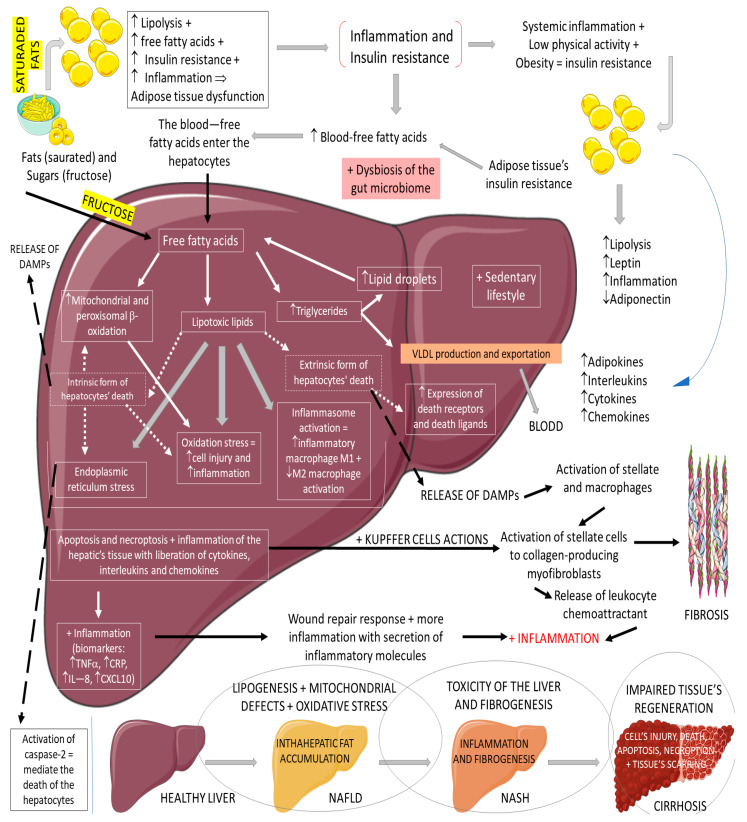
“GLP-1 has pleiotropic effects and can reduce liver steatosis, ameliorating NAFLD and NASH.”
BackgroundInfluentialCentral GLP-1 receptors: Novel molecular targets for cocaine use disorder
Hernandez, N. S., & Schmidt, H. D. (2019) · Physiology & Behavior · doi:10.1016/j.physbeh.2019.03.026 · Cited by 63 · cited 2×
“Although more human trials are needed it provides import nt information about posol gy, route administration, and possible adver e effects [98].”
BackgroundGlucagon-like peptide-1 (GLP-1)-based receptor agonists as a treatment for Parkinson’s disease
Glotfelty, E. J., Olson, L., Karlsson, T. E., Li, Y., & Greig, N. H. (2020) · Expert Opinion on Investigational Drugs · doi:10.1080/13543784.2020.1764534 · Cited by 63
Could the improvement of obesity-related co-morbidities depend on modified gut hormones secretion?
Finelli, C. (2014) · World Journal of Gastroenterology · doi:10.3748/wjg.v20.i44.16649 · Cited by 58
Depression diagnosis and treatment amongst multimorbid patients: a thematic analysis
Stanners, M. N., Barton, C., Shakib, S., & Winefield, H. R. (2014) · BMC Family Practice · doi:10.1186/1471-2296-15-124 · Cited by 54
Elbassuoni, E. A., & Ahmed, R. F. (2019) · Neurochemistry International · doi:10.1016/j.neuint.2019.104583 · Cited by 54
Alcohol-mediated behaviours and the gut-brain axis; with focus on glucagon-like peptide-1
Jerlhag, E. (2020) · Brain Research · doi:10.1016/j.brainres.2019.146562 · Cited by 53 · cited 1×
“In humans, studies are still limited [96].”
Chang, G., Chen, B., & Zhang, L. (2021) · Journal of Dermatological Treatment · doi:10.1080/09546634.2021.1882658 · Cited by 50
Foltynie, T., & Aviles-Olmos, I. (2014) · Alzheimer's & Dementia · doi:10.1016/j.jalz.2013.12.005 · Cited by 49
Antonsen, K. K., Klausen, M. K., Brunchmann, A. S., le Dous, N., Jensen, M. E., Miskowiak, K. W., Fisher, P. M., Thomsen, G. K., Rindom, H., Fahmy, T. P., et al. (2018) · BMJ Open · doi:10.1136/bmjopen-2017-019562 · Cited by 47
Pozzi, M., Mazhar, F., Peeters, G. G. A. M., Vantaggiato, C., Nobile, M., Clementi, E., Radice, S., & Carnovale, C. (2019) · Journal of Affective Disorders · doi:10.1016/j.jad.2019.05.044 · Cited by 47
Ribeiro-Parenti, L., Jarry, A.-C., Cavin, J.-B., Willemetz, A., Le Beyec, J., Sannier, A., Benadda, S., Pelletier, A.-L., Hourseau, M., Léger, T., et al. (2021) · Nature Communications · doi:10.1038/s41467-020-20301-1 · Cited by 46
Moulton, C. D., Pickup, J. C., Amiel, S. A., Winkley, K., & Ismail, K. (2015) · Primary care diabetes · doi:10.1016/j.pcd.2015.06.003 · Cited by 45 · cited 4×
“[36] discussed incretin-based therapies as a novel treatment for depression in T2DM.”
BackgroundMethodInfluentialKahal, H., Kilpatrick, E., Rigby, A., Coady, A., & Atkin, S. (2019) · Gynecological Endocrinology · doi:10.1080/09513590.2018.1505848 · Cited by 45 · cited 3×
“[35] United Kingdom Interventional case–control study with 36 obese women with or without polycystic ovary syndrome (PCOS).”
BackgroundRecent Advances in GLP‐1 Receptor Agonists for Use in Diabetes Mellitus
McBrayer, D. N., & Tal‐Gan, Y. (2017) · Drug Development Research · doi:10.1002/ddr.21404 · Cited by 34
Aung, M. M., Slade, K., Freeman, L. A. R., Kos, K., Whatmore, J. L., Shore, A. C., & Gooding, K. M. (2019) · Diabetologia · doi:10.1007/s00125-019-4918-x · Cited by 29
The use of GLP‐1 receptor agonists in hospitalised patients: An untapped potential
Mustafa, O. G., & Whyte, M. (2019) · Diabetes/Metabolism Research and Reviews · doi:10.1002/dmrr.3191 · Cited by 27 · cited 1×
“The primary actions of GLP-1 and GLP-1 receptor agonists in metabolism homeostasis are mainly related to the maintenance of glucose tolerance, which shows these molecules to be extremely powerful in improving glucose regulation in individuals affected by (primarily) T2DM [45,90].”
BackgroundAntidiabetic Therapy in the Treatment of NASH
(2020) · doi:10.20944/preprints202001.0171.v1 · Cited by 13
Baretić, M., Kušec, V., & Pavlić-Renar, I. (2018) · Diabetes Therapy · doi:10.1007/s13300-018-0517-y · Cited by 12 · cited 1×
“One double-blind, placebo-controlled study showed that GLP-1 can decrease aldosterone secretion in healthy individuals suggesting that GLP-1 can act on blood pressure and the renin–angiotensin–aldosterone system [93].”
BackgroundGLP-1 receptor agonists for Parkinson's disease
Mulvaney, C. A., Duarte, G. S., Menon, S., Handley, J. D., & Emsley, H. C. A. (2018) · Cochrane Database of Systematic Reviews · doi:10.1002/14651858.cd012990 · Cited by 1
Cited by
Insulin resistance and cardiovascular disease
Kosmas, C. E., Bousvarou, M. D., Kostara, C. E., Papakonstantinou, E. J., Salamou, E., & Guzman, E. (2023) · Journal of International Medical Research · doi:10.1177/03000605231164548 · Cited by 385
Mapping the effectiveness and risks of GLP-1 receptor agonists
Xie, Y., Choi, T., & Al-Aly, Z. (2025) · Nature Medicine · doi:10.1038/s41591-024-03412-w · Cited by 300
“Our results supplement previous evidence showing that GLP-1RA use is associated with a reduced risk of alcohol use disorders 26 and tobacco use disorders 27 , as well as animal studies showing that GLP-1RAs may reduce the rewarding properties of alcohol and other addictive drugs 24,31–35 .”
Glucagon-Like Peptide-1 Receptor Agonist Use and Residual Gastric Content Before Anesthesia
Sen, S., Potnuru, P. P., Hernandez, N., Goehl, C., Praestholm, C., Sridhar, S., & Nwokolo, O. O. (2024) · JAMA Surgery · doi:10.1001/jamasurg.2024.0111 · Cited by 202
The mechanism and efficacy of GLP-1 receptor agonists in the treatment of Alzheimer’s disease
Du, H., Meng, X., Yao, Y., & Xu, J. (2022) · Frontiers in Endocrinology · doi:10.3389/fendo.2022.1033479 · Cited by 125
“While GLP-1(7-36)amide and GLP-1(7-37) are equally effective in stimulating insulin and Cpeptide secretion, GLP-1(1-37) is much lower insulinotropic efficacy (88, 90, 94).”
BackgroundInfluentialPostbiotics as Metabolites and Their Biotherapeutic Potential
Hijová, E. (2024) · International Journal of Molecular Sciences · doi:10.3390/ijms25105441 · Cited by 137
“SCFAs activate GPR-41 and GPR-43, promoting the secretion of the gut hormones PYY and GLP-1, which reduce food intake and appetite, ultimately causing weight loss [150,151].”
Background
Metadata
- Authors
- Laurindo, L. F., Barbalho, S. M., Guiguer, E. L., da Silva Soares de Souza, M., de Souza, G. A., Fidalgo, T. M., Araújo, A. C., de Souza Gonzaga, H. F., de Bortoli Teixeira, D., de Oliveira Silva Ullmann, T., Sloan, K. P., & Sloan, L. A.
- Affiliations
- Faculdade de Medicina de Marília (BR)
- Department of Biochemistry and Pharmacology, School of Medicine, University of Marília, Avenida Higino Muzzi Filho, Marília 17525-902, SP, Brazil
- Universidade Federal de São Paulo (BR)
- Postgraduate Program in Animal Health, Production and Environment, University of Marilia, Marília 17525-902, SP, Brazil
- Texas Institute for Kidney and Endocrine Disorders, Lufkin, TX 75904, USA
- The University of Texas Medical Branch at Galveston (US)
- Corresponding author
- Barbalho, Sandra Maria
- ORCID
- Venue
- International Journal of Molecular Sciences
- Publisher
- MDPI AG
- Published
- 2022-01-10
- Volume
- 23
- Issue
- 2
- Pages
- 739
- ISSN
- 1422-0067 (ISSN-L)
- PMC
- PMC8775408
- OpenAlex
- W4205935861
- Cited by
- 102
- References
- 105
- Citations by year
- 2026: 15 · 2025: 27 · 2024: 35 · 2023: 15 · 2022: 10
- FWCI
- 3.09
- Type
- journal article
- Language
- en
- Open access
- gold
- doi.org
- Licence
- Locations
- International Journal of Molecular Sciences (publishedVersion, cc-by)
- PubMed Central (publishedVersion, cc-by)
- PubMed (publishedVersion)
- DOAJ (DOAJ: Directory of Open Access Journals) (submittedVersion, cc-by-sa)
- Funders
- Servier
- Topics
- Health Sciences › Medicine › Endocrinology, Diabetes and Metabolism › Diabetes Treatment and Management
- Life Sciences › Neuroscience › Endocrine and Autonomic Systems › Regulation of Appetite and Obesity
- Health Sciences › Medicine › Clinical Neurology › Parkinson's Disease Mechanisms and Treatments
- Keywords
- GLP-1 receptor agonists, glucagon-like peptide-1, off-label drug use, Parkinson's disease, Alzheimer's disease, depression, substance use disorders, non-alcoholic fatty liver disease, lipotoxicity, visceral fat, insulin resistance, brain glucose metabolism, gastrointestinal adverse effects
- MeSH terms
- Glucagon-Like Peptide-1 Receptor Agonists, Clinical Trials as Topic, Diabetes Mellitus, Type 2, Humans, Obesity, Peptide Fragments, Treatment Outcome, Disease Management, Neurodegenerative Diseases, Glucagon-Like Peptide 1
About these checks
Registry, retraction, Cites and statistics results are computed, not judged, with one exception: a printed reference that no index lists is read once by a model before it counts as a citation error. Claims are extracted by a model and kept only when their quote appears verbatim in the text; each cited source is then checked, with a model’s help, for whether it says what the claim relies on. Those verdicts can be wrong — read the claim’s quote and the cited source before relying on one.
Statistics and arithmetic are recomputed, not judged.
Confidence bands are shown only for fields calibrated on our annotated test set. None is calibrated yet, so no band is shown.
What counts as a claim ›How we measure confidence ›How we check this ›
Are you an author, or do you see a problem with this page? Request a review
Data sources
Bibliographic data: Semantic Scholar, OpenAlex, Crossref.
Contains information from the Semantic Scholar Academic Graph Datasets, made available under the ODC Attribution License (ODC-BY 1.0).
Semantic Scholar’s data is described in: Kinney, R., et al. (2023). The Semantic Scholar Open Data Platform. arXiv:2301.10140.
