

The DOI matches its Crossref record; 136 of the 136 references it cites were found in a registry or an index.
Innovations in Genomics and Big Data Analytics for Personalized Medicine and Health Care: A Review
Open accessAbstract
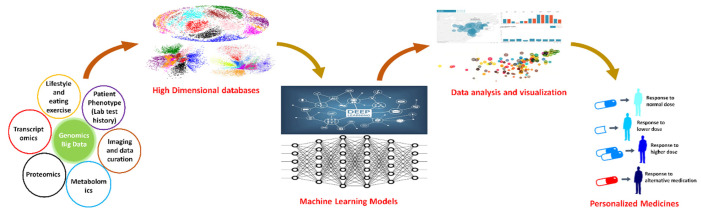
Big data in health care is a fast-growing field and a new paradigm that is transforming case-based studies to large-scale, data-driven research. As big data is dependent on the advancement of new data standards, technology, and relevant research, the future development of big data applications holds foreseeable promise in the modern day health care revolution. Enormously large, rapidly growing collections of biomedical omics-data (genomics, proteomics, transcriptomics, metabolomics, glycomics, etc.) and clinical data create major challenges and opportunities for their analysis and interpretation and open new computational gateways to address these issues. The design of new robust algorithms that are most suitable to properly analyze this big data by taking into account individual variability in genes has enabled the creation of precision (personalized) medicine. We reviewed and highlighted the significance of big data analytics for personalized medicine and health care by focusing mostly on machine learning perspectives on personalized medicine, genomic data models with respect to personalized medicine, the application of data mining algorithms for personalized medicine as well as the challenges we are facing right now in big data analytics.
Overview
The claims and statistics of this paper haven’t been checked yet.
Run the check — free, no account needed. It reads the open-access text and checks the sources it cites.
Integrity signals
Registry
Cites
Statistics
Figures
Verification
Claims the paper makes
The claims and statistics of this paper haven’t been checked yet.
Run the check — free, no account needed. It reads the open-access text and checks the sources it cites.
Claims other papers make about this one
Each is checked against this paper’s own text: does it say what the citing paper says it does?
The source backs part of the claim, not all of it — or backs it for a different population, condition or comparison.
In the citing paper
“These models use large datasets, including clinical data, genetic information, and lifestyle factors, to create highly personalized predictive models (46).”
From Generative artificial intelligence in predictive analysis of diabetes and its complications: a narrative review (2025) · cites this paper as [46]
Experimental — accuracy not yet measured
Self-check
Percentages, sums and reported differences re-computed from the paper’s own numbers.
The self-check needs the paper’s full text.
Citations
Cites
Barredo Arrieta, A., Díaz-Rodríguez, N., Del Ser, J., Bennetot, A., Tabik, S., Barbado, A., Garcia, S., Gil-Lopez, S., Molina, D., Benjamins, R., et al. (2020) · Information Fusion · doi:10.1016/j.inffus.2019.12.012 · Cited by 10,423
Machine learning: Trends, perspectives, and prospects
Jordan, M. I., & Mitchell, T. M. (2015) · Science · doi:10.1126/science.aaa8415 · Cited by 9,955 · cited 1×
“Machine learning imposes a major societal impact in many computational biology applications [53,54].”
BackgroundAnalysis of protein-coding genetic variation in 60,706 humans
Exome Aggregation Consortium, Lek, M., Karczewski, K. J., Minikel, E. V., Samocha, K. E., Banks, E., Fennell, T., O’Donnell-Luria, A. H., Ware, J. S., Hill, A. J., et al. (2016) · Nature · doi:10.1038/nature19057 · Cited by 9,587 · cited 2×
“ExAC, GNOMAD, and the Beacon Network databases provide support in the understanding of genetic variations and identifying variants that are unique within a specific ethnic group [22].”
BackgroundMethodGene expression profiling predicts clinical outcome of breast cancer
van 't Veer, L. J., Dai, H., van de Vijver, M. J., He, Y. D., Hart, A. A. M., Mao, M., Peterse, H. L., van der Kooy, K., Marton, M. J., Witteveen, A. T., et al. (2002) · Nature · doi:10.1038/415530a · Cited by 9,536
Lamb, J., Crawford, E. D., Peck, D., Modell, J. W., Blat, I. C., Wrobel, M. J., Lerner, J., Brunet, J.-P., Subramanian, A., Ross, K. N., et al. (2006) · Science · doi:10.1126/science.1132939 · Cited by 5,257 · cited 1×
“Based on these findings, it is possible to perform drug repositioning using connectivity map (CMAP) technologies provided by the Broad Institute [74].”
MethodBeyond the hype: Big data concepts, methods, and analytics
Gandomi, A., & Haider, M. (2015) · International Journal of Information Management · doi:10.1016/j.ijinfomgt.2014.10.007 · Cited by 4,226
A pathology atlas of the human cancer transcriptome
Uhlen, M., Zhang, C., Lee, S., Sjöstedt, E., Fagerberg, L., Bidkhori, G., Benfeitas, R., Arif, M., Liu, Z., Edfors, F., et al. (2017) · Science · doi:10.1126/science.aan2507 · Cited by 3,371 · cited 1×
“Most importantly, the GEM modeling approach is being used in multiple medical domains such as cancer [42] obesity [43], and in Alzheimer’s disease [44].”
MethodEhteshami Bejnordi, B., Veta, M., Johannes van Diest, P., van Ginneken, B., Karssemeijer, N., Litjens, G., van der Laak, J. A. W. M., and the CAMELYON16 Consortium, Hermsen, M., Manson, Q. F., et al. (2017) · JAMA · doi:10.1001/jama.2017.14585 · Cited by 3,293
Big data analytics in healthcare: promise and potential
Raghupathi, W., & Raghupathi, V. (2014) · Health Information Science and Systems · doi:10.1186/2047-2501-2-3 · Cited by 3,034 · cited 3×
“Through digital medicine, big data analysis will prove to be an invaluable tool for health care organizations as it will provide more opportunities for proactive intervention and a more holistic view of the patients’ conditions with consolidated real-time information [109].”
BackgroundMachine learning applications in genetics and genomics
Libbrecht, M. W., & Noble, W. S. (2015) · Nature Reviews Genetics · doi:10.1038/nrg3920 · Cited by 2,250 · cited 2×
“Translational research is usually focused on collecting data abundantly, for example, clinical data, imaging data, genetic and genomic data, and analysts are usually found to be lacking in skills to interpret such types of data [10,62,92].”
Background
Research works printed but not linked: 2
- Zikopoulos, P., and Eaton, C. (2011). Understanding Big Data: Analytics for Enterprise Class Hadoop and Streaming Data, McGraw-Hill Osborne Media.
- Brown, 2008, HIPAA Beyond HIPAA: ONCHIT, ONC, AHIC, HITSP, and CCHIT, J. Health Care Compliance, 10, 41
Cited by
Sorted by citations
Emerging issues in probiotic safety: 2023 perspectives
Merenstein, D., Pot, B., Leyer, G., Ouwehand, A. C., Preidis, G. A., Elkins, C. A., Hill, C., Lewis, Z. T., Shane, A. L., Zmora, N., et al. (2023) · Gut Microbes · doi:10.1080/19490976.2023.2185034 · Cited by 481
Chakraborty, C., Bhattacharya, M., Pal, S., & Lee, S. (2023) · Current Research in Biotechnology · doi:10.1016/j.crbiot.2023.100164 · Cited by 311
Assessing and mitigating batch effects in large-scale omics studies
Yu, Y., Mai, Y., Zheng, Y., & Shi, L. M. (2024) · Genome biology · doi:10.1186/s13059-024-03401-9 · Cited by 254
Transforming Clinical Research: The Power of High-Throughput Omics Integration
Vitorino, R. M. P. (2024) · Proteomes · doi:10.3390/proteomes12030025 · Cited by 203
“These advances not only improve diagnostic accuracy, but also open new avenues for targeted drug development and precision medicine [45].”
BackgroundTransforming Drug Therapy with Deep Learning: The Future of Personalized Medicine
Mulani, A. O., Deshmukh, M. S., Jadhav, V., Chaudhari, K., Mathew, A. A., & Salunkhe, S. S. (2025) · Drug Research · doi:10.1055/a-2682-5167 · Cited by 141
AI's role in revolutionizing personalized medicine by reshaping pharmacogenomics and drug therapy
Taherdoost, H., & Ghofrani, A. (2024) · Intelligent Pharmacy · doi:10.1016/j.ipha.2024.08.005 · Cited by 125
Frontiers in pancreatic cancer on biomarkers, microenvironment, and immunotherapy
Yu, B., Shao, S., & Ma, W. (2024) · Cancer Letters · doi:10.1016/j.canlet.2024.217350 · Cited by 119
Yu, B., & Ma, W. (2024) · Cytokine & Growth Factor Reviews · doi:10.1016/j.cytogfr.2024.08.006 · Cited by 108
A review of cancer data fusion methods based on deep learning
Zhao, Y., Li, X., Zhou, C., Peng, H., Zheng, Z., Chen, J., & Ding, W. (2024) · Information Fusion · doi:10.1016/j.inffus.2024.102361 · Cited by 89
Emerging applications of machine learning in genomic medicine and healthcare
Chafai, N., Bonizzi, L., Botti, S., & Badaoui, B. (2023) · Critical Reviews in Clinical Laboratory Sciences · doi:10.1080/10408363.2023.2259466 · Cited by 84
“For example, using biomarkers to forecast the level of cholesterol in the blood [11].”
MethodTHE IMPACT OF BIG DATA ON HEALTHCARE PRODUCT DEVELOPMENT: A THEORETICAL AND ANALYTICAL REVIEW
Ogundipe, D. O. (2024) · International Medical Science Research Journal · doi:10.51594/imsrj.v4i3.932 · Cited by 80
Naghib, A., Navimipour, N. J., Hosseinzadeh, M., & Sharifi, A. (2022) · Wireless Networks · doi:10.1007/s11276-022-03177-5 · Cited by 87
Interpretable Machine Learning for Discovery: Statistical Challenges and Opportunities
Allen, G. I., Gan, L., & Zheng, L. (2023) · Annual Review of Statistics and Its Application · doi:10.1146/annurev-statistics-040120-030919 · Cited by 84
Comparative review of big data analytics and GIS in healthcare decision-making
Akindote, O. J., Adegbite, A. O., Dawodu, S. O., Omotosho, A., Anyanwu, A. C., & Maduka, C. P. (2023) · World Journal of Advanced Research and Reviews · doi:10.30574/wjarr.2023.20.3.2589 · Cited by 65
“Big data analytics in healthcare represents a paradigm shift, harnessing the power of advanced analytics to derive meaningful insights from the vast and varied datasets within the healthcare ecosystem (Hassan et al., 2022; Saheb & Izadi, 2019; L. Wang & Alexander, 2020).”
Ahmad, S., & Raza, K. (2024) · Journal of drug targeting · doi:10.1080/1061186x.2024.2347358 · Cited by 65
“Machine learning algorithms can also contribute to personalised medicine by analysing patient-specific data, such as genetic information or clinical records, to predict individual responses to specific drugs [10,11].”
BackgroundBibri, S. E. (2023) · Smart Cities · doi:10.3390/smartcities6030065 · Cited by 62
Artificial intelligence in stroke rehabilitation: From acute care to long-term recovery
Kopalli, S. R., Shukla, M., Jayaprakash, B., Kundlas, M., Srivastava, A., Jagtap, J., Gulati, M., Chigurupati, S., Ibrahim, E., Khandige, P. S., et al. (2025) · Neuroscience · doi:10.1016/j.neuroscience.2025.03.017 · Cited by 58
Biswas, A., Kumari, A., Gaikwad, D. S., & Pandey, D. K. (2023) · OMICS A Journal of Integrative Biology · doi:10.1089/omi.2023.0197 · Cited by 56
“As technology and research methods continue to evolve, genetic exploration is expected to lead to even more exciting breakthroughs and transformative applications in the future (Hassan et al., 2022).”
From screens to scenes: A survey of embodied AI in healthcare
Liu, Y., Cao, X., Chen, T., Jiang, Y., You, J., Wu, M., Wang, X., Feng, M., Jin, Y., & Chen, J. (2025) · Information Fusion · doi:10.1016/j.inffus.2025.103033 · Cited by 76
Chen, M. (2024) · American Journal of Translational Research · doi:10.62347/myhe3488 · Cited by 57
The promise of explainable deep learning for omics data analysis: Adding new discovery tools to AI
Santorsola, M., & Lescai, F. (2023) · New Biotechnology · doi:10.1016/j.nbt.2023.06.002 · Cited by 45
Ashrafpour, S., & Ashrafpour, M. (2025) · Frontiers in Nutrition · doi:10.3389/fnut.2025.1524627 · Cited by 47
“By translating genomic data into actionable insights, these tools play a crucial role in developing personalized monitoring strategies (112), particularly for elderly patients or those on polypharmacy regimens who use high-risk nutraceuticals.”
Federated Learning Based Privacy Preserving Cloud Computing Platform for Health Management
Kashyap, R., Mustafa, A. M., Abdulhasan, M. M., Nimah, N. R., & Dunka, V. K. (2025) · OPJU International Technology Conference on Smart Computing for Innovation and Advancement in Industry (OTCON) · doi:10.1109/otcon65728.2025.11071159 · Cited by 37
“It's ideal for banks and hospitals [14-15].”
Obijuru, A., Arowoogun, J. O., Onwumere, C., Odilibe, I. P., Anyanwu, E. C., & Daraojimba, A. I. (2024) · International Medical Science Research Journal · doi:10.51594/imsrj.v4i2.810 · Cited by 34
Bio‐Functionalized MXenes: Synthesis and Versatile Applications
Vojoudi, H., & Soroush, M. (2025) · Advanced Healthcare Materials · doi:10.1002/adhm.202500359 · Cited by 36
Ethical and social issues related to AI in healthcare
Mondal, H., & Mondal, S. (2024) · Methods in microbiology · doi:10.1016/bs.mim.2024.05.009 · Cited by 33
Branda, F., Cella, E., Scarpa, F., Slavov, S. N., Bevivino, A., Moretti, R., Abate, L. D., Pecchia, L., Rizzo, A., Defilippo, F., et al. (2024) · Viruses · doi:10.3390/v16121868 · Cited by 33
“Wolbachia can influence mosquito fitness and competitiveness, potentially disrupting existing species interactions, which may impact food webs or lead to the emergence of more resilient vector species [89–91] (Figure 3).”
Nahas, L. D., Datta, A., Alsamman, A. M., Adly, M. H., Al-Dewik, N. I. E., Sekaran, K., Sasikumar, K., Verma, K., Doss, C. G. P., & Zayed, H. (2023) · Metabolic Brain Disease · doi:10.1007/s11011-023-01322-3 · Cited by 37
“(Hassan et al. 2022).”
Coşkun, A., Ertaylan, G., Pusparum, M., Hoof, R. V., Kaya, Z. Z., Khosravi, A., & Zarrabi, A. (2024) · Biochimica et Biophysica Acta (BBA) - Molecular Basis of Disease · doi:10.1016/j.bbadis.2024.167339 · Cited by 31
Toward Fully Automated Personalized Orthopedic Treatments: Innovations and Interdisciplinary Gaps
Luo, Y. (2024) · Bioengineering · doi:10.3390/bioengineering11080817 · Cited by 32
“Genomic data can provide insights into a patient’s tissue regeneration capabilities [62].”
BackgroundLee, C. H., Lim, K. H., & Eswaran, S. (2025) · Discover Public Health · doi:10.1186/s12982-025-00505-w · Cited by 37
“The advent of technologies such as EHRs [2–4], telemedicine [5, 6], and personalised medicine [7, 8] underscores the necessity for robust data privacy and security mechanisms.”
Dhanda, S. S., Panwar, D., Lin, C., Sharma, T. K., Rastogi, D., Bindewari, S., Singh, A. M., Li, Y., Agarwal, N. K., & Agarwal, S. (2025) · Journal Of Big Data · doi:10.1186/s40537-025-01201-x · Cited by 35
Genetic Determinants of Endurance: A Narrative Review on Elite Athlete Status and Performance
Bicakci, B., Cięszczyk, P., & Humińska‐Lisowska, K. (2024) · International Journal of Molecular Sciences · doi:10.3390/ijms252313041 · Cited by 36
Machine Learning Differentiation of Autism Spectrum Sub-Classifications
Thapa, R., Garikipati, A., Ciobanu, M., Singh, N. P., Browning, E., Decurzio, J., Barnes, G., Dinenno, F., Mao, Q., & Das, R. (2023) · Journal of Autism and Developmental Disorders · doi:10.1007/s10803-023-06121-4 · Cited by 30
“…in personalized medicine and has been validated for a variety of prediction and diagnostic tasks for acute and chronic medical issues ( Cognoa - Leading the Way for Pediatric Behavioral Health , n.d.; Hassan et al., 2022; Lam et al., 2022; Thapa et al., 2022; Tso et al., 2022; Varma et al., n.d.).”
BackgroundDigital Health Revolution: Enhancing Well-Being Through Technology
Singh, V., & Singh, A. (2023) · Advances in logistics, operations, and management science book series · doi:10.4018/979-8-3693-2065-5.ch016 · Cited by 24
Woodland, B., Farrell, L. A., Brockbals, L., Rezcallah, M. C., Brennan, A., Sunnucks, E. J., Gould, S. T., Stanczak, A. M., O’Rourke, M. B., & Padula, M. P. (2025) · PROTEOMICS · doi:10.1002/pmic.13983 · Cited by 26
“High-throughput processes have resulted in vast amounts of data meaning that analysis is no longer intuitive and requires highly specialised computational approaches and infrastructure [264].”
Olorunsogo, T. O., Balogun, O. D., Ayo-Farai, O., Ogundairo, O., Maduka, C. P., Okongwu, C. C., & Onwumere, C. (2024) · World Journal of Advanced Research and Reviews · doi:10.30574/wjarr.2024.21.1.0016 · Cited by 21
“Hassan et al. (2022) review the significance of big data analytics in personalized medicine and health care, focusing on machine learning perspectives.”
BackgroundFoundations for a Personalized Psycho-Oncology: The State of the Art
Perna, G., Pinto, E., Spiti, A., Torti, T., Cucchi, M., & Caldirola, D. (2024) · Journal of Personalized Medicine · doi:10.3390/jpm14090892 · Cited by 24
“This approach represents a paradigm shift away from the one-size-fits-all model towards providing the right treatment to the right person at the right time, improving therapeutic outcomes and minimizing side effects [1].”
BackgroundBig data analytics in healthcare: current practices, innovations, and future prospects
Shahzad, K., Khan, S. A., Latif, M., Javeed, A. M. D., & Iqbal, A. (2025) · Journal Of Big Data · doi:10.1186/s40537-025-01288-2 · Cited by 27
Precision medicine in gynecological cancer (Review)
Aravantinou‐Fatorou, A., GEORGAKOPOULOU, V. E., Dimopoulos, M. A., & Liontos, M. (2025) · Biomedical Reports · doi:10.3892/br.2025.1921 · Cited by 19
“AIKATERINI ARAVANTINOU‑FATOROU 1 , VASILIKI EPAMEINONDAS GEORGAKOPOULOU 2 , MELETIOS ATHANASIOS DIMOPOULOS 1 and MICHALIS LIONTOS 1 datasets to identify which therapies will be beneficial for patients depending on their genetic and molecular profiling (4).”
InfluentialArtificial intelligence in orthopedics: fundamentals, current applications, and future perspectives
Song, J., Wang, G.-C., Wang, S., He, C., Zhang, Y., Chen, X., & Su, J. (2025) · Military Medical Research · doi:10.1186/s40779-025-00633-z · Cited by 22
“Supervised ML facilitates the development of predictive models, enhancing capabilities in areas such as disease detection and therapeutic outcome forecasting [28, 29].”
Bature, J. T., Eruaga, M. A., & Itua, E. O. (2024) · GSC Biological and Pharmaceutical Sciences · doi:10.30574/gscbps.2024.26.3.0081 · Cited by 19
Farina, S., Osti, T., Russo, L., Maio, A., Scarsi, N., Savoia, C., Taha, A., Villani, L., Pastorino, R., & Boccia, S. (2025) · PLoS ONE · doi:10.1371/journal.pone.0317379 · Cited by 20
Quantum computing and the implementation of precision medicine
Nassir, N., Hashmi, M., Raji, K. G., Jamalalail, B. A., Maksymowsky, A., Scherer, S. W., Alsheikh-Ali, A. A. A., & Uddin, M. J. (2025) · npj Genomic Medicine · doi:10.1038/s41525-025-00537-w · Cited by 24
Artificial Intelligence for Personalized Genetics and New Drug Development: Benefits and Cautions
Gallo, C. (2023) · Bioengineering · doi:10.3390/bioengineering10050613 · Cited by 18
“Among the application areas of the technology under consideration to the health care sector, personalized genetics represents fertile ground for the use of predictive analytics [48].”
BackgroundRevolutionizing Oncology: A Comprehensive Review of Digital Health Applications
Borkar, S., Chakole, S. V., Prasad, R., & Bansod, S. (2024) · Cureus · doi:10.7759/cureus.59203 · Cited by 22
“Additionally, machine learning models can evolve and adapt by continuously learning from new data, providing clinicians with the latest insights into cancer biology and treatment strategies [16].”
Bridging the gap: From petri dish to patient - Advancements in translational drug discovery
El‐Tanani, M., Rabbani, S. A., El‐Tanani, Y., Matalka, I. I., & Khalil, I. A. (2024) · Heliyon · doi:10.1016/j.heliyon.2024.e41317 · Cited by 17
Ashiwaju, B. I., Orikpete, O. F., & Uzougbo, C. G. (2023) · Matrix Science Pharma · doi:10.4103/mtsp.mtsp_14_23 · Cited by 22
A Review of Big Data Trends and Challenges in Healthcare
Baloch, L., Bazai, S. U., Marjan, S., Aftab, F., Aslam, S., Neo, T., & Amphawan, A. (2023) · International Journal of Technology · doi:10.14716/ijtech.v14i6.6643 · Cited by 27
Rane, N. L., Choudhary, S., & Rane, J. (2023) · SSRN Electronic Journal · doi:10.2139/ssrn.4637894 · Cited by 19
Tan, M. J. T., Lichlyter, D. A., Maravilla, N. M. A. T., Schrock, W. J., Ting, F. I. L., Choa-Go, J. M., Francisco, K. K. Y., Byers, M. C., Karim, H. B. A., & AlDahoul, N. (2025) · Frontiers in Digital Health · doi:10.3389/fdgth.2025.1535018 · Cited by 19
Leveraging machine learning in nursing: innovations, challenges, and ethical insights
Yip, S. S. W., Ning, S., Wong, N. Y. K., Chan, J., Ng, K. S., Kwok, B. O. T., Anders, R. L., & Lam, S. C. (2025) · Frontiers in Digital Health · doi:10.3389/fdgth.2025.1514133 · Cited by 18
What is digital health, eHealth, uHealth and Healthcare 4.0?
Mangion, A., & Piller, N. (2025) · Informatics and Health · doi:10.1016/j.infoh.2025.06.002 · Cited by 20
Aritra, S., Shikha, C. B., & Indu, S. (2025) · Intelligent Pharmacy · doi:10.1016/j.ipha.2024.12.001 · Cited by 18
Pancreatic Tumor‐Targeting Stemsome Therapeutics
Park, J., Park, J. Y., Jeong, Y., Park, J., Park, Y. H., Kim, S., & Khang, D. (2023) · Advanced Materials · doi:10.1002/adma.202300934 · Cited by 14
Al-Qudimat, A. R., Fares, Z. E., Elaarag, M., Osman, M., Al‐Zoubi, R. M., & Aboumarzouk, O. M. (2025) · Health Science Reports · doi:10.1002/hsr2.70200 · Cited by 17
“Based on these predictions, it provides tailored recommendations and treatments that can significantly impact an individual's well ‐ being [65 – 67].”
Wang, X., Huang, L., Wang, D., Liu, L., & Guo, P. (2025) · IEEE Access · doi:10.1109/access.2025.3596694 · Cited by 15
“These approaches extend to personalized care plans, where BDA synthesizes genetic, lifestyle, and clinical data to tailor precision medicine strategies for older adults [58], [69].”
An updated review on advantages, disadvantages and uncertainties associated with probiotics
Pandey, K., Gosai, H. B., & Patel, R. B. (2025) · Journal of Dairy Research · doi:10.1017/s0022029925101155 · Cited by 17
“According to Dikeocha et al. (2022), it may be crucial to comprehend the interactions between food, drug disposition and response, as well as how this may affect future personalized treat-ment (Candeliere et al. , 2022; Doestzada et al. , 2018; Hassan et al. , 2022).”
Use of Drug Sensitisers to Improve Therapeutic Index in Cancer
Chen, Y.-S., Jin, E., & Day, P. J. (2024) · Pharmaceutics · doi:10.3390/pharmaceutics16070928 · Cited by 16
“It provides solutions to issues including uncharacterised targets and a lack of drug specificity in cancer immunotherapy [35–39].”
BackgroundPrecision medicine in colorectal cancer: genomics profiling and targeted treatment
Muhar, A. M., Velaro, A. J., Prananda, A. T., Nugraha, S. E., Halim, P., & Syahputra, R. A. (2025) · Frontiers in Pharmacology · doi:10.3389/fphar.2025.1532971 · Cited by 13
“They also need to develop more accurate and ef fi cient algorithms for analyzing genomic data to assist doctors in making quick and precise clinical decisions (Hassan et al., 2022; Quazi, 2022).”
Balachandran, K., Ramli, R., Karsani, S. A., & Rahman, M. A. (2023) · International Journal of Molecular Sciences · doi:10.3390/ijms24108635 · Cited by 11
“data, bioinformatics has aided in the identification of new drug targets and the optimization of drug designs for the development of personalized medicine [11,12].”
Applications of Computational Tools in the Prediction of Toxicity
Mahajan, B., Gawarkar‐Patil, P., Adnaik, P. R., Bagade, N. N., Gondhale-Karpe, P., Manwatkar, S., & Patil, S. (2024) · Springer eBooks · doi:10.1007/978-981-97-2596-0_14 · Cited by 11
Khan, Z., Mehan, S., Maurya, P. K., Kumar, A., Gupta, G. D., Narula, A. S., & Kalfin, R. E. (2025) · Endocrine Metabolic & Immune Disorders - Drug Targets · doi:10.2174/0118715303325979241206115417 · Cited by 13
Tuly, S. R., Ranjbari, S., Murat, E. A., & Arslanturk, S. (2025) · Computers in Biology and Medicine · doi:10.1016/j.compbiomed.2025.110108 · Cited by 13
Artificial intelligence in drug development for delirium and Alzheimer’s disease
Ai, R., Xiao, X., Deng, S., Yang, N., Xing, X., Watne, L. O., Selbæk, G., Wedatilake, Y., Xie, C., Rubinsztein, D. C., et al. (2025) · Acta Pharmaceutica Sinica B · doi:10.1016/j.apsb.2025.04.026 · Cited by 11
“Modern biology is becoming increasingly data-intensive, encompassing human genetic information from large populations, transcriptomic, proteomic and metabolomics analyses of both healthy and diseased individuals, as well as high-content imaging of clinical material 51,100 .”
Ni, S., Zhao, W., Elumalai, K., & Kumar, P. V. (2025) · The EPMA Journal · doi:10.1007/s13167-025-00414-7 · Cited by 11
“Gene-based anti-inflammatory upregulation identified through genomics can be further correlated with changes in protein expression and metabolite profiles via proteomics and metabolomics, respectively [159].”
The role of machine learning in autism spectrum disorder assessment and management
Reilly, A., Walsh, N., O’Reilly, D. P., Smyth, M., Gorman, K. M., Ostadabbas, S., & Power, C. (2025) · Pediatric Research · doi:10.1038/s41390-025-04566-0 · Cited by 15
“120,121 Machine learning has successfully interpreted large-scale GWAS data in cancer genetics to identify gene-biomarker panels that can predict cancer stage in tumour tissue 122 and whole-transcriptome arrays that are used as prognostic tools in breast cancer.”
The Revolution of Pharmaco-Omics: Ready to Open new Avenues in Materializing Precision Medicine?
Ragia, G., & Manolopoulos, V. G. (2022) · Pharmacogenomics · doi:10.2217/pgs-2022-0145 · Cited by 10
Big Data Analytics for Early Detection and Prevention of Age-Related Diseases in Elderly Healthcare
Daril, M. A. M., Qayyum, S., Abbas, A. F., & Vân, N. T. (2023) · International Journal of Online and Biomedical Engineering (iJOE) · doi:10.3991/ijoe.v19i16.45035 · Cited by 9
Abhadionmhen, O. A., Asogwa, C. N., Ezema, M. E., Nzeh, R., Ezeora, N. J., Abhadiomhen, S. E., Echezona, S. C., & Udanor, C. N. (2024) · Molecular Biotechnology · doi:10.1007/s12033-024-01309-0 · Cited by 9
“Another systematic review [53] emphasized that innovations in predictive analytics, such as faster reporting and improved accuracy, significantly enhanced clinical decisions and research capabilities.”
Explainable artificial intelligence for stroke risk stratification in atrial fibrillation
Zimmerman, R., Hernandez, E., Tristani-Firouzi, M., Yandell, M., & Steinberg, B. A. (2025) · European Heart Journal - Digital Health · doi:10.1093/ehjdh/ztaf019 · Cited by 8
“32 Personalization highlights a shift from a traditional ‘one size fits all’ approach seen in the CHAD2S2-VA and CHAD2S2-VASc scoring system to more precise risk calculations and subsequent treatment decisions for individual patients Equitability Equitability ensures that AI models deliver fair and…”
Paudel, P., Saud, R., Karna, S. K., & Bhandari, M. (2023) · International Conference on Electrical, Computer and Energy Technologies (ICECET) · doi:10.1109/icecet58911.2023.10389217 · Cited by 8
“The field of healthcare greatly values these technologies as they have a vital impact on the initial detection and forecasting of breast cancer and their importance cannot be overstated [10].”
BackgroundMathematical Modelling of Cancer Treatments, Resistance, Optimization
Azizi, T. (2025) · AppliedMath · doi:10.3390/appliedmath5020040 · Cited by 8
“Mathematical modeling provides a quantitative framework for understanding and optimizing cancer treatments, allowing researchers and clinicians to design more effective and personalized therapeutic strategies [32–34].”
AI-Driven Chemometrics for Multi-omics Data Integration: Advances, Challenges, and Future Directions
Polu, P. R. (2026) · Critical Reviews in Analytical Chemistry · doi:10.1080/10408347.2026.2657553 · Cited by 9
Prediction of Drug-Induced Nephrotoxicity Using Chemical Information and Transcriptomics Data
Chenga, H., Garg, A., Das, S. S., & Ramamurthi, N. (2025) · Journal of Chemical Information and Modeling · doi:10.1021/acs.jcim.5c00141 · Cited by 7
González, A. R., Acuña-Merchán, L. A., Alexander, J. A. A., Kaen, D., López-Correa, C., Martin, C. M., Attwill, A., Marinetti, T., Rocha, J. V., & Barrios, C. H. (2025) · International Journal of Environmental Research and Public Health · doi:10.3390/ijerph22081220 · Cited by 8
Giannakaki, A.-G., Giannakaki, M.-N., Bothou, Α., Nikolettos, K., Machairiotis, N., Pappa, K. I., & Tsikouras, P. N. (2025) · Journal of Personalized Medicine · doi:10.3390/jpm15090406 · Cited by 7
“Health equity should be embedded as a central metric in future clinical trials and observational registries [99].”
Nehra, R., Dhanda, S., Singh, K., Singh, H., & Bharti, P. K. (2026) · Archives of Microbiology · doi:10.1007/s00203-025-04617-4 · Cited by 7
“…affect mosquito fitness and competition and thus affect the ecological balance (Branda et al. 2024) and may alter the interaction between species, resulting in changes in food webs or more resistant vector species (Cordaux and Gilbert 2017; Yen et al. 2020; Hassan et al. 2022; Brand et al. 2024).”
Lee, K.-H., Lee, J., Hwang, S., Kim, Y., Lee, Y., Urtnasan, E., Koh, S. B., & Youk, H. (2022) · Journal of Personalized Medicine · doi:10.3390/jpm12050803 · Cited by 7
“…clinical data in digital healthcare services is beneficial and powerful for precision medicine; therefore, lifelogs are becoming a new research trend that can improve the quality of daily life and expand insights based on big data analyses of individuals’ daily activities and health records [9–12].”
BackgroundYang, X., Sitharan, R., Sharji, E. A., & Feng, H. (2024) · Soft Computing · doi:10.1007/s00500-023-09570-2 · Cited by 7
“Hassan et al. (2022) have presented large cloud, a ‘‘secu-rity-by-design’’ framework for cloud BD.”
RetractedComparative Analysis of Machine Learning Techniques for Imbalanced Genetic Data
Kaur, A., & Sarmadi, M. (2024) · Annals of Data Science · doi:10.1007/s40745-024-00575-8 · Cited by 7
Nirojini, P. S., Kanaga, K., Devika, S. V., & Pradeep, P. (2024) · Scholars Academic Journal of Pharmacy · doi:10.36347/sajp.2024.v13i02.003 · Cited by 8
A Big Data Approach to Explore Medical Imaging Repositories Based on DICOM
Santos, M., & Rocha, N. P. (2023) · Procedia Computer Science · doi:10.1016/j.procs.2023.01.405 · Cited by 7
The Importance of Big Data Analysis: Developing Neuromarketing in Tourism Industry
Azman, N. B., Ahmad, A., & Valeri, M. (2023) · Emerald Group Publishing Limited eBooks · doi:10.1108/978-1-83797-166-420231001 · Cited by 7
Ordovás, J. M. (2023) · Elsevier eBooks · doi:10.1016/b978-0-443-15315-0.00015-8 · Cited by 8
AI in Healthcare Data Analytics Trends and Transformative Innovations
Badiger, M., Adiga, S., Naik, A., Shetty, S., B., S. A., Mehnaz, F., & Singh, C. (2024) · Advances in healthcare information systems and administration book series · doi:10.4018/979-8-3693-7277-7.ch001 · Cited by 6
Cutting-edge AI tools revolutionizing scientific research in life sciences
Lorenc-Kukuła, K. (2025) · Biotechnologia · doi:10.5114/bta/200803 · Cited by 9
“A study by Hassan et al. (2022) in Nature Medicine demonstrated that machine learning algorithms can accurately predict patient responses to cancer immunotherapy based on genetic profiles.”
Personalized Medicine in Treating Rare Genetic Disorders: A Review
Ansari, Z. J., Kareem, A. M., Aher, A. A., & Thitame, S. N. (2025) · Journal of Pharmacy And Bioallied Sciences · doi:10.4103/jpbs.jpbs_583_25 · Cited by 6
“[21] Future Directions and Innovations paragraph The development of personalized medicine for rare genetic disorders advances through research collaborations between institutions while artificial intelligence and gene editing technologies produce the most progress.”
Somara, S., Joshi, A. M., Mitra, K., Desai, S. S., Lundberg, M. S., Bhasin, S., & Hunsberger, J. G. (2025) · Current Stem Cell Reports · doi:10.1007/s40778-025-00249-y · Cited by 8
“Application to analyze biological data was enabled with significant advancement in machine learning and data mining in 1990s which enabled researchers to handle large datasets to uncover new insights about molecular interactions, genetic patterns and disease mechanisms [3].”
Emerging trends in computational approaches for drug discovery in molecular biology
Yuguda, Y. M., Unuebho, I. E., kolli, T., & Dhanushya, J. (2023) · GSC Biological and Pharmaceutical Sciences · doi:10.30574/gscbps.2023.24.3.0340 · Cited by 7
“With the exponential growth of biological data and the increasing complexity of molecular interactions, computational methods offer a systematic and scalable approach to tackle the immense challenges faced by researchers [3].”
BackgroundInfluentialA Comprehensive Review Of Real-Time Analytics Techniques And Applications In Streaming Big Data
Rozony, F. Z. (2024) · Innovatech Engineering Journal · doi:10.70937/itej.v1i01.2 · Cited by 8
Bhamidipaty, V., Bhamidipaty, D. L., Fayaz, S. M., Bhamidipaty, K. D. P., & Botchu, R. (2025) · Elsevier eBooks · doi:10.1016/b978-0-443-34226-4.00008-3 · Cited by 9
Biodegradable iron-based foams prepared by the space holder technique using urea
Čákyová, V., Gorejová, R., Macko, R., Petruš, O., Sopčák, T., Kupková, M., Kaľavský, F., & Oriňáková, R. (2023) · Journal of Applied Electrochemistry · doi:10.1007/s10800-023-01993-x · Cited by 5
“With the growing average length of a human's life, there is an increasing need for the use of orthopaedic implants [1, 2].”
Manik, K. H., Nath, A., Rimi, M. A. P., Ahmed, R., Rhine, A., Hasan, M. J., Mim, J. J., & Hossain, N. (2026) · Next Materials · doi:10.1016/j.nxmate.2026.102175 · Cited by 5
Big Data Analytics in Bioinformatics
Demirbaga, Ü., Aujla, G. S., Jindal, A., & Kalyon, O. (2024) · Springer eBooks · doi:10.1007/978-3-031-55639-5_12 · Cited by 5
Khan, M. U. K., & Fatima, I. (2024) · Quality & Quantity · doi:10.1007/s11135-024-01923-9 · Cited by 5
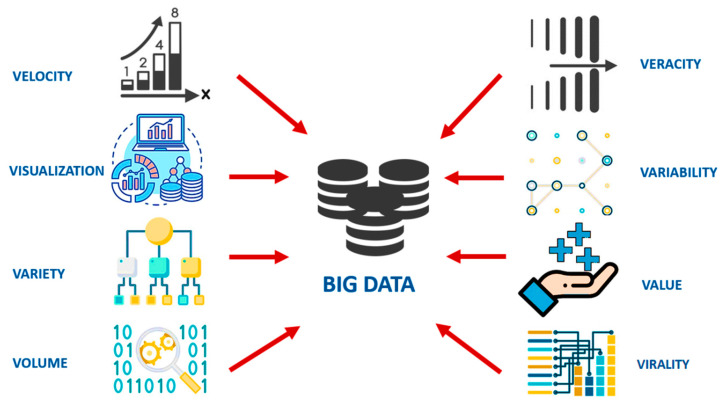
“The term “big data” encompasses various dimensions, including volume, velocity, variety, value, variability, visualization, vitality, and veracity, which shows massive amount of structured, semi-structured, and unstructured data (Hassan et al. 2022 ).”
Jamialahmadi, H., Asadnia, A., Khalili‐Tanha, G., Mohit, R., Azari, H., Khazaei, M., Maftooh, M., Nassiri, M., Hassanian, S. M., Ghayour‐Mobarhan, M., et al. (2024) · MicroRNA · doi:10.2174/0122115366320538240912080053 · Cited by 5
Multi-View Heterogeneous HyperGNN for Heterophilic Knowledge Combination Prediction
Liu, H., Ruan, S., Wu, H., Huang, Z., Lian, D., Liu, Q., & Chen, E. (2025) · IEEE Transactions on Big Data · doi:10.1109/tbdata.2025.3527216 · Cited by 7
“For example, in academia, the intersection of genomics and Big Data analysis in personalized medicinehas thepotential torevolutionizehealthcare [5], [6].”
Rehman, S. U., Usenova, A. A., Abdullah, M., Osmonaliev, K., Habib, A., Shahzad, A., & Abdillaeva, N. (2025) · Brazilian Journal of Biology · doi:10.1590/1519-6984.292947 · Cited by 5
Metadata
- Authors
- Hassan, M., Awan, F. M., Naz, A., deAndrés-Galiana, E. J., Alvarez, O., Cernea, A., Fernández-Brillet, L., Fernández-Martínez, J. L., & Kloczkowski, A.
- Affiliations
- Nationwide Children's Hospital (US)
- University of Haripur (PK)
- University of Lahore (PK)
- Group of Inverse Problems, Optimization and Machine Learning, University of Oviedo, 33003 Oviedo, Spain
- DeepBioInsights, 38311 La Florida, Spain
- Corresponding author
- Hassan, Mubashir
- Kloczkowski, Andrzej
- ORCID
- Venue
- International Journal of Molecular Sciences
- Publisher
- MDPI AG
- Published
- 2022-04-22
- Volume
- 23
- Issue
- 9
- Pages
- 4645
- ISSN
- 1422-0067 (ISSN-L)
- PMC
- PMC9104788
- OpenAlex
- W4224276240
- Cited by
- 317
- References
- 136
- Citations by year
- 2026: 56 · 2025: 130 · 2024: 76 · 2023: 48 · 2022: 7
- FWCI
- 9.52
- Type
- journal article
- Language
- en
- Open access
- gold
- doi.org
- Licence
- Locations
- International Journal of Molecular Sciences (publishedVersion, cc-by)
- PubMed Central (publishedVersion, cc-by)
- PubMed (publishedVersion)
- DOAJ (DOAJ: Directory of Open Access Journals) (submittedVersion, cc-by-sa)
- Funders
- National Institutes of Health (R01GM127701, R01HG012117)
- National Science Foundation (DBI-1661391)
- Topics
- Health Sciences › Health Professions › Health Information Management › Artificial Intelligence in Healthcare
- Health Sciences › Medicine › Health Informatics › Artificial Intelligence in Healthcare and Education
- Social Sciences › Decision Sciences › Information Systems and Management › Big Data Technologies and Applications
- Keywords
- big data analytics, personalized medicine, precision medicine, health care, machine learning, data mining algorithms, omics data, clinical data, data standards
- MeSH terms
- Data Science, Big Data, Delivery of Health Care, Genomics, Precision Medicine
About these checks
Registry, retraction, Cites and statistics results are computed, not judged, with one exception: a printed reference that no index lists is read once by a model before it counts as a citation error. Claims are extracted by a model and kept only when their quote appears verbatim in the text; each cited source is then checked, with a model’s help, for whether it says what the claim relies on. Those verdicts can be wrong — read the claim’s quote and the cited source before relying on one.
Statistics and arithmetic are recomputed, not judged.
Confidence bands are shown only for fields calibrated on our annotated test set. None is calibrated yet, so no band is shown.
What counts as a claim ›How we measure confidence ›How we check this ›
Are you an author, or do you see a problem with this page? Request a review
