

The DOI matches its Crossref record; 136 of the 136 references it cites were found in a registry or an index.
Innovations in Genomics and Big Data Analytics for Personalized Medicine and Health Care: A Review
Open accessAbstract
Big data in health care is a fast-growing field and a new paradigm that is transforming case-based studies to large-scale, data-driven research. As big data is dependent on the advancement of new data standards, technology, and relevant research, the future development of big data applications holds foreseeable promise in the modern day health care revolution. Enormously large, rapidly growing collections of biomedical omics-data (genomics, proteomics, transcriptomics, metabolomics, glycomics, etc.) and clinical data create major challenges and opportunities for their analysis and interpretation and open new computational gateways to address these issues. The design of new robust algorithms that are most suitable to properly analyze this big data by taking into account individual variability in genes has enabled the creation of precision (personalized) medicine. We reviewed and highlighted the significance of big data analytics for personalized medicine and health care by focusing mostly on machine learning perspectives on personalized medicine, genomic data models with respect to personalized medicine, the application of data mining algorithms for personalized medicine as well as the challenges we are facing right now in big data analytics.
Overview
The claims and statistics of this paper haven’t been checked yet.
Run the check — free, no account needed. It reads the open-access text and checks the sources it cites.
Integrity signals
Registry
Cites
Statistics
Figures
Verification
Claims the paper makes
The claims and statistics of this paper haven’t been checked yet.
Run the check — free, no account needed. It reads the open-access text and checks the sources it cites.
Claims other papers make about this one
Each is checked against this paper’s own text: does it say what the citing paper says it does?
The source backs part of the claim, not all of it — or backs it for a different population, condition or comparison.
In the citing paper
“These models use large datasets, including clinical data, genetic information, and lifestyle factors, to create highly personalized predictive models (46).”
From Generative artificial intelligence in predictive analysis of diabetes and its complications: a narrative review (2025) · cites this paper as [46]
Experimental — accuracy not yet measured
Self-check
Percentages, sums and reported differences re-computed from the paper’s own numbers.
The self-check needs the paper’s full text.
Citations
Cites
Barredo Arrieta, A., Díaz-Rodríguez, N., Del Ser, J., Bennetot, A., Tabik, S., Barbado, A., Garcia, S., Gil-Lopez, S., Molina, D., Benjamins, R., et al. (2020) · Information Fusion · doi:10.1016/j.inffus.2019.12.012 · Cited by 10,423
Machine learning: Trends, perspectives, and prospects
Jordan, M. I., & Mitchell, T. M. (2015) · Science · doi:10.1126/science.aaa8415 · Cited by 9,955 · cited 1×
“Machine learning imposes a major societal impact in many computational biology applications [53,54].”
BackgroundAnalysis of protein-coding genetic variation in 60,706 humans
Exome Aggregation Consortium, Lek, M., Karczewski, K. J., Minikel, E. V., Samocha, K. E., Banks, E., Fennell, T., O’Donnell-Luria, A. H., Ware, J. S., Hill, A. J., et al. (2016) · Nature · doi:10.1038/nature19057 · Cited by 9,587 · cited 2×
“ExAC, GNOMAD, and the Beacon Network databases provide support in the understanding of genetic variations and identifying variants that are unique within a specific ethnic group [22].”
BackgroundMethodGene expression profiling predicts clinical outcome of breast cancer
van 't Veer, L. J., Dai, H., van de Vijver, M. J., He, Y. D., Hart, A. A. M., Mao, M., Peterse, H. L., van der Kooy, K., Marton, M. J., Witteveen, A. T., et al. (2002) · Nature · doi:10.1038/415530a · Cited by 9,536
Lamb, J., Crawford, E. D., Peck, D., Modell, J. W., Blat, I. C., Wrobel, M. J., Lerner, J., Brunet, J.-P., Subramanian, A., Ross, K. N., et al. (2006) · Science · doi:10.1126/science.1132939 · Cited by 5,257 · cited 1×
“Based on these findings, it is possible to perform drug repositioning using connectivity map (CMAP) technologies provided by the Broad Institute [74].”
MethodBeyond the hype: Big data concepts, methods, and analytics
Gandomi, A., & Haider, M. (2015) · International Journal of Information Management · doi:10.1016/j.ijinfomgt.2014.10.007 · Cited by 4,226
A pathology atlas of the human cancer transcriptome
Uhlen, M., Zhang, C., Lee, S., Sjöstedt, E., Fagerberg, L., Bidkhori, G., Benfeitas, R., Arif, M., Liu, Z., Edfors, F., et al. (2017) · Science · doi:10.1126/science.aan2507 · Cited by 3,371 · cited 1×
“Most importantly, the GEM modeling approach is being used in multiple medical domains such as cancer [42] obesity [43], and in Alzheimer’s disease [44].”
MethodEhteshami Bejnordi, B., Veta, M., Johannes van Diest, P., van Ginneken, B., Karssemeijer, N., Litjens, G., van der Laak, J. A. W. M., and the CAMELYON16 Consortium, Hermsen, M., Manson, Q. F., et al. (2017) · JAMA · doi:10.1001/jama.2017.14585 · Cited by 3,293
Big data analytics in healthcare: promise and potential
Raghupathi, W., & Raghupathi, V. (2014) · Health Information Science and Systems · doi:10.1186/2047-2501-2-3 · Cited by 3,034 · cited 3×
“Through digital medicine, big data analysis will prove to be an invaluable tool for health care organizations as it will provide more opportunities for proactive intervention and a more holistic view of the patients’ conditions with consolidated real-time information [109].”
BackgroundMachine learning applications in genetics and genomics
Libbrecht, M. W., & Noble, W. S. (2015) · Nature Reviews Genetics · doi:10.1038/nrg3920 · Cited by 2,250 · cited 2×
“Translational research is usually focused on collecting data abundantly, for example, clinical data, imaging data, genetic and genomic data, and analysts are usually found to be lacking in skills to interpret such types of data [10,62,92].”
Background70-Gene Signature as an Aid to Treatment Decisions in Early-Stage Breast Cancer
Cardoso, F., Veer, L. J. V., Bogaerts, J., Slaets, L., Viale, G., Delaloge, S., Pierga, J., Brain, E. G. C., Causeret, S., Delorenzi, M., et al. (2016) · New England Journal of Medicine · doi:10.1056/nejmoa1602253 · Cited by 2,038 · cited 1×
“Among them, there is an FDA approved MammaPrint prognostic test for breast cancer based on 70 gene signatures [56].”
BackgroundA protocol for generating a high-quality genome-scale metabolic reconstruction
Thiele, I., & Palsson, B. Ø. (2010) · Nature Protocols · doi:10.1038/nprot.2009.203 · Cited by 1,789 · cited 1×
“…models are the best example of constraint-based models that provide a mathematical framework to understand the metabolic capacities of a cell, enabling system wide analysis of genetic perturbations, exploring metabolic diseases, and finding the essential enzymatic reactions and drug targets [41].”
BackgroundBig data in healthcare: management, analysis and future prospects
Dash, S., Shakyawar, S. K., Sharma, M., & Kaushik, S. (2019) · Journal of Big Data · doi:10.1186/s40537-019-0217-0 · Cited by 1,747 · cited 2×
“Various sources of big data in the health care industry and in biomedical research include medical records of patients, results of medical examinations, and hospital records, etc. [16].”
BackgroundThe Inevitable Application of Big Data to Health Care
Murdoch, T. B., & Detsky, A. S. (2013) · JAMA · doi:10.1001/jama.2013.393 · Cited by 1,676 · cited 1×
“Electronic health records (EHRs) are most significant application of big data in medicine and health care [115,116].”
BackgroundWang, Y., Kung, L., & Byrd, T. A. (2018) · Technological Forecasting and Social Change · doi:10.1016/j.techfore.2015.12.019 · Cited by 1,571 · cited 1×
“The big data paradigm shift is significantly transforming health care and biomedical research [109,136–139], having the potential to better process clinical and biomolecular information that spans the four dimensions of volume, velocity, variety, and veracity, referring to scale, rate, forms, and content of generated…”
BackgroundChallenges of Big Data analysis
Fan, J., Han, F., & Liu, H. (2014) · National Science Review · doi:10.1093/nsr/nwt032 · Cited by 1,482 · cited 3×
“Although big data analysis promises great advantages and a potential solution to a diverse range of problems, there remain many unique technical, computational, and statistical challenges that must be addressed to fully explore its potential [103].”
BackgroundInfluentialBig Data: Astronomical or Genomical?
Stephens, Z. D., Lee, S. Y., Faghri, F., Campbell, R. H., Zhai, C., Efron, M. J., Iyer, R., Schatz, M. C., Sinha, S., & Robinson, G. E. (2015) · PLOS Biology · doi:10.1371/journal.pbio.1002195 · Cited by 1,340 · cited 1×
“The big data paradigm shift is significantly transforming health care and biomedical research [109,136–139], having the potential to better process clinical and biomolecular information that spans the four dimensions of volume, velocity, variety, and veracity, referring to scale, rate, forms, and…”
BackgroundBig Data In Health Care: Using Analytics To Identify And Manage High-Risk And High-Cost Patients
Bates, D. W., Saria, S., Ohno-Machado, L., Shah, A., & Escobar, G. (2014) · Health Affairs · doi:10.1377/hlthaff.2014.0041 · Cited by 1,235 · cited 1×
“Another significant use of big data is essential for tackling the hospitalization risk for particular patients with chronic diseases [119,120].”
BackgroundAshley, E. A. (2016) · Nature Reviews Genetics · doi:10.1038/nrg.2016.86 · Cited by 1,116 · cited 1×
“Precision medicine can be succinctly defined as an approach to provide the right treatments to the right patients at the right time [8].”
BackgroundMethods of integrating data to uncover genotype-phenotype interactions
Ritchie, M. D., Holzinger, E. R., Li, R., Pendergrass, S. A., & Kim, D. (2015) · Nature Reviews Genetics · doi:10.1038/nrg3868 · Cited by 1,085 · cited 1×
“Moreover, earlier research has shown that significant information from a single cell data can provide more details about the biological processes in comparison to the bulk analysis of multiple cell types in a mixed cell population [89].”
BackgroundChallenges and opportunities with big data
Labrinidis, A., & Jagadish, H. V. (2012) · Proceedings of the VLDB Endowment · doi:10.14778/2367502.2367572 · Cited by 1,070 · cited 1×
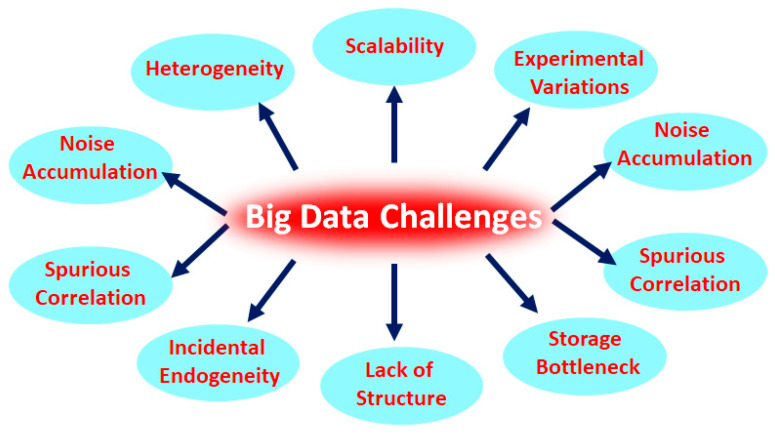
“…spurious correlations, incidental endogeneity, noise accumulation, experimental variations, statistical biases, and measurement errors impede progress at all phases of the big data analysis from data collection and analysis to result in elucidation that can create value from the data [105,106].”
BackgroundNext-Generation Machine Learning for Biological Networks
Camacho, D. M., Collins, K. M., Powers, R. K., Costello, J. C., & Collins, J. J. (2018) · Cell · doi:10.1016/j.cell.2018.05.015 · Cited by 1,012 · cited 2×
“Technical and methodological approaches have been systemically discussed elsewhere and we direct the reader to these excellent reviews [10].”
BackgroundMedical Internet of Things and Big Data in Healthcare
Dimitrov, D. V. (2016) · Healthcare Informatics Research · doi:10.4258/hir.2016.22.3.156 · Cited by 975 · cited 1×
“Another significant use of big data is essential for tackling the hospitalization risk for particular patients with chronic diseases [119,120].”
BackgroundSchneider, G. (2018) · Nature Reviews Drug Discovery · doi:10.1038/nrd.2017.232 · Cited by 910 · cited 1×
“Drug discovery is a very challenging problem due to the high attrition rates in de novo design due to the lack of the efficacity of the new compounds and due to possible development of undesirable side effects [79–81].”
BackgroundParallel single-cell sequencing links transcriptional and epigenetic heterogeneity
Angermueller, C., Clark, S. J., Lee, H. J., Macaulay, I. C., Teng, M. J., Hu, T. X., Krueger, F., Smallwood, S. A., Ponting, C. P., Voet, T., et al. (2016) · Nature Methods · doi:10.1038/nmeth.3728 · Cited by 717 · cited 1×
“There are new ways for measuring the single cell genome and transcriptome sequencing (G&T-seq) allowing us to simultaneously obtain both transcriptomic and genomic information from a single cell [90], which can provide clearer information that may be helpful in designing precision medicine [9].”
BackgroundApplications of Deep Learning in Biomedicine
Mamoshina, P., Vieira, A., Lane, E., & Zhavoronkov, A. (2016) · Molecular Pharmaceutics · doi:10.1021/acs.molpharmaceut.5b00982 · Cited by 701 · cited 1×
“Machine learning imposes a major societal impact in many computational biology applications [53,54].”
BackgroundGenomic and personalized medicine: foundations and applications
Ginsburg, G. S., & Willard, H. F. (2009) · Translational Research · doi:10.1016/j.trsl.2009.09.005 · Cited by 637 · cited 1×
“Personalized medicine is a practice of medicine that uses an individual’s genetic profile to guide decisions made regarding the prevention, diagnosis, and treatment of disease [3].”
BackgroundBig Data Analytics in Healthcare
Belle, A., Thiagarajan, R., Soroushmehr, S. M. R., Navidi, F., Beard, D. A., & Najarian, K. (2015) · BioMed Research International · doi:10.1155/2015/370194 · Cited by 580 · cited 1×
“Moreover, through data-driven analysis of genetic information as well as efficient predictions for patients, big data analytics in health care can play an important role in the development of new ground breaking drugs and innovative, forward-thinking therapies [125].”
BackgroundFrom Big Data to Precision Medicine
Hulsen, T., Jamuar, S. S., Moody, A. R., Karnes, J. H., Varga, O., Hedensted, S., Spreafico, R., Hafler, D. A., & McKinney, E. F. (2019) · Frontiers in Medicine · doi:10.3389/fmed.2019.00034 · Cited by 487 · cited 5×
“Here, we identify key conceptual and infrastructural challenges and provide a perspective on how advances can be and are being used to arrive at precision medicine strategies with specific examples [9].”
BackgroundInfluentialUsing process diagrams for the graphical representation of biological networks
Kitano, H., Funahashi, A., Matsuoka, Y., & Oda, K. (2005) · Nature Biotechnology · doi:10.1038/nbt1111 · Cited by 483 · cited 1×
“MIMs actually represent the physical and causal interactions based on knowledge based information among biological species in the form of networks [38].”
BackgroundBoolean modeling in systems biology: an overview of methodology and applications
Wang, R., Saadatpour, A., & Albert, R. (2012) · Physical Biology · doi:10.1088/1478-3975/9/5/055001 · Cited by 473
From hype to reality: data science enabling personalized medicine
Fröhlich, H., Balling, R., Beerenwinkel, N., Kohlbacher, O., Kumar, S., Lengauer, T., Maathuis, M. H., Moreau, Y., Murphy, S. A., Przytycka, T. M., et al. (2018) · BMC Medicine · doi:10.1186/s12916-018-1122-7 · Cited by 428 · cited 1×
“Machine learning approaches have been applied to massive data collected through genome sequencing, with the aim to precisely define what treatment method will work for an individual [55].”
BackgroundPharmacogenetics – five decades of therapeutic lessons from genetic diversity
Meyer, U. (2004) · Nature Reviews Genetics · doi:10.1038/nrg1428 · Cited by 414 · cited 1×
“It is evident from recent advances in the pharmacological and genetic behavior of various drugs that ge-netic variations in a single individual could lead to differences in the response to drugs [28].”
BackgroundPersonalized Medicine: Progress and Promise
Chan, I. S., & Ginsburg, G. S. (2011) · Annual Review of Genomics and Human Genetics · doi:10.1146/annurev-genom-082410-101446 · Cited by 409 · cited 1×
“Personalized medicine refers to the patient’s treatment based on their personal clinical characterization [26].”
BackgroundBig data analytics for preventive medicine
Razzak, I., Imran, M. A., & Xu, G. (2019) · Neural Computing and Applications · doi:10.1007/s00521-019-04095-y · Cited by 362 · cited 1×
“Moreover, by drilling down into insights such as medication type, symptoms, and the frequency of medical visits, among many others, it is possible for health care institutions to provide accurate preventative care and, ultimately, reduce hospital admissions [121].”
BackgroundBioModels—15 years of sharing computational models in life science
Malik-Sheriff, R. S., Glont, M., Nguyen, T. V. N., Tiwari, K., Roberts, M. G., Xavier, A., Vu, M. T., Men, J., Maire, M., Kananathan, S., et al. (2019) · Nucleic Acids Research · doi:10.1093/nar/gkz1055 · Cited by 361 · cited 1×
“QMs consist of a set of differential equations containing variables and parameters that describe how the system responds to different stimuli or perturbations [48].”
BackgroundDimiduk, D. M., Holm, E. A., & Niezgoda, S. R. (2018) · Integrating Materials and Manufacturing Innovation · doi:10.1007/s40192-018-0117-8 · Cited by 347 · cited 2×
“On the other hand, data-driven approaches (machine learning (ML) and deep learning (DL) use algorithms and artificial intelligence (AI) methodology [36,37].”
BackgroundMethodBenefits and challenges of Big Data in healthcare: an overview of the European initiatives
Pastorino, R., Vito, C. D., Migliara, G., Glocker, K., Binenbaum, I., Ricciardi, W., & Boccia, S. (2019) · European Journal of Public Health · doi:10.1093/eurpub/ckz168 · Cited by 347 · cited 1×
“There are so many applications where big data is being implemented to enhance patient care, and, ultimately, can save lives [113].”
BackgroundWright, C. F., McRae, J. F., Clayton, S., Gallone, G., Aitken, S., Fitzgerald, T. W., Jones, P., Prigmore, E., Rajan, D., Lord, J., et al. (2018) · Genetics in Medicine · doi:10.1038/gim.2017.246 · Cited by 343
Systematic reanalysis of clinical exome data yields additional diagnoses: implications for providers
Wenger, A. M., Guturu, H., Bernstein, J. A., & Bejerano, G. (2016) · Genetics in Medicine · doi:10.1038/gim.2016.88 · Cited by 333 · cited 1×
“This often results in non-uniform analysis, and indeed, re-analysis of the same data using different pipelines yields different outcomes [24,25].”
Background–Omic and Electronic Health Record Big Data Analytics for Precision Medicine
Wu, P.-Y., Cheng, C., Kaddi, C. D., Venugopalan, J., Hoffman, R., & Wang, M. D. (2016) · IEEE Transactions on Biomedical Engineering · doi:10.1109/tbme.2016.2573285 · Cited by 317 · cited 1×
“Electronic health records (EHRs) are most significant application of big data in medicine and health care [115,116].”
BackgroundBig data analytics for personalized medicine
Cirillo, D., & Valencia, A. (2019) · Current Opinion in Biotechnology · doi:10.1016/j.copbio.2019.03.004 · Cited by 289 · cited 3×
“Massive accumulation of large-scale molecular and clinical data in recent decades has radically changed personalized medicine and has raised great expectations concerning its impact on biomedical research and health care [1,2].”
BackgroundMaking sense of big data in health research: towards an EU action plan
Auffray, C., Balling, R., Barroso, I., Bencze, L., Benson, M., Bergeron, J., Bernal-Delgado, E., Blomberg, N., Bock, C., Conesa, A., et al. (2016) · Genome Medicine · doi:10.1186/s13073-016-0323-y · Cited by 286 · cited 1×
“…Commission, big data can be defined as “Big data in health encompasses high volume, high diversity biological, clinical, environmental, and lifestyle information collected from single individuals to large cohorts, in relation to their health and wellness status, at one or several time points” [15].”
BackgroundIntegrating Pathways of Parkinson's Disease in a Molecular Interaction Map
Fujita, K., Ostaszewski, M., Matsuoka, Y., Ghosh, S., Glaab, E., Trefois, C., Crespo, I., Perumal, T. M., Jurkowski, W., Antony, P. M. A., et al. (2013) · Molecular Neurobiology · doi:10.1007/s12035-013-8489-4 · Cited by 276 · cited 1×
“MIMs explore the information about different mechanistic pathways and regulatory modules involved in a disease such as Parkinson’s [39] or signaling in cancer [40], respectively.”
BackgroundSystems Biology and P4 Medicine: Past, Present, and Future
Hood, L. (2013) · Rambam Maimonides Medical Journal · doi:10.5041/rmmj.10112 · Cited by 267 · cited 1×
“Translational research is usually focused on collecting data abundantly, for example, clinical data, imaging data, genetic and genomic data, and analysts are usually found to be lacking in skills to interpret such types of data [10,62,92].”
BackgroundBeckmann, J. S., & Lew, D. (2016) · Genome Medicine · doi:10.1186/s13073-016-0388-7 · Cited by 267 · cited 2×
“Recent scientific advancements in high-throughput, high-resolution data-generating technologies enables cost-effective analysis of big datasets on individual health [6].”
BackgroundMadani, A., Ong, J. R., Tibrewal, A., & Mofrad, M. R. K. (2018) · npj Digital Medicine · doi:10.1038/s41746-018-0065-x · Cited by 250 · cited 1×
“A machine learning echocardiography algorithm proposed by Madani et al. provided an accuracy of greater than 90% for the diagnosis of cardiac disease [61].”
MethodMachine learning and clinical epigenetics: a review of challenges for diagnosis and classification
Rauschert, S., Raubenheimer, K., Melton, P. E., & Huang, R. (2020) · Clinical Epigenetics · doi:10.1186/s13148-020-00842-4 · Cited by 248 · cited 1×
“Machine learning and AI approaches work with different types of data including genetic, genomic [62], epigenomic [63,64], transcriptomic [65], metabolomic data [66], medical images, biobanks data [67], electronic health records (EHR) [68], scientific literature data, etc.”
BackgroundIntegration of clinical data with a genome‐scale metabolic model of the human adipocyte
Mardinoğlu, A., Ågren, R., Kampf, C., Asplund, A., Nookaew, I., Jacobson, P., Walley, A. J., Froguel, P., Carlsson, L. M. S., Uhlén, M., et al. (2013) · Molecular Systems Biology · doi:10.1038/msb.2013.5 · Cited by 237 · cited 1×
“Most importantly, the GEM modeling approach is being used in multiple medical domains such as cancer [42] obesity [43], and in Alzheimer’s disease [44].”
MethodPromise and challenges in drug discovery and development of hybrid anticancer drugs
Gediya, L. K., & Njar, V. C. O. (2009) · Expert Opinion on Drug Discovery · doi:10.1517/17460440903341705 · Cited by 222
Big data in digital healthcare: lessons learnt and recommendations for general practice
Agrawal, R., & Prabakaran, S. (2020) · Heredity · doi:10.1038/s41437-020-0303-2 · Cited by 218 · cited 1×
“Big data analysis will empower digital health care in a way that will ensure the timely access of clinicians to the entire scope of a patient’s health information while reducing the need for in-person visits and improving patient outcome [108].”
Big Data Security and Privacy Issues in Healthcare
Patil, H. K., & Seshadri, R. (2014) · IEEE International Congress on Big Data (BigData Congress) · doi:10.1109/bigdata.congress.2014.112 · Cited by 214
On Exploring Structure–Activity Relationships
Guha, R. (2013) · Methods in molecular biology · doi:10.1007/978-1-62703-342-8_6 · Cited by 212 · cited 1×
“The computational problem consists of finding a new compound that provides the desirable structure–activity relationships (SAR data) [82,83].”
BackgroundA federated ecosystem for sharing genomic, clinical data
The Global Alliance for Genomics and Health* (2016) · Science · doi:10.1126/science.aaf6162 · Cited by 204 · cited 1×
“Therefore, imperfect standardization has allowed for the sharing of genomic data across institutions into either aggregated databases such as ExAC, GNOMAD [22] or as federated databases such as the Beacon Network [23].”
BackgroundPhysiology-Based Simulations of a Pathological Condition
Edginton, A. N., & Willmann, S. (2008) · Clinical Pharmacokinetics · doi:10.2165/00003088-200847110-00005 · Cited by 203 · cited 1×
“Therefore, pharmacokinetic models can be described by compartmental pharmacokinetic (PK) modeling [51] or by physiologically based PK (PBPK) modeling [52].”
BackgroundMorrison, T. M., Pathmanathan, P., Adwan, M., & Margerrison, E. (2018) · Frontiers in Medicine · doi:10.3389/fmed.2018.00241 · Cited by 198 · cited 2×
“(EMA) [34,35].”
BackgroundBig Data in Medicine Is Driving Big Changes
Verspoor, K. M., & Martin-Sanchez, F. J. (2014) · Yearbook of Medical Informatics · doi:10.15265/iy-2014-0020 · Cited by 193 · cited 1×
“The big data paradigm shift is significantly transforming health care and biomedical research [109,136–139], having the potential to better process clinical and biomolecular information that spans the four dimensions of volume, velocity, variety, and veracity, referring to scale, rate, forms, and…”
BackgroundDeveloping Structure−Activity Relationships for the Prediction of Hepatotoxicity
Greene, N., Fisk, L., Naven, R. T., Note, R., Patel, M. L., & Pelletier, D. J. (2010) · Chemical Research in Toxicology · doi:10.1021/tx1000865 · Cited by 175 · cited 1×
“The computational problem consists of finding a new compound that provides the desirable structure–activity relationships (SAR data) [82,83].”
BackgroundMusuamba, F. T., Rusten, I. S., Lesage, R., Russo, G. L., Bursi, R., Emili, L., Wangorsch, G., Manolis, E., Karlsson, K. E., Kulesza, A. J., et al. (2021) · CPT Pharmacometrics & Systems Pharmacology · doi:10.1002/psp4.12669 · Cited by 175 · cited 2×
“(EMA) [34,35].”
BackgroundGenetic and epigenetic regulation of gene expression in fetal and adult human livers
Bonder, M. J., Kasela, S., Kals, M., Tamm, R., Lokk, K., Barragán, I., Buurman, W. A., Deelen, P., Greve, J.-W. M., Ivanov, M., et al. (2014) · BMC Genomics · doi:10.1186/1471-2164-15-860 · Cited by 168
Hartenfeller, M., & Schneider, G. (2010) · Methods in molecular biology · doi:10.1007/978-1-60761-839-3_12 · Cited by 165 · cited 1×
“Two other fields of active work are de novo drug design [77] and the optimization of gene therapies [78].”
BackgroundHeterogeneous Data and Big Data Analytics
Wang, L. (2017) · Automatic control and information sciences · doi:10.12691/acis-3-1-3 · Cited by 163 · cited 3×
“In the current situation, large amount of genomics data could be used to address personalized health care issues [104] and can help to propose new drugs for the treatment of gene related disorders.”
BackgroundKuperstein, I., Bonnet, É., Nguyen, H.-A., Cohen, D., Viara, E., Grieco, L., Fourquet, S., Calzone, L., Russo, C., Kondratova, M., et al. (2015) · Oncogenesis · doi:10.1038/oncsis.2015.19 · Cited by 149 · cited 1×
“MIMs explore the information about different mechanistic pathways and regulatory modules involved in a disease such as Parkinson’s [39] or signaling in cancer [40], respectively.”
BackgroundPutting the data before the algorithm in big data addressing personalized healthcare
Cahan, E. M., Hernandez-Boussard, T., Thadaney-Israni, S., & Rubin, D. L. (2019) · npj Digital Medicine · doi:10.1038/s41746-019-0157-2 · Cited by 149 · cited 1×
“Algorithms represent the terminal node in the final predictions from big data [85].”
BackgroundUsing artificial intelligence methods to speed up drug discovery
Álvarez-Machancoses, Ó., & Fernández‐Martínez, J. L. (2019) · Expert Opinion on Drug Discovery · doi:10.1080/17460441.2019.1621284 · Cited by 131 · cited 1×
“Two other fields of active work are de novo drug design [77] and the optimization of gene therapies [78].”
BackgroundSelf-citationCollin, C. B., Gebhardt, T., Golebiewski, M., Karaderi, T., Hillemanns, M., Khan, F. M., Salehzadeh‐Yazdi, A., Kirschner, M. W., Krobitsch, S., & Kuepfer, L. (2022) · Journal of Personalized Medicine · doi:10.3390/jpm12020166 · Cited by 128 · cited 3×
“Furthermore, upon overlying expression data, such maps serve as visualization tools for the activity level of regulators and their targets of established disease markers, which provide the simplest mechanistic visualization of data [31].”
BackgroundDrug discovery for malaria: a very challenging and timely endeavor
Gelb, M. H. (2007) · Current Opinion in Chemical Biology · doi:10.1016/j.cbpa.2007.05.038 · Cited by 123 · cited 1×
“Drug discovery is a very challenging problem due to the high attrition rates in de novo design due to the lack of the efficacity of the new compounds and due to possible development of undesirable side effects [79–81].”
BackgroundPredictive data mining in clinical medicine: a focus on selected methods and applications
Bellazzi, R., Ferrazzi, F., & Sacchi, L. (2011) · Wiley Interdisciplinary Reviews Data Mining and Knowledge Discovery · doi:10.1002/widm.23 · Cited by 106 · cited 1×
“Temporal data are more often related to clinical studies and mainly depend on time series, with or without a sequence of events (i.e., the time-based quantitative measurements or sequence of temporal events related to particular clinical study) [88].”
BackgroundLuz, C. F., Vollmer, M., Decruyenaere, J., Nijsten, M. W., Glasner, C., & Sinha, B. (2020) · Clinical Microbiology and Infection · doi:10.1016/j.cmi.2020.02.003 · Cited by 106 · cited 1×
“…of data including genetic, genomic [62], epigenomic [63,64], transcriptomic [65], metabolomic data [66], medical images, biobanks data [67], electronic health records (EHR) [68], scientific literature data, etc., and are able to combine all of this information to design optimum classifiers [69].”
BackgroundIriart, J. A. B. (2019) · Cadernos de Saúde Pública · doi:10.1590/0102-311x00153118 · Cited by 94
Diebold, F. X. (2013) · SSRN Electronic Journal · doi:10.2139/ssrn.2202843 · Cited by 93
From Bayes to Tarantola: New insights to understand uncertainty in inverse problems
Fernández‐Martínez, J. L., Fernández‐Muñiz, Z., Pallero, J. L. G., & González, L. M. P. (2013) · Journal of Applied Geophysics · doi:10.1016/j.jappgeo.2013.07.005 · Cited by 91 · cited 1×
“These models are located in flat curvilinear valleys of the cost function landscape [17,18].”
BackgroundSelf-citationApweiler, R., Beißbarth, T., Berthold, M. R., Blüthgen, N., Burmeister, Y., Dammann, O., Deutsch, A., Feuerhake, F., Franke, A., Hasenauer, J., et al. (2018) · Experimental & Molecular Medicine · doi:10.1038/emm.2017.290 · Cited by 86 · cited 2×
“The added value of such computational odels, sometimes called digital evidence, in medicine is also acceptable by the scientific community [32,33] and the U.”
BackgroundUdyavar, A. R., Wooten, D. J., Hoeksema, M., Bansal, M., Califano, A., Estrada, L., Schnell, S. D., Irish, J. M., Massion, P. P., & Quaranta, V. (2016) · Cancer Research · doi:10.1158/0008-5472.can-16-1467 · Cited by 83 · cited 1×
“In the context of systems medicine, this approach is often applied for cancer research [46,47].”
BackgroundPharmacokinetic-Pharmacodynamic Modeling
Pérez‐Urizar, J., Granados‐Soto, V., Flores‐Murrieta, F. J., & Castañeda‐Hernández, G. (2000) · Archives of Medical Research · doi:10.1016/s0188-4409(00)00242-3 · Cited by 81 · cited 1×
“Therefore, pharmacokinetic models can be described by compartmental pharmacokinetic (PK) modeling [51] or by physiologically based PK (PBPK) modeling [52].”
BackgroundDiscovery of food identity markers by metabolomics and machine learning technology
Erban, A., Fehrle, I., Martínez-Seidel, F., Brigante, F. I., Más, A. L., Baroni, M. V., Wunderlin, D. A., & Kopka, J. (2019) · Scientific Reports · doi:10.1038/s41598-019-46113-y · Cited by 79 · cited 1×
“…and AI approaches work with different types of data including genetic, genomic [62], epigenomic [63,64], transcriptomic [65], metabolomic data [66], medical images, biobanks data [67], electronic health records (EHR) [68], scientific literature data, etc., and are able to combine all of this…”
BackgroundEduati, F., Jaaks, P., Wappler, J., Cramer, T., Merten, C. A., Garnett, M. J., & Sáez-Rodríguez, J. (2020) · Molecular Systems Biology · doi:10.15252/msb.20188664 · Cited by 77 · cited 1×
“In the context of systems medicine, this approach is often applied for cancer research [46,47].”
BackgroundBig Data solutions in Healthcare: Problems and perspectives
Mathew, P. S., & Pillai, A. S. (2015) · International Conference on Innovations in Information, Embedded and Communication Systems · doi:10.1109/iciiecs.2015.7193211 · Cited by 69 · cited 1×
“One of the major problems in the use of big data in medicine is that medical data have been collected across different states, hospitals, and administrative departments using different protocols [127–129].”
BackgroundSpecial issue on Security, Privacy and Trust in network-based Big Data
Wang, H., Jiang, X., & Kambourakis, G. (2015) · Information Sciences · doi:10.1016/j.ins.2015.05.040 · Cited by 69 · cited 1×
“It is known that during online data collection and transmission, health care devices are functional with the help of their MAC addresses and Internet protocol (IP) addresses [97,131].”
BackgroundUsing Big Data to Discover Diagnostics and Therapeutics for Gastrointestinal and Liver Diseases
Wooden, B., Goossens, N., Hoshida, Y., & Friedman, S. L. (2016) · Gastroenterology · doi:10.1053/j.gastro.2016.09.065 · Cited by 69
Temporal Trends in Critical Care Outcomes in U.S. Minority-Serving Hospitals
Danziger, J., de la Hoz, M. Á. A., Li, W., Komorowski, M., Deliberato, R. O., Rush, B. N. M., Mukamal, K. J., Celi, L. A., & Badawi, O. (2020) · American Journal of Respiratory and Critical Care Medicine · doi:10.1164/rccm.201903-0623oc · Cited by 69
Stempler, S., Yizhak, K., & Ruppin, E. (2014) · PLoS ONE · doi:10.1371/journal.pone.0105383 · Cited by 66 · cited 1×
“Most importantly, the GEM modeling approach is being used in multiple medical domains such as cancer [42] obesity [43], and in Alzheimer’s disease [44].”
Methodfor the MINDACT investigators, Viale, G., de Snoo, F. A., Slaets, L., Bogaerts, J., Veer, L. V. ‘., Rutgers, E. J. T., Piccart, M. J., Stork‐Sloots, L., Glas, A. M., et al. (2017) · Breast Cancer Research and Treatment · doi:10.1007/s10549-017-4509-9 · Cited by 64 · cited 2×
“Moreover, the BluePrint test has also demonstrated the expression data, which could be supportive for personalized medicine in MINDACT and IMPACt trials [59].”
BackgroundMethodBig Data Analytics in Heart Attack Prediction
Alexander, C. A., & Wang, L. (2017) · Journal of Nursing & Care · doi:10.4172/2167-1168.1000393 · Cited by 63 · cited 1×
“Moreover, heterogeneity might be terminological, conceptual, syntactic, or semiotic Moreover, heterogeneity might be terminological, conceptual, syntactic, or semiotic in nature [104,107]. in nature [104,107].”
BackgroundHassan, M., Raza, H., Abbasi, M. A., Moustafa, A. A., & Seo, S. (2018) · Biomedicine & Pharmacotherapy · doi:10.1016/j.biopha.2018.11.115 · Cited by 62 · cited 1×
“Drug repurposing, also called drug repositioning, of the already known FDA approved compounds for new therapeutic uses is a very effective methodology to find a cure in rare diseases where the economic constraints for new drug development are very important [75].”
BackgroundSelf-citationThe effect of noise and Tikhonov's regularization in inverse problems. Part I: The linear case
Fernández‐Martínez, J. L., Pallero, J. L. G., Fernández‐Muñiz, Z., & González, L. M. P. (2014) · Journal of Applied Geophysics · doi:10.1016/j.jappgeo.2014.05.006 · Cited by 57
Self-citationMetaFast: fast reference-free graph-based comparison of shotgun metagenomic data
Игоревич, У. В., Kazakov, S. V., Dubinkina, V. B., Tyakht, A., & Alexeev, D. G. (2016) · Bioinformatics · doi:10.1093/bioinformatics/btw312 · Cited by 50 · cited 1×
“As a result, specialists would be able to detect previously unidentified pathogens and their strains, which can aid in the development of personalized medicine [87].”
BackgroundMachine Learning for Data Mining in Medicine
Lavrač, N. (1999) · Lecture notes in computer science · doi:10.1007/3-540-48720-4_4 · Cited by 49 · cited 1×
“…of data including genetic, genomic [62], epigenomic [63,64], transcriptomic [65], metabolomic data [66], medical images, biobanks data [67], electronic health records (EHR) [68], scientific literature data, etc., and are able to combine all of this information to design optimum classifiers [69].”
BackgroundThe effect of noise and Tikhonov’s regularization in inverse problems. Part II: The nonlinear case
Fernández‐Martínez, J. L., Pallero, J. L. G., Fernández‐Muñiz, Z., & González, L. M. P. (2014) · Journal of Applied Geophysics · doi:10.1016/j.jappgeo.2014.05.005 · Cited by 49 · cited 1×
“Therefore, the best way to deal with such problems is by reducing the dimension to perform a robust uncertainty analysis of the corresponding medical decision problem [19,20].”
BackgroundSelf-citationBig Data for Precision Medicine
Leff, D. R., & Yang, G. (2015) · Engineering · doi:10.15302/j-eng-2015075 · Cited by 48
Hamey, F., & Göttgens, B. (2019) · Experimental Hematology · doi:10.1016/j.exphem.2019.08.009 · Cited by 48 · cited 1×
“Machine learning and AI approaches work with different types of data including genetic, genomic [62], epigenomic [63,64], transcriptomic [65], metabolomic data [66], medical images, biobanks data [67], electronic health records (EHR) [68], scientific literature data, etc., and are able to combine…”
BackgroundImplementation of the Big Data concept in organizations - possibilities, impediments and challenges
Wielki, J. (2013) · Cited by 47
Improving the Use of Big Data Analytics within Electronic Health Records: A Case Study based OpenEHR
Khennou, F., Khamlichi, Y. I., & Chaoui, N. E. H. (2018) · Procedia Computer Science · doi:10.1016/j.procs.2018.01.098 · Cited by 42 · cited 1×
“Every record is comprised of one modifiable file, which means that doctors can implement changes over time with no paperwork and no danger of data replication [117].”
BackgroundOverview of Sequence Data Formats
Zhang, H. (2016) · Methods in molecular biology · doi:10.1007/978-1-4939-3578-9_1 · Cited by 39 · cited 1×
“However, the last decade has seen remarkable progress in the development of standard genomic data formats such as FASTQ, BAM/CRAM, and VCF files [21].”
Precision Medicine and Big Data
Schaefer, G. O., Tai, E. S., & Sun, S. H.-L. (2019) · Asian Bioethics Review · doi:10.1007/s41649-019-00094-2 · Cited by 38 · cited 2×
“By linking together diverse datasets to reveal hitherto-unknown casual pathways and correlations, big data allows for far more precision and tailoring than was ever before possible [4].”
BackgroundHidden big data analytics issues in the healthcare industry
Strang, K. D., & Sun, Z. (2019) · Health Informatics Journal · doi:10.1177/1460458219854603 · Cited by 37 · cited 1×
“We will move from standard regression-based methods, which are a subset of supervised machine learning methods, because the standard regression models can be used in the machine learning framework to learn from the data and provide outcome predictions based on the inputs [130].”
MethodCutter, G., & Liu, Y. (2012) · Neurology Clinical Practice · doi:10.1212/cpj.0b013e318278c328 · Cited by 36 · cited 1×
“Other successful personalized medicine examples of “treatment–biomarker” combinations are in colon cancer (Erbitux–EFGR) and lung cancer (Xalkori–ALK) [76].”
BackgroundREVIEW ARTICLE ON GENE THERAPY
PM, P., PD, C., Sahu, M., & NJ, D. (2012) · International Journal of Genetics · doi:10.9735/0975-2862.4.1.74-79 · Cited by 34 · cited 1×
“Gene therapy is an experimental technique that uses genes to treat or prevent disease [84].”
BackgroundData protection legislation: A very hungry caterpillar
van Loenen, B., Kulk, S., & Ploeger, H. D. (2016) · Government Information Quarterly · doi:10.1016/j.giq.2016.04.002 · Cited by 33 · cited 1×
“Based on such problems, most countries have created legislative principles to secure the personal health care privacy and confidentiality of medical records such as the HIPAA under the Privacy Rule of 2003 in the United States [134,135].”
BackgroundReinbolt, R. E., Sonis, S. T., Timmers, C. D., Fernández‐Martínez, J. L., Cernea, A., deAndrés‐Galiana, E. J., Hashemi, S., Miller, K. P., Pilarski, R., & Lustberg, M. B. (2017) · Cancer Medicine · doi:10.1002/cam4.1256 · Cited by 33 · cited 1×
“There are multiple applications of this methodology in the field of proteomics [95], genomics [96], clinical prognosis [97], cancer treatment [98], aging [99], analysis of defective pathways [100,101], and drug repositioning [102].”
MethodSelf-citationThe Impact of Pharmacogenomics Research on Drug Development
Liou, S., Stringer, F., & Hirayama, M. (2012) · Drug Metabolism and Pharmacokinetics · doi:10.2133/dmpk.dmpk-11-rv-093 · Cited by 32 · cited 1×
“Additionally, the epigenomic regulation of the transcriptome can be achieved via epigenomics through chemical compounds that bind to the DNA and alter gene expression [73].”
BackgroundImportance of Big Data in Precision and Personalized Medicine
Naqvi, M. R., Jaffar, M. A., Aslam, M., Shahzad, S. K., Iqbal, M. W., & Farooq, A. (2020) · International Congress on Human-Computer Interaction, Optimization and Robotic Applications (ICHORA) · doi:10.1109/hora49412.2020.9152842 · Cited by 31 · cited 1×
“Personalized or precision medicine is an emerging medical practice based on a data-driven approach that considers relevant medical, genetic, behavioral, and environmental information about an individual to determine patient-specific therapy [2,4,5].”
BackgroundTransmission protocol for secure big data in two-hop wireless networks with cooperative jamming
Shen, Y., & Zhang, Y. (2014) · Information Sciences · doi:10.1016/j.ins.2014.05.037 · Cited by 29 · cited 1×
“Moreover, there are various open software applications that can track cell phone locations and the names of social media users through MAC and GPS big data, which might be used for malicious reasons [132,133].”
BackgroundArtificial intelligence powered statistical genetics in biobanks
Narita, A., Ueki, M., & Tamiya, G. (2020) · Journal of Human Genetics · doi:10.1038/s10038-020-0822-y · Cited by 28 · cited 1×
“…types of data including genetic, genomic [62], epigenomic [63,64], transcriptomic [65], metabolomic data [66], medical images, biobanks data [67], electronic health records (EHR) [68], scientific literature data, etc., and are able to combine all of this information to design optimum…”
BackgroundDesign of Biomedical Robots for Phenotype Prediction Problems
deAndrés‐Galiana, E. J., Fernández‐Martínez, J. L., & Sonis, S. T. (2016) · Journal of Computational Biology · doi:10.1089/cmb.2016.0008 · Cited by 27 · cited 1×
“There is no unique model capable of solving this problem perfectly, so we need to explore different techniques, obtaining a solution with its uncertainty assessment, using a consensus strategy [94].”
MethodSelf-citationdeAndrés‐Galiana, E. J., Bea, G., Fernández‐Martínez, J. L., & Saligan, L. N. (2019) · Computers in Biology and Medicine · doi:10.1016/j.compbiomed.2019.103492 · Cited by 24 · cited 1×
“There are multiple applications of this methodology in the field of proteomics [95], genomics [96], clinical prognosis [97], cancer treatment [98], aging [99], analysis of defective pathways [100,101], and drug repositioning [102].”
MethodSelf-citationOn the prediction of Hodgkin lymphoma treatment response
deAndrés‐Galiana, E. J., Fernández‐Martínez, J. L., Luaces, O., del Coz, J. J., Fernández, R., Solano, J., Nogues, E., Zanabili, Y., Alonso, J. M. N., Páyer, Á. R., et al. (2015) · Clinical & Translational Oncology · doi:10.1007/s12094-015-1285-z · Cited by 24 · cited 2×
“There are multiple applications of this methodology in the field of proteomics [95], genomics [96], clinical prognosis [97], cancer treatment [98], aging [99], analysis of defective pathways [100,101], and drug repositioning [102].”
BackgroundMethodSelf-citationNutritionists’ Health Study cohort: a web-based approach of life events, habits and health outcomes
Folchetti, L. G. D., da Silva, I. T., de Almeida-Pititto, B., & Ferreira, S. R. G. (2016) · BMJ Open · doi:10.1136/bmjopen-2016-012081 · Cited by 24 · cited 2×
“…data analyses will eventually be beneficial for the patients themselves, especially for those who can utilize telemedicine and remote patient monitoring to their advantage, in order to enjoy more flexible and convenient access to care, which in turn will help them to live healthier lives [110–112].”
BackgroundPredictive Precision Medicine: Towards the Computational Challenge
Tuena, C., Semonella, M., Fernández‐Álvarez, J., Colombo, D., & Cipresso, P. (2019) · Springer eBooks · doi:10.1007/978-3-030-27994-3_5 · Cited by 23 · cited 1×
“These advancements have led many research groups to investigate different aspects of personalized medicine such as diagnosis, prognosis, and pharmacogenomics through computational approaches [30].”
BackgroundBig Data: transforming drug development and health policy decision making
Alemayehu, D., & Berger, M. L. (2016) · Health Services and Outcomes Research Methodology · doi:10.1007/s10742-016-0144-x · Cited by 21 · cited 1×
“Data analytics in health care can streamline, innovate, provide security, save lives, and give confidence and clarity [126].”
BackgroundNiu, N., Liu, T., Cairns, J., Ly, R. C., Tan, X., Deng, M., Fridley, B. L., Kalari, K. R., Abo, R., Jenkins, G. D., et al. (2016) · Human Molecular Genetics · doi:10.1093/hmg/ddw301 · Cited by 19
Cancer modeling and network biology: Accelerating toward personalized medicine
Masoudi‐Nejad, A., & Wang, E. (2014) · Seminars in Cancer Biology · doi:10.1016/j.semcancer.2014.06.005 · Cited by 19 · cited 2×
“The patient’s individual characteristics are used to modify treatment in a way that might be more intricate compared to the standard course [27].”
BackgroundA computational algorithm for personalized medicine in schizophrenia
Lee, B. S., McIntyre, R. S., Gentle, J. E., Park, N. S., Chiriboga, D. A., Lee, Y. L., Singh, S., & McPherson, M. (2017) · Schizophrenia Research · doi:10.1016/j.schres.2017.05.001 · Cited by 19 · cited 1×
“The proposed algorithm can be easily adopted in many other clinical practices for personalized medicine [86].”
BackgroundPredictive Diagnostic Pathology in the Target Therapy Era in Breast Cancer
Marchiò, C., Balmativola, D., Castiglione, R., Annaratone, L., & Sapino, A. (2016) · Current Drug Targets · doi:10.2174/1389450116666150203121218 · Cited by 18 · cited 1×
“MammaPrint is a microarray-based signature method using formalin-fixed-paraffin-embedded (FFPE) or fresh tissue for microarray analysis [57,58].”
MethodApplications of personalised signalling network models in precision oncology
Hastings, J. F., O’Donnell, Y. E. I., Fey, D., & Croucher, D. R. (2020) · Pharmacology & Therapeutics · doi:10.1016/j.pharmthera.2020.107555 · Cited by 18 · cited 1×
“Most importantly, in personalized medicine, ODE models are applied for individual biomarker discovery [49], drug response, and tailored treatments [50].”
BackgroundSwift action needed to close the skills gap in bioinformatics
MacLean, M., & Miles, C. G. (1999) · Nature · doi:10.1038/43269 · Cited by 17 · cited 1×
“Data volumes are increasing continuously and beyond comprehension, while there is a shortage of bioinformaticians in the current scenario [91].”
BackgroundBig Data and Strategy: Theoretical Foundations and New Opportunities
Mazzei, M. J., & Noble, D. W. (2019) · IntechOpen eBooks · doi:10.5772/intechopen.84819 · Cited by 17 · cited 1×
“Therefore, better understating of these data and better strategic plans can cure more patients in the most diverse areas [118].”
BackgroundPersonalized Computational Models as Biomarkers
Kölch, W., & Fey, D. (2017) · Journal of Personalized Medicine · doi:10.3390/jpm7030009 · Cited by 17 · cited 1×
“Most importantly, in personalized medicine, ODE models are applied for individual biomarker discovery [49], drug response, and tailored treatments [50].”
BackgroundA Deep Learning Model for Epigenomic Studies
Bosco, G. L., Rizzo, R., Fiannaca, A., Rosa, M. L., & Urso, A. M. (2016) · International Conference on Signal-Image Technology & Internet-Based Systems (SITIS) · doi:10.1109/sitis.2016.115 · Cited by 16 · cited 1×
“Machine learning and AI approaches work with different types of data including genetic, genomic [62], epigenomic [63,64], transcriptomic [65], metabolomic data [66], medical images, biobanks data [67], electronic health records (EHR) [68], scientific literature data, etc.”
BackgroundGenomics innovation: transforming healthcare, business, and the global economy
Jiménez‐Sánchez, G. (2015) · Genome · doi:10.1139/gen-2015-0121 · Cited by 14
Prognostic networks for unraveling the biological mechanisms of Sarcopenia
Cernea, A., Fernández‐Martínez, J. L., deAndrés‐Galiana, E. J., Fernández‐Muñiz, Z., Bermejo-Millo, J. C., González‐Blanco, L., Solano, J. J., Abizanda, P., Coto‐Montes, A. M., & Caballero, B. (2019) · Mechanisms of Ageing and Development · doi:10.1016/j.mad.2019.111129 · Cited by 14 · cited 1×
“There are multiple applications of this methodology in the field of proteomics [95], genomics [96], clinical prognosis [97], cancer treatment [98], aging [99], analysis of defective pathways [100,101], and drug repositioning [102].”
MethodSelf-citationComputational Approaches in Precision Medicine
Enríquez, J. E., Mejía-Pedroza, R. A., & Lemus, E. H. (2017) · Elsevier eBooks · doi:10.1016/b978-0-12-809411-2.00013-1 · Cited by 12 · cited 1×
“…there is a need for new computational approaches such as faster, more integrated processors, larger computer memories, improved sensors, new much sophisticated algorithms, methodologies and cloud computing, which may guide future clinical practice by providing clinically useful information [6,7].”
BackgroundSystems and Network-Based Approaches for Personalized Medicine
Janga, S. C. (2014) · Current Synthetic and Systems Biology · doi:10.4172/2332-0737.1000e109 · Cited by 11 · cited 4×
“…on genomic, epigenomic profiles, and drug and treatment responses, computational methods can classify the patients into different subtypes that can be helpful in disease prediction, the diagnosis of various cancers, generating disease decision rules, and personalized recommendation systems [29].”
BackgroundInfluentialla Portilla, C. C.-D., Romero, E., & Godoy, J. A. (2016) · Telemedicine Journal and e-Health · doi:10.1089/tmj.2016.0180 · Cited by 10 · cited 2×
“…data analyses will eventually be beneficial for the patients themselves, especially for those who can utilize telemedicine and remote patient monitoring to their advantage, in order to enjoy more flexible and convenient access to care, which in turn will help them to live healthier lives [110–112].”
BackgroundRobust pathway sampling in phenotype prediction. Application to triple negative breast cancer
Cernea, A., Fernández‐Martínez, J. L., deAndrés‐Galiana, E. J., Fernández-Ovies, F. J., Álvarez-Machancoses, Ó., Fernández‐Muñiz, Z., Saligan, L. N., & Sonis, S. T. (2020) · BMC Bioinformatics · doi:10.1186/s12859-020-3356-6 · Cited by 10 · cited 2×
“The genetic and epigenetic regulation of the altered pathways in a cell is one of the main topics in pharmacogenomics and consists of understanding how a mutation in the DNA impacts the transcriptome and the proteome downstream [70–72].”
BackgroundSelf-citationRobust Prediction of Single and Multiple Point Protein Mutations Stability Changes
Álvarez-Machancoses, Ó., deAndrés‐Galiana, E. J., Fernández‐Martínez, J. L., & Kloczkowski, A. (2019) · Biomolecules · doi:10.3390/biom10010067 · Cited by 9 · cited 1×
“There are multiple applications of this methodology in the field of proteomics [95], genomics [96], clinical prognosis [97], cancer treatment [98], aging [99], analysis of defective pathways [100,101], and drug repositioning [102].”
MethodSelf-citationShull, F. J. (2014) · IEEE Software · doi:10.1109/ms.2014.47 · Cited by 8 · cited 1×
“Moreover, there are various open software applications that can track cell phone locations and the names of social media users through MAC and GPS big data, which might be used for malicious reasons [132,133].”
BackgroundEfficient estimation of nonlinear posterior model covariances using maximally sparse cubature rules
Tompkins, M. J. (2012) · Geophysics · doi:10.1190/geo2011-0400.1 · Cited by 8
How to Deal with Uncertainty in Inverse and Classification Problems
Fernández‐Martínez, J. L., Fernández‐Muñiz, Z., Cernea, A., Pallero, J. L. G., deAndrés‐Galiana, E. J., González, L. M. P., Álvarez-Machancoses, Ó., & Fernández-Ovies, F. J. (2020) · Springer geophysics · doi:10.1007/978-3-030-28909-6_15 · Cited by 6 · cited 1×
“As we have stated in the conceptualization of big data section, there could be infinite models that solve a biomedical problem due to the huge uncertainty space [93].”
BackgroundSelf-citationRobust Sampling of Defective Pathways in Multiple Myeloma
Fernández‐Martínez, J. L., deAndrés‐Galiana, E. J., Fernández-Ovies, F. J., Cernea, A., & Kloczkowski, A. (2019) · International Journal of Molecular Sciences · doi:10.3390/ijms20194681 · Cited by 6 · cited 1×
“There are multiple applications of this methodology in the field of proteomics [95], genomics [96], clinical prognosis [97], cancer treatment [98], aging [99], analysis of defective pathways [100,101], and drug repositioning [102].”
MethodSelf-citationTowards Identifying De-anonymisation Risks in Distributed Health Data Silos
Podlesny, N. J., Kayem, A. V. D. M., & Meinel, C. (2019) · Lecture notes in computer science · doi:10.1007/978-3-030-27615-7_3 · Cited by 5 · cited 1×
“Big data in the health care department has the power to discover new medications [122–124].”
BackgroundÁlvarez-Machancoses, Ó., deAndrés‐Galiana, E. J., Fernández‐Martínez, J. L., & Kloczkowski, A. (2020) · Lecture notes in computer science · doi:10.1007/978-3-030-61401-0_55 · Cited by 4 · cited 1×
“There are multiple applications of this methodology in the field of proteomics [95], genomics [96], clinical prognosis [97], cancer treatment [98], aging [99], analysis of defective pathways [100,101], and drug repositioning [102].”
MethodSelf-citationDeep neural networks for phenotype prediction in rare diseases
deAndrés‐Galiana, E. J., Fernández-Ovies, F. J., Cernea, A., Fernández‐Martínez, J. L., & Kloczkowski, A. (2020) · Elsevier eBooks · doi:10.1016/b978-0-12-817133-2.00008-2 · Cited by 4
Self-citationReal-life clinical data mining: generating hypotheses for evidence-based medicine
Bibault, J. (2020) · Annals of Translational Medicine · doi:10.21037/atm.2019.10.99 · Cited by 4 · cited 1×
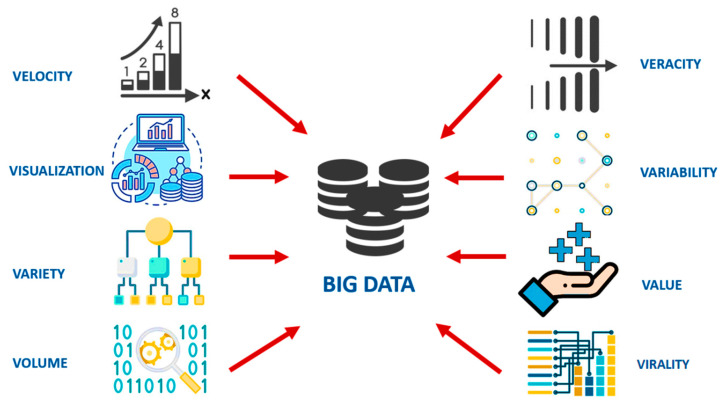
“Distinct dimensions are included in the definition of “big data”, namely, volume, velocity, variety, value, variability, visualization, virality, and veracity, which describes the massive volume of structured, semi-structured, and unstructured data (Figure 1) [11–14].”
BackgroundImpediments in Healthcare Digital Transformation
Furda, R., & Greguš, M. (2018) · International Journal of Applied Research on Public Health Management · doi:10.4018/ijarphm.2019010102 · Cited by 2
Rahman, J. A. (2005) · OpenGrey (Institut de l'Information Scientifique et Technique) · Cited by 1
Research works printed but not linked: 2
- Zikopoulos, P., and Eaton, C. (2011). Understanding Big Data: Analytics for Enterprise Class Hadoop and Streaming Data, McGraw-Hill Osborne Media.
- Brown, 2008, HIPAA Beyond HIPAA: ONCHIT, ONC, AHIC, HITSP, and CCHIT, J. Health Care Compliance, 10, 41
Cited by
Sorted by citations
Emerging issues in probiotic safety: 2023 perspectives
Merenstein, D., Pot, B., Leyer, G., Ouwehand, A. C., Preidis, G. A., Elkins, C. A., Hill, C., Lewis, Z. T., Shane, A. L., Zmora, N., et al. (2023) · Gut Microbes · doi:10.1080/19490976.2023.2185034 · Cited by 481
Chakraborty, C., Bhattacharya, M., Pal, S., & Lee, S. (2023) · Current Research in Biotechnology · doi:10.1016/j.crbiot.2023.100164 · Cited by 311
Assessing and mitigating batch effects in large-scale omics studies
Yu, Y., Mai, Y., Zheng, Y., & Shi, L. M. (2024) · Genome biology · doi:10.1186/s13059-024-03401-9 · Cited by 254
Transforming Clinical Research: The Power of High-Throughput Omics Integration
Vitorino, R. M. P. (2024) · Proteomes · doi:10.3390/proteomes12030025 · Cited by 203
“These advances not only improve diagnostic accuracy, but also open new avenues for targeted drug development and precision medicine [45].”
BackgroundTransforming Drug Therapy with Deep Learning: The Future of Personalized Medicine
Mulani, A. O., Deshmukh, M. S., Jadhav, V., Chaudhari, K., Mathew, A. A., & Salunkhe, S. S. (2025) · Drug Research · doi:10.1055/a-2682-5167 · Cited by 141
Metadata
- Authors
- Hassan, M., Awan, F. M., Naz, A., deAndrés-Galiana, E. J., Alvarez, O., Cernea, A., Fernández-Brillet, L., Fernández-Martínez, J. L., & Kloczkowski, A.
- Affiliations
- Nationwide Children's Hospital (US)
- University of Haripur (PK)
- University of Lahore (PK)
- Group of Inverse Problems, Optimization and Machine Learning, University of Oviedo, 33003 Oviedo, Spain
- DeepBioInsights, 38311 La Florida, Spain
- Corresponding author
- Hassan, Mubashir
- Kloczkowski, Andrzej
- ORCID
- Venue
- International Journal of Molecular Sciences
- Publisher
- MDPI AG
- Published
- 2022-04-22
- Volume
- 23
- Issue
- 9
- Pages
- 4645
- ISSN
- 1422-0067 (ISSN-L)
- PMC
- PMC9104788
- OpenAlex
- W4224276240
- Cited by
- 317
- References
- 136
- Citations by year
- 2026: 56 · 2025: 130 · 2024: 76 · 2023: 48 · 2022: 7
- FWCI
- 9.52
- Type
- journal article
- Language
- en
- Open access
- gold
- doi.org
- Licence
- Locations
- International Journal of Molecular Sciences (publishedVersion, cc-by)
- PubMed Central (publishedVersion, cc-by)
- PubMed (publishedVersion)
- DOAJ (DOAJ: Directory of Open Access Journals) (submittedVersion, cc-by-sa)
- Funders
- National Institutes of Health (R01GM127701, R01HG012117)
- National Science Foundation (DBI-1661391)
- Topics
- Health Sciences › Health Professions › Health Information Management › Artificial Intelligence in Healthcare
- Health Sciences › Medicine › Health Informatics › Artificial Intelligence in Healthcare and Education
- Social Sciences › Decision Sciences › Information Systems and Management › Big Data Technologies and Applications
- Keywords
- big data analytics, personalized medicine, precision medicine, health care, machine learning, data mining algorithms, omics data, clinical data, data standards
- MeSH terms
- Data Science, Big Data, Delivery of Health Care, Genomics, Precision Medicine
About these checks
Registry, retraction, Cites and statistics results are computed, not judged, with one exception: a printed reference that no index lists is read once by a model before it counts as a citation error. Claims are extracted by a model and kept only when their quote appears verbatim in the text; each cited source is then checked, with a model’s help, for whether it says what the claim relies on. Those verdicts can be wrong — read the claim’s quote and the cited source before relying on one.
Statistics and arithmetic are recomputed, not judged.
Confidence bands are shown only for fields calibrated on our annotated test set. None is calibrated yet, so no band is shown.
What counts as a claim ›How we measure confidence ›How we check this ›
Are you an author, or do you see a problem with this page? Request a review
