

The DOI matches its Crossref record; 136 of the 136 references it cites were found in a registry or an index.
Innovations in Genomics and Big Data Analytics for Personalized Medicine and Health Care: A Review
Open accessAbstract
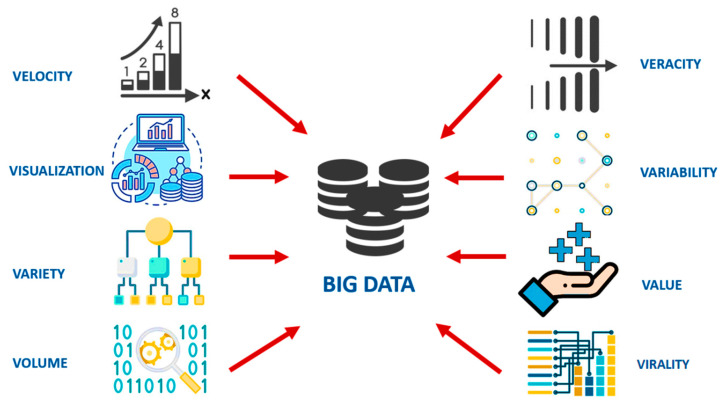
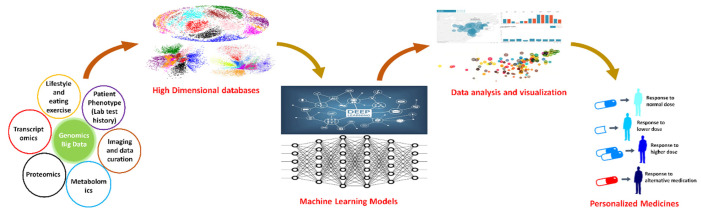
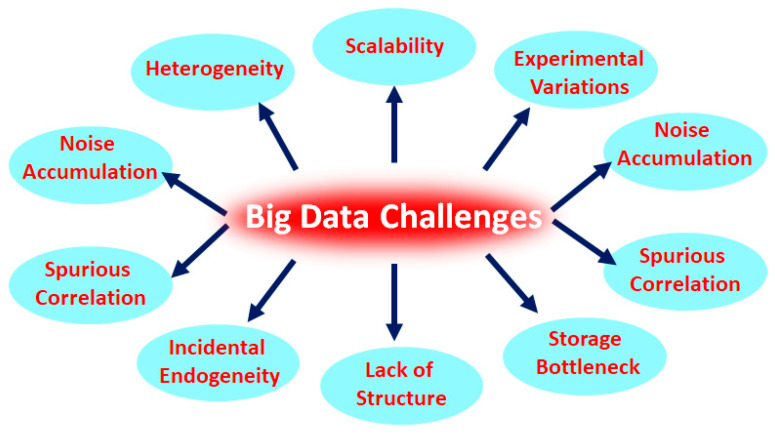
Big data in health care is a fast-growing field and a new paradigm that is transforming case-based studies to large-scale, data-driven research. As big data is dependent on the advancement of new data standards, technology, and relevant research, the future development of big data applications holds foreseeable promise in the modern day health care revolution. Enormously large, rapidly growing collections of biomedical omics-data (genomics, proteomics, transcriptomics, metabolomics, glycomics, etc.) and clinical data create major challenges and opportunities for their analysis and interpretation and open new computational gateways to address these issues. The design of new robust algorithms that are most suitable to properly analyze this big data by taking into account individual variability in genes has enabled the creation of precision (personalized) medicine. We reviewed and highlighted the significance of big data analytics for personalized medicine and health care by focusing mostly on machine learning perspectives on personalized medicine, genomic data models with respect to personalized medicine, the application of data mining algorithms for personalized medicine as well as the challenges we are facing right now in big data analytics.
Overview
The claims and statistics of this paper haven’t been checked yet.
Run the check — free, no account needed. It reads the open-access text and checks the sources it cites.
Integrity signals
Registry
Cites
Statistics
Figures
Verification
Claims the paper makes
The claims and statistics of this paper haven’t been checked yet.
Run the check — free, no account needed. It reads the open-access text and checks the sources it cites.
Claims other papers make about this one
Each is checked against this paper’s own text: does it say what the citing paper says it does?
The source backs part of the claim, not all of it — or backs it for a different population, condition or comparison.
In the citing paper
“These models use large datasets, including clinical data, genetic information, and lifestyle factors, to create highly personalized predictive models (46).”
From Generative artificial intelligence in predictive analysis of diabetes and its complications: a narrative review (2025) · cites this paper as [46]
Experimental — accuracy not yet measured
Self-check
Percentages, sums and reported differences re-computed from the paper’s own numbers.
The self-check needs the paper’s full text.
Citations
Cites
Barredo Arrieta, A., Díaz-Rodríguez, N., Del Ser, J., Bennetot, A., Tabik, S., Barbado, A., Garcia, S., Gil-Lopez, S., Molina, D., Benjamins, R., et al. (2020) · Information Fusion · doi:10.1016/j.inffus.2019.12.012 · Cited by 10,423
Machine learning: Trends, perspectives, and prospects
Jordan, M. I., & Mitchell, T. M. (2015) · Science · doi:10.1126/science.aaa8415 · Cited by 9,955 · cited 1×
“Machine learning imposes a major societal impact in many computational biology applications [53,54].”
BackgroundAnalysis of protein-coding genetic variation in 60,706 humans
Exome Aggregation Consortium, Lek, M., Karczewski, K. J., Minikel, E. V., Samocha, K. E., Banks, E., Fennell, T., O’Donnell-Luria, A. H., Ware, J. S., Hill, A. J., et al. (2016) · Nature · doi:10.1038/nature19057 · Cited by 9,587 · cited 2×
“ExAC, GNOMAD, and the Beacon Network databases provide support in the understanding of genetic variations and identifying variants that are unique within a specific ethnic group [22].”
BackgroundMethodGene expression profiling predicts clinical outcome of breast cancer
van 't Veer, L. J., Dai, H., van de Vijver, M. J., He, Y. D., Hart, A. A. M., Mao, M., Peterse, H. L., van der Kooy, K., Marton, M. J., Witteveen, A. T., et al. (2002) · Nature · doi:10.1038/415530a · Cited by 9,536
Lamb, J., Crawford, E. D., Peck, D., Modell, J. W., Blat, I. C., Wrobel, M. J., Lerner, J., Brunet, J.-P., Subramanian, A., Ross, K. N., et al. (2006) · Science · doi:10.1126/science.1132939 · Cited by 5,257 · cited 1×
“Based on these findings, it is possible to perform drug repositioning using connectivity map (CMAP) technologies provided by the Broad Institute [74].”
MethodBeyond the hype: Big data concepts, methods, and analytics
Gandomi, A., & Haider, M. (2015) · International Journal of Information Management · doi:10.1016/j.ijinfomgt.2014.10.007 · Cited by 4,226
A pathology atlas of the human cancer transcriptome
Uhlen, M., Zhang, C., Lee, S., Sjöstedt, E., Fagerberg, L., Bidkhori, G., Benfeitas, R., Arif, M., Liu, Z., Edfors, F., et al. (2017) · Science · doi:10.1126/science.aan2507 · Cited by 3,371 · cited 1×
“Most importantly, the GEM modeling approach is being used in multiple medical domains such as cancer [42] obesity [43], and in Alzheimer’s disease [44].”
MethodEhteshami Bejnordi, B., Veta, M., Johannes van Diest, P., van Ginneken, B., Karssemeijer, N., Litjens, G., van der Laak, J. A. W. M., and the CAMELYON16 Consortium, Hermsen, M., Manson, Q. F., et al. (2017) · JAMA · doi:10.1001/jama.2017.14585 · Cited by 3,293
Big data analytics in healthcare: promise and potential
Raghupathi, W., & Raghupathi, V. (2014) · Health Information Science and Systems · doi:10.1186/2047-2501-2-3 · Cited by 3,034 · cited 3×
“Through digital medicine, big data analysis will prove to be an invaluable tool for health care organizations as it will provide more opportunities for proactive intervention and a more holistic view of the patients’ conditions with consolidated real-time information [109].”
BackgroundMachine learning applications in genetics and genomics
Libbrecht, M. W., & Noble, W. S. (2015) · Nature Reviews Genetics · doi:10.1038/nrg3920 · Cited by 2,250 · cited 2×
“Translational research is usually focused on collecting data abundantly, for example, clinical data, imaging data, genetic and genomic data, and analysts are usually found to be lacking in skills to interpret such types of data [10,62,92].”
Background
Research works printed but not linked: 2
- Zikopoulos, P., and Eaton, C. (2011). Understanding Big Data: Analytics for Enterprise Class Hadoop and Streaming Data, McGraw-Hill Osborne Media.
- Brown, 2008, HIPAA Beyond HIPAA: ONCHIT, ONC, AHIC, HITSP, and CCHIT, J. Health Care Compliance, 10, 41
Cited by
Sorted by citations
Items 101–200 of 317
A Proposed Framework of Knowledge Management for COVID-19 Mitigation based on Big Data Analytic
Riasetiawan, M., & Ashari, A. (2023) · Emerging Science Journal · doi:10.28991/esj-2023-sper-015 · Cited by 5
“NLP techniques can be used to analyze unstructured data, such as social media posts, to gain insights on public perceptions and sentiment related to COVID-19 [19-21].”
MethodNurkolis, F., Wiyarta, E., Taslim, N. A., Kurniawan, R., Thibault, R., Fernández, M. L., Yang, Y., Han, J., Tsopmo, A., Mayulu, N., et al. (2024) · Clinical Nutrition ESPEN · doi:10.1016/j.clnesp.2024.06.043 · Cited by 5
The convergence of Virtual Reality and Personalized medicine
Belmaqrout, A., Ghali, B. E., Daoudi, N., & Haqiq, A. (2023) · International Conference on Intelligent Systems: Theories and Applications · doi:10.1109/sita60746.2023.10373711 · Cited by 5
“The fundamental idea of PM is to ensure that the right patient receives the suitable treatment [2].”
BackgroundOsonuga, A., Olawade, D. B., Gore, M., Rotifa, O. B., Egbon, E., Chinwah, V., & Boussios, S. (2025) · Annals of Translational Medicine · doi:10.21037/atm-25-62 · Cited by 4
Transformative insights in breast cancer: review of atomic force microscopy applications
Ma, J., Zhai, Y., Ren, X., Wu, H., Yang, M., Chai, L., & Chen, J. (2025) · Discover Oncology · doi:10.1007/s12672-025-02003-6 · Cited by 4
“These improvements have the potential to advance personalized medicine and significantly improve patient outcomes [71].”
Wang, Y., Wang, L., Yu, B., Wen, S., Mou, X., & Yang, L. (2025) · BMC Cancer · doi:10.1186/s12885-025-14681-0 · Cited by 4
“This approach aims to identify high - risk groups and provide them with personalized screening and treatment plans [20, 21].”
Khalili‐Tanha, G., & Shoari, A. (2025) · BioTech · doi:10.3390/biotech14030075 · Cited by 4
“In breast cancer, EMT-associated biomarkers are especially valuable because they capture tumor aggressiveness, metastatic potential, and therapy resistance [42].”
Unleashing potential: assessing Africa’s readiness for the data science revolution to impact health
Panji, S., Ras, V., Gichoya, J. W., Julius, R., Maslamoney, S., Motshegwa, T., Sharaf, A., Skelton, M., Tunga, M., & Mulder, N. (2026) · Nature Communications · doi:10.1038/s41467-026-71454-4 · Cited by 4
Biomarker identification of triple negative breast cancer subtypes using machine learning
Mohammad, S., Chandrasekar, V., Singh, A. V., Aboumarzouk, O. M., Al-Shamari, A., Choudhary, S., Gupta2, N., & Dakua, S. P. (2026) · npj Systems Biology and Applications · doi:10.1038/s41540-026-00721-3 · Cited by 4
“Sequencing technologies have enhanced the capacity to understand differentially expressed genes (DEG) which has facilitated the identi fi cation of clinically signi fi cant subtypes of TNBC and their relevant biomarker genes 6 .”
Modern Drug Research and Its Impact on Pharmaceutical Industries
Nath, R., Kityania, S., Das, S. K., Nath, D., Patra, J. K., & Talukdar, A. D. (2024) · Interdisciplinary biotechnological advances · doi:10.1007/978-981-97-4600-2_17 · Cited by 4
Sun, X., Jin, Z., Zhang, S., Lin, P., Zhang, X., Sun, J., Zhang, Y., Zhou, Y. G., Hu, Y., Huang, Z., et al. (2025) · ACS Nano · doi:10.1021/acsnano.5c02087 · Cited by 4
Mahalakshmi, M., Bharadwaj, S., & Bhuyan, A. N. (2024) · doi:10.1109/icait61638.2024.10690733 · Cited by 4
Frameworks, Applications and Challenges in Streaming Big Data Analytics: A Review
Mustafa, S. M. N., Farooque, M. U., Tahir, M., Khan, S. M., & Qamar, R. (2022) · International Conference on Innovations in Computer Science & Software Engineering (ICONICS) · doi:10.1109/iconics56716.2022.10100410 · Cited by 4
“For patients' better health, telemedicine has evolved with time [6].”
BackgroundMolecular diagnostics: past, present, and future
Suar, M., Misra, N., & Bhanjadeo, M. M. (2024) · Elsevier eBooks · doi:10.1016/b978-0-323-99316-6.00012-3 · Cited by 4
Angarita-Rodríguez, A., Mejía, N. M., González, J., Papin, J. A., Aristizábal-Pachón, A. F., & Pinzón, A. M. (2025) · Frontiers in Systems Biology · doi:10.3389/fsysb.2024.1500710 · Cited by 4
AI-Based Drug Discovery and Design for Different Genetic Designs
Basumatary, D., Devi, S. G., Swargiary, D., & Borah, J. C. (2025) · Methods in molecular biology · doi:10.1007/978-1-0716-4690-8_8 · Cited by 3
Digital twins for stroke prediction and management
Olawade, D. B. (2026) · Brain Hemorrhages · doi:10.1016/j.hest.2026.04.002 · Cited by 3
Applications of Artificial Intelligence and Machine Learning in Antimicrobial Resistance Study
Praveen, A., Bartelo, N., & Soni, V. (2024) · Springer eBooks · doi:10.1007/978-3-031-65986-7_11 · Cited by 3
USING ARTIFICIAL INTELLIGENCE TO OPTIMIZE GENETIC RESEARCH
Liadskyi, I. (2024) · Animal Breeding and Genetics · doi:10.31073/abg.67.09 · Cited by 3
AI Technologies in Reducing Hospital Readmission for Chronic Diseases: A Recommended Framework
Farid, F., Bello, A., Ahamed, F., Hossain, F., Sabrina, F., & Sohail, S. (2024) · IEEE International Conference on Future Machine Learning and Data Science (FMLDS) · doi:10.1109/fmlds63805.2024.00022 · Cited by 3
Soft Robotics in Precision Medicine: Tailored Treatments for Individual Needs
Verma, I., Pannu, S., Kumar, D., Vanshika, & Gulati, P. (2025) · Current Artificial Intelligence · doi:10.2174/0129503752340302250228103559 · Cited by 3
Bioinformatics, healthcare informatics and analytics: an imperative for improved healthcare system
Verma, A. (2025) · Elsevier eBooks · doi:10.1016/b978-0-443-26480-1.00014-x · Cited by 3
Adil, A., Bhattacharya, N., Aadam, Khan, N. J., & Asger, M. (2025) · Scientific Reports · doi:10.1038/s41598-025-12897-5 · Cited by 4
EventsVista: Enhancing Event Visualization and Interpretation
Farhat, M. K., Zhang, J., Tao, X., Li, T., & Yu, T. (2023) · International Conference on Behavioral, Economic, and Socio-Cultural Computing · doi:10.1109/besc59560.2023.10386648 · Cited by 3
“The dependence on technology has made human life unimaginable today without a contingency on data resulting in voluminous essential data sets in fields like machine learning [36], artificial intelligence [38], and personalized medicine [14].”
BackgroundEmpowering Sustainable Mobility: Exploring MaaS as a Big Data Application in Transportation Planning
Falanga, A., Henke, I., & Cartenì, A. (2024) · Lecture notes on data engineering and communications technologies · doi:10.1007/978-3-031-57931-8_22 · Cited by 3
Personalised Medicine and Molecular Docking: Tailoring Drug Discovery for Individual Patients
Khare, N., & Khare, P. (2024) · Biomedical engineering · doi:10.5772/intechopen.1004619 · Cited by 3
Finding patterns in lung cancer protein sequences for drug repurposing
Otero-Carrasco, B., Nevado, P. T., Muñoz, R. A., Ferreiro, G. D., Pérez, A., Hernández, J. P. C.-V., & Rodríguez‐González, A. (2025) · PLoS ONE · doi:10.1371/journal.pone.0322546 · Cited by 3
Shlyakhto, E. V., Конради, А. О., & Курапеев, Д. И. (2023) · Russian Journal for Personalized Medicine · doi:10.18705/2782-3806-2022-2-6-6-15 · Cited by 3
Research on the Application of Big Data in College English Personalized Teaching
Yang, H. (2025) · International Journal of Web-Based Learning and Teaching Technologies · doi:10.4018/ijwltt.382381 · Cited by 2
Towards Privacy-Preserving Big Data Analysis With Decentralized Learning for ROP Imaging
Mahrous, F. M., Abu-Leif, H. A., Modyiq, T. A., AlGhamdi, H. M., AlSaedi, K. S., & Algamdi, A. M. (2025) · International Conference on Innovation in Artificial Intelligence and Internet of Things (AIIT) · doi:10.1109/aiit63112.2025.11082911 · Cited by 2
“Recent studies have increasingly demonstrated the potential of AI and Big Data Analytics (BDA) in revolutionizing healthcare [15], particularly in enhancing diagnostic accuracy [16], operational efficiency [17], and personalized medicine [18].”
Machine Learning-Based Classification of Kidney Cancer Subtypes Using MiRNA-Seq Data
Niloy, S. I., Khan, M. R. K., Mohaidat, T., Niu, Z., Eda, J., & Khalil, K. (2025) · IEEE International Conference on Computing and Machine Intelligence (ICMI) · doi:10.1109/icmi65310.2025.11141163 · Cited by 2
“These advancements underscore the potential of machine learning to uncover hidden patterns in genomic data, contributing significantly to disease research and personalized medicine [12, 13].”
Fert-Bober, J. (2025) · International Journal of Molecular Sciences · doi:10.3390/ijms262110492 · Cited by 2
“If genomics lays the foundation, transcriptomics provides a dynamic view of how gene regulation shapes cardiac adaptation and development [10].”
Chan, J., Hastings, J., Tiernan, G., Paterson, J., Lovell, N. H., Betbeder-Matibet, L., Tung, P. K. M., Pink, S., Lanzeni, D., Donovan, T., et al. (2025) · F1000Research · doi:10.12688/f1000research.169999.1 · Cited by 2
Sridevi., S., & Bhat, C. R. (2025) · International Conference on Applied Artificial Intelligence and Computing (ICAAIC) · doi:10.1109/icaaic64647.2025.11331269 · Cited by 2
“Classical procedures, including Random Forests, Support Vector Machines (SVMs) besides Logistic Regression are conventional approaches commonly employed in patient differentiation, risk analysis and predictive outcomes [3].”
Ma, Y., Li, H., Chen, H., Xu, J., Ye, Z., Li, Y., Wu, X., Chen, J., Cao, C., Zhang, P., et al. (2026) · Alimentary Pharmacology & Therapeutics · doi:10.1111/apt.70793 · Cited by 2
“For instance, machine learning can combine genomics, proteomics, and clinical data to predict patient treatment responses [26, 158].”
Enhancing Airport Business Services Using Big Data Analytics
Narongou, D., & Sun, Z. (2023) · Advances in data mining and database management book series · doi:10.4018/978-1-6684-5959-1.ch005 · Cited by 2
Artificial Intelligence and Machine Learning in Clinical Research and Patient Remediation
Mishra, M., Dubey, V., Hackett, T. A., & Kashyap, M. K. (2023) · Springer eBooks · doi:10.1007/978-981-99-6472-7_3 · Cited by 2
The Fast Health Interoperability Resources (FHIR) and Clinical Research, a Scoping Review
Pavão, J., Bastardo, R., & Rocha, N. P. (2024) · Lecture notes in networks and systems · doi:10.1007/978-3-031-45648-0_40 · Cited by 2
Judicious Transfusion of Platelets Among Neonates: A Systematic Review
Kamsetti, S., Tammali, S., Urakurva, A. K., & Kotha, R. (2024) · Cureus · doi:10.7759/cureus.65818 · Cited by 2
“Notably, personalized medicine within neonatal units and facilities would require caregivers to rely on genetic data to diagnose and treat patients [10].”
BackgroundBig Data’s Impact on Healthcare and Bioinformatics
Kalinaki, K., & Kalinaki, A. (2025) · Studies in big data · doi:10.1007/978-981-97-5734-3_2 · Cited by 2
Katsande, C., Muwani, T. S., Mutipforo, G., Denhere, P. T., Ranganai, N., Marime, S., & Muzenda, A. C. (2025) · Emerald Group Publishing Limited eBooks · doi:10.1108/978-1-83549-568-120251016 · Cited by 1
Lu, D., Wu, S., & Huang, X. (2025) · International Conference on Health Big Data · doi:10.1145/3733006.3733021 · Cited by 2
“…make it difficult for traditional data analysis methods to effectively mine the key information and give accurate medical intervention suggestions [3] Time-series data is ubiquitous in current medical practice such as continuous physiological signals from wearable health equipment, regular…”
Integrating Big Data Analytics with Financial Risk Management: Challenges and Opportunities
Kumar, A., Talukdar, S. B., Manchala, M., Talukdar, V. B., Suke, A. P., & Sreelakshmi, R. (2025) · International Conference on Computational Intelligence and Communication Technologies (CCICT) · doi:10.1109/ccict65753.2025.00051 · Cited by 2
“Hassan et al. [11] examine how genetics and big data analytics interact in individualised healthcare to highlight data-driven medical research advancements.”
Piergentili, R., Gullo, G., Cucinella, G., López, A., Napoletano, G., Marinelli, E., & Zaami, S. (2023) · Preprints.org · doi:10.20944/preprints202309.1713.v1 · Cited by 1
Editorial: Medical big data in cancer research
Mao, J., Zheng, K., & Weng, X. (2024) · Frontiers in Molecular Biosciences · doi:10.3389/fmolb.2024.1395607 · Cited by 2
Slenter, D. (2024) · Research Publications (Maastricht University) · doi:10.26481/dis.20240624ds · Cited by 2
Discussion Paper on the Interplay between Patents and Trade Secrets in Medical TechnologiesPreprint
Aplin, T. F., & Liddicoat, J. (2023) · SSRN Electronic Journal · doi:10.2139/ssrn.4606923 · Cited by 2
CREATION OF A NATIONAL DATABASE OF GENOMIC INFORMATION IN UZBEKISTAN
Zaynidinov, K. N., Yoqubov, M. G., & Tosheva, D. M. (2023) · ԴԱՏԱԿԱՆ ՓՈՐՁԱՔՆՆՈՒԹՅԱՆ ԵՎ ՔՐԵԱԳԻՏՈՒԹՅԱՆ ՀԱՅԿԱԿԱՆ ՀԱՆԴԵՍ · doi:10.53587/25792865-2023.10-42 · Cited by 1
Advances in Artificial Intelligence in Pediatrics: Current Developments and Future Perspectives
Al-Hajjar, S. H. (2024) · International Journal of Pediatrics and Adolescent Medicine · doi:10.4103/ijpam.ijpam_141_24 · Cited by 1
Early-Stage Renal Cell Carcinoma: Who Needs Adjuvant Therapy?
Paroșanu, A. I., Nititpir, C., Stanciu, I.-M., & Baston, C. (2025) · Biomedicines · doi:10.3390/biomedicines13030543 · Cited by 1
“For example, artificial intelligence can analyze vast clinical, genomic, and imaging datasets to identify high-risk RCC patients who would benefit the most from adjuvant therapy [119,120].”
Advanced Statistical Techniques in Healthcare: Innovations in Data Analysis and Decision Making
Saleh, M. A. H. H., Awad, O. R. D., bizun, H. K. M., & Oufi, M. R. H. (2025) · Bright Sky Publications eBooks · doi:10.62906/bs.book.293 · Cited by 1
Role of AI in Revolutionizing Clinical Care
Ghosh, O., Kumar, B., & Roy, P. K. (2025) · Advances in computational intelligence and robotics book series · doi:10.4018/979-8-3373-4332-7.ch003 · Cited by 1
Kakhki, M. D., Amini, M., & Behzad, B. (2025) · Journal of Business Analytics · doi:10.1080/2573234x.2025.2513234 · Cited by 1
“The results show an emerging stream of research on data-driven personalised care (also precision diagnosis) and patient empowerment using personalised health management tools, which is also supported by the literature (Hassan et al., 2022).”
InfluentialAutomated Medical Data Analysis for Personalized Smart Healthcare using Deep Learning
Mahalakshmi, K. V., NimaSajai, X. S. B., Mary, S. S. C., Hussein, O. M., Chandini, S., & Selvakumarasamy, K. (2025) · International Conference on Data Science and Information System (ICDSIS) · doi:10.1109/icdsis65355.2025.11070982 · Cited by 1
“This excellent performance suggests the idea that the hybrid approach does not only improve the accuracy of the diagnostics but also alters the recommendations provided for personalized care [17].”
Immunotherapy modeling: Harnessing the immune system in chronic disease treatment
Mishra, P., Khan, A., & Tungare, K. (2025) · Elsevier eBooks · doi:10.1016/b978-0-443-33877-9.00008-2 · Cited by 1
Data science: Healing with algorithms
Saikia, T., Acharjee, T., & Bhatia, D. (2025) · Innovation and Emerging Technologies · doi:10.1142/s2737599425300090 · Cited by 1
Drug Repositioning via Entity Transformation in Biomedical Knowledge Systems
Erkantarcı, B., & Bakal, G. (2025) · EAI/Springer Innovations in Communication and Computing · doi:10.1007/978-3-031-88999-8_14 · Cited by 1
Seven current trends in artificial intelligence in pediatrics
Thurzo, A., & Podracká, Ľ. (2025) · Česko-slovenská pediatrie · doi:10.55095/cspediatrie2025/041 · Cited by 1
Decision makers' perceptions of integrating genetic counselors into primary care
Weiss, E., Borle, K. J., Michaels, N. J., & Austin, J. (2025) · Family Practice · doi:10.1093/fampra/cmaf082 · Cited by 1
“…fetal medicine, oncology, and cardiology where they have proven to be an asset in identifying potential hereditary conditions, collecting family history information, and providing psychological support for patients and families, and have been met with very high patient interest [ 2, 4, 13].”
Role of big data and artificial intelligence in renal disease diagnosis and treatment
Nyarko, E. N. Y., & Ofori, E. K. (2025) · Elsevier eBooks · doi:10.1016/b978-0-443-33090-2.00014-x · Cited by 2
Advanced Digital and AI Technologies are Changing the Way of Healthcare Delivery
He, H. (2025) · IEEE International Conference on Medical Artificial Intelligence (MedAI) · doi:10.1109/medai67139.2025.00022 · Cited by 1
“AI facilitates the interpretation of genomic data to predict treatment responses, supporting customized healthcare plans that improve efficacy while minimizing adverse effects [33].”
AI-designed drugs: clinical development and future directions
Ahmed, R., Akhtar, S., Das, A., Begum, K., Sarma, A., Chakraborty, A., Neog, T., & Banu, S. (2026) · Elsevier eBooks · doi:10.1016/b978-0-443-34059-8.00010-5 · Cited by 1
Pathak, A., Anwer, T., Verma, A., Alhujaily, M. M., Alahmari, M. A., Alshahrani, S., Alam, N., Nomier, Y., & Alam, M. F. (2026) · Precision medication. · doi:10.1016/j.prmedi.2026.100078 · Cited by 1
Online surveys, a breakthrough in research, especially in nutrition and food sciences
Hinojosa-Nogueira, D., Subiri-Verdugo, A., Rodríguez-Muñoz, A., Díaz-Perdigones, C. M., García-López, M. J., Tinahones, F. J., & Moreno-Indias, I. (2026) · Clinical Nutrition ESPEN · doi:10.1016/j.clnesp.2026.103299 · Cited by 3
Neurology beyond big data — the ninth Congress of the EAN
Kallweit, U., & Marson, A. G. (2023) · Nature Reviews Neurology · doi:10.1038/s41582-023-00837-8 · Cited by 1
The Art of Nanoimmunoherbogenomics 5.0
Anurogo, D. (2023) · Advances in Tissue Engineering & Regenerative Medicine Open Access · doi:10.15406/atroa.2023.09.00136 · Cited by 1
The future of whole genome sequencing in pediatrics
Brlek, P., & Primorac, D. (2023) · Liječnički vjesnik · doi:10.26800/lv-145-supl5-12 · Cited by 1
Factors related to tumor response rate from TCGA three omics data—variants, expression, methylation
Ahn, H., Park, I., Kim, C.-G., Ko, Y. K., & Gim, J. (2024) · Journal of Environmental Science and Health Part C · doi:10.1080/26896583.2024.2319010 · Cited by 1
“31 Based on advanced omics processing technology, detection of drug resistance, accurate subtype classification, and prognoses that reflect the characteristics of individual patients are possible.”
Artificial Intelligence and Machine Learning in Healthcare
Sarkar, N., & Goel, S. (2024) · Advances in bioinformatics and biomedical engineering book series · doi:10.4018/979-8-3693-1922-2.ch002 · Cited by 1
Radiomics for a Comprehensive Assessment of Glioblastoma Multiforme
Chaddad, A., Wang, Y., & Feng, J.-J. (2023) · IEEE International Conference on e-Health Networking, Applications and Services (Healthcom) · doi:10.1109/healthcom56612.2023.10472352 · Cited by 1
“However, tumor tissue is spatially and temporally heterogeneous, and a small proportion of tumor tissue samples obtained by biopsy and surgery are not fully representative of tumor tissue characteristics, thus limiting the clinical application of genomic and proteomic techniques [33].”
BackgroundJaved, A., Tariq, M., Hussain, G., Ali, S., Fatima, A., Batool, A., Khalid, D., Noor, Z., & Rasul, S. (2024) · Developmental medico-life-sciences · doi:10.69750/dmls.01.06.058 · Cited by 1
“Over the last few years, the improvements in the field of genomics, molecular biology and the concept of the new medicine have started to influence the new approach to the chronic non-communicable diseases such as Type 2 diabetes [3, 4].”
BackgroundKoshy, K., Naik, A., & Hosain, M. M. (2024) · Premier journal of science. · doi:10.70389/pjs.100018 · Cited by 1
Mousavi-Sagharchi, S. M. A., Sheykhhasan, M., Ghorbani, A., Afrazeh, E., Poondla, N., Kalhor, N., Tanzadehpanah, H., Mahaki, H., & Manoochehri, H. (2024) · Advances in bioinformatics and biomedical engineering book series · doi:10.4018/979-8-3693-3192-7.ch002 · Cited by 2
Towards Precision Medicine with Genomics using Big Data Analytics
Sobhanbabu, B., & Bharati, K. F. (2025) · International Journal of Computational and Experimental Science and Engineering · doi:10.22399/ijcesen.906 · Cited by 1
“On a Data-driven approach, Precision medicine is an emerging field, that considers the patient's pertinent genetic, medical, environmental, and behavioural information to derive tailored therapy [1-5].”
Healthcare applications of computational genomics
Rodrigues, J. J. P. C., Sikkander, A. R. M., Tripathi, S. L., Kumar, K., Mishra, S. R., & Theivanathan, G. (2025) · Elsevier eBooks · doi:10.1016/b978-0-443-30080-6.00012-2 · Cited by 1
Wang, T., Yang, H. J., Xu, T., Teng, Y., Miao, Y., & Wu, M. (2025) · AI Med · doi:10.71423/aimed.20250102 · Cited by 1
Smart Healthcare System and Internet of Medical Things
Shaikh, Z. P. (2025) · Advances in computational intelligence and robotics book series · doi:10.4018/979-8-3693-6180-1.ch003 · Cited by 1
Tech-Driven Healthcare Evolution
Caria, H. (2025) · Advances in business information systems and analytics book series · doi:10.4018/979-8-3693-6045-3.ch013 · Cited by 1
Ali, A. (2025) · IGI Global eBooks · doi:10.4018/979-8-3693-5787-3.ch004 · Cited by 1
Hemalatha, K. P. J., David Samuel Azariya., S., Pushpalatha., R., Kamali., R., Vaishnavi Dali., A., & Soms, N. (2025) · International Conference on Expert Clouds and Applications (ICOECA) · doi:10.1109/icoeca66273.2025.00044 · Cited by 1
“The authors proposed an AI-based decision support system that suggests customised treatment regimens for cancer patients based on their genomic information in [14].”
Population health management fit lifecycles in analytics
Henry, J. A. (2026) · Frontiers in Artificial Intelligence · doi:10.3389/frai.2025.1496945 · Cited by 1
Kardoost, A. M., Sehrig, F. Z., Khajehnasiri, N., & Abdi, A. (2023) · Research Square · doi:10.21203/rs.3.rs-3725884/v1 · Cited by 1
Nomogram for a machine learning model with categorical predictors to predict binary outcomePreprint
Sufriyana, H., & Su, E. C. (2024) · Research Square · doi:10.21203/rs.3.pex-2587/v1 · Cited by 1
Taleb, Y. S., Memon, P., Jalbani, A. A., AlMutairi, N., Mukhaylid, S. A., Alanazi, N., Al-Garni, A., AlTaweel, M., Khan, M. A., Sabar, M. F., et al. (2024) · Preprints.org · doi:10.20944/preprints202408.0682.v1 · Cited by 1
Big Data Analysis in Personalized Medicine
Banu, A., Balyan, P., Nisamudheen, N. A., Velayutham, D., Balyan, M. K., & Jithesh, P. V. (2024) · Elsevier eBooks · doi:10.1016/b978-0-323-95502-7.00279-7 · Cited by 2
Hopes, R., Croxall, J., & Morgan, C. (2022) · Pharmacy Education · doi:10.46542/pe.2022.221.805813
Muruaga, E. J., Uriza, P. J., Eckert, G. A. K., Pepe, M. V., Duarte, C. M., Roset, M. S., & Briones, G. (2023) · Research Square · doi:10.21203/rs.3.rs-2459971/v1
Аpplication of Big Data in laboratory medicine. Russian Journal for Personalized Medicine
Ovchinnikova, M. A., Zhilenkova, Y. I., & Chernysh, N. Y. (2023) · Russian Journal for Personalized Medicine · doi:10.18705/2782-3806-2023-3-4-77-87 · Cited by 1
Contreras-Ochando, L., Garcia, P. M., Palacio, A. L., Hurtado, L.-F., Plà, F., & Segarra, E. (2023) · Lecture notes in computer science · doi:10.1007/978-3-031-47112-4_4
Abdelhalim, H., Hunter, R. M., DeGroat, W., Mendhe, D., Zeeshan, S., & Ahmed, Z. (2023) · Future Medicine AI · doi:10.2217/fmai-2023-0018
Unveiling the Hidden Potential of Big Data: Empowering Nurses through Data Science
Pandian, V., & Brenner, M. J. (2023) · Revista de Enfermagem Referência · doi:10.12707/rvi23ed3
A Dynamic Method and Program for Disease-Based Genetic Classification of Individuals
ÇAKIRGÖZ, O., & Sevinç, S. (2024) · Journal of Emerging Computer Technologies · doi:10.57020/ject.1375605
Kumar, R., Sakhare, N. N., Thangarasu, N., Senthilkumar, K. K., Wawage, P., & Rengarajan, A. (2023) · International Conference on Smart Generation Computing, Communication and Networking (SMART GENCON) · doi:10.1109/smartgencon60755.2023.10441922
RetractedSwathi, N. L., Chakrabarti, M. C., Muzzamil, M., Hamdar, H., Jaber, A., Chamoun, A., Amin, F. A., & Rathod, P. (2024) · Advances in medical diagnosis, treatment, and care (AMDTC) book series · doi:10.4018/979-8-3693-2105-8.ch017
Making Sense of Big Data: Diagnostic Predictions Using Deep Learning
Bhandarkar, V. D., Mohtaram, S., Bajaj, K. K., Dahlan, M., Sabri, N. M. M., & Anute, N. (2023) · International Conference on Power Energy, Environment and Intelligent Control (PEEIC) · doi:10.1109/peeic59336.2023.10451990
“Everyday making of extensive records through deep up-to-date is turning inundated increasingly critical in up-to-date nowadays statistics-centric agencies[10-13].”
BackgroundNavigating the future of malaria control: Insights from India's pioneering malaria slide bank
Saleem, S. M., & Jan, S. S. (2024) · Asian Pacific Journal of Tropical Medicine · doi:10.4103/1995-7645.391782
The Power of Translational Biology
Nasr, F. (2024) · Springer eBooks · doi:10.1007/978-3-030-73317-9_148-1
Survey of Big Data Analytics in IoT-Driven Healthcare Applications: A Comparative Approach
Shruti, J. R., & Malige, S. V. (2022) · Annals of Computer Science and Information Systems · doi:10.15439/2023r19
(2022) · Annals of Computer Science and Information Systems · doi:10.15439/978-83-969601-5-3
An introduction to personalized medicine
Bornhorst, J. A. (2024) · Elsevier eBooks · doi:10.1016/b978-0-443-18649-3.00025-2
Metadata
- Authors
- Hassan, M., Awan, F. M., Naz, A., deAndrés-Galiana, E. J., Alvarez, O., Cernea, A., Fernández-Brillet, L., Fernández-Martínez, J. L., & Kloczkowski, A.
- Affiliations
- Nationwide Children's Hospital (US)
- University of Haripur (PK)
- University of Lahore (PK)
- Group of Inverse Problems, Optimization and Machine Learning, University of Oviedo, 33003 Oviedo, Spain
- DeepBioInsights, 38311 La Florida, Spain
- Corresponding author
- Hassan, Mubashir
- Kloczkowski, Andrzej
- ORCID
- Venue
- International Journal of Molecular Sciences
- Publisher
- MDPI AG
- Published
- 2022-04-22
- Volume
- 23
- Issue
- 9
- Pages
- 4645
- ISSN
- 1422-0067 (ISSN-L)
- PMC
- PMC9104788
- OpenAlex
- W4224276240
- Cited by
- 317
- References
- 136
- Citations by year
- 2026: 56 · 2025: 130 · 2024: 76 · 2023: 48 · 2022: 7
- FWCI
- 9.52
- Type
- journal article
- Language
- en
- Open access
- gold
- doi.org
- Licence
- Locations
- International Journal of Molecular Sciences (publishedVersion, cc-by)
- PubMed Central (publishedVersion, cc-by)
- PubMed (publishedVersion)
- DOAJ (DOAJ: Directory of Open Access Journals) (submittedVersion, cc-by-sa)
- Funders
- National Institutes of Health (R01GM127701, R01HG012117)
- National Science Foundation (DBI-1661391)
- Topics
- Health Sciences › Health Professions › Health Information Management › Artificial Intelligence in Healthcare
- Health Sciences › Medicine › Health Informatics › Artificial Intelligence in Healthcare and Education
- Social Sciences › Decision Sciences › Information Systems and Management › Big Data Technologies and Applications
- Keywords
- big data analytics, personalized medicine, precision medicine, health care, machine learning, data mining algorithms, omics data, clinical data, data standards
- MeSH terms
- Data Science, Big Data, Delivery of Health Care, Genomics, Precision Medicine
About these checks
Registry, retraction, Cites and statistics results are computed, not judged, with one exception: a printed reference that no index lists is read once by a model before it counts as a citation error. Claims are extracted by a model and kept only when their quote appears verbatim in the text; each cited source is then checked, with a model’s help, for whether it says what the claim relies on. Those verdicts can be wrong — read the claim’s quote and the cited source before relying on one.
Statistics and arithmetic are recomputed, not judged.
Confidence bands are shown only for fields calibrated on our annotated test set. None is calibrated yet, so no band is shown.
What counts as a claim ›How we measure confidence ›How we check this ›
Are you an author, or do you see a problem with this page? Request a review
