

Interactive Relationships between Intestinal Flora and Bile Acids
Open accessThe DOI matches its Crossref record; 146 of the 147 references it cites were found in a registry or an index.
Abstract
The digestive tract is replete with complex and diverse microbial communities that are important for the regulation of multiple pathophysiological processes in humans and animals, particularly those involved in the maintenance of intestinal homeostasis, immunity, inflammation, and tumorigenesis. The diversity of bile acids is a result of the joint efforts of host and intestinal microflora. There is a bidirectional relationship between the microbial community of the intestinal tract and bile acids in that, while the microbial flora tightly modulates the metabolism and synthesis of bile acids, the bile acid pool and composition affect the diversity and the homeostasis of the intestinal flora. Homeostatic imbalances of bile acid and intestinal flora systems may lead to the development of a variety of diseases, such as inflammatory bowel disease (IBD), colorectal cancer (CRC), hepatocellular carcinoma (HCC), type 2 diabetes (T2DM), and polycystic ovary syndrome (PCOS). The interactions between bile acids and intestinal flora may be (in)directly involved in the pathogenesis of these diseases.
Overview
The claims and statistics of this paper haven’t been checked yet.
Free: it reads the open-access text and checks the first 5 claims that cite a source we can check. Create a free account to check every claim.
Integrity signals
Registry
Cites
Statistics
Figures



Verification
Claims the paper makes
The claims and statistics of this paper haven’t been checked yet.
Free: it reads the open-access text and checks the first 5 claims that cite a source we can check. Create a free account to check every claim.
Claims other papers make about this one
Each is checked against this paper’s own text: does it say what the citing paper says it does?
The cited source says what the claim attributes to it.
In the citing paper
“There is a bidirectional relationship between the gut microbiota and BAs, in which the gut microbiota regulates the metabolism and synthesis of BAs, while the composition of BAs also affects the diversity and homeostasis of the gut microbiota [35].”
From Chronic constipation and gut microbiota: current research insights and therapeutic implications (2024) · cites this paper as [35]
Self-check
Percentages, sums and reported differences re-computed from the paper’s own numbers.
The self-check needs the paper’s full text.
Citations
Cites
Sung, H., Ferlay, J., Siegel, R. L., Laversanne, M., Soerjomataram, I., Jemal, A., & Bray, F. (2021) · CA: A Cancer Journal for Clinicians · doi:10.3322/caac.21660 · Cited by 108,699
Dewhirst, F. E., Chen, T., Izard, J., Paster, B. J., Tanner, A. C. R., Yu, W.-H., Lakshmanan, A., & Wade, W. G. (2010) · Journal of Bacteriology · doi:10.1128/jb.00542-10 · Cited by 3,352
Role of the normal gut microbiota
Jandhyala, S. M. (2015) · World Journal of Gastroenterology · doi:10.3748/wjg.v21.i29.8787 · Cited by 3,001 · cited 2×
“Helicobacter pylori is the dominant bacterium in the stomach [23,24].”
BackgroundGut Microbiota in Human Adults with Type 2 Diabetes Differs from Non-Diabetic Adults
Larsen, N., Vogensen, F. K., van den Berg, F. W. J., Nielsen, D. S., Andreasen, A. S., Pedersen, B. K., Al-Soud, W. A., Sørensen, S. J., Hansen, L. H., & Jakobsen, M. (2010) · PLoS ONE · doi:10.1371/journal.pone.0009085 · Cited by 2,952
Intestinal Crosstalk between Bile Acids and Microbiota and Its Impact on Host Metabolism
Wahlström, A., Sayin, S. I., Marschall, H.-U., & Bäckhed, F. (2016) · Cell Metabolism · doi:10.1016/j.cmet.2016.05.005 · Cited by 2,851 · cited 3×
“and undergo 6β-hydroxylation to produce α and β the ore hydrophilic bile acids that are abundant in ice [45,46].”
BackgroundBile salt biotransformations by human intestinal bacteria
Ridlon, J. M., Kang, D.-J., & Hylemon, P. B. (2006) · Journal of Lipid Research · doi:10.1194/jlr.r500013-jlr200 · Cited by 2,829 · cited 6×
“ucosal surfaces with high REDOX potential re conducive to the production of oxygen-containi g bile acids, while the intestinal lumen, with lo REDOX potential, prefers to catalyze the reduction of oxygen-c ntaining bile acids [43].”
BackgroundInfluentialThe gut flora as a forgotten organ
O'Hara, A. M., & Shanahan, F. (2006) · The EMBO Reports · doi:10.1038/sj.embor.7400731 · Cited by 2,791 · cited 1×
“The numbers of ileal anaerobic bacteria close to the ileocecal valve, gradually exceed those of aerobic bacteria, and Streptococcus is the dominant bacteria in this segment of the intestine [25].”
BackgroundSayin, S. I., Wahlström, A., Felin, J., Jäntti, S., Marschall, H.-U., Bamberg, K., Angelin, B., Hyötyläinen, T., Orešič, M., & Bäckhed, F. (2013) · Cell Metabolism · doi:10.1016/j.cmet.2013.01.003 · Cited by 2,331 · cited 1×
“Therefore, int stinal flora diversifies the bile acids f the host and also, in combinati n with th primary bile acid metabolism, directly affects the composition, size, and concentration of the bile acid pool in the host [52].”
BackgroundDisentangling type 2 diabetes and metformin treatment signatures in the human gut microbiota
MetaHIT consortium, Forslund, K., Hildebrand, F., Nielsen, T., Falony, G., Le Chatelier, E., Sunagawa, S., Prifti, E., Vieira-Silva, S., Gudmundsdottir, V., et al. (2015) · Nature · doi:10.1038/nature15766 · Cited by 2,116
The Enzymes, Regulation, and Genetics of Bile Acid Synthesis
Russell, D. W. (2003) · Annual Review of Biochemistry · doi:10.1146/annurev.biochem.72.121801.161712 · Cited by 2,069 · cited 1×
“The human body experiences approximately 8–10 cycles of enterohepatic circulation daily, which is critical for the regulation of lipid metabolism and homeostasis [40,41].”
Background
Cited by
Items 101–200 of 214
Wu, R., Mai, Z., Song, X., & Zhao, W. (2025) · Frontiers in Microbiology · doi:10.3389/fmicb.2024.1524521 · Cited by 5
“The gut microbiome affects the combination of bile acids, similarly, bile acids influence the gut microbiome composition (Guo et al., 2022).”
Vegetable oil intake:The distinctive trilateral relationship of bile acid, gut microbiota and health
Lin, X., Wu, J., & Li, Z. (2025) · Trends in Food Science & Technology · doi:10.1016/j.tifs.2025.105001 · Cited by 8
Shi, Z., Wang, B., Wang, S., Tan, H., He, J., Zhang, W., & Lin, H. (2025) · Food Bioscience · doi:10.1016/j.fbio.2025.107314 · Cited by 4
Chang, M., Xia, T., Zhang, N., Zhao, Q., Shen, P., Wang, N., Huangfu, C., Bai, Z., Sun, D., Hu, Y., et al. (2025) · Journal of Extracellular Biology · doi:10.1002/jex2.70079 · Cited by 4
Choi, W.-G., Choi, N. R., Jung, D.-H., Kim, S. C., & Kim, B. J. (2025) · Journal of Ethnopharmacology · doi:10.1016/j.jep.2025.120496 · Cited by 4
Ouyang, Y., Sun, L., Yu, D., Li, Q., Du, S., Wang, X., Wang, M., Xu, G., Ye, W., & Liu, X. (2025) · Environment International · doi:10.1016/j.envint.2025.109832 · Cited by 4
The role of intestinal microbiota in the pathogenesis of childhood asthma
Zhang, L., Wu, L., Shi, C., Huang, Q., Zhan, L., Zeng, Y., & Deng, Q. (2026) · Frontiers in Immunology · doi:10.3389/fimmu.2026.1807925 · Cited by 4
“The human gut microbiota comprises an estimated 100 trillion microorganisms, forming a complex and dynamic ecosystem essential for host health and immune regulation (9).”
Kong, F., Huang, P., Chen, J., & Ma, Y. (2024) · Reproductive Sciences · doi:10.1007/s43032-024-01562-3 · Cited by 5
Wang, X., Jing, Y., Zheng, C., Huang, C., Yao, H., Guo, Z., Wu, Y., Wang, Z., Wu, Z., Ge, R., et al. (2024) · Food & Function · doi:10.1039/d4fo01723d · Cited by 5
Xue, S.-Y., Ma, W., Li, M., Meng, W.-K., Ding, Y., Yang, B., Lv, Y.-R., Chen, R., Wu, Z., Tunala, S., et al. (2024) · Pathogens · doi:10.3390/pathogens13121118 · Cited by 4
“The intestinal microbiota coexists with the host, facilitating the absorption and digestion of nutrients, maintaining the integrity of the host’s immune system, and preventing the invasion of pathogenic microorganisms [10].”
Yu, Y., Geng, S., Bu, C., Cao, G., Han, Y., Xie, D.-M., & Hong, Y. (2025) · Frontiers in Microbiology · doi:10.3389/fmicb.2025.1541335 · Cited by 4
“Some studies have shown that Interactions between bile acids and intestinal flora may be directly involved in the diseases mechanism (Guo et al., 2022).”
Wang, Q., Yang, M., Fang, Z., Pan, Y., Wu, Y., Yuan, Z., Xu, M., Chen, Y., & Gong, A. (2025) · Food Bioscience · doi:10.1016/j.fbio.2025.107207 · Cited by 5
Qin, J., Wei, X., Cao, M., & Shi, B. (2023) · Animals · doi:10.3390/ani13213380 · Cited by 5
“HCA and HDCA are hydrophilic BAs [21,22], while CDCA is a hydrophobic BA.”
BackgroundFang, Q., Zhang, X., Chen, M., Sun, L. Y., Xia, C., Guo, G.-L., Guo, X., Li, M., Wang, G., & Kong, Y. (2025) · Aquaculture · doi:10.1016/j.aquaculture.2025.742865 · Cited by 4
Self-citationFu, Z., Zhang, H., Yang, Z., Liu, Y., Wang, P., Zhang, J., & Chi, H. (2025) · Microorganisms · doi:10.3390/microorganisms13020372 · Cited by 3
“Finally, LAB can regulate the composition of intestinal microbiota [21,22].”
Zhang, Q., Gao, Z., Deng, Y., Xu, X., Sun, W., Liu, R., Zhang, T., & Sun, X. (2025) · Frontiers in Microbiology · doi:10.3389/fmicb.2025.1577597 · Cited by 3
“…contains trillions of commensal microorganisms belonging to more than 1,000 species, which coexist harmoniously with the host, participate in the digestion and absorption of nutrients (Guo et al., 2022)and regulate metabolic functions through molecular exchanges with the host (Ji et al., 2015).”
Qiao, D., Chen, B., Huang, Y., Su, K., Wu, H., Tao, W., & Liu, W. (2025) · Frontiers in Microbiology · doi:10.3389/fmicb.2025.1576799 · Cited by 5
Shao, Y., Li, Y., Wang, B., Li, C., & Chen, H.-J. (2025) · Cardiology Research and Practice · doi:10.1155/crp/4684871 · Cited by 3
“Bile acids are important metabolic products of the gut microbiota and interact with the microbiota [85].”
Li, M., Li, Y., Cao, Z., Zhang, Z., Huang, Y., Ming, K., Cui, T., Tang, X., Zhang, B., Deng, L., et al. (2025) · Journal of Ethnopharmacology · doi:10.1016/j.jep.2025.120714 · Cited by 3
Chafino, S., Tarancón‐Díez, L., Hurtado‐Gallego, J., Flores-Piñas, M., Alcolea, S., Olveira, A., Navarro, M. L., Fernández‐Arroyo, S., Viladés, C., Montes, M., et al. (2025) · Communications Medicine · doi:10.1038/s43856-025-01149-2 · Cited by 4
Exploring gut microbiota and spinal cord injury: pathogenesis, treatment strategies and prospects
Chen, Q., Zhong, M., & Ye, L. (2025) · Frontiers in Immunology · doi:10.3389/fimmu.2025.1693883 · Cited by 3
“This in fl ammatory response further damages intestinal nerve and muscle function, exacerbating the symptoms of NBD and forming a vicious cycle (83).”
Gut microbiota and bile acids profiles study of ulcerative colitis and Crohn’s disease patients
Wang, Z., Shi, J., Yu, Y., Zhu, L., Zhu, L., Tuo, W., Ni, J., Wu, Y., Qiu, S., & Yu, Y. (2026) · Frontiers in Microbiology · doi:10.3389/fmicb.2026.1782415 · Cited by 7
Xu, Y., Zhang, L., Li, T. C., Zhao, Y. L., Wang, S., Qi, J., & Shi, L. (2026) · Frontiers in Aging · doi:10.3389/fragi.2026.1741360 · Cited by 3
“Approximately 5%–10% of BAs are secreted into the colon, undergoing biotransformation by the intestinal microbiota before reabsorption or fecal excretion (Guo et al., 2022).”
Sahu, P., & Satapathy, T. (2026) · Probiotics and Antimicrobial Proteins · doi:10.1007/s12602-026-11050-6 · Cited by 4
Yi, S., Yu, W., Chen, L., Zhang, G., Sun, Q., & Luo, L. (2024) · Food Bioscience · doi:10.1016/j.fbio.2024.104863 · Cited by 4
Zhou, Z., Yuan, Y., Liu, Y., Chen, S., Li, Y., Miao, Y., Wang, S., Shen, Z., Zeng, L., Ren, L., et al. (2025) · Aquaculture · doi:10.1016/j.aquaculture.2025.742506 · Cited by 3
Sekikawa, T., Li, Y., & Takara, T. (2025) · Journal of Dietary Supplements · doi:10.1080/19390211.2025.2539878 · Cited by 3
“Bile acids and intestinal microflora are known to interact (Guo et al. 2022).”
Long, T., Zhu, X., Tang, D., Li, H., & Zhang, P. (2024) · The International Journal of Biological Markers · doi:10.1177/03936155241229454 · Cited by 3
“44 In recent years, studies have shown that the higher BA level of bronchoalveolar lavage fl uid in patients with respiratory disease is related to a higher incidence of combined gastroesophageal re fl ux disease.”
Liu, L., Fan, Y., & Pi, H. (2024) · Journal of Radiation Research and Applied Sciences · doi:10.1016/j.jrras.2024.101131 · Cited by 3
Dysregulation of serum bile acids in liver cancer: a systematic review and meta-analysis
Peng, Q., Hao, L., Li, S., & Hu, X. (2025) · Metabolomics · doi:10.1007/s11306-025-02311-6 · Cited by 2
“After numerous cycles of this enterohepatic circulation, the human BA pool consisted predominantly of primary BAs with a smaller proportion of secondary BAs (about 40% each of CA and CDCA, and 20% DCA) (Guo et al., 2022; Li & Chiang, 2014).”
Nascimento, A. M. D. S., Passos, T. S., & Morais, A. H. D. A. (2025) · Food Reviews International · doi:10.1080/87559129.2025.2551296 · Cited by 3
“[62 –64] To qualify as a prebiotic, a substance must be resilient to stomach enzymes, gut bacteria, and acidic pH levels, remaining unabsorbed in the digestive system while still being accessible to the gut microflora [65,66] ; it must provide health benefits to the host, selectively stimulate the…”
He, S., Li, Z., Li, J., & Li, Y. (2025) · Microbiology · doi:10.1099/mic.0.001608 · Cited by 2
“Increased relative abundance of Clostridium , Enterococcus and Escherichia–Shigella was observed in patients with gallstones and in paediatric patients with biliary atresia, which matches our findings [51, 54].”
Wang, S., Chen, L., Wu, X., Wu, Y., Zhang, L., Liu, X., Wang, Y., Li, J., Wen, S., Huang, J., et al. (2025) · Environmental Chemistry and Ecotoxicology · doi:10.1016/j.enceco.2025.12.028 · Cited by 2
Self-citationWang, W.-J., Liu, T.-B., Li, Y.-G., Jia, J., Zhao, M.-Q., Huang, Y.-X., Dong, J.-G., Xia, Y., & Liang, J. (2025) · Journal of Pharmacy and Pharmacology · doi:10.1093/jpp/rgaf128 · Cited by 2
Malassezia globosa lipidome: The dynamics of uptake and secreted lipids
Díaz, C. E. C., Cala, M. P., Jiménez-Díaz, E., & Ramírez, A. M. C. (2026) · Virulence · doi:10.1080/21505594.2026.2613494 · Cited by 2
“Their role in fungal infections, specifically in modulating fungal presence, such as in Candida albicans through specific bile acids like taurocholic acid, could provide insights into yeast behavior and host–pathogen interactions [54,55].”
The influence and mechanism of gut microbiota on spermatogenesis
Zhou, X., Ge, Z., Yang, X., Liu, Y., Li, Y., Chen, L., Lv, L., & Chen, G. D. (2026) · Cell Biology and Toxicology · doi:10.1007/s10565-026-10168-1 · Cited by 3
“It consists of approximately 10 14 microorganisms, including bacteria, fungi, archaea and viruses(Guo et al. 2022).”
The interplay between bile acid metabolism and gut microbiome in biliary tract cancers
Ike, I., Teymouri, F., Crook, C. J., Guzman, S., Hazeltine, M. D., Castillo, D., Li, D., & Brar, G. (2026) · Frontiers in Microbiomes · doi:10.3389/frmbi.2026.1774429 · Cited by 2
Gut barrier-microbiota crosstalk in sepsis: from pathogenesis to potential therapies
Meng, L., Liu, Y., Wang, N., Li, T., Wang, Y., & Li, M. (2026) · Frontiers in Immunology · doi:10.3389/fimmu.2026.1865498 · Cited by 4
“Most of these gut microbial communities can be classi fi ed into four major phyla, including Actinobacteria , Firmicutes , Proteobacteria , and Bacteroidetes , which together account for more than 98% of the total gut microbiota (43, 44).”
Self-citationBeneficial Probiotics with New Cancer Therapies for Improved Treatment of Hepatocellular Carcinoma
Nakashima, M., Fukumoto, A., & Matsuda, S. (2025) · Diseases · doi:10.3390/diseases13040111 · Cited by 3
“Interestingly, increasing evidence has pointed to an important role of the gut microbiota and/or their various metabolites for imbalance in the composition of gut microbiota may result in chronic inflammation and/or the development of MASLD/HCC (Figure 1) [11,12]. the development of HCC.”
Aldicarb disturbed bile acid, steroid hormone and oxylipin homeostasis in C57BL/6 J mice
Liu, X., Tu, P., Zhang, Y., Xu, W., Shan, J., & Gao, B. (2024) · Ecotoxicology and Environmental Safety · doi:10.1016/j.ecoenv.2024.116285 · Cited by 2
Gastrointestinal tract environment and its implications on oral drug delivery
Patole, V., Deshkar, S. S., Baheti, R., & Giram, P. S. (2024) · Elsevier eBooks · doi:10.1016/b978-0-443-13774-7.00001-3 · Cited by 1
Chen, X., Liu, T., Han, J., Li, X., Wu, Y., Wang, L., Zhong, Y., Ji, Y., Zhou, K., Su, X., et al. (2025) · Food Science and Human Wellness · doi:10.26599/fshw.2025.9250558 · Cited by 1
Zhou, Y., Li, J., Li, L., Shen, N., Li, X.-Y., Bao, N.-M., Yang, X., Qiu, B., Chen, Z., Gu, W., et al. (2025) · Journal of Agriculture and Food Research · doi:10.1016/j.jafr.2025.102236 · Cited by 3
Gut microbiota: contributing to high CVD prevalence in people living with schizophrenia?
Fu, C., Zhang, X., Qian, Y., Wang, X., Chen, X., Zeng, J. S., Zhang, N., Wang, L., Li, M., Li, Z., et al. (2025) · European Archives of Psychiatry and Clinical Neuroscience · doi:10.1007/s00406-025-02103-y · Cited by 1
Cao, J., Chang, Y., Li, Y., Li, H., & Tan, Y. (2025) · Bioanalysis · doi:10.1080/17576180.2025.2571025 · Cited by 1
Duan, W., Guan, Q., Ren, Y., Shi, J., Xu, Z.-H., Sheng, Y., Xue, Y., Zhang, C., & Geng, Y. (2026) · Foods · doi:10.3390/foods15030427 · Cited by 1
“Notably, bile acids act as key signaling molecules, and their microbial metabolism https://doi.org/10.3390/foods15030427 has been shown to modulate lipid homeostasis, hepatobiliary function, and gut microbial composition, thereby maintaining gut health [45].”
InfluentialInsights into the influencing factors of fecal gut microbiota in hepatocellular carcinoma
Wang, Y.-P., Dai, J.-L., Li, L., & Wen, B. (2026) · World Journal of Gastroenterology · doi:10.3748/wjg.v32.i6.115217 · Cited by 1
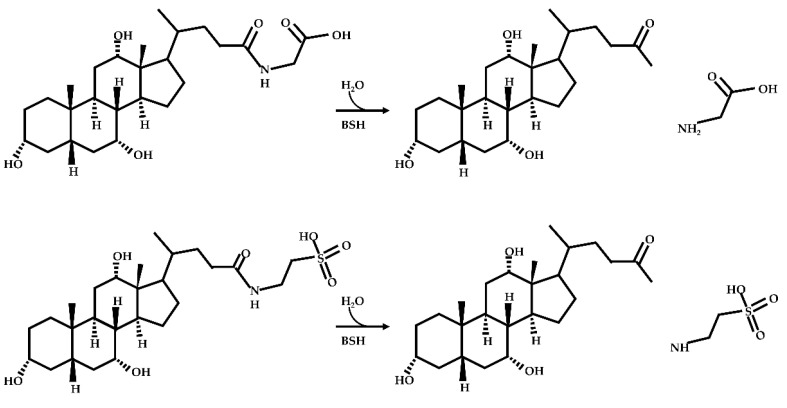
“Concurrently, the gut microbiota contributes to the dynamic balance of the bile acid pool's composition and function by secreting key enzymes, such as bile salt hydrolase, which convert primary bile acids into secondary bile acids[15-17].”
Self-citationYang, R., Yang, Y., Zhou, Y., Shen, Y., Shi, Y., & Liu, J. (2026) · Frontiers in Microbiology · doi:10.3389/fmicb.2026.1763653 · Cited by 2
Cheng, M., Zhi, S., Zheng, M., Zhang, S., & Hong, J. (2026) · Immunology · doi:10.1111/imm.70128 · Cited by 1
“These observations are in line with prior studies demonstrating a strong link between GM imbalance and tumour development, and they provide additional insight into how microbial alterations may influence the TME [107, 110, 111].”
Two stable gut microbiome guilds predict liver tumor class and treatment responses
Liu, Y., Zhang, Z., Wu, G. G., Li, B., Wang, L., Wang, J., Wei, Z., Wang, Z., Yang, J., Zhang, K., et al. (2026) · iMeta · doi:10.1002/imt2.70123 · Cited by 1
Li, Y., Niu, S., Wang, H. M., & Li, J. (2026) · Journal of Microbiology and Biotechnology · doi:10.4014/jmb.2601.01007 · Cited by 1
Jiang, G., Fu, Y., Zhang, P., Wu, J., Zhao, G., Chen, W., Xu, Y., & Wang, R. (2026) · Journal of Pharmaceutical and Biomedical Analysis · doi:10.1016/j.jpba.2026.117541 · Cited by 1
Deciphering potential significances of biliary microbiome in cholelithiasis and cholangiocarcinoma
Liu, G., Chen, K., Li, J., Zhang, K., Niu, G., Ding, Y., Lv, Y., Tian, Q., Cao, Z., Wang, H., et al. (2026) · Antonie van Leeuwenhoek · doi:10.1007/s10482-026-02333-7 · Cited by 1
“This observation is consistent with the hypothesis that excessive microbial diversity is not conducive to the balance of immune response, which may increase the risk of chronic inflammation and subsequent tumorigenesis (Guo et al. 2022; Karin et al. 2006; Matson et al. 2021).”
Jin, X., Liu, X., Wang, Y., Lei, Z., & Yan-hong, Y. (2026) · International Journal of Molecular Medicine · doi:10.3892/ijmm.2026.5866 · Cited by 1
“A large number of clinical studies support the role of gut microbiota in liver disease and an imbalanced gut microbiota affects the metabolic and inflammatory state of the liver, which affects the disease process, including hepatocellular carcinoma, hepatitis and liver cirrhosis (32,33).”
Self-citationGao, Z., Mao, Z., Sun, Q., Zheng, C., Ma, G., Zhuang, J., Wu, Y., Qin, Y., Xu, T., & Xu, G. (2026) · Journal of Animal Science and Biotechnology/Journal of animal science and biotechnology · doi:10.1186/s40104-026-01426-7 · Cited by 1
“Secondary bile acids are involved not only in fat digestion and absorption but also regulate energy metabolism by activating signaling pathways like farnesoid X receptor (FXR) [67, 68].”
Luo, Y., Xue, H., Wang, X., Fu, L., Li, W., Wang, X., Liu, X., Lin, W., Zhang, H., Gu, L., et al. (2024) · Journal of Functional Foods · doi:10.1016/j.jff.2024.106213 · Cited by 1
Yang, H., Zhang, Y., Hong, Y., Wei, Y., Zhu, Y., Huang, L., Yang, Y., Sun, R., & Li, J. (2025) · Frontiers in Endocrinology · doi:10.3389/fendo.2025.1487058 · Cited by 1
The Gut Microbiota in Gallstone Patients During the Perioperative PeriodPreprint
Lai, Z., Cheng, M., Niu, Z., Zhang, H., Huo, C., Bai, Z., Xue, J., Wei, Z., Li, H., & Xu, J. (2023) · SSRN Electronic Journal · doi:10.21203/rs.3.rs-2620856/v1
Interaction between Rotavirus and Intestinal Flora
邝, 文. (2023) · Advances in Clinical Medicine · doi:10.12677/acm.2023.133483
Deng, N., Liang, Z., Duan, M., Wang, D., & Yan, D. (2023) · Indian Journal of Pharmaceutical Sciences · doi:10.36468/pharmaceutical-sciences.spl.717
Perspectives of PCOS Pathophysiology: Exploring the Interplay between PCOS and the Gut Microbiota
Khade, K., Dadachanji, R., & Mukherjee, S. (2023) · Journal of Endocrinology & Reproduction · doi:10.18311/jer/2023/34986
Features of the management of patients with biliary dysfunctions with spasm of the sphincter of Oddi
Shelukhina, S. V., Станиславовна, В. А., MARKOVA, E. V., Butov, M. A., Maslova, O. A., & Александровна, З. И. (2024) · Medical alphabet · doi:10.33667/2078-5631-2024-5-18-22
Research Progress on the Effects of FXR on the Development of Colorectal Cancer
钱, 奕. (2024) · Hans Journal of Biomedicine · doi:10.12677/hjbm.2024.144066
Darmfreundschaften pflegen: Heilpflanzen richtig anwenden und kombinieren bei Dysbiose
Wanitschek, A. (2024) · Heilpflanzen · doi:10.1055/a-2351-0720 · Cited by 1
Dual Biological Effects and Mechanisms of Gut Microbiota in Breast Cancer: A Review
Ma, L., Liu, Y., Ning, M., Ding, X., Shang, C., Mai, B., Hu, Z., & Zhou, R. (2025) · Current Pharmaceutical Biotechnology · doi:10.2174/0113892010352725241226043912
Gut Microbiome: Associations with Liver and Colon Cancer
Sharma, S. P., & Suk, K. T. (2024) · Springer eBooks · doi:10.1007/978-981-96-0297-1_11
Features of gut microbiota in diseases of the biliary tract
Kotlyarov, S. N., Shelukhina, S. V., MARKOVA, E. V., Butov, M. A., & Станиславовна, В. А. (2025) · Medical alphabet · doi:10.33667/2078-5631-2025-6-13-20
Zhou, B. (2025) · World Chinese Journal of Digestology · doi:10.11569/wcjd.v33.i6.499
Xu, Y., Wen, B., & Li, S. (2025) · Frontiers in Oncology · doi:10.3389/fonc.2025.1629495
Mishra, N., Mishra, N., & Patil, V. (2025) · International Journal of Pharmaceutical Research and Applications · doi:10.35629/4494-100318581869 · Cited by 1
Therapeutic effects of prodigiosin on Bacillus cereus-induced intestinal infection in mice
Jiao, J., Zeng, D., Zou, M., & Mo, T. (2025) · Antonie van Leeuwenhoek · doi:10.1007/s10482-025-02167-9
“The physiological activities of the intestinal flora are crucial to human health, and they play a role in regulating metabolism, providing energy, aiding immunity, influencing nerves, and many other aspects to a greater or lesser extent (Guo et al. 2022; Liu and Yang 2023; Zhou et al. 2020).”
Chen, X., Liang, R., Tian, C., Fan, L., Zhang, H., Gao, B., & Duan, C. (2025) · Fitoterapia · doi:10.1016/j.fitote.2025.106947
Research Progress of Hawthorn Leaf Flavonoids in the Treatment of Polycystic Ovary Syndrome
李, 东. (2025) · Advances in Clinical Medicine · doi:10.12677/acm.2025.15113364
Gut and Vaginal Microbiome Dysbiosis in PCOS
Kottahachchi, D., Subasinghe, C., & Bajaj, S. (2025) · BENTHAM SCIENCE PUBLISHERS eBooks · doi:10.2174/9798898810931125010021
廖, 江. (2025) · Advances in Microbiology · doi:10.12677/amb.2025.144019
Luo, S., Li, Z., Peng, Y., Xie, X., Zeng, Y., Dai, L., & Zhang, X. (2025) · World Journal of Microbiology and Biotechnology · doi:10.1007/s11274-025-04763-3 · Cited by 1
“For instance, 3α-and 3β-HSDH, as well as 7α-and 7β-HSDH, catalyze reversible redox conversion between hydroxyl and oxo groups to yield isomeric pri/secBAs such as iso-CA or iso-DCA (Doden et al. 2021a ; Guzior and Quinn 2021; Guo et al. 2022).”
Roles and mechanistic insights into bile acids in sepsis pathogenesis
Bao, Y., Zhao, X., An, Z., & Tang, C. (2026) · Genes & Diseases · doi:10.1016/j.gendis.2026.102051
Ding, L., Xi, Z., Zou, Y., Li, S., Chen, D., Liu, Y., & Zhao, J. (2026) · Current Diabetes Reviews · doi:10.2174/0115733998411102251127094217
Egwari, L. O., & Oyewale, E. D. (2025) · NIPES Journal of Science and Technology Research · doi:10.37933/nipes/7.4.2025.si211
Szilagyi, A., Galiatsatos, P., & Margolese, N. (2026) · Frontiers in Nutrition · doi:10.3389/fnut.2026.1671166
“The microbiome, including both Bifidobacteria and Lactobacilli , also participates in reducing toxic secondary bile acids such as deoxycholic acid (130, 131).”
Guo, P., Liu, Q., Li, J., Li, S., Ding, W., Zhao, Q., Zhou, S., Meng, F., Tang, Z., & Li, W. (2026) · Applied Biochemistry and Biotechnology · doi:10.1007/s12010-025-05523-7
“…nuclear receptor farnesol X receptor (FXR) and membrane receptor G protein-coupled bile acid receptor5 (TGR5) to regulate intestinal flora homeo - stasis, protect intestinal flora from inflammation, and regulate lipid metabolism, glucose metabolism, inflammation, and immune homeostasis [37, 38].”
Wang, Z., Tan, W., Zhang, P., Xiong, H., Zhu, L., Cui, J., Li, L., Guo, C., He, L., Huang, J., et al. (2026) · Scientific Reports · doi:10.1038/s41598-026-43935-5 · Cited by 1
“Although prior work links impaired glucose metabolism with altered transit and fermentation capacity 33,34 , further mechanistic studies are warranted.”
Personalized gastroenterology: colorectal cancer
Parvez, A., Jafar, F., Siddique, M. Z. H., Parveen, N., Das, P., & Qureshi, K. A. (2026) · Elsevier eBooks · doi:10.1016/b978-0-443-40483-2.00039-x
Gautier, T. (2023) · theses.fr (ABES) · doi:10.70675/8d2970d3z7a35z4c34z8065z8d529bfb5b18
Mechanisms of Gui Zhi Fu Ling Formula in Liver Fibrosis: Metabolomics and Gut Microbiota Analysis
Deng, X., Luo, Y., Gao, Y., Su, Y., Xue, H., & Wu, T. (2026) · eFood · doi:10.1002/efd2.70149
Bedi, O., Panesar, G., Singh, T. G., Gupta, S., Sharma, M., Antal, N. S., Saini, J., Katwal, S., & Sapra, V. (2026) · Journal of Applied Pharmaceutical Science · doi:10.7324/japs.2026.283981
“Altered gut permeability disrupts tight junction proteins between intestinal epithelial cells, causing translocation of microbial metabolic by-products, such as LPS, into the bloodstream [6,7].”
Artificial Nutrition Support in Acute Liver Failure in Intensive Care Unit: A Practical Approach
Deana, C., GASPERI, A. D., Alessandri, F., Cuttone, G., Cherchi, V. A., Longhitano, Y., & Vetrugno, L. (2026) · Journal of Intensive Care Medicine · doi:10.1177/08850666261443979
Yuan, C., & Jin, N. (2026) · Acupuncture & Electro-Therapeutics Research · doi:10.1177/03601293261444540
Gut−Adipose Axis: New Strategies to Enhance Intramuscular Fat
Zhang, W., Li, B., Li, Y., Li, W., 任建存, Qiu, X., & Yi, X. (2026) · ACS Agricultural Science & Technology · doi:10.1021/acsagscitech.5c01038
Yu, C., Ye, X., Zhao, H., 钱素婷, Xie, F., & Liu, Q. (2026) · Frontiers in Endocrinology · doi:10.3389/fendo.2026.1837504
Bao, S., Xu, S., Wang, Z., Chai, S., Wang, S. L., Dai, D., Wang, X., & Lyu, J. (2026) · Microorganisms · doi:10.3390/microorganisms14061370
“A bidirectional regulatory relationship exists between the gut microbiota and bile acids; therefore, hypoxia-induced dysregulation of bile acid metabolism may further affect gut microbiota composition and participate in the regulation of intestinal or hepatic inflammatory responses [49].”
Zhang, Q., Zhang, Z., Song, N., Pang, C., Hu, F., Li, J., Liu, C., Zhao, A., Chen, J., Chen, B., et al. (2026) · Journal of Pharmaceutical Analysis · doi:10.1016/j.jpha.2026.101705
Zeng, X., Zhao, Y., Deng, B., Lu, Y., Yu, H., You, Q., & ZHAI, X. (2026) · European Journal of Pharmacology · doi:10.1016/j.ejphar.2026.179114
Shu, T., Shang, X., & Zhou, Y. (2026) · Frontiers in Immunology · doi:10.3389/fimmu.2026.1871461 · Cited by 1
Luo, R., Peng, Q., Wu, S., Liu, S., & Wang, C. (2026) · Nutrients · doi:10.3390/nu18142384
“Conversely, BAs act as important signaling molecules that shape gut microbial composition and function, establishing a bidirectional regulatory relationship between gut microorganisms and host metabolism [26,27].”
The influence of gut microbiota against ESKAPE pathogens
Shayista, H., Sathyanarayana, N. R., Nagalingaswamy, N. P. M., Kumar, M., & Baker, S. (2026) · Elsevier eBooks · doi:10.1016/b978-0-443-26726-0.00007-4
Yu, H., Fu, H. M., Xu, J., Yang, Y., Ai, X., Tu, R., Bao, W., & Tang, Y. (2026) · Cancer Informatics · doi:10.1177/11769351261472440
“13 Disruption of bile composition has been proposed as an initial driver of biliary epithelial injury in PBC. 14 Together, these observations imply that alterations in gut microbiota and microbial-derived metabolites may contribute to persistent intrahepatic inflammation in PBC. P-cresyl sulfate…”
Hyodeoxycholic acid ameliorates tacrolimus-induced diabetes by modulating the FXR-FGF15 axis
Hu, N., Qian, M., Liu, Y., Jiang, Z., Xu, C., Zhang, W., & Jiang, J. (2026) · Frontiers in Pharmacology · doi:10.3389/fphar.2026.1865237
“Notably, the intestinal microbiota, including genera like Bacteroides , Lactobacillus , and Ruminococcus , plays a critical role in bile acid metabolism (Guo et al., 2022; Jia et al., 2018).”
Bile acid dysregulation in sepsis: mechanisms, clinical implications, and future perspectives
Wang, J., Xia, L., Xu, S., Wu, F., Shi, S., Wang, Y., Wei, Y., Li, J., Zhang, X., Chen, X., et al. (2026) · Frontiers in Cellular and Infection Microbiology · doi:10.3389/fcimb.2026.1752527
Self-citationBifidobacterium-Driven Microbiome Regulation of Neonatal Bilirubin Metabolism
Lin, C., Lin, Y., Liang, M., Li, Y., Chen, W., & Wang, G. (2026) · Journal of Future Foods · doi:10.1016/j.jfutfo.2026.08.022
Metadata
- Authors
- Guo, X., Okpara, E. S., Hu, W., Yan, C., Wang, Y., Liang, Q., Chiang, J. Y. L., & Han, S.
- Affiliations
- University of Science and Technology of China (CN)
- Tsinghua University (CN)
- Northeast Ohio Medical University (US)
- Corresponding author
- Chiang, John Y. L.
- Han, Shuxin
- Venue
- International Journal of Molecular Sciences
- Publisher
- MDPI AG
- Published
- 2022-07-28
- Volume
- 23
- Issue
- 15
- Pages
- 8343
- ISSN
- 1422-0067 (ISSN-L)
- PMC
- PMC9368770
- OpenAlex
- W4288441868
- Cited by
- 206
- References
- 147
- Citations by year
- 2026: 57 · 2025: 74 · 2024: 47 · 2023: 26 · 2022: 2
- FWCI
- 3.88
- Type
- journal article
- Language
- en
- Open access
- gold
- doi.org
- Licence
- Locations
- International Journal of Molecular Sciences (publishedVersion, cc-by)
- PubMed Central (publishedVersion, cc-by)
- PubMed (publishedVersion)
- DOAJ (DOAJ: Directory of Open Access Journals) (submittedVersion, cc-by-sa)
- Funders
- National Natural Science Foundation of China (3217090070, 2108085MC89, DK44442, DK58379)
- Natural Science Foundation of Anhui Province, China (3217090070, 2108085MC89, DK44442, DK58379)
- USA NIH (3217090070, 2108085MC89, DK44442, DK58379)
- Topics
- Life Sciences › Biochemistry, Genetics and Molecular Biology › Molecular Biology › Gut microbiota and health
- Health Sciences › Medicine › Oncology › Drug Transport and Resistance Mechanisms
- Life Sciences › Biochemistry, Genetics and Molecular Biology › Biochemistry › Cholesterol and Lipid Metabolism
- Keywords
- bile acids, gut microbiota, bile acid metabolism, intestinal homeostasis, inflammatory bowel disease, colorectal cancer, hepatocellular carcinoma, type 2 diabetes, polycystic ovary syndrome, intestinal inflammation
- MeSH terms
- Gastrointestinal Microbiome, Animals, Bile Acids and Salts, Diabetes Mellitus, Type 2, Carcinoma, Hepatocellular, Humans, Liver Neoplasms
About these checks
Registry, retraction, Cites and statistics results are computed, not judged, with one exception: a printed reference that no index lists is read once by a model before it counts as a citation error. Claims are extracted by a model and kept only when their quote appears verbatim in the text; each cited source is then checked, with a model’s help, for whether it says what the claim relies on. Those verdicts can be wrong — read the claim’s quote and the cited source before relying on one.
Statistics and arithmetic are recomputed, not judged.
Confidence bands are shown only for fields calibrated on our annotated test set. None is calibrated yet, so no band is shown.
What counts as a claim ›How we measure confidence ›How we check this ›
Are you an author, or do you see a problem with this page? Request a review
Data sources
Bibliographic data: Semantic Scholar, OpenAlex, Crossref.
Contains information from the Semantic Scholar Academic Graph Datasets, made available under the ODC Attribution License (ODC-BY 1.0).
Semantic Scholar’s data is described in: Kinney, R., et al. (2023). The Semantic Scholar Open Data Platform. arXiv:2301.10140.
