

Interactive Relationships between Intestinal Flora and Bile Acids
Open accessThe DOI matches its Crossref record; 146 of the 147 references it cites were found in a registry or an index.
Abstract
The digestive tract is replete with complex and diverse microbial communities that are important for the regulation of multiple pathophysiological processes in humans and animals, particularly those involved in the maintenance of intestinal homeostasis, immunity, inflammation, and tumorigenesis. The diversity of bile acids is a result of the joint efforts of host and intestinal microflora. There is a bidirectional relationship between the microbial community of the intestinal tract and bile acids in that, while the microbial flora tightly modulates the metabolism and synthesis of bile acids, the bile acid pool and composition affect the diversity and the homeostasis of the intestinal flora. Homeostatic imbalances of bile acid and intestinal flora systems may lead to the development of a variety of diseases, such as inflammatory bowel disease (IBD), colorectal cancer (CRC), hepatocellular carcinoma (HCC), type 2 diabetes (T2DM), and polycystic ovary syndrome (PCOS). The interactions between bile acids and intestinal flora may be (in)directly involved in the pathogenesis of these diseases.
Overview
The claims and statistics of this paper haven’t been checked yet.
Free: it reads the open-access text and checks the first 5 claims that cite a source we can check. Create a free account to check every claim.
Integrity signals
Registry
Cites
Statistics
Figures



Verification
Claims the paper makes
The claims and statistics of this paper haven’t been checked yet.
Free: it reads the open-access text and checks the first 5 claims that cite a source we can check. Create a free account to check every claim.
Claims other papers make about this one
Each is checked against this paper’s own text: does it say what the citing paper says it does?
The cited source says what the claim attributes to it.
In the citing paper
“There is a bidirectional relationship between the gut microbiota and BAs, in which the gut microbiota regulates the metabolism and synthesis of BAs, while the composition of BAs also affects the diversity and homeostasis of the gut microbiota [35].”
From Chronic constipation and gut microbiota: current research insights and therapeutic implications (2024) · cites this paper as [35]
Self-check
Percentages, sums and reported differences re-computed from the paper’s own numbers.
The self-check needs the paper’s full text.
Citations
Cites
Sung, H., Ferlay, J., Siegel, R. L., Laversanne, M., Soerjomataram, I., Jemal, A., & Bray, F. (2021) · CA: A Cancer Journal for Clinicians · doi:10.3322/caac.21660 · Cited by 108,699
Dewhirst, F. E., Chen, T., Izard, J., Paster, B. J., Tanner, A. C. R., Yu, W.-H., Lakshmanan, A., & Wade, W. G. (2010) · Journal of Bacteriology · doi:10.1128/jb.00542-10 · Cited by 3,352
Role of the normal gut microbiota
Jandhyala, S. M. (2015) · World Journal of Gastroenterology · doi:10.3748/wjg.v21.i29.8787 · Cited by 3,001 · cited 2×
“Helicobacter pylori is the dominant bacterium in the stomach [23,24].”
BackgroundGut Microbiota in Human Adults with Type 2 Diabetes Differs from Non-Diabetic Adults
Larsen, N., Vogensen, F. K., van den Berg, F. W. J., Nielsen, D. S., Andreasen, A. S., Pedersen, B. K., Al-Soud, W. A., Sørensen, S. J., Hansen, L. H., & Jakobsen, M. (2010) · PLoS ONE · doi:10.1371/journal.pone.0009085 · Cited by 2,952
Intestinal Crosstalk between Bile Acids and Microbiota and Its Impact on Host Metabolism
Wahlström, A., Sayin, S. I., Marschall, H.-U., & Bäckhed, F. (2016) · Cell Metabolism · doi:10.1016/j.cmet.2016.05.005 · Cited by 2,851 · cited 3×
“and undergo 6β-hydroxylation to produce α and β the ore hydrophilic bile acids that are abundant in ice [45,46].”
BackgroundBile salt biotransformations by human intestinal bacteria
Ridlon, J. M., Kang, D.-J., & Hylemon, P. B. (2006) · Journal of Lipid Research · doi:10.1194/jlr.r500013-jlr200 · Cited by 2,829 · cited 6×
“ucosal surfaces with high REDOX potential re conducive to the production of oxygen-containi g bile acids, while the intestinal lumen, with lo REDOX potential, prefers to catalyze the reduction of oxygen-c ntaining bile acids [43].”
BackgroundInfluentialThe gut flora as a forgotten organ
O'Hara, A. M., & Shanahan, F. (2006) · The EMBO Reports · doi:10.1038/sj.embor.7400731 · Cited by 2,791 · cited 1×
“The numbers of ileal anaerobic bacteria close to the ileocecal valve, gradually exceed those of aerobic bacteria, and Streptococcus is the dominant bacteria in this segment of the intestine [25].”
BackgroundSayin, S. I., Wahlström, A., Felin, J., Jäntti, S., Marschall, H.-U., Bamberg, K., Angelin, B., Hyötyläinen, T., Orešič, M., & Bäckhed, F. (2013) · Cell Metabolism · doi:10.1016/j.cmet.2013.01.003 · Cited by 2,331 · cited 1×
“Therefore, int stinal flora diversifies the bile acids f the host and also, in combinati n with th primary bile acid metabolism, directly affects the composition, size, and concentration of the bile acid pool in the host [52].”
BackgroundDisentangling type 2 diabetes and metformin treatment signatures in the human gut microbiota
MetaHIT consortium, Forslund, K., Hildebrand, F., Nielsen, T., Falony, G., Le Chatelier, E., Sunagawa, S., Prifti, E., Vieira-Silva, S., Gudmundsdottir, V., et al. (2015) · Nature · doi:10.1038/nature15766 · Cited by 2,116
The Enzymes, Regulation, and Genetics of Bile Acid Synthesis
Russell, D. W. (2003) · Annual Review of Biochemistry · doi:10.1146/annurev.biochem.72.121801.161712 · Cited by 2,069 · cited 1×
“The human body experiences approximately 8–10 cycles of enterohepatic circulation daily, which is critical for the regulation of lipid metabolism and homeostasis [40,41].”
BackgroundGut microbiota-derived metabolites as key actors in inflammatory bowel disease
Lavelle, A., & Sokol, H. (2020) · Nature Reviews Gastroenterology & Hepatology · doi:10.1038/s41575-019-0258-z · Cited by 2,015
Bile acid-microbiota crosstalk in gastrointestinal inflammation and carcinogenesis
Jia, W., Xie, G., & Jia, W. (2018) · Nature Reviews Gastroenterology & Hepatology · doi:10.1038/nrgastro.2017.119 · Cited by 1,924 · cited 1×
“The conjugated bile acids in the liver are excreted by the bile salt export pump (BSEP), and the sulfated and glucuronidated bile acids produced by sulfotransferase and UDPglucuronosyltransferase are transported by multidrug resistance protein 2 [35].”
BackgroundThe interaction between bacteria and bile
Begley, M., Gahan, C. G. M., & Hill, C. (2005) · FEMS Microbiology Reviews · doi:10.1016/j.femsre.2004.09.003 · Cited by 1,790
An insight into gut microbiota and its functionalities
Adak, A., & Khan, M. R. (2019) · Cellular and Molecular Life Sciences · doi:10.1007/s00018-018-2943-4 · Cited by 1,485 · cited 1×
“There are 103 bacteria per gram of duodenal content, and Firmicutes and Actinobacteria are the main bacteria [16].”
BackgroundTargeting bile‐acid signalling for metabolic diseases
Thomas, C., Pellicciari, R., Pruzanski, M., Auwerx, J., & Schoonjans, K. (2008) · Nature Reviews Drug Discovery · doi:10.1038/nrd2619 · Cited by 1,422 · cited 1×
“The alternative pathway is initiated by the steroid 27-hydroxylase and the oxysterol 7α-hydroxylase to mainly synthesize CDCA [32].”
BackgroundThe oral microbiome in health and disease
Wade, W. G. (2013) · Pharmacological Research · doi:10.1016/j.phrs.2012.11.006 · Cited by 1,347 · cited 1×
“The oral microbiota is complex and diverse: ~1000 species of bacteria have been identified to date [19,20].”
BackgroundPromotion of Hepatocellular Carcinoma by the Intestinal Microbiota and TLR4
Dapito, D. H., Mencin, A., Gwak, G.-Y., Pradere, J.-P., Jang, M.-K., Mederacke, I., Caviglia, J. M., Khiabanian, H., Adeyemi, A., Bataller, R., et al. (2012) · Cancer Cell · doi:10.1016/j.ccr.2012.02.007 · Cited by 1,346
Human gut microbiota/microbiome in health and diseases: a review
Gomaa, E. Z. (2020) · Antonie van Leeuwenhoek · doi:10.1007/s10482-020-01474-7 · Cited by 1,294 · cited 2×
“The most common bacterial genera are Bacteroides, Clostridium, Peptococcus, Bifidobacterium, Eubacterium, Ruminococcus, Enterococcus faecalis, and Peptostreptococcus [17].”
BackgroundStructural segregation of gut microbiota between colorectal cancer patients and healthy volunteers
Wang, T., Cai, G., Qiu, Y., Fei, N., Zhang, M., Pang, X., Jia, W., Cai, S., & Zhao, L. (2012) · The ISME Journal · doi:10.1038/ismej.2011.109 · Cited by 1,287
Pleiotropic Roles of Bile Acids in Metabolism
de Aguiar Vallim, T. Q., Tarling, E. J., & Edwards, P. A. (2013) · Cell Metabolism · doi:10.1016/j.cmet.2013.03.013 · Cited by 1,209
Regulation of antibacterial defense in the small intestine by the nuclear bile acid receptor
Inagaki, T., Moschetta, A., Lee, Y.-K., Peng, L., Zhao, G., Downes, M., Yu, R. T., Shelton, J. M., Richardson, J. A., Repa, J. J., et al. (2006) · Proceedings of the National Academy of Sciences · doi:10.1073/pnas.0509592103 · Cited by 1,164 · cited 1×
“Bile-acid-activated FXR negatively regulates bile acid synthesis and also induces iNOS and IL-18 to inhibit bacterial overgrowth and maintain the integrity of the intestinal epithelial layer [87].”
BackgroundConsequences of bile salt biotransformations by intestinal bacteria
Ridlon, J. M., Harris, S. C., Bhowmik, S., Kang, D.-J., & Hylemon, P. B. (2016) · Gut Microbes · doi:10.1080/19490976.2015.1127483 · Cited by 1,100
Colonization, Infection, and the Accessory Genome of Klebsiella pneumoniae
Martin, R. M., & Bachman, M. A. (2018) · Frontiers in Cellular and Infection Microbiology · doi:10.3389/fcimb.2018.00004 · Cited by 1,058 · cited 1×
“Pathogenic bacteria generate toxic metabolites, which increase the reabsorption of harmful substances in the intestine, thereby causing abnormalities in intestinal peristalsis and heightened invasion of the intestinal tract by pathogenic bacteria, including Escherichia coli, Staphylococcus, Proteobacteria, Streptococc…”
BackgroundImpacts of gut bacteria on human health and diseases
Zhang, Y.-J., Li, S., Gan, R.-Y., Zhou, T., Xu, D.-P., & Li, H.-B. (2015) · International Journal of Molecular Sciences · doi:10.3390/ijms16047493 · Cited by 1,055 · cited 1×
“Approximately 1014 bacteria are known to constitute the intestinal flora in the adult gut, and this number is 10 times the number of human somatic cells [2].”
BackgroundThe gut microbiome: Relationships with disease and opportunities for therapy
Durack, J., & Lynch, S. V. (2019) · Journal of Experimental Medicine · doi:10.1084/jem.20180448 · Cited by 943 · cited 1×
“A low level of Bacteroidetes and a high level of Bifidobacterium are also found in adolescence, followed by the formation of intestinal microbial communities dominated by Bacteroidetes and Firmicutes, which are involved in carbohydrate and amino acid metabolism, fermentation, and oxidative phosphorylation [14,15].”
BackgroundInteraction between the gut microbiome and mucosal immune system
Shi, N., Li, N., Duan, X., & Niu, H. (2017) · Military Medical Research · doi:10.1186/s40779-017-0122-9 · Cited by 940 · cited 1×
“While the host provides nutrients and a suitable survival place for the intestinal flora, the intestinal flora assists the host in absorbing nutrients, such as vitamins and short-chain fatty acids, in a more efficient manner in order to drive growth processes and to support the functions of the intestinal system and t…”
BackgroundBile acid signaling in metabolic disease and drug therapy
Li, T., & Chiang, J. Y. L. (2014) · Pharmacological Reviews · doi:10.1124/pr.113.008201 · Cited by 935
Self-citationConnecting dysbiosis, bile-acid dysmetabolism and gut inflammation in inflammatory bowel diseases
Duboc, H., Rajca, S., Rainteau, D., Benarous, D., Maubert, M.-A., Quervain, E., Thomas, G., Barbu, V., Humbert, L., Despras, G., et al. (2013) · Gut · doi:10.1136/gutjnl-2012-302578 · Cited by 930
Bile Acid Is a Host Factor That Regulates the Composition of the Cecal Microbiota in Rats
Islam, K. B. M. S., Fukiya, S., Hagio, M., Fujii, N., Ishizuka, S., Ooka, T., Ogura, Y., Hayashi, T., & Yokota, A. (2011) · Gastroenterology · doi:10.1053/j.gastro.2011.07.046 · Cited by 918 · cited 1×
“Bile acids also affect the integrity of intestinal epithelial cells and mucosal immune response, thereby indirectly regulating the composition of the microbial community [96,97].”
BackgroundDysbiosis-Induced Secondary Bile Acid Deficiency Promotes Intestinal Inflammation
Sinha, S. R., Haileselassie, Y., Nguyen, L. P., Tropini, C., Wang, M., Becker, L. S., Sim, D., Jarr, K., Spear, E. T., Singh, G., et al. (2020) · Cell Host & Microbe · doi:10.1016/j.chom.2020.01.021 · Cited by 852
Gut microbiota–bile acid–interleukin-22 axis orchestrates polycystic ovary syndrome
Qi, X., Yun, C., Sun, L., Xia, J., Wu, Q., Wang, Y., Wang, L., Zhang, Y., Liang, X., Wang, L., et al. (2019) · Nature Medicine · doi:10.1038/s41591-019-0509-0 · Cited by 846
Self-citationThe gut microbiota and inflammatory bowel disease
Matsuoka, K., & Kanai, T. (2015) · Seminars in Immunopathology · doi:10.1007/s00281-014-0454-4 · Cited by 804
Imhann, F., Vich Vila, A., Bonder, M. J., Fu, J., Gevers, D., Visschedijk, M. C., Spekhorst, L. M., Alberts, R., Franke, L., van Dullemen, H. M., et al. (2018) · Gut · doi:10.1136/gutjnl-2016-312135 · Cited by 788
Review: microbial transformations of human bile acids
Guzior, D. V., & Quinn, R. A. (2021) · Microbiome · doi:10.1186/s40168-021-01101-1 · Cited by 748
Establishment of the gut microbiota in Western infants
Adlerberth, I., & Wold, A. (2009) · Acta Paediatrica · doi:10.1111/j.1651-2227.2008.01060.x · Cited by 667
The gut microbiome and liver cancer: mechanisms and clinical translation
Yu, L.-X., & Schwabe, R. F. (2017) · Nature Reviews Gastroenterology & Hepatology · doi:10.1038/nrgastro.2017.72 · Cited by 634
Probiotics modulated gut microbiota suppresses hepatocellular carcinoma growth in mice
Li, J., Sung, C. Y. J., Lee, N., Ni, Y., Pihlajamäki, J., Panagiotou, G., & El-Nezami, H. (2016) · Proceedings of the National Academy of Sciences · doi:10.1073/pnas.1518189113 · Cited by 626
A metabolic pathway for bile acid dehydroxylation by the gut microbiome
Funabashi, M., Grove, T. L., Wang, M., Varma, Y., McFadden, M. E., Brown, L. C., Guo, C., Higginbottom, S., Almo, S. C., & Fischbach, M. A. (2020) · Nature · doi:10.1038/s41586-020-2396-4 · Cited by 590
The Gut Microbiota in the Pathogenesis and Therapeutics of Inflammatory Bowel Disease
Zuo, T., & Ng, S. C. (2018) · Frontiers in Microbiology · doi:10.3389/fmicb.2018.02247 · Cited by 587
Diversification of host bile acids by members of the gut microbiota
Winston, J. A., & Theriot, C. M. (2020) · Gut Microbes · doi:10.1080/19490976.2019.1674124 · Cited by 587 · cited 2×
“CA can inhibit the growth of Gram-negative bacteria in the gastrointestinal tract and also potentiate the abundance of Firmicutes, such as Clostridium XIVa, along with bile acid 7α-dehydroxylase-containing bacteria [51,88].”
BackgroundInteraction of gut microbiota with bile acid metabolism and its influence on disease states
Staley, C., Weingarden, A. R., Khoruts, A., & Sadowsky, M. J. (2017) · Applied Microbiology and Biotechnology · doi:10.1007/s00253-016-8006-6 · Cited by 581
McCartney, C. R., & Marshall, J. C. (2016) · New England Journal of Medicine · doi:10.1056/nejmcp1514916 · Cited by 581
Bile acid receptors FXR and TGR5 signaling in fatty liver diseases and therapy
Chiang, J. Y. L., & Ferrell, J. M. (2020) · American Journal of Physiology-Gastrointestinal and Liver Physiology · doi:10.1152/ajpgi.00223.2019 · Cited by 580 · cited 1×
“FXR induces IBABP and OSTα/β to expel bile acids from the portal circulation [77].”
BackgroundSelf-citationGlobal chemical effects of the microbiome include new bile-acid conjugations
Quinn, R. A., Melnik, A. V., Vrbanac, A., Fu, T., Patras, K. A., Christy, M. P., Bodai, Z., Belda-Ferre, P., Tripathi, A., Chung, L. K., et al. (2020) · Nature · doi:10.1038/s41586-020-2047-9 · Cited by 579 · cited 1×
“In normal mice, bacteria can mediate the conjugation of bile acids with phenylalanine, tyrosine, and leucine, in addition to glycine and taurine, but only glycine- and taurine-conjugated bile acids can be detected in germ-free mice [83].”
BackgroundBile Acid-Activated Receptors, Intestinal Microbiota, and the Treatment of Metabolic Disorders
Fiorucci, S., & Distrutti, E. (2015) · Trends in Molecular Medicine · doi:10.1016/j.molmed.2015.09.001 · Cited by 539 · cited 2×
“The conversions of CA into 7-oxo-DCA and CDCA into 7-oxo-LCA and UDCA by the 7α-HSDH and 7β-HSDH enzymes, respectively, produce the more hydrophilic interme iates and decrease toxicity against bacteria [66,69,72].”
BackgroundBacterial biota in the human distal esophagus
Pei, Z., Bini, E. J., Yang, L., Zhou, M., Francois, F., & Blaser, M. J. (2004) · Proceedings of the National Academy of Sciences · doi:10.1073/pnas.0306398101 · Cited by 501 · cited 4×
“The intestinal flora is mainly classified according to natural attributes, including Firmicutes, Bacteroidetes, Proteobacteria, Actinobacteria, Verrucomicrobia, Fusobacteria, and Cyanobacteria.”
BackgroundInfluentialInteractions between gut bacteria and bile in health and disease
Long, S. L., Gahan, C. G. M., & Joyce, S. A. (2017) · Molecular Aspects of Medicine · doi:10.1016/j.mam.2017.06.002 · Cited by 495 · cited 1×
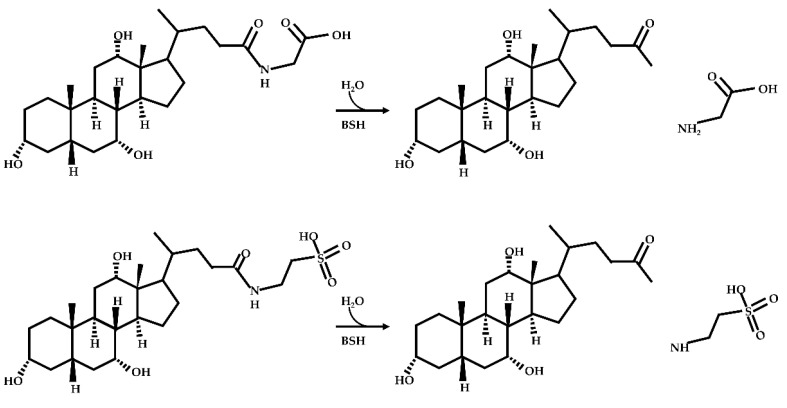
“The subunit size and composition, optimal pH value, kinetic characteristics, substrate specificity, and regulation of all BSH family members are different [43,53,54].”
BackgroundChen, D., Jin, D., Huang, S., Wu, J., Xu, M., Liu, T., Dong, W., Liu, X., Wang, S., Zhong, W., et al. (2020) · Cancer Letters · doi:10.1016/j.canlet.2019.11.019 · Cited by 495
Regional Diversity of the Gastrointestinal Microbiome
Martinez-Guryn, K., Leone, V., & Chang, E. B. (2019) · Cell Host & Microbe · doi:10.1016/j.chom.2019.08.011 · Cited by 465 · cited 4×
“The intestinal flora is mainly classified according to natural attributes, including Firmicutes, Bacteroidetes, Proteobacteria, Actinobacteria, Verrucomicrobia, Fusobacteria, and Cyanobacteria.”
BackgroundInfluentialDenson, L. A., Sturm, E., Echevarria, W., Zimmerman, T. L., Makishima, M., Mangelsdorf, D. J., & Karpen, S. J. (2001) · Gastroenterology · doi:10.1053/gast.2001.25503 · Cited by 460 · cited 1×
“In addition to suppressing bile acid synthesis, active FXR transactivates the expression of BSEP to stimulate bile acid secretion from the liver to the biliary duct but inhibits the expression of NTCP and reduces bile acid reabsorption from the blood to the liver [80].”
BackgroundA biosynthetic pathway for a prominent class of microbiota-derived bile acids
Devlin, A. S., & Fischbach, M. A. (2015) · Nature Chemical Biology · doi:10.1038/nchembio.1864 · Cited by 448 · cited 2×
“Specifically, 3α/β-HSDHs catalyze the reversible stereospecific oxidation/reduction between 3-oxygen bile acids and 3α- or 3β-hydroxyl bile acids, and the enzyme activities of 3α/β-HSDHs have been detected in some intestinal bacteria, including Firmicutes, Digestive streptococcus, and Clostridium perfringens [68].”
BackgroundThe role of farnesoid X receptor in metabolic diseases, and gastrointestinal and liver cancer
Sun, L., Cai, J., & Gonzalez, F. J. (2021) · Nature Reviews Gastroenterology & Hepatology · doi:10.1038/s41575-020-00404-2 · Cited by 435 · cited 13×
“Bile-acid-activated FXR negatively regulates bile acid synthesis and also induces iNOS and IL-18 to inhibit bacterial overgrowth and maintain the integrity of the intestinal epithelial layer [87].”
BackgroundInfluentialResearch progress in the relationship between type 2 diabetes mellitus and intestinal flora
Ma, Q., Li, Y., Li, P., Wang, M., Wang, J., Tang, Z., Wang, T., Luo, L., Wang, C., Wang, T., et al. (2019) · Biomedicine & Pharmacotherapy · doi:10.1016/j.biopha.2019.109138 · Cited by 430 · cited 3×
“Furthermore, the intestinal permeability and the circulating levels of endotoxins from Bifidobacterium, Ruminococcus, and Rothia were all found to be increased.”
BackgroundThe Many Faces of Enterococcus spp.—Commensal, Probiotic and Opportunistic Pathogen
Krawczyk, B., Wityk, P., Gałęcka, M., & Michalik, M. (2021) · Microorganisms · doi:10.3390/microorganisms9091900 · Cited by 411 · cited 8×
“While harmful bacteria such as Proteobacteria and Actinobacteria increased, bacteria such as Ruminococcus, Lachnospira, and Int.”
BackgroundInfluentialStructure and function of the healthy pre-adolescent pediatric gut microbiome
Hollister, E. B., Riehle, K., Luna, R. A., Weidler, E. M., Rubio-Gonzales, M., Mistretta, T.-A., Raza, S., Doddapaneni, H. V., Metcalf, G. A., Muzny, D. M., et al. (2015) · Microbiome · doi:10.1186/s40168-015-0101-x · Cited by 406
Dysbiosis of Gut Microbiota Associated with Clinical Parameters in Polycystic Ovary Syndrome
Liu, R., Zhang, C., Shi, Y., Zhang, F., Li, L., Wang, X., Ling, Y., Fu, H., Dong, W., Shen, J., et al. (2017) · Frontiers in Microbiology · doi:10.3389/fmicb.2017.00324 · Cited by 367
Mechanism of growth inhibition by free bile acids in lactobacilli and bifidobacteria
Kurdi, P., Kawanishi, K., Mizutani, K., & Yokota, A. (2006) · Journal of Bacteriology · doi:10.1128/jb.188.5.1979-1986.2006 · Cited by 364
Gut microbiome in HCC – Mechanisms, diagnosis and therapy
Schwabe, R. F., & Greten, T. F. (2020) · Journal of Hepatology · doi:10.1016/j.jhep.2019.08.016 · Cited by 363
Gram-positive anaerobic cocci – commensals and opportunistic pathogens
Murphy, E. C., & Frick, I.-M. (2013) · FEMS Microbiology Reviews · doi:10.1111/1574-6976.12005 · Cited by 352 · cited 1×
“Pathogenic bacteria generate toxic metabolites, which increase the reabsorption of harmful substances in the intestine, thereby causing abnormalities in intestinal peristalsis and heightened invasion of the intestinal tract by pathogenic bacteria, including Escherichia coli, Staphylococcus, Proteobacteria, Streptococc…”
BackgroundAssociation between polycystic ovary syndrome and gut microbiota
Guo, Y., Qi, Y., Yang, X., Zhao, L., Wen, S., Liu, Y., & Tang, L. (2016) · PLOS ONE · doi:10.1371/journal.pone.0153196 · Cited by 350
Targeting the alternative bile acid synthetic pathway for metabolic diseases
Jia, W., Wei, M., Rajani, C., & Zheng, X. (2021) · Protein & Cell · doi:10.1007/s13238-020-00804-9 · Cited by 325 · cited 2×
“of hepatic stellate cells and the formation of hepatic fibrosis by activating the TGR5-ERK1/2 and P38 MAPK signaling pathways [50].”
BackgroundLee, T., Clavel, T., Smirnov, K., Schmidt, A., Lagkouvardos, I., Walker, A., Lucio, M., Michalke, B., Schmitt-Kopplin, P., Fedorak, R., et al. (2017) · Gut · doi:10.1136/gutjnl-2015-309940 · Cited by 324
Heinken, A., Ravcheev, D. A., Baldini, F., Heirendt, L., Fleming, R. M. T., & Thiele, I. (2019) · Microbiome · doi:10.1186/s40168-019-0689-3 · Cited by 318
Emerging roles of bile acids in mucosal immunity and inflammation
Chen, M. L., Takeda, K., & Sundrud, M. S. (2019) · Mucosal Immunology · doi:10.1038/s41385-019-0162-4 · Cited by 298 · cited 1×
“Inside intestinal cells, bile acid binds to ileal bile acid-binding protein (IBABP), allowing for its secretion to the portal vein by basolateral organic solute transporter α/β (OST-α/OST-β) and finally uptake into liver cells by sodium taurocholate co-transporting polypeptide (NTCP) and organic anion transporting pol…”
BackgroundHe, F.-F., & Li, Y.-M. (2020) · Journal of Ovarian Research · doi:10.1186/s13048-020-00670-3 · Cited by 289
Ursodeoxycholic acid and lithocholic acid exert anti-inflammatory actions in the colon
Ward, J. B. J., Lajczak, N. K., Kelly, O. B., O’Dwyer, A. M., Giddam, A. K., Ní Gabhann, J., Franco, P., Tambuwala, M. M., Jefferies, C. A., Keely, S., et al. (2017) · American Journal of Physiology-Gastrointestinal and Liver Physiology · doi:10.1152/ajpgi.00256.2016 · Cited by 286 · cited 1×
“IBD refers to the chronic and recurrent inflammatory diseases of the digestive tract, mainly including ulcerative colitis (UC) and Crohn’s disease [98].”
BackgroundZhang, H.-L., Yu, L.-X., Yang, W., Tang, L., Lin, Y., Wu, H., Zhai, B., Tan, Y.-X., Shan, L., Liu, Q., et al. (2012) · Journal of Hepatology · doi:10.1016/j.jhep.2012.06.011 · Cited by 281
Bile Acid Metabolism and Signaling
Chiang, J. Y. L. (2013) · Comprehensive Physiology · doi:10.1002/j.2040-4603.2013.tb00517.x · Cited by 279 · cited 1×
“Two synthetic pathways have been identified for the synthesis of bile acids: the classical pathway and the alternative pathway [31].”
BackgroundSelf-citationInsulin and the polycystic ovary syndrome
Macut, D., Bjekić-Macut, J., Rahelić, D., & Doknić, M. (2017) · Diabetes Research and Clinical Practice · doi:10.1016/j.diabres.2017.06.011 · Cited by 261
Animal models to study bile acid metabolism
Li, J., & Dawson, P. A. (2019) · Biochimica et Biophysica Acta (BBA) - Molecular Basis of Disease · doi:10.1016/j.bbadis.2018.05.011 · Cited by 255 · cited 3×
“and undergo 6β-hydroxylation to produce α and β the ore hydrophilic bile acids that are abundant in ice [45,46].”
BackgroundDysregulated hepatic bile acids collaboratively promote liver carcinogenesis
Xie, G., Wang, X., Huang, F., Zhao, A., Chen, W., Yan, J., Zhang, Y., Lei, S., Ge, K., Zheng, X., et al. (2016) · International Journal of Cancer · doi:10.1002/ijc.30219 · Cited by 252
The human gastric microbiota: Is it time to rethink the pathogenesis of stomach diseases?
Nardone, G., & Compare, D. (2015) · United European Gastroenterology Journal · doi:10.1177/2050640614566846 · Cited by 251 · cited 1×
“Helicobacter pylori is the dominant bacterium in the stomach [23,24].”
BackgroundBile acids and intestinal microbiota in autoimmune cholestatic liver diseases
Li, Y., Tang, R., Leung, P. S. C., Gershwin, M. E., & Ma, X. (2017) · Autoimmunity Reviews · doi:10.1016/j.autrev.2017.07.002 · Cited by 247 · cited 1×
“FXR also induces the expression of fibroblast growth factors (FGF15/FGF19), which travels to the liver via the portal vein, activating the FGFR4/β-Klotho heterodimer-JNK1/2 and ERK1/2 signaling pathways to subsequently inhibit the expression of CYP7A1 and bile acid synthesis [78].”
BackgroundJoyce, S. A., & Gahan, C. G. M. (2016) · Annual Review of Food Science and Technology · doi:10.1146/annurev-food-041715-033159 · Cited by 241 · cited 1×
“Inside intestinal cells, bile acid binds to ileal bile acid-binding protein (IBABP), allowing for its secretion to the portal vein by basolateral organic solute transporter α/β (OST-α/OST-β) and finally uptake into liver cells by sodium taurocholate co-transporting polypeptide (NTCP) and organic anion transporting pol…”
BackgroundBustos, A. Y., Font de Valdez, G., Fadda, S., & Taranto, M. P. (2018) · Food Research International · doi:10.1016/j.foodres.2018.06.035 · Cited by 232 · cited 2×
“Finally, BSH is also known to play a role in Gram-positive bacteria tolerance by generating free bile acids as a detoxification mechanism [61].”
BackgroundCao, H., Xu, M., Dong, W., Deng, B., Wang, S., Zhang, Y., Wang, S., Luo, S., Wang, W., Qi, Y., et al. (2017) · International Journal of Cancer · doi:10.1002/ijc.30643 · Cited by 231
Intestinal absorption of bile acids in health and disease
Ticho, A. L., Malhotra, P., Dudeja, P. K., Gill, R. K., & Alrefai, W. A. (2019) · Comprehensive physiology · doi:10.1002/cphy.c190007 · Cited by 215 · cited 4×
“While a small portion is reabsorbed via passive diffusion in the small intestine and colon, approximately 95% of bile acids are actively reabsorbed by ASBT, which is known to be regulated by the transcription factor GATA4 in intestinal epithelial cells.”
BackgroundInfluentialBile Acid–Gut Microbiota Axis in Inflammatory Bowel Disease: From Bench to Bedside
Yang, M., Gu, Y., Li, L., Liu, T., Song, X., Sun, Y., Cao, X., Wang, B., Jiang, K., & Cao, H. (2021) · Nutrients · doi:10.3390/nu13093143 · Cited by 213 · cited 1×
“CA can inhibit the growth of Gram-negative bacteria in the gastrointestinal tract and also potentiate the abundance of Firmicutes, such as Clostridium XIVa, along with bile acid 7α-dehydroxylase-containing bacteria [51,88].”
BackgroundBile acids in the colon, from healthy to cytotoxic molecules
Barrasa, J. I., Olmo, N., Lizarbe, M. A., & Turnay, J. (2013) · Toxicology in Vitro · doi:10.1016/j.tiv.2012.12.020 · Cited by 207 · cited 1×
“Further investigation revealed that UDCA has antiinflammatory, anti-apoptotic, and anti-oxidative effects in the murine intestine [93,94].”
BackgroundIs bile acid a determinant of the gut microbiota on a high-fat diet?
Yokota, A., Fukiya, S., Islam, K. B. M. S., Ooka, T., Ogura, Y., Hayashi, T., Hagio, M., & Ishizuka, S. (2012) · Gut Microbes · doi:10.4161/gmic.21216 · Cited by 207
Chang, C.-W., Lee, H.-C., Li, L.-H., Chiang Chiau, J.-S., Wang, T.-E., Chuang, W.-H., Chen, M.-J., Wang, H.-Y., Shih, S.-C., Liu, C.-Y., et al. (2020) · International Journal of Molecular Sciences · doi:10.3390/ijms21020386 · Cited by 207
Foley, M. H., O’Flaherty, S., Allen, G., Rivera, A. J., Stewart, A. K., Barrangou, R., & Theriot, C. M. (2021) · Proceedings of the National Academy of Sciences · doi:10.1073/pnas.2017709118 · Cited by 205
Gut Microbiota and Type 2 Diabetes Mellitus: Association, Mechanism, and Translational Applications
Zhang, L., Chu, J., Hao, W., Zhang, J., Li, H., Yang, C., Yang, J., Chen, X., & Wang, H. (2021) · Mediators of Inflammation · doi:10.1155/2021/5110276 · Cited by 201
Physiology and Physical Chemistry of Bile Acids
di Gregorio, M. C., Cautela, J., & Galantini, L. (2021) · International Journal of Molecular Sciences · doi:10.3390/ijms22041780 · Cited by 184
In Vitro Antibacterial Activity of Unconjugated and Conjugated Bile Salts on Staphylococcus aureus
Sannasiddappa, T. H., Lund, P. A., & Clarke, S. R. (2017) · Frontiers in Microbiology · doi:10.3389/fmicb.2017.01581 · Cited by 183 · cited 1×
“Unconjugated bile acids often demonstrate stronger antibacterial ability than their conjugated counterparts [62,84].”
BackgroundPai, R., Tarnawski, A. S., & Tran, T. (2004) · Molecular Biology of the Cell · doi:10.1091/mbc.e03-12-0894 · Cited by 182
Intestinal microbiota and type 2 diabetes: From mechanism insights to therapeutic perspective
Han, J.-L., & Lin, H.-L. (2014) · World Journal of Gastroenterology · doi:10.3748/wjg.v20.i47.17737 · Cited by 179
Evolution of the Human Diet and Its Impact on Gut Microbiota, Immune Responses, and Brain Health
Olmo, B. M. G., Butler, M. J., & Barrientos, R. M. (2021) · Nutrients · doi:10.3390/nu13010196 · Cited by 179
Singh, J., Metrani, R., Shivanagoudra, S. R., Jayaprakasha, G. K., & Patil, B. S. (2019) · Journal of Agricultural and Food Chemistry · doi:10.1021/acs.jafc.8b07306 · Cited by 178
III. Bile acids and nuclear receptors
Chiang, J. Y. L. (2003) · American Journal of Physiology-Gastrointestinal and Liver Physiology · doi:10.1152/ajpgi.00417.2002 · Cited by 165
Self-citationRole of gut microbiota in liver disease
Albhaisi, S. A. M., Bajaj, J. S., & Sanyal, A. J. (2019) · American Journal of Physiology-Gastrointestinal and Liver Physiology · doi:10.1152/ajpgi.00118.2019 · Cited by 164 · cited 1×
“The intestinal flora co-exists harmoniously with the host, participate in the digestion and the absorption of nutrients, and also help to maintain the integrity of the host’s immune system so as to prevent pathogen colonization [3].”
BackgroundCorrelation Between Fecal Metabolomics and Gut Microbiota in Obesity and Polycystic Ovary Syndrome
Zhou, L., Ni, Z., Yu, J., Cheng, W., Cai, Z., & Yu, C. (2020) · Frontiers in Endocrinology · doi:10.3389/fendo.2020.00628 · Cited by 164
Ursodeoxycholic acid and cancer: From chemoprevention to chemotherapy
Goossens, J., & Bailly, C. (2019) · Pharmacology & Therapeutics · doi:10.1016/j.pharmthera.2019.107396 · Cited by 163 · cited 1×
“Furthermore, for increasing the hydrophilicity of the bile acid pool and decreasing cytotoxicity, UDCA has been used as a veritable bile acid candidate in the treatment of biliary tract diseases [73,74].”
BackgroundMolecular pathogenesis of colorectal cancer: Implications for molecular diagnosis
Arnold, C. N., Goel, A., Blum, H. E., & Richard Boland, C. (2005) · Cancer · doi:10.1002/cncr.21462 · Cited by 162
Cheng, K., & Raufman, J. (2005) · Biochemical Pharmacology · doi:10.1016/j.bcp.2005.07.023 · Cited by 156
Bile Acids and Microbiota: Multifaceted and Versatile Regulators of the Liver–Gut Axis
Grüner, N., & Mattner, J. (2021) · International Journal of Molecular Sciences · doi:10.3390/ijms22031397 · Cited by 151 · cited 1×
“Bile acids also affect the integrity of intestinal epithelial cells and mucosal immune response, thereby indirectly regulating the composition of the microbial community [96,97].”
BackgroundVan den Bossche, L., Hindryckx, P., Devisscher, L., Devriese, S., Van Welden, S., Holvoet, T., Vilchez-Vargas, R., Vital, M., Pieper, D. H., Vanden Bussche, J., et al. (2017) · Applied and Environmental Microbiology · doi:10.1128/aem.02766-16 · Cited by 146
Implications of microbiota and bile acid in liver injury and regeneration
Liu, H.-X., Keane, R., Sheng, L., & Wan, Y.-J. Y. (2015) · Journal of Hepatology · doi:10.1016/j.jhep.2015.08.001 · Cited by 143 · cited 1×
“CDCA becomes 3-oxo-CDCA and 3-iso-CDCA, and DCA is converted to be 3-oxo-DCA by 3α-HSDH [69,70].”
BackgroundModulating the Microbiota as a Therapeutic Intervention for Type 2 Diabetes
Huda, M. N., Kim, M., & Bennett, B. J. (2021) · Frontiers in Endocrinology · doi:10.3389/fendo.2021.632335 · Cited by 142
Ridlon, J. M., Devendran, S., Alves, J. M., Doden, H., Wolf, P. G., Pereira, G. V., Ly, L., Volland, A., Takei, H., Nittono, H., et al. (2020) · Gut Microbes · doi:10.1080/19490976.2019.1618173 · Cited by 136
Cirrhosis: A Questioned Risk Factor for Hepatocellular Carcinoma
Garrido, A., & Djouder, N. (2020) · Trends in cancer · doi:10.1016/j.trecan.2020.08.005 · Cited by 134
Jia, B., Park, D., Hahn, Y., & Jeon, C. O. (2020) · Gut Microbes · doi:10.1080/19490976.2020.1748261 · Cited by 133 · cited 1×
“Interestingly, intestinal flora participates in the transformation of bile acids into more hydrophobic secondary bile acids, which modulate immune responses to pathogens [10].”
BackgroundMembrane lipid composition and susceptibility to bile salt damage
COLEMAN, R., Lowe, P. J., & Billington, D. C. (1980) · Biochimica et Biophysica Acta (BBA) - Biomembranes · doi:10.1016/0005-2736(80)90075-9 · Cited by 131 · cited 1×
“Additionally, bile acids can directly bind to phospholipids in bacterial membranes and destroy the membrane structures, resulting in bacterial membrane damage and ultimately cell death [61,86].”
BackgroundBiodiversity of Gut Microbiota: Impact of Various Host and Environmental Factors
Anwar, H., Iftikhar, A., Muzaffar, H., Almatroudi, A., Allemailem, K. S., Navaid, S., Saleem, S., & Khurshid, M. (2021) · BioMed Research International · doi:10.1155/2021/5575245 · Cited by 130 · cited 1×
“Intestinal microorganisms are composed of bacteria, archaea, eukaryotes, and viruses, and more than 99% of them are bacteria [1].”
BackgroundConjugated secondary 12α-hydroxylated bile acids promote liver fibrogenesis
Xie, G., Jiang, R., Wang, X., Liu, P., Zhao, A., Wu, Y., Huang, F., Liu, Z., Rajani, C., Zheng, X., et al. (2021) · EBioMedicine · doi:10.1016/j.ebiom.2021.103290 · Cited by 129
Bile acid metabolism and circadian rhythms
Yang, Y., & Zhang, J. (2020) · American Journal of Physiology-Gastrointestinal and Liver Physiology · doi:10.1152/ajpgi.00152.2020 · Cited by 128 · cited 3×
“LCA can be converted to UDCA by 7α-hydroxylase, to hyodeoxycholic acid (HDCA) by 6α-hydroxylase, or to murideoxycholic acid (MDCA) by 6β-hydroxylase [47].”
BackgroundInfluentialXu, M., Cen, M., Shen, Y. S., Zhu, Y., Cheng, F., Tang, L., Hu, W., & Dai, N. (2020) · Digestive Diseases and Sciences · doi:10.1007/s10620-020-06208-3 · Cited by 127 · cited 2×
“DCA in the diet and gut dysbiosis can induce an imbalance in bile acid metabolisms, such as enhanced levels of TMCA, or suppression of the intestinal FXR-FGF15 pathway and therefore stimulate the de novo synthesis of bile acids in the liver [92].”
BackgroundSelf-citationGut Microbiota in Patients with Polycystic Ovary Syndrome: a Systematic Review
Guo, J., Shao, J., Yang, Y., Niu, X., Liao, J., Zhao, Q. S., Wang, D., Li, S., & Hu, J. (2021) · Reproductive Sciences · doi:10.1007/s43032-020-00430-0 · Cited by 127
Completion of the gut microbial epi-bile acid pathway
Doden, H. L., Wolf, P. G., Gaskins, H. R., Anantharaman, K., Alves, J. M. P., & Ridlon, J. M. (2021) · Gut Microbes · doi:10.1080/19490976.2021.1907271 · Cited by 123 · cited 2×
“The 12α-HSDHs reversibly convert bile acid at the C12 position from an α configuration to a 12-oxygen bile acid, and subsequently 12β-HSDHs convert 12-oxygen bile acid to a 12β configuration and consequently form epi-bile acids [41].”
BackgroundDoden, H., Sallam, L. A., Devendran, S., Ly, L., Doden, G., Daniel, S. L., Alves, J. M. P., & Ridlon, J. M. (2018) · Applied and Environmental Microbiology · doi:10.1128/aem.00235-18 · Cited by 118 · cited 1×
“12β-HSDH enzyme activities, requiring NAD(H) or NADP(H) as a cofactor [75].”
BackgroundGut microbiota inhibit Asbt-dependent intestinal bile acid reabsorption via Gata4
Out, C., Patankar, J. V., Doktorova, M., Boesjes, M., Bos, T., de Boer, S., Havinga, R., Wolters, H., Boverhof, R., van Dijk, T. H., et al. (2015) · Journal of Hepatology · doi:10.1016/j.jhep.2015.04.030 · Cited by 117 · cited 1×
“Intestinal bacteria can stimulate the expression of GATA4 and inhibit the expression of ABST, decreasing the reabsorption of bile acids by the ileum—the terminal region of the small intestine [81,82].”
BackgroundAntibacterial activity of bile salts against common biliary pathogens
Sung, J. J. �., Shaffer, E. A., & Costerton, J. W. (1993) · Digestive Diseases and Sciences · doi:10.1007/bf01297092 · Cited by 107
Molecular features of bile salt hydrolases and relevance in human health
Chand, D., Avinash, V. S., Yadav, Y., Pundle, A. V., Suresh, C. G., & Ramasamy, S. (2016) · Biochimica et Biophysica Acta (BBA) - General Subjects · doi:10.1016/j.bbagen.2016.09.024 · Cited by 107 · cited 1×
“Second, BSH is thought to integrate cholesterol into bacterial membranes through the formation of intermolecular bonds between bile salts and membrane fatty acids, which may change the fluidity and charge of the membranes [60].”
BackgroundZhang, F., Ma, T., Cui, P., Tamadon, A., He, S., Huo, C., Yierfulati, G., Xu, X., Hu, W., Li, X., et al. (2019) · Frontiers in Microbiology · doi:10.3389/fmicb.2019.00175 · Cited by 106
Self-citationAlterations in the Gut Microbiome in the Progression of Cirrhosis to Hepatocellular Carcinoma
Lapidot, Y., Amir, A., Nosenko, R., Uzan-Yulzari, A., Veitsman, E., Cohen‐Ezra, O., Davidov, Y., Weiss, P., Bradichevski, T., Segev, S., et al. (2020) · mSystems · doi:10.1128/msystems.00153-20 · Cited by 106
Bile acid-independent protection against Clostridioides difficile infection
Aguirre, A. M., Yalçınkaya, N., Wu, Q., Swennes, A. G., Tessier, M. E. M., Roberts, P., Miyajima, F., Savidge, T., & Sorg, J. A. (2021) · PLoS Pathogens · doi:10.1371/journal.ppat.1010015 · Cited by 106
Secondary causes of inflammatory bowel diseases
Ghouri, Y. A., Tahan, V., & Shen, B. (2020) · World Journal of Gastroenterology · doi:10.3748/wjg.v26.i28.3998 · Cited by 103
Circadian control of bile acid synthesis by a KLF15-Fgf15 axis
Han, S., Zhang, R., Jain, R., Shi, H., Zhang, L., Zhou, G., Sangwung, P., Tugal, D., Atkins, G. B., Prosdocimo, D. A., et al. (2015) · Nature Communications · doi:10.1038/ncomms8231 · Cited by 102 · cited 1×
“On the other hand, ileal Kruppel-like factor 15 (KLF15) upregulates hepatic CYP7A1 and bile acid synthesis by inhibiting ileal production of FGF15 in mice [79].”
BackgroundSelf-citationFecal Microbial Transplantation for Diseases Beyond Recurrent Clostridium Difficile Infection
D’Haens, G. R., & Jobin, C. (2019) · Gastroenterology · doi:10.1053/j.gastro.2019.04.053 · Cited by 98
Busnelli, M., Manzini, S., & Chiesa, G. (2019) · Nutrients · doi:10.3390/nu12010079 · Cited by 98 · cited 1×
“The ratio of glycine to taurine conjugated bile acids is approximately 3:1, and together those conjugated bile acids account for more than 90% of human bile acids [42].”
BackgroundMallonee, D. H., & Hylemon, P. B. (1996) · Journal of Bacteriology · doi:10.1128/jb.178.24.7053-7058.1996 · Cited by 96
Thompson, R. S., Gaffney, M., Hopkins, S., Kelley, T., González, A., Bowers, S. J., Vitaterna, M. H., Turek, F. W., Foxx, C. L., Lowry, C. A., et al. (2021) · Brain Behavior and Immunity · doi:10.1016/j.bbi.2021.07.006 · Cited by 88 · cited 1×
“The repeating circulation process of bile acids between the liver and the intestine is known as enterohepatic circulation [38,39].”
BackgroundFerrandi, E. E., Bertolesi, G. M., Polentini, F., Negri, A. L., Riva, S., & Monti, D. (2011) · Applied Microbiology and Biotechnology · doi:10.1007/s00253-011-3798-x · Cited by 86 · cited 1×
“The 7α/β-HSDHs are widely expressed in Clos ridium, Eubacterium, Fuso acterium, Bacteroidetes, and Escheri hia, and prefer to use NADP(H) as a cofactor [71].”
BackgroundMicrobiome-mediated bile acid modification: Role in intestinal drug absorption and metabolism
Enright, E. F., Griffin, B. T., Gahan, C. G. M., & Joyce, S. A. (2018) · Pharmacological Research · doi:10.1016/j.phrs.2018.04.009 · Cited by 85
Mechanism of glucose-lowering by metformin in type 2 diabetes: Role of bile acids
Sansome, D. J., Xie, C., Veedfald, S., Horowitz, M., Rayner, C. K., & Wu, T. (2020) · Diabetes, Obesity and Metabolism · doi:10.1111/dom.13869 · Cited by 84
Mallonee, D. H., Adams, J. L., & Hylemon, P. B. (1992) · Journal of Bacteriology · doi:10.1128/jb.174.7.2065-2071.1992 · Cited by 83 · cited 1×
“The BaiB gene encodes bile acid coenzyme A ligase, which catalyzes the thioesterification of bile acids to CoA after the primary bile acids are taken up by bacterial cells [66,67].”
BackgroundXu, M., Shen, Y. S., Cen, M., Zhu, Y., Cheng, F., Tang, L., Zheng, X., Kim, J. J., Dai, N., & Hu, W. (2021) · Journal of Crohn s and Colitis · doi:10.1093/ecco-jcc/jjab003 · Cited by 76
Self-citationThe human gut microbiota and its interactive connections to diet
Milani, C., Ferrario, C., Turroni, F., Duranti, S., Mangifesta, M., van Sinderen, D., & Ventura, M. (2016) · Journal of Human Nutrition and Dietetics · doi:10.1111/jhn.12371 · Cited by 75
Plasma Bile Acid Profile in Patients with and without Type 2 Diabetes
Mantovani, A., Dalbeni, A., Peserico, D., Cattazzo, F., Bevilacqua, M., Salvagno, G. L., Lippi, G., Targher, G., Danese, E., & Fava, C. (2021) · Metabolites · doi:10.3390/metabo11070453 · Cited by 68
Profile of Bile Acid Metabolomics in the Follicular Fluid of PCOS Patients
Yang, X., Wu, R., Qi, D., Fu, L., Song, T., Wang, Y., Bian, Y., & Shi, Y. (2021) · Metabolites · doi:10.3390/metabo11120845 · Cited by 67
Self-citationLEPERCQ, P. (2004) · FEMS Microbiology Letters · doi:10.1016/j.femsle.2004.04.011 · Cited by 65
Gut microbiota modulation: a tool for the management of colorectal cancer
Wang, Y., & Li, H. (2022) · Journal of Translational Medicine · doi:10.1186/s12967-022-03378-8 · Cited by 64
Self-citationZhang, B., Shen, S., Gu, T., Hong, T., Liu, J., Sun, J., Wang, H., Bi, Y., & Zhu, D. (2019) · The Journal of Steroid Biochemistry and Molecular Biology · doi:10.1016/j.jsbmb.2019.03.005 · Cited by 61
Xiao, Y., Zhao, J., Zhang, H., Zhai, Q., & Chen, W. (2021) · Microbial Genomics · doi:10.1099/mgen.0.000581 · Cited by 60 · cited 1×
“Mostly, BSH containing bacteria are Gram-positive bacteria, such as Bifidobacterium, Lactobacillus, Clostridium, Enterococcus, and Listeria, along with Gram-negative bacteria, such as Bacteroides, Stenotrophomonas, and Brucella [55,56].”
BackgroundRodríguez-Morató, J., & Matthan, N. R. (2020) · Current Atherosclerosis Reports · doi:10.1007/s11883-020-00863-7 · Cited by 57 · cited 1×
“function as signaling molecules to bind and to activate a membrane G-protein-coupled bile acid receptor 1 (GPBAR1 or Takeda G-protein-coupled receptor 5 (TGR5)) and a nuclear receptor—the farnesoid X receptor (FXR)—involved in the regulation of lipid, glucose, and energy metabolism [8].”
BackgroundCan control of gut microbiota be a future therapeutic option for inflammatory bowel disease?
Nishida, A., Nishino, K., Sakai, K., Owaki, Y., Noda, Y., & Imaeda, H. (2021) · World Journal of Gastroenterology · doi:10.3748/wjg.v27.i23.3317 · Cited by 53
Tanaka, M., Sanefuji, M., Morokuma, S., Yoden, M., Momoda, R., Sonomoto, K., Ogawa, M., Kato, K., & Nakayama, J. (2020) · Gut Microbes · doi:10.1080/19490976.2019.1650997 · Cited by 51
Ovadia, C., Perdones-Montero, A., Fan, H. M., Mullish, B. H., McDonald, J. A. K., Papacleovoulou, G., Wahlström, A., Ståhlman, M., Tsakmaki, A., Clarke, L. C. D., et al. (2020) · Scientific Reports · doi:10.1038/s41598-020-60821-w · Cited by 49 · cited 1×
“Further investigation revealed that UDCA has antiinflammatory, anti-apoptotic, and anti-oxidative effects in the murine intestine [93,94].”
BackgroundConditional Gata4 deletion in mice induces bile acid absorption in the proximal small intestine
Beuling, E., Kerkhof, I. M., Nicksa, G. A., Giuffrida, M. J., Haywood, J., de Kerk, D. J. A., Piaseckyj, C. M., Pu, W. T., Buchmiller, T. L., Dawson, P. A., et al. (2010) · Gut · doi:10.1136/gut.2009.204990 · Cited by 44 · cited 1×
“Intestinal bacteria can stimulate the expression of GATA4 and inhibit the expression of ABST, decreasing the reabsorption of bile acids by the ileum—the terminal region of the small intestine [81,82].”
BackgroundHuang, H., Lee, W., Chen, S., Chen, T.-F., Lee, S., & Chen, C. (2019) · Journal of Clinical Medicine · doi:10.3390/jcm8060815 · Cited by 43
Functional and Phylogenetic Diversity of BSH and PVA Enzymes
Daly, J. W., Keely, S. J., & Gahan, C. G. M. (2021) · Microorganisms · doi:10.3390/microorganisms9040732 · Cited by 40
Planar bile acids in health and disease
Shiffka, S. J., Kane, M. A., & Swaan, P. W. (2017) · Biochimica et Biophysica Acta (BBA) - Biomembranes · doi:10.1016/j.bbamem.2017.08.019 · Cited by 38 · cited 1×
“The repeating circulation process of bile acids between the liver and the intestine is known as enterohepatic circulation [38,39].”
BackgroundZhang, X., Fan, D., Hua, X., & Zhang, T. (2019) · Bioprocess and Biosystems Engineering · doi:10.1007/s00449-019-02151-4 · Cited by 26
Weaver, K. E. (2019) · Microbiology Spectrum · doi:10.1128/microbiolspec.gpp3-0055-2018 · Cited by 24
Styles, N. A., Shonsey, E. M., Falany, J. L., Guidry, A. L., Barnes, S., & Falany, C. N. (2016) · Journal of Lipid Research · doi:10.1194/jlr.m064428 · Cited by 19 · cited 1×
“Bile acids are conjugated with glycine and taurine by bile acid coenzyme A synthase and bile acid: amino-acid transferase at the C24 position in the liver to form conjugated bile acids and to increase their solubility [33,34].”
BackgroundDai, H., Otsuka, A., Tanabe, K., Yanagita, T., Nakayama, J., & Kitagaki, H. (2022) · International Journal of Molecular Sciences · doi:10.3390/ijms23105300 · Cited by 7
Cited by
Immunological mechanisms of inflammatory diseases caused by gut microbiota dysbiosis: A review
Zhao, M., Chu, J., Feng, S., Guo, C., Xue, B., He, K., & Li, L. (2023) · Biomedicine & Pharmacotherapy · doi:10.1016/j.biopha.2023.114985 · Cited by 458
Gut commensals and their metabolites in health and disease
Krishnamurthy, H. K., Pereira, M., Bosco, J., George, J., Jayaraman, V., Krishna, K., Wang, T., Bei, K., & Rajasekaran, J. J. (2023) · Frontiers in Microbiology · doi:10.3389/fmicb.2023.1244293 · Cited by 123
“Patients with IBD are seen to have altered levels of DCA and LCA (Guzior and Quinn, 2021; Guo et al., 2022).”
BackgroundThe Role of the Oral Microbiome in the Development of Diseases
Kozak, M., & Pawlik, A. (2023) · International Journal of Molecular Sciences · doi:10.3390/ijms24065231 · Cited by 109
Pu, X., Zhang, Q., Liu, J., Wang, Y., Guan, X., Wu, Q., Liu, Z., Liu, Z., & Chang, X. (2024) · Phytomedicine · doi:10.1016/j.phymed.2024.155880 · Cited by 91
Self-citationKiriyama, Y., & Nochi, H. (2023) · Microorganisms · doi:10.3390/microorganisms11112730 · Cited by 79
Metadata
- Authors
- Guo, X., Okpara, E. S., Hu, W., Yan, C., Wang, Y., Liang, Q., Chiang, J. Y. L., & Han, S.
- Affiliations
- University of Science and Technology of China (CN)
- Tsinghua University (CN)
- Northeast Ohio Medical University (US)
- Corresponding author
- Chiang, John Y. L.
- Han, Shuxin
- Venue
- International Journal of Molecular Sciences
- Publisher
- MDPI AG
- Published
- 2022-07-28
- Volume
- 23
- Issue
- 15
- Pages
- 8343
- ISSN
- 1422-0067 (ISSN-L)
- PMC
- PMC9368770
- OpenAlex
- W4288441868
- Cited by
- 206
- References
- 147
- Citations by year
- 2026: 57 · 2025: 74 · 2024: 47 · 2023: 26 · 2022: 2
- FWCI
- 3.88
- Type
- journal article
- Language
- en
- Open access
- gold
- doi.org
- Licence
- Locations
- International Journal of Molecular Sciences (publishedVersion, cc-by)
- PubMed Central (publishedVersion, cc-by)
- PubMed (publishedVersion)
- DOAJ (DOAJ: Directory of Open Access Journals) (submittedVersion, cc-by-sa)
- Funders
- National Natural Science Foundation of China (3217090070, 2108085MC89, DK44442, DK58379)
- Natural Science Foundation of Anhui Province, China (3217090070, 2108085MC89, DK44442, DK58379)
- USA NIH (3217090070, 2108085MC89, DK44442, DK58379)
- Topics
- Life Sciences › Biochemistry, Genetics and Molecular Biology › Molecular Biology › Gut microbiota and health
- Health Sciences › Medicine › Oncology › Drug Transport and Resistance Mechanisms
- Life Sciences › Biochemistry, Genetics and Molecular Biology › Biochemistry › Cholesterol and Lipid Metabolism
- Keywords
- bile acids, gut microbiota, bile acid metabolism, intestinal homeostasis, inflammatory bowel disease, colorectal cancer, hepatocellular carcinoma, type 2 diabetes, polycystic ovary syndrome, intestinal inflammation
- MeSH terms
- Gastrointestinal Microbiome, Animals, Bile Acids and Salts, Diabetes Mellitus, Type 2, Carcinoma, Hepatocellular, Humans, Liver Neoplasms
About these checks
Registry, retraction, Cites and statistics results are computed, not judged, with one exception: a printed reference that no index lists is read once by a model before it counts as a citation error. Claims are extracted by a model and kept only when their quote appears verbatim in the text; each cited source is then checked, with a model’s help, for whether it says what the claim relies on. Those verdicts can be wrong — read the claim’s quote and the cited source before relying on one.
Statistics and arithmetic are recomputed, not judged.
Confidence bands are shown only for fields calibrated on our annotated test set. None is calibrated yet, so no band is shown.
What counts as a claim ›How we measure confidence ›How we check this ›
Are you an author, or do you see a problem with this page? Request a review
Data sources
Bibliographic data: Semantic Scholar, OpenAlex, Crossref.
Contains information from the Semantic Scholar Academic Graph Datasets, made available under the ODC Attribution License (ODC-BY 1.0).
Semantic Scholar’s data is described in: Kinney, R., et al. (2023). The Semantic Scholar Open Data Platform. arXiv:2301.10140.
