

Chitosan: an update on potential biomedical and pharmaceutical applications.
Open accessThe DOI matches its Crossref record; 153 of the 155 references it cites were found in a registry or an index.
Abstract
Chitosan is a natural polycationic linear polysaccharide derived from chitin. The low solubility of chitosan in neutral and alkaline solution limits its application. Nevertheless, chemical modification into composites or hydrogels brings to it new functional properties for different applications. Chitosans are recognized as versatile biomaterials because of their non-toxicity, low allergenicity, biocompatibility and biodegradability. This review presents the recent research, trends and prospects in chitosan. Some special pharmaceutical and biomedical applications are also highlighted.
Overview
The claims and statistics of this paper haven’t been checked yet.
Free: it reads the open-access text and checks the first 5 claims that cite a source we can check. Create a free account to check every claim.
Integrity signals
Registry
Cites
Statistics
Figures
Verification
Claims the paper makes
The claims and statistics of this paper haven’t been checked yet.
Free: it reads the open-access text and checks the first 5 claims that cite a source we can check. Create a free account to check every claim.
Claims other papers make about this one
Each is checked against this paper’s own text: does it say what the citing paper says it does?
The source backs part of the claim, not all of it — or backs it for a different population, condition or comparison.
In the citing paper
“Many studies have shown that the antimicrobial effect of chitosan targets the cell surface, which suggests that chitosan is a good alternative approach for antifungal therapy (Kong et al., 2010; Pena et al., 2013; Cheung et al., 2015; Hosseinnejad and Jafari, 2016).”
From A Potential Antifungal Effect of Chitosan Against Candida albicans Is Mediated via the Inhibition of SAGA Complex Component Expression and the Subsequent Alteration of Cell Surface Integrity (2019) · cites this paper as Cheung et al., 2015
Experimental — accuracy not yet measured
Self-check
Percentages, sums and reported differences re-computed from the paper’s own numbers.
The self-check needs the paper’s full text.
Citations
Cites
1 retracted
RETRACTED: Chitin, Chitosan, and Its Derivatives for Wound Healing: Old and New Materials
Azuma, K., Izumi, R., Osaki, T., Ifuku, S., Morimoto, M., Saimoto, H., Minami, S., & Okamoto, Y. (2015) · Journal of Functional Biomaterials · doi:10.3390/jfb6010104 · Cited by 340 · cited 1×
“Nanofibrous and adhesive-based chitosan have been developed as wound dressing materials recently [112].”
BackgroundRetractedAntimicrobial properties of chitosan and mode of action: a state of the art review
Kong, M., Chen, X. G., Xing, K., & Park, H. J. (2010) · International Journal of Food Microbiology · doi:10.1016/j.ijfoodmicro.2010.09.012 · Cited by 3,037 · cited 6×
“The studies mentioned in this section demonstrated a close relationship between the antibacterial activity and the hydrophilicity of the cell wall, thus the action is specific and showed lower toxicity toward mammalian cells [38].”
BackgroundInfluentialChitosan Chemistry and Pharmaceutical Perspectives
Kumar, M. N. V. R., Muzzarelli, R. A. A., Muzzarelli, C., Sashiwa, H., & Domb, A. J. (2004) · Chemical Reviews · doi:10.1021/cr030441b · Cited by 2,938 · cited 1×
“The interesting characteristics of chitosan such as biocompatibility, non-toxicity, low allergenicity and biodegradability allow it to be used in various applications [3].”
BackgroundChitin and Chitosan Preparation from Marine Sources. Structure, Properties and Applications
Younes, I., & Rinaudo, M. (2015) · Marine Drugs · doi:10.3390/md13031133 · Cited by 2,562 · cited 2×
“It was proposed that the mechanism is due to the reaction of unstable free radicals with amino and hydroxyl groups on the pyranose ring, which form the stable radicals [12].”
BackgroundChitosan-based hydrogels for controlled, localized drug delivery
Bhattarai, N., Gunn, J., & Zhang, M. (2010) · Advanced Drug Delivery Reviews · doi:10.1016/j.addr.2009.07.019 · Cited by 2,451 · cited 1×
“Thus, it is a superabsorbent of water, but is water-insoluble because of the chemical or physical bonds formed between the polymer chains [21].”
BackgroundNovel hydrophilic chitosan-polyethylene oxide nanoparticles as protein carriers
Calvo, P., Remu��n-L�pez, C., Vila-Jato, J. L., & Alonso, M. J. (1997) · Journal of Applied Polymer Science · doi:10.1002/(sici)1097-4628(19970103)63:1<125::aid-app13>3.0.co;2-4 · Cited by 1,856 · cited 1×
“Then a nanoparticle suspension is formed upon addition of the other component under vigorous agitation [98].”
BackgroundChitosan and its derivatives for tissue engineering applications
Kim, I.-Y., Seo, S.-J., Moon, H.-S., Yoo, M.-K., Park, I.-Y., Kim, B.-C., & Cho, C.-S. (2008) · Biotechnology Advances · doi:10.1016/j.biotechadv.2007.07.009 · Cited by 1,433 · cited 1×
“It provides certain mechanical and structural properties for proper functioning for the repaired tissues [78].”
BackgroundFunctional Characterization of Chitin and Chitosan
Aranaz, I., Mengibar, M., Harris, R., Panos, I., Miralles, B., Acosta, N., Galed, G., & Heras, A. (2009) · Current Chemical Biology · doi:10.2174/187231309788166415 · Cited by 1,214 · cited 1×
“The degree of deacetylation, which is described by the molar fraction of deacetylated units or percentage of deacetylation, and the molecular weight of chitosan, were found to affect these properties [7].”
BackgroundVakili, M., Rafatullah, M., Salamatinia, B., Abdullah, A. Z., Ibrahim, M. H., Tan, K. B., Gholami, Z., & Amouzgar, P. (2014) · Carbohydrate Polymers · doi:10.1016/j.carbpol.2014.07.007 · Cited by 1,099 · cited 2×
“The original properties of chitosan have been altered and are more suitable for the adsorption of different dyes [125].”
BackgroundStudy on antimicrobial activity of chitosan with different molecular weights
Zheng, L.-Y., & Zhu, J.-F. (2003) · Carbohydrate Polymers · doi:10.1016/j.carbpol.2003.07.009 · Cited by 1,030 · cited 1×
“It forms an impermeable layer around the cell, changes cell permeability and blocks transport into the cell [34].”
Background
Cited by
Items 201–300 of 1,001
Thaya, R., Vaseeharan, B., Jeyachandran, S., Iswarya, A., Govindarajan, M., Alharbi, N. S. H. A., Kadaikunnan, S., Al-anbr, M. N., Khaled, J. M. A., & Benelli, G. (2017) · Microbial Pathogenesis · doi:10.1016/j.micpath.2017.11.011 · Cited by 70
Shah, A., Yameen, M. A., Fatima, N., & Murtaza, G. (2019) · International Journal of Pharmaceutics · doi:10.1016/j.ijpharm.2019.02.029 · Cited by 67
Sukul, M., Sahariah, P., Lauzon, H. L., Borges, J., Másson, M., Mano, J. F., Haugen, H. J., & Reseland, J. E. (2020) · Carbohydrate Polymers · doi:10.1016/j.carbpol.2020.117434 · Cited by 71
Chitosan-Based Non-viral Gene and Drug Delivery Systems for Brain Cancer
Lara-Velazquez, M. A., Al‐kharboosh, R., Norton, E. S., Ramírez-Loera, C., Freeman, W. D., Guerrero‐Cazares, H., Forte, A. J., Quiñones‐Hinojosa, A., & Sarabia-Estrada, R. (2020) · Frontiers in Neurology · doi:10.3389/fneur.2020.00740 · Cited by 70
“The main derivatives with medical applicability are N,N,N-trimethyl-CS, N,Ocarboxymethyl-CS and O-carboxymethyl-N,N,N-trimethyl-CS (39, 42).”
BackgroundRahmani, S., Mohammadi, Z., Amini, M., Isaei, E., Taheritarigh, S., Tehrani, N. R., & Tehrani, M. R. (2016) · Carbohydrate Polymers · doi:10.1016/j.carbpol.2016.04.116 · Cited by 66
Saito, H., Sakakibara, Y., Sakata, A., Kurashige, R., Murakami, D., Kageshima, H., Saitō, A., & Miyazaki, Y. (2019) · PLoS ONE · doi:10.1371/journal.pone.0217504 · Cited by 72
Shagdarova, B. T., Lunkov, A. P., Ильина, А. В., & Варламов, В. П. (2018) · International Journal of Biological Macromolecules · doi:10.1016/j.ijbiomac.2018.11.209 · Cited by 65
Dutta, J., & Devi, N. (2021) · International Journal of Biological Macromolecules · doi:10.1016/j.ijbiomac.2021.07.020 · Cited by 66
Tuning the Properties of PNIPAm-Based Hydrogel Scaffolds for Cartilage Tissue Engineering
Rana, M. M., & Siegler, H. D. L. H. (2021) · Polymers · doi:10.3390/polym13183154 · Cited by 78
Olanipekun, E. O., Ayodele, O., Olatunde, O. C., & Olusegun, S. J. (2021) · International Journal of Biological Macromolecules · doi:10.1016/j.ijbiomac.2021.05.162 · Cited by 65
Chitosan based injectable hydrogels for smart drug delivery applications
Singha, I., & Basu, A. (2022) · Sensors International · doi:10.1016/j.sintl.2022.100168 · Cited by 70
Efficacy of chitosan and sodium alginate scaffolds for repair of spinal cord injury in rats
Wu, H., Yao, Z., Chen, F.-J., Cui, H., Lin, T. W., & Guo, N. (2018) · Neural Regeneration Research · doi:10.4103/1673-5374.228756 · Cited by 68
“…polysaccharides, and many studies have shown that they have good biocompatibility and biodegradability (Austin et al., 2012; Liu and Zhao, 2013; Cheung et al., 2015), and are suitable to be used as biomaterials to aid the recovery of damaged tissue (Nunamaker et al., 2007; Saravanan et…”
BackgroundAhmad, K., Lee, E. J., Shaikh, S., Kumar, A., Rao, K. M., Park, S., Jin, J., Han, S. S., & Choi, I. (2019) · Seminars in Cancer Biology · doi:10.1016/j.semcancer.2019.08.030 · Cited by 65
Formulation and Evaluation of Chitosan-Based Buccal Bioadhesive Films of Zolmitriptan
Kumria, R., Al‐Dhubiab, B. E., Shah, J., & Nair, A. B. (2018) · Journal of Pharmaceutical Innovation · doi:10.1007/s12247-018-9312-6 · Cited by 63
“Chitosan offers exceptional bioactive properties including good mucoadhesion, hemostatic, immunostimulant, antibacterial, and wound healing which makes it as an excellent component in pharmaceutical field [21].”
BackgroundAmalgamation of biosensors and nanotechnology in disease diagnosis: Mini-review
Nagraik, R., Sharma, A. K., Kumar, D., Mukherjee, S., Şen, F., & Kumar, A. P. (2021) · Sensors International · doi:10.1016/j.sintl.2021.100089 · Cited by 68
Rao, H., Choo, S., Rajeswari Mahalingam, S. R., Adisuri, D. S., Madhavan, P., Md. Akim, A., & Chong, P. P. (2021) · Molecules · doi:10.3390/molecules26071870 · Cited by 61
“Chitosan are biocompatible, natural linear polysaccharides [206], which exhibit antibiofilm and antimicrobial properties that are dependent on various characteristics including degree of deacetylation (DD), degree of polymerization and molecular weight (MW) [207].”
BackgroundKouser, S., Prabhu, A., Prashantha, K., Nagaraja, G. K., D’Souza, J. N., Navada, M. K., Qurashi, A., & Manasa, D. J. (2021) · Colloids and Surfaces A Physicochemical and Engineering Aspects · doi:10.1016/j.colsurfa.2021.127941 · Cited by 66
Polymers as Encapsulating Agents and Delivery Vehicles of Enzymes
Pereira, A. D. S., Souza, C. P. L., Moraes, L., Sant’Ana, G. C. F., & Amaral, P. F. F. (2021) · Polymers · doi:10.3390/polym13234061 · Cited by 67
“Moreover, antioxidant, antimicrobial, and antitumor activities have been reported for this molecule, and these properties are affected by its degree of deacetylation and its molecular weight [35].”
BackgroundMishra, A., Omoyeni, T. M., Singh, P. K., Kumar, S. A., & Tiwari, A. (2024) · International Journal of Biological Macromolecules · doi:10.1016/j.ijbiomac.2024.133823 · Cited by 75
Antibacterial Coatings Based on Chitosan for Pharmaceutical and Biomedical Applications
Vaz, J. M., Pezzoli, D., Chevallier, P., Campelo, C. S., Candiani, G., & Mantovani, D. (2018) · Current Pharmaceutical Design · doi:10.2174/1381612824666180219143900 · Cited by 56
“Low Mw chains were found more effective than longer ones, probably due to the higher mobility of small chains that can better penetrate the bacterial membrane [3, 69, 99].”
BackgroundBiochemical aspects of lipase immobilization at polysaccharides for biotechnology
Zaitsev, S. Y., Savina, A. A., & Zaitsev, I. S. (2019) · Advances in Colloid and Interface Science · doi:10.1016/j.cis.2019.102016 · Cited by 68
Yu, Z., Rao, G., Wei, Y., Yu, J., Wu, S., & Fang, Y. (2019) · International Journal of Biological Macromolecules · doi:10.1016/j.ijbiomac.2019.09.035 · Cited by 64
Current applications and prospects of nanoparticles for antifungal drug delivery
Nami, S., Aghebati-Maleki, A., & Maleki, L. A. (2021) · EXCLI journal · doi:10.17179/excli2020-3068 · Cited by 88
“…them, aliphatic polyester thermoplastics such as polylactic acid (PLA), polyglycolic acid (PGA), and poly lactic-co-glycolic acid (PLGA) as the copolymer of these two have been widely used compared to others due to their super biocompatibility and biodegradability properties (Cheung et al., 2015).”
BackgroundA review of immobilization techniques to improve the stability and bioactivity of lysozyme
Anastas, P. T., Rodriguez, A., de Winter, T. M., Coish, P., & Zimmerman, J. B. (2021) · Green Chemistry Letters and Reviews · doi:10.1080/17518253.2021.1890840 · Cited by 65
Huber, D., Grzelak, A., Baumann, M., Borth, N., Schleining, G., Nyanhongo, G. S., & Guebitz, G. M. (2017) · New Biotechnology · doi:10.1016/j.nbt.2017.09.004 · Cited by 63
Preparation, characterization and efficacy of lysostaphin-chitosan gel against Staphylococcus aureus
Nithya, S., Nimal, T. R., Baranwal, G., Suresh, M. K., Anju, C. P., Kumar, V. A., Mohan, C. G., Jayakumar, R., & Biswas, R. (2018) · International Journal of Biological Macromolecules · doi:10.1016/j.ijbiomac.2018.01.083 · Cited by 63
Keirouz, A., Radacsi, N., Ren, Q., Dommann, A., Beldi, G., Maniura‐Weber, K., Rossi, R. M., & Fortunato, G. (2020) · Journal of Nanobiotechnology · doi:10.1186/s12951-020-00602-9 · Cited by 69
Chitosan applications in studying and managing osteosarcoma
Dana, P. M., Hallajzadeh, J., Asemi, Z., Mansournia, M. A., & Yousefi, B. (2020) · International Journal of Biological Macromolecules · doi:10.1016/j.ijbiomac.2020.12.058 · Cited by 67
Recent Advances in Injectable Dual Crosslinking Hydrogels for Biomedical Applications
Chu, W., Nie, M.-X., Ke, X., Luo, J., & Li, J. (2021) · Macromolecular Bioscience · doi:10.1002/mabi.202100109 · Cited by 63
Nanoparticle-polymer composite scaffolds for bone tissue engineering. A review
Chimal, R. Á., Arenas-Alatorre, J. A., & Álvarez-Pérez, M. A. (2024) · European Polymer Journal · doi:10.1016/j.eurpolymj.2024.113093 · Cited by 71
Chitosan Composite Biomaterials for Bone Tissue Engineering—a Review
Fourie, J., Taute, F., Preez, L. D., & de Beer, D. J. (2020) · Regenerative Engineering and Translational Medicine · doi:10.1007/s40883-020-00187-7 · Cited by 67
Potential Cosmetic Active Ingredients Derived from Marine By-Products
Siahaan, E. A., Agusman, A., Pangestuti, R., Shin, K., & Kim, S. (2022) · Marine Drugs · doi:10.3390/md20120734 · Cited by 78
Hu, S., Zhao, R., Xu, Y., Gu, Z., Zhu, B., & Hu, J. (2024) · Journal of Materials Chemistry B · doi:10.1039/d3tb02302h · Cited by 67
Cord‐Landwehr, S., Ihmor, P., Niehues, A., Luftmann, H., Moerschbacher, B. M., & Mormann, M. (2017) · Analytical Chemistry · doi:10.1021/acs.analchem.6b04183 · Cited by 61
Wattjes, J., Niehues, A., Cord‐Landwehr, S., Hoßbach, J., David, L., Delair, T., & Moerschbacher, B. M. (2019) · Journal of the American Chemical Society · doi:10.1021/jacs.8b12561 · Cited by 60
Mousavi, S. J., Parvini, M., & Ghorbani, M. (2018) · Carbohydrate Polymers · doi:10.1016/j.carbpol.2018.01.105 · Cited by 60
Rukmangathen, R., Muzib, Y. I., & Yalavarthi, P. R. (2019) · Drug Development and Industrial Pharmacy · doi:10.1080/03639045.2019.1619759 · Cited by 64
Liu, Y., Chen, D., Zhang, A., Xiao, M., Li, Z., Luo, W., Pan, Y., Qu, W., & Xie, S. (2020) · Carbohydrate Polymers · doi:10.1016/j.carbpol.2020.117162 · Cited by 59
Chang, P.-H., Sekine, K., Chao, H., Hsu, S., & Chern, E. (2017) · Scientific Reports · doi:10.1038/srep45751 · Cited by 64
Chitosan-Based Mucoadhesive Vaginal Tablets for Controlled Release of the Anti-HIV Drug Tenofovir
Cazorla-Luna, R., Notario-Pérez, F., Martín-Illana, A., Ruíz, R., Tamayo, A., Rubio, J., & Veiga, M.-D. (2019) · Pharmaceutics · doi:10.3390/pharmaceutics11010020 · Cited by 60
“The percentage of glucosamine determines its physicochemical properties [15], of which the most notable is its cationic nature, and especially interesting if we consider that most natural polymers present neutral or anionic charges [16].”
BackgroundWei, S., Liu, X., Zhou, J., Zhang, J., Dong, A., Huang, P., Wang, W., & Deng, L. (2020) · International Journal of Biological Macromolecules · doi:10.1016/j.ijbiomac.2020.03.182 · Cited by 61
Chitosan-Based Multifunctional Platforms for Local Delivery of Therapeutics
Hong, S., Yoo, S., Kim, H., & Lee, J. (2017) · Marine Drugs · doi:10.3390/md15030060 · Cited by 63
“Despite its potency of cheapness as well as biocompatibility, non‐toxicity, and biodegradability [52], chitosan has been disregarded as a candidate due to its brittleness when formulated into microspheres.”
BackgroundA review on potential anti-diabetic mechanisms of chitosan and its derivatives
Priyanka, D., Prashanth, K. V. H., & Tharanathan, R. N. (2022) · Carbohydrate Polymer Technologies and Applications · doi:10.1016/j.carpta.2022.100188 · Cited by 73
Chadha, U., Bhardwaj, P., Selvaraj, S. K., Kumari, K., Isaac, T. S., Panjwani, M., Kulkarni, K., Mathew, R. M., Satheesh, A. M., Pal, A., et al. (2022) · Materials Research Express · doi:10.1088/2053-1591/ac5a9d · Cited by 62
RetractedQi, W., Dong, N., Wu, L., Zhang, X., Li, H., Wu, H., Ward, N., Yu, J. L., Liu, H., Wang, J., et al. (2022) · Bioactive Materials · doi:10.1016/j.bioactmat.2022.10.027 · Cited by 79
“glycosidic linkages attached to glucosamine and N-acetylglucosamine units formed by the N-deacetylation of chitin [39], is a low-cost bio-”
BackgroundEffects of biopolymers in energy storage applications: A state-of-the-art review
Gopinath, G., Ayyasamy, S., Shanmugaraj, P., Rajesh, S., Subbiah, K., & Kandasamy, S. (2023) · Journal of Energy Storage · doi:10.1016/j.est.2023.108065 · Cited by 60
Azelee, N. I. W., Dahiya, D., Ayothiraman, S., Noor, N. M., Rasid, Z. I. A., Ramli, A. N. M., Ravindran, B., Iwuchukwu, F. U., & Selvasembian, R. (2023) · International Journal of Biological Macromolecules · doi:10.1016/j.ijbiomac.2023.126492 · Cited by 69
Computational Assessment of the Pharmacological Profiles of Degradation Products of Chitosan
Roman, D. L., Roman, M., Som, C., Schmutz, M., Hernandez, E., Wick, P., Casalini, T., Perale, G., Ostafe, V., & Isvoran, A. (2019) · Frontiers in Bioengineering and Biotechnology · doi:10.3389/fbioe.2019.00214 · Cited by 65
Chen, S., Zhu, H.-L., & Luo, Y. (2022) · Journal of Materials Chemistry B · doi:10.1039/d2tb00874b · Cited by 61
Madni, A., Khan, R., Ikram, M., Naz, S. S., Khan, T., & Wahid, F. (2019) · International Journal of Polymer Science · doi:10.1155/2019/4362395 · Cited by 57
“Moreover, it also finds applications in the water purification and food industry [3].”
BackgroundNew Opportunity to Formulate Intranasal Vaccines and Drug Delivery Systems Based on Chitosan
Popescu, R., Ghica, M. V., Dinu‐Pîrvu, C., Anuța, V., Lupuliasa, D., & Popa, L. (2020) · International Journal of Molecular Sciences · doi:10.3390/ijms21145016 · Cited by 64
Niu, W., Dong, Y., Fu, Z., Lv, J., Wang, L., Zhang, Z., Huo, J., & Ju, J. (2021) · International Journal of Biological Macromolecules · doi:10.1016/j.ijbiomac.2021.11.024 · Cited by 58
Xu, J., Lin, Q., Sheng, M., Ding, T., Li, B. J., Gao, Y., & Tan, Y. (2022) · Antibiotics · doi:10.3390/antibiotics11101403 · Cited by 58
Li, T., Ashrafizadeh, M., Shang, Y., Ertaş, Y. N., & Orive, G. (2023) · Drug Discovery Today · doi:10.1016/j.drudis.2023.103851 · Cited by 59
What are the 100 most cited fungal genera?
Bhunjun, C. S., Chen, Y. J., Phukhamsakda, C., Boekhout, T., Groenewald, J. Z., McKenzi, E. H. C., Francisco, E. C., Frisvad, J. C., Groenewald, M., Hurdeal, V. G., et al. (2024) · Studies in Mycology · doi:10.3114/sim.2024.108.01 · Cited by 88
Oh, G., Ko, S., Je, J., Kim, Y., Oh, J., & Jung, W. (2016) · International Journal of Biological Macromolecules · doi:10.1016/j.ijbiomac.2016.06.065 · Cited by 60
Pereira, I. F., Duarte, A. S., Neto, A. S., & Ferreira, J. M. F. (2018) · Materials Science and Engineering C · doi:10.1016/j.msec.2018.11.029 · Cited by 58
Dordević, S., Đorđević, Đ., Sedláček, P., Kalina, M., Těšíková, K., Antonić, B., Tremlová, B., Treml, J., Nejezchlebová, M., Vápenka, L., et al. (2021) · Polymers · doi:10.3390/polym13193388 · Cited by 57
“Chitosan as a representative of polycationic polysaccharides [32] formed positively charged particles in all used dispersion media.”
BackgroundCastro, F., Pinto, M. L., da Silva, A. M., Pereira, C. L., Teixeira, G. Q., Gómez-Lázaro, M., Santos, S. G., Barbosa, M. A., Gonçalves, R. M., & Oliveira, M. J. (2017) · Acta Biomaterialia · doi:10.1016/j.actbio.2017.09.016 · Cited by 56
Kitiyodom, S., Yata, T., Yostawornkul, J., Kaewmalun, S., Nittayasut, N., Suktham, K., Surassmo, S., Namdee, K., Rodkhum, C., & Pirarat, N. (2019) · Fish & Shellfish Immunology · doi:10.1016/j.fsi.2019.09.064 · Cited by 55
Photosensitive nanocarriers for specific delivery of cargo into cells
Mena‐Giraldo, P., Pérez-Buitrago, S., Londoño-Berrío, M., Ortiz-Trujillo, I. C., Palacio, L. M. H., & Orozco, J. (2020) · Scientific Reports · doi:10.1038/s41598-020-58865-z · Cited by 57
Abbas, W. A., Sharafeldin, I. M., Omar, M. M., & Allam, N. K. (2020) · Nanoscale Advances · doi:10.1039/d0na00042f · Cited by 55
Hudson, S. M., & Jenkins, D. W. (2003) · Encyclopedia of Polymer Science and Technology · doi:10.1002/0471440264.pst052 · Cited by 20
Polymer Blend Electrolytes for Batteries and Beyond
Blatt, M. P., & Hallinan, D. T. (2021) · Industrial & Engineering Chemistry Research · doi:10.1021/acs.iecr.1c02938 · Cited by 65
Yue, Q., Lei, L., Gu, Y., Chen, R., Zhang, M., Yu, H., Li, S., Yang, L., Zhang, Y., Zhao, X., et al. (2022) · Advanced Healthcare Materials · doi:10.1002/adhm.202200090 · Cited by 57
Graphene family in cancer therapy: recent progress in cancer gene/drug delivery applications
Moghadam, N. B., Avatefi, M., Karimi, M., & Mahmoudifard, M. (2023) · Journal of Materials Chemistry B · doi:10.1039/d2tb01858f · Cited by 59
Nanotechnology-Based Solutions for Antibiofouling Applications: An Overview
Sinha, S., Kumar, R., Anand, J., Gupta, R., Gupta, A., Pant, K., Dohare, S., Tiwari, P., Kesari, K. K., Krishnan, S., et al. (2023) · ACS Applied Nano Materials · doi:10.1021/acsanm.3c01539 · Cited by 61
Mallakpour, S. E., & Hatami, M. (2018) · International Journal of Biological Macromolecules · doi:10.1016/j.ijbiomac.2018.10.166 · Cited by 54
An update on polymer-lipid hybrid systems for improving oral drug delivery
Maghrebi, S., Prestidge, C. A., & Joyce, P. M. (2019) · Expert Opinion on Drug Delivery · doi:10.1080/17425247.2019.1605353 · Cited by 55
“Chitosan affords a number of advantages over alternate carbohydrate polymers due to its polycationic and linear polysaccharide chemistry [52].”
BackgroundCastro, F., Pinto, M. L., Almeida, R., Pereira, F. D. S., da Silva, A. M., Pereira, C. L., Santos, S. G., Barbosa, M. A., Gonçalves, R. M., & Oliveira, M. J. (2019) · Biomaterials Science · doi:10.1039/c9bm00393b · Cited by 60
Vázquez, J. A., Noriega, D., Ramos, P., Valcárcel, J., Novoa-Carballal, R., Pastrana, L. M., Reis, R. L., & Pérez‐Martín, R. I. (2017) · Carbohydrate Polymers · doi:10.1016/j.carbpol.2017.06.070 · Cited by 59
Kim, Y., Park, S., & Jang, M.-K. (2017) · Carbohydrate Polymers · doi:10.1016/j.carbpol.2017.07.035 · Cited by 54
Mariadoss, A. V. A., Vinayagam, R., Xu, B., Venkatachalam, K., Sankaran, V., Vijayakumar, S., Bakthavatsalam, S. R., Mohamed, S. A., & David, E. K. (2019) · Chemico-Biological Interactions · doi:10.1016/j.cbi.2019.05.008 · Cited by 53
Sharma, N., Modak, C., Singh, P. K., Kumar, R., Khatri, D. K., & Singh, S. B. (2021) · International Journal of Biological Macromolecules · doi:10.1016/j.ijbiomac.2021.02.090 · Cited by 56
Recent advance in antibacterial activity of nanoparticles contained polyurethane
Farrokhi, Z., Ayati, A., Kanvisi, M., & Sillanpää, M. E. T. (2018) · Journal of Applied Polymer Science · doi:10.1002/app.46997 · Cited by 52
Kitiyodom, S., Kaewmalun, S., Nittayasut, N., Suktham, K., Surassmo, S., Namdee, K., Rodkhum, C., Pirarat, N., & Yata, T. (2018) · Fish & Shellfish Immunology · doi:10.1016/j.fsi.2018.12.005 · Cited by 52
Amor, I. B., Hemmami, H., Laouini, S. E., Zeghoud, S., Benzina, M., Achour, S., Naseef, A., Alsalme, A., & Barhoum, A. (2023) · Materials · doi:10.3390/ma16145049 · Cited by 54
Salim, N. V., Madhan, B., Glattauer, V., & Ramshaw, J. A. M. (2024) · International Journal of Biological Macromolecules · doi:10.1016/j.ijbiomac.2024.134374 · Cited by 68
Recent advances in chitosan-based smart hydrogel for drug delivery systems
Salahuddin, A., Ashraf, A., Ahmad, K., & Hou, H. (2024) · International Journal of Biological Macromolecules · doi:10.1016/j.ijbiomac.2024.135803 · Cited by 56
Non-viral delivery of an optogenetic tool into cells with self-healing hydrogel
Hsieh, F.-Y., Han, H., Chen, X., Yang, C., Wei, Y., & Hsu, S. (2018) · Biomaterials · doi:10.1016/j.biomaterials.2018.05.014 · Cited by 53
Bellingeri, R. V., Mulko, L. E., Molina, M. A., Picco, N., Alustiza, F., Grosso, C., Vivas, A. B., Acevedo, D. F., & Barbero, C. A. (2018) · Materials Science and Engineering C · doi:10.1016/j.msec.2018.04.090 · Cited by 51
Self-Assembled Nanogels Based on Ionic Gelation of Natural Polysaccharides for Drug Delivery
Wang, H., Deng, H., Gao, M., & Zhang, W. (2021) · Frontiers in Bioengineering and Biotechnology · doi:10.3389/fbioe.2021.703559 · Cited by 61
Rekik, S. B., Gassara, S., Bouaziz, J., Deratani, A., & Baklouti, S. (2018) · Applied Clay Science · doi:10.1016/j.clay.2018.11.029 · Cited by 50
A Novel Gold Calreticulin Nanocomposite Based on Chitosan for Wound Healing in a Diabetic Mice Model
Hernández-Martínez, S. P., Rivera-González, T. I., Franco-Molina, M. Á., Bollain-y-Goytia, J. J., Martínez-Sanmiguel, J. J., Zárate-Triviño, D. G., & Rodrı́guez-Padilla, C. (2019) · Nanomaterials · doi:10.3390/nano9010075 · Cited by 50
“It has been demonstrated that chitosan increases the proliferation and migration of fibroblasts favoring the process of wound healing [12,13].”
BackgroundInterpenetrating Polymer Network Hydrogels of Chitosan: Applications in Controlling Drug Release
Pal, D., Nayak, A. K., & Saha, S. (2018) · Polymers and polymeric composites · doi:10.1007/978-3-319-76573-0_57-1 · Cited by 56
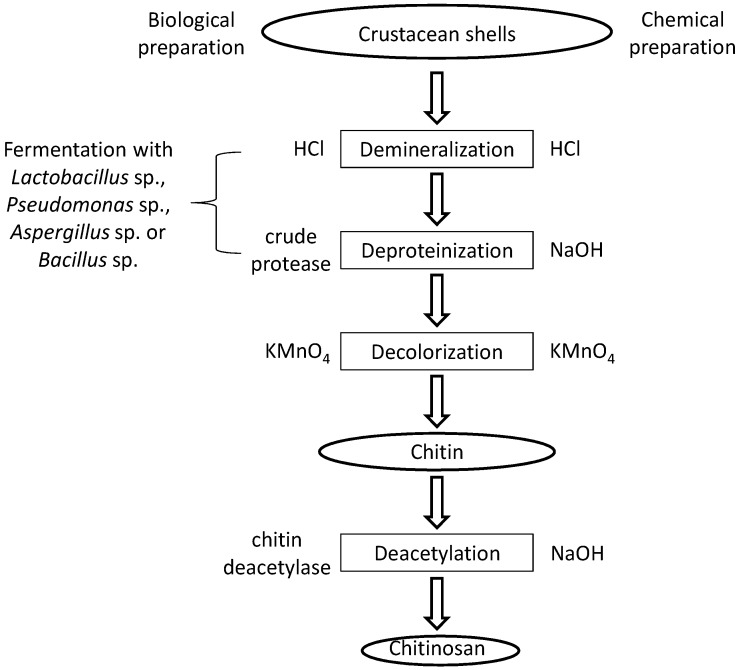
“Calcium carbonate and calcium phosphate are extracted out with hydrochloric acid treatment [2].”
MethodNew Applications of Photodynamic Therapy in the Management of Candidiasis
Rodríguez-Cerdeira, C., Martínez-Herrera, E., Fabbrocini, G., Sanchez-Blanco, B., López-Barcenas, A., EL-Samahy, M., Juárez-Durán, E. R., & González-Cespón, J. L. (2021) · Journal of Fungi · doi:10.3390/jof7121025 · Cited by 48
Preparation of micro-nanofibrous chitosan sponges with ternary solvents for dye adsorption
Xing, J., Wang, X. J., Xun, J., Peng, J., Xu, Q. Y., Zhang, W., & Lou, T. (2018) · Carbohydrate Polymers · doi:10.1016/j.carbpol.2018.06.064 · Cited by 49
Peng, H.-H., Hong, D.-X., Guan, Y., & Yao, S. (2019) · International Journal of Pharmaceutics · doi:10.1016/j.ijpharm.2018.12.077 · Cited by 49
Messa, L. L., Souza, C. F., & Faez, R. (2019) · Polymer Testing · doi:10.1016/j.polymertesting.2019.106196 · Cited by 54
Mittal, A., Singh, A. K., Aluko, R. E., & Benjakul, S. (2020) · Journal of Food Biochemistry · doi:10.1111/jfbc.13569 · Cited by 55
Controlled Liposome Delivery from Chitosan-Based Thermosensitive Hydrogel for Regenerative Medicine
Furlani, F., Rossi, A., Grimaudo, M. A., Bassi, G., Giusto, E., Molinari, F., Lista, F. R., Montesi, M., & Panseri, S. (2022) · International Journal of Molecular Sciences · doi:10.3390/ijms23020894 · Cited by 50
Wong, S. K., Wong, Y. H., Chin, K., & Ima-Nirwana, S. (2021) · Polymers · doi:10.3390/polym13183075 · Cited by 56
“Chitosan is a versatile biomaterial due to non-antigenicity, biocompatibility, biodegradability, non-toxicity, good adsorption, and anti-bacterial potency [57].”
BackgroundAntimicrobial Activities of Chitosan Derivatives
Ardean, C., Davidescu, C. M., Nemeş, N. S., Negrea, A., Ciopec, M., Duţeanu, N., Negrea, P., Duda-Seiman, D., & Muntean, D. (2021) · Pharmaceutics · doi:10.3390/pharmaceutics13101639 · Cited by 50
Vijayakumar, S., Chen, J., Kalaiselvi, V., Tungare, K., Bhori, M., González-Sánchez, Z. I., & Durán‐Lara, E. F. (2022) · Environmental Research · doi:10.1016/j.envres.2022.113655 · Cited by 50
Khatami, N., Guerrero, P., Martín, P., Quintela, E., Ramos, V., Saá, L., Cortajarena, A. L., de la Caba, K., Camarero‐Espinosa, S., & Abarrategi, A. (2023) · Carbohydrate Polymers · doi:10.1016/j.carbpol.2023.121529 · Cited by 55
Shukla, A. K., Alam, J., Mallik, S., Ruokolainen, J., Kesari, K. K., & Alhoshan, M. S. (2024) · Journal of Molecular Liquids · doi:10.1016/j.molliq.2024.125745 · Cited by 56
Kyzioł, A., Mazgała, A., Michna, J., Regiel-Futyra, A., & Sebastián, V. (2017) · Journal of Biomaterials Applications · doi:10.1177/0885328217714352 · Cited by 50
“Chitosan shell was formed as a result of the interaction between the negatively charged sodium alginate and the positively charged chitosan.48 It is known that low MW chitosan forms a thick shell better with anti-swelling ability compared with chitosans of higher MW.49 For this reason, chitosan with low MW was chosen…”
BackgroundDasagrandhi, C., Park, S., Jung, W., & Kim, Y. (2018) · International Journal of Molecular Sciences · doi:10.3390/ijms19082157 · Cited by 48
“Chitosan (CS) is a natural biopolymer with antimicrobial, wound healing, hypotensive, antidiabetic, antifungal, and drug delivering properties [5].”
BackgroundNanoparticles for mucosal vaccine delivery
Thakur, A., & Foged, C. (2020) · Elsevier eBooks · doi:10.1016/b978-0-08-102985-5.00025-5 · Cited by 61
“However, chitosan displays low solubility under physiological conditions, which limits its use for biomedical applications [156].”
BackgroundNatural biopolymers as proton conductors in bioelectronics
Jia, M., Kim, J., Nguyen, T., Duong, T., & Rolandi, M. (2021) · Biopolymers · doi:10.1002/bip.23433 · Cited by 53
Metadata
- Authors
- Cheung, R., Ng, T., Wong, J., & Chan, W.
- Affiliations
- Chinese University of Hong Kong (HK)
- Corresponding author
- Cheung, Randy
- Ng, Tzi
- Venue
- Marine Drugs
- Publisher
- MDPI AG
- Published
- 2015-08-14
- Volume
- 13
- Issue
- 8
- Pages
- 5156-5186
- ISSN
- 1660-3397 (ISSN-L)
- PMC
- PMC4557018
- OpenAlex
- W1877301297
- Cited by
- 1,297
- References
- 155
- Citations by year
- 2026: 77 · 2025: 109 · 2024: 139 · 2023: 156 · 2022: 159 · 2021: 173 · 2020: 147 · 2019: 143 · 2018: 106 · 2017: 49 · 2016: 35 · 2015: 2
- FWCI
- 3.87
- Type
- journal article
- Language
- en
- Open access
- gold
- dx.doi.org
- Licence
- Locations
- Marine Drugs (publishedVersion, cc-by)
- PubMed Central (publishedVersion, cc-by)
- PubMed (publishedVersion)
- DOAJ (DOAJ: Directory of Open Access Journals) (submittedVersion, cc-by-sa)
- Funders
- Health and Medical Research Fund (12131221, 12110672, 12110672 and 12131221)
- Topics
- Physical Sciences › Materials Science › Biomaterials › Nanocomposite Films for Food Packaging
- Life Sciences › Pharmacology, Toxicology and Pharmaceutics › Pharmaceutical Science › Advanced Drug Delivery Systems
- Physical Sciences › Materials Science › Biomaterials › Hydrogels: synthesis, properties, applications
- Keywords
- chitosan, chitin, polysaccharides, chitosan solubility, chemical modification, hydrogels, composite materials, biomaterials, biocompatibility, biodegradability, pharmaceutical applications, biomedical applications
- MeSH terms
- Animals, Biocompatible Materials, Humans, Solubility, Drug Delivery Systems, Hydrogels, Chitosan
About these checks
Registry, retraction, Cites and statistics results are computed, not judged, with one exception: a printed reference that no index lists is read once by a model before it counts as a citation error. Claims are extracted by a model and kept only when their quote appears verbatim in the text; each cited source is then checked, with a model’s help, for whether it says what the claim relies on. Those verdicts can be wrong — read the claim’s quote and the cited source before relying on one.
Statistics and arithmetic are recomputed, not judged.
Confidence bands are shown only for fields calibrated on our annotated test set. None is calibrated yet, so no band is shown.
What counts as a claim ›How we measure confidence ›How we check this ›
Are you an author, or do you see a problem with this page? Request a review
Data sources
Bibliographic data: Semantic Scholar, OpenAlex, Crossref.
Contains information from the Semantic Scholar Academic Graph Datasets, made available under the ODC Attribution License (ODC-BY 1.0).
Semantic Scholar’s data is described in: Kinney, R., et al. (2023). The Semantic Scholar Open Data Platform. arXiv:2301.10140.
