

Chitosan: an update on potential biomedical and pharmaceutical applications.
Open accessThe DOI matches its Crossref record; 153 of the 155 references it cites were found in a registry or an index.
Abstract
Chitosan is a natural polycationic linear polysaccharide derived from chitin. The low solubility of chitosan in neutral and alkaline solution limits its application. Nevertheless, chemical modification into composites or hydrogels brings to it new functional properties for different applications. Chitosans are recognized as versatile biomaterials because of their non-toxicity, low allergenicity, biocompatibility and biodegradability. This review presents the recent research, trends and prospects in chitosan. Some special pharmaceutical and biomedical applications are also highlighted.
Overview
The claims and statistics of this paper haven’t been checked yet.
Free: it reads the open-access text and checks the first 5 claims that cite a source we can check. Create a free account to check every claim.
Integrity signals
Registry
Cites
Statistics
Figures
Verification
Claims the paper makes
The claims and statistics of this paper haven’t been checked yet.
Free: it reads the open-access text and checks the first 5 claims that cite a source we can check. Create a free account to check every claim.
Claims other papers make about this one
Each is checked against this paper’s own text: does it say what the citing paper says it does?
The source backs part of the claim, not all of it — or backs it for a different population, condition or comparison.
In the citing paper
“Many studies have shown that the antimicrobial effect of chitosan targets the cell surface, which suggests that chitosan is a good alternative approach for antifungal therapy (Kong et al., 2010; Pena et al., 2013; Cheung et al., 2015; Hosseinnejad and Jafari, 2016).”
From A Potential Antifungal Effect of Chitosan Against Candida albicans Is Mediated via the Inhibition of SAGA Complex Component Expression and the Subsequent Alteration of Cell Surface Integrity (2019) · cites this paper as Cheung et al., 2015
Experimental — accuracy not yet measured
Self-check
Percentages, sums and reported differences re-computed from the paper’s own numbers.
The self-check needs the paper’s full text.
Citations
Cites
1 retracted
RETRACTED: Chitin, Chitosan, and Its Derivatives for Wound Healing: Old and New Materials
Azuma, K., Izumi, R., Osaki, T., Ifuku, S., Morimoto, M., Saimoto, H., Minami, S., & Okamoto, Y. (2015) · Journal of Functional Biomaterials · doi:10.3390/jfb6010104 · Cited by 340 · cited 1×
“Nanofibrous and adhesive-based chitosan have been developed as wound dressing materials recently [112].”
BackgroundRetractedAntimicrobial properties of chitosan and mode of action: a state of the art review
Kong, M., Chen, X. G., Xing, K., & Park, H. J. (2010) · International Journal of Food Microbiology · doi:10.1016/j.ijfoodmicro.2010.09.012 · Cited by 3,037 · cited 6×
“The studies mentioned in this section demonstrated a close relationship between the antibacterial activity and the hydrophilicity of the cell wall, thus the action is specific and showed lower toxicity toward mammalian cells [38].”
BackgroundInfluentialChitosan Chemistry and Pharmaceutical Perspectives
Kumar, M. N. V. R., Muzzarelli, R. A. A., Muzzarelli, C., Sashiwa, H., & Domb, A. J. (2004) · Chemical Reviews · doi:10.1021/cr030441b · Cited by 2,938 · cited 1×
“The interesting characteristics of chitosan such as biocompatibility, non-toxicity, low allergenicity and biodegradability allow it to be used in various applications [3].”
BackgroundChitin and Chitosan Preparation from Marine Sources. Structure, Properties and Applications
Younes, I., & Rinaudo, M. (2015) · Marine Drugs · doi:10.3390/md13031133 · Cited by 2,562 · cited 2×
“It was proposed that the mechanism is due to the reaction of unstable free radicals with amino and hydroxyl groups on the pyranose ring, which form the stable radicals [12].”
BackgroundChitosan-based hydrogels for controlled, localized drug delivery
Bhattarai, N., Gunn, J., & Zhang, M. (2010) · Advanced Drug Delivery Reviews · doi:10.1016/j.addr.2009.07.019 · Cited by 2,451 · cited 1×
“Thus, it is a superabsorbent of water, but is water-insoluble because of the chemical or physical bonds formed between the polymer chains [21].”
BackgroundNovel hydrophilic chitosan-polyethylene oxide nanoparticles as protein carriers
Calvo, P., Remu��n-L�pez, C., Vila-Jato, J. L., & Alonso, M. J. (1997) · Journal of Applied Polymer Science · doi:10.1002/(sici)1097-4628(19970103)63:1<125::aid-app13>3.0.co;2-4 · Cited by 1,856 · cited 1×
“Then a nanoparticle suspension is formed upon addition of the other component under vigorous agitation [98].”
BackgroundChitosan and its derivatives for tissue engineering applications
Kim, I.-Y., Seo, S.-J., Moon, H.-S., Yoo, M.-K., Park, I.-Y., Kim, B.-C., & Cho, C.-S. (2008) · Biotechnology Advances · doi:10.1016/j.biotechadv.2007.07.009 · Cited by 1,433 · cited 1×
“It provides certain mechanical and structural properties for proper functioning for the repaired tissues [78].”
BackgroundFunctional Characterization of Chitin and Chitosan
Aranaz, I., Mengibar, M., Harris, R., Panos, I., Miralles, B., Acosta, N., Galed, G., & Heras, A. (2009) · Current Chemical Biology · doi:10.2174/187231309788166415 · Cited by 1,214 · cited 1×
“The degree of deacetylation, which is described by the molar fraction of deacetylated units or percentage of deacetylation, and the molecular weight of chitosan, were found to affect these properties [7].”
BackgroundVakili, M., Rafatullah, M., Salamatinia, B., Abdullah, A. Z., Ibrahim, M. H., Tan, K. B., Gholami, Z., & Amouzgar, P. (2014) · Carbohydrate Polymers · doi:10.1016/j.carbpol.2014.07.007 · Cited by 1,099 · cited 2×
“The original properties of chitosan have been altered and are more suitable for the adsorption of different dyes [125].”
BackgroundStudy on antimicrobial activity of chitosan with different molecular weights
Zheng, L.-Y., & Zhu, J.-F. (2003) · Carbohydrate Polymers · doi:10.1016/j.carbpol.2003.07.009 · Cited by 1,030 · cited 1×
“It forms an impermeable layer around the cell, changes cell permeability and blocks transport into the cell [34].”
Background
Cited by
Items 501–600 of 1,001
Elderdery, A. Y., Alzahrani, B., Hamza, S. M. A., Mostafa‐Hedeab, G., Mok, P. L., & Kumar, S. S. (2022) · Bioinorganic Chemistry and Applications · doi:10.1155/2022/1473922 · Cited by 28
“Polycationic chitosan, biologically prevalent, is nontoxic and biodegradable, with multiple, interesting properties [8].”
BackgroundMassa, M., Compari, C., & Fisicaro, E. (2022) · Frontiers in Nutrition · doi:10.3389/fnut.2022.968847 · Cited by 33
“Primary amine groups formed by deacetylation are responsible of the rather special cationic nature of chitosan, being the greatest part of polysaccharides either neutral or negatively charged in acidic environment (48).”
BackgroundSynthetic strategy for selective N-modified and O-modified PEGylated chitosan derivatives
Sahariah, P., Árnadóttir, B., & Másson, M. (2016) · European Polymer Journal · doi:10.1016/j.eurpolymj.2016.05.020 · Cited by 25
Mixed Peptide-Conjugated Chitosan Matrices as Multi-Receptor Targeted Cell-Adhesive Scaffolds
Hozumi, K., & Nomizu, M. (2018) · International Journal of Molecular Sciences · doi:10.3390/ijms19092713 · Cited by 25
“Chitosan structured as a hollow tube has been use as a guide for the neurite growth [80].”
MethodOndansetron buccal administration for paediatric use: A comparison between films and wafers
Giordani, B., Abruzzo, A., Prata, C., Nicoletta, F. P., Dalena, F., Cerchiara, T., Luppi, B., & Bigucci, F. (2020) · International Journal of Pharmaceutics · doi:10.1016/j.ijpharm.2020.119228 · Cited by 26
Cheng, K., Fang, Y., Bai, L., Gui, F., Ma, J., Gao, H., Zhao, Y., & Xu, X. (2023) · Progress in Natural Science Materials International · doi:10.1016/j.pnsc.2023.11.002 · Cited by 23
Exploration of chitosan and its modified derivatives as vaccine adjuvant: A review
Kumar, G., Virmani, T., Misra, S. K., Sharma, A., & Pathak, K. (2024) · Carbohydrate Polymer Technologies and Applications · doi:10.1016/j.carpta.2024.100537 · Cited by 22
Development of hyaluronic acid-based hydrogels for chronic diabetic wound healing: A review
Zhang, W., Liu, Y., Zhang, L., & Shen, X. (2025) · International Journal of Biological Macromolecules · doi:10.1016/j.ijbiomac.2025.142273 · Cited by 36
Mokhtari‐Hosseini, Z. B., Hatamian-Zarmi, A., Mohammadnejad, J., & Ebrahimi-Hosseinzadeh, B. (2018) · Preparative Biochemistry & Biotechnology · doi:10.1080/10826068.2018.1487847 · Cited by 23
Polysaccharide-based nanogels for drug and gene delivery
Kumari, L., & Badwaik, H. R. (2019) · Elsevier eBooks · doi:10.1016/b978-0-08-102553-6.00018-0 · Cited by 28
Szőke, Á. F., Szabó, G. S., Hórvölgyi, Z., Albert, E., Végh, A. G., Zimányi, L., & Mureşan, L. M. (2019) · International Journal of Biological Macromolecules · doi:10.1016/j.ijbiomac.2019.09.114 · Cited by 24
Amin, M. K., & Boateng, J. S. (2020) · Journal of Pharmaceutical Sciences · doi:10.1016/j.xphs.2020.03.021 · Cited by 23
“MCM-41 type silica nanoparticles were synthesized as previously reported [15] with slight modifications.”
BackgroundMethodKengkittipat, W., Kaewmalun, S., Khongkow, M., Iempridee, T., Jantimaporn, A., Bunwatcharaphansakun, P., Yostawonkul, J., Yata, T., Phoolcharoen, W., & Namdee, K. (2020) · Colloids and Surfaces B Biointerfaces · doi:10.1016/j.colsurfb.2020.111369 · Cited by 24
Zapata, M. E. V., Grande‐Tovar, C. D., & Hernández, J. H. M. (2020) · Biomolecules · doi:10.3390/biom10121616 · Cited by 26
Three Polymers from the Sea: Unique Structures, Directional Modifications, and Medical Applications
Wang, L., Li, W., & Qin, S. (2021) · Polymers · doi:10.3390/polym13152482 · Cited by 23
Dose-Dependent Potential of Chitosan to Increase Yield or Bioactive Compound Content in Tomatoes
Hernández, V., Botella, M. A., Hellín, P., Fenoll, J., & Flores, P. (2022) · Horticulturae · doi:10.3390/horticulturae8121152 · Cited by 23
Predoi, D., Ciobanu, C. S., Iconaru, S. L., & Predoi, M. V. (2023) · Coatings · doi:10.3390/coatings13020409 · Cited by 26
Effects of the Degree of Deacetylation on the Single-Molecule Mechanics of Chitosans
Yu, M., Zhang, K., Guo, X., & Lu, Q. (2023) · The Journal of Physical Chemistry B · doi:10.1021/acs.jpcb.3c01661 · Cited by 27
Gupta, C. R., Singh, P. R., Vaidya, S. P., Ambre, P., & Coutinho, E. C. (2023) · International Journal of Biological Macromolecules · doi:10.1016/j.ijbiomac.2023.125238 · Cited by 23
Lukova, P., & Katsarov, P. (2023) · Pharmaceutics · doi:10.3390/pharmaceutics15082126 · Cited by 24
“The polymer can be functionalized via different mecha nisms using its free amino and hydroxyl groups, whi h can participate in various c emical reactions [36].”
BackgroundVaikuntapu, P. R., Mallakuntla, M. K., Das, S. N., Bhoopal, B., Ramakrishna, B., Nadendla, S. R., & Podile, A. R. (2018) · International Journal of Biological Macromolecules · doi:10.1016/j.ijbiomac.2018.05.129 · Cited by 23
Polymer and modified chitosan-based nanocomposite: impending material for technical application
Kausar, A. (2019) · Polymer-Plastics Technology and Materials · doi:10.1080/25740881.2019.1587771 · Cited by 23
Paczkowska‐Walendowska, M., Chanaj-Kaczmarek, J., Romaniuk-Drapała, A., Rubiś, B., Szymanowska, D., Kobus‐Cisowska, J., Szymańska, E., Winnicka, K., & Cielecka‐Piontek, J. (2020) · Journal of Clinical Medicine · doi:10.3390/jcm9041208 · Cited by 23
Novel Antiretroviral Structures from Marine Organisms
Wittine, K., Martinović, L. S., Peršurić, Ž., & Pavelić, S. K. (2019) · Molecules · doi:10.3390/molecules24193486 · Cited by 22
“The antiretroviral activity is manifested in the chitosan-specific cationic nature that allows the formation of electrostatic complexes or multilayer structures with other negatively charged polymers [34] .”
BackgroundJournot, C. M. A., Nicolle, L., Lavanchy, Y., & Gerber‐Lemaire, S. (2020) · Polymers · doi:10.3390/polym12061274 · Cited by 23
“CS exhibits high biocompatibility as well as favorable adsorption properties and biodegradability [3,4], which make it a versatile biomaterial for the development of biomedical and pharmaceutical products [5].”
BackgroundMalabanan, J. W. T., Alcantara, K. P., Jantaratana, P., Pan, Y., Nalinratana, N., Vajragupta, O., Rojsitthisak, P., & Rojsitthisak, P. (2023) · ACS Applied Bio Materials · doi:10.1021/acsabm.3c00657 · Cited by 22
Piątkowski, M., Janus, Ł., Radwan-Pragłowska, J., & Raclavský, K. (2017) · eXPRESS Polymer Letters · doi:10.3144/expresspolymlett.2017.77 · Cited by 21
“Sorption kinetics was calculated according to the following mathematic formulas (Equations (1)–(4)):”
Methodde Andrade, L. F., Apolinário, A. C., Rangel‐Yagui, C. D. O., Stephano, M. A., & Tavares, L. C. (2019) · Journal of Drug Delivery Science and Technology · doi:10.1016/j.jddst.2019.101363 · Cited by 23
Development of an adjuvanted nanoparticle vaccine against influenza virus, an in vitro study
Rungrojcharoenkit, K., Sunintaboon, P., Ellison, D. W., Macareo, L. R., Midoeng, P., Chaisuwirat, P., Fernandez, S., & Ubol, S. (2020) · PLoS ONE · doi:10.1371/journal.pone.0237218 · Cited by 23
Liu, K., Feng, Z., Lu, S., Yang, T., Qin, M., Tang, J., & Zhang, W. (2017) · Drying Technology · doi:10.1080/07373937.2016.1269123 · Cited by 23
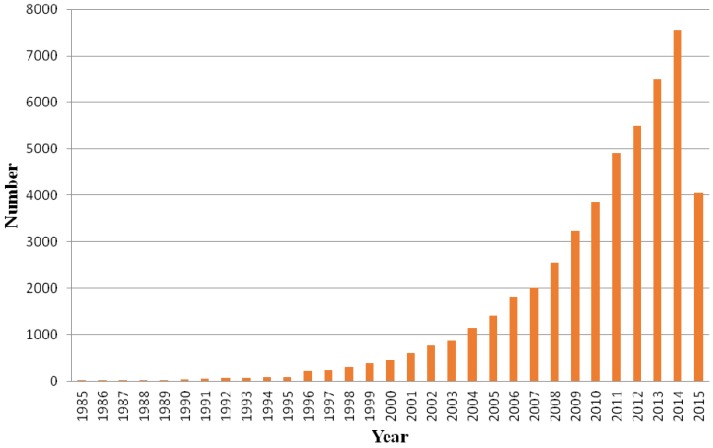
“Accordingly, the last few years have seen an increase in the number of CTS-related publications, revealing a promising future for the material’s application in pharmaceutics.([37]) Therefore, we intend to develop the BSP/CTS microspheres which are considered to possess massive potential for application because of addr…”
BackgroundHamidi, F., Aghdam, M. A., Johar, F., Mehdinejad, M. H., & Baghani, A. N. (2021) · Toxin Reviews · doi:10.1080/15569543.2021.1933532 · Cited by 23
“It is nontoxic, cost-effective, biodegradable, and biocompatible adsorbent (Ahmed et al. 2014, Chopra and Ruhi 2016, Bakshi et al. 2020).”
BackgroundAyaz, F., Demir, D., & Bölgen, N. (2021) · Journal of Materials Science · doi:10.1007/s10853-021-06399-8 · Cited by 24
“Chitosan is a commonly used biomaterial for medical purposes [9].”
BackgroundSzymańska, E., Wojasiński, M., Dąbrowska, J., Krzyżowska, M., Nowicka, M., Ciach, T., & Winnicka, K. (2022) · International Journal of Biological Macromolecules · doi:10.1016/j.ijbiomac.2022.09.207 · Cited by 21
Tousian, B., & Khosravi, A. (2023) · Results in Chemistry · doi:10.1016/j.rechem.2023.101146 · Cited by 25
Demir, A. K., Elçin, A. E., & Elçin, Y. M. (2018) · Cytotechnology · doi:10.1007/s10616-018-0230-8 · Cited by 21
Investigation of using pectin and chitosan as natural excipients in pellet formulation
Nejati, L., Kalantari, F., Bavarsad, N., Saremnejad, F., Moghaddam, P. T., & Akhgari, A. (2018) · International Journal of Biological Macromolecules · doi:10.1016/j.ijbiomac.2018.08.129 · Cited by 21
GRAS Fungi: A New Horizon in Safer Food Product
Singh, N., & Gaur, S. (2021) · Fungal Biology · doi:10.1007/978-3-030-64406-2_3 · Cited by 23
Hossam-Elden, N., Abu‐Elala, N. M., AbuBakr, H. O., Luo, Z., Aljuaydi, S. H., Khattab, M. S., Ali, S. E., Marzouk, M. S., & Teiba, I. I. (2024) · Fishes · doi:10.3390/fishes9100388 · Cited by 25
Heydarifard, S., Gao, W., & Fatehi, P. (2019) · ACS Omega · doi:10.1021/acsomega.9b01953 · Cited by 22
Polymeric Materials as Potential Inhibitors Against SARS-CoV-2
Umar, Y., Al‐Batty, S., Rahman, H., Ashwaq, O., Sarief, A., Sadique, Z., Sreekumar, P. A., & Haque, S. M. (2021) · Journal of Polymers and the Environment · doi:10.1007/s10924-021-02272-6 · Cited by 21
In-fiber Mach-Zehnder interferometer based on hollow optic fiber for metal ion detection
Liu, M.-F., Wang, J.-W., & Hwang, S. (2022) · Optics Express · doi:10.1364/oe.459221 · Cited by 20
Motelica‐Heino, M., Predoi, M. V., Ciobanu, C. S., Iconaru, S. L., & Predoi, D. (2023) · Coatings · doi:10.3390/coatings13020472 · Cited by 22
Hajili, E., Sugawara, A., Asoh, T., & Uyama, H. (2023) · ACS Sustainable Chemistry & Engineering · doi:10.1021/acssuschemeng.2c06953 · Cited by 24
Chitosan composites with Ag nanoparticles formed in carbonic acid solutions
Novikov, I. V., Pigaleva, M. A., Abramchuk, S. S., Molchanov, V. S., Philippova, O. E., & Gallyamov, M. O. (2018) · Carbohydrate Polymers · doi:10.1016/j.carbpol.2018.02.076 · Cited by 22
Chitosan-toluidine blue beads for purification of fucoidans
Abdella, A. A., Ulber, R., & Zayed, A. (2019) · Carbohydrate Polymers · doi:10.1016/j.carbpol.2019.115686 · Cited by 22
Hezma, A. M., Elkhooly, T. A., & El-Bahy, G. S. (2019) · Journal of Porous Materials · doi:10.1007/s10934-019-00837-4 · Cited by 20
Chitosan based smart injectable hydrogels for biomedical applications: A comprehensive review
Salamat, Q., Moradi, R., Nadizadeh, Z., Kavehpour, P., Soylak, M., Asimov, A., Rahman, M. Z., Kovářík, T., Babuška, V., & Deshmukh, K. (2025) · Bioactive Materials · doi:10.1016/j.bioactmat.2025.09.028 · Cited by 63
Khandegar, V., Kaur, P. J., & Chanana, P. (2021) · BioResources · doi:10.15376/biores.16.4.8525-8566 · Cited by 21
Marine Polysaccharides in Tailor-made Drug Delivery
Manna, S., & Jana, S. (2022) · Current Pharmaceutical Design · doi:10.2174/1381612828666220328122539 · Cited by 24
Investigation of 3D-printed PNIPAM-based constructs for tissue engineering applications: a review
Wu, K., Hu, Y., & Feng, H. (2023) · Journal of Materials Science · doi:10.1007/s10853-023-09125-8 · Cited by 21
“Despite advancements in enhancing the mechanical properties of hydrogel scaffolds based on chitosan, the limited solubility of chitosan remains a significant concern [127].”
Osi, B., Al-Kinani, A. A., Al-Qaysi, Z. K., Khoder, M., & Alany, R. G. (2024) · Pharmaceutics · doi:10.3390/pharmaceutics16010112 · Cited by 19
Simpson, E., Sarwar, H., Jack, I. G., & Lowry, D. (2024) · Antibiotics · doi:10.3390/antibiotics13030208 · Cited by 19
“Among these polymers, chitosan has been extensively investigated because it is readily available in nature, derived from sources like shellfish, insects, and fungi, and it has demonstrated biocompatibility with minimal adverse effects in humans [2–4].”
BackgroundKarimian-Shaddel, A., Dadashi, H., Mashinchian, M., Mohabbat, A., Nazemiyeh, A. R., Vandghanooni, S., & Eskandani, M. (2024) · International Journal of Pharmaceutics · doi:10.1016/j.ijpharm.2024.124897 · Cited by 21
‐stimulated crosslinking of catechol‐conjugated hydroxyethyl chitosan as a tissue adhesive
Peng, X., Peng, Y., Han, B., Liu, W., Zhang, F., & Linhardt, R. J. (2018) · Journal of Biomedical Materials Research Part B Applied Biomaterials · doi:10.1002/jbm.b.34150 · Cited by 20
Semi-IPN Films and Electrospun Nanofibers Based on Chitosan/PVA as an Antibacterial Wound Dressing.
Hedayatyanfard, K., Bagheri‐Khoulenjani, S., Hashemi, A., & Ziai, S. A. (2019) · PubMed Central · doi:10.22037/ijpr.2019.1100712 · Cited by 22
Deng, Z., Qian, T., & Hang, F. (2020) · ACS Biomaterials Science & Engineering · doi:10.1021/acsbiomaterials.0c01413 · Cited by 19
Rani, D., Buranasudja, V., Kobtrakul, K., De‐Eknamkul, W., & Vimolmangkang, S. (2021) · Plant Cell Tissue and Organ Culture (PCTOC) · doi:10.1007/s11240-020-01990-4 · Cited by 19
Poerio, A., Girardet, T., Petit, C. P., Fleutot, S., Jehl, J.-P., Arab‐Tehrany, E., Mano, J. F., & Cleymand, F. (2021) · Applied Sciences · doi:10.3390/app112311278 · Cited by 20
A comprehensive review of chitosan-based functional materials: From history to specific applications
Vo, T. S., Chit, P. P., Nguyen, V. H., Hoang, T., Lwin, K. M., Vo, T. T. B. C., Jeon, B., Han, S., Lee, J., Park, Y., et al. (2024) · International Journal of Biological Macromolecules · doi:10.1016/j.ijbiomac.2024.136243 · Cited by 21
Yang, G., Jaberi, Y., Lam, E., & Moores, A. (2026) · Green Chemistry · doi:10.1039/d5gc05832e · Cited by 22
Gonçalves, J. O., Esquerdo, V. M., Cadaval, T. R. S., & Pinto, L. A. D. A. (2019) · Sustainable agriculture reviews · doi:10.1007/978-3-030-16581-9_5 · Cited by 21
Pace, L. R., Harrison, Z. L., Brown, M. N., Haggard, W. O., & Jennings, J. A. (2019) · Marine Drugs · doi:10.3390/md17090517 · Cited by 19
“Chitosan, an abundant natural biopolymer derived from the exoskeletons of crustaceans, has been developed into a variety of therapeutic delivery systems due to its beneficial characteristics including: biocompatibility, ability to degrade in vivo, mucoadhesivity, and intrinsic antimicrobial properties [32,33].”
BackgroundChitosan-Based Systems for Gene Delivery
Sharma, D., Arora, S., Rodrigues, B. D. S., Lakkadwala, S., Banerjee, A., & Singh, J. (2019) · Springer eBooks · doi:10.1007/978-981-15-0263-7_8 · Cited by 22
Platform selection of engineered nanomaterials for water decontamination applications
Borovik, A., Karanikola, V., & Zucker, I. (2020) · Environmental Science Nano · doi:10.1039/d0en00786b · Cited by 17
Antimicrobial effect of natural kinds of toothpaste on oral pathogenic bacteria
Demir, S., Keskin, G., Akal, N., & Zer, Y. (2021) · The Journal of Infection in Developing Countries · doi:10.3855/jidc.14966 · Cited by 25
Rahman, S. U., Gong, H., Mi, R., Huang, Y., Han, X., & Chen, Z. (2022) · Frontiers in Immunology · doi:10.3389/fimmu.2021.784683 · Cited by 21
“Chitosan is produced by DE acetylation of chitin, which happens to be linked to N-acetyl-d-glucosamine and b-(1-4)linked d-glucosamine (19).”
BackgroundLow molecular weight chitooligosaccharide inhibits infection of SARS-CoV-2 in vitro
Jang, D., Lee, D., Shin, Y. C., Lee, J. S., Jung, J., & Ryoo, S. (2022) · Journal of Applied Microbiology · doi:10.1111/jam.15618 · Cited by 17
“…(poly- [D]glucosamine) and chitooligosaccharide, which are most widely used, have been proposed as natural disinfectants with high biocompatibility, low cytotoxicity, antibacterial activity, and antiviral activity (Cheung et al., 2015; Kim et al., 2021; Kong et al., 2010; Liaqat & Eltem, 2018).”
BackgroundChitosan Is the Ideal Resource for Plant Disease Management under Sustainable Agriculture
Abdellatef, M. A. E., Elagamey, E., & Kamel, S. M. (2023) · Biochemistry · doi:10.5772/intechopen.107958 · Cited by 23
Mukarram, M., Khan, M. M. A., Kurjak, D., & Corpas, F. J. (2023) · Scientific Reports · doi:10.1038/s41598-023-35931-w · Cited by 18
Sarwar, T., Raza, Z. A., Nazeer, M. A., & Khan, A. (2023) · International Journal of Biological Macromolecules · doi:10.1016/j.ijbiomac.2023.126588 · Cited by 18
Recent progress in chitosan-based nanofibers as potential drug carriers in cancer therapy
Sen, O., Jana, S., Nandi, G., & Manna, S. (2024) · International Journal of Polymeric Materials · doi:10.1080/00914037.2024.2344618 · Cited by 19
“Chitosan is nontoxic, biodegradable, and biocompatible polymer which makes it suitable for various medical and pharmaceutical applications, such as wound dressings and drug delivery systems [70–72] .”
Deprés-Tremblay, G., Chevrier, A., Snow, M., Rodeo, S. A., & Buschmann, M. D. (2018) · Journal of Biomaterials Applications · doi:10.1177/0885328218811386 · Cited by 18
“Chitosan (CS) is a biodegradable and biocompatible natural polymer obtained through chitin deacetylation.(12,13) In the context of cartilage repair, implants of CS-glycerol phosphate (GP)/blood have previously been shown by our research group to increase cell recruitment, vascularization and bone remodeling,(14,15) ac…”
BackgroundFigueiredo, L., Fonseca, R., Pinto, L. F. V., Ferreira, F. C., Junior, A. R. D. A., & Rodrigues, A. (2019) · Journal of the mechanical behavior of biomedical materials/Journal of mechanical behavior of biomedical materials · doi:10.1016/j.jmbbm.2019.103572 · Cited by 18
Preparation and Characterization of Chitosan/viscose Rayon Filament Biocomposite
Gorade, V. G., Chaudhary, B. U., Parmaj, O., & Kale, R. D. (2020) · Journal of Natural Fibers · doi:10.1080/15440478.2020.1764442 · Cited by 21
“Because of such unique properties, there is an increased interest in preparing chitosan/polymer blends for different fields, such as biomaterial applications (Cheung et al. 2015; Islam et al. 2020; Yadav et al. 2019).”
BackgroundSingh, V., Wang, S., & Ng, K. W. (2016) · Elsevier eBooks · doi:10.1016/b978-0-12-803581-8.09317-6 · Cited by 23
Villarante, N. R., Bautista, A. P. R., & Sumalapao, D. (2017) · Oriental Journal Of Chemistry · doi:10.13005/ojc/330307 · Cited by 18
Özoğul, F., Hamed, I., Özoğul, Y., & Regenstein, J. M. (2018) · Elsevier eBooks · doi:10.1016/b978-0-08-100596-5.21690-9 · Cited by 24
Sathiensathaporn, S., Solé‐Porta, A., Baowan, D., Pissuwan, D., Wongtrakoongate, P., Roig, A., & Katewongsa, K. P. (2024) · Journal of Food Science · doi:10.1111/1750-3841.17631 · Cited by 21
“PLGA and PLGA(B 2 ) exhibited negative zeta potentials due to the carboxyl groups at the terminal ends of PLGA (Chiu et al., 2021), whereas CS-coated NPs demonstrated positive zeta potentials, attributed to the cationic nature of CS, conferred by its amine groups (Cheung et al., 2015).”
Banach‐Kopeć, A., Mania, S., Pilch, J., Augustin, E., Gabriel, I., & Tylingo, R. (2022) · International Journal of Molecular Sciences · doi:10.3390/ijms23105505 · Cited by 17
“Additionally, the presence of amino groups in the polymer structure affects its antimicrobial properties [5].”
BackgroundChitosan hydrochloride salt stabilized emulsion as vaccine adjuvant
Wang, D., Zou, Y., Wang, N., & Wu, J. (2022) · Carbohydrate Polymers · doi:10.1016/j.carbpol.2022.119879 · Cited by 17
Paker, E. S., & Şenel, M. (2022) · Journal of Functional Biomaterials · doi:10.3390/jfb13030131 · Cited by 17
Aldayel, M. F. (2022) · Journal of King Saud University - Science · doi:10.1016/j.jksus.2022.102438 · Cited by 19
Xu, J., Li, Y., Yang, J., Zhou, S., & Situ, W. (2023) · International Journal of Biological Macromolecules · doi:10.1016/j.ijbiomac.2023.123257 · Cited by 18
Mo, R., Zhang, M., Wang, H., Liu, T., Liu, P., & Wu, Y. (2023) · Metabolites · doi:10.3390/metabo13040529 · Cited by 18
Xu, S., Hui, C., Liu, K., Zhou, X., Zhang, S., Kong, W., & Li, C. (2024) · Chemical Engineering Journal · doi:10.1016/j.cej.2024.149170 · Cited by 18
Production and functionalization strategies for superior polyhydroxybutyrate blend performance
Jaffur, B. N., Kumar, G., & Khadoo, P. (2024) · International Journal of Biological Macromolecules · doi:10.1016/j.ijbiomac.2024.134907 · Cited by 19
Martino, A. D., Trusova, M. E., Постников, П. С., & Sedlařík, V. (2018) · International Journal of Biological Macromolecules · doi:10.1016/j.ijbiomac.2018.06.006 · Cited by 17
Fabrication of enzyme-responsive composite coating for the design of antibacterial surface
Liu, P., Hao, Y., Ding, Y., Zhang, Y., Liu, Y., & Cai, K. (2018) · Journal of Materials Science Materials in Medicine · doi:10.1007/s10856-018-6171-0 · Cited by 19
Irimia, T. (2019) · FARMACIA · doi:10.31925/farmacia.2019.4.20 · Cited by 19
“The benefits of including chitosan as an excipient in ophthalmic preparations are good mechanical strength and mucoadhesive character, biocompatibility, biodegradability, nontoxicity, improvement of ocular permeability through paracellular permeation, antimicrobial activity and corneal wound healing effect [8, 20].”
BackgroundChitosan as an emerging object for biological and biomedical applications
Jangid, N. K., Hada, D., & Rathore, K. (2019) · Journal of Polymer Engineering · doi:10.1515/polyeng-2019-0041 · Cited by 16
Anıl-İnevi, M., Saglam‐Metiner, P., Kabak, E. C., & İz, S. G. (2019) · Molecular Biology Reports · doi:10.1007/s11033-019-05111-z · Cited by 18
Exploration of Chitinous Scaffold-Based Interfaces for Glucose Sensing Assemblies
Bagal-Kestwal, D., & Chiang, B. (2019) · Polymers · doi:10.3390/polym11121958 · Cited by 17
“Due to superior physical properties including film-forming tendency, high surface area, porosity, tensile strength and conductivity, they can be easily molded into functional interfaces [57].”
BackgroundSaeed, A., Zahid, S., Sajid, M., Din, S. U., Alam, M. K., Chaudhary, F. A., Kaleem, M., Alswairki, H. J., & Abutayyem, H. M. (2022) · Polymers · doi:10.3390/polym14061233 · Cited by 17
Эдуардович, А. Г., & Мелентьев, А. И. (2017) · Applied Biochemistry and Microbiology · doi:10.1134/s0003683817060023 · Cited by 17
Wen, F., Su, W., Cen, L., Chen, Y., Huo, L., Zhong, H., & Li, P. (2025) · International Journal of Biological Macromolecules · doi:10.1016/j.ijbiomac.2025.141716 · Cited by 16
Palika, A., Rahimi, A., Bolisetty, S., Handschin, S., Fischer, P., & Mezzenga, R. (2020) · Nanoscale Advances · doi:10.1039/d0na00189a · Cited by 17
Scientific Advances and Pharmacological Applications of Marine Derived-Collagen and Chitosan
(2021) · Biointerface Research in Applied Chemistry · doi:10.33263/briac123.35403558 · Cited by 17
“Few examples of microbial species that were restrained using CH solution are F. acuminatum, Cylindrocladium floridanum, Saprolegnia parasitica, and so on [35].”
The Emerging Use of ASC/Scaffold Composites for the Regeneration of Osteochondral Defects
Rahman, G., Frazier, T. P., Gimble, J. M., & Mohiuddin, O. A. (2022) · Frontiers in Bioengineering and Biotechnology · doi:10.3389/fbioe.2022.893992 · Cited by 20
“Because of its in vivo biocompatibility, degradability, and anti-bacterial properties, chitosan is widely used in TE (Cheung et al., 2015; Varun et al., 2017; Huang et al., 2019).”
BackgroundStager, M. A., Thomas, S. M., Rotello‐Kuri, N., Payne, K. A., & Krebs, M. D. (2022) · Macromolecular Bioscience · doi:10.1002/mabi.202200126 · Cited by 16
OVERVIEW OF PECTIN AS AN EXCIPIENT AND ITS USE IN THE PHARMACEUTICAL DOSAGE FORM
Sopyan, I., Gozali, D., S., I. S. K., & Guntina, R. K. (2022) · International Journal of Applied Pharmaceutics · doi:10.22159/ijap.2022v14i4.45091 · Cited by 20
Metadata
- Authors
- Cheung, R., Ng, T., Wong, J., & Chan, W.
- Affiliations
- Chinese University of Hong Kong (HK)
- Corresponding author
- Cheung, Randy
- Ng, Tzi
- Venue
- Marine Drugs
- Publisher
- MDPI AG
- Published
- 2015-08-14
- Volume
- 13
- Issue
- 8
- Pages
- 5156-5186
- ISSN
- 1660-3397 (ISSN-L)
- PMC
- PMC4557018
- OpenAlex
- W1877301297
- Cited by
- 1,297
- References
- 155
- Citations by year
- 2026: 77 · 2025: 109 · 2024: 139 · 2023: 156 · 2022: 159 · 2021: 173 · 2020: 147 · 2019: 143 · 2018: 106 · 2017: 49 · 2016: 35 · 2015: 2
- FWCI
- 3.87
- Type
- journal article
- Language
- en
- Open access
- gold
- dx.doi.org
- Licence
- Locations
- Marine Drugs (publishedVersion, cc-by)
- PubMed Central (publishedVersion, cc-by)
- PubMed (publishedVersion)
- DOAJ (DOAJ: Directory of Open Access Journals) (submittedVersion, cc-by-sa)
- Funders
- Health and Medical Research Fund (12131221, 12110672, 12110672 and 12131221)
- Topics
- Physical Sciences › Materials Science › Biomaterials › Nanocomposite Films for Food Packaging
- Life Sciences › Pharmacology, Toxicology and Pharmaceutics › Pharmaceutical Science › Advanced Drug Delivery Systems
- Physical Sciences › Materials Science › Biomaterials › Hydrogels: synthesis, properties, applications
- Keywords
- chitosan, chitin, polysaccharides, chitosan solubility, chemical modification, hydrogels, composite materials, biomaterials, biocompatibility, biodegradability, pharmaceutical applications, biomedical applications
- MeSH terms
- Animals, Biocompatible Materials, Humans, Solubility, Drug Delivery Systems, Hydrogels, Chitosan
About these checks
Registry, retraction, Cites and statistics results are computed, not judged, with one exception: a printed reference that no index lists is read once by a model before it counts as a citation error. Claims are extracted by a model and kept only when their quote appears verbatim in the text; each cited source is then checked, with a model’s help, for whether it says what the claim relies on. Those verdicts can be wrong — read the claim’s quote and the cited source before relying on one.
Statistics and arithmetic are recomputed, not judged.
Confidence bands are shown only for fields calibrated on our annotated test set. None is calibrated yet, so no band is shown.
What counts as a claim ›How we measure confidence ›How we check this ›
Are you an author, or do you see a problem with this page? Request a review
Data sources
Bibliographic data: Semantic Scholar, OpenAlex, Crossref.
Contains information from the Semantic Scholar Academic Graph Datasets, made available under the ODC Attribution License (ODC-BY 1.0).
Semantic Scholar’s data is described in: Kinney, R., et al. (2023). The Semantic Scholar Open Data Platform. arXiv:2301.10140.
