

Chitosan: an update on potential biomedical and pharmaceutical applications.
Open accessThe DOI matches its Crossref record; 153 of the 155 references it cites were found in a registry or an index.
Abstract
Chitosan is a natural polycationic linear polysaccharide derived from chitin. The low solubility of chitosan in neutral and alkaline solution limits its application. Nevertheless, chemical modification into composites or hydrogels brings to it new functional properties for different applications. Chitosans are recognized as versatile biomaterials because of their non-toxicity, low allergenicity, biocompatibility and biodegradability. This review presents the recent research, trends and prospects in chitosan. Some special pharmaceutical and biomedical applications are also highlighted.
Overview
The claims and statistics of this paper haven’t been checked yet.
Free: it reads the open-access text and checks the first 5 claims that cite a source we can check. Create a free account to check every claim.
Integrity signals
Registry
Cites
Statistics
Figures
Verification
Claims the paper makes
The claims and statistics of this paper haven’t been checked yet.
Free: it reads the open-access text and checks the first 5 claims that cite a source we can check. Create a free account to check every claim.
Claims other papers make about this one
Each is checked against this paper’s own text: does it say what the citing paper says it does?
The source backs part of the claim, not all of it — or backs it for a different population, condition or comparison.
In the citing paper
“Many studies have shown that the antimicrobial effect of chitosan targets the cell surface, which suggests that chitosan is a good alternative approach for antifungal therapy (Kong et al., 2010; Pena et al., 2013; Cheung et al., 2015; Hosseinnejad and Jafari, 2016).”
From A Potential Antifungal Effect of Chitosan Against Candida albicans Is Mediated via the Inhibition of SAGA Complex Component Expression and the Subsequent Alteration of Cell Surface Integrity (2019) · cites this paper as Cheung et al., 2015
Experimental — accuracy not yet measured
Self-check
Percentages, sums and reported differences re-computed from the paper’s own numbers.
The self-check needs the paper’s full text.
Citations
Cites
1 retracted
RETRACTED: Chitin, Chitosan, and Its Derivatives for Wound Healing: Old and New Materials
Azuma, K., Izumi, R., Osaki, T., Ifuku, S., Morimoto, M., Saimoto, H., Minami, S., & Okamoto, Y. (2015) · Journal of Functional Biomaterials · doi:10.3390/jfb6010104 · Cited by 340 · cited 1×
“Nanofibrous and adhesive-based chitosan have been developed as wound dressing materials recently [112].”
BackgroundRetractedAntimicrobial properties of chitosan and mode of action: a state of the art review
Kong, M., Chen, X. G., Xing, K., & Park, H. J. (2010) · International Journal of Food Microbiology · doi:10.1016/j.ijfoodmicro.2010.09.012 · Cited by 3,037 · cited 6×
“The studies mentioned in this section demonstrated a close relationship between the antibacterial activity and the hydrophilicity of the cell wall, thus the action is specific and showed lower toxicity toward mammalian cells [38].”
BackgroundInfluentialChitosan Chemistry and Pharmaceutical Perspectives
Kumar, M. N. V. R., Muzzarelli, R. A. A., Muzzarelli, C., Sashiwa, H., & Domb, A. J. (2004) · Chemical Reviews · doi:10.1021/cr030441b · Cited by 2,938 · cited 1×
“The interesting characteristics of chitosan such as biocompatibility, non-toxicity, low allergenicity and biodegradability allow it to be used in various applications [3].”
BackgroundChitin and Chitosan Preparation from Marine Sources. Structure, Properties and Applications
Younes, I., & Rinaudo, M. (2015) · Marine Drugs · doi:10.3390/md13031133 · Cited by 2,562 · cited 2×
“It was proposed that the mechanism is due to the reaction of unstable free radicals with amino and hydroxyl groups on the pyranose ring, which form the stable radicals [12].”
BackgroundChitosan-based hydrogels for controlled, localized drug delivery
Bhattarai, N., Gunn, J., & Zhang, M. (2010) · Advanced Drug Delivery Reviews · doi:10.1016/j.addr.2009.07.019 · Cited by 2,451 · cited 1×
“Thus, it is a superabsorbent of water, but is water-insoluble because of the chemical or physical bonds formed between the polymer chains [21].”
BackgroundNovel hydrophilic chitosan-polyethylene oxide nanoparticles as protein carriers
Calvo, P., Remu��n-L�pez, C., Vila-Jato, J. L., & Alonso, M. J. (1997) · Journal of Applied Polymer Science · doi:10.1002/(sici)1097-4628(19970103)63:1<125::aid-app13>3.0.co;2-4 · Cited by 1,856 · cited 1×
“Then a nanoparticle suspension is formed upon addition of the other component under vigorous agitation [98].”
BackgroundChitosan and its derivatives for tissue engineering applications
Kim, I.-Y., Seo, S.-J., Moon, H.-S., Yoo, M.-K., Park, I.-Y., Kim, B.-C., & Cho, C.-S. (2008) · Biotechnology Advances · doi:10.1016/j.biotechadv.2007.07.009 · Cited by 1,433 · cited 1×
“It provides certain mechanical and structural properties for proper functioning for the repaired tissues [78].”
BackgroundFunctional Characterization of Chitin and Chitosan
Aranaz, I., Mengibar, M., Harris, R., Panos, I., Miralles, B., Acosta, N., Galed, G., & Heras, A. (2009) · Current Chemical Biology · doi:10.2174/187231309788166415 · Cited by 1,214 · cited 1×
“The degree of deacetylation, which is described by the molar fraction of deacetylated units or percentage of deacetylation, and the molecular weight of chitosan, were found to affect these properties [7].”
BackgroundVakili, M., Rafatullah, M., Salamatinia, B., Abdullah, A. Z., Ibrahim, M. H., Tan, K. B., Gholami, Z., & Amouzgar, P. (2014) · Carbohydrate Polymers · doi:10.1016/j.carbpol.2014.07.007 · Cited by 1,099 · cited 2×
“The original properties of chitosan have been altered and are more suitable for the adsorption of different dyes [125].”
BackgroundStudy on antimicrobial activity of chitosan with different molecular weights
Zheng, L.-Y., & Zhu, J.-F. (2003) · Carbohydrate Polymers · doi:10.1016/j.carbpol.2003.07.009 · Cited by 1,030 · cited 1×
“It forms an impermeable layer around the cell, changes cell permeability and blocks transport into the cell [34].”
BackgroundAntibacterial action of chitosan
Sudarshan, N. R., Hoover, D. G., & Knorr, D. (1992) · Food Biotechnology · doi:10.1080/08905439209549838 · Cited by 1,001 · cited 1×
“Low-molecular-weight chitosan can penetrate bacterial cell walls, bind with DNA and inhibit DNA transcription and mRNA synthesis [33], while high-molecular-weight chitosan can bind to the negatively charged components on the bacterial cell wall.”
BackgroundChitosan-based nanomaterials: A state-of-the-art review
Shukla, S. K., Mishra, A. K., Arotiba, O. A., & Mamba, B. B. (2013) · International Journal of Biological Macromolecules · doi:10.1016/j.ijbiomac.2013.04.043 · Cited by 929 · cited 1×
“In addition, they can be easily molded into different shapes and forms (films, fibers, sponges, beads, powder, gel and solutions) [77].”
BackgroundHarada, A., & Kataoka, K. (1995) · Macromolecules · doi:10.1021/ma00119a019 · Cited by 848 · cited 1×
“The chitosan micelles were formed by the electrostatic repulsions between oppositely charged polymers [93].”
BackgroundTopical formulations and wound healing applications of chitosan
Ueno, H., Mori, T., & Fujinaga, T. (2001) · Advanced Drug Delivery Reviews · doi:10.1016/s0169-409x(01)00189-2 · Cited by 811 · cited 1×
“Chitosan promotes activity of polymorphonuclear leukocytes, macrophages and fibroblasts that enhance granulation as well as the organization of the repaired tissues [110].”
BackgroundChitosan: A Unique Polysaccharide for Drug Delivery
Felt, O., Buri, P., & Gurny, R. (1998) · Drug Development and Industrial Pharmacy · doi:10.3109/03639049809089942 · Cited by 769 · cited 1×
“For instance, it can be used in water treatment [8], wound-healing materials [1], pharmaceutical excipient or drug carrier [9], obesity treatment [10] and as a scaffold for tissue engineering [11].”
BackgroundChandy, T., & Sharma, C. P. (1990) · Biomaterials, Artificial Cells and Artificial Organs · doi:10.3109/10731199009117286 · Cited by 757 · cited 2×
“For instance, it can be used in water treatment [8], wound-healing materials [1], pharmaceutical excipient or drug carrier [9], obesity treatment [10] and as a scaffold for tissue engineering [11].”
BackgroundChitosan Composites for Bone Tissue Engineering—An Overview
Venkatesan, J., & Kim, S.-K. (2010) · Marine Drugs · doi:10.3390/md8082252 · Cited by 705 · cited 1×
“This property allows it to form electrostatic complexes or multilayer structures with other negatively charged synthetic or natural polymers [2].”
BackgroundReddy, D. H. K., & Lee, S.-M. (2013) · Advances in Colloid and Interface Science · doi:10.1016/j.cis.2013.10.002 · Cited by 689 · cited 1×
“These materials are mainly applied in bone tissue engineering scaffold [29], drug delivery system [30], wound healing materials [31] and metal and dye absorbent for polluted water [32].”
BackgroundOral drug absorption enhancement by chitosan and its derivatives
Thanou, M., Verhoef, J. C., & Junginger, H. E. (2001) · Advanced Drug Delivery Reviews · doi:10.1016/s0169-409x(01)00231-9 · Cited by 689 · cited 1×
“Different drugs or vaccines were loaded in the microspheres, they were protected, especially drugs which are protein in nature, in the digestive tract [90] and absorbed through the paracellular route on the epithelial layer [91].”
BackgroundMarine Derived Polysaccharides for Biomedical Applications: Chemical Modification Approaches
D’Ayala, G. G., Malinconico, M., & Laurienzo, P. (2008) · Molecules · doi:10.3390/molecules13092069 · Cited by 499
Recent Modifications of Chitosan for Adsorption Applications: A Critical and Systematic Review
Kyzas, G., & Bikiaris, D. (2015) · Marine Drugs · doi:10.3390/md13010312 · Cited by 479 · cited 1×
“Besides, these functional groups are subjected to modifications (cross-linking and grafting) which enhance the absorption efficiency and specificity [128].”
BackgroundOptimization of Chitin Extraction from Shrimp Shells
Percot, A., Viton, C., & Domard, A. (2003) · Biomacromolecules · doi:10.1021/bm025602k · Cited by 470 · cited 1×
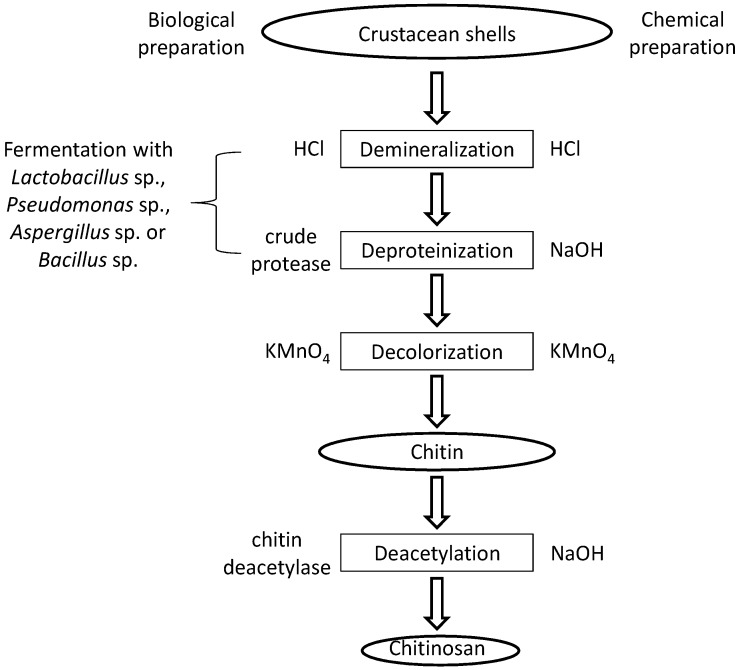
“chemical [13] or biological (enzymatic treatment or fermentation) [14] treatments.”
BackgroundPreparation and Characterization of Chitin and Chitosan—A Review
No, H. K., & Meyers, S. P. (1995) · Journal of Aquatic Food Product Technology · doi:10.1300/j030v04n02_03 · Cited by 462 · cited 1×
“Conversion of chitin to chitosan can be achieved by enzymatic [15] or chemical [16] deacetylation.”
BackgroundSaharan, V., Sharma, G., Yadav, M., Choudhary, M. K., Sharma, S. S., Pal, A., Raliya, R., & Biswas, P. (2015) · International Journal of Biological Macromolecules · doi:10.1016/j.ijbiomac.2015.01.027 · Cited by 442
Antimicrobial properties of N-carboxybutyl chitosan
Muzzarelli, R., Tarsi, R., Filippini, O., Giovanetti, E., Biagini, G., & Varaldo, P. E. (1990) · Antimicrobial Agents and Chemotherapy · doi:10.1128/aac.34.10.2019 · Cited by 436 · cited 1×
“[35].”
Rhoades, J., & Roller, S. (2000) · Applied and Environmental Microbiology · doi:10.1128/aem.66.1.80-86.2000 · Cited by 411 · cited 2×
“Low environmental pH increases the positive charge in the chitosan polymer, which favors binding to the bacterial cell wall [36].”
BackgroundYounes, I., Sellimi, S., Rinaudo, M., Jellouli, K., & Nasri, M. (2014) · International Journal of Food Microbiology · doi:10.1016/j.ijfoodmicro.2014.04.029 · Cited by 410 · cited 2×
“The effects of molecular weight and degree of acetylation of chitosan on its antifungal activity varies with the fungus [37].”
BackgroundChitosan membrane as a wound‐healing dressing: Characterization and clinical application
Azad, A. K., Sermsintham, N., Chandrkrachang, S., & Stevens, W. F. (2004) · Journal of Biomedical Materials Research Part B: Applied Biomaterials · doi:10.1002/jbm.b.30000 · Cited by 401 · cited 1×
“Several clinical studies have reported the favorable results of using chitosan for wound healing in patients undergoing plastic surgery [115], skin grafting [116,117] and endoscopic sinus surgery [118].”
Borchard, G., Lueβen, H. L., de Boer, A. G., Verhoef, J. C., Lehr, C.-M., & Junginger, H. E. (1996) · Journal of Controlled Release · doi:10.1016/0168-3659(95)00146-8 · Cited by 393 · cited 1×
“Different drugs or vaccines were loaded in the microspheres, they were protected, especially drugs which are protein in nature, in the digestive tract [90] and absorbed through the paracellular route on the epithelial layer [91].”
BackgroundAntioxidant Effects of Chitin, Chitosan, and Their Derivatives
Ngo, D.-H., & Kim, S.-K. (2014) · Advances in Food and Nutrition Research · doi:10.1016/b978-0-12-800268-1.00002-0 · Cited by 384
Typical low cost biosorbents for adsorptive removal of specific organic pollutants from water
Tran, V. S., Ngo, H. H., Guo, W., Zhang, J., Liang, S., Ton-That, C., & Zhang, X. (2015) · Bioresource Technology · doi:10.1016/j.biortech.2015.02.003 · Cited by 338 · cited 2×
“The presence of amino and hydroxyl groups in chitosan allows its adsorption interactions with pollutants such as dyes [125], metals [126] and organic compounds [127], etc.”
BackgroundZhang, D., Zhou, W., Wei, B., Wang, X., Tang, R., Nie, J., & Wang, J. (2015) · Carbohydrate Polymers · doi:10.1016/j.carbpol.2015.02.034 · Cited by 308
Onsosyen, E., & Skaugrud, O. (1990) · Journal of Chemical Technology & Biotechnology · doi:10.1002/jctb.280490410 · Cited by 298 · cited 1×
“For instance, it can be used in water treatment [8], wound-healing materials [1], pharmaceutical excipient or drug carrier [9], obesity treatment [10] and as a scaffold for tissue engineering [11].”
BackgroundMartins, A., Facchi, S., Follmann, H., Pereira, A., Rubira, A., & Muniz, E. (2014) · International Journal of Molecular Sciences · doi:10.3390/ijms151120800 · Cited by 289 · cited 1×
“Besides, chitosan is reported to have other biological properties, such as antitumor [4], antimicrobial [5], and antioxidant [6] activities.”
BackgroundPreparation and characterization of nano chitosan for treatment wastewaters
Sivakami, M. S., Gomathi, T., Venkatesan, J., Jeong, H.-S., Kim, S.-K., & Sudha, P. N. (2013) · International Journal of Biological Macromolecules · doi:10.1016/j.ijbiomac.2013.03.005 · Cited by 287 · cited 1×
“Hence nanochitosan is a good biosorbent for chromium removal from water [138].”
BackgroundChitosan-catechol: A polymer with long-lasting mucoadhesive properties
Kim, K., Kim, K., Ryu, J. H., & Lee, H. (2015) · Biomaterials · doi:10.1016/j.biomaterials.2015.02.010 · Cited by 283 · cited 1×
“Higher retention of conjugate formed between chitosan and catechol derived from mussel adhesive proteins, in the gastrointestinal tract versus unmodified chitosan, owing to production of irreversible catechol mediated-crosslinking with mucin, may be advantageous for production of new mucoadhesive polymers to be employ…”
BackgroundGrowth-inhibitory effect of hexa-N-acetylchitohexaose and chitohexaose against Meth-A solid tumor.
TOKORO, A., TAKEWAKI, N., SUZUKI, K., MIKAMI, T., SUZUKI, S., & SUZUKI, M. (1988) · Chemical and Pharmaceutical Bulletin · doi:10.1248/cpb.36.784 · Cited by 281 · cited 2×
“proliferation of cytolytic T-lymphocytes with the optimum inhibition ratio at the dose of 10 mg/kg [66]”
BackgroundControlling gray mould caused by Botrytis cinerea in cucumber plants by means of chitosan
Ben-Shalom, N., Ardi, R., Pinto, R., Aki, C., & Fallik, E. (2003) · Crop Protection · doi:10.1016/s0261-2194(02)00149-7 · Cited by 255 · cited 1×
“in citrus fruit [46], Botrytis cinerea in cucumber plants [47], Phytophthora infestans [48], Alternaria solani and Fusarium oxysporum [49] in tomatoes.”
BackgroundKafetzopoulos, D., Martinou, A., & Bouriotis, V (1993) · Proceedings of the National Academy of Sciences · doi:10.1073/pnas.90.7.2564 · Cited by 254 · cited 1×
“Conversion of chitin to chitosan can be achieved by enzymatic [15] or chemical [16] deacetylation.”
BackgroundZhang, Y., & Zhang, M. (2002) · Journal of Biomedical Materials Research · doi:10.1002/jbm.10176 · Cited by 240 · cited 1×
“For instance, it can be used in water treatment [8], wound-healing materials [1], pharmaceutical excipient or drug carrier [9], obesity treatment [10] and as a scaffold for tissue engineering [11].”
BackgroundHypocholesterolemic Effect of Chitosan in Adult Males
Maezaki, Y., Tsuji, K., Nakagawa, Y., Kawai, Y., Akimoto, M., Tsugita, T., Takekawa, W., Terada, A., Hara, H., & Mitsuoka, T. (1993) · Bioscience, Biotechnology, and Biochemistry · doi:10.1271/bbb.57.1439 · Cited by 239 · cited 1×
“There is some support that chitosan is more effective than placebo in the short-term treatment of obesity and hypercholesterolemia [141–144].”
BackgroundElectrospun chitosan-based nanocomposite mats reinforced with chitin nanocrystals for wound dressing
Naseri, N., Algan, C., Jacobs, V., John, M., Oksman, K., & Mathew, A. P. (2014) · Carbohydrate Polymers · doi:10.1016/j.carbpol.2014.03.031 · Cited by 235 · cited 1×
“It also showed compatibility with adipose derived stem cells, which is considered beneficial for wound healing [113].”
BackgroundBiochemistry, histology and clinical uses of chitins and chitosans in wound healing
Muzzarelli, R. A. A., Mattioli-Belmonte, M., Pugnaloni, A., & Biagini, G. (1999) · Chitin and Chitinases · doi:10.1007/978-3-0348-8757-1_18 · Cited by 231 · cited 1×
“It accelerates the healing progress along with preventing scar formation [111].”
BackgroundReduction in fat storage during chitin-chitosan treatment in mice fed a high-fat diet
Han, L.-K., Kimura, Y., & Okuda, H. (1999) · International Journal of Obesity · doi:10.1038/sj.ijo.0800806 · Cited by 231 · cited 1×
“For instance, it can be used in water treatment [8], wound-healing materials [1], pharmaceutical excipient or drug carrier [9], obesity treatment [10] and as a scaffold for tissue engineering [11].”
BackgroundPark, J. K., Chung, M. J., Choi, H. N., & Park, Y. I. (2011) · International Journal of Molecular Sciences · doi:10.3390/ijms12010266 · Cited by 217 · cited 1×
“These findings show that the molecular weight and degree of deacetylation of chitosanoligosaccharides are critical determinants for inhibiting growth of cancer cells [71].”
BackgroundFree radical scavenging properties of hetero-chitooligosaccharides using an ESR spectroscopy
Je, J.-Y., Park, P.-J., & Kim, S.-K. (2004) · Food and Chemical Toxicology · doi:10.1016/j.fct.2003.10.001 · Cited by 214 · cited 1×
“The radical-scavenging activity of hetero-chitooligosaccharides was related to the degree of deacetylation values and the molecular weight [74].”
BackgroundInhibitory effects of chitooligosaccharides on tumor growth and metastasis
Shen, K.-T., Chen, M.-H., Chan, H.-Y., Jeng, J.-H., & Wang, Y.-J. (2009) · Food and Chemical Toxicology · doi:10.1016/j.fct.2009.04.044 · Cited by 203 · cited 2×
“Chitooligosaccharides repressed tumor growth and reduced the number of lung metastasis colonies and prolonged the lifespan of Lewis lung carcinoma-bearing mice [72].”
BackgroundSorption of heavy metal ions onto carboxylate chitosan derivatives—A mini-review
Boamah, P. O., Huang, Y., Hua, M., Zhang, Q., Wu, J., Onumah, J., Sam-Amoah, L. K., & Boamah, P. O. (2015) · Ecotoxicology and Environmental Safety · doi:10.1016/j.ecoenv.2015.01.012 · Cited by 199 · cited 2×
“Chitosan modified with different derivatives offers a wide range of properties for specific adsorption of metal ions [126].”
BackgroundLai, P., Daear, W., Löbenberg, R., & Prenner, E. J. (2014) · Colloids and Surfaces B: Biointerfaces · doi:10.1016/j.colsurfb.2014.03.017 · Cited by 198 · cited 1×
“Besides, they bind strongly to mucus which enhances the adsorption through intestinal epithelial cells [96].”
BackgroundFree Radical Scavenging Activity of Chitooligosaccharides by Electron Spin Resonance Spectrometry
Park, P.-J., Je, J.-Y., & Kim, S.-K. (2003) · Journal of Agricultural and Food Chemistry · doi:10.1021/jf034039+ · Cited by 190 · cited 1×
“[73] reported the in vitro oxygen radicals scavenging activity in chitosan and its derivatives.”
BackgroundLi, B., Wang, L., Xu, F., Gang, X., Demirci, U., Wei, D., Li, Y., Feng, Y., Jia, D., & Zhou, Y. (2015) · Acta Biomaterialia · doi:10.1016/j.actbio.2015.04.026 · Cited by 182
Surface active properties of chitosan and its derivatives
Elsabee, M. Z., Morsi, R. E., & Al-Sabagh, A. M. (2009) · Colloids and Surfaces B: Biointerfaces · doi:10.1016/j.colsurfb.2009.06.021 · Cited by 173 · cited 1×
“The chitosan form micelles with an external hydrophilic shield and an internal hydrophobic center [92].”
BackgroundEngineering tenofovir loaded chitosan nanoparticles to maximize microbicide mucoadhesion
Meng, J., Sturgis, T. F., & Youan, B.-B. C. (2011) · European Journal of Pharmaceutical Sciences · doi:10.1016/j.ejps.2011.06.007 · Cited by 172 · cited 1×
“Hence, large-sized chitosan nanoparticles loaded with an anti-HIV drug appeared to be promising for stopping HIV transmission [63].”
BackgroundSupper, S., Anton, N., Seidel, N., Riemenschnitter, M., Curdy, C., & Vandamme, T. (2014) · Expert Opinion on Drug Delivery · doi:10.1517/17425247.2014.867326 · Cited by 164 · cited 1×
“It showed protection for the drugs from physiological degradation, combined with prolonged and steady release of drugs [95].”
BackgroundCholesterol-lowering Properties and Safety of Chitosan
Ylitalo, R., Lehtinen, S., Wuolijoki, E., Ylitalo, P., & Lehtimäki, T. (2011) · Arzneimittelforschung · doi:10.1055/s-0031-1299848 · Cited by 159 · cited 1×
“The cationic chitosan binds with anionic carboxyl groups of fatty acids and bile acids, it also interferes with emulsification of neutral lipids like cholesterol and other sterols by binding them with hydrophobic interaction, thus fat and cholesterol absorption from gastrointestinal tract is reduced [140].”
BackgroundEnhanced chromium (VI) adsorption using nanosized chitosan fibers tailored by electrospinning
Li, L., Li, Y., Cao, L., & Yang, C. (2015) · Carbohydrate Polymers · doi:10.1016/j.carbpol.2015.02.037 · Cited by 158 · cited 1×
“Sodium, calcium magnesium, nitrate, and chloride, but not sulfate ions, had nil or negligible effect on adsorption which involved hydroxyl as well as amino groups of chitosan [134].”
BackgroundWound management with N-carboxybutyl chitosan
Biagini, G., Bertani, A., Müzzarelli, R. A. A., Damadei, A., DiBenedetto, G., Belligolli, A., Riccotti, G., Zucchini, C., & Rizzoli, C. (1991) · Biomaterials · doi:10.1016/0142-9612(91)90035-9 · Cited by 156 · cited 1×
“Several clinical studies have reported the favorable results of using chitosan for wound healing in patients undergoing plastic surgery [115], skin grafting [116,117] and endoscopic sinus surgery [118].”
Randomized, double-blind trial of chitosan for body weight reduction
Pittler, M., Abbot, N. C., Harkness, E. F., & Ernst, E. (1999) · European Journal of Clinical Nutrition · doi:10.1038/sj.ejcn.1600733 · Cited by 156 · cited 1×
“However, results obtained from larger and better-controlled trials showed that the effect of chitosan on body weight and serum cholesterol appeared to be ineffective, unconvincing and devoid of any clinical significance [145–147].”
ResultFan, L., Yang, J., Wu, H. C., Hu, Z., Yi, J., Tong, J., & Zhu, X. (2015) · International Journal of Biological Macromolecules · doi:10.1016/j.ijbiomac.2015.04.013 · Cited by 154
Chitosan hydrogel as a drug delivery carrier to control angiogenesis
Ishihara, M., Obara, K., Nakamura, S., Fujita, M., Masuoka, K., Kanatani, Y., Takase, B., Hattori, H., Morimoto, Y., Ishihara, M., et al. (2006) · Journal of Artificial Organs · doi:10.1007/s10047-005-0313-0 · Cited by 153 · cited 1×
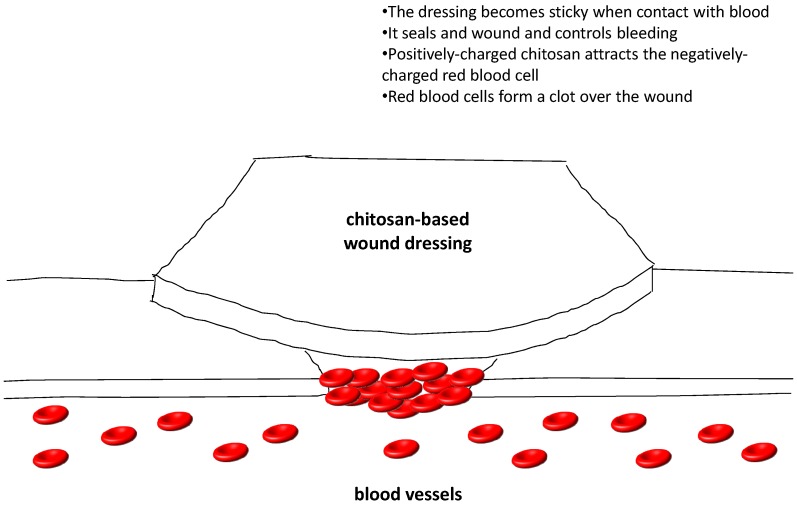
“It can effectively stop bleeding from blood vessels along with air leakage from the lung [114].”
BackgroundSahariah, P., Benediktssdóttir, B. E., Hjálmarsdóttir, M. Á., Sigurjónsson, Ó. E., Sørensen, K. K., Thygesen, M. B., Jensen, K. J., & Másson, M. (2015) · Biomacromolecules · doi:10.1021/acs.biomac.5b00163 · Cited by 150 · cited 3×
“The most active chitosan derivatives were found to be more selective for killing bacteria than the quaternary ammonium disinfectants cetylpyridinium chloride and benzalkonium chloride, along with the antimicrobial peptides melittin and LL-37 [44].”
BackgroundInfluentialMhurchú, C. N., Poppitt, S. D., McGill, A., Leahy, F. E., Bennett, D., Lin, R., Ormrod, D. J., Ward, L. C., Strik, C., & Rodgers, A. (2004) · International Journal of Obesity · doi:10.1038/sj.ijo.0802693 · Cited by 149 · cited 1×
“However, results obtained from larger and better-controlled trials showed that the effect of chitosan on body weight and serum cholesterol appeared to be ineffective, unconvincing and devoid of any clinical significance [145–147].”
ResultRege, P. R., & Block, L. H. (1999) · Carbohydrate Research · doi:10.1016/s0008-6215(99)00172-x · Cited by 145 · cited 1×
“No matter which method is used, depolymerization is inevitable [17].”
MethodChitosan/Interfering RNA Nanoparticle Mediated Gene Silencing in Disease Vector Mosquito Larvae
Zhang, X., Mysore, K., Flannery, E., Michel, K., Severson, D. W., Zhu, K. Y., & Duman‐Scheel, M. (2015) · Journal of Visualized Experiments · doi:10.3791/52523 · Cited by 143 · cited 1×
“Chitosan/interfering RNA nanoparticles mixed with food and consumed by larvae of Aedes aegypti (vector of the dengue and yellow fever) and Anopheles gambiae (vector of the primary African malaria vector) represented a methodology that can be applied to many insects and pests [153].”
Anti-HIV-1 activity of low molecular weight sulfated chitooligosaccharides
Artan, M., Karadeniz, F., Karagozlu, M. Z., Kim, M., & Kim, S. (2009) · Carbohydrate Research · doi:10.1016/j.carres.2009.12.017 · Cited by 142 · cited 2×
“Unsulfated chitooligosaccharides did not have similar actions [57].”
BackgroundWang, Y., Shi, L., Gao, L., Wei, Q. L., Cui, L., Hu, L., Yan, L., & Du, B. (2015) · Journal of Colloid and Interface Science · doi:10.1016/j.jcis.2015.03.048 · Cited by 142 · cited 1×
“Sips model is more appropriate than Langmuir, Freundlich and Dubinin-Radushkevich models for describing the adsorption process, which was endothermic and spontaneous [132].”
MethodThe Potential of Chitosan and Its Derivatives in Prevention and Treatment of Age-Related Diseases
Kerch, G. (2015) · Marine Drugs · doi:10.3390/md13042158 · Cited by 140 · cited 1×
“increase of tissue stiffness, conformational changes of protein, aging-associated and chronic inflammation have been reviewed [149].”
BackgroundThe Efficacy of a Novel Chitosan Gel on Hemostasis and Wound Healing after Endoscopic Sinus Surgery
Valentine, R. J., Athanasiadis, T., Moratti, S. C., Hanton, L. R., Robinson, S., & Wormald, P. (2010) · American Journal of Rhinology and Allergy · doi:10.2500/ajra.2010.24.3422 · Cited by 138 · cited 1×
“Several clinical studies have reported the favorable results of using chitosan for wound healing in patients undergoing plastic surgery [115], skin grafting [116,117] and endoscopic sinus surgery [118].”
Improvement of crocin stability by biodegradeble nanoparticles of chitosan-alginate
Rahaiee, S., Shojaosadati, S. A., Hashemi, M., Moini, S., & Razavi, S. H. (2015) · International Journal of Biological Macromolecules · doi:10.1016/j.ijbiomac.2015.04.041 · Cited by 137 · cited 1×
“Typical examples are chitosan-poly (ethylene glycol) hydrogel [22], chitosan-hyaluronic hydrogel [23], chitosan-glycerophosphate hydrogel [24], chitosan-alginate composite [25], chitosan-collagen composite [26] chitosan-hydroxyapatite composite [27] and chitosan-tricalcium phosphate composite [28].”
BackgroundGallaher, D. D., Gallaher, C. M., Mahrt, G. J., Carr, T. P., Hollingshead, C. H., Hesslink, R., & Wise, J. (2002) · Journal of the American College of Nutrition · doi:10.1080/07315724.2002.10719246 · Cited by 131 · cited 1×
“There is some support that chitosan is more effective than placebo in the short-term treatment of obesity and hypercholesterolemia [141–144].”
BackgroundEnvironmental Applications of Chitosan and Its Derivatives
Yong, S. K., Shrivastava, M., Srivastava, P., Kunhikrishnan, A., & Bolan, N. S. (2014) · Reviews of Environmental Contamination and Toxicology · doi:10.1007/978-3-319-10479-9_1 · Cited by 129 · cited 1×
“Grafting with sulphur or nitrogen improves specificity and capacity for some metal ions [129].”
BackgroundMujeeb Rahman, P., Muraleedaran, K., & Mujeeb, V. M. A. (2015) · International Journal of Biological Macromolecules · doi:10.1016/j.ijbiomac.2015.03.058 · Cited by 125 · cited 1×
“[39].”
High Concentration Honey Chitosan Electrospun Nanofibers: Biocompatibility and Antibacterial Effects
Sarhan, W. A., & Azzazy, H. M. E. (2015) · Carbohydrate Polymers · doi:10.1016/j.carbpol.2014.12.051 · Cited by 124 · cited 1×
“coli [45].”
The effect of protective treatment in reducing pressure ulcers for non-invasive ventilation patients
Weng, M.-H. (2008) · Intensive and Critical Care Nursing · doi:10.1016/j.iccn.2007.11.005 · Cited by 120 · cited 1×
“The chitosan presented absorbs wound exudates, then swells up and produces a soft gel mass that enhances wound healing [122].”
BackgroundStudy of multi-functional electrospun composite nanofibrous mats for smart wound healing
Tan, L., Hu, J., Huang, H., Han, J., & Hu, H. (2015) · International Journal of Biological Macromolecules · doi:10.1016/j.ijbiomac.2015.05.014 · Cited by 117 · cited 1×
“These materials are mainly applied in bone tissue engineering scaffold [29], drug delivery system [30], wound healing materials [31] and metal and dye absorbent for polluted water [32].”
BackgroundAnticancer properties of chitosan on human melanoma are cell line dependent
Gibot, L., Chabaud, S., Bouhout, S., Bolduc, S., Auger, F. A., & Moulin, V. J. (2014) · International Journal of Biological Macromolecules · doi:10.1016/j.ijbiomac.2014.08.033 · Cited by 116 · cited 1×
“Besides, it induced CD95 receptor expression on RPMI7951 surface, making them more vulnerable to FasL-induced apoptosis [68].”
BackgroundBai, R., Huang, M., & Jiang, Y. (1988) · Polymer Bulletin · doi:10.1007/bf00262253 · Cited by 114 · cited 1×
“The suggested mechanism involved a permeable chitosan film formed on the crop surface which interfered with the fungal growth and activated several defense processes like chitinase accumulation, proteinase inhibitor synthesis, callus synthesis and lignification [50].”
BackgroundRelationship between physicochemical characteristics and functional properties of chitosan
Kofuji, K., Qian, C.-J., Nishimura, M., Sugiyama, I., Murata, Y., & Kawashima, S. (2005) · European Polymer Journal · doi:10.1016/j.eurpolymj.2005.04.041 · Cited by 114 · cited 1×
“High-molecular-weight chitosan is more viscous and delays the release of the active ingredient, prolongs the duration of drug activity, improves therapeutic efficiency as well as reducing the side effects of oral tablets [88].”
BackgroundHealing at skin graft donor sites dressed with chitosan
Stone, C. A., Wright, H., Devaraj, V. S., Clarke, T., & Powell, R. J. (2000) · British Journal of Plastic Surgery · doi:10.1054/bjps.2000.3412 · Cited by 111 · cited 1×
“Several clinical studies have reported the favorable results of using chitosan for wound healing in patients undergoing plastic surgery [115], skin grafting [116,117] and endoscopic sinus surgery [118].”
Biopolymer nanoparticle production for controlled release of biopharmaceuticals
Hudson, D., & Margaritis, A. (2014) · Critical Reviews in Biotechnology · doi:10.3109/07388551.2012.743503 · Cited by 110 · cited 1×
“They can be prepared by a number of methods such as ionotropic gelation, emulsion cross-linking, emulsion-solvent extraction, emulsification solvent diffusion, emulsion-droplet coalescence, complex coacervation, reverse microemulsion technique in addition to self-assembly [97].”
A study of the mechanism of fluoride adsorption from aqueous solutions onto Fe-impregnated chitosan
Zhang, J., Chen, N., Tang, Z., Yu, Y., Hu, Q., & Feng, C. (2015) · Physical Chemistry Chemical Physics · doi:10.1039/c5cp00817d · Cited by 106 · cited 1×
“concentrations, the adsorption characteristics followed the Langmuir model and at high initial fluoride concentrations, it followed the Freundlich model [131].”
MethodChitosan-based delivery systems for mucosal vaccines
Jabbal‐Gill, I., Watts, P., & Smith, A. M. (2012) · Expert Opinion on Drug Delivery · doi:10.1517/17425247.2012.697455 · Cited by 104 · cited 1×
“Besides, they facilitate transmucosal absorption which is important in nasal and oral delivery of some polar drugs like peptides along with protein vaccines for their administration [87].”
BackgroundSynthesis and anti-fungal effect of silver nanoparticles–chitosan composite particles
Huang, K., Wang, L.-S., Wang, C.-Y., Yang, C.-H., Hsieh, C., Chen, S., Shen, C., & Wang, J.-J. (2015) · International Journal of Nanomedicine · doi:10.2147/ijn.s77410 · Cited by 104 · cited 1×
“Silver nanoparticles distributed superficially on and internally in chitosan spheres demonstrated a macroporous feature, and could find applications such as fungicidal agents [51].”
BackgroundChitosan/bioactive glass nanoparticles scaffolds with shape memory properties
Correia, C. O., Leite, Á. J., & Mano, J. F. (2015) · Carbohydrate Polymers · doi:10.1016/j.carbpol.2014.12.076 · Cited by 102 · cited 1×
“Chitosan/bioactive glass nanoparticles scaffolds possess the shape memory characteristics of chitosan and the biomineralization activity of bioactive glass nanoparticles for applications in bone regeneration [86].”
Background-Deacetylation and depolymerization reactions of chitin/chitosan: Influence of the source of chitin
Galed, G., Miralles, B., Paños, I., SANTIAGO, A., & Heras, Á. (2005) · Carbohydrate Polymers · doi:10.1016/j.carbpol.2005.03.019 · Cited by 97 · cited 1×
“The quality of chitosan depends on the source of chitin and its method of isolation [18] and chitosan with different extents of deacetylation are commercially available today.”
BackgroundTayel, A. A., Moussa, S. H., Salem, M. A., Mazrou, K. E., & El‐Tras, W. F. (2015) · Journal of the Science of Food and Agriculture · doi:10.1002/jsfa.7223 · Cited by 96 · cited 2×
“in citrus fruit [46], Botrytis cinerea in cucumber plants [47], Phytophthora infestans [48], Alternaria solani and Fusarium oxysporum [49] in tomatoes.”
BackgroundPhilippova, O. E., Korchagina, E. V., Волков, Е. В., Smirnov, V. A., Khokhlov, A. R., & Rinaudo, M. (2011) · Carbohydrate Polymers · doi:10.1016/j.carbpol.2011.08.043 · Cited by 96
Li, H., & Peng, L. (2015) · Carbohydrate Polymers · doi:10.1016/j.carbpol.2015.01.071 · Cited by 95 · cited 1×
“coli and higher antioxidant activity than that of original fibers under the same oxidation conditions [43].”
BackgroundJung, W. J., Jo, G. H., Kuk, J.-H., Kim, K. Y., & Park, R. D. (2005) · Applied Microbiology and Biotechnology · doi:10.1007/s00253-005-0126-3 · Cited by 94 · cited 1×
“chemical [13] or biological (enzymatic treatment or fermentation) [14] treatments.”
BackgroundHerbal preparations for obesity: are they useful?
Heber, D. (2003) · Primary Care Clinics in Office Practice · doi:10.1016/s0095-4543(03)00015-0 · Cited by 93
Bento, D., Staats, H. F., Gonçalves, T., & Borges, O. (2015) · European Journal of Pharmaceutics and Biopharmaceutics · doi:10.1016/j.ejpb.2015.03.024 · Cited by 91 · cited 1×
“The findings indicate that chitosan nanoparticles could act in concert with a mast cell activator to effect nasal immunization [150].”
BackgroundBennett, B. L., Littlejohn, L. F., Kheirabadi, B. S., Butler, F. K., Kotwal, R. S., Dubick, M. A., & Bailey, H. H. (2014) · Journal of Special Operations Medicine · doi:10.55460/03vo-8flo · Cited by 88 · cited 2×
“They were widely used in treating external hemorrhage in military operations as well as pre-hospital bleeding cases [119].”
BackgroundLi, H., & Pan, G. (2015) · Environmental Science & Technology · doi:10.1021/acs.est.5b00840 · Cited by 83 · cited 1×
“Breakdown of toxin was a consequence of the joint actions of flocculation and microcystin-degrading bacteria in the capping material, which inhibits dilution of bacterial biomass, enriches the algal cells, sequesters the liberated toxins, and promotes toxin biodegradation [137].”
BackgroundEvaluation of chitosan nanoformulations as potent anti-HIV therapeutic systems
Ramana, L. N., Sharma, S., Sethuraman, S., Ranga, U., & Krishnan, U. M. (2013) · Biochimica et Biophysica Acta (BBA) - General Subjects · doi:10.1016/j.bbagen.2013.10.002 · Cited by 83 · cited 1×
“The findings reveal the potential of chitosan nanocarriers as vehicles for anti-HIV-1 drugs [61].”
BackgroundDecrease in serum LDL cholesterol with microcrystalline chitosan
Wuolijoki, E., Hirvelae, T., & Ylitalo, P. (1999) · Methods and Findings in Experimental and Clinical Pharmacology · doi:10.1358/mf.1999.21.5.793477 · Cited by 80 · cited 1×
“There is some support that chitosan is more effective than placebo in the short-term treatment of obesity and hypercholesterolemia [141–144].”
BackgroundGuðjónsdóttir, M., Gacutan, M. D., Mendes, A. C., Chronakis, I. S., Jespersen, L., & Karlsson, A. H. (2015) · Food Chemistry · doi:10.1016/j.foodchem.2015.03.088 · Cited by 78 · cited 1×
“Regarding the wet-aging of beef, there were little weight and trimming losses but growth of lactic acid bacteria was detected [152].”
BackgroundChitin and Chitosan Composites for Bone Tissue Regeneration
Venkatesan, J., Vinodhini, P. A., Sudha, P. N., & Kim, S. (2014) · Advances in food and nutrition research · doi:10.1016/b978-0-12-800268-1.00005-6 · Cited by 76 · cited 1×
“These materials are mainly applied in bone tissue engineering scaffold [29], drug delivery system [30], wound healing materials [31] and metal and dye absorbent for polluted water [32].”
BackgroundGlutaraldehyde cross-linked chitosan microspheres for controlled delivery of Zidovudine
Nayak, U. Y., Gopal, S., Mutalik, S., Averineni, R. K., Reddy, M. S., Gupta, P., & Udupa, N. (2008) · Journal of Microencapsulation · doi:10.1080/02652040802246325 · Cited by 70 · cited 1×
“Glutaraldehyde cross-linked chitosan microspheres have been utilized for controlled delivery of zidovudine [65].”
BackgroundZeng, W., Rong, M., Hu, X., Xiao, W., Qi, F., Huang, J., & Luo, Z. (2014) · PLoS ONE · doi:10.1371/journal.pone.0101300 · Cited by 68 · cited 1×
“Typical examples are chitosan-poly (ethylene glycol) hydrogel [22], chitosan-hyaluronic hydrogel [23], chitosan-glycerophosphate hydrogel [24], chitosan-alginate composite [25], chitosan-collagen composite [26] chitosan-hydroxyapatite composite [27] and chitosan-tricalcium phosphate composite [28].”
BackgroundYang, L., Chen, L., Zeng, R., Li, C., Qiao, R., Hu, L., & Li, Z. (2009) · Bioorganic & Medicinal Chemistry · doi:10.1016/j.bmc.2009.11.013 · Cited by 67 · cited 1×
“Chitosan-O-isopropyl-5′-O-d4T monophosphate conjugate nano-prodrugs may be deployed as targeting and sustained polymeric prodrugs for improving anti-HIV treatment and curtailing side effects of the treatment [64].”
BackgroundAnticancer Effects of Chitin and Chitosan Derivatives
Karagozlu, M. Z., & Kim, S. (2014) · Advances in food and nutrition research · doi:10.1016/b978-0-12-800269-8.00012-9 · Cited by 66
Lopez‐Moya, F., Colom, M. F., Martínez-Peinado, P., Martinez-Lopez, J. E., Puelles, E., Sempere-Ortells, J. M., & Lopez-Llorca, L. V. (2014) · Fungal Biology · doi:10.1016/j.funbio.2014.12.003 · Cited by 64 · cited 5×
“Candida glabrata chitosan 20 μg/mL [52]”
InfluentialAntimicrobial Action of Water-Soluble β-Chitosan against Clinical Multi-Drug Resistant Bacteria
Park, S., Nam, J.-P., Kim, J., Kim, Y., Nah, J., & Jang, M.-K. (2015) · International Journal of Molecular Sciences · doi:10.3390/ijms16047995 · Cited by 63
Celox-Coated Gauze for the Treatment of Civilian Penetrating Trauma: A Randomized Clinical Trial
Hatamabadi, H., Zarchi, F. A., Kariman, H., Dolatabadi, A. A., Tabatabaey, A., & Amini, A. (2015) · Trauma Monthly · doi:10.5812/traumamon.23862 · Cited by 61
Qinna, N. A., Karwi, Q. G., Al-Jbour, N. D., Al-Remawi, M. M., Alhussainy, T. M., Al-Sou’d, K., Omari, M. A., & Badwan, A. A. (2015) · Marine Drugs · doi:10.3390/md13041710 · Cited by 59
Preparation and anti-tumor metastasis of carboxymethyl chitosan
Jiang, Z., Han, B., Li, H., Xiu-hua, L., Yang, Y. G., & Liu, W. (2015) · Carbohydrate Polymers · doi:10.1016/j.carbpol.2015.02.039 · Cited by 58 · cited 2×
“The suppressive action of carboxymethyl chitosan could be ascribed partly to the attenuated vascular endothelial growth factor and E-selectin levels [70].”
BackgroundRemoval of cadmium from aqueous solution using low molecular weight chitosan derivative
Boamah, P. O., Huang, Y., Hua, M., Zhang, Q., Liu, Y., Onumah, J., Wang, W., & Song, Y. (2015) · Carbohydrate Polymers · doi:10.1016/j.carbpol.2015.01.004 · Cited by 57
An Evidence-Based Review of Fat Modifying Supplemental Weight Loss Products
Egras, A. M., Hamilton, W. R., Lenz, T. L., & Monaghan, M. S. (2011) · Journal of Obesity · doi:10.1155/2011/297315 · Cited by 57 · cited 1×
“However, results obtained from larger and better-controlled trials showed that the effect of chitosan on body weight and serum cholesterol appeared to be ineffective, unconvincing and devoid of any clinical significance [145–147].”
ResultJiang, H., Park, I., Shin, N.-R., Kang, S., Yoo, H. S., Kim, S., Suh, S.-B., Akaike, T., & Cho, C. (2004) · European Journal of Pharmaceutics and Biopharmaceutics · doi:10.1016/j.ejpb.2004.05.006 · Cited by 55
Isolation and Characterization of Chitin and Chitosan from Marine Origin
Nwe, N., Furuike, T., & Tamura, H. (2014) · Advances in food and nutrition research · doi:10.1016/b978-0-12-800269-8.00001-4 · Cited by 52
Development of floating chitosan-xanthan beads for oral controlled release of glipizide
Kulkarni, N., Wakte, P., & Naik, J. (2015) · International Journal of Pharmaceutical Investigation · doi:10.4103/2230-973x.153381 · Cited by 52 · cited 1×
“Altering the chitosan to xanthan gum ratio did not affect the drug release [102].”
BackgroundChitosan/glucose 1-phosphate as new stable in situ forming depot system for controlled drug delivery
Supper, S., Anton, N., Boisclair, J., Seidel, N., Riemenschnitter, M., Curdy, C., & Vandamme, T. (2014) · European Journal of Pharmaceutics and Biopharmaceutics · doi:10.1016/j.ejpb.2014.05.015 · Cited by 52 · cited 1×
“depots using chitosan-based hydrogel has attracted much attention as a new method for controlled drug release [94].”
MethodShapira, Y., Tolmasov, M., Nissan, M., Reider, E., Koren, A., Biron, T., Bitan, Y., Mandelbaum-Livnat, M. M., Ronchi, G., Geuna, S., et al. (2015) · Microsurgery · doi:10.1002/micr.22418 · Cited by 52 · cited 1×
“A chitosan hollow tube employed for regeneration of the injured rodent transected sciatic nerve yielded results comparable to autologous nerve graft repair [83].”
MethodMeng, J., Zhang, T., Agrahari, V., Ezoulin, M. J., & Youan, B.-B. C. (2014) · Nanomedicine · doi:10.2217/nnm.13.136 · Cited by 51 · cited 1×
“Chitosan-thioglycolic acid-conjugated nanoparticles loaded with the anti-HIV drug tenofovir show better biophysical characteristics for mucoadhesion than native chitosan nanoparticles [58].”
BackgroundChatterjee, S., & Judeh, Z. M. A. (2015) · Carbohydrate Polymers · doi:10.1016/j.carbpol.2015.01.072 · Cited by 49 · cited 1×
“Microcapsules from both membrane emulsification and ultrasonic emulsification demonstrated sustained release of fish oil which had higher thermostability [108].”
BackgroundGabriel, J. D. S., Tiera, M. J., & Tiera, V. A. D. O. (2015) · Journal of Agricultural and Food Chemistry · doi:10.1021/acs.jafc.5b00278 · Cited by 49 · cited 1×
“Nevertheless, high-molecular-weight chitosan derivatives with a low hydrophobicity and low-molecular-weight derivatives with a high hydrophobicity displayed the highest potency in suppressing growth in Aspergillus flavus in vitro [55].”
BackgroundAtia, M. M., Buchenauer, H., Aly, A., & Abou-Zaid, M. (2005) · Biological Agriculture & Horticulture · doi:10.1080/01448765.2005.9755319 · Cited by 48 · cited 1×
“in citrus fruit [46], Botrytis cinerea in cucumber plants [47], Phytophthora infestans [48], Alternaria solani and Fusarium oxysporum [49] in tomatoes.”
BackgroundHernández‐González, S. O., González-Ortíz, M., Martínez‐Abundis, E., & Robles-Cervantes, J. A. (2010) · Nutrition Research · doi:10.1016/j.nutres.2010.06.005 · Cited by 48 · cited 1×
“There is some support that chitosan is more effective than placebo in the short-term treatment of obesity and hypercholesterolemia [141–144].”
BackgroundGadalla, H. H., Soliman, G. M., Mohammed, F. A., & El‐Sayed, A. M. (2015) · Drug Delivery · doi:10.3109/10717544.2015.1028602 · Cited by 47 · cited 1×
“4 [104].”
Contribution of chitosan and its derivatives to cancer chemotherapy.
Katō, Y., Onishi, H., & Machida, Y. (2005) · PubMed · Cited by 46
Machul, A., Mikołajczyk, D., Regiel-Futyra, A., Heczko, P. B., Strus, M., Arruebo, M., Stochel, G., & Kyzioł, A. (2015) · Journal of Biomaterials Applications · doi:10.1177/0885328215578781 · Cited by 46 · cited 1×
“Chitosan solution exhibited higher antibacterial potency than chitosan submicroparticles toward both planktonic and biofilm-related antibiotic-resistant Pseudomonas aeruginosa cells isolated from chronic diabetic foot infections [40].”
BackgroundNguyen, N., Hasan, S. A., Caufield, L., Ling, F. S. K., & Narins, C. R. (2007) · Catheterization and Cardiovascular Interventions · doi:10.1002/ccd.21024 · Cited by 43 · cited 1×
“When put on the puncture site, the positively charged chitosan attracts the negatively charged red blood cells as well as platelets, thus shortening the clot formation in addition to hemostasis time [121].”
BackgroundLaffleur, F., Fischer, A. H., Schmutzler, M., Hintzen, F., & Bernkop‐Schnürch, A. (2015) · Acta Biomaterialia · doi:10.1016/j.actbio.2015.04.016 · Cited by 42 · cited 1×
“Chitosan-thioglycolic-mercaptonicotinamide conjugates, which were non-toxic against Caco-2 cells and synthesized by the oxidative S-S coupling of chitosan-thioglycolic acid with 6-mercaptonicotinamide, manifested improved swelling and cohesive characteristics compared with unmodified chitosan and were promising for th…”
BackgroundSalis, A., Rassu, G., Budai-Szűcs, M., Benzoni, I., Csányi, E., Berkó, S., Maestri, M., Dionigi, P., Porcu, E. P., Gavini, E., et al. (2015) · Expert Opinion on Drug Delivery · doi:10.1517/17425247.2015.1042452 · Cited by 41 · cited 1×
“Typical examples are chitosan-poly (ethylene glycol) hydrogel [22], chitosan-hyaluronic hydrogel [23], chitosan-glycerophosphate hydrogel [24], chitosan-alginate composite [25], chitosan-collagen composite [26] chitosan-hydroxyapatite composite [27] and chitosan-tricalcium phosphate composite [28].”
BackgroundKucharska, M., Walenko, K., Lewandowska-Szumieł, M., Brynk, T., Jaroszewicz, J., & Ciach, T. (2015) · Journal of Materials Science Materials in Medicine · doi:10.1007/s10856-015-5464-9 · Cited by 40 · cited 1×
“Typical examples are chitosan-poly (ethylene glycol) hydrogel [22], chitosan-hyaluronic hydrogel [23], chitosan-glycerophosphate hydrogel [24], chitosan-alginate composite [25], chitosan-collagen composite [26] chitosan-hydroxyapatite composite [27] and chitosan-tricalcium phosphate composite [28].”
BackgroundA study on antifungal activity of water-soluble chitosan against Macrophomina phaseolina
Chatterjee, S., Chatterjee, B. P., & Guha, A. K. (2014) · International Journal of Biological Macromolecules · doi:10.1016/j.ijbiomac.2014.04.008 · Cited by 38 · cited 1×
“Fungal infection was suppressed and the activities of enzymes associated with defense including chitosanase and peroxidase in infected seedlings were upregulated following exposure to water-soluble chitosan [53].”
BackgroundLin, S., Chan, H., Shen, F., Chen, M., Wang, Y., & Yu, C.-K. (2007) · Journal of Cellular Biochemistry · doi:10.1002/jcb.21152 · Cited by 38 · cited 2×
“It was further supported by Dass and Choong [67] whose in vivo study demonstrated that chitosan elevated lymphokine production and proliferation of cytolytic T-lymphocytes.”
BackgroundA dendrimer-like hyper branched chitosan beads toward fluoride adsorption from water
Prabhu, S. M., & Meenakshi, S. (2015) · International Journal of Biological Macromolecules · doi:10.1016/j.ijbiomac.2015.04.002 · Cited by 38 · cited 1×
“The adsorption was spontaneous and endothermic [133].”
Lindborg, B. A., Brekke, J. H., Scott, C. M., Chai, Y. W., Ulrich, C., Sandquist, L., Kokkoli, E., & O'Brien, T. D. (2015) · Tissue Engineering Part A · doi:10.1089/ten.tea.2014.0335 · Cited by 37 · cited 1×
“Typical examples are chitosan-poly (ethylene glycol) hydrogel [22], chitosan-hyaluronic hydrogel [23], chitosan-glycerophosphate hydrogel [24], chitosan-alginate composite [25], chitosan-collagen composite [26] chitosan-hydroxyapatite composite [27] and chitosan-tricalcium phosphate composite [28].”
BackgroundChameettachal, S., Murab, S., Vaid, R., Midha, S., & Ghosh, S. (2015) · Journal of Tissue Engineering and Regenerative Medicine · doi:10.1002/term.2024 · Cited by 36 · cited 1×
“The data revealed one step forward in optimizing the construction of biomaterial scaffolds for cartilage tissue engineering [81].”
BackgroundBoswellia gum resin/chitosan polymer composites: Controlled delivery vehicles for aceclofenac
Jana, S., Laha, B., & Maiti, S. (2015) · International Journal of Biological Macromolecules · doi:10.1016/j.ijbiomac.2015.03.029 · Cited by 35 · cited 1×
“The composites released 60%–68% drug load in seven hours [105].”
BackgroundA simple material model to generate epidermal and dermal layers in vitro for skin regeneration
Tsao, C.-T., Leung, M. C., Chang, J. Y., & Zhang, M. (2014) · Journal of Materials Chemistry B · doi:10.1039/c4tb00614c · Cited by 35 · cited 1×
“Typical examples are chitosan-poly (ethylene glycol) hydrogel [22], chitosan-hyaluronic hydrogel [23], chitosan-glycerophosphate hydrogel [24], chitosan-alginate composite [25], chitosan-collagen composite [26] chitosan-hydroxyapatite composite [27] and chitosan-tricalcium phosphate composite [28].”
BackgroundJian, R., Yixu, Y., Sheyu, L., Jianhong, S., Yaohua, Y., Xing, S., Qingfeng, H., Xiaojian, L., Lei, Z., Yan, Z., et al. (2015) · Journal of Biomedical Materials Research Part A · doi:10.1002/jbm.a.35466 · Cited by 34 · cited 1×
“The scaffold of chitosan+ECM+SB216763 enhanced neural stem cell differentiation into neurons, oligodendrocytes and astrocytes and hence is promising for repair of damaged spinal cords [85].”
BackgroundAnti-HIV activities of novel synthetic peptide conjugated chitosan oligomers
Karagozlu, M. Z., Karadeniz, F., & Kim, S. (2014) · International Journal of Biological Macromolecules · doi:10.1016/j.ijbiomac.2014.02.020 · Cited by 34 · cited 4×
“13 μg/mL [56]; WMQ-chitosan oligomers 163.”
BackgroundInfluentialHuang, J., Xie, H., Hu, S., Xie, T., Gong, J., Jiang, C., Ge, Q., Wu, Y., Liu, S., Cui, Y., et al. (2015) · Journal of Agricultural and Food Chemistry · doi:10.1021/jf505581n · Cited by 34 · cited 2×
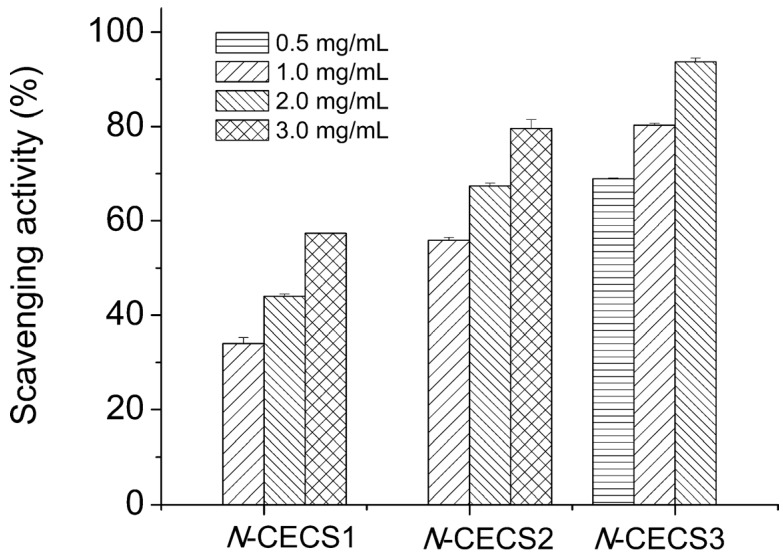
“The data suggested that N-CESC can be utilized to produce chitosan derivatives with good biochemical characteristics in vitro [75].”
BackgroundMethodChemico-physical investigation of tenofovir loaded polymeric nanoparticles
Belletti, D., Tosi, G., Forni, F., Gamberini, M. C., Baraldi, C., Vandelli, M. A., & Ruozi, B. (2012) · International Journal of Pharmaceutics · doi:10.1016/j.ijpharm.2012.07.070 · Cited by 32 · cited 1×
“Tenofovir, an acyclic nucleoside phosphonate analog employed for anti-HIV therapy embedded into a type of nanocarriers based on poly-(D,L-lactide-co-glycolide) and/or chitosan, is a good anti-HIV drug carrier for investigating cellular uptake and drug delivery in target cells like macrophages [62].”
BackgroundChitosan Oligosaccharides Attenuate Atherosclerosis and Decrease Non-HDL in ApoE-/- Mice
Yu, Y., Luo, T., Liu, S., Song, G., Han, J.-J., Wang, Y., Yao, S., Feng, L., & Qin, S. (2015) · Journal of Atherosclerosis and Thrombosis · doi:10.5551/jat.22939 · Cited by 32 · cited 1×
“There was no effect on the plasma lipid level in LDL-R mice with a deficiency of low density lipoprotein receptors and cholesterol absorption in wild-type mice [148].”
BackgroundHe, B., Tao, H.-Y., & Liu, S. (2014) · European Journal of Pharmacology · doi:10.1016/j.ejphar.2014.07.008 · Cited by 30 · cited 1×
“[69] reported that carboxymethylated chitosan protected the peripheral nerves and inhibited the apoptosis of cultured Schwann cells.”
BackgroundLi, Q., Zhou, G., Yu, X., Wang, T., Xi, Y., & Tang, Z. (2015) · BioMedical Engineering OnLine · doi:10.1186/s12938-015-0028-2 · Cited by 28 · cited 1×
“The microsphere scaffold system may find applications in tissue engineering [82].”
BackgroundSimonaitiene, D., Brink, I., Šipailienė, A., & Leskauskaitė, D. (2014) · Journal of the Science of Food and Agriculture · doi:10.1002/jsfa.6846 · Cited by 27 · cited 1×
“Chitosan and whey proteins-chitosan films with quince and cranberry juice added are potentially useful for increasing the shelf life of apples [54].”
BackgroundAnraku, M., Hiraga, A., Iohara, D., Pipkin, J. D., Uekama, K., & Hirayama, F. (2015) · International Journal of Pharmaceutics · doi:10.1016/j.ijpharm.2015.04.022 · Cited by 25
Khan, A. B., & Thakur, R. S. (2013) · Current Drug Delivery · doi:10.2174/156720181000131028120709 · Cited by 24 · cited 1×
“of tenofovir disoproxil fumarate have been formulated using chitosan as the matrix-forming mucoadhesive polymer [60].”
MethodAl-Kurdi, Z. I., Chowdhry, B. Z., Leharne, S. A., Omari, M. A., & Badwan, A. A. (2015) · Marine Drugs · doi:10.3390/md13041765 · Cited by 23 · cited 1×
“insulin-low-molecular-weight chitosan polyelectrolyte complex in a reverse micelle system, given to hyperglycemic rats, constituted an oral bioactive insulin delivery system [103].”
BackgroundJebahi, S., Saoudi, M., Farhat, L. C.-B., Oudadesse, H., Rebai, T., Kabir, A., Feki, A. E., & Keskes, H. (2015) · Cell Biochemistry and Function · doi:10.1002/cbf.3098 · Cited by 23 · cited 1×
“Curcumin-encapsulated bioglass-chitosan, which is promising for wound healing applications, displayed higher 1,1-diphenyl-2-picrylhydrazyl and superoxide free radical quenching activities compared with unmodified curcumin, antibacterial activity against Staphylococcus aureus, and reduction in tumor necrosis factor- â…”
BackgroundSayed, S., & Jardine, A. M. (2015) · International Journal of Molecular Sciences · doi:10.3390/ijms16059064 · Cited by 23 · cited 1×
“Quaternary tetraalkylammonium chitosan derivatives can be utilized in the form of an inexpensive perchlorate-specific solid-phase extraction anion exchange cartridge in conjunction with colorimetric analysis for perchlorate removal or analysis [130].”
MethodPereira, P., Pedrosa, S. S., Wymant, J. M., Sayers, E. J., Correia, A., Vilanova, M., Jones, A. T., & Gama, M. (2015) · Molecular Pharmaceutics · doi:10.1021/mp500785t · Cited by 22 · cited 1×
“Glycol chitosan nanogels may be useful as drug delivery vectors for targeting different intracellular compartments [101].”
BackgroundLamivudine-PEGylated Chitosan: A Novel Effective Nanosized Antiretroviral Agent
Aghasadeghi, M. R., Heidari, H., Sadat, S. M., Irani, S., Amini, S., Siadat, S. D., Fazlhashemy, M., Zabihollahi, R., Atyabi, S. M., Momen, S. B., et al. (2013) · Current HIV Research · doi:10.2174/1570162x113119990043 · Cited by 21 · cited 1×
“Lamivudine-PEGylated chitosan drug, with a low cytotoxicity and a high potency, suppresses replication of HIV more powerfully than lamivudine [59].”
BackgroundJayasree, R. S., Rathinam, K., & Sharma, C. P. (1995) · Journal of Biomaterials Applications · doi:10.1177/088532829501000205 · Cited by 18 · cited 1×
“They provide a three-dimensional tissue growth matrix, activate macrophage activity and stimulate cell proliferation [109].”
BackgroundYang, L., WANG, Q., Peng, L., Hong, Y., & Zhang, Z. (2015) · Molecular Medicine Reports · doi:10.3892/mmr.2015.3653 · Cited by 17
Antioxidant Activity of Graft Chitosan Derivatives
Sun, T., Xie, W., & Xu, P. (2003) · Macromolecular Bioscience · doi:10.1002/mabi.200390041 · Cited by 16 · cited 1×
“Graft chitosan derivatives with low grafting percentages, produced by graft copolymerization of methacrylic acid sodium and acrylic acid sodium onto the etherification product of chitosan-carboxymethyl chitosan, exhibit a relatively low 50% inhibition concentration (IC50) for their radical scavenging activity, which c…”
BackgroundKiechel, M. A., Beringer, L. T., Donius, A. E., Komiya, Y., Habas, R., Wegst, U. G. K., & Schauer, C. L. (2015) · Journal of Biomedical Materials Research Part A · doi:10.1002/jbm.a.35451 · Cited by 14
Chitosan tubes can restore the function of resected phrenic nerves
Tanaka, N., Matsumoto, I., Suzuki, M., Kaneko, M., Nitta, K., Seguchi, R., Ooi, A., & Takemura, H. (2015) · Interactive Cardiovascular and Thoracic Surgery · doi:10.1093/icvts/ivv091 · Cited by 13 · cited 1×
“Implantation of chitosan nanofiber tube could partially restore the function of a damaged phrenic nerve in beagle dogs as seen in improvement of diaphragm movement, slow phrenic nerve conduction, connection of the damaged nerve by newly regenerating nerve fibers surrounded by granulation tissue within the chitosan nan…”
BackgroundKimura, Y., Takahashi, A., Kashiwada, A., & Yamada, K. (2015) · Environmental Technology · doi:10.1080/09593330.2015.1026285 · Cited by 7 · cited 1×
“The removal time could be reduced by using more chitosan beads or chitosan powders of a smaller size [135].”
Background
Cited by
Antimicrobial Actions and Applications of Chitosan
Ke, C.-L., Deng, F.-S., Chuang, C.-Y., & Lin, C.-H. (2021) · Polymers · doi:10.3390/polym13060904 · Cited by 949
“Furthermore, chitosan with a high DDA has been shown to exhibit a more positive charge than chitosan with a low DDA in the same acidic environment [68,90,103,107,121,122,170,171].”
BackgroundInfluentialYusuf, A., Almotairy, A. R. Z., Henidi, H., Alshehri, O. Y., & Aldughaim, M. S. (2023) · Polymers · doi:10.3390/polym15071596 · Cited by 914
Scaffold Fabrication Technologies and Structure/Function Properties in Bone Tissue Engineering
Collins, M. N., Ren, G., Young, K., Pina, S., Reis, R. L., & Oliveira, J. M. (2021) · Advanced Functional Materials · doi:10.1002/adfm.202010609 · Cited by 867
Recent developments in antibacterial and antifungal chitosan and its derivatives
Verlee, A., Mincke, S., & Stevens, C. V. (2017) · Carbohydrate Polymers · doi:10.1016/j.carbpol.2017.02.001 · Cited by 843
Chitosan as a Wound Dressing Starting Material: Antimicrobial Properties and Mode of Action
Matica, M. A., Aachmann, F. L., Tøndervik, A., Sletta, H., & Ostafe, V. (2019) · International Journal of Molecular Sciences · doi:10.3390/ijms20235889 · Cited by 818
“Moreover, chitosan may form a dense film on the cell surface, which may interfere with fungal growth and activate several defense mechanisms such as chitinase accumulation, callus synthesis, and proteinase inhibitor synthesis and lignification [43].”
Background
Metadata
- Authors
- Cheung, R., Ng, T., Wong, J., & Chan, W.
- Affiliations
- Chinese University of Hong Kong (HK)
- Corresponding author
- Cheung, Randy
- Ng, Tzi
- Venue
- Marine Drugs
- Publisher
- MDPI AG
- Published
- 2015-08-14
- Volume
- 13
- Issue
- 8
- Pages
- 5156-5186
- ISSN
- 1660-3397 (ISSN-L)
- PMC
- PMC4557018
- OpenAlex
- W1877301297
- Cited by
- 1,297
- References
- 155
- Citations by year
- 2026: 77 · 2025: 109 · 2024: 139 · 2023: 156 · 2022: 159 · 2021: 173 · 2020: 147 · 2019: 143 · 2018: 106 · 2017: 49 · 2016: 35 · 2015: 2
- FWCI
- 3.87
- Type
- journal article
- Language
- en
- Open access
- gold
- dx.doi.org
- Licence
- Locations
- Marine Drugs (publishedVersion, cc-by)
- PubMed Central (publishedVersion, cc-by)
- PubMed (publishedVersion)
- DOAJ (DOAJ: Directory of Open Access Journals) (submittedVersion, cc-by-sa)
- Funders
- Health and Medical Research Fund (12131221, 12110672, 12110672 and 12131221)
- Topics
- Physical Sciences › Materials Science › Biomaterials › Nanocomposite Films for Food Packaging
- Life Sciences › Pharmacology, Toxicology and Pharmaceutics › Pharmaceutical Science › Advanced Drug Delivery Systems
- Physical Sciences › Materials Science › Biomaterials › Hydrogels: synthesis, properties, applications
- Keywords
- chitosan, chitin, polysaccharides, chitosan solubility, chemical modification, hydrogels, composite materials, biomaterials, biocompatibility, biodegradability, pharmaceutical applications, biomedical applications
- MeSH terms
- Animals, Biocompatible Materials, Humans, Solubility, Drug Delivery Systems, Hydrogels, Chitosan
About these checks
Registry, retraction, Cites and statistics results are computed, not judged, with one exception: a printed reference that no index lists is read once by a model before it counts as a citation error. Claims are extracted by a model and kept only when their quote appears verbatim in the text; each cited source is then checked, with a model’s help, for whether it says what the claim relies on. Those verdicts can be wrong — read the claim’s quote and the cited source before relying on one.
Statistics and arithmetic are recomputed, not judged.
Confidence bands are shown only for fields calibrated on our annotated test set. None is calibrated yet, so no band is shown.
What counts as a claim ›How we measure confidence ›How we check this ›
Are you an author, or do you see a problem with this page? Request a review
Data sources
Bibliographic data: Semantic Scholar, OpenAlex, Crossref.
Contains information from the Semantic Scholar Academic Graph Datasets, made available under the ODC Attribution License (ODC-BY 1.0).
Semantic Scholar’s data is described in: Kinney, R., et al. (2023). The Semantic Scholar Open Data Platform. arXiv:2301.10140.
