

Chitosan: an update on potential biomedical and pharmaceutical applications.
Open accessThe DOI matches its Crossref record; 153 of the 155 references it cites were found in a registry or an index.
Abstract
Chitosan is a natural polycationic linear polysaccharide derived from chitin. The low solubility of chitosan in neutral and alkaline solution limits its application. Nevertheless, chemical modification into composites or hydrogels brings to it new functional properties for different applications. Chitosans are recognized as versatile biomaterials because of their non-toxicity, low allergenicity, biocompatibility and biodegradability. This review presents the recent research, trends and prospects in chitosan. Some special pharmaceutical and biomedical applications are also highlighted.
Overview
The claims and statistics of this paper haven’t been checked yet.
Free: it reads the open-access text and checks the first 5 claims that cite a source we can check. Create a free account to check every claim.
Integrity signals
Registry
Cites
Statistics
Figures
Verification
Claims the paper makes
The claims and statistics of this paper haven’t been checked yet.
Free: it reads the open-access text and checks the first 5 claims that cite a source we can check. Create a free account to check every claim.
Claims other papers make about this one
Each is checked against this paper’s own text: does it say what the citing paper says it does?
The source backs part of the claim, not all of it — or backs it for a different population, condition or comparison.
In the citing paper
“Many studies have shown that the antimicrobial effect of chitosan targets the cell surface, which suggests that chitosan is a good alternative approach for antifungal therapy (Kong et al., 2010; Pena et al., 2013; Cheung et al., 2015; Hosseinnejad and Jafari, 2016).”
From A Potential Antifungal Effect of Chitosan Against Candida albicans Is Mediated via the Inhibition of SAGA Complex Component Expression and the Subsequent Alteration of Cell Surface Integrity (2019) · cites this paper as Cheung et al., 2015
Experimental — accuracy not yet measured
Self-check
Percentages, sums and reported differences re-computed from the paper’s own numbers.
The self-check needs the paper’s full text.
Citations
Cites
1 retracted
RETRACTED: Chitin, Chitosan, and Its Derivatives for Wound Healing: Old and New Materials
Azuma, K., Izumi, R., Osaki, T., Ifuku, S., Morimoto, M., Saimoto, H., Minami, S., & Okamoto, Y. (2015) · Journal of Functional Biomaterials · doi:10.3390/jfb6010104 · Cited by 340 · cited 1×
“Nanofibrous and adhesive-based chitosan have been developed as wound dressing materials recently [112].”
BackgroundRetractedAntimicrobial properties of chitosan and mode of action: a state of the art review
Kong, M., Chen, X. G., Xing, K., & Park, H. J. (2010) · International Journal of Food Microbiology · doi:10.1016/j.ijfoodmicro.2010.09.012 · Cited by 3,037 · cited 6×
“The studies mentioned in this section demonstrated a close relationship between the antibacterial activity and the hydrophilicity of the cell wall, thus the action is specific and showed lower toxicity toward mammalian cells [38].”
BackgroundInfluentialChitosan Chemistry and Pharmaceutical Perspectives
Kumar, M. N. V. R., Muzzarelli, R. A. A., Muzzarelli, C., Sashiwa, H., & Domb, A. J. (2004) · Chemical Reviews · doi:10.1021/cr030441b · Cited by 2,938 · cited 1×
“The interesting characteristics of chitosan such as biocompatibility, non-toxicity, low allergenicity and biodegradability allow it to be used in various applications [3].”
BackgroundChitin and Chitosan Preparation from Marine Sources. Structure, Properties and Applications
Younes, I., & Rinaudo, M. (2015) · Marine Drugs · doi:10.3390/md13031133 · Cited by 2,562 · cited 2×
“It was proposed that the mechanism is due to the reaction of unstable free radicals with amino and hydroxyl groups on the pyranose ring, which form the stable radicals [12].”
BackgroundChitosan-based hydrogels for controlled, localized drug delivery
Bhattarai, N., Gunn, J., & Zhang, M. (2010) · Advanced Drug Delivery Reviews · doi:10.1016/j.addr.2009.07.019 · Cited by 2,451 · cited 1×
“Thus, it is a superabsorbent of water, but is water-insoluble because of the chemical or physical bonds formed between the polymer chains [21].”
BackgroundNovel hydrophilic chitosan-polyethylene oxide nanoparticles as protein carriers
Calvo, P., Remu��n-L�pez, C., Vila-Jato, J. L., & Alonso, M. J. (1997) · Journal of Applied Polymer Science · doi:10.1002/(sici)1097-4628(19970103)63:1<125::aid-app13>3.0.co;2-4 · Cited by 1,856 · cited 1×
“Then a nanoparticle suspension is formed upon addition of the other component under vigorous agitation [98].”
BackgroundChitosan and its derivatives for tissue engineering applications
Kim, I.-Y., Seo, S.-J., Moon, H.-S., Yoo, M.-K., Park, I.-Y., Kim, B.-C., & Cho, C.-S. (2008) · Biotechnology Advances · doi:10.1016/j.biotechadv.2007.07.009 · Cited by 1,433 · cited 1×
“It provides certain mechanical and structural properties for proper functioning for the repaired tissues [78].”
BackgroundFunctional Characterization of Chitin and Chitosan
Aranaz, I., Mengibar, M., Harris, R., Panos, I., Miralles, B., Acosta, N., Galed, G., & Heras, A. (2009) · Current Chemical Biology · doi:10.2174/187231309788166415 · Cited by 1,214 · cited 1×
“The degree of deacetylation, which is described by the molar fraction of deacetylated units or percentage of deacetylation, and the molecular weight of chitosan, were found to affect these properties [7].”
BackgroundVakili, M., Rafatullah, M., Salamatinia, B., Abdullah, A. Z., Ibrahim, M. H., Tan, K. B., Gholami, Z., & Amouzgar, P. (2014) · Carbohydrate Polymers · doi:10.1016/j.carbpol.2014.07.007 · Cited by 1,099 · cited 2×
“The original properties of chitosan have been altered and are more suitable for the adsorption of different dyes [125].”
BackgroundStudy on antimicrobial activity of chitosan with different molecular weights
Zheng, L.-Y., & Zhu, J.-F. (2003) · Carbohydrate Polymers · doi:10.1016/j.carbpol.2003.07.009 · Cited by 1,030 · cited 1×
“It forms an impermeable layer around the cell, changes cell permeability and blocks transport into the cell [34].”
Background
Cited by
Antimicrobial Actions and Applications of Chitosan
Ke, C.-L., Deng, F.-S., Chuang, C.-Y., & Lin, C.-H. (2021) · Polymers · doi:10.3390/polym13060904 · Cited by 949
“Furthermore, chitosan with a high DDA has been shown to exhibit a more positive charge than chitosan with a low DDA in the same acidic environment [68,90,103,107,121,122,170,171].”
BackgroundInfluentialYusuf, A., Almotairy, A. R. Z., Henidi, H., Alshehri, O. Y., & Aldughaim, M. S. (2023) · Polymers · doi:10.3390/polym15071596 · Cited by 914
Scaffold Fabrication Technologies and Structure/Function Properties in Bone Tissue Engineering
Collins, M. N., Ren, G., Young, K., Pina, S., Reis, R. L., & Oliveira, J. M. (2021) · Advanced Functional Materials · doi:10.1002/adfm.202010609 · Cited by 867
Recent developments in antibacterial and antifungal chitosan and its derivatives
Verlee, A., Mincke, S., & Stevens, C. V. (2017) · Carbohydrate Polymers · doi:10.1016/j.carbpol.2017.02.001 · Cited by 843
Chitosan as a Wound Dressing Starting Material: Antimicrobial Properties and Mode of Action
Matica, M. A., Aachmann, F. L., Tøndervik, A., Sletta, H., & Ostafe, V. (2019) · International Journal of Molecular Sciences · doi:10.3390/ijms20235889 · Cited by 818
“Moreover, chitosan may form a dense film on the cell surface, which may interfere with fungal growth and activate several defense mechanisms such as chitinase accumulation, callus synthesis, and proteinase inhibitor synthesis and lignification [43].”
BackgroundChitin and Chitosan: Production and Application of Versatile Biomedical Nanomaterials.
Komi, D. E. A., & Hamblin, M. R. (2016) · PubMed · Cited by 1,190
Chitosan: A Potential Biopolymer in Drug Delivery and Biomedical Applications
Desai, N., Rana, D., Salave, S., Gupta, R., Patel, P., Karunakaran, B., Sharma, A., Giri, J., Benival, D., & Kommineni, N. (2023) · Pharmaceutics · doi:10.3390/pharmaceutics15041313 · Cited by 628
Antimicrobial Properties of Chitosan and Chitosan Derivatives in the Treatment of Enteric Infections
Yan, D., Li, Y., Liu, Y., Li, N., Zhang, X., & Yan, C. (2021) · Molecules · doi:10.3390/molecules26237136 · Cited by 608
Ardean, C., Davidescu, C. M., Nemeş, N. S., Negrea, A., Ciopec, M., Duteanu, N., Negrea, P., Duda-Seiman, D., & Musta, V. (2021) · International Journal of Molecular Sciences · doi:10.3390/ijms22147449 · Cited by 606
Pectin and Pectin-Based Composite Materials: Beyond Food Texture
Lara-Espinoza, C., Carvajal-Millán, E., Balandrán-Quintana, R., López-Franco, Y., & Rascón-Chu, A. (2018) · Molecules · doi:10.3390/molecules23040942 · Cited by 585
Nanoparticles: Alternatives Against Drug-Resistant Pathogenic Microbes
Rudramurthy, G., Swamy, M., Sinniah, U., & Ghasemzadeh, A. (2016) · Molecules · doi:10.3390/molecules21070836 · Cited by 556
“The characteristic features of chitosan (biocompatibility, non-toxicity, low-immunogenicity, antibacterial activity, and its ability to enhance absorption) increase its applicability in various fields [186,195].”
BackgroundNondigestible carbohydrates, butyrate, and butyrate-producing bacteria
Fu, X., Liu, Z., Zhu, C., Mou, H., & Kong, Q. (2019) · Critical Reviews in Food Science and Nutrition · doi:10.1080/10408398.2018.1542587 · Cited by 497
“In contrast, chitosan is the product of partial or full deacetylation of chitin, and is the unique alkaline polysaccharide in the nature (Cheung et al. 2015).”
BackgroundChitosan: Sources, Processing and Modification Techniques
Pellis, A., Guebitz, G. M., & Nyanhongo, G. S. (2022) · Gels · doi:10.3390/gels8070393 · Cited by 469
Polymeric hydrogel systems as emerging biomaterial platforms to enable hemostasis and wound healing
Pourshahrestani, S., Zeimaran, E., Kadri, N. A., Mutlu, N., & Boccaccini, A. R. (2020) · Advanced Healthcare Materials · doi:10.1002/adhm.202000905 · Cited by 448
Light-Triggered Drug Release from 3D-Printed Magnetic Chitosan Microswimmers
Bozuyuk, U., Yasa, O., Yasa, I. C., Ceylan, H., Kizilel, S., & Sitti, M. (2018) · ACS Nano · doi:10.1021/acsnano.8b05997 · Cited by 422
Afewerki, S., Sheikhi, A., Kannan, S., Ahadian, S., & Khademhosseini, A. (2019) · Bioengineering & Translational Medicine · doi:10.1002/btm2.10124 · Cited by 409
“of chitosan provides antibacterial properties and leverages electrostatic complex formation with negatively-charged polymers.(146) Nevertheless, the low solubility of chitosan in neutral or alkaline solutions is”
Background“The Good, the Bad and the Ugly” of Chitosans
Bellich, B., D’Agostino, I., Semeraro, S., Gamini, A., & Cesàro, A. (2016) · Marine Drugs · doi:10.3390/md14050099 · Cited by 375
Functionalizing PLGA and PLGA Derivatives for Drug Delivery and Tissue Regeneration Applications
Martins, C., Sousa, F., Araújo, F., & Sarmento, B. (2018) · Advanced Healthcare Materials · doi:10.1002/adhm.201701035 · Cited by 362
Synthesis, Bioapplications, and Toxicity Evaluation of Chitosan-Based Nanoparticles
Rizeq, B. R., Younes, N. N., Rasool, K., & Nasrallah, G. K. (2019) · International Journal of Molecular Sciences · doi:10.3390/ijms20225776 · Cited by 358
“A summary of Ch and its derivatives with their most important anticancer activities [78].”
BackgroundInfluentialAvcu, E., Baştan, F. E., Abdullah, H. Z., Rehman, M. A. U., Avcu, Y. Y., & Boccaccini, A. R. (2019) · Progress in Materials Science · doi:10.1016/j.pmatsci.2019.01.001 · Cited by 358
Molecular architecture of fungal cell walls revealed by solid-state NMR
Kang, X., Kirui, A., Muszyński, A., Widanage, M. C. D., Chen, A., Azadi, P., Wang, P., Mentink-Vigier, F., & Wang, T. (2018) · Nature Communications · doi:10.1038/s41467-018-05199-0 · Cited by 356
An Overview of the Algae-Mediated Biosynthesis of Nanoparticles and Their Biomedical Applications
Chaudhary, R., Nawaz, K., Khan, A. K., Hano, C., Abbasi, B. H., & Anjum, S. (2020) · Biomolecules · doi:10.3390/biom10111498 · Cited by 347
Nanotechnology-based antiviral therapeutics
Chakravarty, M., & Vora, A. (2021) · Drug Delivery and Translational Research · doi:10.1007/s13346-020-00818-0 · Cited by 334
Gold Nanoparticles as Radiosensitizers in Cancer Radiotherapy
Chen, Y., Yang, J., Fu, S., & Wu, J. (2020) · International Journal of Nanomedicine · doi:10.2147/ijn.s272902 · Cited by 319
Drug delivery applications of chitin and chitosan: a review
Parhi, R. (2020) · Environmental Chemistry Letters · doi:10.1007/s10311-020-00963-5 · Cited by 307
Kim, S. (2018) · International Journal of Polymer Science · doi:10.1155/2018/1708172 · Cited by 298
“3) and makes it ready to interact with negatively charged molecules such as proteins, therapeutic DNA or RNA, fatty acids, bile acids, phospholipids, and anionic polyelectrolytes [35, 37, 38].”
Sharifi-Rad, J., Quispe, C., Butnariu, M., Rotariu, L. S., Sytar, O., Sestito, S., Rapposelli, S., Akram, M., Iqbal, M., Krishna, A., et al. (2021) · Cancer Cell International · doi:10.1186/s12935-021-02025-4 · Cited by 290
Recent advancements in applications of chitosan-based biomaterials for skin tissue engineering
Madni, A., Kousar, R., Naeem, N., & Wahid, F. (2021) · Journal of Bioresources and Bioproducts · doi:10.1016/j.jobab.2021.01.002 · Cited by 283
Pita-López, M. L., Fletes-Vargas, G., Espinosa-Andrews, H., & Rodríguez-Rodríguez, R. (2021) · European Polymer Journal · doi:10.1016/j.eurpolymj.2020.110176 · Cited by 256
Multiple Roles of Chitosan in Mucosal Drug Delivery: An Updated Review
Mura, P., Maestrelli, F., Cirri, M., & Mennini, N. (2022) · Marine Drugs · doi:10.3390/md20050335 · Cited by 250
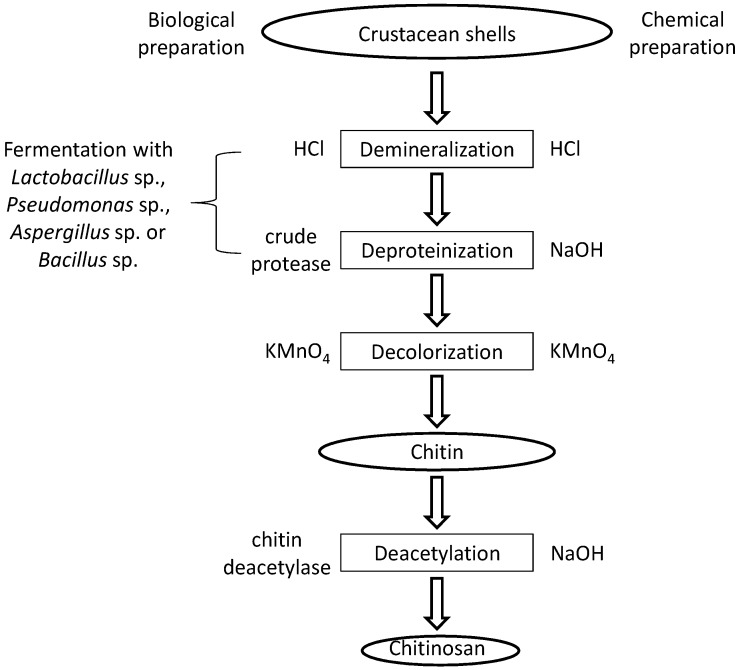
“…cleansing and purification processes are necessary before it can be used for biomedical or pharmaceutical purposes, for eliminating possible impurities of a various nature (proteins, pigments, pyrogenic agents, metals and other inorganics, etc.) that could compromise its safe application [19,21].”
InfluentialShang, Q., Jiang, H., Cai, C., Hao, J., Li, G., & Yu, G. (2018) · Carbohydrate Polymers · doi:10.1016/j.carbpol.2017.09.059 · Cited by 251
Gassiep, I., Armstrong, M., & Norton, R. (2020) · Clinical Microbiology Reviews · doi:10.1128/cmr.00006-19 · Cited by 246
“Chitosan, the polysaccharide derived from chitin, has wide-ranging antimicrobial activity (566).”
BackgroundA review on source-specific chemistry, functionality, and applications of chitin and chitosan
Joseph, S. M., Krishnamoorthy, S., Paranthaman, R., Moses, J. A., & Anandharamakrishnan, C. (2021) · Carbohydrate Polymer Technologies and Applications · doi:10.1016/j.carpta.2021.100036 · Cited by 242
Chitosan and their derivatives: Antibiofilm drugs against pathogenic bacteria
Khan, F., Pham, D. T. N., Oloketuyi, S. F., Manivasagan, P., Oh, J., & Kim, Y.-M. (2020) · Colloids and Surfaces B: Biointerfaces · doi:10.1016/j.colsurfb.2019.110627 · Cited by 246
Chitin and its derivatives: Structural properties and biomedical applications
Ahmad, S. I., Ahmad, R., Khan, M. S., Kant, R., Shahid, S., Gautam, L., Hasan, G. M., & Hassan, M. I. (2020) · International Journal of Biological Macromolecules · doi:10.1016/j.ijbiomac.2020.07.098 · Cited by 236
Bharathi, D., Ranjithkumar, R., Chandarshekar, B., & Bhuvaneshwari, V. (2019) · International Journal of Biological Macromolecules · doi:10.1016/j.ijbiomac.2019.02.061 · Cited by 233
Schubert, J., & Chanana, M. (2018) · Current Medicinal Chemistry · doi:10.2174/0929867325666180601101859 · Cited by 232
“charged polysaccharides such as chitosan, hyaluronic acid, alginate or charged derivatives of dextran have been successfully employed [264, 323, 347, 373-375].”
MethodControlled Drug Release from Nanoengineered Polysaccharides
Bayer, I. S. (2023) · Pharmaceutics · doi:10.3390/pharmaceutics15051364 · Cited by 227
OH, J.-W., Chun, S. C., & Chandrasekaran, M. (2019) · Agronomy · doi:10.3390/agronomy9010021 · Cited by 229
“Cationic properties of CS rather than CNPs induce positively charged quaternary groups to hydroxyl or amino groups that are primarily responsible for antibacterial activities [34].”
BackgroundChitosan in Biomedical Engineering: A Critical Review
Mohebbi, S., Nezhad, M. N., Zarrintaj, P., Jafari, S. H., Gholizadeh, S. S., Saeb, M. R., & Mozafari, M. (2019) · Current Stem Cell Research & Therapy · doi:10.2174/1574888x13666180912142028 · Cited by 225
Liu, D., Shu, G., Jin, F., Qi, J., Xu, X., Du, Y., Yu, H., Wang, J., Sun, M., You, Y., et al. (2020) · Science Advances · doi:10.1126/sciadv.abb7422 · Cited by 212
Shamloo, A., Aghababaie, Z., Afjoul, H., Jami, M., Bidgoli, M. R., Vossoughi, M., Ramazani, A., & Kamyabhesari, K. (2021) · International Journal of Pharmaceutics · doi:10.1016/j.ijpharm.2020.120068 · Cited by 197
Advances and challenges in the use of chitosan and its derivatives in biomedical fields: A review
Yadav, M., Kaushik, B., Rao, G. K., Srivastava, C. M., & Vaya, D. (2023) · Carbohydrate Polymer Technologies and Applications · doi:10.1016/j.carpta.2023.100323 · Cited by 195
Andreica, B.-I., Cheng, X., & Marin, L. (2020) · European Polymer Journal · doi:10.1016/j.eurpolymj.2020.110016 · Cited by 191
Raza, Z. A., Khalil, S., Ayub, A., & Banat, I. M. (2020) · Carbohydrate Research · doi:10.1016/j.carres.2020.108004 · Cited by 185
Wen, F., Li, P., Yan, H., & Su, W. (2023) · Carbohydrate Polymers · doi:10.1016/j.carbpol.2023.120784 · Cited by 182
Cellulose‐based hydrogels for personal care products
Bashari, A., Rouhani Shirvan, A., & Shakeri, M. (2018) · Polymers for Advanced Technologies · doi:10.1002/pat.4290 · Cited by 181
Chitosan scaffolds: Expanding horizons in biomedical applications
Gholap, A. D., Rojekar, S., Kapare, H. S., Vishwakarma, N., Raikwar, S., Garkal, A., Mehta, T. A., Jadhav, H., Prajapati, M. K., & Annapure, U. (2024) · Carbohydrate Polymers · doi:10.1016/j.carbpol.2023.121394 · Cited by 174
Conversion of Chitin to Defined Chitosan Oligomers: Current Status and Future Prospects
Schmitz, C., González Auza, L., Koberidze, D., Rasche, S., Fischer, R., & Bortesi, L. (2019) · Marine Drugs · doi:10.3390/md17080452 · Cited by 172
3D bioprinting of skin tissue: From pre-processing to final product evaluation
Yan, W.-C., Davoodi, P., Vijayavenkataraman, S., Tian, Y., Ng, W. C., Fuh, J. Y. H., Robinson, K. S., & Wang, C.-H. (2018) · Advanced Drug Delivery Reviews · doi:10.1016/j.addr.2018.07.016 · Cited by 171
Azevedo, S., Costa, A. M. S., Andersen, A., Choi, I. S., Birkedal, H., & Mano, J. F. (2017) · Advanced Materials · doi:10.1002/adma.201700759 · Cited by 171
Li, X., Dai, B., Guo, J., Zheng, L., Guo, Q., Peng, J., Xu, J., & Qin, L. (2021) · Nano-Micro Letters · doi:10.1007/s40820-021-00670-y · Cited by 164
Concepts for Developing Physical Gels of Chitosan and of Chitosan Derivatives
Sacco, P., Furlani, F., De Marzo, G., Marsich, E., Paoletti, S., & Donati, I. (2018) · Gels · doi:10.3390/gels4030067 · Cited by 168
“Chitosans were also studied in terms of anti-HIV-1, antitumor and antioxidant activities, as documented in a recent review article [20].”
BackgroundPolymer-Coated Magnetite Nanoparticles for Protein Immobilization
Mylkie, K., Nowak, P., Rybczynski, P., & Ziegler-Borowska, M. (2021) · Materials · doi:10.3390/ma14020248 · Cited by 169
“This material is natural polysaccharide containing varying amounts of statistically decomposed structural units of 2-acetamido-2-deoxy-β-D-glucopyranose, (N-acetylglucosamine) and 2-amino-2-deoxy-β-D-glucopyranose (‘-glucosamine) connected via β—(1 →4)—glycosidic bonds [179].”
BackgroundGasti, T., Dixit, S., D'souza, O. J., Hiremani, V. D., Vootla, S. K., Masti, S. P., Chougale, R. B., & Malabadi, R. B. (2021) · International Journal of Biological Macromolecules · doi:10.1016/j.ijbiomac.2021.07.128 · Cited by 166
The Contribution of Silk Fibroin in Biomedical Engineering
Lujerdean, C., Baci, G.-M., Cucu, A.-A., & Dezmirean, D. S. (2022) · Insects · doi:10.3390/insects13030286 · Cited by 162
Lee, Y. J., Ahn, E.-Y., & Park, Y. (2019) · Nanoscale Research Letters · doi:10.1186/s11671-019-2967-1 · Cited by 160
“Chitosan itself possesses antibacterial, antifungal, antitumor, and antioxidant activity [25].”
BackgroundCheng, K.-C., Huang, C.-F., Wei, Y., & Hsu, S.-H. (2019) · NPG Asia Materials · doi:10.1038/s41427-019-0124-z · Cited by 161
Shih, P.-Y., Liao, Y.-T., Tseng, Y.-K., Deng, F.-S., & Lin, C.-H. (2019) · Frontiers in Microbiology · doi:10.3389/fmicb.2019.00602 · Cited by 156
Irimia, T., Ghica, M. V., Popa, L., Anuța, V., Arsene, A., & Dinu‐Pîrvu, C. (2018) · Polymers · doi:10.3390/polym10111221 · Cited by 170
Bi, S., Wang, P., Hu, S., Li, S., Pang, J., Zhou, Z., Sun, G., Huang, L. J., Cheng, X., Xing, S.-C., et al. (2019) · Carbohydrate Polymers · doi:10.1016/j.carbpol.2019.115176 · Cited by 165
Liu, Y., Wang, R., Wang, D., Sun, Z., Liu, F., Zhang, D., & Wang, D. (2022) · Food Hydrocolloids · doi:10.1016/j.foodhyd.2022.107546 · Cited by 165
Chitin Deacetylases: Structures, Specificities, and Biotech Applications
Grifoll-Romero, L., Pascual, S., Aragunde, H., Biarnés, X., & Planas, A. (2018) · Polymers · doi:10.3390/polym10040352 · Cited by 161
Menazea, A. A., Ismail, A. M., Awwad, N. S., & Ibrahium, H. A. (2020) · Journal of Materials Research and Technology · doi:10.1016/j.jmrt.2020.06.077 · Cited by 156
Nanotechnology-Based Antimicrobial and Antiviral Surface Coating Strategies
Erkoc, P., & Ulucan‐Karnak, F. (2021) · Prosthesis · doi:10.3390/prosthesis3010005 · Cited by 170
Chin, J. F., Heng, Z. W., Teoh, H. C., Chong, W. C., & Pang, Y. L. (2021) · Chemosphere · doi:10.1016/j.chemosphere.2021.133035 · Cited by 167
Analysis of clinical trials on biomaterial and therapeutic applications of chitosan: A review
Kantak, M. N., & Bharate, S. S. (2022) · Carbohydrate Polymers · doi:10.1016/j.carbpol.2021.118999 · Cited by 154
Chitosan-Based In Situ Gels for Ocular Delivery of Therapeutics: A State-of-the-Art Review
Irimia, T., Dinu‐Pîrvu, C., Ghica, M. V., Lupuleasa, D., Muntean, D.-L., Udeanu, D. I., & Popa, L. (2018) · Marine Drugs · doi:10.3390/md16100373 · Cited by 175
Polymeric nano- and microparticulate drug delivery systems for treatment of biofilms
Birk, S. E., Boisen, A., & Nielsen, L. H. (2021) · Advanced Drug Delivery Reviews · doi:10.1016/j.addr.2021.04.005 · Cited by 166
Antibiotic Delivery Strategies to Treat Skin Infections When Innate Antimicrobial Defense Fails
Smith, R., Russo, J., Fiegel, J., & Brogden, N. K. (2020) · Antibiotics · doi:10.3390/antibiotics9020056 · Cited by 160
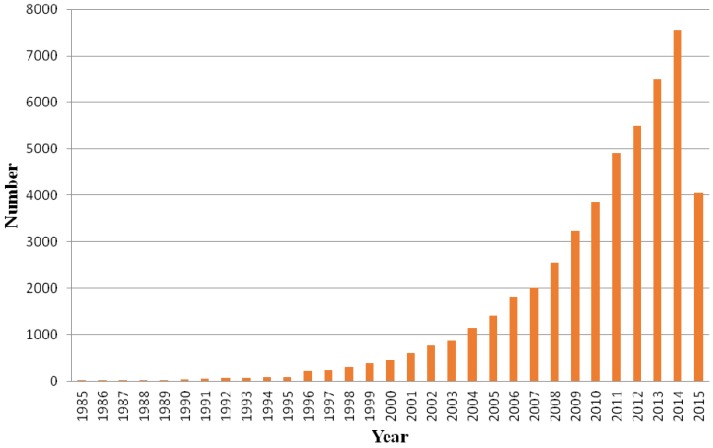
“Because of this activity, there has been a steep incline in publications using chitosan and derivatives of chitosan for antimicrobial applications [193].”
Background3D printed biodegradable composites: An insight into mechanical properties of PLA/chitosan scaffold
Singh, S., Singh, G., Prakash, C., Ramakrishna, S., Lamberti, L., & Pruncu, C. I. (2020) · Polymer Testing · doi:10.1016/j.polymertesting.2020.106722 · Cited by 163
Ashrafi, B., Rashidipour, M., Marzban, A., Soroush, S., Azadpour, M., Delfani, S., & Ramak, P. (2019) · Carbohydrate Polymers · doi:10.1016/j.carbpol.2019.02.018 · Cited by 144
Guan, Z., & Feng, Q. (2022) · International Journal of Molecular Sciences · doi:10.3390/ijms23126761 · Cited by 160
Biodegradable Polymer-Based Drug-Delivery Systems for Ocular Diseases
Tsung, T., Tsai, Y.-C., Lee, H.-P., Chen, Y., & Lu, D. (2023) · International Journal of Molecular Sciences · doi:10.3390/ijms241612976 · Cited by 166
Membranes based on non-synthetic (natural) polymers for wastewater treatment
Mansoori, S., Davarnejad, R., Matsuura, T., & Ismail, A. F. (2020) · Polymer Testing · doi:10.1016/j.polymertesting.2020.106381 · Cited by 152
Eivazzadeh‐Keihan, R., Radinekiyan, F., Aliabadi, H. A. M., Sukhtezari, S., Tahmasebi, B., Maleki, A. R., & Madanchi, H. (2021) · Scientific Reports · doi:10.1038/s41598-020-80133-3 · Cited by 141
RetractedMarine-derived drugs: Recent advances in cancer therapy and immune signaling
Saeed, A. F. U. H., Su, J., & Ouyang, S. (2020) · Biomedicine & Pharmacotherapy · doi:10.1016/j.biopha.2020.111091 · Cited by 150
Understanding the structural diversity of chitins as a versatile biomaterial
Hou, J., Aydemir, B. E., & Dumanlı, A. G. (2021) · Philosophical Transactions of the Royal Society A Mathematical Physical and Engineering Sciences · doi:10.1098/rsta.2020.0331 · Cited by 149
Ragab, A. H., Ahmed, I. A., & Bader, D. M. D. (2019) · Molecules · doi:10.3390/molecules24050847 · Cited by 136
Stimuli-responsive chitosan as an advantageous platform for efficient delivery of bioactive agents
Sabourian, P., Tavakolian, M., Yazdani, H., Frounchi, M., van de Ven, T. G. M., Maysinger, D., & Kakkar, A. K. (2019) · Journal of Controlled Release · doi:10.1016/j.jconrel.2019.11.029 · Cited by 136
Electrochemical sensors based on molecularly imprinted chitosan: A review
Zouaoui, F., Bacha, S. B., Bourouina, M., Jaffrezic-Renault, N. J., Zine, N., & Errachid, A. (2020) · TrAC Trends in Analytical Chemistry · doi:10.1016/j.trac.2020.115982 · Cited by 130
“This polymer has multiple physical and chemical properties that make it 147 a credible candidate for many applications including foods [41], pharmaceutical and biomedical [42], cosmetics, textile and agricultural 148 [43], treatment of water and wastewater [44], etc.”
BackgroundPandey, A., Singh, G., Singh, S., Jha, K., & Prakash, C. (2020) · Journal of the mechanical behavior of biomedical materials/Journal of mechanical behavior of biomedical materials · doi:10.1016/j.jmbbm.2020.103781 · Cited by 132
Chitosan-Based Biomaterial in Wound Healing: A Review
Rajinikanth, S. B., Raj, R. D. S., Keerthika, K., & Vijayaragavan, V. (2024) · Cureus · doi:10.7759/cureus.55193 · Cited by 232
“As a result, chitosan demonstrated a higher contact with gram-negative bacteria, which increased its antibacterial efficacy against them [24].”
Backgroundİlyasoğlu, H., Nadzieja, M., & Guo, Z. (2019) · Food Hydrocolloids · doi:10.1016/j.foodhyd.2019.04.043 · Cited by 121
Gómez‐Mascaraque, L. G., Sánchez, G., & López‐Rubio, A. (2016) · Carbohydrate Polymers · doi:10.1016/j.carbpol.2016.05.012 · Cited by 130
Ali, A., Shahid, M. A., Hossain, M. D., & Islam, M. N. (2019) · International Journal of Biological Macromolecules · doi:10.1016/j.ijbiomac.2019.07.015 · Cited by 133
Antimicrobial Chitosan Conjugates: Current Synthetic Strategies and Potential Applications
Qin, Y., & Li, P. (2020) · International Journal of Molecular Sciences · doi:10.3390/ijms21020499 · Cited by 133
Bahrudin, N. N., Nawi, M. N. M., Jawad, A. H., & Sabar, S. (2020) · Journal of Polymers and the Environment · doi:10.1007/s10924-020-01734-7 · Cited by 120
Gierszewska, M., & Ostrowska‐Czubenko, J. (2016) · Carbohydrate Polymers · doi:10.1016/j.carbpol.2016.07.126 · Cited by 116
Sorasitthiyanukarn, F. N., Muangnoi, C., Rojsitthisak, P., & Rojsitthisak, P. (2022) · Food Hydrocolloids · doi:10.1016/j.foodhyd.2021.107246 · Cited by 115
Ionotropic Gelation of Chitosan Flat Structures and Potential Applications
Sacco, P., Pedroso‐Santana, S., Kumar, Y., Joly, N., Martin, P., & Bocchetta, P. (2021) · Molecules · doi:10.3390/molecules26030660 · Cited by 132
Biomimetic Metallic Nanostructures for Biomedical Applications, Catalysis, and Beyond
Yaraki, M. T., Nasab, S. Z., Zare, I., Dahri, M., Sadeghi, M. M., Koohi, M., & Tan, Y. N. (2022) · Industrial & Engineering Chemistry Research · doi:10.1021/acs.iecr.2c00285 · Cited by 125
Reclamation of Fishery Processing Waste: A Mini-Review
Wang, C.-H., Doan, C. T., Nguyen, V. B., Nguyen, A. D., & Wang, S. (2019) · Molecules · doi:10.3390/molecules24122234 · Cited by 125
3D Bioprinting in Skin Related Research: Recent Achievements and Application Perspectives
Olejnik, A., Semba, J. A., Kulpa, A., Dańczak-Pazdrowska, A., Rybka, J. D., & Gornowicz-Porowska, J. (2022) · ACS Synthetic Biology · doi:10.1021/acssynbio.1c00547 · Cited by 112
Ong, T. H., Chitra, E., Ramamurthy, S., Siddalingam, R. P., Yuen, K. H., Ambu, S. P., & Davamani, F. A. (2017) · PLoS ONE · doi:10.1371/journal.pone.0174888 · Cited by 128
The Microfluidic Technique and the Manufacturing of Polysaccharide Nanoparticles
Chiesa, E., Dorati, R., Pisani, S., Conti, B., Bergamini, G., Modena, T., & Genta, I. (2018) · Pharmaceutics · doi:10.3390/pharmaceutics10040267 · Cited by 118
“Therefore, DD is a parameter of utmost importance when designing chitosan-based nanoparticulate drug delivery systems [59].”
BackgroundMenazea, A. A., Eid, M. M., & Ahmed, M. (2020) · International Journal of Biological Macromolecules · doi:10.1016/j.ijbiomac.2020.01.041 · Cited by 117
Huang, Y.-Z., Ji, Y.-R., Kang, Z.-W., Li, F., Ge, S.-F., Yang, D.-P., Ruan, J., & Fan, X.-Q. (2020) · Chemical Engineering Journal · doi:10.1016/j.cej.2020.125098 · Cited by 112
Chitosan based polymer/bioglass composites for tissue engineering applications
Vukajlovic, D., Parker, J. A., Bretcanu, O., & Novakovic, K. (2018) · Materials Science and Engineering C · doi:10.1016/j.msec.2018.12.026 · Cited by 119
“Chitosan has shown osteoconductive ability, as well as the ability to induce neovascularisation but shows very little osteoinductivity [131,133].”
BackgroundIqbal, H., Khan, B. A., Khan, Z. U., Razzaq, A., Khan, N. U., Menaa, B., & Menaa, F. (2019) · International Journal of Biological Macromolecules · doi:10.1016/j.ijbiomac.2019.09.169 · Cited by 115
Metadata
- Authors
- Cheung, R., Ng, T., Wong, J., & Chan, W.
- Affiliations
- Chinese University of Hong Kong (HK)
- Corresponding author
- Cheung, Randy
- Ng, Tzi
- Venue
- Marine Drugs
- Publisher
- MDPI AG
- Published
- 2015-08-14
- Volume
- 13
- Issue
- 8
- Pages
- 5156-5186
- ISSN
- 1660-3397 (ISSN-L)
- PMC
- PMC4557018
- OpenAlex
- W1877301297
- Cited by
- 1,297
- References
- 155
- Citations by year
- 2026: 77 · 2025: 109 · 2024: 139 · 2023: 156 · 2022: 159 · 2021: 173 · 2020: 147 · 2019: 143 · 2018: 106 · 2017: 49 · 2016: 35 · 2015: 2
- FWCI
- 3.87
- Type
- journal article
- Language
- en
- Open access
- gold
- dx.doi.org
- Licence
- Locations
- Marine Drugs (publishedVersion, cc-by)
- PubMed Central (publishedVersion, cc-by)
- PubMed (publishedVersion)
- DOAJ (DOAJ: Directory of Open Access Journals) (submittedVersion, cc-by-sa)
- Funders
- Health and Medical Research Fund (12131221, 12110672, 12110672 and 12131221)
- Topics
- Physical Sciences › Materials Science › Biomaterials › Nanocomposite Films for Food Packaging
- Life Sciences › Pharmacology, Toxicology and Pharmaceutics › Pharmaceutical Science › Advanced Drug Delivery Systems
- Physical Sciences › Materials Science › Biomaterials › Hydrogels: synthesis, properties, applications
- Keywords
- chitosan, chitin, polysaccharides, chitosan solubility, chemical modification, hydrogels, composite materials, biomaterials, biocompatibility, biodegradability, pharmaceutical applications, biomedical applications
- MeSH terms
- Animals, Biocompatible Materials, Humans, Solubility, Drug Delivery Systems, Hydrogels, Chitosan
About these checks
Registry, retraction, Cites and statistics results are computed, not judged, with one exception: a printed reference that no index lists is read once by a model before it counts as a citation error. Claims are extracted by a model and kept only when their quote appears verbatim in the text; each cited source is then checked, with a model’s help, for whether it says what the claim relies on. Those verdicts can be wrong — read the claim’s quote and the cited source before relying on one.
Statistics and arithmetic are recomputed, not judged.
Confidence bands are shown only for fields calibrated on our annotated test set. None is calibrated yet, so no band is shown.
What counts as a claim ›How we measure confidence ›How we check this ›
Are you an author, or do you see a problem with this page? Request a review
Data sources
Bibliographic data: Semantic Scholar, OpenAlex, Crossref.
Contains information from the Semantic Scholar Academic Graph Datasets, made available under the ODC Attribution License (ODC-BY 1.0).
Semantic Scholar’s data is described in: Kinney, R., et al. (2023). The Semantic Scholar Open Data Platform. arXiv:2301.10140.
