

GLP-1 Receptor Agonists and Kidney Protection
Open accessThe DOI matches its Crossref record; 49 of the 49 references it cites were found in a registry or an index.
Abstract
Type 2 diabetes mellitus (T2DM) is the leading cause of chronic kidney disease (CKD). Diabetic nephropathy (DN) is determined by specific pathological structural and functional alterations of the kidneys in patients with diabetes, and its clinical manifestations are albuminuria and decline of glomerular filtration rate (GFR). Apart from renin–angiotensin–aldosterone system (RAAS) inhibitors, no other drugs are currently available as therapy for diabetic kidney disease (DKD). Glucagon-like peptide-1 receptor (GLP-1R) agonists are a new class of anti-hyperglycemic drugs which have been demonstrated to prevent the onset of macroalbuminuria and reduce the decline of GFR in diabetic patients. These drugs may exert their beneficial actions on the kidneys through blood glucose- and blood pressure (BP)-lowering effects, reduction of insulin levels and weight loss. Clinical benefits of GLP-1R agonists were acknowledged due to data from large randomized phase III clinical trials conducted to assess their cardiovascular(CV) safety. These drugs improved renal biomarkers in placebo-controlled clinical studies, with effects supposed to be independent of the actions on glycemic control. In this review, we will focus on the actions of GLP-1R agonists on glucose metabolism and kidney physiology, and evaluate direct and indirect mechanisms through which these drugs may confer renal protection.
Overview
The claims and statistics of this paper haven’t been checked yet.
Free: it reads the open-access text and checks the first 5 claims that cite a source we can check. Create a free account to check every claim.
Integrity signals
Registry
Cites
Statistics
Figures
Verification
Claims the paper makes
The claims and statistics of this paper haven’t been checked yet.
Free: it reads the open-access text and checks the first 5 claims that cite a source we can check. Create a free account to check every claim.
Claims other papers make about this one
Each is checked against this paper’s own text: does it say what the citing paper says it does?
The cited source says what the claim attributes to it.
In the citing paper
“GLP1-RA may exert favorable effects on the kidneys through direct or indirect effects (Fig. 1/Central Illustration) [31], [32], [33], [34].”
From Glucagon-like peptide-1 receptor agonists in diabetic kidney disease: a review of their kidney and heart protection (2023) · cites this paper as [31]
In the citing paper
“Direct effects include increasing natriuresis and diuresis, decreasing oxidative stress and inflammation, and possible glomerular hemodynamic effects.”
From Glucagon-like peptide-1 receptor agonists in diabetic kidney disease: a review of their kidney and heart protection (2023) · cites this paper as [31]
In the citing paper
“GLP1-RA also lower blood pressure; the mechanisms underlying this effect are still under investigation[36] but may be partially attributed to the increase in natriuresis [31].”
From Glucagon-like peptide-1 receptor agonists in diabetic kidney disease: a review of their kidney and heart protection (2023) · cites this paper as [31]
In the citing paper
“In addition, GLP1-RA stimulate pathways responsible for reducing reactive oxygen species in the kidneys [31].”
From Glucagon-like peptide-1 receptor agonists in diabetic kidney disease: a review of their kidney and heart protection (2023) · cites this paper as [31]
In the citing paper
“Specifically, GLP1-RA inhibit the sodium-hydrogen exchanger 3 in proximal tubular cells to ultimately increase natriuresis and diuresis [31].”
From Glucagon-like peptide-1 receptor agonists in diabetic kidney disease: a review of their kidney and heart protection (2023) · cites this paper as [31]
Self-check
Percentages, sums and reported differences re-computed from the paper’s own numbers.
The self-check needs the paper’s full text.
Citations
Cites
Liraglutide and Cardiovascular Outcomes in Type 2 Diabetes
Marso, S. P., Daniels, G. H., Brown-Frandsen, K., Kristensen, P., Mann, J. F. E., Nauck, M. A., Nissen, S. E., Pocock, S., Poulter, N. R., Ravn, L. S., et al. (2016) · New England Journal of Medicine · doi:10.1056/nejmoa1603827 · Cited by 7,629
Semaglutide and Cardiovascular Outcomes in Patients with Type 2 Diabetes
Marso, S. P., Bain, S. C., Consoli, A., Eliaschewitz, F. G., Jódar, E., Leiter, L. A., Lingvay, I., Rosenstock, J., Seufert, J., Warren, M. L., et al. (2016) · New England Journal of Medicine · doi:10.1056/nejmoa1607141 · Cited by 6,900
Biology of Incretins: GLP-1 and GIP
Baggio, L. L., & Drucker, D. J. (2007) · Gastroenterology · doi:10.1053/j.gastro.2007.03.054 · Cited by 3,639 · cited 2×
“Moreover, incretins improve glucose sensitivity in pancreatic β-cells, stimulate β-cell proliferation, and reduce their apoptosis [11].”
BackgroundLixisenatide in Patients with Type 2 Diabetes and Acute Coronary Syndrome
Pfeffer, M. A., Claggett, B., Diaz, R., Dickstein, K., Gerstein, H. C., Køber, L. V., Lawson, F. C., Ping, L., Wei, X., Lewis, E. F., et al. (2015) · New England Journal of Medicine · doi:10.1056/nejmoa1509225 · Cited by 2,409 · cited 1×
“004), the median values at baseline (ratio, 10 in each study treatment group) and follow-up (ratio, 12 in the lixisenatide group and 13 in the placebo group) were clinically almost similar [42].”
ResultEffects of once-weekly exenatide on cardiovascular outcomes in type 2 diabetes
Holman, R. R., Bethel, M. A., Mentz, R. J., Thompson, V. P., Lokhnygina, Y., Buse, J. B., Chan, J. C., Choi, J., Gustavson, S. M., Iqbal, N., et al. (2017) · New England Journal of Medicine · doi:10.1056/nejmoa1612917 · Cited by 2,162 · cited 1×
“The trial demonstrated the CV safety of exenatide once-weekly [44].”
BackgroundDiabetic nephropathy: diagnosis, prevention, and treatment
Gross, J. L., de Azevedo, M. J., Silveiro, S. P., Canani, L. H., Caramori, M. L., & Zelmanovitz, T. (2005) · Diabetes Care · doi:10.2337/diacare.28.1.164 · Cited by 1,839
Hernandez, A. F., Green, J. B., Janmohamed, S., D'Agostino, R. B., Granger, C. B., Jones, N. P., Leiter, L. A., Rosenberg, A. E., Sigmon, K. N., Somerville, M. C., et al. (2018) · The Lancet · doi:10.1016/s0140-6736(18)32261-x · Cited by 1,829 · cited 1×
“Albiglutide was superior to placebo with respect to major adverse CV events, reducing the risk of the primary composite outcome (death from CV causes, non-fatal myocardial infarction, or non-fatal stroke) by 22% compared to placebo [47].”
BackgroundPathologic Classification of Diabetic Nephropathy
Tervaert, T. W. C., Mooyaart, A. L., Amann, K., Cohen, A. H., Cook, H. T., Drachenberg, C. B., Ferrario, F., Fogo, A. B., Haas, M., de Heer, E., et al. (2010) · Journal of the American Society of Nephrology · doi:10.1681/asn.2010010010 · Cited by 1,690
GLP-1 receptor agonists for individualized treatment of type 2 diabetes mellitus
Meier, J. J. (2012) · Nature Reviews Endocrinology · doi:10.1038/nrendo.2012.140 · Cited by 1,311
Liraglutide and renal outcomes in type 2 diabetes
Mann, J. F. E., Ørsted, D. D., Brown-Frandsen, K., Marso, S. P., Poulter, N. R., Rasmussen, S., Tornøe, K., Zinman, B., & Buse, J. B. (2017) · New England Journal of Medicine · doi:10.1056/nejmoa1616011 · Cited by 1,253
Susztak, K., Raff, A. C., Schiffer, M., & Böttinger, E. P. (2006) · Diabetes · doi:10.2337/diabetes.55.01.06.db05-0894 · Cited by 1,096 · cited 1×
“Hyperglycemia plays a critical role in DKD initiation; it provokes cellular alterations through altered ratios of glucose metabolites, fatty acids, and amino acids, modifications of mitochondrial respiratory chain function, and uncoupling of the respiratory chain proteins [7].”
BackgroundAlbuminuria and kidney function independently predict cardiovascular and renal outcomes in diabetes
Ninomiya, T., Perkovic, V., de Galan, B. E., Zoungas, S., Pillai, A., Jardine, M., Patel, A., Cass, A., Neal, B., Poulter, N., et al. (2009) · Journal of the American Society of Nephrology · doi:10.1681/asn.2008121270 · Cited by 965 · cited 1×
“Even mild increases in albuminuria or GFR decline are associated with a considerably increased risk of cardiovascular diseases (CVDs) and CV death, with consequent increased health-care costs [4].”
BackgroundPyke, C., Heller, R. S., Kirk, R. K., Ørskov, C., Reedtz-Runge, S., Kaastrup, P., Hvelplund, A., Bardram, L., Calatayud, D., & Knudsen, L. B. (2014) · Endocrinology · doi:10.1210/en.2013-1934 · Cited by 876 · cited 1×
“In humans, GLP-1R has been identified in the kidney localized in proximal tubular cells and preglomerular vascular smooth muscle cells [18].”
BackgroundTuttle, K. R., Lakshmanan, M. C., Rayner, B., Busch, R. S., Zimmermann, A. G., Woodward, D. B., & Botros, F. T. (2018) · The Lancet Diabetes & Endocrinology · doi:10.1016/s2213-8587(18)30104-9 · Cited by 648 · cited 1×
“75 mg, and 16 (8%) of 194 with insulin glargine [46].”
BackgroundRenal, metabolic and cardiovascular considerations of SGLT2 inhibition
DeFronzo, R. A., Norton, L., & Abdul-Ghani, M. (2017) · Nature Reviews Nephrology · doi:10.1038/nrneph.2016.170 · Cited by 553 · cited 1×
“While SGLT2 inhibitors might have beneficial effects on the kidneys because they reduce glomerular hyperfiltration and restore tubule-glomerular feedback [10], the possible protective mechanisms of GLP-1R agonists on kidneys are less acknowledged.”
BackgroundAnti-Inflammatory Effects of GLP-1-Based Therapies beyond Glucose Control
Lee, Y.-S., & Jun, H.-S. (2016) · Mediators of Inflammation · doi:10.1155/2016/3094642 · Cited by 530
Glucagon-Like Peptide 1 Induces Natriuresis in Healthy Subjects and in Insulin-Resistant Obese Men
Gutzwiller, J.-P., Tschopp, S., Bock, A., Zehnder, C. E., Huber, A. R., Kreyenbuehl, M., Gutmann, H., Drewe, J., Henzen, C., Goeke, B., et al. (2004) · The Journal of Clinical Endocrinology & Metabolism · doi:10.1210/jc.2003-031403 · Cited by 442 · cited 1×
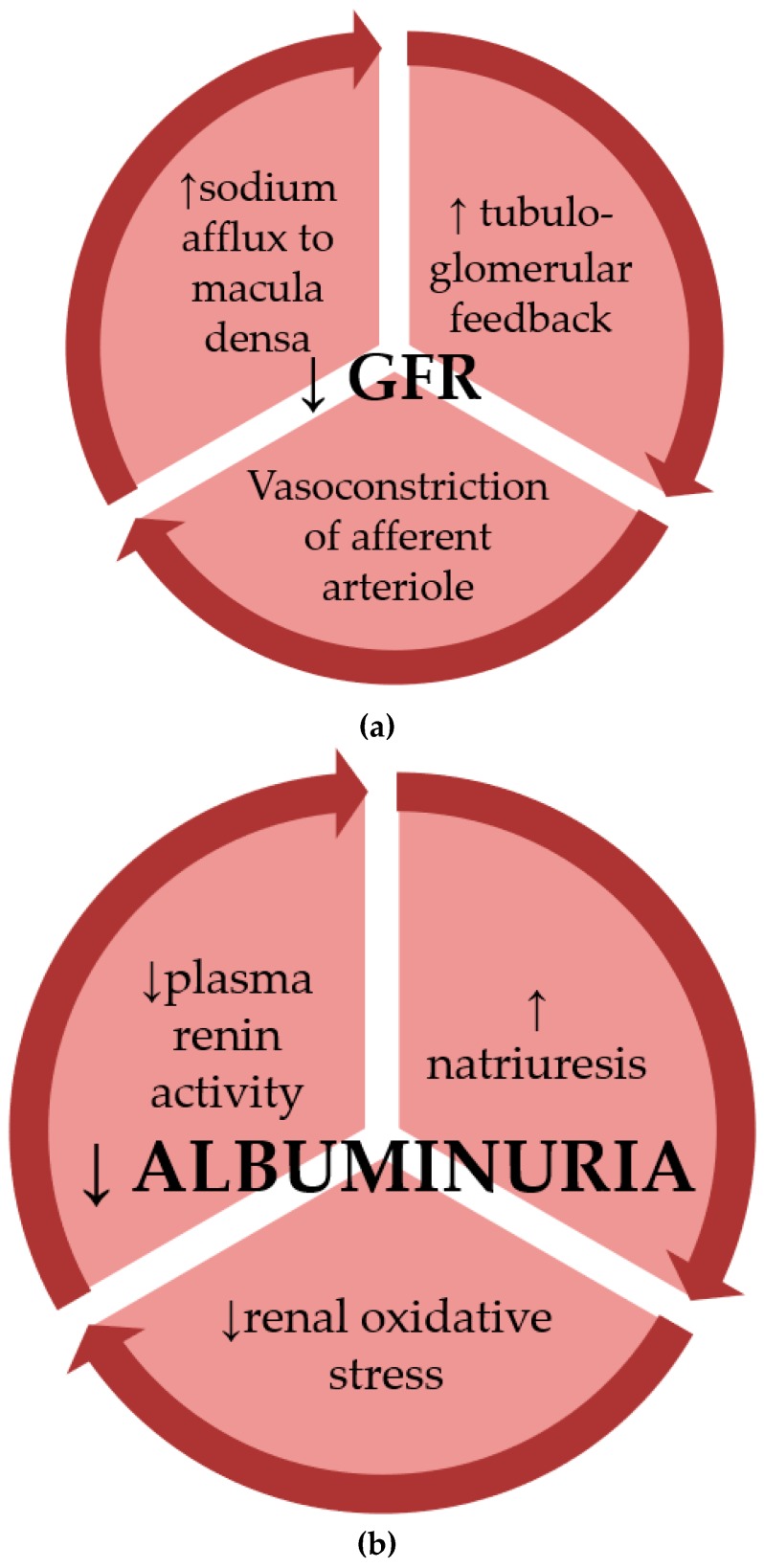
“GLP-1 has been demonstrated to induce natriuresis and diuresis, likely involving the inhibition of the sodium–hydrogen exchanger 3 (NHE3) localized at the brush border of the renal proximal tubular cells [20].”
BackgroundGLP-1 and the kidney: from physiology to pharmacology and outcomes in diabetes
Muskiet, M. H. A., Tonneijck, L., Smits, M. M., van Baar, M. J. B., Kramer, M. H. H., Hoorn, E. J., Joles, J. A., & van Raalte, D. H. (2017) · Nature Reviews Nephrology · doi:10.1038/nrneph.2017.123 · Cited by 407 · cited 1×
“Several molecules playing a role in glucose metabolism including insulin, ATP, and glucose itself regulate NHE3 and SGLTs in the kidney, thus suggesting some indirect natriuretic actions of GLP-1 [23].”
BackgroundHeerspink, H. J. L., Greene, T., Tighiouart, H., Gansevoort, R. T., Coresh, J., Simon, A. L., Chan, T. M., Hou, F. F., Lewis, J. B., Locatelli, F., et al. (2019) · The Lancet Diabetes & Endocrinology · doi:10.1016/s2213-8587(18)30314-0 · Cited by 397 · cited 1×
“As albuminuria is a strong predictor of renal outcomes, its decline may represent a valid indicator of a reduction in renal risk [48].”
BackgroundFujita, H., Morii, T., Fujishima, H., Sato, T., Shimizu, T., Hosoba, M., Tsukiyama, K., Narita, T., Takahashi, T., Drucker, D. J., et al. (2014) · Kidney International · doi:10.1038/ki.2013.427 · Cited by 336 · cited 1×
“[33] detected GLP-1R expression in glomerular capillary and vascular walls within a mouse kidney model of DN.”
BackgroundSun, F., Wu, S., Guo, S., Yu, K., Yang, Z., Li, L., Zhang, Y., Quan, X., Ji, L., & Zhan, S. (2015) · Diabetes Research and Clinical Practice · doi:10.1016/j.diabres.2015.07.015 · Cited by 304 · cited 1×
“Chronic administration of GLP-1R agonists reduces BP, increases natriuresis, and influences renal risk factors supporting the maintenance of renal function [22].”
BackgroundPleiotropic Effects of GLP-1 and Analogs on Cell Signaling, Metabolism, and Function
Rowlands, J., Heng, J., Newsholme, P., & Carlessi, R. (2018) · Frontiers in Endocrinology · doi:10.3389/fendo.2018.00672 · Cited by 302 · cited 2×
“GLP-1R agonists may exert beneficial effects on traditional risk factors for CKD, for example through lowering glucose and blood pressure (BP), decreasing insulin levels, and causing weight loss [15].”
BackgroundCrajoinas, R. O., Oricchio, F. T., Pessoa, T. D., Pacheco, B. P. M., Lessa, L. M. A., Malnic, G., & Girardi, A. C. C. (2011) · American Journal of Physiology-Renal Physiology · doi:10.1152/ajprenal.00729.2010 · Cited by 278 · cited 1×
“Studies conducted in animal models reported the presence of GLP-1R mRNA in the glomerulus and the initial part of proximal convoluted tubes, with no mRNA expression in other sites of the nephron [16].”
BackgroundMechanism of action of inhibitors of dipeptidyl-peptidase-4 (DPP-4)
Thornberry, N. A., & Gallwitz, B. (2009) · Best Practice & Research Clinical Endocrinology & Metabolism · doi:10.1016/j.beem.2009.03.004 · Cited by 268 · cited 1×
“Circulating GLP-1 has a very short half-life (less than 2 min) and is rapidly inactivated, mostly by the ubiquitous proteolytic enzyme DPP-4 and to a lesser degree by other endopeptidases and aminopeptidases [12].”
BackgroundMuskiet, M. H. A., Tonneijck, L., Huang, Y., Liu, M., Saremi, A., Heerspink, H. J. L., & van Raalte, D. H. (2018) · The Lancet Diabetes & Endocrinology · doi:10.1016/s2213-8587(18)30268-7 · Cited by 259 · cited 8×
“Clinical trials for CV safety: LEADER, ELIXA, SUSTAIN-6, and EXSCEL.”
MethodInfluentialInsulinotropic actions of exendin-4 and glucagon-like peptide-1 in vivo and in vitro
Parkes, D. G., Pittner, R., Jodka, C., Smith, P., & Young, A. (2001) · Metabolism · doi:10.1053/meta.2001.22519 · Cited by 241 · cited 1×
“Short-acting GLP-1R agonists (exenatide and lixisenatide) mainly lower post-prandial glucagon and significantly delay gastric emptying, subsequently reducing postprandial glucose levels and excursions of insulin levels [13].”
BackgroundDavies, M. J., Bain, S. C., Atkin, S. L., Rossing, P., Scott, D., Shamkhalova, M. S., Bosch-Traberg, H., Syrén, A., & Umpierrez, G. E. (2016) · Diabetes Care · doi:10.2337/dc14-2883 · Cited by 235 · cited 1×
“The data from the Efficacy and Safety of Liraglutide Versus Placebo as Add-on to Glucose-Lowering Therapy in Patients With Type 2 Diabetes and Moderate Renal Impairment (LIRA RENAL) trial, which investigated the effects of liraglutide in patients with T2DM with moderate renal impairment, showed that liraglutide did no…”
MethodSun, F., Wu, S., Wang, J., Guo, S., Chai, S., Yang, Z., Li, L., Zhang, Y., Ji, L., & Zhan, S. (2015) · Clinical Therapeutics · doi:10.1016/j.clinthera.2014.11.008 · Cited by 232
Kidney in Early Atherosclerosis
Chade, A. R., Lerman, A., & Lerman, L. O. (2005) · Hypertension · doi:10.1161/01.hyp.0000167121.14254.a0 · Cited by 170 · cited 1×
“It has recently been proposed that DKD may be considered, at least partially, a renal manifestation of dyslipidemia and atherosclerosis [31].”
BackgroundWang, L., Li, P., Tang, Z., Yan, X., & Feng, B. (2016) · Scientific Reports · doi:10.1038/srep33251 · Cited by 165 · cited 1×
“Nonetheless, there are some data linking the composition of the gut microbiome with kidney disease [35].”
BackgroundThe effect of RAAS blockade on the progression of diabetic nephropathy
Roscioni, S. S., Heerspink, H. J. L., & de Zeeuw, D. (2014) · Nature Reviews Nephrology · doi:10.1038/nrneph.2013.251 · Cited by 162 · cited 13×
“Since the development of renin–angiotensin–aldosterone system (RAAS) inhibitors, no new drugs have received regulatory approval for DKD therapy so far [8].”
BackgroundInfluentialJensen, E. P., Poulsen, S. S., Kissow, H., Holstein-Rathlou, N.-H., Deacon, C. F., Jensen, B. L., Holst, J. J., & Sorensen, C. M. (2015) · American Journal of Physiology-Renal Physiology · doi:10.1152/ajprenal.00527.2014 · Cited by 141 · cited 1×
“Other research detected mRNA in glomeruli, but not in tubules [17].”
BackgroundKooijman, S., Wang, Y., Parlevliet, E. T., Boon, M. R., Edelschaap, D., Snaterse, G., Pijl, H., Romijn, J. A., & Rensen, P. C. N. (2015) · Diabetologia · doi:10.1007/s00125-015-3727-0 · Cited by 140 · cited 1×
“Finally, studies on rodent models have shown that GLP-1R agonists seem to help clearance of lipids from the circulation by activating brown adipose tissue, which produces heat by burning triglycerides [27].”
BackgroundKoye, D. N., Shaw, J. E., Reid, C. M., Atkins, R. C., Reutens, A. T., & Magliano, D. J. (2017) · Diabetic Medicine · doi:10.1111/dme.13324 · Cited by 140 · cited 1×
“Moreover, T2DM represents the main cause of chronic kidney disease (CKD) and end-stage renal disease (ESRD), accounting for almost 50% of all patients starting renal replacement therapy (RRT) worldwide [2].”
BackgroundVinué, Á., Navarro, J., Herrero-Cervera, A., García-Cubas, M., Andrés-Blasco, I., Martínez-Hervás, S., Real, J. T., Ascaso, J. F., & González-Navarro, H. (2017) · Diabetologia · doi:10.1007/s00125-017-4330-3 · Cited by 137 · cited 1×
“GLP-1R agonists have demonstrated to have anti-atherogenic effects, both indirectly by modulating glucose and lipid metabolism, weight, and BP, and probably through direct anti-inflammatory and anti-ischemic actions [32].”
BackgroundChamberlain, J. J., Herman, W. H., Leal, S., Rhinehart, A. S., Shubrook, J. H., Skolnik, N., & Kalyani, R. R. (2017) · Annals of Internal Medicine · doi:10.7326/m16-2937 · Cited by 127 · cited 2×
“There are two classes of incretin-based therapies for the management of hyperglycemia in T2DM: GLP-1R agonists and DPP-4 inhibitors [9].”
BackgroundThe potential and pitfalls of GLP-1 receptor agonists for renal protection in type 2 diabetes
Thomas, M. C. (2017) · Diabetes & Metabolism · doi:10.1016/s1262-3636(17)30069-1 · Cited by 113 · cited 13×
“Since the development of renin–angiotensin–aldosterone system (RAAS) inhibitors, no new drugs have received regulatory approval for DKD therapy so far [8].”
BackgroundInfluentialWang, C., Li, L., Liu, S., Liao, G., Li, L., Chen, Y., Cheng, J., Lu, Y., & Liu, J. (2018) · PLOS ONE · doi:10.1371/journal.pone.0193473 · Cited by 110 · cited 1×
“In high-fat diet rats (HFD), liraglutide restored kidney mitochondrial function counteracting the decline of biogenesis of genes encoding for proteins of mitochondrial respiration and increasing the uncoupling protein 2 levels [30].”
BackgroundDeb, D. K., Bao, R., & Li, Y. C. (2017) · The FASEB Journal · doi:10.1096/fj.201601116r · Cited by 77 · cited 1×
“Activation of GLP-1R leads to stimulation of cAMP–PKA pathways, having antioxidative effects; thus, it is likely that GLP-1 protects the kidney from oxidative injury [29].”
Backgroundvon Scholten, B. J., Hansen, T. W., Goetze, J. P., Persson, F., & Rossing, P. R. (2015) · Journal of Diabetes and its Complications · doi:10.1016/j.jdiacomp.2015.04.004 · Cited by 72 · cited 1×
“These results are consistent with previous small studies supporting a reduction in albuminuria with liraglutide in patients with T2DM [37,38].”
ResultCosmo, S. D., Viazzi, F. C., Pacilli, A., Giorda, C. B., Ceriello, A., Gentile, S., Russo, G. T., Rossi, M. C., Nicolucci, A., Guida, P., et al. (2016) · Medicine · doi:10.1097/md.0000000000004007 · Cited by 72
Self-citationKidney dysfunction and related cardiovascular risk factors among patients with type 2 diabetes
Cosmo, S. D., Rossi, M. C., Pellegrini, F., Lucisano, G., Bacci, S., Gentile, S., Ceriello, A., Russo, G. T., Nicolucci, A., Giorda, C. B., et al. (2014) · Nephrology Dialysis Transplantation · doi:10.1093/ndt/gft506 · Cited by 71 · cited 1×
“Type 2 diabetes mellitus (T2DM) confers an increased risk of developing macrovascular and microvascular complications, which may result in disability for affected individuals as well as considerable costs for global health-care systems [1].”
BackgroundSelf-citationZavattaro, M., Caputo, M., Samà, M. T., Mele, C., Chasseur, L., Marzullo, P., Pagano, L., Mauri, M. G., Ponziani, M. C., Aimaretti, G., et al. (2015) · Endocrine · doi:10.1007/s12020-014-0519-0 · Cited by 64 · cited 1×
“These results are consistent with previous small studies supporting a reduction in albuminuria with liraglutide in patients with T2DM [37,38].”
ResultFarr, S., Taher, J., & Adeli, K. (2014) · Cardiovascular & Hematological Disorders-Drug Targets · doi:10.2174/1871529x14666140505125300 · Cited by 61 · cited 1×
“GLP-1R agonists have demonstrated to reduce production and secretion of intestinal chylomicrons thus contributing to reduce absorption and circulating levels of triglycerides [26].”
BackgroundRenal Outcomes in the EXenatide Study of Cardiovascular Event Lowering (EXSCEL)
BETHEL, M. A., MENTZ, R. J., MERRILL, P., BUSE, J. B., CHAN, J. C., GOODMAN, S. G., IQBAL, N., JAKUBONIENE, N., KATONA, B. G., LOKHNYGINA, Y., et al. (2018) · Diabetes · doi:10.2337/db18-522-p · Cited by 54
Piscitelli, P., Viazzi, F., Fioretto, P., Giorda, C., Ceriello, A., Genovese, S., Russo, G., Guida, P., Pontremoli, R., & De Cosmo, S. (2017) · Scientific Reports · doi:10.1038/s41598-017-03551-w · Cited by 52
Self-citationVejakama, P., Ingsathit, A., McKay, G. J., Maxwell, A. P., McEvoy, M., Attia, J. R., & Thakkinstian, A. (2017) · BMC Nephrology · doi:10.1186/s12882-017-0753-9 · Cited by 45 · cited 1×
“Since the development of renin–angiotensin–aldosterone system (RAAS) inhibitors, no new drugs have received regulatory approval for DKD therapy so far [8].”
BackgroundSmits, M. M., Tonneijck, L., Muskiet, M. H. A., Hoekstra, T., Kramer, M. H. H., Pieters, I. C., Cahen, D. L., Diamant, M., & van Raalte, D. H. (2015) · BMJ Open · doi:10.1136/bmjopen-2015-009579 · Cited by 30 · cited 1×
“The acute administration of GLP-1R agonists likely increases the effective renal plasma flow and the GFR, at least in healthy individuals [21], determined by a temporal increase in BP, which in turn results from an increase in heart rate and cardiac output.”
BackgroundCan Targeting the Incretin Pathway Dampen RAGE-Mediated Events in Diabetic Nephropathy?
C. Sourris, K., Yao, H., Jerums, G., E.Cooper, M., I. Ekinci, E., & T. Coughlan, M. (2016) · Current Drug Targets · doi:10.2174/1389450116666150722141418 · Cited by 21 · cited 1×
“In rodent models of diabetes, GLP-1 has been shown to interfere with the signaling and expression of the receptor for AGEs, resulting in antioxidative effects [34].”
Background
Cited by
Therapeutic Peptides: Current Applications and Future Directions
Wang, L., Wang, N., Zhang, W., Cheng, X., Yan, Z., Shao, G., Wang, X., Wang, R., & Fu, C. (2022) · Signal Transduction and Targeted Therapy · doi:10.1038/s41392-022-00904-4 · Cited by 2,131
Glucagon-like peptide-1: a multi-faceted anti-inflammatory agent
Mehdi, S. F., Pusapati, S., Anwar, M. S., Lohana, D., Kumar, P., Nandula, S. A., Nawaz, F. K., Tracey, K., Yang, H., LeRoith, D., et al. (2023) · Frontiers in Immunology · doi:10.3389/fimmu.2023.1148209 · Cited by 317
Xie, Y., Bowe, B., Gibson, A. K., McGill, J. B., Maddukuri, G., Yan, Y., & Al-Aly, Z. (2020) · Diabetes Care · doi:10.2337/dc20-1890 · Cited by 153
GLP-1 Receptor Agonists and Diabetic Kidney Disease: A Call of Attention to Nephrologists
Górriz, J. L., Soler, M. J., Navarro-González, J. F., García-Carro, C., Puchades, M. J., D’Marco, L., Martínez Castelao, A., Fernández-Fernández, B., Ortiz, A., Górriz-Zambrano, C., et al. (2020) · Journal of Clinical Medicine · doi:10.3390/jcm9040947 · Cited by 144
“GLP-1R activation leads to stimulation of cyclic adenosine monophosphate–protein kinase A pathways, producing antioxidative effects; it, therefore, seems likely that GLP-1 protects the kidney from oxidative injury [40].”
BackgroundSharma, D., Tekade, R. K., & Kalia, K. (2020) · Phytomedicine · doi:10.1016/j.phymed.2020.153235 · Cited by 132
Metadata
- Authors
- Greco, E., Russo, G., Giandalia, A., Viazzi, F., Pontremoli, R., & De Cosmo, S.
- Affiliations
- Casa Sollievo della Sofferenza (IT)
- University of Messina (IT)
- Ospedale Policlinico San Martino (IT)
- Unit of Internal Medicine, Department of Medical Sciences, IRCCS Casa Sollievo della Sofferenza, 71013 San Giovanni Rotondo (FG), Italy
- Venue
- Medicina
- Publisher
- MDPI AG
- Published
- 2019-05-31
- Volume
- 55
- Issue
- 6
- Pages
- 233
- ISSN
- 1010-660X (ISSN-L)
- 1648-9144
- PMC
- PMC6630923
- OpenAlex
- W2947335986
- Cited by
- 173
- References
- 49
- Citations by year
- 2026: 18 · 2025: 36 · 2024: 37 · 2023: 17 · 2022: 32 · 2021: 17 · 2020: 14 · 2019: 2
- FWCI
- 2.54
- Type
- journal article
- Language
- en
- Open access
- gold
- dx.doi.org
- Licence
- Locations
- Medicina (publishedVersion, cc-by)
- Europe PMC (PubMed Central) (publishedVersion, cc-by)
- PubMed Central (publishedVersion, cc-by)
- PubMed (publishedVersion)
- DOAJ (DOAJ: Directory of Open Access Journals) (submittedVersion, cc-by-sa)
- CINECA IRIS Institutial Research Information System (University of Genoa) (submittedVersion)
- Topics
- Health Sciences › Medicine › Nephrology › Chronic Kidney Disease and Diabetes
- Health Sciences › Medicine › Endocrinology, Diabetes and Metabolism › Diabetes Treatment and Management
- Health Sciences › Medicine › Nephrology › Acute Kidney Injury Research
- Keywords
- GLP-1 receptor agonists, renal protection, diabetic nephropathy, type 2 diabetes, chronic kidney disease, albuminuria, glomerular filtration rate decline, renin-angiotensin-aldosterone system, blood pressure reduction, insulin reduction, weight loss, renal biomarkers, cardiovascular safety
- MeSH terms
- Glucagon-Like Peptide-1 Receptor, Glucagon-Like Peptide-1 Receptor Agonists, Diabetes Mellitus, Type 2, Diabetic Nephropathies, Humans, Kidney, Protective Agents
About these checks
Registry, retraction, Cites and statistics results are computed, not judged, with one exception: a printed reference that no index lists is read once by a model before it counts as a citation error. Claims are extracted by a model and kept only when their quote appears verbatim in the text; each cited source is then checked, with a model’s help, for whether it says what the claim relies on. Those verdicts can be wrong — read the claim’s quote and the cited source before relying on one.
Statistics and arithmetic are recomputed, not judged.
Confidence bands are shown only for fields calibrated on our annotated test set. None is calibrated yet, so no band is shown.
What counts as a claim ›How we measure confidence ›How we check this ›
Are you an author, or do you see a problem with this page? Request a review
Data sources
Bibliographic data: Semantic Scholar, OpenAlex, Crossref.
Contains information from the Semantic Scholar Academic Graph Datasets, made available under the ODC Attribution License (ODC-BY 1.0).
Semantic Scholar’s data is described in: Kinney, R., et al. (2023). The Semantic Scholar Open Data Platform. arXiv:2301.10140.
