

Obesity: Clinical Impact, Pathophysiology, Complications, and Modern Innovations in Therapeutic Strategies
Open accessThe DOI matches its Crossref record; 111 of the 111 references it cites were found in a registry or an index; 61 of the 118 sources its claims cite were checked for support.
Abstract
Obesity is a growing global health concern with widespread impacts on physical, psychological, and social well-being. Clinically, it is a major driver of type 2 diabetes (T2D), cardiovascular disease (CVD), non-alcoholic fatty liver disease (NAFLD), and cancer, reducing life expectancy by 5-20 years and imposing a staggering economic burden of USD 2 trillion annually (2.8% of global GDP). Despite its significant health and socioeconomic impact, earlier obesity medications, such as fenfluramine, sibutramine, and orlistat, fell short of expectations due to limited effectiveness, serious side effects including valvular heart disease and gastrointestinal issues, and high rates of treatment discontinuation. The advent of glucagon-like peptide-1 (GLP-1) receptor agonists (e.g., semaglutide, tirzepatide) has revolutionized obesity management. These agents demonstrate unprecedented efficacy, achieving 15-25% mean weight loss in clinical trials, alongside reducing major adverse cardiovascular events by 20% and T2D incidence by 72%. Emerging therapies, including oral GLP-1 agonists and triple-receptor agonists (e.g., retatrutide), promise enhanced tolerability and muscle preservation, potentially bridging the efficacy gap with bariatric surgery. However, challenges persist. High costs, supply shortages, and unequal access pose significant barriers to the widespread implementation of obesity treatment, particularly in low-resource settings. Gastrointestinal side effects and long-term safety concerns require close monitoring, while weight regain after medication discontinuation emphasizes the need for ongoing adherence and lifestyle support. This review highlights the transformative potential of incretin-based therapies while advocating for policy reforms to address cost barriers, equitable access, and preventive strategies. Future research must prioritize long-term cardiovascular outcome trials and mitigate emerging risks, such as sarcopenia and joint degeneration. A multidisciplinary approach combining pharmacotherapy, behavioral interventions, and systemic policy changes is critical to curbing the obesity epidemic and its downstream consequences.
Overview
CoChat Summary
## TL;DR
This is a narrative review of obesity that synthesizes its biology, complications, and treatment landscape, with emphasis on recent incretin-based and other emerging therapies. It argues that modern drugs can produce large short-term weight loss, but long-term success still depends on sustained lifestyle support and broader access to care.
## Key findings
- Obesity is presented as a major global health crisis, with prevalence “nearly tripling since 1975,” causing millions of avoidable deaths each year and an economic burden of “USD 2 trillion annually (2.8% of global GDP).”
- The paper reports that newer GLP-1–based therapies have produced “15–25% mean weight loss” in clinical trials; it also states these agents reduced major adverse cardiovascular events by “20%” and T2D incidence by “72%.”
- In STEP 1, semaglutide 2.4 mg weekly produced a mean placebo-adjusted weight loss of “14.9% over 68 weeks,” and up to “16.0%” in STEP 4 with continued use.
- In SURMOUNT-1, tirzepatide 15 mg weekly achieved mean weight reductions of “20.9% over 72 weeks,” with “50–57%” of participants losing at least 20% of body weight; the review also cites retatrutide producing weight loss of “up to 24.2% over 48 weeks.”
- For cagrilintide plus semaglutide, the phase 2 study reported mean body weight reductions of “15.6% at 32 weeks” versus “5.1%” with semaglutide alone; bimagrumab’s 48-week phase II trial is reported as reducing fat mass by “20.5%,” increasing lean mass by “3.6%,” and producing “6.5%” weight loss versus “0.8%” for placebo.
## Methods
- Narrative review article that surveys obesity’s definition, risk factors, pathophysiology, historical treatments, new pharmacotherapies, and future directions.
- The paper draws on previously published clinical trials, consensus definitions, and mechanistic studies; no original participant sample or new data collection is reported.
- Main analysis is descriptive synthesis of the literature, comparing therapies by mechanism, route of administration, efficacy, and adverse effects.
## Limitations
- The paper itself states that the review is limited by “high costs, supply shortages, and unequal access,” especially in low-resource settings, and by “gastrointestinal side effects and long-term safety concerns.”
- It also states that weight regain after stopping medication is a major limitation, and that future research must prioritize long-term cardiovascular outcome trials and address risks such as sarcopenia and joint degeneration.
- Evident from the text: this is not a systematic review or meta-analysis, so its conclusions depend on selected studies and reported trial results rather than a formal pooled analysis.
Model-written summary. Check it against the paper before relying on it.
Integrity signals
Registry
Cites
Statistics
Figures
Verification
Claims the paper makes
51 Valid · 9 Not valid · 49 Not checked · 19 Own results and interpretations
At least one cited source doesn’t support this claim or points to a different paper, and none confirmed it — see the verdicts below.
In the paper
“Network meta-analyses show that continuous restriction, alternate-day fasting, and time-restricted eating each yield comparable weight loss and maintenance [96].”
§ Obesity: Clinical Impact, Pathophysiology, Complications, and Modern Innovations in Therapeutic Strategies > 10. Long Term Strategies for Sustained Weight Loss
What the sources say
- Disputedcites [96] Huang J. Li Y. Chen M. Cai Z. Cai Z. Jiang Z. Comparing caloric restriction regimens for effective weight management in adults: A systematic review and network meta-analysis Int. J. Behav. Nutr. Phys. Act. 2024 21 108 10.1186/s12966-024-01657-9 39327619 PMC11425986 sourceExperimental — accuracy not yet measured
The Results > Primary outcomes (page unavailable) report that all three regimens reduced weight, but alternate-day fasting produced significantly greater overall weight loss than time-restricted eating or continuous restriction. The duration analyses also do not establish comparable maintenance: weight regain occurred at 4–6 months, and only alternate-day fasting and time-restricted eating showed significant weight loss at 7–12 months. (LLM, conf=0.88)
Checked by a reasoning model — may be wrong.
plain- Asserted: passes — The authors put it forward as true.
- Checkable: passes — It can be checked against evidence.
- Load-bearing: unclear — It is unclear whether the paper’s conclusions depend on it.
- Based: passes — The paper gives a reason why it holds.
- Disputed
The cited sources support only part of this claim — read each source’s verdict below.
In the paper
“Early weight loss medications, such as fenfluramine (Fen-Phen) and sibutramine, were withdrawn due to severe cardiovascular and psychiatric side effects [3,4].”
§ Obesity: Clinical Impact, Pathophysiology, Complications, and Modern Innovations in Therapeutic Strategies > 1. Introduction
What the sources say
- Not checked — no full text of the sourcecites [3] Connolly H.M. Crary J.L. McGoon M.D. Hensrud D.D. Edwards B.S. Edwards W.D. Schaff H.V. Valvular heart disease associated with fenfluramine and phentermine N. Engl. J. Med. 1997 11 141 10.1056/NEJM199708283370901 9271479 source
- Partly supportedcites [4] James W.P.T. Caterson I.D. Coutinho W. Finer N. Van Gaal L.F. Maggioni A.P. Sharma A.M. Shepherd G.M. Rode R.A. Renz C.L. Effect of Sibutramine on Cardiovascular Outcomes in Overweight and Obese Subjects N. Engl. J. Med. 2010 363 905 917 10.1056/NEJMoa1003114 20818901 sourceExperimental — accuracy not yet measured
The Results (p. 1) report higher rates of nonfatal myocardial infarction and stroke with sibutramine, supporting the cardiovascular-risk part of the claim. The paper does not say sibutramine was withdrawn because of those risks, and the passages do not establish psychiatric side effects or address fenfluramine. (LLM, conf=0.84)
plainstates a cause- Asserted: passes — The authors put it forward as true.
- Checkable: passes — It can be checked against evidence.
- Load-bearing: passes — The paper’s conclusions depend on it.
- Based: passes — The paper gives a reason why it holds.
Every source the paper cites for this claim was checked and supports it.
In the paper
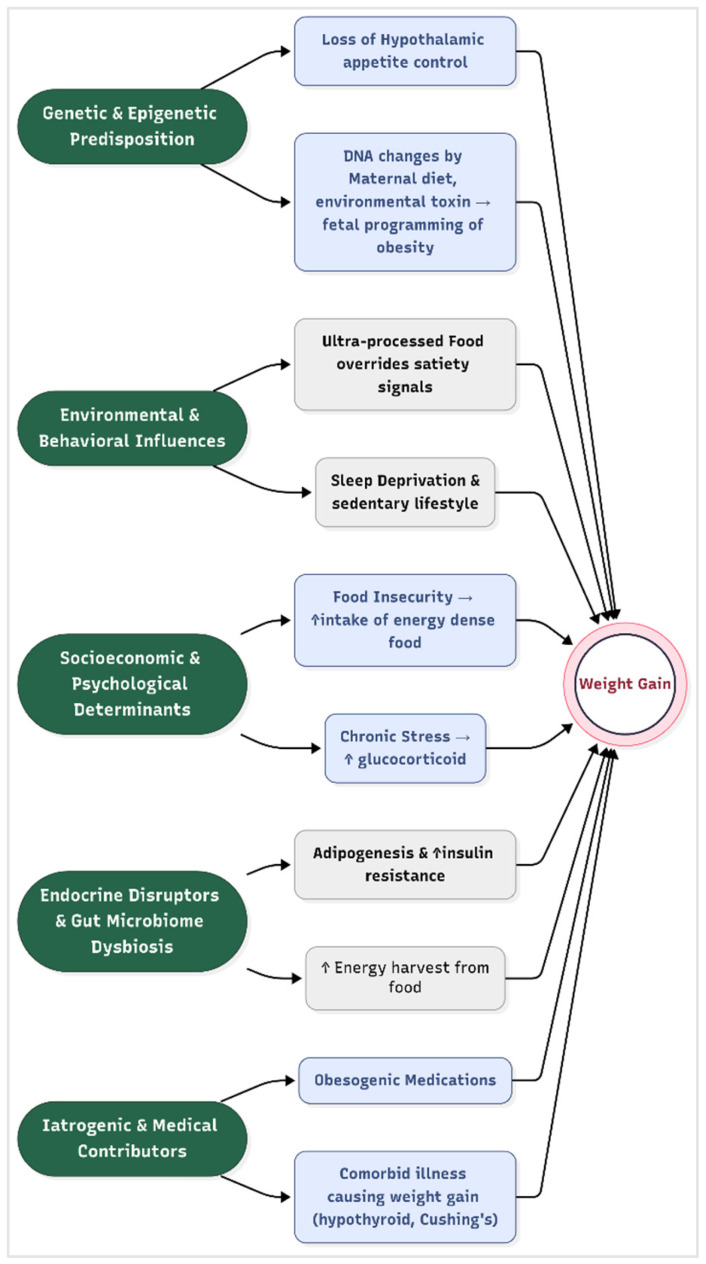
“It also overlooks fat distribution patterns; visceral fat, which surrounds internal organs and drives metabolic dysfunction, is a stronger predictor of disease risk than subcutaneous fat but remains invisible to BMI [13].”
§ Obesity: Clinical Impact, Pathophysiology, Complications, and Modern Innovations in Therapeutic Strategies > 3. Limitations of Current Definitions
What the sources say
- Supportedcites [13] Neeland I.J. Ross R. Després J.P. Matsuzawa Y. Yamashita S. Shai I. Seidell J. Magni P. Santos R.D. Arsenault B. Visceral and ectopic fat, atherosclerosis, and cardiometabolic disease: A position statement Lancet Diabetes Endocrinol. 2019 7 715 725 10.1016/S2213-8587(19)30084-1 31301983 source
The Introduction states that visceral adipose tissue is an independent marker of morbidity and mortality, while abdominal subcutaneous fat is a much weaker indicator of cardiovascular risk. It also explains that BMI does not capture differences in visceral fat distribution. Page numbers are not available in the supplied copy. (LLM, conf=0.94)
plainstates an association- Asserted: passes — The authors put it forward as true.
- Checkable: passes — It can be checked against evidence.
- Load-bearing: passes — The paper’s conclusions depend on it.
- Based: passes — The paper gives a reason why it holds.
- Supported
The sources with a verdict support this claim; the rest weren’t checked yet, have no full text we could read, or their verdicts aren’t rated yet.
In the paper
“Recent advancements in obesity pharmacotherapy, particularly glucagon-like peptide-1 (GLP-1) receptor agonists (e.g., semaglutide, tirzepatide), revolutionized treatment paradigms, demonstrating unprecedented efficacy in clinical trials [6,7].”
§ Obesity: Clinical Impact, Pathophysiology, Complications, and Modern Innovations in Therapeutic Strategies > 1. Introduction
What the sources say
- Supportedcites [6] Wilding J.P.H. Batterham R.L. Calanna S. Davies M. Van Gaal L.F. Lingvay I. McGowan B.M. Rosenstock J. Tran M.T. Wadden T.A. Once-Weekly Semaglutide in Adults with Overweight or Obesity N. Engl. J. Med. 2021 384 989 1002 10.1056/NEJMoa2032183 33567185 source
The Discussion reports that semaglutide produced 14.9% mean weight loss, substantially greater than the 4.0–10.9% reported for approved anti-obesity medications. This supports the semaglutide efficacy claim for which this trial is cited; the sentence also has a second citation for tirzepatide. (LLM, conf=0.90)
- Not checked — no full text of the sourcecites [7] Jastreboff A.M. Aronne L.J. Ahmad N.N. Wharton S. Connery L. Alves B. Kiyosue A. Zhang S. Liu B. Bunck M.C. Tirzepatide Once Weekly for the Treatment of Obesity N. Engl. J. Med. 2022 387 205 216 10.1056/NEJMoa2206038 35658024 source
boostedstates a cause- Asserted: passes — The authors put it forward as true.
- Checkable: passes — It can be checked against evidence.
- Load-bearing: passes — The paper’s conclusions depend on it.
- Based: passes — The paper gives a reason why it holds.
- Supported
The cited sources support only part of this claim — read each source’s verdict below.
In the paper
“Recent work on polygenic risk scores improved individual prediction of obesity susceptibility, revealing that high genetic risk can be attenuated by healthy lifestyle factors [24].”
§ Obesity: Clinical Impact, Pathophysiology, Complications, and Modern Innovations in Therapeutic Strategies > 4. Risk Factors for Obesity
What the sources say
- Partly supportedcites [24] Khera A.V. Chaffin M. Wade K.H. Zahid S. Brancale J. Xia R. Distefano M. Senol-Cosar O. Haas M.E. Bick A. Polygenic Prediction of Weight and Obesity Trajectories from Birth to Adulthood Cell 2019 177 587 596.e9 10.1016/j.cell.2019.03.028 31002795 PMC6661115 sourceExperimental — accuracy not yet measured
The Summary (p. 3) reports an improved polygenic predictor of obesity susceptibility. The Discussion (p. 10) cites prior studies linking lifestyle factors to BMI more strongly in genetically predisposed people and suggests targeted prevention, but it does not show that healthy lifestyle factors attenuated high genetic risk in this study. (LLM, conf=0.86)
plainstates a cause- Asserted: passes — The authors put it forward as true.
- Checkable: passes — It can be checked against evidence.
- Load-bearing: unclear — It is unclear whether the paper’s conclusions depend on it.
- Based: passes — The paper gives a reason why it holds.
- Partly supported
40 more claims · 16 with their cited sources checked
Create a free account to see all 128 claims and every source verdict.
- It may state two separate claims as one. 77
- Probably not a substantial claim. 12
Citations
Cites
(2004) · The Lancet · doi:10.1016/s0140-6736(03)15268-3 · Cited by 12,717
An obesity-associated gut microbiome with increased capacity for energy harvest
Turnbaugh, P. J., Ley, R. E., Mahowald, M. A., Magrini, V., Mardis, E. R., & Gordon, J. I. (2006) · Nature · doi:10.1038/nature05414 · Cited by 12,444 · cited 1×
“Furthermore, gut microbiota composition, particularly reduced Bacteroidetes and elevated Firmicutes, enhances energy harvest from food and promotes systemic inflammation, as demonstrated in fecal transplant studies [35].”
Child abuse: Adolescent records vs. adult recall
Femina, D. D., Yeager, C. A., & Lewis, D. O. (1990) · Child Abuse & Neglect · doi:10.1016/0145-2134(90)90033-p · Cited by 8,820
The metabolic phenotype in obesity: Fat mass, body fat distribution, and adipose tissue function
Goossens, G. H. (2017) · Obesity Facts · doi:10.1159/000471488 · Cited by 8,481
Vos, T., Flaxman, A. D., Naghavi, M., Lozano, R., Michaud, C., Ezzati, M., Shibuya, K., Salomon, J. A., Abdalla, S., Aboyans, V., et al. (2012) · The Lancet · doi:10.1016/s0140-6736(12)61729-2 · Cited by 8,291 · cited 1×
“Depression is more strongly linked to abdominal obesity than to overall obesity [51].”
Genetics of Food Intake Self-Regulation in Childhood: Literature Review and Research Opportunities
Faith, M. S., Carnell, S., & Kral, T. V. E. (2013) · Human Heredity · doi:10.1159/000353879 · Cited by 7,601
Lippa, N. C., & Sanderson, S. C. (2013) · Human Heredity · doi:10.1159/000353712 · Cited by 6,078
Mechanisms linking obesity to insulin resistance and type 2 diabetes
Kahn, S. E., Hull, R. L., & Utzschneider, K. M. (2006) · Nature · doi:10.1038/nature05482 · Cited by 5,448 · cited 1×
“This leads to systemic insulin resistance, a hallmark of metabolic syndrome and type 2 diabetes (T2D) [39].”
Once-Weekly Semaglutide in Adults with Overweight or Obesity
Wilding, J. P. H., Batterham, R. L., Calanna, S., Davies, M., Van Gaal, L. F., Lingvay, I., McGowan, B. M., Rosenstock, J., Tran, M. T. D., Wadden, T. A., et al. (2021) · New England Journal of Medicine · doi:10.1056/nejmoa2032183 · Cited by 5,205 · cited 6×
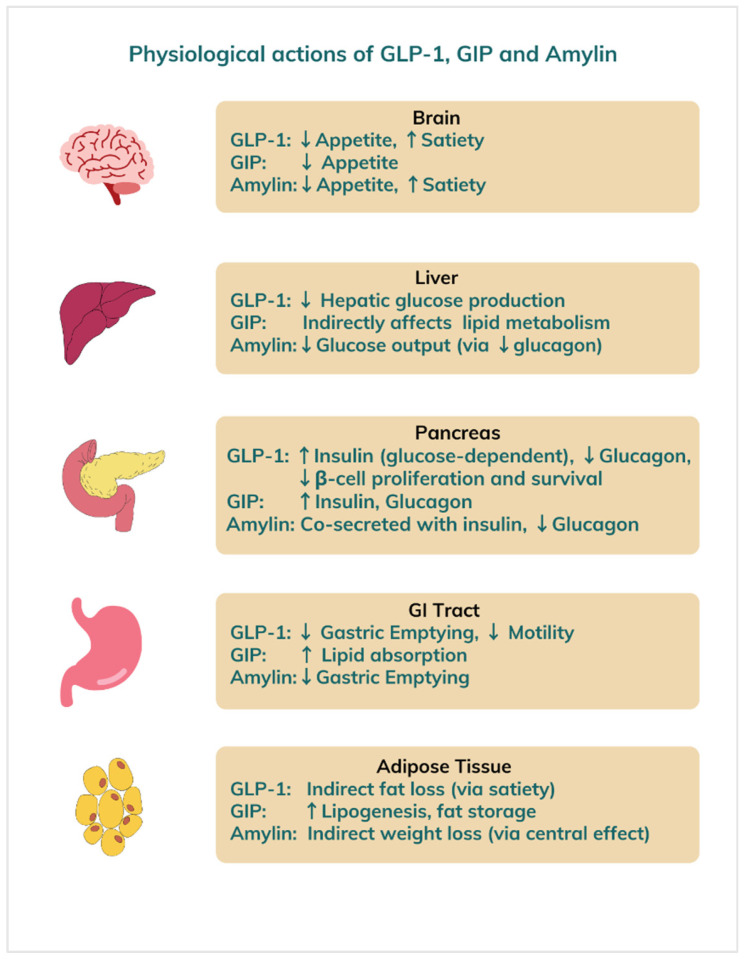
“Peripherally, it slows gastric emptying and improves insulin secretion in a glucose-dependent manner, indirectly promoting weight loss [6].”
InfluentialFrayling, T. M., Timpson, N. J., Weedon, M. N., Zeggini, E., Freathy, R. M., Lindgren, C. M., Perry, J. R. B., Elliott, K. S., Lango, H., Rayner, N. W., et al. (2007) · Science · doi:10.1126/science.1141634 · Cited by 4,531 · cited 1×
“Key genes, such as the fat mass and obesity-associated gene (FTO), influence hypothalamic regulation of appetite and energy expenditure by modulating leptin and melanocortin signaling pathways [22].”
Research works printed but not linked: 1
- Rasmussen N. On Speed: The Many Lives of Amphetamine New York University Press New York, NY, USA 2008 Available online: https://psycnet.apa.org/record/2008-03283-000 (accessed on 6 May 2025)
Cited by
Bottignole, D., Mutti, C., Parrino, L., & Pezzini, A. (2025) · Journal of Clinical Medicine · doi:10.3390/jcm14207420 · Cited by 3
Ioannidis, O., Anestiadou, Ε., Rodríguez, J. M. ́., Fabbri, N., Ubieto, J. M., Feo, C. V., Pesce, A., Rosetzka, K., Arroyo, A., Kocián, P., et al. (2026) · Journal of Clinical Medicine · doi:10.3390/jcm15051706 · Cited by 3
Zuccotti, G., Gatti, A., Rossi, V., Cordaro, E., & Calcaterra, V. (2026) · Frontiers in Nutrition · doi:10.3389/fnut.2026.1715574 · Cited by 2
Hu, P., Zhong, A., Shen, Y., Yuan, Y., Jin, Q., & Chen, Q. (2026) · Diabetology & Metabolic Syndrome · doi:10.1186/s13098-026-02147-7 · Cited by 1
Nazarinejad, Z., Alaeddini, B., Ghalami, J., Jafarabadi, M. A., Attari, V. E., Nasiraie, L. R., & Attari, V. E. (2026) · Probiotics and Antimicrobial Proteins · doi:10.1007/s12602-026-10961-8 · Cited by 1
Khormi, K. A., Mumena, W. A., Salman, A. K. M., Faden, A. A., Hafiz, M. S., & Kutbi, H. A. (2026) · Journal of Clinical Medicine · doi:10.3390/jcm15124571 · Cited by 1
“Excess adipose tissue also contributes to impaired reproductive function and other long-term health complications, highlighting obesity as a major global public health concern [1].”
Meng, Y., Jin, T., Ren, L., Thompson, M. L., & Wang, Y. (2025) · Journal of Clinical Question · doi:10.69854/jcq.2025.0033 · Cited by 1
From Molecules to Medicine: Deciphering Obesity and Lipid Metabolism for Translational Insights
Kumar, S., & Gupta, A. (2025) · Biomedicines · doi:10.3390/biomedicines14010068 · Cited by 1
“Obesity, type 2 diabetes, and insulin resistance remain major public health challenges, with the burden growing worldwide [6–8].”
Myszor, I., Madej, M., Kubacka, M., Kocemba, L., Mroczka, G., Nycz-Jucha, S., Łobaza, P., Pinkowicz, B., Rachwał, P., & Nowak-Misiąg, B. (2025) · International Journal of Innovative Technologies in Social Science · doi:10.31435/ijitss.4(48).2025.4382
Serum FTO Protein Levels in Newly Diagnosed Type 2 Diabetes Patients in Syria: A Case‒Control StudyPreprint
Shamsaldeenalsagher, H. F., & Haddad, S. I. (2026) · Research Square · doi:10.21203/rs.3.rs-8321576/v1
Oliveira, J. A., Lemos, M. J., Dias, Y. J. M., Queiroz, L. F., Servidoni, A. C. P., Mello, P. L. P., Sciorilli, J. V., & Aljunaid, L. (2026) · European Journal of Obstetrics & Gynecology and Reproductive Biology · doi:10.1016/j.ejogrb.2026.115039
Impact of pediatric obesity on abdominal surgery outcome: a narrative review
Pelizzo, G., Calcaterra, V., Marinaro, M., Durante, E., Scavone, I. A. M., Canonica, C. P. M., GIORGIS, V. D., & Zuccotti, G. (2026) · Frontiers in Pediatrics · doi:10.3389/fped.2026.1780811 · Cited by 1
“Obesity is not merely a condition of excess body weight, but a complex systemic disease characterized by anatomical, metabolic, and immunological alterations that significantly modify the response to surgical stress (28, 29).”
GLP-1 nutrition in the age of GLP-1s: When appetite shrinks but responsibility expands
Asghar, W., Javed, K., & Khalid, N. (2026) · Nutrition and Health · doi:10.1177/02601060261446098
“This pronounced shift, in particular, has been supported by growing insights into the biological processes that regulate appetite and energy balance (Ullah and Tamanna, 2025).”
Yang, Y., Cao, X., Li, Y., Kang, X., Huang, Y., Feng, H., & Li, C. (2026) · Immunological Investigations · doi:10.1080/08820139.2026.2667884
“For senescence-driven sarcopenia, repurposing metabolic regulators such as GLP-1 receptor agonists (e.g., semaglutide) has yielded a promising 5% increase in muscle mass among elderly cohorts (Ullah & Tamanna, 2025).”
Biomaterial‐Driven Therapeutic Strategies for the Integrated Management of Obesity
Jiang, Y., Zheng, Y., Jiang, S., Zhang, T., Xie, C., Liu, Y., & Lu, X. (2026) · Advanced Healthcare Materials · doi:10.1002/adhm.202505955
“By efficiently mimicking intestinal hormones, these agents powerfully suppress appetite and delay gastric emptying via central nervous system pathways while simultaneously promoting peripheral insulin secretion and inhibiting glucagon [43, 44].”
Undrajavarapu, P., Santosh Kumar, B., Vadakattu, S. S., Santhi, B., & Rao, D. S. (2026) · Clinical Nutrition Open Science · doi:10.1016/j.nutos.2026.100679
New Adjuvant Therapies for Obesity-Related Disorders Associated with Meta-Neuroinflammation
Coluzzi, F., Cornali, K., Scerpa, M. S., & Noce, A. (2026) · Pharmaceuticals · doi:10.3390/ph19050786
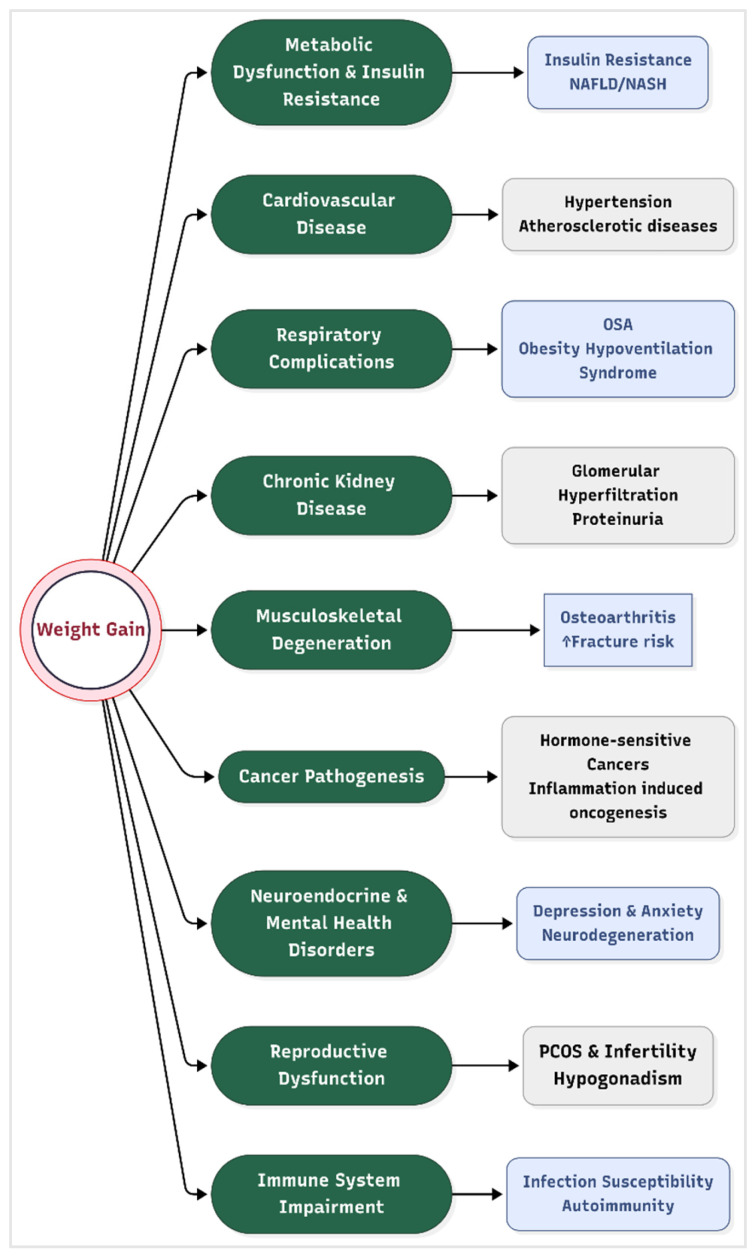
“These include gastrointestinal reflux disease, gallbladder disease, osteoarthritis (OA), obstructive sleep apnea/obesity hypoventilation syndrome, psychological and eating behavior disorders, anxiety and depression, and impairment of physical performance [15,16].”
Kamrul-Hasan, A. B. M., Khalil, I., Mahajan, K., Dutta, D., Banerjee, M., & Pappachan, J. M. (2026) · Endocrinology Diabetes & Metabolism · doi:10.1002/edm2.70247 · Cited by 1
Yadav, A., Barkley, M., Watson, J. C., Patel, D., Pickering, A. M., & Melkani, G. C. (2026) · International Journal of Obesity · doi:10.1038/s41366-026-02122-2 · Cited by 1
Junior, C. B., Blanco, G. G. R., Marcello, L. V., Rangel, G. T., Marques, N. D. C. D. S., Cinelli, L. P., & Cunha‐Júnior, E. F. (2026) · Drugs and Drug Candidates · doi:10.3390/ddc5020035 · Cited by 3
“…with a wide spectrum of comorbidities, such as dyslipidemia, hepatic steatosis, microvascular complications (e.g., nephropathy, retinopathy, neuropathy and cerebral microvascular dysfunction), cardiovascular conditions (e.g., hypertension, ischemic heart disease), and even certain neoplasms [3,4].”
Darwich, N. A., Hajj, R. E., & Khalil, M. I. M. (2026) · MedComm – Biomaterials and Applications · doi:10.1002/mba2.70056 · Cited by 1
Yao, M., Li, X., Li, L., Yan, H., Li, X., Xu, E., & Zhou, H. (2026) · Frontiers in Microbiology · doi:10.3389/fmicb.2026.1808318
“…T2DM remission, current anti-obesity pharmacotherapies are often limited by modest efficacy and significant adverse effects, restricting their long-term clinical use (Kanbour et al., 2025; Cho et al., 2025; Liu et al., 2025; Hurtado Andrade, 2025; Kokkorakis et al., 2025; Ullah and Tamanna, 2025).”
Artificial Intelligence for Weight Management in Children: A Narrative Review
Calcaterra, V., Marin, L., Cena, H., Vandoni, M., Conti, M. V., Guardamagna, L., Patanè, P., Rossi, V., Pellino, V. C., Silvestri, D., et al. (2026) · Healthcare · doi:10.3390/healthcare14131821 · Cited by 1
Shil, K. K. (2026) · European journal of medical research · doi:10.1186/s40001-026-04862-3
“With this durable change in body weight, these agents also improve cardiometabolic risk factors and cardiovascular outcomes [6, 7].”
Gorban, V. V., Витальевна, Г. Е., & Kocherga, P. E. (2026) · Meditsinskiy sovet = Medical Council · doi:10.21518/ms2026-194
Chengbiao, M., Yu, H., Li, L., et al. (2026) · Open Life Sciences · doi:10.1515/biol-2025-1350
“…characterized by high-fat intake have been closely associated with the growing global incidence of metabolic disorders, including non-alcoholic fatty liver disease (NAFLD), dyslipidemia, and obesity [1], with nutrition-related health challenges being reported across diverse settings worldwide [2].”
Shubina, K. M., Владимировна, М. А., & Nikitin, I. G. (2026) · FOCUS Endocrinology · doi:10.62751/2713-0177-2026-7-2-02
Hageen, A. W., Gadelmawla, A. F., Saleh, A. O., Mohamed, M. R., Abdallfatah, A., Elsekhary, A., El‐Nemr, A. F., Eladawi, S., Maihoub, O., Abdulhay, H., et al. (2026) · Endocrinology Diabetes & Metabolism · doi:10.1002/edm2.70275
Riaz, S., Wenni, F., Kamal, D., Mubeen, U., Hassan, A., Ahmed, A., & Ahmed, M. (2026) · Phytochemicals in Food and Medicine · doi:10.1002/pfm2.70020
Milani, I., Parrotta, M. E., Chinucci, M., Franzò, E., Gintoli, E., Franco, F., Sbraccia, P., Guglielmi, V., & Capoccia, D. (2026) · Frontiers in Endocrinology · doi:10.3389/fendo.2026.1819337 · Cited by 1
Silent allies: non-living microbes shaping the future of cardiometabolic health
Saraf‐Bank, S., Mehrabani, S., & Khodarahmi, M. (2026) · Journal of Functional Foods · doi:10.1016/j.jff.2026.107452 · Cited by 1
Thombre, K. R., Gupta, K. R., & Umekar, M. J. (2026) · Obesity Medicine · doi:10.1016/j.obmed.2026.100739
Iryaningrum, M. R., Jusni, L. F. J., Ruby, R., Bandiara, R., Sribudiani, Y., Soetedjo, N. N. M., & Supriyadi, R. (2026) · International Journal of Hypertension · doi:10.1155/ijhy/5660680
Yin, L., Wang, S., Liu, Y., Zhu, C., Wang, Z., Wang, S., Cai, Y., Xu, F., & Cheng, Q. (2026) · Journal of Applied Microbiology · doi:10.1093/jambio/lxag230
Kusuma, R. A., Budiono, I., Natasyaesa, I. A., Fatina, Z. D., Putri, S. F., Sya'baniyah, N., & Susanti, I. A. (2026) · Food & Function · doi:10.1039/d6fo03061k
Belluzzi, A., Luca, M. D., Vitiello, A., Cohen, R., Aminian, A., Salminen, P. T. P., Nimeri, A. A., Lorenzo, N. D., Angrisani, L., Copăescu, C., et al. (2026) · Obesity Surgery · doi:10.1007/s11695-026-08966-x
Metadata
- Authors
- Ullah, M. I., & Tamanna, S.
- Affiliations
- University of Mississippi Medical Center (US)
- Corresponding author
- Ullah, Mohammad Iftekhar
- Venue
- Medicines
- Publisher
- MDPI AG
- Published
- 2025-07-28
- Volume
- 12
- Issue
- 3
- Pages
- 19
- ISSN
- 2305-6320 (ISSN-L)
- PMC
- PMC12372088
- OpenAlex
- W4412699426
- Cited by
- 38
- References
- 110
- Citations by year
- 2026: 34 · 2025: 4
- FWCI
- 5.11
- Type
- journal article
- Language
- en
- Open access
- gold
- doi.org
- Licence
- Locations
- Medicines (publishedVersion, cc-by)
- Europe PMC (PubMed Central) (publishedVersion, cc-by)
- PubMed Central (publishedVersion, cc-by)
- PubMed (publishedVersion)
- DOAJ (DOAJ: Directory of Open Access Journals) (submittedVersion, cc-by-sa)
- Topics
- Health Sciences › Medicine › Pharmacology (medical) › Pharmacology and Obesity Treatment
- Health Sciences › Medicine › Surgery › Bariatric Surgery and Outcomes
- Health Sciences › Medicine › Endocrinology, Diabetes and Metabolism › Diabetes Treatment and Management
- Keywords
- obesity, obesity pharmacotherapy, GLP-1 receptor agonists, semaglutide, tirzepatide, retatrutide, weight loss, type 2 diabetes, cardiovascular disease, non-alcoholic fatty liver disease, cancer risk, anti-obesity drugs, valvular heart disease, weight regain, sarcopenia, joint degeneration, obesity prevention policy
About these checks
Registry, retraction, Cites and statistics results are computed, not judged, with one exception: a printed reference that no index lists is read once by a model before it counts as a citation error. Claims are extracted by a model and kept only when their quote appears verbatim in the text; each cited source is then checked, with a model’s help, for whether it says what the claim relies on. Those verdicts can be wrong — read the claim’s quote and the cited source before relying on one.
The claim verdicts this report counts are experimental: their accuracy is not yet measured.
A language model drew the claims from the paper on 2026-10-02, under version 3 of the claim definition (model deepseek-v4.1-flash, prompt extract-v3).
A second model labelled each claim on 2026-10-02 (model jev-1.13-20260917, definition revision gold-guideline-v0.2).
Cited sources are checked with a language model’s help (gpt-6-sol).
Statistics and arithmetic are recomputed, not judged.
Confidence bands are shown only for fields calibrated on our annotated test set. None is calibrated yet, so no band is shown.
What counts as a claim ›How we measure confidence ›How we check this ›
Are you an author, or do you see a problem with this page? Request a review
Data sources
Bibliographic data: Semantic Scholar, OpenAlex, Crossref.
Contains information from the Semantic Scholar Academic Graph Datasets, made available under the ODC Attribution License (ODC-BY 1.0).
Semantic Scholar’s data is described in: Kinney, R., et al. (2023). The Semantic Scholar Open Data Platform. arXiv:2301.10140.
