

Obesity: Clinical Impact, Pathophysiology, Complications, and Modern Innovations in Therapeutic Strategies
Open accessThe DOI matches its Crossref record; 111 of the 111 references it cites were found in a registry or an index; 61 of the 118 sources its claims cite were checked for support.
Abstract
Obesity is a growing global health concern with widespread impacts on physical, psychological, and social well-being. Clinically, it is a major driver of type 2 diabetes (T2D), cardiovascular disease (CVD), non-alcoholic fatty liver disease (NAFLD), and cancer, reducing life expectancy by 5-20 years and imposing a staggering economic burden of USD 2 trillion annually (2.8% of global GDP). Despite its significant health and socioeconomic impact, earlier obesity medications, such as fenfluramine, sibutramine, and orlistat, fell short of expectations due to limited effectiveness, serious side effects including valvular heart disease and gastrointestinal issues, and high rates of treatment discontinuation. The advent of glucagon-like peptide-1 (GLP-1) receptor agonists (e.g., semaglutide, tirzepatide) has revolutionized obesity management. These agents demonstrate unprecedented efficacy, achieving 15-25% mean weight loss in clinical trials, alongside reducing major adverse cardiovascular events by 20% and T2D incidence by 72%. Emerging therapies, including oral GLP-1 agonists and triple-receptor agonists (e.g., retatrutide), promise enhanced tolerability and muscle preservation, potentially bridging the efficacy gap with bariatric surgery. However, challenges persist. High costs, supply shortages, and unequal access pose significant barriers to the widespread implementation of obesity treatment, particularly in low-resource settings. Gastrointestinal side effects and long-term safety concerns require close monitoring, while weight regain after medication discontinuation emphasizes the need for ongoing adherence and lifestyle support. This review highlights the transformative potential of incretin-based therapies while advocating for policy reforms to address cost barriers, equitable access, and preventive strategies. Future research must prioritize long-term cardiovascular outcome trials and mitigate emerging risks, such as sarcopenia and joint degeneration. A multidisciplinary approach combining pharmacotherapy, behavioral interventions, and systemic policy changes is critical to curbing the obesity epidemic and its downstream consequences.
Overview
CoChat Summary
## TL;DR
This is a narrative review of obesity that synthesizes its biology, complications, and treatment landscape, with emphasis on recent incretin-based and other emerging therapies. It argues that modern drugs can produce large short-term weight loss, but long-term success still depends on sustained lifestyle support and broader access to care.
## Key findings
- Obesity is presented as a major global health crisis, with prevalence “nearly tripling since 1975,” causing millions of avoidable deaths each year and an economic burden of “USD 2 trillion annually (2.8% of global GDP).”
- The paper reports that newer GLP-1–based therapies have produced “15–25% mean weight loss” in clinical trials; it also states these agents reduced major adverse cardiovascular events by “20%” and T2D incidence by “72%.”
- In STEP 1, semaglutide 2.4 mg weekly produced a mean placebo-adjusted weight loss of “14.9% over 68 weeks,” and up to “16.0%” in STEP 4 with continued use.
- In SURMOUNT-1, tirzepatide 15 mg weekly achieved mean weight reductions of “20.9% over 72 weeks,” with “50–57%” of participants losing at least 20% of body weight; the review also cites retatrutide producing weight loss of “up to 24.2% over 48 weeks.”
- For cagrilintide plus semaglutide, the phase 2 study reported mean body weight reductions of “15.6% at 32 weeks” versus “5.1%” with semaglutide alone; bimagrumab’s 48-week phase II trial is reported as reducing fat mass by “20.5%,” increasing lean mass by “3.6%,” and producing “6.5%” weight loss versus “0.8%” for placebo.
## Methods
- Narrative review article that surveys obesity’s definition, risk factors, pathophysiology, historical treatments, new pharmacotherapies, and future directions.
- The paper draws on previously published clinical trials, consensus definitions, and mechanistic studies; no original participant sample or new data collection is reported.
- Main analysis is descriptive synthesis of the literature, comparing therapies by mechanism, route of administration, efficacy, and adverse effects.
## Limitations
- The paper itself states that the review is limited by “high costs, supply shortages, and unequal access,” especially in low-resource settings, and by “gastrointestinal side effects and long-term safety concerns.”
- It also states that weight regain after stopping medication is a major limitation, and that future research must prioritize long-term cardiovascular outcome trials and address risks such as sarcopenia and joint degeneration.
- Evident from the text: this is not a systematic review or meta-analysis, so its conclusions depend on selected studies and reported trial results rather than a formal pooled analysis.
Model-written summary. Check it against the paper before relying on it.
Integrity signals
Registry
Cites
Statistics
Figures
Verification
Claims the paper makes
51 Valid · 9 Not valid · 49 Not checked · 19 Own results and interpretations
At least one cited source doesn’t support this claim or points to a different paper, and none confirmed it — see the verdicts below.
In the paper
“Network meta-analyses show that continuous restriction, alternate-day fasting, and time-restricted eating each yield comparable weight loss and maintenance [96].”
§ Obesity: Clinical Impact, Pathophysiology, Complications, and Modern Innovations in Therapeutic Strategies > 10. Long Term Strategies for Sustained Weight Loss
What the sources say
- Disputedcites [96] Huang J. Li Y. Chen M. Cai Z. Cai Z. Jiang Z. Comparing caloric restriction regimens for effective weight management in adults: A systematic review and network meta-analysis Int. J. Behav. Nutr. Phys. Act. 2024 21 108 10.1186/s12966-024-01657-9 39327619 PMC11425986 sourceExperimental — accuracy not yet measured
The Results > Primary outcomes (page unavailable) report that all three regimens reduced weight, but alternate-day fasting produced significantly greater overall weight loss than time-restricted eating or continuous restriction. The duration analyses also do not establish comparable maintenance: weight regain occurred at 4–6 months, and only alternate-day fasting and time-restricted eating showed significant weight loss at 7–12 months. (LLM, conf=0.88)
Checked by a reasoning model — may be wrong.
plain- Asserted: passes — The authors put it forward as true.
- Checkable: passes — It can be checked against evidence.
- Load-bearing: unclear — It is unclear whether the paper’s conclusions depend on it.
- Based: passes — The paper gives a reason why it holds.
- Disputed
The cited sources support only part of this claim — read each source’s verdict below.
In the paper
“Early weight loss medications, such as fenfluramine (Fen-Phen) and sibutramine, were withdrawn due to severe cardiovascular and psychiatric side effects [3,4].”
§ Obesity: Clinical Impact, Pathophysiology, Complications, and Modern Innovations in Therapeutic Strategies > 1. Introduction
What the sources say
- Not checked — no full text of the sourcecites [3] Connolly H.M. Crary J.L. McGoon M.D. Hensrud D.D. Edwards B.S. Edwards W.D. Schaff H.V. Valvular heart disease associated with fenfluramine and phentermine N. Engl. J. Med. 1997 11 141 10.1056/NEJM199708283370901 9271479 source
- Partly supportedcites [4] James W.P.T. Caterson I.D. Coutinho W. Finer N. Van Gaal L.F. Maggioni A.P. Sharma A.M. Shepherd G.M. Rode R.A. Renz C.L. Effect of Sibutramine on Cardiovascular Outcomes in Overweight and Obese Subjects N. Engl. J. Med. 2010 363 905 917 10.1056/NEJMoa1003114 20818901 sourceExperimental — accuracy not yet measured
The Results (p. 1) report higher rates of nonfatal myocardial infarction and stroke with sibutramine, supporting the cardiovascular-risk part of the claim. The paper does not say sibutramine was withdrawn because of those risks, and the passages do not establish psychiatric side effects or address fenfluramine. (LLM, conf=0.84)
plainstates a cause- Asserted: passes — The authors put it forward as true.
- Checkable: passes — It can be checked against evidence.
- Load-bearing: passes — The paper’s conclusions depend on it.
- Based: passes — The paper gives a reason why it holds.
Every source the paper cites for this claim was checked and supports it.
In the paper
“It also overlooks fat distribution patterns; visceral fat, which surrounds internal organs and drives metabolic dysfunction, is a stronger predictor of disease risk than subcutaneous fat but remains invisible to BMI [13].”
§ Obesity: Clinical Impact, Pathophysiology, Complications, and Modern Innovations in Therapeutic Strategies > 3. Limitations of Current Definitions
What the sources say
- Supportedcites [13] Neeland I.J. Ross R. Després J.P. Matsuzawa Y. Yamashita S. Shai I. Seidell J. Magni P. Santos R.D. Arsenault B. Visceral and ectopic fat, atherosclerosis, and cardiometabolic disease: A position statement Lancet Diabetes Endocrinol. 2019 7 715 725 10.1016/S2213-8587(19)30084-1 31301983 source
The Introduction states that visceral adipose tissue is an independent marker of morbidity and mortality, while abdominal subcutaneous fat is a much weaker indicator of cardiovascular risk. It also explains that BMI does not capture differences in visceral fat distribution. Page numbers are not available in the supplied copy. (LLM, conf=0.94)
plainstates an association- Asserted: passes — The authors put it forward as true.
- Checkable: passes — It can be checked against evidence.
- Load-bearing: passes — The paper’s conclusions depend on it.
- Based: passes — The paper gives a reason why it holds.
- Supported
The sources with a verdict support this claim; the rest weren’t checked yet, have no full text we could read, or their verdicts aren’t rated yet.
In the paper
“Recent advancements in obesity pharmacotherapy, particularly glucagon-like peptide-1 (GLP-1) receptor agonists (e.g., semaglutide, tirzepatide), revolutionized treatment paradigms, demonstrating unprecedented efficacy in clinical trials [6,7].”
§ Obesity: Clinical Impact, Pathophysiology, Complications, and Modern Innovations in Therapeutic Strategies > 1. Introduction
What the sources say
- Supportedcites [6] Wilding J.P.H. Batterham R.L. Calanna S. Davies M. Van Gaal L.F. Lingvay I. McGowan B.M. Rosenstock J. Tran M.T. Wadden T.A. Once-Weekly Semaglutide in Adults with Overweight or Obesity N. Engl. J. Med. 2021 384 989 1002 10.1056/NEJMoa2032183 33567185 source
The Discussion reports that semaglutide produced 14.9% mean weight loss, substantially greater than the 4.0–10.9% reported for approved anti-obesity medications. This supports the semaglutide efficacy claim for which this trial is cited; the sentence also has a second citation for tirzepatide. (LLM, conf=0.90)
- Not checked — no full text of the sourcecites [7] Jastreboff A.M. Aronne L.J. Ahmad N.N. Wharton S. Connery L. Alves B. Kiyosue A. Zhang S. Liu B. Bunck M.C. Tirzepatide Once Weekly for the Treatment of Obesity N. Engl. J. Med. 2022 387 205 216 10.1056/NEJMoa2206038 35658024 source
boostedstates a cause- Asserted: passes — The authors put it forward as true.
- Checkable: passes — It can be checked against evidence.
- Load-bearing: passes — The paper’s conclusions depend on it.
- Based: passes — The paper gives a reason why it holds.
- Supported
The cited sources support only part of this claim — read each source’s verdict below.
In the paper
“Recent work on polygenic risk scores improved individual prediction of obesity susceptibility, revealing that high genetic risk can be attenuated by healthy lifestyle factors [24].”
§ Obesity: Clinical Impact, Pathophysiology, Complications, and Modern Innovations in Therapeutic Strategies > 4. Risk Factors for Obesity
What the sources say
- Partly supportedcites [24] Khera A.V. Chaffin M. Wade K.H. Zahid S. Brancale J. Xia R. Distefano M. Senol-Cosar O. Haas M.E. Bick A. Polygenic Prediction of Weight and Obesity Trajectories from Birth to Adulthood Cell 2019 177 587 596.e9 10.1016/j.cell.2019.03.028 31002795 PMC6661115 sourceExperimental — accuracy not yet measured
The Summary (p. 3) reports an improved polygenic predictor of obesity susceptibility. The Discussion (p. 10) cites prior studies linking lifestyle factors to BMI more strongly in genetically predisposed people and suggests targeted prevention, but it does not show that healthy lifestyle factors attenuated high genetic risk in this study. (LLM, conf=0.86)
plainstates a cause- Asserted: passes — The authors put it forward as true.
- Checkable: passes — It can be checked against evidence.
- Load-bearing: unclear — It is unclear whether the paper’s conclusions depend on it.
- Based: passes — The paper gives a reason why it holds.
- Partly supported
40 more claims · 16 with their cited sources checked
Create a free account to see all 128 claims and every source verdict.
- It may state two separate claims as one. 77
- Probably not a substantial claim. 12
Citations
Cites
(2004) · The Lancet · doi:10.1016/s0140-6736(03)15268-3 · Cited by 12,717
An obesity-associated gut microbiome with increased capacity for energy harvest
Turnbaugh, P. J., Ley, R. E., Mahowald, M. A., Magrini, V., Mardis, E. R., & Gordon, J. I. (2006) · Nature · doi:10.1038/nature05414 · Cited by 12,444 · cited 1×
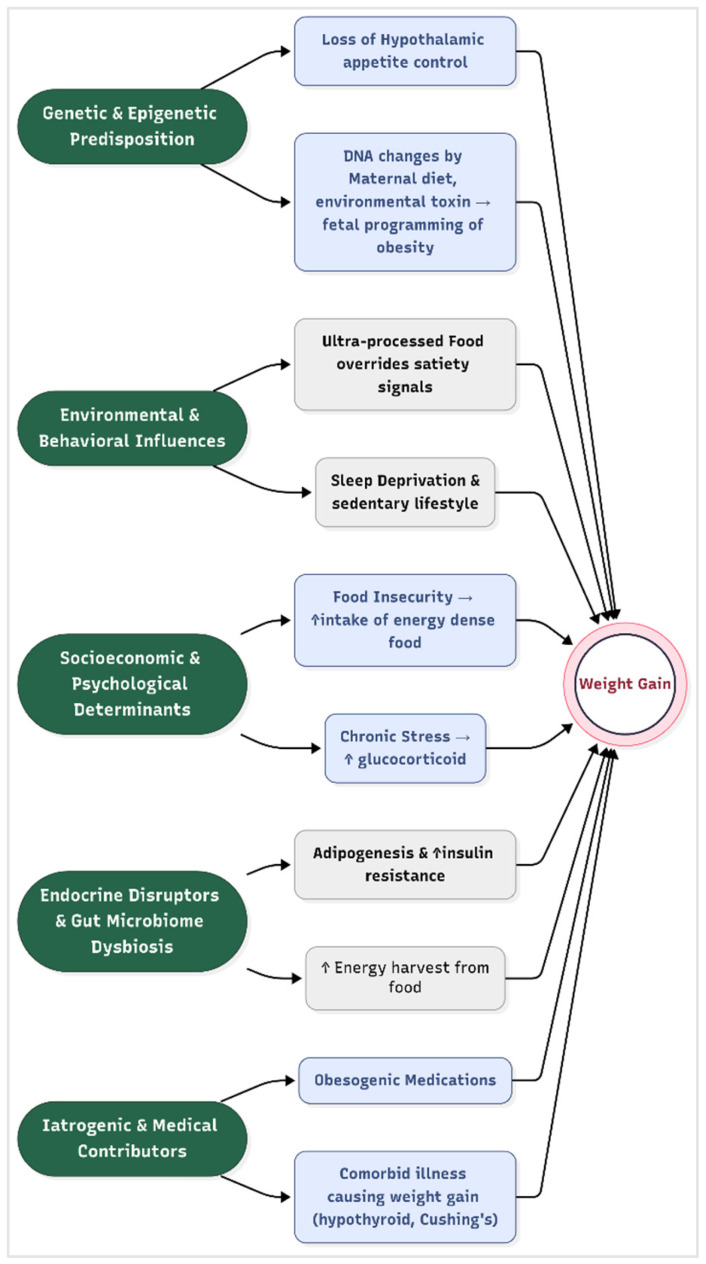
“Furthermore, gut microbiota composition, particularly reduced Bacteroidetes and elevated Firmicutes, enhances energy harvest from food and promotes systemic inflammation, as demonstrated in fecal transplant studies [35].”
Child abuse: Adolescent records vs. adult recall
Femina, D. D., Yeager, C. A., & Lewis, D. O. (1990) · Child Abuse & Neglect · doi:10.1016/0145-2134(90)90033-p · Cited by 8,820
The metabolic phenotype in obesity: Fat mass, body fat distribution, and adipose tissue function
Goossens, G. H. (2017) · Obesity Facts · doi:10.1159/000471488 · Cited by 8,481
Vos, T., Flaxman, A. D., Naghavi, M., Lozano, R., Michaud, C., Ezzati, M., Shibuya, K., Salomon, J. A., Abdalla, S., Aboyans, V., et al. (2012) · The Lancet · doi:10.1016/s0140-6736(12)61729-2 · Cited by 8,291 · cited 1×
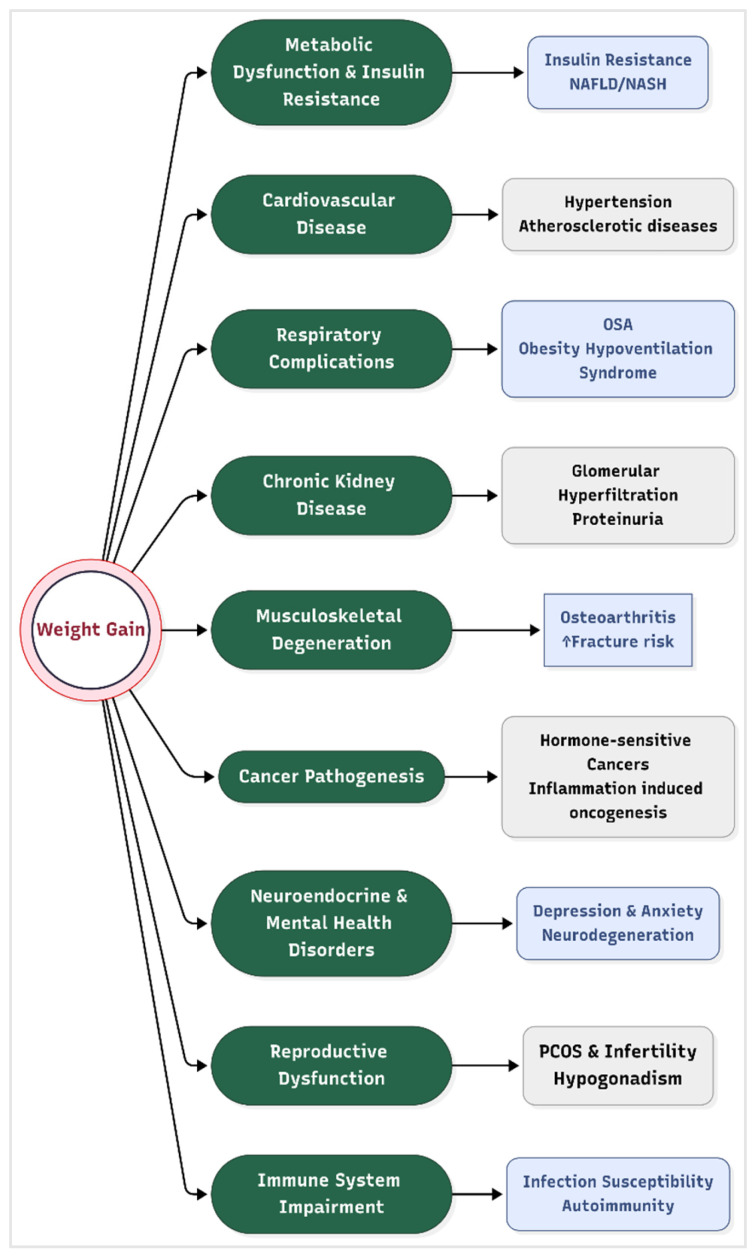
“Depression is more strongly linked to abdominal obesity than to overall obesity [51].”
Genetics of Food Intake Self-Regulation in Childhood: Literature Review and Research Opportunities
Faith, M. S., Carnell, S., & Kral, T. V. E. (2013) · Human Heredity · doi:10.1159/000353879 · Cited by 7,601
Lippa, N. C., & Sanderson, S. C. (2013) · Human Heredity · doi:10.1159/000353712 · Cited by 6,078
Mechanisms linking obesity to insulin resistance and type 2 diabetes
Kahn, S. E., Hull, R. L., & Utzschneider, K. M. (2006) · Nature · doi:10.1038/nature05482 · Cited by 5,448 · cited 1×
“This leads to systemic insulin resistance, a hallmark of metabolic syndrome and type 2 diabetes (T2D) [39].”
Once-Weekly Semaglutide in Adults with Overweight or Obesity
Wilding, J. P. H., Batterham, R. L., Calanna, S., Davies, M., Van Gaal, L. F., Lingvay, I., McGowan, B. M., Rosenstock, J., Tran, M. T. D., Wadden, T. A., et al. (2021) · New England Journal of Medicine · doi:10.1056/nejmoa2032183 · Cited by 5,205 · cited 6×
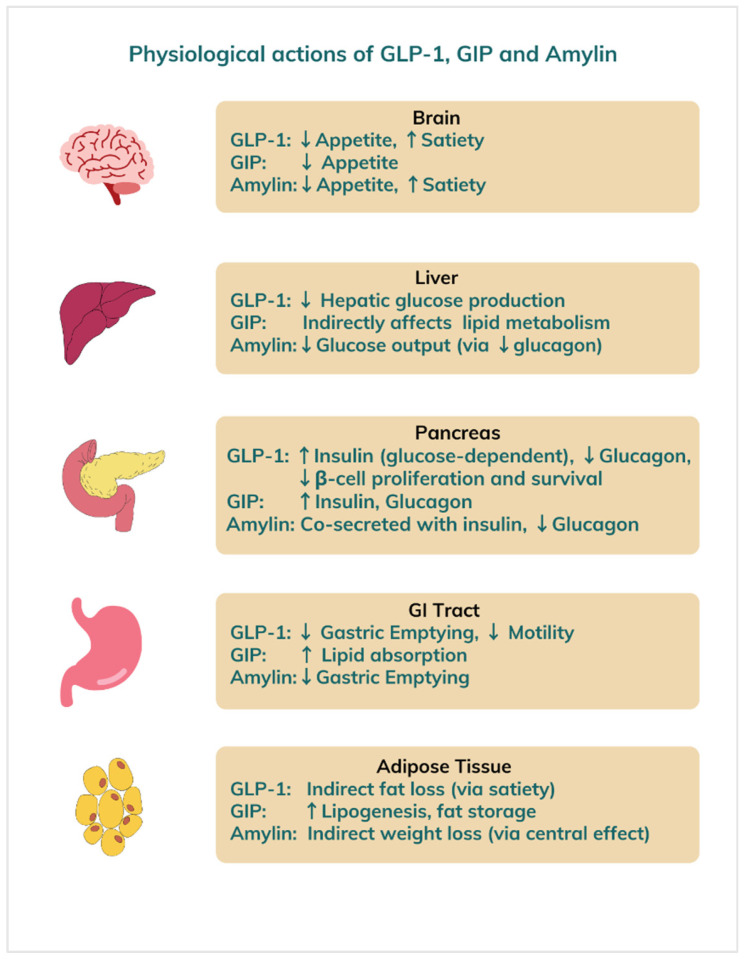
“Peripherally, it slows gastric emptying and improves insulin secretion in a glucose-dependent manner, indirectly promoting weight loss [6].”
InfluentialFrayling, T. M., Timpson, N. J., Weedon, M. N., Zeggini, E., Freathy, R. M., Lindgren, C. M., Perry, J. R. B., Elliott, K. S., Lango, H., Rayner, N. W., et al. (2007) · Science · doi:10.1126/science.1141634 · Cited by 4,531 · cited 1×
“Key genes, such as the fat mass and obesity-associated gene (FTO), influence hypothalamic regulation of appetite and energy expenditure by modulating leptin and melanocortin signaling pathways [22].”
Overweight, Obesity, and Depression: A Systematic Review and Meta-analysis of Longitudinal Studies
Luppino, F. S., de Wit, L. M., Bouvy, P. F., Stijnen, T., Cuijpers, P., Penninx, B. W. J. H., & Zitman, F. G. (2010) · Archives of General Psychiatry · doi:10.1001/archgenpsychiatry.2010.2 · Cited by 4,322 · cited 1×
“Obesity is linked to a 30–50% higher risk of depression and anxiety, mediated by inflammation-driven alterations in serotonin and dopamine signaling [50].”
Drucker, D. J., & Nauck, M. A. (2006) · The Lancet · doi:10.1016/s0140-6736(06)69705-5 · Cited by 3,896 · cited 1×
“Incretins also promote satiety, reducing food intake and making them prime targets in type 2 diabetes and obesity treatment [61].”
Tirzepatide Once Weekly for the Treatment of Obesity
Jastreboff, A. M., Aronne, L. J., Ahmad, N. N., Wharton, S., Connery, L., Alves, B., Kiyosue, A., Zhang, S., Liu, B., Bunck, M. C., et al. (2022) · New England Journal of Medicine · doi:10.1056/nejmoa2206038 · Cited by 3,838 · cited 3×
“• Efficacy: In the SURMOUNT-1 trial, tirzepatide 15 mg weekly achieved mean weight reductions of 20.9% over 72 weeks, with 50–57% of participants losing ≥ 20% of their body weight [7].”
InfluentialObesity and cardiovascular disease: a scientific statement from the American Heart Association
Powell-Wiley, T. M., Poirier, P., Burke, L. E., Després, J.-P., Gordon-Larsen, P., Lavie, C. J., Lear, S. A., Ndumele, C. E., Neeland, I. J., Sanders, P., et al. (2021) · Circulation · doi:10.1161/cir.0000000000000973 · Cited by 3,691 · cited 1×
“Obese individuals exhibit a 2–3-fold higher risk of coronary artery disease, heart failure, and stroke due to chronic inflammation and plaque instability [42].”
Ngandu, T., Lehtisalo, J., Solomon, A., Levälahti, E., Ahtiluoto, S., Antikainen, R., Bäckman, L., Hänninen, T., Jula, A., Laatikainen, T., et al. (2015) · The Lancet · doi:10.1016/s0140-6736(15)60461-5 · Cited by 3,689 · cited 1×
“Neurodegenerative diseases, including Alzheimer’s, are exacerbated by obesity-induced blood–brain barrier disruption and amyloid-beta accumulation [52].”
Estruch, R., Ros, E., Salas-Salvadó, J., Covas, M.-I., Corella, D., Arós, F., Gómez-Gracia, E., Ruiz-Gutiérrez, V., Fiol, M., Lapetra, J., et al. (2018) · New England Journal of Medicine · doi:10.1056/nejmoa1800389 · Cited by 3,616 · cited 1×
“The Mediterranean diet, rich in olive oil, vegetables, legumes, nuts, and fish, promotes weight maintenance and cardiovascular health even without strict calorie limits [100].”
Body Fatness and Cancer — Viewpoint of the IARC Working Group
Lauby-Secretan, B., Scoccianti, C., Loomis, D., Grosse, Y., Bianchini, F., & Straif, K. (2016) · New England Journal of Medicine · doi:10.1056/nejmsr1606602 · Cited by 3,596 · cited 1×
“One key factor is hyperinsulinemia and elevated levels of insulin-like growth factor 1 (IGF-1), which together stimulate the proliferation of tumor cells [47].”
Ultra-processed foods: What they are and how to identify them
Monteiro, C. A., Cannon, G., Levy, R. B., Moubarac, J.-C., Louzada, M. L., Rauber, F., Khandpur, N., Cediel, G., Neri, D., Martinez-Steele, E., et al. (2019) · Public Health Nutrition · doi:10.1017/s1368980018003762 · Cited by 2,964 · cited 1×
“Ultra-processed foods, which constitute > 60% of calories in high-income countries, are engineered to override satiety signals through high palatability and low fiber content [26].”
Poverty and obesity: The role of energy density and energy costs
Drewnowski, A., & Specter, S. (2004) · The American Journal of Clinical Nutrition · doi:10.1093/ajcn/79.1.6 · Cited by 2,786 · cited 1×
“Food insecurity paradoxically drives reliance on energy-dense, nutrient-poor foods due to cost constraints and limited access to fresh produce [30].”
DONNELLY, J. E., BLAIR, S. N., JAKICIC, J. M., MANORE, M. M., RANKIN, J. W., & SMITH, B. K. (2009) · Medicine & Science in Sports & Exercise · doi:10.1249/mss.0b013e3181949333 · Cited by 2,658 · cited 1×
“Meta analyses show that this combined approach reduces weight regain by two to three kilograms over twelve months compared to aerobic activity alone [104].”
Taheri, S., Lin, L., Austin, D., Young, T., & Mignot, E. (2004) · PLoS Medicine · doi:10.1371/journal.pmed.0010062 · Cited by 2,477 · cited 1×
“Sleep and Stress Management Chronic sleep deprivation, defined as less than seven hours per night, disrupts appetite regulation by increasing ghrelin and decreasing leptin, leading to greater caloric intake and weight gain [108].”
Fiber and prebiotics: Mechanisms and health benefits
Slavin, J. (2013) · Nutrients · doi:10.3390/nu5041417 · Cited by 2,340 · cited 1×
“Dietary fiber from whole grains, legumes, fruits, and vegetables further slows gastric emptying and regulates gut hormones to support blood sugar control and satiety [98].”
Younossi, Z. M., Golabi, P., de Avila, L., Paik, J. M., Srishord, M., Fukui, N., Qiu, Y., Burns, L., Afendy, A., & Nader, F. (2019) · Journal of Hepatology · doi:10.1016/j.jhep.2019.06.021 · Cited by 2,235 · cited 1×
“Non-alcoholic fatty liver disease (NAFLD), present in 70–90% of obese individuals, progresses to non-alcoholic steatohepatitis (NASH) and cirrhosis due to hepatic lipid overload and mitochondrial dysfunction [40].”
Meta-Analysis of Short Sleep Duration and Obesity in Children and Adults
Cappuccio, F. P., Taggart, F. M., Kandala, N.-B., Currie, A., Peile, E., Stranges, S., & Miller, M. A. (2008) · Sleep · doi:10.1093/sleep/31.5.619 · Cited by 2,076 · cited 1×
“Sleep deprivation ( 6 h/night) exacerbates metabolic dysregulation by elevating ghrelin (appetite-stimulating hormone) and reducing leptin (satiety hormone) levels [27].”
Projected U.S. State-Level Prevalence of Adult Obesity and Severe Obesity
Ward, Z. J., Bleich, S. N., Cradock, A. L., Barrett, J. L., Giles, C. M., Flax, C., Long, M. W., & Gortmaker, S. L. (2019) · New England Journal of Medicine · doi:10.1056/nejmsa1909301 · Cited by 2,009 · cited 1×
“Rising obesity rates place enormous strain on healthcare systems, economies, and personal health and lead to millions of avoidable deaths each year from cardiovascular disease, type 2 diabetes, various cancers, and other complications [2].”
Ross, R., Neeland, I. J., Yamashita, S., Shai, I., Seidell, J., Magni, P., Santos, R. D., Arsenault, B., Cuevas, A., Hu, F. B., et al. (2020) · Nature Reviews Endocrinology · doi:10.1038/s41574-019-0310-7 · Cited by 1,966 · cited 1×
“Waist circumference can indicate visceral fat but suffers from inconsistent measurement protocols [19].”
Definition and diagnostic criteria of clinical obesity
Rubino, F., Cummings, D. E., Eckel, R. H., Cohen, R. V., Wilding, J. P. H., Brown, W. A., Stanford, F. C., Batterham, R. L., Farooqi, I. S., Farpour-Lambert, N. J., et al. (2025) · The Lancet Diabetes & Endocrinology · doi:10.1016/s2213-8587(24)00316-4 · Cited by 1,811 · cited 2×
“According to the World Health Organization, adults with a BMI of 30 or higher are classified as obese, with subcategories for Class I (30–34.9), Class II (35–39.9), and Class III ( ≥ 40) obesity [9].”
InfluentialStress, eating and the reward system
Adam, T. C., & Epel, E. S. (2007) · Physiology & Behavior · doi:10.1016/j.physbeh.2007.04.011 · Cited by 1,732 · cited 1×
“Psychosocial stress promotes emotional eating, particularly of high-calorie, palatable foods, and contributes to central fat accumulation through elevated cortisol levels [110].”
Metabolic/Bariatric Surgery Worldwide 2011
Buchwald, H., & Oien, D. M. (2013) · Obesity Surgery · doi:10.1007/s11695-012-0864-0 · Cited by 1,694 · cited 1×
“While effective (~30% weight loss), it caused severe complications, including liver failure, renal stones, and malnutrition, leading to its abandonment [58].”
Valvular heart disease associated with fenfluramine-phentermine
Connolly, H. M., Crary, J. L., McGoon, M. D., Hensrud, D. D., Edwards, B. S., Edwards, W. D., & Schaff, H. V. (1997) · New England Journal of Medicine · doi:10.1056/nejm199708283370901 · Cited by 1,632
Visceral and ectopic fat, atherosclerosis, and cardiometabolic disease: a position statement
Neeland, I. J., Ross, R., Després, J.-P., Matsuzawa, Y., Yamashita, S., Shai, I., Seidell, J., Magni, P., Santos, R. D., Arsenault, B., et al. (2019) · The Lancet Diabetes & Endocrinology · doi:10.1016/s2213-8587(19)30084-1 · Cited by 1,603 · cited 1×
“It also overlooks fat distribution patterns; visceral fat, which surrounds internal organs and drives metabolic dysfunction, is a stronger predictor of disease risk than subcutaneous fat but remains invisible to BMI [13].”
Accuracy of body mass index in diagnosing obesity in the adult general population
Romero-Corral, A., Somers, V. K., Sierra-Johnson, J., Thomas, R. J., Collazo-Clavell, M. L., Korinek, J., Allison, T. G., Batsis, J. A., Sert-Kuniyoshi, F. H., & Lopez-Jimenez, F. (2008) · International Journal of Obesity · doi:10.1038/ijo.2008.11 · Cited by 1,589
Obesity and cancer risk: Emerging biological mechanisms and perspectives
Avgerinos, K. I., Spyrou, N., Mantzoros, C. S., & Dalamaga, M. (2019) · Metabolism · doi:10.1016/j.metabol.2018.11.001 · Cited by 1,567 · cited 1×
“Epidemiological data highlight the magnitude of this risk, with obesity being implicated in approximately 40% of endometrial cancers and 20% of postmenopausal breast cancers [48].”
Rubino, D., Abrahamsson, N., Davies, M., Hesse, D., Greenway, F. L., Jensen, C., Lingvay, I., Mosenzon, O., Rosenstock, J., Rubio, M. A., et al. (2021) · JAMA · doi:10.1001/jama.2021.3224 · Cited by 1,444 · cited 5×
“Yet, these break-throughs are not without challenges, including high costs, accessibility barriers, and concerns over long-term safety and weight regain upon discontinuation [8].”
InfluentialObesity-Induced Hypertension: Interaction of Neurohumoral and Renal Mechanisms
Hall, J. E., do Carmo, J. M., da Silva, A. A., Wang, Z., & Hall, M. E. (2015) · Circulation Research · doi:10.1161/circresaha.116.305697 · Cited by 1,360 · cited 1×
“Adipose-derived angiotensinogen promotes vasoconstriction and sodium retention, elevating blood pressure [41].”
Pharmacological Management of Obesity: An Endocrine Society Clinical Practice Guideline
Apovian, C. M., Aronne, L. J., Bessesen, D. H., McDonnell, M. E., Murad, M. H., Pagotto, U., Ryan, D. H., & Still, C. D. (2015) · The Journal of Clinical Endocrinology & Metabolism · doi:10.1210/jc.2014-3415 · Cited by 1,347 · cited 1×
“Medical conditions such as hypothyroidism, Cushing’s syndrome, and hypothalamic injuries also disrupt energy balance and cause weight gain [38].”
Hill, J. O., Wyatt, H. R., & Peters, J. C. (2012) · Circulation · doi:10.1161/circulationaha.111.087213 · Cited by 1,317
Catalano, P. M., & Shankar, K. (2017) · BMJ · doi:10.1136/bmj.j1 · Cited by 1,306 · cited 1×
“Maternal obesity increases risks of gestational diabetes, preeclampsia, and congenital anomalies in offspring [54].”
The genetics of obesity: From discovery to biology
Loos, R. J. F., & Yeo, G. S. H. (2022) · Nature Reviews Genetics · doi:10.1038/s41576-021-00414-z · Cited by 1,291 · cited 1×
“Twin and family studies estimate that 40–70% of obesity risk is heritable, with over 1000 genetic loci implicated in weight regulation [21].”
Self-monitoring in weight loss: a systematic review of the literature
Burke, L. E., Wang, J., & Sevick, M. A. (2011) · Journal of the American Dietetic Association · doi:10.1016/j.jada.2010.10.008 · Cited by 1,203 · cited 1×
“Individuals who engage in regular self-monitoring tend to lose and maintain up to three kilograms more than those who do not [106].”
Metabolism disrupting chemicals and metabolic disorders
Heindel, J. J., Blumberg, B., Cave, M., Machtinger, R., Mantovani, A., Mendez, M. A., Nadal, A., Palanza, P., Panzica, G., Sargis, R., et al. (2017) · Reproductive Toxicology · doi:10.1016/j.reprotox.2016.10.001 · Cited by 1,101 · cited 1×
“Exposure to endocrine-disrupting chemicals (EDCs), such as bisphenol A (BPA) and phthalates, interferes with adipogenesis and insulin sensitivity by mimicking or blocking hormonal signaling [34].”
Blüher, M. (2020) · Endocrine Reviews · doi:10.1210/endrev/bnaa004 · Cited by 1,090
Laparoscopic Versus Open Gastric Bypass: A Randomized Study of Outcomes, Quality of Life, and Costs
Nguyen, N. T., Goldman, C., Rosenquist, C. J., Arango, A., Cole, C. J., Lee, S. J., & Wolfe, B. M. (2001) · Annals of Surgery · doi:10.1097/00000658-200109000-00002 · Cited by 1,055
Anti-obesity drug discovery: advances and challenges
Müller, T. D., Blüher, M., Tschöp, M. H., & DiMarchi, R. D. (2022) · Nature Reviews Drug Discovery · doi:10.1038/s41573-021-00337-8 · Cited by 1,021 · cited 1×
“Building on this, triple-receptor agonists—targeting GLP-1, GIP, and glucagon receptors—are in phase 2 development and promise further synergistic gains by combining appetite suppression, increased energy expenditure, and enhanced lipid metabolism [112].”
MicroRNAs 103 and 107 regulate insulin sensitivity
Trajkovski, M., Hausser, J., Soutschek, J., Bhat, B., Akin, A., Zavolan, M., Heim, M. H., & Stoffel, M. (2011) · Nature · doi:10.1038/nature10112 · Cited by 1,000 · cited 1×
“• MicroRNA inhibitors (antagomirs) targeting miR-103 and miR-107 improve insulin sensitivity and reduce adiposity in diet-induced obese mice by enhancing hepatic and peripheral insulin signaling [92].”
Effect of Sibutramine on Cardiovascular Outcomes in Overweight and Obese Subjects
James, W. P. T., Caterson, I. D., Coutinho, W., Finer, N., Van Gaal, L. F., Maggioni, A. P., Torp-Pedersen, C., Sharma, A. M., Shepherd, G. M., Rode, R. A., et al. (2010) · New England Journal of Medicine · doi:10.1056/nejmoa1003114 · Cited by 943 · cited 2×
“Despite 5–10% weight loss in trials, it was discontinued in 2010 after the SCOUT trial showed elevated cardiovascular events (e.g., stroke) in high-risk patients [4].”
The dopamine motive system: implications for drug and food addiction
Volkow, N. D., Wise, R. A., & Baler, R. (2017) · Nature Reviews Neuroscience · doi:10.1038/nrn.2017.130 · Cited by 939 · cited 1×
“Additionally, neurobehavioral factors, such as reward-driven eating, are linked to dopaminergic signaling in the nucleus accumbens, increasing the susceptibility to over-consumption [32].”
Obesity and leptin resistance: distinguishing cause from effect
Myers, M. G., Leibel, R. L., Seeley, R. J., & Schwartz, M. W. (2010) · Trends in Endocrinology & Metabolism · doi:10.1016/j.tem.2010.08.002 · Cited by 901 · cited 1×
“Leptin resistance in the hypothalamus disrupts appetite regulation, perpetuating overeating [49].”
Drager, L. F., Togeiro, S. M., Polotsky, V. Y., & Lorenzi-Filho, G. (2013) · Journal of the American College of Cardiology · doi:10.1016/j.jacc.2013.05.045 · Cited by 886 · cited 1×
“This causes predisposition to obstructive sleep apnea (OSA), where intermittent hypoxia triggers oxidative stress and systemic inflammation [43].”
Coskun, T., Sloop, K. W., Loghin, C., Alsina-Fernandez, J., Urva, S., Bokvist, K. B., Cui, X., Briere, D. A., Cabrera, O., Roell, W. C., et al. (2018) · Molecular Metabolism · doi:10.1016/j.molmet.2018.09.009 · Cited by 882 · cited 2×
“In addition to these peripheral actions, its dual receptor engagement in hypothalamic feeding centers reduces appetite and caloric intake, resulting in substantial weight loss that surpasses effects seen with selective GLP-1 agonists [67].”
Khera, R., Murad, M. H., Chandar, A. K., Dulai, P. S., Wang, Z., Prokop, L. J., Loomba, R., Camilleri, M., & Singh, S. (2016) · JAMA · doi:10.1001/jama.2016.7602 · Cited by 865 · cited 2×
“These outcomes are substantially superior to older therapies such as orlistat or phenter-mine/topiramate [65].”
Metabolically healthy obesity: Epidemiology, mechanisms, and clinical implications
Stefan, N., Häring, H.-U., Hu, F. B., & Schulze, M. B. (2013) · The Lancet Diabetes & Endocrinology · doi:10.1016/s2213-8587(13)70062-7 · Cited by 857 · cited 1×
“For example, individuals with normal BMI but high visceral fat are termed as “metabolically obese normal weight”, but their cardiovascular risks are comparable to those with clinical obesity [14].”
A self-regulation program for maintenance of weight loss
Wing, R. R., Tate, D. F., Gorin, A. A., Raynor, H. A., & Fava, J. L. (2006) · New England Journal of Medicine · doi:10.1056/nejmoa061883 · Cited by 830 · cited 1×
“Behavioral inertia also plays a role: without sustained lifestyle changes, appetite-suppression wanes and old dietary patterns return [84].”
Frias, J. P., Nauck, M. A., Van, J., Kutner, M. E., Cui, X., Benson, C., Urva, S., Gimeno, R. E., Milicevic, Z., Robins, D., et al. (2018) · The Lancet · doi:10.1016/s0140-6736(18)32260-8 · Cited by 815 · cited 1×
“By co-activating GIP and GLP-1 receptors on pancreatic β -cells, it amplifies cyclic AMP signaling and enhances glucose-dependent insulin secretion while concurrently suppressing glucagon release from α -cells, leading to improved glycemic control [68].”
Insulin Resistance and Hyperinsulinemia
Shanik, M. H., Xu, Y., Škrha, J., Dankner, R., Zick, Y., & Roth, J. (2008) · Diabetes Care · doi:10.2337/dc08-s264 · Cited by 791
Polygenic Prediction of Weight and Obesity Trajectories from Birth to Adulthood
Khera, A. V., Chaffin, M., Wade, K. H., Zahid, S., Brancale, J., Xia, R., Distefano, M., Senol-Cosar, O., Haas, M. E., Bick, A., et al. (2019) · Cell · doi:10.1016/j.cell.2019.03.028 · Cited by 789 · cited 1×
“Recent work on polygenic risk scores improved individual prediction of obesity susceptibility, revealing that high genetic risk can be attenuated by healthy lifestyle factors [24].”
How and why weight stigma drives the obesity ‘epidemic’ and harms health
Tomiyama, A. J., Carr, D., Granberg, E. M., Major, B., Robinson, E., Sutin, A. R., & Brewis, A. (2018) · BMC Medicine · doi:10.1186/s12916-018-1116-5 · Cited by 712 · cited 1×
“Psychological stressors, including chronic discrimination or depression, activate the hypothalamic– pituitary–adrenal (HPA) axis, promoting visceral fat deposition through glucocorticoid excess [31].”
A proposed clinical staging system for obesity
Sharma, A. M., & Kushner, R. F. (2009) · International Journal of Obesity · doi:10.1038/ijo.2009.2 · Cited by 687 · cited 1×
“Similarly, the Edmonton Obesity Staging System (EOSS) incorporates mental health and quality of life metrics, recognizing that obesity’s impact extends beyond physical health [11].”
Health benefits of gastric bypass surgery after 6 years
Adams, T. D., Davidson, L. E., Litwin, S. E., Kolotkin, R. L., LaMonte, M. J., Pendleton, R. C., Strong, M. B., Vinik, R., Wanner, N. A., Hopkins, P. N., et al. (2012) · JAMA · doi:10.1001/2012.jama.11164 · Cited by 674 · cited 2×
“However, risks include dumping syndrome, micronutrient deficiencies, and rare but severe complications (e.g., anastomotic leaks) [5].”
Armstrong, M. J., Mottershead, T. A., Ronksley, P. E., Sigal, R. J., Campbell, T. S., & Hemmelgarn, B. R. (2011) · Obesity Reviews · doi:10.1111/j.1467-789x.2011.00892.x · Cited by 586 · cited 1×
“Motivational interviewing uses patient-centered communication to enhance intrinsic motivation and adherence and yields more sustained weight loss than standard education [107].”
O'Brien, P. E., MacDonald, L., Anderson, M., Brennan, L., & Brown, W. A. (2013) · Annals of Surgery · doi:10.1097/sla.0b013e31827b6c02 · Cited by 546 · cited 1×
“While safer than bypass surgeries, it resulted in only 15–20% weight loss, with frequent complications (band slippage, erosion) and a 40% long-term failure rate [60].”
Clément, K., van den Akker, E., Argente, J., Bahm, A., Chung, W. K., Connors, H., De Waele, K., Farooqi, I. S., Gonneau-Lejeune, J., Gordon, G., et al. (2020) · The Lancet Diabetes & Endocrinology · doi:10.1016/s2213-8587(20)30364-8 · Cited by 492 · cited 2×
“Setmelanotide (Imcivree ® ) was approved in 2020 for obesity due to proopiomelanocortin (POMC), leptin receptor (LEPR), or PCSK1 deficiency, and later for Bardet–Biedl syndrome [78].”
Daily Oral GLP-1 Receptor Agonist Orforglipron for Adults with Obesity
Wharton, S., Blevins, T., Connery, L., Rosenstock, J., Raha, S., Liu, R., Ma, X., Mather, K. J., Haupt, A., Robins, D., et al. (2023) · New England Journal of Medicine · doi:10.1056/nejmoa2302392 · Cited by 478 · cited 1×
“…agonists such as semaglutide or liraglutide, orforglipron does not require injection, cold-chain storage, or co-formulation with absorption enhancers such as sodium N-[8-(2-hydroxybenzoyl)amino] caprylate (SNAC), making it a potentially more accessible and convenient option for patients [75].”
The role of protein in weight loss and maintenance
Leidy, H. J., Clifton, P. M., Astrup, A., Wycherley, T. P., Westerterp-Plantenga, M. S., Luscombe-Marsh, N. D., Woods, S. C., & Mattes, R. D. (2015) · The American Journal of Clinical Nutrition · doi:10.3945/ajcn.114.084038 · Cited by 475 · cited 1×
“Higher-protein diets ( ≥ 25 percent of energy) enhance fullness, preserve lean mass, and boost resting energy expenditure versus standard protein levels [97].”
Chaput, J.-P., Després, J.-P., Bouchard, C., & Tremblay, A. (2008) · Sleep · doi:10.1093/sleep/31.4.517 · Cited by 390 · cited 1×
“Meta-analyses indicate that improving sleep duration and quality reduces obesity risk and supports long-term weight maintenance [109].”
Padwal, R., Li, S. K., & Lau, D. C. W. (2003) · International Journal of Obesity · doi:10.1038/sj.ijo.0802475 · Cited by 348 · cited 1×
“It is still available, but its use is limited by gastrointestinal side effects (e.g., steatorrhea, fecal incontinence) and poor long-term adherence [57].”
Frias, J. P., Deenadayalan, S., Erichsen, L., Knop, F. K., Lingvay, I., Macura, S., Mathieu, C., Pedersen, S. D., & Davies, M. (2023) · The Lancet · doi:10.1016/s0140-6736(23)01163-7 · Cited by 334 · cited 2×
“When co-administered with the GLP-1 receptor agonist semaglutide (CagriSema ® ), they act synergistically to produce greater weight loss and improved glycemic control than either agent alone, without significantly increasing the incidence or severity of gastrointestinal adverse events [72,73].”
InfluentialWhat is the pipeline for future medications for obesity?
Melson, E., Ashraf, U., Papamargaritis, D., & Davies, M. J. (2025) · International Journal of Obesity · doi:10.1038/s41366-024-01473-y · Cited by 332 · cited 1×
“It has completed phase IIa studies and is currently in phase IIb development in combination trials [80].”
Natale, V., & Rajagopalan, A. (2014) · BMJ Open · doi:10.1136/bmjopen-2013-003735 · Cited by 301 · cited 1×
“Pediatric obesity classification faces similar challenges: BMI-for-age percentiles frequently misclassify muscular children, and growth charts fail to account for ethnic variations in body composition [16,17].”
Current body composition measurement techniques
Lemos, T., & Gallagher, D. (2017) · Current Opinion in Endocrinology, Diabetes & Obesity · doi:10.1097/med.0000000000000360 · Cited by 280 · cited 1×
“Advanced measures such as DEXA or MRI precisely assess fat quantity and location but remain costly and scarce in many settings [18].”
Lau, D. C. W., Erichsen, L., Francisco, A. M., Satylganova, A., le Roux, C. W., McGowan, B., Pedersen, S. D., Pietiläinen, K. H., Rubino, D., & Batterham, R. L. (2021) · The Lancet · doi:10.1016/s0140-6736(21)01751-7 · Cited by 278 · cited 1×
“When co-administered with the GLP-1 receptor agonist semaglutide (CagriSema ® ), they act synergistically to produce greater weight loss and improved glycemic control than either agent alone, without significantly increasing the incidence or severity of gastrointestinal adverse events [72,73].”
Appropriateness of waist circumference and waist-to-hip ratio cutoffs for different ethnic groups
Lear, S. A., James, P. T., Ko, G. T., & Kumanyika, S. (2010) · European Journal of Clinical Nutrition · doi:10.1038/ejcn.2009.70 · Cited by 276 · cited 1×
“Standard BMI cutoffs miss risk in South Asian groups, who tend to have more visceral fat and insulin resistance at a lower BMI, and overstate risk in Black populations, who often carry more muscle mass [15].”
Church, T. S., Martin, C. K., Thompson, A. M., Earnest, C. P., Mikus, C. R., & Blair, S. N. (2009) · PLoS ONE · doi:10.1371/journal.pone.0004515 · Cited by 275 · cited 1×
“Resistance training preserves lean body mass and slows the drop in resting metabolic rate that often follows weight loss [102].”
Osteoarthritis, inflammation and obesity
Berenbaum, F., Eymard, F., & Houard, X. (2013) · Current Opinion in Rheumatology · doi:10.1097/bor.0b013e32835a9414 · Cited by 267 · cited 1×
“Adipokines such as leptin and adiponectin exacerbate joint inflammation and synovial fibrosis, independent of biomechanical stress [46].”
Obesity and chronic kidney disease
Jiang, Z., Wang, Y., Zhao, X., Cui, H., Han, M., Ren, X., Gang, X., & Wang, G. (2023) · American Journal of Physiology-Endocrinology and Metabolism · doi:10.1152/ajpendo.00179.2022 · Cited by 267
Essential Role for miR-196a in Brown Adipogenesis of White Fat Progenitor Cells
Mori, M., Nakagami, H., Rodriguez-Araujo, G., Nimura, K., & Kaneda, Y. (2012) · PLoS Biology · doi:10.1371/journal.pbio.1001314 · Cited by 243 · cited 1×
“Conversely, miR-196a mimics promote the browning of white adipose tissue— upregulating uncoupling protein 1 and other thermogenic genes—thereby increasing energy expenditure and conferring resistance to diet-induced obesity [93].”
What is the required energy deficit per unit weight loss?
Hall, K. D. (2008) · International Journal of Obesity · doi:10.1038/sj.ijo.0803720 · Cited by 229 · cited 1×
“Biological counter-regulatory mechanisms, such as reductions in leptin, rises in ghrelin, and adaptive metabolic slowing, cause increased hunger and energy conservation after weight loss [83].”
Nonexercise activity thermogenesis (NEAT): environment and biology
Levine, J. A. (2004) · American Journal of Physiology-Endocrinology and Metabolism · doi:10.1152/ajpendo.00562.2003 · Cited by 212 · cited 1×
“Factors such as occupation, leisure activities, genetics, and even food intake can influence NEAT levels, making it a crucial factor in maintaining long-term weight stability [103].”
Astrup, A., Madsbad, S., Breum, L., Jensen, T. J., Kroustrup, J. P., & Larsen, T. M. (2008) · The Lancet · doi:10.1016/s0140-6736(08)61525-1 · Cited by 193 · cited 2×
“Tesofensine is a novel triple monoamine reuptake inhibitor originally developed for neurodegenerative diseases but repurposed for obesity after marked weight loss was observed in early studies [79].”
Frias, J. P., Hsia, S., Eyde, S., Liu, R., Ma, X., Konig, M., Kazda, C., Mather, K. J., Haupt, A., Pratt, E., et al. (2023) · The Lancet · doi:10.1016/s0140-6736(23)01302-8 · Cited by 184 · cited 2×
“Mechanism of action: It binds to and activates the GLP-1 receptor to stimulate glucose-dependent insulin secretion, inhibit glucagon release, delay gastric emptying, and suppress appetite—mechanisms that contribute to improved glycemic control and substantial weight loss [76].”
InfluentialGLP-1/glucagon receptor co-agonism for treatment of obesity
Sánchez-Garrido, M. A., Brandt, S. J., Clemmensen, C., Müller, T. D., DiMarchi, R. D., & Tschöp, M. H. (2017) · Diabetologia · doi:10.1007/s00125-017-4354-8 · Cited by 175 · cited 1×
“Amylin, co-released with insulin from β -cells, likewise slows gastric emptying, suppresses glucagon, and enhances fullness to aid appetite control [62].”
Clinical Consequences of Delayed Gastric Emptying With GLP-1 Receptor Agonists and Tirzepatide
Jalleh, R. J., Plummer, M. P., Marathe, C. S., Umapathysivam, M. M., Quast, D. R., Rayner, C. K., Jones, K. L., Wu, T., Horowitz, M., & Nauck, M. A. (2024) · The Journal of Clinical Endocrinology & Metabolism · doi:10.1210/clinem/dgae719 · Cited by 157
Forman, E. M., Butryn, M. L., Manasse, S. M., Crosby, R. D., Goldstein, S. P., Wyckoff, E. P., & Thomas, J. G. (2016) · Obesity · doi:10.1002/oby.21601 · Cited by 145 · cited 1×
“Stress management techniques, including mindfulness-based stress reduction and cognitive behavioral therapy, have been shown to lower emotional eating and reduce weight regain by up to 1.5 kg over one year [111].”
InfluentialDevelopment of Cagrilintide, a Long-Acting Amylin Analogue
Kruse, T., Hansen, J. L., Dahl, K., Schäffer, L., Sensfuss, U., Poulsen, C., Schlein, M., Hansen, A. M. K., Jeppesen, C. B., Dornonville de la Cour, C., et al. (2021) · Journal of Medicinal Chemistry · doi:10.1021/acs.jmedchem.1c00565 · Cited by 129 · cited 2×
“It slows gastric emptying, suppresses postprandial glucagon secretion, and reduces appetite via central hypothalamic pathways [63].”
Maharana, A., & Nsoesie, E. O. (2018) · JAMA Network Open · doi:10.1001/jamanetworkopen.2018.1535 · Cited by 128
Dysregulation of a long noncoding RNA reduces leptin leading to a leptin-responsive form of obesity
Dallner, O. S., Marinis, J. M., Lu, Y.-H., Birsoy, K., Werner, E., Fayzikhodjaeva, G., Dill, B. D., Molina, H., Moscati, A., Kutalik, Z., et al. (2019) · Nature Medicine · doi:10.1038/s41591-019-0370-1 · Cited by 106 · cited 1×
“Long noncoding RNA modulation—for example, lipid nanoparticle-mediated silencing of the adipocyte-specific lncRNA lncOb—restores leptin expression, reduces fat mass, and improves glucose tolerance in obese mouse models [94].”
Sensitivity to Change of Objectively-Derived Measures of Sedentary Behavior
Chastin, S. F. M., Winkler, E. A. H., Eakin, E. G., Gardiner, P. A., Dunstan, D. W., Owen, N., & Healy, G. N. (2015) · Measurement in Physical Education and Exercise Science · doi:10.1080/1091367x.2015.1050592 · Cited by 84 · cited 1×
“Interrupting prolonged periods of sitting with brief bouts of activity each hour also improves metabolic flexibility [105].”
Perri, M. G., Shankar, M. N., Daniels, M. J., Durning, P. E., Ross, K. M., Limacher, M. C., Janicke, D. M., Martin, A. D., Dhara, K., Bobroff, L. B., et al. (2020) · JAMA Network Open · doi:10.1001/jamanetworkopen.2020.6764 · Cited by 74 · cited 2×
“…obesity management requires a focus on fundamental lifestyle strategies, including consistent caloric restriction through whole foods, avoidance of ultra-processed products, regular physical activity, and behavioral support, to maintain a negative energy balance and prevent weight regain [85,86].”
InfluentialFecal microbiota transplantation in obesity metabolism: A meta analysis and systematic review
Zecheng, L., Donghai, L., Runchuan, G., Yuan, Q., Qi, J., Yijia, Z., Shuaman, R., Xiaoqi, L., Yi, W., Ni, M., et al. (2023) · Diabetes Research and Clinical Practice · doi:10.1016/j.diabres.2023.110803 · Cited by 69 · cited 1×
“Single-dose transplantation has temporarily improved insulin sensitivity and reduced liver fat, though sustained weight loss has been small without repeat procedures [90].”
Reynolds, G. P., & McGowan, O. O. (2017) · Journal of Psychopharmacology · doi:10.1177/0269881117722987 · Cited by 67 · cited 1×
“Weight gain is a well-established side effect of all anti-psychotics, especially the second-generation anti-psychotics such as clozapine and olanzapine, by antagonizing 5-hydroxy tryptamine receptor, dopamine receptor, and histamine and muscarinic receptors [37].”
Integrative metagenomic analysis reveals distinct gut microbial signatures related to obesity
Hu, X., Yu, C. H. A., He, Y., Zhu, S., Wang, S., Xu, Z., You, S., Jiao, Y., Liu, S., & Bao, H. (2024) · BMC Microbiology · doi:10.1186/s12866-024-03278-5 · Cited by 67 · cited 1×
“Recent metagenomic analyses identified specific bacterial strains whose loss predicts obesity development, opening the door to precision microbiome therapies [36].”
Lahtinen, P., Juuti, A., Luostarinen, M., Niskanen, L., Liukkonen, T., Tillonen, J., Kössi, J., Ilvesmäki, V., Viljakka, M., Satokari, R., et al. (2022) · JAMA Network Open · doi:10.1001/jamanetworkopen.2022.47226 · Cited by 66
Valvular heart disease associated with fenfluramine-phentermine
Connolly, H. (1998) · Journal of Emergency Medicine · doi:10.1016/s0736-4679(98)80042-5 · Cited by 65
Cárdenas, J. K. Z., Azcona, C., Catalán, V., Ramírez, B., Silva, C., Rodríguez, A., Escalada, J., Frühbeck, G., & Gómez‐Ambrosi, J. (2023) · Cardiovascular Diabetology · doi:10.1186/s12933-023-01972-8 · Cited by 57 · cited 1×
“Pediatric obesity classification faces similar challenges: BMI-for-age percentiles frequently misclassify muscular children, and growth charts fail to account for ethnic variations in body composition [16,17].”
Rooks, D., Petricoul, O., Praestgaard, J., Bartlett, M., Laurent, D., & Roubenoff, R. (2020) · Journal of Cachexia, Sarcopenia and Muscle · doi:10.1002/jcsm.12639 · Cited by 54 · cited 1×
“Mechanism of action: Bimagrumab is a fully human monoclonal antibody that exerts its anabolic effects on skeletal muscle by dual blockade of activin type II receptors, thereby neutralizing multiple negative regulators of muscle growth [81,82].”
Immune Dysregulation in Obesity
Jiang, Z., Tabuchi, C., Gayer, S. G., & Bapat, S. P. (2025) · Annual Review of Pathology Mechanisms of Disease · doi:10.1146/annurev-pathmechdis-051222-015350 · Cited by 52 · cited 1×
“Adipose-resident macrophages shift to a pro-inflammatory M1 phenotype, secreting IL-1 β and IL-6, which impair T-cell function and vaccine efficacy [55].”
Kaur, M., & Misra, S. (2024) · European Journal of Clinical Pharmacology · doi:10.1007/s00228-024-03646-0 · Cited by 51 · cited 1×
“This multifaceted mechanism targets both caloric intake and energy metabolism and enhances insulin secretion, optimizes glucose homeostasis, and effectively regulates appetite [70].”
Cagrilintide: A Long-Acting Amylin Analog for the Treatment of Obesity
D’Ascanio, A. M., Mullally, J. A., & Frishman, W. H. (2024) · Cardiology in Review · doi:10.1097/crd.0000000000000513 · Cited by 46 · cited 2×
“Parallel efforts with long-acting amylin analogues, exemplified by cagrilintide, are exploring combined regimens to modulate both homeostatic and hedonic feeding circuits more robustly than single-pathway agents [74].”
Lillycrop, K. A., & Burdge, G. C. (2011) · Lifestyle Genomics · doi:10.1159/000334857 · Cited by 41 · cited 1×
“Epigenetic modification, such as DNA methylation changes induced by maternal diet, stress, or environmental toxins, may also alter fetal programming of adiposity, creating intergenerational cycles of obesity [23].”
Dutta, D., Nagendra, L., Anne, B., Kumar, M., Sharma, M., & Kamrul‐Hasan, A. B. M. (2024) · Obesity Science & Practice · doi:10.1002/osp4.743 · Cited by 35 · cited 2×
“Preclinical studies demonstrated that orfor-glipron has a high oral bioavailability and favorable pharmacokinetics, supporting once-daily dosing [77].”
Effects of bimagrumab, an activin receptor type II inhibitor, on pituitary neurohormonal axes
Garito, T., Zakaria, M., Papanicolaou, D. A., Li, Y., Pinot, P., Petricoul, O., Laurent, D., Rooks, D., Rondon, J. C., & Roubenoff, R. (2018) · Clinical Endocrinology · doi:10.1111/cen.13601 · Cited by 31 · cited 1×
“Mechanism of action: Bimagrumab is a fully human monoclonal antibody that exerts its anabolic effects on skeletal muscle by dual blockade of activin type II receptors, thereby neutralizing multiple negative regulators of muscle growth [81,82].”
Canney, A. L., Cohen, R. V., Elliott, J. A., M Aboud, C., Martin, W. P., Docherty, N. G., & le Roux, C. W. (2020) · Diabetes and Vascular Disease Research · doi:10.1177/1479164119879039 · Cited by 31 · cited 1×
“Weight loss interventions have been shown to reduce albuminuria and slow CKD progression, underscoring the renal benefits of obesity management [45].”
Epigenetics in obesity: Mechanisms and advances in therapies based on natural products
Chen, P., Wang, Y., Chen, F., & Zhou, B. (2024) · Pharmacology Research & Perspectives · doi:10.1002/prp2.1171 · Cited by 27 · cited 1×
“DNA methyltransferase inhibitors, such as low-dose 5-azacytidine, improved lipid oxidation and insulin sensitivity in animal models by demethylating promoters of metabolism related genes [87].”
The power of three: Retatrutide’s role in modern obesity and diabetes therapy
Abdul-Rahman, T., Roy, P., Ahmed, F. K., Mueller-Gomez, J. L., Sarkar, S., Garg, N., Femi-Lawal, V. O., Wireko, A. A., Thaalibi, H. I., Hashmi, M. U., et al. (2024) · European Journal of Pharmacology · doi:10.1016/j.ejphar.2024.177095 · Cited by 27 · cited 1×
“In addition to its effects on weight and glucose regulation, retatrutide demonstrates potential benefits in reducing cardiovascular risk factors and managing non-alcoholic fatty liver disease, suggesting a broader role in the management of metabolic disorders [71].”
Lam, H. N., Lin, S.-P., Nguyen, D. H. N., Chen, C.-M., Su, C.-T., Fang, T.-C., & Li, S.-C. (2025) · Nutrients · doi:10.3390/nu17040608 · Cited by 27 · cited 1×
“Natural products such as resveratrol, curcumin, and omega 3 fatty acids are under study for their capacity to induce beneficial chromatin changes in liver and fat tissue, with early data showing modest improvements in body composition [89].”
Huang, J., Li, Y., Chen, M., Cai, Z., Cai, Z., & Jiang, Z. (2024) · International Journal of Behavioral Nutrition and Physical Activity · doi:10.1186/s12966-024-01657-9 · Cited by 25 · cited 1×
“Network meta-analyses show that continuous restriction, alternate-day fasting, and time-restricted eating each yield comparable weight loss and maintenance [96].”
Brakefield, W. S., Olusanya, O. A., & Shaban‐Nejad, A. (2022) · JMIR Public Health and Surveillance · doi:10.2196/37039 · Cited by 24 · cited 1×
“Similarly, socioeconomic features of neighborhoods—such as poverty levels, rental housing proportion, and household structure—have been strongly linked to obesity rates through spatial machine learning approaches [29].”
Yabe, D., Deenadayalan, S., Horio, H., Kaneto, H., Jensen, T. B., Terauchi, Y., Yamada, Y., & Inagaki, N. (2022) · Journal of Diabetes Investigation · doi:10.1111/jdi.13764 · Cited by 23 · cited 1×
“Crucially, it is co-formulated with the small-molecule absorption enhancer SNAC (sodium N-[8-(2-hydroxybenzoyl)amino]caprylate), which transiently raises local gastric pH and facilitates transcellular uptake of semaglutide across the gastric epithelium [64].”
Reasons to avoid ultra-processed foods
Monteiro, C. A., Martínez-Steele, E., & Cannon, G. (2024) · BMJ · doi:10.1136/bmj.q439 · Cited by 22 · cited 2×
“…obesity management requires a focus on fundamental lifestyle strategies, including consistent caloric restriction through whole foods, avoidance of ultra-processed products, regular physical activity, and behavioral support, to maintain a negative energy balance and prevent weight regain [85,86].”
HDAC in obesity: A critical insight
Nijhawan, P., Behl, T., Khullar, G., Pal, G., Kandhwal, M., & Goyal, A. (2020) · Obesity Medicine · doi:10.1016/j.obmed.2020.100212 · Cited by 13 · cited 1×
“Histone deacetylase modulators, including selective HDAC3 inhibitors, increase expression of genes involved in mitochondrial growth and activation of brown fat, leading to higher resting energy use [88].”
Longitudinal associations of an exposome score with serum metabolites from childhood to adolescence
Healy, D. R., Zarei, I., Mikkonen, S. J., Soininen, S., Viitasalo, A., Haapala, E. A., Auriola, S. O. K., Hanhineva, K., Kolehmainen, M., & Lakka, T. A. (2024) · Communications Biology · doi:10.1038/s42003-024-06146-0 · Cited by 10 · cited 1×
“A recent study demonstrates how a composite exposome scores, including factors such as air pollution, diet, and sleep, correlate with metabolic biomarkers from childhood into adolescence, reinforcing the concept’s relevance to obesity development [25].”
Research works printed but not linked: 1
- Rasmussen N. On Speed: The Many Lives of Amphetamine New York University Press New York, NY, USA 2008 Available online: https://psycnet.apa.org/record/2008-03283-000 (accessed on 6 May 2025)
Cited by
Bottignole, D., Mutti, C., Parrino, L., & Pezzini, A. (2025) · Journal of Clinical Medicine · doi:10.3390/jcm14207420 · Cited by 3
Ioannidis, O., Anestiadou, Ε., Rodríguez, J. M. ́., Fabbri, N., Ubieto, J. M., Feo, C. V., Pesce, A., Rosetzka, K., Arroyo, A., Kocián, P., et al. (2026) · Journal of Clinical Medicine · doi:10.3390/jcm15051706 · Cited by 3
Zuccotti, G., Gatti, A., Rossi, V., Cordaro, E., & Calcaterra, V. (2026) · Frontiers in Nutrition · doi:10.3389/fnut.2026.1715574 · Cited by 2
Hu, P., Zhong, A., Shen, Y., Yuan, Y., Jin, Q., & Chen, Q. (2026) · Diabetology & Metabolic Syndrome · doi:10.1186/s13098-026-02147-7 · Cited by 1
Nazarinejad, Z., Alaeddini, B., Ghalami, J., Jafarabadi, M. A., Attari, V. E., Nasiraie, L. R., & Attari, V. E. (2026) · Probiotics and Antimicrobial Proteins · doi:10.1007/s12602-026-10961-8 · Cited by 1
Metadata
- Authors
- Ullah, M. I., & Tamanna, S.
- Affiliations
- University of Mississippi Medical Center (US)
- Corresponding author
- Ullah, Mohammad Iftekhar
- Venue
- Medicines
- Publisher
- MDPI AG
- Published
- 2025-07-28
- Volume
- 12
- Issue
- 3
- Pages
- 19
- ISSN
- 2305-6320 (ISSN-L)
- PMC
- PMC12372088
- OpenAlex
- W4412699426
- Cited by
- 38
- References
- 110
- Citations by year
- 2026: 34 · 2025: 4
- FWCI
- 5.11
- Type
- journal article
- Language
- en
- Open access
- gold
- doi.org
- Licence
- Locations
- Medicines (publishedVersion, cc-by)
- Europe PMC (PubMed Central) (publishedVersion, cc-by)
- PubMed Central (publishedVersion, cc-by)
- PubMed (publishedVersion)
- DOAJ (DOAJ: Directory of Open Access Journals) (submittedVersion, cc-by-sa)
- Topics
- Health Sciences › Medicine › Pharmacology (medical) › Pharmacology and Obesity Treatment
- Health Sciences › Medicine › Surgery › Bariatric Surgery and Outcomes
- Health Sciences › Medicine › Endocrinology, Diabetes and Metabolism › Diabetes Treatment and Management
- Keywords
- obesity, obesity pharmacotherapy, GLP-1 receptor agonists, semaglutide, tirzepatide, retatrutide, weight loss, type 2 diabetes, cardiovascular disease, non-alcoholic fatty liver disease, cancer risk, anti-obesity drugs, valvular heart disease, weight regain, sarcopenia, joint degeneration, obesity prevention policy
About these checks
Registry, retraction, Cites and statistics results are computed, not judged, with one exception: a printed reference that no index lists is read once by a model before it counts as a citation error. Claims are extracted by a model and kept only when their quote appears verbatim in the text; each cited source is then checked, with a model’s help, for whether it says what the claim relies on. Those verdicts can be wrong — read the claim’s quote and the cited source before relying on one.
The claim verdicts this report counts are experimental: their accuracy is not yet measured.
A language model drew the claims from the paper on 2026-10-02, under version 3 of the claim definition (model deepseek-v4.1-flash, prompt extract-v3).
A second model labelled each claim on 2026-10-02 (model jev-1.13-20260917, definition revision gold-guideline-v0.2).
Cited sources are checked with a language model’s help (gpt-6-sol).
Statistics and arithmetic are recomputed, not judged.
Confidence bands are shown only for fields calibrated on our annotated test set. None is calibrated yet, so no band is shown.
What counts as a claim ›How we measure confidence ›How we check this ›
Are you an author, or do you see a problem with this page? Request a review
Data sources
Bibliographic data: Semantic Scholar, OpenAlex, Crossref.
Contains information from the Semantic Scholar Academic Graph Datasets, made available under the ODC Attribution License (ODC-BY 1.0).
Semantic Scholar’s data is described in: Kinney, R., et al. (2023). The Semantic Scholar Open Data Platform. arXiv:2301.10140.
