

The DOI matches its Crossref record; 304 of the 305 references it cites were found in a registry or an index.
Pineal Calcification, Melatonin Production, Aging, Associated Health Consequences and Rejuvenation of the Pineal Gland
Open accessAbstract
The pineal gland is a unique organ that synthesizes melatonin as the signaling molecule of natural photoperiodic environment and as a potent neuronal protective antioxidant. An intact and functional pineal gland is necessary for preserving optimal human health. Unfortunately, this gland has the highest calcification rate among all organs and tissues of the human body. Pineal calcification jeopardizes melatonin’s synthetic capacity and is associated with a variety of neuronal diseases. In the current review, we summarized the potential mechanisms of how this process may occur under pathological conditions or during aging. We hypothesized that pineal calcification is an active process and resembles in some respects of bone formation. The mesenchymal stem cells and melatonin participate in this process. Finally, we suggest that preservation of pineal health can be achieved by retarding its premature calcification or even rejuvenating the calcified gland.
Overview
The claims and statistics of this paper haven’t been checked yet.
Run the check — free, no account needed. It reads the open-access text and checks the sources it cites.
Integrity signals
Registry
Cites
Statistics
Figures
Verification
Claims the paper makes
The claims and statistics of this paper haven’t been checked yet.
Run the check — free, no account needed. It reads the open-access text and checks the sources it cites.
Claims other papers make about this one
Each is checked against this paper’s own text: does it say what the citing paper says it does?
In the citing paper
“It is present in nearly all bodily fluids: cerebrospinal fluid, saliva, bile, synovial fluid, amniotic fluid, urine, feces, semen, and breast milk [16,19,20].”
From Is Melatonin the “Next Vitamin D”?: A Review of Emerging Science, Clinical Uses, Safety, and Dietary Supplements (2022) · cites this paper as [16]
In the citing paper
“In fact, it has been suggested to be one of the most potent antioxidants because of its ability to scavenge up to 10 reactive oxygen (ROS) and nitrogen species (RNS) with its metabolites compared with most antioxidants, which may only be able to quench a few ROS [16,23,24].”
From Is Melatonin the “Next Vitamin D”?: A Review of Emerging Science, Clinical Uses, Safety, and Dietary Supplements (2022) · cites this paper as [16]
Self-check
Percentages, sums and reported differences re-computed from the paper’s own numbers.
The self-check needs the paper’s full text.
Citations
Cites
3 retracted
Zhou, H., Du, W., Li, Y., Chen, S., Hu, N., Ma, S., Wang, W., & Ren, J. T. (2017) · Journal of Pineal Research · doi:10.1111/jpi.12450 · Cited by 292
RetractedMortezaee, K., Khanlarkhani, N., Sabbaghziarani, F., Nekoonam, S., Majidpoor, J., Hosseini, A., Pasbakhsh, P., Kashani, I. R., & Zendedel, A. (2017) · Cell and Tissue Research · doi:10.1007/s00441-017-2604-1 · Cited by 70
RetractedKashani, I. R., Rajabi, Z., Akbari, M., Hassanzadeh, G., Mohseni, A., Eramsadati, M. K., Rafiee, K., Beyer, C., Kipp, M., & Zendedel, A. (2014) · Experimental Brain Research · doi:10.1007/s00221-014-3946-5 · Cited by 56
RetractedPineal Melatonin: Cell Biology of Its Synthesis and of Its Physiological Interactions*
REITER, R. J. (1991) · Endocrine Reviews · doi:10.1210/edrv-12-2-151 · Cited by 2,192
Self-citationMelatonin as an antioxidant: under promises but over delivers
Reiter, R. J., Mayo, J. C., Tan, D. X., Sainz, R. M., Alatorre-Jiménez, M. A., & Qin, L. (2016) · Journal of Pineal Research · doi:10.1111/jpi.12360 · Cited by 1,777
Self-citationISOLATION OF MELATONIN, THE PINEAL GLAND FACTOR THAT LIGHTENS MELANOCYTES 1
Lerner, A. B., Case, J. D., TAKAHASHI, Y., Lee, T. H., & Mori, W. (1958) · Journal of the American Chemical Society · doi:10.1021/ja01543a060 · Cited by 1,759
Melatonin : a potent, endogenous hydroxyl radical scavenger
Tan, D. (1993) · Endocrine Journal · Cited by 1,659
Self-citationExtrapineal melatonin: sources, regulation, and potential functions
Acuña-Castroviejo, D., Escames, G., Venegas, C., Díaz-Casado, M. E., Lima‐Cabello, E., López, L. C., Rosales‐Corral, S., Tan, D., & Reiter, R. J. (2014) · Cellular and Molecular Life Sciences · doi:10.1007/s00018-014-1579-2 · Cited by 1,133
Self-citationKhan, S. R., Pearle, M. S., Robertson, W., Gambaro, G., Canales, B. K., Doizi, S., Traxer, O., & Tiselius, H. (2016) · Nature Reviews Disease Primers · doi:10.1038/nrdp.2016.8 · Cited by 1,103
Hattori, A., Migitaka, H., Iigo, M., Itoh, M., Yamamoto, K., Ohtani‐Kaneko, R., Hara, M., Suzuki, T., & Reiter, R. J. (1995) · PubMed · Cited by 827
Self-citation
Research works printed but not linked: 4
- Commentz, 1986, Pineal calcification does not affect melatonin production, J. Neural Transm. Suppl., 21, 481
- Welsh, 1985, Pineal calcification: Structural and functional aspects, Pineal Res. Rev., 3, 41
- Welsh, 1977, Effects of superior cervical gangalinectomy, constant light and bliding on the gerbil pineal gland: An ultrastructural analysis, Anat. Rec., 187, 746
- Krstic, 1976, Human pineal acervuli: Ultrastructural and X-ray energy dispensive microprobe analysis, Experientia, 32, 800
Cited by
Sorted by citations
Principles of fluoride toxicity and the cellular response: a review
Johnston, N. R., & Strobel, S. A. (2020) · Archives of Toxicology · doi:10.1007/s00204-020-02687-5 · Cited by 356
Biological Rhythm and Chronotype: New Perspectives in Health
Montaruli, A., Castelli, L., Mulè, A., Scurati, R., Esposito, F., Galasso, L., & Roveda, E. (2021) · Biomolecules · doi:10.3390/biom11040487 · Cited by 400
Melatonin: Awakening the Defense Mechanisms during Plant Oxidative Stress
Khan, A., Numan, M., Khan, A. L., Lee, I., Imran, M., Asaf, S., & Al‐Harrasi, A. (2020) · Plants · doi:10.3390/plants9040407 · Cited by 256
Melatonin Mediates Enhancement of Stress Tolerance in Plants
Debnath, B., Islam, W., Li, M., Sun, Y., Lu, X., Mitra, S., Hussain, M., Liu, S., & Qiu, D. (2019) · International Journal of Molecular Sciences · doi:10.3390/ijms20051040 · Cited by 250
Melatonin and Its Effects on Plant Systems
Sharif, R., Xie, C., Zhang, H., Arnao, M. B., Ali, M., Ali, Q., Muhammad, I., Shalmani, A., Nawaz, M. A., Chen, P., et al. (2018) · Molecules · doi:10.3390/molecules23092352 · Cited by 238
“The pineal gland is an organ present in animals’ bodies, responsible for the production of melatonin in order to control the behavior of the body toward changing photoperiod and also serve as a neuronal protective antioxidant [3].”
BackgroundLiu, Z., Ran, Y., Qie, S., Gong, W., Gao, F., Ding, Z., & Xi, J. (2019) · CNS Neuroscience & Therapeutics · doi:10.1111/cns.13261 · Cited by 191
Mannino, G., Pernici, C., Serio, G., Gentile, C., & Bertea, C. M. (2021) · International Journal of Molecular Sciences · doi:10.3390/ijms22189996 · Cited by 189
Minich, D. M., Henning, M., Darley, C., Fahoum, M., Schuler, C. B., & Frame, J. (2022) · Nutrients · doi:10.3390/nu14193934 · Cited by 176
“In fact, it has been suggested to be one of the most potent antioxidants because of its ability to scavenge up to 10 reactive oxygen (ROS) and nitrogen species (RNS) with its metabolites compared with most antioxidants, which may only be able to quench a few ROS [16,23,24].”
BackgroundInfluentialMelatonin-Induced Protection Against Plant Abiotic Stress: Mechanisms and Prospects
Hassan, M., Mahmood, A., Awan, M. I., Maqbool, R., Aamer, M., Alhaithloul, H. A. S., Guo-qin, H., Skalický, M., Brestič, M., Pandey, S., et al. (2022) · Frontiers in Plant Science · doi:10.3389/fpls.2022.902694 · Cited by 124
“MT received its name in 1957 when it was reported to play a role in the skin lightening of frogs and involves in controlling circadian rhythms in diverse vertebrates (Lerner et al., 1958; Tan et al., 2018).”
BackgroundPhysiological and pharmacological perspectives of melatonin
Samanta, S. (2020) · Archives of Physiology and Biochemistry · doi:10.1080/13813455.2020.1770799 · Cited by 109
“However, the size of the pineal gland depends on climatic condition (winter/summer), illumination factors (Tan et al. 2018) and pathophysiological conditions.”
BackgroundInfluentialXu, J., Gao, H. Y., Zhang, L., Rong, S., Yang, W. Q., Ma, C., Chen, M., Huang, Q., Deng, Q., & Huang, F. (2019) · Journal of Pineal Research · doi:10.1111/jpi.12584 · Cited by 93
Muñoz-Jurado, A., Escribano, B. M., Caballero‐Villarraso, J., Galván, A., Agüera, E., Santamarı́a, A., & Túnez, I. (2022) · Inflammopharmacology · doi:10.1007/s10787-022-01011-0 · Cited by 100
“Among the reasons for which it is believed that MS patients exhibit a lower level of melatonin is that it is due to the deposition of calcium in the pineal gland (Akpinar et al. 2008; Tan et al. 2018; Yosefi-Fard et al. 2020) or to hypothalamic dysfunction in the regulation of the oscillatory secretion of the melatoni…”
BackgroundPhysiology of the Pineal Gland and Melatonin
Aulinas, A. (2019) · Europe PMC (PubMed Central) · Cited by 90
Melatonin induces mechanisms of brain resilience against neurodegeneration
Corpas, R., Griñán‐Ferré, C., Palomera‐Ávalos, V., Porquet, D., de Frutos, P. G., Cozzolino, S. M. F., Rodrı́guez-Farré, E., Pallàs, M., Sanfeliu, C., & Cardoso, B. R. (2018) · Journal of Pineal Research · doi:10.1111/jpi.12515 · Cited by 86
Christensen, J., Li, C. N., & Mychasiuk, R. (2022) · Journal of Cerebral Blood Flow & Metabolism · doi:10.1177/0271678x221082786 · Cited by 78
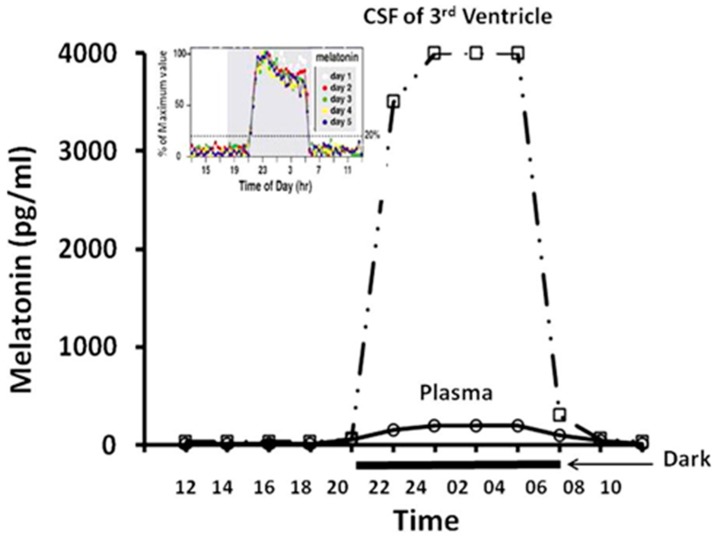
“Since the pineal gland is partially located within the third ventricle, pineal melatonin is directly secreted into the third ventricle and subsequently found at high concentrations in CSF.(64,65) Thus, it is worth considering whether pineal melatonin influences CP circadian clock function via control over the SCN circ…”
BackgroundInfluentialMelatonin: A potential nighttime guardian against Alzheimer’s
Zhang, Z., Xue, P., Bendlin, B. B., Zetterberg, H., Felice, F. G. D., Tan, X. W., & Benedict, C. (2024) · Molecular Psychiatry · doi:10.1038/s41380-024-02691-6 · Cited by 76
Tryptophan Metabolism: A Versatile Area Providing Multiple Targets for Pharmacological Intervention
Badawy, A. A.-B. (2019) · Egyptian Journal of Basic and Clinical Pharmacology · doi:10.32527/2019/101415 · Cited by 78
“Pineal gland calcification results in decreased pineal melatonin production and is associated with neurological diseases and other pathologies [25].”
BackgroundJia, Y., Yang, B., Shi, J., Fang, D., Wang, Z., & Liu, Y. (2021) · Pharmacological Research · doi:10.1016/j.phrs.2021.105978 · Cited by 70
Promising Antineoplastic Actions of Melatonin
Favero, G., Moretti, E., Bonomini, F., Reiter, R. J., Rodella, L. F., & Rezzani, R. (2018) · Frontiers in Pharmacology · doi:10.3389/fphar.2018.01086 · Cited by 70
Self-citationCardinali, D. P., Brown, G. M., & Pandi-Perumal, S. R. (2021) · Handbook of clinical neurology · doi:10.1016/b978-0-12-819975-6.00023-6 · Cited by 76
The morphological and functional characteristics of the pineal gland
Gheban, B., Rosca, I. A., & Crişan, M. (2019) · Medicine and Pharmacy Reports · doi:10.15386/mpr-1235 · Cited by 68
“3 / 2019: 226 - 234 228 The size of the pineal gland in mammals depends on the geographic location and climate, its size and activity being dependant on luminous stimulus [2,17].”
Significance of Melatonin in the Regulation of Circadian Rhythms and Disease Management
Megha, K. B., Arathi, A., Shikha, S., Alka, R., Ramya, P., & Mohanan, P. V. (2024) · Molecular Neurobiology · doi:10.1007/s12035-024-03915-0 · Cited by 78
“However, studies report that the geographical background, physiological and pathological changes and survival environments can significantly impact the size of the pineal gland across various species and individuals [23].”
Cardinali, D. P. (2021) · Vitamins and hormones · doi:10.1016/bs.vh.2020.12.004 · Cited by 73
Roy, J., Wong, K. Y., Aquili, L., Uddin, M. S., Heng, B. C., Tipoe, G. L., Wong, K.-H., Fung, M., & Lim, L. W. (2022) · Frontiers in Neuroendocrinology · doi:10.1016/j.yfrne.2022.100986 · Cited by 64
Patel, S., Rahmani, B., Gandhi, J., Seyam, O., Joshi, G. S., Reid, I., Smith, N. L., Waltzer, W. C., & Khan, S. A. (2019) · International Journal of Neuroscience · doi:10.1080/00207454.2019.1692838 · Cited by 63
“This process is quite prevalent across species and its rate increases with aging [6].”
BackgroundTan, D. X., & Hardeland, R. (2020) · Molecules · doi:10.3390/molecules25194410 · Cited by 60
Self-citationTan, D. X., Reiter, R. J., Zimmerman, S., & Hardeland, R. (2023) · Biology · doi:10.3390/biology12010089 · Cited by 53
Self-citationMelatonin: an endogenous miraculous indolamine, fights against cancer progression
Samanta, S. (2020) · Journal of Cancer Research and Clinical Oncology · doi:10.1007/s00432-020-03292-w · Cited by 55
“Instead of the pineal gland, extrapineal tissues including the retina, gastrointestinal tract, skin, bone marrow, and lymphocytes also secret melatonin (Tan et al. 2018).”
BackgroundComprehensive review of melatonin as a promising nutritional and nutraceutical supplement
Kamfar, W. W., Khraiwesh, H. M., Ibrahim, M. O., Qadhi, A., Azhar, W. F., Ghafouri, K. J., Alhussain, M. H., Aldairi, A. F., AlShahrani, A. M., Alghannam, A. F., et al. (2024) · Heliyon · doi:10.1016/j.heliyon.2024.e24266 · Cited by 56
“It is also synthesized in several other organs, including the heart, gastrointestinal tract, skin, bone marrow, and lymphocytes [3,4].”
BackgroundFluoride network and circular economy as potential model for sustainable development-A review
Lacson, C. F. Z., Lu, M., & Huang, Y.-H. (2019) · Chemosphere · doi:10.1016/j.chemosphere.2019.124662 · Cited by 51
Debnath, B., Sikdar, A., Islam, M. S., Hasan, M. K., Li, M., & Qiu, D. (2021) · Molecules · doi:10.3390/molecules26040862 · Cited by 42
Melatonin and alcohol-related disorders
Kurhaluk, N., & Ткаченко, Г. М. (2020) · Chronobiology International · doi:10.1080/07420528.2020.1761372 · Cited by 42
A multi‐level assessment of the bidirectional relationship between aging and the circadian clock
Buijink, M. R., & Michel, S. H. (2020) · Journal of Neurochemistry · doi:10.1111/jnc.15286 · Cited by 43
“The pineal gland undergoes clear aging-associated calcification, but it is not certain if this affects its function (Tan et al., 2018).”
An Examination of the Putative Role of Melatonin in Exosome Biogenesis
Amini, H., Rezabakhsh, A., Heidarzadeh, M., Hassanpour, M., Hashemzadeh, S., Ghaderi, S., Sokullu, E., Rahbarghazi, R., & Reiter, R. J. (2021) · Frontiers in Cell and Developmental Biology · doi:10.3389/fcell.2021.686551 · Cited by 43
Self-citationThe biological responses of vitamin K2: A comprehensive review
Yan, Q., Zhang, T., O’Connor, C. M., Barlow, J. W., Walsh, J., Scalabrino, G., Xu, F., & Sheridan, H. (2023) · Food Science & Nutrition · doi:10.1002/fsn3.3213 · Cited by 38
“A notable organ is the pineal gland, which undergoes vigorous secretion in childhood and begins to decline in secretory function during puberty with significant calcification (Tan et al., 2018).”
BackgroundRole of Melatonin in Cancer: Effect on Clock Genes
Rodríguez-Santana, C., Florido, J., Martínez-Ruiz, L., López‐Rodríguez, A., Acuña-Castroviejo, D., & Escames, G. (2023) · International Journal of Molecular Sciences · doi:10.3390/ijms24031919 · Cited by 42
Thymus-Pineal Gland Axis: Revisiting Its Role in Human Life and Ageing
Rezzani, R., Franco, C., Hardeland, R., & Rodella, L. F. (2020) · International Journal of Molecular Sciences · doi:10.3390/ijms21228806 · Cited by 44
Zhang, J., Jiang, H., Du, K., Xie, T., Wang, B., Chen, C., Reiter, R. J., Cen, B., & Yuan, Y. (2021) · Journal of Pineal Research · doi:10.1111/jpi.12758 · Cited by 36
Self-citationOverberg, J., Kalveram, L., Keller, T., Krude, H., Kühnen, P., & Wiegand, S. (2022) · International Journal of Obesity · doi:10.1038/s41366-022-01077-4 · Cited by 35
“A failure of the pineal gland to grow and a tendency to calcify have been discussed as factors leading to a downregulation of pineal activity and to a loss of circadian rhythm with age [5, 6].”
BackgroundMelatonin as a promising modulator of aging related neurodegenerative disorders: Role of microRNAs
Fathalizadeh, A., Rahnemayan, S., Rajabi, H., Vahed, N., Kashani, H. R. K., Rezabakhsh, A., & Sanaie, S. (2021) · Pharmacological Research · doi:10.1016/j.phrs.2021.105839 · Cited by 33
Malin, A. J., Bose, S., Busgang, S. A., Gennings, C., Thorpy, M. J., Wright, R. O., Wright, R. J., & Arora, M. (2019) · Environmental Health · doi:10.1186/s12940-019-0546-7 · Cited by 31
“Its primary function is to synthesize melatonin, an antioxidant that plays an essential role in maintenance of normal sleep patterns [12].”
BackgroundLiu, K., Song, J., Yan, Y., Zou, K., Che, Y., Wang, B., Li, Z., Yu, W., Guo, W., Zou, L., et al. (2020) · Translational Oncology · doi:10.1016/j.tranon.2020.100876 · Cited by 31
Lumsden, S. C., Clarkson, A. N., & Çakmak, Y. Ö. (2020) · Frontiers in Neuroscience · doi:10.3389/fnins.2020.00264 · Cited by 32
Lifetime coffee consumption, pineal gland volume, and sleep quality in late life
Park, J., Han, J. W., Lee, J. R., Byun, S., Suh, S. W., Kim, T., Yoon, I. Y., & Kim, K. W. (2018) · SLEEP · doi:10.1093/sleep/zsy127 · Cited by 27
Banihani, S. A., Fashtaky, R. A., Makahleh, S. M., El-Akawi, Z. J., Khabour, O. F., & Saadeh, N. A. (2019) · Food Science & Nutrition · doi:10.1002/fsn3.1344 · Cited by 27
“Melatonin is secreted from the pineal gland and has a major role in sleep–wake timing (Tan, Xu, Zhou, & Reiter, 2018) and is confirmed as a potent antioxidant molecule (Zhang & Zhang, 2014).”
BackgroundTryptophan metabolism in health and disease- implications for non-communicable diseases
Gabela, A. M., Mthembu, N., & Hadebe, S. (2025) · Immunology Letters · doi:10.1016/j.imlet.2025.107093 · Cited by 31
Occurrence and Biosynthesis of Melatonin and Its Exogenous Effect on Plants
Mir, A. R., Faizan, M., Bajguz, A., Sami, F., Siddiqui, H., & Hayat, S. (2020) · Acta Societatis Botanicorum Poloniae · doi:10.5586/asbp.8922 · Cited by 26
“Since the discovery of melatonin from the bovine pineal gland, this indolamine has been known to neutralize age-related impairments, and under certain experiments, to prolong the life-span of some animals to a certain extent (Tan et al., 2018).”
BackgroundChlubek, D., & Sikora, M. (2020) · Applied Sciences · doi:10.3390/app10082885 · Cited by 23
Zißler, J., Rothhammer, V., & Linnerbauer, M. (2024) · Cells · doi:10.3390/cells13060497 · Cited by 24
“Tan et al. [161] hypothesized that the decrease in melatonin in MS patients is due to the deposition of calcium in the pineal gland, while others suggested aberrant hypothalamic regulation of melatonin release [162].”
BackgroundAndronachi, V.-C., Simeanu, C., Matei, M., Radu-Rusu, R. M., & Simeanu, D. (2025) · Agriculture · doi:10.3390/agriculture15030273 · Cited by 25
Pineal Gland Volume in Major Depressive and Bipolar Disorders
Takahashi, T., Sasabayashi, D., Yücel, M., Whittle, S., Lorenzetti, V., Walterfang, M., Suzuki, M., Pantelis, C., Malhi, G. S., & Allen, N. B. (2020) · Frontiers in Psychiatry · doi:10.3389/fpsyt.2020.00450 · Cited by 21
Gheban, B., Colosi, H. A., Gheban-Roşca, I. A., Pop, B., Domșa, A.-M. T., Georgiu, C., Gheban, D., Crişan, D., & Crişan, M. (2021) · Medicina · doi:10.3390/medicina57040383 · Cited by 21
The rationale for treating uveal melanoma with adjuvant melatonin: a review of the literature
Hagström, A., Omar, R. K., Williams, P. A., & Stålhammar, G. (2022) · BMC Cancer · doi:10.1186/s12885-022-09464-w · Cited by 22
Khan, H. L., Bhatti, S., Khan, Y. L., Abbas, S., Munir, Z., Sherwani, I. A. R. K., Suhail, S., Hassan, Z., & Aydın, H. H. (2019) · Journal of Gynecology Obstetrics and Human Reproduction · doi:10.1016/j.jogoh.2019.08.007 · Cited by 21
Modulation of neural circuits by melatonin in neurodegenerative and neuropsychiatric disorders
Giri, A., Mehan, S., Khan, Z., Gupta, G. D., Narula, A. S., & Kalfin, R. E. (2024) · Naunyn-Schmiedeberg s Archives of Pharmacology · doi:10.1007/s00210-023-02939-y · Cited by 20
“Tan et al. (2018) linked diminished mitochondrial melatonin synthesis, particularly in the pineal gland, to various age-related neurological disorders.”
Melatonin: A Potential Candidate for the Treatment of Experimental and Clinical Perinatal Asphyxia
Pluta, R. M., Furmaga-Jabłońska, W., Januszewski, S., & Tarkowska, A. (2023) · Molecules · doi:10.3390/molecules28031105 · Cited by 21
Key Molecular Mechanisms of Aging, Biomarkers, and Potential Interventions
Proshkina, E., Solovev, I. A., Shaposhnikov, M. V., & Moskalev, A. (2020) · Molecular Biology · doi:10.1134/s0026893320060096 · Cited by 21
Presence of melatonin in foods of daily consumption: The benefit of this hormone for health
Muñoz-Jurado, A., & Escribano, B. M. (2024) · Food Chemistry · doi:10.1016/j.foodchem.2024.140172 · Cited by 19
Prevalence of pineal gland calcification: systematic review and meta-analysis
Belay, D. G., & Worku, M. G. (2023) · Systematic Reviews · doi:10.1186/s13643-023-02205-5 · Cited by 19
Matsuoka, T., Oya, N., Yokota, H., Akazawa, K., Yamada, K., Narumoto, J., & Initiative, A. D. N. (2020) · Psychiatry and Clinical Neurosciences · doi:10.1111/pcn.13103 · Cited by 18
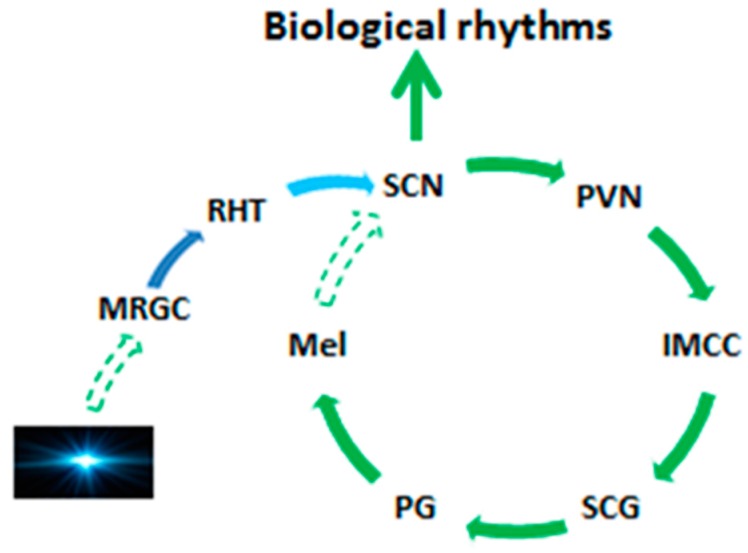
“not have a circadian rhythm, and only pineal melatonin is important as a chemical signal of darkness.(18) Reduction of pineal-derived mela-”
InfluentialThe circadian variation of sleep and alertness of postmenopausal women
Pérez‐Medina‐Carballo, R., Kosmadopoulos, A., Boudreau, P., Robert, M., Walker, C., & Boivin, D. B. (2022) · SLEEP · doi:10.1093/sleep/zsac272 · Cited by 20
Beriwal, N., Namgyal, T., Sangay, P., & Quraan, A. M. A. (2019) · Heliyon · doi:10.1016/j.heliyon.2019.e01190 · Cited by 19
Circadian clock genes and insomnia: molecular mechanisms and therapeutic implications
Ren, Q., Gu, M., & Xu, F. (2025) · Annals of Medicine · doi:10.1080/07853890.2025.2576643 · Cited by 22
“The light–dark cycle synchronizes the circadian clock by regulating Per gene expression in the SCN, which in turn affects melatonin rhythm [50].”
Ключевые молекулярные механизмы старения, биомаркеры и потенциальные интервенции
Proshkina, E., Соловьёв, И. А., Shaposhnikov, M. V., & Moskalev, A. A. (2020) · Molecular Biology · doi:10.31857/s0026898420060099 · Cited by 18
Cerebrovascular Disease in the Young Adult: Examining Melatonin’s Possible Multiple Roles
Onaolapo, A. Y., Onaolapo, O. J., & Nathaniel, T. I. (2019) · Journal of Experimental Neuroscience · doi:10.1177/1179069519827300 · Cited by 17
Wu, Q., Gao, G., Kwok, L., Lv, H., & Sun, Z. (2025) · Journal of Advanced Research · doi:10.1016/j.jare.2025.07.005 · Cited by 18
Gall, A. J., & Shuboni‐Mulligan, D. D. (2022) · Frontiers in Neuroscience · doi:10.3389/fnins.2022.911153 · Cited by 18
The endocrine system and associated disorders
Ashwell, E. (2022) · British Journal of Nursing · doi:10.12968/bjon.2022.31.6.316 · Cited by 16
Role of Melatonin in Angiotensin and Aging
Şehirli, A. Ö., Sayıner, S., Chukwunyere, U., & Serakıncı, N. (2021) · Molecules · doi:10.3390/molecules26154666 · Cited by 14
“This decline could be at‐ tributed to the decrease in the number of β‐adrenergic receptors in the pineal gland as well as a decrease in the expression of AANAT/SNAT genes [117,118].”
BackgroundGe, W., Yan, Z., Wang, L., Tan, S., Liu, J., Reiter, R. J., Luo, S., Sun, Q., & Shen, W. (2021) · Journal of Pineal Research · doi:10.1111/jpi.12742 · Cited by 18
Self-citationIn and around the pineal gland: a neuroimaging review
Zaccagna, F., Brown, F. S., Allinson, K. S. J., Devadass, A., Kapadia, A. N., Massoud, T. F., & Matys, T. (2021) · Clinical Radiology · doi:10.1016/j.crad.2021.09.020 · Cited by 15
Khalifa, H., & Felemban, O. M. (2021) · Oral Radiology · doi:10.1007/s11282-020-00499-y · Cited by 14
“Some studies pointed out the association between pineal calcification and schizophrenia [47].”
BackgroundMolecular and cellular mechanisms of ageing: modern knowledge (literature review)
Михеев, Р. К., Andreeva, E. N., Grigoryan, O. R., Sheremetyeva, E. V., Absatarova, Y. S., Сергеевна, О. А., & Николаевна, О. О. (2023) · Problems of Endocrinology · doi:10.14341/probl13278 · Cited by 19
“…па-циентов (≥60 лет) чаще выявляется субклинический ги-потиреоз с уровнем тиреотропного гормона в пределах 7–10 мЕд/л [35], снижение фракций общего и свободного тестостерона [36], а также выраженное снижение пико-вой концентрации мелатонина в среднем на 50% от уров-ня 20-летнего возраста [37].”
Brusco, L. I., Cruz, P., Cangas, A. V., Rojas, C. G., Vigo, D. E., & Cardinali, D. P. (2021) · Melatonin Research · doi:10.32794/mr11250089 · Cited by 14
“Melatonin, due to its high diffusibility, is not stored inside the pineal and is released as soon as it is produced (45).”
BackgroundMelatonin: A Potential Antineoplastic Agent in Breast Cancer
Samanta, S. (2022) · Journal of Environmental Pathology Toxicology and Oncology · doi:10.1615/jenvironpatholtoxicoloncol.2022041294 · Cited by 14
Żełabowski, K., Pichowicz, W., Skowron, I., Szwach, J., Biedka, K., Wesołowski, M., Błaszczyk, K., Ziobro, O., Petrov, W., Kukula-Koch, W. A., et al. (2025) · Molecules · doi:10.3390/molecules30183814 · Cited by 15
“The concentrations observed in these foods may contribute to the modulation of physiological functions, including circadian rhythm regulation and antioxidant defense mechanisms [220–222].”
Melatonin: an elicitor of plant tolerance under prevailing environmental stresses
Dawood, M. F. A. (2022) · Elsevier eBooks · doi:10.1016/b978-0-323-91005-7.00002-3 · Cited by 13
Tsai, Y.-L., Yen, C.-T., & Wang, Y. (2022) · Journal of Alzheimer s Disease · doi:10.3233/jad-220218 · Cited by 12
Microglia in Circumventricular Organs: The Pineal Gland Example
Muñoz, E. M. (2022) · ASN NEURO · doi:10.1177/17590914221135697 · Cited by 14
“PG calcification progresses with ageing and is associated with lower production of the hormone melatonin (MEL), and pathological conditions related to neurodegenerative diseases and circadian disorders (Tan et al., 2018).”
BackgroundComparative study of calcification in human choroid plexus, pineal gland, and habenula
Junemann, O., Ivanova, A. G., Bukreeva, I., Zolotov, D. A., Fratini, M., Cedola, A., Wilde, F., Dyachkova, I. G., Krivonosov, Y. S., Otlyga, D., et al. (2023) · Cell and Tissue Research · doi:10.1007/s00441-023-03800-7 · Cited by 13
Chronobiotic and cytoprotective activity of melatonin in the cardiovascular system. Doses matter
Cardinali, D. P., & Vigo, D. E. (2024) · npj Biological Timing and Sleep · doi:10.1038/s44323-024-00007-z · Cited by 14
“Melatonin is not stored in the pineal and is released as soon as it is produced 67 .”
Melatonin as a Chronobiotic and Cytoprotector in Non-communicable Diseases: More than an Antioxidant
Cardinali, D. P., Pandi-Perumal, S. R., & Brown, G. M. (2024) · Sub-cellular biochemistry/Subcellular biochemistry · doi:10.1007/978-3-031-66768-8_11 · Cited by 13
Ning, G., Li, B.-N., Wu, H. B. K., Shi, R.-B., Peng, A.-J., Wang, H., & Zhou, X. W. (2025) · Asian Journal of Andrology · doi:10.4103/aja20258 · Cited by 13
Self-citationCarving the senescent phenotype by the chemical reactivity of catecholamines: An integrative review
Golubev, A. G. (2022) · Ageing Research Reviews · doi:10.1016/j.arr.2022.101570 · Cited by 12
Yang, C., Lu, Z., Xia, Y., Zhang, J., Zou, Z., Chen, C., Wang, X., Tian, X., Cheng, S., & Jiang, X. (2023) · International Journal of Nanomedicine · doi:10.2147/ijn.s386240 · Cited by 11
“Melatonin was synthesized in many mammal tissues and organs, including the ovary, retina, gland, gut, skin and bone marrow.(49) Available studies have found that melatonin is also synthesized and secreted in large quantities in the gut, mainly by enterochromaffin cells and melatonin is present in different concentrati…”
BackgroundBioactive Peptides in Dairy Milk: Highlighting the Role of Melatonin
Andrani, M., Dall’Olio, E., RENSIS, F. D., Tummaruk, P., & Saleri, R. (2024) · Biomolecules · doi:10.3390/biom14080934 · Cited by 14
Park, J., Han, J. W., Suh, S. W., Byun, S., Han, J. H., Bae, J. B., Kim, J. H., & Kim, K. W. (2020) · Aging · doi:10.18632/aging.102661 · Cited by 11
“Although the effects of pineal calcification on melatonin production or human REM sleep remain unclear, a couple of previous studies argue that pineal calcification may inhibit the capacity for pineal melatonin synthesis and be associated with polysomnographic sleep parameters in humans [19, 33].”
BackgroundMicromorphology of pineal gland calcification in age‐related neurodegenerative diseases
Bukreeva, I., Junemann, O., Cedola, A., Brun, F., Longo, E., Tromba, G., Wilde, F., Chukalina, M. V., Krivonosov, Y. S., Dyachkova, I. G., et al. (2022) · Medical Physics · doi:10.1002/mp.16080 · Cited by 11
Melatonin and Lipid Peroxidation: Antioxidant Shield and Therapeutic Potential
Volpe, O. A. J. N., Zuccari, D. A. P. D. C., Chuffa, L. G. D. A., & Reiter, R. J. (2025) · Frontiers in Bioscience-Landmark · doi:10.31083/fbl45321 · Cited by 12
Self-citationGhorbanlou, M., Moradi, F., & Mehdizadeh, M. (2021) · Anatomy & Cell Biology · doi:10.5115/acb.21.137 · Cited by 10
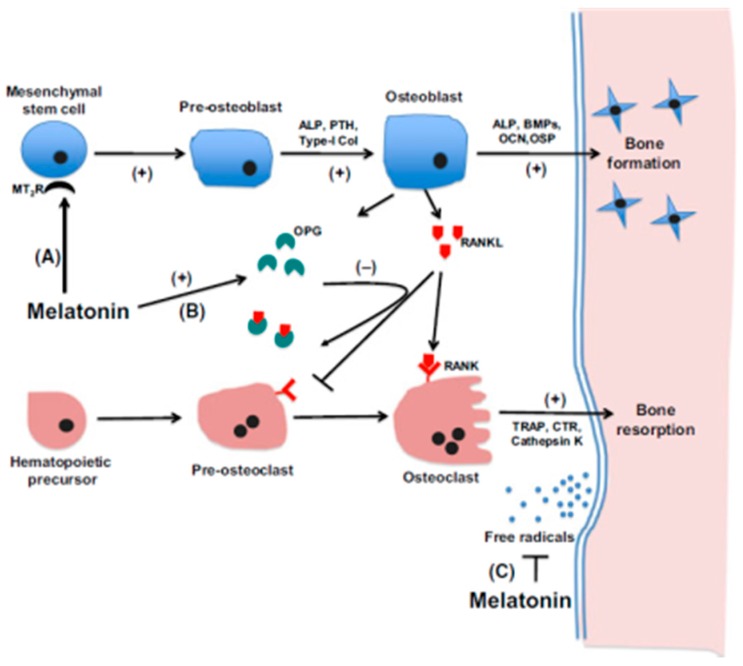
“The other is that the high vascular supply to pineal gland makes it a vulnerable organ for calcification because of chronic vascular inflammation which causes the mesenchymal stem cells (MSCs) migration or proliferation due to increased levels of cytokines and the interaction between MSCs and inflammatory mediators ac…”
BackgroundLlamas, J. L. L., Villafaina, S., Murillo-García, Á., Domínguez, P. R., & Gusi, N. (2021) · Acta Neuropsychiatrica · doi:10.1017/neu.2021.35 · Cited by 10
“The pineal gland has one of the highest calcification rates among organs and tissues (Yalcin et al., 2016; Tan et al., 2018).”
BackgroundPineal Gland from the Cell Culture to Animal Models: A Review
Peruri, A., Morgan, A., D’Souza, A., Mellon, B., Hung, C. W., Kayal, G., Shin, H., Nguyen, K. A., Zahed, M., Yount, M., et al. (2022) · Life · doi:10.3390/life12071057 · Cited by 10
Investigation of the human pineal gland 3D organization by X-ray phase contrast tomography
Bukreeva, I., Junemann, O., Cedola, A., Palermo, F., Maugeri, L., Provinciali, G. B., Pieroni, N., Sanna, A., Otlyga, D., Buzmakov, A. V., et al. (2020) · Journal of Structural Biology · doi:10.1016/j.jsb.2020.107659 · Cited by 10
Effects of ambient light on mood and its mechanism
Li, Y., Ru, T., Siyu, L. I., Hanyu, C. H. E. N., Shuya, X. I. E., & Zhou, G. (2021) · Advances in Psychological Science · doi:10.3724/sp.j.1042.2022.00389 · Cited by 10
Multifaceted dynamics of circadian timing system influence aging and longevity
Jagota, A., Khan, Z. A., Sharma, S. A., & Priyanka (2025) · Biogerontology · doi:10.1007/s10522-025-10324-w · Cited by 9
“Experimental studies support these findings as pinealectomy in rats is linked to accelerated aging, while melatonin supplementation or pineal gland grafting from younger animals prolongs lifespan (Pierpaoli and Regelson 1994; Tan et al. 2018).”
Regulation of Photosynthesis by Melatonin Under Optimal and Suboptimal Conditions
Hussain, A., Faizan, M., & Ahmed, S. (2024) · Plant life and environment dynamics · doi:10.1007/978-981-99-8051-2_3 · Cited by 9
Fluoride-Free Diet Stimulates Pineal Growth in Aged Male Rats
Mrvelj, A., & Womble, M. D. (2019) · Biological Trace Element Research · doi:10.1007/s12011-019-01964-4 · Cited by 9
López-Valverde, N., López‐Valverde, A., Aragoneses, J. M., Martínez‐Martínez, F., González-Escudero, M. C., & Ramírez, J. M. (2021) · Coatings · doi:10.3390/coatings11070777 · Cited by 9
Circadian Rhythms: Physiological and Pathophysiological Aspects
Дроговоз, С. М., Серединська, Н. М., Shtroblia, A. L., Luk’yanchyuk, V. D., Луценко, Р. В., Крутських, Т. В., Panfilova, A. L., Derymedvid, L. V., & Shtroblia, M. V. (2022) · Neurophysiology · doi:10.1007/s11062-024-09949-3 · Cited by 8
“There is ample evidence that melatonin stabilizes and enhances circadian rhythms, especially sleep/arousal ones [20–22].”
Melatonin in Glaucoma: Integrative Mechanisms of Intraocular Pressure Control and Neuroprotection
Hou, X., & Pan, Y. (2025) · Biomedicines · doi:10.3390/biomedicines13051213 · Cited by 8
“Melatonin possesses the remarkable capacity to scavenge up to 10 reactive oxygen and nitrogen species (ROS/RNS) through its metabolic cascade, substantially outperforming classical antioxidants that typically target only a limited range of radicals [56–58].”
Metadata
- Authors
- Tan, D., Xu, B., Zhou, X., & Reiter, R.
- Affiliations
- The University of Texas at San Antonio Health Science Center (US)
- Corresponding author
- Tan, Dun
- Reiter, Russel
- Venue
- Molecules
- Publisher
- MDPI AG
- Published
- 2018-01-31
- Volume
- 23
- Issue
- 2
- Pages
- 301
- ISSN
- 1420-3049 (ISSN-L)
- PMC
- PMC6017004
- OpenAlex
- W2790796192
- Cited by
- 220
- References
- 305
- Citations by year
- 2026: 17 · 2025: 30 · 2024: 30 · 2023: 33 · 2022: 30 · 2021: 32 · 2020: 24 · 2019: 19 · 2018: 5
- FWCI
- 2.80
- Type
- journal article
- Language
- en
- Open access
- gold
- doi.org
- Licence
- Locations
- Molecules (publishedVersion, cc-by)
- Europe PMC (PubMed Central) (publishedVersion, cc-by)
- PubMed Central (publishedVersion, cc-by)
- PubMed (publishedVersion)
- DOAJ (DOAJ: Directory of Open Access Journals) (submittedVersion, cc-by-sa)
- Topics
- Life Sciences › Neuroscience › Endocrine and Autonomic Systems › Circadian rhythm and melatonin
- Life Sciences › Biochemistry, Genetics and Molecular Biology › Cell Biology › melanin and skin pigmentation
- Health Sciences › Medicine › Nephrology › Parathyroid Disorders and Treatments
- Keywords
- pineal gland calcification, melatonin, pineal gland, aging, neuroprotection, antioxidant signaling, photoperiod, mesenchymal stem cells, neuronal diseases
- MeSH terms
- Aging, Animals, Calcinosis, Humans, Melatonin, Pineal Gland, Rejuvenation
About these checks
Registry, retraction, Cites and statistics results are computed, not judged, with one exception: a printed reference that no index lists is read once by a model before it counts as a citation error. Claims are extracted by a model and kept only when their quote appears verbatim in the text; each cited source is then checked, with a model’s help, for whether it says what the claim relies on. Those verdicts can be wrong — read the claim’s quote and the cited source before relying on one.
Statistics and arithmetic are recomputed, not judged.
Confidence bands are shown only for fields calibrated on our annotated test set. None is calibrated yet, so no band is shown.
What counts as a claim ›How we measure confidence ›How we check this ›
Are you an author, or do you see a problem with this page? Request a review
