

The DOI matches its Crossref record; 6 of the 6 references it cites were found in a registry or an index.
Utilization of Polymer-Lipid Hybrid Nanoparticles for Targeted Anti-Cancer Therapy
Abstract
Cancer represents one of the most dangerous diseases, with 1.8 million deaths worldwide. Despite remarkable advances in conventional therapies, these treatments are not effective to completely eradicate cancer. Nanotechnology offers potential cancer treatment based on formulations of several nanoparticles (NPs). Liposomes and polymeric nanoparticle are the most investigated and effective drug delivery systems (DDS) for cancer treatment. Liposomes represent potential DDS due to their distinct properties, including high-drug entrapment efficacy, biocompatibility, low cost, and scalability. However, their use is restricted by susceptibility to lipid peroxidation, instability, burst release of drugs, and the limited surface modification. Similarly, polymeric nanoparticles show several chemical modifications with polymers, good stability, and controlled release, but their drawbacks for biological applications include limited drug loading, polymer toxicity, and difficulties in scaling up. Therefore, polymeric nanoparticles and liposomes are combined to form polymer-lipid hybrid nanoparticles (PLHNPs), with the positive attributes of both components such as high biocompatibility and stability, improved drug payload, controlled drug release, longer circulation time, and superior in vivo efficacy. In this review, we have focused on the prominent strategies used to develop tumor targeting PLHNPs and discuss their advantages and unique properties contributing to an ideal DDS.
Overview
The claims and statistics of this paper haven’t been checked yet.
Run the check — free, no account needed. It reads the open-access text and checks the sources it cites.
Integrity signals
Registry
Cites
Statistics
Figures
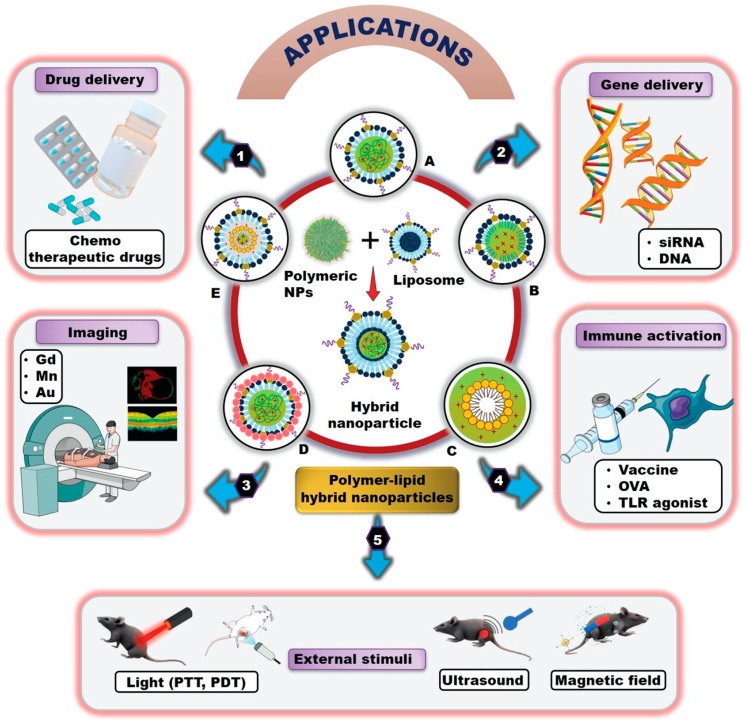
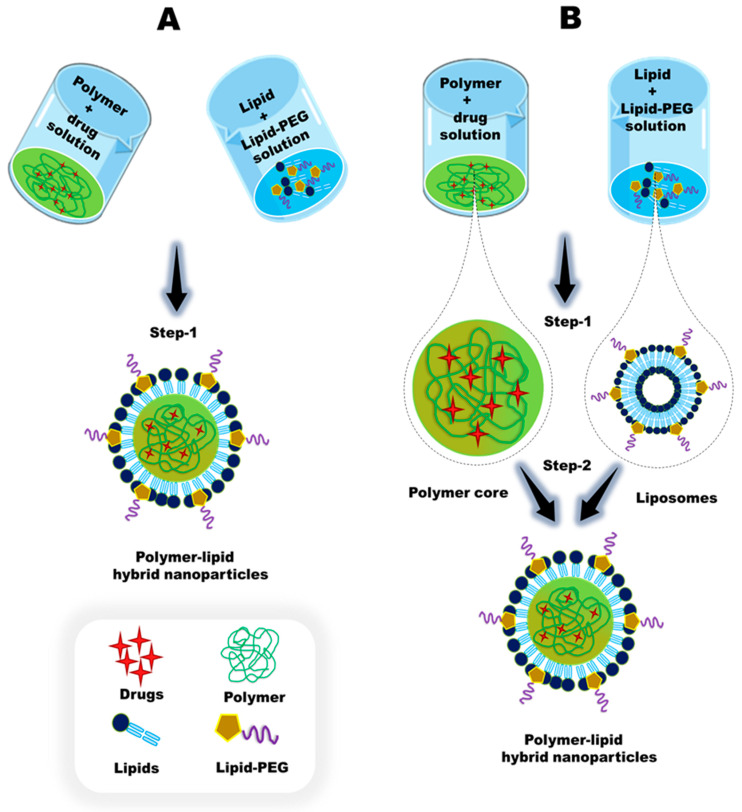
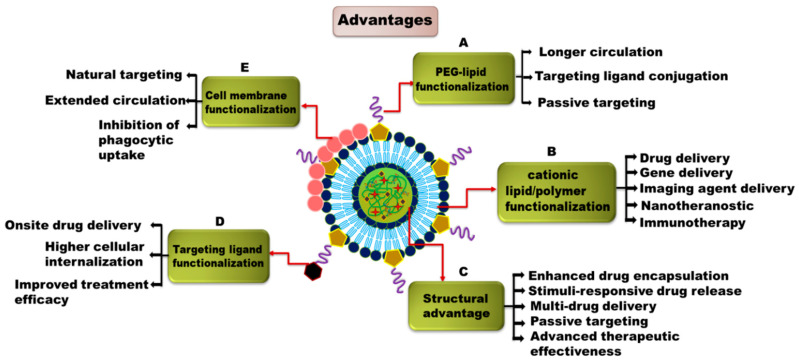
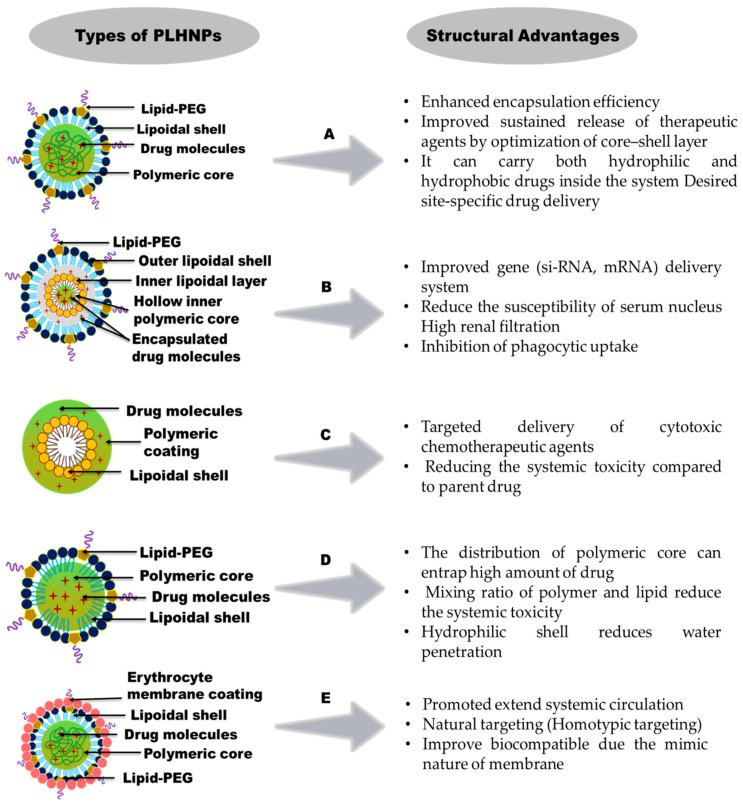
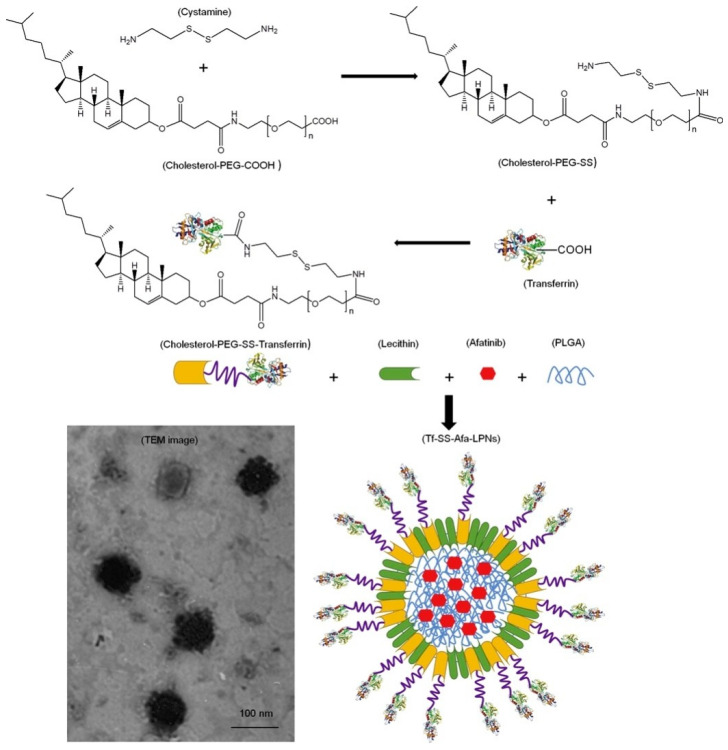
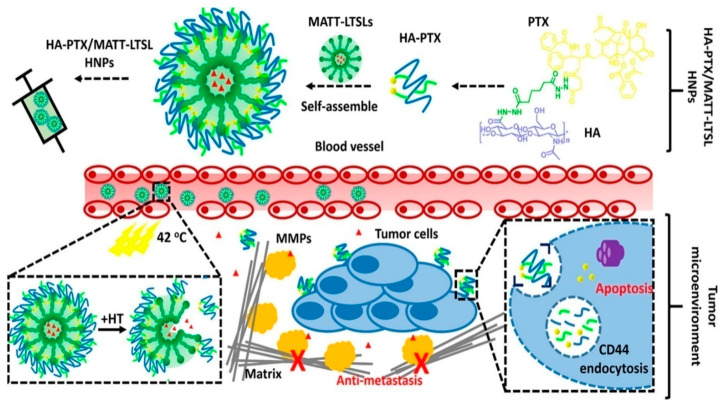
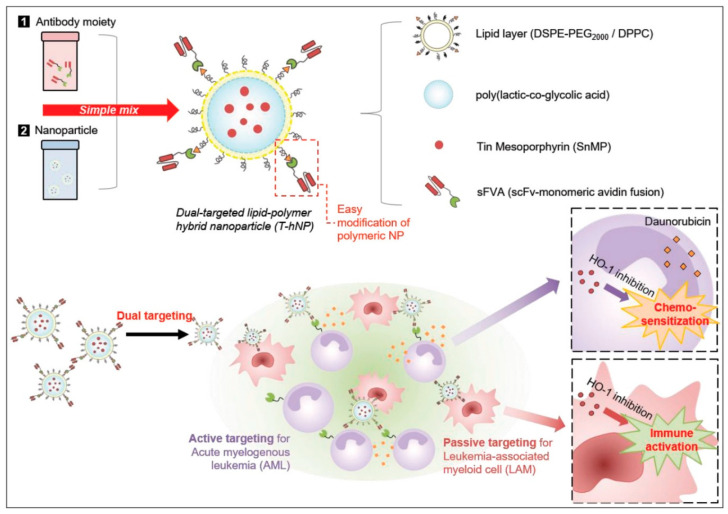
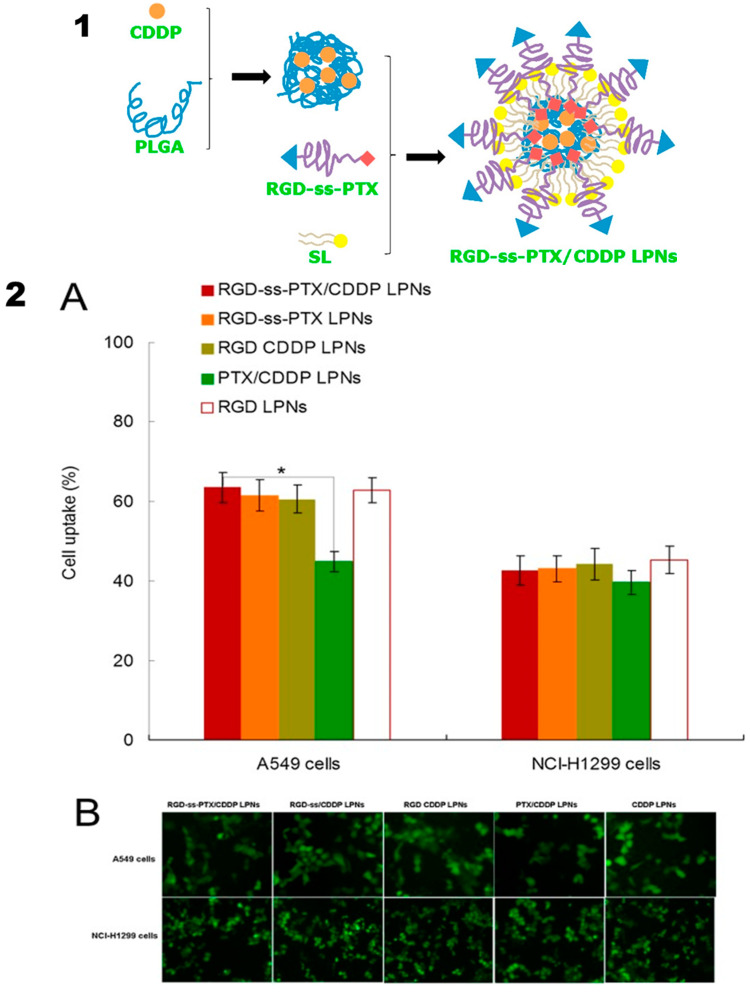
Verification
Claims the paper makes
The claims and statistics of this paper haven’t been checked yet.
Run the check — free, no account needed. It reads the open-access text and checks the sources it cites.
Claims other papers make about this one
Each is checked against this paper’s own text: does it say what the citing paper says it does?
In the citing paper
“In addition, amphiphilic lipid-based nanoparticles, such as micelles, possess a hydrophilic surface and a hydrophobic core and able to increase the solubility of hydrophobic drugs.16”
From Current Advances in Chitosan Nanoparticles Based Oral Drug Delivery for Colorectal Cancer Treatment (2022) · cites this paper as [16]
Self-check
Percentages, sums and reported differences re-computed from the paper’s own numbers.
The self-check needs the paper’s full text.
Citations
Cites
Siegel, R. L., Miller, K. D., & Jemal, A. (2016) · CA: A Cancer Journal for Clinicians · doi:10.3322/caac.21332 · Cited by 16,003
Delivery materials for siRNA therapeutics
Kanasty, R., Dorkin, J. R., Vegas, A., & Anderson, D. (2013) · Nature Materials · doi:10.1038/nmat3765 · Cited by 1,800
Wang-Gillam, A., Hubner, R. A., Siveke, J. T., Von Hoff, D. D., Belanger, B., de Jong, F. A., Mirakhur, B., & Chen, L.-T. (2019) · European Journal of Cancer · doi:10.1016/j.ejca.2018.12.007 · Cited by 342
Sahoo, S. K., & Labhasetwar, V. (2005) · Molecular Pharmaceutics · doi:10.1021/mp050032z · Cited by 340
Lv, Y., Xu, C., Zhao, X., Lin, C., Yang, X., Xin, X., Zhang, L., Qin, C., Han, X., Yang, L., et al. (2018) · ACS Nano · doi:10.1021/acsnano.7b08051 · Cited by 235
Uthaman, S., Pillarisetti, S., Mathew, A. P., Kim, Y., Bae, W. K., Huh, K. M., & Park, I.-K. (2020) · Biomaterials · doi:10.1016/j.biomaterials.2019.119702 · Cited by 87
Self-citation
Research works printed but not linked: 143
- Hassanpour, 2017, Review of cancer from perspective of molecular, J. Cancer Res. Pract., 4, 127, 10.1016/j.jcrpr.2017.07.001 · DOI
- Jones, 2020, Cytotoxic chemotherapy: Clinical aspects, Medicine, 48, 97, 10.1016/j.mpmed.2019.11.006 · DOI
- Critz, 1995, Prostate specific antigen-monitored combination radiotherapy for patients with prostate cancer. I-125 implant followed by external-beam radiation, Cancer, 75, 2383, 10.1002/1097-0142(19950501)75:9<2383::AID-CNCR2820750931>3.0.CO;2-Z · DOI
- Rajesh, 2020, A passive method for absolute dose evaluation of photoneutrons in radiotherapy, Int. J. Radiat. Res., 18, 173
- Nikitin, 2020, Enhancement of the blood-circulation time and performance of nanomedicines via the forced clearance of erythrocytes, Nat. Biomed. Eng., 4, 717, 10.1038/s41551-020-0581-2 · DOI
- Feng, 2020, Multifunctional Bismuth Ferrite Nanocatalysts with Optical and Magnetic Functions for Ultrasound-Enhanced Tumor Theranostics, ACS Nano, 14, 7245, 10.1021/acsnano.0c02458 · DOI
- Cai, Z., Zhang, Y., He, Z., Jiang, L.-P., and Zhu, J.-J. (2020). NIR-Triggered Chemo-Photothermal Therapy by Thermosensitive Gold Nanostar@Mesoporous Silica@Liposome-Composited Drug Delivery Systems. ACS Appl. Bio Mater. · DOI
- Vivo-Llorca, G., Candela-Noguera, V., Alfonso-Navarro, M., García-Fernández, A., Orzáez, M., Sancenón, F., and Martínez-Máñez, R. (2020). MUC1 Aptamer-Capped Mesoporous Silica Nanoparticles for Navitoclax Resistance Overcoming in Triple-Negative Breast Cancer. Chem.-A Eur. J. · DOI
- Rajendrakumar, 2018, Nanoparticle-Based Phototriggered Cancer Immunotherapy and Its Domino Effect in the Tumor Microenvironment, Biomacromolecules, 19, 1869, 10.1021/acs.biomac.8b00460 · DOI
- Prasad, 2020, Liposomal nanotheranostics for multimode targeted in vivo bioimaging and near-infrared light mediated cancer therapy, Commun. Biol., 3, 284, 10.1038/s42003-020-1016-z · DOI
- Zhang, 2016, Novel polymer micelle mediated co-delivery of doxorubicin and P-glycoprotein siRNA for reversal of multidrug resistance and synergistic tumor therapy, Sci. Rep., 6, 23859, 10.1038/srep23859 · DOI
- Zhong, 2019, In vivo molecular imaging for immunotherapy using ultra-bright near-infrared-IIb rare-earth nanoparticles, Nat. Biotechnol., 37, 1322, 10.1038/s41587-019-0262-4 · DOI · Paper page
- Pillarisetti, 2019, Multimodal Composite Iron Oxide Nanoparticles for Biomedical Applications, Tissue Eng. Regen. Med., 16, 451, 10.1007/s13770-019-00218-7 · DOI
- Cherukula, 2018, Programmed ‘triple-mode’ anti-tumor therapy: Improving peritoneal retention, tumor penetration and activatable drug release properties for effective inhibition of peritoneal carcinomatosis, Biomaterials, 169, 45, 10.1016/j.biomaterials.2018.03.051 · DOI
- Wei, Y., Song, S., Duan, N., Wang, F., Wang, Y., Yang, Y., Peng, C., Li, J., Nie, D., and Zhang, X. (2020). MT1-MMP-Activated Liposomes to Improve Tumor Blood Perfusion and Drug Delivery for Enhanced Pancreatic Cancer Therapy. Adv. Sci. · DOI
- Bulbake, U., Doppalapudi, S., Kommineni, N., and Khan, W. (2017). Liposomal Formulations in Clinical Use: An Updated Review. Pharmaceutics, 9. · DOI
- Reis, 2006, Methods for preparation of drug-loaded polymeric nanoparticles, Nanomed. Nanotechnol. Biol. Med., 2, 8, 10.1016/j.nano.2005.12.003 · DOI
- Peer, 2007, Nanocarriers as an emerging platform for cancer therapy, Nat. Nanotechnol., 2, 751, 10.1038/nnano.2007.387 · DOI · Paper page
- Hokmabad, 2018, A Comparison of the Effects of Silica and Hydroxyapatite Nanoparticles on Poly(ε-caprolactone)-Poly(ethylene glycol)-Poly(ε-caprolactone)/Chitosan Nanofibrous Scaffolds for Bone Tissue Engineering, Tissue Eng. Regen. Med., 15, 735, 10.1007/s13770-018-0140-z · DOI
- Cherukula, K., Uthaman, S., and Park, I.-K. (2019). Design of an Amphiphilic Poly(aspartamide)-mediated Self-assembled Nanoconstruct for Long-Term Tumor Targeting and Bioimaging. Molecules, 24. · DOI
- Kalva, 2020, Photo- and pH-Responsive Polycarbonate Block Copolymer Prodrug Nanomicelles for Controlled Release of Doxorubicin, Macromol. Biosci., 20, 2000118, 10.1002/mabi.202000118 · DOI
- Zhang, 2010, Lipid–Polymer Hybrid Nanoparticles: Synthesis, Characterization And Applications, Nano LIFE, 1, 163, 10.1142/S179398441000016X · DOI
- Zhang, 2008, Self-assembled lipid–polymer hybrid nanoparticles: A robust drug delivery platform, ACS Nano, 2, 1696, 10.1021/nn800275r · DOI
- Shi, 2011, Differentially Charged Hollow Core/Shell Lipid-Polymer-Lipid Hybrid Nanoparticles for Small Interfering RNA Delivery, Angew. Chem. Int. Ed., 50, 7027, 10.1002/anie.201101554 · DOI
- Chan, 2009, PLGA–lecithin–PEG core–shell nanoparticles for controlled drug delivery, Biomaterials, 30, 1627, 10.1016/j.biomaterials.2008.12.013 · DOI
- Liu, 2010, Folic acid conjugated nanoparticles of mixed lipid monolayer shell and biodegradable polymer core for targeted delivery of Docetaxel, Biomaterials, 31, 330, 10.1016/j.biomaterials.2009.09.036 · DOI
- Li, 2014, Mitomycin C-Soybean Phosphatidylcholine Complex-Loaded Self-Assembled PEG-Lipid-PLA Hybrid Nanoparticles for Targeted Drug Delivery and Dual-Controlled Drug Release, Mol. Pharm., 11, 2915, 10.1021/mp500254j · DOI
- Dave, 2019, Lipid-polymer hybrid nanoparticles: Synthesis strategies and biomedical applications, J. Microbiol. Methods, 160, 130, 10.1016/j.mimet.2019.03.017 · DOI
- Mukherjee, 2019, Lipid-polymer hybrid nanoparticles as a next-generation drug delivery platform: State of the art, emerging technologies, and perspectives, Int. J. Nanomed., 14, 1937, 10.2147/IJN.S198353 · DOI
- Troutier, 2005, Physicochemical and Interfacial Investigation of Lipid/Polymer Particle Assemblies, Langmuir, 21, 1305, 10.1021/la047659t · DOI
- Mandal, 2013, Core–shell-type lipid–polymer hybrid nanoparticles as a drug delivery platform, Nanomed. Nanotechnol. Biol. Med., 9, 474, 10.1016/j.nano.2012.11.010 · DOI
- Li, 2014, Multiple Layer-by-Layer Lipid-Polymer Hybrid Nanoparticles for Improved FOLFIRINOX Chemotherapy in Pancreatic Tumor Models, Adv. Funct. Mater., 25, 788, 10.1002/adfm.201401583 · DOI
- Troutier, 2007, Steric Stabilization of Lipid/Polymer Particle Assemblies by Poly(ethylene glycol)-Lipids, Biomacromolecules, 8, 3651, 10.1021/bm700753q · DOI
- Zeng, 2017, Lipid–polymer hybrid nanoparticles for synergistic drug delivery to overcome cancer drug resistance, New J. Chem., 41, 1518, 10.1039/C6NJ02819E · DOI
- Cai, 2015, Preparation and evaluation of lipid polymer nanoparticles for eradicating H. pylori biofilm and impairing antibacterial resistance in vitro, Int. J. Pharm., 495, 728, 10.1016/j.ijpharm.2015.09.055 · DOI
- Pautot, 2003, Spontaneous Formation of Lipid Structures at Oil/Water/Lipid Interfaces, Langmuir, 19, 10281, 10.1021/la034532f · DOI
- Shi, 2014, Hybrid lipid-polymer nanoparticles for sustained siRNA delivery and gene silencing, Nanomed. Nanotechnol. Biol. Med., 10, 897, 10.1016/j.nano.2014.03.006 · DOI
- Hu, 2014, Enzyme-responsive nanomaterials for controlled drug delivery, Nanoscale, 6, 12273, 10.1039/C4NR04249B · DOI
- Lee, 2007, Polymer-Caged Lipsomes: A pH-Responsive Delivery System with High Stability, J. Am. Chem. Soc., 129, 15096, 10.1021/ja070748i · DOI
- Vijayan, V., Uthaman, S., and Park, I.-K. (2018). Cell Membrane-Camouflaged Nanoparticles: A Promising Biomimetic Strategy for Cancer Theragnostics. Polymers, 10. · DOI
- Tanaka, 2005, Polymer-supported membranes as models of the cell surface, Nature, 437, 656, 10.1038/nature04164 · DOI
- Hu, 2012, Nanoparticle-based combination therapy toward overcoming drug resistance in cancer, Biochem. Pharmacol., 83, 1104, 10.1016/j.bcp.2012.01.008 · DOI
- Tanaka, 2015, Electrostatically induced planar lipid membrane formation on a cationic hydrogel array by the fusion of small negatively charged unilamellar vesicles, Colloids Surf. A Physicochem. Eng. Asp., 477, 63, 10.1016/j.colsurfa.2015.03.049 · DOI
- Steichen, 2012, A review of current nanoparticle and targeting moieties for the delivery of cancer therapeutics, Eur. J. Pharm. Sci., 48, 416, 10.1016/j.ejps.2012.12.006 · DOI · Paper page
- Ishida, 2017, Liposomal Delivery Systems: Design Optimization and Current Applications, Biol. Pharm. Bull., 40, 1, 10.1248/bpb.b16-00624 · DOI
- Khan, 2019, Lipid-chitosan hybrid nanoparticles for controlled delivery of cisplatin, Drug Deliv., 26, 765, 10.1080/10717544.2019.1642420 · DOI
- Wang, 2017, Core shell lipid-polymer hybrid nanoparticles with combined docetaxel and molecular targeted therapy for the treatment of metastatic prostate cancer, Sci. Rep., 7, 5901, 10.1038/s41598-017-06142-x · DOI
- Bertrand, 2013, Cancer nanotechnology: The impact of passive and active targeting in the era of modern cancer biology, Adv. Drug Deliv. Rev., 66, 2, 10.1016/j.addr.2013.11.009 · DOI
- Dehaini, 2016, Ultra-small lipid-polymer hybrid nanoparticles for tumor-penetrating drug delivery, Nanoscale, 8, 14411, 10.1039/C6NR04091H · DOI
- Duan, 2017, Polymer–lipid hybrid nanoparticles-based paclitaxel and etoposide combinations for the synergistic anticancer efficacy in osteosarcoma, Colloids Surf. B Biointerfaces, 159, 880, 10.1016/j.colsurfb.2017.08.042 · DOI
- Devrim, 2016, Lysozyme-loaded lipid-polymer hybrid nanoparticles: Preparation, characterization and colloidal stability evaluation, Drug Dev. Ind. Pharm., 42, 1, 10.1080/03639045.2016.1180392 · DOI
- Tahir, 2019, Lipid-polymer hybrid nanoparticles for controlled delivery of hydrophilic and lipophilic doxorubicin for breast cancer therapy, Int. J. Nanomed., 14, 4961, 10.2147/IJN.S209325 · DOI
- Tran, 2019, Synergistic Therapeutic Strategy of Dual Drug-loaded Lipid Polymer Hybrid Nanoparticles for Breast Cancer Treatment, Indian J. Pharm. Sci., 81, 474, 10.36468/pharmaceutical-sciences.532 · DOI
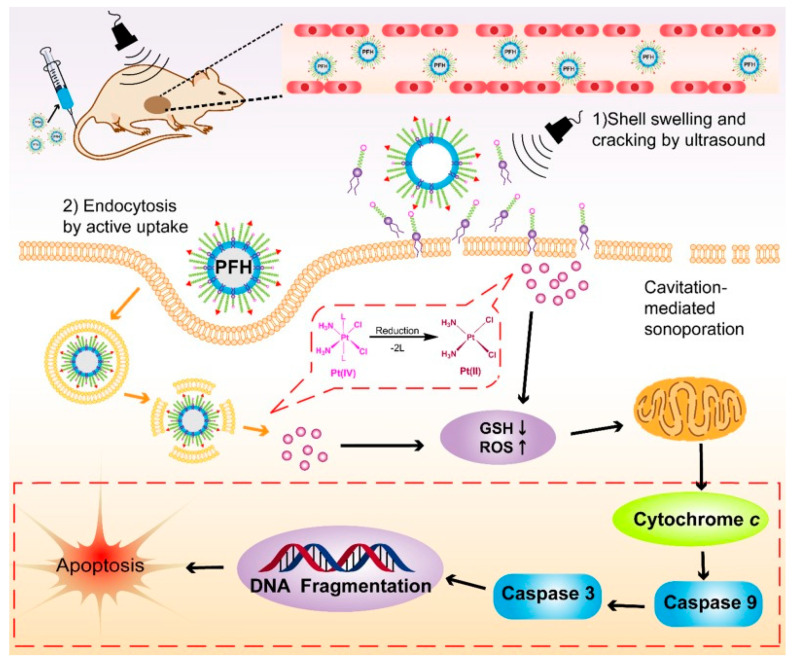
- Huang, 2019, GSH-sensitive Pt(IV) prodrug-loaded phase-transitional nanoparticles with a hybrid lipid-polymer shell for precise theranostics against ovarian cancer, Theranostics, 9, 1047, 10.7150/thno.29820 · DOI
- Lin, 2017, Lipid-enveloped PLGA as a hybrid carrier for sustained delivering camptothecin in ovarian cancer, IET Nanobiotechnol., 11, 797, 10.1049/iet-nbt.2016.0141 · DOI
- Xu, 2013, Enhancing tumor cell response to chemotherapy through nanoparticle-mediated codelivery of siRNA and cisplatin prodrug, Proc. Natl. Acad. Sci. USA, 110, 18638, 10.1073/pnas.1303958110 · DOI · Paper page
- Yuan, 2018, Fabrication of psoralen-loaded lipid-polymer hybrid nanoparticles and their reversal effect on drug resistance of cancer cells, Oncol. Rep., 40, 1055
- Liu, 2018, Synergistic combination therapy of lung cancer using paclitaxel- and triptolide-coloaded lipid–polymer hybrid nanoparticles, Drug Des. Dev. Ther., 12, 3199, 10.2147/DDDT.S172199 · DOI
- Yuan, 2019, Psoralen-loaded lipid-polymer hybrid nanoparticles enhance doxorubicin efficacy in multidrug-resistant HepG2 cells, Int. J. Nanomed., 14, 2207, 10.2147/IJN.S189924 · DOI
- Jadon, 2019, Docetaxel-loaded lipid-polymer hybrid nanoparticles for breast cancer therapeutics, J. Drug Deliv. Sci. Technol., 51, 475, 10.1016/j.jddst.2019.03.039 · DOI
- Chaudhary, 2017, Lipid polymer hybrid carrier systems for cancer targeting: A review, Int. J. Polym. Mater., 67, 86, 10.1080/00914037.2017.1300900 · DOI
- Lee, 1994, Delivery of liposomes into cultured KB cells via folate receptor-mediated endocytosis, J. Biol. Chem., 269, 3198, 10.1016/S0021-9258(17)41848-5 · DOI
- Large, 2018, Advances in Receptor-Mediated, Tumor-Targeted Drug Delivery, Adv. Ther., 2, 1800091, 10.1002/adtp.201800091 · DOI
- Tahir, N., Haseeb, M.T., Madni, A., Parveen, F., Khan, M.M., Khan, S., Jan, N., and Khan, A. (2020). Lipid Polymer Hybrid Nanoparticles: A Novel Approach for Drug Delivery. Role of Novel Drug Delivery Vehicles in Nanobiomedicine, IntechOpen. · DOI
- Lammers, 2012, Drug targeting to tumors: Principles, pitfalls and (pre-) clinical progress, J. Control. Release, 161, 175, 10.1016/j.jconrel.2011.09.063 · DOI · Paper page
- Gu, 2007, Targeted nanoparticles for cancer therapy, Nano Today, 2, 14, 10.1016/S1748-0132(07)70083-X · DOI
- Hilgenbrink, 2005, Folate Receptor-Mediated Drug Targeting: From Therapeutics to Diagnostics, J. Pharm. Sci., 94, 2135, 10.1002/jps.20457 · DOI
- Sudimack, 2000, Targeted drug delivery via the folate receptor, Adv. Drug Deliv. Rev., 41, 147, 10.1016/S0169-409X(99)00062-9 · DOI
- Kularatne, 2010, Targeting of Nanoparticles: Folate Receptor, Advanced Structural Safety Studies, Volume 624, 249
- Tang, 2019, Sorafenib-Loaded Ligand-Functionalized Polymer-Lipid Hybrid Nanoparticles for Enhanced Therapeutic Effect Against Liver Cancer, J. Nanosci. Nanotechnol., 19, 6866, 10.1166/jnn.2019.16936 · DOI
- Zhu, 2015, Folate-modified lipid–polymer hybrid nanoparticles for targeted paclitaxel delivery, Int. J. Nanomed., 10, 2101, 10.2147/IJN.S77667 · DOI
- Gu, 2017, Folate-modified, indocyanine green-loaded lipid-polymer hybrid nanoparticles for targeted delivery of cisplatin, J. Biomater. Sci. Polym. Ed., 28, 1, 10.1080/09205063.2017.1296347 · DOI
- YuGui, 2019, Nasopharyngeal cancer combination chemoradiation therapy based on folic acid modified, gefitinib and yttrium 90 co-loaded, core-shell structured lipid-polymer hybrid nanoparticles, Biomed. Pharmacother., 114, 108820, 10.1016/j.biopha.2019.108820 · DOI
- Wu, 2015, Folate-containing reduction-sensitive lipid–polymer hybrid nanoparticles for targeted delivery of doxorubicin, Biomater. Sci., 3, 655, 10.1039/C4BM00462K · DOI
- Ying, 2010, Dual-targeting daunorubicin liposomes improve the therapeutic efficacy of brain glioma in animals, J. Control. Release, 141, 183, 10.1016/j.jconrel.2009.09.020 · DOI
- Yoon, 2009, Genetically engineering transferrin to improve its in vitro ability to deliver cytotoxins, J. Control. Release, 133, 178, 10.1016/j.jconrel.2008.10.006 · DOI
- Zhu, 2017, Novel transferrin modified and doxorubicin loaded Pluronic 85/lipid-polymeric nanoparticles for the treatment of leukemia: In vitro and in vivo therapeutic effect evaluation, Biomed. Pharmacother., 86, 547, 10.1016/j.biopha.2016.11.121 · DOI
- Heidel, 2005, Sequence-Specific Knockdown of EWS-FLI1 by Targeted, Nonviral Delivery of Small Interfering RNA Inhibits Tumor Growth in a Murine Model of Metastatic Ewing’s Sarcoma, Cancer Res., 65, 8984, 10.1158/0008-5472.CAN-05-0565 · DOI
- Guo, 2014, Transferrin-conjugated doxorubicin-loaded lipid-coated nanoparticles for the targeting and therapy of lung cancer, Oncol. Lett., 9, 1065, 10.3892/ol.2014.2840 · DOI
- Zheng, 2010, Transferrin-conjugated lipid-coated PLGA nanoparticles for targeted delivery of aromatase inhibitor 7alpha-APTADD to breast cancer cells, Int. J. Pharm., 390, 234, 10.1016/j.ijpharm.2010.02.008 · DOI
- Wang, 2019, Non-small cell lung cancer-targeted, redox-sensitive lipid-polymer hybrid nanoparticles for the delivery of a second-generation irreversible epidermal growth factor inhibitor-Afatinib: In vitro and in vivo evaluation, Biomed. Pharmacother., 120, 109493, 10.1016/j.biopha.2019.109493 · DOI
- Bourguignon, 2014, Hyaluronan–CD44 Interaction Promotes Oncogenic Signaling, microRNA Functions, Chemoresistance, and Radiation Resistance in Cancer Stem Cells Leading to Tumor Progression, Adv. Cancer Res., 123, 255, 10.1016/B978-0-12-800092-2.00010-1 · DOI
- Basakran, 2015, CD44 as a potential diagnostic tumor marker, Saudi Med. J., 36, 273, 10.15537/smj.2015.3.9622 · DOI
- Shao, 2019, In vitro and in vivo effect of hyaluronic acid modified, doxorubicin and gallic acid co-delivered lipid-polymeric hybrid nano-system for leukemia therapy, Drug Des. Dev. Ther., 13, 2043, 10.2147/DDDT.S202818 · DOI
- Wang, 2020, Hyaluronic Acid Capped, Irinotecan and Gene Co-Loaded Lipid-Polymer Hybrid Nanocarrier-Based Combination Therapy Platform for Colorectal Cancer, Drug Des. Dev. Ther., 14, 1095, 10.2147/DDDT.S230306 · DOI
- Liu, 2016, Hyaluronic Acid-Modified Cationic Lipid–PLGA Hybrid Nanoparticles as a Nanovaccine Induce Robust Humoral and Cellular Immune Responses, ACS Appl. Mater. Interfaces, 8, 11969, 10.1021/acsami.6b01135 · DOI
- Schrank, Z., Chhabra, G., Lin, L., Iderzorig, T., Osude, C., Khan, N., Kuckovic, A., Singh, S., Miller, R.J., and Puri, N. (2018). Current Molecular-Targeted Therapies in NSCLC and Their Mechanism of Resistance. Cancers, 10. · DOI
- Mendelsohn, 2006, Epidermal Growth Factor Receptor Targeting in Cancer, Semin. Oncol., 33, 369, 10.1053/j.seminoncol.2006.04.003 · DOI
- Tsai, 2018, EGFR-targeted photodynamic therapy by curcumin-encapsulated chitosan/TPP nanoparticles, Int. J. Nanomed., 13, 903, 10.2147/IJN.S148305 · DOI
- Nan, 2019, Lung carcinoma therapy using epidermal growth factor receptor-targeted lipid polymeric nanoparticles co-loaded with cisplatin and doxorubicin, Oncol. Rep., 42, 2087
- Zhang, 2019, Cetuximab-modified silica nanoparticle loaded with ICG for tumor-targeted combinational therapy of breast cancer, Drug Deliv., 26, 129, 10.1080/10717544.2018.1564403 · DOI
- Yewale, 2013, Epidermal growth factor receptor targeting in cancer: A review of trends and strategies, Biomater., 34, 8690, 10.1016/j.biomaterials.2013.07.100 · DOI · Paper page
- Hong, 2019, Improving the anticancer effect of afatinib and microRNA by using lipid polymeric nanoparticles conjugated with dual pH-responsive and targeting peptides, J. Nanobiotechnol., 17, 89, 10.1186/s12951-019-0519-6 · DOI
- Byrne, 2008, Active targeting schemes for nanoparticle systems in cancer therapeutics, Adv. Drug Deliv. Rev., 60, 1615, 10.1016/j.addr.2008.08.005 · DOI
- Alibakhshi, 2017, Targeted cancer therapy through antibody fragments-decorated nanomedicines, J. Control. Release, 268, 323, 10.1016/j.jconrel.2017.10.036 · DOI
- Firer, 2012, Targeted drug delivery for cancer therapy: The other side of antibodies, J. Hematol. Oncol., 5, 70, 10.1186/1756-8722-5-70 · DOI
- Hu, 2010, Half-Antibody Functionalized Lipid−Polymer Hybrid Nanoparticles for Targeted Drug Delivery to Carcinoembryonic Antigen Presenting Pancreatic Cancer Cells, Mol. Pharm., 7, 914, 10.1021/mp900316a · DOI
- Hansel, 2010, The safety and side effects of monoclonal antibodies, Nat. Rev. Drug Discov., 9, 325, 10.1038/nrd3003 · DOI
- Yoo, J., Park, C., Yi, G., Lee, D., and Koo, H. (2019). Active Targeting Strategies Using Biological Ligands for Nanoparticle Drug Delivery Systems. Cancers, 11. · DOI
- Zhang, 2019, Trastuzumab-Coated Nanoparticles Loaded With Docetaxel for Breast Cancer Therapy, Dose-Response, 17, 1559325819872583, 10.1177/1559325819872583 · DOI
- Yong, S.-B., Kim, J., Chung, J.Y., Ra, S., Kim, S.S., and Kim, Y.-H. (2020). Heme Oxygenase 1-Targeted Hybrid Nanoparticle for Chemo- and Immuno-Combination Therapy in Acute Myelogenous Leukemia. Adv. Sci., 2000487. · DOI
- Zhang, 2017, Co-delivery of paclitaxel and tetrandrine via iRGD peptide conjugated lipid-polymer hybrid nanoparticles overcome multidrug resistance in cancer cells, Sci. Rep., 7, 46057, 10.1038/srep46057 · DOI
- Zhang, 2017, Dual-targeted hybrid nanoparticles of synergistic drugs for treating lung metastases of triple negative breast cancer in mice, Acta Pharmacol. Sin., 38, 835, 10.1038/aps.2016.166 · DOI
- Zhang, 2016, iRGD decorated lipid-polymer hybrid nanoparticles for targeted co-delivery of doxorubicin and sorafenib to enhance anti-hepatocellular carcinoma efficacy, Nanomed. Nanotechnol. Biol. Med., 12, 1303, 10.1016/j.nano.2016.01.017 · DOI
- Wang, 2018, RGD peptide-modified, paclitaxel prodrug-based, dual-drugs loaded, and redox-sensitive lipid-polymer nanoparticles for the enhanced lung cancer therapy, Biomed. Pharmacother., 106, 275, 10.1016/j.biopha.2018.06.137 · DOI
- Gao, 2017, iRGD-modified lipid-polymer hybrid nanoparticles loaded with isoliquiritigenin to enhance anti-breast cancer effect and tumor-targeting ability, Int. J. Nanomed., 12, 4147, 10.2147/IJN.S134148 · DOI
- Li, 2017, Nanoparticle-mediated local depletion of tumour-associated platelets disrupts vascular barriers and augments drug accumulation in tumours, Nat. Biomed. Eng., 1, 667, 10.1038/s41551-017-0115-8 · DOI
- Ban, 2016, Aptamer-nanoparticle complexes as powerful diagnostic and therapeutic tools, Exp. Mol. Med., 48, e230, 10.1038/emm.2016.44 · DOI
- Liu, 2015, Aptamer density dependent cellular uptake of lipid-capped polymer nanoparticles for polyvalent targeted delivery of vinorelbine to cancer cells, RSC Adv., 5, 16931, 10.1039/C4RA16371K · DOI
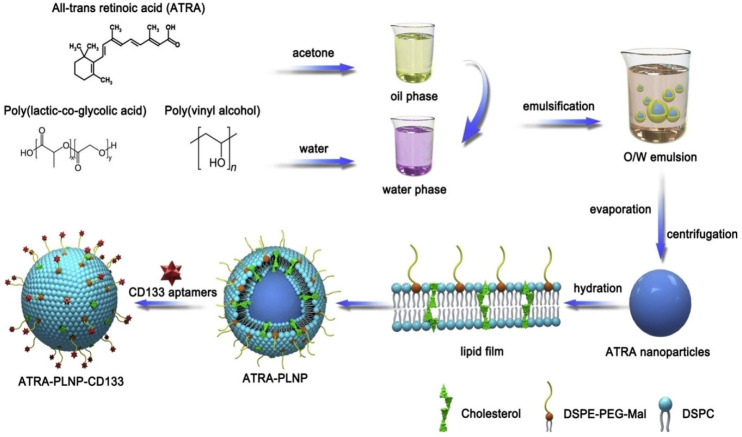
- Gui, 2019, Lipid-polymer nanoparticles with CD133 aptamers for targeted delivery of all-trans retinoic acid to osteosarcoma initiating cells, Biomed. Pharmacother., 111, 751, 10.1016/j.biopha.2018.11.118 · DOI
- Oh, 2014, Synthetic Aptamer-Polymer Hybrid Constructs for Programmed Drug Delivery into Specific Target Cells, J. Am. Chem. Soc., 136, 15010, 10.1021/ja5079464 · DOI
- Yang, 2015, Dual-Ligand Modified Polymer-Lipid Hybrid Nanoparticles for Docetaxel Targeting Delivery to Her2/neu Overexpressed Human Breast Cancer Cells, J. Biomed. Nanotechnol., 11, 1401, 10.1166/jbn.2015.2086 · DOI
- Deshayes, 2013, Phenylboronic Acid-Installed Polymeric Micelles for Targeting Sialylated Epitopes in Solid Tumors, J. Am. Chem. Soc., 135, 15501, 10.1021/ja406406h · DOI
- Disney, 2019, Targeting RNA with Small Molecules To Capture Opportunities at the Intersection of Chemistry, Biology, and Medicine, J. Am. Chem. Soc., 141, 6776, 10.1021/jacs.8b13419 · DOI
- Wang, 2016, Targeted lipid–polyaniline hybrid nanoparticles for photoacoustic imaging guided photothermal therapy of cancer, Nanotechnology, 27, 285102, 10.1088/0957-4484/27/28/285102 · DOI
- Shi, 2015, Arginine-Glycine-Aspartic Acid-Modified Lipid-Polymer Hybrid Nanoparticles for Docetaxel Delivery in Glioblastoma Multiforme, J. Biomed. Nanotechnol., 11, 382, 10.1166/jbn.2015.1965 · DOI
- Liu, 2018, Hyaluronic-acid-modified lipid-polymer hybrid nanoparticles as an efficient ocular delivery platform for moxifloxacin hydrochloride, Int. J. Biol. Macromol., 116, 1026, 10.1016/j.ijbiomac.2018.05.113 · DOI
- Yu, 2017, Epidermal growth factor receptor aptamer-conjugated polymer-lipid hybrid nanoparticles enhance salinomycin delivery to osteosarcoma and cancer stem cells, Exp. Ther. Med., 15, 1247
- Gao, 2014, Polymer–lipid hybrid nanoparticles conjugated with anti-EGF receptor antibody for targeted drug delivery to hepatocellular carcinoma, Nanomedicine, 9, 279, 10.2217/nnm.13.20 · DOI
- Gao, 2015, CXCR4-targeted lipid-coated PLGA nanoparticles deliver sorafenib and overcome acquired drug resistance in liver cancer, Biomaterials, 67, 194, 10.1016/j.biomaterials.2015.07.035 · DOI
- Khanbabaie, 2012, Revolutionary Impact of Nanodrug Delivery on Neuroscience, Curr. Neuropharmacol., 10, 370, 10.2174/157015912804499456 · DOI
- Yangb, 2013, Targeted delivery of 10-hydroxycamptothecin to human breast cancers by cyclic RGD-modified lipid–polymer hybrid nanoparticles, Biomed. Mater., 8, 025012, 10.1088/1748-6041/8/2/025012 · DOI
- Li, 2017, Polymer–lipid hybrid anti-HER2 nanoparticles for targeted salinomycin delivery to HER2-positive breast cancer stem cells and cancer cells, Int. J. Nanomed., 12, 6909, 10.2147/IJN.S144184 · DOI
- Agrawal, 2015, Tailored polymer–lipid hybrid nanoparticles for the delivery of drug conjugate: Dual strategy for brain targeting, Colloids Surf. B Biointerfaces, 126, 414, 10.1016/j.colsurfb.2014.12.045 · DOI
- Men, 2019, Fabrication of Dual pH/redox-Responsive Lipid-Polymer Hybrid Nanoparticles for Anticancer Drug Delivery and Controlled Release, Int. J. Nanomed., 14, 8001, 10.2147/IJN.S226798 · DOI
- Nicolas, 2019, Hybrid Lipid Polymer Nanoparticles for Combined Chemo- and Photodynamic Therapy, Mol. Pharm., 16, 4045, 10.1021/acs.molpharmaceut.9b00797 · DOI
- Wang, 2016, Rapamycin/DiR loaded lipid-polyaniline nanoparticles for dual-modal imaging guided enhanced photothermal and antiangiogenic combination therapy, J. Control. Release, 237, 23, 10.1016/j.jconrel.2016.07.005 · DOI
- Gao, 2014, Core-Shell type lipid/rPAA-Chol polymer hybrid nanoparticles for in vivo siRNA delivery, Biomaterials, 35, 2066, 10.1016/j.biomaterials.2013.11.046 · DOI · Paper page
- Zhang, 2017, Core-shell lipid polymer nanoparticles for combined chemo and gene therapy of childhood head and neck cancers, Oncol. Rep., 37, 1653, 10.3892/or.2017.5365 · DOI
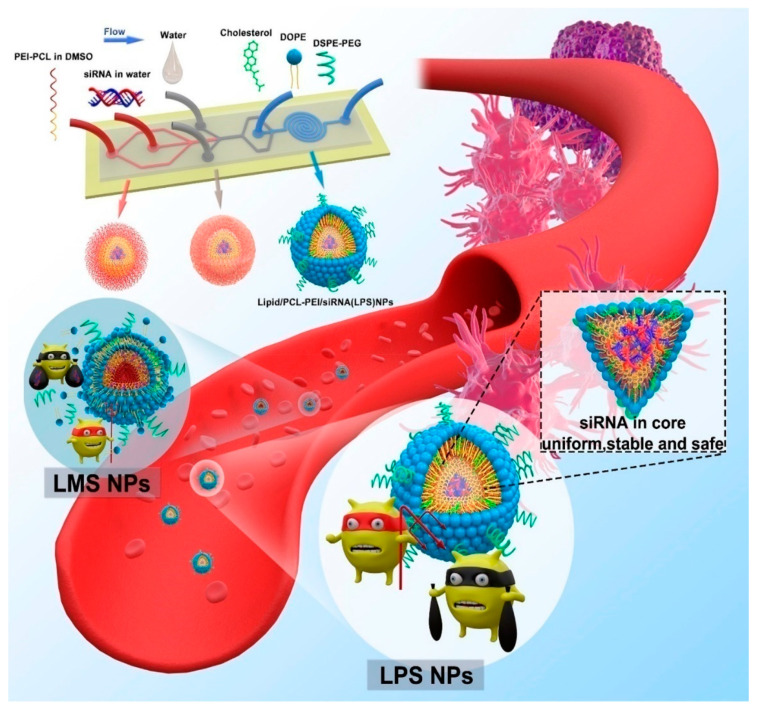
- Wei, 2020, Microfluidic-Based Holonomic Constraints of siRNA in the Kernel of Lipid/Polymer Hybrid Nanoassemblies for Improving Stable and Safe In Vivo Delivery, ACS Appl. Mater. Interfaces, 12, 14839, 10.1021/acsami.9b22781 · DOI
- Zhao, 2015, Co-delivery of HIF1α siRNA and gemcitabine via biocompatible lipid-polymer hybrid nanoparticles for effective treatment of pancreatic cancer, Biomaterials, 46, 13, 10.1016/j.biomaterials.2014.12.028 · DOI
- Hyun, 2019, Updates in molecular imaging techniques, Tissue Eng. Regen. Med., 16, 431, 10.1007/s13770-019-00222-x · DOI
- Yang, 2019, Targeted Near-Infrared Fluorescence Imaging for Regenerative Medicine, Tissue Eng. Regen. Med., 16, 433, 10.1007/s13770-019-00219-6 · DOI
- Wu, 2015, Co-delivery of doxorubicin and amphiphilic derivative of Gd-DTPA with lipid–polymer hybrid nanoparticles for simultaneous imaging and targeted therapy of cancer, J. Control. Release, 213, e13, 10.1016/j.jconrel.2015.05.018 · DOI
- Zhang, 2009, Immunocompatibility properties of lipid–polymer hybrid nanoparticles with heterogeneous surface functional groups, Biomaterials, 30, 2231, 10.1016/j.biomaterials.2009.01.005 · DOI
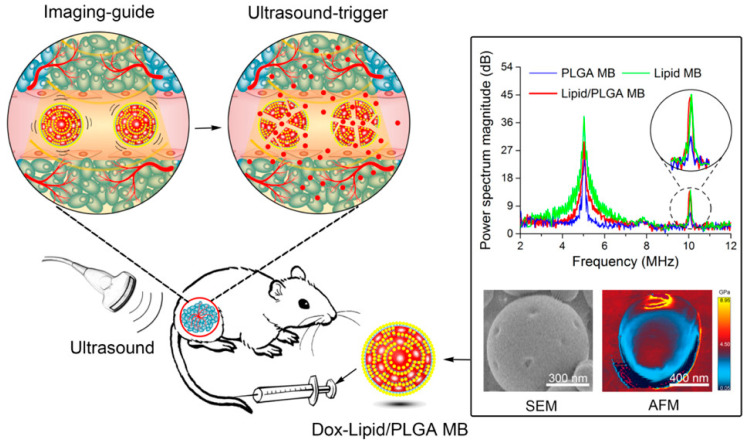
- Chen, 2019, Lipid/PLGA Hybrid Microbubbles as a Versatile Platform for Noninvasive Image-Guided Targeted Drug Delivery, ACS Appl. Mater. Interfaces, 11, 41842, 10.1021/acsami.9b10188 · DOI
- Kandel, 2010, Incorporating functionalized polyethylene glycol lipids into reprecipitated conjugated polymer nanoparticles for bioconjugation and targeted labeling of cells, Nanoscale, 3, 1037, 10.1039/C0NR00746C · DOI
- Gordijo, 2015, Design of Hybrid MnO2-Polymer-Lipid Nanoparticles with Tunable Oxygen Generation Rates and Tumor Accumulation for Cancer Treatment, Adv. Funct. Mater., 25, 1858, 10.1002/adfm.201404511 · DOI
- Liu, 2016, Immune responses to vaccines delivered by encapsulation into and/or adsorption onto cationic lipid-PLGA hybrid nanoparticles, J. Control. Release, 225, 230, 10.1016/j.jconrel.2016.01.050 · DOI
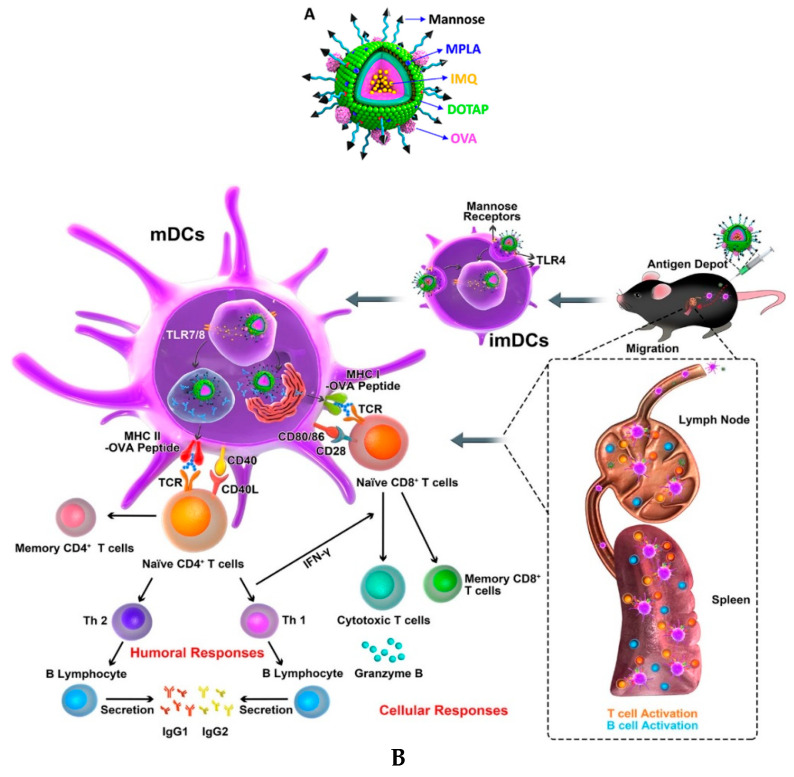
- Zhang, 2019, Targeted Codelivery of an Antigen and Dual Agonists by Hybrid Nanoparticles for Enhanced Cancer Immunotherapy, Nano Lett., 19, 4237, 10.1021/acs.nanolett.9b00030 · DOI
- Ou, 2018, Regulatory T cell-targeted hybrid nanoparticles combined with immuno-checkpoint blockage for cancer immunotherapy, J. Control. Release, 281, 84, 10.1016/j.jconrel.2018.05.018 · DOI
- Jain, 2017, Methotrexate and beta-carotene loaded-lipid polymer hybrid nanoparticles: A preclinical study for breast cancer, Nanomedicine, 12, 1851, 10.2217/nnm-2017-0011 · DOI
- Ashley, 2011, The targeted delivery of multicomponent cargos to cancer cells by nanoporous particle-supported lipid bilayers, Nat. Mater., 10, 389, 10.1038/nmat2992 · DOI
Cited by
Sorted by citations
Cell membrane-derived vesicles for delivery of therapeutic agents
Le, Q.-V., Lee, J., Lee, H., Shim, G., & Oh, Y.-K. (2021) · Acta Pharmaceutica Sinica B · doi:10.1016/j.apsb.2021.01.020 · Cited by 181
Current Advances in Chitosan Nanoparticles Based Oral Drug Delivery for Colorectal Cancer Treatment
Choukaife, H., Seyam, S., Alallam, B., Doolaanea, A. A., & Alfatama, M. (2022) · International Journal of Nanomedicine · doi:10.2147/ijn.s375229 · Cited by 127
Metadata
- Authors
- Mohanty, A., Uthaman, S., & Park, I.-K.
- Venue
- Molecules
- Publisher
- MDPI AG
- Published
- 2020-09-23
- Volume
- 25
- Issue
- 19
- Pages
- 4377
- ISSN
- 1420-3049
- PMC
- PMC7582728
- Cited by
- 160
- References
- 6
- Language
- en
- Funders
- National Research Foundation of Korea (2017M3A9E2056372, 2020R1A2C2005620, 2018R1A5A2024181 and 2019M3E5D1A02068082)
About these checks
Registry, retraction, Cites and statistics results are computed, not judged, with one exception: a printed reference that no index lists is read once by a model before it counts as a citation error. Claims are extracted by a model and kept only when their quote appears verbatim in the text; each cited source is then checked, with a model’s help, for whether it says what the claim relies on. Those verdicts can be wrong — read the claim’s quote and the cited source before relying on one.
Statistics and arithmetic are recomputed, not judged.
Confidence bands are shown only for fields calibrated on our annotated test set. None is calibrated yet, so no band is shown.
What counts as a claim ›How we measure confidence ›How we check this ›
Are you an author, or do you see a problem with this page? Request a review
