

Dietary and Lifestyle Management of Functional Hypothalamic Amenorrhea: A Comprehensive Review
Open accessThe DOI matches its Crossref record; 54 of the 56 references it cites were found in a registry or an index; none of the 158 sources its claims cite is checked for support yet.
Abstract
Functional Hypothalamic Amenorrhea (FHA) is a condition characterized by the absence of menstruation, which is increasingly affecting young women. However, specific recommendations for treating and preventing this condition are lacking. Based on a review of the available literature, this article provides practical and feasible dietary management recommendations for healthcare professionals and researchers in women’s health and nutrition. It answers the question of what interventions and nutritional recommendations are necessary to restore menstrual function in women struggling with FHA. Physicians recommend an energy availability threshold of 30 kcal/kg FFM/day to prevent FHA. Also, energy availability below and above this threshold can inhibit LH pulsation and cause menstrual disorders. In addition, the risk of menstrual disorders increases with a decrease in the caloric content of the diet and the duration of the energy deficit, and women with FHA have significantly lower energy availability than healthy women. It is essential to ensure that adequate kilocalories are provided throughout the day (regular meals that are a source of proper glucose) to avoid a negative energy balance, as glucose has been proven to affect LH pulses and T3 and cortisol concentrations in the body. Dietary intervention should focus on increasing the caloric content of the diet, thus increasing energy availability and restoring energy balance in the body. Treatment and diagnosis should also focus on body composition, not just body weight. An increase in body fat percentage above 22% may be required to restore menstrual function. In women with FHA, even an increase in body fat mass of one kilogram (kg) increases the likelihood of menstruation by 8%. It is advisable to reduce the intensity of physical activity or training volume, while it is not advisable to give up physical activity altogether. It is also important to ensure adequate intake of micronutrients, reduce stress, and incorporate cognitive–behavioral therapy.
Overview
CoChat Summary
TL;DR
This comprehensive review synthesizes evidence on dietary and lifestyle management of functional hypothalamic amenorrhea (FHA), emphasizing low energy availability as a central driver and recommending increased caloric intake, improved energy balance, micronutrient adequacy, stress reduction, and cognitive–behavioral therapy. It reports that restoring menstrual function often requires raising energy availability and body fat, though optimal caloric targets remain uncertain.
Key findings
- Energy availability is strongly linked to menstrual function: a threshold of 30 kcal/kg FFM/day is often cited; Loucks et al. found that at 20 kcal/kg FFM/day, LH pulse frequency fell by 16% and amplitude rose by 21%, while at 10 kcal/kg FFM/day, frequency fell by 39% and amplitude rose by 109%. Lieberman et al. reported that below 30 kcal/kg FFM/day the probability of menstrual disorders exceeded 50%, but disorders also occurred above 30; the most common were luteal phase defects (57%), lack of ovulation (28%), and oligomenorrhea (15%), and each 1-unit decrease in energy availability was associated with a 9% increase in likelihood of menstrual disorders.
- Dietary intervention can restore menses: in De Souza et al., 33 women increased caloric intake by 20–40% over 12 months, with the intervention group increasing by 330 ± 65 kcal/day versus −66 ± 68 kcal/day in controls, gaining 2.6 ± 0.4 kg, increasing fat mass by 2.0 ± 0.3 kg and body fat by 2.7 ± 0.4%, and raising T3 by 9 ± 4 ng/dL, with improved menstrual regularity. Łagowska et al. studied 52 athletes and ballet dancers over 9 months with 20–30% increased caloric intake; energy availability exceeded 30 kcal/kg FFM/day, LH and LH/FSH improved, and 3 dancers and 7 athletes regained menstrual cycles.
- Body composition matters: an increase in body fat percentage above 22% may be required to restore menstrual function, and in women with FHA, each 1 kg increase in body fat mass increases the likelihood of menstruation by 8%. BMI alone is not a reliable predictor; in Daempfle et al., 47% of 152 girls with eating disorders spontaneously regained menstrual function, with average %EBW of 91% among those who recovered versus approximately 86% among those who did not.
- Psychological and micronutrient support: in Berga et al., 87.5% of women receiving cognitive–behavioral therapy resumed ovarian activity versus 25% under observation over 20 weeks. Vitamin D, calcium, magnesium, and zinc may be beneficial for bone health, hormonal balance, and stress management, but evidence for supplementation in FHA is limited or emerging.
Methods
- Comprehensive literature review searching PubMed, EBSCO, Scopus, and Google Scholar using keywords such as “Functional hypothalamic amenorrhea (FHA),” “diet and menstrual cycle,” “physical activity and menstrual cycle,” “low energy availability,” and related terms.
- Included peer-reviewed scientific papers and books published between 2013 and 2023, with occasional seminal older studies for context; data extracted on prevalence of hypothalamic amenorrhea among physically active women, energy availability and nutritional intake, and dietary/physical activity interventions for regaining menstrual function.
- Aimed to bridge textbook knowledge and practical management by synthesizing recent findings into dietary and lifestyle guidelines for healthcare professionals and researchers.
Limitations
- The paper states that current research has limitations, there is variability in response to treatment, and more long-term studies are needed to understand the full impact of dietary and lifestyle interventions on FHA recovery; the precise caloric intake required to restore menstrual function remains unclear.
- The paper notes limited evidence for micronutrient supplementation in FHA, including no well-powered randomized controlled trials directly supporting vitamin D supplementation, lack of strong evidence for magnesium, and emerging direct evidence for zinc.
- Evident from the text: this is a narrative comprehensive review without a described systematic search, selection, or quality appraisal process; conclusions rely on heterogeneous studies including small trials and case reports, and the review itself presents conflicting findings on whether a strict energy availability threshold exists.
Model-written summary. Check it against the paper before relying on it.
Integrity signals
Registry
Cites
Statistics
Figures
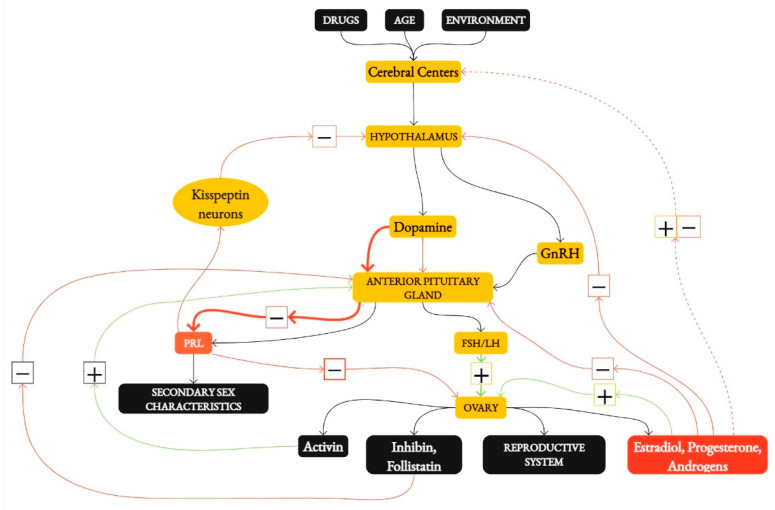
Verification
Claims the paper makes
0 Valid · 5 Not valid · 98 Not checked · 29 Own results and interpretations
None of the sources cited for this claim have been checked yet.
In the paper
“Interestingly, these hormonal changes were observed across all groups regardless of differences in energy availability (EA), suggesting that physical training alone might have a suppressive effect on sex hormone concentrations independent of energy availability [2,15].”
§ Dietary and Lifestyle Management of Functional Hypothalamic Amenorrhea: A Comprehensive Review > 3. Results > 3.1. The Impact of Energy Availability on the Menstrual Cycle
What the sources say
- Not checked yetcites [2] Lieberman J.L. DE Souza M.J. Wagstaff D.A. Williams N.I. Menstrual Disruption with Exercise Is Not Linked to an Energy Availability Threshold Med. Sci. Sports Exerc. 2018 50 551 561 10.1249/MSS.0000000000001451 29023359 PMC5820163 source
- Not checked yetcites [15] Practice Committee of the American Society for Reproductive Medicine Current clinical irrelevance of luteal phase deficiency: A committee opinion Fertil. Steril. 2015 103 e27 e32 10.1016/j.fertnstert.2014.12.128 25681857 source
hedgedstates a possible cause- Asserted: passes — The authors put it forward as true.
- Checkable: passes — It can be checked against evidence.
- Load-bearing: passes — The paper’s conclusions depend on it.
- Based: passes — The paper gives a reason why it holds.
In the paper
“According to the results of the study [15], an energy deficit of −22 to −42% compared to baseline energy supply, i.e., −470 to −810 kcal/day, is sufficient to induce clinical and subclinical menstrual disorders.”
§ Dietary and Lifestyle Management of Functional Hypothalamic Amenorrhea: A Comprehensive Review > 3. Results > 3.1. The Impact of Energy Availability on the Menstrual Cycle
What the sources say
- Not checked yetcites [15] Practice Committee of the American Society for Reproductive Medicine Current clinical irrelevance of luteal phase deficiency: A committee opinion Fertil. Steril. 2015 103 e27 e32 10.1016/j.fertnstert.2014.12.128 25681857 source
plainstates a cause- Asserted: passes — The authors put it forward as true.
- Checkable: passes — It can be checked against evidence.
- Load-bearing: passes — The paper’s conclusions depend on it.
- Based: passes — The paper gives a reason why it holds.
None of the sources cited for this claim have been checked yet.
In the paper
“It is associated with the inhibition of the hypothalamic–pituitary–ovarian (HPO) axis [2,3,4,5].”
§ Dietary and Lifestyle Management of Functional Hypothalamic Amenorrhea: A Comprehensive Review > 1. Introduction
What the sources say
- Not checked yetcites [2] Lieberman J.L. DE Souza M.J. Wagstaff D.A. Williams N.I. Menstrual Disruption with Exercise Is Not Linked to an Energy Availability Threshold Med. Sci. Sports Exerc. 2018 50 551 561 10.1249/MSS.0000000000001451 29023359 PMC5820163 source
- Not checked yetcites [3] Considine R.V. Female Reproductive System Medical Physiology: Principles for Clinical Medicine 4th ed. Rhoades R. Bell D.R. Wolters Kluwer Health/Lippincott Williams & Wilkins Philadelphia, PA, USA 2013 693 709
- Not checked yetcites [4] Miller P.B. Infrequent Menstrual Bleeding and Amenorrhea during the Reproductive Years Disorders of Menstruation Marshburn P.B. Hurst B.S. Blackwell Publishing Ltd. Oxford, UK 2011 140 10.1002/9781444391824.ch8
- Not checked yetcites [5] Gibson M.E.S. Fleming N. Zuijdwijk C. Dumont T. Where Have the Periods Gone? The Evaluation and Management of Functional Hypothalamic Amenorrhea J. Clin. Res. Pediatr. Endocrinol. 2020 12 18 27 10.4274/jcrpe.galenos.2019.2019.S0178 32041389 PMC7053439 source
plainstates an association- Asserted: passes — The authors put it forward as true.
- Checkable: passes — It can be checked against evidence.
- Load-bearing: passes — The paper’s conclusions depend on it.
- Based: passes — The paper gives a reason why it holds.
In the paper
“Patients with FHA also have increased levels of ghrelin, an appetite-stimulating hormone.”
§ Dietary and Lifestyle Management of Functional Hypothalamic Amenorrhea: A Comprehensive Review > 1. Introduction
What the sources say
- Not checked yetcites [7] Meczekalski B. Katulski K. Czyzyk A. Podfigurna-Stopa A. Maciejewska-Jeske M. Functional hypothalamic amenorrhea and its influence on women’s health J. Endocrinol. Investig. 2014 37 1049 1056 10.1007/s40618-014-0169-3 25201001 PMC4207953 source
plainstates an association- Asserted: passes — The authors put it forward as true.
- Checkable: passes — It can be checked against evidence.
- Load-bearing: unclear — It is unclear whether the paper’s conclusions depend on it.
- Based: passes — The paper gives a reason why it holds.
None of the sources cited for this claim have been checked yet.
In the paper
“Studies have shown that GnRH secretion is inhibited in patients with hypothalamic amenorrhea, reducing LH and FSH secretion to a level where they cannot support folliculogenesis (the developmental process of ovarian follicles) [1,2,3].”
§ Dietary and Lifestyle Management of Functional Hypothalamic Amenorrhea: A Comprehensive Review > 1. Introduction
What the sources say
- Not checked yetcites [1] Loucks A.B. Thuma J.R. Luteinizing hormone pulsatility is disrupted at a threshold of energy availability in regularly menstruating women J. Clin. Endocrinol. Metab. 2003 88 297 311 10.1210/jc.2002-020369 12519869 source
- Not checked yetcites [2] Lieberman J.L. DE Souza M.J. Wagstaff D.A. Williams N.I. Menstrual Disruption with Exercise Is Not Linked to an Energy Availability Threshold Med. Sci. Sports Exerc. 2018 50 551 561 10.1249/MSS.0000000000001451 29023359 PMC5820163 source
- Not checked yetcites [3] Considine R.V. Female Reproductive System Medical Physiology: Principles for Clinical Medicine 4th ed. Rhoades R. Bell D.R. Wolters Kluwer Health/Lippincott Williams & Wilkins Philadelphia, PA, USA 2013 693 709
boostedstates a cause- Asserted: passes — The authors put it forward as true.
- Checkable: passes — It can be checked against evidence.
- Load-bearing: passes — The paper’s conclusions depend on it.
- Based: passes — The paper gives a reason why it holds.
76 more claims
Create a free account to see all 132 claims and to verify the 158 references still open.
- It may state two separate claims as one. 40
- Probably not a substantial claim. 14
Self-check
Percentages, sums and reported differences re-computed from the paper’s own numbers.
Each contradiction between two passages listed here was confirmed by an independent check.
Rated minor: it would not touch a result — a value no result rests on, a p-value that stays on the same side of the significance level, or a conflict that is clerical, resolved elsewhere in the paper, or outside its own findings.
In the paper
§ Dietary and Lifestyle Management of Functional Hypothalamic Amenorrhea: A Comprehensive Review > 3. Results > 3.4. Psychological Interventions in FHA
“A study by Berga et al. [37] examined whether cognitive–behavioral therapy (CBT) could restore ovarian function in women with functional hypothalamic amenorrhea (FHA).”
§ Dietary and Lifestyle Management of Functional Hypothalamic Amenorrhea: A Comprehensive Review > References
“37. Tranoulis A. Soldatou A. Georgiou D. Mavrogianni D. Loutradis D. Michala L. Adolescents and young women with functional hypothalamic amenorrhoea: Is it time to move beyond the hormonal profile?”
Rated minor: it would not touch a result — a value no result rests on, a p-value that stays on the same side of the significance level, or a conflict that is clerical, resolved elsewhere in the paper, or outside its own findings.
In the paper
§ Dietary and Lifestyle Management of Functional Hypothalamic Amenorrhea: A Comprehensive Review > 3. Results > 3.2. Dietary Intervention
“The Łagowska et al. [21] study focused on 52 well-trained female athletes and ballet dancers with menstrual disorders”
§ Dietary and Lifestyle Management of Functional Hypothalamic Amenorrhea: A Comprehensive Review > References
“21. De Souza M.J. Mallinson R.J. A Strock N.C. Koltun K.J. Olmsted M.P. A Ricker E. Scheid J.L. Allaway H.C. Mallinson D.J. Don P.K. Randomised controlled trial of the effects of increased energy intake on menstrual recovery in exercising women with menstrual disturbances: The ‘REFUEL’ study”
Rated minor: it would not touch a result — a value no result rests on, a p-value that stays on the same side of the significance level, or a conflict that is clerical, resolved elsewhere in the paper, or outside its own findings.
In the paper
§ Dietary and Lifestyle Management of Functional Hypothalamic Amenorrhea: A Comprehensive Review > 3. Results > 3.2. Dietary Intervention
“The study by De Souza et al. study [20] involved 33 women aged 18–35 with secondary amenorrhea or oligomenorrhea”
§ Dietary and Lifestyle Management of Functional Hypothalamic Amenorrhea: A Comprehensive Review > References
“20. Coelho A.R. Cardoso G. Brito M.E. Gomes I.N. Cascais M.J. The female athlete Triad/Relative energy deficiency in sports (RED-S)”
Rated minor: it would not touch a result — a value no result rests on, a p-value that stays on the same side of the significance level, or a conflict that is clerical, resolved elsewhere in the paper, or outside its own findings.
In the paper
§ Dietary and Lifestyle Management of Functional Hypothalamic Amenorrhea: A Comprehensive Review > 3. Results > 3.2. Dietary Intervention
“For women who regained their menstrual cycle, the mean IGF-1 concentration at the end of the study was 454.0 ± 7.9 ng/mL, and among women who did not regain their menstruation, 367.4 ± 133 ng/mL [24].”
§ Dietary and Lifestyle Management of Functional Hypothalamic Amenorrhea: A Comprehensive Review > References
“24. Mallinson R.J. Williams N.I. Olmsted M.P. Scheid J.L. Riddle E.S. De Souza M.J. A case report of recovery of menstrual function following a nutritional intervention in two exercising women with amenorrhea of varying duration”
Rated minor: it would not touch a result — a value no result rests on, a p-value that stays on the same side of the significance level, or a conflict that is clerical, resolved elsewhere in the paper, or outside its own findings.
In the paper
§ Dietary and Lifestyle Management of Functional Hypothalamic Amenorrhea: A Comprehensive Review > 3. Results > 3.1. The Impact of Energy Availability on the Menstrual Cycle
“This connection between exercise and hormonal suppression was further exemplified in the study by Williams et al. [15].”
§ Dietary and Lifestyle Management of Functional Hypothalamic Amenorrhea: A Comprehensive Review > References
“15. Practice Committee of the American Society for Reproductive Medicine Current clinical irrelevance of luteal phase deficiency: A committee opinion”
Citations
Cites
Hall, K. D., Ayuketah, A., Brychta, R., Cai, H., Cassimatis, T., Chen, K. Y., Chung, S. T., Costa, E., Courville, A., Darcey, V., et al. (2019) · Cell Metabolism · doi:10.1016/j.cmet.2019.05.008 · Cited by 1,971 · cited 1×
“Ensuring an adequate caloric intake is paramount, and these processed options can help bridge the gap to support overall health and recovery [53,57].”
BackgroundMountjoy, M., Sundgot-Borgen, J., Burke, L., Carter, S., Constantini, N., Lebrun, C., Meyer, N., Sherman, R., Steffen, K., Budgett, R., et al. (2014) · British Journal of Sports Medicine · doi:10.1136/bjsports-2014-093502 · Cited by 1,469
Carbohydrates for training and competition
Burke, L. M., Hawley, J. A., Wong, S. H. S., & Jeukendrup, A. E. (2011) · Journal of Sports Sciences · doi:10.1080/02640414.2011.585473 · Cited by 985 · cited 1×
“An adequate supply of carbohydrates in the diet is essential, as they are the body’s primary and fastest energy source, and a low supply of carbohydrates is correlated with glycogen depletion [53,54].”
BackgroundFunctional Hypothalamic Amenorrhea: An Endocrine Society Clinical Practice Guideline
Gordon, C. M., Ackerman, K. E., Berga, S. L., Kaplan, J. R., Mastorakos, G., Misra, M., Murad, M. H., Santoro, N. F., & Warren, M. P. (2017) · The Journal of Clinical Endocrinology & Metabolism · doi:10.1210/jc.2017-00131 · Cited by 775 · cited 3×
“As FHA treatment aims to restore energy balance and provide the body with sufficient kilocalories to support physiological functions, patients’ nutritional status and eating habits must be assessed [4,6,7,44].”
BackgroundLoucks, A. B., & Thuma, J. R. (2003) · The Journal of Clinical Endocrinology & Metabolism · doi:10.1210/jc.2002-020369 · Cited by 760 · cited 10×
“What is Studies have amenorrhea, nesis (the developmental process of ovarian follicles) [1–3].”
BackgroundResultInfluentialLow energy availability, not stress of exercise, alters LH pulsatility in exercising women
Loucks, A. B., Verdun, M., Heath, E. M., & (With the Technical Assistance of T. Law, S. A. J. R. T. (1998) · Journal of Applied Physiology · doi:10.1152/jappl.1998.84.1.37 · Cited by 539 · cited 2×
“HRT, as recommended by the Endocrine Society, is favored due to its beneficial effects on insulin-like growth factor 1 (IGF-1) and its role in bone metabolism [49].”
BackgroundEnergy availability in athletes
Loucks, A. B., Kiens, B., & Wright, H. H. (2011) · Journal of Sports Sciences · doi:10.1080/02640414.2011.588958 · Cited by 513 · cited 1×
“Specific ranges of EA have been accepted in the literature [1,47–49].”
BackgroundMelin, A., Tornberg, Å. B., Skouby, S., Faber, J., Ritz, C., Sjödin, A., & Sundgot-Borgen, J. (2014) · British Journal of Sports Medicine · doi:10.1136/bjsports-2013-093240 · Cited by 435
Endocrine consequences of anorexia nervosa
Misra, M., & Klibanski, A. (2014) · The Lancet Diabetes & Endocrinology · doi:10.1016/s2213-8587(13)70180-3 · Cited by 341 · cited 1×
“This hypoestrogenic state is a hallmark of FHA and leads to various clinical manifestations, including amenorrhea, low bone mineral density, and reproductive issues [26,27,29].”
BackgroundDirect and indirect effects of leptin on adipocyte metabolism
Harris, R. B. S. (2014) · Biochimica et Biophysica Acta (BBA) - Molecular Basis of Disease · doi:10.1016/j.bbadis.2013.05.009 · Cited by 316 · cited 1×
“Leptin achieves appetite suppression by promoting the release of pro-opiomelanocortin (POMC) and inhibiting the release of neuropeptide Y (NPY) and agouti-related peptide (AGRP) from the arcuate nucleus of the hypothalamus [3,9].”
BackgroundStress and the neuroendocrine system: the role of exercise as a stressor and modifier of stress
Hackney, A. C. (2006) · Expert Review of Endocrinology & Metabolism · doi:10.1586/17446651.1.6.783 · Cited by 294
Joy, E., De Souza, M. J., Nattiv, A., Misra, M., Williams, N. I., Mallinson, R. J., Gibbs, J. C., Olmsted, M., Goolsby, M., Matheson, G., et al. (2014) · Current Sports Medicine Reports · doi:10.1249/jsr.0000000000000077 · Cited by 251
Fundamentals of glycogen metabolism for coaches and athletes
Murray, B., & Rosenbloom, C. (2018) · Nutrition Reviews · doi:10.1093/nutrit/nuy001 · Cited by 224 · cited 2×
“An adequate supply of carbohydrates in the diet is essential, as they are the body’s primary and fastest energy source, and a low supply of carbohydrates is correlated with glycogen depletion [53,54].”
BackgroundBerga, S. L., Marcus, M. D., Loucks, T. L., Hlastala, S., Ringham, R., & Krohn, M. A. (2003) · Fertility and Sterility · doi:10.1016/s0015-0282(03)01124-5 · Cited by 205 · cited 3×
“Alternative forms of training, such as yoga, walking, or light cycling, can also be considered [18,38–42].”
BackgroundFunctional hypothalamic amenorrhea and its influence on women’s health
Meczekalski, B., Katulski, K., Czyzyk, A., Podfigurna-Stopa, A., & Maciejewska-Jeske, M. (2014) · Journal of Endocrinological Investigation · doi:10.1007/s40618-014-0169-3 · Cited by 167 · cited 6×
“This results in lower levels of thyroid hormones, further contributing to a reduced BMR often observed in non-menstruating, exercising women [7,12].”
BackgroundInfluentialMagnesium Status and Stress: The Vicious Circle Concept Revisited
Pickering, G., Mazur, A., Trousselard, M., Bienkowski, P., Yaltsewa, N., Amessou, M., Noah, L., & Pouteau, E. (2020) · Nutrients · doi:10.3390/nu12123672 · Cited by 166 · cited 2×
“The review points out that deficiencies in these micronutrients can exacerbate the hormonal imbalances associated with FHA, suggesting that nutritional interventions should include caloric adjustments and a focus on micronutrient sufficiency [30–32].”
BackgroundThe Effects of Magnesium Supplementation on Subjective Anxiety and Stress—A Systematic Review
Boyle, N., Lawton, C., & Dye, L. (2017) · Nutrients · doi:10.3390/nu9050429 · Cited by 162 · cited 2×
“The review points out that deficiencies in these micronutrients can exacerbate the hormonal imbalances associated with FHA, suggesting that nutritional interventions should include caloric adjustments and a focus on micronutrient sufficiency [30–32].”
BackgroundThe role of leptin in the regulation of TSH secretion in the fed state: in vivo and in vitro studies
Ortiga-Carvalho, T., Oliveira, K., Soares, B., & Pazos-Moura, C. (2002) · Journal of Endocrinology · doi:10.1677/joe.0.1740121 · Cited by 156
Williams, N. I., Leidy, H. J., Hill, B. R., Lieberman, J. L., Legro, R. S., & Souza, M. J. D. (2015) · American Journal of Physiology-Endocrinology and Metabolism · doi:10.1152/ajpendo.00386.2013 · Cited by 154
Exercise and the Hypothalamo-Pituitary-Adrenal Axis
Duclos, M., & Tabarin, A. (2016) · Frontiers of Hormone Research · doi:10.1159/000445149 · Cited by 135 · cited 2×
“High-intensity exercise, such as sprinting or weightlifting, can lead to greater cortisol output than low-intensity exercise, such as walking or yoga [40,41].”
BackgroundMenstrual disruption with exercise is not linked to an energy availability threshold
LIEBERMAN, J. L., DE SOUZA, M. J., WAGSTAFF, D. A., & WILLIAMS, N. I. (2018) · Medicine & Science in Sports & Exercise · doi:10.1249/mss.0000000000001451 · Cited by 127 · cited 8×
“Hormonal changes are closely linked to the menstrual cycle, and any stress, as well as environmental, psychological, and social factors perceived by the brain, can affect and disrupt it [2].”
BackgroundInfluentialEffect of exercise on ovulation: A systematic review
Hakimi, O., & Cameron, L.-C. (2017) · Sports Medicine · doi:10.1007/s40279-016-0669-8 · Cited by 124 · cited 1×
“Alternative forms of exercise, such as yoga, walking, or light cycling, can reduce stress without significantly compromising the patient’s psychological well-being [39–41].”
BackgroundHuhmann, K. (2020) · Clinical Therapeutics · doi:10.1016/j.clinthera.2020.01.016 · Cited by 117 · cited 1×
“Studies in monkeys have shown that a single stressor rarely causes menstrual disorders but rather results from the coexistence of different stressors [42,43].”
BackgroundExercise as a stressor to the human neuroendocrine system.
Hackney, A. C. (2006) · PubMed · Cited by 109
Within‐day energy deficiency and reproductive function in female endurance athletes
Fahrenholtz, I. L., Sjödin, A., Benardot, D., Tornberg, Å. B., Skouby, S., Faber, J., Sundgot‐Borgen, J. K., & Melin, A. K. (2018) · Scandinavian Journal of Medicine & Science in Sports · doi:10.1111/sms.13030 · Cited by 106 · cited 2×
“Regression analysis showed that the more hours spent in an energy deficit of less than 0 kcal and less than − 300 kcal, the lower the ratio of actual RMR to predicted RMR, lower estrogen levels, and higher cortisol levels [18].”
BackgroundThe relationship between micronutrient status and sleep patterns: A systematic review
Ji, X., Grandner, M. A., & Liu, J. (2017) · Public Health Nutrition · doi:10.1017/s1368980016002603 · Cited by 104 · cited 3×
“The data suggest that restoring energy balance through increased caloric intake and moderate physical activity is essential for the recovery of menstrual function in women with FHA [21,33].”
BackgroundMumford, S. L., Chavarro, J. E., Zhang, C., Perkins, N. J., Sjaarda, L. A., Pollack, A. Z., Schliep, K. C., Michels, K. A., Zarek, S. M., Plowden, T. C., et al. (2016) · The American Journal of Clinical Nutrition · doi:10.3945/ajcn.115.119321 · Cited by 89 · cited 1×
“An adequate fat supply is also essential, mainly because of the sources of unsaturated fatty acids and their beneficial effects on inflammation, the nervous system, and fertility [55].”
BackgroundCurrent understanding of hypothalamic amenorrhoea
Roberts, R. E., Farahani, L., Webber, L. J., & Jayasena, C. N. (2020) · Therapeutic Advances in Endocrinology and Metabolism · doi:10.1177/2042018820945854 · Cited by 88 · cited 1×
“Repeated EA measurements are recommended to observe trends and establish appropriate target values for each individual [45,46].”
BackgroundZinc depletion causes multiple defects in ovarian function during the periovulatory period in mice
Tian, X., & Diaz, F. J. (2012) · Endocrinology · doi:10.1210/en.2011-1599 · Cited by 87 · cited 4×
“CBT can help patients develop healthier attitudes towards food, exercise, and body image, which are critical for sustained recovery [35].”
BackgroundInfluentialEnergy availability discriminates clinical menstrual status in exercising women
Reed, J. L., De Souza, M. J., Mallinson, R. J., Scheid, J. L., & Williams, N. I. (2015) · Journal of the International Society of Sports Nutrition · doi:10.1186/s12970-015-0072-0 · Cited by 86 · cited 4×
“This highlights the necessity of personalized treatment approaches in managing FHA, as the optimal energy requirements may vary based on individual differences in metabolism, body composition, and exercise habits [10–15].”
BackgroundInfluentialCurrent clinical irrelevance of luteal phase deficiency: A committee opinion
(2015) · Fertility and Sterility · doi:10.1016/j.fertnstert.2014.12.128 · Cited by 84
Mallinson, R. J., Williams, N. I., Olmsted, M. P., Scheid, J. L., Riddle, E. S., & De Souza, M. J. (2013) · Journal of the International Society of Sports Nutrition · doi:10.1186/1550-2783-10-34 · Cited by 78 · cited 3×
“This aligns with findings that even small increases in body fat can significantly improve the likelihood of menstrual recovery [24].”
BackgroundInfluentialThe Female Athlete Triad/Relative Energy Deficiency in Sports (RED-S)
Coelho, A. R., Cardoso, G., Brito, M. E., Gomes, I. N., & Cascais, M. J. (2021) · Revista Brasileira de Ginecologia e Obstetrícia / RBGO Gynecology and Obstetrics · doi:10.1055/s-0041-1730289 · Cited by 73 · cited 4×
“…restore menstrual function remains uncertain, studies have shown that gradually increasing dietary caloric content in women with FHA increases the likelihood of restoring the menstrual cycle or increasing LH and FSH levels, which is positively correlated with increased energy availability [20–22].”
BackgroundMethodInfluentialLow energy availability and low body fat of female gymnasts before an international competition
Silva, M. ‐. G., & Paiva, T. (2015) · European Journal of Sport Science · doi:10.1080/17461391.2014.969323 · Cited by 72 · cited 1×
“However, the energy consumed for physical activity should also be considered [50,51].”
BackgroundLi, D., Hitchcock, C. L., Barr, S. I., Yu, T., & Prior, J. C. (2014) · Epidemiologic Reviews · doi:10.1093/epirev/mxt012 · Cited by 63 · cited 5×
“An inadequate amount of dietary fat interferes with the central nervous system, mainly due to the regulation of neurotransmission by fatty acids and their metabolites, thereby affecting emotional behavior [17,56].”
BackgroundInfluentialWhere Have the Periods Gone? The Evaluation and Management of Functional Hypothalamic Amenorrhea
Sophie Gibson, M. E., Fleming, N., Zuijdwijk, C., & Dumont, T. (2020) · Journal of Clinical Research in Pediatric Endocrinology · doi:10.4274/jcrpe.galenos.2019.2019.s0178 · Cited by 61 · cited 4×
“This state harms women’s health, as estrogen is essential for normal bone metabolism and cardiovascular and mental health [5,7].”
BackgroundInfluentialDe Souza, M. J., Mallinson, R. J., Strock, N. C. A., Koltun, K. J., Olmsted, M. P., Ricker, E. A., Scheid, J. L., Allaway, H. C., Mallinson, D. J., Kuruppumullage Don, P., et al. (2021) · Human Reproduction · doi:10.1093/humrep/deab149 · Cited by 61
Predictors of the resumption of menses in adolescent anorexia nervosa
Dempfle, A., Herpertz-Dahlmann, B., Timmesfeld, N., Schwarte, R., Egberts, K. M., Pfeiffer, E., Fleischhaker, C., Wewetzer, C., & Bühren, K. (2013) · BMC Psychiatry · doi:10.1186/1471-244x-13-308 · Cited by 61 · cited 2×
“This hypoestrogenic state is a hallmark of FHA and leads to various clinical manifestations, including amenorrhea, low bone mineral density, and reproductive issues [26,27,29].”
BackgroundŁagowska, K., Kapczuk, K., & Jeszka, J. (2014) · Journal of the International Society of Sports Nutrition · doi:10.1186/s12970-014-0052-9 · Cited by 60
(2003) · Wiley eBooks · doi:10.1002/9780470757277 · Cited by 57
Lopresti, A. L. (2020) · Advances in Nutrition · doi:10.1093/advances/nmz082 · Cited by 52 · cited 3×
“Additionally, zinc’s role in reducing cortisol levels, inflammation, and oxidative stress underscores its potential therapeutic value [36].”
BackgroundDe Souza, M. J., Ricker, E. A., Mallinson, R. J., Allaway, H. C., Koltun, K. J., Strock, N. C., Gibbs, J. C., Kuruppumullage Don, P., & Williams, N. I. (2022) · The American Journal of Clinical Nutrition · doi:10.1093/ajcn/nqac044 · Cited by 46
25-Hydroxyvitamin D and Long Menstrual Cycles in a Prospective Cohort Study
Jukic, A. M. Z., Wilcox, A. J., McConnaughey, D. R., Weinberg, C. R., & Steiner, A. Z. (2018) · Epidemiology · doi:10.1097/ede.0000000000000804 · Cited by 43 · cited 2×
“This hypoestrogenic state is a hallmark of FHA and leads to various clinical manifestations, including amenorrhea, low bone mineral density, and reproductive issues [26,27,29].”
BackgroundMagnesium in the gynecological practice: A literature review
Parazzini, F., Di Martino, M., & Pellegrino, P. (2017) · Magnesium Research · doi:10.1684/mrh.2017.0419 · Cited by 41
Kyriakidis, M., Caetano, L. B., Anastasiadou, N., Karasu, T., & Lashen, H. (2016) · European Journal of Obstetrics & Gynecology and Reproductive Biology · doi:10.1016/j.ejogrb.2016.01.018 · Cited by 37 · cited 1×
“As FHA treatment aims to restore energy balance and provide the body with sufficient kilocalories to support physiological functions, patients’ nutritional status and eating habits must be assessed [4,6,7,44].”
BackgroundKoltun, K. J., De Souza, M. J., Scheid, J. L., & Williams, N. I. (2020) · The Journal of Clinical Endocrinology & Metabolism · doi:10.1210/clinem/dgz030 · Cited by 36 · cited 5×
“…10-unit reduction in energy availability, from 38 kcal/kg FFM/day to 28 kcal/kg FFM/day, which could be caused, for example, by an intervention aimed at weight reduction, was sufficient to significantly reduce the frequency of LH secretion and increase the likelihood of a luteal phase defect [14].”
BackgroundResultInfluentialReid, B. M., & Georgieff, M. K. (2023) · Nutrients · doi:10.3390/nu15173798 · Cited by 32 · cited 1×
“This deficiency is attributed mainly to insufficient dietary intake and decreased absorption of iron due to high consumption of fiber and phytic acid [17,33,34].”
BackgroundHas Menstruation Disappeared? Functional Hypothalamic Amenorrhea—What Is This Story about?
Ryterska, K., Kordek, A., & Załęska, P. (2021) · Nutrients · doi:10.3390/nu13082827 · Cited by 31 · cited 1×
“However, it should be emphasized that physical training can also be a stressor for the body [19].”
BackgroundFunctional Hypothalamic Amenorrhea: A Stress-Based Disease
Podfigurna, A., & Męczekalski, B. (2021) · Endocrines · doi:10.3390/endocrines2030020 · Cited by 27 · cited 2×
“Ghrelin, a hunger hormone, inhibits GnRH release, and CRH, which is involved in the stress response, can also inhibit reproductive function through its action on the hypothalamus [3,8].”
BackgroundHeightened cortisol response to exercise challenge in women with functional hypothalamic amenorrhea
Sanders, K. M., Kawwass, J. F., Loucks, T., & Berga, S. L. (2018) · American Journal of Obstetrics and Gynecology · doi:10.1016/j.ajog.2017.11.579 · Cited by 20 · cited 2×
“Alternative forms of training, such as yoga, walking, or light cycling, can also be considered [18,38–42].”
BackgroundCominato, L., da Silva, M. M. X., Steinmetz, L., Pinzon, V., Fleitlich-Bilyk, B., & Damiani, D. (2014) · Hormone Research in Paediatrics · doi:10.1159/000367895 · Cited by 19 · cited 2×
“This study confirms that BMI is not a reliable predictor of the return of menstrual function [25].”
BackgroundSingh, V., Tamar, N., Lone, Z., Das, E., Sahu, R., & Majumdar, S. (2021) · International Journal of Reproductive BioMedicine (IJRM) · doi:10.18502/ijrm.v19i11.9913 · Cited by 17 · cited 1×
“The study by Singh et al. [28] provides valuable insights into the potential role of vitamin D in influencing menstrual cycle regularity and, by extension, functional hypothalamic amenor-rhea (FHA).”
BackgroundSyed‐Abdul, M. M., Soni, D. S., & Wagganer, J. D. (2018) · Sports · doi:10.3390/sports6030082 · Cited by 9 · cited 1×
“Repeated EA measurements are recommended to observe trends and establish appropriate target values for each individual [45,46].”
BackgroundTranoulis, A., Soldatou, A., Georgiou, D., Mavrogianni, D., Loutradis, D., & Michala, L. (2020) · Archives of Gynecology and Obstetrics · doi:10.1007/s00404-020-05499-1 · Cited by 9 · cited 4×
“Such therapeutic interventions address underlying issues like eating disorders and perfectionism, which are often associated with FHA [37,38].”
BackgroundInfluentialMarshburn, P. B., & Hurst, B. S. (2011) · Wiley eBooks · doi:10.1002/9781444391824 · Cited by 4
Infrequent Menstrual Bleeding and Amenorrhea during the Reproductive Years
Miller, P. B. W. (2011) · Wiley eBooks · doi:10.1002/9781444391824.ch8 · Cited by 2 · cited 3×
“As FHA treatment aims to restore energy balance and provide the body with sufficient kilocalories to support physiological functions, patients’ nutritional status and eating habits must be assessed [4,6,7,44].”
Background
Research works printed but not linked: 2
- Considine R.V. Female Reproductive System Medical Physiology: Principles for Clinical Medicine 4th ed. Rhoades R. Bell D.R. Wolters Kluwer Health/Lippincott Williams & Wilkins Philadelphia, PA, USA 2013 693 709
- Bortoletto P. Reichman D. Secondary Amenorrhea Reproductive Endocrinology and Infertility: Integrating Modern Clinical and Laboratory Practice Carrell D.T. Peterson C.M. Springer New York, NY, USA 2010 33 37
Cited by
Maugeri, A., Barchitta, M., Favara, G., Lio, R. M. S., Ojeda‐Granados, C., Alonzo, E., Bellavia, D., Bonaccio, M., Nucci, A. D., Donfrancesco, C., et al. (2025) · Nutrients · doi:10.3390/nu17223505 · Cited by 14
“When diet is inadequate or imbalanced, it can disrupt this hormonal axis, resulting in irregular menstrual cycles or even amenorrhea [125].”
Wong, L., Leibner, L., Vicioso, C., Shah, B. C., & Ranade, S. C. (2025) · Frontiers in Endocrinology · doi:10.3389/fendo.2025.1709695 · Cited by 11
“An increase in body fat percentage above 22% may be required to restore menstrual function (74).”
The molecular mechanisms of exercise in cancer prevention and management
Chen, J., Yang, L., Li, W., & Liu, Q. (2025) · European Journal of Cancer Prevention · doi:10.1097/cej.0000000000000989 · Cited by 10
Amoroso, A. P., Fiorini, S., Neri, L. D. C. L., Guglielmetti, M., Tagliabue, A., Nappi, R. E., & Ferraris, C. (2025) · Nutrition Research · doi:10.1016/j.nutres.2025.06.008 · Cited by 7
Bone Metabolic Changes and Osteoporosis During Pregnancy and Lactation: A View from Dental Medicine
西浦, ま., Watanabe, H., Nakanishi-Kimura, A., Hoshi-Numahata, M., Nishimoto, S., Ueno, F., Koguchi, R., Takemoto, R., Kurakane, Y., Bao, L., et al. (2025) · International Journal of Molecular Sciences · doi:10.3390/ijms262110476 · Cited by 6
“Excessive dieting can be associated with low pre-pregnancy BMD and ovulatory disorders [29].”
Metadata
- Authors
- Dobranowska, K., Plińska, S., & Dobosz, A.
- Affiliations
- Wroclaw Medical University (PL)
- Corresponding author
- Dobosz, Agnieszka
- Venue
- Nutrients
- Publisher
- MDPI AG
- Published
- 2024-09-03
- Volume
- 16
- Issue
- 17
- Pages
- 2967
- ISSN
- 2072-6643 (ISSN-L)
- PMC
- PMC11397038
- OpenAlex
- W4402198957
- Cited by
- 26
- References
- 56
- Citations by year
- 2026: 15 · 2025: 11
- FWCI
- 1.18
- Type
- journal article
- Language
- en
- Open access
- gold
- doi.org
- Licence
- Locations
- Nutrients (publishedVersion, cc-by)
- PubMed Central (publishedVersion, cc-by)
- PubMed (publishedVersion)
- Topics
- Health Sciences › Medicine › Reproductive Medicine › Hypothalamic control of reproductive hormones
- Social Sciences › Psychology › Clinical Psychology › Eating Disorders and Behaviors
- Health Sciences › Medicine › Public Health, Environmental and Occupational Health › Menstrual Health and Disorders
- Keywords
- functional hypothalamic amenorrhea, energy availability, negative energy balance, dietary management, body composition, body fat percentage, energy intake, physical activity, lifestyle intervention, micronutrient intake, stress, cognitive behavioral therapy, cortisol, thyroid hormones
- MeSH terms
- Amenorrhea, Body Composition, Energy Intake, Diet, Energy Metabolism, Female, Humans, Hypothalamic Diseases, Life Style
About these checks
Registry, retraction, Cites and statistics results are computed, not judged, with one exception: a printed reference that no index lists is read once by a model before it counts as a citation error. Claims are extracted by a model and kept only when their quote appears verbatim in the text; each cited source is then checked, with a model’s help, for whether it says what the claim relies on. Those verdicts can be wrong — read the claim’s quote and the cited source before relying on one.
A language model drew the claims from the paper on 2026-11-27, under version 3 of the claim definition (model deepseek-v4.1-flash, prompt extract-v3).
A second model labelled each claim on 2026-11-27 (model jev-1.13-20260917, definition revision gold-guideline-v0.2).
Statistics and arithmetic are recomputed, not judged.
Confidence bands are shown only for fields calibrated on our annotated test set. None is calibrated yet, so no band is shown.
What counts as a claim ›How we measure confidence ›How we check this ›
Are you an author, or do you see a problem with this page? Request a review
Data sources
Bibliographic data: Semantic Scholar, OpenAlex, Crossref.
Contains information from the Semantic Scholar Academic Graph Datasets, made available under the ODC Attribution License (ODC-BY 1.0).
Semantic Scholar’s data is described in: Kinney, R., et al. (2023). The Semantic Scholar Open Data Platform. arXiv:2301.10140.
