

Emotion Recognition from Multiband EEG Signals Using CapsNet
Open accessThe DOI matches its Crossref record; 45 of the 45 references it cites were found in a registry or an index.
Abstract
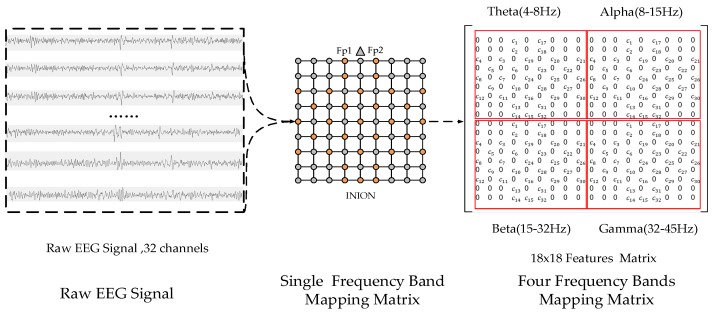
Emotion recognition based on multi-channel electroencephalograph (EEG) signals is becoming increasingly attractive. However, the conventional methods ignore the spatial characteristics of EEG signals, which also contain salient information related to emotion states. In this paper, a deep learning framework based on a multiband feature matrix (MFM) and a capsule network (CapsNet) is proposed. In the framework, the frequency domain, spatial characteristics, and frequency band characteristics of the multi-channel EEG signals are combined to construct the MFM. Then, the CapsNet model is introduced to recognize emotion states according to the input MFM. Experiments conducted on the dataset for emotion analysis using EEG, physiological, and video signals (DEAP) indicate that the proposed method outperforms most of the common models. The experimental results demonstrate that the three characteristics contained in the MFM were complementary and the capsule network was more suitable for mining and utilizing the three correlation characteristics.
Overview
The claims and statistics of this paper haven’t been checked yet.
Free: it reads the open-access text and checks the first 5 claims that cite a source we can check. Create a free account to check every claim.
Integrity signals
Registry
Cites
Statistics
Figures





Verification
Claims the paper makes
The claims and statistics of this paper haven’t been checked yet.
Free: it reads the open-access text and checks the first 5 claims that cite a source we can check. Create a free account to check every claim.
Self-check
Percentages, sums and reported differences re-computed from the paper’s own numbers.
The self-check needs the paper’s full text.
Citations
Cites
Scikit-learn: Machine Learning in Python
Pedregosa, F., Varoquaux, G., Gramfort, A., Michel, V., Thirion, B., Grisel, O., Blondel, M., Müller, A., Nothman, J., Louppe, G., et al. (2012) · arXiv · doi:10.48550/arxiv.1201.0490 · Cited by 71,016 · cited 2×
“To compensate for the shortcomings of CNN, a network structure called the capsule network has been proposed [45].”
BackgroundMethodDEAP: A Database for Emotion Analysis ;Using Physiological Signals
Koelstra, S., Muhl, C., Soleymani, M., Lee, J.-S., Yazdani, A., Ebrahimi, T., Pun, T., Nijholt, A., & Patras, I. (2012) · IEEE Transactions on Affective Computing · doi:10.1109/t-affc.2011.15 · Cited by 5,093 · cited 2×
“Methods Each trial was divided into two classes on each indicator.”
BackgroundMethodDynamic Routing Between Capsules
Sabour, S., Frosst, N., & Hinton, G. E. (2017) · arXiv · doi:10.48550/arxiv.1710.09829 · Cited by 4,167 · cited 4×
“To compensate for the shortcomings of CNN, a network structure called the capsule network has been proposed [43].”
BackgroundInfluentialAdolphs, R., Tranel, D., Damasio, H., & Damasio, A. (1994) · Nature · doi:10.1038/372669a0 · Cited by 2,360 · cited 1×
“Current emotion recognition research is implemented mainly according to non-physiological signals such as facial expressions [1], speech [2], body movement [3], and physiological signals like skin resistance (SR), electrocardiogram (ECG), functional magnetic resonance imaging (fMRI), electroencephalograph (EEG) [4], a…”
BackgroundEEG analysis based on time domain properties
Hjorth, B. (1970) · Electroencephalography and Clinical Neurophysiology · doi:10.1016/0013-4694(70)90143-4 · Cited by 1,504
Feature Extraction and Selection for Emotion Recognition from EEG
Jenke, R., Peer, A., & Buss, M. (2014) · IEEE Transactions on Affective Computing · doi:10.1109/taffc.2014.2339834 · Cited by 1,081
EEG-Based Emotion Recognition in Music Listening
Lin, Y.-P., Wang, C.-H., Jung, T.-P., Wu, T.-L., Jeng, S.-K., Duann, J.-R., & Chen, J.-H. (2010) · IEEE Transactions on Biomedical Engineering · doi:10.1109/tbme.2010.2048568 · Cited by 1,021
Emotion Recognition From EEG Using Higher Order Crossings
Petrantonakis, P. C., & Hadjileontiadis, L. J. (2010) · IEEE Transactions on Information Technology in Biomedicine · doi:10.1109/titb.2009.2034649 · Cited by 687 · cited 1×
“In addition, other studies introduced Hjorth features (Mobility, Complexity, and Activity) [17], non-stationary index (NSI) [18] and higher-order crossing features (HOCs) [19,20] for EEG emotion recognition.”
BackgroundJirayucharoensak, S., Pan-Ngum, S., & Israsena, P. (2014) · The Scientific World Journal · doi:10.1155/2014/627892 · Cited by 486
Classification of human emotion from EEG using discrete wavelet transform
Murugappan, M., Ramachandran, N., & Sazali, Y. (2010) · Journal of Biomedical Science and Engineering · doi:10.4236/jbise.2010.34054 · Cited by 436
Research works printed but not linked: 1
- Morris J.D. SAM: The Self-Assessment Manikin an Efficient Cross-Cultural Measurement of Emotional Response Advertising Research. 1995 35 63 68
Cited by
Items 101–200 of 303
An AI-Inspired Spatio-Temporal Neural Network for EEG-Based Emotional Status
Alotaibi, F. M., & Fawad, F. (2023) · Sensors · doi:10.3390/s23010498 · Cited by 26
“The CapsNet [64] classification on DEAP achieved 68.”
MethodInfluentialChen, S., Ma, W., Wang, Y., & Sun, X. (2024) · Biomedical Signal Processing and Control · doi:10.1016/j.bspc.2024.106953 · Cited by 25
Zhu, Y., & Zhong, Q. (2021) · Frontiers in Physics · doi:10.3389/fphy.2020.629620 · Cited by 25
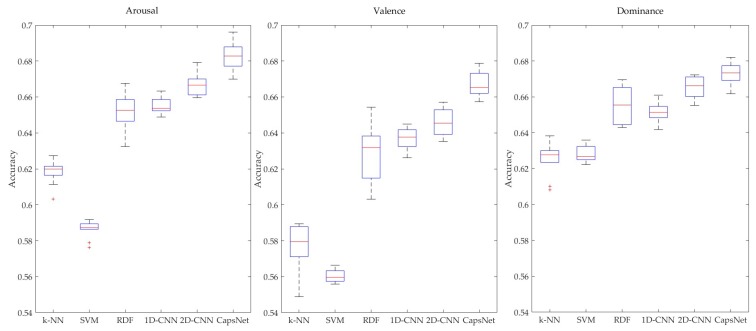
“The frequency domain feature, spatial feature and frequency band features of fusion multi-channel signals were fed into a Capsule Network (CapsNet) based on CNN, which achieved 68.28% on arousal and 66.73% on valence [14].”
MethodInfluentialSaha, O., Mahmud, M. S., Fattah, S. A., & Saquib, M. (2022) · IEEE Access · doi:10.1109/access.2022.3224725 · Cited by 24
“In [12], CapsNet and other classifiers (1DCNN, 2DCNN, KNN, RDF and SVM) are used with multiband feature matrices.”
MethodRuensuk, M., Cheon, E., Hong, H., & Oakley, I. (2020) · Proceedings of the ACM on Interactive Mobile Wearable and Ubiquitous Technologies · doi:10.1145/3432223 · Cited by 24
“However, these traditional techniques typically require dedicated hardware such as, for example, high-end heart rate variability monitors [22, 106].”
BackgroundKim, J., Hwang, D., Son, E. J., Oh, S. H., Kim, W., Kim, Y., & Kwon, G. (2022) · PLoS ONE · doi:10.1371/journal.pone.0274203 · Cited by 23
An EEG-Based Computational Model for Decoding Emotional Intelligence, Personality, and Emotions
Kannadasan, K., Shukla, J., Veerasingam, S., Begum, B. S., & Ramasubramanian, N. (2023) · IEEE Transactions on Instrumentation and Measurement · doi:10.1109/tim.2023.3347790 · Cited by 23
“Several techniques and approaches were proposed for ER using EEG signals, and attempts were made to enhance the recognition performance [46], [47], [48], [49], [50], [51].”
MethodEmotion Fusion-Sense (Emo Fu-Sense) – A novel multimodal emotion classification technique
Umair, M., Rashid, N., Khan, U. S., Hamza, A., & Iqbal, J. (2024) · Biomedical Signal Processing and Control · doi:10.1016/j.bspc.2024.106224 · Cited by 23
Graphical Insight: Revolutionizing Seizure Detection with EEG Representation
Awais, M., Belhouari, S. B., & Kassoul, K. (2024) · Biomedicines · doi:10.3390/biomedicines12061283 · Cited by 23
“These features are then used for further analysis and as inputs for machine learning algorithms for classification, prediction, or other analysis tasks [13].”
BackgroundMethodThe Automatic Detection of Cognition Using EEG and Facial Expressions
Kerdawy, M. E., Halaby, M. E., Hassan, A., Maher, M., Fayed, H. A., Shawky, D., & Badawi, A. (2020) · Sensors · doi:10.3390/s20123516 · Cited by 23
“For instance, in [28], a deep learning model is utilized to capture the spatial and frequency characteristics of the multi-channel EEG signals for the ultimate goal of modeling human emotions.”
MethodA novel dense capsule network based on dense capsule layers
Sun, G., Ding, S., Sun, T., Zhang, C., & Du, W. (2021) · Applied Intelligence · doi:10.1007/s10489-021-02630-w · Cited by 22
Xefteris, V.-R., Tsanousa, A., Georgakopoulou, N., Diplaris, S., Vrochidis, S., & Kompatsiaris, I. Y. (2022) · Sensors · doi:10.3390/s22218198 · Cited by 22
Kim, S., Kim, T., & Lee, W. H. (2022) · Sensors · doi:10.3390/s22186813 · Cited by 21
“For spatio-spectral feature extraction, Chao et al. [26] proposed a framework that contains a multiband feature matrix (MFM) and a capsule network (CapsNet) for classifi-cation.”
BackgroundPaul, A., Chakraborty, A., Sadhukhan, D., Pal, S., & Mitra, M. (2024) · SN Computer Science · doi:10.1007/s42979-024-03110-x · Cited by 21
A novel 3D feature fusion network for EEG emotion recognition
Chen, K., Chai, S., Cai, M., Liu, Q., Ai, Q., Zhou, C., & Ma, L. (2024) · Biomedical Signal Processing and Control · doi:10.1016/j.bspc.2024.107347 · Cited by 21
EEG emotion recognition based on efficient-capsule network with convolutional attention
Tang, W. H., Fan, L., Lin, X., & Gu, Y. (2025) · Biomedical Signal Processing and Control · doi:10.1016/j.bspc.2024.107473 · Cited by 21
Suhaimi, N. S., Mountstephens, J., & Teo, J. (2020) · IEEE Symposium on Computer Applications & Industrial Electronics (ISCAIE) · doi:10.1109/iscaie47305.2020.9108821 · Cited by 20
“The EEG emotion recognition system [10]–[12] is a difficult pattern recognition problem due to the vast differences in every individual’s features and signals for emotions.”
BackgroundClassification of Human Emotional States Based on Valence-Arousal Scale using Electroencephalogram
Kumar, G. S., Sampathila, N., & Martis, R. J. (2023) · Journal of Medical Signals & Sensors · doi:10.4103/jmss.jmss_169_21 · Cited by 20
“[23] adopted a deep learning framework for emotion recognition.”
BackgroundInfluentialEEG‐Based Emotion Recognition Datasets for Virtual Environments: A Survey
Hamzah, H. A., & Abdalla, K. K. (2024) · Applied Computational Intelligence and Soft Computing · doi:10.1155/2024/6091523 · Cited by 22
Reinforcement Learning using EEG signals for Therapeutic Use of Music in Emotion Management
Dutta, E., Bothra, A., Chaspari, T., Ioerger, T. R., & Mortazavi, B. J. (2020) · Annual International Conference of the IEEE Engineering in Medicine and Biology Society (EMBC) · doi:10.1109/embc44109.2020.9175586 · Cited by 20
“Indeed, classifying emotional signals with the help of EEG data has been a focus of recent [14].”
BackgroundMethodMaximum Marginal Approach on EEG Signal Preprocessing for Emotion Detection
Li, G., & Jung, J. J. (2020) · Applied Sciences · doi:10.3390/app10217677 · Cited by 21
“Chao et al. [22] proposed that the existing methods for the emotion recognition based on EEG ignore the spatial information.”
MethodClassification of Defective Fabrics Using Capsule Networks
Kahraman, Y., & Durmuşoğlu, A. (2022) · Applied Sciences · doi:10.3390/app12105285 · Cited by 20
A Novel Deep Capsule Neural Network for Vowel Imagery Patterns from EEG Signals
Ramírez-Quintana, J. A., Macías-Macías, J. M., Ramírez-Alonso, G. M. D. J., Chacon-Murguia, M. I., & Corral-Martínez, L. F. (2021) · Biomedical Signal Processing and Control · doi:10.1016/j.bspc.2022.104500 · Cited by 20
Joint Modality Features in Frequency Domain for Stress Detection
Radhika, K. R., Subramanian, R., & Murthy, O. V. R. (2022) · IEEE Access · doi:10.1109/access.2022.3178409 · Cited by 19
Liang, X., Liu, Y., Yu, Y., Liu, K., Liu, Y., & Zhou, Z. (2023) · Brain Sciences · doi:10.3390/brainsci13020268 · Cited by 19
“For the reason why the matrix coordinate with ut electrode mapping is assigned to 0, we refer to the pr tice of [50], and in the process of designing the TRM, we also found that setting to 0 can achieve better classification results than using interpolation operation.”
BackgroundMethodInfluentialSelf-citationA Review on Preprocessing of EEG Signal
Dhanaselvam, P. S., & Chellam, C. N. (2023) · International Conference on Bio Signals, Images, and Instrumentation (ICBSII) · doi:10.1109/icbsii58188.2023.10181071 · Cited by 19
“0 Hz [12] Ocular artifacts can be removed”
BackgroundHybrid hunt-based deep convolutional neural network for emotion recognition using EEG signals
Wankhade, S. B., & Doye, D. D. (2022) · Computer Methods in Biomechanics & Biomedical Engineering · doi:10.1080/10255842.2021.2007889 · Cited by 19
“Mostly widely employed deep learning models for emotion recognition include the deep belief networks (Wang and Zhang 2013), capsules network (CapsNet) (Chao et al. 2019), and convolutional neural network (CNN) (Kwon et al. 2018).”
BackgroundZhao, H., Liu, J., Shen, Z., & Yan, J. (2022) · Journal of Neural Engineering · doi:10.1088/1741-2552/ac6294 · Cited by 19
EEG-Based Emotion Identification Using 1-D Deep Residual Shrinkage Network With Microstate Features
Wang, J., Song, Y., Mao, Z., Liu, J., & Gao, Q. (2023) · IEEE Sensors Journal · doi:10.1109/jsen.2023.3239507 · Cited by 19
Deep feature extraction from EEG signals using xception model for emotion classification
Phukan, A., & Gupta, D. (2023) · Multimedia Tools and Applications · doi:10.1007/s11042-023-16941-2 · Cited by 19
EmoPercept: EEG-based emotion classification through perceiver
Aadam, Tubaishat, A., Al-Obeidat, F. N., Halim, Z., Waqas, M. M., & Qayum, F. (2022) · Soft Computing · doi:10.1007/s00500-021-06578-4 · Cited by 18
“More-over, capsule networks (Sabour et al. 2017) have been shown to work really well with EEG data (Chao et al. 2019; Liu et al. 2020; Zhang and Etemad 2021) because of the small data size and improved representational capacity of capsule networks.”
BackgroundMethodAlbraikan, A. A., Nemri, N., Alkhonaini, M. A., Hilal, A. M., Yaseen, I., & Motwakel, A. (2022) · Computers, materials & continua/Computers, materials & continua (Print) · doi:10.32604/cmc.2023.026379 · Cited by 18
Aksoy, B., & SALMAN, O. K. M. (2022) · Türk doğa ve fen dergisi :/Türk doğa ve fen dergisi · doi:10.46810/tdfd.1095624 · Cited by 17
Extracting a Novel Emotional EEG Topographic Map Based on a Stacked Autoencoder Network
Vafaei, E., Rahatabad, F. N., Setarehdan, S. K., & Azadfallah, P. (2023) · Journal of Healthcare Engineering · doi:10.1155/2023/9223599 · Cited by 17
“[18] reported accuracy results as much as 0.”
BackgroundEEG-based Emotion Recognition for Multi Channel Fast Empirical Mode Decomposition using VGG-16
Asghar, M. A., Fawad, F., Khan, M. J., Amin, Y., & Akram, A. (2020) · International Conference on Engineering and Emerging Technologies (ICEET) · doi:10.1109/iceet48479.2020.9048217 · Cited by 19
“Emotional awareness is very important in other areas like: Computer science, psychological sciences, Cognitive computing, Biological sciences and artificial intelligence [1].”
BackgroundEEG feature learning with Intrinsic Plasticity based Deep Echo State Network
Fourati, R., Ammar, B., Jin, Y., & Alimi, A. M. (2020) · International Joint Conference on Neural Networks (IJCNN) · doi:10.1109/ijcnn48605.2020.9207464 · Cited by 17
“The work in [38] showed that the projection of PSD features on the scalp to take the spatial distribution in the form of a multiband feature matrix can considerably improve the performance.”
BackgroundA Novel Method of Emotion Recognition from Multi-Band EEG Topology Maps Based on ERENet
Lv, Z., Zhang, J., & Oma, E. E. (2022) · Applied Sciences · doi:10.3390/app122010273 · Cited by 16
Çelebi, M., Öztürk, S., & Kaplan, K. (2025) · Ain Shams Engineering Journal · doi:10.1016/j.asej.2025.103264 · Cited by 16
A Survey on Capsule Networks: Evolution, Application, and Future Development
Li, J., Zhao, Q., Li, N., Ma, L., Xia, X., Zhang, X., Ding, N., & Li, N. (2021) · International Conference on High Performance Big Data and Intelligent Systems (HPBD&IS) · doi:10.1109/hpbdis53214.2021.9658349 · Cited by 16
Continuous Capsule Network Method for Improving Electroencephalogram-Based Emotion Recognition
Wirawan, I. M. A., Wardoyo, R., Lelono, D., & Kusrohmaniah, S. (2022) · Emerging Science Journal · doi:10.28991/esj-2023-07-01-09 · Cited by 16
“Feature representations are presented in a line to form a matrix measuring 18 × 18 [1].”
InfluentialGameEmo-CapsNet: Emotion Recognition from Single-Channel EEG Signals Using the 1D Capsule Networks
Toraman, S., & Dursun, Ö. O. (2021) · Traitement du signal · doi:10.18280/ts.380612 · Cited by 16
“Convolutional Neural Networks (CNN) architectures are highly successful in the field of image/signal processing thanks to the convolution layer structure added one after the other [21-23].”
BackgroundTextile EEG Cap using Dry-Comb Electrodes for Emotion Detection of Elderly People
Zeng, F., Siriaraya, P., Choi, D., & Kuwahara, N. (2020) · International Journal of Advanced Computer Science and Applications · doi:10.14569/ijacsa.2020.0110409 · Cited by 16
“The electroencephalogram (EEG) in particular, has been key research focus due to its high accuracy in reflecting emotional states with objective and comprehensive data [2][3].”
BackgroundPicture-induced EEG Signal Classification Based on CVC Emotion Recognition System
Jiang, H., Wang, Z., Jiao, R. L., & Jiang, S. (2020) · Computers, materials & continua/Computers, materials & continua (Print) · doi:10.32604/cmc.2020.011793 · Cited by 15
WINkNN: Windowed Intervals’ Number kNN Classifier for Efficient Time-Series Applications
Lytridis, C., Lekova, A. K., Bazinas, C., Manios, M., & Kaburlasos, V. G. (2020) · Mathematics · doi:10.3390/math8030413 · Cited by 15
Deep interactive encoding with capsule networks for image classification
Pucci, R., Micheloni, C., Foresti, G. L., & Martinel, N. (2020) · Multimedia Tools and Applications · doi:10.1007/s11042-020-09455-8 · Cited by 15
Wu, X., Zhang, Y., Li, J., Yang, H., & Wu, X. (2024) · Sensors · doi:10.3390/s24061979 · Cited by 14
Li, F., Yu, F., Shen, L., Li, H., Yang, X., & Shen, Q. (2025) · Mathematics · doi:10.3390/math13010166 · Cited by 14
Evaluation of grouped capsule network for intracranial hemorrhage segmentation in CT scans
Wang, L., Tang, M., & Hu, X. (2023) · Scientific Reports · doi:10.1038/s41598-023-30581-4 · Cited by 14
Jana, G. C., Swami, K., & Agrawal, A. (2023) · Multimedia Tools and Applications · doi:10.1007/s11042-023-14995-w · Cited by 14
“In the similar fashion, an approach for emotion recognition has been proposed in [6] where the authors have extracted power spectral density (PSD) from original EEG signal as a frequency domain features.”
BackgroundAksoy, B., & SALMAN, O. K. M. (2021) · Journal of Experimental & Theoretical Artificial Intelligence · doi:10.1080/0952813x.2021.1908431 · Cited by 14
“When the academic literature was examined, it was found that the CapsNet model was successful in diagnosing the diseases (Chao et al., 2019; Toraman et al., 2020; Zhang & Zhao, 2019).”
MethodEvaluation in EEG Emotion Recognition: State-of-the-Art Review and Unified FrameworkPreprint
Kukhilava, N., Tsmindashvili, T., Kalandadze, R., Gupta, A., Katamadze, S., Brémond, F., Ferrari, L. M., Müller, P., & Wirth, B. E. (2025) · arXiv (Cornell University) · doi:10.48550/arxiv.2505.18175 · Cited by 14
“Frequently, a band-pass filter with a high-pass threshold of 4 Hz and a low-pass threshold of 45 Hz is used [68], [70]–[72], [77].”
Advancing music emotion recognition: large-scale dataset construction and evaluator impact analysis
Hu, Q., Murad, M. A. A., & Li, Q. L. (2025) · Multimedia Systems · doi:10.1007/s00530-025-01701-z · Cited by 13
“While this simplification reduces operational complexity, it overlooks the multidimensional-ity of musical emotions and blurs fine-grained emotional distinctions [5, 6].”
Du, Y., Ding, H., Wu, M., Chen, F., & Cai, Z. (2024) · Brain Sciences · doi:10.3390/brainsci14040344 · Cited by 13
“…to maintain the spatial characteristics of EEG signals between different channels, after extracting the above features, similar to previous work [42–45], we mapped various types of features in the spatial matrix based on the distribution of electrodes used in the collection of the dataset, and…”
BackgroundResultAffective Computing and Emotion-Sensing Technology for Emotion Recognition in Mood Disorders
Sinha, N. (2021) · Studies in fuzziness and soft computing · doi:10.1007/978-3-030-70111-6_16 · Cited by 13
Sun, Y., & Chen, X. (2022) · Oxidative Medicine and Cellular Longevity · doi:10.1155/2022/1322826 · Cited by 13
“In recent years, a variety of algorithms for epilepsy detection have been proposed and achieved certain results [13, 14, 29, 30].”
BackgroundRetractedHaq, Q. M. U., Yao, L., Rahmaniar, W., Fawad, F., & Islam, F. U. (2022) · Sensors · doi:10.3390/s22145158 · Cited by 13
Building Cognitive Profiles of Learners Using EEG
Elkerdawy, M., Halaby, M. E., Hassan, A., Maher, M., Shawky, D., & Badawi, A. (2020) · International Conference on Information and Communication Systems (ICICS) · doi:10.1109/icics49469.2020.239535 · Cited by 13
“In [7], the authors also investigated building a deep learning model with the DEAP database.”
BackgroundMethodPredicting Vasovagal Syncope for Paraplegia Patients Using Average Weighted Ensemble Technique
Vm, V., Vishalakshi, A., Chandrika, G. N., Sankar, S., & Ramasubbareddy, S. (2021) · Journal of Mobile Multimedia · doi:10.13052/jmm1550-4646.1817 · Cited by 12
Identifying Complex Emotions in Alexithymia Affected Adolescents Using Machine Learning Techniques
Stephen Dass, A., & Jayagopal, P. (2022) · Diagnostics · doi:10.3390/diagnostics12123188 · Cited by 12
“[39] CapsNet Multiband feature matrix 10-fold cross-validation 68.”
Machine Empathy: Digitizing Human Emotions
Roshdy, A., Kork, S. A., Karar, A. S., Sabi, A. A., Barakeh, Z. A., Elsayed, F., Beyrouthy, T., & Naït-Ali, A. (2021) · International Symposium on Electrical, Electronics and Information Engineering (ISEEIE) · doi:10.1145/3459104.3459154 · Cited by 12
“…from a wide verity of male and female healthy adults between ages 21 and 36, while inducing an adequate emotional response through allowing the volunteer subject to watch a 143-197 second video clip inducing both feelings of excitement and stress in a method akin to the DEAP framework [18, 19].”
MethodAn EEG emotion recognition method based on transfer learning and echo state network for HilCPS
Zhou, J., Chu, S., Li, X. Y., Xiao, F., & Sun, L. (2020) · Microprocessors and Microsystems · doi:10.1016/j.micpro.2020.103381 · Cited by 12
EEG-RegNet: Regressive Emotion Recognition in Continuous VAD Space Using EEG Signals
Jon, H. J., Jin, L., Jung, H., Kim, H. W., & Kim, E. Y. (2024) · Mathematics · doi:10.3390/math13010087 · Cited by 11
Emotion Recognition Using Narrowband Spatial Features of Electroencephalography
Farhana, I., Shin, J., Mahmood, S., Islam, M. R., & Molla, M. K. I. (2023) · IEEE Access · doi:10.1109/access.2023.3270177 · Cited by 11
“Capsule network (CapsNet) with multiband feature matrix (MFM) [24] for emotion recognition approach has been discussed.”
BackgroundMethodInfluentialE-EmotiConNet: EEG-based Emotion Recognition with Context Information
Jin, L., & Kim, E. Y. (2022) · International Joint Conference on Neural Networks (IJCNN) · doi:10.1109/ijcnn55064.2022.9892017 · Cited by 11
CapsNet meets SIFT: A robust framework for distorted target categorization
Lin, Z., Gao, W., Jia, J., & Huang, F. (2021) · Neurocomputing · doi:10.1016/j.neucom.2021.08.087 · Cited by 11
Asghar, M. A., Fawad, F., Khan, M. J., Amin, Y., & Akram, A. (2019) · International Conference on Open Source Systems and Technologies (ICOSST) · doi:10.1109/icosst48232.2019.9043994 · Cited by 10
“Emotional awareness is of great importance in other areas such as: Cognitive sciences, computer science, psychology, Biological sciences and artificial intelligence [3].”
BackgroundYılmaz, B. H., Köse, C., & Yılmaz, Ç. M. (2024) · Neural Computing and Applications · doi:10.1007/s00521-024-10925-5 · Cited by 10
“Meanwhile, in [21], the DEAP dataset was employed, sampling signals at 512 Hz.”
Multidimensional Feature in Emotion Recognition Based on Multi-Channel EEG Signals
Li, Q., Liu, Y., Liu, Q., Zhang, Q., Yan, F., Ma, Y., & Zhang, X. (2022) · Entropy · doi:10.3390/e24121830 · Cited by 10
“feature proposed , sets.”
Self-citationRecognizing Edge-Based Diseases of Vocal Cords by Using Convolutional Neural Networks
Tsung, C.-K., & Tso, Y.-A. (2022) · IEEE Access · doi:10.1109/access.2022.3221457 · Cited by 10
“recognition [36] can be improved through CapsNet.”
Split ‘n’ merge net: A dynamic masking network for multi-task attention
Fernando, T., Sridharan, S., Denman, S., & Fookes, C. (2022) · Pattern Recognition · doi:10.1016/j.patcog.2022.108551 · Cited by 10
Unsupervised emotional state recognition based on clustering of EEG features
Dura, A., & Wosiak, A. (2022) · Procedia Computer Science · doi:10.1016/j.procs.2022.09.367 · Cited by 9
Hamid, M. A., & Singh, J. (2023) · Artificial Intelligence Review · doi:10.1007/s10462-023-10606-0 · Cited by 9
Music Therapy in Depression: Exploring Mechanisms and Efficacy in Rat Models
Le, J., Deng, W., & Le, T. (2025) · Brain Sciences · doi:10.3390/brainsci15040338 · Cited by 9
“It is anticipated that this review will pave the way for both basic research and the clinical application of music therapy in the treatment of depression.”
Smart Deep Learning Based Human Behaviour Classification for Video Surveillance
AlQaralleh, E. A., Aldhaban, F., Nasseif, H., Alksasbeh, M. Z., & Alqaralleh, B. A. Y. (2022) · Computers, materials & continua/Computers, materials & continua (Print) · doi:10.32604/cmc.2022.026666 · Cited by 9
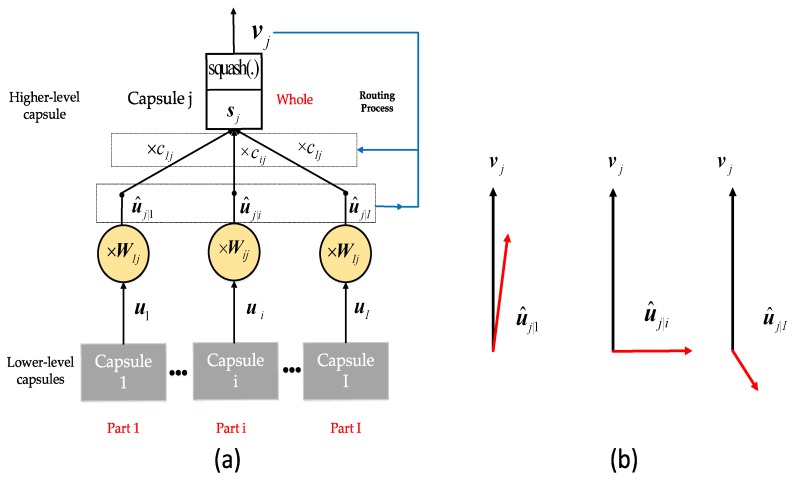
“If the low, as well as high-level capsules, are reliable with the prediction process, the value of cij is high and it gets reduced if they are unreliable [19].”
BackgroundAffective State Recognition through EEG Signals Feature Level Fusion and Ensemble ClassifierPreprint
Rahman, M. M., Poddar, A., Alam, M. G. R., & Dey, S. K. (2021) · arXiv (Cornell University) · doi:10.48550/arxiv.2102.07127 · Cited by 9
Wang, X., Chuncao, L., Liu, Y., Liang, W., Li, K., & Poniszewska-Marańda, A. (2025) · Computer Science and Information Systems · doi:10.2298/csis250215053w · Cited by 8
“2) Subject-independent experiments: In the subject-independent experiments, we compared our approach with four advanced deep learning methods: GAT, CapsNet [47], STFFNN, and STS-Transformer.”
Self-citationResearch progress on emotion recognition based on electroencephalogram signals
Li, X., Yan, Z., Gong, P., Lin, D., & Chen, F. (2025) · Biomedical Signal Processing and Control · doi:10.1016/j.bspc.2025.109188 · Cited by 8
Zhang, X., Wang, S., Xu, K., Zhao, R., & She, Y. (2024) · Mathematical Biosciences & Engineering · doi:10.3934/mbe.2024210 · Cited by 8
Satyanarayana, K. N. V., Shankar, T., & Penmetsa, R. R. V. (2021) · IETE Journal of Research · doi:10.1080/03772063.2021.1965044 · Cited by 8
“[20] developed a new deep learning system for emotion recognition based on a capsule network and a multiband feature matrix technique.”
BackgroundManouchehri, N., Bouguila, N., & Fan, W. (2021) · International Conference on Machine Learning and Applications · doi:10.1109/icmla52953.2021.00053 · Cited by 8
Shvimmer, S., Simhon, R., Gilead, M., & Yitzhaky, Y. (2022) · Scientific Reports · doi:10.1038/s41598-022-14808-4 · Cited by 8
Deep Learning Networks for Vowel Speech Imagery
Macías-Macías, J. M., Ramírez-Quintana, J. A., Ramírez-Alonso, G. M. D. J., & Chacon-Murguia, M. I. (2020) · International Conference on Electrical Engineering, Computing Science and Automatic Control (CCE) · doi:10.1109/cce50788.2020.9299143 · Cited by 8
“CapsNet was considered in SI vowel classification because this type of model reported a good performance on EEG classification topics [16], [17] and they are an improvement of CNN models [22].”
MethodCapsule Network for 1-D Biomedical signals: A Review
Chaitanya, M. K., & Sharma, L. D. (2023) · International Conference on Paradigm Shifts in Communications Embedded Systems, Machine Learning and Signal Processing (PCEMS) · doi:10.1109/pcems58491.2023.10136076 · Cited by 7
A hybrid sequential forward channel selection method for enhancing EEG-Based emotion recognition
Marjit, S., Das, P. J., Talukdar, U., & Hazarika, S. M. (2024) · Journal of Experimental & Theoretical Artificial Intelligence · doi:10.1080/0952813x.2023.2301367 · Cited by 7
“Various machine learning algorithms have also been extensively investigated (Alhagry et al., 2017; Chao et al., 2019; Li et al., 2021; Luo et al., 2020; Marjit et al., 2021; Pan et al., 2020; Soleymani et al., 2017; Xing et al., 2019).”
Navigating the Unseen: Zero-shot Scene Graph Generation via Capsule-Based Equivariant Features
Huang, W., Ji, Y., Zhu, G., Li, Y., & Liu, C. (2025) · IEEE Computer Society Conference on Computer Vision and Pattern Recognition/Proceedings - IEEE Computer Society Conference on Computer Vision and Pattern Recognition/Proceedings · doi:10.1109/cvpr52734.2025.02742 · Cited by 7
“Other tasks include emotion recognition [1], audio classification [12], and speech detection [16].”
Emotion Recognition using Electroencephalography in Response to High Dynamic Range Videos
Riaz, M., Majid, M., & Mir, J. (2021) · doi:10.1109/icit52682.2021.9491662 · Cited by 7
Gilakjani, S. S., & Osman, H. A. (2022) · IEEE Sensors Applications Symposium (SAS) · doi:10.1109/sas54819.2022.9881254 · Cited by 7
“Therefore, for the third input set, we collect gray scale EEG spectrum images obtained from EEG signals using 512-point fast Fourier transform [26].”
BackgroundMethodLiver CT Image Recognition Method Based on Capsule Network
Wang, Q., Chen, A., & Xue, Y. (2023) · Information · doi:10.3390/info14030183 · Cited by 7
“As a new framework for deep learning, CapsNet [15–22] encompasses many of the advantages of the CNN model.”
ÇİZMECİ, H., Özcan, C., & Durgut, R. (2022) · Soft Computing · doi:10.1007/s00500-022-07413-0 · Cited by 7
“In addition, there is a neighborhood relationship and a hierarchical order between EEG channels to represent emotion (Liu et al. 2020; Chao et al. 2019).”
Assessment of Subjective Creativity Skill Using EEG Induced Capsule Network
Ghosh, S., Ghosh, L., Konar, A., & Nagar, A. K. (2020) · IEEE Symposium Series on Computational Intelligence (SSCI) · doi:10.1109/ssci47803.2020.9308494 · Cited by 6
Hybrid method for optimizing emotion recognition models on electroencephalogram signals
Wirawan, I. M. A., Aryanto, K. Y. E., Sukajaya, I. N., Agustini, N. N. M., & Putri, D. A. W. M. (2025) · IAES International Journal of Artificial Intelligence · doi:10.11591/ijai.v14.i3.pp2302-2314 · Cited by 6
“Figure 5 only describes the emotion capsule flow for 648 data capsules ( 𝑢 𝑖 ) in 4 classes ( v j ) in 1 st epoch [30], [32], [33].”
Zhang, X., Wang, S., Li, Y., Xu, K., Zhao, R., & Wei, W. (2025) · Cognitive Neurodynamics · doi:10.1007/s11571-025-10324-z · Cited by 6
“Chao et al. (Chao et al. 2019) proposed an emotion recognition method using Capsule Network (CapsNet) to train the multi-band feature matrix of EEG signals for mining the emotion-related information in the multi-band feature matrix, and the final valence, arousal, and dominance dimensions accuracy reached 68.28%, 66.7…”
InfluentialMtfsfn: a multi-view time-frequency-space fusion network for EEG-based emotion recognition
Wang, Z., & Gao, S. (2025) · Cognitive Neurodynamics · doi:10.1007/s11571-025-10342-x · Cited by 6
“For example, Chao et al. (2019) constructed multiple sub-matrices to describe the significant information related to emotional states in differ - ent frequency bands and merged these sub-matrices according to specific rules for emotion recognition.”
Yang, H., Huang, J., Yu, Y., Sun, Z., Zhang, S., Liu, Y., Liu, H., & Xia, L. (2024) · Cognitive Neurodynamics · doi:10.1007/s11571-024-10105-0 · Cited by 6
“Differ from the conventional normalization method in CapsNet (Zhang and Etemad 2021; Sabour et al. 2017; Chao et al. 2019; Guarda et al. 2022), we propose to use Layer Normalization (LN) instead of Batch Normalization (BN).”
Self-citationCapsNet meets ORB: A deformation‐tolerant baseline for recognizing distorted targets
Lin, Z., Gao, W., Jia, J., & Huang, F. (2021) · International Journal of Intelligent Systems · doi:10.1002/int.22677 · Cited by 6
A Multi-Scale Multi-Task Learning Model for Continuous Dimensional Emotion Recognition from Audio
Li, X., Lu, G., Yan, J., & Zhang, Z. (2022) · Electronics · doi:10.3390/electronics11030417 · Cited by 6
Pamungkas, Y., & Astuti, U. W. (2023) · International Conference on Computer Science, Information Technology and Engineering (ICCoSITE) · doi:10.1109/iccosite57641.2023.10127686 · Cited by 6
“[22] used the DEAP dataset to classify emotions based on EEG in their research.”
MethodBiCCT: A Compact Convolutional Transformer for EEG Emotion Recognition
Cao, G., Yang, L., Tang, C., Zhang, Q., & He, H. (2023) · IEEE International Conference on Bioinformatics and Biomedicine (BIBM) · doi:10.1109/bibm58861.2023.10385574 · Cited by 6
“• CapsNet [33]: The author proposes a multiband feature matrix (MFM), which combines frequency domain, spatial characteristics, and frequency band characteristics.”
BackgroundResultInfluentialLUR: An Online Learning Model for EEG Emotion Recognition
Cao, G., Yang, L., Zhang, Q., Xi, J., Tang, C., & Tian, Y. (2023) · IEEE International Conference on Bioinformatics and Biomedicine (BIBM) · doi:10.1109/bibm58861.2023.10385595 · Cited by 6
EEG Emotion Recognition Based on Channel Attention for E-Healthcare Applications
Zhang, X., Du, T., & Zhang, Z. (2021) · Lecture notes in computer science · doi:10.1007/978-3-030-67835-7_14 · Cited by 6
Metadata
- Authors
- Chao, H., Dong, L., Liu, Y., & Lu, B.
- Affiliations
- School of Computer Science and Technology, Henan Polytechnic University, Jiaozuo 454000, China
- Henan Polytechnic University (CN)
- Venue
- Sensors
- Publisher
- MDPI AG
- Published
- 2019-05-13
- Volume
- 19
- Issue
- 9
- Pages
- 2212
- ISSN
- 1424-8220 (ISSN-L)
- PMC
- PMC6540345
- OpenAlex
- W2944401411
- Cited by
- 287
- References
- 45
- Citations by year
- 2026: 16 · 2025: 25 · 2024: 34 · 2023: 51 · 2022: 65 · 2021: 47 · 2020: 40 · 2019: 9
- FWCI
- 47.26
- Type
- journal article
- Language
- en
- Open access
- gold
- dx.doi.org
- Licence
- Locations
- Sensors (publishedVersion, cc-by)
- PubMed Central (publishedVersion, cc-by)
- PubMed (publishedVersion)
- DOAJ (DOAJ: Directory of Open Access Journals) (submittedVersion, cc-by-sa)
- Funders
- Foundation for University Key Teacher by Henan Province (2015GGJS068)
- Fundamental Research Funds for the Universities of Henan Province (NSFRF1616)
- Key Scientific Research Projects of Universities in Henan (19A520004)
- Foundation for Scientific and Technological Project of Henan Province (172102210279)
- National Nature Science Foundation of China (61502150 and 61403128)
- Topics
- Physical Sciences › Computer Science › Artificial Intelligence › Emotion and Mood Recognition
- Life Sciences › Neuroscience › Cognitive Neuroscience › EEG and Brain-Computer Interfaces
- Physical Sciences › Computer Science › Signal Processing › Biometric Identification and Security
- Keywords
- emotion recognition, capsule networks, frequency-domain features, DEAP dataset, physiological signals
- MeSH terms
- Machine Learning, Cerebral Cortex, Electrodes, Electroencephalography, Emotions, Humans, Signal Processing, Computer-Assisted, Entropy
About these checks
Registry, retraction, Cites and statistics results are computed, not judged, with one exception: a printed reference that no index lists is read once by a model before it counts as a citation error. Claims are extracted by a model and kept only when their quote appears verbatim in the text; each cited source is then checked, with a model’s help, for whether it says what the claim relies on. Those verdicts can be wrong — read the claim’s quote and the cited source before relying on one.
Statistics and arithmetic are recomputed, not judged.
Confidence bands are shown only for fields calibrated on our annotated test set. None is calibrated yet, so no band is shown.
What counts as a claim ›How we measure confidence ›How we check this ›
Are you an author, or do you see a problem with this page? Request a review
Data sources
Bibliographic data: Semantic Scholar, OpenAlex, Crossref.
Contains information from the Semantic Scholar Academic Graph Datasets, made available under the ODC Attribution License (ODC-BY 1.0).
Semantic Scholar’s data is described in: Kinney, R., et al. (2023). The Semantic Scholar Open Data Platform. arXiv:2301.10140.
