

The DOI matches its Crossref record; 171 of the 183 references it cites were found in a registry or an index.
Current strategies for the design of PROTAC linkers: a critical review
Open accessAbstract
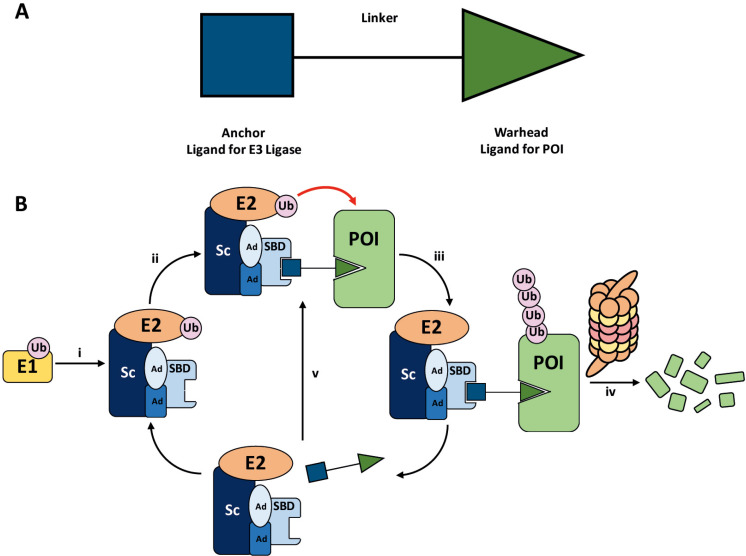
PROteolysis TArgeting Chimeras (PROTACs) are heterobifunctional molecules consisting of two ligands; an “anchor” to bind to an E3 ubiquitin ligase and a “warhead” to bind to a protein of interest, connected by a chemical linker. Targeted protein degradation by PROTACs has emerged as a new modality for the knock down of a range of proteins, with the first agents now reaching clinical evaluation. It has become increasingly clear that the length and composition of the linker play critical roles on the physicochemical properties and bioactivity of PROTACs. While linker design has historically received limited attention, the PROTAC field is evolving rapidly and currently undergoing an important shift from synthetically tractable alkyl and polyethylene glycol to more sophisticated functional linkers. This promises to unlock a wealth of novel PROTAC agents with enhanced bioactivity for therapeutic intervention. Here, the authors provide a timely overview of the diverse linker classes in the published literature, along with their underlying design principles and overall influence on the properties and bioactivity of the associated PROTACs. Finally, the authors provide a critical analysis of current strategies for PROTAC assembly. The authors highlight important limitations associated with the traditional “trial and error” approach around linker design and selection, and suggest potential future avenues to further inform rational linker design and accelerate the identification of optimised PROTACs. In particular, the authors believe that advances in computational and structural methods will play an essential role to gain a better understanding of the structure and dynamics of PROTAC ternary complexes, and will be essential to address the current gaps in knowledge associated with PROTAC design.
Overview
The claims and statistics of this paper haven’t been checked yet.
Run the check — free, no account needed. It reads the open-access text and checks the sources it cites.
Integrity signals
Registry
Cites
Statistics
Figures
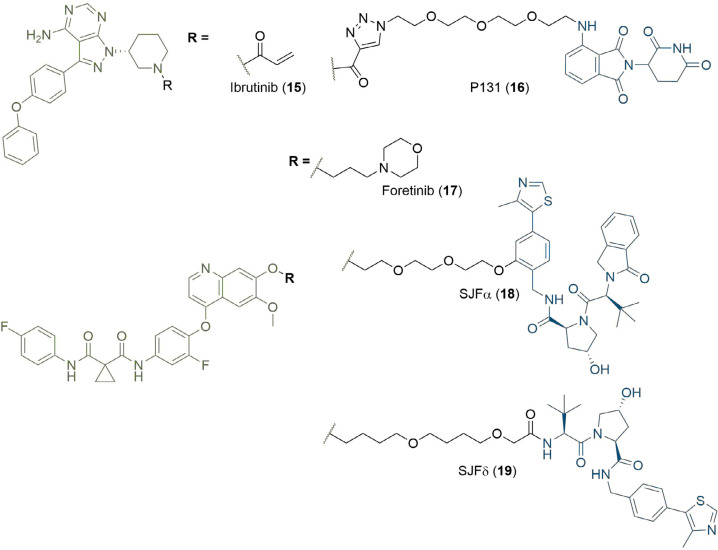
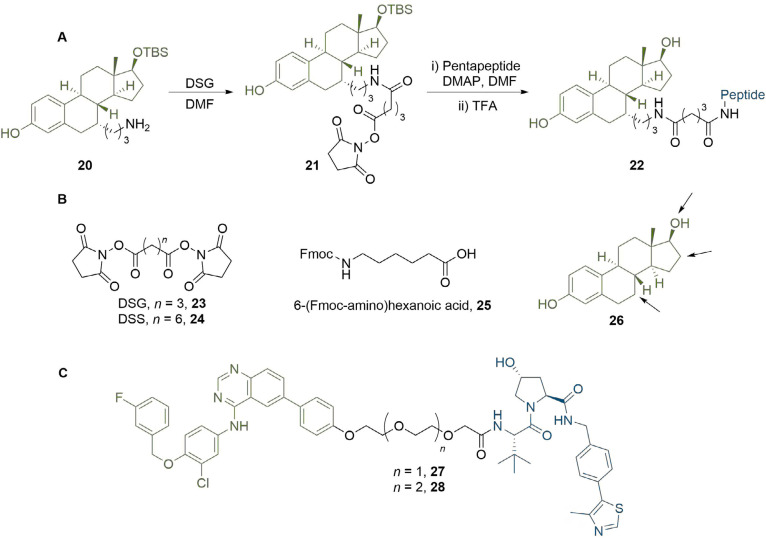
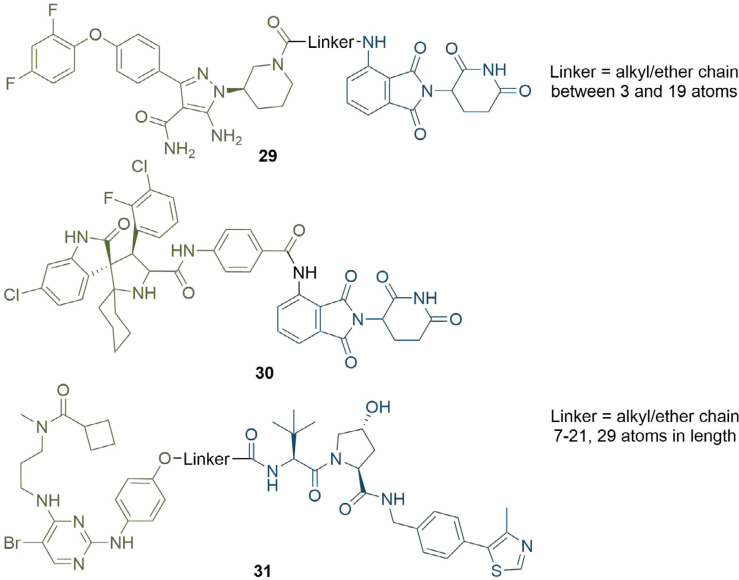
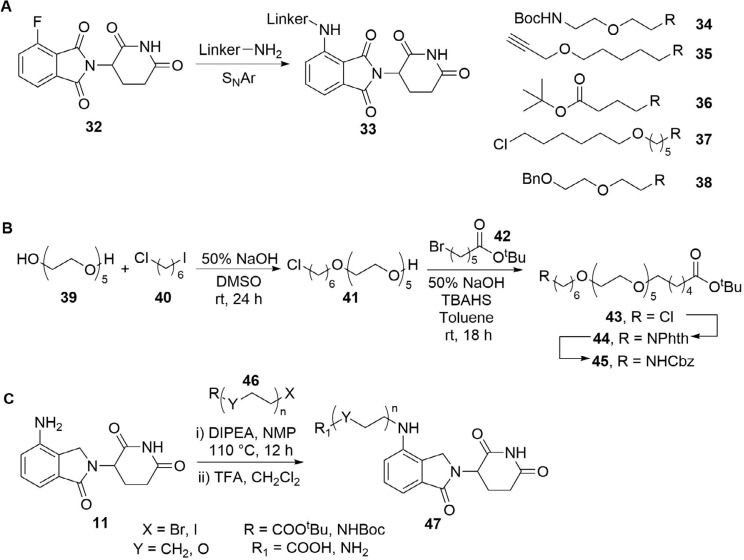
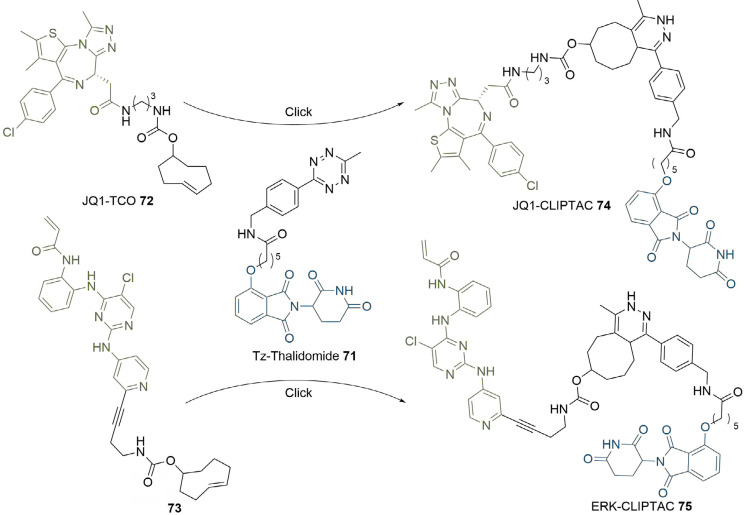
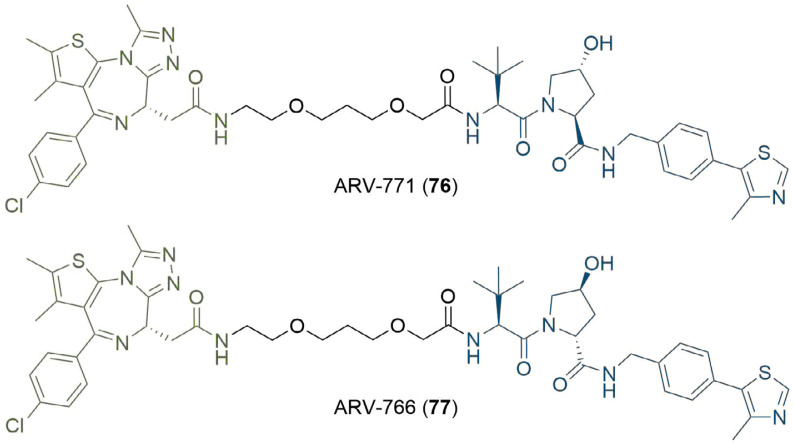
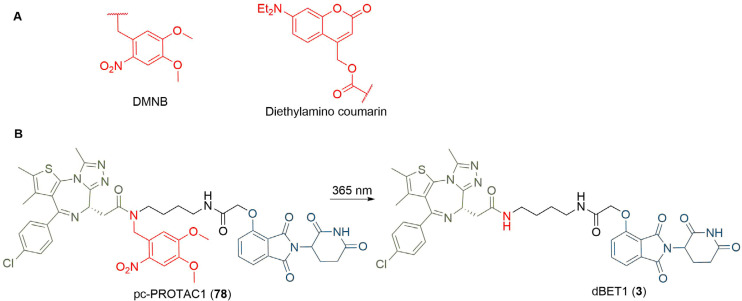
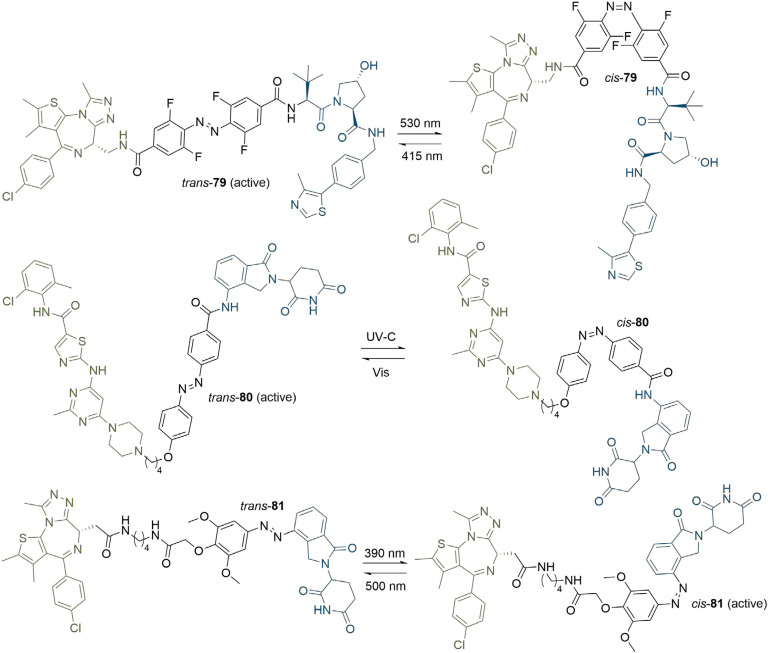
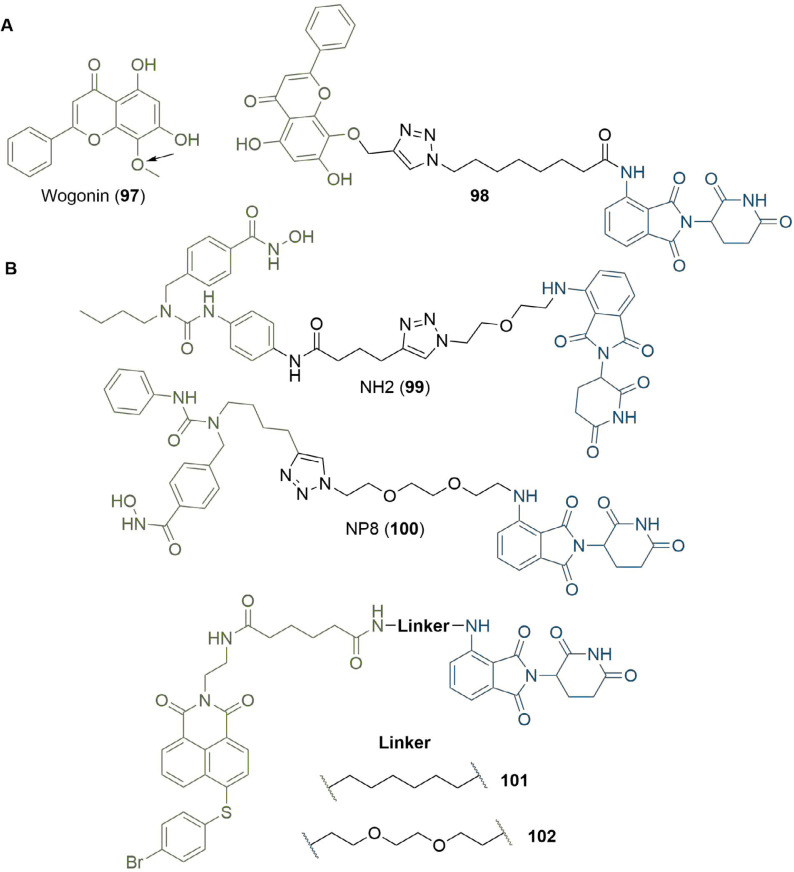
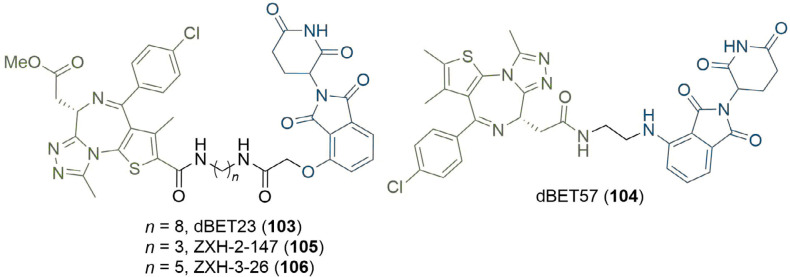
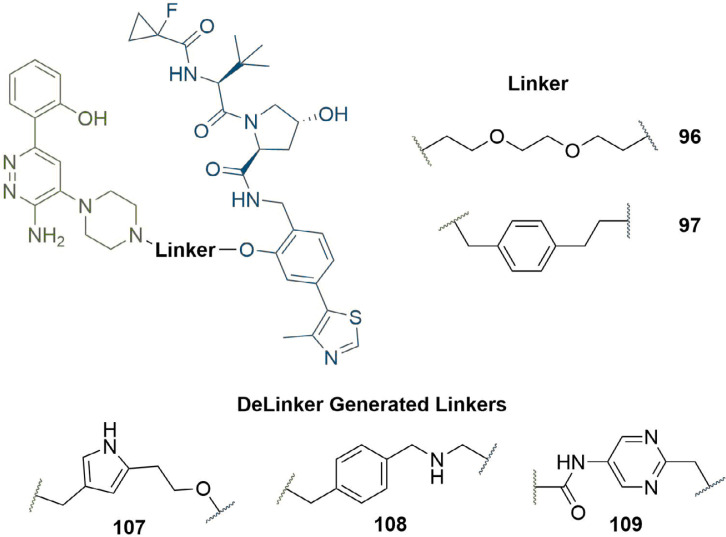
Verification
Claims the paper makes
The claims and statistics of this paper haven’t been checked yet.
Run the check — free, no account needed. It reads the open-access text and checks the sources it cites.
Claims other papers make about this one
Each is checked against this paper’s own text: does it say what the citing paper says it does?
The cited source says what the claim attributes to it.
In the citing paper
“The composition and length of linkers can affect the efficiency of degraders40,41.”
From An HDAC4-specific PROTAC degrader achieves radiation sensitization by enhancing ferroptosis in lung cancer (2026) · cites this paper as [41]
In the citing paper
“Short linkers can be used to modulate PROTAC molecular weights67 and properties65”
From PROTAC targeted protein degraders: the past is prologue (2022) · cites this paper as [67]
Self-check
Percentages, sums and reported differences re-computed from the paper’s own numbers.
The self-check needs the paper’s full text.
Citations
Cites
Lipinski, C. A., Lombardo, F., Dominy, B. W., & Feeney, P. J. (2001) · Advanced Drug Delivery Reviews · doi:10.1016/s0169-409x(00)00129-0 · Cited by 18,139
Molecular properties that influence the oral bioavailability of drug candidates
Veber, D. F., Johnson, S. R., Cheng, H.-Y., Smith, B. R., Ward, K. W., & Kopple, K. D. (2002) · Journal of Medicinal Chemistry · doi:10.1021/jm020017n · Cited by 8,420
Lipinski, C. A., Lombardo, F., Dominy, B. W., & Feeney, P. J. (2012) · Advanced Drug Delivery Reviews · doi:10.1016/j.addr.2012.09.019 · Cited by 3,720
Peptide therapeutics: current status and future directions
Fosgerau, K., & Hoffmann, T. (2014) · Drug Discovery Today · doi:10.1016/j.drudis.2014.10.003 · Cited by 3,160
RING Domain E3 Ubiquitin Ligases
Deshaies, R. J., & Joazeiro, C. A. P. (2009) · Annual Review of Biochemistry · doi:10.1146/annurev.biochem.78.101807.093809 · Cited by 2,679
Sakamoto, K. M., Kim, K. B., Kumagai, A., Mercurio, F., Crews, C. M., & Deshaies, R. J. (2001) · Proceedings of the National Academy of Sciences · doi:10.1073/pnas.141230798 · Cited by 2,609
The growing applications of click chemistry
Moses, J. E., & Moorhouse, A. D. (2007) · Chemical Society Reviews · doi:10.1039/b613014n · Cited by 2,376
Phthalimide conjugation as a strategy for in vivo target protein degradation
Winter, G. E., Buckley, D. L., Paulk, J., Roberts, J. M., Souza, A., Dhe-Paganon, S., & Bradner, J. E. (2015) · Science · doi:10.1126/science.aab1433 · Cited by 1,760
Tetrazine Ligation: Fast Bioconjugation Based on Inverse-Electron-Demand Diels−Alder Reactivity
Blackman, M. L., Royzen, M., & Fox, J. M. (2008) · Journal of the American Chemical Society · doi:10.1021/ja8053805 · Cited by 1,691
Honigberg, L. A., Smith, A. M., Sirisawad, M., Verner, E., Loury, D., Chang, B., Li, S., Pan, Z., Thamm, D. H., Miller, R. A., et al. (2010) · Proceedings of the National Academy of Sciences · doi:10.1073/pnas.1004594107 · Cited by 1,561
Cited by
Sorted by citations
PROTAC targeted protein degraders: the past is prologue
Békés, M., Langley, D. R., & Crews, C. M. (2022) · Nature Reviews Drug Discovery · doi:10.1038/s41573-021-00371-6 · Cited by 3,395
An overview of PROTACs: a promising drug discovery paradigm
Zi, L., Hu, M., Yu, Y., Du, C., Zhou, H., Liu, C., Chen, Y., Fan, L., Ma, H., Gong, Y., et al. (2022) · Molecular Biomedicine · doi:10.1186/s43556-022-00112-0 · Cited by 380
Chen, Y., Tandon, I., Heelan, W. J., Wang, Y., Tang, W., & Hu, Q. (2022) · Chemical Society Reviews · doi:10.1039/d1cs00762a · Cited by 337
Chemistries of bifunctional PROTAC degraders
Cao, C., He, M., Wang, L., He, Y., & Rao, Y. (2022) · Chemical Society Reviews · doi:10.1039/d2cs00220e · Cited by 313
Targeted protein degradation: A promise for undruggable proteins
Samarasinghe, K. T. G., & Crews, C. M. (2021) · Cell chemical biology · doi:10.1016/j.chembiol.2021.04.011 · Cited by 297
Metadata
- Authors
- Troup, R. I., Fallan, C., & Baud, M. G. J.
- Affiliations
- University of Southampton (GB)
- AstraZeneca (United Kingdom) (GB)
- Corresponding author
- Fallan, Charlene
- Baud, Matthias G. J.
- Venue
- Exploration of Targeted Anti-tumor Therapy
- Publisher
- Open Exploration Publishing
- Published
- 2020-10-11
- Volume
- 1
- Issue
- 5
- Pages
- 273-312
- ISSN
- 2692-3114 (ISSN-L)
- PMC
- PMC9400730
- OpenAlex
- W3093395956
- Cited by
- 424
- References
- 183
- Citations by year
- 2026: 91 · 2025: 102 · 2024: 96 · 2023: 66 · 2022: 48 · 2021: 19 · 2020: 1
- FWCI
- 3.28
- Type
- journal article
- Language
- en
- Open access
- diamond
- doi.org
- Locations
- Exploration of Targeted Anti-tumor Therapy (publishedVersion, cc-by)
- PubMed Central (publishedVersion, cc-by)
- PubMed (publishedVersion)
- ePrints Soton (University of Southampton) (acceptedVersion)
- DOAJ (DOAJ: Directory of Open Access Journals) (submittedVersion, cc-by-sa)
- Funders
- AstraZeneca
- Engineering and Physical Sciences Research Council (EP/R513325/1)
- Topics
- Life Sciences › Biochemistry, Genetics and Molecular Biology › Molecular Biology › Protein Degradation and Inhibitors
- Physical Sciences › Chemistry › Organic Chemistry › Chemical Synthesis and Analysis
- Life Sciences › Biochemistry, Genetics and Molecular Biology › Molecular Biology › Ubiquitin and proteasome pathways
- Keywords
- PROTACs, linker design, targeted protein degradation, E3 ubiquitin ligase, heterobifunctional molecules, ternary complex structure, rational drug design, polyethylene glycol linker, alkyl linkers
About these checks
Registry, retraction, Cites and statistics results are computed, not judged, with one exception: a printed reference that no index lists is read once by a model before it counts as a citation error. Claims are extracted by a model and kept only when their quote appears verbatim in the text; each cited source is then checked, with a model’s help, for whether it says what the claim relies on. Those verdicts can be wrong — read the claim’s quote and the cited source before relying on one.
Statistics and arithmetic are recomputed, not judged.
Confidence bands are shown only for fields calibrated on our annotated test set. None is calibrated yet, so no band is shown.
What counts as a claim ›How we measure confidence ›How we check this ›
Are you an author, or do you see a problem with this page? Request a review
