

The DOI matches its Crossref record; 171 of the 183 references it cites were found in a registry or an index.
Current strategies for the design of PROTAC linkers: a critical review
Open accessAbstract
PROteolysis TArgeting Chimeras (PROTACs) are heterobifunctional molecules consisting of two ligands; an “anchor” to bind to an E3 ubiquitin ligase and a “warhead” to bind to a protein of interest, connected by a chemical linker. Targeted protein degradation by PROTACs has emerged as a new modality for the knock down of a range of proteins, with the first agents now reaching clinical evaluation. It has become increasingly clear that the length and composition of the linker play critical roles on the physicochemical properties and bioactivity of PROTACs. While linker design has historically received limited attention, the PROTAC field is evolving rapidly and currently undergoing an important shift from synthetically tractable alkyl and polyethylene glycol to more sophisticated functional linkers. This promises to unlock a wealth of novel PROTAC agents with enhanced bioactivity for therapeutic intervention. Here, the authors provide a timely overview of the diverse linker classes in the published literature, along with their underlying design principles and overall influence on the properties and bioactivity of the associated PROTACs. Finally, the authors provide a critical analysis of current strategies for PROTAC assembly. The authors highlight important limitations associated with the traditional “trial and error” approach around linker design and selection, and suggest potential future avenues to further inform rational linker design and accelerate the identification of optimised PROTACs. In particular, the authors believe that advances in computational and structural methods will play an essential role to gain a better understanding of the structure and dynamics of PROTAC ternary complexes, and will be essential to address the current gaps in knowledge associated with PROTAC design.
Overview
The claims and statistics of this paper haven’t been checked yet.
Run the check — free, no account needed. It reads the open-access text and checks the sources it cites.
Integrity signals
Registry
Cites
Statistics
Figures
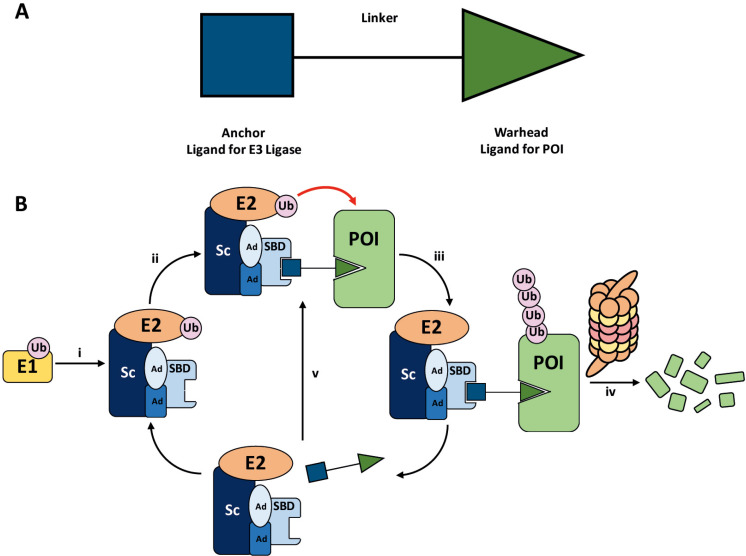
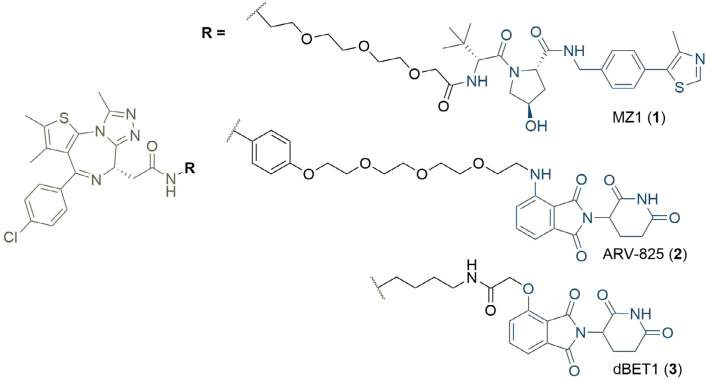
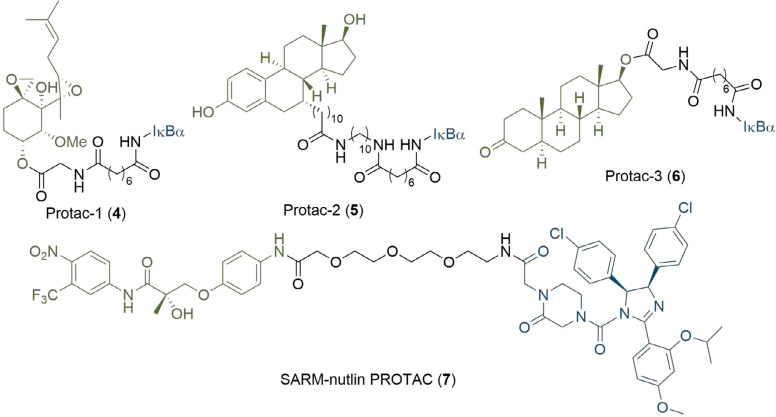
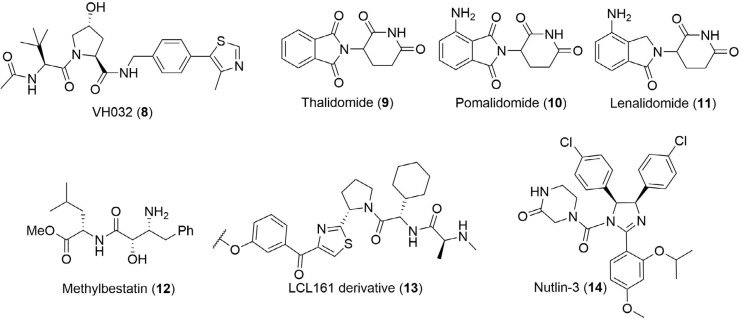
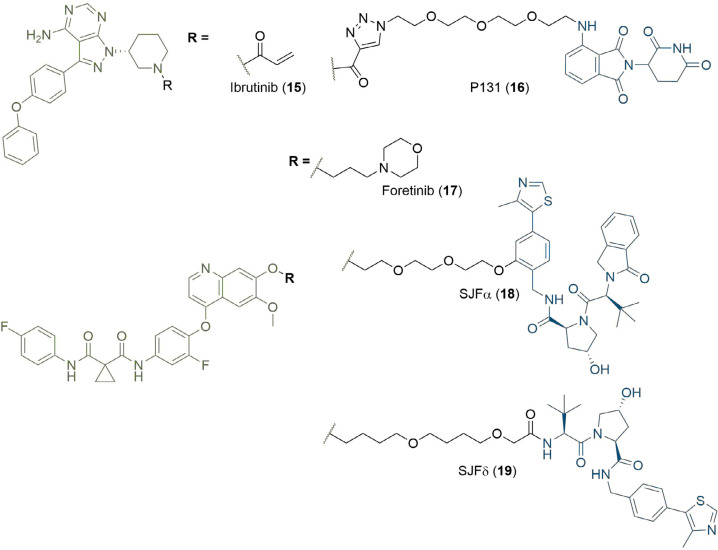
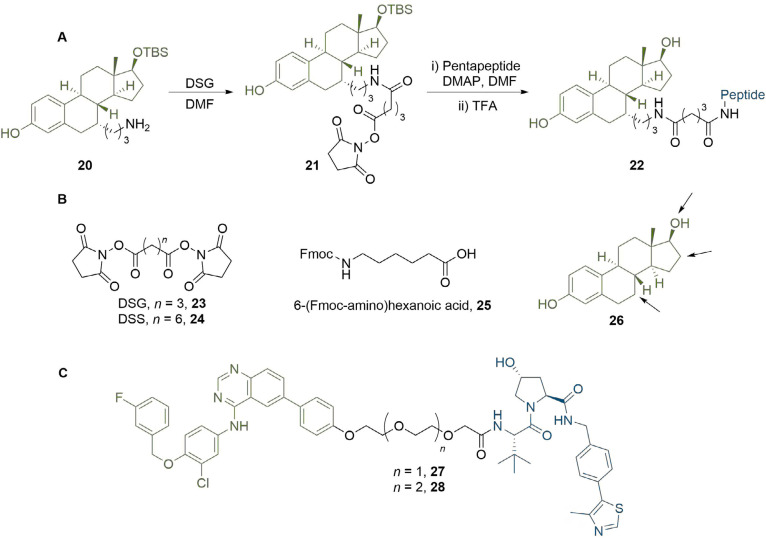
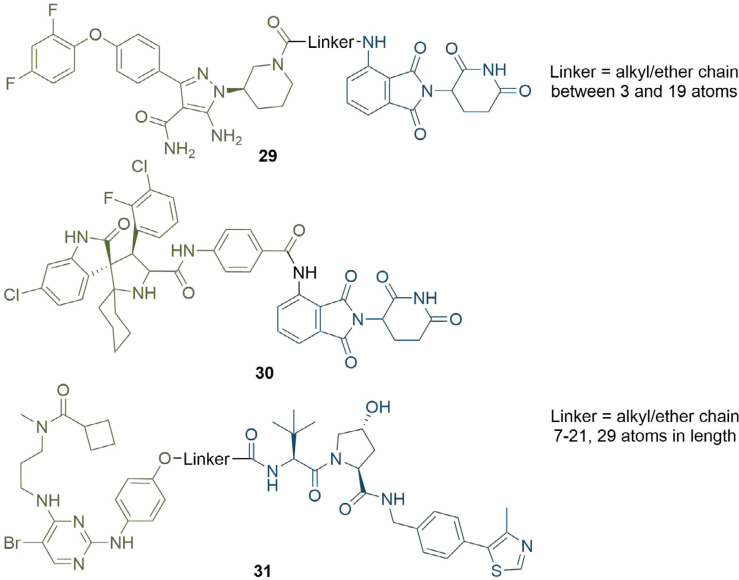
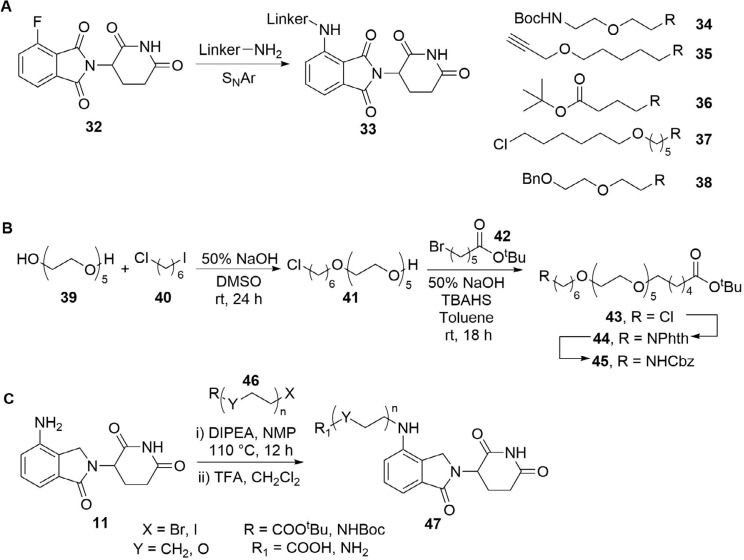
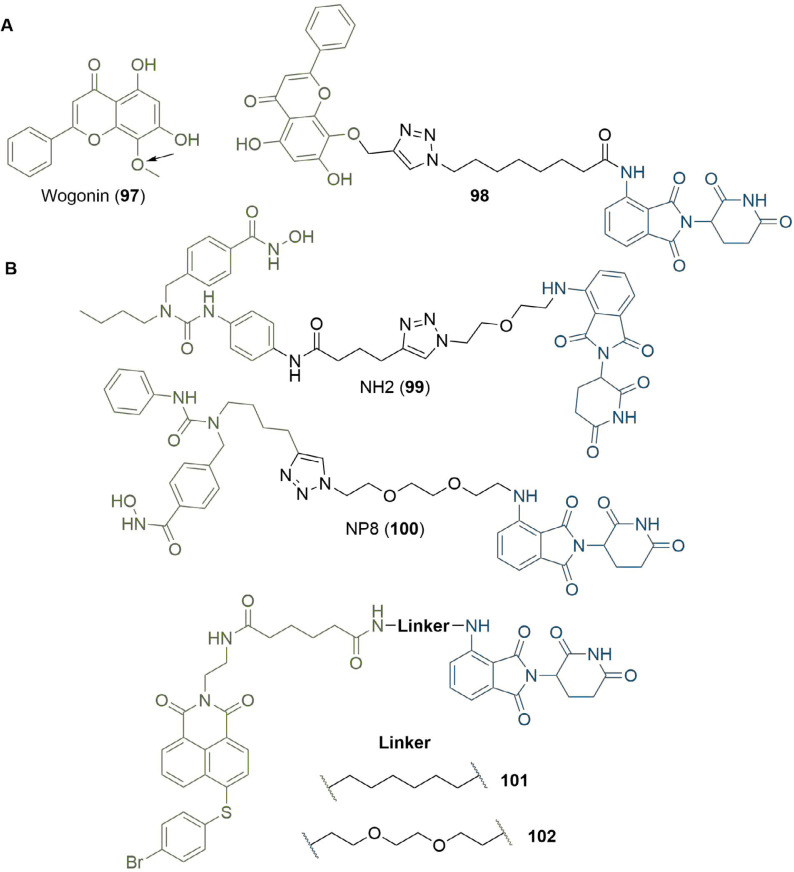
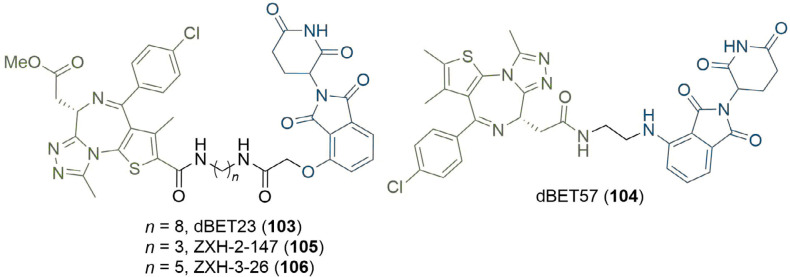
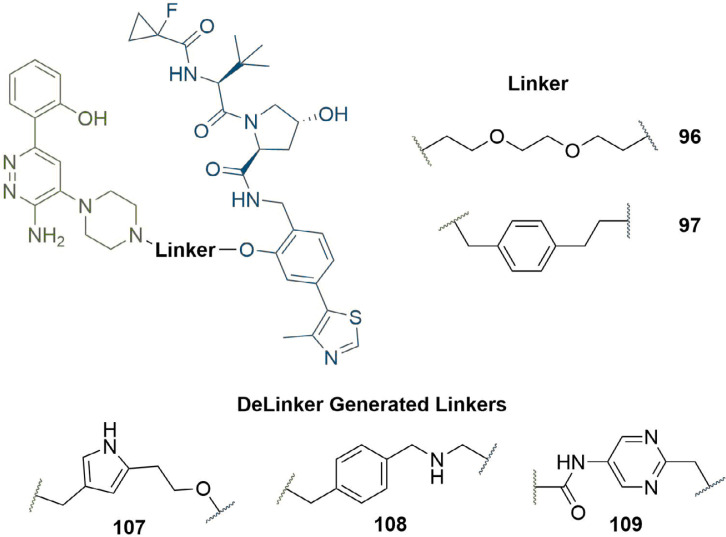
Verification
Claims the paper makes
The claims and statistics of this paper haven’t been checked yet.
Run the check — free, no account needed. It reads the open-access text and checks the sources it cites.
Claims other papers make about this one
Each is checked against this paper’s own text: does it say what the citing paper says it does?
The cited source says what the claim attributes to it.
In the citing paper
“The composition and length of linkers can affect the efficiency of degraders40,41.”
From An HDAC4-specific PROTAC degrader achieves radiation sensitization by enhancing ferroptosis in lung cancer (2026) · cites this paper as [41]
In the citing paper
“Short linkers can be used to modulate PROTAC molecular weights67 and properties65”
From PROTAC targeted protein degraders: the past is prologue (2022) · cites this paper as [67]
Self-check
Percentages, sums and reported differences re-computed from the paper’s own numbers.
The self-check needs the paper’s full text.
Citations
Cites
Lipinski, C. A., Lombardo, F., Dominy, B. W., & Feeney, P. J. (2001) · Advanced Drug Delivery Reviews · doi:10.1016/s0169-409x(00)00129-0 · Cited by 18,139
Molecular properties that influence the oral bioavailability of drug candidates
Veber, D. F., Johnson, S. R., Cheng, H.-Y., Smith, B. R., Ward, K. W., & Kopple, K. D. (2002) · Journal of Medicinal Chemistry · doi:10.1021/jm020017n · Cited by 8,420
Lipinski, C. A., Lombardo, F., Dominy, B. W., & Feeney, P. J. (2012) · Advanced Drug Delivery Reviews · doi:10.1016/j.addr.2012.09.019 · Cited by 3,720
Peptide therapeutics: current status and future directions
Fosgerau, K., & Hoffmann, T. (2014) · Drug Discovery Today · doi:10.1016/j.drudis.2014.10.003 · Cited by 3,160
RING Domain E3 Ubiquitin Ligases
Deshaies, R. J., & Joazeiro, C. A. P. (2009) · Annual Review of Biochemistry · doi:10.1146/annurev.biochem.78.101807.093809 · Cited by 2,679
Sakamoto, K. M., Kim, K. B., Kumagai, A., Mercurio, F., Crews, C. M., & Deshaies, R. J. (2001) · Proceedings of the National Academy of Sciences · doi:10.1073/pnas.141230798 · Cited by 2,609
The growing applications of click chemistry
Moses, J. E., & Moorhouse, A. D. (2007) · Chemical Society Reviews · doi:10.1039/b613014n · Cited by 2,376
Phthalimide conjugation as a strategy for in vivo target protein degradation
Winter, G. E., Buckley, D. L., Paulk, J., Roberts, J. M., Souza, A., Dhe-Paganon, S., & Bradner, J. E. (2015) · Science · doi:10.1126/science.aab1433 · Cited by 1,760
Tetrazine Ligation: Fast Bioconjugation Based on Inverse-Electron-Demand Diels−Alder Reactivity
Blackman, M. L., Royzen, M., & Fox, J. M. (2008) · Journal of the American Chemical Society · doi:10.1021/ja8053805 · Cited by 1,691
Honigberg, L. A., Smith, A. M., Sirisawad, M., Verner, E., Loury, D., Chang, B., Li, S., Pan, Z., Thamm, D. H., Miller, R. A., et al. (2010) · Proceedings of the National Academy of Sciences · doi:10.1073/pnas.1004594107 · Cited by 1,561
Cited by
Sorted by citations
PROTAC targeted protein degraders: the past is prologue
Békés, M., Langley, D. R., & Crews, C. M. (2022) · Nature Reviews Drug Discovery · doi:10.1038/s41573-021-00371-6 · Cited by 3,395
An overview of PROTACs: a promising drug discovery paradigm
Zi, L., Hu, M., Yu, Y., Du, C., Zhou, H., Liu, C., Chen, Y., Fan, L., Ma, H., Gong, Y., et al. (2022) · Molecular Biomedicine · doi:10.1186/s43556-022-00112-0 · Cited by 380
Chen, Y., Tandon, I., Heelan, W. J., Wang, Y., Tang, W., & Hu, Q. (2022) · Chemical Society Reviews · doi:10.1039/d1cs00762a · Cited by 337
Chemistries of bifunctional PROTAC degraders
Cao, C., He, M., Wang, L., He, Y., & Rao, Y. (2022) · Chemical Society Reviews · doi:10.1039/d2cs00220e · Cited by 313
Targeted protein degradation: A promise for undruggable proteins
Samarasinghe, K. T. G., & Crews, C. M. (2021) · Cell chemical biology · doi:10.1016/j.chembiol.2021.04.011 · Cited by 297
Triazoles in Medicinal Chemistry: Physicochemical Properties, Bioisosterism, and Application
Guan, Q., Xing, S., Wang, L., Zhu, J., Guo, C., Xu, C., Zhao, Q., Wu, Y., Chen, Y., & Sun, H. (2024) · Journal of Medicinal Chemistry · doi:10.1021/acs.jmedchem.4c00652 · Cited by 223
Liu, X., Kalogeropulou, A. F., Domingos, S., Makukhin, N., Nirujogi, R. S., Singh, F., Shpiro, N., Saalfrank, A., Sammler, E. M., Ganley, I. G., et al. (2022) · Journal of the American Chemical Society · doi:10.1021/jacs.2c05499 · Cited by 201
Recent developments in epigenetic cancer therapeutics: clinical advancement and emerging trends
Nepali, K., & Liou, J. (2021) · Journal of Biomedical Science · doi:10.1186/s12929-021-00721-x · Cited by 187
E3 ligase ligand chemistries: from building blocks to protein degraders
Sosič, I., Bricelj, A., & Steinebach, C. (2022) · Chemical Society Reviews · doi:10.1039/d2cs00148a · Cited by 176
Hendrick, C. E., Jorgensen, J. R., Chaudhry, C., Strambeanu, I. I., Brazeau, J.-F., Schiffer, J. M., Shi, Z., Venable, J. D., & Wolkenberg, S. E. (2022) · ACS Medicinal Chemistry Letters · doi:10.1021/acsmedchemlett.2c00124 · Cited by 171
The role of reversible and irreversible covalent chemistry in targeted protein degradation
Kiely‐Collins, H., Winter, G. E., & Bernardes, G. J. L. (2021) · Cell chemical biology · doi:10.1016/j.chembiol.2021.03.005 · Cited by 160
Affinity and cooperativity modulate ternary complex formation to drive targeted protein degradation
Wurz, R. P., Rui, H., Dellamaggiore, K., Ghimire-Rijal, S., Choi, K., Smither, K., Amegadzie, A. K., Chen, N., Li, X., Banerjee, A., et al. (2023) · Nature Communications · doi:10.1038/s41467-023-39904-5 · Cited by 175
Linker-Dependent Folding Rationalizes PROTAC Cell Permeability
Poongavanam, V., Atilaw, Y., Siegel, S., Giese, A., Lehmann, L. E., Meibom, D., Erdélyi, M., & Kihlberg, J. O. (2022) · Journal of Medicinal Chemistry · doi:10.1021/acs.jmedchem.2c00877 · Cited by 154
Microneedle Patch Delivery of PROTACs for Anti-Cancer Therapy
Cheng, X., Hu, S., & Cheng, K. (2023) · ACS Nano · doi:10.1021/acsnano.3c03166 · Cited by 121
PROTAC’ing oncoproteins: targeted protein degradation for cancer therapy
Kelm, J. M., Pandey, D. S., Malin, E., Kansou, H. W., Arora, S., Kumar, R., & Gavande, N. S. (2023) · Molecular Cancer · doi:10.1186/s12943-022-01707-5 · Cited by 122
Deep generative design with 3D pharmacophoric constraints
Imrie, F., Hadfield, T. E., Bradley, A. R., & Deane, C. M. (2021) · Chemical Science · doi:10.1039/d1sc02436a · Cited by 122
Annual review of PROTAC degraders as anticancer agents in 2022
Wang, X., Qin, Z.-L., Li, N., Jia, M.-Q., Liu, Q.-G., Bai, Y., Song, J., Yuan, S., & Zhang, S. (2024) · European Journal of Medicinal Chemistry · doi:10.1016/j.ejmech.2024.116166 · Cited by 107
Delivering on the promise of protein degraders
O’Brien, M. N., Luthra, S. A., Brown, M. F., & Bartlett, D. W. (2023) · Nature Reviews Drug Discovery · doi:10.1038/s41573-023-00652-2 · Cited by 109
What is in Our Kit? An Analysis of Building Blocks Used in Medicinal Chemistry Parallel Libraries
Wang, Y., Haight, I., Gupta, R., & Vasudevan, A. (2021) · Journal of Medicinal Chemistry · doi:10.1021/acs.jmedchem.1c01139 · Cited by 103
Designing Soluble PROTACs: Strategies and Preliminary Guidelines
Jiménez, D. G., Sebastiano, M. R., Vallaro, M., Mileo, V., Pizzirani, D., Moretti, E., Ermondi, G., & Caron, G. (2022) · Journal of Medicinal Chemistry · doi:10.1021/acs.jmedchem.2c00201 · Cited by 103
Schwalm, M. P., Krämer, A., Dölle, A., Weckesser, J., Yu, X., Jin, J. J., Saxena, K., & Knapp, S. (2023) · Cell chemical biology · doi:10.1016/j.chembiol.2023.06.002 · Cited by 104
Liu, H., Chen, W., Wu, G., Zhou, J. M., Chuang, L. I. U., Tang, Z., Huang, X., Gao, J., Xiao, Y., Kong, N., et al. (2023) · Advanced Science · doi:10.1002/advs.202207439 · Cited by 96
Exploring the target scope of KEAP1 E3 ligase-based PROTACs
Du, G., Jiang, J., Henning, N. J., Safaee, N., Koide, E., Nowak, R. P., Donovan, K. A., Yoon, H., You, I., Yue, H., et al. (2022) · Cell chemical biology · doi:10.1016/j.chembiol.2022.08.003 · Cited by 97
Molecular Strategies to Target Protein Aggregation in Huntington’s Disease
Jarosińska, O. D., & Rüdiger, S. (2021) · Frontiers in Molecular Biosciences · doi:10.3389/fmolb.2021.769184 · Cited by 92
Niu, T., Li, K., Li, J., Zhou, Z., Hong, J.-E., Chen, X., Dong, X., He, Q., Cao, J., Yang, B., et al. (2021) · European Journal of Medicinal Chemistry · doi:10.1016/j.ejmech.2021.114012 · Cited by 93
Degrader–Antibody Conjugates: Emerging New Modality
Hong, K. B., & An, H. (2022) · Journal of Medicinal Chemistry · doi:10.1021/acs.jmedchem.2c01791 · Cited by 93
Li, J., Liu, T., Song, Y., Wang, M., Liu, L., Zhu, H., Li, Q., Lin, J. H., Jiang, H., Chen, K., et al. (2022) · Journal of Medicinal Chemistry · doi:10.1021/acs.jmedchem.2c00257 · Cited by 89
Ma, B., Fan, Y., Zhang, D., Wei, Y., Jian, Y., Liu, D., Wang, Z., Gao, Y., Ma, J., Chen, Y., et al. (2022) · Advanced Science · doi:10.1002/advs.202201859 · Cited by 88
O’ Donovan, D. H., De Fusco, C., Kuhnke, L., & Reichel, A. (2023) · Journal of Medicinal Chemistry · doi:10.1021/acs.jmedchem.2c01577 · Cited by 83
Targeting the Ubiquitin-Proteasome System for Cancer Therapeutics by Small-Molecule Inhibitors
LaPlante, G., & Zhang, W. (2021) · Cancers · doi:10.3390/cancers13123079 · Cited by 88
DNA-Encoded Library Screening To Inform Design of a Ribonuclease Targeting Chimera (RiboTAC)
Meyer, S. M., Tanaka, T., Zanon, P. R. A., Baisden, J. T., Abegg, D., Yang, X., Akahori, Y., Alshakarchi, Z., Cameron, M. D., Adibekian, A., et al. (2022) · Journal of the American Chemical Society · doi:10.1021/jacs.2c07217 · Cited by 82
Advancing targeted protein degradation for metabolic diseases therapy
Zhou, Q., Xiao, H., Yang, F., Wang, Y., Li, P., & Zheng, Z. (2022) · Pharmacological Research · doi:10.1016/j.phrs.2022.106627 · Cited by 77
Optical control of targeted protein degradation
Reynders, M., & Trauner, D. H. (2021) · Cell chemical biology · doi:10.1016/j.chembiol.2021.05.010 · Cited by 75
Bricelj, A., Ng, Y. L. D., Ferber, D., Kuchta, R. D., Müller, S., Monschke, M., Wagner, K. G., Krönke, J., Sosič, I., Gütschow, M., et al. (2021) · ACS Medicinal Chemistry Letters · doi:10.1021/acsmedchemlett.1c00368 · Cited by 71
Lenalidomide derivatives and proteolysis-targeting chimeras for controlling neosubstrate degradation
Yamanaka, S., Furihata, H., Yanagihara, Y., Taya, A., Nagasaka, T., Usui, M., Nagaoka, K., Shoya, Y., Nishino, K., Yoshida, S., et al. (2023) · Nature Communications · doi:10.1038/s41467-023-40385-9 · Cited by 73
Computer-Aided Drug Discovery for Undruggable Targets
Sun, Q., Wang, H., Xie, J., Wang, L., Mu, J., Li, J., Ren, Y., & Lai, L. (2025) · Chemical Reviews · doi:10.1021/acs.chemrev.4c00969 · Cited by 72
Allostery: Allosteric Cancer Drivers and Innovative Allosteric Drugs
Nussinov, R., Zhang, M., Maloney, R., Liu, Y., Tsai, C.-J., & Jang, H. (2022) · Journal of Molecular Biology · doi:10.1016/j.jmb.2022.167569 · Cited by 66
Negi, A., & Voisin‐Chiret, A. S. (2022) · ChemBioChem · doi:10.1002/cbic.202100689 · Cited by 68
Bhela, I. P., Ranza, A., Balestrero, F. C., Serafini, M. T., Aprile, S., Martino, R. M. C. D., Condorelli, F., & Pirali, T. (2022) · Journal of Medicinal Chemistry · doi:10.1021/acs.jmedchem.2c01218 · Cited by 65
Small-Molecule Ferritin Degrader as a Pyroptosis Inducer
Chen, Y., Li, W., Kwon, S. C., Wang, Y., Li, Z., & Hu, Q. (2023) · Journal of the American Chemical Society · doi:10.1021/jacs.3c01852 · Cited by 68
Tseng, Y.-L., Lu, P.-C., Lee, C.-C., He, R., Huang, Y., Tseng, Y., Cheng, T.-J. R., Huang, J. J., & Fang, J. (2023) · Journal of Biomedical Science · doi:10.1186/s12929-023-00921-7 · Cited by 73
Lin, F., Yin, S., Zhang, Z., Yu, Y., Fang, H., Liang, Z., Zhu, R., Zhou, H., Li, J., Cao, K., et al. (2024) · Cell · doi:10.1016/j.cell.2024.10.016 · Cited by 72
A beginner’s guide to current synthetic linker strategies towards VHL-recruiting PROTACs
Zografou-Barredo, N. A., Hallatt, A. J., Goujon-Ricci, J., & Cano, C. (2023) · Bioorganic & Medicinal Chemistry · doi:10.1016/j.bmc.2023.117334 · Cited by 62
Insight into Recent Advances in Degrading Androgen Receptor for Castration-Resistant Prostate Cancer
Chen, Q., Munoz, E., & Ashong, D. (2024) · Cancers · doi:10.3390/cancers16030663 · Cited by 68
Mayuri, K., Sreeraman, S., Somala, C. S., Kushwah, R. B. S., Saravanan, K. M., Sundaram, V., & Anand, T. (2023) · Future Medicinal Chemistry · doi:10.4155/fmc-2023-0072 · Cited by 64
Bollu, L. R., Bommi, P. V., Monsen, P. J., Zhai, L., Lauing, K. L., Bell, A., Kim, M., Ladomersky, E., Yang, X., Platanias, L. C., et al. (2022) · Journal of Medicinal Chemistry · doi:10.1021/acs.jmedchem.2c00771 · Cited by 64
Koirala, M., Yan, L., Mohamed, Z., & DiPaola, M. (2025) · International Journal of Molecular Sciences · doi:10.3390/ijms26199384 · Cited by 78
DNA framework-engineered chimeras platform enables selectively targeted protein degradation
Zhou, L.-M., Yu, B., Gao, M., Chen, R., Li, Z., Gu, Y., Bian, J., & Ma, Y. (2023) · Nature Communications · doi:10.1038/s41467-023-40244-7 · Cited by 61
Drug design targeting active posttranslational modification protein isoforms
Meng, F., Liang, Z. T., Zhao, K., & Luo, C. (2020) · Medicinal Research Reviews · doi:10.1002/med.21774 · Cited by 56
Proteolysis-Targeting Chimera (PROTAC) Delivery into the Brain across the Blood-Brain Barrier
Tashima, T. (2023) · Antibodies · doi:10.3390/antib12030043 · Cited by 58
PROTACs and Building Blocks: The 2D Chemical Space in Very Early Drug Discovery
Ermondi, G., Jiménez, D. G., & Caron, G. (2021) · Molecules · doi:10.3390/molecules26030672 · Cited by 48
Impact of Linker Composition on VHL PROTAC Cell Permeability
Abeje, Y. E., Wieske, L. H. E., Poongavanam, V., Maassen, S., Atilaw, Y., Cromm, P. M., Lehmann, L. E., Erdélyi, M., Meibom, D., & Kihlberg, J. O. (2024) · Journal of Medicinal Chemistry · doi:10.1021/acs.jmedchem.4c02492 · Cited by 50
PROTACs bearing piperazine-containing linkers: what effect on their protonation state?
Desantis, J., Mammoli, A., Eleuteri, M., Coletti, A., Croci, F., Macchiarulo, A., & Goracci, L. (2022) · RSC Advances · doi:10.1039/d2ra03761k · Cited by 46
Kaneshige, A., Bai, L., Wang, M., McEachern, D., Meagher, J. L., Xu, R., Kirchhoff, P. D., Wen, B., Sun, D., Stuckey, J. A., et al. (2023) · Journal of Medicinal Chemistry · doi:10.1021/acs.jmedchem.2c01665 · Cited by 46
Oral Absorption of Middle-to-Large Molecules and Its Improvement, with a Focus on New Modality Drugs
Asano, D., Takakusa, H., & Nakai, D. (2023) · Pharmaceutics · doi:10.3390/pharmaceutics16010047 · Cited by 56
Application and challenges of nitrogen heterocycles in PROTAC linker
Li, Y., Qu, J., Jiang, L., Peng, X., Wu, K., Chen, M., Peng, Y., & Cao, X. (2024) · European Journal of Medicinal Chemistry · doi:10.1016/j.ejmech.2024.116520 · Cited by 45
Lessons learned in linking PROTACs from discovery to the clinic
Pike, A., Lee, E. C. Y., Michaelides, I. N., Schade, M., Sharma, A., Scott, J. S., & Srivastava, A. (2025) · Nature Reviews Chemistry · doi:10.1038/s41570-025-00784-6 · Cited by 54
Ma, B., Liu, D., Wang, Z., Zhang, D., Jian, Y., Zhang, K., Zhou, T., Gao, Y., Fan, Y., Ma, J., et al. (2024) · Journal of Medicinal Chemistry · doi:10.1021/acs.jmedchem.4c00828 · Cited by 52
Radioactive ADME Demonstrates ARV-110’s High Druggability Despite Low Oral Bioavailability
He, Y., Zheng, Y., Zhu, C., Peng, L., Yu, J., Tang, C., Chen, H., & Diao, X. (2024) · Journal of Medicinal Chemistry · doi:10.1021/acs.jmedchem.4c01104 · Cited by 45
Tau degradation in Alzheimer's disease: Mechanisms and therapeutic opportunities
Wang, L., Banesh, S., Kumar, R., Schedin‐Weiss, S., Tjernberg, L. O., & Winblad, B. G. (2025) · Alzheimer s & Dementia · doi:10.1002/alz.70048 · Cited by 47
Wang, M., Lin, R., Li, J., Suo, Y., Gao, J., Liu, L., Zhou, L., Ni, Y., Yang, Z., Zheng, J., et al. (2023) · Journal of Medicinal Chemistry · doi:10.1021/acs.jmedchem.2c02045 · Cited by 45
Guardigni, M., Pruccoli, L., Santini, A., Simone, A. D., Bersani, M., Spyrakis, F., Frabetti, F., Uliassi, E., Andrisano, V., Pagliarani, B., et al. (2023) · ACS Chemical Neuroscience · doi:10.1021/acschemneuro.3c00096 · Cited by 43
Setia, N., Almuqdadi, H. T. A., & Abid, M. (2023) · European Journal of Medicinal Chemistry · doi:10.1016/j.ejmech.2023.116041 · Cited by 42
Yan, K., Nie, Y., Wang, J., Yin, G., Liu, Q., Hu, H., Sun, X., & Chen, X. (2024) · Advanced Science · doi:10.1002/advs.202400594 · Cited by 42
Eladl, O. (2025) · Biochemical Pharmacology · doi:10.1016/j.bcp.2025.117297 · Cited by 44
Discovery of novel BTK PROTACs with improved metabolic stability via linker rigidification strategy
Chen, S., Chen, Z., Lu, L., Zhao, Y., Zhou, R., Xie, Q., Shu, Y., Lin, J., Yu, X., & Wang, Y. (2023) · European Journal of Medicinal Chemistry · doi:10.1016/j.ejmech.2023.115403 · Cited by 39
Maneiro, M., Vita, E. D., Conole, D., Kounde, C. S., Zhang, Q., & Tate, E. W. (2021) · Progress in medicinal chemistry · doi:10.1016/bs.pmch.2021.01.002 · Cited by 38
Options to Improve the Action of PROTACs in Cancer: Development of Controlled Delivery Nanoparticles
Juan, A., Noblejas‐López, M. D. M., Arenas-Moreira, M., Alonso‐Moreno, C., & Ocaña, A. (2022) · Frontiers in Cell and Developmental Biology · doi:10.3389/fcell.2021.805336 · Cited by 39
Towards design of drugs and delivery systems with the Martini coarse-grained model
Kjølbye, L. R., Pereira, G. P., Bartocci, A., Pannuzzo, M., Albani, S., Marchetto, A., Jiménez‐García, B., Martin, J., Rossetti, G., Cecchini, M., et al. (2022) · QRB Discovery · doi:10.1017/qrd.2022.16 · Cited by 42
DiffPROTACs is a deep learning-based generator for proteolysis targeting chimeras
Li, F., Hu, Q., Zhou, Y., Yang, H., & Bai, F. (2024) · Briefings in Bioinformatics · doi:10.1093/bib/bbae358 · Cited by 42
ByeTAC: Bypassing E-Ligase-Targeting Chimeras for Direct Proteasome Degradation
Loy, C. A., Ali, E. M. H., Seabrook, L. J., Harris, T. J., Kragness, K. A., Albrecht, L. V., & Trader, D. J. (2025) · Journal of Medicinal Chemistry · doi:10.1021/acs.jmedchem.5c00485 · Cited by 42
Designing HDAC-PROTACs: Lessons Learned So Far
Fischer, F., Avelar, L. A. A., Murray, L., & Kurz, T. (2021) · Future Medicinal Chemistry · doi:10.4155/fmc-2021-0206 · Cited by 38
Fragment Linker Prediction Using the Deep Encoder-Decoder Network for PROTACs Drug Design
Kao, C., Lin, C., Chou, C.-L., & Lin, C. (2023) · Journal of Chemical Information and Modeling · doi:10.1021/acs.jcim.2c01287 · Cited by 38
Wittlinger, F., Ogboo, B. C., Shevchenko, E., Damghani, T., Pham, C. D., Schaeffner, I. K., Oligny, B. T., Chitnis, S. P., Beyett, T. S., Rasch, A., et al. (2024) · Communications Chemistry · doi:10.1038/s42004-024-01108-3 · Cited by 35
PROTAC: targeted drug strategy. Principles and limitations
Koroleva, O. A., Dutikova, Y. V., Trubnikov, A. V., Zenov, F. A., Manasova, E. V., Shtil, A. A., & Kurkin, A. V. (2022) · Russian Chemical Bulletin · doi:10.1007/s11172-022-3659-z · Cited by 38
Targeting PRMT5 through PROTAC for the treatment of triple-negative breast cancer
Guo, Y., Li, Y., Zhou, Z., Hou, L., Liu, W., Ren, W., Mi, D., Sun, J., Dai, X., Wu, Y., et al. (2024) · Journal of Experimental & Clinical Cancer Research · doi:10.1186/s13046-024-03237-y · Cited by 39
Targeted degradation of extracellular proteins: state of the art and diversity of degrader designs
Mamun, M. A. A., Bakunts, A. G., & Chernorudskiy, A. L. (2025) · Journal of Hematology & Oncology · doi:10.1186/s13045-025-01703-4 · Cited by 41
PROTACs: Current Trends in Protein Degradation by Proteolysis-Targeting Chimeras
Madan, J., Ahuja, V. K., Dua, K., Samajdar, S., Ramchandra, M., & Giri, S. (2022) · BioDrugs · doi:10.1007/s40259-022-00551-9 · Cited by 37
Selective Wee1 degradation by PROTAC degraders recruiting VHL and CRBN E3 ubiquitin ligases
Aublette, M. C., Harrison, T. A., Thorpe, E. J., & Gadd, M. S. (2022) · Bioorganic & Medicinal Chemistry Letters · doi:10.1016/j.bmcl.2022.128636 · Cited by 35
What influences the activity of Degrader−Antibody conjugates (DACs)
Guo, Y., Li, X., Xie, Y., & Wang, D. (2024) · European Journal of Medicinal Chemistry · doi:10.1016/j.ejmech.2024.116216 · Cited by 38
Mslati, H., Gentile, F., Pandey, M. K., Ban, F., & Cherkasov, A. R. (2024) · Journal of Chemical Information and Modeling · doi:10.1021/acs.jcim.3c01878 · Cited by 37
IMHB-Mediated Chameleonicity in Drug Design: A Focus on Structurally Related PROTACs
Jiménez, D. G., Sebastiano, M. R., Vallaro, M., Ermondi, G., & Caron, G. (2024) · Journal of Medicinal Chemistry · doi:10.1021/acs.jmedchem.4c01200 · Cited by 34
Hua, L., Wang, D., Wang, K., Wang, Y., Gu, J., Zhang, Q., You, Q., & Wang, L. (2023) · Journal of Medicinal Chemistry · doi:10.1021/acs.jmedchem.3c00881 · Cited by 33
Target protein degradation by protacs: A budding cancer treatment strategy
Choudhary, D., Kaur, A., Singh, P., Chaudhary, G., Kaur, R., Bayan, M. F., Chandrasekaran, B., Marji, S. M., & Ayman, R. (2023) · Pharmacology & Therapeutics · doi:10.1016/j.pharmthera.2023.108525 · Cited by 32
The efflux pump ABCC1/MRP1 constitutively restricts PROTAC sensitivity in cancer cells
Wolf, G., Craigon, C., Teoh, S. T., Essletzbichler, P., Onstein, S., Cassidy, D. M., Uijttewaal, E. C. H., Dvorak, V., Cao, Y., Bensimon, A., et al. (2025) · Cell chemical biology · doi:10.1016/j.chembiol.2024.11.009 · Cited by 34
PROTACs in the Management of Prostate Cancer
Poornachandra, Y., Babalghith, A. O., Andra, V. V., & Syed, R. (2023) · Molecules · doi:10.3390/molecules28093698 · Cited by 31
Current strategies for improving limitations of proteolysis targeting chimeras
Pu, C., Wang, S., Liu, L., Feng, Z., Zhang, H., Gong, Q., Sun, Y., Guo, Y., & Li, R. (2022) · Chinese Chemical Letters · doi:10.1016/j.cclet.2022.107927 · Cited by 32
Zhang, J., Chen, X., Chen, C., Li, F., Song, X., Liu, C., Liao, K., Su, M.-Y., Tan, C. S. H., Fang, L., et al. (2024) · Journal of Medicinal Chemistry · doi:10.1021/acs.jmedchem.4c00208 · Cited by 29
A comprehensive review of emerging approaches in machine learning for de novo PROTAC design
Gharbi, Y., & Mercado, R. (2024) · Digital Discovery · doi:10.1039/d4dd00177j · Cited by 32
Bae, T. H., Sung, K. W., Pham, T. M., Najy, A. J., Zamiri, A., Jang, H., Mun, S. R., Kim, S., Kwon, H.-K., Son, Y. S., et al. (2024) · Cancer Research · doi:10.1158/0008-5472.can-24-0591 · Cited by 31
Protacs in cancer therapy: mechanisms, design, clinical trials, and future directions
Vikal, A., Maurya, R., Patel, B. B., Sharma, R. K., Patel, P., Patil, U. K., & Kurmi, B. D. (2024) · Drug Delivery and Translational Research · doi:10.1007/s13346-024-01754-z · Cited by 29
Tokarski, R. J., Sharpe, C., Huntsman, A. C., Mize, B. K., Ayinde, O. R., Stahl, E. H., Lerma, J. R., Reed, A., Carmichael, B., Muthusamy, N., et al. (2023) · European Journal of Medicinal Chemistry · doi:10.1016/j.ejmech.2023.115342 · Cited by 29
Liang, X., Ren, H., Han, F., Liang, R., Zhao, J., & Liu, H. (2023) · Medicinal Research Reviews · doi:10.1002/med.21992 · Cited by 31
Discovery of Highly Potent and Efficient CBP/p300 Degraders with Strong In Vivo Antitumor Activity
Hu, J., Xu, H., Wu, T., Zhang, C., Shen, H., Dong, R., Hu, Q., Xiang, Q., Chai, S., Luo, G., et al. (2024) · Journal of Medicinal Chemistry · doi:10.1021/acs.jmedchem.3c02195 · Cited by 28
Rational Design and Optimization of a Potent IDO1 Proteolysis Targeting Chimera (PROTAC)
Monsen, P. J., Bommi, P. V., Grigorescu, A. A., Lauing, K. L., Mao, Y., Berardi, P., Zhai, L., Ojo, O., Penco-Campillo, M., Koch, T., et al. (2025) · Journal of Medicinal Chemistry · doi:10.1021/acs.jmedchem.5c00026 · Cited by 29
Discovery and Characterization of RP03707: A Highly Potent and Selective KRAS G12D PROTAC
Ji, X. L., Li, H., Wu, G., Zhang, Q., He, X., Wu, Y., Zong, B., Xu, X., Liang, C., Wang, B., et al. (2025) · Journal of Medicinal Chemistry · doi:10.1021/acs.jmedchem.5c00428 · Cited by 28
PROTAC Technology as a New Tool for Modern Pharmacotherapy
Kubryń, N., Fijałkowski, Ł., Nowaczyk, J., Jamil, A., & Nowaczyk, A. (2025) · Molecules · doi:10.3390/molecules30102123 · Cited by 30
Cross, J. M., Coulson, M. E., Smalley, J. P., Pytel, W. A., Ismail, O., Trory, J. S., Cowley, S. M., & Hodgkinson, J. T. (2022) · RSC Medicinal Chemistry · doi:10.1039/d2md00199c · Cited by 27
Computer aided drug design in the development of proteolysis targeting chimeras
Tunjic, T. M., Weber, N., & Brunsteiner, M. (2023) · Computational and Structural Biotechnology Journal · doi:10.1016/j.csbj.2023.02.042 · Cited by 29
Reversible Assembly of Proteolysis Targeting Chimeras
Gui, W., Giardina, S. F., Balzarini, M., Barany, F., & Kodadek, T. J. (2023) · ACS Chemical Biology · doi:10.1021/acschembio.3c00199 · Cited by 27
Metadata
- Authors
- Troup, R. I., Fallan, C., & Baud, M. G. J.
- Affiliations
- University of Southampton (GB)
- AstraZeneca (United Kingdom) (GB)
- Corresponding author
- Fallan, Charlene
- Baud, Matthias G. J.
- Venue
- Exploration of Targeted Anti-tumor Therapy
- Publisher
- Open Exploration Publishing
- Published
- 2020-10-11
- Volume
- 1
- Issue
- 5
- Pages
- 273-312
- ISSN
- 2692-3114 (ISSN-L)
- PMC
- PMC9400730
- OpenAlex
- W3093395956
- Cited by
- 424
- References
- 183
- Citations by year
- 2026: 91 · 2025: 102 · 2024: 96 · 2023: 66 · 2022: 48 · 2021: 19 · 2020: 1
- FWCI
- 3.28
- Type
- journal article
- Language
- en
- Open access
- diamond
- doi.org
- Locations
- Exploration of Targeted Anti-tumor Therapy (publishedVersion, cc-by)
- PubMed Central (publishedVersion, cc-by)
- PubMed (publishedVersion)
- ePrints Soton (University of Southampton) (acceptedVersion)
- DOAJ (DOAJ: Directory of Open Access Journals) (submittedVersion, cc-by-sa)
- Funders
- AstraZeneca
- Engineering and Physical Sciences Research Council (EP/R513325/1)
- Topics
- Life Sciences › Biochemistry, Genetics and Molecular Biology › Molecular Biology › Protein Degradation and Inhibitors
- Physical Sciences › Chemistry › Organic Chemistry › Chemical Synthesis and Analysis
- Life Sciences › Biochemistry, Genetics and Molecular Biology › Molecular Biology › Ubiquitin and proteasome pathways
- Keywords
- PROTACs, linker design, targeted protein degradation, E3 ubiquitin ligase, heterobifunctional molecules, ternary complex structure, rational drug design, polyethylene glycol linker, alkyl linkers
About these checks
Registry, retraction, Cites and statistics results are computed, not judged, with one exception: a printed reference that no index lists is read once by a model before it counts as a citation error. Claims are extracted by a model and kept only when their quote appears verbatim in the text; each cited source is then checked, with a model’s help, for whether it says what the claim relies on. Those verdicts can be wrong — read the claim’s quote and the cited source before relying on one.
Statistics and arithmetic are recomputed, not judged.
Confidence bands are shown only for fields calibrated on our annotated test set. None is calibrated yet, so no band is shown.
What counts as a claim ›How we measure confidence ›How we check this ›
Are you an author, or do you see a problem with this page? Request a review
