

The DOI matches its Crossref record; 171 of the 183 references it cites were found in a registry or an index.
Current strategies for the design of PROTAC linkers: a critical review
Open accessAbstract
PROteolysis TArgeting Chimeras (PROTACs) are heterobifunctional molecules consisting of two ligands; an “anchor” to bind to an E3 ubiquitin ligase and a “warhead” to bind to a protein of interest, connected by a chemical linker. Targeted protein degradation by PROTACs has emerged as a new modality for the knock down of a range of proteins, with the first agents now reaching clinical evaluation. It has become increasingly clear that the length and composition of the linker play critical roles on the physicochemical properties and bioactivity of PROTACs. While linker design has historically received limited attention, the PROTAC field is evolving rapidly and currently undergoing an important shift from synthetically tractable alkyl and polyethylene glycol to more sophisticated functional linkers. This promises to unlock a wealth of novel PROTAC agents with enhanced bioactivity for therapeutic intervention. Here, the authors provide a timely overview of the diverse linker classes in the published literature, along with their underlying design principles and overall influence on the properties and bioactivity of the associated PROTACs. Finally, the authors provide a critical analysis of current strategies for PROTAC assembly. The authors highlight important limitations associated with the traditional “trial and error” approach around linker design and selection, and suggest potential future avenues to further inform rational linker design and accelerate the identification of optimised PROTACs. In particular, the authors believe that advances in computational and structural methods will play an essential role to gain a better understanding of the structure and dynamics of PROTAC ternary complexes, and will be essential to address the current gaps in knowledge associated with PROTAC design.
Overview
The claims and statistics of this paper haven’t been checked yet.
Run the check — free, no account needed. It reads the open-access text and checks the sources it cites.
Integrity signals
Registry
Cites
Statistics
Figures
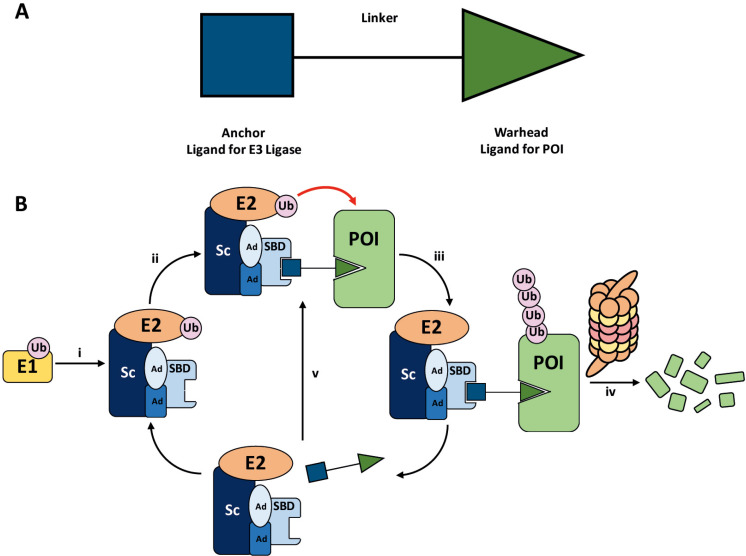
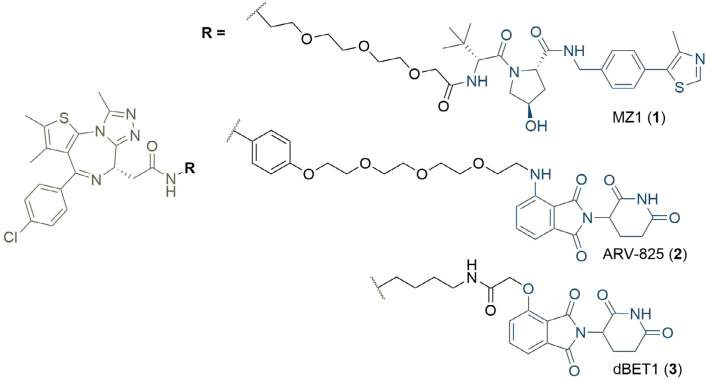
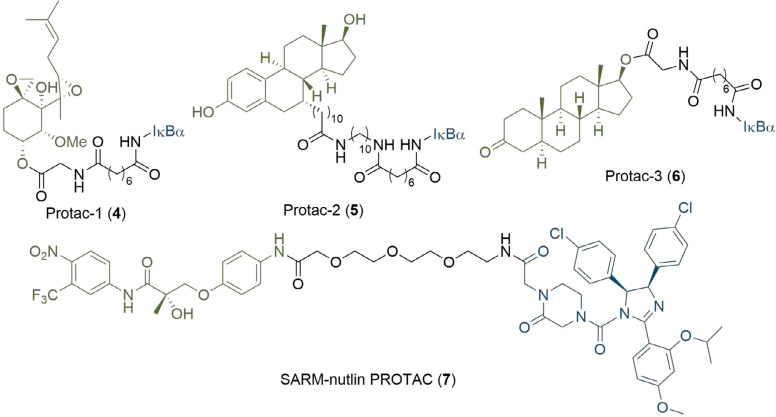
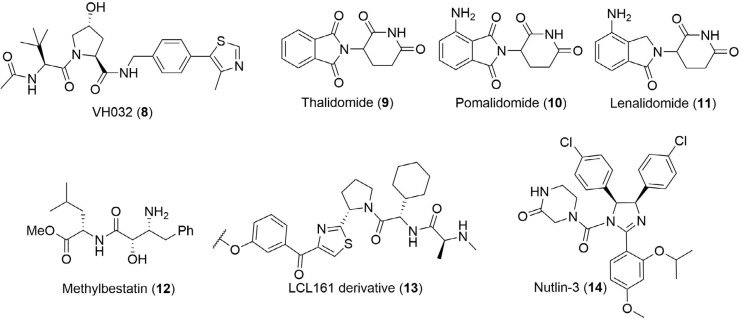
Verification
Claims the paper makes
The claims and statistics of this paper haven’t been checked yet.
Run the check — free, no account needed. It reads the open-access text and checks the sources it cites.
Claims other papers make about this one
Each is checked against this paper’s own text: does it say what the citing paper says it does?
The cited source says what the claim attributes to it.
In the citing paper
“The composition and length of linkers can affect the efficiency of degraders40,41.”
From An HDAC4-specific PROTAC degrader achieves radiation sensitization by enhancing ferroptosis in lung cancer (2026) · cites this paper as [41]
In the citing paper
“Short linkers can be used to modulate PROTAC molecular weights67 and properties65”
From PROTAC targeted protein degraders: the past is prologue (2022) · cites this paper as [67]
Self-check
Percentages, sums and reported differences re-computed from the paper’s own numbers.
The self-check needs the paper’s full text.
Citations
Cites
Lipinski, C. A., Lombardo, F., Dominy, B. W., & Feeney, P. J. (2001) · Advanced Drug Delivery Reviews · doi:10.1016/s0169-409x(00)00129-0 · Cited by 18,139
Molecular properties that influence the oral bioavailability of drug candidates
Veber, D. F., Johnson, S. R., Cheng, H.-Y., Smith, B. R., Ward, K. W., & Kopple, K. D. (2002) · Journal of Medicinal Chemistry · doi:10.1021/jm020017n · Cited by 8,420
Lipinski, C. A., Lombardo, F., Dominy, B. W., & Feeney, P. J. (2012) · Advanced Drug Delivery Reviews · doi:10.1016/j.addr.2012.09.019 · Cited by 3,720
Peptide therapeutics: current status and future directions
Fosgerau, K., & Hoffmann, T. (2014) · Drug Discovery Today · doi:10.1016/j.drudis.2014.10.003 · Cited by 3,160
RING Domain E3 Ubiquitin Ligases
Deshaies, R. J., & Joazeiro, C. A. P. (2009) · Annual Review of Biochemistry · doi:10.1146/annurev.biochem.78.101807.093809 · Cited by 2,679
Sakamoto, K. M., Kim, K. B., Kumagai, A., Mercurio, F., Crews, C. M., & Deshaies, R. J. (2001) · Proceedings of the National Academy of Sciences · doi:10.1073/pnas.141230798 · Cited by 2,609
The growing applications of click chemistry
Moses, J. E., & Moorhouse, A. D. (2007) · Chemical Society Reviews · doi:10.1039/b613014n · Cited by 2,376
Phthalimide conjugation as a strategy for in vivo target protein degradation
Winter, G. E., Buckley, D. L., Paulk, J., Roberts, J. M., Souza, A., Dhe-Paganon, S., & Bradner, J. E. (2015) · Science · doi:10.1126/science.aab1433 · Cited by 1,760
Tetrazine Ligation: Fast Bioconjugation Based on Inverse-Electron-Demand Diels−Alder Reactivity
Blackman, M. L., Royzen, M., & Fox, J. M. (2008) · Journal of the American Chemical Society · doi:10.1021/ja8053805 · Cited by 1,691
Honigberg, L. A., Smith, A. M., Sirisawad, M., Verner, E., Loury, D., Chang, B., Li, S., Pan, Z., Thamm, D. H., Miller, R. A., et al. (2010) · Proceedings of the National Academy of Sciences · doi:10.1073/pnas.1004594107 · Cited by 1,561
Ubiquitin ligases: structure, function, and regulation
Zheng, N., & Shabek, N. (2017) · Annual Review of Biochemistry · doi:10.1146/annurev-biochem-060815-014922 · Cited by 1,499
Catalytic in vivo protein knockdown by small-molecule PROTACs
Bondeson, D. P., Mares, A., Smith, I. E. D., Ko, E., Campos, S., Miah, A. H., Mulholland, K. E., Routly, N., Buckley, D. L., Gustafson, J. L., et al. (2015) · Nature Chemical Biology · doi:10.1038/nchembio.1858 · Cited by 1,356
Structural basis of PROTAC cooperative recognition for selective protein degradation
Gadd, M. S., Testa, A., Lucas, X., Chan, K.-H., Chen, W., Lamont, D. J., Zengerle, M., & Ciulli, A. (2017) · Nature Chemical Biology · doi:10.1038/nchembio.2329 · Cited by 1,242
Photopharmacology: Beyond Proof of Principle
Velema, W. A., Szymański, W., & Feringa, B. L. (2014) · Journal of the American Chemical Society · doi:10.1021/ja413063e · Cited by 1,202
Mayer, M., & Meyer, B. (2001) · Journal of the American Chemical Society · doi:10.1021/ja0100120 · Cited by 1,201
Structure of the DDB1–CRBN E3 ubiquitin ligase in complex with thalidomide
Fischer, E. S., Böhm, K., Lydeard, J. R., Yang, H., Stadler, M. B., Cavadini, S., Nagel, J., Serluca, F., Acker, V., Lingaraju, G. M., et al. (2014) · Nature · doi:10.1038/nature13527 · Cited by 1,141
Hijacking the E3 Ubiquitin Ligase Cereblon to Efficiently Target BRD4
Lu, J., Qian, Y., Altieri, M., Dong, H., Wang, J., Raina, K., Hines, J., Winkler, J. D., Crew, A. P., Coleman, K., et al. (2015) · Chemistry & Biology · doi:10.1016/j.chembiol.2015.05.009 · Cited by 1,140
Selective Small Molecule Induced Degradation of the BET Bromodomain Protein BRD4
Zengerle, M., Chan, K.-H., & Ciulli, A. (2015) · ACS Chemical Biology · doi:10.1021/acschembio.5b00216 · Cited by 1,056
Targeted protein degradation: expanding the toolbox
Schapira, M., Calabrese, M. F., Bullock, A. N., & Crews, C. M. (2019) · Nature Reviews Drug Discovery · doi:10.1038/s41573-019-0047-y · Cited by 960
Lessons in PROTAC Design from Selective Degradation with a Promiscuous Warhead
Bondeson, D. P., Smith, B. E., Burslem, G. M., Buhimschi, A. D., Hines, J., Jaime-Figueroa, S., Wang, J., Hamman, B. D., Ishchenko, A., & Crews, C. M. (2018) · Cell Chemical Biology · doi:10.1016/j.chembiol.2017.09.010 · Cited by 923
Single-particle cryo-EM at atomic resolution
Nakane, T., Kotecha, A., Sente, A., McMullan, G., Masiulis, S., Brown, P. M. G. E., Grigoras, I. T., Malinauskaitė, L., Malinauskas, T., Miehling, J., et al. (2020) · Nature · doi:10.1038/s41586-020-2829-0 · Cited by 881
PROTAC-induced BET protein degradation as a therapy for castration-resistant prostate cancer
Raina, K., Lu, J., Qian, Y., Altieri, M., Gordon, D., Rossi, A. M. K., Wang, J., Chen, X., Dong, H., Siu, K., et al. (2016) · Proceedings of the National Academy of Sciences · doi:10.1073/pnas.1521738113 · Cited by 852
Structural basis for the recognition of hydroxyproline in HIF-1α by pVHL
Hon, W.-C., Wilson, M. I., Harlos, K., Claridge, T. D. W., Schofield, C. J., Pugh, C. W., Maxwell, P. H., Ratcliffe, P. J., Stuart, D. I., & Jones, E. Y. (2002) · Nature · doi:10.1038/nature00767 · Cited by 751 · cited 1×
“Substantial efforts by the Crews and Ciulli labs have been devoted to the development of potent small molecules binding to VHL [23, 24] and disrupting its interaction with the α-subunits of the hypoxia-inducible factor 1α (HIF-1α), a key regulator of the cellular hypoxic response [25, 26].”
BackgroundSemenza, G. L. (2007) · Science · doi:10.1126/science.1147949 · Cited by 723
Red-Shifting Azobenzene Photoswitches for in Vivo Use
Dong, M., Babalhavaeji, A., Samanta, S., Beharry, A. A., & Woolley, G. A. (2015) · Accounts of Chemical Research · doi:10.1021/acs.accounts.5b00270 · Cited by 687
The Advantages of Targeted Protein Degradation Over Inhibition: An RTK Case Study
Burslem, G. M., Smith, B. E., Lai, A. C., Jaime-Figueroa, S., McQuaid, D. C., Bondeson, D. P., Toure, M., Dong, H., Qian, Y., Wang, J., et al. (2018) · Cell Chemical Biology · doi:10.1016/j.chembiol.2017.09.009 · Cited by 686
PROTACs: great opportunities for academia and industry
Sun, X., Gao, H., Yang, Y., He, M., Wu, Y., Song, Y.-G., Tong, Y., & Rao, Y. (2019) · Signal Transduction and Targeted Therapy · doi:10.1038/s41392-019-0101-6 · Cited by 663
HECT and RING finger families of E3 ubiquitin ligases at a glance
Metzger, M. B., Hristova, V. A., & Weissman, A. M. (2012) · Journal of Cell Science · doi:10.1242/jcs.091777 · Cited by 659
Schneekloth, A. R., Pucheault, M., Tae, H. S., & Crews, C. M. (2008) · Bioorganic & Medicinal Chemistry Letters · doi:10.1016/j.bmcl.2008.07.114 · Cited by 635
Modular PROTAC design for the degradation of oncogenic BCR-ABL
Lai, A. C., Toure, M., Hellerschmied, D., Salami, J., Jaime‐Figueroa, S., Ko, E., Hines, J., & Crews, C. M. (2016) · Angewandte Chemie International Edition · doi:10.1002/anie.201507634 · Cited by 618
Plasticity in binding confers selectivity in ligand-induced protein degradation
Nowak, R. P., DeAngelo, S. L., Buckley, D., He, Z., Donovan, K. A., An, J., Safaee, N., Jedrychowski, M. P., Ponthier, C. M., Ishoey, M., et al. (2018) · Nature Chemical Biology · doi:10.1038/s41589-018-0055-y · Cited by 615
Targeted protein degradation: elements of PROTAC design
Paiva, S.-L., & Crews, C. M. (2019) · Current Opinion in Chemical Biology · doi:10.1016/j.cbpa.2019.02.022 · Cited by 598
The proteasome: structure, function, and role in the cell
Adams, J. N. (2003) · Cancer Treatment Reviews · doi:10.1016/s0305-7372(03)00081-1 · Cited by 583
BAF complex vulnerabilities in cancer demonstrated via structure-based PROTAC design
Farnaby, W., Koegl, M., Roy, M. J., Whitworth, C., Diers, E., Trainor, N., Zollman, D., Steurer, S., Karolyi-Oezguer, J., Riedmueller, C., et al. (2019) · Nature Chemical Biology · doi:10.1038/s41589-019-0294-6 · Cited by 562
Differential PROTAC substrate specificity dictated by orientation of recruited E3 ligase
Smith, B. E., Wang, S. L., Jaime-Figueroa, S., Harbin, A., Wang, J., Hamman, B. D., & Crews, C. M. (2019) · Nature Communications · doi:10.1038/s41467-018-08027-7 · Cited by 517
Chemical Genetic Control of Protein Levels: Selective in Vivo Targeted Degradation
Schneekloth, J. S., Fonseca, F. N., Koldobskiy, M. A., Mandal, A., Deshaies, R. J., Sakamoto, K. M., & Crews, C. M. (2004) · Journal of the American Chemical Society · doi:10.1021/ja039025z · Cited by 507
Protac-Induced Protein Degradation in Drug Discovery: Breaking the Rules or Just Making New Ones?
Churcher, I. (2018) · Journal of Medicinal Chemistry · doi:10.1021/acs.jmedchem.7b01272 · Cited by 491 · cited 1×
“The chemical composition of the linker has a significant impact on the physico-chemical properties of the PROTAC molecule, which in turn has implications for its pharmacokinetic profile [106].”
BackgroundElectrophilic PROTACs that degrade nuclear proteins by engaging DCAF16
Zhang, X., Crowley, V. M., Wucherpfennig, T. G., Dix, M. M., & Cravatt, B. F. (2019) · Nature Chemical Biology · doi:10.1038/s41589-019-0279-5 · Cited by 487
A Comprehensive Mathematical Model for Three-Body Binding Equilibria
Douglass, E. F., Miller, C. J., Sparer, G., Shapiro, H., & Spiegel, D. A. (2013) · Journal of the American Chemical Society · doi:10.1021/ja311795d · Cited by 472
Shultz, M. D. (2018) · Journal of Medicinal Chemistry · doi:10.1021/acs.jmedchem.8b00686 · Cited by 466
A Chemoproteomic Approach to Query the Degradable Kinome Using a Multi-kinase Degrader
Huang, H.-T., Dobrovolsky, D., Paulk, J., Yang, G., Weisberg, E. L., Doctor, Z. M., Buckley, D. L., Cho, J.-H., Ko, E., Jang, J., et al. (2018) · Cell Chemical Biology · doi:10.1016/j.chembiol.2017.10.005 · Cited by 437
Drugging the undruggables: exploring the ubiquitin system for drug development
Huang, X., & Dixit, V. M. (2016) · Cell Research · doi:10.1038/cr.2016.31 · Cited by 427 · cited 1×
“Proteolysis targeting chimeras (PROTACs) are heterobifunctional molecules consisting of two ligands connected by a linker [1-5].”
BackgroundDevelopment of Protacs to Target Cancer-promoting Proteins for Ubiquitination and Degradation
Sakamoto, K. M., Kim, K. B., Verma, R., Ransick, A., Stein, B., Crews, C. M., & Deshaies, R. J. (2003) · Molecular & Cellular Proteomics · doi:10.1074/mcp.t300009-mcp200 · Cited by 425
Galdeano, C., Gadd, M. S., Soares, P., Scaffidi, S., Molle, I. V., Birced, I., Hewitt, S. H., Dias, D. M. G., & Ciulli, A. (2014) · Journal of Medicinal Chemistry · doi:10.1021/jm5011258 · Cited by 424
Edmondson, S. D., Yang, B., & Fallan, C. (2019) · Bioorganic & Medicinal Chemistry Letters · doi:10.1016/j.bmcl.2019.04.030 · Cited by 422
Self-citationDelineating the role of cooperativity in the design of potent PROTACs for BTK
Zorba, A., Nguyen, C., Xu, Y., Starr, J., Borzilleri, K., Smith, J., Zhu, H., Farley, K. A., Ding, W., Schiemer, J., et al. (2018) · Proceedings of the National Academy of Sciences · doi:10.1073/pnas.1803662115 · Cited by 419
Protein Degradation by In-Cell Self-Assembly of Proteolysis Targeting Chimeras
Lebraud, H., Wright, D. J., Johnson, C. N., & Heightman, T. D. (2016) · ACS Central Science · doi:10.1021/acscentsci.6b00280 · Cited by 413
Han, X., Wang, C., Qin, C., Xiang, W., Fernández‐Salas, E., Yang, C., Wang, M., Zhao, L., Xu, T., Chinnaswamy, K., et al. (2019) · Journal of Medicinal Chemistry · doi:10.1021/acs.jmedchem.8b01631 · Cited by 405
Itoh, Y., Ishikawa, M., Naito, M., & Hashimoto, Y. (2010) · Journal of the American Chemical Society · doi:10.1021/ja100691p · Cited by 404
Beyond the Rule of 5: Lessons Learned from AbbVie’s Drugs and Compound Collection
DeGoey, D. A., Chen, H.-J., Cox, P. B., & Wendt, M. D. (2017) · Journal of Medicinal Chemistry · doi:10.1021/acs.jmedchem.7b00717 · Cited by 390
The demographics of the ubiquitin system
Clague, M. J., Heride, C., & Urbé, S. (2015) · Trends in Cell Biology · doi:10.1016/j.tcb.2015.03.002 · Cited by 389
SPR-measured dissociation kinetics of PROTAC ternary complexes influence target degradation rate
Roy, M. J., Winkler, S., Hughes, S. J., Whitworth, C., Galant, M., Farnaby, W., Rumpel, K., & Ciulli, A. (2019) · ACS Chemical Biology · doi:10.1021/acschembio.9b00092 · Cited by 386
Light-Induced Protein Degradation with Photocaged PROTACs
Xue, G., Wang, K., Zhou, D., Zhong, H., & Pan, Z. (2019) · Journal of the American Chemical Society · doi:10.1021/jacs.9b06422 · Cited by 377
Zhang, L., Riley-Gillis, B., Vijay, P., & Shen, Y. (2019) · Molecular Cancer Therapeutics · doi:10.1158/1535-7163.mct-18-1129 · Cited by 365
How Beyond Rule of 5 Drugs and Clinical Candidates Bind to Their Targets
Doak, B. C., Zheng, J., Dobritzsch, D., & Kihlberg, J. O. (2015) · Journal of Medicinal Chemistry · doi:10.1021/acs.jmedchem.5b01286 · Cited by 348
Hines, J., Lartigue, S., Dong, H., Qian, Y., & Crews, C. M. (2019) · Cancer Research · doi:10.1158/0008-5472.can-18-2918 · Cited by 348
PHOTACs enable optical control of protein degradation
Reynders, M., Matsuura, B. S., Bérouti, M., Simoneschi, D., Marzio, A., Pagano, M., & Trauner, D. H. (2020) · Science Advances · doi:10.1126/sciadv.aay5064 · Cited by 344
PEGylated Proteins: Evaluation of Their Safety in the Absence of Definitive Metabolism Studies
Webster, R., Didier, E., Harris, P., Siegel, N., Stadler, J., Tilbury, L., & Smith, D. (2007) · Drug Metabolism and Disposition · doi:10.1124/dmd.106.012419 · Cited by 337
Zoppi, V., Hughes, S. J., Maniaci, C., Testa, A., Gmaschitz, T., Wieshofer, C., Koegl, M., Riching, K. M., Daniels, D. L., Spallarossa, A., et al. (2019) · Journal of Medicinal Chemistry · doi:10.1021/acs.jmedchem.8b01413 · Cited by 336
Ward, C. C., Kleinman, J. I., Brittain, S. M., Lee, P. S., Chung, C. Y. S., Kim, K., Petri, Y., Thomas, J. R., Tallarico, J. A., McKenna, J. M., et al. (2019) · ACS Chemical Biology · doi:10.1021/acschembio.8b01083 · Cited by 336
Reversible Spatiotemporal Control of Induced Protein Degradation by Bistable PhotoPROTACs
Pfaff, P., Samarasinghe, K. T. G., Crews, C. M., & Carreira, E. M. (2019) · ACS Central Science · doi:10.1021/acscentsci.9b00713 · Cited by 320
Li, Y., Yang, J., Aguilar, A., McEachern, D., Przybranowski, S., Liu, L., Yang, C.-Y., Wang, M., Han, X., & Wang, S. (2019) · Journal of Medicinal Chemistry · doi:10.1021/acs.jmedchem.8b00909 · Cited by 312
Lu, M., Liu, T., Jiao, Q., Ji, J., Tao, M., Liu, Y., You, Q., & Jiang, Z. (2018) · European Journal of Medicinal Chemistry · doi:10.1016/j.ejmech.2018.01.063 · Cited by 310
Light-induced control of protein destruction by opto-PROTAC
Liu, J., Chen, H., Ma, L., He, Z., Wang, D., Liu, Y., Lin, Q., Zhang, T., Gray, N. S., Kanıskan, H. Ü., et al. (2020) · Science Advances · doi:10.1126/sciadv.aay5154 · Cited by 310
Small‐Molecule Inhibitors of the Interaction between the E3 Ligase VHL and HIF1α
Buckley, D. L., Gustafson, J. L., Van Molle, I., Roth, A. G., Tae, H. S., Gareiss, P. C., Jorgensen, W. L., Ciulli, A., & Crews, C. M. (2012) · Angewandte Chemie International Edition · doi:10.1002/anie.201206231 · Cited by 302
Small-Molecule Modulation of Protein Homeostasis
Burslem, G. M., & Crews, C. M. (2017) · Chemical Reviews · doi:10.1021/acs.chemrev.7b00077 · Cited by 298
Sun, Y., Zhao, X., Ding, N., Gao, H., Wu, Y., Yang, Y., Zhao, M., Hwang, J., Song, Y., Liu, W., et al. (2018) · Cell Research · doi:10.1038/s41422-018-0055-1 · Cited by 295
Deep Generative Models for 3D Linker Design
Imrie, F., Bradley, A. R., van der Schaar, M., & Deane, C. M. (2020) · Journal of Chemical Information and Modeling · doi:10.1021/acs.jcim.9b01120 · Cited by 285
Targeted degradation of aberrant tau in frontotemporal dementia patient-derived neuronal cell models
Silva, M. C., Ferguson, F. M., Cai, Q., Donovan, K. A., Nandi, G., Patnaik, D., Zhang, T., Huang, H.-T., Lucente, D. E., Dickerson, B. C., et al. (2019) · eLife · doi:10.7554/elife.45457 · Cited by 283
Qin, C., Hu, Y., Zhou, B., Fernandez-Salas, E., Yang, C.-Y., Liu, L., McEachern, D., Przybranowski, S., Wang, M., Stuckey, J., et al. (2018) · Journal of Medicinal Chemistry · doi:10.1021/acs.jmedchem.8b00506 · Cited by 281
Schiedel, M., Herp, D., Hammelmann, S., Swyter, S., Lehotzky, A., Robaa, D., Oláh, J., Ovádi, J., Sippl, W., & Jung, M. (2017) · Journal of Medicinal Chemistry · doi:10.1021/acs.jmedchem.6b01872 · Cited by 277
Exploring Targeted Degradation Strategy for Oncogenic KRASG12C
Zeng, M., Xiong, Y., Safaee, N., Nowak, R. P., Donovan, K. A., Yuan, C. J., Nabet, B., Gero, T. W., Feru, F., Li, L., et al. (2020) · Cell Chemical Biology · doi:10.1016/j.chembiol.2019.12.006 · Cited by 275
Crew, A. P., Raina, K., Dong, H., Qian, Y., Wang, J., Vigil, D., Serebrenik, Y. V., Hamman, B. D., Morgan, A., Ferraro, C., et al. (2018) · Journal of Medicinal Chemistry · doi:10.1021/acs.jmedchem.7b00635 · Cited by 257
Structure‐Based Design of a Macrocyclic PROTAC
Testa, A., Hughes, S. J., Lucas, X., Wright, J. E., & Ciulli, A. (2019) · Angewandte Chemie International Edition · doi:10.1002/anie.201914396 · Cited by 250
Specific Knockdown of Endogenous Tau Protein by Peptide-Directed Ubiquitin-Proteasome Degradation
Chu, T.-T., Gao, N., Li, Q.-Q., Chen, P.-G., Yang, X.-F., Chen, Y.-X., Zhao, Y.-F., & Li, Y.-M. (2016) · Cell Chemical Biology · doi:10.1016/j.chembiol.2016.02.016 · Cited by 247
Maniaci, C., Hughes, S. J., Testa, A., Chen, W., Lamont, D. J., Rocha, S., Alessi, D. R., Romeo, R., & Ciulli, A. (2017) · Nature Communications · doi:10.1038/s41467-017-00954-1 · Cited by 245
Ohoka, N., Okuhira, K., Ito, M., Nagai, K., Shibata, N., Hattori, T., Ujikawa, O., Shimokawa, K., Sano, O., Koyama, R., et al. (2017) · Journal of Biological Chemistry · doi:10.1074/jbc.m116.768853 · Cited by 240
Hughes, S. J., & Ciulli, A. (2017) · Essays in Biochemistry · doi:10.1042/ebc20170041 · Cited by 240
Bulatov, E., & Ciulli, A. (2015) · Biochemical Journal · doi:10.1042/bj20141450 · Cited by 237
de Wispelaere, M., Du, G., Donovan, K. A., Zhang, T., Eleuteri, N. A., Yuan, J. C., Kalabathula, J., Nowak, R. P., Fischer, E. S., Gray, N. S., et al. (2019) · Nature Communications · doi:10.1038/s41467-019-11429-w · Cited by 237
Zhou, H., Bai, L., Xu, R., Zhao, Y., Chen, J., McEachern, D., Chinnaswamy, K., Wen, B., Dai, L., Kumar, P., et al. (2019) · Journal of Medicinal Chemistry · doi:10.1021/acs.jmedchem.9b01530 · Cited by 233
Impact of linker length on the activity of PROTACs
Cyrus, K., Wehenkel, M., Choi, E.-Y., Han, H.-J., Lee, H., Swanson, H., & Kim, K.-B. (2010) · Molecular BioSystems · doi:10.1039/c0mb00074d · Cited by 232
Extended pharmacodynamic responses observed upon PROTAC-mediated degradation of RIPK2
Mares, A., Miah, A. H., Smith, I. E. D., Rackham, M., Thawani, A. R., Cryan, J., Haile, P. A., Votta, B. J., Beal, A. M., Capriotti, C., et al. (2020) · Communications Biology · doi:10.1038/s42003-020-0868-6 · Cited by 232
Proteolysis‐targeting chimeras in drug development: A safety perspective
Moreau, K., Coen, M., Zhang, A. X., Pachl, F., Castaldi, M. P., Dahl, G., Boyd, H., Scott, C., & Newham, P. (2020) · British Journal of Pharmacology · doi:10.1111/bph.15014 · Cited by 229
Optical Control of Small Molecule-Induced Protein Degradation
Naro, Y., Darrah, K. E., & Deiters, A. (2020) · Journal of the American Chemical Society · doi:10.1021/jacs.9b12718 · Cited by 226
Han, X., Zhao, L., Xiang, W., Qin, C., Miao, B., Xu, T., Wang, M., Yang, C., Chinnaswamy, K., Stuckey, J. A., et al. (2019) · Journal of Medicinal Chemistry · doi:10.1021/acs.jmedchem.9b01393 · Cited by 225
PRosettaC: Rosetta Based Modeling of PROTAC Mediated Ternary Complexes
Zaidman, D., Prilusky, J., & London, N. (2020) · Journal of Chemical Information and Modeling · doi:10.1021/acs.jcim.0c00589 · Cited by 224
Chan, K.-H., Zengerle, M., Testa, A., & Ciulli, A. (2017) · Journal of Medicinal Chemistry · doi:10.1021/acs.jmedchem.6b01912 · Cited by 223
ARV-110: An oral androgen receptor PROTAC degrader for prostate cancer.
Neklesa, T. K., Snyder, L. B., Willard, R. R., Vitale, N., Pizzano, J., Gordon, D., Bookbinder, M., Macaluso, J., Dong, H., Ferraro, C., et al. (2019) · Journal of Clinical Oncology · doi:10.1200/jco.2019.37.7_suppl.259 · Cited by 219
Wurz, R. P., Dellamaggiore, K., Dou, H., Javier, N., LO, M. M. ‐., McCarter, J. D., Mohl, D. A., Sastri, C. E., Lipford, J. R., & Cee, V. J. (2017) · Journal of Medicinal Chemistry · doi:10.1021/acs.jmedchem.6b01781 · Cited by 218
Antibody Conjugation of a Chimeric BET Degrader Enables in vivo Activity
Pillow, T. H., Adhikari, P., Blake, R. A., Chen, J., Del Rosario, G., Deshmukh, G., Figueroa, I., Gascoigne, K. E., Kamath, A. V., Kaufman, S., et al. (2020) · ChemMedChem · doi:10.1002/cmdc.201900497 · Cited by 216
Efficient targeted degradation via reversible and irreversible covalent PROTACs
Gabizon, R., Shraga, A., Gehrtz, P., Livnah, E., Gurwicz, N., Avram, L., Unger, T., Albeck, S., Shulman, Z., & London, N. (2020) · doi:10.26434/chemrxiv.11494398.v1 · Cited by 213
Potent and Preferential Degradation of CDK6 via Proteolysis Targeting Chimera Degraders
Su, S., Yang, Z., Gao, H., Yang, H., Zhu, S., An, Z., Wang, J., Li, Q., Chandarlapaty, S., Deng, H., et al. (2019) · Journal of Medicinal Chemistry · doi:10.1021/acs.jmedchem.9b00871 · Cited by 210
Thalidomide: A review of approved and investigational uses
Matthews, S. J., & McCoy, C. P. (2003) · Clinical Therapeutics · doi:10.1016/s0149-2918(03)80085-1 · Cited by 203
In Silico Modeling of PROTAC-Mediated Ternary Complexes: Validation and Application
Drummond, M. L., & Williams, C. I. (2019) · Journal of Chemical Information and Modeling · doi:10.1021/acs.jcim.8b00872 · Cited by 199
Webster, R., Elliott, V., Park, B. K., Walker, D. K., Hankin, M., & Taupin, P. J. Y. (2009) · Birkhäuser Basel eBooks · doi:10.1007/978-3-7643-8679-5_8 · Cited by 197
Cheng, M., Yu, X., Lu, K. J., Xie, L., Wang, L., Meng, F., Han, X., Chen, X., Liu, J., Xiong, Y., et al. (2020) · Journal of Medicinal Chemistry · doi:10.1021/acs.jmedchem.9b01566 · Cited by 197
Bolden, J. E., Tasdemir, N., Dow, L. E., van Es, J. H., Wilkinson, J. E., Zhao, Z., Clevers, H. C., & Lowe, S. W. (2014) · Cell Reports · doi:10.1016/j.celrep.2014.08.025 · Cited by 194
Development of the first small molecule histone deacetylase 6 (HDAC6) degraders
Yang, K., Song, Y., Xie, H., Wu, H., Wu, Y.-T., Leisten, E. D., & Tang, W. (2018) · Bioorganic & Medicinal Chemistry Letters · doi:10.1016/j.bmcl.2018.05.057 · Cited by 190
Yang, J., Li, Y., Aguilar, A., Liu, Z., Yang, C.-Y., & Wang, S. (2019) · Journal of Medicinal Chemistry · doi:10.1021/acs.jmedchem.9b00846 · Cited by 190
Azo-PROTAC: Novel Light-Controlled Small-Molecule Tool for Protein Knockdown
Jin, Y., Lu, M., Wang, Y., Shan, W.-X., Wang, X.-Y., You, Q., & Jiang, Z. (2020) · Journal of Medicinal Chemistry · doi:10.1021/acs.jmedchem.9b02058 · Cited by 189
Induction of apoptosis in MDA-MB-231 breast cancer cells by a PARP1-targeting PROTAC small molecule
Zhao, Q., Lan, T., Su, S., & Rao, Y. (2018) · Chemical Communications · doi:10.1039/c8cc07813k · Cited by 187
PROTACs: A novel strategy for cancer therapy
Liu, J., Ma, J., Liu, Y., Xia, J., Li, Y., Wang, Z. P., & Wei, W. (2020) · Seminars in Cancer Biology · doi:10.1016/j.semcancer.2020.02.006 · Cited by 186
Degradation of Polycomb Repressive Complex 2 with an EED-Targeted Bivalent Chemical Degrader
Potjewyd, F., Turner, A. W., Beri, J., Rectenwald, J. M., Norris-Drouin, J. L., Cholensky, S. H., Margolis, D. M., Pearce, K. H., Herring, L. E., & James, L. I. (2019) · Cell chemical biology · doi:10.1016/j.chembiol.2019.11.006 · Cited by 181
Assessing Different E3 Ligases for Small Molecule Induced Protein Ubiquitination and Degradation
Ottis, P., Toure, M., Cromm, P. M., Ko, E., Gustafson, J. L., & Crews, C. M. (2017) · ACS Chemical Biology · doi:10.1021/acschembio.7b00485 · Cited by 176
SNIPERs—Hijacking IAP activity to induce protein degradation
Naito, M., Ohoka, N., & Shibata, N. (2019) · Drug Discovery Today Technologies · doi:10.1016/j.ddtec.2018.12.002 · Cited by 171
Fundamental aspects of DMPK optimization of targeted protein degraders
Cantrill, C., Chaturvedi, P., Rynn, C., Schaffland, J. P., Walter, I., & Wittwer, M. (2020) · Drug Discovery Today · doi:10.1016/j.drudis.2020.03.012 · Cited by 170
Pharmacokinetics, metabolism and distribution of PEGs and PEGylated proteins: quo vadis?
Baumann, A., Tuerck, D., Prabhu, S., Dickmann, L. J., & Sims, J. (2014) · Drug Discovery Today · doi:10.1016/j.drudis.2014.06.002 · Cited by 163
Developing degraders: principles and perspectives on design and chemical space
Maple, H. J., Clayden, N., Baron, A., Stacey, C., & Felix, R. L. (2019) · MedChemComm · doi:10.1039/c9md00272c · Cited by 163
Rationalizing PROTAC-Mediated Ternary Complex Formation Using Rosetta
Bai, N., Miller, S. A., Andrianov, G. V., Yates, M., Kirubakaran, P., & Karanicolas, J. (2021) · Journal of Chemical Information and Modeling · doi:10.1021/acs.jcim.0c01451 · Cited by 157
Shibata, N., Nagai, K., Morita, Y., Ujikawa, O., Ohoka, N., Hattori, T., Koyama, R., Sano, O., Imaeda, Y., Nara, H., et al. (2017) · Journal of Medicinal Chemistry · doi:10.1021/acs.jmedchem.7b00168 · Cited by 148
Steinebach, C., Ng, Y. L. D., Sosič, I., Lee, C.-S., Chen, S., Lindner, S., Vu, L. P., Bricelj, A., Haschemi, R., Monschke, M., et al. (2020) · Chemical Science · doi:10.1039/d0sc00167h · Cited by 148
Targeting the Undruggable Proteome: The Small Molecules of My Dreams
Crews, C. M. (2010) · Chemistry & Biology · doi:10.1016/j.chembiol.2010.05.011 · Cited by 147
First targeted protein degrader hits the clinic
Mullard, A. (2019) · Nature Reviews Drug Discovery · doi:10.1038/d41573-019-00043-6 · Cited by 146 · cited 1×
“The development of the PROTAC technology for the treatment of cancer has ultimately culminated in the first two degraders (both from Arvinas, undisclosed structures) recently reaching phase 1 clinical trials, where their safety and tolerability are being assessed through dose-escalation [57].”
MethodReist, M., Carrupt, P., Francotte, E. R., & Testa, B. (1998) · Chemical Research in Toxicology · doi:10.1021/tx9801817 · Cited by 145
A bump-and-hole approach to engineer controlled selectivity of BET bromodomain chemical probes
Baud, M. G. J., Lin-Shiao, E., Cardote, T. A. F., Tallant, C., Pschibul, A., Chan, K.-H., Zengerle, M., Garcia, J. R., Kwan, T. T.-L., Ferguson, F. M., et al. (2014) · Science · doi:10.1126/science.1249830 · Cited by 144
Self-citationDesign, synthesis and biological evaluation of nuclear receptor-degradation inducers
Itoh, Y., Kitaguchi, R., Ishikawa, M., Naito, M., & Hashimoto, Y. (2011) · Bioorganic & Medicinal Chemistry · doi:10.1016/j.bmc.2011.09.041 · Cited by 143
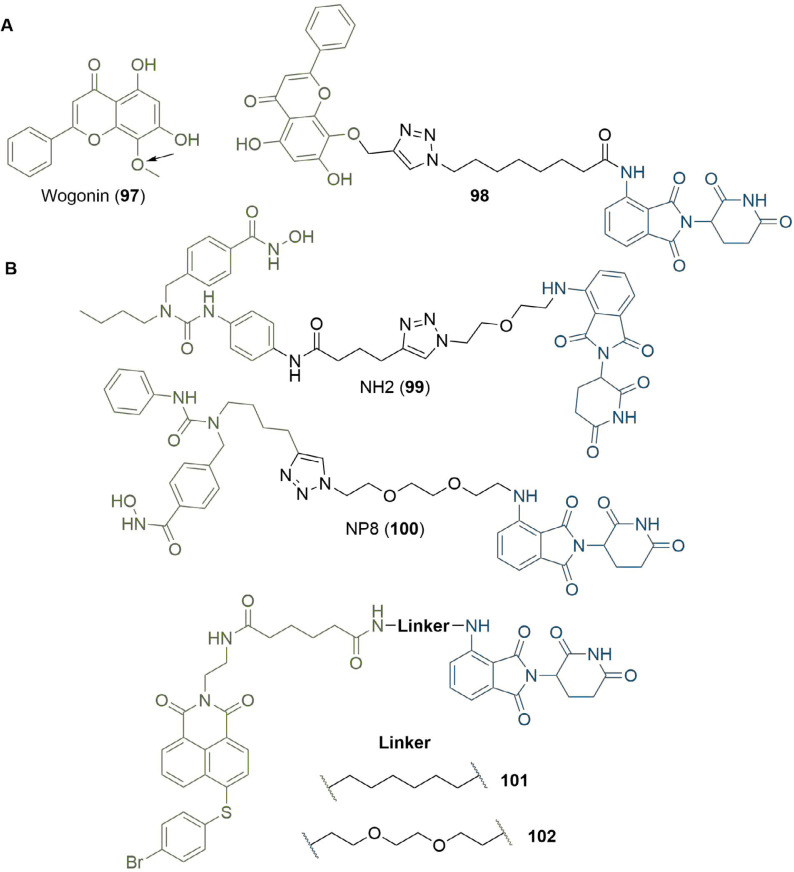
Discovery of Wogonin-based PROTACs against CDK9 and capable of achieving antitumor activity
Bian, J., Ren, J., Li, Y., Wang, J., Xu, X., Feng, Y., Tang, H., Wang, Y., & Li, Z. (2018) · Bioorganic Chemistry · doi:10.1016/j.bioorg.2018.08.028 · Cited by 140
McCoull, W., Cheung, T., Anderson, E., Barton, P., Burgess, J., Byth, K., Cao, Q., Castaldi, M. P., Chen, H., Chiarparin, E., et al. (2018) · ACS Chemical Biology · doi:10.1021/acschembio.8b00698 · Cited by 139
A caged E3 ligase ligand for PROTAC-mediated protein degradation with light
Kounde, C. S., Shchepinova, M. M., Saunders, C. N., Muelbaier, M., Rackham, M. D., Harling, J. D., & Tate, E. W. (2020) · Chemical Communications · doi:10.1039/d0cc00523a · Cited by 136
Selective degradation of CDK6 by a palbociclib based PROTAC
Rana, S., Bendjennat, M., Kour, S., King, H. M., Kizhake, S., Zahid, M., & Natarajan, A. (2019) · Bioorganic & Medicinal Chemistry Letters · doi:10.1016/j.bmcl.2019.03.035 · Cited by 135
Targeting IRAK4 for Degradation with PROTACs
Nunes, J., McGonagle, G. A., Eden, J., Kiritharan, G., Touzet, M., Lewell, X., Emery, J., Eidam, H., Harling, J. D., & Anderson, N. A. (2019) · ACS Medicinal Chemistry Letters · doi:10.1021/acsmedchemlett.9b00219 · Cited by 134
Zhao, Q., Ren, C., Liu, L., Chen, J., Shao, Y., Sun, N., Sun, R., Kong, Y., Ding, X., Zhang, X., et al. (2019) · Journal of Medicinal Chemistry · doi:10.1021/acs.jmedchem.9b01264 · Cited by 134
Developing potent PROTACs tools for selective degradation of HDAC6 protein
An, Z., Lv, W., Su, S., Wu, W., & Rao, Y. (2019) · Protein & Cell · doi:10.1007/s13238-018-0602-z · Cited by 133
PROTACs suppression of CDK4/6, crucial kinases for cell cycle regulation in cancer
Zhao, B., & Burgess, K. (2019) · Chemical Communications · doi:10.1039/c9cc00163h · Cited by 130
Demizu, Y., Shibata, N., Hattori, T., Ohoka, N., Motoi, H., Misawa, T., Shoda, T., Naito, M., & Kurihara, M. (2016) · Bioorganic & Medicinal Chemistry Letters · doi:10.1016/j.bmcl.2016.09.041 · Cited by 125
Why Some Targets Benefit from beyond Rule of Five Drugs
Egbert, M. E., Whitty, A., Keserű, G. M., & Vajda, S. (2019) · Journal of Medicinal Chemistry · doi:10.1021/acs.jmedchem.8b01732 · Cited by 123
Zhang, X., Thummuri, D., Liu, X., Hu, W., Zhang, P., Khan, S., Yuan, Y., Zhou, D., & Zheng, G. (2020) · European Journal of Medicinal Chemistry · doi:10.1016/j.ejmech.2020.112186 · Cited by 123 · cited 1×
“[104], synthesised over 50 PROTACs in their search of a potent, selective, and bioavailable degrader of the anti-apoptotic protein BCL-XL.”
BackgroundPROTAC-mediated degradation of class I histone deacetylase enzymes in corepressor complexes
Smalley, J. P., Adams, G. E., Millard, C. J., Song, Y., Norris, J. K. S., Schwabe, J. W. R., Cowley, S. M., & Hodgkinson, J. T. (2020) · Chemical Communications · doi:10.1039/d0cc01485k · Cited by 121
Wang, Z., He, N., Guo, Z., Niu, C., Song, T., Guo, Y., Cao, K., Wang, A., Zhu, J., Zhang, X., et al. (2019) · Journal of Medicinal Chemistry · doi:10.1021/acs.jmedchem.9b00919 · Cited by 120
Harnessing the hypoxia-inducible factor in cancer and ischemic disease
Brahimi-Horn, M. C., & Pouysségur, J. (2006) · Biochemical Pharmacology · doi:10.1016/j.bcp.2006.10.013 · Cited by 119
Design and synthesis of selective degraders of EGFRL858R/T790M mutant
Zhang, X., Xu, F., Tong, L., Zhang, T., Xie, H., Lu, X., Ren, X., & Ding, K. (2020) · European Journal of Medicinal Chemistry · doi:10.1016/j.ejmech.2020.112199 · Cited by 110
Plasticity in designing PROTACs for selective and potent degradation of HDAC6
Yang, H., Lv, W., He, M., Deng, H., Li, H., Wu, W., & Rao, Y. (2019) · Chemical Communications · doi:10.1039/c9cc08509b · Cited by 108
Ohoka, N., Morita, Y., Nagai, K., Shimokawa, K., Ujikawa, O., Fujimori, I., Ito, M., Hayase, Y., Okuhira, K., Shibata, N., et al. (2018) · Journal of Biological Chemistry · doi:10.1074/jbc.ra117.001091 · Cited by 105
PROTAC-mediated crosstalk between E3 ligases
Steinebach, C., Kehm, H., Lindner, S., Vu, L. P., Köpff, S., Mármol, Á. L., Weiler, C., Wagner, K. G., Reichenzeller, M., Krönke, J., et al. (2019) · Chemical Communications · doi:10.1039/c8cc09541h · Cited by 101
Bifunctional chemical probes inducing protein–protein interactions
Maniaci, C., & Ciulli, A. (2019) · Current Opinion in Chemical Biology · doi:10.1016/j.cbpa.2019.07.003 · Cited by 100
Opportunities and guidelines for discovery of orally absorbed drugs in beyond rule of 5 space
Poongavanam, V., Doak, B. C., & Kihlberg, J. O. (2018) · Current Opinion in Chemical Biology · doi:10.1016/j.cbpa.2018.05.010 · Cited by 97
Lee, H., Puppala, D., Choi, E., Swanson, H. I., & Kim, K. (2007) · ChemBioChem · doi:10.1002/cbic.200700438 · Cited by 96
Design and Characterization of SGK3-PROTAC1, an Isoform Specific SGK3 Kinase PROTAC Degrader
Tovell, H., Testa, A., Zhou, H., Shpiro, N., Crafter, C., Ciulli, A., & Alessi, D. R. (2019) · ACS Chemical Biology · doi:10.1021/acschembio.9b00505 · Cited by 95
Fragment-based drug discovery using cryo-EM
Saur, M., Hartshorn, M. J., Dong, J., Reeks, J., Bunkòczi, G., Jhoti, H., & Williams, P. A. (2019) · Drug Discovery Today · doi:10.1016/j.drudis.2019.12.006 · Cited by 92
Cyrus, K., Wehenkel, M., Choi, E., Lee, H., Swanson, H. I., & Kim, K. (2010) · ChemMedChem · doi:10.1002/cmdc.201000146 · Cited by 91
Demonstrating In-Cell Target Engagement Using a Pirin Protein Degradation Probe (CCT367766)
Chessum, N. E. A., Sharp, S. Y., Caldwell, J., Pasqua, E., Wilding, B., Colombano, G., Collins, I., Özer, B., Richards, M., Rowlands, M., et al. (2017) · Journal of Medicinal Chemistry · doi:10.1021/acs.jmedchem.7b01406 · Cited by 90
Jaime-Figueroa, S., Buhimschi, A. D., Toure, M., Hines, J., & Crews, C. M. (2020) · Bioorganic & Medicinal Chemistry Letters · doi:10.1016/j.bmcl.2019.126877 · Cited by 88
Zhang, X., Thummuri, D., He, Y., Liu, X., Zhang, P., Zhou, D., & Zheng, G. (2019) · Chemical Communications · doi:10.1039/c9cc07217a · Cited by 86 · cited 1×
“The availability of high-resolution co-crystal structures for warheads bound to the POIs is an invaluable tool and often a prerequisite for PROTAC design and assembly, in particular to identify solvent-exposed exit vectors on the warhead where a linker can be conjugated with minimal effect on POI binding [129-132].”
BackgroundChemoselective Synthesis of Lenalidomide-Based PROTAC Library Using Alkylation Reaction
Qiu, X., Sun, N., Kong, Y., Li, Y., Yang, X., & Jiang, B. (2019) · Organic Letters · doi:10.1021/acs.orglett.9b01326 · Cited by 80
Systematic Investigation of the Permeability of Androgen Receptor PROTACs
Scott, D. E., Rooney, T. P. C., Bayle, E. D., Mirza, T., Willems, H. M. G., Clarke, J. H., Andrews, S. P., & Skidmore, J. (2020) · ACS Medicinal Chemistry Letters · doi:10.1021/acsmedchemlett.0c00194 · Cited by 80
Development of selective small molecule MDM2 degraders based on nutlin
Wang, B., Wu, S., Liu, J., Yang, K., Xie, H., & Tang, W. (2019) · European Journal of Medicinal Chemistry · doi:10.1016/j.ejmech.2019.05.046 · Cited by 77
Designing Chimeric Molecules for Drug Discovery by Leveraging Chemical Biology
Borsari, C., Trader, D. J., Tait, A., & Costi, M. P. (2020) · Journal of Medicinal Chemistry · doi:10.1021/acs.jmedchem.9b01456 · Cited by 76
Hi-JAK-ing the ubiquitin system: The design and physicochemical optimisation of JAK PROTACs
Shah, R. R., Redmond, J. M., Mihut, A., Menon, M. R., Evans, J. P., Murphy, J. A., Bartholomew, M. A., & Coe, D. M. (2020) · Bioorganic & Medicinal Chemistry · doi:10.1016/j.bmc.2020.115326 · Cited by 75
Cryo-EM for Small Molecules Discovery, Design, Understanding, and Application
Scapin, G., Potter, C. S., & Carragher, B. O. (2018) · Cell chemical biology · doi:10.1016/j.chembiol.2018.07.006 · Cited by 74
Roberts, B. L., Ma, Z., Gao, A., Leisten, E. D., Yin, D., Xu, W., & Tang, W. (2020) · ACS Chemical Biology · doi:10.1021/acschembio.0c00140 · Cited by 73
A MedChem toolbox for cereblon-directed PROTACs
Steinebach, C., Sosič, I., Lindner, S., Bricelj, A., Kohl, F., Ng, Y. L. D., Monschke, M., Wagner, K. G., Krönke, J., & Gütschow, M. (2019) · MedChemComm · doi:10.1039/c9md00185a · Cited by 66
Degradation of target protein in living cells by small-molecule proteolysis inducer
Zhang, D., Baek, S.-H., Ho, A., & Kim, K. (2003) · Bioorganic & Medicinal Chemistry Letters · doi:10.1016/j.bmcl.2003.11.042 · Cited by 63
Is NMR Fragment Screening Fine-Tuned to Assess Druggability of Protein–Protein Interactions?
Dias, D. M. G., Molle, I. V., Baud, M. G. J., Galdeano, C., Geraldes, C. F. G. C., & Ciulli, A. (2013) · ACS Medicinal Chemistry Letters · doi:10.1021/ml400296c · Cited by 62
Self-citationSingle-particle cryo-EM at atomic resolutionPreprint
Nakane, T., Kotecha, A., Sente, A., et al. (2020) · bioRxiv (Cold Spring Harbor Laboratory) · doi:10.1101/2020.05.22.110189 · Cited by 60
Zhou, L., Chen, W.-M., Cao, C., Shi, Y., Ye, W., Hu, J., Wang, L., & Zhou, W. (2020) · European Journal of Medicinal Chemistry · doi:10.1016/j.ejmech.2019.112028 · Cited by 58
Baud, M. G. J., Lin-Shiao, E., Zengerle, M., Tallant, C., & Ciulli, A. (2015) · Journal of Medicinal Chemistry · doi:10.1021/acs.jmedchem.5b01135 · Cited by 52
Self-citationChen, H., Chen, F., Liu, N., Wang, X., & Gou, S. (2018) · Bioorganic Chemistry · doi:10.1016/j.bioorg.2018.09.005 · Cited by 51
Triazol: A Privileged Scaffold for Proteolysis Targeting Chimeras
Xia, L., Ba, M.-Y., Liu, W., Cheng, W., Hu, C.-P., Zhao, Q., Yao, Y., Sun, M., & Duan, Y. (2019) · Future Medicinal Chemistry · doi:10.4155/fmc-2019-0159 · Cited by 51
Optimization of a “bump-and-hole” approach to allele-selective BET bromodomain inhibition
Runcie, A. C., Zengerle, M., Chan, K.-H., Testa, A., van Beurden, L., Baud, M. G. J., Epemolu, O., Ellis, L. C. J., Read, K. D., Coulthard, V., et al. (2018) · Chemical Science · doi:10.1039/c7sc02536j · Cited by 47
Self-citationDevelopment of a PDEδ‐Targeting PROTACs that Impair Lipid Metabolism
Winzker, M., Friese, A., Koch, U., Janning, P., Ziegler, S., & Waldmann, H. (2019) · Angewandte Chemie International Edition · doi:10.1002/anie.201913904 · Cited by 46
Targeted protein degradation mechanisms
Zhang, Y., Loh, C., Chen, J., & Mainolfi, N. (2019) · Drug Discovery Today Technologies · doi:10.1016/j.ddtec.2019.01.001 · Cited by 44
Disordered region of cereblon is required for efficient degradation by proteolysis-targeting chimera
Kim, K., Lee, D.-H., Park, S., Jo, S.-H., Ku, B., Park, S. G., Park, B. C., Jeon, Y. U., Ahn, S., Kang, C. H., et al. (2019) · Scientific Reports · doi:10.1038/s41598-019-56177-5 · Cited by 37
Scaffold hopping enables direct access to more potent PROTACs with in vivo activity
Burslem, G. M., Bondeson, D. P., & Crews, C. M. (2020) · Chemical Communications · doi:10.1039/d0cc02201b · Cited by 35
Arthur, R., Valle‐Argos, B., Steele, A. J., & Packham, G. (2020) · Exploration of Targeted Anti-tumor Therapy · doi:10.37349/etat.2020.00009 · Cited by 24
Reversible Spatiotemporal Control of Induced Protein Degradation by Bistable photoPROTACsPreprint
Pfaff, P., Samarasinghe, K. T. G., Crews, C. M., & Carreira, E. M. (2019) · ChemRxiv · doi:10.26434/chemrxiv.8281469 · Cited by 7
Brand, M., & Winter, G. E. (2019) · Nature Chemical Biology · doi:10.1038/s41589-019-0312-8 · Cited by 6
A Caged E3 Ligase Ligand for PROTAC-Mediated Protein Degradation with LightPreprint
Kounde, C. S., Shchepinova, M. M., & Tate, E. W. (2019) · ChemRxiv · doi:10.26434/chemrxiv.11350079 · Cited by 3
Targeted degradation of aberrant tau in frontotemporal dementia patient-derived neuronal cell models
Ferguson, F. M. (2020) · doi:10.1021/scimeetings.0c03302 · Cited by 1
PHOTACs enable optical control of targeted protein degradation
Reynders, M., Matsuura, B. S., Bérouti, M., Simoneschi, D., Marzio, A., Pagano, M., & Trauner, D. H. (2020) · doi:10.1021/scimeetings.0c03635 · Cited by 1
Kolb (2001) · doi:10.1002/1521-3773(20010601)40:11
Cited by
Sorted by citations
PROTAC targeted protein degraders: the past is prologue
Békés, M., Langley, D. R., & Crews, C. M. (2022) · Nature Reviews Drug Discovery · doi:10.1038/s41573-021-00371-6 · Cited by 3,395
An overview of PROTACs: a promising drug discovery paradigm
Zi, L., Hu, M., Yu, Y., Du, C., Zhou, H., Liu, C., Chen, Y., Fan, L., Ma, H., Gong, Y., et al. (2022) · Molecular Biomedicine · doi:10.1186/s43556-022-00112-0 · Cited by 380
Chen, Y., Tandon, I., Heelan, W. J., Wang, Y., Tang, W., & Hu, Q. (2022) · Chemical Society Reviews · doi:10.1039/d1cs00762a · Cited by 337
Chemistries of bifunctional PROTAC degraders
Cao, C., He, M., Wang, L., He, Y., & Rao, Y. (2022) · Chemical Society Reviews · doi:10.1039/d2cs00220e · Cited by 313
Targeted protein degradation: A promise for undruggable proteins
Samarasinghe, K. T. G., & Crews, C. M. (2021) · Cell chemical biology · doi:10.1016/j.chembiol.2021.04.011 · Cited by 297
Metadata
- Authors
- Troup, R. I., Fallan, C., & Baud, M. G. J.
- Affiliations
- University of Southampton (GB)
- AstraZeneca (United Kingdom) (GB)
- Corresponding author
- Fallan, Charlene
- Baud, Matthias G. J.
- Venue
- Exploration of Targeted Anti-tumor Therapy
- Publisher
- Open Exploration Publishing
- Published
- 2020-10-11
- Volume
- 1
- Issue
- 5
- Pages
- 273-312
- ISSN
- 2692-3114 (ISSN-L)
- PMC
- PMC9400730
- OpenAlex
- W3093395956
- Cited by
- 424
- References
- 183
- Citations by year
- 2026: 91 · 2025: 102 · 2024: 96 · 2023: 66 · 2022: 48 · 2021: 19 · 2020: 1
- FWCI
- 3.28
- Type
- journal article
- Language
- en
- Open access
- diamond
- doi.org
- Locations
- Exploration of Targeted Anti-tumor Therapy (publishedVersion, cc-by)
- PubMed Central (publishedVersion, cc-by)
- PubMed (publishedVersion)
- ePrints Soton (University of Southampton) (acceptedVersion)
- DOAJ (DOAJ: Directory of Open Access Journals) (submittedVersion, cc-by-sa)
- Funders
- AstraZeneca
- Engineering and Physical Sciences Research Council (EP/R513325/1)
- Topics
- Life Sciences › Biochemistry, Genetics and Molecular Biology › Molecular Biology › Protein Degradation and Inhibitors
- Physical Sciences › Chemistry › Organic Chemistry › Chemical Synthesis and Analysis
- Life Sciences › Biochemistry, Genetics and Molecular Biology › Molecular Biology › Ubiquitin and proteasome pathways
- Keywords
- PROTACs, linker design, targeted protein degradation, E3 ubiquitin ligase, heterobifunctional molecules, ternary complex structure, rational drug design, polyethylene glycol linker, alkyl linkers
About these checks
Registry, retraction, Cites and statistics results are computed, not judged, with one exception: a printed reference that no index lists is read once by a model before it counts as a citation error. Claims are extracted by a model and kept only when their quote appears verbatim in the text; each cited source is then checked, with a model’s help, for whether it says what the claim relies on. Those verdicts can be wrong — read the claim’s quote and the cited source before relying on one.
Statistics and arithmetic are recomputed, not judged.
Confidence bands are shown only for fields calibrated on our annotated test set. None is calibrated yet, so no band is shown.
What counts as a claim ›How we measure confidence ›How we check this ›
Are you an author, or do you see a problem with this page? Request a review
