

Unravelling Colletotrichum species associated with Camellia : employing ApMat and GS loci to resolve species in the C. gloeosporioides complex
Open accessThe DOI matches its Crossref record; 62 of the 64 references it cites were found in a registry or an index.
Abstract
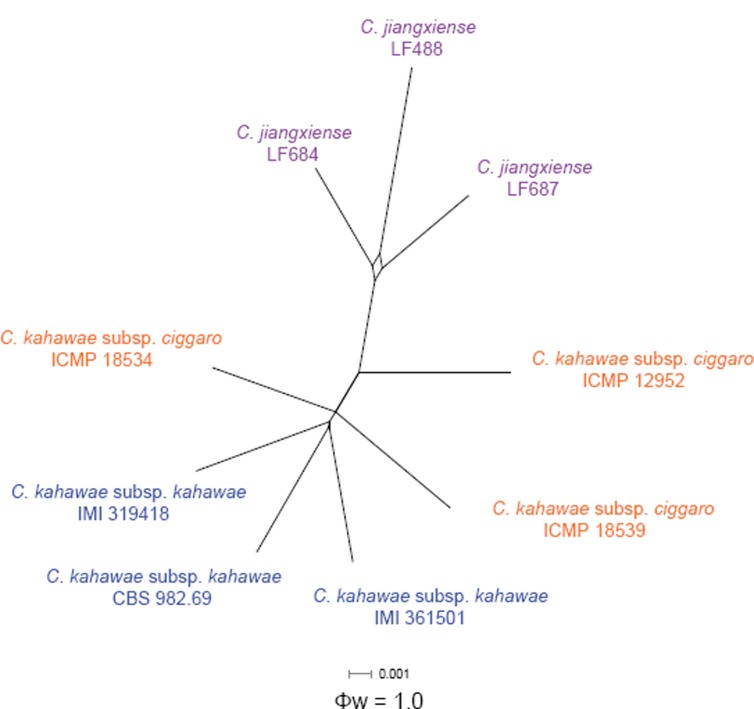
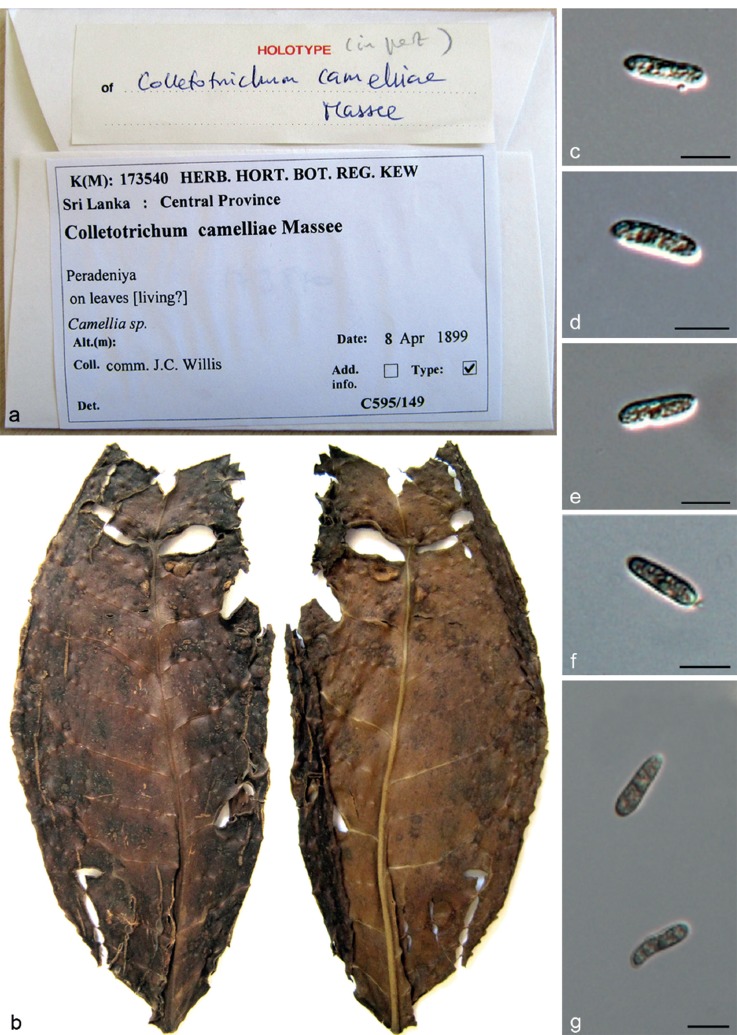
We investigated the phylogenetic diversity of 144 Colletotrichum isolates associated with symptomatic and asymptomatic tissues of Camellia sinensis and other Camellia spp. from seven provinces in China (Fujian, Guizhou, Henan, Jiangxi, Sichuan, Yunnan, Zhejiang), and seven isolates obtained from other countries, including Indonesia, UK, and the USA. Based on multi-locus (ACT, ApMat, CAL, GAPDH, GS, ITS, TUB2) phylogenetic analyses and phenotypic characters, 11 species were distinguished, including nine well-characterised species ( C. alienum , C. boninense , C. camelliae , C. cliviae , C. fioriniae , C. fructicola , C. gloeosporioides , C. karstii , C. siamense ), and two novel species ( C. henanense and C. jiangxiense ). Of these, C. camelliae proved to be the most dominant and probably host specific taxon occurring on Camellia . An epitype is also designated for the latter species in this study. Colletotrichum jiangxiense is shown to be phylogenetically closely related to the coffee berry pathogen C. kahawae subsp. kahawae . Pathogenicity tests and the pairwise homoplasy index test suggest that C. jiangxiense and C. kahawae subsp. kahawae are two independent species. This study represents the first report of C. alienum and C. cliviae occurring on Camellia sinensis . In addition, our study demonstrated that the combined use of the loci ApMat and GS in a phylogenetic analysis is able to resolve all currently accepted species in the C. gloeosporioides species complex.
Overview
The claims and statistics of this paper haven’t been checked yet.
Free: it reads the open-access text and checks the first 5 claims that cite a source we can check. Create a free account to check every claim.
Integrity signals
Registry
Cites
Statistics
Figures
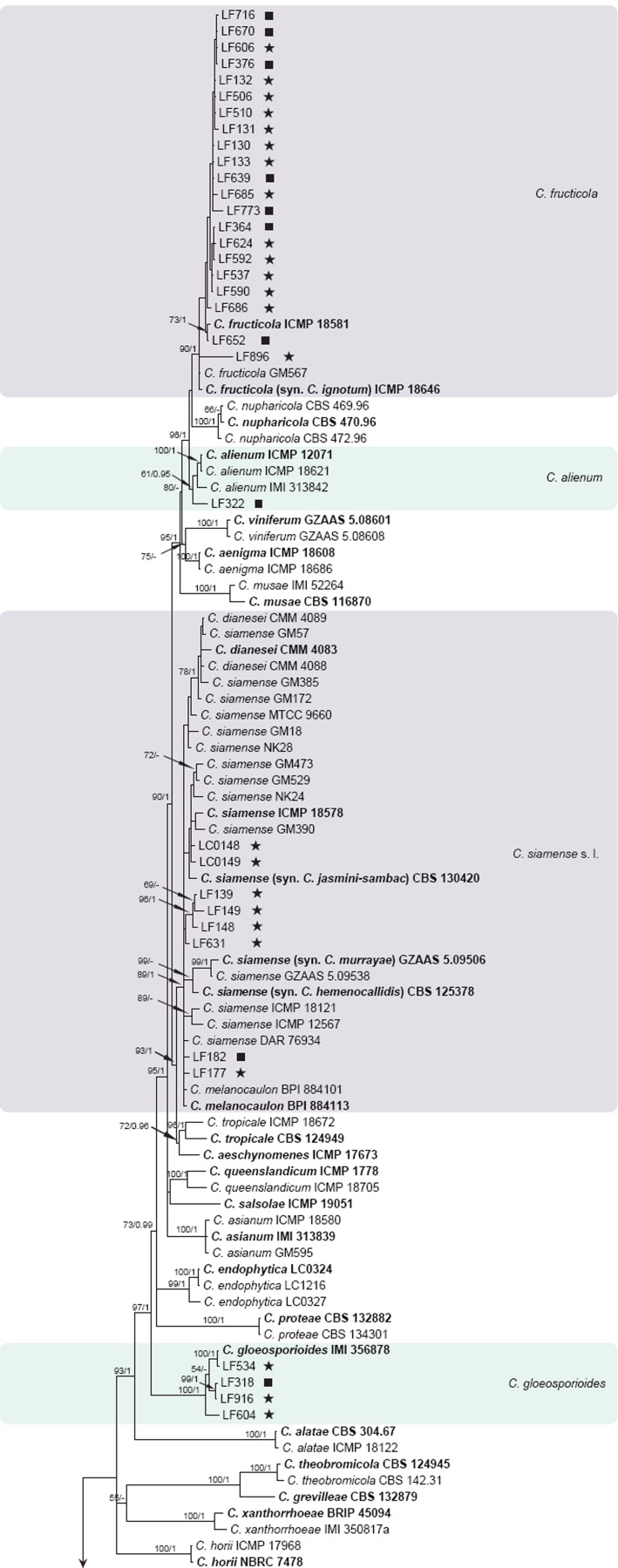
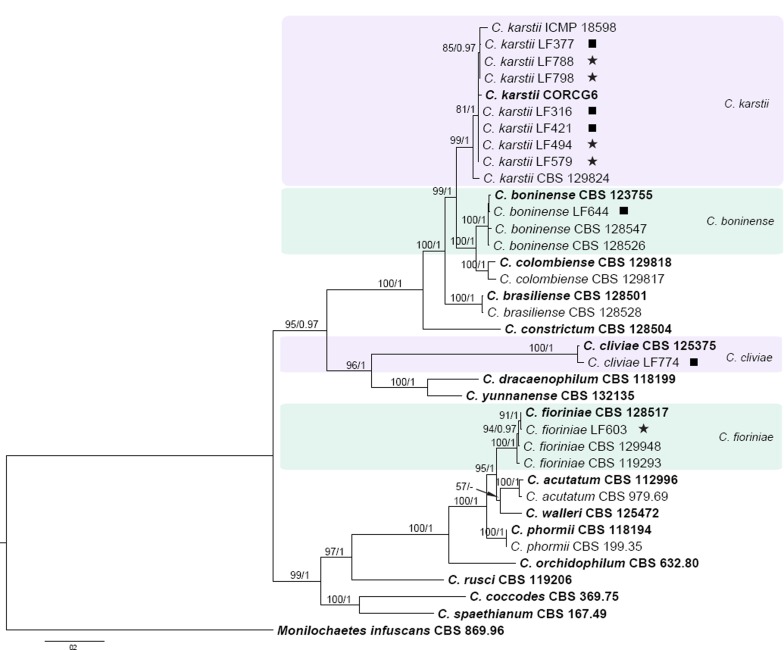
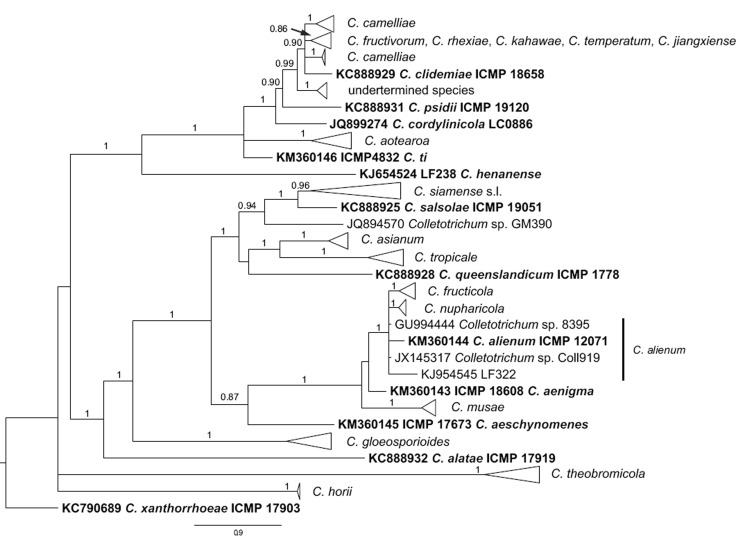
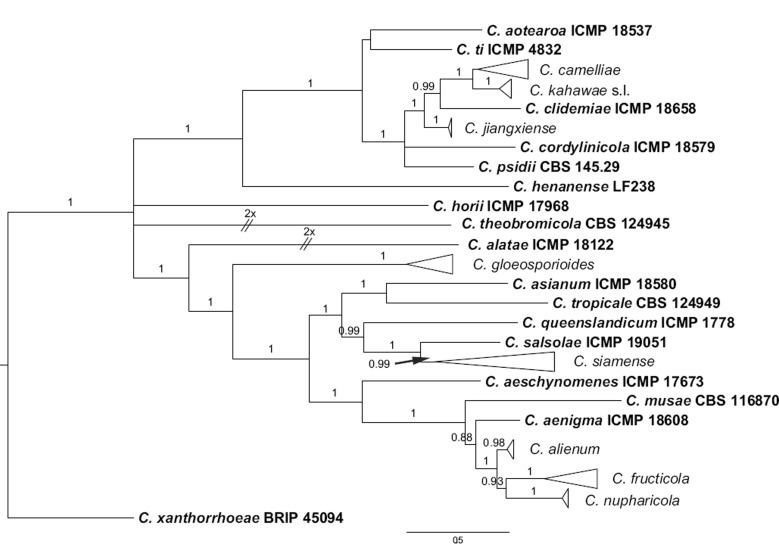
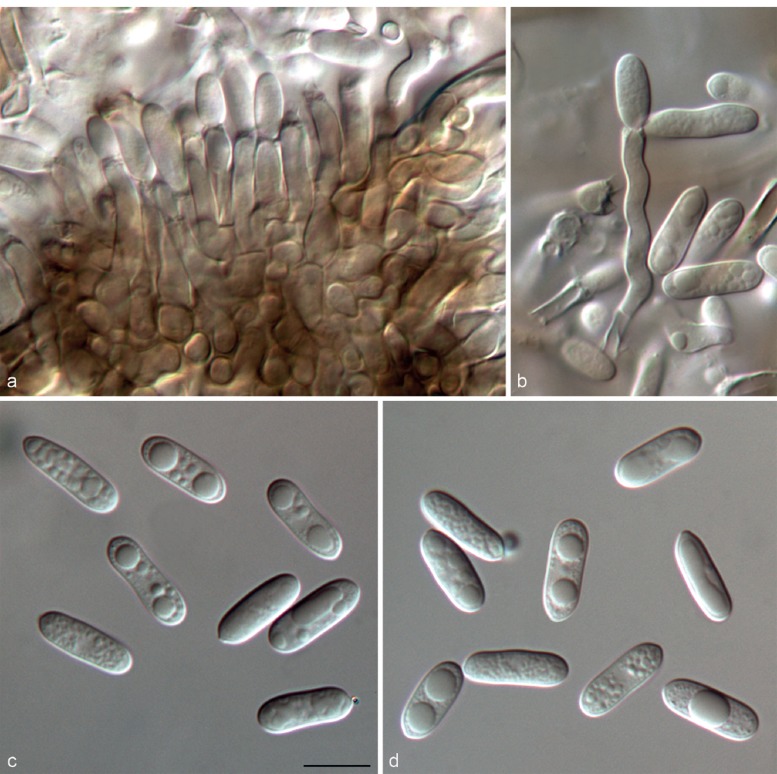
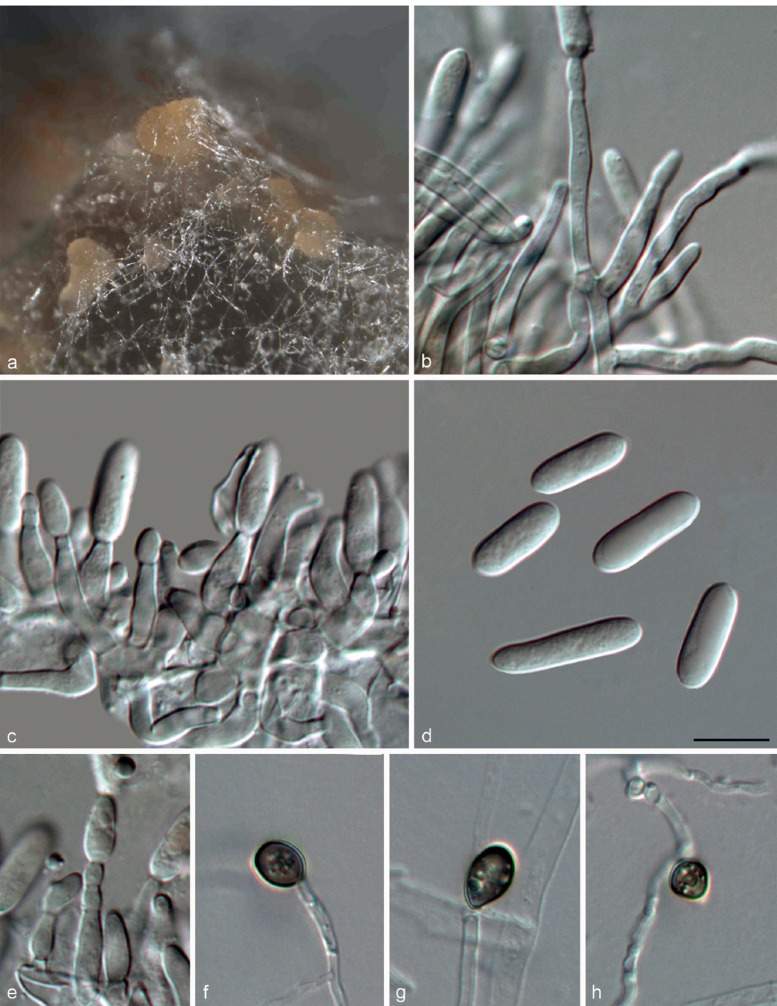
Verification
Claims the paper makes
The claims and statistics of this paper haven’t been checked yet.
Free: it reads the open-access text and checks the first 5 claims that cite a source we can check. Create a free account to check every claim.
Claims other papers make about this one
Each is checked against this paper’s own text: does it say what the citing paper says it does?
The source backs part of the claim, not all of it — or backs it for a different population, condition or comparison.
In the citing paper
“Colletotrichum camelliae belongs to the kahawae clade within the gloeosporioides complex and can be distinguished with the use of gs and apmat sequence data (Liu et al. 2015).”
From Colletotrichum: lifestyles, biology, morpho-species, species complexes and accepted species (2021) · cites this paper as Liu et al. 2015
Experimental — accuracy not yet measured
Self-check
Percentages, sums and reported differences re-computed from the paper’s own numbers.
The self-check needs the paper’s full text.
Citations
Cites
MAFFT Multiple Sequence Alignment Software Version 7: Improvements in Performance and Usability
Katoh, K., & Standley, D. M. (2013) · Molecular Biology and Evolution · doi:10.1093/molbev/mst010 · Cited by 46,209
Tamura, K., Peterson, D., Peterson, N., Stecher, G., Nei, M., & Kumar, S. (2011) · Molecular Biology and Evolution · doi:10.1093/molbev/msr121 · Cited by 39,969
Amplification and direct sequencing of fungal ribosomal RNA genes for phylogenetics
White, T. J., Bruns, T., Lee, S., & Taylor, J. (1990) · PCR Protocols · doi:10.1016/b978-0-12-372180-8.50042-1 · Cited by 36,648
MrBayes 3.2: Efficient Bayesian Phylogenetic Inference and Model Choice Across a Large Model Space
Ronquist, F., Teslenko, M., van der Mark, P., Ayres, D. L., Darling, A., Höhna, S., Larget, B., Liu, L., Suchard, M. A., & Huelsenbeck, J. P. (2012) · Systematic Biology · doi:10.1093/sysbio/sys029 · Cited by 27,843
Application of Phylogenetic Networks in Evolutionary Studies
Huson, D. H., & Bryant, D. (2006) · Molecular Biology and Evolution · doi:10.1093/molbev/msj030 · Cited by 8,830
Glass, N. L., & Donaldson, G. C. (1995) · Applied and Environmental Microbiology · doi:10.1128/aem.61.4.1323-1330.1995 · Cited by 4,755
A method for designing primer sets for speciation studies in filamentous ascomycetes
Carbone, I., & Kohn, L. M. (1999) · Mycologia · doi:10.1080/00275514.1999.12061051 · Cited by 4,217
O'Donnell, K., & Cigelnik, E. (1997) · Molecular Phylogenetics and Evolution · doi:10.1006/mpev.1996.0376 · Cited by 2,397
Rayner, R. W. (1970) · Medical Entomology and Zoology · Cited by 1,693
The Colletotrichum gloeosporioides species complex
Weir, B. S., Johnston, P. R., & Damm, U. (2012) · Studies in Mycology · doi:10.3114/sim0011 · Cited by 1,646
Self-citation
Research works printed but not linked: 26
- Damm U Cannon PF Woudenberg JHC, et al. 2012a The Colletotrichum acutatum species complex. Studies in Mycology 73: 37– 113. 23136458 PMC3458416
- Damm U Cannon PF Woudenberg JHC, et al. 2012b The Colletotrichum boninense species complex. Studies in Mycology 73: 1– 36. 23136457 PMC3458415
- Damm U O’Connell R Groenewald J, et al. 2014 The Colletotrichum destructivum species complex-hemibiotrophic pathogens of forage and field crops. Studies in Mycology 79: 49– 84. 25492986 PMC4255528
- Dai QL Xu YP Lin QQ, et al. 2008 Distribution and establishment of Colletotrichum sp. as an endophyte in tea plants (Camellia sinensis). Scientia Silvae Sinicae 44: 84– 89.
- StudiesinMycology, 50, 19
- ANZEIGER FUR SCHADLINGSKUNDE PFLANZEN UND UMWELTSCHUTZ VEREINIGT MIT SCHADLINGSBEKAMPFUNG, 5, 17
- Copes WE Thomson JL 2008 Survival analysis to determine the length of the incubation period of Camellia twig blight caused by Colletotrichum gloeosporioides. Plant Disease 92: 1177– 1182. 30769490
- FungalDiversity, 39, 183
- Arx JA von 1957 Die Arten der Gattung Colletotrichum Cda. Phytopathologische Zeitschrift 29: 413– 468.
- Cannon PF Damm U Johnston PR, et al. 2012 Colletotrichum – current status and future directions. Studies in Mycology 73: 181– 213. 23136460 PMC3458418
- Willis JC 1899 DCLII – Tea and coffee diseases. Bulletin of Miscellaneous Information Royal Botanical Gardens Kew 1899: 89– 94.
- Yang YL Liu ZY Cai L, et al. 2009 Colletotrichum anthracnose of Amaryllidaceae. Fungal Diversity 39: 123– 146.
- CANADIAN PLANT DISEASE SURVEY, 34, 186
- Weir BS Johnston PR Damm U 2012 The Colletotrichum gloeosporioides species complex. Studies in Mycology 73: 115– 180. 23136459 PMC3458417
- Stephenson SA Green JR Manners JM, et al. 1997 Cloning and characterisation of glutamine synthetase from Colletotrichum gloeosporioides and demonstration of elevated expression during pathogenesis on Stylosanthes guianensis. Current Genetics 31: 447– 454. 9162117
- Shivas RG 1989 Fungal and bacterial diseases of plants in Western Australia. Journal of the Royal Society of Western Australia 72: 1– 62.
- Silva DN Talhinhas P Cai L, et al. 2012a Host-jump drives rapid and recent ecological speciation of the emergent fungal pathogen Colletotrichum kahawae. Molecular Ecology 21: 2655– 2670. 22519519
- Ronquist F Teslenko M Mark P van der, et al. 2012 MrBayes 3.2: efficient Bayesian phylogenetic inference and model choice across a large model space. Systematic Biology 61: 539– 542. 22357727 PMC3329765
- FungalDi- versity, 39, 89
- MYCOLOGICAL PAPERS- INTERNATIONAL MYCOLOGICAL INSTITUTE, 105, 1508
- Nirenberg H 1976 Untersuchungen über die morphologische und biologische Differenzierung in der Fusarium-Sektion Liseola. Mitteilungen aus der Biologischen Bundesanstalt für Land- und Forstwirtschaft Berlin-Dahlem 169: 1– 117.
- FARM MANAGEMENT- FARM MANAGEMENT ASSOCIATION THEN CENTRE OF MANAGEMENT IN AGRICULTURE, 10, 54
- Liu W 2013 Anthracnose pathogens identification and the genetic diversity of tea plant. PhD thesis, Fujian Agriculture and Forestry University, China.
- MolecularBiologyandEvolution, 23, 254
- Katoh K Standley DM 2013 MAFFT multiple sequence alignment software version 7: improvements in performance and usability. Molecular Biology and Evolution 30: 772– 780. 23329690 PMC3603318
- PlantDisease, 98, 284
Cited by
Items 101–200 of 239
Fu, M., Zhang, H., Yin, M., Han, Z., Bai, Q., YuHong, P., Shafik, K., Zhai, L., Hóng, N., Xú, W., et al. (2022) · Journal of Virology · doi:10.1128/jvi.00318-22 · Cited by 17
Yokosawa, S., Eguchi, N., & Sato, T. (2020) · Journal of General Plant Pathology · doi:10.1007/s10327-020-00907-5 · Cited by 21
Chen, X., Jiang, L., Bao, A., Liu, C., Liu, J., & Zhou, G. (2021) · Forests · doi:10.3390/f12121712 · Cited by 21
Genomic analysis of Colletotrichum camelliae responsible for tea brown blight disease
Kong, L., Chen, J., Dong, K., Shafik, K., & Xu, W. (2023) · BMC Genomics · doi:10.1186/s12864-023-09598-6 · Cited by 17
Douanla‐Meli, C., & Scharnhorst, A. (2021) · Pathogens · doi:10.3390/pathogens10101297 · Cited by 22
Armand, A., Hyde, K. D., & Jayawardena, R. S. (2023) · Plants · doi:10.3390/plants12040971 · Cited by 21
Liu, Y., Shi, Y., Zhuo, D., Yang, T., Dai, L., Li, L., Zhao, H., Liu, X., & Cai, Z. (2023) · Plant Disease · doi:10.1094/pdis-11-22-2685-re · Cited by 25
Armand, A., & Jayawardena, R. S. (2023) · Plant Pathology · doi:10.1111/ppa.13792 · Cited by 16
Multi-approach analysis of the diversity in Colletotrichum cliviae sensu lato
Douanla‐Meli, C., Unger, J.-G., & Langer, E. J. (2017) · Antonie van Leeuwenhoek · doi:10.1007/s10482-017-0965-9 · Cited by 25
Unterseher, M., Karunarathna, S. C., Cruz, G. R., Dagamac, N. H. A., Dahl, M. B., Dool, S. E., Galla, M., Herbst, L., Nilsson, R. H., Puechmaille, S. J., et al. (2018) · Mycological Progress · doi:10.1007/s11557-018-1375-8 · Cited by 15
Fu, M., Bai, Q., Zhang, H., Guo, Y., YuHong, P., Zhang, P., Shen, L., Hóng, N., Xú, W., & Wang, G. (2022) · Frontiers in Plant Science · doi:10.3389/fpls.2022.761133 · Cited by 16
McCulloch, M. J., Gauthier, N. A. W., & Vaillancourt, L. J. (2019) · Plant Disease · doi:10.1094/pdis-06-19-1247-pdn · Cited by 18
Guo, M., Zhao, S., Gao, Y., Shen, X., & Hou, C. (2024) · Journal of Fungi · doi:10.3390/jof10020141 · Cited by 15
Diversity and Pathogenicity of Colletotrichum Species Causing Coffee Anthracnose in China
Lu, Y., Zhang, W., Hu, X., He, C., Liang, Y., Huang, X., Yi, K., & Wu, W. (2025) · Microorganisms · doi:10.3390/microorganisms13030512 · Cited by 19
“[17,20,30,32–34,43, 48 –53 Many Colletotrichum species lack consistent and reliable diagnostic morphological features, making their identification challenging [25].”
Zhao, J., Liu, T., Zhang, D. P., Wu, H. L., Pan, L. Q., Liao, N., & Liu, W. C. (2021) · Plant Disease · doi:10.1094/pdis-11-20-2324-pdn · Cited by 14
Diversity and pathogenicity of Colletotrichum species causing anthracnose on Cunninghamia lanceolata
He, J., Li, D., Zhu, Y., Si, Y., Huang, J., Zhu, L., Ye, J., & Huang, L. (2022) · Plant Pathology · doi:10.1111/ppa.13611 · Cited by 18
Usman, H. M., Hussain, M. D., Karim, M. M., Nizamani, M. M., Mubeen, M., Hussain, S., Kamran, A., Wang, Y., & Liu, F. (2026) · Phytopathology Research · doi:10.1186/s42483-025-00391-9 · Cited by 27
Self-citationGhosh, K., Das, S. R., Sorongpong, S., Das, N., & Pandey, P. (2024) · Archives of Microbiology · doi:10.1007/s00203-024-04018-z · Cited by 12
Species of Colletotrichum on bamboos from China
Wang, Q., Liu, F., Hou, C., & Cai, L. (2021) · Mycologia · doi:10.1080/00275514.2020.1837567 · Cited by 16
Self-citationNew species of Colletotrichum from wild Poaceae and Cyperaceae plants in Iran
Alizadeh, A., Javan-Nikkhah, M., Nazarian, R. N., Liu, F., Zare, R., Fotouhifar, K., Stukenbrock, E. H., & Damm, U. (2022) · Mycologia · doi:10.1080/00275514.2021.2008765 · Cited by 14
Self-citationChang, J., Zhai, F. Y., Zhang, Y., Wang, D., Shu, J., & Yao, X. (2022) · Frontiers in Plant Science · doi:10.3389/fpls.2022.1043750 · Cited by 13
Jiang, H., Cao, Q., Wang, X., Lv, W., & Wang, Y. (2023) · mSphere · doi:10.1128/msphere.00677-22 · Cited by 17
Self-citationNotes, outline, systematics and phylogeny of hyaline-spored hyphomycetes
Lin, C., Hyde, K. D., Feng, Y., Xiao, Y.-P., Liu, N.-G., Lu, Y.-Z., Luo, Z.-L., & Liu, J.-K. (2025) · Fungal Diversity · doi:10.1007/s13225-025-00561-2 · Cited by 20
Chang, L., Li, Y., Gao, Z., Bonello, P., Cleary, M., Munck, I. A., Santini, A., & Sun, H. (2023) · Plants · doi:10.3390/plants12234001 · Cited by 11
“C. jiangxiense was first recorded and described in 2015 as an endophyte within Camellia spp. [30].”
BackgroundMethodLi, Y., Lin, L., Cao, J., Gan, M., & Fan, X. (2024) · MycoKeys · doi:10.3897/mycokeys.108.125382 · Cited by 11
“Further genome-wide data studies are needed to clarify the species boundaries in this large clade (Liu et al. 2015).”
BackgroundMethodder Vyver, L. S. V., de Bruin, W., Siyoum, N. A., Nsibo, D. L., Groenewald, J. Z., Crous, P. W., & Korsten, L. (2025) · Fungal Systematics and Evolution · doi:10.3114/fuse.2025.16.3 · Cited by 11
Self-citationFirst Report of Anthracnose on Bletilla striata Caused by Colletotrichum fructicola in China
Wang, S., Huang, J., Zheng, M., Wang, Y., Yuan, Q., Gao, Q., & Zhou, H. (2021) · Plant Disease · doi:10.1094/pdis-05-21-1008-pdn · Cited by 13
Self-citationKarakaya, A., & Dikilitaş, M. (2018) · Springer eBooks · doi:10.1007/978-981-13-2140-5_11 · Cited by 15
Xiong, F., Wang, Y., Lu, Q., Hao, X., Fang, W., Yang, Y., Zhu, X., & Wang, X. (2020) · Biomolecules · doi:10.3390/biom10050782 · Cited by 10
Self-citationCabral, A., Nascimento, T., Azinheira, H. G., Loureiro, A., Talhinhas, P., & Oliveira, H. (2024) · Horticulturae · doi:10.3390/horticulturae10050434 · Cited by 12
Anthracnose: A New Leaf Disease on Radermachera sinica (China Doll) in China
Yu, L., Lyu, C., Tang, Y., Lan, G., Li, Z., She, X., & He, Z. (2022) · Plant Disease · doi:10.1094/pdis-01-22-0072-sc · Cited by 9
Plant Pathogenic and Endophytic Colletotrichum fructicola
Zakaria, L. (2025) · Microorganisms · doi:10.3390/microorganisms13071465 · Cited by 10
“In certain conditions, such as during stress and senescence, endophytes can transform into pathogens [6].”
Chen, L., Li, H., Jiao, W., Tao, M., Caiyou, L., Zhao, M., & Wang, M. (2020) · Plant Pathology · doi:10.1111/ppa.13315 · Cited by 9
Self-citationGeraniol: A Potential Defense-Related Volatile in “Baiye No. 1” Induced by Colletotrichum camelliae
Chen, W., Liu, H., Chen, Y., Liu, Y., Ma, C., Cheng, Y., & Yang, W. (2022) · Agriculture · doi:10.3390/agriculture13010015 · Cited by 10
Chen, M., Zhong, L., Zhang, Z., Peng, C., Ke, D., Gan, P., Wang, Z., Wei, R., Liu, W. Y., & Yang, J. (2022) · Quality Assurance and Safety of Crops & Foods · doi:10.15586/qas.v14i1.1000 · Cited by 9
(PLH), E. P. O. P. H., Bragard, C., Baptista, P. C., Chatzivassiliou, E. K., Serio, F. D., Gonthier, P., Miret, J. A. J., Justesen, A. F., MacLeod, A., Magnusson, C. S., et al. (2022) · EFSA Journal · doi:10.2903/j.efsa.2022.7529 · Cited by 15
Colletotrichum species causing anthracnose disease on avocado fruit in Taiwan
Wu, C.-J., Lin, M., & Ni, H.-F. (2022) · European Journal of Plant Pathology · doi:10.1007/s10658-022-02635-2 · Cited by 10
Ferrucho, R. L., Marín-Ramírez, G. A., Ochoa‐Corona, F. M., & Ángel, C. A. (2024) · Plant Disease · doi:10.1094/pdis-09-23-1788-sr · Cited by 9
Gomdola, D., Jeewon, R., McKenzie, E. H. C., Jayawardena, R. S., Al-Otibi, F. O., Tang, X., Wang, Y., Hyde, K. D., & Fu, L. (2025) · MycoKeys · doi:10.3897/mycokeys.119.152323 · Cited by 11
Self-citationSharma, G., Maymon, M., Meshram, V., & Freeman, S. (2022) · Plants · doi:10.3390/plants11182373 · Cited by 10
Miller, A., & Ivey, M. L. L. (2024) · Plant Disease · doi:10.1094/pdis-11-23-2355-fe · Cited by 11
Zhou, Z., & Li, Y. L. (2016) · Plant Disease · doi:10.1094/pdis-10-16-1466-pdn · Cited by 8
Checklist of microfungi on grasses in Thailand (excluding bambusicolous fungi)
Goonasekara, I. D. (2018) · Asian Journal of Mycology · doi:10.5943/ajom/1/1/7 · Cited by 8
Bozoğlu, T., Türkkan, M., Özer, G., Güney, İ. G., & Derviş, S. (2024) · Physiological and Molecular Plant Pathology · doi:10.1016/j.pmpp.2024.102454 · Cited by 9
Peng, X., Yuan, Y., Zhang, S., & Zhou, X. (2021) · Plant Disease · doi:10.1094/pdis-08-21-1600-pdn · Cited by 10
He, J., Li, D., Bian, J., Zhu, L., & Huang, L. (2022) · Plant Disease · doi:10.1094/pdis-04-22-0810-re · Cited by 8
ZHANG, X., Long, H., Da, H. U. O., Awan, M. I., Shao, J., Mahmood, A., Liu, S., HUANG, J., PARVEEN, A., Aamer, M., et al. (2022) · Notulae Botanicae Horti Agrobotanici Cluj-Napoca · doi:10.15835/nbha50312915 · Cited by 7
Hassan, O., Kim, S.-H., Kim, K., & Chang, T. (2023) · Plant Disease · doi:10.1094/pdis-11-22-2622-pdn · Cited by 10
Li, Y. L., Yan, Z., Wang, Y. H., Qi, L., Wang, S. B., & Zhou, Z. (2018) · Plant Disease · doi:10.1094/pdis-04-18-0579-pdn · Cited by 7
Self-citationIdentification of Colletotrichum fructicola Causing Anthracnose on Peucedanum praeruptorum in China
Ma, J., Xiao, X., Wang, X., & Guo, M. A. (2020) · Plant Disease · doi:10.1094/pdis-04-20-0691-pdn · Cited by 8
Li, J., Sun, K., Ma, Q., Chen, J., Wang, L., Yang, D., Chen, X., & Li, X. (2017) · Frontiers in Microbiology · doi:10.3389/fmicb.2017.02089 · Cited by 9
Identification and Genetic Diversity Analysis of the Pathogen of Anthracnose of Pepper in Guizhou
Zhang, A., Li, L., Xie, X., Chai, A., Yanxia, S., Xing, D., Yu, Z., & Li, B. (2024) · Plants · doi:10.3390/plants13050728 · Cited by 9
“The shape, color, and size of setae, conidia, sporogenous cells, conidia appressoria, and mycelium appressoria were observed using the Olympus CX31 microscope (Olympus, Tokyo, Japan).”
MethodSato, T. (2016) · Journal of General Plant Pathology · doi:10.1007/s10327-016-0677-4 · Cited by 8
First Report of Colletotrichum fructicola Causing Anthracnose on Carya cathayensis in China
Ma, J., Xue, Q., Min, L., & Zhang, L. (2023) · Plant Disease · doi:10.1094/pdis-10-22-2483-pdn · Cited by 7
Li, Y. L., Zhou, Z., & Yan, Z. (2017) · Plant Disease · doi:10.1094/pdis-07-17-0974-pdn · Cited by 6
Conyza bonariensis as an alternative host for Colletotrichum species in Argentina
Bonacci, M. M., Formento, Á. N., Morales, M. C., Orlando, J., Ibáñez, F., Sartori, M., Etcheverry, M., Nesci, A., & Barros, G. G. (2020) · Journal of Applied Microbiology · doi:10.1111/jam.14879 · Cited by 7
First Report of Anthracnose Caused by Colletotrichum tropicale on Sauropus androgynus in China
Liu, T., Chen, D., Liu, Z., & Hou, J. M. (2018) · Plant Disease · doi:10.1094/pdis-12-17-1959-pdn · Cited by 7
First Report of Mango Leaf Anthracnose Caused by Colletotrichum asianum in Vietnam
Li, Q., Shu, J., Tang, L., Huang, S., Guo, T., Mo, J., Ning, P., & Hsiang, T. (2019) · Plant Disease · doi:10.1094/pdis-09-19-1830-pdn · Cited by 8
Norphanphoun, C., Wang, J.-P., Wang, X.-C., Aumentado, H. D., Liu, F., & Wang, Y. (2025) · MycoKeys · doi:10.3897/mycokeys.122.161091 · Cited by 5
“Accurate species identification is critical for developing targeted control strategies, as pathogenicity, fungicide sensitivity, and host specificity may vary significantly among closely related species (O’Connell et al. 2012; Liu et al. 2015, 2022; Talhinhas and Baroncelli 2021).”
Self-citationThe 50 most researched fungal and oomycete plant pathogens
Maharachchikumbura, S. S. N., MAHADEVAKUMAR, S., Hyde, K. D., Al-Sadi, A. M., Chalasani, D., Chandranayaka, S., Dissanayake, L. S., Faraj, T. K., Fernando, W. G. D., Gunasinghe, N., et al. (2026) · Fungal Diversity · doi:10.65390/fdiv.2026.136004 · Cited by 9
Yang, R., Li, Y., Zhao, H., Sun, X., Chen, W., Li, P., Li, X., Wu, C., Ma, M., & Gong, G. (2024) · Journal of Fungi · doi:10.3390/jof10110799 · Cited by 7
Shi, N., Ruan, H., Chen, W.-L., Chen, Q.-H., Chen, F., & Du, Y. (2022) · Crop Protection · doi:10.1016/j.cropro.2022.106141 · Cited by 7
Castillo, S. R. M., Miller, S., & Stewart, J. E. (2022) · Summa Phytopathologica · doi:10.1590/0100-5405/245876 · Cited by 9
“Recently, Lui et al. (26) used these loci to re-construct a phylogenetic tree of Colletotrichum species from Camellia spp., highlighting that the topology of ApMat-GS phylogram was similar to that of a phylogram encompassing sequence data from 8 loci (25).”
Wen, L., & Li, H. (2023) · Diversity · doi:10.3390/d15040516 · Cited by 5
First report of Anthracnose caused by Colletotrichum tropicale on Barbados cherry (acerola) in Japan
Takushi, T., MITSUBE, F., GIBO, E., & KOHATSU, A. (2018) · 日本植物病理學會報 · doi:10.3186/jjphytopath.84.282 · Cited by 7
Biocontrole da antracnose em frutos de mamoeiro por bactérias epifíticas formadoras de biofilme
Santos, L. A. D. L., Pinheiro, L. R. B., Rocha, L. D. S., Bragança, C. A. D., & Silva, H. S. A. (2021) · Summa Phytopathologica · doi:10.1590/0100-5405/216998 · Cited by 8
Yu, Y., Cho, Y.-T., Xu, Y.-C., Wong, Z.-J., Tsai, Y.-C., & Ariyawansa, H. A. (2023) · Phytopathology · doi:10.1094/phyto-08-23-0301-r · Cited by 7
First Report of Anthracnose Caused by Colletotrichum siamense on Sarcandra glabra in China
Ye, Y., Qin, L., Jiang, S., Wei, J., Cui, Y., Powell, C. A., & Zhang, M. (2015) · Plant Disease · doi:10.1094/pdis-01-15-0092-pdn · Cited by 5
Self-citationOptimal markers for the identification of Colletotrichum speciesPreprint
Vieira, W. A. D. S., Bezerra, P. A., da Silva, A. C., Veloso, J. S., Câmara, M. P. S., & Doyle, V. P. (2019) · bioRxiv (Cold Spring Harbor Laboratory) · doi:10.1101/659177 · Cited by 5
Identification of key genes associated with anthracnose resistance in Camellia sinensis
Xu, L.-Y., Su, J., Zhang, C., Hao, M., Zhou, Z.-W., Chen, X.-H., & Zheng, S. (2025) · PLoS ONE · doi:10.1371/journal.pone.0326325 · Cited by 6
“The pathogen causing anthracnose in tea plants is a type of ascomycete fungus, and under favorable warm and humid conditions, various species within the genus can infect tea plants [7], leading to anthracnose and severe plant damage [8], such as C. fructicola , C. gloeosporioides [9].”
Tan, Y., Ma, Z., Hua, X., Tian, H., Zhao, P., Dai, C., Zhang, R., Sun, G., Gleason, M. L., Liu, F., et al. (2025) · Phytopathology · doi:10.1094/phyto-07-24-0239-sc · Cited by 4
Self-citationMohali‐Castillo, S. R., & Stewart, J. E. (2022) · New Disease Reports · doi:10.1002/ndr2.12131 · Cited by 4
Shahriar, S. A., & Mohd, M. H. (2024) · Canadian Journal of Plant Pathology · doi:10.1080/07060661.2024.2334371 · Cited by 4
“This finding is supported by several previous studies that also reported C. camelliae as the dominant pathogen responsible for tea brown blight compared with other Colletotrichum species (Liu et al. 2015; Wang et al. 2016; Lu et al. 2018, 2020; Kong et al. 2023; Lin et al. 2023).”
InfluentialFirst Report of Anthracnose Caused by Colletotrichum fructicola on Loropetalum chinense in China
Qiu, L., Liu, J., Kuang, W., Cui, R., Zhang, L., & Ma, J. (2021) · Plant Disease · doi:10.1094/pdis-07-21-1531-pdn · Cited by 4
Solís, M., Wingfield, M. J., Greyling, I., & Pham, N. Q. (2022) · Southern Forests a Journal of Forest Science · doi:10.2989/20702620.2021.2005454 · Cited by 9
Yin, Q., Shi, X., Zhu, Z., Wang, Y., Tian, L., Sang, Z., Jia, Z., & Ma, L. (2022) · Plant Disease · doi:10.1094/pdis-12-21-2811-pdn · Cited by 4
Self-citationFirst Report of Colletotrichum jiangxiense Causing Anthracnose on Chili in Yunnan Province, China
Zhang, Y., Zhu, Z., Xu, Y., Yang, L., Wang, Y., Chen, C., Zheng, P., Sun, S., Zhou, E., & Shu, C. (2023) · Plant Disease · doi:10.1094/pdis-04-22-0945-pdn · Cited by 4
Self-citationQiao, Y.-H., Zhang, C., Li, M., Li, H., Mao, Y., & Chen, F. (2023) · Journal of Fungi · doi:10.3390/jof9040489 · Cited by 4
Disease Diagnosis in Tea (Camellia sinensis (L.) Kuntze): Challenges and the Way Forward
Sinniah, G. D., & Mahadevan, N. (2024) · IntechOpen eBooks · doi:10.5772/intechopen.1004903 · Cited by 4
New Record of Uraria Blossom Blight Caused by Colletotrichum siamense in India
Srivastava, A. K., Saroj, A., Kumar, A., Khaliq, A., Kumar, B. P., Singh, S. C., & Samad, A. (2016) · Plant Disease · doi:10.1094/pdis-10-16-1405-pdn · Cited by 6
First Report of Colletotrichum henanense Causing Anthracnose on Tea-Oil Trees in China
Li, H., Zhou, G. Y., Qi, X. Y., & Jiang, S. (2018) · Plant Disease · doi:10.1094/pdis-08-17-1302-pdn · Cited by 7
Revisiting causal organisms of tea anthracnose: pathogen isolation and pathogenicity identification
Wang, W., Li, X., Li, Z., Zhang, L., Ahammed, G. J., Zhou, X., Guo, H., Xiao, Q., & Tang, M. (2025) · Beverage Plant Research · doi:10.48130/bpr-0025-0005 · Cited by 5
Norphanphoun, C., Meng-ting, Z. O. U., Liu, F., & Wang, Y. (2025) · MycoKeys · doi:10.3897/mycokeys.122.161122 · Cited by 4
Self-citationQin, R., Zhang, Y., Li, Q., Huang, S., Chen, X., Guo, T., & Tang, L. (2023) · Plant Disease · doi:10.1094/pdis-08-23-1705-pdn · Cited by 3
Colletotrichum Species Causing Cyclocarya paliurus Anthracnose in Southern China
Zheng, X.-R., Zhang, M.-J., & Chen, F. (2024) · Forests · doi:10.3390/f15030490 · Cited by 4
Self-citationWang, R., Ouyang, D., Lu, M., Tang, L., Chen, X., Huang, S., Guo, T., Hsiang, T., & Li, Q. (2024) · Plant Disease · doi:10.1094/pdis-02-24-0424-re · Cited by 4
Biology and pathogenicity of fungi causing husk rot of macadamia in South Africa
Twiddy, D. I., Fourie, A., Akinsanmi, O. A., & Fourie, G. (2024) · European Journal of Plant Pathology · doi:10.1007/s10658-024-02915-z · Cited by 4
“Reference and type sequences for phylogenetic analyses were obtained from the NCBI database based on published articles; for Colletotrichum from Liu et al. (2015), Liu et al., (2016) and Weir et al. (2012), for Diaporthe from Gao et al. (2016), Guo et al. (2020), Wrona et al. (2020), and…”
Li, H., Pang, Q., Wang, Z., Jiang, C., Sun, X., Liu, Z., Zhou, M., Chen, Y., & Bian, Q. (2025) · Agronomy · doi:10.3390/agronomy15061331 · Cited by 6
Identification of Colletotrichum species associated with anthracnose of Spondias spp. in Brazil
Carvalho, A. S., de Melo, M. P., Silva, J. P., Matos, K. D. S., & Beserra, J. E. A. (2019) · Forest Pathology · doi:10.1111/efp.12554 · Cited by 3
Pest categorisation of Colletotrichum plurivorum
(PLH), E. P. O. P. H., Bragard, C., Serio, F. D., Gonthier, P., Miret, J. A. J., Justesen, A. F., MacLeod, A., Magnusson, C. S., Milonas, P., Navas‐Cortés, J. A., et al. (2021) · EFSA Journal · doi:10.2903/j.efsa.2021.6886 · Cited by 3
“Colletotrichum plurivorum has also been detected as an endophyte in Camellia sinensis (tea) and Mangifera indica (mango) in China and Brazil, respectively (Vieira et al., 2014; Liu et al., 2015).”
BackgroundFuruta, A., Ide, Y., Tashiro, N., & Kusaba, M. (2024) · Journal of General Plant Pathology · doi:10.1007/s10327-024-01174-4 · Cited by 3
“The ApMat region can provide sufficient phylogenetic information to resolve species in CGSC (Jayawardena et al. 2016; Liu et al. 2015; Sharma et al. 2013, 2015; Silva et al. 2012).”
Zhou, T., Luo, M., Huang, Q., Tan, Q., Hyde, K. D., You, C., Liu, G., Al-Otibi, F. O., Xiong, Y., & Manawasinghe, I. S. (2025) · New Zealand Journal of Botany · doi:10.1080/0028825x.2025.2454592 · Cited by 5
“Conidiogenous cells of C. gloeosporioides (ZHKUCC 24-020) are, however, shorter than C. gloeosporioides (CGMCC 3.17360) (4 − 9.5 µm vs. 5.5 – 17.5 µm) (Liu et al. 2015).”
InfluentialZhou, Z., Li, Y. L., & Yuan, C.-Y. (2016) · Plant Disease · doi:10.1094/pdis-05-16-0649-pdn · Cited by 3
First Report of Anthracnose on Ctenanthe oppenheimiana Caused by Colletotrichum siamense in China
Xu, Z. Y., Zhang, S., Hu, H., & Ren, L. (2020) · Plant Disease · doi:10.1094/pdis-06-20-1277-pdn · Cited by 3
Revisiting the Taxonomy of Colletotrichum Using Multi-Locus Gene Phylogeny
Chowdappa, P. (2017) · Indian Phytopathology · doi:10.24838/ip.2017.v70.i2.71166 · Cited by 2
Jiang, Q., Guo, N., Wang, S., Bai, J., Yu, Y., & Liu, S. (2025) · Journal of Experimental Botany · doi:10.1093/jxb/eraf413 · Cited by 2
Peng, C., Wang, Y., Zhou, X., Ma, S., Shan, Z., Wan, S., Xue, Z., Mei, H., Tang, Y., Liu, S., et al. (2025) · Microbiology Research · doi:10.3390/microbiolres16100220 · Cited by 3
“Its colony characteristics observed on the PDA plate medium were consistent with previous studies [12,15].”
Self-citationChen, L., Li, X., Li, L., Wang, G., Chen, S., Wang, M., Zhang, X., Wang, Z., Zhao, Z., Xin, Q., et al. (2025) · Plant Stress · doi:10.1016/j.stress.2025.101007 · Cited by 2
Self-citationColletotrichum Species From Grape Ripe Rot Symptoms and Asymptomatic Grapevine Tissues
Steiner, D. R. M., Zela, C. I., Franco, D. D. O., Gelain, J., Petters‐Vandresen, D. A. L., Schnabel, G., & Mio, L. L. M. D. (2026) · Plant Pathology · doi:10.1111/ppa.70115 · Cited by 2
Carraro, T. D. A., Silva, A. D. O., Glienke, C., & Mio, L. L. M. D. (2026) · Journal of Plant Diseases and Protection · doi:10.1007/s41348-026-01227-0 · Cited by 2
“…( CHS-1 ), glutamine synthetase ( GS ), DNA lyase ( APN2 ), and the intergenic region between DNA lyase and the mating type (Mat1-2) gene ( ApMat ) have been widely used to resolve species boundaries within this genus (Damm et al. 2012; Weir et al. 2012; Liu et al. 2015; Vieira et al. 2017).”
Metadata
- Authors
- Liu, F., Weir, B. S., Damm, U., Crous, P. W., Wang, Y., Liu, B., Wang, M., Zhang, M., & Cai, L.
- Affiliations
- Utrecht University (NL)
- Manaaki Whenua – Landcare Research (NZ)
- Senckenberg Museum für Naturkunde Görlitz (DE)
- Guizhou University (CN)
- Chinese Academy of Sciences (CN)
- Henan Agricultural University (CN)
- Corresponding author
- Cai, L.
- Venue
- Persoonia - Molecular Phylogeny and Evolution of Fungi
- Published
- 2015-12-23
- Volume
- 35
- Issue
- 1
- Pages
- 63-86
- ISSN
- 0031-5850 (ISSN-L)
- PMC
- PMC4713112
- OpenAlex
- W2294154321
- Semantic Scholar
- 90233623c9ee4d2a1d0530a03585ed061d50264c
- Cited by
- 239
- References
- 64
- Citations by year
- 2026: 15 · 2025: 23 · 2024: 22 · 2023: 28 · 2022: 30 · 2021: 30 · 2020: 24 · 2019: 19 · 2018: 21 · 2017: 15 · 2016: 11 · 2015: 1
- FWCI
- 8.53
- Type
- journal article
- Language
- en
- Open access
- green
- www.ncbi.nlm.nih.gov
- Licence
- cc-by-nc-nd
- Locations
- Persoonia - Molecular Phylogeny and Evolution of Fungi (publishedVersion)
- PubMed Central (publishedVersion, cc-by-nc-nd)
- PubMed (publishedVersion)
- KNAW Research Portal (The Royal Netherlands Academy of Arts and Sciences) (publishedVersion, other-oa)
- KNAW research portal (Royal Academy of Art and Sciences (KNAW)) (publishedVersion, other-oa)
- Data Archiving and Networked Services (DANS) (submittedVersion, other-oa)
- Data Archiving and Networked Services (DANS) (submittedVersion, cc-by)
- The Digital Academic Repository of Naturalis Biodiversity Center (Naturalis Biodiversity Center) (submittedVersion, cc-by)
- The Digital Academic Repository of Naturalis Biodiversity Center (Naturalis Biodiversity Center) (submittedVersion)
- UpSpace Institutional Repository (University of Pretoria) (submittedVersion)
- Funders
- National Natural Science Foundation of China (31322001)
- Chinese Academy of Agricultural Sciences
- Topics
- Life Sciences › Agricultural and Biological Sciences › Plant Science › Plant Pathogens and Fungal Diseases
- Life Sciences › Immunology and Microbiology › Microbiology › Yeasts and Rust Fungi Studies
- Life Sciences › Agricultural and Biological Sciences › Plant Science › Fungal Plant Pathogen Control
- Keywords
- Colletotrichum, Camellia sinensis, Camellia, Colletotrichum gloeosporioides species complex, Colletotrichum camelliae, Colletotrichum kahawae, new fungal species, species delimitation, multilocus phylogeny, epitype designation, host specificity, plant pathogenic fungi
About these checks
Registry, retraction, Cites and statistics results are computed, not judged, with one exception: a printed reference that no index lists is read once by a model before it counts as a citation error. Claims are extracted by a model and kept only when their quote appears verbatim in the text; each cited source is then checked, with a model’s help, for whether it says what the claim relies on. Those verdicts can be wrong — read the claim’s quote and the cited source before relying on one.
Statistics and arithmetic are recomputed, not judged.
Confidence bands are shown only for fields calibrated on our annotated test set. None is calibrated yet, so no band is shown.
What counts as a claim ›How we measure confidence ›How we check this ›
Are you an author, or do you see a problem with this page? Request a review
Data sources
Bibliographic data: Semantic Scholar, OpenAlex, Crossref.
Contains information from the Semantic Scholar Academic Graph Datasets, made available under the ODC Attribution License (ODC-BY 1.0).
Semantic Scholar’s data is described in: Kinney, R., et al. (2023). The Semantic Scholar Open Data Platform. arXiv:2301.10140.
