

The DOI matches its Crossref record; 122 of the 122 references it cites were found in a registry or an index.
Mechanisms of Amyloid-β Peptide Clearance: Potential Therapeutic Targets for Alzheimer's Disease
Open accessAbstract
Amyloid-β peptide (Aβ) is still best known as a molecule to cause Alzheimer's disease (AD) through accumulation and deposition within the frontal cortex and hippocampus in the brain. Thus, strategies on developing AD drugs have been focused on the reduc-tion of Aβ in the brain. Since accumulation of Aβ depends on the rate of its synthesis and clearance, the metabolic pathway of Aβ in the brain and the whole body should be carefully explored for AD research. Although the synthetic pathway of Aβ is equally important, we summarize primarily the clearance pathway in this paper because the former has been extensively reviewed in previous studies. The clearance of Aβ from the brain is accomplished by several mechanisms which include non-enzymatic and enzymatic pathways. Nonenzymatic pathway includes interstitial fluid drainage, uptake by microglial phagocytosis, and transport across the blood vessel walls into the circulation. Multiple Aβ-degrading enzymes (ADE) implicated in the clearance process have been identified, which include neprilysin, insulin-degrading enzyme, matrix metalloproteinase-9, glutamate carboxypeptidase II and others. A series of studies on Aβ clearance mechanism provide new insight into the pathogenesis of AD at the molecular level and suggest a new target for the development of novel therapeutics.
Overview
The claims and statistics of this paper haven’t been checked yet.
Run the check — free, no account needed. It reads the open-access text and checks the sources it cites.
Integrity signals
Registry
Cites
Statistics
Figures
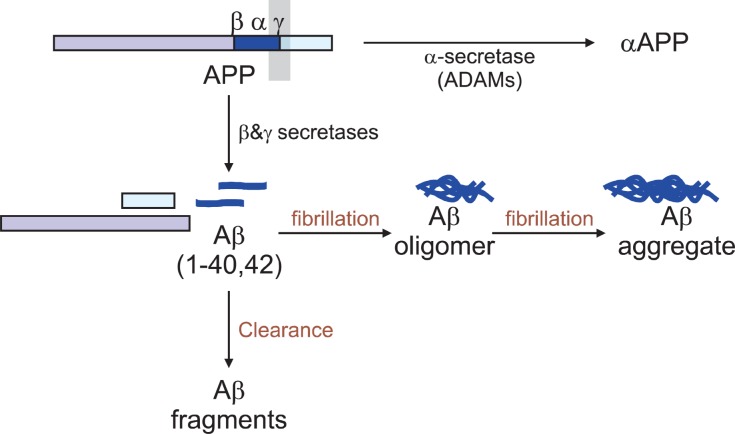
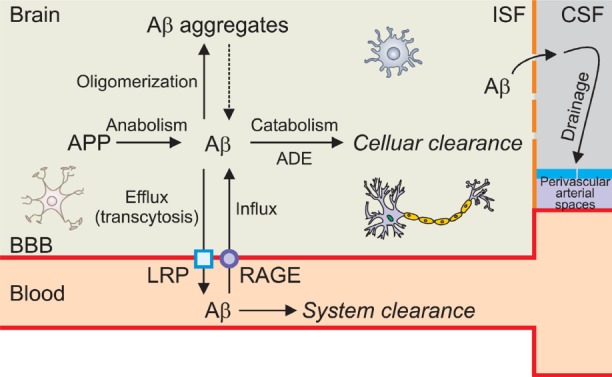
Verification
Claims the paper makes
The claims and statistics of this paper haven’t been checked yet.
Run the check — free, no account needed. It reads the open-access text and checks the sources it cites.
Claims other papers make about this one
Each is checked against this paper’s own text: does it say what the citing paper says it does?
The source backs part of the claim, not all of it — or backs it for a different population, condition or comparison.
In the citing paper
“forming a protective barrier to protect brain tissue from the neurotoxicity of Aβ plaques”
From Acoustofluidic assembly of 3D neurospheroids to model Alzheimer's disease (2020) · cites this paper as [47]
Experimental — accuracy not yet measuredThe cited source says what the claim attributes to it.
In the citing paper
“promotes the clearance of Aβ aggregates.47, 48”
From Acoustofluidic assembly of 3D neurospheroids to model Alzheimer's disease (2020) · cites this paper as [47]
In the citing paper
“The Aβ clearance may occur through the transport into the cerebrospinal fluid, the blood across the blood-brain barrier (BBB), and the removal by brain-resident macrophages (Yoon and Jo, 2012).”
From Exploring the Therapeutic Potential of Phytochemicals in Alzheimer’s Disease: Focus on Polyphenols and Monoterpenes (2022) · cites this paper as Yoon and Jo, 2012
Self-check
Percentages, sums and reported differences re-computed from the paper’s own numbers.
The self-check needs the paper’s full text.
Citations
Cites
1 retracted
Pulukuri, S. M. K., Estes, N. C., Patel, J. C., & Rao, J. S. (2007) · Cancer Research · doi:10.1158/0008-5472.can-06-2892 · Cited by 85
RetractedThe Amyloid Hypothesis of Alzheimer’s Disease: Progress and Problems on the Road to Therapeutics
Hardy, J., & Selkoe, D. J. (2002) · Science · doi:10.1126/science.1072994 · Cited by 13,864
Alzheimer's disease: the amyloid cascade hypothesis
Hardy, J. A., & Higgins, G. A. (1992) · Science · doi:10.1126/science.1566067 · Cited by 7,484
Jarrett, J. T., Berger, E. P., & Lansbury, P. T. (1993) · Biochemistry · doi:10.1021/bi00069a001 · Cited by 2,022
Twenty years of the Alzheimer's disease amyloid hypothesis: a genetic perspective
Tanzi, R. E., & Bertram, L. (2005) · Cell · doi:10.1016/j.cell.2005.02.008 · Cited by 1,849
Cellular prion protein mediates impairment of synaptic plasticity by amyloid-β oligomers
Laurén, J., Gimbel, D. A., Nygaard, H. B., Gilbert, J. W., & Strittmatter, S. M. (2009) · Nature · doi:10.1038/nature07761 · Cited by 1,560
Farris, W., Mansourian, S., Chang, Y., Lindsley, L., Eckman, E. A., Frosch, M. P., Eckman, C. B., Tanzi, R. E., Selkoe, D. J., & Guénette, S. Y. (2003) · Proceedings of the National Academy of Sciences · doi:10.1073/pnas.0230450100 · Cited by 1,526
Shibata, M., Yamada, S., Kumar, S. R., Calero, M., Bading, J., Frangione, B., Holtzman, D. M., Miller, C. A., Strickland, D. K., Ghiso, J., et al. (2000) · Journal of Clinical Investigation · doi:10.1172/jci10498 · Cited by 1,413
Wyss-Coray (2006) · doi:10.1038/nm1484 · Cited by 1,284
Simard, A. R., Soulet, D., Gowing, G., Julien, J.-P., & Rivest, S. (2006) · Neuron · doi:10.1016/j.neuron.2006.01.022 · Cited by 1,265
Research works printed but not linked: 6
- 1998, Am. J. Pathol., 152, 307
- 2006, Pharmazie, 61, 66
- 1996, Cell Growth Differ, 7, 787
- 2002, Pharmazie, 57, 556
- 2010, Am. J. Transl. Res., 3, 73
- 2006, Nat. Med., 12, 1005
Cited by
Sorted by citations
Items 101–200 of 205
Phochantachinda, S., Chantong, B., Reamtong, O., & Chatchaisak, D. (2021) · BMC Veterinary Research · doi:10.1186/s12917-021-02744-w · Cited by 17
Chakraborty, A., Sami, S. A., & Marma, K. K. S. (2021) · The Egyptian Journal of Internal Medicine · doi:10.1186/s43162-021-00081-w · Cited by 18
“The equilibrium of synthesis, reuptake, and clearance of Aβ put a steady-state level in the brain but any factor that hampers this equilibrium or causes the failure of clearance effectively can cause the accumulation of Aβ, which further progress to the formation of plaques [15].”
BackgroundNew Insights into lncRNAs in Aβ Cascade Hypothesis of Alzheimer’s Disease
Hao, Y., Xie, B., Fu, X., Xu, R., & Yang, Y. F. (2022) · Biomolecules · doi:10.3390/biom12121802 · Cited by 16
“Aβ clearance can be accomplished by a variety of mechanisms: (I) Transport of Aβ from the ISF to the CSF via lymphatic drainage [123]; (II) Endocytosis of microglia, astrocytes, and neurons leading to degradation of Aβ in lysosomes [124–127]; (III) Transport of Aβ across the blood–brain barrier (BBB) into the circulat…”
BackgroundAmyloid –β pathology in Alzheimer’s disease: A nano delivery approach
Meghana, G. S., Gowda, D., Chidambaram, S. B., & Osmani, R. A. M. (2023) · Vibrational Spectroscopy · doi:10.1016/j.vibspec.2023.103510 · Cited by 17
Lee, H., Jeong, H.-R., Park, J.-H., & Hoe, H. (2021) · Biology · doi:10.3390/biology10090938 · Cited by 15
Cerebral amyloid angiopathy: a narrative review
Noto, N. M., Speth, R. C., & Robison, L. S. (2025) · Frontiers in Aging Neuroscience · doi:10.3389/fnagi.2025.1632252 · Cited by 17
“In AD, A β aggregates into parenchymal plaques primarily within the frontal and parietal association cortices, with later involvement of the hippocampus (Yoon and Jo, 2012; Greenberg et al., 2020).”
Chai, A. B., Callaghan, R., & Gelissen, I. C. (2022) · International Journal of Molecular Sciences · doi:10.3390/ijms23031019 · Cited by 15
“In healthy individuals, these peptides are efficiently cleared from the brain via cellular uptake by astrocytes, neurons and glial cells, enzymatic degradation, and export into peripheral circulation [1,2].”
BackgroundSecondary Prevention of Dementia: Combining Risk Factors and Scalable Screening Technology
Ojakäär, T., & Koychev, I. G. (2021) · Frontiers in Neurology · doi:10.3389/fneur.2021.772836 · Cited by 12
Modulating the RAGE‐Induced Inflammatory Response: Peptoids as RAGE Antagonists
Waugh, M. L., Wolf, L. M., Turner, J. P., Phillips, L., Servoss, S. L., & Moss, M. A. (2023) · ChemBioChem · doi:10.1002/cbic.202300503 · Cited by 13
Naresh, D., Kammari, K., Potshangbam, A. M., Rathore, R. S., Kondapi, A. K., & Vindal, V. (2020) · Pharmacological Reports · doi:10.1007/s43440-020-00086-2 · Cited by 13
Topalis, V., Voros, C., & Ziaka, M. (2025) · Journal of Geriatric Psychiatry and Neurology · doi:10.1177/08919887251361578 · Cited by 14
“39 Otherwise, the “ amyloidogenic ” pathways involve cleavage of APP mediated by the enzyme β -secretase 1, which results in the formation of APP β , which is further cleaved by a γ -secretase leading to the release of A β soluble fragments into the extracellular space (Figure 1) 37 .”
Tanycytic degeneration impairs tau clearance and contributes to Alzheimer’s disease pathology
Sauvé, F., Gomez-Martínez, R., Mbouamboua, Y., Ternier, G., Nampoothiri, S. S., Dupré, E., Garcia, L., Couralet, M., Dewisme, J., Lebouvier, T., et al. (2026) · Cell Press Blue · doi:10.1016/j.cpblue.2026.100003 · Cited by 15
Khan, M. S., Khan, Z., Jabir, N. R., Mehan, S., Suhail, M., Zaidi, S. K., Zughaibi, T. A., Abid, M., & Tabrez, S. S. M. (2024) · Molecular Neurobiology · doi:10.1007/s12035-024-04351-w · Cited by 12
Ngah, W. Z. W., Ahmad, H. F., Ankasha, S. J., Makpol, S., & Tooyama, I. (2024) · Antioxidants · doi:10.3390/antiox13121504 · Cited by 12
Exosomes and non-coding RNAs: bridging the gap in Alzheimer’s pathogenesis and therapeutics
Chunhui, G., You, Y., Chen, J., Luo, N., & Li, F. (2025) · Metabolic Brain Disease · doi:10.1007/s11011-024-01520-7 · Cited by 13
“…to the clearance of Aβ (Liu et al. 2017; Mandrekar et al. 2009 ); (III) Aβ can enter the circulation by crossing the blood-brain barrier (Storck et al. 2018 ; Van Gool et al. 2019 ); and (IV) the degradation of Aβ can also occur through the action of extracellular proteases (Yoon and Jo 2012 ).”
Kuruppu, S., Rajapakse, N. W., Spicer, A. J., Parkington, H. C., & Smith, A. I. (2016) · Journal of Alzheimer s Disease · doi:10.3233/jad-160492 · Cited by 12
Age-Dependent Changes in the Plasma and Brain Pharmacokinetics of Amyloid-β Peptides and Insulin
Zhou, A. L., Sharda, N., Sarma, V., Ahlschwede, K. M., Curran, G. L., Tang, X., Poduslo, J. F., Kalari, K. R., Lowe, V. J., & Kandimalla, K. K. (2021) · Journal of Alzheimer s Disease · doi:10.3233/jad-215128 · Cited by 12
Potent therapeutic targets for treatment of Alzheimer's disease: Amyloid degrading enzymes
Choi, H. S., Kim, E., Choi, J. Y., Park, E., & Lee, H. J. (2021) · Bulletin of the Korean Chemical Society · doi:10.1002/bkcs.12390 · Cited by 11
Rezaee, N., Hone, E., Sohrabi, H. R., Johnson, S. K., Zhong, L., Chatur, P., Gunzburg, S. T., Martins, R. N., & Fernando, W. M. A. D. B. (2024) · Foods · doi:10.3390/foods13111716 · Cited by 11
“In addition, the HPLC analysis revealed that QL33 had high levels of caffeic acid, ferulic acid, and apigenin, which were previously shown to be highly effective in attenuating A β toxicity [41,45,46].”
BackgroundEffect of Lycoris chejuensis and Its Active Components on Experimental Models of Alzheimer’s Disease
Kim, J., Park, Y., Chun, Y. S., Cha, J. W., Kwon, H. C., Oh, M. S., Chung, S., & Yang, H. O. (2015) · Journal of Agricultural and Food Chemistry · doi:10.1021/acs.jafc.5b00889 · Cited by 11
Hao, Z., Liu, K., Zhou, L., & Chen, P. (2023) · Frontiers in Physiology · doi:10.3389/fphys.2023.1193031 · Cited by 10
β-Amyloids and Immune Responses Associated with Alzheimer’s Disease
Kolobova, E. A., Petrushanko, I. Y., Mitkevich, V. A., Makarov, A. А., & Grigorova, I. (2024) · Cells · doi:10.3390/cells13191624 · Cited by 10
“Any change in the dynamic equilibrium maintained by the production, removal, and transportation of A β can lead to its accumulation and aggregation [69,70] (Figure 1).”
BackgroundMahdavi, M., Karima, S., Rajaei, S., Aghamolaii, V., Ghahremani, H., Ataeia, R., Tehrani, H. S., Baram, S. M., Tafakhori, A., Lima, B. S., et al. (2021) · Galen Medical Journal · doi:10.31661/gmj.v10i0.1974 · Cited by 10
Research on the Glial–Lymphatic System and Its Relationship With Alzheimer’s Disease
Ding, D., Wang, X., Li, Q., Li, L., & Wu, J. W. (2021) · Frontiers in Neuroscience · doi:10.3389/fnins.2021.605586 · Cited by 11
Luo, Y.-P., Liu, Z., Wang, C., Wang, C., Wu, X., Tian, X., & Wen, H. (2022) · Neural Regeneration Research · doi:10.4103/1673-5374.337053 · Cited by 10
“…of APP/PS1 mice APP, β-site amyloid precursor protein cleaving enzyme 1 (BACE1), a disintegrin and metalloprotease domain 10 (ADAM10), neprilysin (NEP, also known as CD10), and insulin-degrading enzyme (IDE) are associated with Aβ metabolism (Yoon and Jo, 2012; Barage and Sonawane, 2015).”
Zhang, C., Tan, R., Zhou, X., Wang, R., Wang, X., Ma, R., Chu, F., Li, Y., Yin, T., & Liu, Z. (2024) · International Journal of Molecular Sciences · doi:10.3390/ijms25094651 · Cited by 9
“Currently, strategies to enhance the clearance of A β still hold promise for AD treatment and prevention [4].”
BackgroundFontán‐Baselga, T., Cañeque‐Rufo, H., Rivera-Illades, E., Gramage, E., Zapico, J. M., de Pascual‐Teresa, B., Ramos, P., Herradón, G., & Vicente‐Rodríguez, M. (2024) · Frontiers in Pharmacology · doi:10.3389/fphar.2024.1506049 · Cited by 9
Emerging Role of Mesenchymal Stromal Cell and Exosome Therapies in Treating Cognitive Impairment
Tew, V. K., Barathan, M., Nordin, F., Law, J. X., & Ng, M. H. (2025) · Pharmaceutics · doi:10.3390/pharmaceutics17030284 · Cited by 9
“This inhibition is accompanied by a promotion of A β clearance, alteration in amyloid precursor protein (APP) processing, and a decrease in tau phosphorylation [108].”
Brendborg, N., & Febbraio, M. A. (2025) · The Journal of Physiology · doi:10.1113/jp286747 · Cited by 10
Carvalho, C., & Moreira, P. I. (2024) · Free Radical Biology and Medicine · doi:10.1016/j.freeradbiomed.2024.05.011 · Cited by 10
Liang, R., Ou, S., Han, Y., Xu, J., & Zhou, S. (2019) · Experimental Gerontology · doi:10.1016/j.exger.2019.110737 · Cited by 9
The role of amyloid β in the pathological mechanism of GNE myopathy
Zhang, T., Shang, R., & Miao, J. (2022) · Neurological Sciences · doi:10.1007/s10072-022-06301-7 · Cited by 10
Rashet, A., Abdi, A., & Barari, A. (2024) · Journal of Archives in Military Medicine · doi:10.5812/jamm-144281 · Cited by 9
Low, K. J. Y., Phillips, M., & Pervushin, K. V. (2020) · Frontiers in Pharmacology · doi:10.3389/fphar.2020.00862 · Cited by 8
Thyroid Hormone and Alzheimer Disease: Bridging Epidemiology to Mechanism
Escamilla, S., & Salas-Lucia, F. (2024) · Endocrinology · doi:10.1210/endocr/bqae124 · Cited by 9
Chu, C., Low, Y. L., Ma, L., Wang, Y., Cox, T. O., Doré, V., Masters, C. L., Goudey, B., Jin, L., & Pan, Y. (2023) · Journal of Alzheimer s Disease · doi:10.3233/jad-230938 · Cited by 7
Acute Hyperglycemia Induced by Hyperglycemic Clamp Affects Plasma Amyloid-β in Type 2 Diabetes
Rolandsson, O., Tornevi, A., Steneberg, P., Edlund, H., Olsson, T., Andréasson, U., Zetterberg, H., & Blennow, K. (2024) · Journal of Alzheimer s Disease · doi:10.3233/jad-230628 · Cited by 7
“There are many mechanisms for A (cid:2) clearance in the CNS, including both enzymatic, such as IDE, and non-enzymatic pathways [17].”
Misfolded proteins as a therapeutic target in Alzheimer's disease
Liyanage, S. I., & Weaver, D. F. (2019) · Advances in protein chemistry and structural biology · doi:10.1016/bs.apcsb.2019.08.003 · Cited by 8
Ms4a4a deficiency ameliorates plaque pathology in a mouse model of amyloid accumulation
Danhash, E., Verbeck, A. C., Western, D., Díaz‐Pacheco, A. S., Galasso, G., You, S., Huang, G., Starr, E., Miller, N., Nadarajah, C. J., et al. (2025) · Alzheimer s & Dementia · doi:10.1002/alz.70580 · Cited by 6
“54 A number of proteolytic enzymes have been shown to degrade A β , including IDE, 55–57 NEP, 58,59 MMP-9, 60–62 and cathepsin B. 63,64 IDE is enriched in astrocytes and only degrades monomeric A β , while NEP is expressed in neurons where it degrades A β monomers and small oligomers.”
Clinical Biomarkers and Novel Drug Targets to Cut Gordian Knots of Alzheimer's Disease
Mir, R. H., Masoodi, M. H., Shah, A. J., Mohi-ud-din, R., Sabreen, S., Wani, T. U., Jan, R., Javed, M. N., & Mir, P. A. (2022) · Current Molecular Pharmacology · doi:10.2174/1874467215666220903095837 · Cited by 6
iTRAQ-Based Proteomic Analysis of APP Transgenic Mouse Urine Exosomes
Zhou, X., Sheikh, A. M., Matsumoto, K., Mitaki, S., Shibly, A. Z., Zhang, Y., Garu, A., Yano, S., & Nagai, A. (2022) · International Journal of Molecular Sciences · doi:10.3390/ijms24010672 · Cited by 6
“After production, the peptide is removed from the brain by enzymatic degradations and cell- and vessel-mediated clearance [15].”
BackgroundPlaque attack: Microglia have hard feelings toward amyloid-β
Davis, H., & Attwell, D. (2023) · Neuron · doi:10.1016/j.neuron.2022.11.014 · Cited by 7
Sharma, A., Yadav, A., Cwiklinski, K., Quaye, E., Aalinkeel, R., Mahajan, S. D., Schwartz, S. A., & Sharma, R. K. (2019) · Journal of Drug Delivery Science and Technology · doi:10.1016/j.jddst.2019.101314 · Cited by 6
Tanycytes are degraded in Alzheimer’s Disease, disrupting the brain-to-blood efflux of TauPreprint
Sauvé, F., Ternier, G., Dewisme, J., Lebouvier, T., Dupré, E., Danis, C., Rasika, S., Kim, Y., Ciofi, P., Giacobini, P., et al. (2022) · medRxiv · doi:10.1101/2022.05.04.22274181 · Cited by 7
Abduljawad, A. A., Alkinani, K. B., Zaakan, A., AlGhamdi, A. S., Hamdoon, A. A. E., Alshanbari, B. H., Alshehri, A. A., Alluhaybi, B. B., Alqashi, S. O. I., & Abduljawad, R. A. (2025) · Pharmaceuticals · doi:10.3390/ph18111731 · Cited by 7
“Being a highly complex and multifactorial neurodegenerative disease, an understanding of the molecular mechanisms of AD is extremely important for the development of safe and effective therapeutic agents [41].”
Yi, J. H., Cho, E., Lee, S., Kwon, K. J., Lee, S., Lee, J., Lee, C., Shin, C. Y., Kim, D. H., & Shim, S. H. (2023) · Biochemical Pharmacology · doi:10.1016/j.bcp.2023.115792 · Cited by 5
Kuznetsov, A. V. (2024) · Journal of Theoretical Biology · doi:10.1016/j.jtbi.2024.111900 · Cited by 5
CD38-NAD(+) Axis: New Insights into Glaucoma Therapy
Zhang, W., Zheng, H., Pang, Y., Wang, Y., & Zhang, X. (2025) · Molecular Neurobiology · doi:10.1007/s12035-025-05243-3 · Cited by 6
“These cells also exhibit the capability to phagocytose amyloid-beta (Aβ) aggregates linked to Alzheimer’s disease pathology [77].”
Zuliani, G., & Cervellati, C. (2025) · Aging Clinical and Experimental Research · doi:10.1007/s40520-025-03217-y · Cited by 4
Khattab, N. A., El-Kadem, A. H., Goda, A. E., El‐Mahdy, N. A., & El‐Shitany, N. A. (2026) · Experimental Neurology · doi:10.1016/j.expneurol.2026.115814 · Cited by 4
Doshmanziari, M., Sarveazad, A., Moradi, F., Shariatpanahi, M., Doshmanziari, E., Simorgh, S., & Eftekharzadeh, M. (2019) · Thrita · doi:10.5812/thrita.88367 · Cited by 4
Gaber, H. A., Aly, E. M., Mohamed, E. S., Elfoly, M., Rabie, M. A., Talaat, M. S., & El-Sayed, E.-S. M. (2023) · Journal of Alzheimer s Disease Reports · doi:10.3233/adr-230051 · Cited by 5
Hormone replacement therapy and Alzheimers disease in older women: A systematic review of literature
Abdu, W. I., Olufunke, A. S., Ibrahim, A. M., & Machina, B. K. (2018) · Journal of Neuroscience and Behavioral Health · doi:10.5897/jnbh2017.0148 · Cited by 5
“enzymes (Jaffe et al., 1994; Xiao et al., 2009; Liang et al., 2010; Yoon and Jo, 2012) (5) Increasing cerebral glucose transportation and”
BackgroundBlood-based therapies to combat neurodegenerative diseases
Jy, L., Lim, M. C. X., Koh, R. Y., Tsen, M. T., & Chye, S. M. (2024) · Metabolic Brain Disease · doi:10.1007/s11011-024-01368-x · Cited by 3
“Previous studies have demonstrated that brain-derived Aβ is found in the systemic circulation at different sites (Man - ess et al. 1994 ; Roberts et al. 2014) due to the multiple brain-to-blood efflux transport mechanisms (Yoon and Jo 2012).”
Role of non-neuronal cells in neurorepair: a focus on proteinopathy and neurodegeneration
Rodríguez-Carreiro, S., Nogales, M. D. C., Jiménez-Galán, D., Carmona-Lorenzo, S., Caro-Martín, A., Navarro, E., & Esteras, N. (2024) · Regenerative medicine reports . · doi:10.4103/regenmed.regenmed-d-24-00005 · Cited by 2
Halting the Progression of Alzheimer’s Disease: Is the Goal in Sight?
Jia, Y., Wang, X.-Y., Liu, J., Wang, Y., Masters, C. L., & Guo, J. (2024) · Neuroscience Bulletin · doi:10.1007/s12264-024-01339-3 · Cited by 3
“Under physiological conditions, excess Aβ is primarily cleared from the brain through microglial phagocytosis and the glymphatic system, which involves cerebrospinal fluid and blood circulation [7].”
Role of Copper and Zinc Ions in the Hydrolytic Degradation of Neurodegeneration-Related Peptides
Pirota, V., Monzani, E., Dell’Acqua, S., & Bacchella, C. (2025) · Molecules · doi:10.3390/molecules30020363 · Cited by 3
Justicidin A Reduces β-Amyloid via Inhibiting Endocytosis of β-Amyloid Precursor Protein
Chun, Y. S., Kwon, O.-H., Oh, H. G., Cho, Y. Y., Yang, H. O., & Chung, S. (2018) · Biomolecules & Therapeutics · doi:10.4062/biomolther.2018.112 · Cited by 3
Benzimidazole Derivatives in Alzheimer’s Therapy: Exploring Multi-Target Pathways
Gavade, S., Dubey, S., & Tiwari, P. K. (2025) · Current Protein and Peptide Science · doi:10.2174/0113892037387954250901202157 · Cited by 4
Senkowska, Z., & Węglarz‐Tomczak, E. (2026) · Ageing Research Reviews · doi:10.1016/j.arr.2026.103116 · Cited by 2
Kanuri, S. H. (2024) · The Egyptian Journal of Neurology Psychiatry and Neurosurgery · doi:10.1186/s41983-024-00853-5 · Cited by 2
“Extra-cellular mechanisms that were hypothesized for purging these pathological aggregates include proteases and microglial phagocytosis [30, 31].”
BackgroundAziz, N., Wal, P., Singh, Y. K., Kumar, P., & Singh, B. (2024) · Current Drug Therapy · doi:10.2174/0115748855299317241014051505 · Cited by 2
Hockey, B. L., Braun, J. L., Vandenboom, R., LeBlanc, P. J., MacPherson, R. E. K., & Fajardo, V. A. (2025) · Advanced Exercise and Health Science · doi:10.1016/j.aehs.2025.06.001 · Cited by 2
Nalla, S., Ganta, S., Bukke, S. P. N., Bandaru, N., Onohuean, H., & Alagbonsi, A. I. (2025) · International Journal of Immunopathology and Pharmacology · doi:10.1177/03946320251343687 · Cited by 2
“56 Therefore, the imbalance between the production-clearance processes can lead to its accumulation in the brain.”
Knepp, B., Ander, B. P., Jickling, G. C., Hull, H., Yee, A., Ng, K., Rodríguez, F., Carmona-Mora, P., Amini, H., Zhan, X., et al. (2022) · Brain Hemorrhages · doi:10.1016/j.hest.2022.04.003 · Cited by 2
“155 Neither associated with Deep ICH.”
Bhattacharya, I., Bhattacharya, T., Sahu, A., Das, P., Sarkar, S., Prasanna, V. S., Sreed, R., Ravichandiran, V., & Arumugam, S. (2024) · Research Square · doi:10.21203/rs.3.rs-4667019/v1 · Cited by 2
Cerebrospinal Fluid Biomarkers of Alzheimer Disease
Васильевна, Н. К., Shpilyukova, Y. A., Шабалина, А. А., Fedotova, E. Y., & Illarioshkin, S. N. (2025) · Annals of Clinical and Experimental Neurology · doi:10.17816/acen.1185 · Cited by 1
Balakrishnan, R., Subbarayan, R., Shrestha, R., & Chauhan, A. (2025) · Biochemical Genetics · doi:10.1007/s10528-025-11208-x · Cited by 1
Pathological and Functional Brain Amyloids: A New Concept Explaining the Differences
Galkin, A. P., Mitkevich, V. A., Makarov, A. А., Valina, A. A., & Sysoev, E. I. (2025) · International Journal of Molecular Sciences · doi:10.3390/ijms262110459 · Cited by 1
“A β clearance occurs through both enzymatic and non-enzymatic pathways [96].”
Babu, P. R., Turner, C., & Ryznar, R. J. (2025) · Metabolic Brain Disease · doi:10.1007/s11011-025-01767-8 · Cited by 1
“Mononuclear phagocytes in the brain, known as microglia, have the ability to clear Aꞵ through degradation of soluble and fibrillar forms (Yoon and Jo 2012 ).”
Dumoulin, D., Ghrayeb, M., Côté, S., Garneau, D., Chai, L., Frost, E. H., Fülöp, T., & Beauregard, P. B. (2026) · Microbiology Spectrum · doi:10.1128/spectrum.01981-25 · Cited by 2
Targeted Protein Degrader from Ginkgo to Mitigate Amyloid β-Induced Neurotoxicity
Dutta, B., Loo, S., Kam, A., Liu, C., & Tam, J. P. (2026) · Biochemistry · doi:10.1021/acs.biochem.5c00763 · Cited by 1
Tripathi, P., & Shah, J. (2026) · Neurochemical Research · doi:10.1007/s11064-026-04721-x · Cited by 1
Association between Cerebral Small Vessel and Alzheimer’s Disease
Lee, K. H., & Kang, K. M. (2022) · Journal of the Korean Society of Radiology · doi:10.3348/jksr.2022.0041 · Cited by 1
“는 것으로 알려져 있는데(25), 이를 통한 과정이 원활하지 않을 때 알츠하이머병 진행이 촉진된다 고 알려져 있다(26).”
Aging and brain free cholesterol concentration on amyloid‐β peptide accumulation in guinea pigs
Pang, K. S., Peng, H., Li, B. P., Wen, B., Noh, K., Xia, R., Toscan, A., Serson, S., Fraser, P. E., Tirona, R. G., et al. (2024) · Biopharmaceutics & Drug Disposition · doi:10.1002/bdd.2386 · Cited by 1
“…‐ onset) form of Alzheimer’s disease due to reduced A β peptide catabolism by neprilysin (Briones & Darw-ish, 2013; Hardy & Selkoe, 2002; Iwata et al., 2005; Yoon & Jo, 2012), and efflux by P ‐ gp and LRP1 (Briones & Darwish, 2013; Iwata et al., 2005; Shibata et al., 2000; Toornvliet et al., 2006).”
BackgroundMavroudis, I. A., Petridis, F., Kazis, D. A., Ionescu, C., Novac, B., Petroaie, A. D., Novac, O., Gurzu, I. L., & Gurzu, B. (2025) · BRAIN BROAD RESEARCH IN ARTIFICIAL INTELLIGENCE AND NEUROSCIENCE · doi:10.70594/brain/16.2/1 · Cited by 1
Contribution of Neuroinflammation in the Pathogenesis of Alzheimer’s Disease
Farooqui, A. A. (2017) · Elsevier eBooks · doi:10.1016/b978-0-12-809937-7.00006-9 · Cited by 1
Chaudhri, V. K. (2020) · bioRxiv (Cold Spring Harbor Laboratory) · doi:10.1101/2020.05.25.115774 · Cited by 1
“Beta-amyloid clearance is a well-studied process in relation to Alzheimer’s in the human brain, where several are proteases and peptidase are secreted, in response to extracellular beta-amyloid accumulation (Panza et al., 2019; Yoon and Jo, 2012).”
BackgroundAlzheimer’s disease as a syndrome of overloaded amyloidic synaptic tagging in memory networksPreprint
Murphy, N. (2021) · OSF Preprints (OSF Preprints) · doi:10.31219/osf.io/7gsaz
Research Progress of Stem Cell Exosomes in Alzheimer’s Disease
古, 良. (2023) · Bioprocess · doi:10.12677/bp.2023.132013
Linking the Meso and Macroscale Determinants of Cerebral AgeingPreprint
Paolo, R. D., Deery, H. A., & Jamadar, S. D. (2023) · PsyArXiv (OSF Preprints) · doi:10.31234/osf.io/8n4ud
Singh, S., Sharma, N., Singh, V. P., & Sharma, A. (2025) · Current Nanomedicine · doi:10.2174/0124681873330947241230054603
Therapeutic Strategies Targeting Amyloid-β in Alzheimer’s Disease
Tyagi, N., Pal, S., & Bisht, D. (2025) · Springer eBooks · doi:10.1007/978-981-96-6202-9_13 · Cited by 1
Infusion of blood from young and old mice modulates amyloid pathology
Pizarro, M., Gomez‐Gutierrez, R., Caviedes, A., Valdes, C., Woehlbier, U., Vargas, C., Hernández, M., Duran-Aniotz, C. A., & Morales, R. (2025) · Aging · doi:10.18632/aging.206319
“These findings underscore the diverse approaches that leverage blood-based mechanisms for Aβ clearance, providing valuable insights for the development of effective therapeutic interventions [25, 26].”
Kim, J., Wi, D., Han, S. N., & Park, C. Y. (2025) · Nutrients · doi:10.3390/nu17213339 · Cited by 1
Cortical Bone Loss and Fragility in a 2-Month Triple Transgenic Mouse Model of Alzheimer’s Disease
Storlino, G., Posa, F., Dell'Endice, T. S., Piccolo, F., Colaianni, G., Cassano, T., Grano, M., & Mori, G. (2025) · Cells · doi:10.3390/cells14221816
“Furthermore, it has been proven that the presence of A β plaques can increase bone resorption through the activation of osteoclastogenesis marker genes (Cathepsin K and TRAP) led by RANKL [25,26].”
Li, J., Liu, J., Zhou, M., Xu, J., Xiao, Y., Fan, X., & Xu, W. (2025) · Drug and Chemical Toxicology · doi:10.1080/01480545.2025.2592931
“Furthermore, PlaU dysfunction contributes to impaired amyloid-β (aβ) clearance mechanisms (Gaweda-Walerych et al., 2021; Yoon & Jo, 2012), with elevated PlaU expression correlating directly with compromised aβ clearance efficiency and enhanced aβ plaque deposition.”
Lin, G.-B., Liu, H.-H., Kuo, Y.-Y., Chen, Y.-M., Hsu, F.-T., Wang, Y.-W., Kung, Y., Ching, C., & Chao, C. (2025) · bioRxiv (Cold Spring Harbor Laboratory) · doi:10.64898/2025.12.10.693347
Phochantachinda, S., Chantong, B., Reamtong, O., & Chatchaisak, D. (2021) · Figshare · doi:10.6084/m9.figshare.13668053
Phochantachinda, S., Chantong, B., Reamtong, O., & Chatchaisak, D. (2021) · Figshare · doi:10.6084/m9.figshare.13668050
Phochantachinda, S., Chantong, B., Reamtong, O., & Chatchaisak, D. (2021) · Figshare · doi:10.6084/m9.figshare.13668059
Investigating gender differences in Alzheimer's disease
Fouad, G. I., Ando, H., & Ichihara, G. (2026) · Journal of Alzheimer s Disease · doi:10.1177/13872877251410204 · Cited by 2
“In the brain, A β is hydrolyzed through the proteolytic machinery, 131 and more than 20 different A β -degrading enzymes (ADEs) have been identi fi ed 132 ; metalloproteases are ADEs, with matrix metalloprotease 2 (MMP-2), MMP-7, and MMP-9 showing A β -degrading activity and association with AD.”
Auboyer, L. (2018) · theses.fr (ABES) · doi:10.70675/07243ef7zb974z4ad8z97d9zd046801798b1
Souchet, B. (2018) · theses.fr (ABES) · doi:10.70675/5510ef76zecf1z41f2z9496z015aa6a093be
Borcuk, C. (2021) · theses.fr (ABES) · doi:10.70675/c316f2dcz54d3z41cfzb3f5z99c7b2d3cd95 · Cited by 1
Ryu, D. H., Cho, J. Y., Jung, J. W., Ho, H.-T., Kim, H. M., Park, N.-Y., Ahn, N.-H., Lee, J.-H., Park, J.-S., Lee, D.-S., et al. (2026) · ACS Omega · doi:10.1021/acsomega.6c00935
Nguyen, T. H., Nguyen, H. N. T., Pham, M. Q., & Phùng, H. T. T. (2026) · Molecular Diversity · doi:10.1007/s11030-026-11653-9
Metadata
- Authors
- Yoon, S.-S., & AhnJo, S.-M.
- Affiliations
- Dankook University (KR)
- ORCID
- Yoon, Sang-Sun
- Venue
- Biomolecules and Therapeutics
- Published
- 2012-05-31
- Volume
- 20
- Issue
- 3
- Pages
- 245-255
- ISSN
- 1976-9148 (ISSN-L)
- PMC
- PMC3794520
- OpenAlex
- W2008487250
- Cited by
- 205
- References
- 122
- Citations by year
- 2026: 15 · 2025: 27 · 2024: 27 · 2023: 23 · 2022: 14 · 2021: 26 · 2020: 18 · 2019: 15 · 2018: 11 · 2017: 9 · 2016: 6 · 2015: 9 · 2014: 1 · 2013: 3 · 2012: 1
- FWCI
- 0.49
- Type
- journal article
- Language
- en
- Open access
- bronze
- doi.org
- Locations
- Biomolecules & Therapeutics (publishedVersion)
- Europe PMC (PubMed Central) (publishedVersion, cc-by-nc)
- PubMed Central (publishedVersion, cc-by-nc)
- PubMed (publishedVersion)
- Funders
- National Research Foundation
- National Research Foundation of Korea (2011-0016127)
- Topics
- Life Sciences › Neuroscience › Cellular and Molecular Neuroscience › Alzheimer's disease research and treatments
- Life Sciences › Neuroscience › Neurology › Neuroinflammation and Neurodegeneration Mechanisms
- Health Sciences › Medicine › Psychiatry and Mental health › Dementia and Cognitive Impairment Research
- Keywords
- amyloid-beta, Alzheimer's disease, amyloid-beta clearance, neprilysin, insulin-degrading enzyme, MMP-9, prostate-specific membrane antigen, microglial phagocytosis, interstitial fluid drainage, blood-brain barrier, therapeutic target
About these checks
Registry, retraction, Cites and statistics results are computed, not judged, with one exception: a printed reference that no index lists is read once by a model before it counts as a citation error. Claims are extracted by a model and kept only when their quote appears verbatim in the text; each cited source is then checked, with a model’s help, for whether it says what the claim relies on. Those verdicts can be wrong — read the claim’s quote and the cited source before relying on one.
Statistics and arithmetic are recomputed, not judged.
Confidence bands are shown only for fields calibrated on our annotated test set. None is calibrated yet, so no band is shown.
What counts as a claim ›How we measure confidence ›How we check this ›
Are you an author, or do you see a problem with this page? Request a review
