

The DOI matches its Crossref record; 122 of the 122 references it cites were found in a registry or an index.
Mechanisms of Amyloid-β Peptide Clearance: Potential Therapeutic Targets for Alzheimer's Disease
Open accessAbstract
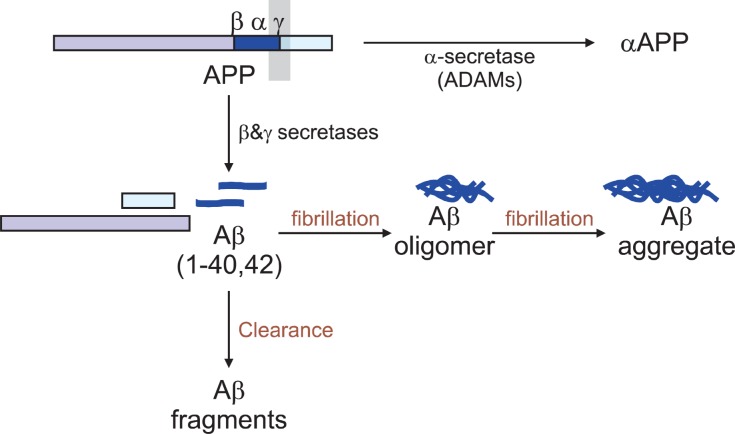
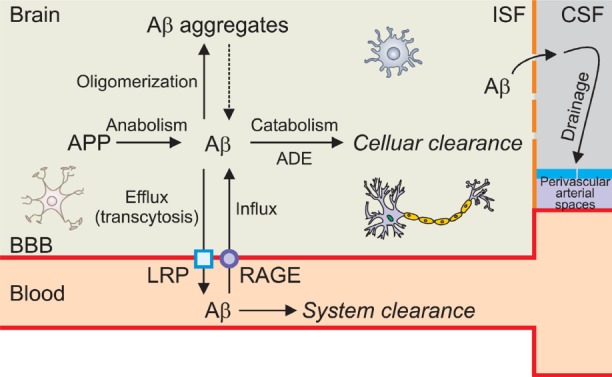
Amyloid-β peptide (Aβ) is still best known as a molecule to cause Alzheimer's disease (AD) through accumulation and deposition within the frontal cortex and hippocampus in the brain. Thus, strategies on developing AD drugs have been focused on the reduc-tion of Aβ in the brain. Since accumulation of Aβ depends on the rate of its synthesis and clearance, the metabolic pathway of Aβ in the brain and the whole body should be carefully explored for AD research. Although the synthetic pathway of Aβ is equally important, we summarize primarily the clearance pathway in this paper because the former has been extensively reviewed in previous studies. The clearance of Aβ from the brain is accomplished by several mechanisms which include non-enzymatic and enzymatic pathways. Nonenzymatic pathway includes interstitial fluid drainage, uptake by microglial phagocytosis, and transport across the blood vessel walls into the circulation. Multiple Aβ-degrading enzymes (ADE) implicated in the clearance process have been identified, which include neprilysin, insulin-degrading enzyme, matrix metalloproteinase-9, glutamate carboxypeptidase II and others. A series of studies on Aβ clearance mechanism provide new insight into the pathogenesis of AD at the molecular level and suggest a new target for the development of novel therapeutics.
Overview
The claims and statistics of this paper haven’t been checked yet.
Run the check — free, no account needed. It reads the open-access text and checks the sources it cites.
Integrity signals
Registry
Cites
Statistics
Figures
Verification
Claims the paper makes
The claims and statistics of this paper haven’t been checked yet.
Run the check — free, no account needed. It reads the open-access text and checks the sources it cites.
Claims other papers make about this one
Each is checked against this paper’s own text: does it say what the citing paper says it does?
The source backs part of the claim, not all of it — or backs it for a different population, condition or comparison.
In the citing paper
“forming a protective barrier to protect brain tissue from the neurotoxicity of Aβ plaques”
From Acoustofluidic assembly of 3D neurospheroids to model Alzheimer's disease (2020) · cites this paper as [47]
Experimental — accuracy not yet measuredThe cited source says what the claim attributes to it.
In the citing paper
“promotes the clearance of Aβ aggregates.47, 48”
From Acoustofluidic assembly of 3D neurospheroids to model Alzheimer's disease (2020) · cites this paper as [47]
In the citing paper
“The Aβ clearance may occur through the transport into the cerebrospinal fluid, the blood across the blood-brain barrier (BBB), and the removal by brain-resident macrophages (Yoon and Jo, 2012).”
From Exploring the Therapeutic Potential of Phytochemicals in Alzheimer’s Disease: Focus on Polyphenols and Monoterpenes (2022) · cites this paper as Yoon and Jo, 2012
Self-check
Percentages, sums and reported differences re-computed from the paper’s own numbers.
The self-check needs the paper’s full text.
Citations
Cites
1 retracted
Pulukuri, S. M. K., Estes, N. C., Patel, J. C., & Rao, J. S. (2007) · Cancer Research · doi:10.1158/0008-5472.can-06-2892 · Cited by 85
RetractedThe Amyloid Hypothesis of Alzheimer’s Disease: Progress and Problems on the Road to Therapeutics
Hardy, J., & Selkoe, D. J. (2002) · Science · doi:10.1126/science.1072994 · Cited by 13,864
Alzheimer's disease: the amyloid cascade hypothesis
Hardy, J. A., & Higgins, G. A. (1992) · Science · doi:10.1126/science.1566067 · Cited by 7,484
Jarrett, J. T., Berger, E. P., & Lansbury, P. T. (1993) · Biochemistry · doi:10.1021/bi00069a001 · Cited by 2,022
Twenty years of the Alzheimer's disease amyloid hypothesis: a genetic perspective
Tanzi, R. E., & Bertram, L. (2005) · Cell · doi:10.1016/j.cell.2005.02.008 · Cited by 1,849
Cellular prion protein mediates impairment of synaptic plasticity by amyloid-β oligomers
Laurén, J., Gimbel, D. A., Nygaard, H. B., Gilbert, J. W., & Strittmatter, S. M. (2009) · Nature · doi:10.1038/nature07761 · Cited by 1,560
Farris, W., Mansourian, S., Chang, Y., Lindsley, L., Eckman, E. A., Frosch, M. P., Eckman, C. B., Tanzi, R. E., Selkoe, D. J., & Guénette, S. Y. (2003) · Proceedings of the National Academy of Sciences · doi:10.1073/pnas.0230450100 · Cited by 1,526
Shibata, M., Yamada, S., Kumar, S. R., Calero, M., Bading, J., Frangione, B., Holtzman, D. M., Miller, C. A., Strickland, D. K., Ghiso, J., et al. (2000) · Journal of Clinical Investigation · doi:10.1172/jci10498 · Cited by 1,413
Wyss-Coray (2006) · doi:10.1038/nm1484 · Cited by 1,284
Simard, A. R., Soulet, D., Gowing, G., Julien, J.-P., & Rivest, S. (2006) · Neuron · doi:10.1016/j.neuron.2006.01.022 · Cited by 1,265
Research works printed but not linked: 6
- 1998, Am. J. Pathol., 152, 307
- 2006, Pharmazie, 61, 66
- 1996, Cell Growth Differ, 7, 787
- 2002, Pharmazie, 57, 556
- 2010, Am. J. Transl. Res., 3, 73
- 2006, Nat. Med., 12, 1005
Cited by
Sorted by citations
Clearance systems in the brain—implications for Alzheimer disease
Tarasoff-Conway, J. M., Carare, R. O., Osorio, R. S., Glodzik, L., Butler, T., Fieremans, E., Axel, L., Rusinek, H., Nicholson, C., Zlokovic, B. V., et al. (2015) · Nature Reviews Neurology · doi:10.1038/nrneurol.2015.119 · Cited by 1,678
The Role of Amyloid-β Oligomers in Toxicity, Propagation, and Immunotherapy
Sengupta, U., Nilson, A. N., & Kayed, R. (2016) · EBioMedicine · doi:10.1016/j.ebiom.2016.03.035 · Cited by 740
“Therefore, any imbalance in the dynamic equilibrium maintained by these three pathways would result in the accumulation of Aβ (Yoon and Jo, 2012; Mucke, 2009).”
BackgroundMechanisms of Aβ Clearance and Degradation by Glial Cells
Ries, M., & Sastre, M. (2016) · Frontiers in Aging Neuroscience · doi:10.3389/fnagi.2016.00160 · Cited by 527
“A great number of reviews have examined the main mechanisms of Aβ clearance and degradation (Bates et al., 2009; Saido and Leissring, 2012; Yoon and Jo, 2012; Tarasoff-Conway et al., 2015).”
BackgroundZhong, L., Xu, Y., Zhuo, R., Wang, T., Wang, K., Huang, R., Wang, D., Gao, Y., Zhu, Y., Sheng, X., et al. (2019) · Nature Communications · doi:10.1038/s41467-019-09118-9 · Cited by 371
The Translational Significance of the Neurovascular Unit
McConnell, H. L., Kersch, C. N., Woltjer, R. L., & Neuwelt, E. A. (2017) · Journal of Biological Chemistry · doi:10.1074/jbc.r116.760215 · Cited by 314
Role of RAGE in Alzheimer’s Disease
Cai, Z., Liu, N., Wang, C., Qin, B., Zhou, Y., Xiao, M., Chang, L., Yan, L., & Zhao, B. (2015) · Cellular and Molecular Neurobiology · doi:10.1007/s10571-015-0233-3 · Cited by 295
“RAGE: The Most Important Role in the Failure of Ab Clearance Increasing research studies on Ab clearance mechanism provide new insight into the pathogenesis of AD at the molecular level which implicates that AD may result from a failure of Ab clearance in brain (Yoon and Jo 2012).”
BackgroundA Circadian Clock in the Blood-Brain Barrier Regulates Xenobiotic Efflux
Zhang, S., Yue, Z., Arnold, D. M., Artiushin, G., & Sehgal, A. (2018) · Cell · doi:10.1016/j.cell.2018.02.017 · Cited by 254
“…show increased clearance by the BBB during sleep while we demonstrate higher efflux during the day; however, their model examined an endogenous protein that is cleared largely by endocytic uptake followed by transcytosis (Yoon and Jo, 2012), rather than a xenobiotic subject to pgp-mediated efflux.”
Mendelsohn, A. R., & Larrick, J. W. (2013) · Rejuvenation Research · doi:10.1089/rej.2013.1530 · Cited by 216
Deep cervical lymph node ligation aggravates AD‐like pathology of APP/PS1 mice
Wang, L., Zhang, Y., Zhao, Y., Marshall, C., Wu, T., & Xiao, M. (2019) · Brain Pathology · doi:10.1111/bpa.12656 · Cited by 199
Lau, V. Z., Ramer, L. M., & Tremblay, M. (2023) · Nature Communications · doi:10.1038/s41467-023-37304-3 · Cited by 173
The Important Interface Between Apolipoprotein E and Neuroinflammation in Alzheimer’s Disease
Kloske, C. M., & Wilcock, D. M. (2020) · Frontiers in Immunology · doi:10.3389/fimmu.2020.00754 · Cited by 152
Therapeutic Strategies Targeting Amyloid-β in Alzheimer’s Disease
Pinheiro, L. M. V., & Faustino, C. M. C. (2019) · Current Alzheimer Research · doi:10.2174/1567205016666190321163438 · Cited by 144
Brain Metabolic Alterations in Alzheimer’s Disease
Ardanaz, C. G., Ramírez, M. J., & Solas, M. (2022) · International Journal of Molecular Sciences · doi:10.3390/ijms23073785 · Cited by 135
“The degree of Aβ clearance has a great role in its accumulation [138].”
BackgroundMajdi, A., Sadigh‐Eteghad, S., Aghsan, S. R., Farajdokht, F., Vatandoust, S. M., Abbas-Abad, A. N., & Mahmoudi, J. (2020) · Reviews in the Neurosciences · doi:10.1515/revneuro-2019-0089 · Cited by 130
Kyrtsos, C. R., & Baras, J. S. (2015) · PLoS ONE · doi:10.1371/journal.pone.0139574 · Cited by 108
Inflammatory Cascade in Alzheimer’s Disease Pathogenesis: A Review of Experimental Findings
de Oliveira, J., Kucharska, E., Garcez, M. L., Rodrigues, M. S., Quevedo, J., Moreno‐González, I., & Budni, J. (2021) · Cells · doi:10.3390/cells10102581 · Cited by 109
“The clearance of the peptide by transport into the cerebrospinal fluid (CSF), the blood across the blood–brain barrier (BBB), and the removal by macrophages have been suggested as the responsible mechanisms for controlling the brain Aβ levels [27].”
Alzheimer’s disease as type 3 diabetes: understanding the link and implications
Kciuk, M., Kruczkowska, W., Gałęziewska, J., Wanke, K., Kałuzińska-Kołat, Ż., Aleksandrowicz, M., & Kontek, R. (2024) · International Journal of Molecular Sciences · doi:10.3390/ijms252211955 · Cited by 98
“Although A β protein is normally present in synapses within the CNS, pathological circumstances lead to its increased deposition in regions like the frontal cortex and hippocampus [125].”
Aalinkeel, R., Kutscher, H. L., Singh, A. K., Cwiklinski, K., Khechen, N., Schwartz, S. A., Prasad, P. N., & Mahajan, S. D. (2017) · Journal of drug targeting · doi:10.1080/1061186x.2017.1354002 · Cited by 99
P‐glycoprotein: a role in the export of amyloid‐β in Alzheimer's disease?
Chai, A. B., Leung, G. K. F., Callaghan, R., & Gelissen, I. C. (2019) · FEBS Journal · doi:10.1111/febs.15148 · Cited by 100
Porter, V. R., Buxton, W. G., & Avidan, A. Y. (2015) · Current Psychiatry Reports · doi:10.1007/s11920-015-0631-8 · Cited by 94
Resveratrol and Amyloid-Beta: Mechanistic Insights
Jia, Y., Wang, N., & Liu, X. (2017) · Nutrients · doi:10.3390/nu9101122 · Cited by 93
“Metabolic pathway of Aβ in AD pathogenesis, especially in late-onset sporadic AD (LOAD) has been raised, and the main mechanisms of Aβ clearance have been considered as new therapeutic targets [51,52].”
BackgroundJha, N. K., Jha, S. K., Kumar, D., Kejriwal, N., Sharma, R., Ambasta, R. K., & Kumar, P. (2015) · Journal of Alzheimer s Disease · doi:10.3233/jad-150379 · Cited by 90
Peripheral Glycolysis in Neurodegenerative Diseases
Bell, S., Burgess, T., Lee, J., Blackburn, D. J., Allen, S. P., & Mortiboys, H. (2020) · International Journal of Molecular Sciences · doi:10.3390/ijms21238924 · Cited by 88
“This has led to the interpretation that increased glycolytic enzyme activity in RBC in AD results from an increased demand for ATP generated through glycolysis to maintain the Na/K-ATPase pump [36,37].”
BackgroundUllah, R., Park, T. J., Huang, X., & Kim, M. O. (2021) · Ageing Research Reviews · doi:10.1016/j.arr.2021.101451 · Cited by 78
The Dynamic Relationship between the Glymphatic System, Aging, Memory, and Sleep
Voumvourakis, K. I., Sideri, E., Papadimitropoulos, G. N., Tsantzali, I., Hewlett, P., Kitsos, D. K., Stefanou, M., Bonakis, A., Giannopoulos, S., Tsivgoulis, G., et al. (2023) · Biomedicines · doi:10.3390/biomedicines11082092 · Cited by 81
Piccialli, I., Tedeschi, V., Caputo, L., D’Errico, S., Ciccone, R., De Feo, V., Secondo, A., & Pannaccione, A. (2022) · Frontiers in Pharmacology · doi:10.3389/fphar.2022.876614 · Cited by 73
“The Aβ clearance may occur through the transport into the cerebrospinal fluid, the blood across the blood-brain barrier (BBB), and the removal by brain-resident macrophages (Yoon and Jo, 2012).”
BackgroundCiccone, L., Shi, C., di Lorenzo, D., Van Baelen, A.-C., & Tonali, N. (2020) · Molecules · doi:10.3390/molecules25102439 · Cited by 69
“Overall impairment in Aβ clearance is also a major contributor to disease development [13].”
BackgroundAcoustofluidic assembly of 3D neurospheroids to model Alzheimer's disease
Cai, H., Ao, Z., Hu, L., Moon, Y., Wu, Z., Lu, H.-C., Kim, J., & Guo, F. (2020) · The Analyst · doi:10.1039/d0an01373k · Cited by 70
Autophagy Modulation as a Treatment of Amyloid Diseases
Mputhia, Z., Hone, E., Tripathi, T., Sargeant, T. J., Martins, R. N., & Bharadwaj, P. (2019) · Molecules · doi:10.3390/molecules24183372 · Cited by 69
Seo, J. Y., Pyo, E., An, J., Kim, J., Sung, S. H., & Oh, W. K. (2017) · Mediators of Inflammation · doi:10.1155/2017/5906189 · Cited by 70
“For example, glutamate carboxypeptidase II, matrix metalloproteinase 9, and insulin-degrading enzyme are closely associated with Aβ peptide clearance [24].”
BackgroundMyelin in Alzheimer’s disease: culprit or bystander?
Maitre, M., Jeltsch-David, H., Okechukwu, N. G., Klein, C., Patte-Mensah, C., & Mensah-Nyagan, A.-G. (2023) · Acta Neuropathologica Communications · doi:10.1186/s40478-023-01554-5 · Cited by 66
Berezin, V., Walmod, P. S., Filippov, M. A., & Dityatev, A. E. (2014) · Progress in brain research · doi:10.1016/b978-0-444-63486-3.00015-3 · Cited by 62
Promyo, K., Iqbal, F., Chaidee, N., & Chetsawang, B. (2020) · Food and Chemical Toxicology · doi:10.1016/j.fct.2020.111829 · Cited by 63
Inflammation as common link to progressive neurological diseases
Dias-Carvalho, A., Sá, S. I., Carvalho, F., Fernandes, E., & Costa, V. M. (2024) · Archives of Toxicology · doi:10.1007/s00204-023-03628-8 · Cited by 60
“Nonetheless, the imbalance in the APP processing pathways that increase Aβ production and decrease the mechanisms of clearance, results in Aβ accumulation and consequential plaque formation (Yoon and Jo 2012).”
BackgroundCerebral Amyloid Angiopathy and Blood-Brain Barrier Dysfunction
Gireud, M., Mack, A. F., McCullough, L. D., & Urayama, A. (2020) · The Neuroscientist · doi:10.1177/1073858420954811 · Cited by 65
Ko, S. Y., Lee, H. E., Park, S. J., Jeon, S. J., Kim, B., Gao, Q., Jang, D. S., & Ryu, J. H. (2015) · Biomolecules & Therapeutics · doi:10.4062/biomolther.2014.110 · Cited by 59
“Although previous studies have been focused on unveiling AD pathology and reducing the symptoms of this disease by clearing Ab protein, this methodology has been unsuccessful (Yoon and Jo, 2012; Chiang and Koo, 2014).”
Aβ promotes CD38 expression in senescent microglia in Alzheimer’s disease
Hu, Y., Huang, Y., Xing, S., Chen, C., Shen, D., & Chen, J. (2022) · Biological Research · doi:10.1186/s40659-022-00379-1 · Cited by 58
“As immune cells in the central nervous system, microglia play a key role in brain development and immune defense and can also clear Aβ deposition [8].”
BackgroundDeng, Y., Long, L., Wang, K., Zhou, J., Zeng, L., He, L., & Gong, Q. (2017) · Frontiers in Pharmacology · doi:10.3389/fphar.2017.00039 · Cited by 55
“ICS II Alleviated Aβ-Induced Spatial”
Kim, J., Kim, S. H., Lee, D.-S., Lee, D., Kim, S.-H., Chung, S., & Yang, H. O. (2013) · Journal of Ginseng Research · doi:10.5142/jgr.2013.37.100 · Cited by 52
Effect of conjugated linoleic acid, μ-calpain inhibitor, on pathogenesis of Alzheimer's disease
Lee, E., Eom, J.-E., Kim, H.-L., Baek, K. H., Jun, K.-Y., Kim, H., Lee, M., Mook‐Jung, I., & Kwon, Y. (2012) · Biochimica et Biophysica Acta (BBA) - Molecular and Cell Biology of Lipids · doi:10.1016/j.bbalip.2012.12.003 · Cited by 50
Ullah, R., & Lee, E. J. (2023) · Experimental Neurobiology · doi:10.5607/en23014 · Cited by 51
“In the brain, both intracellular and extracellular amyloid-β are primarily degraded and cleared through the proteolytic machinery [40, 43].”
BackgroundInfluentialLee, B., Lee, S. M., Song, J. W., & Choi, J. W. (2024) · Biomolecules & Therapeutics · doi:10.4062/biomolther.2024.009 · Cited by 49
Aβ1-42 induces cell damage via RAGE-dependent endoplasmic reticulum stress in bEnd.3 cells
Chen, W., Chan, Y., Wan, W., Li, Y., & Zhang, C. (2017) · Experimental Cell Research · doi:10.1016/j.yexcr.2017.11.005 · Cited by 47
Azam, S., Haque, M. E., Kim, I., & Choi, D. (2021) · Cells · doi:10.3390/cells10010150 · Cited by 45
“Therefore, microglial scavenger receptors (SRs) have an active role in Aβ clearance [65] by phagocytosis and endocytosis [66,67].”
BackgroundReduction of amyloid-beta levels in mouse eye tissues by intra-vitreally delivered neprilysin
Parthasarathy, R., Chow, K. M., Derafshi, Z., Fautsch, M. P., Hetling, J. R., Rodgers, D. W., Hersh, L. B., & Pepperberg, D. R. (2015) · Experimental Eye Research · doi:10.1016/j.exer.2015.06.027 · Cited by 44
“…Nalivaeva et al., 2012; Wildsmith et al., 2013), but that, upon the marked decrease in Aβ induced by sNEP treatment, endogenous Aβ degradation/ clearance processes (Saido and Leissring, 2012; Tanzi et al., 2004; Yoon and Jo, 2012) become able to maintain Aβ at relatively low levels for many weeks.”
BackgroundKim, D. H., Lee, D., Lim, H., Choi, S. J., Oh, W., Yang, Y. S., Chang, J. H., & Jeon, H. B. (2018) · Biochemical and Biophysical Research Communications · doi:10.1016/j.bbrc.2018.09.012 · Cited by 44
Choi, C., Park, J. W., Kim, H., Chang, K. T., Park, J., & Min, K. (2021) · The Journal of Pathology · doi:10.1002/path.5767 · Cited by 44
Bram, J. M. D. F., Talib, L. L., Joaquim, H. P. G., Sarno, T. A., Gattaz, W. F., & Forlenza, O. V. (2018) · European Archives of Psychiatry and Clinical Neuroscience · doi:10.1007/s00406-018-0905-3 · Cited by 41
Fungicide Residues Exposure and β-amyloid Aggregation in a Mouse Model of Alzheimer’s Disease
Lafon, P., Wang, Y., Arango-Lievano, M., Torrent, J., Salvador-Prince, L., Mansuy, M., Mestre‐Francés, N., Givalois, L., Liu, J., Mercader, J. V., et al. (2020) · Environmental Health Perspectives · doi:10.1289/ehp5550 · Cited by 43
Xu, F., He, B., Feng, X., Yan, T., Bi, K., Jia, Y., & Wang, Z. (2018) · Biomolecules & Therapeutics · doi:10.4062/biomolther.2018.051 · Cited by 42
“AD is characterized by the over-production of amyloid-beta (Aβ), which is regarded as one of the essential pathologic markers of AD (Yoon and Jo, 2012).”
BackgroundSharma, V., Nikolajeff, F. K., & Kumar, S. (2023) · Translational Neurodegeneration · doi:10.1186/s40035-023-00339-z · Cited by 41
“These senile amyloid plaques result from either overproduction of Aβ (~ 1% in familial forms) or dysfunction of Aβ clearance, which is hypothesized to be the main cause of Aβ accumulation in sporadic AD that accounts for 99% of total AD cases [6, 7].”
BackgroundGuo, X., Lv, J., Lu, J., Fan, L., Huang, X., Hu, L., Wang, J., & Shen, X. (2017) · Neuropharmacology · doi:10.1016/j.neuropharm.2017.11.033 · Cited by 41
Brain targeting based nanocarriers loaded with resveratrol in Alzheimer's disease: A review
Jalili, C., Kiani, A., Gholami, M., Bahrehmand, F., Fakhri, S., Kakehbaraei, S., & Kakebaraei, S. (2023) · IET Nanobiotechnology · doi:10.1049/nbt2.12127 · Cited by 43
“Findings have indicated the presence of inflammatory biomarkers in the adult brain with AD, for example, enhancing the proinflammatory cytokines/chemokines in cerebrospinal fluid (CSF) and serum, along with symptoms of micro gliosis [85].”
BackgroundDeleterious Alteration of Glia in the Brain of Alzheimer’s Disease
Kim, E., Otgontenger, U., Jamsranjav, A., & Kim, S. S. (2020) · International Journal of Molecular Sciences · doi:10.3390/ijms21186676 · Cited by 42
“After decades of research, however, most AD therapy candidates have failed to revert the symptom, even though they can faithfully remove Aβ plaque accumulation in the cortex [5].”
BackgroundLaval, K., & Enquist, L. W. (2021) · Frontiers in Neurology · doi:10.3389/fneur.2021.658695 · Cited by 43
“What Doesn’t Kill You Makes You Stronger”: Future Applications of Amyloid Aggregates in Biomedicine
Abdelrahman, S., Alghrably, M., Lachowicz, J. I., Emwas, A.-H. M., Hauser, C. A. E., & Jaremko, M. (2020) · Molecules · doi:10.3390/molecules25225245 · Cited by 38
“Several protease enzymes are involved in the enzymatic clearance mechanism [223].”
BackgroundInfluentialKetone bodies mediate alterations in brain energy metabolism and biomarkers of Alzheimer’s disease
Ramezani, M., Fernando, M. G., Eslick, S., Asih, P. R., Shadfar, S., Bandara, E. M. S., Hillebrandt, H., Meghwar, S., Shahriari, M., Chatterjee, P., et al. (2023) · Frontiers in Neuroscience · doi:10.3389/fnins.2023.1297984 · Cited by 39
Qian, X., Zhang, S., Duan, L., Yang, F., Zhang, K., Yan, F., & Ge, S. (2021) · Journal of Alzheimer s Disease · doi:10.3233/jad-201007 · Cited by 42
“A (cid:2) , which is generated during A (cid:2) PP metabolism, is cleared via enzymatic degradation pathways [55, 56].”
Phagocytic Glial Cells in Brain Homeostasis
Kono, R., Ikegaya, Y., & Koyama, R. (2021) · Cells · doi:10.3390/cells10061348 · Cited by 41
“Since Aβ deposition is often observed in the brains of Alzheimer’s disease (AD) patients, the Aβ clearance pathway has been presumed to be a therapeutic target for AD, and efforts have been focused on revealing Aβ clearance mechanisms [27].”
BackgroundDegradation of Bone Quality in a Transgenic Mouse Model of Alzheimer′s Disease
LLabre, J. E., Gil, C., Amatya, N., Lagalwar, S., Possidente, B. P., & Vashishth, D. (2020) · Journal of Bone and Mineral Research · doi:10.1002/jbmr.4723 · Cited by 36
“Interestingly, Aβ can interfere with the RANK downstream signaling((34)) and stimulate osteoclast-specific genes.”
BackgroundBenzimidazole-derived Compounds Designed for Different Targets of Alzheimer’s Disease
Gülcan, H. O., Mavideniz, A., Sahin, M. F., & Orhan, İ. E. (2019) · Current Medicinal Chemistry · doi:10.2174/0929867326666190124123208 · Cited by 35
Sun, Y., Zhang, J., & Chen, S. (2017) · Experimental and Therapeutic Medicine · doi:10.3892/etm.2017.5253 · Cited by 35
“Previous studies have suggested different mechanisms for the removal of A β from the brain (8,9).”
Rahman, S., Ayyagari, A., Jan, A. T., & Minakshi, R. (2018) · Frontiers in Aging Neuroscience · doi:10.3389/fnagi.2018.00030 · Cited by 33
“The JNK3 (member of JNK family) localized in brain, is highly expressed in brain tissue and cerebrospinal fluid sample from AD patients (Gourmaud et al., 2015) and the activation of JNK3 exacerbates stress perpetuating AD pathology (Yoon and Jo, 2012).”
BackgroundHarrass, S., Yi, C., & Chen, H. (2021) · International Journal of Molecular Sciences · doi:10.3390/ijms222011207 · Cited by 31
“Nowadays, studies on AD still place Aβ as an important target for investigation; however, the failure to develop a drug has undermined the Aβ-based therapeutic approaches [65,66].”
BackgroundBased on molecular structures: Amyloid-β generation, clearance, toxicity and therapeutic strategies
Yang, H., Li, J., Li, X., Ma, L., Hou, M., Zhou, H., & Zhou, R. (2022) · Frontiers in Molecular Neuroscience · doi:10.3389/fnmol.2022.927530 · Cited by 31
Bejoy, J., Song, L., Wang, Z., Sang, Q. A., Zhou, Y., & Li, Y. (2018) · ACS Biomaterials Science & Engineering · doi:10.1021/acsbiomaterials.8b00021 · Cited by 31
Gitahi, S. M., Ngugi, M. P., Mburu, D., & Machocho, A. K. (2021) · The Scientific World JOURNAL · doi:10.1155/2021/2718629 · Cited by 29
“Likewise, Yoon and Ahnjo [35] also reported that caraway and grapefruit successfully repelled weevils at such high rates.”
BackgroundChan, B. W. G. L., Lynch, N. B., Tran, W., Joyce, J. M., Savage, G. P., Meutermans, W. D. F., Montgomery, A. P., & Kassiou, M. (2024) · Frontiers in Chemistry · doi:10.3389/fchem.2024.1379518 · Cited by 29
Role of Mitochondrial Dysfunction in the Pathology of Amyloid-β
Huang, Z., Yan, Q., Wang, Y., Zou, Q., Li, J., Liu, Z., & Cai, Z. (2020) · Journal of Alzheimer s Disease · doi:10.3233/jad-200519 · Cited by 28
Neutral Endopeptidase (Neprilysin) in Therapy and Diagnostics: Yin and Yang
Feygina, E. E., Katrukha, A., & Semenov, A. G. (2019) · Biochemistry (Moscow) · doi:10.1134/s0006297919110105 · Cited by 21
Wu, X., Xia, P., Yang, L., Lü, C., & Lu, Z. (2024) · Non-coding RNA Research · doi:10.1016/j.ncrna.2024.03.008 · Cited by 26
“The amyloid-beta (A β ) peptide is a crucial element in the advancement of AD, and several studies have emphasized its association with lncRNAs in the pathogenesis of AD [43].”
BackgroundBeyond amyloid and tau: rethinking Alzheimer’s disease through less explored avenues
Gyimesi, M., Okolicsanyi, R. K., & Haupt, L. M. (2024) · Open Biology · doi:10.1098/rsob.240035 · Cited by 29
“…brains, the rates of Aβ synthesis and clearance are balanced, and Aβ fragments are cleared through various mechanisms, including via the actions of low-density lipoprotein receptor-related protein 1 (LRP1) and clusterin (CLU), or via enzymes such as neprylsin and matrix metalloproteinase-9 [39,40].”
BackgroundAmyloid Beta Hypothesis in Alzheimer's Disease: Major Culprits and Recent Therapeutic Strategies
Dileep, K. V., & Chandra, R. (2019) · Current Drug Targets · doi:10.2174/1389450120666190806153206 · Cited by 26
Tumour suppression through modulation of neprilysin signaling: A comprehensive review
Sankhe, R., Pai, K. S. R., & Kishore, A. (2020) · European Journal of Pharmacology · doi:10.1016/j.ejphar.2020.173727 · Cited by 26
Blood-Brain Barrier Disruption Increases Amyloid-Related Pathology in TgSwDI Mice
Abdallah, I. M., Al-Shami, K. M., Yang, E., & Kaddoumi, A. (2021) · International Journal of Molecular Sciences · doi:10.3390/ijms22031231 · Cited by 26
Ye, Y., Gao, M., Shi, W., Gao, Y., Li, Y., Yang, W., Zheng, X., & Lu, X. (2024) · Frontiers in Immunology · doi:10.3389/fimmu.2023.1325530 · Cited by 27
Saxena, S. K., Ansari, S., Maurya, V. K., Kumar, S., Sharma, D. K., Malhotra, H., Tiwari, S., Srivastava, C., Paweska, J. T., Abdel-Moneim, A. S., et al. (2024) · ACS Pharmacology & Translational Science · doi:10.1021/acsptsci.4c00400 · Cited by 27
Shalaby, M. A., Nounou, H. A., & Deif, M. M. (2019) · The Egyptian Journal of Neurology Psychiatry and Neurosurgery · doi:10.1186/s41983-019-0094-7 · Cited by 24
Abdallah, I. M., Al-Shami, K. M., Alkhalifa, A. E., Al-Ghraiybah, N. F., Guillaume, C., & Kaddoumi, A. (2023) · Molecules · doi:10.3390/molecules28031249 · Cited by 27
“In the initial stages of AD, glial cells positively affect Aβ elimination by phagocytosis [15].”
BackgroundComparison of Synthetic Neuronal Model Membrane Mimics in Amyloid Aggregation at Atomic Resolution
Bera, S., Gayen, N., Mohid, S. A., Bhattacharyya, D., Krishnamoorthy, J., Sarkar, D., Choi, J., Sahoo, N., Mandal, A. K., Lee, D., et al. (2020) · ACS Chemical Neuroscience · doi:10.1021/acschemneuro.0c00166 · Cited by 23
Gu, M., Kim, J., & Yang, H. O. (2016) · Neurochemical Research · doi:10.1007/s11064-016-1857-5 · Cited by 22
Guan, Z., Chen, Z., Fu, S., Dai, L., & Shen, Y. (2020) · Frontiers in Cellular Neuroscience · doi:10.3389/fncel.2020.00260 · Cited by 22
“Thus, enhancing microglial phagocytosis also be proposed as a potential therapeutic strategy for AD (Lee and Landreth, 2010; Yoon and Jo, 2012; Maleki and Rivest, 2019).”
BackgroundFaraji, P., Kühn, H., & Ahmadian, S. (2024) · Journal of Molecular Neuroscience · doi:10.1007/s12031-024-02224-4 · Cited by 25
Berman, S. E., Clark, L. R., Rivera‐Rivera, L. A., Norton, D., Racine, A. M., Rowley, H. A., Bendlin, B. B., Blennow, K., Zetterberg, H., Carlsson, C. M., et al. (2017) · Journal of Alzheimer s Disease · doi:10.3233/jad-170402 · Cited by 21
Amyloid beta-protein and lipid rafts focused on biogenesis and catabolism
Araki, W. (2015) · Frontiers in bioscience · doi:10.2741/4311 · Cited by 21
“Aβ clearance is additionally mediated by microglial phagocytosis (5).”
BackgroundPatricio-Martínez, A., Patricio, F., Macuil-Chapuli, E., Martínez-Juárez, E. Á., Flores-Díaz, S., Cedillo-Ramirez, M. L., & Limón, I. D. (2025) · Frontiers in Neuroscience · doi:10.3389/fnins.2025.1598011 · Cited by 23
“This process prevents the cytotoxic accumulation of A β , a hallmark of AD-associated neurodegeneration (Lee and Landreth, 2010; Wyss-Coray et al., 2003; Yoon and Jo, 2012).”
Trang, N. M., Kim, E., Pham, T. H., & Jeong, G. (2023) · Journal of Agricultural and Food Chemistry · doi:10.1021/acs.jafc.3c00368 · Cited by 21
Alzheimer’s Disease Genetics: A Dampened Microglial Response?
Chatila, Z. K., & Bradshaw, E. M. (2021) · The Neuroscientist · doi:10.1177/10738584211024531 · Cited by 20
“While innate immune cells have many roles in the CNS, impaired phagocytosis resulting in an inability to clear Aβ has long been thought to be critical to LOAD progression (Fiala and others 2005; Fiala and others 2007; Hickman and others 2008; Wildsmith and others 2013; Yoon and Jo 2012).”
BackgroundArmbrust, F., Bickenbach, K., Marengo, L., Pietrzik, C. U., & Becker‐Pauly, C. (2021) · Biochimica et Biophysica Acta (BBA) - Molecular Cell Research · doi:10.1016/j.bbamcr.2021.119164 · Cited by 21
Immune Response at the Crossroads of Atherosclerosis and Alzheimer's Disease
Stahr, N. A., & Galkina, E. (2022) · Frontiers in Cardiovascular Medicine · doi:10.3389/fcvm.2022.870144 · Cited by 18
Minding the Gap: Exploring Neuroinflammatory and Microglial Sex Differences in Alzheimer’s Disease
Reed-Geaghan, E. G., & Keller-Norrell, P. R. (2023) · International Journal of Molecular Sciences · doi:10.3390/ijms242417377 · Cited by 19
LeVine, S. M. (2024) · Cells · doi:10.3390/cells13080689 · Cited by 20
“Additionally, overall levels of amyloid β can increase if its clearance is decreased [23,24].”
BackgroundThe Integrative Five-Fluid Circulation System in the Human Body
Fung, P. C. W., & Kong, R. K. C. (2016) · Open Journal of Molecular and Integrative Physiology · doi:10.4236/ojmip.2016.64005 · Cited by 18
Joaquim, H. P. G., Costa, A. C., Forlenza, O. V., Gattaz, W. F., & Talib, L. L. (2019) · Archives of Clinical Psychiatry (São Paulo) · doi:10.1590/0101-60830000000209 · Cited by 18
Rodrigues‐Neves, A. C., Carecho, R., Correia, S. C., Carvalho, C., Campos, E. J., Baptista, F. I., Moreira, P. I., & Ambrósio, A. F. (2021) · Molecular Neurobiology · doi:10.1007/s12035-021-02316-x · Cited by 19
TREM2 in neurodegeneration and diseases
Abdulkhaliq, A. A., Alasiri, G., Kim, B., Khan, J., Ajoolabady, A., Yousof, S. M., Ren, J., Tuomilehto, J., Borai, A., Alrfaei, B. M., et al. (2026) · Molecular Psychiatry · doi:10.1038/s41380-026-03505-7 · Cited by 16
“These peptides are ultimately destined for removal and clearance via multiple mechanisms such as enzyme-based degradation [27].”
Autophagy in alzheimer disease pathogenesis and its therapeutic values
Angst, G., Jia, N., Esqueda, L. T., Fan, Y., Cai, Q., & Wang, C. (2025) · Autophagy Reports · doi:10.1080/27694127.2025.2471677 · Cited by 22
Experimental approaches for altering the expression of Abeta‐degrading enzymes
Loeffler, D. A. (2023) · Journal of Neurochemistry · doi:10.1111/jnc.15762 · Cited by 18
“The ability of some of these mechanisms to remove Aβ would not have been affected by the approaches which have been used in the Aβ- targeting trials performed to date (McIntee et al., 2016; Penke et al., 2017; Xin et al., 2018; Yoon & Jo, 2012).”
MethodBace1 Deletion in the Adult Reverses Epileptiform Activity and Sleep–wake Disturbances in AD Mice
Yao, A. Y., Halloran, P. J., Ge, Y., Singh, N., Zhou, J., Galske, J., He, W., Yan, R., & Hu, X. (2023) · Journal of Neuroscience · doi:10.1523/jneurosci.2124-22.2023 · Cited by 17
Zhou, L., Wei, C., Huang, W. J., Bennett, D. A., Dickson, D. W., Wang, R., & Wang, D. (2013) · Europe PMC (PubMed Central) · Cited by 16
Metadata
- Authors
- Yoon, S.-S., & AhnJo, S.-M.
- Affiliations
- Dankook University (KR)
- ORCID
- Yoon, Sang-Sun
- Venue
- Biomolecules and Therapeutics
- Published
- 2012-05-31
- Volume
- 20
- Issue
- 3
- Pages
- 245-255
- ISSN
- 1976-9148 (ISSN-L)
- PMC
- PMC3794520
- OpenAlex
- W2008487250
- Cited by
- 205
- References
- 122
- Citations by year
- 2026: 15 · 2025: 27 · 2024: 27 · 2023: 23 · 2022: 14 · 2021: 26 · 2020: 18 · 2019: 15 · 2018: 11 · 2017: 9 · 2016: 6 · 2015: 9 · 2014: 1 · 2013: 3 · 2012: 1
- FWCI
- 0.49
- Type
- journal article
- Language
- en
- Open access
- bronze
- doi.org
- Locations
- Biomolecules & Therapeutics (publishedVersion)
- Europe PMC (PubMed Central) (publishedVersion, cc-by-nc)
- PubMed Central (publishedVersion, cc-by-nc)
- PubMed (publishedVersion)
- Funders
- National Research Foundation
- National Research Foundation of Korea (2011-0016127)
- Topics
- Life Sciences › Neuroscience › Cellular and Molecular Neuroscience › Alzheimer's disease research and treatments
- Life Sciences › Neuroscience › Neurology › Neuroinflammation and Neurodegeneration Mechanisms
- Health Sciences › Medicine › Psychiatry and Mental health › Dementia and Cognitive Impairment Research
- Keywords
- amyloid-beta, Alzheimer's disease, amyloid-beta clearance, neprilysin, insulin-degrading enzyme, MMP-9, prostate-specific membrane antigen, microglial phagocytosis, interstitial fluid drainage, blood-brain barrier, therapeutic target
About these checks
Registry, retraction, Cites and statistics results are computed, not judged, with one exception: a printed reference that no index lists is read once by a model before it counts as a citation error. Claims are extracted by a model and kept only when their quote appears verbatim in the text; each cited source is then checked, with a model’s help, for whether it says what the claim relies on. Those verdicts can be wrong — read the claim’s quote and the cited source before relying on one.
Statistics and arithmetic are recomputed, not judged.
Confidence bands are shown only for fields calibrated on our annotated test set. None is calibrated yet, so no band is shown.
What counts as a claim ›How we measure confidence ›How we check this ›
Are you an author, or do you see a problem with this page? Request a review
