

Different aspects of Lactobacillus inoculants on the improvement of quality and safety of alfalfa silage
Open accessThe DOI matches its Crossref record; 32 of the 32 references it cites were found in a registry or an index; none of the 47 sources its claims cite is checked for support yet.
Abstract
There is a significant range of bacterial inoculants for forage ensiling, but there is still a need for formulations to improve the safety of feed.The objective of the study was to evaluate the usefulness of three lactobacilli strains in alfalfa (Medicago sativa L.) The following bacterial inoculants were used: Lactocacillus plantarum K KKP 593p (LPK), L. plantarum C KKP 788p (LPC), L. buchneri KKP 907p (LB), and mix of all three strains (LPK+LPC+LB).The application of bacterial inoculants in alfalfa ensiling resulted in a reduction of the total number of molds, Clostridium perfringens and Listeria sp.(up to 5, 7, and 5 times respectively for LB inoculant in comparison to untreated silage).Total inhibition of Salmonella sp. and Escherichia coli growth was achieved in silages treated with all inoculants except for LPC.Aerobic stability in the control silage was the lowest (77 h) and doubled under the influence of bacterial inoculants.The most stable according to aerobic stability was silage treated with LB inoculant (175 h), where the highest concentrations of acetic acid (4.8 g kg -1 ), propionic acid (0.7 g kg -1 ) and 1,2-propanediol (526 mg kg -1 ) were reported.The study discussed that it is important to evaluate not only the effect of bacterial inoculants on physicochemical and microbiological silage properties, as the presence and expression of antibiotic resistance genes in lactic acid bacteria have been reported.The results of antimicrobial susceptibility testing of the strains showed that almost all minimum inhibitory concentrations values for eight antibiotics were equal to or below the corresponding breakpoints proposed by the European Food Safety Authority, Additives and Products or Substances used in Animal Feed Panel.
Overview
CoChat Summary
TL;DR
Three Lactobacillus strains (L. plantarum K, L. plantarum C, L. buchneri, and their mixture) were tested as alfalfa silage inoculants, improving fermentation, aerobic stability, and suppression of undesirable microorganisms. The L. buchneri treatment gave the longest aerobic stability and highest acetic acid, propionic acid, and 1,2-propanediol concentrations, while antibiotic susceptibility testing showed only one MIC value above EFSA breakpoints.
Key findings
- Inoculation reduced molds, Clostridium perfringens, and Listeria sp. by up to 5, 7, and 5 times, respectively, for the LB inoculant compared with untreated silage.
- Salmonella sp. and Escherichia coli were eliminated below detectable levels in silages treated with LPK, LB, and the mix, but not with LPC, which remained contaminated at 0.23 and 0.22 log CFU g⁻¹, respectively.
- Aerobic stability was lowest in the control silage (77 h) and doubled under bacterial inoculants; LB-treated silage was most stable (175 h) and had the highest acetic acid (4.8 g kg⁻¹), propionic acid (0.7 g kg⁻¹), and 1,2-propanediol (526 mg kg⁻¹).
- Almost all MIC values for eight antibiotics were equal to or below EFSA FEEDAP breakpoints; the exception was L. buchneri KKP/907/p for tetracycline (16 vs. 8 μg mL⁻¹).
Methods
- Three patented strains were used: L. plantarum K KKP/593/p (LPK), L. plantarum C KKP/788/p (LPC), L. buchneri KKP 907p (LB), and a mix of all three.
- Alfalfa was pre-wilted to about 30% DM, chopped to 1.5 cm, ensiled in 0.01 m³ polyethylene microsilos at 20 ± 2 °C for 90 d, with triplicate silos per treatment and an inoculant dose of 10 g t⁻¹ or 2 × 10⁵ CFU g⁻¹.
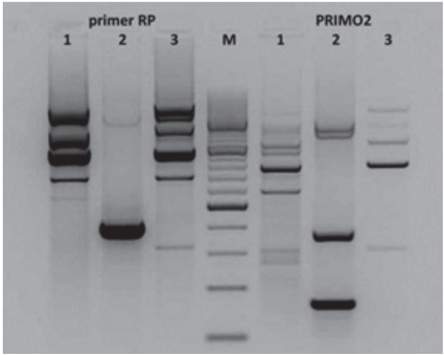
- Analyses included RAPD-PCR strain differentiation, MIC testing by E-test/gradient method, chemical and microbial silage analyses, aerobic stability by temperature method, and one-way ANOVA with Tukey’s test (P ≤ 0.05).
Limitations
- The paper does not explicitly state limitations.
- Evident from the text: the ensiling trial used small 0.01 m³ microsilos at one experimental station, with only 90 d of storage and no animal performance or long-term feed-out data.
- Evident from the text: several microbial comparisons were not statistically significant, including differences among inoculants for inhibiting C. perfringens, Listeria sp., and coliform bacteria, and some mold/yeast differences.
Model-written summary. Check it against the paper before relying on it.
Integrity signals
Registry
Cites
Statistics
Figures
Verification
Claims the paper makes
0 Valid · 0 Not valid · 39 Not checked · 44 Own results and interpretations
In the paper
“Only for L. buchneri KKP/907/p was an MIC value for one antibiotic above the EFSA recommendation (16 vs. 8 μg mL -1 ).”
§ Different aspects of Lactobacillus inoculants on the improvement of quality and safety of alfalfa silage > Genetic differentiation of strains and evaluation of antibiotic susceptibility
What the sources say
- Not checked yetcites EFSA FEEDAP, 2012
plainSingle case- Asserted: passes — The authors put it forward as true.
- Checkable: passes — It can be checked against evidence.
- Load-bearing: unclear — It is unclear whether the paper’s conclusions depend on it.
- Based: passes — The paper gives a reason why it holds.
A result the paper reports from its own data — it cites no other source for it, so there is none to check. The quote shows it is in the paper.
In the paper
“In the case of inoculant LB, there was also a noticeable increase in the content of acetic acid (4.8 g kg -1 ) and propionic acid (0.7 g kg -1 ) in relation to the other variants of experiment (4.0-4.4 g kg -1 acetic acid and 0.4-0.5 g kg -1 propionic acid for silages prepared with LC, LK, and mixed inoculants).”
§ Different aspects of Lactobacillus inoculants on the improvement of quality and safety of alfalfa silage > Effect of bacterial inoculants on physicochemical and microbiological quality of alfalfa silage
plainstates a cause- Asserted: passes — The authors put it forward as true.
- Checkable: passes — It can be checked against evidence.
- Load-bearing: unclear — It is unclear whether the paper’s conclusions depend on it.
- Based: passes — The paper gives a reason why it holds.
A result the paper reports from its own data — it cites no other source for it, so there is none to check. The quote shows it is in the paper.
In the paper
“The most stable according to aerobic stability was silage treated with LB inoculant (175 h)”
§ Different aspects of Lactobacillus inoculants on the improvement of quality and safety of alfalfa silage > Abstract
plainstates a cause- Asserted: passes — The authors put it forward as true.
- Checkable: passes — It can be checked against evidence.
- Load-bearing: passes — The paper’s conclusions depend on it.
- Based: passes — The paper gives a reason why it holds.
A result the paper reports from its own data — it cites no other source for it, so there is none to check. The quote shows it is in the paper.
In the paper
“Silages inoculated with LC preparation were contaminated with Salmonella sp. and E. coli to a small degree (0.23 and 0.22 log CFU g -1 , respectively).”
§ Different aspects of Lactobacillus inoculants on the improvement of quality and safety of alfalfa silage > Effect of bacterial inoculants on physicochemical and microbiological quality of alfalfa silage
plain- Asserted: passes — The authors put it forward as true.
- Checkable: passes — It can be checked against evidence.
- Load-bearing: unclear — It is unclear whether the paper’s conclusions depend on it.
- Based: passes — The paper gives a reason why it holds.
A result the paper reports from its own data — it cites no other source for it, so there is none to check. The quote shows it is in the paper.
In the paper
“Meanwhile, the addition of bacterial inoculants to silage resulted in changes in yeast composition.”
§ Different aspects of Lactobacillus inoculants on the improvement of quality and safety of alfalfa silage > Effect of bacterial inoculants on physicochemical and microbiological quality of alfalfa silage
plainstates a cause- Asserted: passes — The authors put it forward as true.
- Checkable: passes — It can be checked against evidence.
- Load-bearing: unclear — It is unclear whether the paper’s conclusions depend on it.
- Based: passes — The paper gives a reason why it holds.
33 more claims
Create a free account to see all 83 claims and to verify the 47 references still open.
- It may state two separate claims as one. 32
- The quote only partly states this claim. 2
- Probably not a substantial claim. 15
Claims other papers make about this one
Each is checked against this paper’s own text: does it say what the citing paper says it does?
The source backs part of the claim, not all of it — or backs it for a different population, condition or comparison.
In the citing paper
“The most frequently mentioned species are L. plantarum, L. buchneri, E. faecium and P.acidilactici, and less often L. rhamnosus and Lactococcus lactis.”
From Trends in designing microbial silage quality by biotechnological methods using lactic acid bacteria inoculants: a minireview. (2019) · cites this paper as Zielińska et al. 2015
Experimental — accuracy not yet measuredThe source backs part of the claim, not all of it — or backs it for a different population, condition or comparison.
In the citing paper
“Additionally, silage treatment with the LAB preparations resulted in the complete elimination of pathogenic bacteria of the genus Salmonella and E. coli bacteria (Zielińska et al. 2015).”
From Trends in designing microbial silage quality by biotechnological methods using lactic acid bacteria inoculants: a minireview. (2019) · cites this paper as Zielińska et al. 2015
Experimental — accuracy not yet measuredThe cited source says what the claim attributes to it.
In the citing paper
“The application of bacterial inoculants in alfalfa ensiling resulted in a significant reduction of the total number of undesirable microorganisms, including Listeria spp. and Cl. perfringens.”
From Trends in designing microbial silage quality by biotechnological methods using lactic acid bacteria inoculants: a minireview. (2019) · cites this paper as Zielińska et al. 2015
In the citing paper
“It is reported that the epiphytic lactic acid bacteria (LAB) on the fresh forages may be inadequate therefore rapid and sufficient pH drop may not be achieved [6,12].”
From Effects of lactic acid bacteria inoculation in pre-harvesting period on fermentation and feed quality properties of alfalfa silage (2020) · cites this paper as [12]
In the citing paper
“Zielińska et al. (2015) acknowledged the usefulness of RAPD-PCR technique (random amplification of polymorphic DNA) to evaluate the genetic diversity of LAB strains used in silage inoculants.”
From Trends in designing microbial silage quality by biotechnological methods using lactic acid bacteria inoculants: a minireview. (2019) · cites this paper as Zielińska et al. 2015
Self-check
Percentages, sums and reported differences re-computed from the paper’s own numbers.
Each contradiction between two passages listed here was confirmed by an independent check.
Rated minor: it would not touch a result — a value no result rests on, a p-value that stays on the same side of the significance level, or a conflict that is clerical, resolved elsewhere in the paper, or outside its own findings.
In the paper
“Lactate/acetate ratio 2.2 ± 0.1a 4.1 ± 0.1c 3.3 ± 0.1c 2.8 ± 0.1b 4.1 ± 0.1c”
§ Different aspects of Lactobacillus inoculants on the improvement of quality and safety of alfalfa silage > Effect of bacterial inoculants on physicochemical and microbiological quality of alfalfa silage
Reported 3.3 · recomputed 3.454545
Rated minor: it would not touch a result — a value no result rests on, a p-value that stays on the same side of the significance level, or a conflict that is clerical, resolved elsewhere in the paper, or outside its own findings.
In the paper
§ Different aspects of Lactobacillus inoculants on the improvement of quality and safety of alfalfa silage > Effect of bacterial inoculants on physicochemical and microbiological quality of alfalfa silage
“The number of Salmonella sp., C. perfringens and E. coli in inoculatedtreated silages were numerically lower than in control one, but no significant difference was found (Table 5).”
§ Different aspects of Lactobacillus inoculants on the improvement of quality and safety of alfalfa silage > DISCUSSION
“Salmonella sp.0.80 ± 0.58ab 1.26 ± 0.20a 0.0b 0.23 ± 0.20b 0.0b 0.0b Escherichia coli 0.48 ± 0.34ab 1.08 ± 0.17a 0.0b 0.22 ± 0.31b 0.0b 0.0b”
Rated minor: it would not touch a result — a value no result rests on, a p-value that stays on the same side of the significance level, or a conflict that is clerical, resolved elsewhere in the paper, or outside its own findings.
In the paper
§ Different aspects of Lactobacillus inoculants on the improvement of quality and safety of alfalfa silage > Effect of bacterial inoculants on physicochemical and microbiological quality of alfalfa silage
“while under the action of the tested bacteria, there was a decrease (P < 0.05) in the number of those microorganisms”
§ Different aspects of Lactobacillus inoculants on the improvement of quality and safety of alfalfa silage > Effect of bacterial inoculants on physicochemical and microbiological quality of alfalfa silage
“Number of yeast, log CFU g -1 1.37 ± 0.12ab 2.59 ± 0.78a 0.95 ± 0.26b 1.03 ± 0.17b 1.19 ± 0.13ab 0.77 ± 0.56b”
Citations
Cites
McDonald, P. (1981) · Medical Entomology and Zoology · Cited by 1,473
(FEEDAP), E. P. O. A. A. P. O. S. U. I. A. F. (2012) · EFSA Journal · doi:10.2903/j.efsa.2012.2740 · Cited by 904
Antifungal lactic acid bacteria as biopreservatives
Schnürer, J., & Magnusson, J. (2005) · Trends in Food Science & Technology · doi:10.1016/j.tifs.2004.02.014 · Cited by 702
Anaerobic Conversion of Lactic Acid to Acetic Acid and 1,2-Propanediol by Lactobacillus buchneri
Oude Elferink, S. J. W. H., Krooneman, J., Gottschal, J. C., Spoelstra, S. F., Faber, F., & Driehuis, F. (2001) · Applied and Environmental Microbiology · doi:10.1128/aem.67.1.125-132.2001 · Cited by 685
Acetic acid increases stability of silage under aerobic conditions
Danner, H., Holzer, M., Mayrhuber, E., & Braun, R. (2003) · Applied and Environmental Microbiology · doi:10.1128/aem.69.1.562-567.2003 · Cited by 515 · cited 2×
“…intended for silages usually contains a low number of lactic acid bacteria - less than 1% of the microflora - so it is necessary to apply starter cultures of selected strains of lactic acid bacteria to stimulate the ensiling process (Danner et al., 2003; Schmidt et al., 2009, Zhang et al., 2009).”
BackgroundRanjit, N. K., & Kung, L. (2000) · Journal of Dairy Science · doi:10.3168/jds.s0022-0302(00)74912-5 · Cited by 429 · cited 3×
“Ranjit and Kung (2000) recommended a dose of 106 CFU g-1 for satisfactory improvement.”
BackgroundResultInfluentialKlare, I., Konstabel, C., Werner, G., Huys, G., Vankerckhoven, V., Kahlmeter, G., Hildebrandt, B., Müller-Bertling, S., Witte, W., & Goossens, H. (2007) · Journal of Antimicrobial Chemotherapy · doi:10.1093/jac/dkm035 · Cited by 364 · cited 1×
“Alfalfa before ensiling Number of bacteria, log CFU g-1 305304 CHILEAN JOURNAL OF AGRICULTURAL RESEARCH 75(3) JULY-SEPTEMBER 2015CHILEAN JOURNAL OF AGRICULTURAL RESEARCH 75(3) JULY-SEPTEMBER 2015 thus safe for humans and animals (Klare et al., 2007).”
BackgroundNawaz, M., Wang, J., Zhou, A., Ma, C., Wu, X., Moore, J. E., Cherie Millar, B., & Xu, J. (2011) · Current Microbiology · doi:10.1007/s00284-010-9856-2 · Cited by 281 · cited 1×
“Lactic acid bacteria has GRAS status (generally recognized as safe); however, the presence and expression of antibiotic resistance genes in LAB have been reported (Ouoba et al., 2008; Nawaz et al., 2011).”
BackgroundHu, W., Schmidt, R. J., McDonell, E. E., Klingerman, C. M., & Kung, L. (2009) · Journal of Dairy Science · doi:10.3168/jds.2008-1788 · Cited by 211
The role of Lactobacillus buchneri in forage preservation
Holzer, M., Mayrhuber, E., Danner, H., & Braun, R. (2003) · Trends in Biotechnology · doi:10.1016/s0167-7799(03)00106-9 · Cited by 192 · cited 1×
“Selected strains of LAB, which are used as silage inoculants, improve the quality and aerobic stability of silages and are often characterized by the probiotic activity in the digestive tract of animals (Oude Elferink et al., 2001; Holzer et al., 2003).”
Background
Research works printed but not linked: 2
- Dimova, M.I. 2008. Some probiotic properties of bacteriocinogenic strain Lactobacillus plantarum UCM B-2705. Abstract. In 9 th Symposium on Lactic Acid Bacteria. 31 August-4 September. FEMS. Egmond aan Zee, The Netherlands.
- Zielinska, K., K. Stecka, M. Kuprys, A. Kapturowska, and A. Miecznikowski. 2011. Ocena stopnia skazenia bakteriami patogennymi runi lakowej i gleb nawozonych plynnymi nawozami organicznymi. Journal of Research and Applications in Agricultural Engineering 56(4):212-215 [in Polish].
Cited by
Bai, J., Xu, D., Xie, D., Wang, M., Li, Z., & Guo, X. (2020) · Bioresource Technology · doi:10.1016/j.biortech.2020.123881 · Cited by 174
Fabiszewska, A. U., Zielińska, K. J., & Wróbel, B. (2019) · World Journal of Microbiology and Biotechnology · doi:10.1007/s11274-019-2649-2 · Cited by 121
Self-citationStefańska, I., Kwiecień, E., Piasecka‐Jóźwiak, K., Garbowska, M., Binek, M., & Rzewuska, M. (2021) · Frontiers in Veterinary Science · doi:10.3389/fvets.2021.687071 · Cited by 121
“They are commonly used as probiotics, animal growth biopromoter, as well as bacterial inoculants for forage ensiling to improve not only the quality but also safety of feed (1, 2).”
BackgroundNovel lactic acid bacteria strains as inoculants on alfalfa silage fermentation
Agarussi, M. C. N., Pereira, O. G., de Paula, R. A., da Silva, V. P., Roseira, J. P. S., & Silva, F. F. E. (2019) · Scientific Reports · doi:10.1038/s41598-019-44520-9 · Cited by 66
Blajman, J. E., Vinderola, G., Páez, R., & Signorini, M. L. (2020) · The Journal of Agricultural Science · doi:10.1017/s0021859620000386 · Cited by 68
Li, X., Chen, F., Wang, X., Xiong, Y., Liu, Z., Lin, Y., Ni, K., & Yang, F. (2022) · Bioresource Technology · doi:10.1016/j.biortech.2022.127429 · Cited by 59
Ertekin, İ., & Kızılşimşek, M. (2020) · Asian-Australasian Journal of Animal Sciences · doi:10.5713/ajas.18.0801 · Cited by 35
“It is reported that the epiphytic lactic acid bacteria (LAB) on the fresh forages may be inadequate therefore rapid and sufficient pH drop may not be achieved [6,12].”
BackgroundZielińska, K. J., & Fabiszewska, A. U. (2017) · World Journal of Microbiology and Biotechnology · doi:10.1007/s11274-017-2400-9 · Cited by 31
Self-citationXu, D. M., Ke, W., Zhang, P., Li, F., & Guo, X. (2018) · Journal of Applied Microbiology · doi:10.1111/jam.14110 · Cited by 28
Kuppusamy, P., Kim, D., Soundharrajan, I., Park, H. S., Jung, J. S., Yang, S. H., & Choi, K. C. (2020) · Microorganisms · doi:10.3390/microorganisms8071044 · Cited by 27
“The antimicrobial substances produced by LAB are important for use in the feed industry as safe and specific bio-preservatives [36,37].”
BackgroundLiao, C., Tang, X., Li, M., Lu, G., Huang, X., Li, L., Zhang, M., Xie, Y., Chen, C., & Li, P. (2022) · Frontiers in Microbiology · doi:10.3389/fmicb.2022.1047072 · Cited by 23
Cao, C., Bao, W., Li, W., Zhao, F., Kwok, L. Y., Zhang, W., & Zhang, H. (2021) · World Journal of Microbiology and Biotechnology · doi:10.1007/s11274-021-03095-2 · Cited by 17
Shi, Y., Peng, H., Liao, Y., Li, J., Yin, Y., Peng, H., Wang, L., Tan, Y., Li, C., Bai, H., et al. (2023) · Probiotics and Antimicrobial Proteins · doi:10.1007/s12602-023-10145-8 · Cited by 15
“Additionally, adding L. buchneri also has a lower cost compared to chemical additives [37, 38].”
Effect of Different Additives on the Quality of Rehydrated Corn Grain Silage: A Systematic Review
Diogénes, L. V., Filho, J. M. P., Edvan, R. L., de Oliveira, J. P. F., do Nascimento, R. R., Santos, E. M., Alencar, E. J. S., Mazza, P., Oliveira, R. L., & Bezerra, L. R. (2023) · Ruminants · doi:10.3390/ruminants3040035 · Cited by 16
Yin, H., Zhao, M., Yang, R., Sun, J., Yu, Z., Bai, C., & Xue, Y. (2024) · Plants · doi:10.3390/plants13111471 · Cited by 16
“…impact of silage is the pH value [25]; LB0 and BL0 had pH values that were lower than those of CK0 ( p < 0.05 and in many studies, inoculation with LB increases the pH value [26,27] However, the results of some studies demonstrate that inoculation with LB resulted in a decrease in pH value [28–30].”
ResultInfluentialMicrobiological and Toxicological Evaluation of Fermented Forages
Adácsi, C., Kovács, S., Pócsi, I., Győri, Z., Dombrádi, Z., & Pusztahelyi, T. (2022) · Agriculture · doi:10.3390/agriculture12030421 · Cited by 16
“Lentilactobacillus buchneri is the heterofermentative species used to improve aerobic stability [32].”
BackgroundLactic Acid Bacteria as Microbial Silage Additives: Current Status and Future Outlook
Drouin, P., Mari, L. J., & Schmidt, R. J. (2020) · IntechOpen eBooks · doi:10.5772/intechopen.89326 · Cited by 15
The effect of bacterial inoculant on chemical composition and fermentation of alfalfa silage
Djordjevic, S., Mandic, V., & Stanojevic, D. (2016) · Biotechnology in Animal Husbandry · doi:10.2298/bah1604413d · Cited by 10
“Kizilsimsek et al. (2007), Zhang et al. (2009) and Zielińska et al. (2015) reported that inoculation with LAB of the genus Lactobacillus can improve the fermentation of alfalfa silage, quality and aerobic stability.”
BackgroundAntibiotic resistance of probiotics isolated from Chinese corn stover silage
Inam, M., Pan, S., Elken, E. M., Zhang, H., Wang, Y., Xu, Y., Wang, Y., Kong, L., & Ma, H. (2023) · Journal of Applied Animal Research · doi:10.1080/09712119.2023.2165088 · Cited by 10
“The main microorganisms involved in the silage fermentation process are lactic acid bacteria (Zieli ń ska et al. 2015; Bao et al. 2016).”
BackgroundBacterial inoculant effect on quality of alfalfa silage and haylage
Djordjević, S. S., Mandić, V., Djordjević, N., & Pavlovic, B. (2019) · Biotechnology in Animal Husbandry · doi:10.2298/bah1901085d · Cited by 9
“Zielińska et al. (2015) find in the alfalfa silages tretated with Lactobacillus plantarum K KKP 593p, Lactobacillus plantarum C KKP 788p, Lactobacillus buchneri KKP 907p and a mixture of all three strains, a smaller total number of molds, Clostridium perfringens and Listeria spp. and improved…”
BackgroundEffects of Different Lactic Acid Bacteria Inoculants on Alfalfa Silage Fermentation and Quality
GÜNAYDIN, T., AKBAY, F., ARIKAN, S., & KIZILŞİMŞEK, M. (2022) · Tarım Bilimleri Dergisi · doi:10.15832/ankutbd.1136844 · Cited by 10
An, J., Sun, L., Liu, M., Dai, R., Ge, G., Wang, Z., & Jia, Y. (2023) · Plants · doi:10.3390/plants13010084 · Cited by 8
“Factors such as microbial activity, acidity, flavor, and storage characteristics all contribute to fermentation quality [9,10].”
BackgroundAKTÜRK, B., & Gümüş, H. (2020) · Ankara Üniversitesi Veteriner Fakültesi Dergisi · doi:10.33988/auvfd.624047 · Cited by 8
“They might help to limit the undesirable secondary fermentation and increase feed value of the silage by preventing dry matter losses (43).”
BackgroundFabiszewska, A. U., Piasecka‐Jóźwiak, K., Choińska, R., Wróbel, B., Miecznikowski, A., Wierzchowska, K., Świętochowski, A., Dąbrowska, M., Bujak, M., Reshetiuk, V., et al. (2025) · Bioresource Technology · doi:10.1016/j.biortech.2025.133107 · Cited by 6
Self-citationThe effect of bacterial inoculant on chemical composition and fermentation of alfalfa silage
Uher, D., Konjačić, M., Jareš, D., & Mačešić, D. (2019) · Journal of Central European Agriculture · doi:10.5513/jcea01/20.2.2314 · Cited by 6
Effect of Silage Quality on the Health and Performance of High-Producing Dairy Cows: A Review
Kolečkář, J. (2024) · Acta fytotechnica et zootechnica/Acta fytotechnica et zootechnica · doi:10.15414/afz.2024.27.04.266-276 · Cited by 7
Disanayaka, J. N. K., Warallanda, A. P., Senanayaka, S. D., Rajapakse, S., Jinadasa, R., Weerasinghe, W. M. P. B., Devindi, K. M., & Mahipala, M. B. P. K. (2025) · Journal of Agricultural Sciences – Sri Lanka · doi:10.4038/jas.v20i1.11035 · Cited by 4
“Lactobacillus plantarum , a facultative heterolactic bacterium exhibits a characteristic lactic acid production trait during substrate fermentation, contributing to its significance in silage preservation (Zielinska et al. , 2015).”
Zielińska, K. J., Fabiszewska, A. U., Piasecka‐Jóźwiak, K., & Choińska, R. (2021) · Energies · doi:10.3390/en14102843 · Cited by 4
“The extract of macerated silage was prepared with distilled water as described previously [21].”
MethodSelf-citationNair, J., Jin, L., Chevaux, E., McAllister, T. A., & Wang, Y. (2024) · Fermentation · doi:10.3390/fermentation10100530 · Cited by 3
da Silva, L. D., Pereira, O. G., Roseira, J. P. S., Agarussi, M. C. N., da Silva, V. P., da Silva, T. C., Leandro, E. D. S., de Paula, R. A., Santos, S. A., Ribeiro, K. G., et al. (2019) · Recent Patents on Food Nutrition & Agriculture · doi:10.2174/2212798410666190128101343 · Cited by 3
Gohar, V., Srivastava, R., Mishra, D., Chauhan, N., Kumar, S., Behare, P. V., Gowane, G. R., & Tyagi, N. (2024) · Biomass Conversion and Biorefinery · doi:10.1007/s13399-024-05491-8 · Cited by 4
“The acetate content (%DM) was higher in silages treated with heterofermentative bacteria which produce both lactic acid and acetic acids during fermentation, as opposed to homofermentative inoculants, which produce only lactic acid [45].”
Кравченко, Н. О. (2024) · Agricultural science and practice · doi:10.15407/agrisp11.02.057 · Cited by 3
Effects of cutting stage and bacterial inoculant on quality of the red clover silage
Djordjević, S. S., Mandić, V., & Djordjević, N. (2021) · Biotechnology in Animal Husbandry · doi:10.2298/bah2101065d · Cited by 3
Wang, Y., Mu, L., Cao, X., Wang, Q., & Zhang, Z. (2025) · Fermentation · doi:10.3390/fermentation11020059 · Cited by 2
“During ensiling, alfalfa is susceptible to deterioration by pathogenic microorganisms (e.g., Enterobacter , Clostridium and Salmonella ), which greatly reduces the feed quality [9,10].”
AKBAY, F. (2025) · PeerJ · doi:10.7717/peerj.20276 · Cited by 2
“Therefore, the usage of biological or chemical additives may be beneficial ( Zielińska, Fabiszewska & Stefańska, 2015 ) for achieving a satisfactory silage quality.”
Jatkauskas, J., Lanckriet, A., Gentilini, M., & Vrotniakienė, V. (2026) · Agriculture · doi:10.3390/agriculture16050583 · Cited by 2
“…and experimental studies indicates that inoculation with LAB generally enhances fermentation outcomes and aerobic stability; however, the extent and consistency of these benefits are highly dependent on the characteristics of individual strains and the composition of inoculant products [8–11].”
Wang, L., Cai, Z., Li, F., Ke, Z., Tao, R., Ye, B., Yuan, C., & He, Q. (2026) · Frontiers in Microbiology · doi:10.3389/fmicb.2026.1755745 · Cited by 3
“The counts of LAB, molds, yeasts, and aerobic bacteria (AB) were determined as described by Zieli´ nska et al. (2015).”
Sun, Q., Sun, B., Xu, S., Zhang, H., Guo, J., Qian, Z., & Zhuang, X. (2022) · Applied Sciences · doi:10.3390/app12105139 · Cited by 2
(2020) · The Journal of Animal and Plant Sciences · doi:10.36899/japs.2020.3.0068 · Cited by 2
“Inoculation of lactobacillus bacteria of effluent lowered pH by converting the WSC into organic acids and restricted the growth of mold, coliform and other pathogenic bacteria (Ni et al., 2014; Zielinska et al., 2015).”
BackgroundResultPerformance of lactating cows fed sugarcane silage treated with microbial additives
Cardoso, L. L., Ribeiro, K. G., Pereira, O. G., Weiß, K., Bayão, G. F. V., Cunha, C. S., & Marcondes, M. I. (2021) · Revista Colombiana de Ciencias Pecuarias · doi:10.17533/udea.rccp.v35n1a02 · Cited by 1
Bogdanova, A. A., Payuta, A. A., Алексеев, А. Ю., & Konovalov, A. V. (2021) · IOP Conference Series Earth and Environmental Science · doi:10.1088/1755-1315/901/1/012036 · Cited by 1
“They also inhibit the growth of undesirable epiphytic microorganisms by competing for nutrients and synthesizing antimicrobial and antifungal metabolites [7].”
BackgroundFibrolytic Enzymes And Silage Inoculants To Improve The Nutritive Value Of Silage
Ordaz, S. (2017) · ScholarWorks -A service of University of Vermont Libraries (University of Vermont) · Cited by 1
Utjecaj komercijalnih inokulanata na kemijski sastav i fermentaciju silaže od lucerne
Uher, D. (2024) · Poljoprivreda · doi:10.18047/poljo.30.1.10 · Cited by 1
Juráček, M., Bíró, D., Šimko, M., Gálik, B., Rolinec, M., Hanušovský, O., Struhár, P., Píšová, A., & Andruška, N. (2018) · Journal of Central European Agriculture · doi:10.5513/jcea01/19.2.2150 · Cited by 1
“Dané zistenie je však v rozpore s viacerými výsledkami experimentov, ktoré potvrdili, že heterofermentatívne kmene baktérií mliečneho kvasenia zvyšujú obsah kyseliny octovej v silážach (Muck, 2010; Wang et al., 2014; Twarużek et al. 2015; Zielińska et al., 2015).”
Aksu, T., Validov, S. Z., Karimova, L. Z., Demirel, M., LEVENDOĞLU, T., Erdoğan, S., & Güney, M. (2021) · TURKISH JOURNAL OF VETERINARY AND ANIMAL SCIENCES · doi:10.3906/vet-2104-15
Uso de aditivos em silagen de capim-elefante (Pennisetum purpureum, Schum.)
Queiroz, J. A., Lopes, I. M. G., Lima, M. D., Junior, V. S. M., de Oliveira, N. J. F., & de Almeida, A. C. (2024) · Archivos de Zootecnia · doi:10.21071/az.v73i282.5847 · Cited by 1
Current advances in antimicrobial feed additives for terrestrial livestock: A systematic review
Thng, A. H. H., & Li, D. (2026) · Food Microbiology · doi:10.1016/j.fm.2026.105146
Li, Y., Wu, L., Panyavong, X., & Kim, J. G. (2026) · Bioresources and Bioprocessing · doi:10.1186/s40643-026-01104-6
“Microbial inoculants alter silage quality through their strain-specific characteristics (Zielińska et al. 2015).”
Metadata
- Authors
- Zielinska, K., Fabiszewska, A., & Stefanska, I.
- Affiliations
- Warsaw University of Life Sciences (PL)
- Corresponding author
- Fabiszewska, Agata
- ORCID
- Fabiszewska, Agata
- Venue
- Chilean journal of agricultural research
- Published
- 2015-09
- Volume
- 75
- Issue
- 3
- Pages
- 298-306
- ISSN
- 0718-5820 (ISSN-L)
- 0718-5839
- OpenAlex
- W2238825043
- Cited by
- 47
- References
- 31
- Citations by year
- 2026: 4 · 2025: 3 · 2024: 6 · 2023: 4 · 2022: 6 · 2021: 7 · 2020: 5 · 2019: 7 · 2018: 2 · 2017: 2 · 2016: 1
- FWCI
- 3.62
- Type
- journal article
- Language
- en
- Open access
- diamond
- doi.org
- Licence
- cc-by-nc
- Locations
- Chilean journal of agricultural research (publishedVersion, cc-by-nc)
- LA Referencia (Red Federada de Repositorios Institucionales de Publicaciones Científicas) (publishedVersion, other-oa)
- Bioline International (Bioline International) (submittedVersion)
- Americanae (AECID Library) (submittedVersion, other-oa)
- DOAJ (DOAJ: Directory of Open Access Journals) (submittedVersion)
- Topics
- Life Sciences › Agricultural and Biological Sciences › Animal Science and Zoology › Ruminant Nutrition and Digestive Physiology
- Life Sciences › Agricultural and Biological Sciences › Food Science › Probiotics and Fermented Foods
- Life Sciences › Agricultural and Biological Sciences › Plant Science › Mycotoxins in Agriculture and Food
- Keywords
- bacterial inoculants, alfalfa silage, Lactobacillus buchneri, Lactococcus plantarum, forage ensiling, aerobic stability, silage fermentation, Clostridium perfringens, Listeria, Salmonella, Escherichia coli, lactic acid bacteria, antibiotic resistance genes, antimicrobial susceptibility, acetic acid, propionic acid, propylene glycol
About these checks
Registry, retraction, Cites and statistics results are computed, not judged, with one exception: a printed reference that no index lists is read once by a model before it counts as a citation error. Claims are extracted by a model and kept only when their quote appears verbatim in the text; each cited source is then checked, with a model’s help, for whether it says what the claim relies on. Those verdicts can be wrong — read the claim’s quote and the cited source before relying on one.
A language model drew the claims from the paper on 2026-10-05, under version 3 of the claim definition (model deepseek-v4.1-flash, prompt extract-v3).
A second model labelled each claim on 2026-10-05 (model jev-1.13-20260917, definition revision gold-guideline-v0.2).
Statistics and arithmetic are recomputed, not judged.
Confidence bands are shown only for fields calibrated on our annotated test set. None is calibrated yet, so no band is shown.
What counts as a claim ›How we measure confidence ›How we check this ›
Are you an author, or do you see a problem with this page? Request a review
Data sources
Bibliographic data: Semantic Scholar, OpenAlex, Crossref.
Contains information from the Semantic Scholar Academic Graph Datasets, made available under the ODC Attribution License (ODC-BY 1.0).
Semantic Scholar’s data is described in: Kinney, R., et al. (2023). The Semantic Scholar Open Data Platform. arXiv:2301.10140.
