

Induced plant secondary metabolites for phytopatogenic fungi control: a review
Open accessThe DOI matches its Crossref record; 115 of the 115 references it cites were found in a registry or an index.
Abstract
Pathogenic fungi constitute one of the main infectious agents in plants, causing alterations during developmental stages including post-harvest.Phytopathogenic fungi are controlled by synthetic fungicides; however, the use of these is progressively restricted due to both, the harmful effects of pesticides on the environment and human health and the appearance of highly resistant fungal strains.Therefore, there is a great demand for novel natural fungicides.Higher plants are rich source of bioactive secondary metabolites of wide variety such as tannins, terpenoids, saponins, alkaloids, flavonoids, and other compounds, reported to have in vitro antifungal properties.Thus, secondary metabolites with antifungal activity represent an alternative for achieving a sustainable control of phytopathogenic fungi and to reduce the heavy reliance of synthetic pesticides used to control them.Plant antifungal metabolites may be preformed inhibitors that are present constitutively in healthy plants (phytoanticipins), or they may be synthesized de novo in response to pathogen attack or another stress conditions (phytoalexins).These molecules may be used directly or considered as a precursor for developing better fungicidal molecules.This review presents a selection of antifungal agents induced in plants during fungal attack that can be potentially used for phytopathogenic fungi control in crops.
Overview
The claims and statistics of this paper haven’t been checked yet.
Free: it reads the open-access text and checks the first 5 claims that cite a source we can check. Create a free account to check every claim.
Integrity signals
Registry
Cites
Statistics
Figures
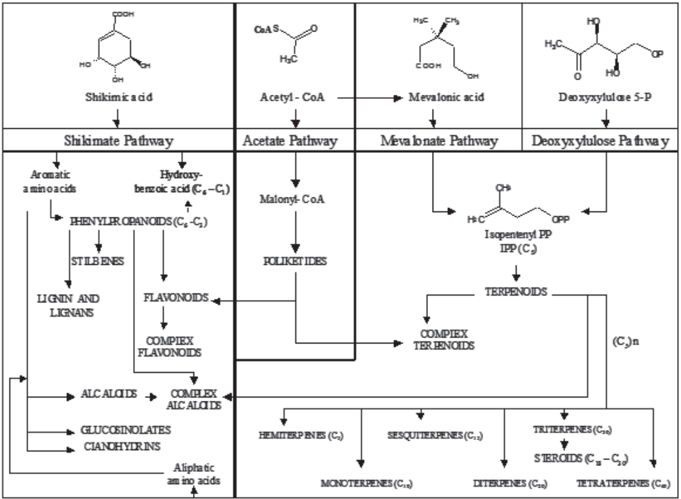
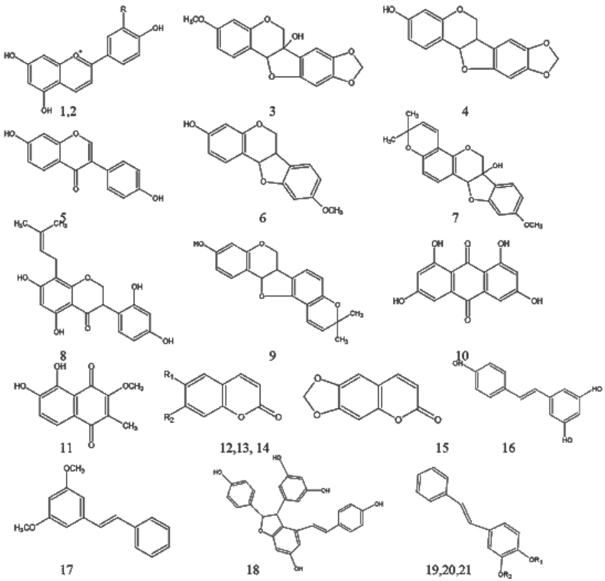
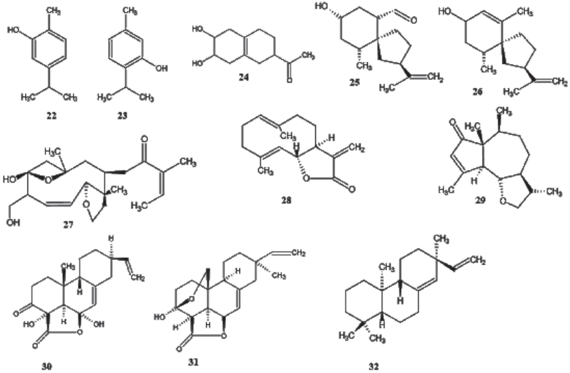
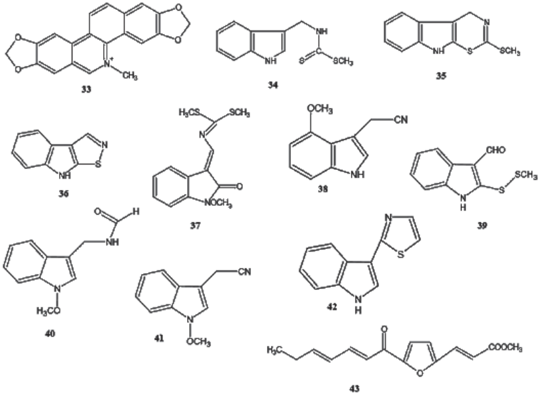
Verification
Claims the paper makes
The claims and statistics of this paper haven’t been checked yet.
Free: it reads the open-access text and checks the first 5 claims that cite a source we can check. Create a free account to check every claim.
Claims other papers make about this one
Each is checked against this paper’s own text: does it say what the citing paper says it does?
The cited source says what the claim attributes to it.
In the citing paper
“In order to achieve a sustainable control of phytopathogenic fungi and to lessen the heavy reliance on synthetic fungicides used to control them, secondary metabolites with antifungal activity constitute an alternative mechanisms.”
Self-check
Percentages, sums and reported differences re-computed from the paper’s own numbers.
The self-check needs the paper’s full text.
Citations
Cites
Plant Physiological Ecology: Field methods and instrumentation
(2000) · Springer eBooks · doi:10.1007/978-94-010-9013-1 · Cited by 3,294
Lambers, H., Chapin, F. S., & Pons, T. L. (2008) · Springer eBooks · doi:10.1007/978-0-387-78341-3 · Cited by 2,317
Natural products and plant disease resistance
Dixon, R. A. (2001) · Nature · doi:10.1038/35081178 · Cited by 1,790 · cited 2×
“…derived from plants may be preformed inhibitors that are present constitutively in healthy plants (phytoanticipins), or they may be synthesized de novo in response to pathogen attack or another stress conditions (phytoalexins) (Morrisey and Osbourn, 1999; Os- bourn, 1996, 1999; Dixon, 2001).”
BackgroundMedicinal natural products: A biosynthetic approach
(2001) · European Journal of Medicinal Chemistry · doi:10.1016/s0223-5234(01)01302-2 · Cited by 1,700
On the Trail of a Cereal Killer: Exploring the Biology of Magnaporthe grisea
Talbot, N. J. (2003) · Annual Review of Microbiology · doi:10.1146/annurev.micro.57.030502.090957 · Cited by 962 · cited 2×
“(Talbot, 2003).”
BackgroundLangcake, P., & Pryce, R. J. (1976) · Physiological Plant Pathology · doi:10.1016/0048-4059(76)90077-1 · Cited by 912 · cited 2×
“After fungal attack of grapevine and berries leaves produce resveratrol (trans-3,5,4’-trihydroxystilbene, 16) (Langcake and Pryce, 1976) and related compounds which have antifungal activity toward a number of fungal pathogens, including Rhizopus stolonifer, Plasmopara viticola, and Botrytis cinerea ((Jeandet et al.”
BackgroundLuis Balcázar, J., Díaz, J., & Gabarró, J. (1995) · Texts in Theoretical Computer Science An EATCS Series · doi:10.1007/978-3-642-79235-9 · Cited by 866
Medicinal Natural Products: A Biosynthetic Approach
Kite, G., & Dewick, P. M. (1998) · Kew Bulletin · doi:10.2307/4114524 · Cited by 737
Preformed Antimicrobial Compounds and Plant Defense against Fungal Attack.
Osbourn, A. E. (1996) · The Plant Cell · doi:10.1105/tpc.8.10.1821 · Cited by 729 · cited 1×
“…derived from plants may be preformed inhibitors that are present constitutively in healthy plants (phytoanticipins), or they may be synthesized de novo in response to pathogen attack or another stress conditions (phytoalexins) (Morrisey and Osbourn, 1999; Os- bourn, 1996, 1999; Dixon, 2001).”
BackgroundJeandet, P., Douillet-Breuil, A.-C., Bessis, R., Debord, S., Sbaghi, M., & Adrian, M. (2002) · Journal of Agricultural and Food Chemistry · doi:10.1021/jf011429s · Cited by 646 · cited 6×
“…as chlorine at the 3-, 3,4-, or 3,5-positions of the stilbene ring) play an important role in the formation of charge transfer complexes, favoring contact and affinity with (membrane) proteins and acting as uncoupling agents of electron transport and photophosphorilation (Jeandet et al., 2002).”
BackgroundInfluential
Research works printed but not linked: 10
- [4]4. Agrios, G.N. 2004. Losses caused by plant diseases. p. 29-45. Plant Pathology. Elsevier, Oxford, UK.
- [22]22. Croteau, R., Kutchan, T., Lewis, N. 2000. Chapter 24: Natural products (secondary metabolites). In:
- [23]23. Buchanan, B., Gruissem, W., Joneas, R. (eds), Biochemistry and Molecular Biology of Plants, American Society of Plant Biologists, Rockville, MD, pp. 1250 -1268.
- [32]32. Engelmeier, D., Hadacek, F. 2006. Antifungal natural products: assays and applications. In: Rai, et al., (eds) Naturally occurring bioactive compounds, Elsevier Sci. Ltd. pp. 423-467.
- [39]39. Graham, T.L. 1995. Cellular biochemistry of phenyl- propanoids responses of soybean to infection by Phytophthora sojae. In: Daniel, M. and Purkay- astha, R.P. (Eds.), Handbook of Phytoalexin Me- tabolism and Action. Marcel Dekker, New York, pp. 85-116.
- [40]40. Graham, T.L., Graham, M.Y. 2000. Defense potentia- tion and competency, redox conditioning effects of salicylic acid and genistein. In: Keen, N. and Stacey, G. (Eds.). Plant-Microbe Interactions, Vol. 5. APS Press, St.
- [50]50. Inderjit, Weston, I.A. 2003. Root exudation: an over- view, In: Root Ecology, Ed. De Kroon and Visser EJW), Springer Verlag, Heidelberg, Germany. pp. 235-251.
- [62]62. Kindl, H. 2000. Interplay Botrytis-plant: Plant stilbene synthase gene promoters responsive to Botrytis- made compounds and Botrytis chaperones sensi- tive to plant stilbene phytoalexins. Presented at the XII th International Botrytis Symposium, Re- ims, France.
- [77]77. Nordlund, D.A. 1981. Semichemicals: A review of the terminology; Semiochemicals-their role in pest control, pp. 13-28; eds.
- [78]78. Nordlund, D.A., Jones, R.L., Lewis, W.J. New York: John, Wiley. 306 p.
Cited by
Recent Approaches towards Control of Fungal Diseases in Plants: An Updated Review
El-Baky, N. A., & Amara, A. A. A. F. (2021) · Journal of Fungi · doi:10.3390/jof7110900 · Cited by 186
“These natural fungicides, such as phytoanticipins and phytoalexins differ in their structure, molecular weight, functions, and classification [40].”
BackgroundDeresa, E. M., & Diriba, T. F. (2023) · Heliyon · doi:10.1016/j.heliyon.2023.e13810 · Cited by 142
Genetic manipulation of anti-nutritional factors in major crops for a sustainable diet in future
Duraiswamy, A., Nancy Mano Sneha, A., Sherina Jebakani, K., Selvaraj, S., Pramitha, L., Ramchander, S., Petchiammal, K. I., Sharmili, K. S., Thinakaran, J., Samundeswari, R., et al. (2023) · Frontiers in Plant Science · doi:10.3389/fpls.2022.1070398 · Cited by 109
“Saponins also act as a phytoalexin during fruit and tuber development in crops (Ribera and Zuñiga, 2012).”
BackgroundIn Vitro Antifungal Activity of Plant Extracts on Pathogenic Fungi of Blueberry (Vaccinium sp.)
Ceja, A. H., Loeza-Lara, P. D., Espinosa-García, F. J., García-Rodríguez, Y. M., Medina-Medrano, J. R., Gutiérrez-Hernández, G. F., & Ceja-Torres, L. F. (2021) · Plants · doi:10.3390/plants10050852 · Cited by 72
Bano, A., Qadri, T. A., Mahnoor, M., & Khan, N. (2023) · South African Journal of Botany · doi:10.1016/j.sajb.2023.05.049 · Cited by 60
Use of Ultrasonication Technology for the Increased Production of Plant Secondary Metabolites
Hasan, M. M., Bashir, T., & Bae, H. (2017) · Molecules · doi:10.3390/molecules22071046 · Cited by 53
“Synthesis of PSMs in plants is affected by biotic and abiotic factors, including pathogens, light, UV radiation, wounding and nutrient deficiencies [12,13].”
BackgroundMcKiernan, A. B., Potts, B. M., Brodribb, T. J., Hovenden, M. J., Davies, N. W., McAdam, S. A. M., Ross, J. J., Rodemann, T., & O’Reilly-Wapstra, J. M. (2015) · Tree Physiology · doi:10.1093/treephys/tpv106 · Cited by 53
“Given the wet/dry dichotomy of terpene concentrations among localities, a biotic agent such as high fungal/pathogen levels in wet environments ( Ribera and Zuñiga 2012) may also have played a role in determining these genetic-based patterns.”
BackgroundPlant Secondary Metabolites: Therapeutic Potential and Pharmacological Properties
Bhatti, M. Z., Ismail, H., & Kayani, W. (2022) · IntechOpen eBooks · doi:10.5772/intechopen.103698 · Cited by 68
Formela-Luboińska, M., Samardakiewicz, S., Marczak, Ł., Nowak, W., Narożna, D., Bednarski, W., Kasprowicz‐Maluśki, A., & Morkunas, I. (2014) · Molecules · doi:10.3390/molecules190913392 · Cited by 46
“Secondary metabolites characterized by antifungal activity can be an important line of defence against phytopathogenic fungi [8].”
BackgroundMicrobial degradation of plant toxins
der Molen, M. A. R., Berasategui, A., Coolen, S., Jansen, R. S., & Welte, C. U. (2023) · Environmental Microbiology · doi:10.1111/1462-2920.16507 · Cited by 48
Pino, O., Sánchez, Y., & Muñoz‐Rojas, M. (2013) · Revista de Protección Vegetal · Cited by 72
Radadiya, N., Mangukia, N., Antala, V., Desai, H., Chaudhari, H., Dholaria, T. L., Dholaria, D., Tomar, R. S. S., Golakiya, B. A., & Mahatma, M. K. (2021) · Physiology and Molecular Biology of Plants · doi:10.1007/s12298-021-01039-6 · Cited by 38
“Plants are rich source of low molecular secondary metabolites (SM) such as terpenoids, tannins, saponins, flavonoids and alkaloids which are crucial for survival of plants against biotic and abiotic stresses (Ribera and Zuniga 2012).”
BackgroundBiochemical responses associated with common bean defence against Sclerotinia sclerotiorum
Leite, M. E., dos Santos, J. B., Júnior, P. M. R., de Souza, D. A., Lara, L. A. D. C., & de Resende, M. L. V. (2013) · European Journal of Plant Pathology · doi:10.1007/s10658-013-0341-1 · Cited by 35
“After that, by means of transmission of biochemical signals, other parts of the plant are induced to produce these defence substances (Ribera and Zuniga 2012).”
BackgroundBuathong, R., Chamchumroon, V., Schinnerl, J., Bacher, M., Santimaleeworagun, W., Kraichak, E., & Vajrodaya, S. (2019) · PeerJ · doi:10.7717/peerj.6893 · Cited by 31
Tewes, L. J., Stolpe, C., Kerim, A., Krämer, U., & Müller, C. (2018) · Environmental and Experimental Botany · doi:10.1016/j.envexpbot.2018.05.015 · Cited by 33
Zhao, Y., Wang, X., Zhang, L., Wang, K., Wu, Y., Yao, J., Cui, B., & Chen, Z. (2022) · ACS Omega · doi:10.1021/acsomega.2c06150 · Cited by 31
Phenolic Compounds and Antifungal Activity of Hedera helix L. (Ivy) Flowers and Fruits
Pârvu, M., Vlase, L., Pârvu, A. E., Roşca-Casian, O., Gheldiu, A.-M., & PARVU, O. (2015) · Notulae Botanicae Horti Agrobotanici Cluj-Napoca · doi:10.15835/nbha.43.1.9644 · Cited by 40
Ecometabolomics of plant–herbivore and plant–fungi interactions: a synthesis study
Sardans, J., Gargallo‐Garriga, A., Urban, O., Klem, K., Holub, P., Janssens, I. A., Walker, T. W. N., Pesqueda, A., & Peñuelas, J. (2021) · Ecosphere · doi:10.1002/ecs2.3736 · Cited by 26
Rezk, A., Nolzen, J., Schepker, H., Albach, D. C., Brix, K., & Ullrich, M. S. (2015) · BMC Complementary and Alternative Medicine · doi:10.1186/s12906-015-0596-5 · Cited by 26
“Some of the latter had been proven to trigger alterations of the secondary metabolite composition produced in one and the same plant species [42-46].”
BackgroundShaik, A. B., Ahil, S. B., Govardhanam, R., Mahibalan, S., Khan, R. S., Sojitra, R. B., Kumar, S., & Srinivas, A. (2016) · Chemistry & Biodiversity · doi:10.1002/cbdv.201500515 · Cited by 24
Baur, S., Bellé, N., Frank, O., Wurzer, S., Pieczonka, S. A., Fromme, T., Stam, R., Hausladen, H., Hofmann, T., Hückelhoven, R., et al. (2022) · Journal of Agricultural and Food Chemistry · doi:10.1021/acs.jafc.2c02575 · Cited by 23
Tulbaghia violaceaHarv. plant extract affects cell wall synthesis inAspergillus flavus
Belewa, V., Baijnath, H., Frost, C. L., & Somai, B. M. (2017) · Journal of Applied Microbiology · doi:10.1111/jam.13405 · Cited by 24
“This results in pore formation in the cell membrane which leads to increased cell permeability, leakage of cell components and loss of cellular integrity (Ahmed et al. 2012; Ribera and Zu~niga 2012).”
BackgroundKumar, K., Gupta, S. M., Arya, M. C., & Nasim, M. (2015) · Proceedings of the National Academy of Sciences India Section B Biological Sciences · doi:10.1007/s40011-015-0631-9 · Cited by 22
“Plants produce a wide range of secondary metabolites, many of them are involved in defence against pathogens [2].”
BackgroundPhaseolin Attenuates Lipopolysaccharide-Induced Inflammation in RAW 264.7 Cells and Zebrafish
Hwang, S.-J., Song, Y., & Lee, H. (2021) · Biomedicines · doi:10.3390/biomedicines9040420 · Cited by 23
“Phytoalexin is a secondary metabolite of plants and accumulates in response to diverse stress conditions including ultraviolet rays, freezing, wounds, and pathogens [30].”
BackgroundResveratrol as a Growth Substrate for Bacteria from the Rhizosphere
Kurt, Z., Minoia, M., & Spain, J. C. (2018) · Applied and Environmental Microbiology · doi:10.1128/aem.00104-18 · Cited by 21
Sangeetha, S., & Sarada, D. V. L. (2014) · Applied Biochemistry and Biotechnology · doi:10.1007/s12010-014-1285-4 · Cited by 17
Moo-Koh, F. A., Cristóbal‐Alejo, J., Tun-Suárez, J. M., Medina-Baizabal, I. L., Arjona-Cruz, A. A., & Gamboa‐Angulo, M. (2022) · Plants · doi:10.3390/plants11212821 · Cited by 17
“compounds is also known as compatibility between natural products produced by the same or different organism species [1,5].”
BackgroundKarmakar, K., Krishna, S., Majumdar, S., Nath, U., Nataraj, K. N., Prakash, N. B., & Chakravortty, D. (2020) · International Journal of Food Microbiology · doi:10.1016/j.ijfoodmicro.2020.108768 · Cited by 14
Ahmad, F., Raziq, F., Ullah, N., Khan, H., & Din, N. (2017) · Archives of Phytopathology and Plant Protection · doi:10.1080/03235408.2017.1352247 · Cited by 19
“Most of these chemicals posses antimicrobial activity against fungi, bacteria and nematodes (Ribera and Zuñiga 2012; Al-Obaidi 2014; Din et al. 2016).”
BackgroundGuetat, A. (2021) · Journal of Ethnopharmacology · doi:10.1016/j.jep.2021.114447 · Cited by 13
CONTROLLING COMMON BEAN WHITE MOULD CAUSED BY Sclerotinia sclerotiorum (Lib.) de Bary
Ali, M. A. S., & Atallah, O. O. (2020) · Zagazig Journal of Agricultural Research · doi:10.21608/zjar.2020.70125 · Cited by 13
“Host resistance responses may act in various appearances in plant tissues, depending on the closeness of the region colonized by the pathogen and on the compounds constituted, they may even play as stimulants for production of new enzymes (Ribera and Zuniga, 2012).”
BackgroundSalas-Navarrete, P. C., Hernández‐Chávez, G., Flores, N., Martínez, L. M., Martínez, A., Bolívar, F., Barona‐Gómez, F., & Gosset, G. (2018) · Electronic Journal of Biotechnology · doi:10.1016/j.ejbt.2018.03.001 · Cited by 13
“The stilbene pinosylvin (3,5-dihydroxy-transstilbene) is a low-molecular-weight plant secondary metabolite involved in defense against infectious agents [4].”
BackgroundDelisle‐Houde, M., & Tweddell, R. J. (2019) · Canadian Journal of Plant Science · doi:10.1139/cjps-2019-0040 · Cited by 15
“Plants represent a huge reservoir of molecules of different chemical classes (Ribera and Zuñiga 2012; Pino et al. 2013) with antimicrobial properties (Hufford et al. 1975; Odebiyi and Sofowora 1979; Scalbert 1991; Navarro and Delgado 1999; Ojala et al. 2000; Cottiglia et al. 2001; Ragasa et al.…”
BackgroundSantiago-Santiago, M., Sánchez‐Viveros, G., Hernández‐Adame, L., Chiquito-Contreras, C. J., Castro, A. S., Chiquito-Contreras, R. G., & Hernández-Montiel, L. G. (2023) · Plants · doi:10.3390/plants12203519 · Cited by 12
Secondary metabolites produced by endophytic fungi: novel antifungal activity of fumiquinone B
Fortkamp, D., Correia, A. M. L., Abraham, W., Rodrigues, A. L., Assis, M. A., Ferreira, A. G., Massaroli, M., & de Lira, S. P. (2019) · Acta Scientiarum Biological Sciences · doi:10.4025/actascibiolsci.v41i1.48785 · Cited by 12
“Therefore, there is a great demand for new natural fungicides (Ribera & Zuñiga, 2012).”
BackgroundSalvatore, M. M., Russo, M. T., Nicoletti, R., Mahamedi, A. E., Berraf-Tebbal, A., Cimmino, A., Masi, M., & Andolfi, A. (2023) · Molecules · doi:10.3390/molecules28176302 · Cited by 11
Tańska, M., Buczek, J., Jarecki, W., Wasilewska, A., & Konopka, I. (2018) · Zemdirbyste-Agriculture · doi:10.13080/z-a.2018.105.014 · Cited by 11
CURRENT STATUS OF PEACH LEAF CURL DISEASE IN PAKISTAN AND FUTURE MANAGEMENT STRATEGIES
Akbar, F. (2023) · Agrobiological Records · doi:10.47278/journal.abr/2023.012 · Cited by 10
de Armas-Ricard, M., Orlando, J., Bustamante, R. O., & Carú, M. (2016) · Journal of soil science and plant nutrition · doi:10.4067/s0718-95162016005000001 · Cited by 10
“…by the plant root system, which have a significant influence on soil properties and microbial communities (Garbeva et al., 2008; Haichar et al., 2014; Bais et al., 2006) and whose biosynthesis can be triggered by biotic and abiotic elicitors (Badri and Vivanco 2009; Ribera and Zuñiga, 2012).”
BackgroundAntifungal activity of Mexican endemic plants on agricultural phytopathogens: a review
Rodriguez-Guadarrama, A. H., Guevara-González, R. G., de Jesus, R.-G. S., & Feregrino-Perez, A. A. (2018) · doi:10.1109/coniin.2018.8489793 · Cited by 10
“that are reported to have medicinal properties and antimicrobial activities (48).”
BackgroundTewes, L. J., & Müller, C. (2020) · Scientific Reports · doi:10.1038/s41598-020-67600-7 · Cited by 10
Cueto, J. D., Kosińska, A., Stefani, P., Héritier, J., Roch, G., Oberhänsli, T., Audergon, J.-M., & Christen, D. (2020) · Scientia Horticulturae · doi:10.1016/j.scienta.2020.109707 · Cited by 10
Grandini, A., Summa, D., Costa, S., Buzzi, R., Tamburini, E., Sacchetti, G., & Guerrini, A. (2022) · International Journal of Molecular Sciences · doi:10.3390/ijms23084152 · Cited by 9
“Natural active substances with antifungal properties currently used in agriculture are mainly phytoalexins and phytoanticipins [27].”
BackgroundDelisle‐Houde, M., Dubé, P., & Tweddell, R. J. (2020) · Annals of Applied Biology · doi:10.1111/aab.12598 · Cited by 9
Zhang, X.-G., Li, X., Wang, Q.-L., Wang, W., & Chen, X. (2016) · Revista Brasileira de Botânica · doi:10.1007/s40415-015-0245-8 · Cited by 9
“Plants are a rich source for thousands of secondary metabolites (Ribera and Zuñiga 2012).”
BackgroundMustafa, M. H., Corre, M.-N., Heurtevin, L., Bassi, D., Cirilli, M., & Quilot‐Turion, B. (2023) · Fungal Biology · doi:10.1016/j.funbio.2023.06.004 · Cited by 9
Enzymatic activity and elicitor of phytoalexins of Lippia sidoides Cham. and endophytic fungi
Talita, P. D. S. F., Veloso, R. A., Gil, R. D. S., Laiza, P. D. S., Tatiani, P. D. S. F., Barros, A. M., Richard, D. P., & Raimundo, W. D. S. A. (2018) · AFRICAN JOURNAL OF BIOTECHNOLOGY · doi:10.5897/ajb2018.16402 · Cited by 7
“They are an interesting strategy in commercial agriculture, to develop biotechnological applications in the protection of plants (Ribera and Zuñiga, 2012).”
BackgroundMendes, M. D., Figueiredo, A. C., Oliveira, M. M., & Trindade, H. (2014) · Plant Cell Tissue and Organ Culture (PCTOC) · doi:10.1007/s11240-014-0498-0 · Cited by 7
“Secondary metabolites with antifungal activity could be present constitutively in healthy plants, or they may be synthesized de novo in response to pathogen attack or other stress conditions (phytoalexins) (Dixon 2001; Ribera and Zuñiga 2012).”
Štambuk, P., Šikuten, I., Kontić, J. K., Maletić, E., Preiner, D., & Tomaz, I. (2022) · Frontiers in Plant Science · doi:10.3389/fpls.2022.836318 · Cited by 7
Mlombo, N. T., Makhubu, F. N., Dube, Z. P., & Tshikalange, T. E. (2024) · Physiological and Molecular Plant Pathology · doi:10.1016/j.pmpp.2024.102534 · Cited by 6
Spataro, F., Rosso, F., Genova, G., & Caligiani, A. (2023) · Microchemical Journal · doi:10.1016/j.microc.2023.109743 · Cited by 5
Ridza, P. N. Y. M., Ya’acob, A., Zainol, N., & Mortan, S. H. (2020) · IOP Conference Series Materials Science and Engineering · doi:10.1088/1757-899x/736/2/022011 · Cited by 5
“Ribera & Zuniga, (2012) also reported that aromatic plants with phenolic compounds have gained interest in the field of plant disease control [9].”
BackgroundNgah, N., Thomas, R. L., & Fellowes, M. D. E. (2024) · Insects · doi:10.3390/insects15050347 · Cited by 5
Ya’acob, A., Zainol, N., Ridza, P. N. Y. M., Mortan, S. H., & Samad, K. A. (2021) · Biocatalysis and Agricultural Biotechnology · doi:10.1016/j.bcab.2021.102158 · Cited by 4
Rajkumari, J., & Pandey, P. (2019) · Bacilli in climate resilient agriculture and bioprospecting · doi:10.1007/978-3-030-15175-1_12 · Cited by 4
Park, J., Jan, R., Park, S.-G., Handoyo, T., Lee, G., Yun, S., Jang, Y., Du, X.-X., Lee, T., Kwon, Y.-S., et al. (2021) · Antioxidants · doi:10.3390/antiox10111691 · Cited by 4
“The plant kingdom represents a huge pool of new molecules to be discovered; as potentially useful biological compounds remain undiscovered, unexplored, undeveloped or underutilized from this reservoir of plant material [10,11].”
BackgroundHurtado, N. C., Álvarez, G. E. G., & López, A. M. (2020) · Universitas Scientiarum · doi:10.11144/javeriana.sc25-2.cipc · Cited by 3
Metabolomic analysis and ecofriendly enrichment of sunflower meal extract
do Nascimento, T. P., Ladeira, K. C., Bezerra, F. D. S., Santos, M. C. B., de Souza, T. S. P., Cameron, L. C., Ferreira, M. S. L., & Koblitz, M. G. B. (2022) · Journal of the Science of Food and Agriculture · doi:10.1002/jsfa.12210 · Cited by 3
Zhang, S., Xu, Y., Wang, F., Yang, L., Luo, L., & Jiang, L. (2024) · International Journal of Molecular Sciences · doi:10.3390/ijms25052701 · Cited by 3
“The efficacy of plant metabolites against a pathogen relies on either direct antimicrobic activity or induction of plant resistance by indirect mechanisms [15,16].”
BackgroundRana, B. B., Wagle, S., Singh, A. K., Sherpa, Y., Suwal, A., Khatri, S., & Subedi, G. (2023) · Journal of the Plant Protection Society · doi:10.3126/jpps.v8i1.56451 · Cited by 2
“The active compounds observed in the tested plant species were reported to possess anti-microbial potential in several previous studies (Dhanuskar et al., 2000; Cowan, 1999; Din et al., 2016; Ribera & Zuñiga, 2012).”
BackgroundOwino, J. I., Tuimising, J., Mangin, F., Gérardin, P., Kiprop, A. K., & Gérardin‐Charbonnier, C. (2025) · Forests · doi:10.3390/f16091462 · Cited by 2
Kowalczyk, T., Kukuła‐Koch, W., Rijo, P. M., Picot, L., Synowiec, E., Śliwiński, T., & Sitarek, P. (2025) · Industrial Crops and Products · doi:10.1016/j.indcrop.2025.122188 · Cited by 2
Tukiran, T., Suyatno, S., & Safitri, F. N. (2021) · Indonesian Journal of Chemistry · doi:10.22146/ijc.55366 · Cited by 2
“It is predicted that the antifungal activity of an extract of plants was influenced by the presence of secondary metabolite compounds such as alkaloids, phenols, flavonoids, saponins, and terpenoids [10-14].”
BackgroundBiological Control of Phytopathogenic Fungi
(2015) · OMICS International eBooks · doi:10.4172/978-1-63278-059-1-060 · Cited by 2
Tahmasebi, A., & Karami, A. (2020) · Environmental and microbial biotechnology · doi:10.1007/978-981-15-7098-8_9 · Cited by 2
Masendra, M., Purba, B. A. V., Arisandi, R., & Lukmandaru, G. (2021) · Wood Research Journal · doi:10.51850/wrj.2015.6.2.62-68 · Cited by 2
Biological and organic farming approaches in anthracnose management
Balendres, M. A., Merlin, M. L., Cortes, A. D., Duay, S. S., Galvez, L. C., Koh, R. B. L., Cortaga, C. Q., Peja, R. P., Langres, J. A., Montecalvo, M. P., et al. (2025) · Biological Agriculture & Horticulture · doi:10.1080/01448765.2025.2578851 · Cited by 1
“These extracts are also biodegradable and a sustainable source of biopesticide in pest management systems (Salgado-Garciglia et al. 2008; Ribera and Zuñiga 2012; Madariaga-Mazón et al. 2019; HernándezCeja et al. 2021).”
Wasilewska, A., Konopka, I., Tańska, M., & Wachowska, U. (2015) · Journal of Experimental Agriculture International · doi:10.9734/ajea/2015/18819 · Cited by 1
“This grain usually deposits a higher content of compounds known as phytoanticipins or phytoalexins [9].”
BackgroundNatural Products as Eco-Friendly Bactericides for Plant Growth and Development
Ramesh, S., & Radhakrishnan, P. (2020) · Springer eBooks · doi:10.1007/978-981-15-3024-1_10 · Cited by 1
Caracterización de fibras vegetales en papeles usados en restauración: Abacá y Papel Japón.
Alcaraz, E. C., Nitiu, D. S., & Mallo, A. C. (2022) · Boletín de la Sociedad Argentina de Botánica · doi:10.31055/1851.2372.v57.n1.34400 · Cited by 1
YOUSEF, S. A. A. (2021) · Biocell · doi:10.32604/biocell.2021.015450 · Cited by 1
“Secondary metabolites of plants have shown potential antifungal and antibacterial activity (Compean and Ynalvez, 2014; Ribera and Zuñiga, 2012; Ranković et al., 2010).”
BackgroundFortkamp, D. (2018) · Digital Library of Theses and Dissertations (Universidade de São Paulo) · doi:10.11606/t.11.2018.tde-17072018-184806 · Cited by 3
Evaluation of selected botanicals as insecticides against cabbage insect pests in Tanzania
Mpumi, N. (2022) · doi:10.58694/20.500.12479/1779 · Cited by 1
Kfoury, M. (2015) · theses.fr (ABES) · doi:10.70675/53ce11e7z813fz4314z9807z74058778ceff · Cited by 5
Sayed-Ahmad, B. (2018) · theses.fr (ABES) · doi:10.70675/74530f08z3efbz4163zae44z9ede10700da1 · Cited by 5
Estudio de la alergenicidad en Alt a 1, una proteína única de hongos
Garrido‐Arandia, M. (2016) · UPM Digital Archive (Technical University of Madrid) · doi:10.20868/upm.thesis.42943
SYSTEMIN INVOLVEMENT IN TOMATO DEFENSE PRIMING
Madonna, V. (2016)
Marques, F. G. (2016) · Digital Library of Theses and Dissertations (Universidade de São Paulo) · doi:10.11606/t.11.2016.tde-07062016-184853 · Cited by 3
de Moraes, F. E. (2017) · Digital Library of Theses and Dissertations (Universidade de São Paulo) · doi:10.11606/t.95.2017.tde-01112016-112458
Koleva, L., & Harizanova, A. (2020) · Reference series in phytochemistry · doi:10.1007/978-3-319-96397-6_31 · Cited by 2
Hoa, V. Q., Hang, T. T. M., & Vu, Y. H. (2021) · Elsevier eBooks · doi:10.1016/b978-0-12-822919-4.00009-0
Caré, O. (2021) · eDiss (Georg-August-Universität Göttingen) · doi:10.53846/goediss-8613
Sari, I., Nursanty, R., & Yulidar, Y. (2021) · Asian Journal of Pharmaceutical Research and Development · doi:10.22270/ajprd.v9i2.936
Pustahija, F., Rastoder, S., Duraković, R. D., Subašić, M., Bašić, N., & Parić, A. (2022) · Radovi Šumarskog fakulteta Univerziteta u Sarajevu · doi:10.54652/rsf.2022.v52.i1.367
Nazir, M., & Batool, A. (2024) · SSRN Electronic Journal · doi:10.2139/ssrn.4848405
ANTIOXIDANT AND ANTIFUNGAL PROPERTIES OF MOSSES COMMON IN ARMENIA
Semerjyan, G. H., & Semerjyan, I. H. (2024) · Proceedings of the YSU B Chemical and Biological Sciences · doi:10.46991/pysub.2024.58.1.044
Étude des contaminants du lait de chamelle et du lait de vache consommés en Algérie.
Jedidi, I. (2025) · University of Biskra Theses Repository (University of Biskra)
Ramírez-Méndez, J. E., Castillo, F. D. H., Rodríguez-Pagaza, Y., Arredondo-Valdés, R., Fuentes, Y. M. O., & Tucuch‐Pérez, M. A. (2026) · BIOtecnia · doi:10.18633/biotecnia.v28.2608
Lutte biologique contre la galle du collet chez la vigne
Nguyen-Huu, T. (2021) · theses.fr (ABES) · doi:10.70675/3e1f273bz82dbz49bez8a36zb47349afc9b4
Metadata
- Authors
- Ribera, A. E., & Zuñiga, G.
- Affiliations
- Universidad de La Frontera (CL)
- Venue
- Journal of soil science and plant nutrition
- Published
- 2012
- Issue
- ahead
- Pages
- 0-0
- ISSN
- 0718-9508 (ISSN-L)
- 0718-9516
- OpenAlex
- W2135036295
- Cited by
- 87
- References
- 113
- Citations by year
- 2026: 1 · 2025: 3 · 2024: 4 · 2023: 11 · 2022: 10 · 2021: 15 · 2020: 10 · 2019: 4 · 2018: 8 · 2017: 4 · 2016: 6 · 2015: 6 · 2014: 3 · 2013: 2
- FWCI
- 0.48
- Type
- journal article
- Language
- en
- Open access
- hybrid
- doi.org
- Licence
- cc-by-nc
- Locations
- Journal of soil science and plant nutrition (publishedVersion, cc-by-nc)
- LA Referencia (Red Federada de Repositorios Institucionales de Publicaciones Científicas) (publishedVersion, other-oa)
- Americanae (AECID Library) (submittedVersion, cc-by-nc)
- Topics
- Life Sciences › Agricultural and Biological Sciences › Plant Science › Fungal Plant Pathogen Control
- Life Sciences › Agricultural and Biological Sciences › Plant Science › Plant-Microbe Interactions and Immunity
- Life Sciences › Agricultural and Biological Sciences › Plant Science › Allelopathy and phytotoxic interactions
- Keywords
- plant secondary metabolites, plant pathogenic fungi, antifungal activity, phytoalexins, phytoanticipins, induced plant defense, natural fungicides, tannins, terpenoids, saponins, alkaloids, flavonoids, postharvest disease, fungicide resistance, sustainable disease management
About these checks
Registry, retraction, Cites and statistics results are computed, not judged, with one exception: a printed reference that no index lists is read once by a model before it counts as a citation error. Claims are extracted by a model and kept only when their quote appears verbatim in the text; each cited source is then checked, with a model’s help, for whether it says what the claim relies on. Those verdicts can be wrong — read the claim’s quote and the cited source before relying on one.
Statistics and arithmetic are recomputed, not judged.
Confidence bands are shown only for fields calibrated on our annotated test set. None is calibrated yet, so no band is shown.
What counts as a claim ›How we measure confidence ›How we check this ›
Are you an author, or do you see a problem with this page? Request a review
Data sources
Bibliographic data: Semantic Scholar, OpenAlex, Crossref.
Contains information from the Semantic Scholar Academic Graph Datasets, made available under the ODC Attribution License (ODC-BY 1.0).
Semantic Scholar’s data is described in: Kinney, R., et al. (2023). The Semantic Scholar Open Data Platform. arXiv:2301.10140.
