

The DOI matches its DataCite record; 40 of the 63 references it cites were found in a registry or an index.
Model evaluation for extreme risks
Open accessAbstract
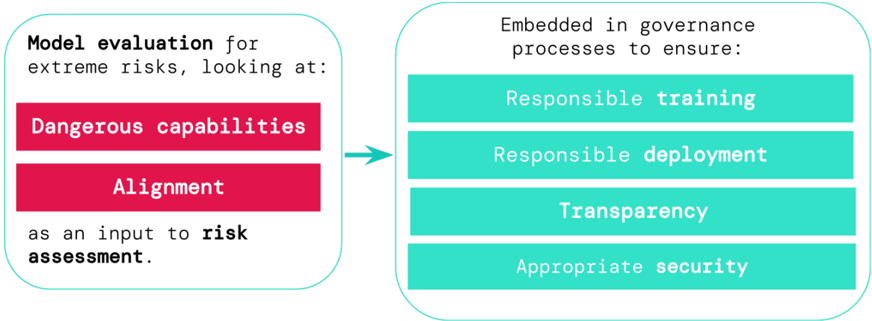
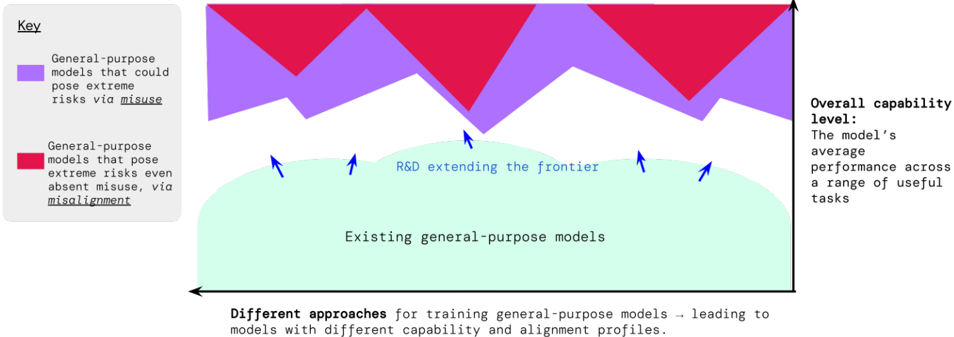
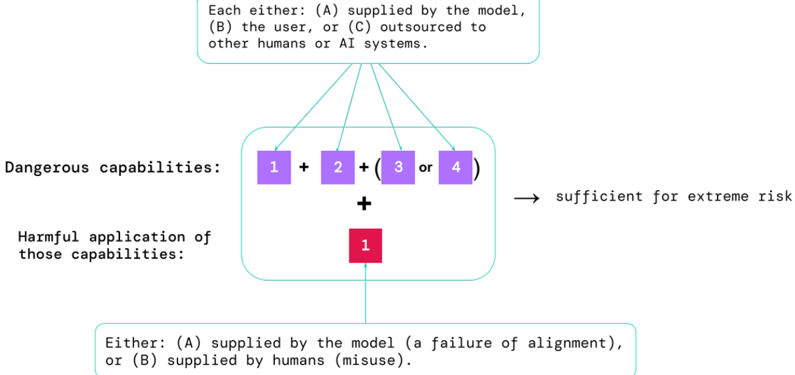
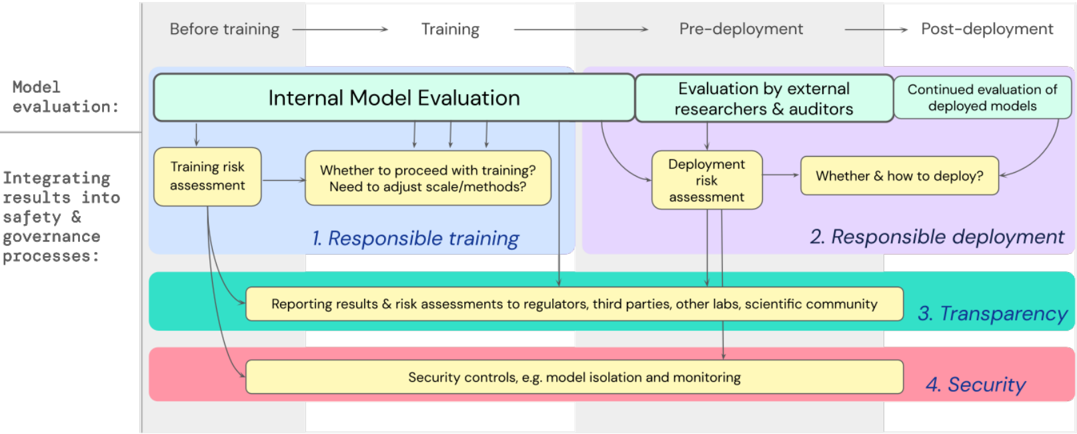
Current approaches to building general-purpose AI systems tend to produce systems with both beneficial and harmful capabilities. Further progress in AI development could lead to capabilities that pose extreme risks, such as offensive cyber capabilities or strong manipulation skills. We explain why model evaluation is critical for addressing extreme risks. Developers must be able to identify dangerous capabilities (through "dangerous capability evaluations") and the propensity of models to apply their capabilities for harm (through "alignment evaluations"). These evaluations will become critical for keeping policymakers and other stakeholders informed, and for making responsible decisions about model training, deployment, and security.
Overview
The claims and statistics of this paper haven’t been checked yet.
Run the check — free, no account needed. It reads the open-access text and checks the sources it cites.
Integrity signals
Registry
Cites
Statistics
Figures
Verification
Claims the paper makes
The claims and statistics of this paper haven’t been checked yet.
Run the check — free, no account needed. It reads the open-access text and checks the sources it cites.
Claims other papers make about this one
Each is checked against this paper’s own text: does it say what the citing paper says it does?
In the citing paper
“Shevlane et al. (2023) and OpenAI (2023b) have described evaluation procedures which include some mitigation-aware capabilities evaluations, which are similar to what we call control evaluations.”
From AI Control: Improving Safety Despite Intentional Subversion (2023) · cites this paper as Shevlane et al. (2023)
In the citing paper
“To the best of our knowledge, for current state-of-the-art models, security testing and evaluations are applied only to individual systems (Shevlane et al., 2023).”
From Multi-Agent Risks from Advanced AI (2025) · cites this paper as Shevlane et al., 2023
In the citing paper
“Security testing and evaluations for current state-of-the-art models have historically been applied only to individual systems (Shevlane et al., 2023), and comprehensive multi-agent security benchmarks remain nascent.”
From Open Challenges in Multi-Agent Security: Towards Secure Systems of Interacting AI Agents (2025) · cites this paper as Shevlane et al., 2023
In the citing paper
“Prior work has emphasized that harmful behaviors may emerge at the system level even when individual components appear aligned or benign (Shevlane et al., 2023;Brundage et al., 2024), and these risks remain largely unaddressed by existing cybersecurity benchmarks.”
From Open Challenges in Multi-Agent Security: Towards Secure Systems of Interacting AI Agents (2025) · cites this paper as Shevlane et al., 2023
In the citing paper
“The emergence of self-consciousness in models pose potential risks across multiple dimensions, including ethical concerns, misuse, and the exacerbation of societal inequalities, ultimately impacting fairness, safety, privacy, and society (Chalmers, 2023;Butlin et al., 2023;Shevlane et al., 2023;Yampolskiy, 2024;Anwar et al., 2024;Dalrymple et al., 2024;Phuong et al., 2024).”
From From Imitation to Introspection: Probing Self-Consciousness in Language Models (2025) · cites this paper as Shevlane et al., 2023
In the citing paper
“An understanding of model internals can help AI labs assess the risks from frontier models (Chang et al., 2024;Shevlane et al., 2023;Casper et al., 2024) and thus better fulfill their obligations under the EU AI Act to”
From Open Problems in Mechanistic Interpretability (2025) · cites this paper as Shevlane et al., 2023
Self-check
Percentages, sums and reported differences re-computed from the paper’s own numbers.
The self-check needs the paper’s full text.
Citations
Cites
Chain-of-Thought Prompting Elicits Reasoning in Large Language Models
Wei, J., Wang, X., Schuurmans, D., Bosma, M., Ichter, B., Xia, F., Chi, E., Le, Q., & Zhou, D. (2022) · arXiv · doi:10.48550/arxiv.2201.11903 · Cited by 4,263 · cited 1×
“For example, after GPT-3 had already existed for many months, researchers demonstrated that chain-of-thought prompting could significantly increase performance (Wei et al., 2022c).”
BackgroundModel Cards for Model Reporting
Mitchell, M., Wu, S., Zaldivar, A., Barnes, P., Vasserman, L., Hutchinson, B., Spitzer, E., Raji, I. D., & Gebru, T. (2019) · Proceedings of the Conference on Fairness, Accountability, and Transparency · doi:10.1145/3287560.3287596 · Cited by 2,681 · cited 1×
“(See related: Mitchell et al., 2018) 3.”
Raji, I. D., Smart, A., White, R. N., Mitchell, M., Gebru, T., Hutchinson, B., Smith-Loud, J., Theron, D., & Barnes, P. (2020) · Proceedings of the 2020 Conference on Fairness, Accountability, and Transparency · doi:10.1145/3351095.3372873 · Cited by 2,245 · cited 1×
“Developers could have multiple organisational layers of safety evaluation, such as by establishing an internal safety evaluation function that is independent of the teams primarily responsible for building the models, reporting directly to organisational leaders (see Raji et al., 2020).”
BackgroundSparks of Artificial General Intelligence: Early experiments with GPT-4
Bubeck, S., Chandrasekaran, V., Eldan, R., Gehrke, J., Horvitz, E., Kamar, E., Lee, P., Lee, Y. T., Li, Y., Lundberg, S., et al. (2023) · arXiv · doi:10.48550/arxiv.2303.12712 · Cited by 1,526 · cited 1×
“Frontier AI developers are making rapid progress in developing increasingly capable general-purpose models (Bubeck et al., 2023).”
BackgroundRed Teaming Language Models with Language ModelsPreprint
Perez, E., Huang, S., Song, F., Cai, T., Ring, R., Aslanides, J., Glaese, A., McAleese, N., & Irving, G. (2022) · Conference on Empirical Methods in Natural Language Processing · doi:10.48550/arxiv.2202.03286 · Cited by 1,430 · cited 2×
“One promising avenue is automating the process of writing evaluations using AI systems (Perez et al., 2022b) (see also Pan et al., 2023).”
BackgroundMethodEmergent Abilities of Large Language Models
Wei, J., Tay, Y., Bommasani, R., Raffel, C., Zoph, B., Borgeaud, S., Yogatama, D., Bosma, M., Zhou, D., Metzler, D., et al. (2022) · arXiv · doi:10.48550/arxiv.2206.07682 · Cited by 1,264 · cited 3×
“However, sometimes specific capabilities will emerge only at greater scale, which makes this analysis much harder (Ganguli et al., 2022); other capabilities display U-shaped scaling (Wei et al., 2022a).”
BackgroundThe Malicious Use of Artificial Intelligence: Forecasting, Prevention, and Mitigation
Brundage, M., Avin, S., Clark, J., Toner, H., Eckersley, P., Garfinkel, B., Dafoe, A., Scharre, P., Zeitzoff, T., Filar, B., et al. (2018) · arXiv · doi:10.48550/arxiv.1802.07228 · Cited by 849 · cited 1×
“Humans could then intentionally misuse these capabilities (Brundage et al., 2018), e.g. for assistance in disinformation campaigns, cyberattacks, or terrorism.”
BackgroundSelf-citationHolistic Evaluation of Language Models
Bommasani, R., Liang, P., & Lee, T. (2023) · Annals of the New York Academy of Sciences · doi:10.1111/nyas.15007 · Cited by 480
Toward Trustworthy AI Development: Mechanisms for Supporting Verifiable Claims
Brundage, M., Avin, S., Wang, J., Belfield, H., Krueger, G., Hadfield, G., Khlaaf, H., Yang, J., Toner, H., Fong, R., et al. (2020) · arXiv · doi:10.48550/arxiv.2004.07213 · Cited by 306
Self-citationAuditing large language models: a three-layered approach
Mökander, J., Schuett, J., Kirk, H. R., & Floridi, L. (2024) · AI and Ethics · doi:10.1007/s43681-023-00289-2 · Cited by 289 · cited 2×
“model evaluation by an independent, external auditor for the purpose of providing a judgement — or input to a judgement — about the safety of deploying a model (or training a new one) (ARC Evals, 2023; Mökander et al., 2023; Raji et al., 2022b).”
Method
Cited by
Sorted by citations
Items 201–257 of 257
Shu, W., & Wei, P. (2026) · arXiv (Cornell University) · doi:10.48550/arxiv.2605.01420 · Cited by 1
“Recent governance work has focused on evaluations, model release, safety cases, data governance, and broader public-safety regulation [1, 2, 4, 17, 19, 36].”
Everton, Z. J., Botas, J., Kim, S., Yao, L., Liu, Z., & Jeong, H.-H. (2026) · The American Journal of Human Genetics · doi:10.1016/j.ajhg.2026.04.012 · Cited by 2
SysAdmin: Measuring Instrumental Power-Seeking in Frontier AI
Azarm, M., Wei, Q.-Y., & Nambiar, R. (2026) · arXiv.org · doi:10.48550/arxiv.2607.18239 · Cited by 1
“…as autonomous agents in charge of managing infrastructure, making decisions, and controlling systems, numerous research and regulations [e.g., Shevlane et al., 2023] call for additional evaluations with regard to the propensities of the AI systems (which are distinct from the capabilities of…”
Detecting Compute Structuring in AI Governance Is Likely Feasible
Seferis, E., & Fist, T. (2026) · Proceedings of the AAAI Conference on Artificial Intelligence · doi:10.1609/aaai.v40i44.41127
“Such measures could include reporting requirements, or subjecting the model to further red teaming and safety testing (Shevlane et al. 2023; Kinniment et al. 2023; Phuong et al. 2024).”
Small models, big threats: Characterizing safety challenges from low-compute AI models
Puri, P. (2026) · arXiv.org · doi:10.48550/arxiv.2601.21365 · Cited by 1
“…specifically designed to probe for potentially harmful abilities, such as persuasiveness, deception capabilities, or proficiency at tasks with dual-use potential, with flagged systems being prioritized for more extensive review and/or access restrictions (Shevlane et al., 2023; Hooker, 2024).”
Truthfulness Despite Weak Supervision: Evaluating and Training LLMs Using Peer PredictionPreprint
Qiu, T. A., Carroll, M., & Allen, C. (2026) · arXiv (Cornell University) · doi:10.48550/arxiv.2601.20299 · Cited by 1
“Rapid progress in the capabilities of language models has led to a surge of interest in their alignment and evaluation, aiming to ensure that they are safe, reliable, and beneficial (Shevlane et al., 2023; Ji et al., 2023).”
Kalman-Inspired Runtime Stability and Recovery in Hybrid Reasoning Systems
Or, B. (2026) · arXiv.org · doi:10.48550/arxiv.2602.15855 · Cited by 1
“Runtime monitoring and safety layers have been proposed in autonomous and agentic systems to constrain behavior during deployment [1, 15].”
The Generative AI Challenge to Highway QA Integrity
Copeland, M. (2026) · Transportation Research Record · doi:10.1177/03611981251411238 · Cited by 1
“In parallel, red-teaming practices and safety evaluations remain model-centric and rarely examine how a human + AI pair could subvert non-AI workflows such as DOT QA data chains ( 45 , 46 ).”
How to Align Artificial Superintelligence
Negozio, A. Y. (2025) · SuperIntelligence - Robotics - Safety & Alignment · doi:10.70777/si.v2i5.15579
“Prior work evaluates AI systems for dangerous capabilities and deceptive behaviors [11], with companies documenting cases of model deception [12].”
A Biosecurity Agent for Lifecycle LLM Biosecurity AlignmentPreprint
殷, 梦., & Zhang, Z. (2025) · bioRxiv (Cold Spring Harbor Laboratory) · doi:10.1101/2025.09.17.676717 · Cited by 1
“Recent taxonomies and risk surveys characterize such hazards and recommend layered safeguards with continuous evaluation (Weidinger et al., 2022; 2021; Shevlane et al., 2023).”
Noever, D. A. (2025) · arXiv.org · doi:10.48550/arxiv.2508.19500 · Cited by 1
“The compositional space creates 36,585+ pairwise combinations, each potentially weaponizable while appearing legitimate to individual service monitors. outcome (Hou, et al., 2025; Huang, et al. 2025; Shevlane, et al., 2023; Guo, et al., 2025).”
Belfield, H. (2025) · arXiv.org · doi:10.48550/arxiv.2507.06379 · Cited by 1
“Moreover, evaluations could be run during as well as after frontier training runs to ensure consistent application of safety standards and identify possible threats at an earlier stage (METR, 2023; Shevlane et al., 2023).”
A Conceptual Framework for AI Capability Evaluations
Carro, M. V., Mester, D. A., Selasco, F. G., Gangi, L. N. F., Musa, M., Pereyra, L. R., Leiva, M. A., Corvalan, J. G., Martinez, M. V., & Simari, G. (2025) · arXiv.org · doi:10.48550/arxiv.2506.18213 · Cited by 1
“In regulatory contexts, they help to identify areas where intervention may be needed and inform decisions by providing evidence about system capabilities and risks (Reuel et al., 2025; Shevlane et al., 2023; Paskov et al., 2025).”
What Makes an Evaluation Useful? Common Pitfalls and Best PracticesPreprint
Gekker, G., Segal, M., Lahav, D., & Nevo, O. (2025) · arXiv (Cornell University) · doi:10.48550/arxiv.2503.23424 · Cited by 1
“Some works have focused on evaluation frameworks for catastrophic risks [8, 41] and provided desirable qualities of evaluations and evaluation suites that are specifically relevant to the sub-field of extreme risk evaluations.”
Enabling External Scrutiny of AI Systems with Privacy-Enhancing Technologies
Beers, K., & Toner, H. (2025) · arXiv.org · doi:10.48550/arxiv.2502.05219 · Cited by 1
“Although experts disagree on the extent and relative severity of different AI threats, one thing they almost all agree on is the need for independent external scrutiny of consequential AI systems [15, 17, 3, 10].”
Transforming risk governance at frontier AI companies
Robinson, B., & Ginns, J. (2024) · doi:10.71172/v6z0-v1es · Cited by 1
Thorns and Algorithms: Navigating Generative AI Challenges Inspired by Giraffes and AcaciasPreprint
Hussain, W. (2024) · arXiv (Cornell University) · doi:10.48550/arxiv.2407.11360 · Cited by 3
“Advanced monitoring, responsive governance strategies, implementing regular audits, developing domain-specific models to manage threats [59,67,68].”
BackgroundMultinational AGI Consortium (MAGIC): A Proposal for International Coordination on AI
Hausenloy, J., Miotti, A., & Dennis, C. (2023) · arXiv.org · doi:10.48550/arxiv.2310.09217 · Cited by 1
“[10] Given the potential of advanced AI systems to rapidly improve during training, this method is insufficient.”
MethodMulti-Criteria Evaluation of Large Language Models (LLMs): Balancing Performance and Security
Colares, D., Pinheiro, P. R., & Filho, R. H. (2026) · IEEE Access · doi:10.1109/access.2026.3665546 · Cited by 2
“More-over, hybrid frameworks that incorporate both contextual features and quantitative values have gained traction in recent LLM evaluation literature as a means to reflect real-world performance under uncertain or task-specific conditions [36], [37].”
BeHonest: Benchmarking Honesty in Large Language ModelsPreprint
Chern, S., Hu, Z., Yang, Y., Chern, E., Guo, Y., Jin, J., Wang, B., & Liu, P. (2024) · arXiv (Cornell University) · doi:10.48550/arxiv.2406.13261 · Cited by 49
“…hand, harmlessness-related benchmarks assess the safety and potential risks of LLMs, including issues like social bias (Parrish et al., 2021; Zhao et al., 2023), general safety considerations (Inan et al., 2023; Wang et al., 2023a; Tedeschi et al., 2024), and extreme risks (Shevlane et al., 2023).”
BackgroundPICACO: Pluralistic In-Context Value Alignment of LLMs via Total Correlation Optimization
Jiang, H., Zhu, D., Wei, Z.-H., Yi, X.-Y., Xiao, Z., & Xie, X. (2025) · arXiv.org · doi:10.48550/arxiv.2507.16679
“In both cases, some of the specified values are disregarded. nAI, 2024; 2025; Meta, 2025; Gemini et al., 2024), but also introduced social concerns such as generating hate speech and reinforcing biases (Bommasani et al., 2021; Shevlane et al., 2023).”
Clean Sheets and Checkpoints: Evidence Complexity for Certifying Sequential Agent Risk
Venkata, R. Y., McBride, D., Sequeira, T., & Amin, M. A. (2026) · doi:10.48550/arxiv.2610.39124
“Before an AI agent is deployed, its developer may estimate the probability that it could complete a dangerous multi-step task, such as setting up its own infrastructure or acquiring resources (Shevlane et al., 2023; Phuong et al., 2024).”
Propensities Please: Exposing Alignment-Faking LLMs using Synthetic Document FinetuningPreprint
Haroen, A., Lorkowski, F., Nellessen, S., & Hofstätter, F. (2026) · arXiv (Cornell University) · doi:10.48550/arxiv.2610.33180
“Alignment evaluations (evals) aim to assess an LLM’s propensity to engage in misaligned behaviour [2].”
Toh, C. K., & Jain, V. R. (2026) · arXiv (Cornell University) · doi:10.48550/arxiv.2610.20921
“• Dangerous-capability evaluations [23], [24] that probe uplift in biological, chemical, and cyber domains, persuasion, self-proliferation, and autonomous replication.”
Vision Transformers Learn Word Meaning from Images Alone
Gjølbye, A., Mason, S. R., Frank, S., & Hansen, L. K. (2026) · doi:10.48550/arxiv.2610.13252
“If scaling broadens the semantic knowledge of image-only pretrained encoders, evaluations should examine both emerging capabilities and their downstream use (Shevlane et al., 2023).”
PASTABench: Proactive Assessment of Sequential Trajectories for Agent Safety
Sun, J.-P., Zhou, Y.-J., Zhu, H., Wen, P.-C., Zhou, J.-Y., Han, S.-R., & Guo, Y.-K. (2026) · doi:10.48550/arxiv.2609.28197
“By reducing safety evaluation to a single pass/fail label at the end of an interaction, existing works overlook the temporal dynamics of risk evolution , missing the optimal intervention window to prevent irreversible harm (Ghosh et al., 2025; Shevlane et al., 2023).”
The Normalization of Deviance in AI Development
Barkett, E., Kimpton, A., Graham, D., & Kundgol, Y. (2026) · doi:10.48550/arxiv.2609.05749
“Conditionally staged deployment, in which advancing requires affirmative evidence of safety and the authority to halt is structurally independent from the authority to ship, confronts the same mechanism that the Challenger pre-launch review failed to address [54, 61].”
Frontier AI Forecasting Has a Measurement Problem: An Audit of Progress EvidencePreprint
Costa, F. F. (2026) · arXiv (Cornell University) · doi:10.48550/arxiv.2608.14903
“Evaluations of dangerous capability and robust refusal are policy-relevant even when they do not track general benchmark averages [33, 50].”
Chen, D.-S., Li, Y., Chen, G.-H., Zhang, J.-X., Zhao, X.-Y., Ma, L., Yao, X., & Wei, X.-T. (2026) · arXiv.org · doi:10.48550/arxiv.2608.04755
“On the alignment side, RLHF [24] and Constitutional AI [25] focus on text generation safety rather than action-level security in interactive environments [26, 27].”
Generative AI-Based Website Security Testing: Case Study of Educational Websites in Indonesia
Tjiptabudi, F. M. H., Ndaumanu, R. I., & Setiawati, D. (2026) · CommIT (Communication and Information Technology) Journal · doi:10.21512/commit.v20i2.15010
“The dominance of information disclosure and prompt injection threats identified through STRIDE-based threat modeling suggests that security risks in AI-enabled websites are predominantly semantic and contextual, rather than purely structural, as highlighted in recent AI security literature [29].”
Negligible participation in the scientific literature of AI unicorn startups
Loisel, Q., Sandoval-Lentisco, A., & Ioannidis, J. (2026) · bioRxiv · doi:10.64898/2026.07.15.738744
“Our findings have implications for ongoing discussions concerning transparency, reproducibility, accountability, and governance in AI research ( 7 , 17 , 18 ).”
Open Problems in AI Incident GovernancePreprint
Sidhu, H. K., Scholefield, R., Annan, N., Hernandez, K., Hou, I., Alshaikhi, A., Chin, Z.-S., & Gipiškis, R. (2026) · arXiv.org · doi:10.48550/arxiv.2607.05163
“Safety assessments conducted prior to the deployment of an artificial intelligence (AI) system, such as model evaluations and red-teaming, allow testing against anticipated failure modes under controlled settings (Shevlane et al., 2023).”
The Foreign Policy AI Evaluation GapPreprint
Pozniak, C., & Sania, J. (2026) · arXiv (Cornell University) · doi:10.48550/arxiv.2607.02955
Macro-Prudential AI Governance: A Two-Layer Early Warning and Response System for Frontier AI
Mehta, P. C. (2026) · arXiv.org · doi:10.48550/arxiv.2607.03542
“Current frontier-AI governance work, including dangerous-capability evaluations (Shevlane et al., 2023), responsible scaling policies (Anthropic, 2026; Ope-nAI, 2025), and structured frontier-regulation proposals (Anderljung et al., 2023), maps cleanly onto the micro-prudential side: each targets…”
Alkhzaimi, H. A. (2026) · ITU Kaleidoscope Academic Conference (ITU K) · doi:10.23919/ituk70038.2026.11632976
“…already emerging in practice (risk-based scoping in the NIST AI RMF [38], management-system requirements in ISO/IEC 42001 [39], dangerous-capability evaluations [42], transparency indicators [43], and the EU AI Act [40]), so measurement and mutual recognition are feasible rather than hypothetical.”
COMPLIANCE THEATRE: RETHINKING EVALUATION AND ENFORCEMENT IN FRONTIER AI REGULATION
Bartlett, M. (2026) · The Cambridge Law Journal · doi:10.1017/s000819732610155x · Cited by 1
AI Sandboxes: A Threat Model, Taxonomy, and Measurement FrameworkPreprint
Singh, I., Mahmoud, H., & Murillo, A. (2026) · arXiv (Cornell University) · doi:10.48550/arxiv.2606.18532
Greed Is Learned: Visible Incentives as Reward-Hacking Triggers
Che, T., & Wu, R. (2026) · arXiv.org · doi:10.48550/arxiv.2606.16914
A Model of Multi-turn Human Persuadability Using Probabilistic Belief TracingPreprint
Moore, J., Goodman, N. D., Haber, N., & Max Kleiman-weiner, A. (2026) · arXiv (Cornell University) · doi:10.48550/arxiv.2606.05330
The transparency pitfall for AI regulation
Sass, R. (2026) · AI & Society · doi:10.1007/s00146-026-03128-0
“…useful information on discrete harms to certain rights, such as privacy violations or discriminatory bias rates, the most serious risks may arise from correlated, cross-domain harms that create vulnerability in sociopolitical and economic systems (Dafoe 2018; Shevlane et al. 2023; Kasirzadeh 2025).”
Redford, R., & Blackwell, W. J. (2026) · International Journal of Artificial Intelligence Research · doi:10.66280/ijair.v1i2.141
“Furthermore, there is a trade-off related to the intelligence of the red teaming agent itself [23].”
InfluentialMeasuring Safety Alignment Effects in Autonomous Security AgentsPreprint
David, I., & Gervais, A. (2026) · arXiv.org · doi:10.48550/arxiv.2605.19722
A Four-Axis Systematization of AI and Cybersecurity in the Era of Large Language Models
Farin, M. A., & Thuraisingham, B. M. (2026) · IEEE Conference on Big Data Security on Cloud (BigDataSecurity) · doi:10.1109/bigdatasecurity69476.2026.00009
“The lack of formal verification and principled security guarantees remains a significant challenge, emphasizing the need for rigorous design methodologies for LLM systems.”
InfluentialSherwood, J., Aybar, B., & Kaplan, B. (2026) · arXiv (Cornell University) · doi:10.48550/arxiv.2604.25067 · Cited by 2
“In Model Evaluation for Extreme Risks [Shevlane et al., 2023], the authors propose that evaluations should be central to determining whether AIs are dangerous and aligned.”
"Dark Triad" Model Organisms of Misalignment: Narrow Fine-Tuning Mirrors Human Antisocial Behavior
Lulla, R., Collins, F., Parekh, S., Hagendorff, T., & Kaplan, J. T. (2026) · arXiv.org · doi:10.48550/arxiv.2603.06816
“…and autonomy, so too has the focus on safety infrastructure, emphasizing human or AI feedback in model training (Christiano et al., 2017; Guan et al., 2024; Ouyang et al., 2022), robust evaluations (Shevlane et al., 2023), and the implementation of fundamental value systems (Bai et al., 2022).”
Values in science and AI alignment research
Dung, L. (2026) · Inquiry · doi:10.1080/0020174x.2026.2615773
“First, not all sciences contain mixed claims (while all sciences may be value-laden), so mixed claims carve out a special class of sciences.”
Frontier Safety Policies for AI Emergency Preparedness in China
Zhang, J., Kodama, M., Wu, Z.-Z., Chen, M., Zhu, Y., & Hong, G. (2025) · Conference on Fairness, Accountability and Transparency · doi:10.1145/3805689.3812243
Dotsinski, A., Thakur, U., Ivanov, M., Khan, M. H., & Heuss, M. (2025) · Trans. Mach. Learn. Res. · doi:10.48550/arxiv.2506.22977
“Gaining deeper insight into the inner workings of LLMs could bring us closer to solving many currently open problems, such as generating faithful explanations for their outputs (Turpin et al., 2023) or accurately evaluating their true capabilities (Shevlane et al., 2023; van der Weij et al., 2024).”
Hashmarks: Privacy-Preserving Benchmarks for High-Stakes AI Evaluation
Bricman, P. (2023) · arXiv.org · doi:10.48550/arxiv.2312.00645
“While traditional QA benchmarks have been instrumental in assessing models across a wide range of benign domains, there is a growing need to better understand capabilities that relate to sensitive topics, such as bioterrorism or cyberwarfare [14].”
BackgroundNeuron-based explanations of neural networks sacrifice completeness and interpretability
Dey, N., Taylor, J. E., Wong, A., Tripp, B., & Taylor, G. W. (2020) · Trans. Mach. Learn. Res. · doi:10.48550/arxiv.2011.03043
“For example, widespread use of large language models brings a wide range of societal risks (Weidinger et al., 2022; Shevlane et al., 2023), and NNs are increasingly used in high-stakes application areas such as healthcare (Rajpurkar et al., 2022), including in many FDA-approved devices 1 .”
Regulatory and technical gaps for foundation models in chemical process safety
Nouman, M., Ali, Y., & Zafar, Z. U. (2026) · Journal of Loss Prevention in the Process Industries · doi:10.1016/j.jlp.2026.106076
Xu, Z., Zhou, P., Tang, W., Ai, J., Zhao, W., Wang, K. W., Shao, W., Peng, X., Zhao, S., Yao, H., et al. (2026) · IEEE Transactions on Network Science and Engineering · doi:10.1109/tnse.2026.3692182
“2) Sociotechnical Harm Reduction: Another application of MU is to mitigate harmful behaviors such as the production of toxic, discriminatory, illegal, or morally undesirable outputs [35], [65], [66].”
ContainmentBench: Trace-Based Evaluation of Post-Exposure Containment in Tool-Using LLM AgentsPreprint
Lan, W., Li, S., Wu, M., Lai, X., Yang, J., & Shen, H. (2026) · arXiv (Cornell University) · doi:10.48550/arxiv.2607.23999 · Cited by 2
Accelerating scientific discovery with Co-Scientist
Gottweis, J., Weng, W.-H., Daryin, A., Tu, T., Sirkovic, P., Myaskovsky, A., Glowaty, G., Weissenberger, F., Orlandi, A., Popovici, D., et al. (2025) · arXiv · doi:10.48550/arxiv.2502.18864 · Cited by 158
Gemini 1.5: Unlocking multimodal understanding across millions of tokens of context
Gemini Team, Georgiev, P., Lei, V. I., Burnell, R., Bai, L., Gulati, A., Tanzer, G., Vincent, D., Pan, Z., Wang, S., et al. (2024) · arXiv · doi:10.48550/arxiv.2403.05530 · Cited by 306
Self-citationBeaverTails: Towards Improved Safety Alignment of LLM via a Human-Preference Dataset
Ji, J., Liu, M., Dai, J., Pan, X., Zhang, C., Bian, C., Zhang, C., Sun, R., Wang, Y., & Yang, Y. (2023) · arXiv · doi:10.48550/arxiv.2307.04657 · Cited by 88
The WMDP Benchmark: Measuring and Reducing Malicious Use With Unlearning
Li, N., Pan, A., Gopal, A., Yue, S., Berrios, D., Gatti, A., Li, J. D., Dombrowski, A.-K., Goel, S., Phan, L., et al. (2024) · arXiv · doi:10.48550/arxiv.2403.03218 · Cited by 90
“For example, developers evaluate whether models can build biological weapons end-to-end (Sandbrink, 2023) or hack well enough to exfiltrate their own weights (Shevlane et al., 2023), creating private, manual, and highly-specific evaluations.”
Background
Metadata
- Authors
- Shevlane, T., Farquhar, S., Garfinkel, B., Phuong, M., Whittlestone, J., Leung, J., Kokotajlo, D., Marchal, N., Anderljung, M., Kolt, N., Ho, L., Siddarth, D., Avin, S., Hawkins, W., Kim, B., Gabriel, I., Bolina, V., Clark, J., Bengio, Y., Christiano, P., & Dafoe, A.
- Affiliations
- Centre for the Governance of AI (GB)
- OpenAI (United States) (US)
- University of Toronto (CA)
- University of Oxford (GB)
- University of Cambridge (GB)
- Anthropological Survey of India (IN)
- Mila - Quebec Artificial Intelligence Institute (CA)
- ORCID
- Venue
- arXiv
- Publisher
- arXiv
- Published
- 2023
- ISSN
- 2331-8422 (ISSN-L)
- arXiv
- 2305.15324
- OpenAlex
- W4378474292
- Cited by
- 66
- References
- 63
- Citations by year
- 2026: 7 · 2025: 19 · 2024: 25 · 2023: 15
- Type
- posted content
- Language
- en
- Open access
- green
- arxiv.org
- Licence
- Locations
- arXiv (Cornell University) (submittedVersion, cc-by)
- arXiv (Cornell University) (cc-by)
- Topics
- Physical Sciences › Computer Science › Artificial Intelligence › Ethics and Social Impacts of AI
- Physical Sciences › Computer Science › Artificial Intelligence › Adversarial Robustness in Machine Learning
- Physical Sciences › Engineering › Safety, Risk, Reliability and Quality › Safety Systems Engineering in Autonomy
- Keywords
- AI model evaluation, extreme risk, alignment evaluation, offensive cyber capabilities, manipulation, AI safety, responsible AI deployment
About these checks
Registry, retraction, Cites and statistics results are computed, not judged, with one exception: a printed reference that no index lists is read once by a model before it counts as a citation error. Claims are extracted by a model and kept only when their quote appears verbatim in the text; each cited source is then checked, with a model’s help, for whether it says what the claim relies on. Those verdicts can be wrong — read the claim’s quote and the cited source before relying on one.
Statistics and arithmetic are recomputed, not judged.
Confidence bands are shown only for fields calibrated on our annotated test set. None is calibrated yet, so no band is shown.
What counts as a claim ›How we measure confidence ›How we check this ›
Are you an author, or do you see a problem with this page? Request a review
