

The DOI matches its Crossref record; 91 of the 91 references it cites were found in a registry or an index; 1 of the 41 sources its claims cite were checked for support.
A scalable in vitro cell competition model identifies preleukemic super competitor clones
Open accessAbstract
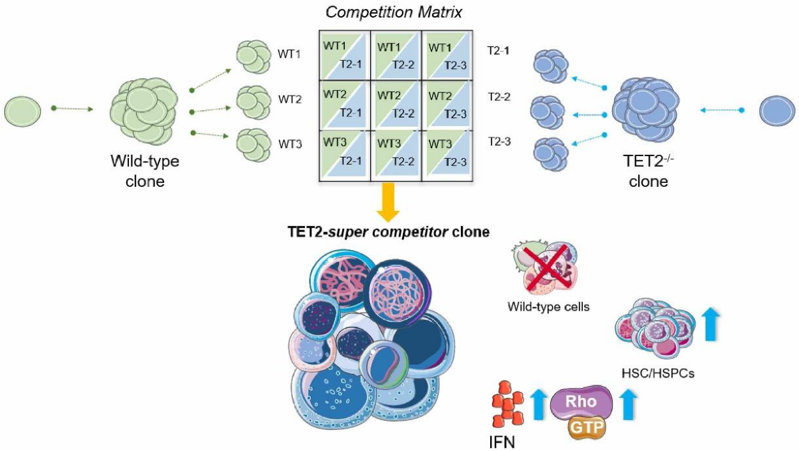
Preleukemic and leukemic conditions are frequently characterized by the acquisition of recurrent genetic mutations in hematopoietic stem cells (HSCs). One of the most frequently mutated genes in both clonal hematopoiesis and myeloid malignancies is the ten-eleven translocation 2 (TET2) gene, which encodes an epigenetic enzyme with a critical role in the regulation of gene transcription. While substantial work has shown that TET2 loss-of-function mutations lead to a clonal advantage, the underpinning cellular mechanism remains unclear, especially with respect to the early interactions with other cells. To study these early cell interactions of mutant and non-mutant cells, we developed an in vitro clonal competition platform where single-cell derived cultures are split into subclonal fractions which can be simultaneously cross-competed against multiple different clones of an opposing genotype. We identify a novel preleukemic cell phenotype that parallels the developmental biology phenomenon of super-competition, whereby ∼10% of TET2-mutant clones actively and selectively suppress wild type (WT) cell expansion and, in some cases, completely eliminate WT clones. Molecular profiling and functional assays point to RAC1-GEF signalling inhibition as a specific WT cell vulnerability that is promoted, and tolerated, by neighbouring TET2-mutated clones. In addition to pinpointing selective drivers of non-mutant cell suppression, this clonal competition platform offers a broadly applicable new approach to study cell competition dynamics at an unprecedented scale. Abstract Figure: Key points: Split clonal culture system allows for the modelling of clonal competition in vitro between a single clone against multiple clones of an opposing genotype A subset of TET2-mutant HSCs are “super competitors”, actively suppressing wild-type cells. TET2-super competitors increase phenotypic HSCs and tolerate Rac1-GEF signalling disruption.
Overview
CoChat Summary
Written by AI from the paper’s full text.
TL;DR
The paper develops a scalable split-clone in vitro competition assay and uses it to identify a subset of TET2-mutant HSCs as “super competitors” that actively suppress wild-type cells. Molecular profiling implicates inflammatory/cell-adhesion programs and Rac1/GEF signaling, with Rac1 inhibition selectively impairing WT while TET2-mutant cells tolerate it.
Key findings
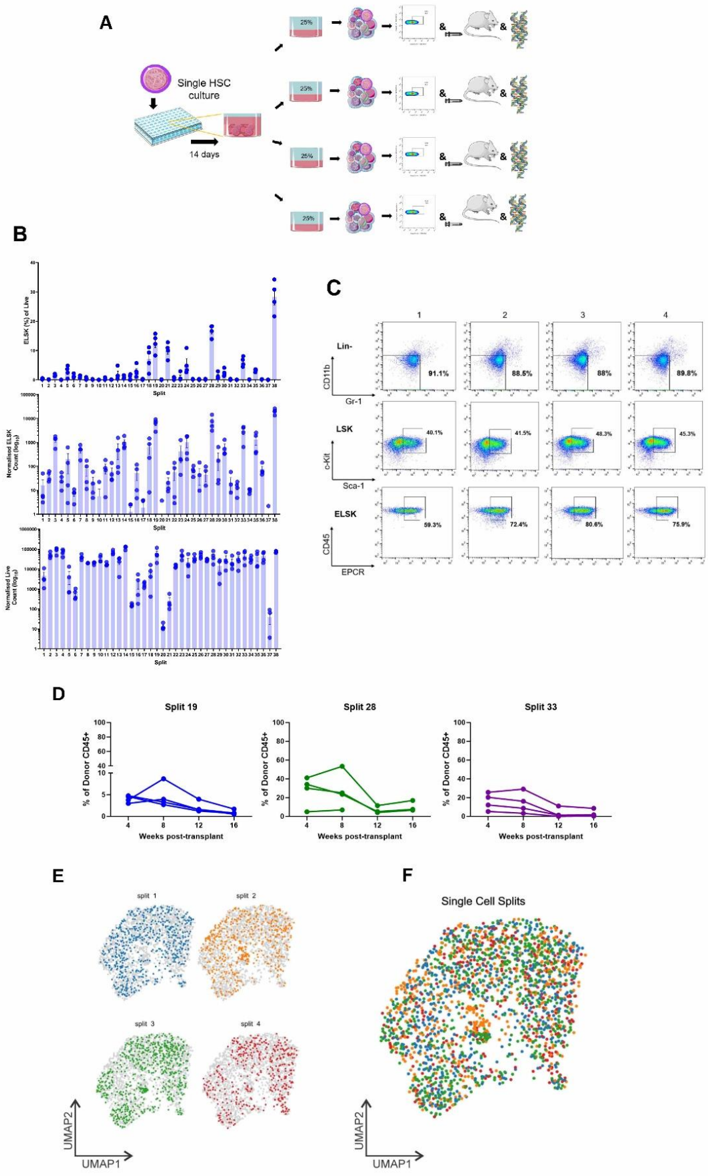
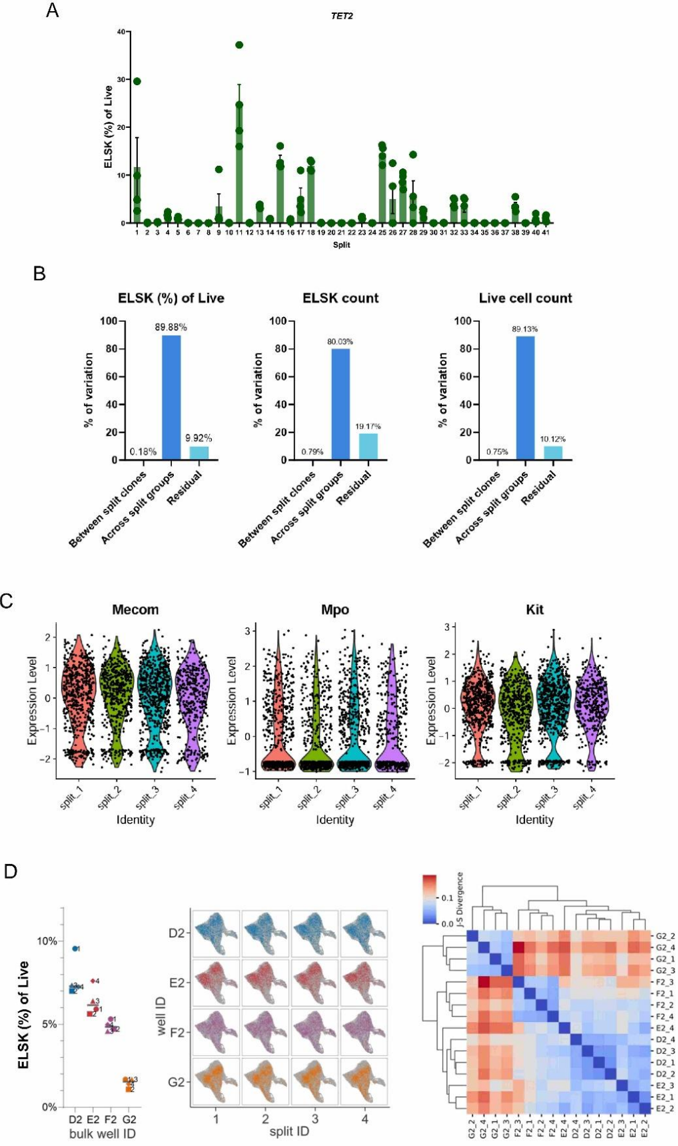
- Split HSC clones into four sister wells were phenotypically, functionally, and molecularly equivalent: ICC for ELSK frequencies was 0.90, ELSK counts 0.80, and viable cell counts 0.89 across 38 parent HSC clones; ANOVA attributed 89.88%, 80.03%, and 89.13% of variation, respectively, to between-culture differences.
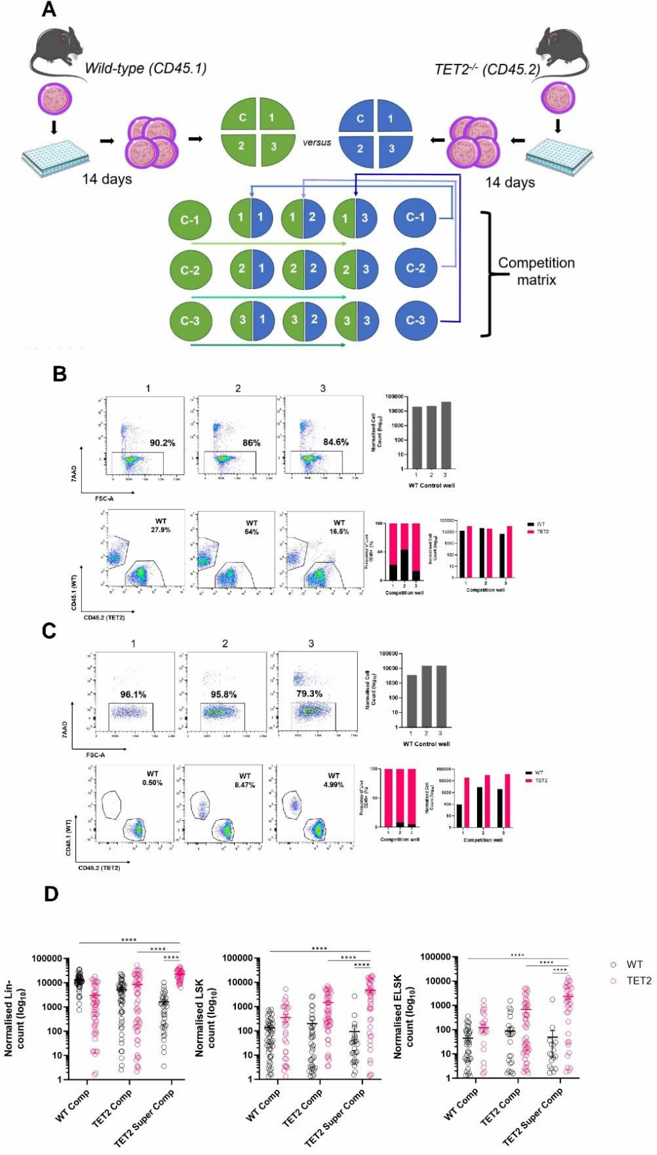
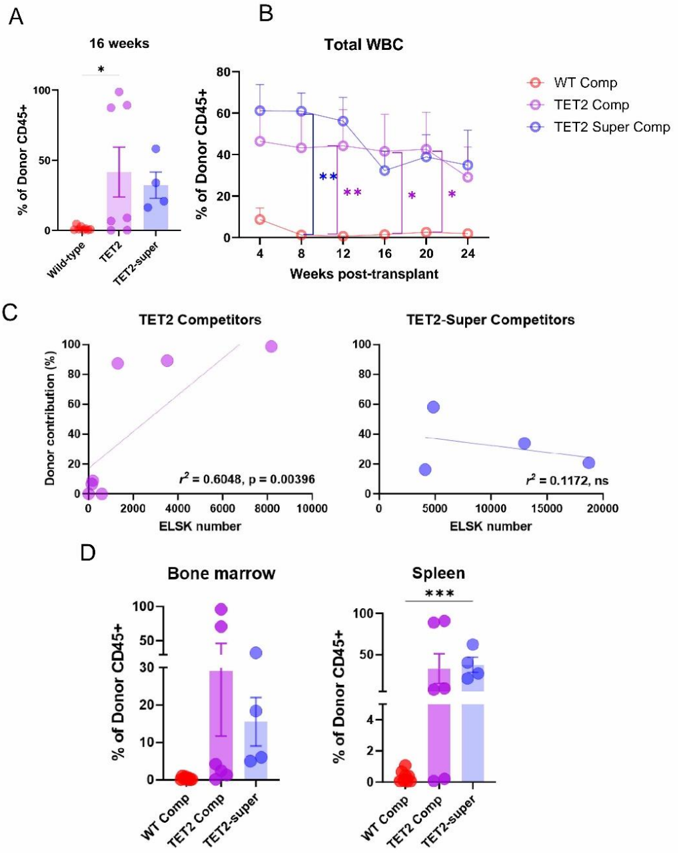
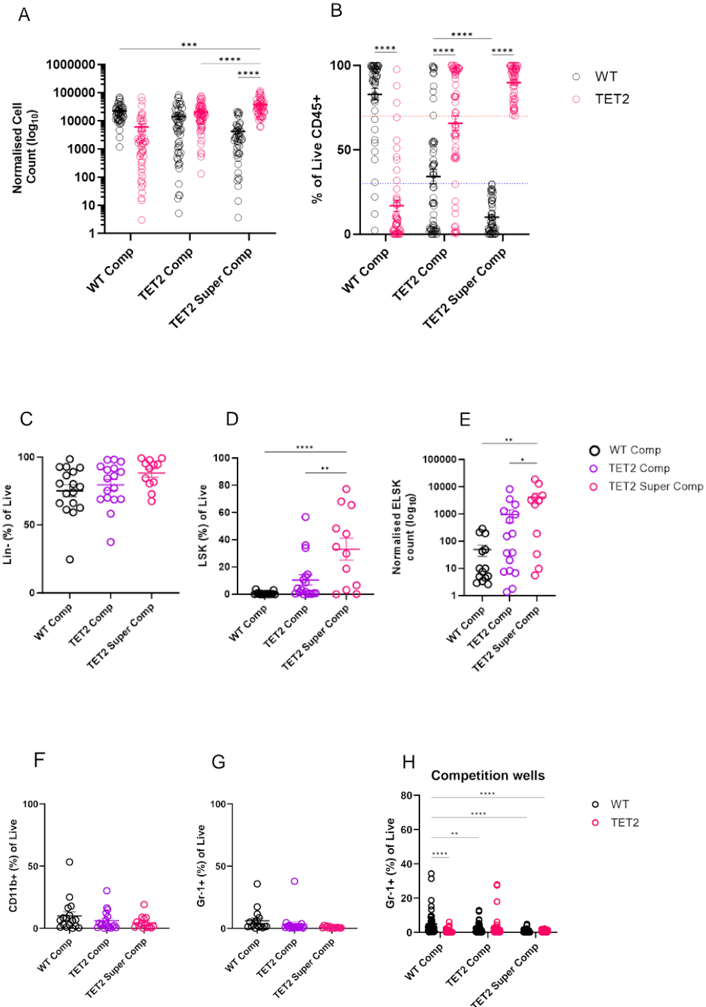
- In 140 competition matrices comprising 420 WT and 420 TET2 individual HSC-initiated clones over 1,260 competition wells, 68.67% of TET2-/- clones preferentially outcompeted WT clones. About 10% of clones (83 of 840) outcompeted all three opposing-genotype wells; most were TET2-/- (~70%), and a subset (n=27) outgrew all three competitors by >70:30.
- TET2-super competitor clones actively suppressed WT cells: WT sister-well cell production was >20-fold reduced versus a standard competition well, and WT cell number was approximately 10-fold lower when co-cultured with a TET2-super competitor. ELSK numbers showed WT cells outnumbered ~20-fold by TET2 competitors and ~80-fold by TET2-super competitors.
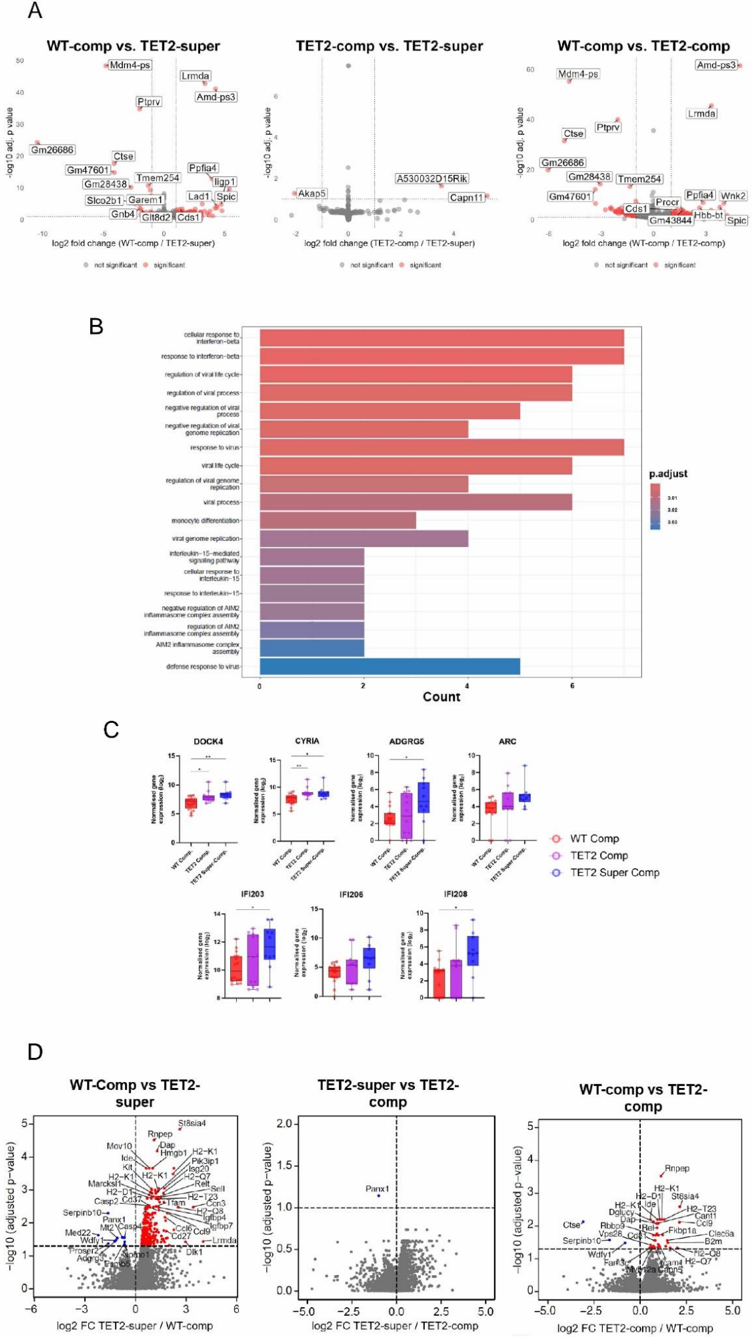
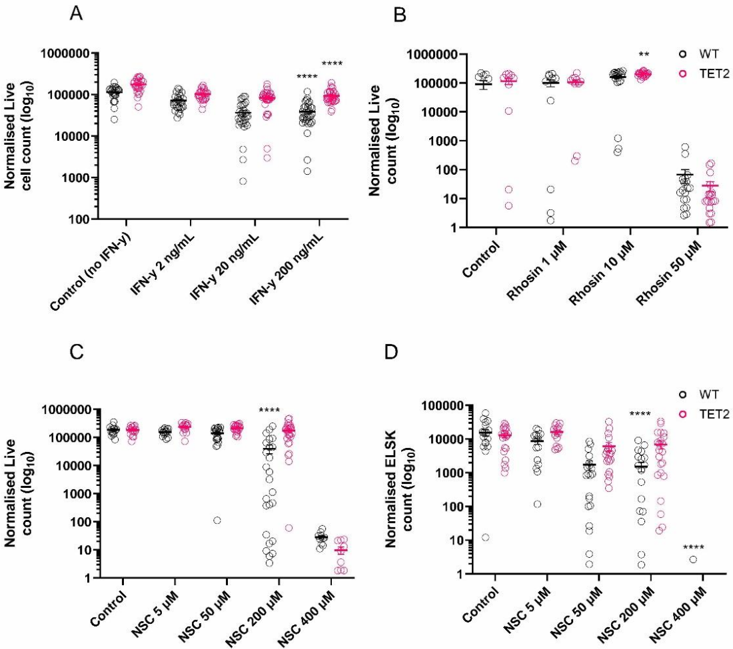
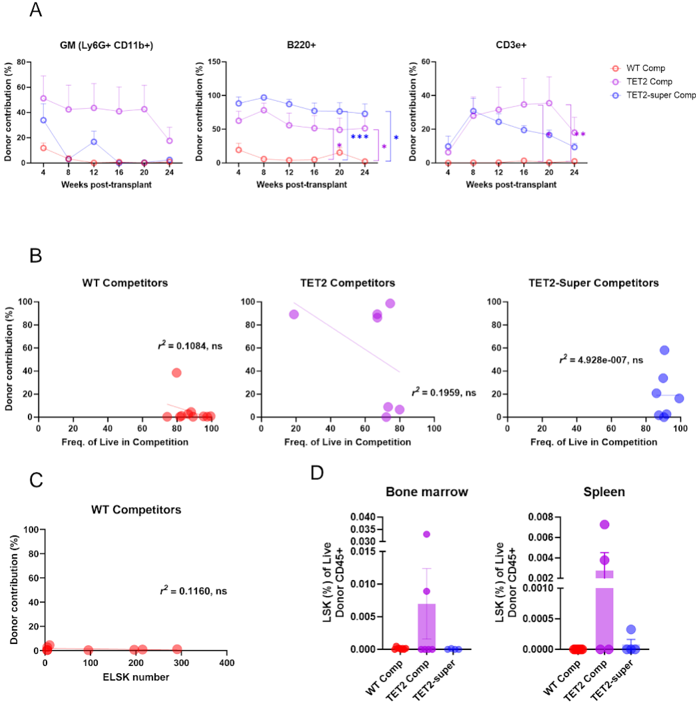
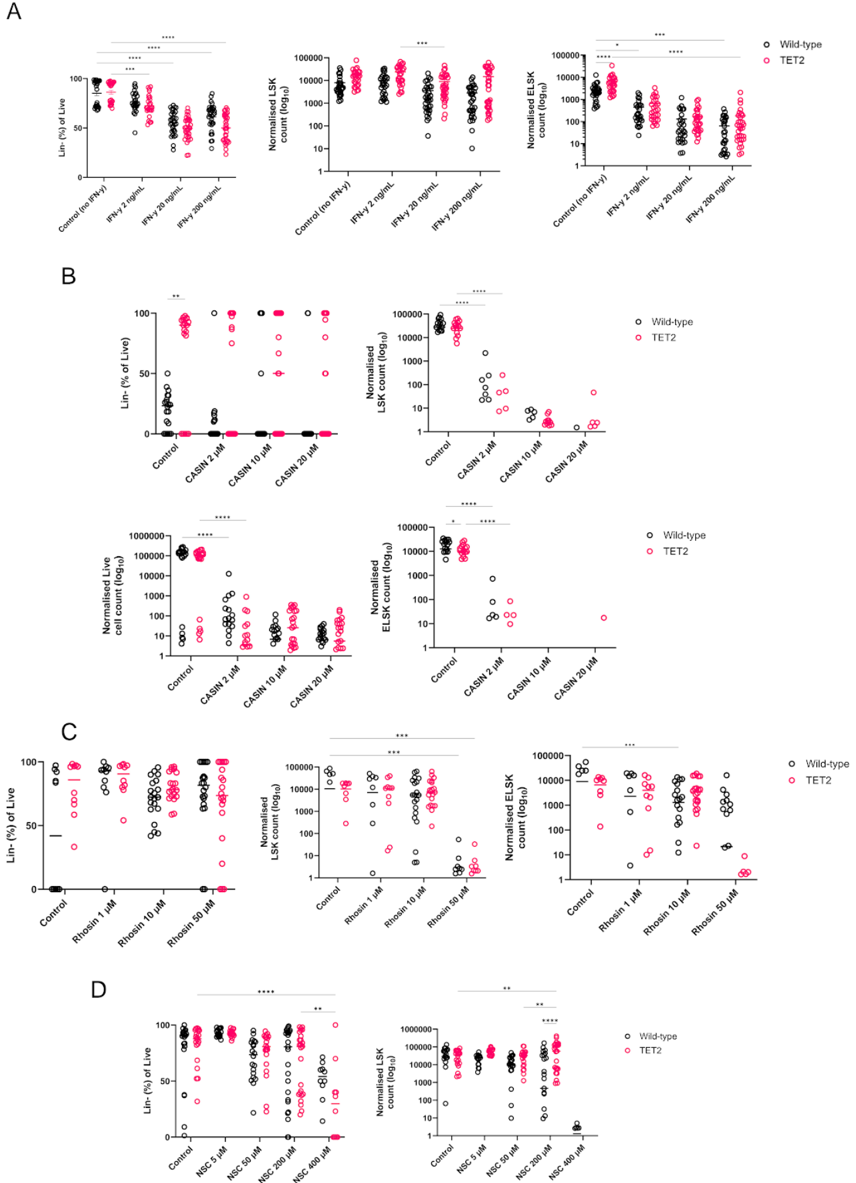
- In vivo, only TET2-super competitor recipients had 100% repopulation at 16 weeks, versus 62.5% for WT competitors and 71.42% for TET2 competitors. TET2-super competitors also showed elevated inflammatory/cell-adhesion molecules, and the Rac1/GEF inhibitor NSC-23766 at 200 μM produced 4.42-fold fewer WT cells than TET2-/- cultures and reduced phenotypic HSCs 4.45-fold.
Methods
- Single ESLAM HSCs (CD45+EPCR+CD150+CD48−) from WT (CD45.1) or TET2−/− (CD45.2) mice were expanded for 14 days, split into four sister wells, and expanded for a further 14 days. One sister well remained a control; three were co-cultured 1:1 with sister wells from the opposing genotype in a 3×3 competition matrix.
- Readouts included flow cytometry, single-cell RNA-sequencing, bulk RNA-sequencing, data-independent acquisition mass spectrometry of supernatants, in vivo HSC transplantation, and in vitro validation with Rho-GTPase inhibitors or recombinant proteins.
- Analyses included intraclass correlation coefficients, one-way/two-way ANOVA, DESeq2 differential expression, KEGG/GO enrichment, DeepLoc protein localization, and linear regression.
Limitations
- Paper-stated: IFN-γ treatment was toxic to both WT and TET2−/− cells and therefore not selective enough to drive the supercompetitor phenotype; functional studies did not reveal genotype-specific differences in expansion cultures, which the authors say warrants further testing. The authors also note that NSC-23766 has reported off-target effects on platelets in a Rac1−/− setting, which might affect interpretation.
- Evident from the text: the model is mouse TET2−/− HSC culture, not human clonal hematopoiesis; in vivo supercompetitor validation used a small recipient number (n=4 for TET2-super), and the supercompetitor phenotype was heterogeneous, with six of eight clones changing phenotype over time and classification depending on >70:30 dominance plus active suppression.
Model-written summary. Check it against the paper before relying on it.
Integrity signals
Registry
Cites
Statistics
Figures
Verification
Claims the paper makes
76 Own result · 19 Own interpretation · 11 Check pending · 5 Not checked yet · 2 No full text of the sources · 2 Own method · 1 Partly supported · 1 Sources not found · accuracy not yet measured
The cited sources support only part of this claim — read each source’s verdict below.
In the paper
“The intraclass correlation coefficient (ICC) of ELSK frequencies was 0.90, demonstrating strong consistency across split fractions of 38 parent HSC clones”
§ A scalable in vitro cell competition model identifies preleukemic super competitor clones > Split clones are phenotypically, functionally and molecularly equivalent
What the sources say
- Partly supportedcites Koo & Li, 2016 sourceExperimental — accuracy not yet measured
The ICC Interpretation passage supports treating an ICC of 0.90 as indicating good reliability under the authors’ suggested conditions. The Conclusion cautions that reliability should be evaluated using the ICC’s 95% confidence interval. Neither passage reports ELSK frequencies, split fractions, 38 parent HSC clones, or an ICC calculated from those data. (LLM, conf=0.88)
boostedstates an association- Asserted: passes — The authors put it forward as true.
- Checkable: passes — It can be checked against evidence.
- Load-bearing: passes — The paper’s conclusions depend on it.
- Based: passes — The paper gives a reason why it holds.
- Partly supported
In the paper
“We next evaluated expression levels of genes commonly detected in ex vivo-expanded HSCs (Supplementary Figure 1C) where, again, sister wells had equivalent expression associated with HSC functionality and myeloid differentiation, such as Mecom (Voit et al, 2023), Mpo (Nauseef et al, 1988), and Kit.”
§ A scalable in vitro cell competition model identifies preleukemic super competitor clones > Split clones are phenotypically, functionally and molecularly equivalent
What the sources say
- Not matchedcites Voit et al, 2023
Couldn’t be matched to a paper in Crossref, so it can’t be checked.
- Check pendingcites Nauseef et al, 1988 source
plainSingle case- Asserted: passes — The authors put it forward as true.
- Checkable: passes — It can be checked against evidence.
- Load-bearing: passes — The paper’s conclusions depend on it.
- Based: passes — The paper gives a reason why it holds.
- Not matched
A result the paper reports from its own data — it cites no other source for it, so there is none to check. The quote shows it is in the paper.
In the paper
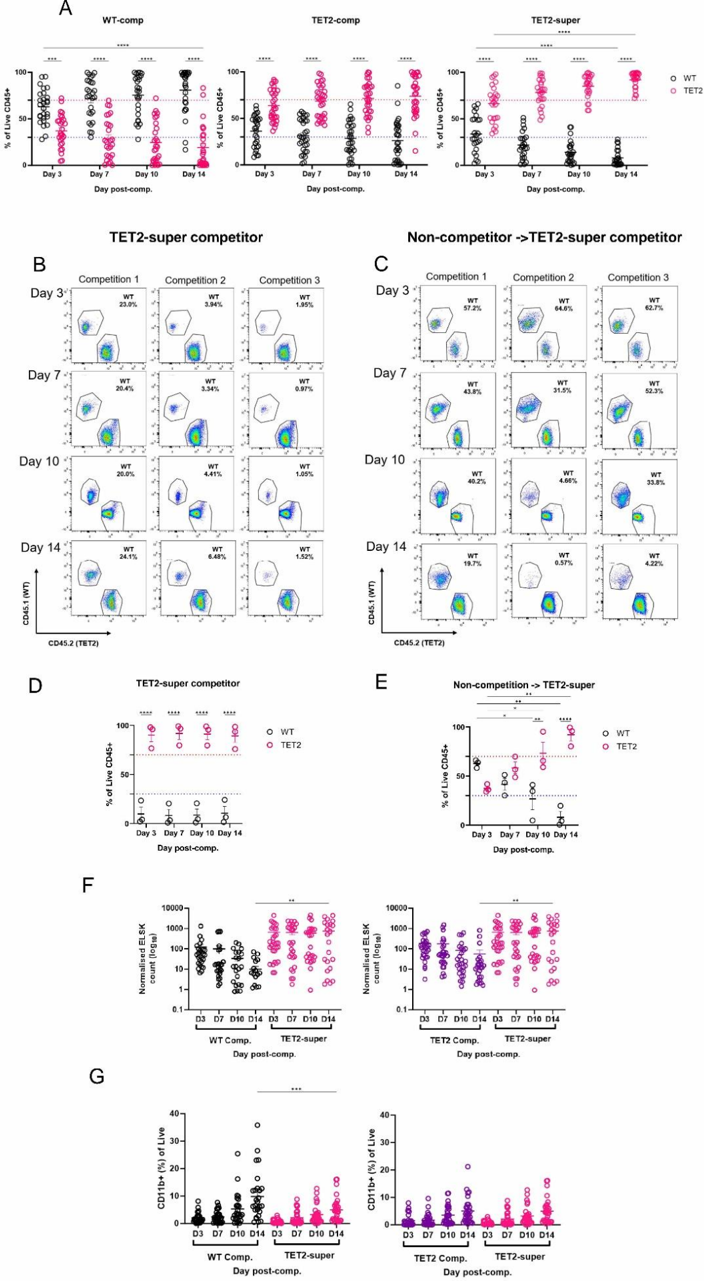
“Particularly striking were a set of TET2 -/-clones which we term “super competitors” where, despite WT sister control wells having normal cell proliferation capacity and starting cell numbers, the TET2-super competitor clone actively suppressed all three WT sister wells when cultured alongside them”
§ A scalable in vitro cell competition model identifies preleukemic super competitor clones > TET2 clones can exhibit a super-competitor phenotype characterized by active elimination of WT cells
plainstates a causen = 27- Asserted: passes — The authors put it forward as true.
- Checkable: passes — It can be checked against evidence.
- Load-bearing: passes — The paper’s conclusions depend on it.
- Based: passes — The paper gives a reason why it holds.
A result the paper reports from its own data — it cites no other source for it, so there is none to check. The quote shows it is in the paper.
In the paper
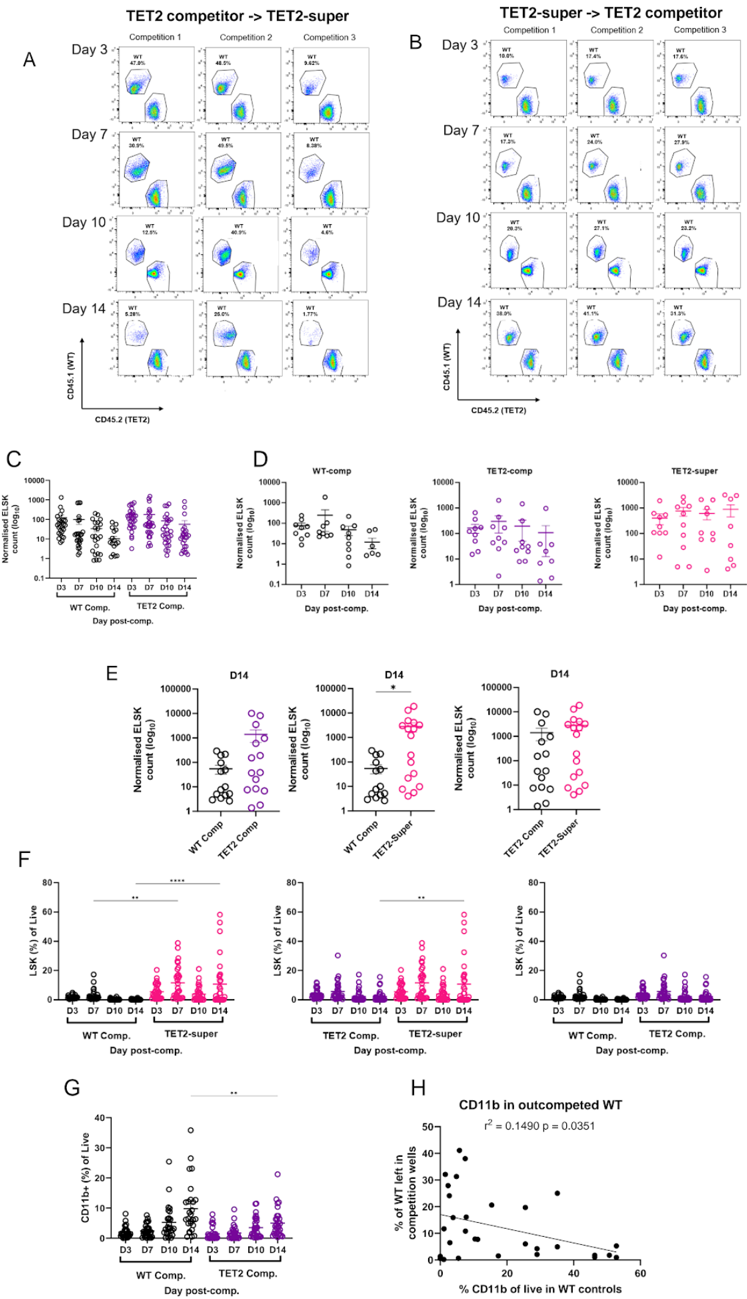
“In contrast, WT competitors contained a higher proportion of CD11b + cells”
§ A scalable in vitro cell competition model identifies preleukemic super competitor clones > Kinetics of acquiring the super competitor phenotype
plainstates an association- Asserted: passes — The authors put it forward as true.
- Checkable: passes — It can be checked against evidence.
- Load-bearing: unclear — It is unclear whether the paper’s conclusions depend on it.
- Based: passes — The paper gives a reason why it holds.
A result the paper reports from its own data — it cites no other source for it, so there is none to check. The quote shows it is in the paper.
In the paper
“We also compared mature cells in the sister WT controls of suppressed clones (i.e., WT clones that “lost” to the TET2-super competitor clones) and found that higher numbers of CD11b + cells in the control sister wells correlated with poor performance of the sister well against TET2 super-competitor cells”
§ A scalable in vitro cell competition model identifies preleukemic super competitor clones > Kinetics of acquiring the super competitor phenotype
plainstates an association- Asserted: passes — The authors put it forward as true.
- Checkable: passes — It can be checked against evidence.
- Load-bearing: unclear — It is unclear whether the paper’s conclusions depend on it.
- Based: passes — The paper gives a reason why it holds.
- It may state two separate claims as one. 28
- Probably not a substantial claim. 11
- The quote only partly states this claim. 1
Create a free account to see these claims.
Create a free account to see these assumptions.
76 more claims
Create a free account to see all 117 claims and to verify the 21 references still open.
Self-check
Percentages, sums and reported differences re-computed from the paper’s own numbers.
Each contradiction between two passages listed here was confirmed by an independent check.
Rated minor: it would not touch a result — a value no result rests on, a p-value that stays on the same side of the significance level, or a conflict that is clerical, resolved elsewhere in the paper, or outside its own findings.
In the paper
“A total of 30 clones (17 WT, 13 TET2, and 10 TET2-super competitor clones) were analysed”
§ A scalable in vitro cell competition model identifies preleukemic super competitor clones > Figure 5 -TET2-super competitors have elevated inflammatory and cell adhesion-related molecules. A)
Reported 30 · recomputed 40
Rated minor: it would not touch a result — a value no result rests on, a p-value that stays on the same side of the significance level, or a conflict that is clerical, resolved elsewhere in the paper, or outside its own findings.
In the paper
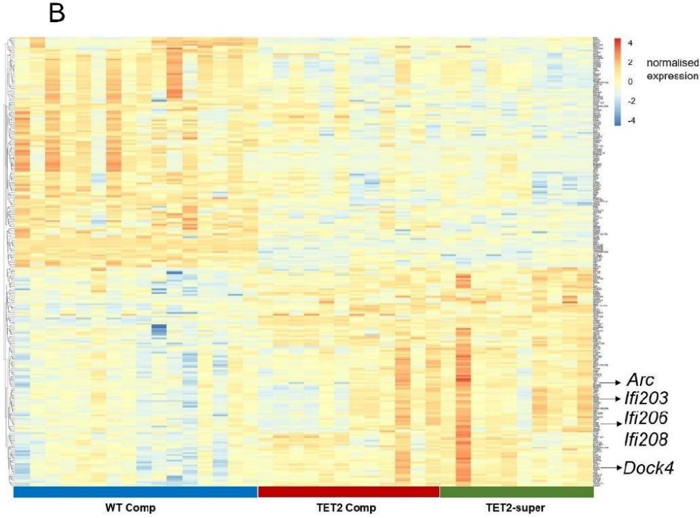
§ A scalable in vitro cell competition model identifies preleukemic super competitor clones > Upregulation of inflammatory pathways and cell adhesion molecules in TET2-super competitors
“we filtered the globally top 250 expressed genes across all competitor clones (Supplementary Figure 5B and Supplementary Table 1)”
§ A scalable in vitro cell competition model identifies preleukemic super competitor clones > Discussion
“B) Heatmap of the top 200 expressed genes across competitor types.”
Citations
Cites
Moderated estimation of fold change and dispersion for RNA-seq data with DESeq2
Love, M. I., Huber, W., & Anders, S. (2014) · Genome Biology · doi:10.1186/s13059-014-0550-8 · Cited by 95,106
Cutadapt removes adapter sequences from high-throughput sequencing reads
Martin, M. (2011) · EMBnet.journal · doi:10.14806/ej.17.1.200 · Cited by 33,889
A guideline of selecting and reporting intraclass correlation coefficients for reliability research
Koo, T. K., & Li, M. Y. (2016) · Journal of Chiropractic Medicine · doi:10.1016/j.jcm.2016.02.012 · Cited by 31,709
HTSeq—a Python framework to work with high-throughput sequencing data
Anders, S., Pyl, P. T., & Huber, W. (2015) · Bioinformatics · doi:10.1093/bioinformatics/btu638 · Cited by 21,464
SCANPY: large-scale single-cell gene expression data analysis
Wolf, F. A., Angerer, P., & Theis, F. J. (2018) · Genome Biology · doi:10.1186/s13059-017-1382-0 · Cited by 8,881
From Louvain to Leiden: guaranteeing well-connected communities
Traag, V. A., Waltman, L., & van Eck, N. J. (2019) · Scientific Reports · doi:10.1038/s41598-019-41695-z · Cited by 5,635
Age-related clonal hematopoiesis associated with adverse outcomes
Jaiswal, S., Fontanillas, P., Flannick, J., Manning, A., Grauman, P. V., Mar, B. G., Lindsley, R. C., Mermel, C. H., Burtt, N., Chavez, A., et al. (2014) · New England Journal of Medicine · doi:10.1056/nejmoa1408617 · Cited by 4,841
Genomic classification and prognosis in acute myeloid leukemia
Papaemmanuil, E., Gerstung, M., Bullinger, L., Gaidzik, V. I., Paschka, P., Roberts, N. D., Potter, N. E., Heuser, M., Thol, F., Bolli, N., et al. (2016) · New England Journal of Medicine · doi:10.1056/nejmoa1516192 · Cited by 4,350
Scrublet: computational identification of cell doublets in single-cell transcriptomic data
Wolock, S. L., Lopez, R., & Klein, A. M. (2019) · Cell Systems · doi:10.1016/j.cels.2018.11.005 · Cited by 2,758
Clinical and biological implications of driver mutations in myelodysplastic syndromes
Papaemmanuil, E., Gerstung, M., Malcovati, L., Tauro, S., Gundem, G., Van Loo, P., Yoon, C. J., Ellis, P., Wedge, D. C., Pellagatti, A., et al. (2013) · Blood · doi:10.1182/blood-2013-08-518886 · Cited by 1,832
Cited by
Still being checked.
Metadata
- Authors
- Cabrera-Cosme, L., Rubio-Lara, J. A., Bennett, E., Miłek, J., Baldreki, C., Dowle, A., Vijayabaskar, M. S., Davies, S. J., Taylor-Smith, E., Bain, F. M., MacDonald, S., James, S., Hogg, K., Jassinskaja, M., Gottgens, B., Wilson, N. K., & Kent, D. G.
- Affiliations
- University of York (GB)
- Wellcome/MRC Cambridge Stem Cell Institute (GB)
- Centre for Blood Research, York Biomedical Research Institute, Department of Biology, University of York, York, UK YO10 5DD
- Metabolomics and Proteomics, Biosciences Technology Facility, Department of Biology, University of York, York, UK YO10 5DD
- Lund University (SE)
- Cambridge Stem Cell Institute & Department of Haematology, University of Cambridge, Cambridge, UK CB2 0AW
- Corresponding author
- Kent, David G.
- ORCID
- Venue
- bioRxiv (Cold Spring Harbor Laboratory)
- Publisher
- openRxiv
- Published
- 2026-10-22
- OpenAlex
- W7223228908
- Cited by
- 0
- References
- 91
- Type
- posted content
- Language
- en
- Open access
- green
- doi.org
- Licence
- Locations
- bioRxiv (Cold Spring Harbor Laboratory) (submittedVersion, cc-by)
- Funders
- Japan Agency for Medical Research and Development
- Yorkshire Forward (EP/K039660/1, EP/M028127/1)
- Cancer Research UK (DCRPGF∖100008, MC_PC_21043, A21762, 18002, C1163/A21762, NIHR203331)
- University of Cambridge
- Vetenskapsrådet (2021-00185)
- Blood Cancer UK (24014, 18002, C1163/A21762)
- Centre for Blood Research, University of British Columbia
- Medical Research Council (MR/Y011945/1, 206328/Z/17/Z, MR/V005502/1, MC_PC_21043)
- Engineering and Physical Sciences Research Council (EP/M028127/1, EP/K039660/1)
- Leeds Biomedical Research Centre (NIHR203331)
- Topics
- Health Sciences › Medicine › Hematology › Acute Myeloid Leukemia Research
- Health Sciences › Medicine › Hematology › Hematopoietic Stem Cell Transplantation
- Life Sciences › Biochemistry, Genetics and Molecular Biology › Cancer Research › Cancer Genomics and Diagnostics
- Keywords
- clonal competition, TET2 mutation, preleukemia, clonal hematopoiesis, hematopoietic stem cells, myeloid neoplasms, epigenetic regulation
About these checks
Registry, retraction, Cites and statistics results are computed, not judged, with one exception: a printed reference that no index lists is read once by a model before it counts as a citation error. Claims are extracted by a model and kept only when their quote appears verbatim in the text; each cited source is then checked, with a model’s help, for whether it says what the claim relies on. Those verdicts can be wrong — read the claim’s quote and the cited source before relying on one.
A language model drew the claims from the paper on 2026-11-12, under version 3 of the claim definition (model deepseek-v4.1-flash, prompt extract-v3).
A second model labelled each claim on 2026-11-12 (model jev-1.13-20260917, definition revision gold-guideline-v0.2).
Cited sources are checked with a language model’s help (gpt-6-sol).
Statistics and arithmetic are recomputed, not judged.
Confidence bands are shown only for fields calibrated on our annotated test set. None is calibrated yet, so no band is shown.
What counts as a claim ›How we measure confidence ›How we check this ›
Are you an author, or do you see a problem with this page? Request a review
