

The DOI matches its Crossref record; 93 of the 95 references it cites were found in a registry or an index.
Sex-specific processing of social cues in the medial amygdala
Open accessAbstract
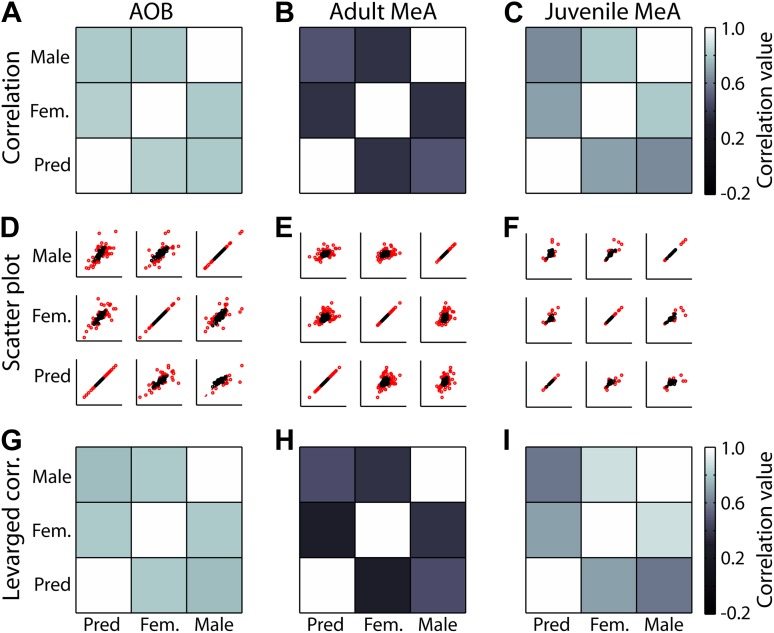
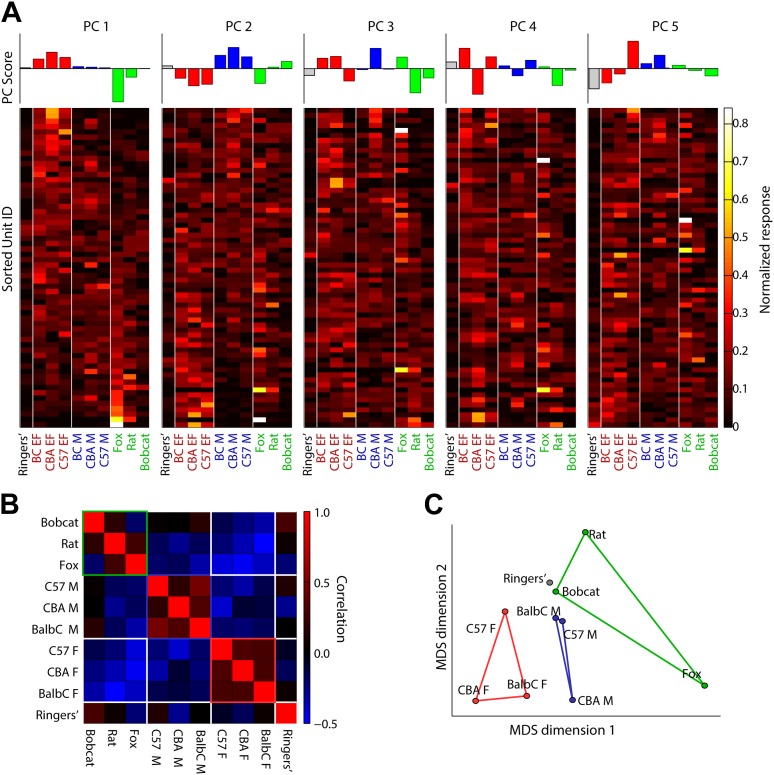
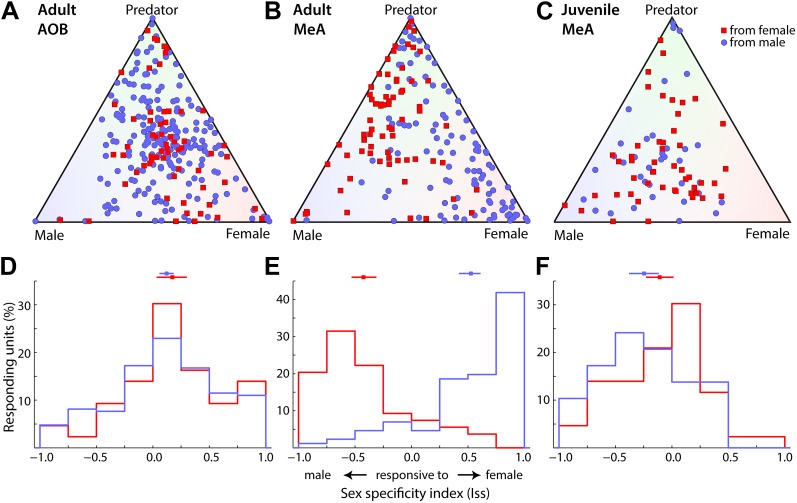
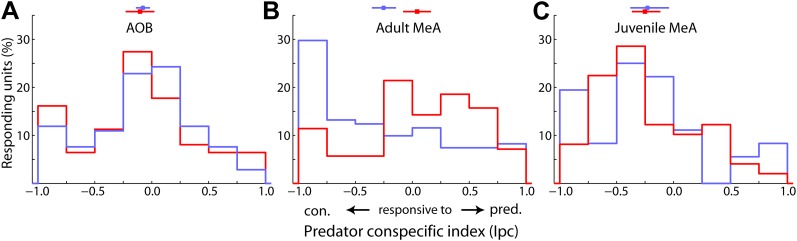
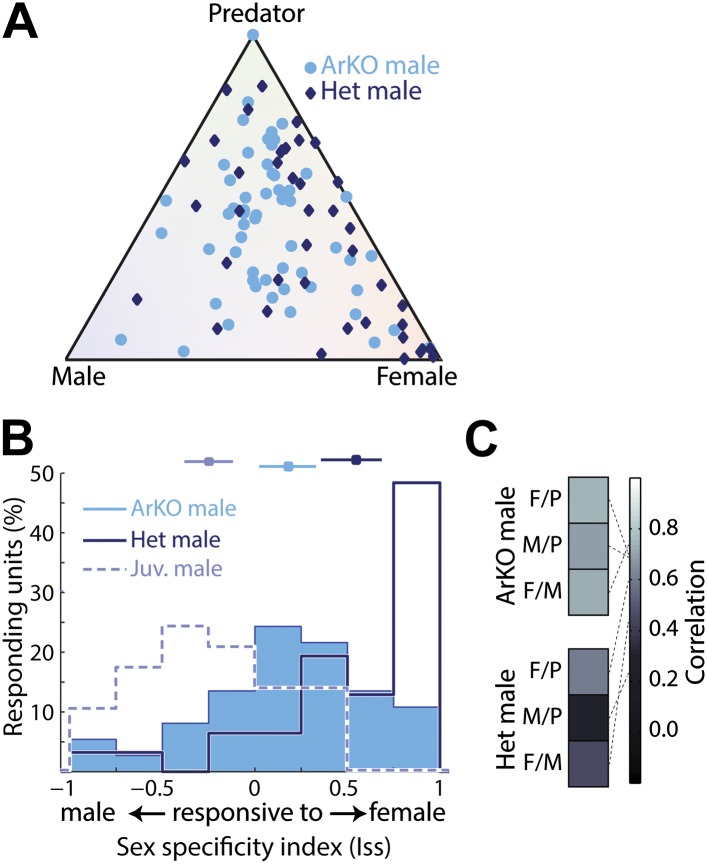
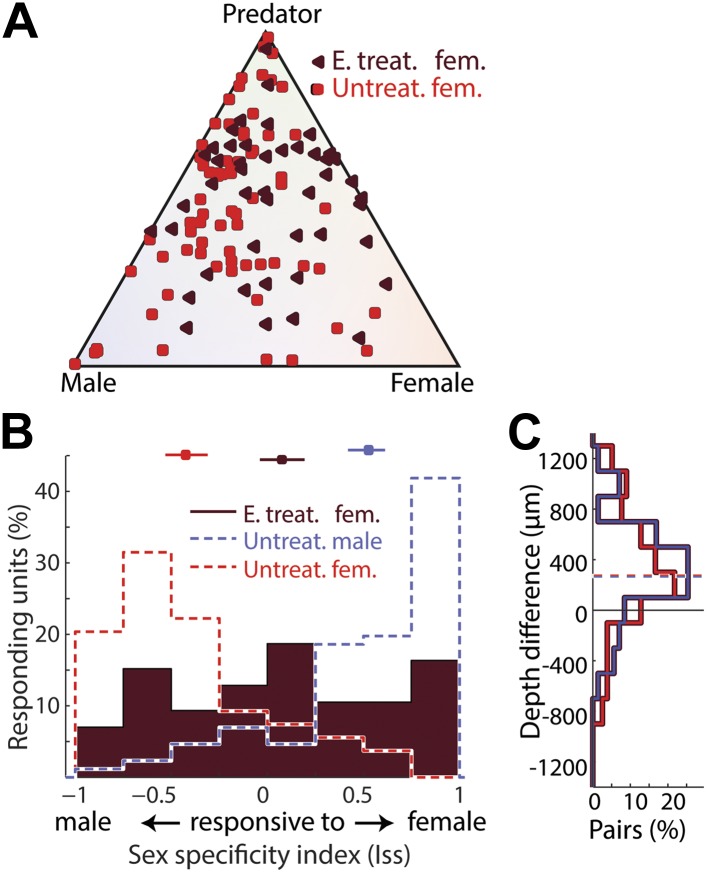
Animal-animal recognition within, and across species, is essential for predator avoidance and social interactions. Despite its essential role in orchestrating responses to animal cues, basic principles of information processing by the vomeronasal system are still unknown. The medial amygdala (MeA) occupies a central position in the vomeronasal pathway, upstream of hypothalamic centers dedicated to defensive and social responses. We have characterized sensory responses in the mouse MeA and uncovered emergent properties that shed new light onto the transformation of vomeronasal information into sex- and species-specific responses. In particular, we show that the MeA displays a degree of stimulus selectivity and a striking sexually dimorphic sensory representation that are not observed in the upstream relay of the accessory olfactory bulb (AOB). Furthermore, our results demonstrate that the development of sexually dimorphic circuits in the MeA requires steroid signaling near the time of puberty to organize the functional representation of sensory stimuli.DOI: http://dx.doi.org/10.7554/eLife.02743.001.
Overview
The claims and statistics of this paper haven’t been checked yet.
Run the check — free, no account needed. It reads the open-access text and checks the sources it cites.
Integrity signals
Registry
Cites
Statistics
Figures
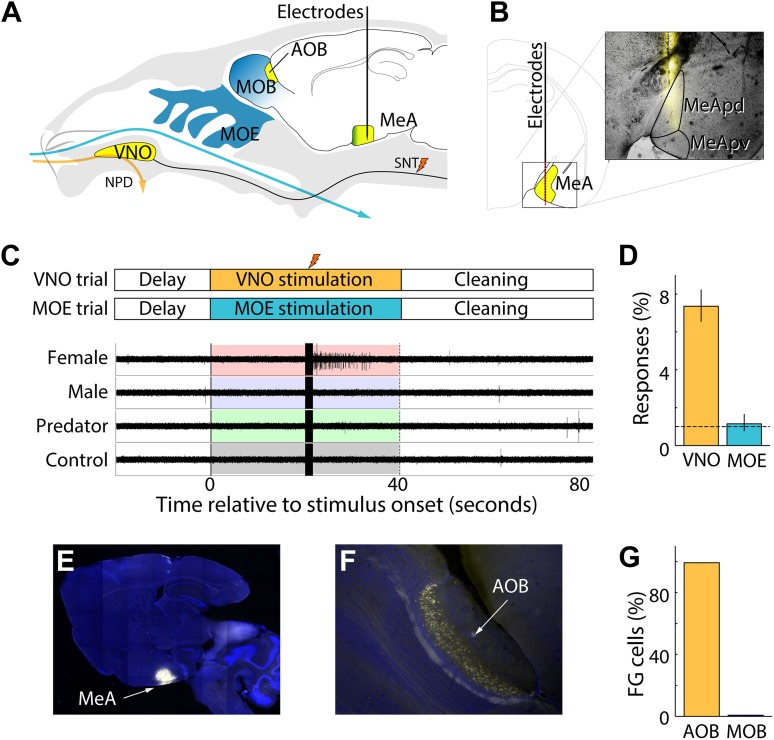
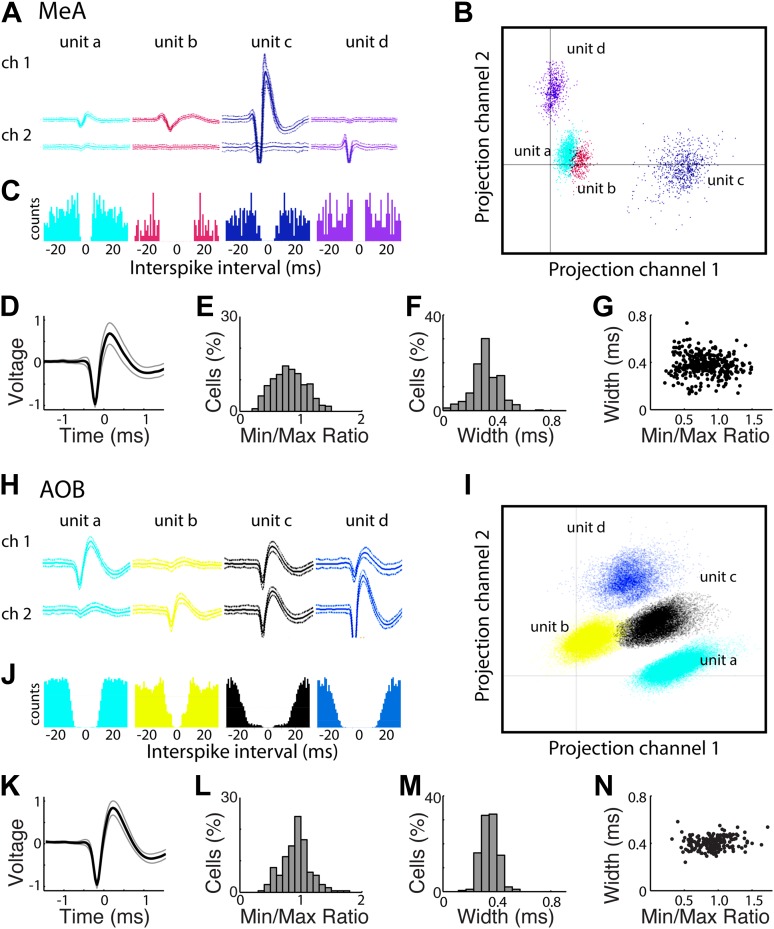
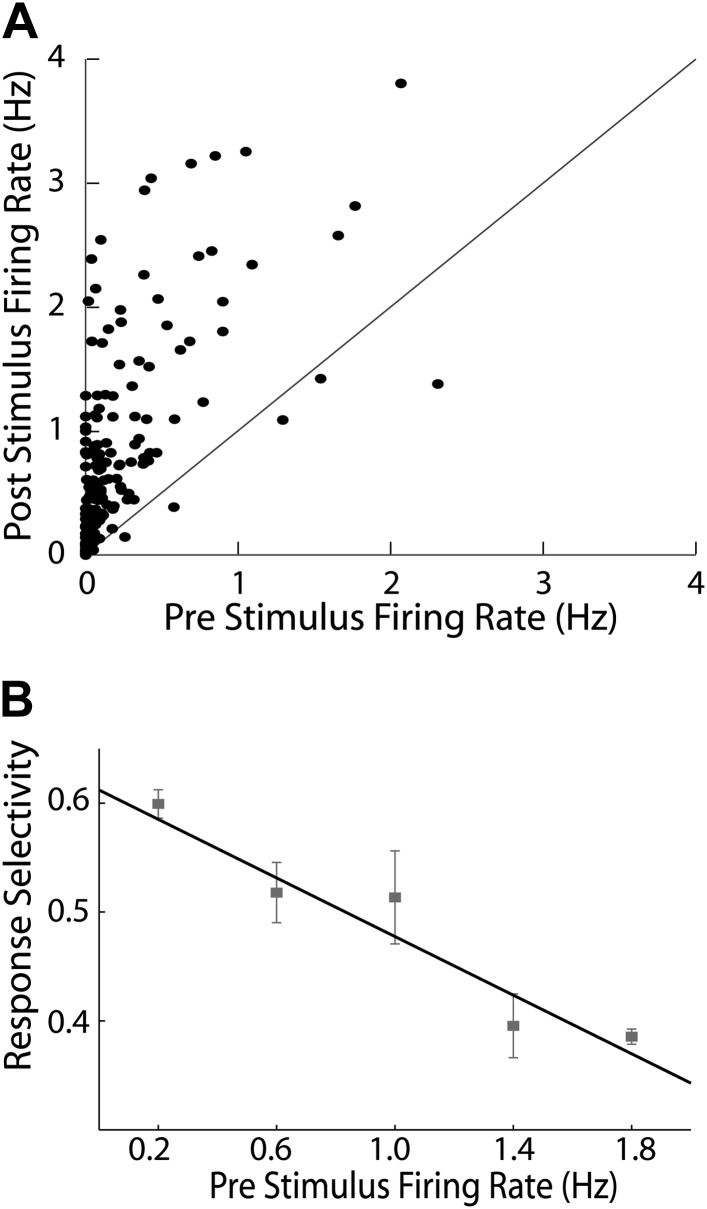
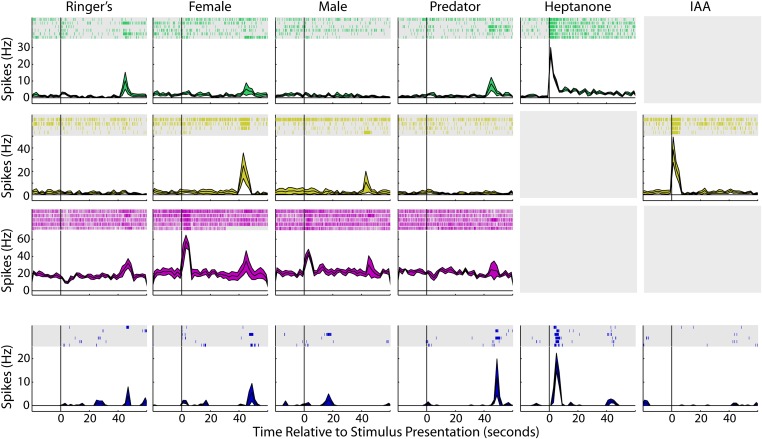
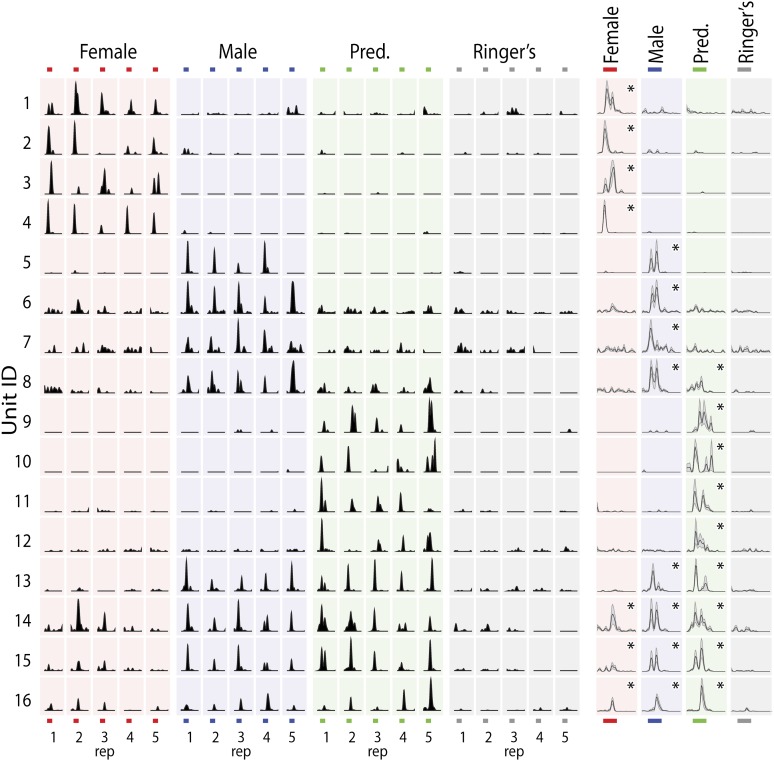
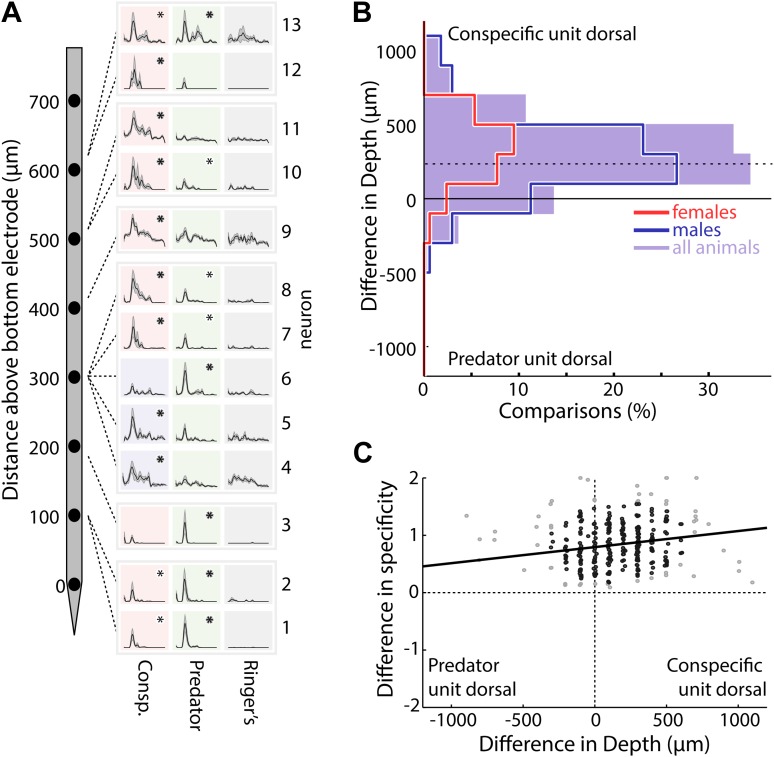
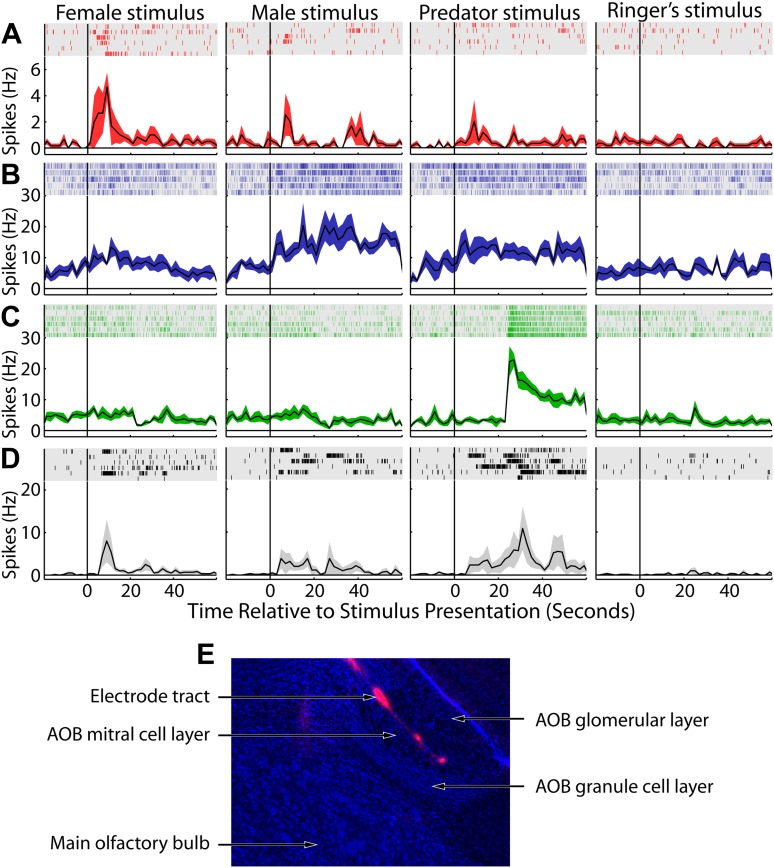
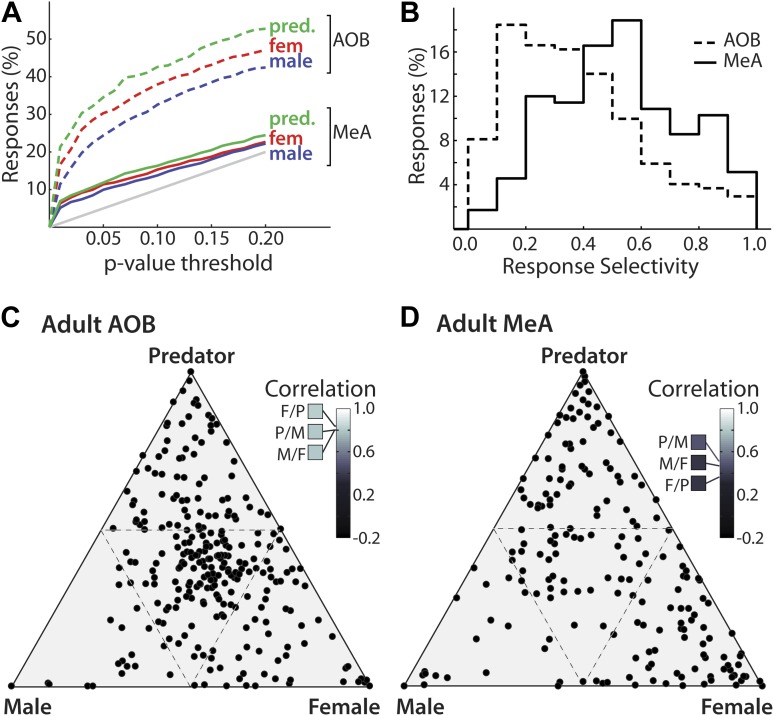
Verification
Claims the paper makes
The claims and statistics of this paper haven’t been checked yet.
Run the check — free, no account needed. It reads the open-access text and checks the sources it cites.
Claims other papers make about this one
Each is checked against this paper’s own text: does it say what the citing paper says it does?
The cited source says what the claim attributes to it.
In the citing paper
“The MeA is a region responsible for processing social information in a sex-specific manner (Bergan et al., 2014; Lischinsky et al., 2017), and has long been implicated as necessary for the sex differences in social play.”
From Developmental origins of sex differences in the neural circuitry of play (2020) · cites this paper as Bergan et al., 2014
In the citing paper
“Electrical recordings in the MeApd of anesthetized mice have revealed sex-dependent differences in the neural responses to social cues (Bergan et al., 2014), while Fos induction following social interactions showed widely dispersed response patterns (Carvalho et al., 2015; Choi et al., 2005).”
From Neuronal Representation of Social Information in the Medial Amygdala of Awake Behaving Mice (2017) · cites this paper as Bergan et al., 2014
Self-check
Percentages, sums and reported differences re-computed from the paper’s own numbers.
The self-check needs the paper’s full text.
Citations
Cites
An Introduction to the Bootstrap
Efron, B., & Tibshirani, R. J. (1994) · doi:10.1201/9780429246593 · Cited by 40,500
An Introduction to the Bootstrap
Efron, B., & Tibshirani, R. J. (1993) · doi:10.1007/978-1-4899-4541-9 · Cited by 21,230
The mouse brain in stereotaxic coordinates
Konsman, J. (2003) · Psychoneuroendocrinology · doi:10.1016/s0306-4530(03)00088-x · Cited by 16,796
The Mouse Brain in Stereotaxic Coordinates
Paxinos, G. (2001) · Cited by 12,859
Emergence of simple-cell receptive field properties by learning a sparse code for natural images
Olshausen, B. A., & Field, D. J. (1996) · Nature · doi:10.1038/381607a0 · Cited by 5,694
Rowan, W., & Tinbergen, N. (1952) · Bird-Banding · doi:10.2307/4510368 · Cited by 2,706
Critical period plasticity in local cortical circuits
Hensch, T. K. (2005) · Nature Reviews Neuroscience · doi:10.1038/nrn1787 · Cited by 2,323
Invariant visual representation by single neurons in the human brain
Quiroga, R. Q., Reddy, L., Kreiman, G., Koch, C., & Fried, I. (2005) · Nature · doi:10.1038/nature03687 · Cited by 1,988
PHOENIX, C. H., GOY, R. W., GERALL, A. A., & YOUNG, W. C. (1959) · Endocrinology · doi:10.1210/endo-65-3-369 · Cited by 1,934
Sexual Differentiation of the Central Nervous System
MacLusky, N. J., & Naftolin, F. (1981) · Science · doi:10.1126/science.6163211 · Cited by 1,469
Cited by
Sorted by citations
Items 201–237 of 237
Sex Differences in and Hormone Effects on Mammalian Pheromonal Communication
Cherry, J. A., & Baum, M. J. (2016) · Elsevier eBooks · doi:10.1016/b978-0-12-803592-4.00096-1
Rapid Estrogenic Mediation of Oxytocin in The Regulation of Social Recognition in Female Mice
Paletta, P. (2018) · The Atrium (University of Guelph)
Associative Learning Via the Vomeronasal SystemPreprint
Marom, K., Horesh, N., Abu-Snieneh, A., Dafni, A., Paul, R., & Ben‐Shaul, Y. (2018) · SSRN Electronic Journal · doi:10.2139/ssrn.3215354
Self-citationThe role of the prefrontal cortex in stress and motivation
Breton, J. (2020) · eScholarship (California Digital Library)
Breton, J., Eisner, J. S., Gandhi, V. S., Musick, N., Zhang, A., Long, K. L. P., Perloff, O. S., Hu, K. Y., Pham, C. M., Lalchandani, P., et al. (2021) · bioRxiv (Cold Spring Harbor Laboratory) · doi:10.1101/2021.11.29.470434
Yoles-Frenkel, M., Shea, S. D., Davison, I. G., & Ben‐Shaul, Y. (2021) · bioRxiv (Cold Spring Harbor Laboratory) · doi:10.1101/2021.10.27.466073
Self-citationEndocannabinoids and sex differences in the developing social behavior network
McCarthy, M. M., Marquardt, A. E., & VanRyzin, J. W. (2022) · Elsevier eBooks · doi:10.1016/b978-0-12-823490-7.00006-x
Kikusui, T. (2022) · Springer eBooks · doi:10.1007/978-981-19-5359-0_10
Dwyer, J., Weinberg, M., Dickinson, S. Y., & Bergan, J. F. (2023) · bioRxiv (Cold Spring Harbor Laboratory) · doi:10.1101/2023.11.28.569126
Self-citationArakawa, H., & Tokashiki, M. (2024) · doi:10.22541/au.171597350.07642631/v1
Edwards, M. D., Yin, Z., Sueda, R., Gubanova, A., Xu, C. S., Lakner, V., Murchie, M., Lee, C.-Y., Ng, K., Farrell, K., et al. (2024) · bioRxiv (Cold Spring Harbor Laboratory) · doi:10.1101/2024.09.14.613026
Cohen, O., & Ben‐Shaul, Y. (2025) · eLife · doi:10.7554/elife.103959.3
Self-citationEdwards, M. D., Yin, Z., Sueda, R., Gubanova, A., Xu, C. S., Lakner, V., Murchie, M., Lee, C.-Y., Ng, K., Farrell, K., et al. (2025) · eLife · doi:10.7554/elife.105388.1
Edwards, M. D., Yin, Z., Sueda, R., Gubanova, A., Xu, C. S., Lakner, V., Murchie, M., Lee, C.-Y., Ng, K., Farrell, K., et al. (2025) · eLife · doi:10.7554/elife.105388
Cohen, O., & Ben‐Shaul, Y. (2025) · eLife · doi:10.7554/elife.103959.1
Self-citationMañas-Ojeda, A., Zahran, M. A., Hidalgo-Cortés, J., Olucha-Bordonau, F. E., & Castillo-Gómez, E. (2025) · Research Square · doi:10.21203/rs.3.rs-7046653/v1
Cohen, O., & Ben‐Shaul, Y. (2025) · eLife · doi:10.7554/elife.103959.2
Self-citationZuluaga, M. J., Agrati, D., Bedó, G., Ferreira, A., & Uriarte, N. (2025) · Behavioural Brain Research · doi:10.1016/j.bbr.2025.115830
Sexually dimorphic processing of pheromonal information in mice
Itakura, T., Murata, K., & Touhara, K. (2025) · Current Opinion in Neurobiology · doi:10.1016/j.conb.2025.103134
Dwortz, M. F., Hofmann, H. A., & Curley, J. P. (2026) · Scientific Reports · doi:10.1038/s41598-026-52921-w
Bansal, R., Nagel, M., Stopková, R., Sofer, Y., Kimchi, T., Stopka, P., Spehr, M., & Ben‐Shaul, Y. (2021) · Figshare · doi:10.6084/m9.figshare.14870393
Self-citationBansal, R., Nagel, M., Stopková, R., Sofer, Y., Kimchi, T., Stopka, P., Spehr, M., & Ben-Shaul, Y. (2021) · Figshare · doi:10.6084/m9.figshare.14870390
Self-citationBansal, R., Nagel, M., Stopková, R., Sofer, Y., Kimchi, T., Stopka, P., Spehr, M., & Ben-Shaul, Y. (2021) · Figshare · doi:10.6084/m9.figshare.14870384
Self-citationBansal, R., Nagel, M., Stopková, R., Sofer, Y., Kimchi, T., Stopka, P., Spehr, M., & Ben‐Shaul, Y. (2021) · Figshare · doi:10.6084/m9.figshare.14870381
Self-citationBansal, R., Nagel, M., Stopková, R., Sofer, Y., Kimchi, T., Stopka, P., Spehr, M., & Ben-Shaul, Y. (2021) · Figshare · doi:10.6084/m9.figshare.14870387
Self-citationRaftogianni, A., Lydia, P., Sofia, G., Kalpachidou, T., Stylianopoulou, F., & Stamatakis, A. (2025) · Journal of Neurochemistry · doi:10.1111/jnc.70326
Cooperation: Behavioral manifestations and neural mechanisms
Jiang, M., Chang, S. W. C., & Hong, W. (2026) · Current Opinion in Neurobiology · doi:10.1016/j.conb.2026.103177
Apprentissage social et mouvements antennaires chez l'abeille domestique (Apis mellifera L.)
Cholé, H. (2018) · theses.fr (ABES) · doi:10.70675/26ea7f80zcc1dz44b5zb1f1z3b3615d28923
Trouillet, A. (2021) · theses.fr (ABES) · doi:10.70675/38b6da7czc1abz4596za9aaz10eebf1f7bf5
Chen, Y., Mao, Z., Lan, S., Cai, S., Ma, Z., Zhu, C., Li, F., Xie, Y., Qiu, Y., & Pan, Y. (2026) · Hormones and Behavior · doi:10.1016/j.yhbeh.2026.105951
Synaptic, cellular, and circuit mechanisms underlying sex differences in behaviors
Ninan, I. (2026) · Biology of Sex Differences · doi:10.1186/s13293-026-00931-8
From humans to model organisms: Translational insights into sociability and social dysfunction
Canonero, M., Chan, W. K., Hassan, N., Rasul, M., Shiadeh, S. M. J., Westberg, L., Ardalan, M., & Mallard, C. E. (2026) · Neuroscience & Biobehavioral Reviews · doi:10.1016/j.neubiorev.2026.106919
Amygdala: Structure and function
Lanuza, E., Olucha-Bordonau, F. E., & Martínez‐Garciá, F. (2026) · Elsevier eBooks · doi:10.1016/b978-0-443-24078-2.00017-6
Dimorphic substrates, monomorphic outcomes: Social behavior neural circuit tuning in social monogamy
Shvareva, V. A., Berendzen, K. M., Bender, K. J., & Manoli, D. S. (2026) · Progress in Neurobiology · doi:10.1016/j.pneurobio.2026.102948 · Cited by 1
Gabaergic and Glutamatergic Connections in the Social Neural Network
Burns, A. (2014) · Digital Archive @ GSU · doi:10.57709/6426256
Metadata
- Authors
- Bergan, J. F., Ben-Shaul, Y., & Dulac, C.
- Affiliations
- Howard Hughes Medical Institute (US)
- School of Medicine, Department of Medical Neurobiology, The Hebrew University of Jerusalem, Jerusalem, Israel
- Corresponding author
- Dulac, Catherine
- Venue
- eLife
- Publisher
- eLife Sciences Publications, Ltd
- Published
- 2014-06-03
- Volume
- 3
- Pages
- e02743-e02743
- ISSN
- 2050-084X (ISSN-L)
- PMC
- PMC4038839
- OpenAlex
- W2125255891
- Cited by
- 237
- References
- 95
- Citations by year
- 2026: 11 · 2025: 23 · 2024: 16 · 2023: 17 · 2022: 25 · 2021: 33 · 2020: 18 · 2019: 12 · 2018: 24 · 2017: 19 · 2016: 20 · 2015: 15 · 2014: 4
- FWCI
- 11.91
- Type
- journal article
- Language
- en
- Open access
- gold
- doi.org
- Licence
- Locations
- eLife (publishedVersion, cc-by)
- Europe PMC (PubMed Central) (publishedVersion, cc-by)
- PubMed Central (publishedVersion, cc-by)
- PubMed (publishedVersion)
- Digital Access to Scholarship at Harvard (DASH) (Harvard University) (submittedVersion, cc-by)
- DOAJ (DOAJ: Directory of Open Access Journals) (submittedVersion, cc-by-sa)
- Funders
- National Institutes of Health (R01DC009019, R01DC013087, F32 DC10089)
- Howard Hughes Medical Institute (NA)
- Topics
- Life Sciences › Neuroscience › Sensory Systems › Olfactory and Sensory Function Studies
- Life Sciences › Neuroscience › Endocrine and Autonomic Systems › Neuroendocrine regulation and behavior
- Life Sciences › Neuroscience › Cognitive Neuroscience › Memory and Neural Mechanisms
- Keywords
- medial amygdala, vomeronasal system, accessory olfactory bulb, sex differences, social cue processing, species recognition, predator avoidance, steroid hormone signaling, puberty, olfactory processing, mice
- MeSH terms
- Amygdala, Animals, Cues, Female, Hormones, Male, Mice, Inbred BALB C, Neurons, Odorants, Olfactory Bulb, Olfactory Mucosa, Sexual Behavior, Animal, Sex Factors, Vomeronasal Organ, Mice
About these checks
Registry, retraction, Cites and statistics results are computed, not judged, with one exception: a printed reference that no index lists is read once by a model before it counts as a citation error. Claims are extracted by a model and kept only when their quote appears verbatim in the text; each cited source is then checked, with a model’s help, for whether it says what the claim relies on. Those verdicts can be wrong — read the claim’s quote and the cited source before relying on one.
Statistics and arithmetic are recomputed, not judged.
Confidence bands are shown only for fields calibrated on our annotated test set. None is calibrated yet, so no band is shown.
What counts as a claim ›How we measure confidence ›How we check this ›
Are you an author, or do you see a problem with this page? Request a review
