

The DOI matches its Crossref record; 42 of the 42 references it cites were found in a registry or an index.
Interrogating the structure and function of the human voltage-gated proton channel (hHv1) with a fluorescent noncanonical amino acid
Open accessPublished version of a preprint
Abstract
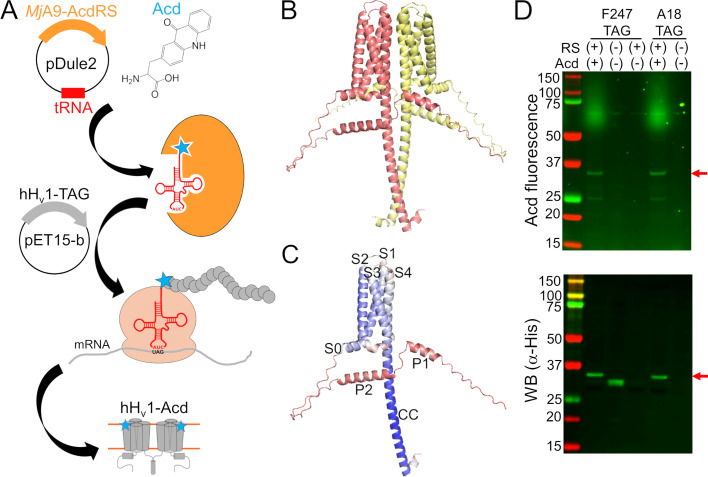
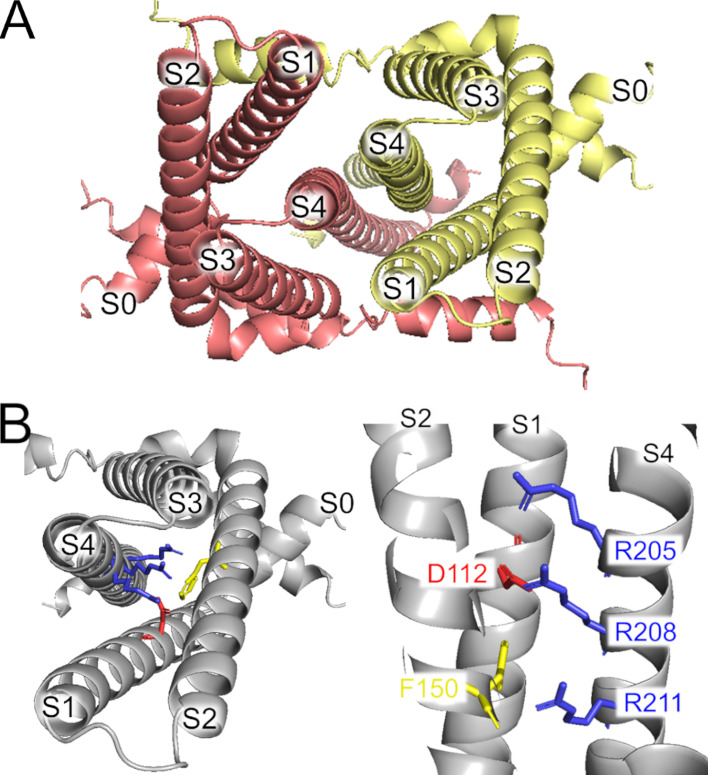
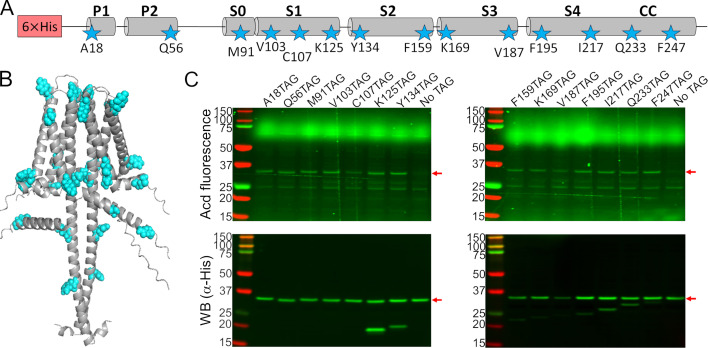
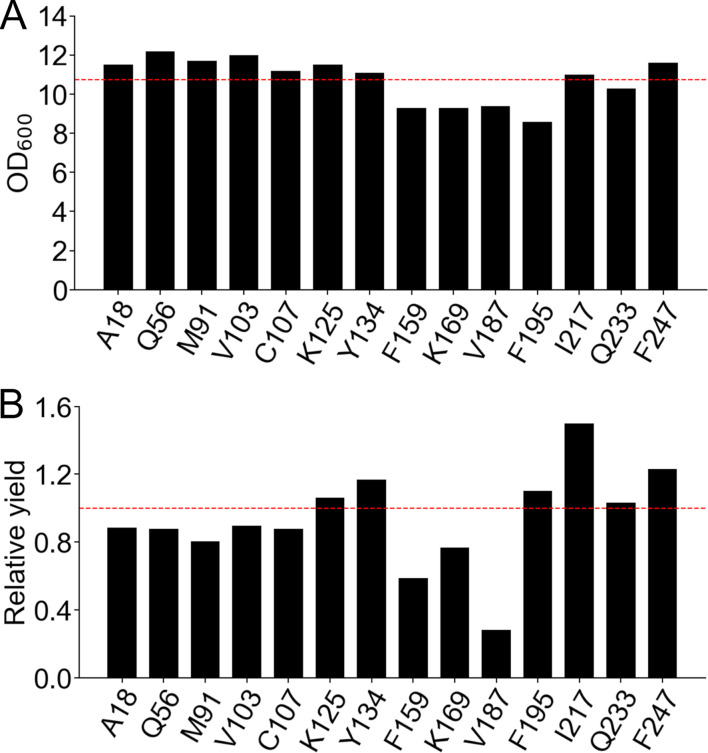
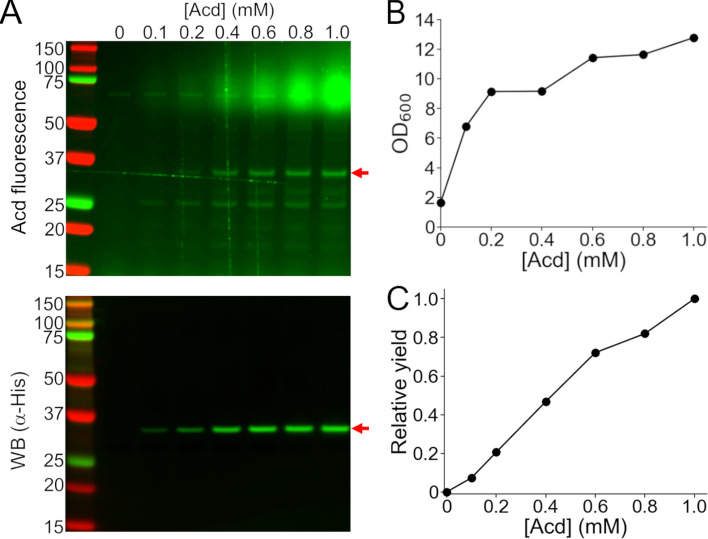
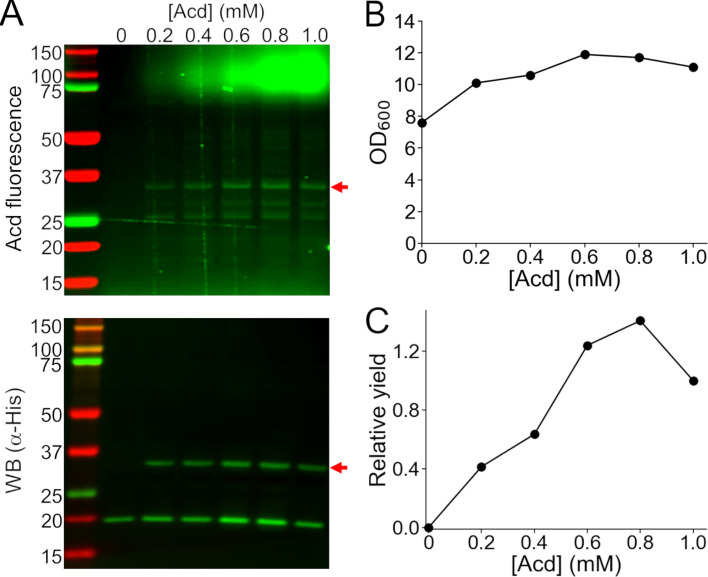
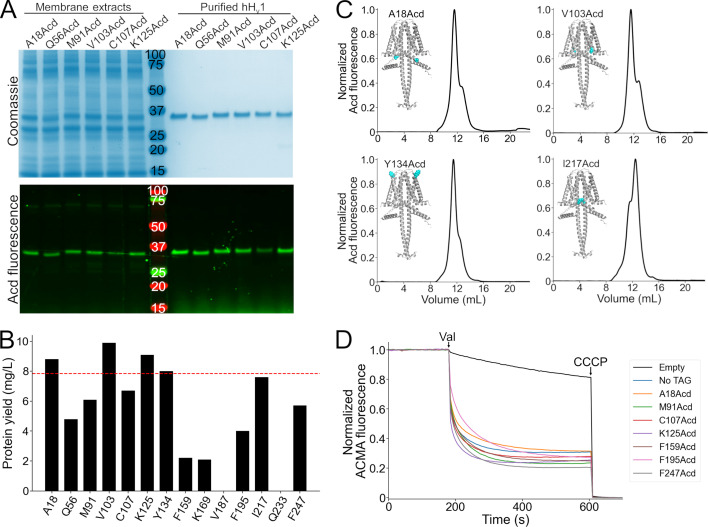
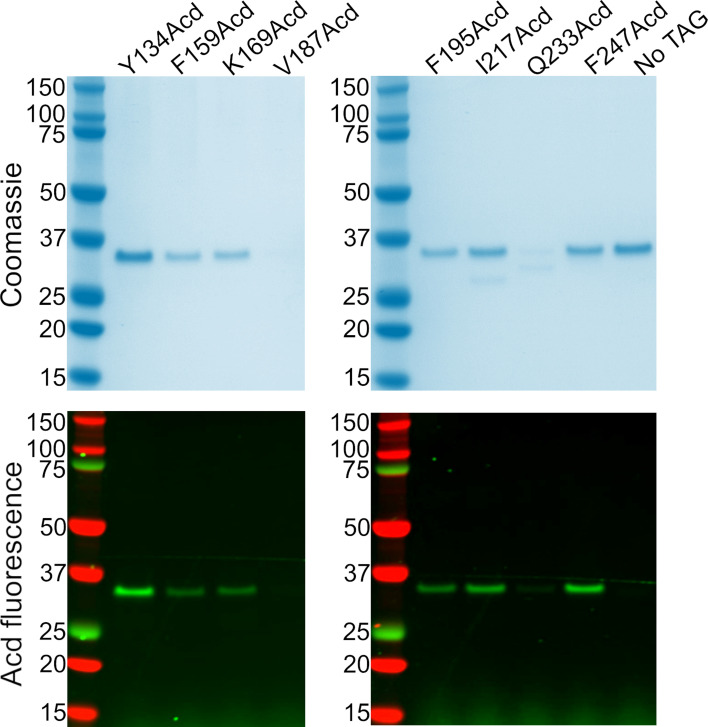
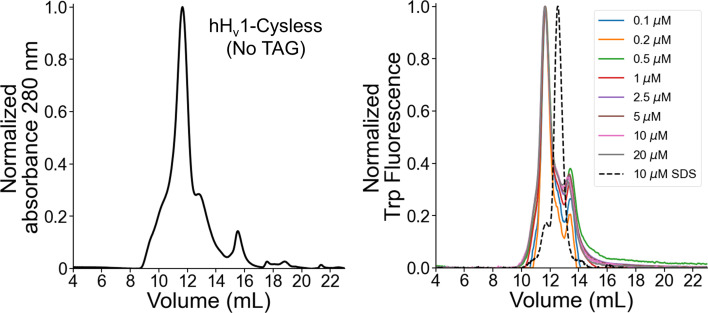
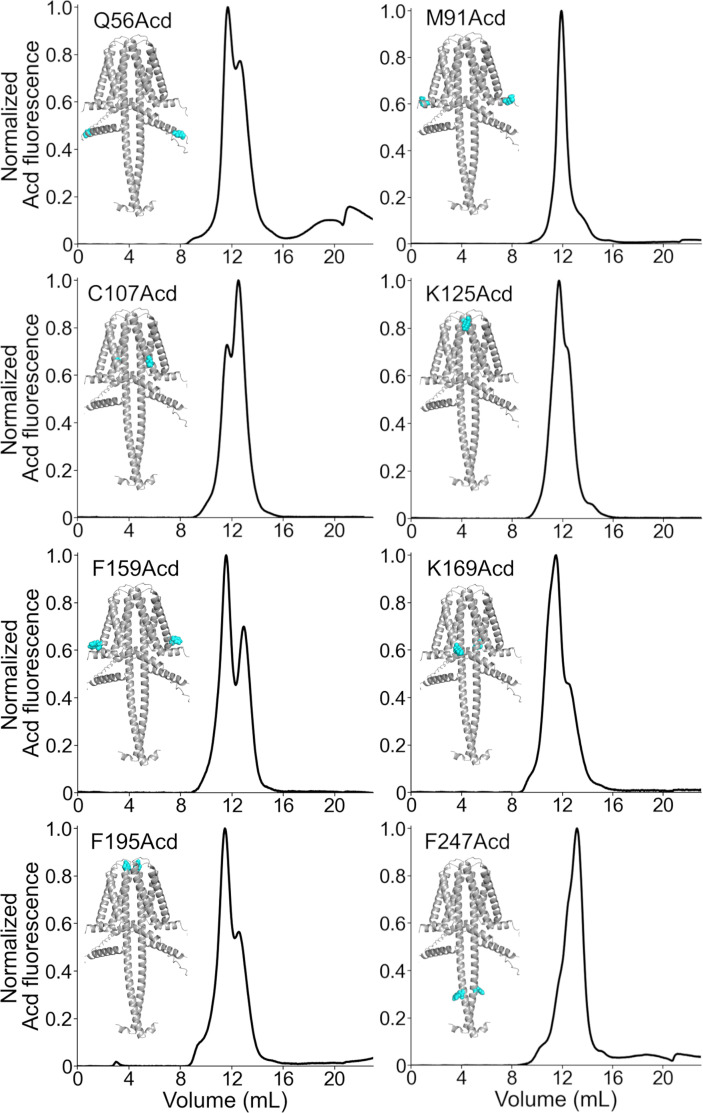
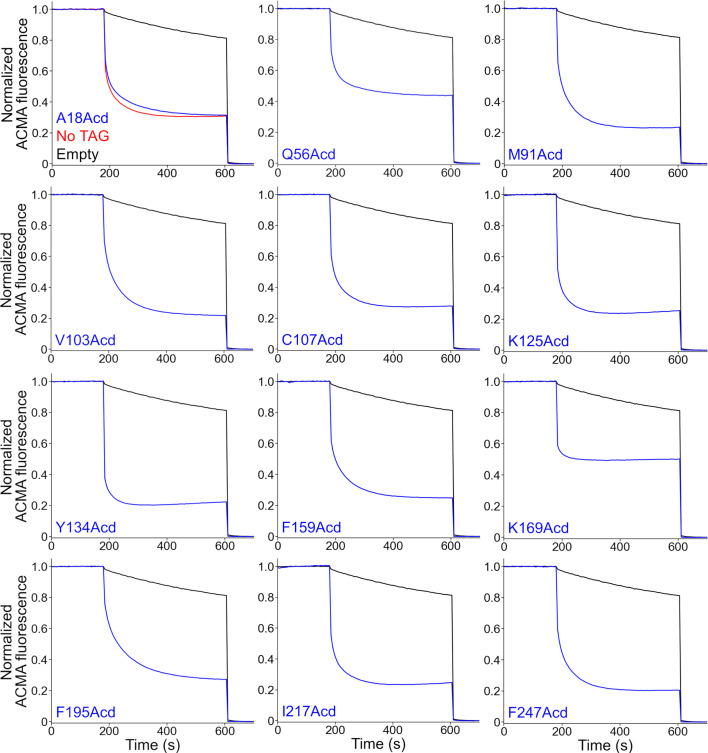
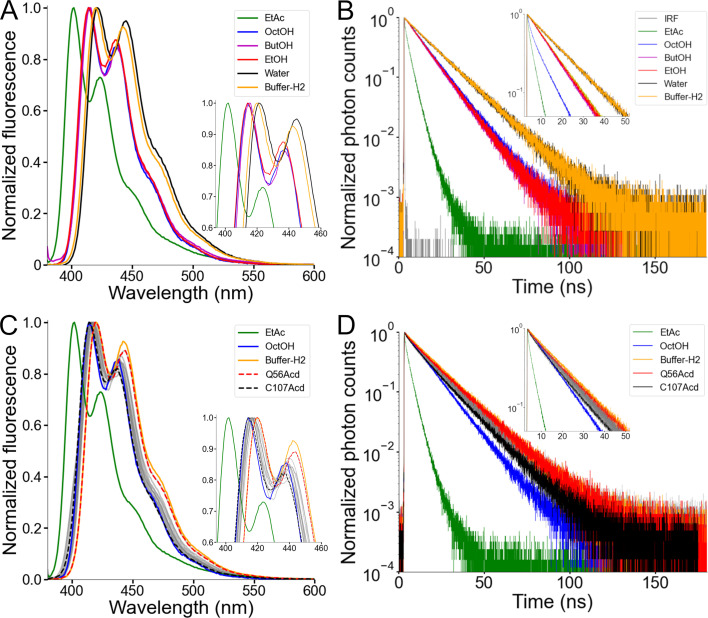
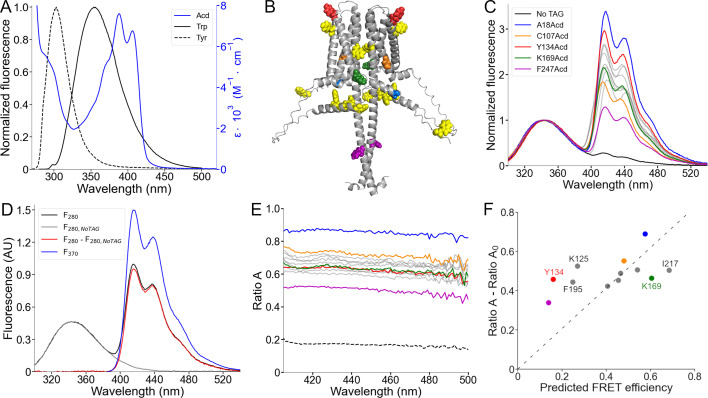
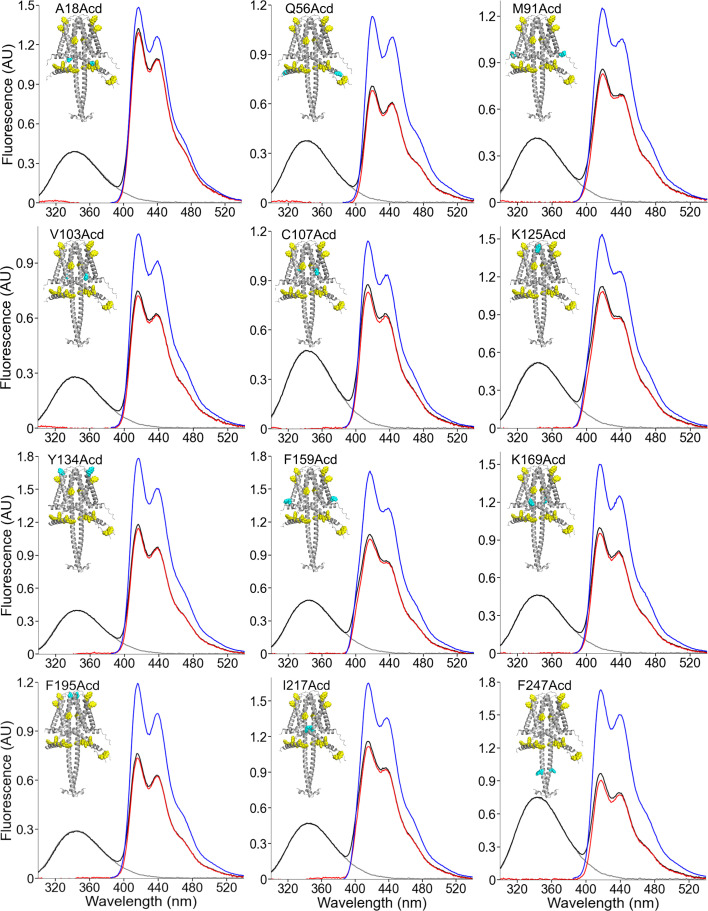
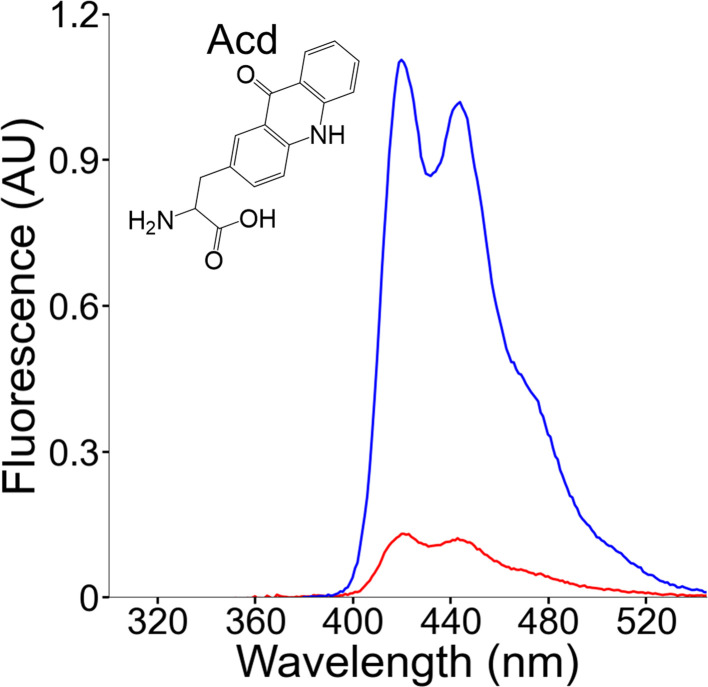
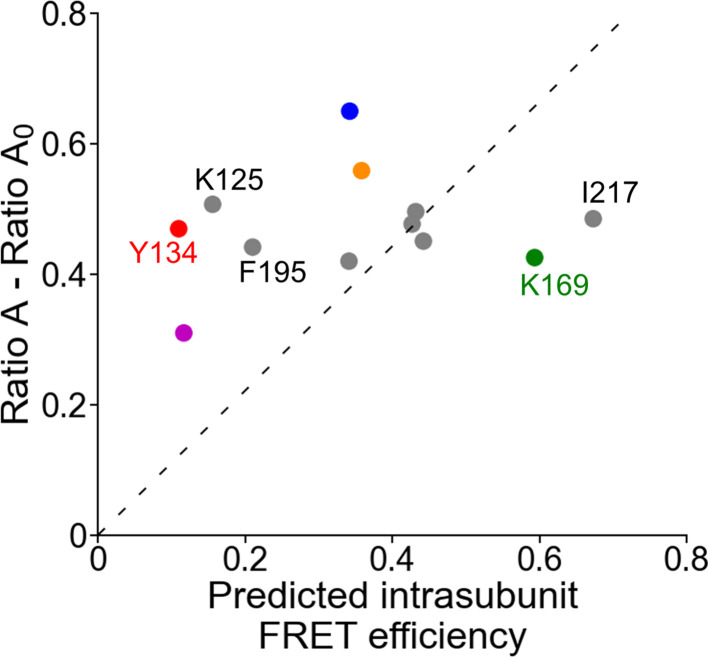
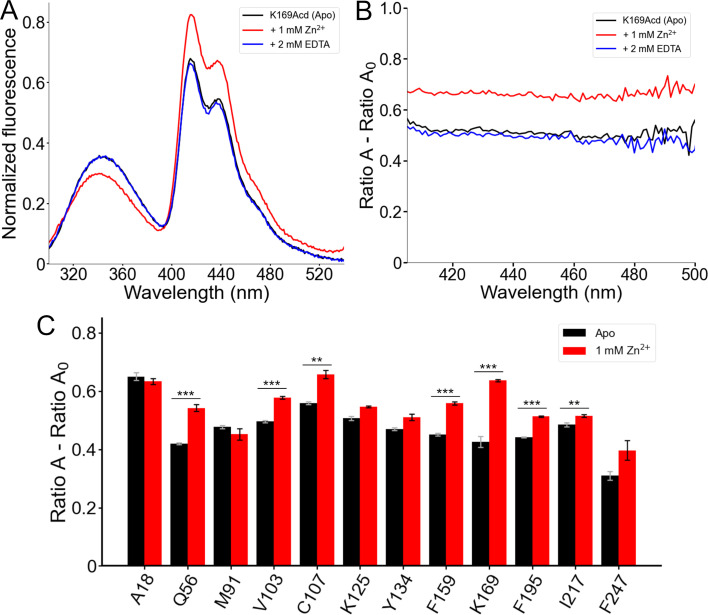
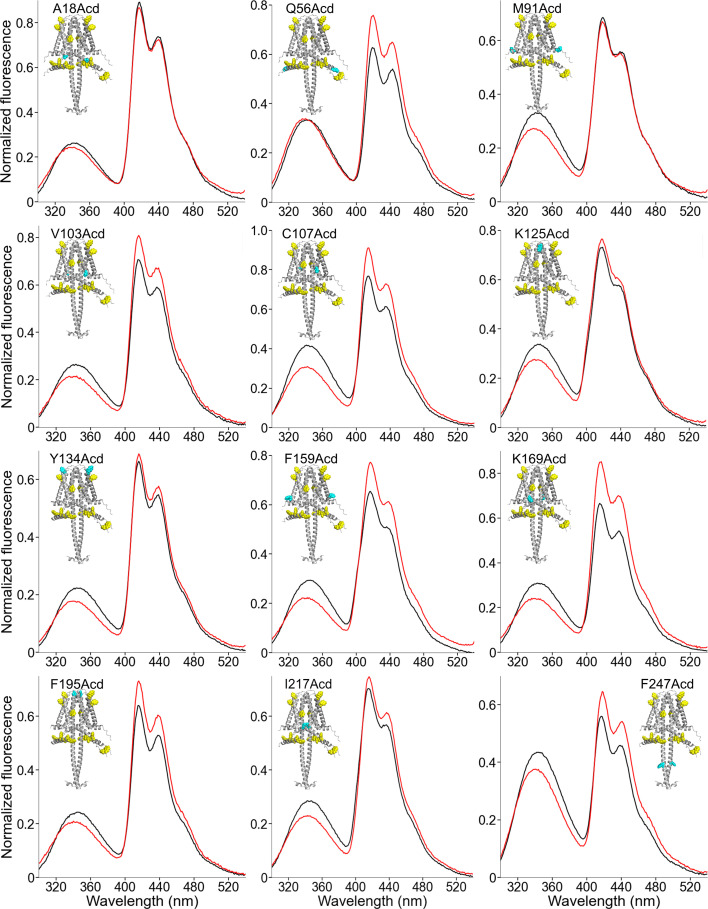
The human voltage-gated proton channel (hH v 1) is a dimer of voltage-sensor domains (VSDs) containing highly selective proton permeation pathways in each monomer. In addition to voltage, hH v 1 is regulated by other stimuli, including pH gradients, mechanical forces, and ligands, such as Zn 2+ . Aside from the VSDs, this membrane protein contains an N-terminal domain and a C-terminal coiled-coil domain (CC) formed between the monomers. To address the need for direct measurements of conformational rearrangements in hH v 1, we developed a Förster resonance energy transfer (FRET) approach to measuring the conformational rearrangements in full-length hH v 1 purified from E. coli . We used genetic code expansion (GCE) to generate a library of 14 full-length hH v 1 constructs, each incorporating the fluorescent noncanonical amino acid acridon-2-ylalanine (Acd) at a different site throughout the various structural domains. Following the expression and purification of these hH v 1-Acd proteins, we found that 12 sites yielded stable and functional proton-permeable channels. The fluorescence properties of Acd at each site showed small site-specific differences. Furthermore, we measured site-specific FRET efficiencies from tryptophan (Trp) and tyrosine (Tyr) to Acd in the hH v 1-Acd proteins and found results consistent with correct folding in detergent micelles. Finally, the addition of Zn 2+ produced reversible changes in FRET, with affected residues clustered on the intracellular side of the channel.
Overview
The claims and statistics of this paper haven’t been checked yet.
Run the check — free, no account needed. It reads the open-access text and checks the sources it cites.
Integrity signals
Registry
Cites
Statistics
Figures
Verification
Claims the paper makes
The claims and statistics of this paper haven’t been checked yet.
Run the check — free, no account needed. It reads the open-access text and checks the sources it cites.
Self-check
Percentages, sums and reported differences re-computed from the paper’s own numbers.
The self-check needs the paper’s full text.
Citations
Cites
Highly accurate protein structure prediction with AlphaFold
Jumper, J., Evans, R., Pritzel, A., Green, T., Figurnov, M., Ronneberger, O., Tunyasuvunakool, K., Bates, R., Žídek, A., Potapenko, A., et al. (2021) · Nature · doi:10.1038/s41586-021-03819-2 · Cited by 43,764 · cited 1×
“…H v 1 structural models were produced from either truncated or modified proteins ( Takeshita et al., 2014 ; Bayrhuber et al., 2019 ), we used an AlphaFold model of the full-length, dimeric hH v 1 to guide Acd site selection ( Jumper et al., 2021 ; Kim et al., 2025 ; Figure 1B and Source data 1 ).”
Principles of Fluorescence Spectroscopy
(2006) · Springer eBooks · doi:10.1007/978-0-387-46312-4 · Cited by 19,339
Protein production by auto-induction in high-density shaking cultures
Studier, F. W. (2005) · Protein Expression and Purification · doi:10.1016/j.pep.2005.01.016 · Cited by 5,949
Dynamic personalities of proteins
Henzler-Wildman, K., & Kern, D. (2007) · Nature · doi:10.1038/nature06522 · Cited by 2,545
Adding New Chemistries to the Genetic Code
Liu, C. C., & Schultz, P. G. (2010) · Annual Review of Biochemistry · doi:10.1146/annurev.biochem.052308.105824 · Cited by 1,725
[18] Fluorescence resonance energy transfer and nucleic acids
Clegg, R. M. (1992) · Methods in Enzymology · doi:10.1016/0076-6879(92)11020-j · Cited by 735
Kawate, T., & Gouaux, E. (2006) · Structure · doi:10.1016/j.str.2006.01.013 · Cited by 727
An Enhanced System for Unnatural Amino Acid Mutagenesis in E. coli
Young, T. S., Ahmad, I., Yin, J. A., & Schultz, P. G. (2010) · Journal of Molecular Biology · doi:10.1016/j.jmb.2009.10.030 · Cited by 637
A voltage-gated proton-selective channel lacking the pore domain
Ramsey, I. S., Moran, M. M., Chong, J. A., & Clapham, D. E. (2006) · Nature · doi:10.1038/nature04700 · Cited by 612
A Voltage Sensor-Domain Protein Is a Voltage-Gated Proton Channel
Sasaki, M., Takagi, M., & Okamura, Y. (2006) · Science · doi:10.1126/science.1122352 · Cited by 542
Research works printed but not linked: 6
- De La Rosa, 2018, Coupling between an electrostatic network and the Zn2+ binding site modulates Hv1 activation, The Journal of General Physiology, 150, 863, 10.1085/jgp.201711822 · DOI
- Eggan, 2025, Domain coupling in allosteric regulation of SthK measured using time-resolved transition metal ion FRET, 10.1101/2025.03.31.646362 · DOI
- Jardin, 2020, Assessing Structural Determinants of Zn²⁺ Binding to Human Hv1 via Multiple MD Simulations, Biophysical Journal, 118, 1221, 10.1016/j.bpj.2019.12.035 · DOI
- Musset, 2010, Zinc inhibition of monomeric and dimeric proton channels suggests cooperative gating, The Journal of Physiology, 588, 1435, 10.1113/jphysiol.2010.188318 · DOI
- Schulman, 1977, Variations of fluorescence efficiencies of 9-(10H)-acridone and its 4-methoxy derivative with ph. excited-state proton transfer in very weak acids and, Analytica Chimica Acta, 93, 239, 10.1016/0003-2670(77)80027-5 · DOI
- Tang, 2020, Scorpion toxin inhibits the voltage-gated proton channel using a Zn2+ -like long-range conformational coupling mechanism, British Journal of Pharmacology, 177, 2351, 10.1111/bph.14984 · DOI
Metadata
- Authors
- Carmona, E. M., Zagotta, W. N., & Gordon, S. E.
- Affiliations
- University of Washington (US)
- Corresponding author
- Zagotta, William N
- Gordon, Sharona E
- Venue
- eLife
- Publisher
- eLife Sciences Publications, Ltd
- Published
- 2026-04-28
- Volume
- 15
- ISSN
- 2050-084X (ISSN-L)
- PMC
- PMC13124150
- OpenAlex
- W7131111897
- Cited by
- 0
- References
- 42
- Type
- posted content
- Language
- en
- Open access
- gold
- doi.org
- Licence
- cc-by
- creativecommons.org/licenses/by/4.0/ (vor)
- creativecommons.org/licenses/by/4.0/ (am)
- creativecommons.org/licenses/by/4.0/ (tdm)
- Locations
- eLife (publishedVersion, cc-by)
- PubMed (publishedVersion)
- PubMed Central (publishedVersion, cc-by)
- DOAJ (DOAJ: Directory of Open Access Journals) (submittedVersion, cc-by-sa)
- Funders
- National Institutes of Health (R01EY037223, R35GM145225, R01EY010329, R35GM148137)
- Pew Charitable Trusts
- Topics
- Life Sciences › Biochemistry, Genetics and Molecular Biology › Molecular Biology › Ion channel regulation and function
- Life Sciences › Biochemistry, Genetics and Molecular Biology › Biophysics › Advanced Fluorescence Microscopy Techniques
- Life Sciences › Biochemistry, Genetics and Molecular Biology › Molecular Biology › Protein Structure and Dynamics
- Keywords
- genetic code expansion, fluorescence resonance energy transfer, conformational change, voltage-sensing domain, coiled-coil domain, zinc regulation, proton permeation, detergent micelles, protein folding
- MeSH terms
- Amino Acids, Escherichia coli, Humans, Ion Channels, Protein Conformation, Protons, Fluorescence Resonance Energy Transfer
About these checks
Registry, retraction, Cites and statistics results are computed, not judged, with one exception: a printed reference that no index lists is read once by a model before it counts as a citation error. Claims are extracted by a model and kept only when their quote appears verbatim in the text; each cited source is then checked, with a model’s help, for whether it says what the claim relies on. Those verdicts can be wrong — read the claim’s quote and the cited source before relying on one.
Statistics and arithmetic are recomputed, not judged.
Confidence bands are shown only for fields calibrated on our annotated test set. None is calibrated yet, so no band is shown.
What counts as a claim ›How we measure confidence ›How we check this ›
Are you an author, or do you see a problem with this page? Request a review
How to cite
Cite CoChat for the checks on this page, and the paper for its own findings.
- This page
- CoChat. (2026). Citation check: Interrogating the structure and function of the human voltage-gated proton channel (hHv1) with a fluorescent noncanonical amino acid. https://app.cochat.ai/papers/10.7554/elife.110161
- The paper
- Carmona, E. M., Zagotta, W. N., & Gordon, S. E. (2026). Interrogating the structure and function of the human voltage-gated proton channel (hHv1) with a fluorescent noncanonical amino acid. eLife. https://doi.org/10.7554/elife.110161
Data sources
Bibliographic data: Semantic Scholar, OpenAlex, Crossref.
Contains information from the Semantic Scholar Academic Graph Datasets, made available under the ODC Attribution License (ODC-BY 1.0).
Semantic Scholar’s data is described in: Kinney, R., et al. (2023). The Semantic Scholar Open Data Platform. arXiv:2301.10140.
