

The DOI matches its Crossref record; 87 of the 88 references it cites were found in a registry or an index.
Trisomy 21 consistently activates the interferon response
Open accessAbstract
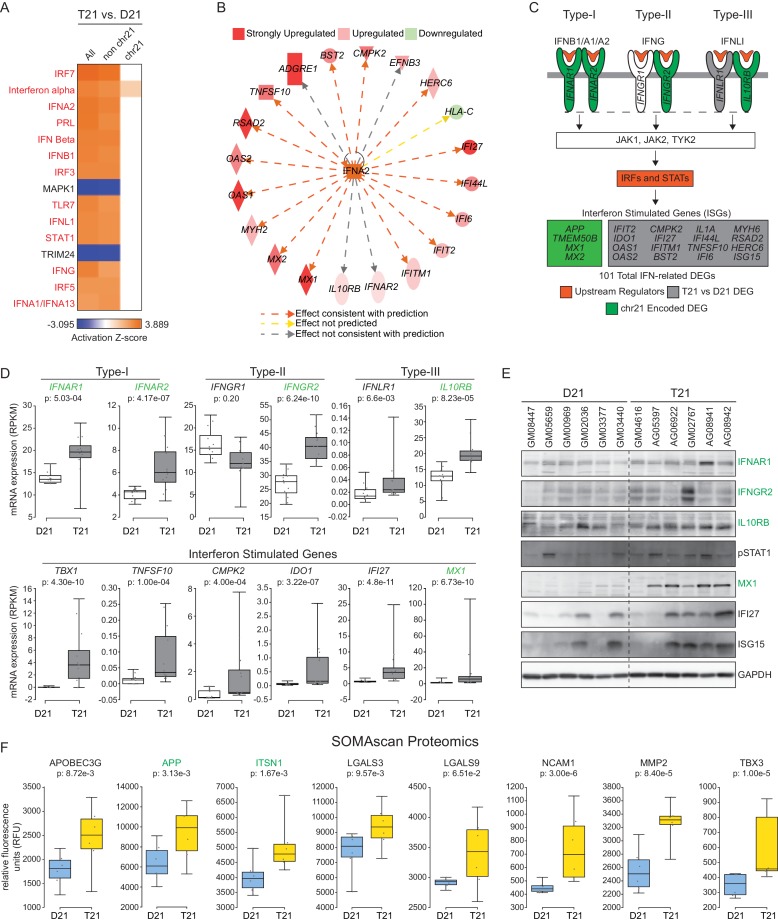
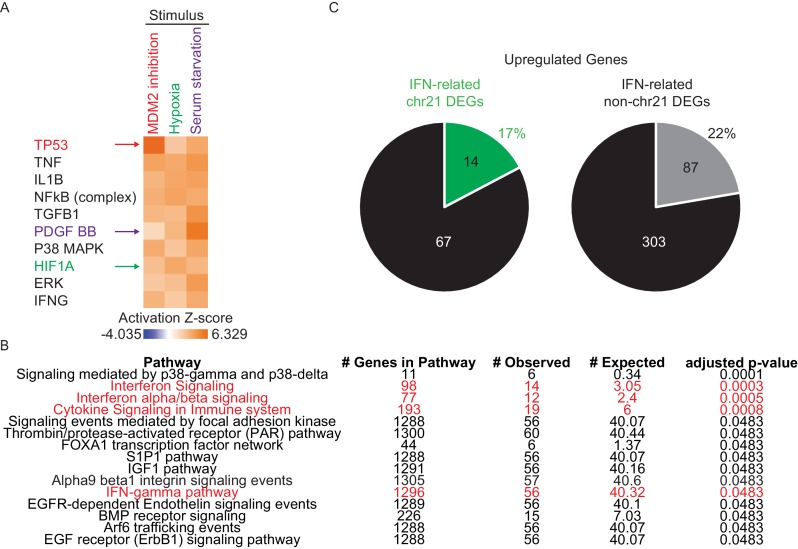
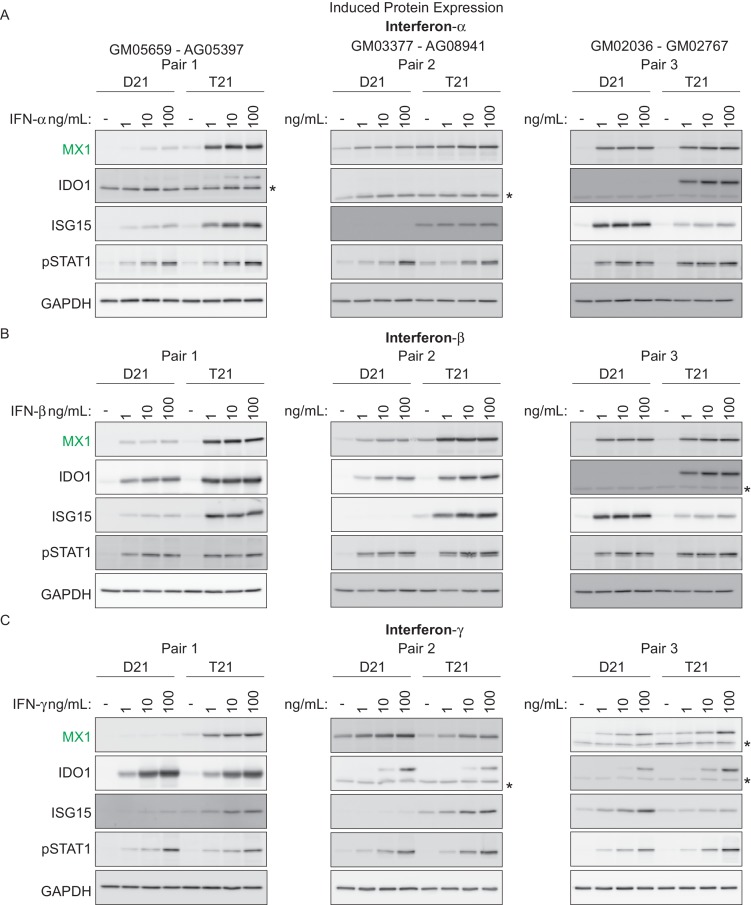
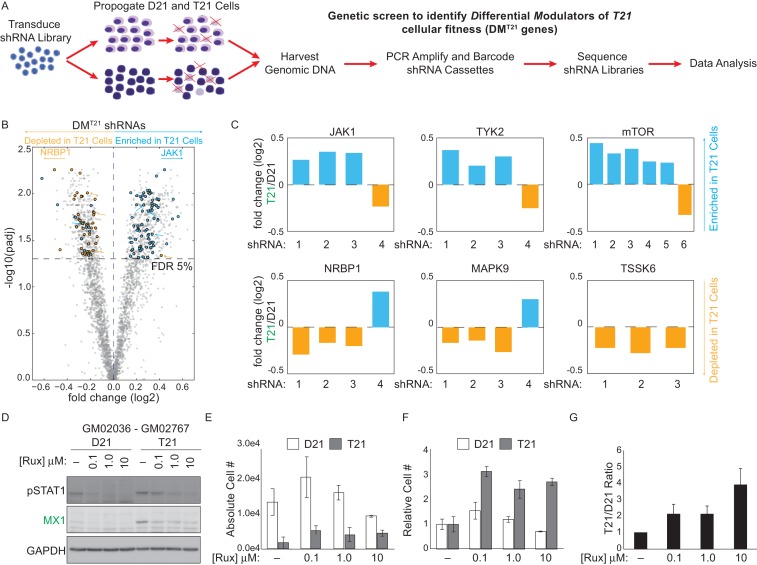
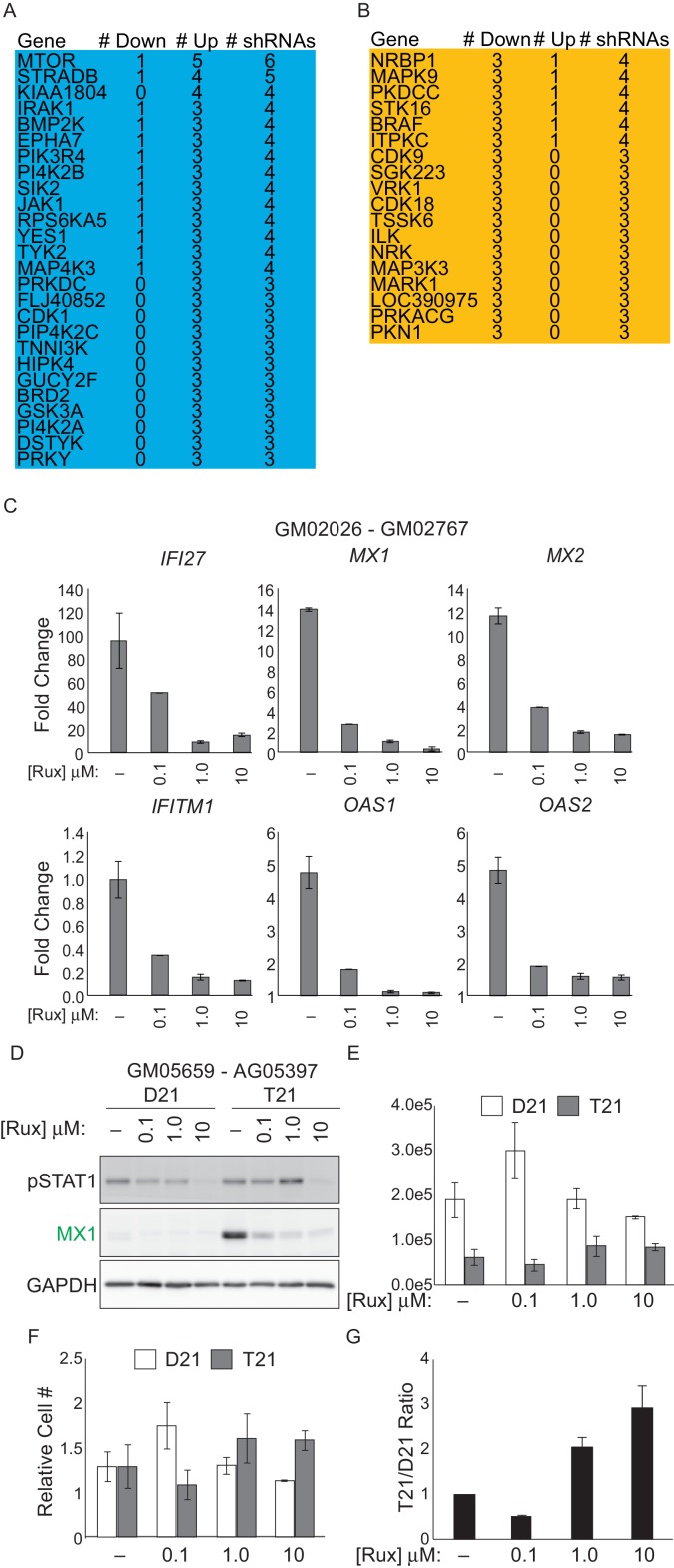
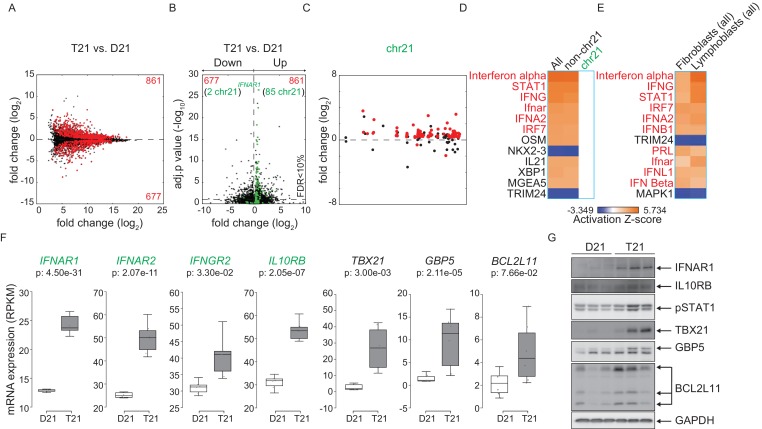
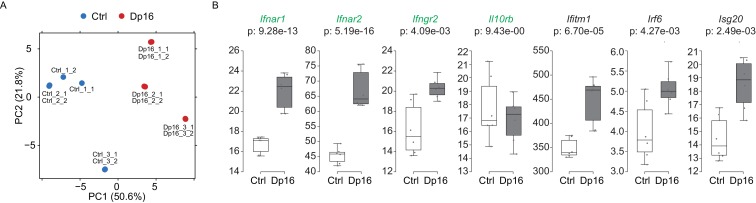
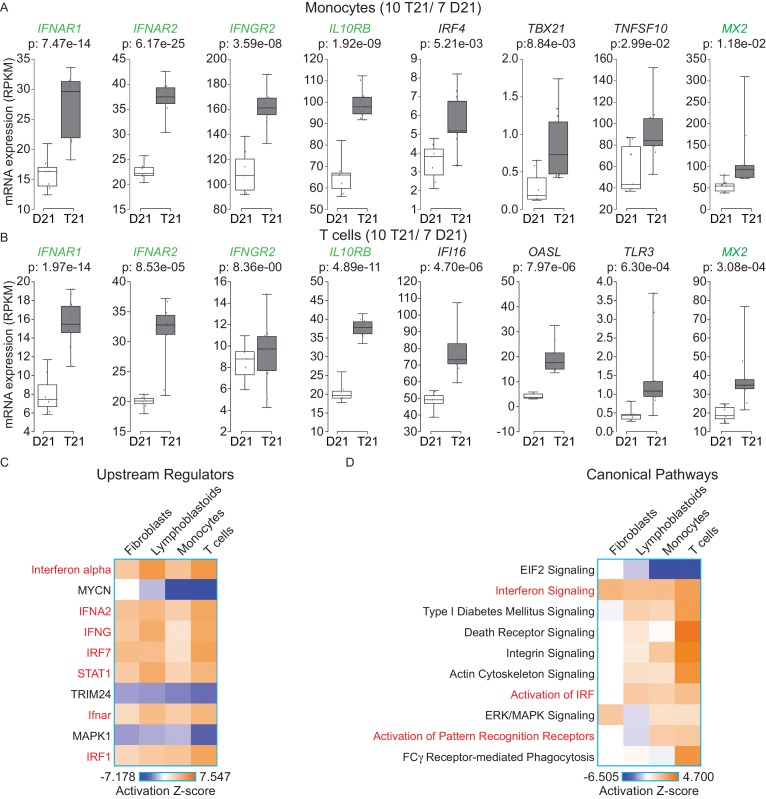
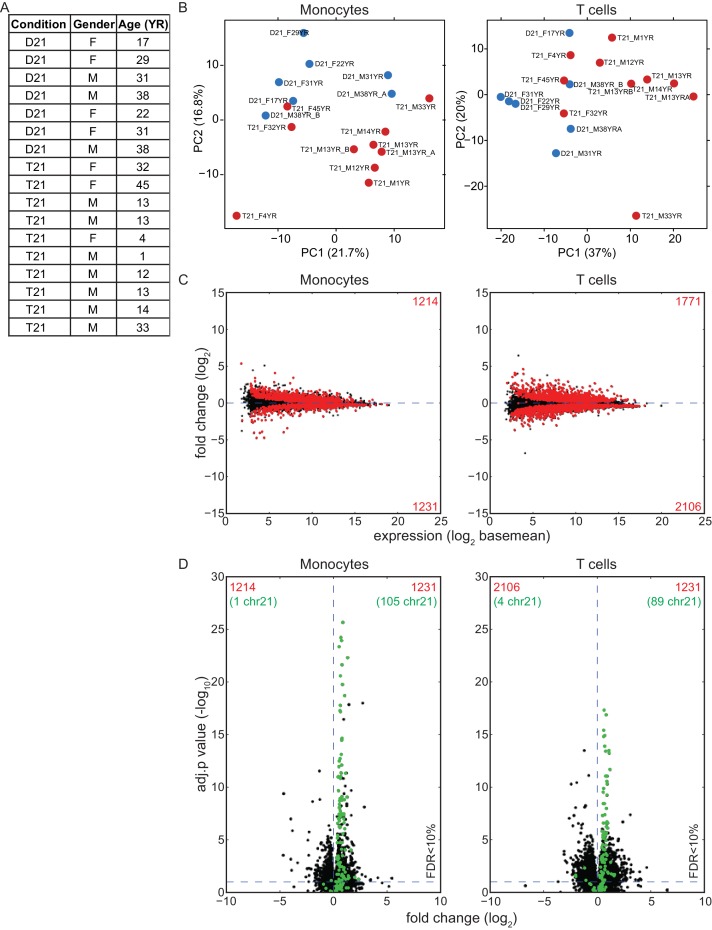
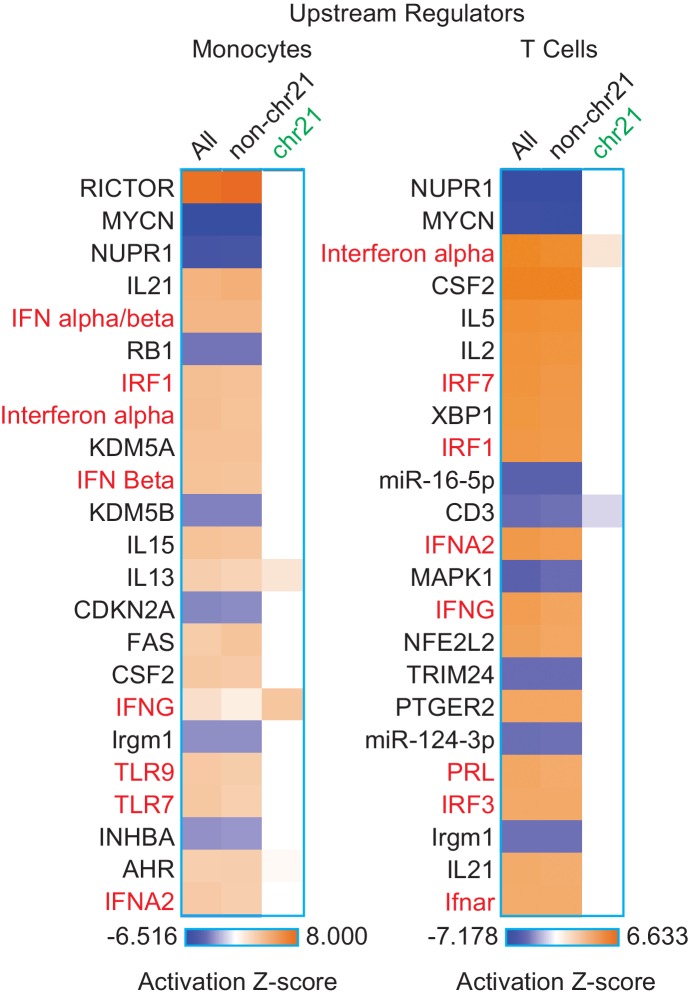
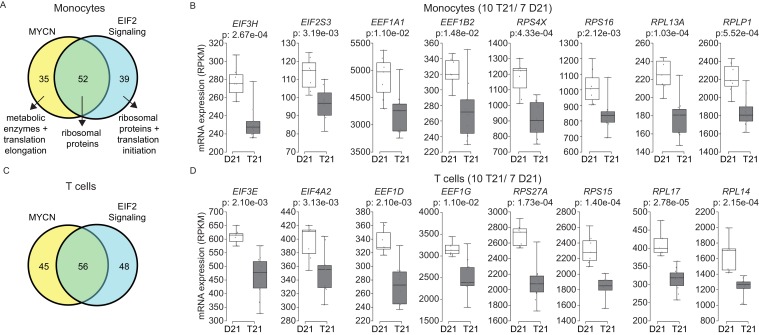
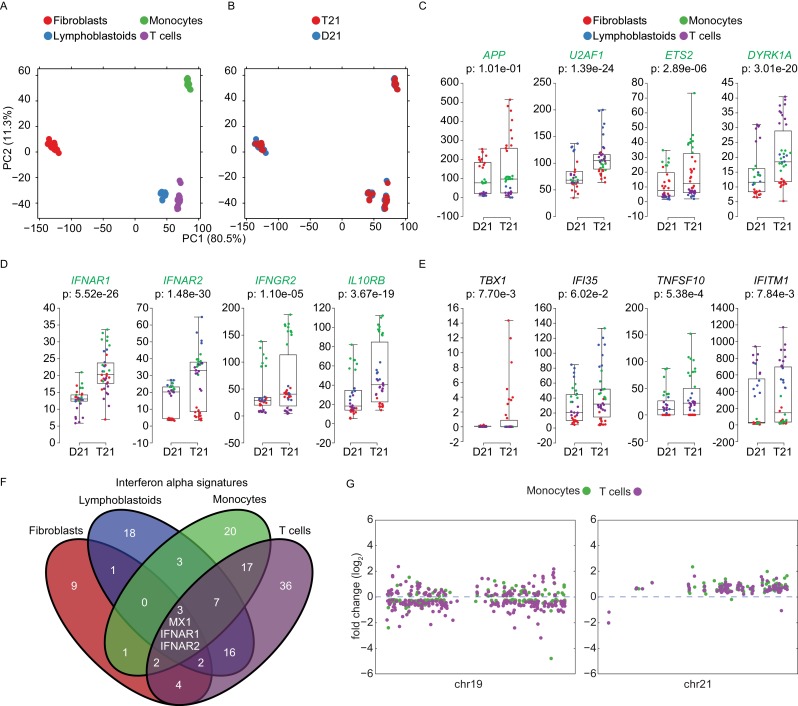
Although it is clear that trisomy 21 causes Down syndrome, the molecular events acting downstream of the trisomy remain ill defined. Using complementary genomics analyses, we identified the interferon pathway as the major signaling cascade consistently activated by trisomy 21 in human cells. Transcriptome analysis revealed that trisomy 21 activates the interferon transcriptional response in fibroblast and lymphoblastoid cell lines, as well as circulating monocytes and T cells. Trisomy 21 cells show increased induction of interferon-stimulated genes and decreased expression of ribosomal proteins and translation factors. An shRNA screen determined that the interferon-activated kinases JAK1 and TYK2 suppress proliferation of trisomy 21 fibroblasts, and this defect is rescued by pharmacological JAK inhibition. Therefore, we propose that interferon activation, likely via increased gene dosage of the four interferon receptors encoded on chromosome 21, contributes to many of the clinical impacts of trisomy 21, and that interferon antagonists could have therapeutic benefits.
Overview
The claims and statistics of this paper haven’t been checked yet.
Run the check — free, no account needed. It reads the open-access text and checks the sources it cites.
Integrity signals
Registry
Cites
Statistics
Figures
Verification
Claims the paper makes
The claims and statistics of this paper haven’t been checked yet.
Run the check — free, no account needed. It reads the open-access text and checks the sources it cites.
Claims other papers make about this one
Each is checked against this paper’s own text: does it say what the citing paper says it does?
The source backs part of the claim, not all of it — or backs it for a different population, condition or comparison.
In the citing paper
“Notably, both individuals with DS and mouse models of DS experience constitutive hyperactivation of interferon (IFN) signaling with signs of chronic inflammation and immune dysregulation,30,31,32,33,34,35,36,37,38,39,40 that could exacerbate the neuroinflammatory response.”
From Interferon signaling modulates Down syndrome-associated Alzheimer’s disease pathology in a mouse model (2025) · cites this paper as [36]
Experimental — accuracy not yet measuredThe cited source says what the claim attributes to it.
In the citing paper
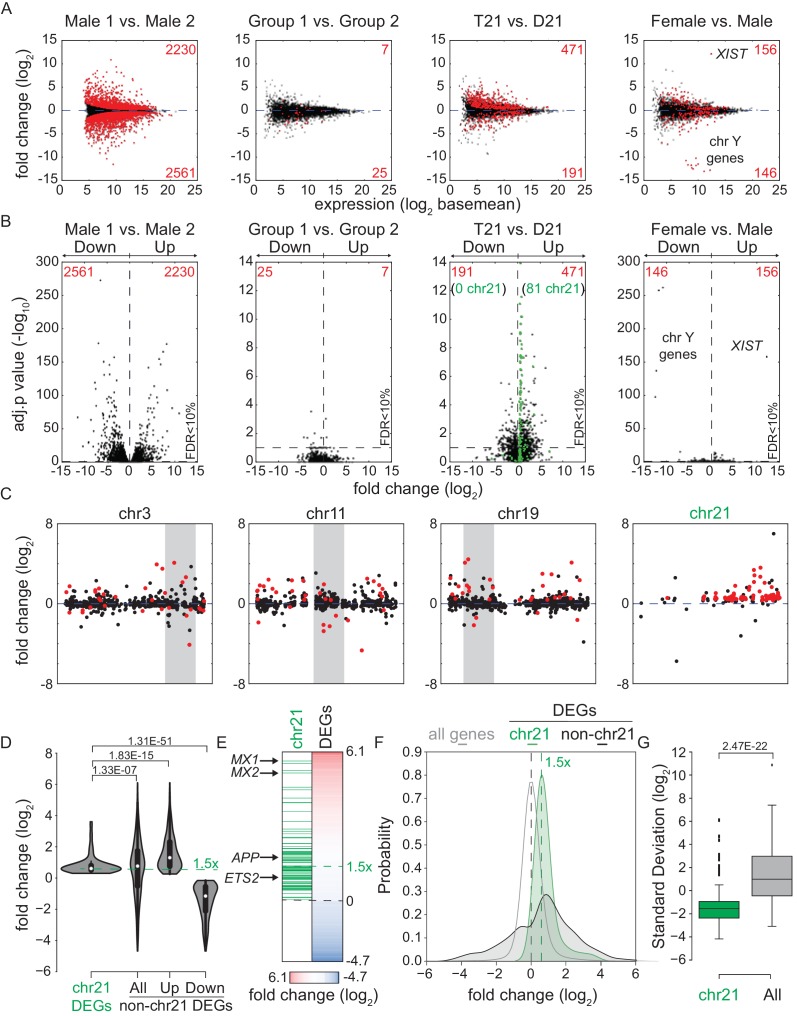
“we reported the results of transcriptome analyses of four different cell types obtained from people with and without T21, which demonstrated that T21 causes widespread alterations in gene expression across the genome”
From Trisomy 21 causes changes in the circulating proteome indicative of chronic autoinflammation (2017) · cites this paper as [17]
The cited source says what the claim attributes to it.
In the citing paper
“including, most prominently, consistent activation of the interferon transcriptional response17”
From Trisomy 21 causes changes in the circulating proteome indicative of chronic autoinflammation (2017) · cites this paper as [17]
The cited source says what the claim attributes to it.
In the citing paper
“However, unbiased analyses using omics technology have recently revealed that T21 impacts gene expression across the genome39,74,143,156–159.”
From Consequences of trisomy 21 for brain development in Down syndrome (2024) · cites this paper as [159]
The cited source says what the claim attributes to it.
In the citing paper
“people with DS present an increased IFN signaling likely driven by triplication of four of the six IFN receptors encoded on HSA21,36 rather than by massive elevation of the IFN ligands themselves as seen in interferonopathies,80 and this has been associated with chronic immune dysregulation.”
From Interferon signaling modulates Down syndrome-associated Alzheimer’s disease pathology in a mouse model (2025) · cites this paper as [36]
The cited source says what the claim attributes to it.
In the citing paper
“Accumulating evidence supports the classification of DS as a multisystem interferonopathy (62, 63, 75).”
From Molecular and cellular processes disrupted in the early postnatal Down syndrome prefrontal cortex (2026) · cites this paper as [62]
The cited source says what the claim attributes to it.
In the citing paper
“Given the dysregulated interferon signaling observed across multiple Ts21 organ systems (62, 63), we characterized the expression of interferon receptors, along with downstream interferon response genes.”
From Molecular and cellular processes disrupted in the early postnatal Down syndrome prefrontal cortex (2026) · cites this paper as [62]
The cited source says what the claim attributes to it.
In the citing paper
“our RNA-Seq analyses, combined with previously published RNA-Seq data (Letourneau et al., 2014;Sullivan et al., 2016), showed transcript levels for the analyzed acid hydrolases to be comparable in 2N and DS fibroblasts”
From Lysosomal Dysfunction in Down Syndrome Is APP-Dependent and Mediated by APP-βCTF (C99) (2019) · cites this paper as Sullivan et al., 2016
Self-check
Percentages, sums and reported differences re-computed from the paper’s own numbers.
The self-check needs the paper’s full text.
Citations
Cites
Moderated estimation of fold change and dispersion for RNA-seq data with DESeq2
Love, M. I., Huber, W., & Anders, S. (2014) · Genome Biology · doi:10.1186/s13059-014-0550-8 · Cited by 95,106
The Sequence Alignment/Map format and SAMtools
Li, H., Handsaker, B., Wysoker, A., Fennell, T., Ruan, J., Homer, N., Marth, G., Abecasis, G., Durbin, R., & 1000 Genome Project Data Processing Subgroup (2009) · Bioinformatics · doi:10.1093/bioinformatics/btp352 · Cited by 62,041
HTSeq—a Python framework to work with high-throughput sequencing data
Anders, S., Pyl, P. T., & Huber, W. (2015) · Bioinformatics · doi:10.1093/bioinformatics/btu638 · Cited by 21,464
Kim, D., Pertea, G., Trapnell, C., Pimentel, H., Kelley, R., & Salzberg, S. L. (2013) · Genome Biology · doi:10.1186/gb-2013-14-4-r36 · Cited by 12,668
Causal analysis approaches in Ingenuity Pathway Analysis
Krämer, A., Green, J., Pollard, J., & Tugendreich, S. (2014) · Bioinformatics · doi:10.1093/bioinformatics/btt703 · Cited by 5,724
RSeQC: quality control of RNA-seq experiments
Wang, L., Wang, S., & Li, W. (2012) · Bioinformatics · doi:10.1093/bioinformatics/bts356 · Cited by 2,753
A diverse range of gene products are effectors of the type I interferon antiviral response
Schoggins, J. W., Wilson, S. J., Panis, M., Murphy, M. Y., Jones, C. T., Bieniasz, P. D., & Rice, C. M. (2011) · Nature · doi:10.1038/nature09907 · Cited by 2,412
WebGestalt: an integrated system for exploring gene sets in various biological contexts
Zhang, B., Kirov, S. A., & Snoddy, J. R. (2005) · Nucleic Acids Research · doi:10.1093/nar/gki475 · Cited by 1,803
WEB-based GEne SeT AnaLysis Toolkit (WebGestalt): update 2013
Wang, J., Duncan, D. T., Shi, Z., & Zhang, B. (2013) · Nucleic Acids Research · doi:10.1093/nar/gkt439 · Cited by 1,512
Type I interferons in anticancer immunity
Zitvogel, L., Galluzzi, L., Kepp, O., Smyth, M. J., & Kroemer, G. (2015) · Nature Reviews Immunology · doi:10.1038/nri3845 · Cited by 1,305
Cited by
Sorted by citations
Items 301–367 of 367
Author response: JAK inhibition decreases the autoimmune burden in Down syndrome
Rachubinski, A. L., Wallace, E. B., Gurnee, E., Estrada, B. A. E., Worek, K. R., Smith, K. P., Araya, P., Waugh, K. A., Granrath, R. E., Britton, E. C., et al. (2024) · eLife · doi:10.7554/elife.99323.1.sa0
Self-citationReviewer #3 (Public Review): JAK inhibition decreases the autoimmune burden in Down syndrome
Rachubinski, A. L., Wallace, E., Gurnee, E., et al. (2024) · eLife · doi:10.7554/elife.99323.1.sa1
eLife Assessment: JAK inhibition decreases the autoimmune burden in Down syndrome
O’Shea, J. J. (2024) · eLife · doi:10.7554/elife.99323.1.sa4
Reviewer #2 (Public Review): JAK inhibition decreases the autoimmune burden in Down syndrome
Rachubinski, A. L., Wallace, E., Gurnee, E., et al. (2024) · eLife · doi:10.7554/elife.99323.1.sa2
Mediator kinase inhibition suppresses hyperactive interferon signaling in Down syndromePreprint
Cozzolino, K., Sanford, L., Hunter, S., Molison, K., Erickson, B., Jones, T., Courvan, M. C., Ajit, D., Galbraith, M. D., Espinosa, J. M., et al. (2024) · eLife · doi:10.7554/elife.100197.1
Self-citationChorvinsky, E. A., Bhattacharya, S., Bera, B. S., Welham, A., Ismat, K., Lawlor, C. M., Preciado, D. A., Gómez, J. L., Morizono, H., Pillai, D. K., et al. (2024) · bioRxiv (Cold Spring Harbor Laboratory) · doi:10.1101/2024.11.22.624921
Mediator kinase inhibition suppresses hyperactive interferon signaling in Down syndromePreprint
Cozzolino, K., Sanford, L., Hunter, S., Molison, K., Erickson, B., Courvan, M. C., Jones, T., Ajit, D., Galbraith, M. D., Espinosa, J. M., et al. (2025) · eLife · doi:10.7554/elife.100197.2
Self-citationImpact of Cre/LoxP-Mediated Chromosome Engineering Technology on Down Syndrome Research
Xing, Z., Douglas, A., Pao, A., Glass, T. J., Connor, N. P., & Yu, Y. E. (2025) · Springer eBooks · doi:10.1007/978-3-031-78611-2_2
NF-κB signaling directs a program of transient amplifications at innate immune response genesPreprint
Ludwig, M. P., Wilson, J. R., Galbraith, M. D., Bhandari, N., Dunn, L. N., Black, J. C., & Sullivan, K. D. (2025) · bioRxiv (Cold Spring Harbor Laboratory) · doi:10.1101/2025.03.11.641929
Self-citationMoka, R., Sudheer, M., & Kumar, P. (2025) · International Journal of Genetics and Genomics · doi:10.11648/j.ijgg.20251302.14
Bartesaghi, R., Chen, X., Johnstone, A. D., Das, U., & Mobley, W. C. (2025) · Springer eBooks · doi:10.1007/978-3-031-89307-0_19
GRACKLE: an interpretable matrix factorization approach for biomedical representation learning
Gillenwater, L. A., Hunter, L., & Costello, J. C. (2025) · Bioinformatics · doi:10.1093/bioinformatics/btaf213
Espinosa, J. M. (2023) · doi:10.64628/aai.n334qnrcq
Self-citationKomine, I., Chiba, Y., Sato, H., Oka, S., Yoshizaki, K., Yamada, A., & Fukumoto, S. (2025) · Pediatric Dental Journal · doi:10.1016/j.pdj.2025.100360
Alterations in Resident Immune Cells in Prenatal Trisomy 21 Lungs
Frauenpreis, A., Bhattacharya, S., Belgacemi, R., Sokolskiy, P., Deutsch, G. H., Jendzjowsky, N. G., Glass, I. A., Mariani, T. J., Alam, D. A., & Danopoulos, S. (2025) · Cells · doi:10.3390/cells14231866
Sato, T., Baxter, L. L., Adams, A. D., Bishop, L. A., Guedj, F., & Bianchi, D. W. (2025) · Biology Open · doi:10.1242/bio.062296 · Cited by 1
Türkçüoğlu, İ., Sınacı, S., Melekoğlu, R., Ünüvar, S., Çelik, N. Z., Yaşar, Ş., & Polat, B. B. (2025) · The Journal of Maternal-Fetal & Neonatal Medicine · doi:10.1080/14767058.2025.2597589
Vaiasicca, S., Melone, G., James, D. W., Quintela, M., Preziuso, A., Finnell, R. H., Conlan, R. S., Francis, L. W., & Corradetti, B. (2023) · Figshare · doi:10.6084/m9.figshare.24186074
Rodríguez‐Rodríguez, C., González-Mancha, N., Ochoa-Echeverría, A., Liébana, R., & Mérida, I. (2024) · Figshare · doi:10.6084/m9.figshare.24934184
Rodríguez‐Rodríguez, C., González-Mancha, N., Ochoa-Echeverría, A., Liébana, R., & Mérida, I. (2024) · Figshare · doi:10.6084/m9.figshare.24934508
Vaiasicca, S., Melone, G., James, D. W., Quintela, M., Preziuso, A., Finnell, R. H., Conlan, R. S., Francis, L. W., & Corradetti, B. (2023) · Figshare · doi:10.6084/m9.figshare.24186050
Rodríguez‐Rodríguez, C., González-Mancha, N., Ochoa-Echeverría, A., Liébana, R., & Mérida, I. (2024) · Figshare · doi:10.6084/m9.figshare.26657809
Rodríguez‐Rodríguez, C., González-Mancha, N., Ochoa-Echeverría, A., Liébana, R., & Mérida, I. (2024) · Figshare · doi:10.6084/m9.figshare.26657818
Vaiasicca, S., Melone, G., James, D. W., Quintela, M., Preziuso, A., Finnell, R. H., Conlan, R. S., Francis, L. W., & Corradetti, B. (2023) · Figshare · doi:10.6084/m9.figshare.24186053
Rodríguez‐Rodríguez, C., González-Mancha, N., Ochoa-Echeverría, A., Liébana, R., & Mérida, I. (2024) · Figshare · doi:10.6084/m9.figshare.26657815
Rodríguez‐Rodríguez, C., González-Mancha, N., Ochoa-Echeverría, A., Liébana, R., & Mérida, I. (2024) · Figshare · doi:10.6084/m9.figshare.26657806
Pecze, L., Randi, E. B., & Szabo, C. (2020) · Figshare · doi:10.6084/m9.figshare.13213015
Vaiasicca, S., Melone, G., James, D. W., Quintela, M., Preziuso, A., Finnell, R. H., Conlan, R. S., Francis, L. W., & Corradetti, B. (2023) · Figshare · doi:10.6084/m9.figshare.24186059
Vaiasicca, S., Melone, G., James, D. W., Quintela, M., Preziuso, A., Finnell, R. H., Conlan, R. S., Francis, L. W., & Corradetti, B. (2023) · Figshare · doi:10.6084/m9.figshare.24186071
Rodríguez‐Rodríguez, C., González-Mancha, N., Ochoa-Echeverría, A., Liébana, R., & Mérida, I. (2024) · Figshare · doi:10.6084/m9.figshare.26657812
Anderson, S. R., Chiaranunt, P., Mroz, N. M., Wade, S. D., Pitchai, F. N. N., Okamura, S., McDonough, A., Chen, Y., Molofsky, A. B., Weinstein, J. R., et al. (2026) · bioRxiv (Cold Spring Harbor Laboratory) · doi:10.64898/2026.01.08.698513
Lubkin, A., Lujan, R. A., Pontejo, S. M., Oikonomou, V., Fellows, A. M., Dias, L. D. S., Snarr, B. D., MacAlpine, J., Sullivan, K. D., Espinosa, J. M., et al. (2026) · mBio · doi:10.1128/mbio.03873-25
Self-citationTorres, M. D., Rivera, I., & Busciglio, J. A. (2026) · Springer eBooks · doi:10.1007/978-3-031-96019-2_8
Oo, K. T., Abou-Antoun, N., Danopoulos, S., & Alam, D. A. (2026) · Advances in Pediatrics · doi:10.1016/j.yapd.2025.12.004
Grasso, M., Fidilio, A., L’Episcopo, F., Recupero, M., Barone, C., Lovino, M., Alboni, S., Bacalini, M. G., Caruso, G., Greco, D., et al. (2026) · NeuroMolecular Medicine · doi:10.1007/s12017-025-08901-w
Tinea Capitis and Down Syndrome: A Multi‐Center Retrospective Cohort Study
Seetan, K. I., Khamees, A., Yassin, R. Y., Ba-Shammakh, S. A. M., Al‐Shami, K., Zayed, N. F., & Moh’d, A. M. (2026) · Pediatric Dermatology · doi:10.1111/pde.70164
Larsen, E. C., Moon, J. E., King, O. D., & Lawrence, J. B. (2026) · The American Journal of Human Genetics · doi:10.1016/j.ajhg.2026.02.014
Baxter, L. L., Lee, S. E., Fuentes, K. A., Mosley, I. A., Raymond, J. D., Guedj, F., Zhou, D., Slonim, D. K., Glotfelty, E. J., Tweedie, D., et al. (2026) · bioRxiv (Cold Spring Harbor Laboratory) · doi:10.64898/2026.03.19.712922
Gene dosage imbalance disrupts systemic metabolism in the Dp16 Down syndrome mouse modelPreprint
Chen, F., Saqib, M., Nguyen, C. M., Sarver, D. C., Yu, Y. E., Aja, S. M., Seldin, M. M., & Wong, G. W. (2026) · eLife · doi:10.7554/elife.110476.1
Trisomy 21 Drives ADARB1 Overexpression and Premature RNA Recoding in the Developing Fetal Brain
Breen, M. S., Yang, A., Wang, X., Santos, M. R. D. L., Ran, T. A. O., Weinberger, D. R., Kleinman, J. E., Mihova, K. Y., Stancheva, G. S., Savova, S., et al. (2026) · Nature Communications · doi:10.1038/s41467-026-70217-5
Multi-omics data integration and interactive visual data mining to explore mitochondrial dynamics
Marchianò, F. (2022) · theses.fr (ABES) · doi:10.70675/eb60a1f9zb03bz48d8z8b03zcb18fa2f49d8
ORION: An agentic reasoning construct for the analysis of complex human immune profilingPreprint
Dayao, M. T., Kim, K., Khor, B., Jaech, A., van Opheusden, B., Bodansky, A., & DeRisi, J. L. (2026) · bioRxiv (Cold Spring Harbor Laboratory) · doi:10.64898/2026.04.13.718286
Buckman, M. A., Vasileva, A., Kalra, H., Edwin, I., Ma, G., Vasilyev, M., London, B., Jedlicka, C. R., Beasley, G., Breheny, P. J., et al. (2026) · Physiology · doi:10.1152/physiol.2026.41.s1.2293068
Altered tonsillar microbiome in children with Down syndrome and obstructive sleep apnea
Woods, E., Jones, D., Gordon, O. M., Nusbacher, N. M., Kofonow, J. M., Dumont, G. S., Frank, D., Friedman, N. R., Herrmann, B. W., Lozupone, C., et al. (2026) · Scientific Reports · doi:10.1038/s41598-026-66121-z
Domenico, F. D., Marzia Perluigi, A., Tramutola, A., Bacalini, M. G., Victorino, D. B., Barroeta, I., Bartesaghi, R., Carfì, A., Carmona‐Iragui, M., Cohen, A. D., et al. (2026) · NeuroMolecular Medicine · doi:10.1007/s12017-026-08921-0
Fitzpatrick, V., Noah, A. I., Rivelli, A. L., Johnson, R., Zak, M., Espinosa, J. M., & Chicoine, B. A. (2026) · Cancer Medicine · doi:10.1002/cam4.72007
Self-citationAttenuated estrogen signaling disrupts placentation and drives trophoblast defects in Down syndromePreprint
Logsdon, D. M., Pereira, I. T., Wetta, K., Ohler, L. S., Nevo, M., Thorstenson, B., Niemeyer, B. F., Birsoy, B., Smith, L., Hebert, C., et al. (2026) · bioRxiv (Cold Spring Harbor Laboratory) · doi:10.64898/2026.06.03.729739
Self-citationImmune dysregulation in children with Down syndrome: clinical implications and emerging therapies
Bloom, J. L., & Sriram, I. (2026) · Current Opinion in Rheumatology · doi:10.1097/bor.0000000000001174
Metabolomic Profiles in Down Syndrome: A Scoping Review of Convergent and Context‐Dependent Patterns
Guerrero, C. G., Guadrón‐Llanos, A. M., Calderón-Zamora, L., la Herrán-Arita, A. K. D., Cruz‐Narváez, Y., Duarte-de-la-Peña, G., & Magaña‐Gómez, J. A. (2026) · Journal of Intellectual Disability Research · doi:10.1111/jir.70125
An AI-Powered Trisomy 21 Research AssistantPreprint
Nandi, S., Sundararajan, Z., Subirana-Granés, M., Espinosa, J. M., Pividori, M., Sullivan, K. D., Galbraith, M. D., & Costello, J. C. (2026) · bioRxiv (Cold Spring Harbor Laboratory) · doi:10.64898/2026.06.08.730893
Self-citationElastosis Perforans Serpiginosa in Down’s Syndrome: A Rare Cutaneous Association
Jain, S. P., Ingale, S. D., Yadav, A. D., & Deshmukh, A. (2026) · Malaysian Journal of Dermatology · doi:10.4103/mjd.mjd_32_26
Multiomics and proteomic insights into Alzheimer’s disease biology in Down syndrome
Martá-Ariza, M., & Wisniewski, T. R. (2026) · Expert Review of Neurotherapeutics · doi:10.1080/14737175.2026.2695187
Gene dosage imbalance disrupts systemic metabolism in the Dp16 Down syndrome mouse modelPreprint
Chen, F., Saqib, M., Nguyen, C. M., Sarver, D. C., Yu, Y. E., Aja, S. M., Seldin, M. M., & Wong, G. W. (2026) · eLife · doi:10.7554/elife.110476.2
Solari-Hernández, S., González-Madrid, E., González, P. A., Bueno, S. M., & Kalergis, A. M. (2026) · Journal of Clinical Immunology · doi:10.1007/s10875-026-02054-6
Donovan, M. G., Eduthan, N. P., Niemeyer, B. F., Woods, E., Hoffmeyer, E., Jaeger, N., Britton, E. C., Grzywacz, B. J., Fernandez, J. J., Dumont, G. S., et al. (2026) · bioRxiv (Cold Spring Harbor Laboratory) · doi:10.64898/2026.07.30.741516
Self-citationDutto, J., Bustos, J., Boffelli, L., Tosello-Boari, J., Kienzler, J. C., Araya, P., Dhooge, S., Guirado, A. P. F., Biasi, P., Baigorrí, R. E., et al. (2026) · bioRxiv (Cold Spring Harbor Laboratory) · doi:10.64898/2026.08.04.741562
Self-citationJones, J. T., Chern, I., Harris, J. G., Singleton, J. H., & Wang, X. (2026) · JCR Journal of Clinical Rheumatology · doi:10.1097/rhu.0000000000002399
Pediatric alopecia areata phenotypes: Toward a clinically actionable framework
Chajecki, A., Modanlo, N., Ujvary, A., Castelo-Soccio, L., & Netravali, I. A. (2026) · JAAD reviews. · doi:10.1016/j.jdrv.2026.08.009
Baxter, L. L., Lee, S., Fuentes, K., Mosley, I. A., Raymond, J. D., Guedj, F., Zhou, D., Slonim, D. K., Glotfelty, E. J., Tweedie, D., et al. (2026) · Biology Open · doi:10.1242/bio.062807
Metaproteomic portrait of the gut microbiome in children with Down syndromePreprint
Marzano, V., Pirona, I., Rapisarda, F., Marangelo, C., Macari, G., Mortera, S. L., Vernocchi, P., Agolini, E., Dallapiccola, B., Novelli, A., et al. (2026) · Research Square · doi:10.21203/rs.3.rs-10623142/v1
Periodontitis and Alzheimer's disease, common pathways in down syndrome
Arriola‐Pacheco, F., Pinzón-Te, A. L., Serrano-Piña, R., Carrillo-Ávila, B. A., Díaz‐Zúñiga, J., Melgar‐Rodríguez, S., & Martínez-Aguilar, V. M. (2026) · Frontiers in Dental Medicine · doi:10.3389/fdmed.2026.1930049
Rossmassler, K., Timkovich, A. E., Niemeyer, B., Schade, K. A., Dunn, L. N., Harris, M. C., Harris, R. A., Chillamcherla, S., Rachubinski, A. L., Espinosa, J. M., et al. (2026) · bioRxiv (Cold Spring Harbor Laboratory) · doi:10.64898/2026.09.20.751055
Self-citationMarangu, D., Maugo, B., & Boateng, R. A. (2026) · Frontiers in Medicine · doi:10.3389/fmed.2026.1934925
Low Allergic Sensitisation in Wheezing Children With Down Syndrome: A Case–Control Study
Rêgo, F. D. C., Lira, G. V. D. A. G., SARINHO, E. S. C., Bezerra, P. G. D. M., Aroucha, M. L., Medeiros, I. G. A., & Medeiros, D. (2026) · Journal of Intellectual Disability Research · doi:10.1111/jir.70191
HTP Plasma Metabolomics (2020)
Espinosa, J. M., Galbraith, M. D., Rachubinski, A. L., & Sullivan, K. D. (2025) · INCLUDE Data Hub · doi:10.71738/qjm5-yy25
Self-citationEspinosa, J. M., Galbraith, M. D., Rachubinski, A. L., & Sullivan, K. D. (2025) · INCLUDE Data Hub · doi:10.71738/n9tr-ba81
Self-citation
Metadata
- Authors
- Sullivan, K. D., Lewis, H. C., Hill, A. A., Pandey, A., Jackson, L. P., Cabral, J. M., Smith, K. P., Liggett, L. A., Gomez, E. B., Galbraith, M. D., DeGregori, J., & Espinosa, J. M.
- Affiliations
- Howard Hughes Medical Institute (US)
- University of Colorado Anschutz (US)
- Linda Crnic Institute for Down Syndrome, University of Colorado School of Medicine, Aurora, United States
- Corresponding author
- Sullivan, Kelly D
- ORCID
- Venue
- eLife
- Publisher
- eLife Sciences Publications, Ltd
- Published
- 2016-07-29
- Volume
- 5
- ISSN
- 2050-084X (ISSN-L)
- PMC
- PMC5012864
- OpenAlex
- W2487528628
- Cited by
- 362
- References
- 88
- Citations by year
- 2026: 50 · 2025: 41 · 2024: 58 · 2023: 40 · 2022: 40 · 2021: 42 · 2020: 36 · 2019: 21 · 2018: 14 · 2017: 16 · 2016: 3
- FWCI
- 17.85
- Type
- journal article
- Language
- en
- Open access
- gold
- doi.org
- Licence
- Locations
- eLife (publishedVersion, cc-by)
- PubMed Central (publishedVersion, cc-by)
- PubMed (publishedVersion)
- DOAJ (DOAJ: Directory of Open Access Journals) (submittedVersion, cc-by-sa)
- Funders
- University of Colorado (Linda Crnic Institute for Down Syndrome)
- Howard Hughes Medical Institute
- National Institutes of Health (R01CA117907, P30CA046934-27)
- National Science Foundation (MCB-1243522)
- Anna and John J. Sie Foundation
- Topics
- Health Sciences › Medicine › Public Health, Environmental and Occupational Health › Down syndrome and intellectual disability research
- Life Sciences › Immunology and Microbiology › Immunology › interferon and immune responses
- Life Sciences › Biochemistry, Genetics and Molecular Biology › Genetics › Genetic and Clinical Aspects of Sex Determination and Chromosomal Abnormalities
- Keywords
- Down syndrome, interferon signaling, interferon-stimulated genes, gene dosage, interferon receptor, JAK1, TYK2, ribosomal proteins, translation (biology), cell proliferation, shRNA screen, JAK inhibition, transcriptome
- MeSH terms
- Cells, Cultured, Down Syndrome, Fibroblasts, Humans, Immunity, Innate, Interferons, Monocytes, T-Lymphocytes, Gene Expression Profiling
About these checks
Registry, retraction, Cites and statistics results are computed, not judged, with one exception: a printed reference that no index lists is read once by a model before it counts as a citation error. Claims are extracted by a model and kept only when their quote appears verbatim in the text; each cited source is then checked, with a model’s help, for whether it says what the claim relies on. Those verdicts can be wrong — read the claim’s quote and the cited source before relying on one.
Statistics and arithmetic are recomputed, not judged.
Confidence bands are shown only for fields calibrated on our annotated test set. None is calibrated yet, so no band is shown.
What counts as a claim ›How we measure confidence ›How we check this ›
Are you an author, or do you see a problem with this page? Request a review
