

The DOI matches its Crossref record; 83 of the 83 references it cites were found in a registry or an index.
Tet2 and Tet3 cooperate with B-lineage transcription factors to regulate DNA modification and chromatin accessibility
Open accessAbstract
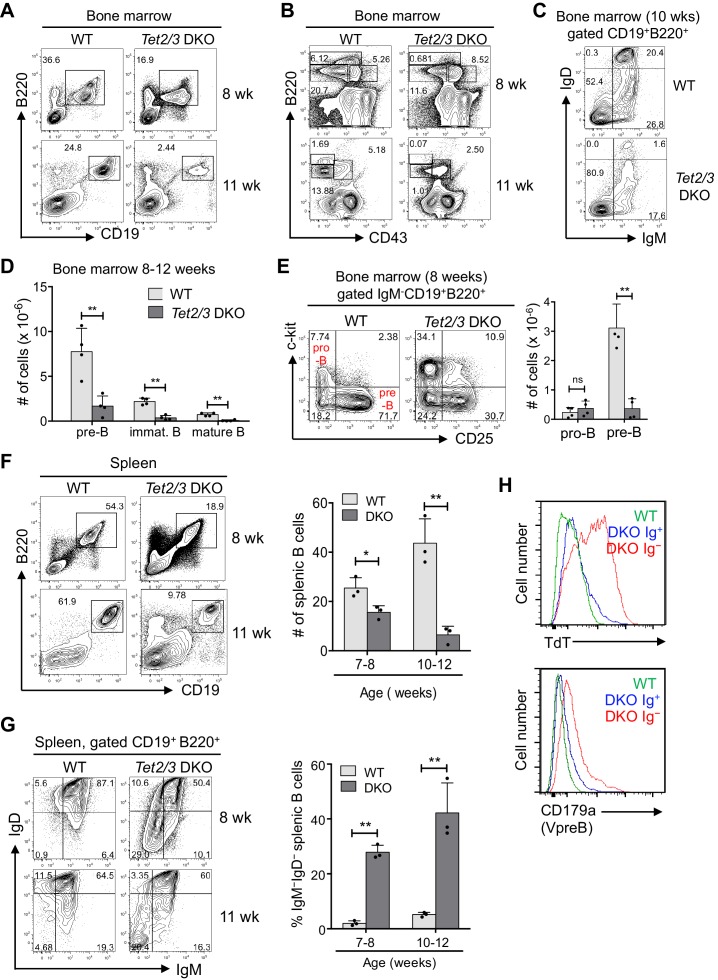
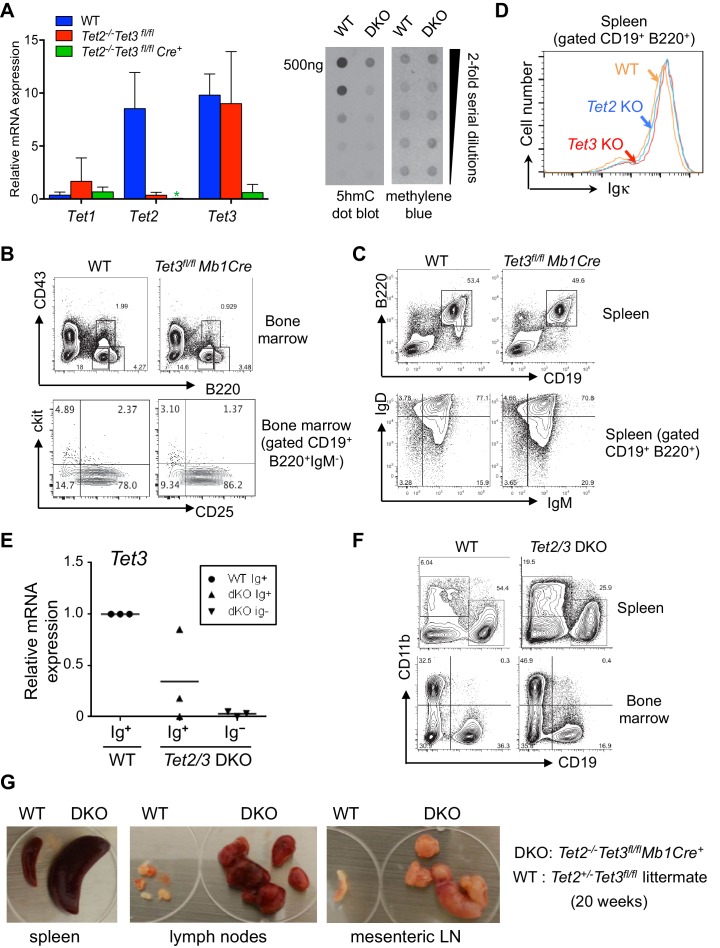
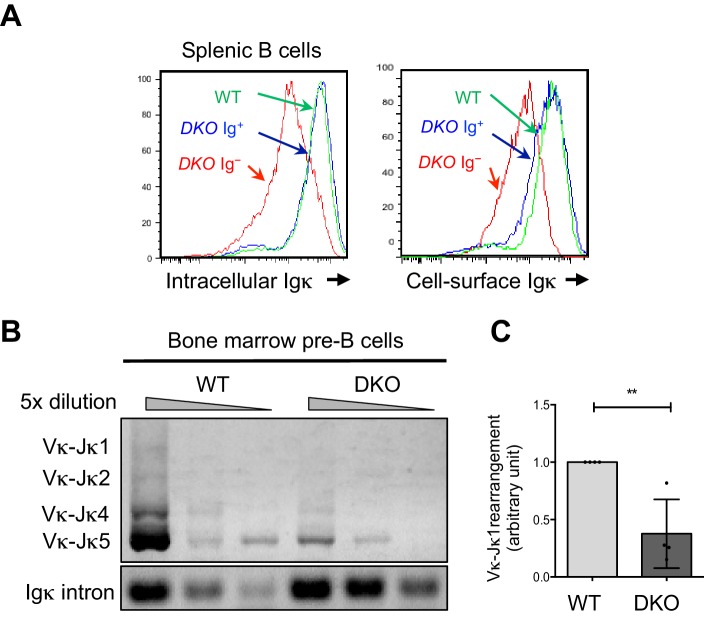
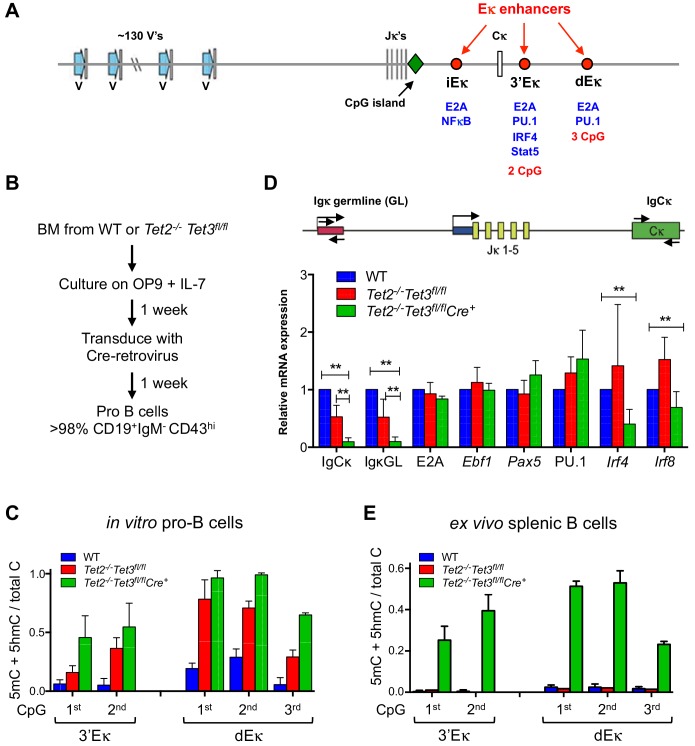
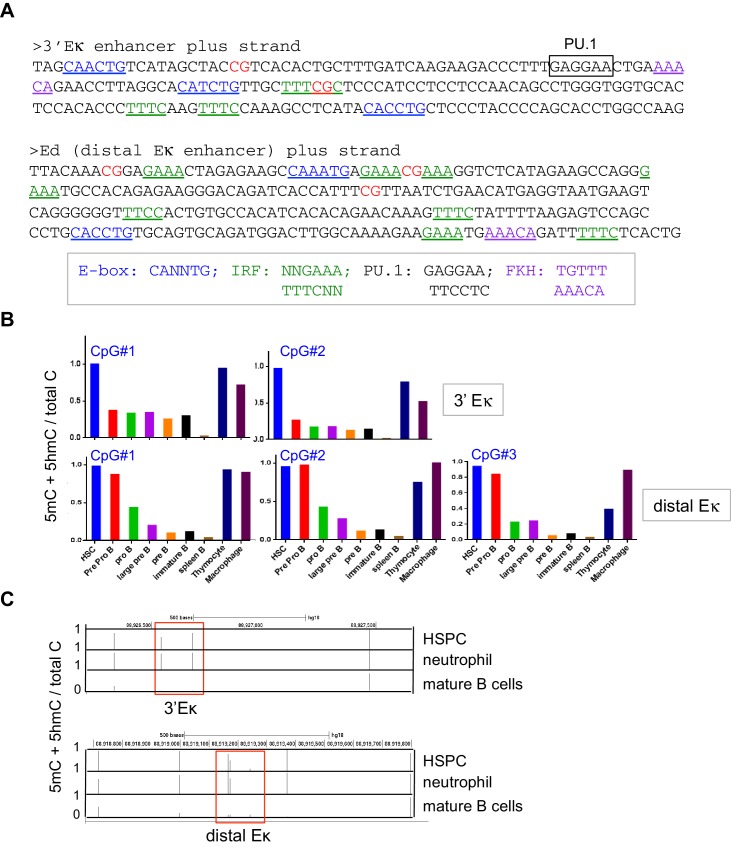
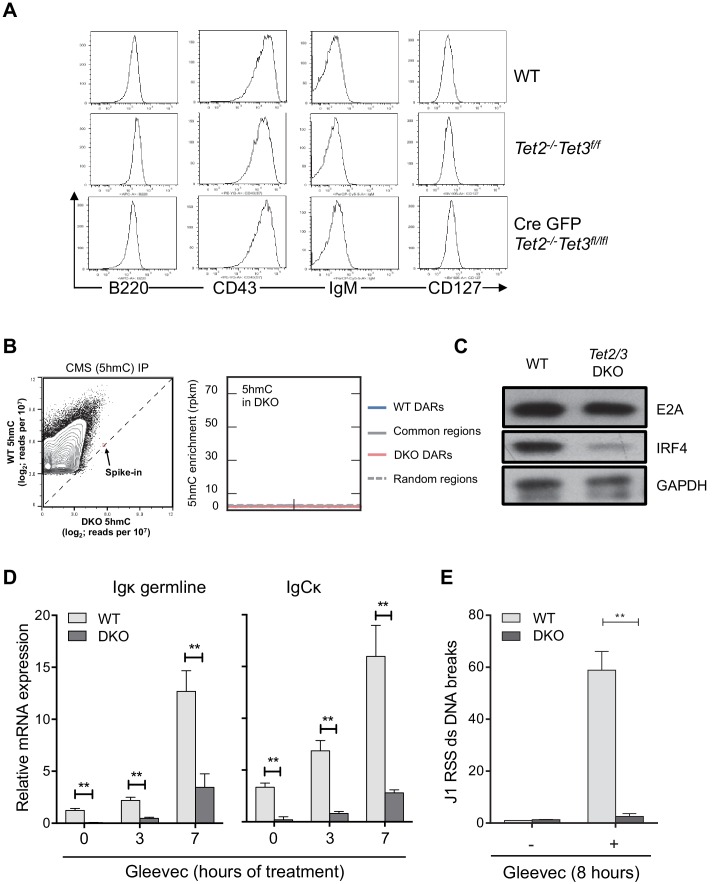
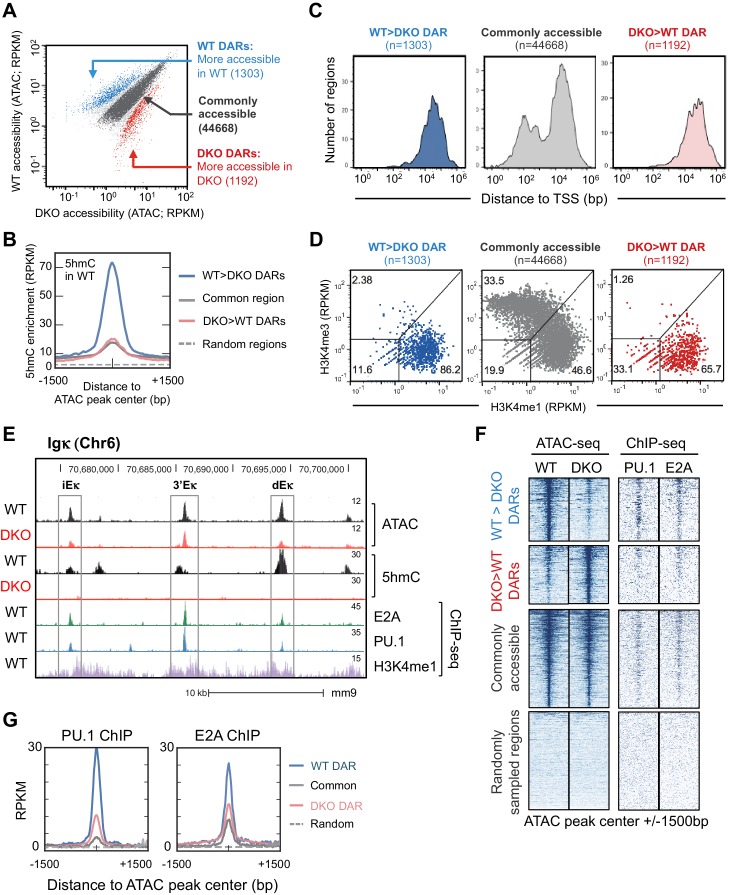
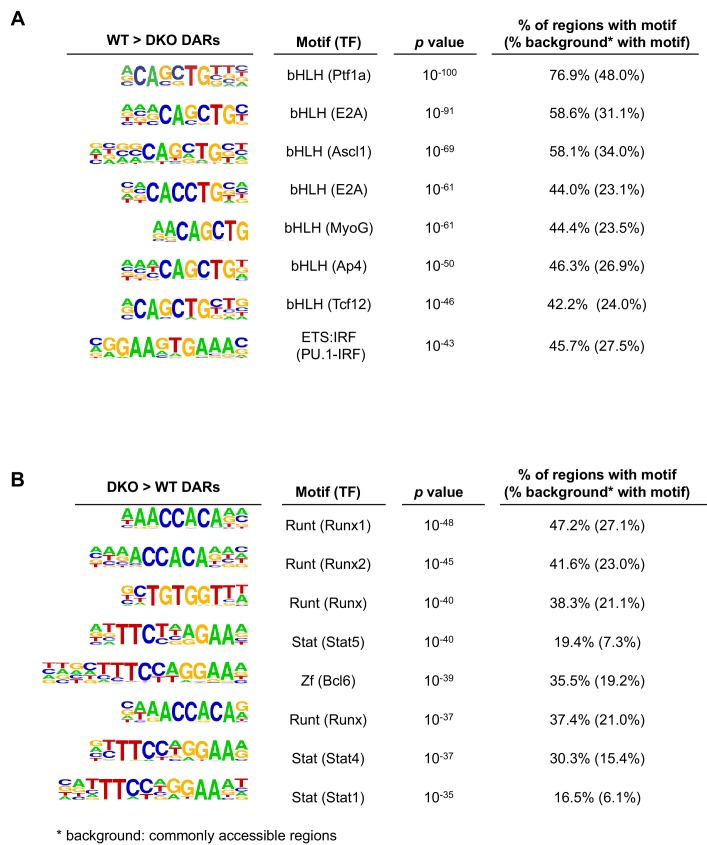
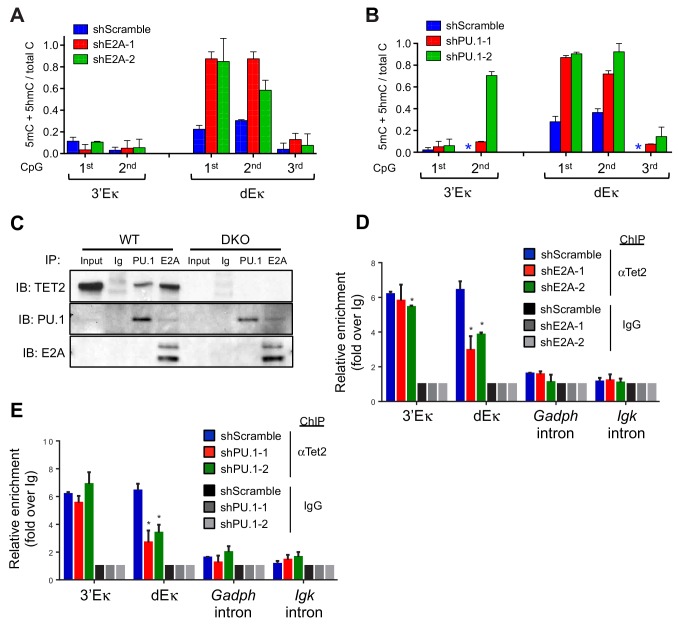
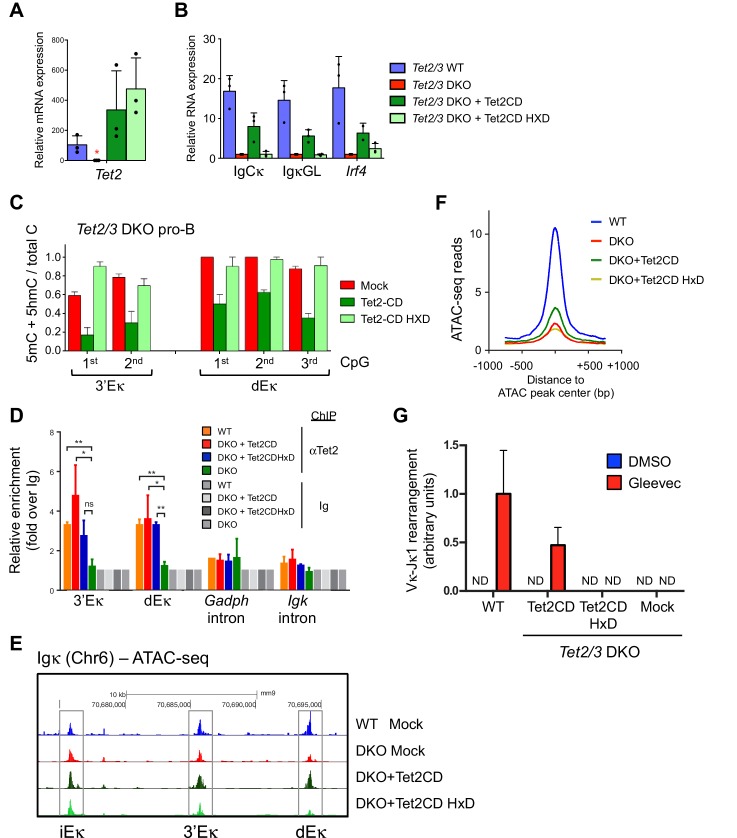
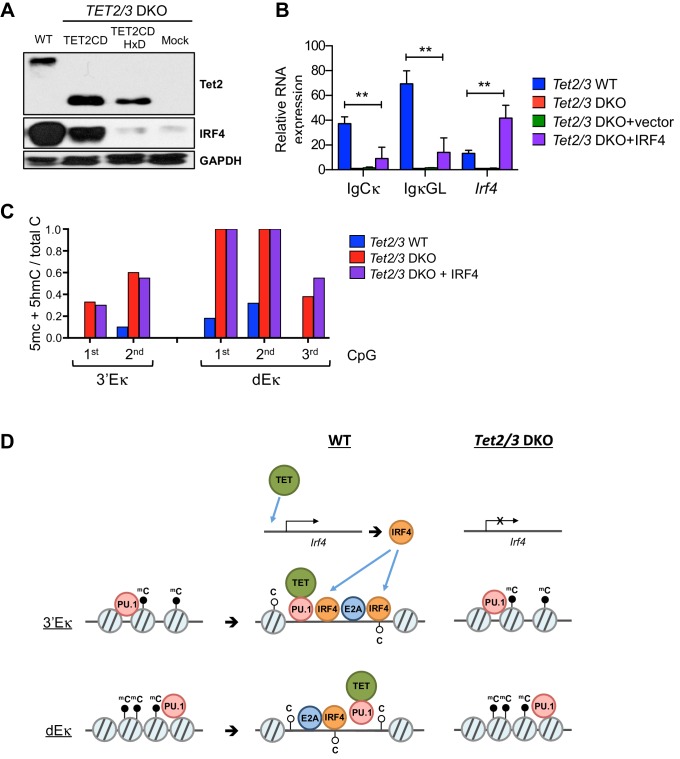
Ten-eleven translocation (TET) enzymes oxidize 5-methylcytosine, facilitating DNA demethylation and generating new epigenetic marks. Here we show that concomitant loss of Tet2 and Tet3 in mice at early B cell stage blocked the pro- to pre-B cell transition in the bone marrow, decreased Irf4 expression and impaired the germline transcription and rearrangement of the Igκ locus. Tet2/3-deficient pro-B cells showed increased CpG methylation at the Igκ 3’ and distal enhancers that was mimicked by depletion of E2A or PU.1, as well as a global decrease in chromatin accessibility at enhancers. Importantly, re-expression of the Tet2 catalytic domain in Tet2/3-deficient B cells resulted in demethylation of the Igκ enhancers and restored their chromatin accessibility. Our data suggest that TET proteins and lineage-specific transcription factors cooperate to influence chromatin accessibility and Igκ enhancer function by modulating the modification status of DNA.
Overview
The claims and statistics of this paper haven’t been checked yet.
Run the check — free, no account needed. It reads the open-access text and checks the sources it cites.
Integrity signals
Registry
Cites
Statistics
Figures
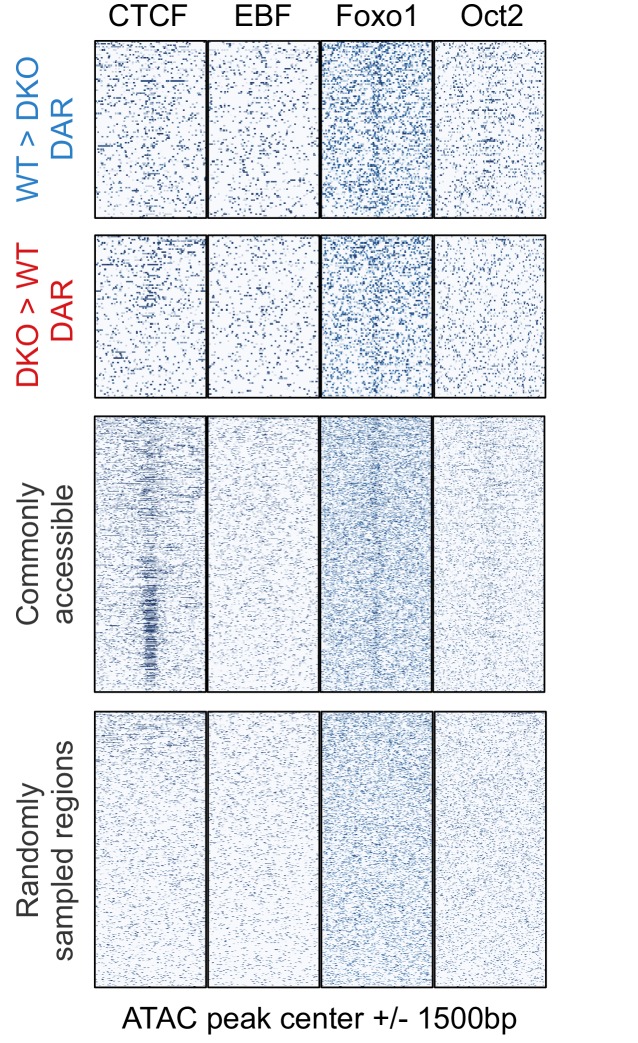
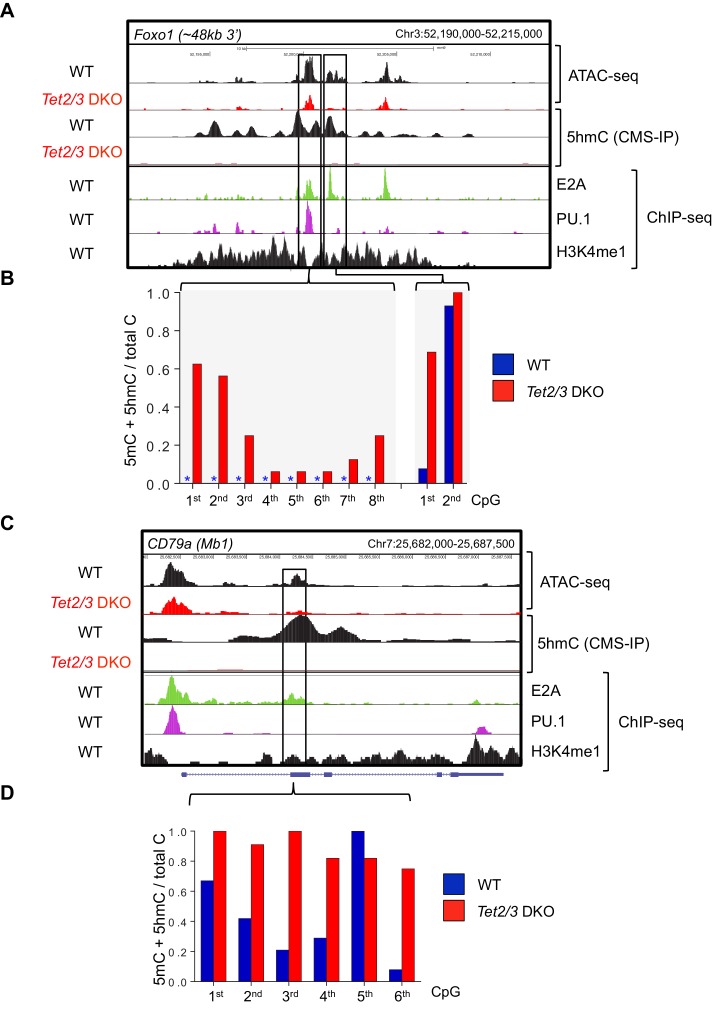
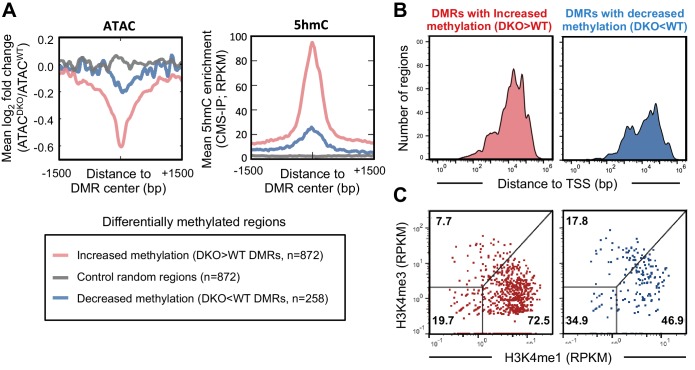
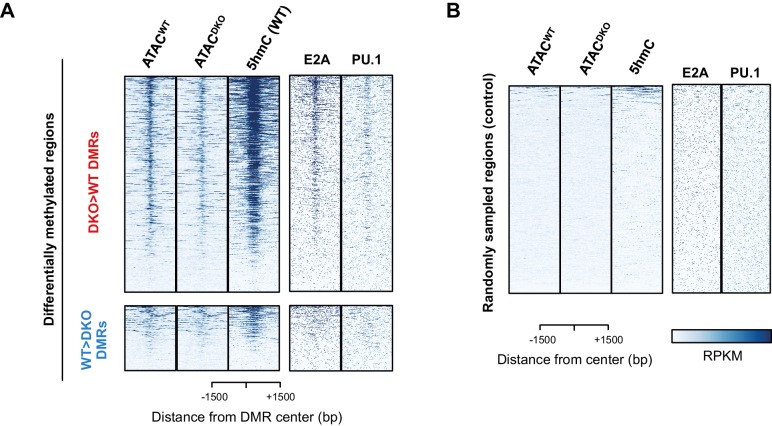
Verification
Claims the paper makes
The claims and statistics of this paper haven’t been checked yet.
Run the check — free, no account needed. It reads the open-access text and checks the sources it cites.
Claims other papers make about this one
Each is checked against this paper’s own text: does it say what the citing paper says it does?
The source backs part of the claim, not all of it — or backs it for a different population, condition or comparison.
In the citing paper
“which can physically interact with the myeloid master transcription factor (TF; Supplementary Fig. S5K and S5L; ref. 34).”
From PU.1-Dependent Enhancer Inhibition Separates Tet2 -Deficient Hematopoiesis from Malignant Transformation (2022) · cites this paper as [34]
Experimental — accuracy not yet measuredThe cited source says what the claim attributes to it.
In the citing paper
“Tet2 binds and governs site-specific DNA demethylation upon being recruited to the chromatin by DNA-binding TF, such as RUNX1 (51) or PU.1 (34)”
From PU.1-Dependent Enhancer Inhibition Separates Tet2 -Deficient Hematopoiesis from Malignant Transformation (2022) · cites this paper as [34]
Self-check
Percentages, sums and reported differences re-computed from the paper’s own numbers.
The self-check needs the paper’s full text.
Citations
Cites
Fast gapped-read alignment with Bowtie 2
Langmead, B., & Salzberg, S. L. (2012) · Nature Methods · doi:10.1038/nmeth.1923 · Cited by 56,400
An integrated encyclopedia of DNA elements in the human genome
The ENCODE Project Consortium (2012) · Nature · doi:10.1038/nature11247 · Cited by 18,072
Heinz, S., Benner, C., Spann, N., Bertolino, E., Lin, Y. C., Laslo, P., Cheng, J. X., Murre, C., Singh, H., & Glass, C. K. (2010) · Molecular Cell · doi:10.1016/j.molcel.2010.05.004 · Cited by 13,382
deepTools2: a next generation web server for deep-sequencing data analysis
Ramírez, F., Ryan, D. P., Grüning, B., Bhardwaj, V., Kilpert, F., Richter, A. S., Heyne, S., Dündar, F., & Manke, T. (2016) · Nucleic Acids Research · doi:10.1093/nar/gkw257 · Cited by 8,096
Buenrostro, J. D., Giresi, P. G., Zaba, L. C., Chang, H. Y., & Greenleaf, W. J. (2013) · Nature Methods · doi:10.1038/nmeth.2688 · Cited by 6,422
Conversion of 5-Methylcytosine to 5-Hydroxymethylcytosine in Mammalian DNA by MLL Partner TET1
Tahiliani, M., Koh, K. P., Shen, Y., Pastor, W. A., Bandukwala, H., Brudno, Y., Agarwal, S., Iyer, L. M., Liu, D. R., Aravind, L., et al. (2009) · Science · doi:10.1126/science.1170116 · Cited by 5,836
Self-citationHistone H3K27ac separates active from poised enhancers and predicts developmental state
Creyghton, M. P., Cheng, A. W., Welstead, G. G., Kooistra, T., Carey, B. W., Steine, E. J., Hanna, J., Lodato, M. A., Frampton, G. M., Sharp, P. A., et al. (2010) · Proceedings of the National Academy of Sciences · doi:10.1073/pnas.1016071107 · Cited by 4,302
Tet proteins can convert 5-methylcytosine to 5-formylcytosine and 5-carboxylcytosine
Ito, S., Shen, L., Dai, Q., Wu, S. C., Collins, L. B., Swenberg, J. A., He, C., & Zhang, Y. (2011) · Science · doi:10.1126/science.1210597 · Cited by 3,451
Tet-Mediated Formation of 5-Carboxylcytosine and Its Excision by TDG in Mammalian DNA
He, Y., Li, B.-Z., Li, Z., Liu, P., Wang, Y., Tang, Q., Ding, J., Jia, Y., Chen, Z., Li, L., et al. (2011) · Science · doi:10.1126/science.1210944 · Cited by 2,776
The accessible chromatin landscape of the human genome
Thurman, R. E., Rynes, E., Humbert, R., Vierstra, J., Maurano, M. T., Haugen, E., Sheffield, N. C., Stergachis, A. B., Wang, H., Vernot, B., et al. (2012) · Nature · doi:10.1038/nature11232 · Cited by 2,679
Cited by
Sorted by citations
TET-mediated active DNA demethylation: mechanism, function and beyond
Wu, X., & Zhang, Y. (2017) · Nature Reviews Genetics · doi:10.1038/nrg.2017.33 · Cited by 1,661
NR4A transcription factors limit CAR T cell function in solid tumours
Chen, J., López-Moyado, I. F., Seo, H., Lio, C.-W. J., Hempleman, L. J., Sekiya, T., Yoshimura, A., Scott-Browne, J. P., & Rao, A. (2019) · Nature · doi:10.1038/s41586-019-0985-x · Cited by 874
Self-citationTET (Ten-eleven translocation) family proteins: structure, biological functions and applications
Zhang, X., Zhang, Y., Wang, C., & Wang, X. (2023) · Signal Transduction and Targeted Therapy · doi:10.1038/s41392-023-01537-x · Cited by 297
Vitamin C and immune cell function in inflammation and cancer
Ang, A., Pullar, J. M., Currie, M. J., & Vissers, M. C. M. (2018) · Biochemical Society Transactions · doi:10.1042/bst20180169 · Cited by 191
Enhancer DNA methylation: implications for gene regulation
Angeloni, A., & Bogdanović, O. (2019) · Essays in Biochemistry · doi:10.1042/ebc20190030 · Cited by 181
Metadata
- Authors
- Lio, C.-W., Zhang, J., González-Avalos, E., Hogan, P. G., Chang, X., & Rao, A.
- Affiliations
- Division of Signaling and Gene Expression, San Diego, United States
- Shanghai Jiao Tong University (CN)
- University of California San Diego (US)
- Corresponding author
- Chang, Xing
- Rao, Anjana
- Venue
- eLife
- Publisher
- eLife Sciences Publications, Ltd
- Published
- 2016-11-21
- Volume
- 5
- ISSN
- 2050-084X (ISSN-L)
- PMC
- PMC5142813
- OpenAlex
- W2552742463
- Cited by
- 170
- References
- 83
- Citations by year
- 2026: 9 · 2025: 11 · 2024: 14 · 2023: 14 · 2022: 25 · 2021: 22 · 2020: 24 · 2019: 22 · 2018: 21 · 2017: 8
- FWCI
- 8.84
- Type
- journal article
- Language
- en
- Open access
- gold
- doi.org
- Licence
- Locations
- eLife (publishedVersion, cc-by)
- Europe PMC (PubMed Central) (publishedVersion, cc-by)
- PubMed Central (publishedVersion, cc-by)
- PubMed (publishedVersion)
- DOAJ (DOAJ: Directory of Open Access Journals) (submittedVersion, cc-by-sa)
- Funders
- Cancer Research Institute (Irvington Postdoctoral Fellowship)
- Ministry of Science and Technology of the People's Republic of China (2014CB943600)
- National Institutes of Health (AI44432, CA151535)
- Leukemia and Lymphoma Society (6187-12)
- Topics
- Life Sciences › Biochemistry, Genetics and Molecular Biology › Molecular Biology › Epigenetics and DNA Methylation
- Life Sciences › Biochemistry, Genetics and Molecular Biology › Molecular Biology › Genomics and Chromatin Dynamics
- Life Sciences › Immunology and Microbiology › Immunology › T-cell and B-cell Immunology
- Keywords
- TET2, TET3, B cell development, IRF4, germline transcription, DNA demethylation, 5-methylcytosine oxidation, CpG methylation, E2A, PU.1, transcription factor cooperation, bone marrow
- MeSH terms
- Interferon Regulatory Factor-4, Animals, B-Lymphocytes, Cell Differentiation, Chromatin, DNA, DNA-Binding Proteins, Gene Expression Regulation, Proto-Oncogene Proteins, Transcription, Genetic, 5-Methylcytosine, Dioxygenases, Interferon Regulatory Factors, Mice, Gene Knockout Techniques
About these checks
Registry, retraction, Cites and statistics results are computed, not judged, with one exception: a printed reference that no index lists is read once by a model before it counts as a citation error. Claims are extracted by a model and kept only when their quote appears verbatim in the text; each cited source is then checked, with a model’s help, for whether it says what the claim relies on. Those verdicts can be wrong — read the claim’s quote and the cited source before relying on one.
Statistics and arithmetic are recomputed, not judged.
Confidence bands are shown only for fields calibrated on our annotated test set. None is calibrated yet, so no band is shown.
What counts as a claim ›How we measure confidence ›How we check this ›
Are you an author, or do you see a problem with this page? Request a review
