

The DOI matches its Crossref record; 54 of the 54 references it cites were found in a registry or an index.
Glucose inhibits cardiac muscle maturation through nucleotide biosynthesis
Open accessAbstract
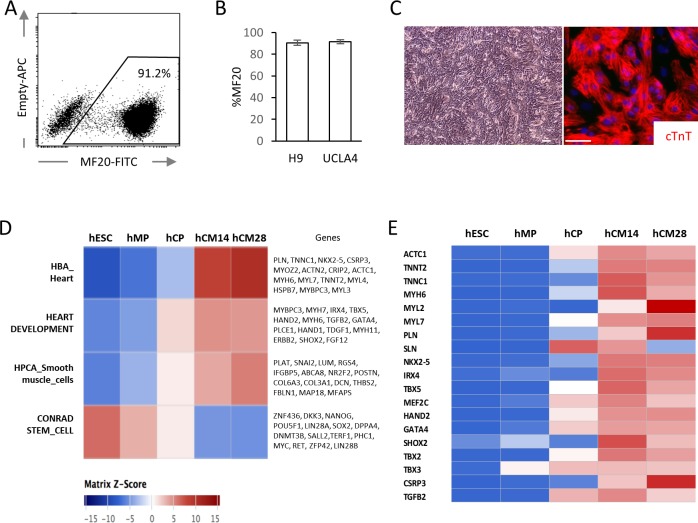
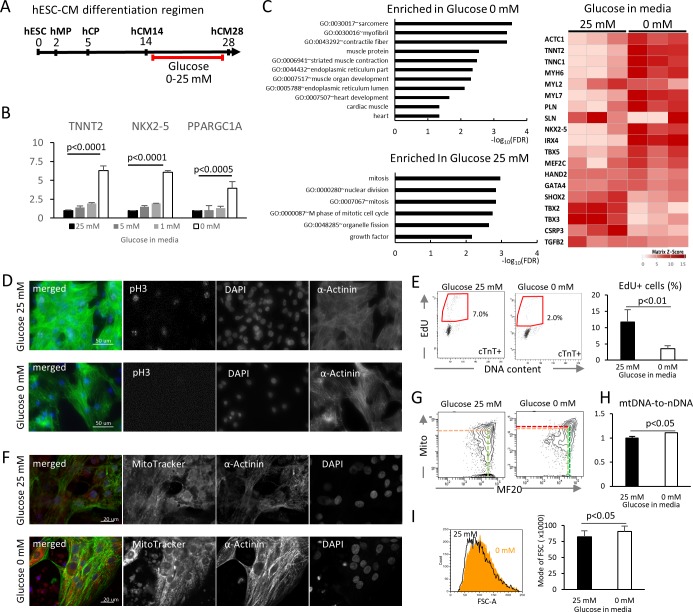
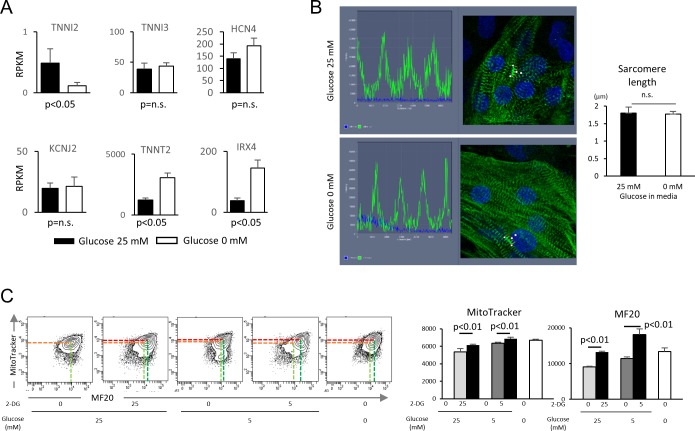
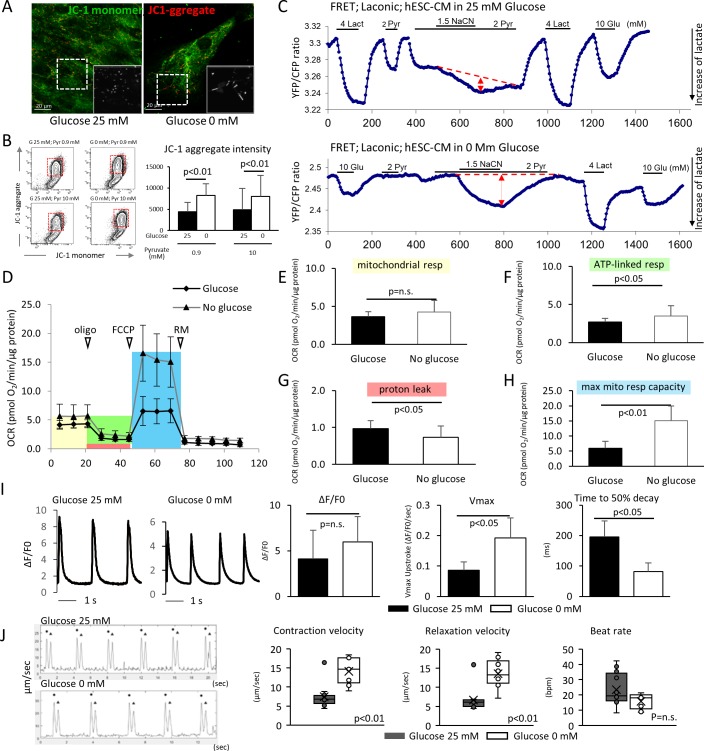
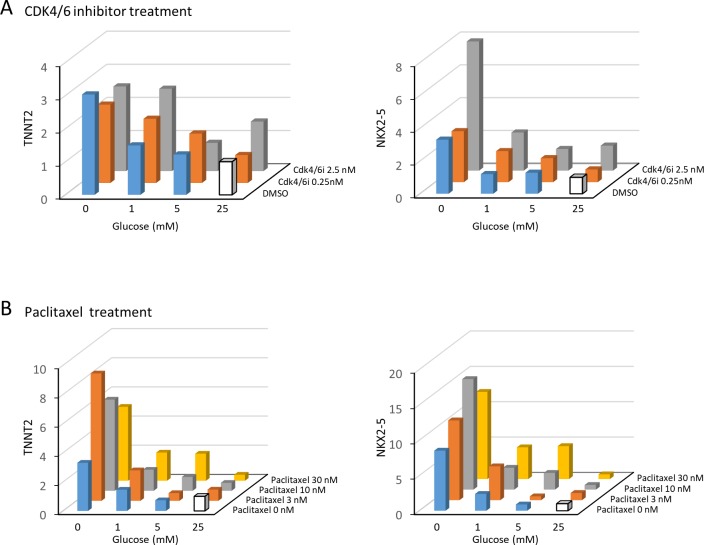
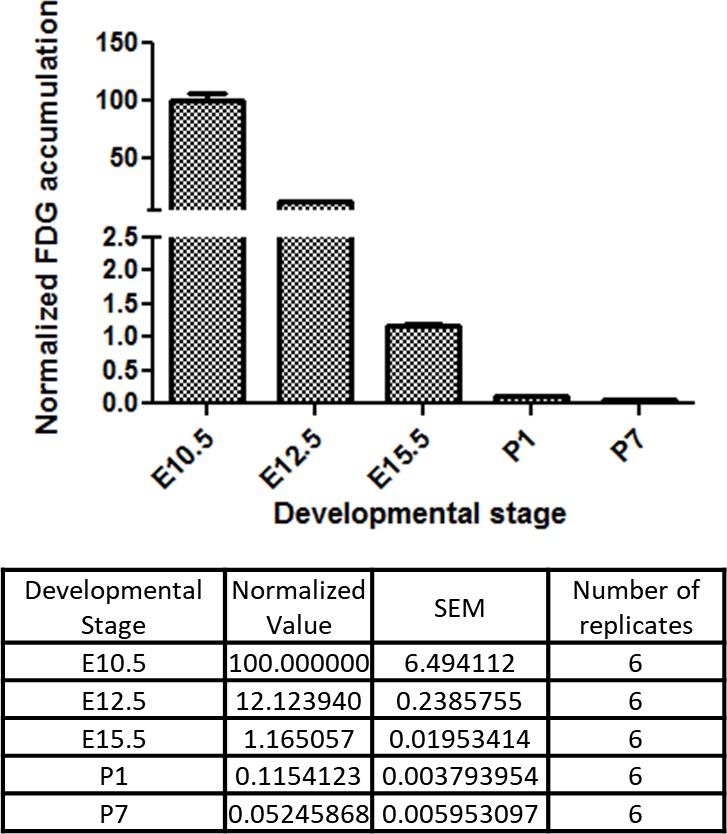
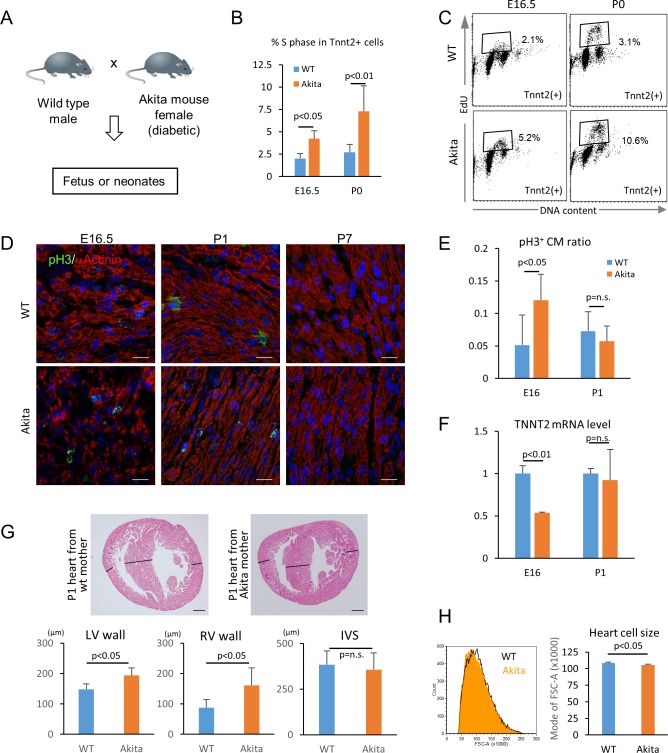
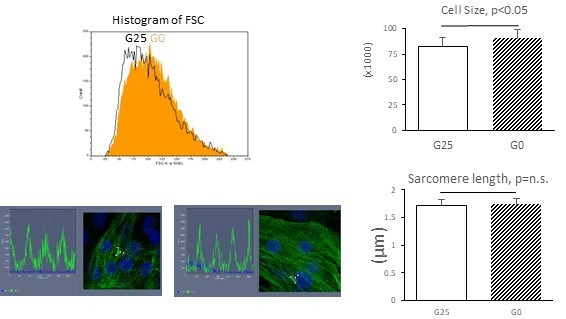
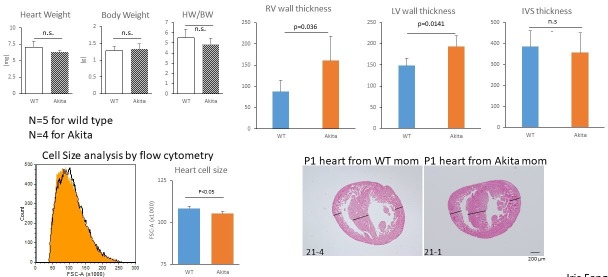
The heart switches its energy substrate from glucose to fatty acids at birth, and maternal hyperglycemia is associated with congenital heart disease. However, little is known about how blood glucose impacts heart formation. Using a chemically defined human pluripotent stem-cell-derived cardiomyocyte differentiation system, we found that high glucose inhibits the maturation of cardiomyocytes at genetic, structural, metabolic, electrophysiological, and biomechanical levels by promoting nucleotide biosynthesis through the pentose phosphate pathway. Blood glucose level in embryos is stable in utero during normal pregnancy, but glucose uptake by fetal cardiac tissue is drastically reduced in late gestational stages. In a murine model of diabetic pregnancy, fetal hearts showed cardiomyopathy with increased mitotic activity and decreased maturity. These data suggest that high glucose suppresses cardiac maturation, providing a possible mechanistic basis for congenital heart disease in diabetic pregnancy.
Overview
The claims and statistics of this paper haven’t been checked yet.
Run the check — free, no account needed. It reads the open-access text and checks the sources it cites.
Integrity signals
Registry
Cites
Statistics
Figures
Verification
Claims the paper makes
The claims and statistics of this paper haven’t been checked yet.
Run the check — free, no account needed. It reads the open-access text and checks the sources it cites.
Claims other papers make about this one
Each is checked against this paper’s own text: does it say what the citing paper says it does?
The source backs part of the claim, not all of it — or backs it for a different population, condition or comparison.
In the citing paper
“Using a model of STZ-induced insulin-deficient diabetes during pregnancy, Nakano et al. demonstrated that hyperglycemia promotes the proliferation of fetal offspring cardiomyocytes while maturation was inhibited [117].”
From Recent Experimental Studies of Maternal Obesity, Diabetes during Pregnancy and the Developmental Origins of Cardiovascular Disease (2022) · cites this paper as [117]
Experimental — accuracy not yet measuredThe source backs part of the claim, not all of it — or backs it for a different population, condition or comparison.
In the citing paper
“Using a model of STZ-induced insulin-deficient diabetes during pregnancy, Nakano et al. demonstrated that hyperglycemia promotes the proliferation of fetal offspring cardiomyocytes while maturation was inhibited [117].”
From Recent Experimental Studies of Maternal Obesity, Diabetes during Pregnancy and the Developmental Origins of Cardiovascular Disease (2022) · cites this paper as [117]
Experimental — accuracy not yet measured
Self-check
Percentages, sums and reported differences re-computed from the paper’s own numbers.
The self-check needs the paper’s full text.
Citations
Cites
Subramanian, A., Tamayo, P., Mootha, V. K., Mukherjee, S., Ebert, B. L., Gillette, M. A., Paulovich, A., Pomeroy, S. L., Golub, T. R., Lander, E. S., et al. (2005) · Proceedings of the National Academy of Sciences · doi:10.1073/pnas.0506580102 · Cited by 53,625
Understanding the Warburg Effect: The Metabolic Requirements of Cell Proliferation
Vander Heiden, M. G., Cantley, L. C., & Thompson, C. B. (2009) · Science · doi:10.1126/science.1160809 · Cited by 16,197
A gene atlas of the mouse and human protein-encoding transcriptomes
Su, A. I., Wiltshire, T., Batalov, S., Lapp, H., Ching, K. A., Block, D., Zhang, J., Soden, R., Hayakawa, M., Kreiman, G., et al. (2004) · Proceedings of the National Academy of Sciences · doi:10.1073/pnas.0400782101 · Cited by 3,475
Targeting cancer metabolism: a therapeutic window opens
Heiden, M. G. V. (2011) · Nature Reviews Drug Discovery · doi:10.1038/nrd3504 · Cited by 1,443
Functional Cardiomyocytes Derived From Human Induced Pluripotent Stem Cells
Zhang, J., Wilson, G. F., Soerens, A. G., Koonce, C. H., Yu, J., Palecek, S. P., Thomson, J. A., & Kamp, T. J. (2009) · Circulation Research · doi:10.1161/circresaha.108.192237 · Cited by 1,426
Targeting metabolic transformation for cancer therapy
Tennant, D. A., Durán, R. V., & Gottlieb, E. (2010) · Nature reviews. Cancer · doi:10.1038/nrc2817 · Cited by 1,073
Tohyama, S., Hattori, F., Sano, M., Hishiki, T., Nagahata, Y., Matsuura, T., Hashimoto, H., Suzuki, T., Yamashita, H., Satoh, Y., et al. (2012) · Cell stem cell · doi:10.1016/j.stem.2012.09.013 · Cited by 1,051
Intracellular α-ketoglutarate maintains the pluripotency of embryonic stem cells
Carey, B. W., Finley, L. W. S., Cross, J. R., Allis, C. D., & Thompson, C. B. (2015) · Nature · doi:10.1038/nature13981 · Cited by 1,007
Ma, J., Guo, L., Fiene, S., Anson, B. D., Thomson, J. A., Kamp, T. J., Kolaja, K. L., Swanson, B. J., & January, C. T. (2011) · American Journal of Physiology-Heart and Circulatory Physiology · doi:10.1152/ajpheart.00694.2011 · Cited by 787
Congenital Heart Disease in Adults
Brickner, M. E., Hillis, L. D., & Lange, R. A. (2000) · New England Journal of Medicine · doi:10.1056/nejm200001273420407 · Cited by 765
Cited by
Sorted by citations
Cardiomyocyte maturation: advances in knowledge and implications for regenerative medicine
Karbassi, E., Fenix, A. M., Marchianò, S., Muraoka, N., Nakamura, K., Yang, X., & Murry, C. E. (2020) · Nature Reviews Cardiology · doi:10.1038/s41569-019-0331-x · Cited by 796
Cardiomyocyte Maturation: New Phase in Development
Guo, Y., & Pu, W. T. (2020) · Circulation Research · doi:10.1161/circresaha.119.315862 · Cited by 653
Metabolic Maturation Media Improve Physiological Function of Human iPSC-Derived Cardiomyocytes
Feyen, D. A. M., McKeithan, W. L., Bruyneel, A. A. N., Spiering, S., Hörmann, L., Ulmer, B., Zhang, H., Briganti, F., Schweizer, M., Hegyi, B., et al. (2020) · Cell Reports · doi:10.1016/j.celrep.2020.107925 · Cited by 400
Metabolic Coordination of Physiological and Pathological Cardiac Remodeling
Gibb, A., & Hill, B. G. (2018) · Circulation Research · doi:10.1161/circresaha.118.312017 · Cited by 393
Glucose Metabolism in Cardiac Hypertrophy and Heart Failure
Tran, D. H., & Wang, Z. V. (2019) · Journal of the American Heart Association · doi:10.1161/jaha.119.012673 · Cited by 336
Yu, Y., Arah, O. A., Liew, Z., Cnattingius, S., Olsen, J., Sørensen, H. T., Qin, G., & Li, J. (2019) · BMJ · doi:10.1136/bmj.l6398 · Cited by 305
Ahmed, R. E., Anzai, T., Chanthra, N., & Uosaki, H. (2020) · Frontiers in Cell and Developmental Biology · doi:10.3389/fcell.2020.00178 · Cited by 258
Maturation of Cardiac Energy Metabolism During Perinatal Development
Piquereau, J., & Ventura‐Clapier, R. (2018) · Frontiers in Physiology · doi:10.3389/fphys.2018.00959 · Cited by 217
Horikoshi, Y., Yan, Y., Terashvili, M., Wells, C. W., Horikoshi, H., Fujita, S., Bosnjak, Z. J., & Bai, X. (2019) · Cells · doi:10.3390/cells8091095 · Cited by 167
Garbern, J. C., & Lee, R. T. (2021) · Stem Cell Research & Therapy · doi:10.1186/s13287-021-02252-6 · Cited by 146
Garbern, J. C., Helman, A., Sereda, R., Sarikhani, M., Ahmed, A., Escalante, G. O., Ogurlu, R., Kim, S. L., Zimmerman, J. F., Cho, A., et al. (2019) · Circulation · doi:10.1161/circulationaha.119.044205 · Cited by 124
Maternal hyperglycemia and fetal cardiac development: Clinical impact and underlying mechanisms
Basu, M., & Garg, V. (2018) · Birth Defects Research · doi:10.1002/bdr2.1435 · Cited by 111
Multi-omics approaches for revealing the complexity of cardiovascular disease
Doran, S. F., Arif, M., Lam, S. C. C., Bayraktar, A., Türkez, H., Uhlén, M., Borén, J., & Mardinoğlu, A. (2021) · Briefings in Bioinformatics · doi:10.1093/bib/bbab061 · Cited by 113
The molecular mechanisms of cardiac development and related diseases
Li, Y., Du, J., Deng, S., Liu, B., Jing, X., Yan, Y., Liu, Y., Wang, J., Zhou, X., & She, Q. (2024) · Signal Transduction and Targeted Therapy · doi:10.1038/s41392-024-02069-8 · Cited by 108
Wickramasinghe, N. M., Sachs, D. M., Shewale, B., Gonzalez, D. M., Dhanan-Krishnan, P., Torre, D., LaMarca, E. A., Raimo, S., Dariolli, R., Serasinghe, M. N., et al. (2022) · Cell stem cell · doi:10.1016/j.stem.2022.02.011 · Cited by 102
Cell maturation: Hallmarks, triggers, and manipulation
Alvarez‐Dominguez, J. R., & Melton, D. A. (2022) · Cell · doi:10.1016/j.cell.2021.12.012 · Cited by 96
The long and winding road of cardiomyocyte maturation
Maroli, G., & Braun, T. W. (2020) · Cardiovascular Research · doi:10.1093/cvr/cvaa159 · Cited by 89
Xu, X., Jin, K., Bais, A. S., Zhu, W., Yagi, H., Feinstein, T. N., Nguyen, P. K., Criscione, J. D., Liu, X., Beutner, G., et al. (2022) · Cell stem cell · doi:10.1016/j.stem.2022.03.003 · Cited by 100
Bioengineering approaches to treat the failing heart: from cell biology to 3D printing
Yadid, M., Oved, H., Silberman, E., & Dvir, T. (2022) · Nature Reviews Cardiology · doi:10.1038/s41569-021-00603-7 · Cited by 83
Metabolic regulation of tissue stem cells
Shapira, S. N., & Christofk, H. R. (2020) · Trends in Cell Biology · doi:10.1016/j.tcb.2020.04.004 · Cited by 82
Self-citationGlucose 6-Phosphate Accumulates via Phosphoglucose Isomerase Inhibition in Heart Muscle
Karlstaedt, A., Khаnnа, R., Thangam, M., & Taegtmeyer, H. (2019) · Circulation Research · doi:10.1161/circresaha.119.315180 · Cited by 72
Regulation of cardiomyocyte maturation during critical perinatal window
Kannan, S., & Kwon, C. (2018) · The Journal of Physiology · doi:10.1113/jp276754 · Cited by 69
GLUT1 overexpression enhances glucose metabolism and promotes neonatal heart regeneration
Fajardo, V. M., Feng, I., Chen, B. Y., Perez-Ramirez, C. A., Shi, B., Clark, P. M., Tian, R., Lien, C., Pellegrini, M. A., Christofk, H. R., et al. (2021) · Scientific Reports · doi:10.1038/s41598-021-88159-x · Cited by 69
Self-citationKobayashi, H., Tohyama, S., Ichimura, H., Ohashi, N., Chino, S., Soma, Y., Tani, H., Tanaka, Y., Yang, X. H., Shiba, N., et al. (2024) · Circulation · doi:10.1161/circulationaha.123.064876 · Cited by 65
Gandoy-Fieiras, N., González‐Juanatey, J. R., & Eirás, S. (2020) · International Journal of Molecular Sciences · doi:10.3390/ijms21072641 · Cited by 65
Grilo, L. F., Tocantins, C., Diniz, M. S., Gomes, R. M., Oliveira, P. J., Matafome, P. N., & Pereira, S. P. (2021) · European Journal of Clinical Investigation · doi:10.1111/eci.13625 · Cited by 67
Marchianò, S., Bertero, A., & Murry, C. E. (2019) · Pediatric Cardiology · doi:10.1007/s00246-019-02165-5 · Cited by 57
CD98hc (SLC3A2) sustains amino acid and nucleotide availability for cell cycle progression
Cano-Crespo, S., Chillarón, J., Junza, A., Fernández‐Miranda, G., García, J., Polte, C., de la Ballina, L. R., Ignatova, Z., Yanes, Ó., Antonio Zorzano, A., et al. (2019) · Scientific Reports · doi:10.1038/s41598-019-50547-9 · Cited by 63
WNT/β‐catenin pathway is a key regulator of cardiac function and energetic metabolism
Balatskyi, V. V., Sówka, A., Dobrzyń, P., & Piven, O. O. (2023) · Acta Physiologica · doi:10.1111/apha.13912 · Cited by 54
Atlas of fetal metabolism during mid-to-late gestation and diabetic pregnancy
Perez-Ramirez, C. A., Nakano, H., Law, R. C., Matulionis, N., Thompson, J., Pfeiffer, A., Park, J. O., Nakano, A., & Christofk, H. R. (2023) · Cell · doi:10.1016/j.cell.2023.11.011 · Cited by 53
Self-citationSarcomere maturation: function acquisition, molecular mechanism, and interplay with other organelles
Ahmed, R. E., Tokuyama, T., Anzai, T., Chanthra, N., & Uosaki, H. (2022) · Philosophical Transactions of the Royal Society B Biological Sciences · doi:10.1098/rstb.2021.0325 · Cited by 49
Harvey, A. J., Caretti, G., Moresi, V., Renzini, A., & Adamo, S. (2019) · Stem Cell Reports · doi:10.1016/j.stemcr.2019.09.003 · Cited by 56
Postnatal Cardiac Development and Regenerative Potential in Large Mammals
Velayutham, N., Agnew, E. J., & Yutzey, K. E. (2019) · Pediatric Cardiology · doi:10.1007/s00246-019-02163-7 · Cited by 52
Sakamoto, T., & Kelly, D. P. (2023) · Journal of Molecular and Cellular Cardiology · doi:10.1016/j.yjmcc.2023.12.008 · Cited by 50
Energy Metabolism on Mitochondrial Maturation and Its Effects on Cardiomyocyte Cell Fate
Persad, K. L., & Lopaschuk, G. D. (2022) · Frontiers in Cell and Developmental Biology · doi:10.3389/fcell.2022.886393 · Cited by 49
Recent progress of iPSC technology in cardiac diseases
Funakoshi, S., & Yoshida, Y. (2021) · Archives of Toxicology · doi:10.1007/s00204-021-03172-3 · Cited by 47
Engineering the maturation of stem cell-derived cardiomyocytes
Hong, Y., Zhao, Y., Li, H., Yang, Y., Chen, M., Wang, X., Luo, M., & Wang, K. (2023) · Frontiers in Bioengineering and Biotechnology · doi:10.3389/fbioe.2023.1155052 · Cited by 44
Fang, Y., Sun, W., Zhang, T., & Xiong, Z. (2022) · Biomaterials · doi:10.1016/j.biomaterials.2021.121298 · Cited by 40
Cardiomyocyte proliferation, a target for cardiac regeneration
Payan, S. M., Hubert, F., & Rochais, F. (2019) · Biochimica et Biophysica Acta (BBA) - Molecular Cell Research · doi:10.1016/j.bbamcr.2019.03.008 · Cited by 42
Dimasi, C. G., Darby, J. R. T., & Morrison, J. L. (2023) · The Journal of Physiology · doi:10.1113/jp284137 · Cited by 42
Nucleotide depletion promotes cell fate transitions by inducing DNA replication stress
Do, B. T., Hsu, P. P., Vermeulen, S. Y., Wang, Z., Hirz, T., Abbott, K. L., Aziz, N., Replogle, J. M., Bjelosevic, S., Paolino, J. D., et al. (2024) · Developmental Cell · doi:10.1016/j.devcel.2024.05.010 · Cited by 36
Dysglycemia in Pregnancy and Maternal/Fetal Outcomes
Silva, C. M., Arnegard, M. E., & Maric‐Bilkan, C. (2020) · Journal of Women s Health · doi:10.1089/jwh.2020.8853 · Cited by 41
Shi, X., & Qiu, H. (2022) · Frontiers in Physiology · doi:10.3389/fphys.2022.831829 · Cited by 36
Bongiovanni, C., Sacchi, F., Pra, S. D., Pantano, E., Miano, C., Morelli, M. B., & D’Uva, G. (2021) · Frontiers in Cardiovascular Medicine · doi:10.3389/fcvm.2021.750604 · Cited by 36
Kereliuk, S. M., & Dolinsky, V. W. (2022) · International Journal of Molecular Sciences · doi:10.3390/ijms23084467 · Cited by 34
“demonstrated that hyperglycemia promotes the proliferation of fetal offspring cardiomyocytes while maturation was inhibited [117].”
BackgroundThe Role of Reactive Oxygen Species in In Vitro Cardiac Maturation
Momtahan, N., Crosby, C. O., & Zoldan, J. (2019) · Trends in Molecular Medicine · doi:10.1016/j.molmed.2019.04.005 · Cited by 33
Ni, X., Xu, K., Zhao, Y., Li, J., Wang, L., Yu, F., & Li, G. (2020) · Biochemical and Biophysical Research Communications · doi:10.1016/j.bbrc.2020.11.076 · Cited by 34
Foetal Recapitulation of Nutrient Surplus Signalling by O-GlcNAcylation and the Failing Heart
Packer, M. (2023) · European Journal of Heart Failure · doi:10.1002/ejhf.2972 · Cited by 33
Cardiac macrophage metabolism in health and disease
Kopecky, B. J., & Lavine, K. J. (2023) · Trends in Endocrinology and Metabolism · doi:10.1016/j.tem.2023.10.011 · Cited by 35
Armengaud, J.-B., Ronald, C. W., Siddeek, B., Visser, G. H. A., & Siméoni, U. (2018) · Diabetes Research and Clinical Practice · doi:10.1016/j.diabres.2018.07.039 · Cited by 31
Tani, H., Tohyama, S., Kishino, Y., Kanazawa, H., & Fukuda, K. (2021) · Journal of Molecular and Cellular Cardiology · doi:10.1016/j.yjmcc.2021.11.008 · Cited by 32
Qu, Y., Deng, X., Lin, S., Han, F., Chang, H. H., Ou, Y., Nie, Z., Mai, J., Wang, X., Gao, X., et al. (2022) · Frontiers in Cardiovascular Medicine · doi:10.3389/fcvm.2021.797002 · Cited by 33
Wu, P., Sai, X., Li, Z., Ye, X., Li, J., Liu, G., Li, G., Yang, P., Zhao, M., Zhu, S., et al. (2022) · Bioactive Materials · doi:10.1016/j.bioactmat.2022.05.024 · Cited by 31
Challenges in Studying Stem Cell Metabolism
Perez-Ramirez, C. A., & Christofk, H. R. (2021) · Cell stem cell · doi:10.1016/j.stem.2021.02.016 · Cited by 30
Self-citationTan, J. H., Yang, M. W. O., Wang, H., Shen, C., Wu, M., Xu, H., Wu, Y., Li, Y., Li, X., Huang, T., et al. (2022) · Cell Reports · doi:10.1016/j.celrep.2022.110468 · Cited by 30
Metabolic Regulation of Human Pluripotent Stem Cell-Derived Cardiomyocyte Maturation
Batho, C. A. P., Mills, R. J., & Hudson, J. E. (2020) · Current Cardiology Reports · doi:10.1007/s11886-020-01303-3 · Cited by 27
Mending a broken heart: In vitro, in vivo and in silico models of congenital heart disease
Rufaihah, A. J., Chen, C. K., Yap, C. H., & Mattar, C. N. Z. (2021) · Disease Models & Mechanisms · doi:10.1242/dmm.047522 · Cited by 31
Martín, A. S., Arce‐Molina, R., Aburto, C., Baeza‐Lehnert, F., Barros, L. F., Contreras‐Baeza, Y., Pinilla, A., Ruminot, I., Rauseo, D., & Sandoval, P. Y. (2022) · Free Radical Biology and Medicine · doi:10.1016/j.freeradbiomed.2022.02.012 · Cited by 28
Tocantins, C., Diniz, M. S., Grilo, L. F., & Pereira, S. P. (2022) · WIREs Mechanisms of Disease · doi:10.1002/wsbm.1555 · Cited by 28
Karbassi, E., Padgett, R., Bertero, A., Reinecke, H., Klaiman, J. M., Yang, X., Hauschka, S. D., & Murry, C. E. (2024) · Cellular and Molecular Life Sciences · doi:10.1007/s00018-023-05101-2 · Cited by 25
Morita, Y., & Tohyama, S. (2020) · JMA Journal · doi:10.31662/jmaj.2020-0036 · Cited by 27
Critical roles and clinical perspectives of RNA methylation in cancer
Li, G., Yao, Q., Liu, P., Zhang, H., Liu, Y., Li, S., Shi, Y., Li, Z., & Zhu, W. (2024) · MedComm · doi:10.1002/mco2.559 · Cited by 29
Maturing heart muscle cells: Mechanisms and transcriptomic insights
Murphy, S. A., Chen, E. Z., Tung, L., Boheler, K. R., & Kwon, C. (2021) · Seminars in Cell and Developmental Biology · doi:10.1016/j.semcdb.2021.04.019 · Cited by 27
Balatskyi, V. V., Vaskivskyi, V., Myronova, A., Avramets, D., Nahia, K. A., Macewicz, L. L., Ruban, T. P., Kucherenko, D. Y., Soldatkin, O. O., Lushnikova, I., et al. (2021) · Mitochondrion · doi:10.1016/j.mito.2021.07.005 · Cited by 25
Fu, K., Nakano, H., Morselli, M., Chen, T., Pappoe, H., Nakano, A., & Pellegrini, M. A. (2018) · Epigenetics · doi:10.1080/15592294.2018.1526029 · Cited by 23
Self-citationThe role of glucose in physiological and pathological heart formation
Nakano, H., Fajardo, V. M., & Nakano, A. (2021) · Developmental Biology · doi:10.1016/j.ydbio.2021.01.020 · Cited by 24
Self-citationBioengineering Clinically Relevant Cardiomyocytes and Cardiac Tissues from Pluripotent Stem Cells
James, E. C., Tomaskovic‐Crook, E., & Crook, J. M. (2021) · International Journal of Molecular Sciences · doi:10.3390/ijms22063005 · Cited by 25
Reilly, L., Munawar, S., Zhang, J., Crone, W. C., & Eckhardt, L. L. (2022) · Frontiers in Cardiovascular Medicine · doi:10.3389/fcvm.2022.966094 · Cited by 25
Pregestational Diabetes and Congenital Heart Defects
Maduro, C. S. C., de Castro, L. F., Moleiro, M. L., & Guedes‐Martins, L. (2022) · Revista Brasileira Ginecologia e Obstetrícia · doi:10.1055/s-0042-1755458 · Cited by 23
Mitochondrial Respiration Defects in Single-Ventricle Congenital Heart Disease
Xu, X., Lin, J.-H. I., Bais, A. S., Reynolds, M. J., Tan, T., Gabriel, G. C., Kondos, Z., Liu, X., Shiva, S. S., & Lo, C. W. Y. (2021) · Frontiers in Cardiovascular Medicine · doi:10.3389/fcvm.2021.734388 · Cited by 22
Chen, R., Zhang, S., Liu, F., Xia, L., Wang, C., Shotorbani, S. S., Xu, H., Chakrabarti, S., Peng, T., & Su, Z. (2022) · Acta Pharmaceutica Sinica B · doi:10.1016/j.apsb.2022.08.016 · Cited by 22
Maternal Pre-Existing Diabetes: A Non-Inherited Risk Factor for Congenital Cardiopathies
Ibrahim, S., Gaborit, B., Lenoir, M., Collod‐Béroud, G., & Stefanovic, S. (2023) · International Journal of Molecular Sciences · doi:10.3390/ijms242216258 · Cited by 30
Hamledari, H., Asghari, P., Jayousi, F., Aguirre, A., Maaref, Y., Barszczewski, T., Ser, T., Moore, E., Wasserman, W. W., Geltink, R. I. K., et al. (2022) · Frontiers in Cardiovascular Medicine · doi:10.3389/fcvm.2022.967659 · Cited by 21
Cardiomyocyte maturation and its reversal during cardiac regeneration
Beisaw, A., & Wu, C. C. (2022) · Developmental Dynamics · doi:10.1002/dvdy.557 · Cited by 21
Rony, R. M. I. K., & Tompkins, J. D. (2025) · Experimental & Molecular Medicine · doi:10.1038/s12276-025-01549-3 · Cited by 25
Lamberto, F., Peral-Sanchez, I., Muenthaisong, S., Zana, M., Willaime‐Morawek, S., & Dinnyés, A. (2021) · Genes · doi:10.3390/genes12101564 · Cited by 25
Nutrient regulation of development and cell fate decisions
Tu, W. B., Christofk, H. R., & Plath, K. (2023) · Development · doi:10.1242/dev.199961 · Cited by 23
Self-citationSNRK: a metabolic regulator with multifaceted role in development and disease
Thirugnanam, K., & Ramchandran, R. (2020) · Vessel Plus · doi:10.20517/2574-1209.2020.18 · Cited by 20
Hypertrophic Cardiomyopathy in Infants from the Perspective of Cardiomyocyte Maturation
Seok, H., & Oh, J.-H. (2021) · Korean Circulation Journal · doi:10.4070/kcj.2021.0153 · Cited by 18
A chemically-defined plastic scaffold for the xeno-free production of human pluripotent stem cells
Shimizu, E., Iguchi, H., Le, M. N. T., Nakamura, Y., Kobayashi, D., Arai, Y., Takakura, K., Benno, S., Yoshida, N., Tsukahara, M., et al. (2022) · Scientific Reports · doi:10.1038/s41598-022-06356-8 · Cited by 18
Chen, R., He, J., Wang, Y., Guo, Y., Zhang, J., Peng, L., Wang, D., Lin, Q., Zhang, J., Guo, Z., et al. (2019) · Stem Cell Research & Therapy · doi:10.1186/s13287-019-1205-1 · Cited by 18
Cardiac regeneration as an environmental adaptation
Sakaguchi, A., Nishiyama, C., & Kimura, W. (2019) · Biochimica et Biophysica Acta (BBA) - Molecular Cell Research · doi:10.1016/j.bbamcr.2019.118623 · Cited by 19
Tanosaki, S., Tohyama, S., Kishino, Y., Fujita, J., & Fukuda, K. (2021) · Inflammation and Regeneration · doi:10.1186/s41232-021-00156-9 · Cited by 17
Mesquita, F., Morrissey, J., Monnerat, G., Domont, G. B., Nogueira, F. C. S., & Hochman‐Mendez, C. (2021) · Cells Tissues Organs · doi:10.1159/000521580 · Cited by 15
Human pluripotent stem cell-based models of heart development and disease
Velichkova, G., & Dobreva, G. D. (2023) · Cells and Development · doi:10.1016/j.cdev.2023.203857 · Cited by 16
Tanosaki, S., Akiyama, T., Kanaami, S., Fujita, J., Ko, M. S. H., Fukuda, K., & Tohyama, S. (2022) · STAR Protocols · doi:10.1016/j.xpro.2022.101360 · Cited by 14
Metabolic adaptations in pressure overload hypertrophic heart
Wei, J., Duan, X., Chen, J., Zhang, D., Xu, J., Zhuang, J., & Wang, S. (2023) · Heart Failure Reviews · doi:10.1007/s10741-023-10353-y · Cited by 14
Mantripragada, V. P., Ryan, K. L., Bova, W., Boehm, C., Obuchowski, N. A., Midura, R. J., & Muschler, G. F. (2020) · Cartilage · doi:10.1177/1947603520906605 · Cited by 14
Olejníčková, V., Kolesová, H., Bartoš, M., Sedmera, D., & Gregorovičová, M. (2021) · Developmental Dynamics · doi:10.1002/dvdy.413 · Cited by 14
Martyniak, A., Jeż, M., Dulak, J., & Stępniewski, J. (2022) · IUBMB Life · doi:10.1002/iub.2685 · Cited by 14
Nutritional control of developmental processes
Ferenc, J., & Ikmi, A. (2023) · Development · doi:10.1242/dev.200623 · Cited by 13
Kishino, Y., & Fukuda, K. (2023) · Biomedicines · doi:10.3390/biomedicines11030915 · Cited by 14
The role of metabolism in directed differentiation versus trans-differentiation of cardiomyocytes
Jahng, J. W. S., Zhang, M., & Wu, J. C. (2021) · Seminars in Cell and Developmental Biology · doi:10.1016/j.semcdb.2021.05.018 · Cited by 13
Galow, A.-M., Brenmoehl, J., & Hoeflich, A. (2023) · Cellular and Molecular Life Sciences · doi:10.1007/s00018-023-04894-6 · Cited by 14
From Beats to Metabolism: the Heart at the Core of Interorgan Metabolic Cross Talk
Romero-Becerra, R., Santamans, A. M., Arcones, A. C., & Sabio, G. (2023) · Physiology · doi:10.1152/physiol.00018.2023 · Cited by 12
Azadian, Z., Hosseini, S., Dizjikan, Z. P., Kazemi, J., Tahmasbpour, E., Wang, P., Alipour, A., & Shahsavarani, H. (2021) · Journal of Cellular Biochemistry · doi:10.1002/jcb.30189 · Cited by 11
Engineering cardiology with miniature hearts
Xia, X., Hu, M., Zhou, W., Jin, Y., & Yao, X. (2025) · Materials Today Bio · doi:10.1016/j.mtbio.2025.101505 · Cited by 11
Metabolic decisions in development and disease—a Keystone Symposia report
Cable, J., Pourquié, O., Wellen, K. E., Finley, L. W. S., Aulehla, A., Gould, A. P., Teleman, A. A., Tu, W. B., Garrett, W. S., Miguel‐Aliaga, I., et al. (2021) · Annals of the New York Academy of Sciences · doi:10.1111/nyas.14678 · Cited by 13
Self-citationCallaghan, N. I., Durland, L. J., Ireland, R. G., Santerre, J. P., Simmons, C. A., & Huyer, L. D. (2022) · npj Regenerative Medicine · doi:10.1038/s41536-022-00246-3 · Cited by 10
The role of metabolism in cardiac development
Nakano, H., & Nakano, A. (2024) · Current topics in developmental biology/Current Topics in Developmental Biology · doi:10.1016/bs.ctdb.2024.01.005 · Cited by 10
Self-citation
Metadata
- Authors
- Nakano, H., Minami, I., Braas, D., Pappoe, H., Wu, X., Sagadevan, A., Vergnes, L., Fu, K., Morselli, M., Dunham, C., Ding, X., Stieg, A. Z., Gimzewski, J. K., Pellegrini, M., Clark, P. M., Reue, K., Lusis, A. J., Ribalet, B., Kurdistani, S. K., Christofk, H., Nakatsuji, N., & Nakano, A.
- Affiliations
- University of California, Los Angeles (US)
- Kyoto University (JP)
- California NanoSystems Institute (US)
- Corresponding author
- Nakano, Haruko
- ORCID
- Venue
- eLife
- Publisher
- eLife Sciences Publications, Ltd
- Published
- 2017-12-12
- Volume
- 6
- ISSN
- 2050-084X (ISSN-L)
- PMC
- PMC5726851
- OpenAlex
- W2774527609
- Cited by
- 195
- References
- 54
- Citations by year
- 2026: 13 · 2025: 17 · 2024: 26 · 2023: 28 · 2022: 37 · 2021: 36 · 2020: 16 · 2019: 15 · 2018: 7
- FWCI
- 4.25
- Type
- journal article
- Language
- en
- Open access
- gold
- doi.org
- Licence
- Locations
- eLife (publishedVersion, cc-by)
- Europe PMC (PubMed Central) (publishedVersion, cc-by)
- PubMed Central (publishedVersion, cc-by)
- PubMed (publishedVersion)
- DOAJ (DOAJ: Directory of Open Access Journals) (submittedVersion, cc-by-sa)
- eScholarship (California Digital Library) (submittedVersion)
- eScholarship (California Digital Library) (submittedVersion, cc-by)
- Funders
- Oppenheimer Foundation
- University of California, Los Angeles (Center for Duchenne Muscular Dystrophy, Pilot and Feasibility Seed Grant program)
- National Institute of Arthritis and Musculoskeletal and Skin Diseases (P30AR057230)
- National Center for Research Resources (Grant S10RR026744)
- National Institutes of Health (DK094311, CA178415, HL126051, HL124503)
- Hunan University (Chinese Scholarship Council of Chemistry and Chemical Engineering)
- Topics
- Life Sciences › Biochemistry, Genetics and Molecular Biology › Molecular Biology › Congenital heart defects research
- Life Sciences › Biochemistry, Genetics and Molecular Biology › Molecular Biology › Pluripotent Stem Cells Research
- Health Sciences › Medicine › Endocrinology, Diabetes and Metabolism › Pancreatic function and diabetes
- Keywords
- high glucose, cardiomyocyte maturation, nucleotide synthesis, pentose phosphate pathway, diabetes in pregnancy, maternal hyperglycemia, congenital heart disease, cardiomyopathy, pluripotent stem cell-derived cardiomyocytes, fetal heart development
- MeSH terms
- Animals, Cell Differentiation, Female, Glucose, Humans, Mice, Inbred C57BL, Myocardium, Nucleotides, Pentose Phosphate Pathway, Pregnancy, Sweetening Agents, Gene Expression Profiling, Muscle Development, Myocytes, Cardiac, Mice, Embryonic Stem Cells
About these checks
Registry, retraction, Cites and statistics results are computed, not judged, with one exception: a printed reference that no index lists is read once by a model before it counts as a citation error. Claims are extracted by a model and kept only when their quote appears verbatim in the text; each cited source is then checked, with a model’s help, for whether it says what the claim relies on. Those verdicts can be wrong — read the claim’s quote and the cited source before relying on one.
Statistics and arithmetic are recomputed, not judged.
Confidence bands are shown only for fields calibrated on our annotated test set. None is calibrated yet, so no band is shown.
What counts as a claim ›How we measure confidence ›How we check this ›
Are you an author, or do you see a problem with this page? Request a review
