

The DOI matches its Crossref record; 77 of the 77 references it cites were found in a registry or an index.
Background selection and biased gene conversion affect more than 95% of the human genome and bias demographic inferences
Open accessAbstract
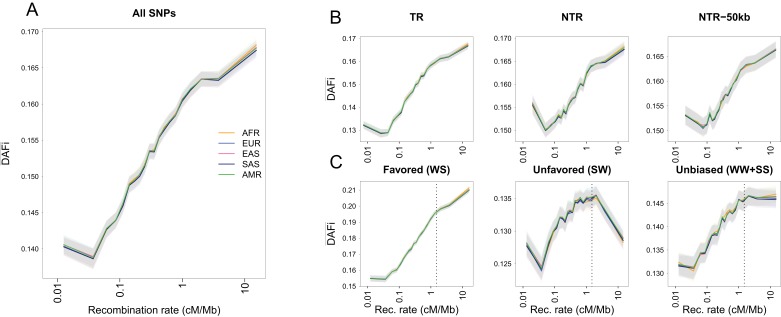
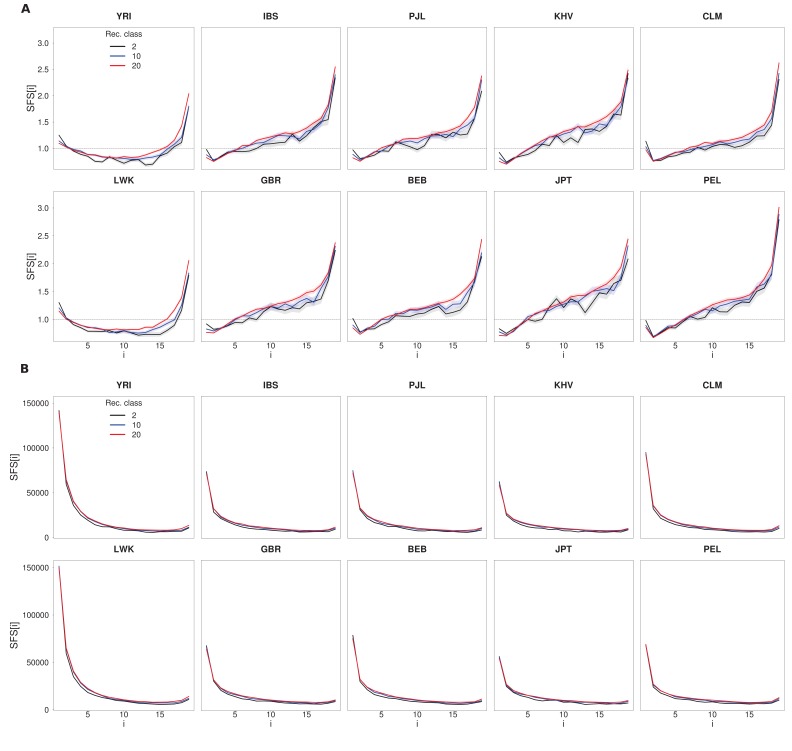
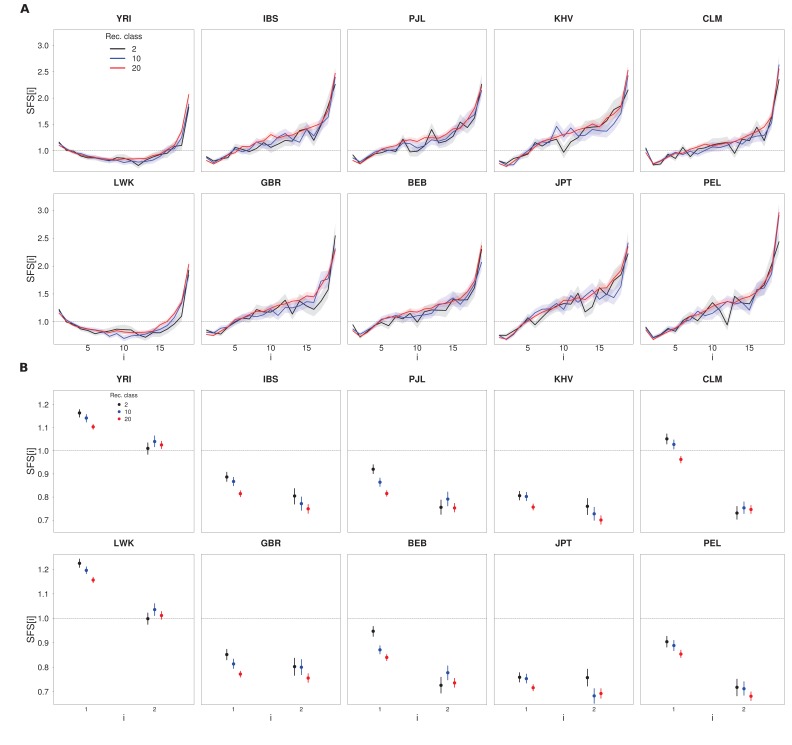
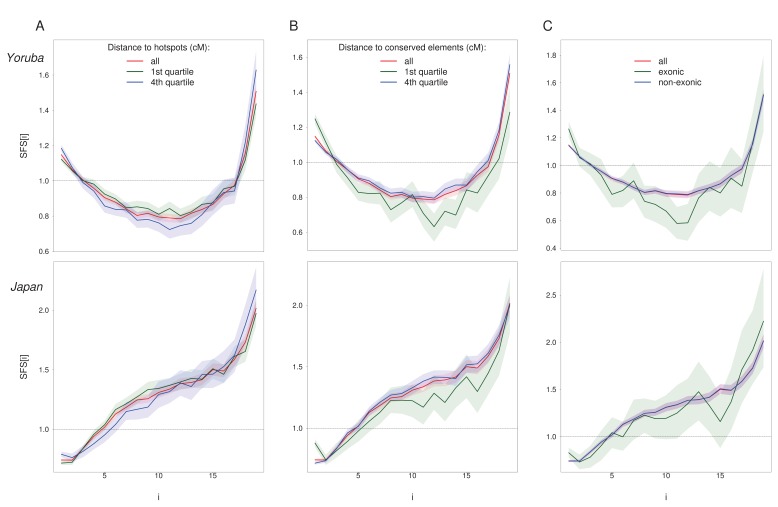
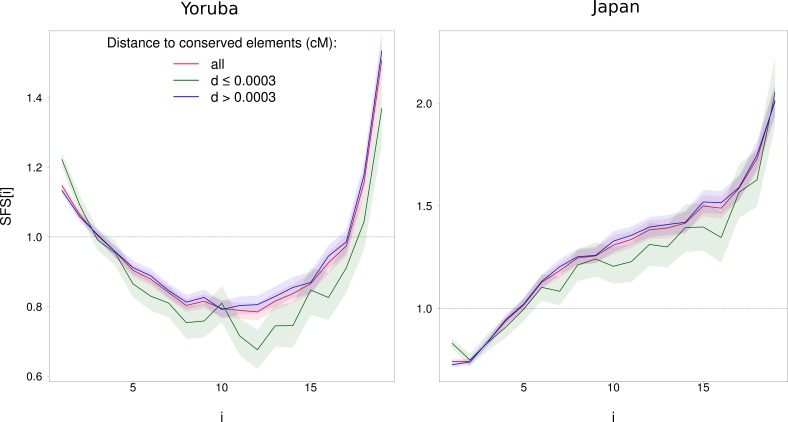
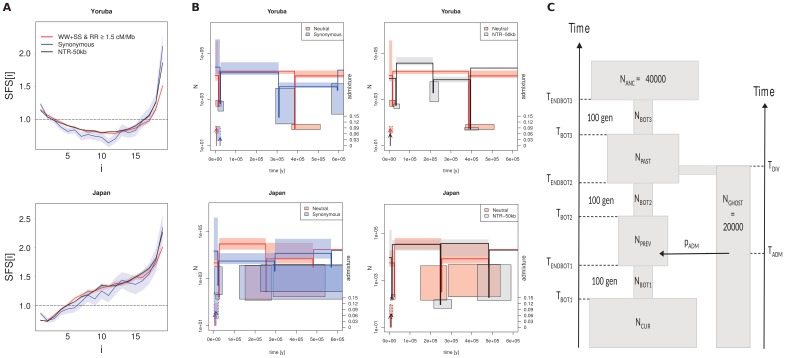
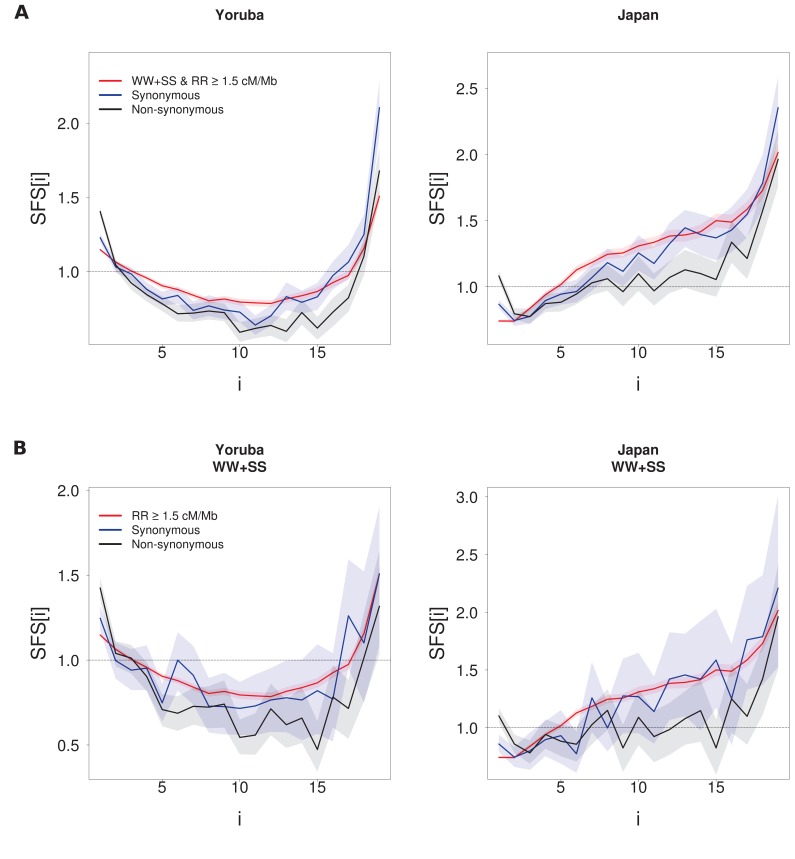
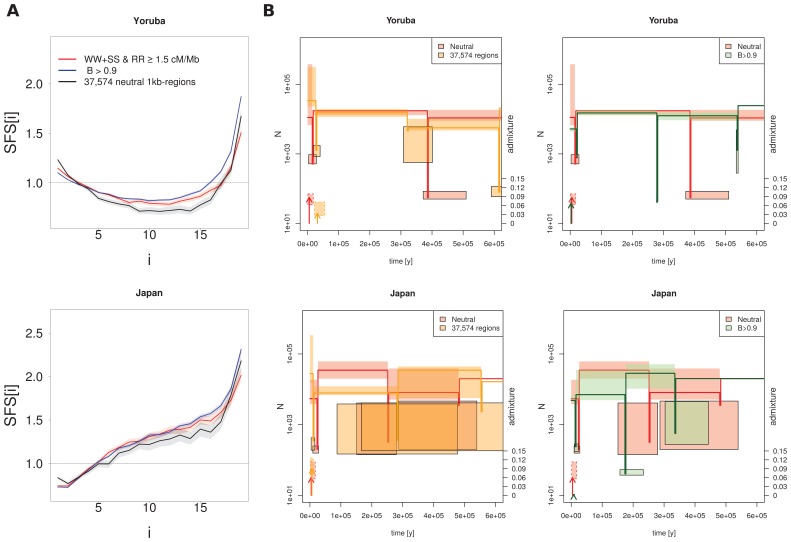
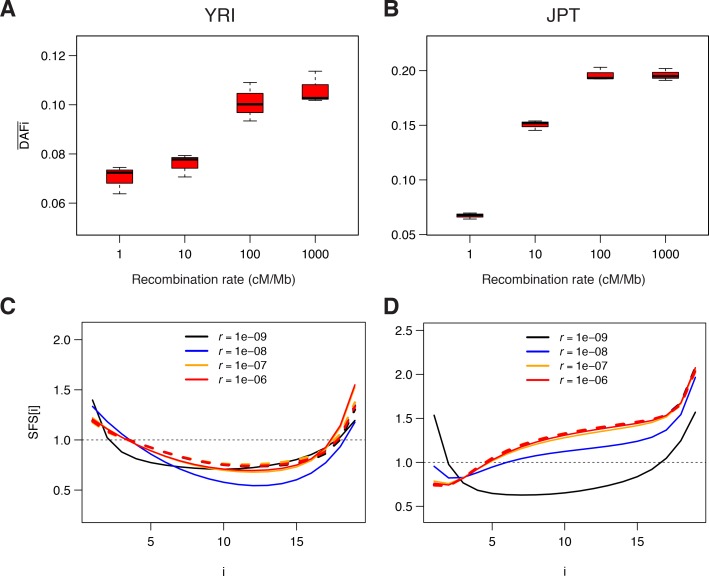
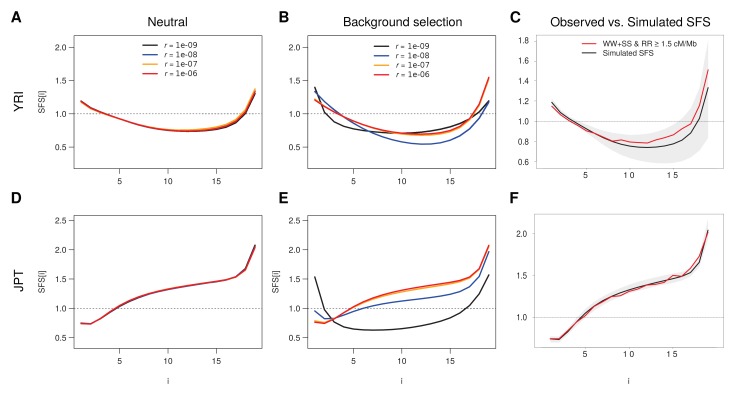
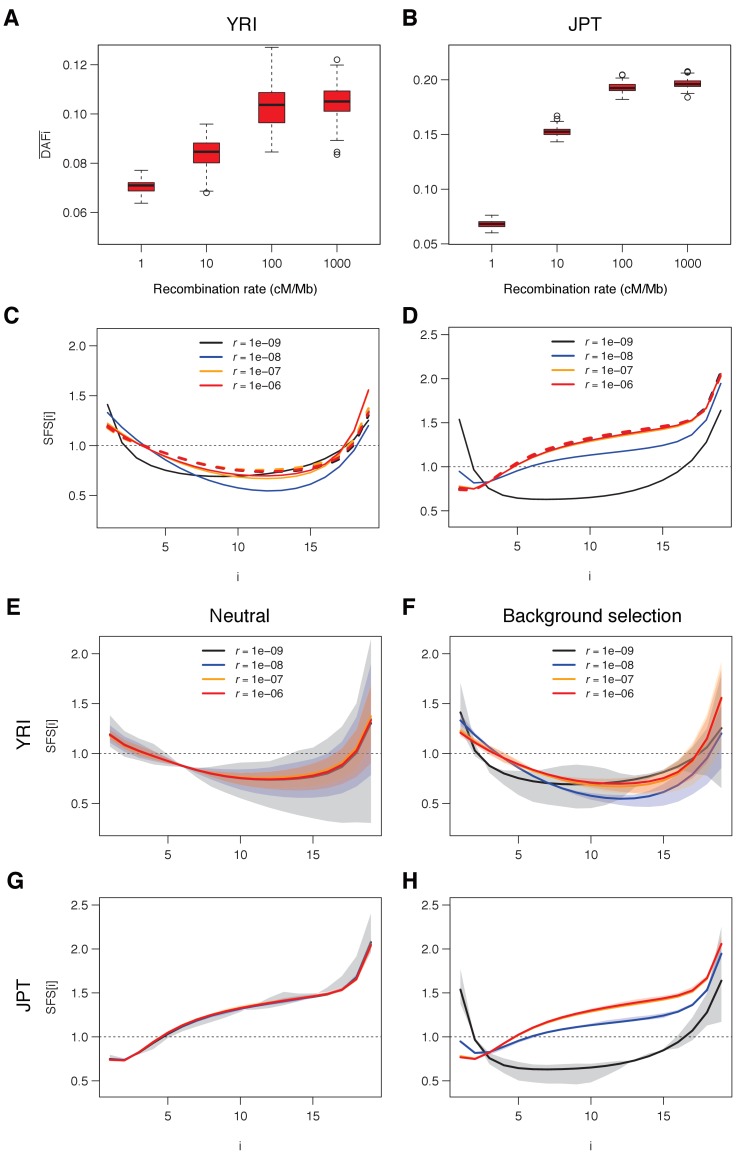
Disentangling the effect on genomic diversity of natural selection from that of demography is notoriously difficult, but necessary to properly reconstruct the history of species. Here, we use high-quality human genomic data to show that purifying selection at linked sites (i.e. background selection, BGS) and GC-biased gene conversion (gBGC) together affect as much as 95% of the variants of our genome. We find that the magnitude and relative importance of BGS and gBGC are largely determined by variation in recombination rate and base composition. Importantly, synonymous sites and non-transcribed regions are also affected, albeit to different degrees. Their use for demographic inference can lead to strong biases. However, by conditioning on genomic regions with recombination rates above 1.5 cM/Mb and mutation types (C↔G, A↔T), we identify a set of SNPs that is mostly unaffected by BGS or gBGC, and that avoids these biases in the reconstruction of human history.
Overview
The claims and statistics of this paper haven’t been checked yet.
Run the check — free, no account needed. It reads the open-access text and checks the sources it cites.
Integrity signals
Registry
Cites
Statistics
Figures
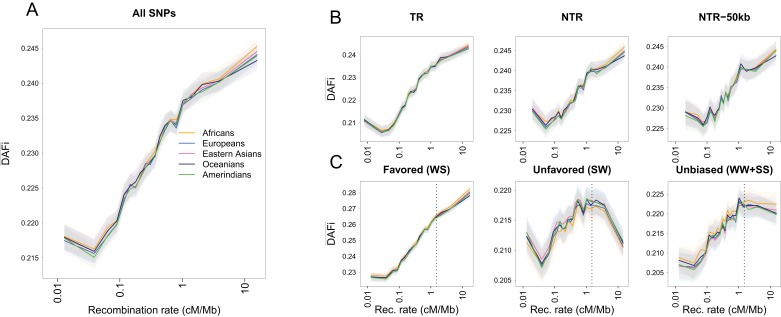
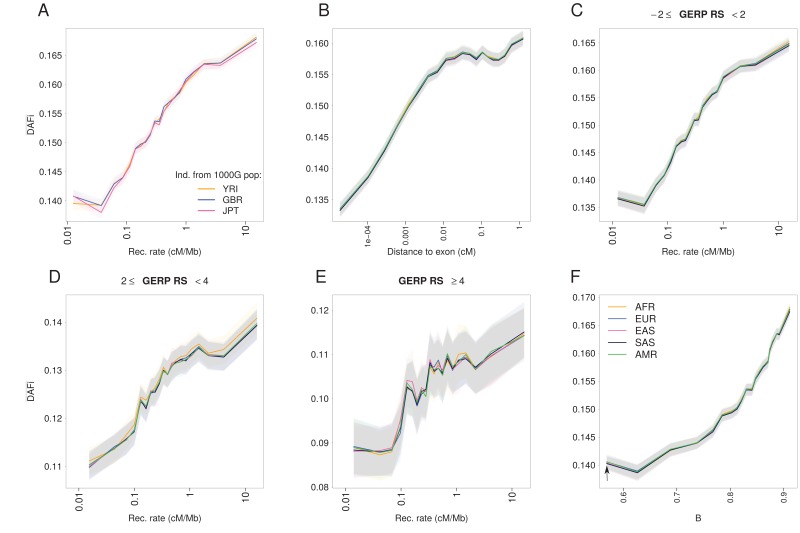
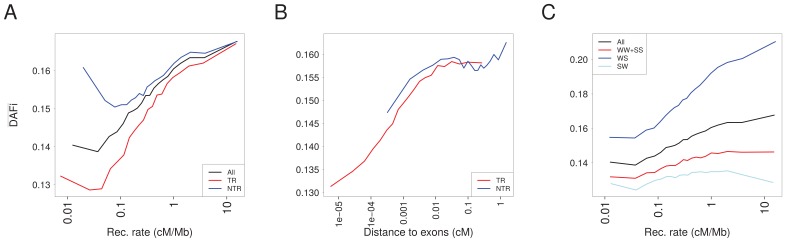
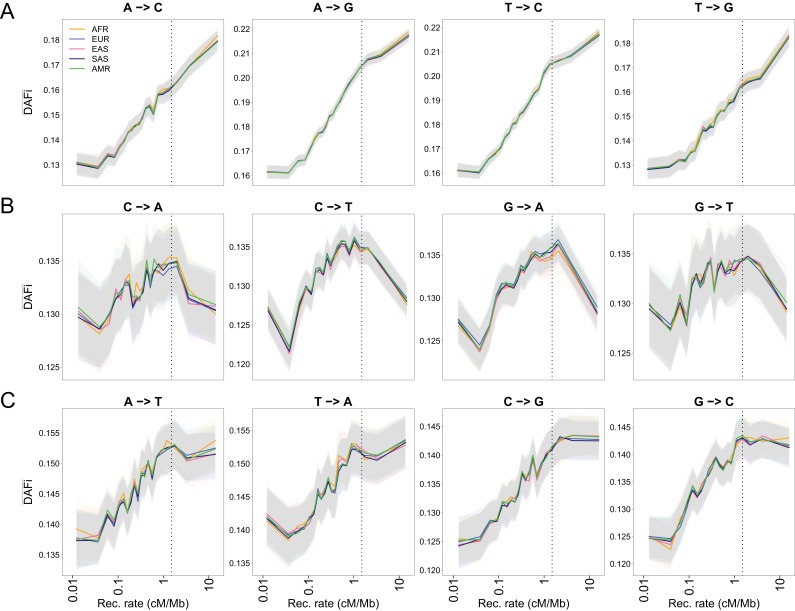
Verification
Claims the paper makes
The claims and statistics of this paper haven’t been checked yet.
Run the check — free, no account needed. It reads the open-access text and checks the sources it cites.
Claims other papers make about this one
Each is checked against this paper’s own text: does it say what the citing paper says it does?
The source backs part of the claim, not all of it — or backs it for a different population, condition or comparison.
In the citing paper
“The second considered the same Full Eurasia model, but using a subset of data restricted to genomic regions with high recombination rates (>1.5 cM/Mb), also removing regions closer than 100 base pairs from conserved elements, following (63).”
From Past human expansions shaped the spatial pattern of Neanderthal ancestry (2023) · cites this paper as [63]
Experimental — accuracy not yet measuredThe cited source says what the claim attributes to it.
In the citing paper
“This dataset is much more limited in size (n = 1190) and genomic positions (~80% less), but presumably less affected by background selection, while still affected by GC-biased gene conversion (63).”
From Past human expansions shaped the spatial pattern of Neanderthal ancestry (2023) · cites this paper as [63]
Self-check
Percentages, sums and reported differences re-computed from the paper’s own numbers.
The self-check needs the paper’s full text.
Citations
Cites
R: A Language and Environment for Statistical Computing
R Core Team (2000) · doi:10.32614/r.manuals · Cited by 355,893
Fast and accurate short read alignment with Burrows-Wheeler transform
Li, H., & Durbin, R. (2009) · Bioinformatics · doi:10.1093/bioinformatics/btp324 · Cited by 58,607
A new look at the statistical model identification
Akaike, H. (1974) · IEEE Transactions on Automatic Control · doi:10.1109/tac.1974.1100705 · Cited by 51,879 · cited 1×
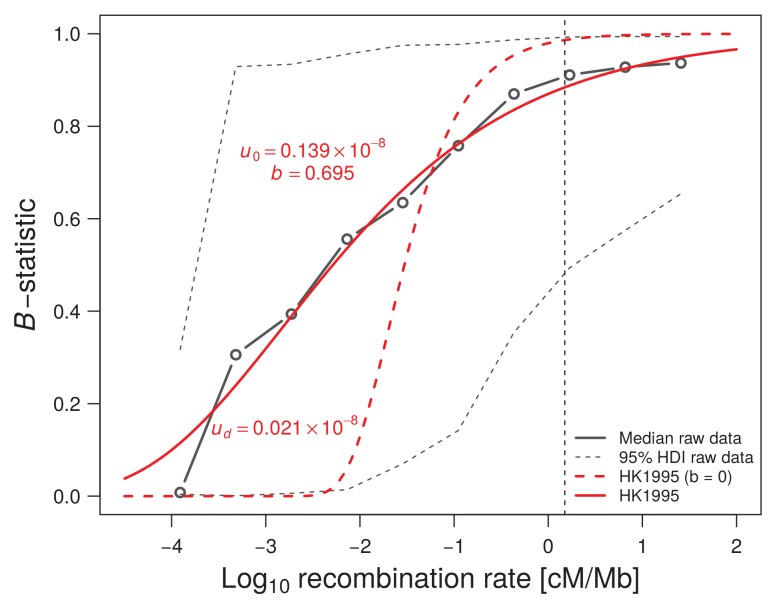
“We then used the Akaike information criterion (AIC, Akaike, 1974) to compare this extended BGS model to the original BGS model in which the mutation rate does not depend on the recombi- nation rate (b¼ 0).”
MethodA global reference for human genetic variation
The 1000 Genomes Project Consortium, authors, C., Auton, A., Abecasis, G. R., Steering committee, Altshuler, D. M., Durbin, R. M., Abecasis, G. R., Bentley, D. R., Chakravarti, A., et al. (2015) · Nature · doi:10.1038/nature15393 · Cited by 18,247
An integrated encyclopedia of DNA elements in the human genome
The ENCODE Project Consortium (2012) · Nature · doi:10.1038/nature11247 · Cited by 18,072
A second generation human haplotype map of over 3.1 million SNPs
The International HapMap Consortium (2007) · Nature · doi:10.1038/nature06258 · Cited by 4,438
Evolutionarily conserved elements in vertebrate, insect, worm, and yeast genomes
Siepel, A., Bejerano, G., Pedersen, J. S., Hinrichs, A. S., Hou, M., Rosenbloom, K., Clawson, H., Spieth, J., Hillier, L. W., Richards, S., et al. (2005) · Genome Research · doi:10.1101/gr.3715005 · Cited by 3,971
An Expanded View of Complex Traits: From Polygenic to Omnigenic
Boyle, E. A., Li, Y. I., & Pritchard, J. K. (2017) · Cell · doi:10.1016/j.cell.2017.05.038 · Cited by 2,851 · cited 2×
“…of pervasive positive selection, either in the form of soft or hard sweeps (Kern and Hahn, 2018) or of positive selection on polygenic traits (Boyle et al., 2017) in our genome could also lead to a correlation between genetic diversity and recombination, as the effect of selection on linked…”
BackgroundHitchhiking Under Positive Darwinian Selection
Fay, J. C., & Wu, C.-I. (2000) · Genetics · doi:10.1093/genetics/155.3.1405 · Cited by 1,819
Identifying a High Fraction of the Human Genome to be under Selective Constraint Using GERP++
Davydov, E. V., Goode, D. L., Sirota, M., Cooper, G. M., Sidow, A., & Batzoglou, S. (2010) · PLoS Computational Biology · doi:10.1371/journal.pcbi.1001025 · Cited by 1,757 · cited 2×
“Genomic Evolutionary Rate Profiling (GERP) rejection scores (Davydov et al., 2010) that quantify the level of evolutionary constraint acting on polymorphic sites and conserved elements identified using PhastCons on the primate subset of 46 vertebrates (Siepel et al., 2005) were downloaded from the…”
Background
Cited by
Sorted by citations
Items 101–157 of 157
Rate and extent of genetic diversity loss under non-equilibrium scenarios of habitat loss
Tang, Q., Fung, T., Hart, D. E. T., & Rheindt, F. E. (2023) · Biological Conservation · doi:10.1016/j.biocon.2023.110381 · Cited by 4
A generalized structured coalescent for purifying selection without recombination
Strütt, S., Excoffier, L., & Peischl, S. (2025) · Genetics · doi:10.1093/genetics/iyaf013 · Cited by 4
Self-citationYamasaki, Y. Y., Yamaguchi, R., Nagano, A. J., Chen, B., Musto, N., Archambeault, S., Peichel, C. L., Schulien, J. A., Code, T. J., Beauchamp, D. A., et al. (2025) · Evolution · doi:10.1093/evolut/qpaf254 · Cited by 3
Yıldırım, B., & Vogl, C. (2024) · Journal of Evolutionary Biology · doi:10.1093/jeb/voae015 · Cited by 3
Rougemont, Q., Moore, J., Leroy, T., Normandeau, É., Rondeau, E. B., Withler, R. E., Doornik, D. M. V., Crane, P. A., Naish, K. A., Garza, J. C., et al. (2019) · bioRxiv (Cold Spring Harbor Laboratory) · doi:10.1101/732750 · Cited by 3
Soni, V., Vos, M., & Eyre‐Walker, A. (2021) · bioRxiv (Cold Spring Harbor Laboratory) · doi:10.1101/2021.02.08.430226 · Cited by 3
“Furthermore, the inference of a demographic model should take into account the influence of biased gene conversion and background selection, which appear to be pervasive factors in the human genome (Pouyet et al, 2018), so these simulations will be complex.”
BackgroundMarques, D. A., Lucek, K., Sousa, V. C., Excoffier, L., & D, O. S. C. (2021) · Nature Communications · doi:10.1038/s41467-021-23096-x · Cited by 3
Self-citationStrong neutral sweeps occurring during a population contractionPreprint
Moinet, A., Peischl, S., & Excoffier, L. (2021) · bioRxiv (Cold Spring Harbor Laboratory) · doi:10.1101/2021.08.25.457712 · Cited by 3
Self-citationGenomic architecture drives population structuring in Amazonian birdsPreprint
Thom, G., Moreira, L. R., Batista, R., Gehara, M., Aleixo, A. L. P., & Smith, B. T. (2021) · bioRxiv (Cold Spring Harbor Laboratory) · doi:10.1101/2021.12.01.470789 · Cited by 3
“By characterizing the genomic landscape, the effect of selection in demographic parameter estimations can be mitigated by targeting genomic regions as distant as possible from potential targets of selection such as genes and functional elements, as well as avoiding areas of low recombination or affected by biased gene…”
BackgroundInfluentialPatterns of diversity under loose genetic draftPreprint
Achaz, G., & Schertzer, E. (2023) · bioRxiv (Cold Spring Harbor Laboratory) · doi:10.1101/2023.07.19.549703 · Cited by 3
“Therefore, it is likely a large fraction of the genome is affected by linked selection at any generation, an hypothesis that has been proposed based on different arguments ( Pouyet et al. , 2018).”
A generalized structured coalescent for purifying selection without recombinationPreprint
Strütt, S., Excoffier, L., & Peischl, S. (2024) · bioRxiv (Cold Spring Harbor Laboratory) · doi:10.1101/2024.06.11.598434 · Cited by 3
“Uniparental markers in humans have been used to infer sex-specific demography assuming complete neutrality of these chromosomes (Karmin et al. 2015), despite evidence of substantial impact of purifying selection on the diversity of the human genome (Pouyet et al. 2018).”
BackgroundSelf-citationDIST: Distance-based Inference of Species TreesPreprint
de Jong, M., & Janke, A. (2025) · bioRxiv (Cold Spring Harbor Laboratory) · doi:10.1101/2025.05.02.651899 · Cited by 3
Semi-supervised detection of natural selection with positive-unlabeled learningPreprint
Arnab, S. P., dos Santos, A. L. C., Fumagalli, M., & DeGiorgio, M. (2025) · bioRxiv (Cold Spring Harbor Laboratory) · doi:10.1101/2025.08.15.670602 · Cited by 4
“This setup presents a particularly informative test case, as background selection is a pervasive force [McVicker et al., 2009, Comeron, 2014, Pouyet et al., 2018, Cvijovi´c et al., 2018] can produce patterns of genetic variation that can resemble those generated by selective sweeps [Keinan and…”
The effect of mutation subtypes on the allele frequency spectrum and population genetics inference
Liao, K., Carlson, J., & Zöllner, S. K. (2023) · G3 Genes Genomes Genetics · doi:10.1093/g3journal/jkad035 · Cited by 2
“Furthermore, we recommend considering whether the outlier D region is in a late replicating region [known to alter both the mutation rate and subtype composition (Kenigsberg et al. 2016)] or has an outlier recombination rate(as been suggested by Pouyet et al. (2018).”
BackgroundResultEvolution of Functional Genomic Diversity During a Bottleneck
Schlichta, F., Peischl, S., & Excoffier, L. (2025) · Genome Biology and Evolution · doi:10.1093/gbe/evaf107 · Cited by 2
Self-citationDeterminants of mutation load in birds
Botero-Castro, F., & Wolf, J. B. W. (2026) · Genetics · doi:10.1093/genetics/iyag033 · Cited by 2
Insights into human adaptation from ancient DNA
MemarMoshrefi, D., Johnson, O. L., & Huber, C. D. (2026) · Nature Genetics · doi:10.1038/s41588-026-02562-6 · Cited by 2
GHIST 2024: The First Genomic History Inference Strategies Tournament
Struck, T. J., Vaughn, A. H., Daigle, A., Ray, D. D., Noskova, E., Sequeira, J. J., Antonets, S., Alekseevskaya, E., Grigoreva, E., Raines, E., et al. (2025) · Molecular Biology and Evolution · doi:10.1093/molbev/msaf257 · Cited by 2
Gompert, Z., Feder, J. L., & Nosil, P. (2022) · Molecular Ecology · doi:10.1111/mec.16614 · Cited by 2
Flegontov, P., Işıldak, U., Maier, R., Yüncü, E., Changmai, P., & Reich, D. (2023) · bioRxiv (Cold Spring Harbor Laboratory) · doi:10.1101/2023.01.22.525077 · Cited by 2
“…ascertainment schemes: 1) A/T and G/C SNPs (henceforth “AT/GC”) that are, unlike the other mutation classes, unaffected by biased gene conversion (Pouyet et al. 2018), and are also unaffected by deamination ancient DNA damage; 2) random thinning of the unascertained or "AT/GC" sets down to the…”
The Neanderthal population history and the introgression landscape inferred from the UK BiobankPreprint
Morez, A., Soltantouyeh, A., Zeloni, R., Carollo, F., Mezzavilla, M., Marnetto, D., & Pagani, L. (2026) · bioRxiv (Cold Spring Harbor Laboratory) · doi:10.64898/2026.04.03.716297 · Cited by 2
Allelic gene conversion softens selective sweeps
Schrider, D. R. (2026) · Genetics · doi:10.1093/genetics/iyag222 · Cited by 1
Modeling the Evolution of Ultraconserved Elements by Indels
Biller, P. D. N. (2025) · Molecular Biology and Evolution · doi:10.1093/molbev/msaf299 · Cited by 1
“(although see Pouyet et al. 2018 for a different perspective suggesting that 80–85% of the human genome is probably affected by background selection).”
The selective dynamics of interruptions at short tandem repeats
Goldberg, M. E., Dashnow, H., Harris, K., & Quinlan, A. R. (2026) · Genetics · doi:10.1093/genetics/iyag080 · Cited by 2
“This phenomenon, dubbed “background se-lection”, is pervasive throughout the human genome (McVicker et al. 2009; Pouyet et al. 2018).”
Allele Frequency Spectra as a General Tool for Modeling Genetic Diversity
Hössjer, O., Laikre, L., & Ryman, N. (2026) · Acta Biotheoretica · doi:10.1007/s10441-026-09524-9 · Cited by 1
Fitzhugh, K. (2026) · Diversity · doi:10.3390/d18070433 · Cited by 1
Assis, J. E. D., de Souza, J. R. B., Fitzhugh, K., & Christoffersen, M. L. (2022) · Anais da Academia Brasileira de Ciências · doi:10.1590/0001-3765202220210283 · Cited by 1
Research on the Historical Dynamics of Baicheng Oil Chicken Populations
Wang, H., Liu, T., Wang, G., Zhao, X., Wang, C., Li, F., Muhatai, G., & Qu, L. (2025) · Animals · doi:10.3390/ani15131952 · Cited by 1
“This method has been extensively utilized across diverse taxa, including humans [17], animals [18], plants [19], and microbes [20], and supports the integration of ancient DNA data to elucidate temporal relationships between ancestral and modern populations.”
Korunes, K. L., Samuk, K., & Noor, M. A. F. (2021) · Population genomics · doi:10.1007/13836_2021_87 · Cited by 1
The evolution of GC-biased gene conversion by means of natural selectionPreprint
Clessin, A., Joseph, J., & Lartillot, N. (2024) · bioRxiv (Cold Spring Harbor Laboratory) · doi:10.1101/2024.06.21.600052 · Cited by 1
“…or infer demography from genetic data are based on the assumption of Mendelian segregation, and gBGC therefore confounds both selection and demography inference (Galtier and Duret, 2007; Ratnakumar et al., 2010; Kostka et al., 2012; Pouyet et al., 2017, 2018; Bol´ıvar et al., 2019; Joseph, 2024).”
BackgroundAndreev, V., Araya‐Donoso, R., Baty, S. M., Wilder, B. T., Lira‐Noriega, A., Moore, D. G., Culver, M., Dolby, G., & Munguía‐Vega, A. (2026) · bioRxiv (Cold Spring Harbor Laboratory) · doi:10.64898/2026.01.19.699825 · Cited by 1
The performance of genetic-constraint metrics varies significantly across the human noncoding genomePreprint
McHale, P. T., Goldberg, M. E., & Quinlan, A. R. (2026) · bioRxiv (Cold Spring Harbor Laboratory) · doi:10.64898/2026.01.28.701168 · Cited by 1
“…are not explicitly included in the Chen model, they are neutral mechanisms well-known to affect diversity in the human genome (McVicker et al. 2009; Pouyet et al. 2018; Murphy et al. 2023), and have been modeled when inferring natural selection in the context of population genetics, e.g., (Telis…”
The B -value calculator: expected diversity with background selectionPreprint
Marsh, J. I., Daigle, A., & Johri, P. (2026) · bioRxiv (Cold Spring Harbor Laboratory) · doi:10.64898/2026.03.04.709642 · Cited by 1
“B -maps constructed with these algorithms have been applied to assess and mitigate the effects of BGS on demographic inference [38,39], improve reliable selective sweep detection [6,40], identify biases in fine-scale recombination rate inference [41], and improve GWAS [42].”
Gu, X. (2020) · bioRxiv (Cold Spring Harbor Laboratory) · doi:10.1101/2020.01.11.901066
“(33) concluded that the negative background selection influences as much as 85% of the genetic variants of the human genome, and Campos et al.”
BackgroundSharing of weak signals of positive selection across the genomePreprint
Harris, N. S., & Rogers, A. R. (2020) · bioRxiv (Cold Spring Harbor Laboratory) · doi:10.1101/2020.04.22.055954
“This result could be used to support the hypothesis the majority of the genome is affected by positive selection to some extent (e.g., Pouyet et al. (2018); Schrider and Kern (2017)).”
ResultInfecção pneumocócica invasiva no adulto em Portugal em 2008 e 2009
Horácio, A. N. (2011) · Portuguese National Funding Agency for Science, Research and Technology (RCAAP Project by FCT)
Genetic diversity patterns of human ethnic groups as inferred from the 1000 genomesPreprint
Xia, Z., & Huang, S. (2021) · bioRxiv (Cold Spring Harbor Laboratory) · doi:10.1101/2021.12.14.472684
Wu, J., Yonezawa, T., & Kishino, H. (2022) · Genes · doi:10.3390/genes13040708 · Cited by 1
“Pouyet et al., 2018, measured average derived allele frequency per individual as a proxy for background selection, and demonstrated that it impacts up to 80–85% of the variants in the human genome [15].”
BackgroundInfluentialF ST and genetic diversity in an island model with background selectionPreprint
Hasan, A., & Whitlock, M. C. (2024) · bioRxiv (Cold Spring Harbor Laboratory) · doi:10.1101/2024.03.15.585154
The molecular models of modern human origins
HUANG, S. (2024) · Prehistoric Archaeology · doi:10.3724/2097-3063.20240030
GHIST 2024: The 1st Genomic History Inference Strategies TournamentPreprint
Struck, T. J., Vaughn, A. H., Daigle, A., Ray, D. D., Noskova, E., Sequeira, J. J., Antonets, S., Alekseevskaya, E., Grigoreva, E., Raines, E., et al. (2025) · bioRxiv (Cold Spring Harbor Laboratory) · doi:10.1101/2025.08.05.668560
“…of fitness effects (Eyre-Walker & Keightley 2007), spatial models (Brad-burd & Ralph 2019), and polygenic selection (Barghi et al. 2020), and including complications such as low-pass data (Crawford & Lazzaro 2012), polyploidy (Dufresne et al. 2014), and biased gene conversion (Pouyet et al. 2018).”
(2023) · CSIRO Publishing eBooks · doi:10.1071/9781486314935.bk08025_part5
Serradell, J. M., Lorenzo-Salazar, J. M., Flores, C., Lao, Ó., & Comas, D. (2024) · DIGITAL.CSIC (Spanish National Research Council (CSIC)) · doi:10.6084/m9.figshare.26756104
Serradell, J. M., Lorenzo-Salazar, J. M., Flores, C., Lao, Ó., & Comas, D. (2024) · DIGITAL.CSIC (Spanish National Research Council (CSIC)) · doi:10.6084/m9.figshare.26410044
Serradell, J. M., Lorenzo-Salazar, J. M., Flores, C., Lao, Ó., & Comas, D. (2024) · DIGITAL.CSIC (Spanish National Research Council (CSIC)) · doi:10.6084/m9.figshare.26756101
Serradell, J. M., Lorenzo-Salazar, J. M., Flores, C., Lao, Ó., & Comas, D. (2024) · DIGITAL.CSIC (Spanish National Research Council (CSIC)) · doi:10.6084/m9.figshare.26756107
Serradell, J. M., Lorenzo-Salazar, J. M., Flores, C., Lao, Ó., & Comas, D. (2024) · DIGITAL.CSIC (Spanish National Research Council (CSIC)) · doi:10.6084/m9.figshare.26756110
Serradell, J. M., Lorenzo-Salazar, J. M., Flores, C., Lao, Ó., & Comas, D. (2024) · DIGITAL.CSIC (Spanish National Research Council (CSIC)) · doi:10.6084/m9.figshare.26409853
Identifying Adaptive Footprints in the Presence of Demographic Uncertainty
Arnab, S. P., Khan, M., dos Santos, A. L. C., Fumagalli, M., & DeGiorgio, M. (2026) · Genome Biology and Evolution · doi:10.1093/gbe/evag075 · Cited by 1
“…a particularly informative test case, as background selection is a pervasive force (McVicker et al. 2009; Comeron 2014; Cvijović et al. 2018; Pouyet et al. 2018) that can produce patterns of genetic variation resembling those generated by selective sweeps (Keinan and Reich 2010; Seger et…”
The interplay between recombination hotspots, GC-biased gene conversion and natural selection
Joseph, J. (2023) · theses.fr (ABES) · doi:10.70675/99f388fezf548z434az8ca0ze321e7c030e6
Jiménez, N. P., Torres-Meraz, M. A., Neyhart, J., Zalapa, J. E., & Sideli, G. M. (2026) · Horticulture Research · doi:10.1093/hr/uhag161
“Because the targeted panel used here is enriched for genic and QTL-linked regions, purifying and linked selection may influence the SFS and bias absolute demographic parameter estimates [ 64, 76].”
Kang, S. W., Kim, S. K., Ban, J. Y., & Park, M. S. (2026) · International Journal of Molecular Sciences · doi:10.3390/ijms27093920
“Human-specific constraint was evaluated using the B-statistic [16].”
Lesturgie, P., Blanckaert, A., & Sousa, V. C. (2026) · bioRxiv (Cold Spring Harbor Laboratory) · doi:10.64898/2026.05.15.724312
Genomic insights into natural selection in recent human history
Skoglund, P., & Mathieson, I. (2026) · Nature Reviews Genetics · doi:10.1038/s41576-026-01010-9
Meeting report: 3rd Codon Usage Conference: Function, Mechanism and Evolution
Palazzo, A. F. (2026) · Biochemistry and Cell Biology · doi:10.1139/bcb-2026-0275
Potencial de pftramp como candidato a vacuna: diversidad gen.tica y potencial inmunog.nico
Riscanevo, S. P., Rivera, H. A. S., & Ospina, D. E. G. (2025) · CIENCIA EN DESARROLLO · doi:10.19053/uptc.01217488.v16.n3e.2025.21047
Metadata
- Authors
- Pouyet, F., Aeschbacher, S., Thiéry, A., & Excoffier, L.
- Affiliations
- University of Bern (CH)
- Corresponding author
- Pouyet, Fanny
- Excoffier, Laurent
- Venue
- eLife
- Publisher
- eLife Sciences Publications, Ltd
- Published
- 2018-08-23
- Volume
- 7
- ISSN
- 2050-084X (ISSN-L)
- PMC
- PMC6177262
- OpenAlex
- W2888373299
- Cited by
- 153
- References
- 76
- Citations by year
- 2026: 16 · 2025: 17 · 2024: 17 · 2023: 18 · 2022: 18 · 2021: 29 · 2020: 14 · 2019: 17 · 2018: 6
- FWCI
- 9.96
- Type
- journal article
- Language
- en
- Open access
- gold
- doi.org
- Licence
- Locations
- eLife (publishedVersion, cc-by)
- Europe PMC (PubMed Central) (publishedVersion, cc-by)
- PubMed Central (publishedVersion, cc-by)
- PubMed (publishedVersion)
- Zurich Open Repository and Archive (University of Zurich) (acceptedVersion, cc-by)
- HAL (submittedVersion, other-oa)
- Bern Open Repository and Information System (University of Bern) (submittedVersion, cc-by)
- DOAJ (DOAJ: Directory of Open Access Journals) (submittedVersion, cc-by-sa)
- Zurich Open Repository and Archive (University of Zurich) (submittedVersion, cc-by)
- Zurich Open Repository and Archive (University of Zurich)
- Funders
- Schweizerischer Nationalfonds zur Förderung der Wissenschaftlichen Forschung (310030B-166605)
- University of California Berkeley (Visiting Miller Professorship)
- Topics
- Life Sciences › Biochemistry, Genetics and Molecular Biology › Genetics › Forensic and Genetic Research
- Life Sciences › Biochemistry, Genetics and Molecular Biology › Genetics › Evolution and Genetic Dynamics
- Life Sciences › Biochemistry, Genetics and Molecular Biology › Genetics › Genetic diversity and population structure
- Keywords
- background selection, GC-biased gene conversion, purifying selection, human genome, recombination rate, nucleotide composition, synonymous sites, demographic inference, human population history, mutation types, single nucleotide polymorphisms
- MeSH terms
- Base Composition, Demography, Gene Conversion, Humans, Models, Genetic, Mutation, Recombination, Genetic, Selection, Genetic, Genome, Human, Evolution, Molecular, Genomics
About these checks
Registry, retraction, Cites and statistics results are computed, not judged, with one exception: a printed reference that no index lists is read once by a model before it counts as a citation error. Claims are extracted by a model and kept only when their quote appears verbatim in the text; each cited source is then checked, with a model’s help, for whether it says what the claim relies on. Those verdicts can be wrong — read the claim’s quote and the cited source before relying on one.
Statistics and arithmetic are recomputed, not judged.
Confidence bands are shown only for fields calibrated on our annotated test set. None is calibrated yet, so no band is shown.
What counts as a claim ›How we measure confidence ›How we check this ›
Are you an author, or do you see a problem with this page? Request a review
