

The DOI matches its Crossref record; 77 of the 77 references it cites were found in a registry or an index.
Background selection and biased gene conversion affect more than 95% of the human genome and bias demographic inferences
Open accessAbstract
Disentangling the effect on genomic diversity of natural selection from that of demography is notoriously difficult, but necessary to properly reconstruct the history of species. Here, we use high-quality human genomic data to show that purifying selection at linked sites (i.e. background selection, BGS) and GC-biased gene conversion (gBGC) together affect as much as 95% of the variants of our genome. We find that the magnitude and relative importance of BGS and gBGC are largely determined by variation in recombination rate and base composition. Importantly, synonymous sites and non-transcribed regions are also affected, albeit to different degrees. Their use for demographic inference can lead to strong biases. However, by conditioning on genomic regions with recombination rates above 1.5 cM/Mb and mutation types (C↔G, A↔T), we identify a set of SNPs that is mostly unaffected by BGS or gBGC, and that avoids these biases in the reconstruction of human history.
Overview
The claims and statistics of this paper haven’t been checked yet.
Run the check — free, no account needed. It reads the open-access text and checks the sources it cites.
Integrity signals
Registry
Cites
Statistics
Figures
Verification
Claims the paper makes
The claims and statistics of this paper haven’t been checked yet.
Run the check — free, no account needed. It reads the open-access text and checks the sources it cites.
Claims other papers make about this one
Each is checked against this paper’s own text: does it say what the citing paper says it does?
The source backs part of the claim, not all of it — or backs it for a different population, condition or comparison.
In the citing paper
“The second considered the same Full Eurasia model, but using a subset of data restricted to genomic regions with high recombination rates (>1.5 cM/Mb), also removing regions closer than 100 base pairs from conserved elements, following (63).”
From Past human expansions shaped the spatial pattern of Neanderthal ancestry (2023) · cites this paper as [63]
Experimental — accuracy not yet measuredThe cited source says what the claim attributes to it.
In the citing paper
“This dataset is much more limited in size (n = 1190) and genomic positions (~80% less), but presumably less affected by background selection, while still affected by GC-biased gene conversion (63).”
From Past human expansions shaped the spatial pattern of Neanderthal ancestry (2023) · cites this paper as [63]
Self-check
Percentages, sums and reported differences re-computed from the paper’s own numbers.
The self-check needs the paper’s full text.
Citations
Cites
R: A Language and Environment for Statistical Computing
R Core Team (2000) · doi:10.32614/r.manuals · Cited by 355,893
Fast and accurate short read alignment with Burrows-Wheeler transform
Li, H., & Durbin, R. (2009) · Bioinformatics · doi:10.1093/bioinformatics/btp324 · Cited by 58,607
A new look at the statistical model identification
Akaike, H. (1974) · IEEE Transactions on Automatic Control · doi:10.1109/tac.1974.1100705 · Cited by 51,879 · cited 1×
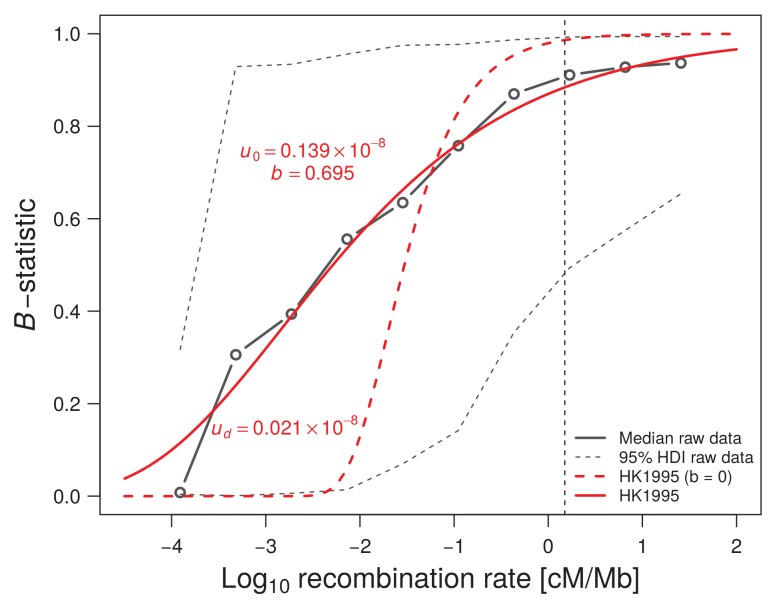
“We then used the Akaike information criterion (AIC, Akaike, 1974) to compare this extended BGS model to the original BGS model in which the mutation rate does not depend on the recombi- nation rate (b¼ 0).”
MethodA global reference for human genetic variation
The 1000 Genomes Project Consortium, authors, C., Auton, A., Abecasis, G. R., Steering committee, Altshuler, D. M., Durbin, R. M., Abecasis, G. R., Bentley, D. R., Chakravarti, A., et al. (2015) · Nature · doi:10.1038/nature15393 · Cited by 18,247
An integrated encyclopedia of DNA elements in the human genome
The ENCODE Project Consortium (2012) · Nature · doi:10.1038/nature11247 · Cited by 18,072
A second generation human haplotype map of over 3.1 million SNPs
The International HapMap Consortium (2007) · Nature · doi:10.1038/nature06258 · Cited by 4,438
Evolutionarily conserved elements in vertebrate, insect, worm, and yeast genomes
Siepel, A., Bejerano, G., Pedersen, J. S., Hinrichs, A. S., Hou, M., Rosenbloom, K., Clawson, H., Spieth, J., Hillier, L. W., Richards, S., et al. (2005) · Genome Research · doi:10.1101/gr.3715005 · Cited by 3,971
An Expanded View of Complex Traits: From Polygenic to Omnigenic
Boyle, E. A., Li, Y. I., & Pritchard, J. K. (2017) · Cell · doi:10.1016/j.cell.2017.05.038 · Cited by 2,851 · cited 2×
“…of pervasive positive selection, either in the form of soft or hard sweeps (Kern and Hahn, 2018) or of positive selection on polygenic traits (Boyle et al., 2017) in our genome could also lead to a correlation between genetic diversity and recombination, as the effect of selection on linked…”
BackgroundHitchhiking Under Positive Darwinian Selection
Fay, J. C., & Wu, C.-I. (2000) · Genetics · doi:10.1093/genetics/155.3.1405 · Cited by 1,819
Identifying a High Fraction of the Human Genome to be under Selective Constraint Using GERP++
Davydov, E. V., Goode, D. L., Sirota, M., Cooper, G. M., Sidow, A., & Batzoglou, S. (2010) · PLoS Computational Biology · doi:10.1371/journal.pcbi.1001025 · Cited by 1,757 · cited 2×
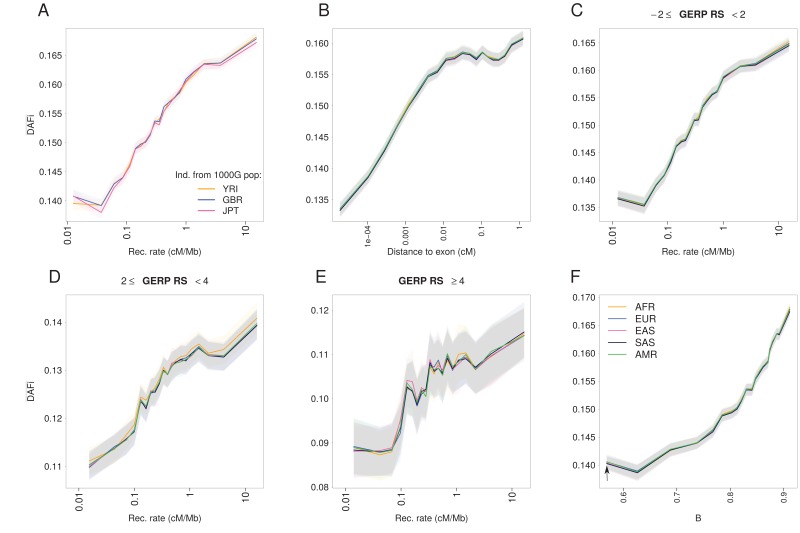
“Genomic Evolutionary Rate Profiling (GERP) rejection scores (Davydov et al., 2010) that quantify the level of evolutionary constraint acting on polymorphic sites and conserved elements identified using PhastCons on the primate subset of 46 vertebrates (Siepel et al., 2005) were downloaded from the…”
BackgroundThe Simons Genome Diversity Project: 300 genomes from 142 diverse populations
Mallick, S., Li, H., Lipson, M., Mathieson, I., Gymrek, M., Racimo, F., Zhao, M., Chennagiri, N., Nordenfelt, S., Tandon, A., et al. (2016) · Nature · doi:10.1038/nature18964 · Cited by 1,584
Robust Demographic Inference from Genomic and SNP Data
Excoffier, L., Dupanloup, I., Huerta‐Sánchez, E., Sousa, V. C., & Foll, M. (2013) · PLoS Genetics · doi:10.1371/journal.pgen.1003905 · Cited by 1,480 · cited 1×
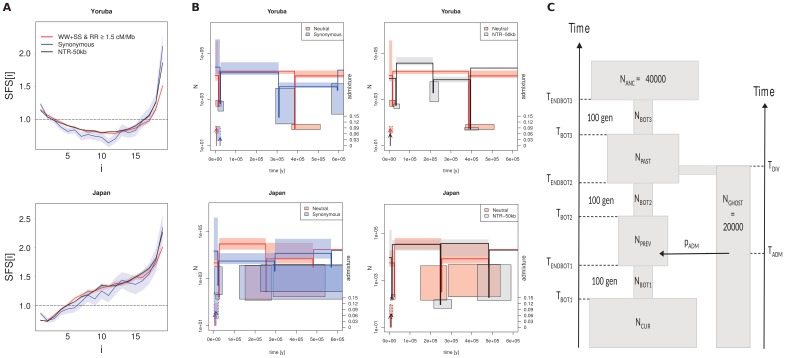
“We estimated the parameters of the demographic model shown in Figure 3C from the SFS of two 1000G populations (Japan and Yoruba) using the program fastsimcoal2 (Excoffier et al., 2013) ver 2.”
MethodSelf-citationA large-scale binding and functional map of human RNA-binding proteins
Van Nostrand, E. L., Freese, P., Pratt, G. A., Wang, X., Wei, X., Xiao, R., Blue, S. M., Chen, J.-Y., Cody, N. A. L., Dominguez, D., et al. (2020) · Nature · doi:10.1038/s41586-020-2077-3 · Cited by 1,317
Organization and function of the 3D genome
Bonev, B., & Cavalli, G. (2016) · Nature Reviews Genetics · doi:10.1038/nrg.2016.112 · Cited by 1,174 · cited 1×
“, 2014), which could be either due to the presence of functional elements in these regions such as non-coding RNAs, histone marks, enhancers or insulators (Kellis et al., 2014; Bonev and Cavalli, 2016; Van Nostrand et al., 2017), or due to remote effects of exonic deleterious mutations on SNPs in NTR.”
BackgroundInferring human population size and separation history from multiple genome sequences
Schiffels, S., & Durbin, R. (2014) · Nature Genetics · doi:10.1038/ng.3015 · Cited by 1,073 · cited 3×
“Human genomic diversity has evolved under diverse and complex constraints (Auton et al., 2015), such as past demography, selection, mutations, or genomic rearrangements (Lohmueller et al., 2011; Schiffels and Durbin, 2014; Sudmant et al., 2015; Mallick et al., 2016).”
BackgroundInfluentialGenomic scans for selective sweeps using SNP dataPreprint
Nielsen, R., Williamson, S., Kim, Y., Hubisz, M. J., Clark, A. G., & Bustamante, C. D. (2005) · Genome Research · doi:10.1101/gr.4252305 · Cited by 1,026
Analysis of 6,515 exomes reveals the recent origin of most human protein-coding variants
Fu, W., O’Connor, T. D., Jun, G., Kang, H. M., Abecasis, G. R., Leal, S. M., Gabriel, S., Rieder, M. J., Altshuler, D., Shendure, J., et al. (2012) · Nature · doi:10.1038/nature11690 · Cited by 969
Biased gene conversion and the evolution of mammalian genomic landscapes
Duret, L., & Galtier, N. (2009) · Annual Review of Genomics and Human Genetics · doi:10.1146/annurev-genom-082908-150001 · Cited by 737 · cited 1×
“However, regions of high recombination might be prone to GC-biased gene conversion (gBGC), a process by which GC alleles in recombination tracts are preferentially transmitted in GC/AT heterozygotes (Duret and Galtier, 2009).”
BackgroundDefining functional DNA elements in the human genome
Kellis, M., Wold, B. J., Snyder, M. P., Bernstein, B., Kundaje, A. B., Marinov, G. K., Ward, L. D., Birney, E., Crawford, G. E., Dekker, J., et al. (2014) · Proceedings of the National Academy of Sciences · doi:10.1073/pnas.1318948111 · Cited by 724
Fine-scale recombination rate differences between sexes, populations and individuals
Kong, A., Þorleifsson, G., Gudbjartsson, D. F., Másson, G., Sigurðsson, Á., Jónasdóttir, Á., Walters, G. B., Jónasdóttir, A., Gylfason, A., Kristinsson, K. T., et al. (2010) · Nature · doi:10.1038/nature09525 · Cited by 592 · cited 2×
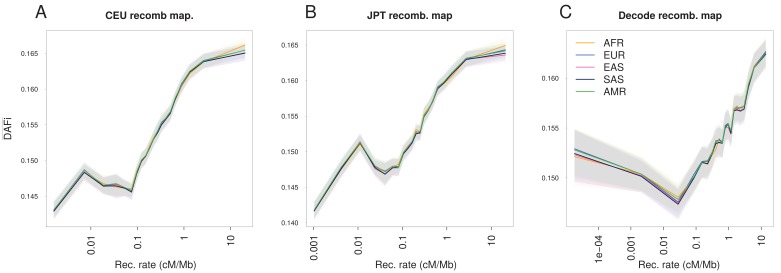
“, 2007) and the sex-averaged pedigree-inferred deCode map (Kong et al., 2010).”
BackgroundBayesian inference of ancient human demography from individual genome sequences
Gronau, I., Hubisz, M. J., Gulko, B., Danko, C. G., & Siepel, A. C. (2011) · Nature Genetics · doi:10.1038/ng.937 · Cited by 590
Interpreting the genomic landscape of speciation: a road map for finding barriers to gene flow
Ravinet, M., Faria, R., Butlin, R. K., Galindo, J., Bierne, N., Rafajlović, M., Noor, M. A. F., Mehlig, B., & Westram, A. M. (2017) · Journal of Evolutionary Biology · doi:10.1111/jeb.13047 · Cited by 546
Global mapping of meiotic recombination hotspots and coldspots in the yeast Saccharomyces cerevisiae
Gerton, J. L., DeRisi, J. L., Shroff, R., Lichten, M., Brown, P. O., & Petes, T. D. (2000) · Proceedings of the National Academy of Sciences · doi:10.1073/pnas.97.21.11383 · Cited by 481
Deleterious background selection with recombination.
Hudson, R. R., & Kaplan, N. L. (1995) · Genetics · doi:10.1093/genetics/141.4.1605 · Cited by 457
Widespread Genomic Signatures of Natural Selection in Hominid Evolution
McVicker, G., Gordon, D., Davis, C., & Green, P. (2009) · PLoS Genetics · doi:10.1371/journal.pgen.1000471 · Cited by 456
The UCSC Genome Browser database: 2016 update
Speir, M. L., Zweig, A. S., Rosenbloom, K. R., Raney, B. J., Paten, B., Nejad, P., Lee, B. T., Learned, K., Karolchik, D., Hinrichs, A. S., et al. (2015) · Nucleic Acids Research · doi:10.1093/nar/gkv1275 · Cited by 455
Classic Selective Sweeps Were Rare in Recent Human Evolution
Hernandez, R. D., Kelley, J. L., Elyashiv, E., Melton, S., Auton, A., McVean, G., 1000 Genomes Project, Sella, G., & Przeworski, M. (2011) · Science · doi:10.1126/science.1198878 · Cited by 441
Human mutation rate associated with DNA replication timing
Stamatoyannopoulos, J. A., Adzhubei, I. A., Thurman, R. E., Kryukov, G. V., Mirkin, S. M., & Sunyaev, S. R. (2009) · Nature Genetics · doi:10.1038/ng.363 · Cited by 423 · cited 1×
“Alternatively, a correlation between mutation and recombination rates could occur if these rates were both affected by the same process, such as replication timing (Stamatoyannopoulos et al., 2009; Koren et al., 2012) or transcription rate (Gerton et al.”
BackgroundThe pattern of neutral molecular variation under the background selection model.
Charlesworth, D., Charlesworth, B., & Morgan, M. T. (1995) · Genetics · doi:10.1093/genetics/141.4.1619 · Cited by 404
Genome-wide patterns and properties of de novo mutations in humans
Francioli, L. C., Polak, P. P., Koren, A., Menelaou, A., Chun, S., Renkens, I., van Duijn, C. M., Swertz, M. A., Wijmenga, C., van Ommen, G. B., et al. (2015) · Nature Genetics · doi:10.1038/ng.3292 · Cited by 383
The effect of background selection against deleterious mutations on weakly selected, linked variants
Charlesworth, B. (1994) · Genetics Research · doi:10.1017/s0016672300032365 · Cited by 370 · cited 2×
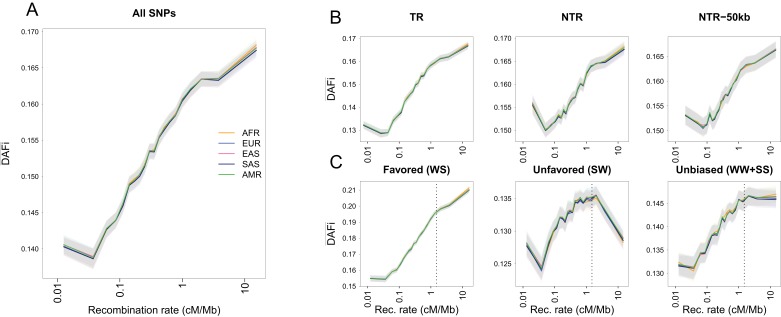
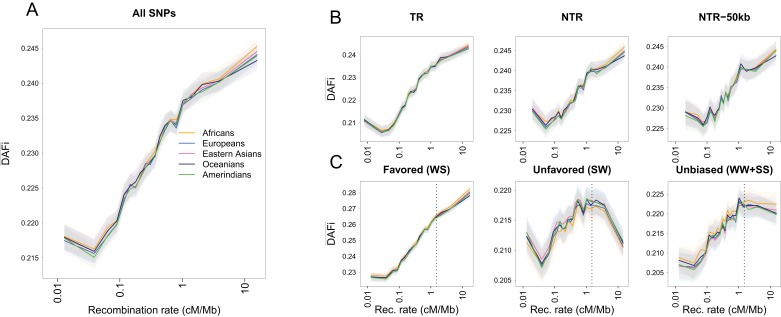
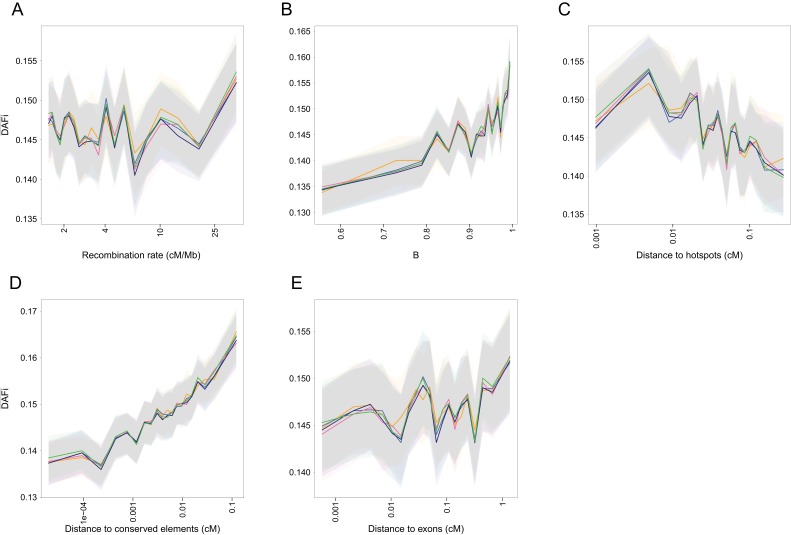
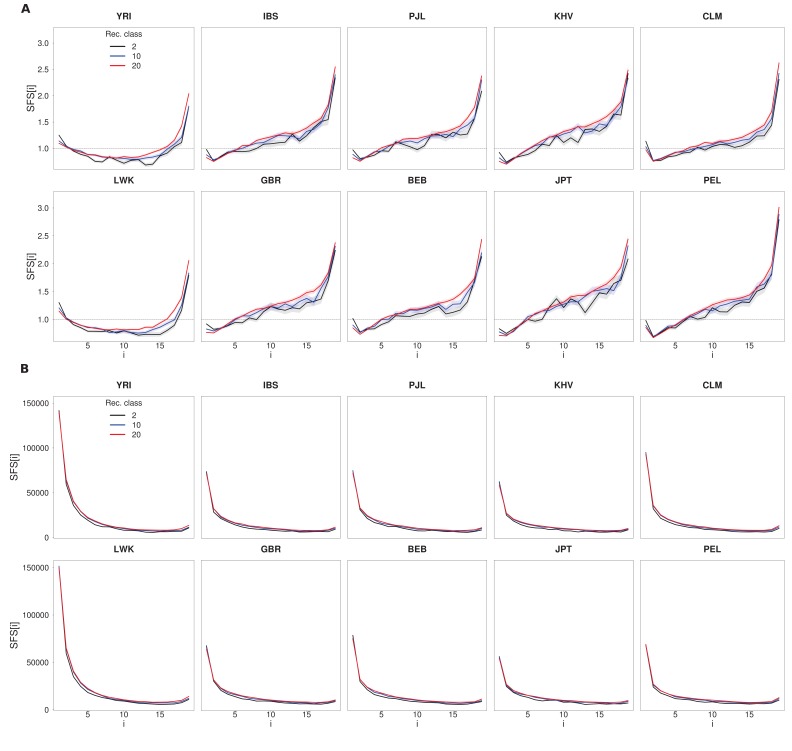
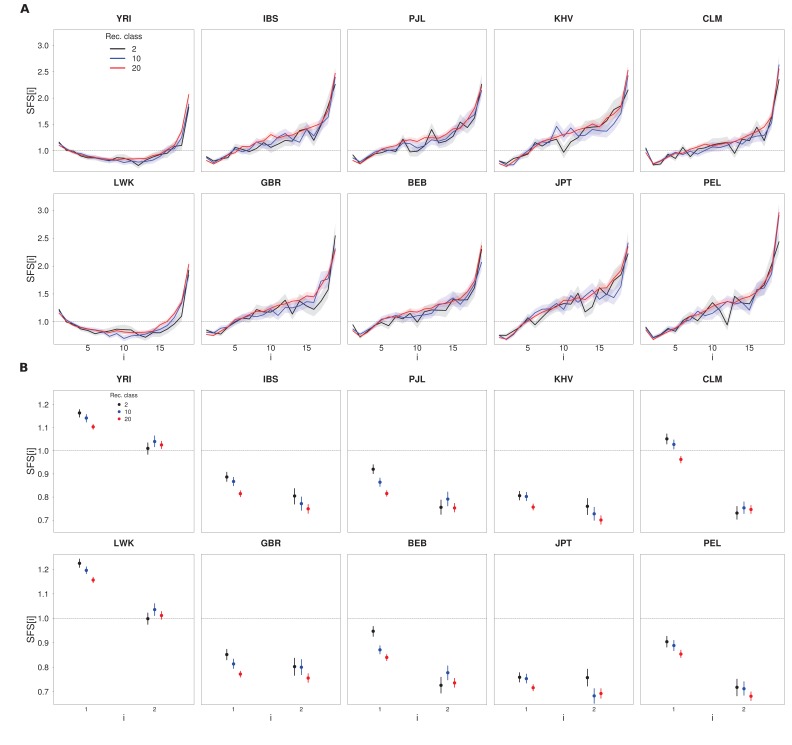
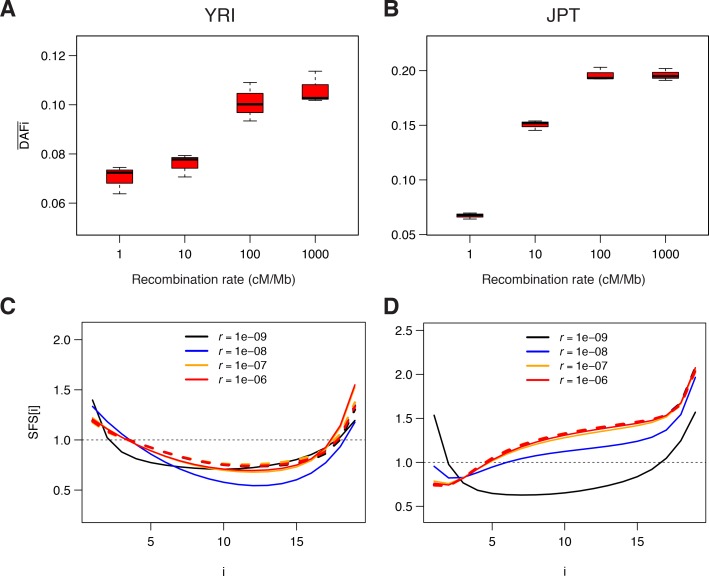
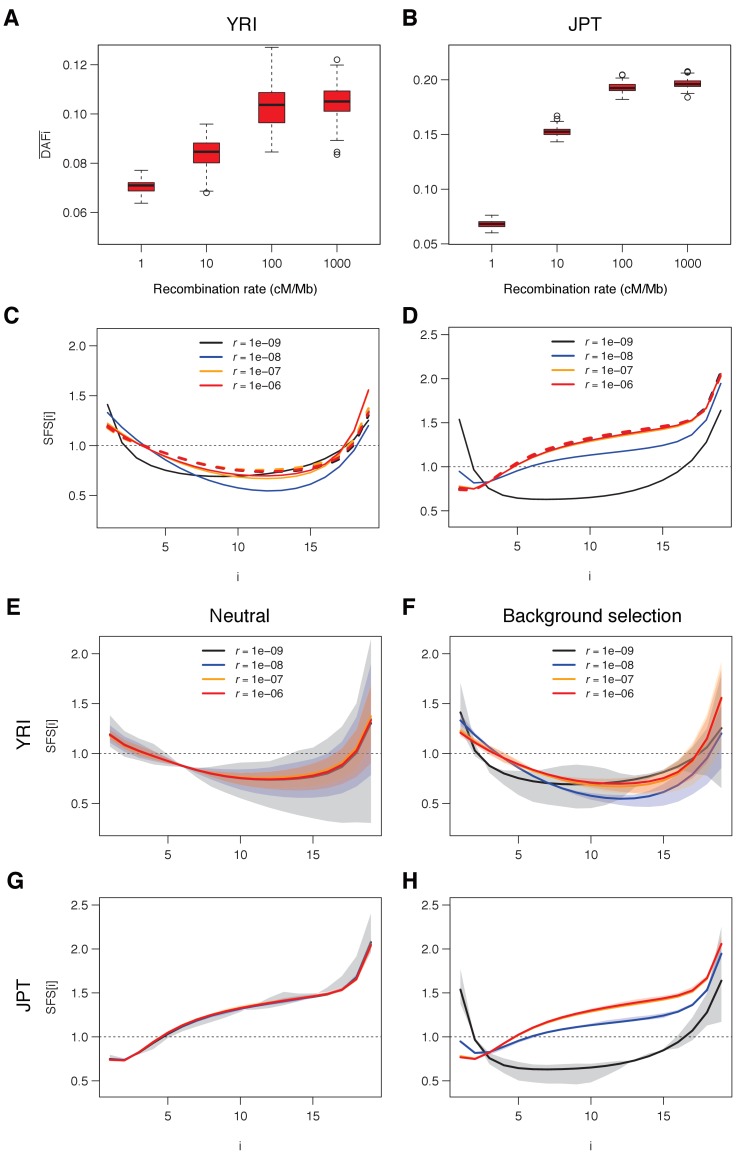
“Since DAFi increases with recombination rate (Figure 1), BGS does not simply amount to lowering the effective population size (Charlesworth, 1994; Charlesworth et al., 1995; Hudson and Kaplan, 1995), as this simple rescaling would not modify allele frequencies.”
BackgroundGlobal diversity, population stratification, and selection of human copy-number variation
Sudmant, P. H., Mallick, S., Nelson, B. J., Hormozdiari, F., Krumm, N., Huddleston, J., Coe, B. P., Baker, C., Nordenfelt, S., Bamshad, M., et al. (2015) · Science · doi:10.1126/science.aab3761 · Cited by 345
Natural Selection Constrains Neutral Diversity across A Wide Range of Species
Corbett-Detig, R. B., Hartl, D. L., & Sackton, T. B. (2015) · PLoS Biology · doi:10.1371/journal.pbio.1002112 · Cited by 334 · cited 4×
“Genome-wide variation in recombination may strongly affect neutral variants (Spencer et al., 2006; Corbett-Detig et al., 2015), as selection will have more impact on linked polymorphism in regions of low recombination (Charlesworth et al.”
BackgroundInfluentialSingle nucleotide polymorphisms and recombination rate in humans
Nachman, M. W. (2001) · Trends in Genetics · doi:10.1016/s0168-9525(01)02409-x · Cited by 312
The effect of recombination on background selection
Nordborg, M., Charlesworth, B., & Charlesworth, D. (1996) · Genetics Research · doi:10.1017/s0016672300033619 · Cited by 312 · cited 2×
“…selection among a set of SNPs. Limits of BGS and evidence for biased gene conversion in regions of high recombination Since the impact of BGS is mediated by recombination, BGS should have a minimal influence in regions of high recombination (Hudson and Kaplan, 1995; Nordborg et al., 1996).”
BackgroundThe Effects of Deleterious Mutations on Evolution at Linked Sites
Charlesworth, B. (2012) · Genetics · doi:10.1534/genetics.111.134288 · Cited by 304 · cited 1×
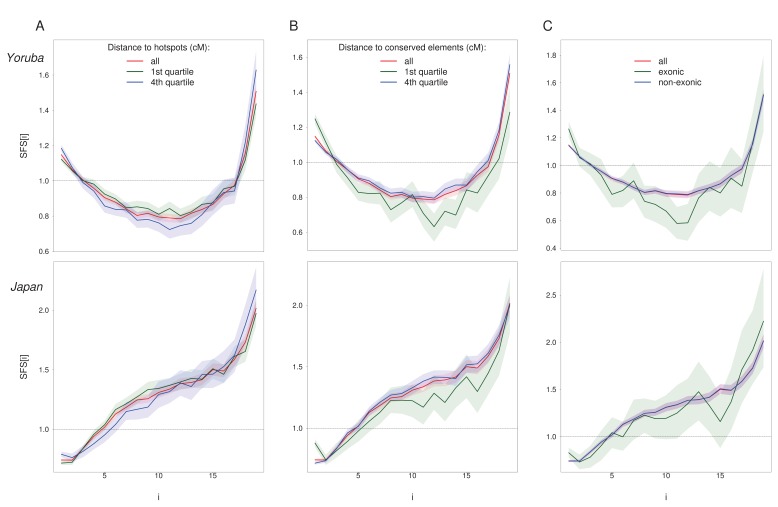
“Interestingly, our neutral SNPs are found in both transcribed and non-transcribed-regions (Figure 2C), and they are enriched close to telomeric regions (Figure 1—figure supplement 10), where BGS is predicted to be weaker (Charlesworth, 2012).”
BackgroundThe Influence of Recombination on Human Genetic Diversity
Spencer, C. C. A., Deloukas, P., Hunt, S. E., Mullikin, J. C., Myers, S., Silverman, B. W., Donnelly, P., Bentley, D., & McVean, G. (2005) · PLoS Genetics · doi:10.1371/journal.pgen.0020148 · Cited by 287
A Neutral Explanation for the Correlation of Diversity with Recombination Rates in Humans
Hellmann, I., Ebersberger, I., Ptak, S. E., Pääbo, S., & Przeworski, M. (2003) · The American Journal of Human Genetics · doi:10.1086/375657 · Cited by 282 · cited 1×
“For instance, a mutagenic effect of recombination could lead to an increased diversity in regions of high recombination (Hellmann et al., 2003).”
BackgroundAdaptation or biased gene conversion? Extending the null hypothesis of molecular evolution
Galtier, N., & Duret, L. (2007) · Trends in Genetics · doi:10.1016/j.tig.2007.03.011 · Cited by 275 · cited 2×
“1995), whereas biased gene conversion, which can also 42 mimic the effect of selection (Galtier and Duret 2007; Ratnakumar et al. 2010), will occur mostly in 43 regions of high recombination (Katzman et al.”
BackgroundRands, C. M., Meader, S., Ponting, C. P., & Lunter, G. A. (2014) · PLoS Genetics · doi:10.1371/journal.pgen.1004525 · Cited by 263 · cited 8×
“A more precise mapping of selected 320 genomic segments could use information on the positions of known functional elements (Siepel et 321 al. 2005; Kellis et al. 2014; Rands et al. 2014; Elkon and Agami 2017) or B-statistics (McVicker et 322”
BackgroundMethodInfluentialThe Neutral Theory in Light of Natural Selection
Kern, A. D., & Hahn, M. W. (2018) · Molecular Biology and Evolution · doi:10.1093/molbev/msy092 · Cited by 263
Visualizing genomic information across chromosomes with PhenoGram
Wolfe, D., DUDEK, S. M., Ritchie, M. D., & Pendergrass, S. A. (2013) · BioData Mining · doi:10.1186/1756-0381-6-18 · Cited by 243
SLiM 2: Flexible, Interactive Forward Genetic Simulations
Haller, B. C., & Messer, P. W. (2016) · Molecular Biology and Evolution · doi:10.1093/molbev/msw211 · Cited by 239
Koren, A., Polak, P. P., Nemesh, J. C., Michaelson, J. J., Sebat, J. L., Sunyaev, S. R., & McCarroll, S. A. (2012) · The American Journal of Human Genetics · doi:10.1016/j.ajhg.2012.10.018 · Cited by 235
Crossovers are associated with mutation and biased gene conversion at recombination hotspots
Arbeithuber, B., Betancourt, A. J., Ebner, T., & Tiemann‐Boege, I. (2015) · Proceedings of the National Academy of Sciences · doi:10.1073/pnas.1416622112 · Cited by 202 · cited 2×
“In addition, we removed the CpG sites that present a peculiar mutation profile and are correlated with recombination rate (Arbeithuber et al., 2015).”
BackgroundKim, B. Y., Huber, C. D., & Lohmueller, K. E. (2017) · Genetics · doi:10.1534/genetics.116.197145 · Cited by 200 · cited 2×
“Similarly, other types of inference using a biased neutral SFS 389 as a reference could also be affected, such as inferences of the distributions of fitness effects (DFE) 390 (Keightley and Eyre-Walker 2010; Kim et al. 2017; Tataru et al. 2017), even though the magnitude 391 of the effect remains to be investigated.”
BackgroundSheehan, S., Harris, K., & Song, Y. S. (2013) · Genetics · doi:10.1534/genetics.112.149096 · Cited by 187 · cited 1×
“…alternative data set on which to perform demographic inferences Methods of demographic inference based on whole genomes (e.g. Li and Durbin, 2009; Sheehan et al., 2013; Schiffels and Durbin, 2014) should also be sensitive to BGS and gBGC, since they assume that heterozygosity levels within…”
BackgroundThe consequences of not accounting for background selection in demographic inference
Ewing, G. B., & Jensen, J. D. (2015) · Molecular Ecology · doi:10.1111/mec.13390 · Cited by 170 · cited 1×
“It therefore appears difficult to predict the specific biases introduced by these evolutionary forces on demographic inference, except perhaps under simple evolutionary scenarios (Ewing and Jensen, 2016).”
BackgroundA Genomic Map of the Effects of Linked Selection in Drosophila
Elyashiv, E., Sattath, S., Hu, T. T., Strutsovsky, A., McVicker, G., Andolfatto, P., Coop, G., & Sella, G. (2016) · PLoS Genetics · doi:10.1371/journal.pgen.1006130 · Cited by 167 · cited 11×
“The modeling of genomic diversity under selection in humans suggests that it can be explained entirely by BGS (Lohmueller et al., 2011), whereas a combination of both BGS and positive selection seems to best explain genomic diversity in Drosophila (Elyashiv et al., 2016).”
BackgroundInfluentialGenetic hitchhiking versus background selection: the controversy and its implications
Stephan, W. (2010) · Philosophical Transactions of the Royal Society B Biological Sciences · doi:10.1098/rstb.2009.0278 · Cited by 161 · cited 2×
“…is driven by recurrent selective sweeps (hitchhiking of neutral and slightly del- eterious mutations) or background selection (BGS; i.e. purifying selection against deleterious mutations at linked sites) (McVicker et al., 2009; Stephan, 2010; Hernandez et al., 2011; Lohmueller et al., 2011).”
BackgroundLohmueller, K. E., Albrechtsen, A., Li, Y., Kim, S. Y., Korneliussen, T. S., Vinckenbosch, N., Tian, G., Huerta‐Sánchez, E., Feder, A. F., Grarup, N., et al. (2011) · PLoS Genetics · doi:10.1371/journal.pgen.1002326 · Cited by 155
Detecting positive selection within genomes: the problem of biased gene conversion
Ratnakumar, A., Mousset, S., Glémin, S., Berglund, J., Galtier, N., Duret, L., & Webster, M. T. (2010) · Philosophical Transactions of the Royal Society B Biological Sciences · doi:10.1098/rstb.2010.0007 · Cited by 149
Veeramah, K. R., Rott, A., Groß, M., van Dorp, L., López, S., Kirsanow, K., Sell, C., Blöcher, J., Wegmann, D., Link, V., et al. (2018) · Proceedings of the National Academy of Sciences · doi:10.1073/pnas.1719880115 · Cited by 148
Background Selection as Baseline for Nucleotide Variation across the Drosophila Genome
Comeron, J. M. (2014) · PLoS Genetics · doi:10.1371/journal.pgen.1004434 · Cited by 147 · cited 1×
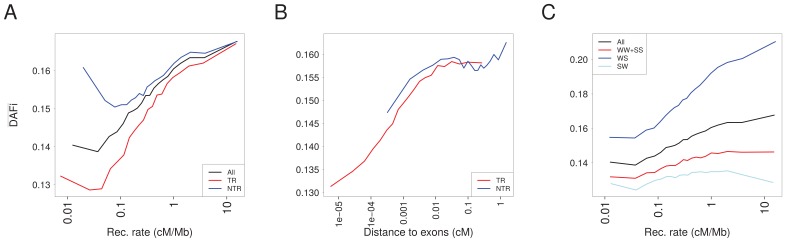
“This result confirms that BGS is acting in NTRs (Asthana et al., 2007; Comeron, 2014; Rands et al., 2014), which could be either due to the presence of functional elements in these regions such as non-coding RNAs, histone marks, enhancers or insulators (Kellis et al., 2014; Bonev and Cavalli, 2016;…”
BackgroundQuantification of GC-biased gene conversion in the human genomePreprint
Glémin, S., Arndt, P. F., Messer, P. W., Petrov, D. A., Galtier, N., & Duret, L. (2015) · Genome Research · doi:10.1101/gr.185488.114 · Cited by 136 · cited 4×
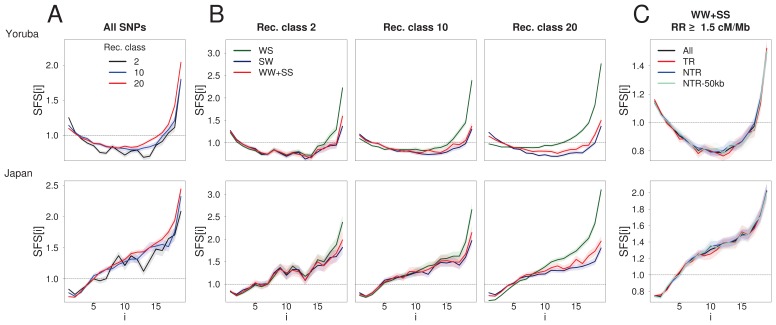
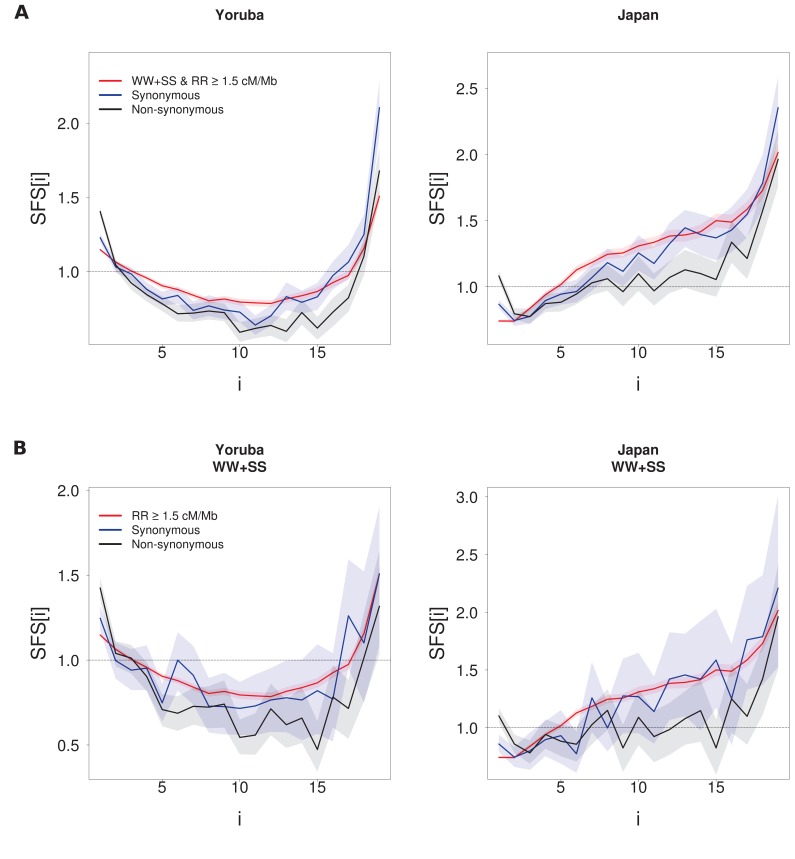
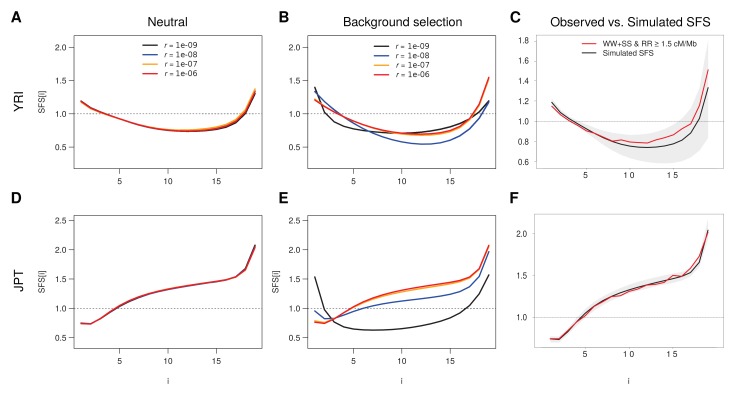
“By modifying allele frequencies in high-recombination regions, gBGC affects the site frequency spectrum (SFS) (Lachance and Tishkoff, 2014; Glémin et al., 2015) such that it becomes right-shifted for W-to-S (WS) mutations and left-shifted for S-to-W (SW) mutations.”
BackgroundInfluentialCharacterization of noncoding regulatory DNA in the human genome
Elkon, R., & Agami, R. (2017) · Nature Biotechnology · doi:10.1038/nbt.3863 · Cited by 132 · cited 1×
“A more precise mapping of selected genomic segments could use information on the positions of known functional elements (Siepel et al., 2005; Kellis et al., 2014; Rands et al., 2014; Elkon and Agami, 2017) or B-statistics (McVicker et al.”
BackgroundTataru, P., Mollion, M., Glémin, S., & Bataillon, T. M. (2017) · Genetics · doi:10.1534/genetics.117.300323 · Cited by 131 · cited 2×
“Similarly, other types of inference using a biased neutral SFS 389 as a reference could also be affected, such as inferences of the distributions of fitness effects (DFE) 390 (Keightley and Eyre-Walker 2010; Kim et al. 2017; Tataru et al. 2017), even though the magnitude 391 of the effect remains to be investigated.”
BackgroundPervasive Hitchhiking at Coding and Regulatory Sites in Humans
Cai, J. J., Macpherson, J. M., Sella, G., & Petrov, D. A. (2009) · PLoS Genetics · doi:10.1371/journal.pgen.1000336 · Cited by 129 · cited 3×
“However, the correlation between diversity and 54 recombination is generally relatively weak in humans for most tested statistics and seems restricted 55 to genomic regions of relatively low recombination rate (<1 cM/Mb, (Cai et al. 2009; Lohmueller et 56 al. 2011)).”
BackgroundInfluentialDetecting recent selective sweeps while controlling for mutation rate and background selection
Huber, C. D., DeGiorgio, M., Hellmann, I., & Nielsen, R. (2015) · Molecular Ecology · doi:10.1111/mec.13351 · Cited by 126 · cited 1×
“However, positive selection should lead to an increase of both low- and high-frequency variants in the SFS (Fay et al., 2000; Hernandez et al., 2007; Huber et al., 2016; Pavlidis and Alachiotis, 2017), whereas we only observe an increase of low-frequency variants in low-recombination regions where the effect of select…”
BackgroundA survey of methods and tools to detect recent and strong positive selection
Pavlidis, P., & Alachiotis, N. (2017) · Journal of Biological Research - Thessaloniki · doi:10.1186/s40709-017-0064-0 · Cited by 124 · cited 2×
“However, positive selection should lead to 287 an increase of both low and high frequency variants in the SFS (Fay and Wu 2000; Hernandez et al. 288 2007; Huber et al. 2016; Pavlidis and Alachiotis 2017), whereas we only observe an increase of low289 frequency variants in low-recombination regions where the effect of…”
BackgroundGenomic evidence for elevated mutation rates in highly expressed genes
Park, C., Qian, W., & Zhang, J. (2012) · EMBO Reports · doi:10.1038/embor.2012.165 · Cited by 123 · cited 1×
“Alternatively, a correlation between mutation and recombination rates could occur if these rates were both affected by the same process, such as replication timing (Stamatoyannopoulos et al., 2009; Koren et al., 2012) or transcription rate (Gerton et al., 2000; Park et al., 2012).”
BackgroundDeleterious variants in Asian rice and the potential cost of domestication
Liu, Q., Zhou, Y., Morrell, P. L., & Gaut, B. S. (2016) · Molecular Biology and Evolution · doi:10.1093/molbev/msw296 · Cited by 115 · cited 1×
“…et al. (2005) as pi;20 ¼ k 1 Pk j¼1 fj i nj fj 20 i = nj 20 , where k is the total number of SNPs in the dataset, and nj and fj are the number of haploid genomes in the full sample and the number of derived alleles in the full sample at the jth SNP, respectively (see also Liu et al., 2017).”
BackgroundWhat can we learn about the distribution of fitness effects of new mutations from DNA sequence data?
Keightley, P. D., & Eyre‐Walker, A. (2010) · Philosophical Transactions of the Royal Society B Biological Sciences · doi:10.1098/rstb.2009.0266 · Cited by 113
An Upper Limit on the Functional Fraction of the Human Genome
Graur, D. (2017) · Genome Biology and Evolution · doi:10.1093/gbe/evx121 · Cited by 112 · cited 2×
“They rather show that functional sites that are the direct target of purifying selection in both coding and non-coding regions (potentially representing 8–15% of the genome, Rands et al. (2014); Graur, 2017) have an important but indirect influence on most of the genome.”
BackgroundRecombination rates in admixed individuals identified by ancestry-based inference
Wegmann, D., Kessner, D., Veeramah, K. R., Mathias, R. A., Nicolae, D. L., Yanek, L. R., Sun, Y. V., Torgerson, D. G., Rafaels, N. M., Mosley, T. H., et al. (2011) · Nature Genetics · doi:10.1038/ng.894 · Cited by 109
Lapierre, M., Lambert, A., & Achaz, G. (2017) · Genetics · doi:10.1534/genetics.116.192708 · Cited by 100 · cited 2×
“The SFS was 495 then normalized (Lapierre et al. 2017) by dividing each entry by its expectation in a stationary 496 population.”
MethodWidely distributed noncoding purifying selection in the human genome
Asthana, S., Noble, W. S., Kryukov, G. V., Grant, C. E., Sunyaev, S. R., & Stamatoyannopoulos, J. A. (2007) · Proceedings of the National Academy of Sciences · doi:10.1073/pnas.0705140104 · Cited by 97 · cited 3×
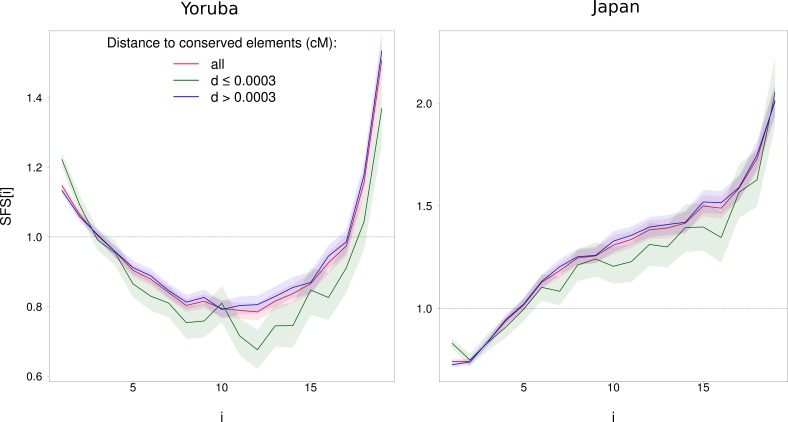
“However, since the influence of exonic regions on DAFi is largely limited above 0.01 cM (Figure 1—figure supplement 5B), we suspect that functionally constrained elements are widespread in NTRs. Conservation scores have also been used to assess a potential effect of selection on DAFi.”
BackgroundInfluentialLachance, J., & Tishkoff, S. A. (2014) · The American Journal of Human Genetics · doi:10.1016/j.ajhg.2014.09.008 · Cited by 73 · cited 6×
“By modifying allele frequencies in high-recombination regions, gBGC affects the site frequency spectrum (SFS) (Lachance and Tishkoff, 2014; Glémin et al., 2015) such that it becomes right-shifted for W-to-S (WS) mutations and left-shifted for S-to-W (SW) mutations.”
BackgroundInfluentialDistortions in Genealogies due to Purifying Selection and Recombination
Nicolaisen, L. E., & Desai, M. M. (2013) · Genetics · doi:10.1534/genetics.113.152983 · Cited by 69
Inference of Gorilla Demographic and Selective History from Whole-Genome Sequence Data
McManus, K. F., Kelley, J. L., Song, S., Veeramah, K. R., Woerner, A. E., Stevison, L. S., Ryder, O. A., Great Ape Genome Project, Kidd, J. M., Wall, J. D., et al. (2014) · Molecular Biology and Evolution · doi:10.1093/molbev/msu394 · Cited by 63
Katzman, S. J., Capra, J. A., Haussler, D. H., & Pollard, K. S. (2011) · Genome Biology and Evolution · doi:10.1093/gbe/evr058 · Cited by 61 · cited 4×
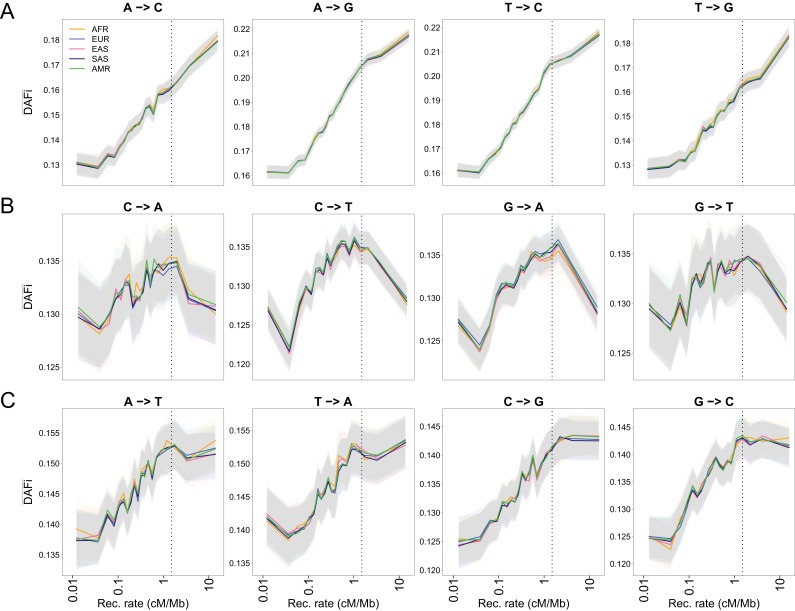
“As previously recognized (Katzman et al. 2011; Lachance and Tishkoff 198 2014), the excess of high frequency variants at WS sites is not compensated by a corresponding 199 deficit of high frequency variants at SW sites, implying that gBGC could contribute to the increase 200 of nearly fixed derived alleles that has pr…”
BackgroundInfluentialThe Joint Effects of Background Selection and Genetic Recombination on Local Gene Genealogies
Zeng, K., & Charlesworth, B. (2011) · Genetics · doi:10.1534/genetics.111.130575 · Cited by 56 · cited 2×
“BGS thus affects the site 181 frequency spectrum (SFS) (Zeng and Charlesworth 2011) in complex ways (Nicolaisen and Desai 182 2013), and the comparison of sites that are differentially exposed to BGS allows us to better 183 examine this influence.”
BackgroundSchaibley, V. M., Zawistowski, M., Wegmann, D., Ehm, M. G., Nelson, M. R., Jean, P. L. S., Abecasis, G. R., Novembre, J., Zöllner, S. K., & Li, J. Z. (2013) · Genome Research · doi:10.1101/gr.154971.113 · Cited by 54
A Large-Scale Binding and Functional Map of Human RNA Binding Proteins
Nostrand, E. L. V., Freese, P., Pratt, G. A., Wang, X., Wei, X., Xiao, R., Blue, S. M., Chen, J.-Y., Cody, N. A. L., Dominguez, D., et al. (2017) · doi:10.1101/179648 · Cited by 53
Hernandez, R. D., Williamson, S., Zhu, L., & Bustamante, C. D. (2007) · Molecular Biology and Evolution · doi:10.1093/molbev/msm149 · Cited by 44 · cited 2×
“, 2011; Lachance and Tishkoff, 2014), the excess of high-frequency variants at WS sites is not compensated by a corresponding deficit of highfrequency variants at SW sites, implying that gBGC could contribute to the increase of nearly fixed derived alleles that has previously been attributed to mislabelled ancestral s…”
BackgroundReed, F. A., Akey, J. M., & Aquadro, C. F. (2005) · Genome Research · doi:10.1101/gr.3413205 · Cited by 44 · cited 2×
“Here we show 293 that up to 80–85% of the human genome is probably affected by background selection (BGS), an 294 effect that is not subtle (Reed et al. 2005) and that is visible from single individuals genomes (Fig.”
BackgroundEmpirical Bayes Estimation of Coalescence Times from Nucleotide Sequence Data
King, L., & Wakeley, J. (2016) · Genetics · doi:10.1534/genetics.115.185751 · Cited by 6 · cited 2×
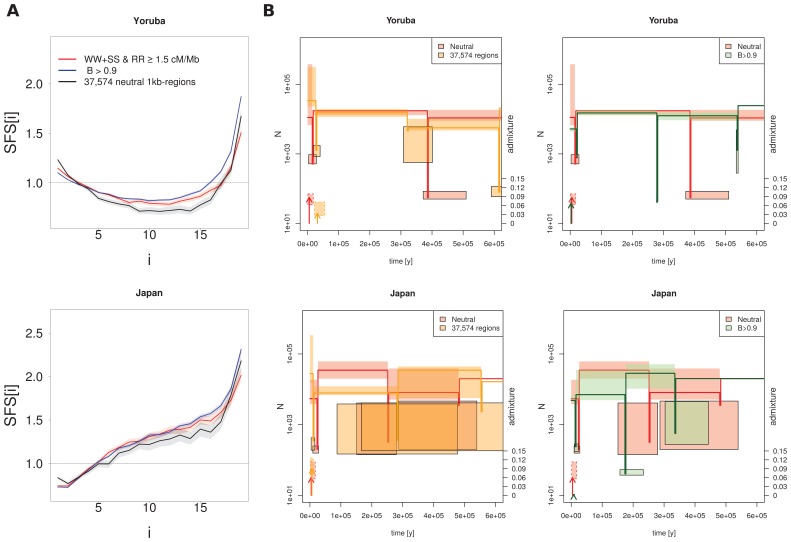
“We finally retrieved 37,574 potentially neutral regions of 1 kb (e.g. Gronau et al., 2011; McManus et al., 2015; King and Wakeley, 2016; Veeramah et al., 2018) from http://compgen.”
Method
Cited by
Sorted by citations
fastsimcoal2 : demographic inference under complex evolutionary scenarios
Excoffier, L., Marchi, N., Marques, D. A., Matthey‐Doret, R., Gouy, A., & Sousa, V. C. (2021) · Bioinformatics · doi:10.1093/bioinformatics/btab468 · Cited by 460
Self-citationWilli, Y., Kristensen, T. N., Sgrò, C. M., Weeks, A. R., Ørsted, M., & Hoffmann, A. A. (2022) · Proceedings of the National Academy of Sciences · doi:10.1073/pnas.2105076119 · Cited by 281
Prevalence and Adaptive Impact of Introgression
Edelman, N. B., & Mallet, J. (2021) · Annual Review of Genetics · doi:10.1146/annurev-genet-021821-020805 · Cited by 262
The importance of the Neutral Theory in 1968 and 50 years on: A response to Kern and Hahn 2018
Jensen, J. D., Payseur, B. A., Stephan, W., Aquadro, C. F., Lynch, M., Charlesworth, D., & Charlesworth, B. (2018) · Evolution · doi:10.1111/evo.13650 · Cited by 195
Effects of Selection at Linked Sites on Patterns of Genetic Variability
Charlesworth, B., & Jensen, J. D. (2021) · Annual Review of Ecology Evolution and Systematics · doi:10.1146/annurev-ecolsys-010621-044528 · Cited by 152
“…rates (e.g., B. Charlesworth 1996, Comeron 2017, Elyashiv et al. 2016, Hudson & Kaplan 1995) (Figure 1a), as well as observations of increases in diversity in intergenic sequences at increasing distances from coding sequences ( Johri et al. 2020, McVicker et al. 2009, Pouyet et al. 2018).”
Background
Metadata
- Authors
- Pouyet, F., Aeschbacher, S., Thiéry, A., & Excoffier, L.
- Affiliations
- University of Bern (CH)
- Corresponding author
- Pouyet, Fanny
- Excoffier, Laurent
- Venue
- eLife
- Publisher
- eLife Sciences Publications, Ltd
- Published
- 2018-08-23
- Volume
- 7
- ISSN
- 2050-084X (ISSN-L)
- PMC
- PMC6177262
- OpenAlex
- W2888373299
- Cited by
- 153
- References
- 76
- Citations by year
- 2026: 16 · 2025: 17 · 2024: 17 · 2023: 18 · 2022: 18 · 2021: 29 · 2020: 14 · 2019: 17 · 2018: 6
- FWCI
- 9.96
- Type
- journal article
- Language
- en
- Open access
- gold
- doi.org
- Licence
- Locations
- eLife (publishedVersion, cc-by)
- Europe PMC (PubMed Central) (publishedVersion, cc-by)
- PubMed Central (publishedVersion, cc-by)
- PubMed (publishedVersion)
- Zurich Open Repository and Archive (University of Zurich) (acceptedVersion, cc-by)
- HAL (submittedVersion, other-oa)
- Bern Open Repository and Information System (University of Bern) (submittedVersion, cc-by)
- DOAJ (DOAJ: Directory of Open Access Journals) (submittedVersion, cc-by-sa)
- Zurich Open Repository and Archive (University of Zurich) (submittedVersion, cc-by)
- Zurich Open Repository and Archive (University of Zurich)
- Funders
- Schweizerischer Nationalfonds zur Förderung der Wissenschaftlichen Forschung (310030B-166605)
- University of California Berkeley (Visiting Miller Professorship)
- Topics
- Life Sciences › Biochemistry, Genetics and Molecular Biology › Genetics › Forensic and Genetic Research
- Life Sciences › Biochemistry, Genetics and Molecular Biology › Genetics › Evolution and Genetic Dynamics
- Life Sciences › Biochemistry, Genetics and Molecular Biology › Genetics › Genetic diversity and population structure
- Keywords
- background selection, GC-biased gene conversion, purifying selection, human genome, recombination rate, nucleotide composition, synonymous sites, demographic inference, human population history, mutation types, single nucleotide polymorphisms
- MeSH terms
- Base Composition, Demography, Gene Conversion, Humans, Models, Genetic, Mutation, Recombination, Genetic, Selection, Genetic, Genome, Human, Evolution, Molecular, Genomics
About these checks
Registry, retraction, Cites and statistics results are computed, not judged, with one exception: a printed reference that no index lists is read once by a model before it counts as a citation error. Claims are extracted by a model and kept only when their quote appears verbatim in the text; each cited source is then checked, with a model’s help, for whether it says what the claim relies on. Those verdicts can be wrong — read the claim’s quote and the cited source before relying on one.
Statistics and arithmetic are recomputed, not judged.
Confidence bands are shown only for fields calibrated on our annotated test set. None is calibrated yet, so no band is shown.
What counts as a claim ›How we measure confidence ›How we check this ›
Are you an author, or do you see a problem with this page? Request a review
