

The DOI matches its Crossref record; 77 of the 77 references it cites were found in a registry or an index.
Background selection and biased gene conversion affect more than 95% of the human genome and bias demographic inferences
Open accessAbstract
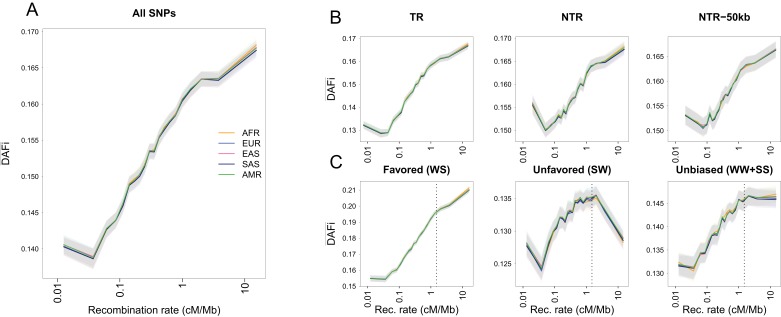
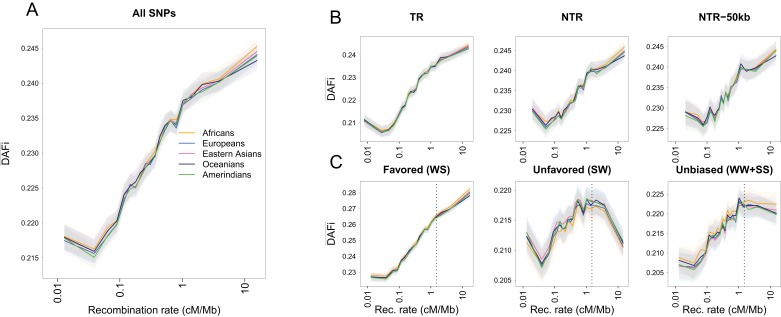
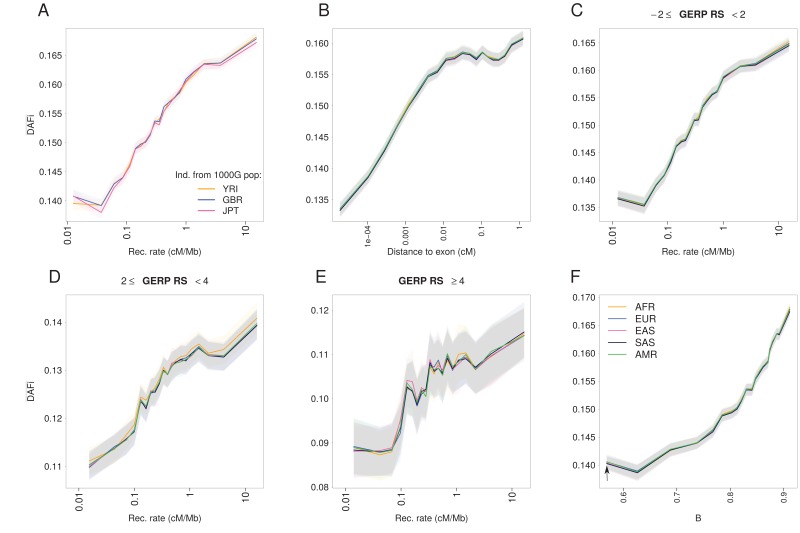
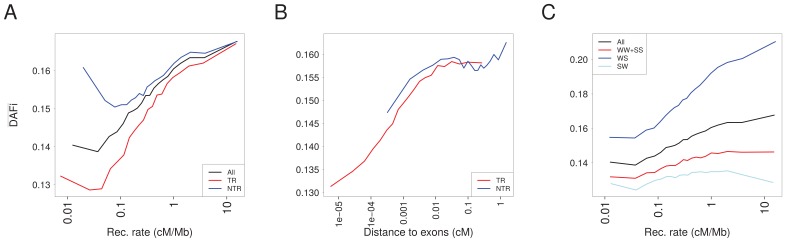
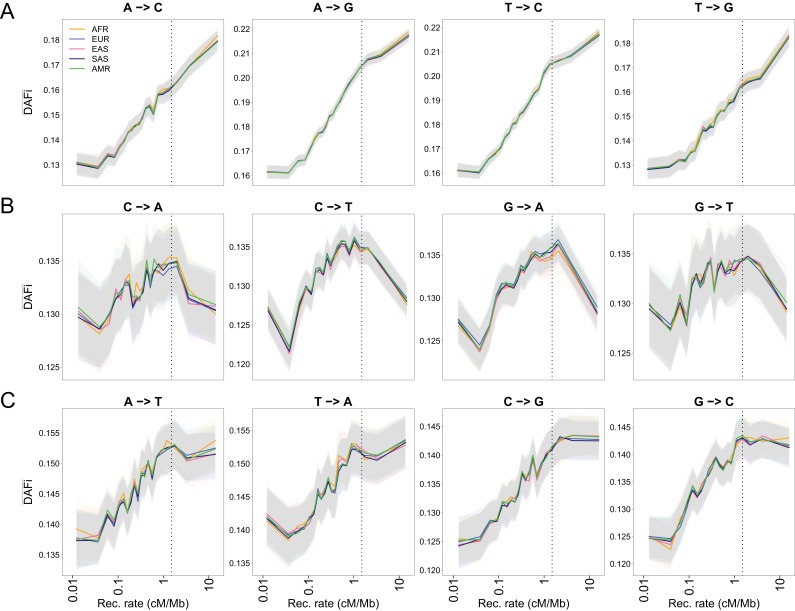
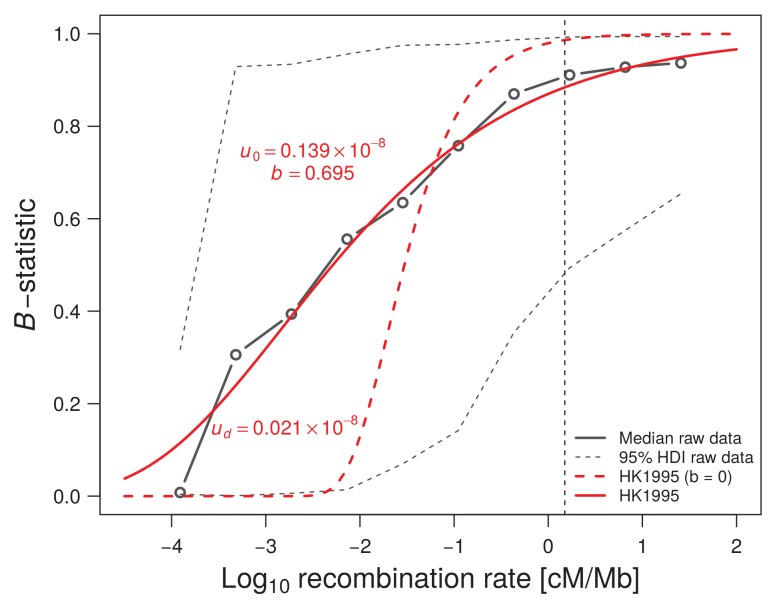
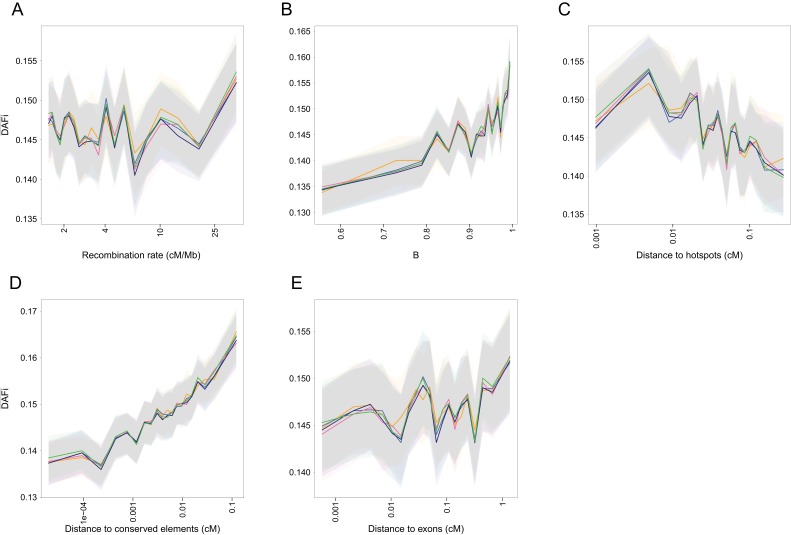
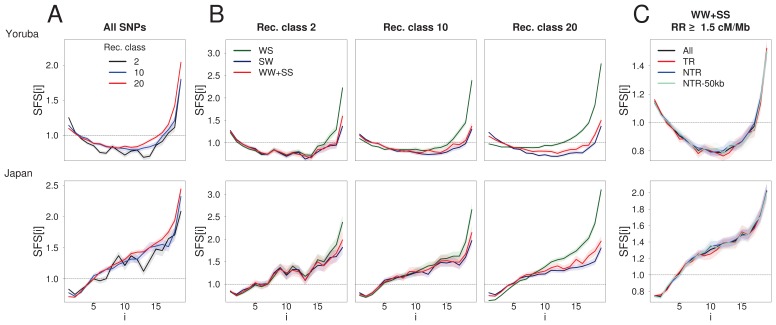
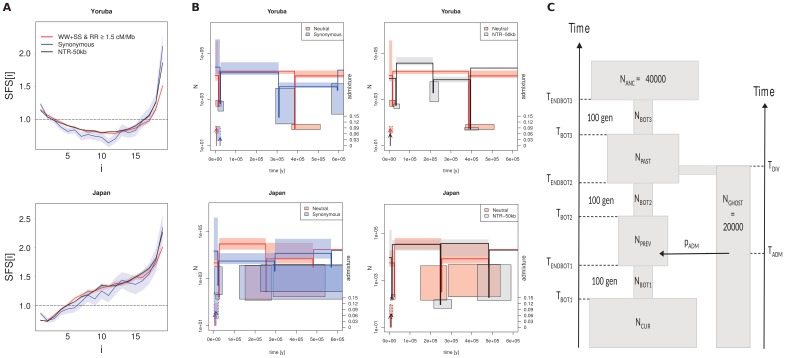
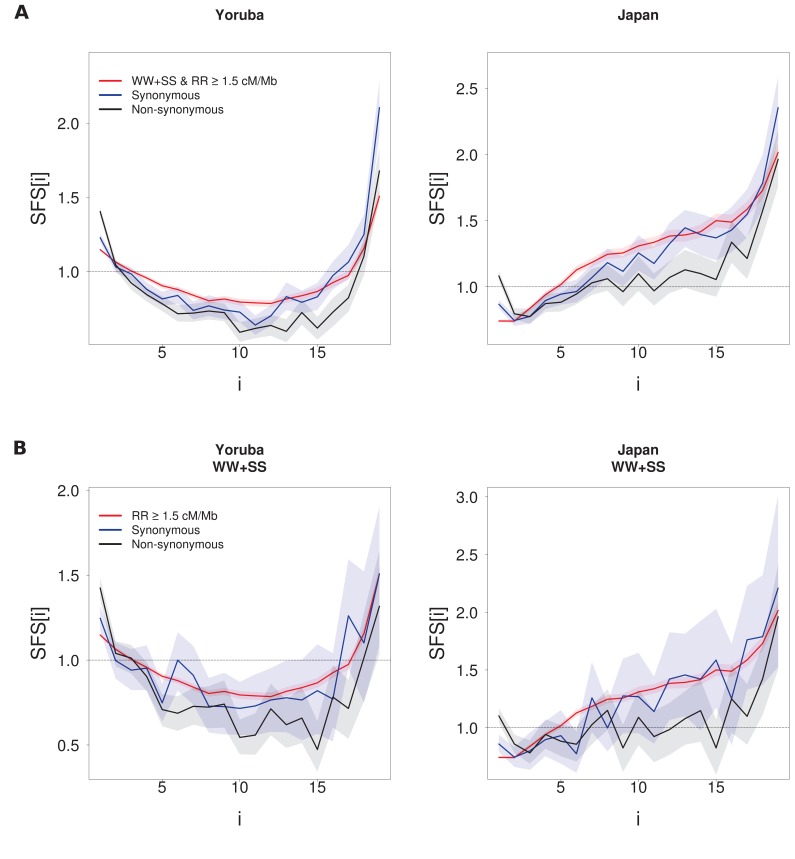
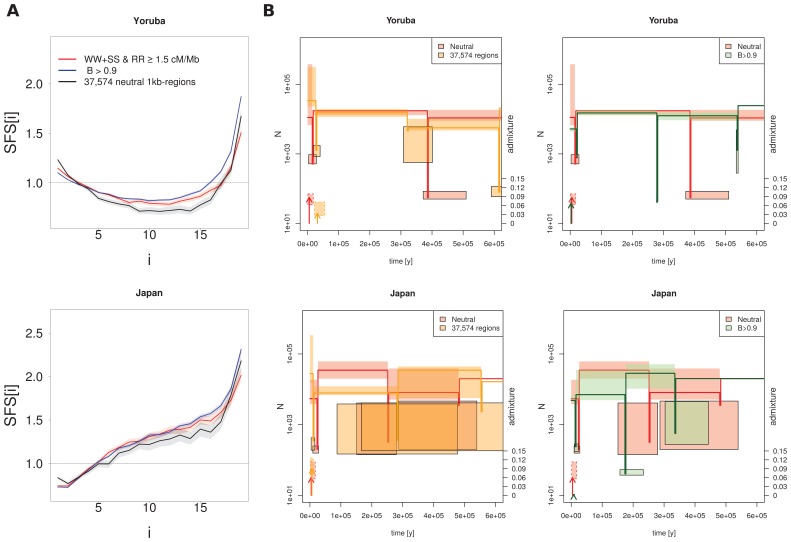
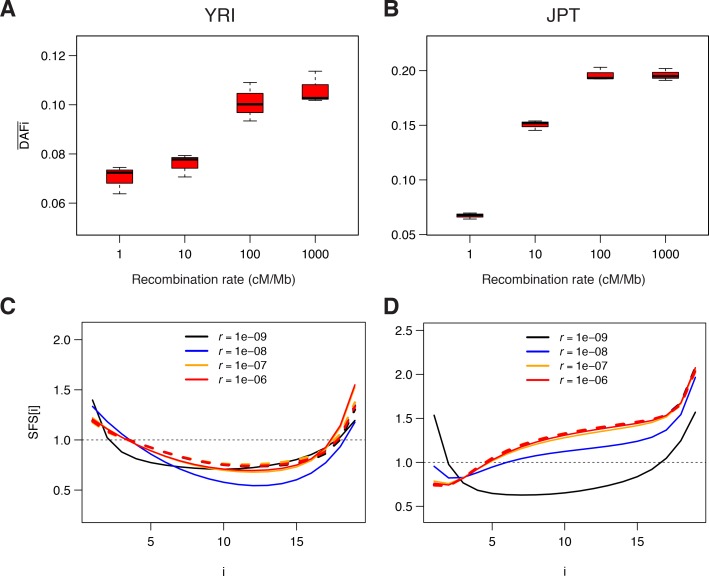
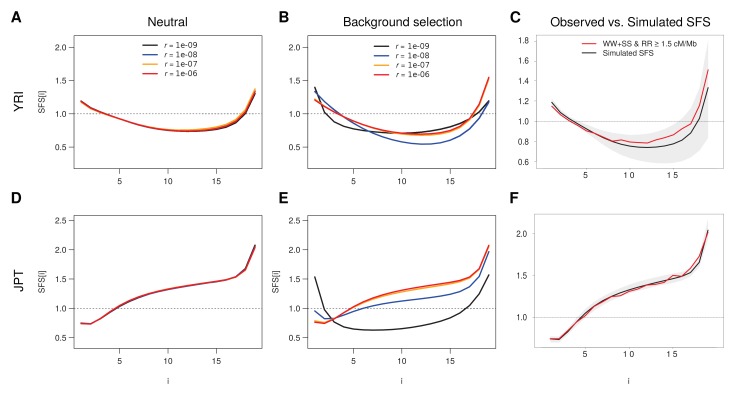
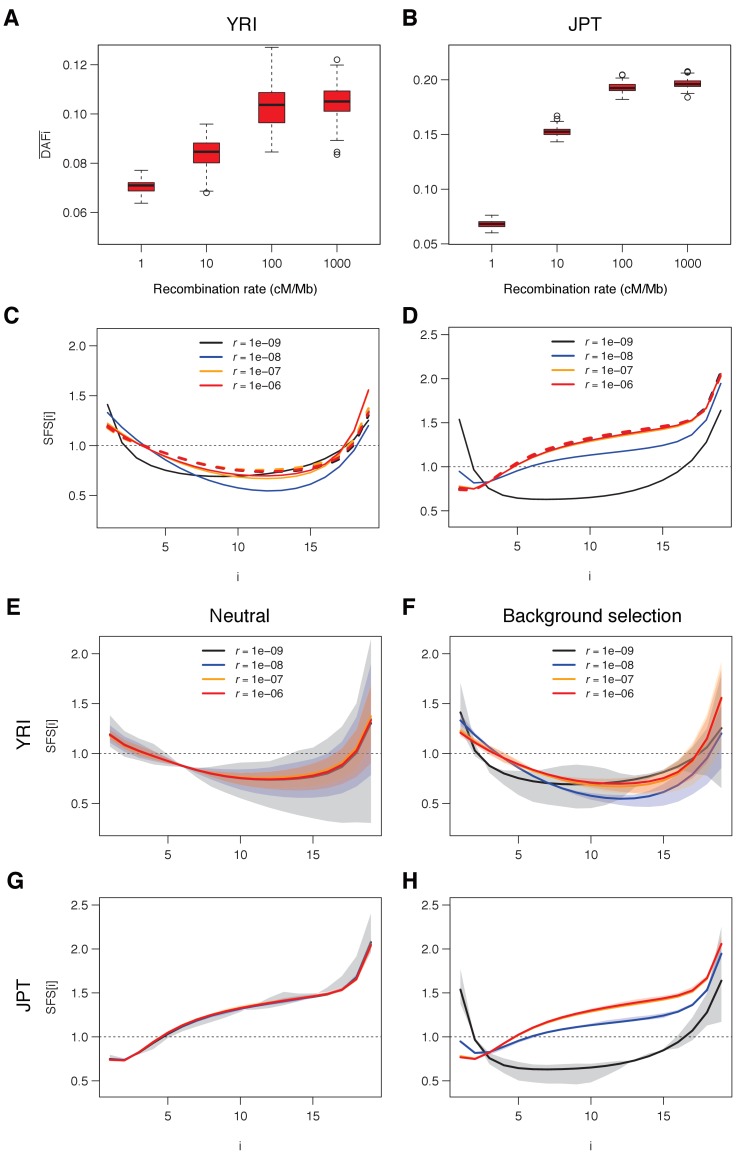
Disentangling the effect on genomic diversity of natural selection from that of demography is notoriously difficult, but necessary to properly reconstruct the history of species. Here, we use high-quality human genomic data to show that purifying selection at linked sites (i.e. background selection, BGS) and GC-biased gene conversion (gBGC) together affect as much as 95% of the variants of our genome. We find that the magnitude and relative importance of BGS and gBGC are largely determined by variation in recombination rate and base composition. Importantly, synonymous sites and non-transcribed regions are also affected, albeit to different degrees. Their use for demographic inference can lead to strong biases. However, by conditioning on genomic regions with recombination rates above 1.5 cM/Mb and mutation types (C↔G, A↔T), we identify a set of SNPs that is mostly unaffected by BGS or gBGC, and that avoids these biases in the reconstruction of human history.
Overview
The claims and statistics of this paper haven’t been checked yet.
Run the check — free, no account needed. It reads the open-access text and checks the sources it cites.
Integrity signals
Registry
Cites
Statistics
Figures
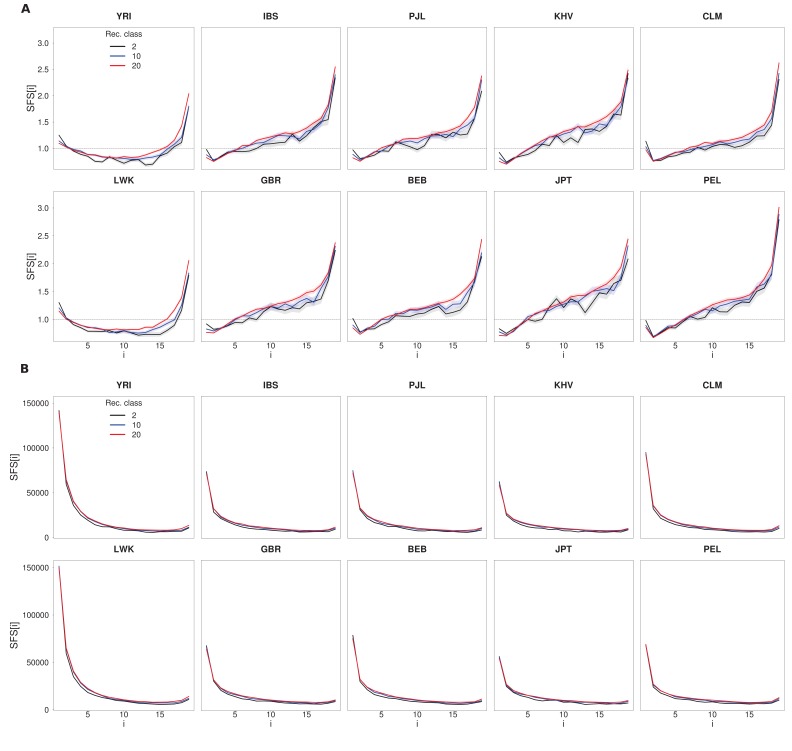
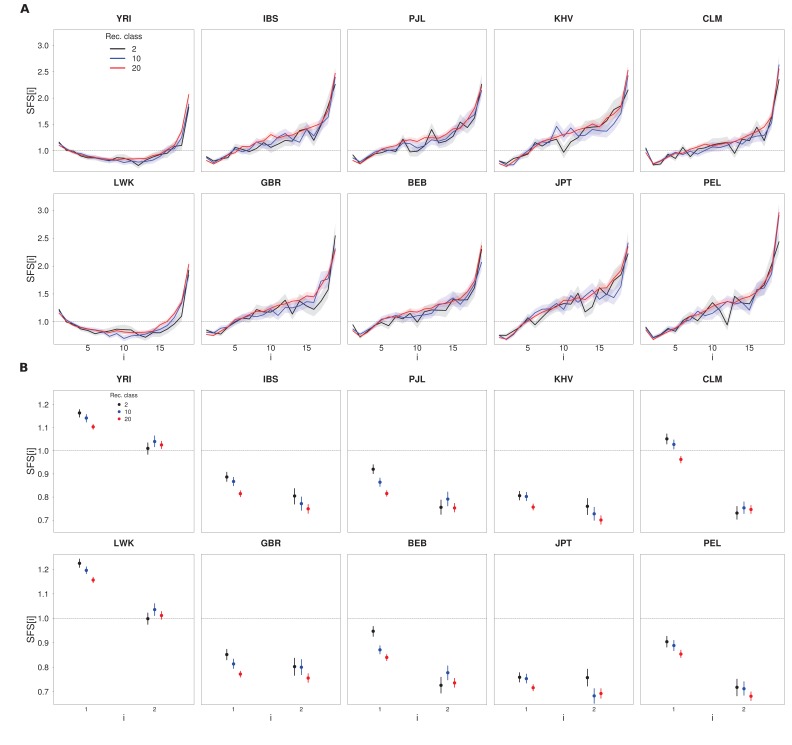
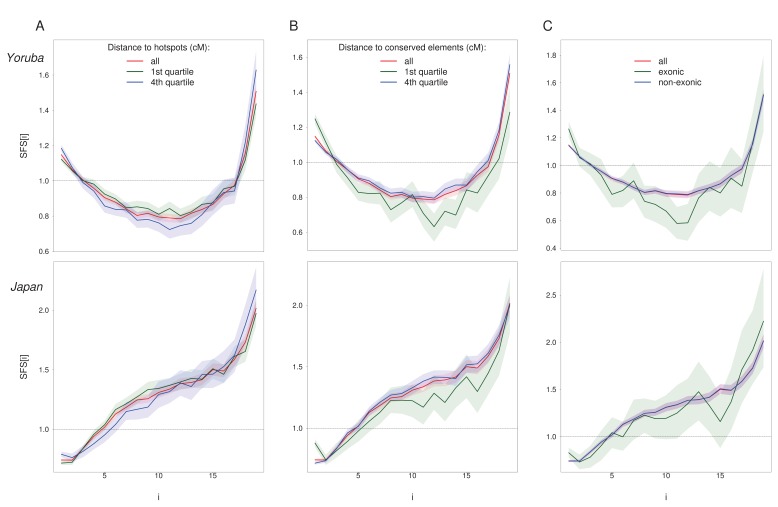
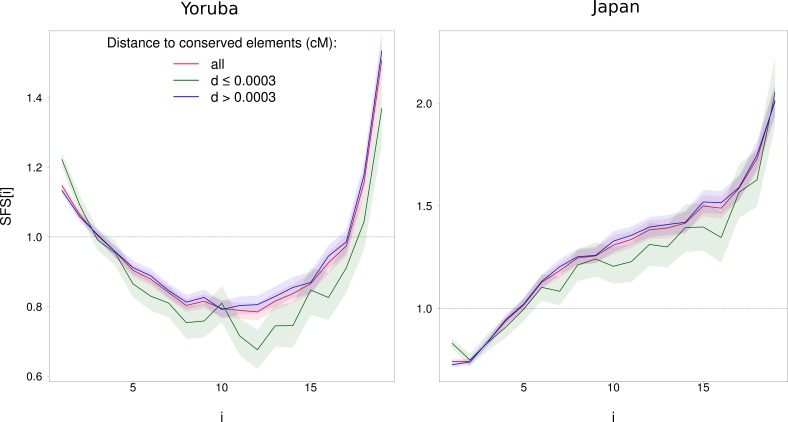
Verification
Claims the paper makes
The claims and statistics of this paper haven’t been checked yet.
Run the check — free, no account needed. It reads the open-access text and checks the sources it cites.
Claims other papers make about this one
Each is checked against this paper’s own text: does it say what the citing paper says it does?
The source backs part of the claim, not all of it — or backs it for a different population, condition or comparison.
In the citing paper
“The second considered the same Full Eurasia model, but using a subset of data restricted to genomic regions with high recombination rates (>1.5 cM/Mb), also removing regions closer than 100 base pairs from conserved elements, following (63).”
From Past human expansions shaped the spatial pattern of Neanderthal ancestry (2023) · cites this paper as [63]
Experimental — accuracy not yet measuredThe cited source says what the claim attributes to it.
In the citing paper
“This dataset is much more limited in size (n = 1190) and genomic positions (~80% less), but presumably less affected by background selection, while still affected by GC-biased gene conversion (63).”
From Past human expansions shaped the spatial pattern of Neanderthal ancestry (2023) · cites this paper as [63]
Self-check
Percentages, sums and reported differences re-computed from the paper’s own numbers.
The self-check needs the paper’s full text.
Citations
Cites
R: A Language and Environment for Statistical Computing
R Core Team (2000) · doi:10.32614/r.manuals · Cited by 355,893
Fast and accurate short read alignment with Burrows-Wheeler transform
Li, H., & Durbin, R. (2009) · Bioinformatics · doi:10.1093/bioinformatics/btp324 · Cited by 58,607
A new look at the statistical model identification
Akaike, H. (1974) · IEEE Transactions on Automatic Control · doi:10.1109/tac.1974.1100705 · Cited by 51,879 · cited 1×
“We then used the Akaike information criterion (AIC, Akaike, 1974) to compare this extended BGS model to the original BGS model in which the mutation rate does not depend on the recombi- nation rate (b¼ 0).”
MethodA global reference for human genetic variation
The 1000 Genomes Project Consortium, authors, C., Auton, A., Abecasis, G. R., Steering committee, Altshuler, D. M., Durbin, R. M., Abecasis, G. R., Bentley, D. R., Chakravarti, A., et al. (2015) · Nature · doi:10.1038/nature15393 · Cited by 18,247
An integrated encyclopedia of DNA elements in the human genome
The ENCODE Project Consortium (2012) · Nature · doi:10.1038/nature11247 · Cited by 18,072
A second generation human haplotype map of over 3.1 million SNPs
The International HapMap Consortium (2007) · Nature · doi:10.1038/nature06258 · Cited by 4,438
Evolutionarily conserved elements in vertebrate, insect, worm, and yeast genomes
Siepel, A., Bejerano, G., Pedersen, J. S., Hinrichs, A. S., Hou, M., Rosenbloom, K., Clawson, H., Spieth, J., Hillier, L. W., Richards, S., et al. (2005) · Genome Research · doi:10.1101/gr.3715005 · Cited by 3,971
An Expanded View of Complex Traits: From Polygenic to Omnigenic
Boyle, E. A., Li, Y. I., & Pritchard, J. K. (2017) · Cell · doi:10.1016/j.cell.2017.05.038 · Cited by 2,851 · cited 2×
“…of pervasive positive selection, either in the form of soft or hard sweeps (Kern and Hahn, 2018) or of positive selection on polygenic traits (Boyle et al., 2017) in our genome could also lead to a correlation between genetic diversity and recombination, as the effect of selection on linked…”
BackgroundHitchhiking Under Positive Darwinian Selection
Fay, J. C., & Wu, C.-I. (2000) · Genetics · doi:10.1093/genetics/155.3.1405 · Cited by 1,819
Identifying a High Fraction of the Human Genome to be under Selective Constraint Using GERP++
Davydov, E. V., Goode, D. L., Sirota, M., Cooper, G. M., Sidow, A., & Batzoglou, S. (2010) · PLoS Computational Biology · doi:10.1371/journal.pcbi.1001025 · Cited by 1,757 · cited 2×
“Genomic Evolutionary Rate Profiling (GERP) rejection scores (Davydov et al., 2010) that quantify the level of evolutionary constraint acting on polymorphic sites and conserved elements identified using PhastCons on the primate subset of 46 vertebrates (Siepel et al., 2005) were downloaded from the…”
Background
Cited by
Sorted by citations
fastsimcoal2 : demographic inference under complex evolutionary scenarios
Excoffier, L., Marchi, N., Marques, D. A., Matthey‐Doret, R., Gouy, A., & Sousa, V. C. (2021) · Bioinformatics · doi:10.1093/bioinformatics/btab468 · Cited by 460
Self-citationWilli, Y., Kristensen, T. N., Sgrò, C. M., Weeks, A. R., Ørsted, M., & Hoffmann, A. A. (2022) · Proceedings of the National Academy of Sciences · doi:10.1073/pnas.2105076119 · Cited by 281
Prevalence and Adaptive Impact of Introgression
Edelman, N. B., & Mallet, J. (2021) · Annual Review of Genetics · doi:10.1146/annurev-genet-021821-020805 · Cited by 262
The importance of the Neutral Theory in 1968 and 50 years on: A response to Kern and Hahn 2018
Jensen, J. D., Payseur, B. A., Stephan, W., Aquadro, C. F., Lynch, M., Charlesworth, D., & Charlesworth, B. (2018) · Evolution · doi:10.1111/evo.13650 · Cited by 195
Effects of Selection at Linked Sites on Patterns of Genetic Variability
Charlesworth, B., & Jensen, J. D. (2021) · Annual Review of Ecology Evolution and Systematics · doi:10.1146/annurev-ecolsys-010621-044528 · Cited by 152
“…rates (e.g., B. Charlesworth 1996, Comeron 2017, Elyashiv et al. 2016, Hudson & Kaplan 1995) (Figure 1a), as well as observations of increases in diversity in intergenic sequences at increasing distances from coding sequences ( Johri et al. 2020, McVicker et al. 2009, Pouyet et al. 2018).”
BackgroundRecommendations for improving statistical inference in population genomics
Johri, P., Aquadro, C. F., Beaumont, M., Charlesworth, B., Excoffier, L., Eyre‐Walker, A., Keightley, P. D., Lynch, M., McVean, G., Payseur, B. A., et al. (2022) · PLoS Biology · doi:10.1371/journal.pbio.3001669 · Cited by 133
Self-citationJohri, P., Riall, K., Becher, H., Excoffier, L., Charlesworth, B., & Jensen, J. D. (2021) · Molecular Biology and Evolution · doi:10.1093/molbev/msab050 · Cited by 127
“There are, however, some exceptions, as well as subsequent suggestions on how best to choose the least-affected genomic data for analysis (Pouyet et al. 2018).”
InfluentialSelf-citationThe genomic origins of the world’s first farmers
Marchi, N., Winkelbach, L., Schulz, I., Brami, M., Hofmanová, Z., Blöcher, J., Reyna-Blanco, C. S., Diekmann, Y., Thiéry, A. H., Kapopoulou, A., et al. (2022) · Cell · doi:10.1016/j.cell.2022.04.008 · Cited by 121
“…by considering all the genotyped sites for the considered individual that i) have the same reference allele for both the chimpanzee and gorilla reference genomes, ii) are not CpG sites and out of CpG islands, iii) are in regions with recombination rate > 1 cM/Mb based on Pouyet et al. (2018).”
InfluentialSelf-citationNavigating the temporal continuum of effective population size
Nadachowska‐Brzyska, K., Konczal, M., & Babik, W. (2022) · Methods in Ecology and Evolution · doi:10.1111/2041-210x.13740 · Cited by 116
“…intense discussion (Jensen et al., 2019; Kern & Hahn, 2018), these two forces certainly interact, producing complex patterns of genetic diversity across the genome and influencing inferences of Ne trajectory (Charlesworth, 2009; Ellegren & Galtier, 2016; Ewing & Jensen, 2016; Pouyet et al., 2018).”
BackgroundLi, R., Bitoun, E., Altemose, N., Davies, R. W., Davies, B., & Myers, S. (2019) · Nature Communications · doi:10.1038/s41467-019-11675-y · Cited by 91
The Origin and Spread of Locally Adaptive Seasonal Camouflage in Snowshoe Hares
Jones, M. R., Mills, L. S., Jensen, J. D., & Good, J. M. (2020) · The American Naturalist · doi:10.1086/710022 · Cited by 93
“…SNPs used for demographic inference experience direct or linked selection (e.g., Akashi 1994; Stoletzki and Eyre-Walker 2006; Resch et al. 2007; Pouyet et al. 2018), then our demographic model could be misinferred (Ewing and Jensen 2016; Johri et al. 2020) in such a way that we will…”
The genomic determinants of adaptive evolution in a fungal pathogen
Grandaubert, J., Dutheil, J. Y., & Stukenbrock, E. H. (2019) · Evolution Letters · doi:10.1002/evl3.117 · Cited by 78
Recent Evolutionary History of Tigers Highlights Contrasting Roles of Genetic Drift and Selection
Armstrong, E. E., Khan, A., Taylor, R. W., Gouy, A., Greenbaum, G., Thiéry, A., Kang, J. T. L., Redondo, S. A., Prost, S., Barsh, G. S., et al. (2021) · Molecular Biology and Evolution · doi:10.1093/molbev/msab032 · Cited by 68
Self-citationInference of natural selection from ancient DNA
Dehasque, M., Ávila‐Arcos, M. C., Díez‐del‐Molino, D., Fumagalli, M., Guschanski, K., Lorenzen, E. D., Malaspinas, A., Marquès‐Bonet, T., Martin, M. D., Murray, G. G. R., et al. (2020) · Evolution Letters · doi:10.1002/evl3.165 · Cited by 78
“A recent study estimated that more than 95% of the human genome is affected by background selection or biased gene conversion, and thus is evolving in a nonneutral manner (Pouyet et al. 2018).”
BackgroundGilbert, K. J., Pouyet, F., Excoffier, L., & Peischl, S. (2019) · Current Biology · doi:10.1016/j.cub.2019.11.063 · Cited by 69
Self-citationLin, Y., & Gökçümen, Ö. (2019) · Genome Biology and Evolution · doi:10.1093/gbe/evz058 · Cited by 68
Marques, D. A., Lucek, K., Sousa, V. C., Excoffier, L., & D, O. S. C. (2019) · Nature Communications · doi:10.1038/s41467-019-12182-w · Cited by 68
Self-citationMurphy, D. A., Elyashiv, E., Amster, G., & Sella, G. (2022) · eLife · doi:10.7554/elife.76065 · Cited by 55
Comparison of the Full Distribution of Fitness Effects of New Amino Acid Mutations Across Great Apes
Castellano, D., Macià, M. C., Tataru, P., Bataillon, T. M., & Munch, K. (2019) · Genetics · doi:10.1534/genetics.119.302494 · Cited by 54
Patterns of Genetic Variability in Genomic Regions with Low Rates of Recombination
Becher, H., Jackson, B., & Charlesworth, B. (2019) · Current Biology · doi:10.1016/j.cub.2019.10.047 · Cited by 51
Biases in demographic modelling affect our understanding of recent divergence
Momigliano, P., Florin, A.-B., & Merilä, J. (2021) · Molecular Biology and Evolution · doi:10.1093/molbev/msab047 · Cited by 79
Rougemont, Q., Moore, J., Leroy, T., Normandeau, É., Rondeau, E. B., Withler, R. E., Doornik, D. M. V., Crane, P. A., Naish, K. A., Garza, J. C., et al. (2020) · PLoS Genetics · doi:10.1371/journal.pgen.1008348 · Cited by 46
“It is now recognized that neglecting linked selection can bias demographic inferences [16,17] or lead to false”
BackgroundMethodMooney, J. A., Marsden, C. D., Yohannes, A., Wayne, R. K., & Lohmueller, K. E. (2022) · Molecular Biology and Evolution · doi:10.1093/molbev/msac277 · Cited by 44
“As natural selection can confound demographic inference (Schrider et al. 2016; Pouyet et al. 2018), we identified neutral regions in canFam3.”
BackgroundVaughn, A. H., & Nielsen, R. (2024) · Molecular Biology and Evolution · doi:10.1093/molbev/msae156 · Cited by 47
“For example, we do not consider the effect of background selection, which is known to be pervasive in the human genome and to affect the observed patterns of linked neutral mutations (Pouyet et al. 2018; Johri et al. 2021; Buffalo and Kern 2024; Cousins et al. 2024).”
Facilitating Complex Trait Analysis via Reduced Complexity Crosses
Bryant, C. D., Smith, D., Kantak, K. M., Nowak, T. S., Williams, R. W., Damaj, M. I., Redei, E. E., Chen, H., & Mulligan, M. K. (2020) · Trends in Genetics · doi:10.1016/j.tig.2020.05.003 · Cited by 35
“The resulting insights will address several conundrums in mammalian genetics, including sources of missing heritability[77,78], percentage of variants that have an impact on complex traits[79,80], whether truly neutral variants exist[81], pleiotropy of QTVs among complex disease-relevant traits[82] and the omnigenic h…”
BackgroundCapblancq, T., Butnor, J. R., Deyoung, S., Thibault, E., Munson, H., Nelson, D. M., Fitzpatrick, M. C., & Keller, S. R. (2020) · Evolutionary Applications · doi:10.1111/eva.12985 · Cited by 30
Inferring number of populations and changes in connectivity under the n-island model
Arredondo, A., Mourato, B. V., Nguyen, K. N. D., Boitard, S., Rodríguez, W., Mazet, O., & Chikhi, L. (2021) · Heredity · doi:10.1038/s41437-021-00426-9 · Cited by 38
Sweepstakes reproductive success via pervasive and recurrent selective sweeps
Árnason, E., Koskela, J., Halldórsdóttir, K., & Eldon, B. (2023) · eLife · doi:10.7554/elife.80781 · Cited by 31
Quantifying GC-Biased Gene Conversion in Great Ape Genomes Using Polymorphism-Aware Models
Borges, R., Szöllősi, G. J., & Kosiol, C. (2019) · Genetics · doi:10.1534/genetics.119.302074 · Cited by 33
The Temporal Dynamics of Background Selection in Nonequilibrium Populations
Torres, R., Stetter, M. G., Hernandez, R. D., & Ross‐Ibarra, J. (2020) · Genetics · doi:10.1534/genetics.119.302892 · Cited by 34
Gilbert, K. J., Pouyet, F., Excoffier, L., & Peischl, S. (2019) · bioRxiv (Cold Spring Harbor Laboratory) · doi:10.1101/748004 · Cited by 30
Self-citationde Jong, M., van Oosterhout, C., Hoelzel, A. R., & Janke, A. (2023) · Biological reviews/Biological reviews of the Cambridge Philosophical Society · doi:10.1111/brv.13010 · Cited by 31
“…by Kern & Hahn (2018) is indeed relevant for other theoretical questions and practical applications, such as demographic inference (Gillespie, 2001; Pouyet et al ., 2018; Harris, 2018; Johri et al ., 2021; Buffalo, 2021), we argue that when evaluating the neutral hypothesis, the proportion of…”
BackgroundSoni, V., Pfeifer, S. P., & Jensen, J. D. (2024) · Genome Biology and Evolution · doi:10.1093/gbe/evae004 · Cited by 28
“Importantly though, it has been demonstrated that demographic inference may be biased by recombination-associated GC-biased gene conversion (Pouyet et al. 2018), whilst the indirect inference of recombination rates from patterns of linkage disequilibrium may be biased by demographic effects (Dapper…”
BackgroundGarcia, J. A., & Lohmueller, K. E. (2021) · PLoS Genetics · doi:10.1371/journal.pgen.1009676 · Cited by 28
“We recommend carefully filtering regions of the genome that may be affected indirectly (linked selection, interference, background selection) or directly by selection by removing loci that have a short recombination distance to functionally annotated loci [56,57].”
Inferring evolutionary dynamics of mutation rates through the lens of mutation spectrum variation
Carlson, J., DeWitt, W. S., & Harris, K. (2020) · Current Opinion in Genetics & Development · doi:10.1016/j.gde.2020.05.024 · Cited by 24
“Even if generation time alone cannot perfectly explain mutation spectrum drift over time, principled estimation of the generation time is a major source of uncertainty for demographic inference [37], so using mutation spectra to estimate generation time distributions could increase the accuracy of demographic inferenc…”
BackgroundBourgeois, Y., Ruggiero, R. P., Manthey, J. D., & Boissinot, S. (2019) · Genome Biology and Evolution · doi:10.1093/gbe/evz110 · Cited by 25
Evolutionary Modeling in SLiM 3 for Beginners
Haller, B. C., & Messer, P. W. (2018) · Molecular Biology and Evolution · doi:10.1093/molbev/msy237 · Cited by 24
Demogenomic inference from spatially and temporally heterogeneous samples
Marchi, N., Kapopoulou, A., & Excoffier, L. (2023) · Molecular Ecology Resources · doi:10.1111/1755-0998.13877 · Cited by 32
“…neutral portion of the genome (with local recombination rate > 1 cM/Mb and no mutations potentially affected by biased gene conversion (BGS), see (Pouyet et al., 2018)) including 141,504,530 sites for which we estimated a neutral mutation rate of 6.13e-09 per bp per generation using a procedure…”
MethodSelf-citationThe genomic formation of First American ancestors in East and Northeast Asia
Ning, C., Fernandes, D., Changmai, P., Flegontova, O., Yüncü, E., Maier, R., Altınışık, N. E., Kassian, A. S., Krause, J., Lalueza-Fox, C., et al. (2020) · doi:10.1101/2020.10.12.336628 · Cited by 19
Soni, V., Vos, M., & Eyre‐Walker, A. (2022) · PLoS Biology · doi:10.1371/journal.pbio.3001645 · Cited by 28
Interpreting the pervasive observation of U-shaped Site Frequency Spectra
Freund, F., Kerdoncuff, É., Matuszewski, S., Lapierre, M., Hildebrandt, M. E., Jensen, J. D., Luca Ferretti, A., Lambert, A., Sackton, T. B., & Achaz, G. (2023) · PLoS Genetics · doi:10.1371/journal.pgen.1010677 · Cited by 22
Johri, P., Stephan, W., & Jensen, J. D. (2022) · PLoS Genetics · doi:10.1371/journal.pgen.1010022 · Cited by 22
Biases in demographic modelling affect our understanding of recent divergencePreprint
Momigliano, P., Florin, A.-B., & Merilä, J. (2020) · bioRxiv (Cold Spring Harbor Laboratory) · doi:10.1101/2020.06.03.128298 · Cited by 21
Rougemont, Q., Moore, J., Leroy, T., Normandeau, É., Rondeau, E. B., Withler, R. E., Doornik, D. M. V., Crane, P. A., Naish, K. A., Garza, J. C., et al. (2021) · PLoS Genetics · doi:10.1371/journal.pgen.1009397 · Cited by 21
Leroy, T., Faux, P., Basso, B., Eynard, S. E., Wragg, D., & Alain Vignal, A. (2024) · Molecular Biology and Evolution · doi:10.1093/molbev/msae249 · Cited by 23
Selection leads to false inferences of introgression using popular methods
Smith, M. L., & Hahn, M. W. (2024) · Genetics · doi:10.1093/genetics/iyae089 · Cited by 22
Landscape and Climatic Variations Shaped Secondary Contacts amid Barn Owls of the Western Palearctic
Cumer, T., Machado, A. P., Dumont, G., Bontzorlos, V., Ceccherelli, R., Charter, M., Dichmann, K., Kassinis, N., Lourenço, R., Manzia, F., et al. (2021) · Molecular Biology and Evolution · doi:10.1093/molbev/msab343 · Cited by 21
“We first excluded SNPs found in genic regions and CpG mutations (Pouyet et al. 2018).”
BackgroundBoitard, S., Arredondo, A., Noûs, C., Chikhi, L., & Mazet, O. (2022) · Genetics · doi:10.1093/genetics/iyac008 · Cited by 18
Johri, P., Riall, K., Becher, H., Excoffier, L., Charlesworth, B., & Jensen, J. D. (2020) · bioRxiv (Cold Spring Harbor Laboratory) · doi:10.1101/2020.04.28.066365 · Cited by 19
“…the level of variability relative to neutral expectation, can range from ∼0.45 in D. melanogaster to ∼0.94 in humans (Charlesworth 2013; but see Pouyet et al. 2018), existing demographic inference approaches are usually applied across organisms without considering this important source of…”
InfluentialSelf-citationSarno, S., Petrilli, R., Abondio, P., Giovanni, A. D., Boattini, A., Sazzini, M., Fanti, S. D., Cilli, E., Ciani, G., Gentilini, D., et al. (2021) · Scientific Reports · doi:10.1038/s41598-021-82591-9 · Cited by 18
Boman, J., Mugal, C. F., & Backström, N. (2021) · Genome Biology and Evolution · doi:10.1093/gbe/evab064 · Cited by 20
“Type D” killer whale genomes reveal long-term small population size and low genetic diversity
Foote, A. D., Alexander, A. M., Ballance, L. T., Constantine, R., Vernazzani, B. G., Guinet, C., Robertson, K. M., Sinding, M. S., Sironi, M., Tixier, P., et al. (2022) · Journal of Heredity · doi:10.1093/jhered/esac070 · Cited by 19
“The model assumes neutrality, when in reality purifying selection and its impact on linked sites (background selection or BGS; Charlesworth et al. 1993) can affect more than 95% of the genome and bias demographic inference (Ewing and Jensen 2016; Pouyet et al. 2018; Johri et al. 2021).”
Pouyet, F., & Gilbert, K. J. (2021) · Peer Community Journal · doi:10.24072/pcjournal.16 · Cited by 16
Self-citationNon-Darwinian Molecular Biology
Palazzo, A. F., & Kejiou, N. S. (2022) · Frontiers in Genetics · doi:10.3389/fgene.2022.831068 · Cited by 16
“, 2014; Graur, 2017), GC-biased gene conversion has at least as much influence over genomic content as selection, and this has been observed in the human genome (Pouyet et al., 2018).”
BackgroundPopulation-size history inferences from the coho salmon ( Oncorhynchus kisutch ) genome
Rondeau, E. B., Christensen, K. A., Minkley, D. R., Leong, J. S., Chan, M. T. T., Despins, C. A., Mueller, A., Sakhrani, D., Biagi, C. A., Rougemont, Q., et al. (2023) · G3 Genes Genomes Genetics · doi:10.1093/g3journal/jkad033 · Cited by 17
Developing an appropriate evolutionary baseline model for the study of SARS-CoV-2 patient samples
Terbot, J. W., Johri, P., Liphardt, S. W., Soni, V., Pfeifer, S. P., Cooper, B. S., Good, J. M., & Jensen, J. D. (2023) · PLoS Pathogens · doi:10.1371/journal.ppat.1011265 · Cited by 16
“Such inference is inherently challenging due to the impact of selection on biasing demographic inference as discussed above (and see [83,84]), and indeed due to the impact of demography on biasing selection inference [62,85].”
BackgroundUnifying Theoretical and Empirical Perspectives on Genomic Differentiation
Semenov, G. А., Safran, R. J., Smith, C. C. R., Turbek, S. P., Mullen, S. P., & Flaxman, S. M. (2019) · Trends in Ecology & Evolution · doi:10.1016/j.tree.2019.07.008 · Cited by 17
“Neutral processes have long been considered a kind of ‘null’ model of evolution, but recent data suggest that background selection may have abundant genome-wide effects on genetic variation, especially over long timescales [71].”
BackgroundImpact of demography on linked selection in two outcrossing Brassicaceae species
Mattila, T. M., Laenen, B., Horváth, R. A., Hämälä, T., Savolainen, O., & Slotte, T. (2019) · Ecology and Evolution · doi:10.1002/ece3.5463 · Cited by 17
Genomic partitioning of inbreeding depression in humans
Yengo, L., Yang, J., Keller, M. C., Goddard, M. E., Wray, N. R., & Visscher, P. M. (2021) · The American Journal of Human Genetics · doi:10.1016/j.ajhg.2021.06.005 · Cited by 15
Developing an Appropriate Evolutionary Baseline Model for the Study of Human Cytomegalovirus
Howell, A. A., Terbot, J. W., Soni, V., Johri, P., Jensen, J. D., & Pfeifer, S. P. (2023) · Genome Biology and Evolution · doi:10.1093/gbe/evad059 · Cited by 16
“Demographic inference in HCMV is inherently challenging due to the genome-wide impact of selection (see the DFE section above), which will in turn bias common demographic estimators which are based on neutrality (see the discussion of Ewing and Jensen 2016; Pouyet et al. 2018).”
BackgroundAncestry informative markers (AIMs) for Korean and other East Asian and South East Asian populations
Jung, J. Y., Kang, P., Kim, E., Fajardo, D. C., Beck, D., & McNevin, D. B. (2019) · International Journal of Legal Medicine · doi:10.1007/s00414-019-02129-7 · Cited by 16
Smith, C. C. R., & Flaxman, S. M. (2019) · Molecular Ecology Resources · doi:10.1111/1755-0998.13092 · Cited by 18
“However, recent data sug‐ gests that background selection may affect up to 85% of the genome (Pouyet, Aeschbacher, Thiéry, & Excoffier, 2018); therefore, ignoring selection may not be a biologically realistic null model.”
BackgroundGenomic inference of complex domestication histories in three Solanaceae species
Arnoux, S., Fraïssé, C., & Sauvage, C. (2020) · Journal of Evolutionary Biology · doi:10.1111/jeb.13723 · Cited by 16
“Because higher selfing rate increases genetic linkage during domestication (Charlesworth & Wright, 2001), we also removed nonrecombining regions from the data to further reduce possible bias in the demographic inference due to linked selection (Pouyet et al., 2018).”
MethodMachado, A. P., Topaloudis, A., Cumer, T., Lavanchy, E., Bontzorlos, V., Ceccherelli, R., Charter, M., Kassinis, N., Lymberakis, P., Manzia, F., et al. (2021) · Molecular Ecology · doi:10.1111/mec.16324 · Cited by 16
Thom, G., Moreira, L. R., Batista, R., Gehara, M., Aleixo, A. L. P., & Smith, B. T. (2024) · Genome Biology and Evolution · doi:10.1093/gbe/evae002 · Cited by 15
“Although our data indicate that regions potentially affected by linked selection have a better fit to a bifurcating phylogenetic model, these regions violate neutral models of evolution, impacting genome-wide population genomic parameters (Schrider et al. 2016; Pouyet et al. 2018).”
BackgroundInfluentialGene flow as a simple cause for an excess of high‐frequency‐derived alleles
Marchi, N., & Excoffier, L. (2020) · Evolutionary Applications · doi:10.1111/eva.12998 · Cited by 16
Self-citationRecommendations for improving statistical inference in population genomicsPreprint
Johri, P., Aquadro, C. F., Beaumont, M., Charlesworth, B., Excoffier, L., Eyre‐Walker, A., Keightley, P. D., Lynch, M., McVean, G., Payseur, B. A., et al. (2021) · bioRxiv (Cold Spring Harbor Laboratory) · doi:10.1101/2021.10.27.466171 · Cited by 13
Self-citationShared evolutionary processes shape landscapes of genomic variation in the great apes
Rodrigues, M. F., Kern, A. D., & Ralph, P. L. (2024) · Genetics · doi:10.1093/genetics/iyae006 · Cited by 16
“GC-biased gene conversion (gBGC) is thought to be an important factor in shaping levels of variation in humans (Chen et al. 2007; Glémin et al. 2015; Pouyet et al. 2018), and it has similar effects to those of natural selection.”
Saitou, M., Masuda, N., & Gökçümen, Ö. (2021) · Molecular Biology and Evolution · doi:10.1093/molbev/msab313 · Cited by 18
A high-coverage genome from a 200,000-year-old DenisovanPreprint
Peyrégne, S., Massilani, D., Swiel, Y., Boyle, M. J., Iasi, L. N. M., Sümer, A. P., Mesa, A. B., de Filippo, C., Viola, B., Essel, E., et al. (2025) · bioRxiv (Cold Spring Harbor Laboratory) · doi:10.1101/2025.10.20.683404 · Cited by 19
The natural selection that shapes our genomes
Salas, A. (2018) · Forensic Science International Genetics · doi:10.1016/j.fsigen.2018.12.003 · Cited by 13
Flegontov, P., Işıldak, U., Maier, R., Yüncü, E., Changmai, P., & Reich, D. (2023) · PLoS Genetics · doi:10.1371/journal.pgen.1010931 · Cited by 14
Strong neutral sweeps occurring during a population contraction
Moinet, A., Schlichta, F., Peischl, S., & Excoffier, L. (2022) · Genetics · doi:10.1093/genetics/iyac021 · Cited by 13
Self-citationPast human expansions shaped the spatial pattern of Neanderthal ancestry
Quilodrán, C. S., Rio, J., Tsoupas, A., & Currat, M. (2023) · Science Advances · doi:10.1126/sciadv.adg9817 · Cited by 12
Jiang, J., Chen, J., Li, X.-T., Wang, L., Mao, J., Wang, B., & Guo, Y. (2025) · Nature Communications · doi:10.1038/s41467-025-58021-z · Cited by 12
“We scaled the derived allele count of deleterious mutations with that of fourfold degenerate sites, and used it as genetic load proxy, to exclude the confounding effects of linked selection, which makes the unscaled counts re fl ects polymorphisms rather than genetic load 49,50 .”
Mortimer, K., Fitzhugh, K., Brasil, A. C. D. S., & Lana, P. D. C. (2021) · PeerJ · doi:10.7717/peerj.11993 · Cited by 13
Charlesworth, B., & Jensen, J. D. (2022) · Molecular Ecology · doi:10.1111/mec.16573 · Cited by 12
“Genetic hitchhiking has long been discussed as a major factor in generating this genome- wide correlation, although in some species the mutagenic effect of recombination may contribute as well (Arbeithuber et al., 2015; Pratto et al., 2014).”
BackgroundBiases in ARG-Based Inference of Historical Population Size in Populations Experiencing Selection
Marsh, J. I., & Johri, P. (2024) · Molecular Biology and Evolution · doi:10.1093/molbev/msae118 · Cited by 11
“Findings by Pouyet et al. (2018) suggest that the majority of the human genome is influenced by BGS and biased gene conversion, which in turn biases the SFS and demographic inference.”
BackgroundYang, X., Su, Y., Huang, S., Hou, Q., Wei, P., Hao, Y., Huang, J., Xiao, H., Ma, Z., Xu, X., et al. (2024) · Horticulture Research · doi:10.1093/hr/uhae109 · Cited by 10
“If a particular genomic region has positive (i.e. selective sweep [19]) or negative (i.e. purifying selection [20]) effects, both the region itself and neighboring sequences will show reduced genetic diversity.”
BackgroundBackground Selection From Unlinked Sites Causes Nonindependent Evolution of Deleterious Mutations
Matheson, J., & Joanna Masel, A. (2024) · Genome Biology and Evolution · doi:10.1093/gbe/evae050 · Cited by 10
SARS-CoV-2 Orphan Gene ORF10 Contributes to More Severe COVID-19 DiseasePreprint
Haltom, J., Trovão, N. S., Guarnieri, J. W., Vincent, P., Singh, U., Tsoy, S., O’Leary, C. A., Bram, Y., Widjaja, G. A., Cen, Z., et al. (2023) · medRxiv · doi:10.1101/2023.11.27.23298847 · Cited by 11
“C to T substitution is also a characteristic of humans (53).”
BackgroundEvidence for Strong Fixation Bias at 4-fold Degenerate Sites Across Genes in the Great Tit Genome
Gossmann, T. I., Bockwoldt, M., Diringer, L., Schwarz, F., & Schumann, V.-F. (2018) · Frontiers in Ecology and Evolution · doi:10.3389/fevo.2018.00203 · Cited by 8
Population Genomics and Phylogeography
Ottenburghs, J., Lavretsky, P., Peters, J. L., Kawakami, T., & Kraus, R. H. S. (2019) · Springer eBooks · doi:10.1007/978-3-030-16477-5_8 · Cited by 9
Recent evolutionary history of tigers highlights contrasting roles of genetic drift and selectionPreprint
Armstrong, E. E., Khan, A., Taylor, R. W., Gouy, A., Greenbaum, G., Thiéry, A., Kang, J. T. L., Redondo, S. A., Prost, S., Barsh, G. S., et al. (2019) · bioRxiv (Cold Spring Harbor Laboratory) · doi:10.1101/696146 · Cited by 8
Self-citationSerradell, J. M., Lorenzo-Salazar, J. M., Flores, C., Lao, Ó., & Comas, D. (2024) · Genome biology · doi:10.1186/s13059-024-03341-4 · Cited by 8
“The callable fraction of the genome we used for the demographic modelling is a modification of that defined by Pouyet [58].”
MethodNatural selection drives genome‐wide evolution via chance genetic associations
Gompert, Z., Feder, J. L., & Nosil, P. (2021) · Molecular Ecology · doi:10.1111/mec.16247 · Cited by 8
Li, R., Bitoun, E., Altemose, N., Davies, R. W., Davies, B., & Myers, S. (2018) · bioRxiv (Cold Spring Harbor Laboratory) · doi:10.1101/428987 · Cited by 10
Globally Relaxed Selection and Local Adaptation inBoechera stricta
Liang, Y., Chen, X., Zhou, B., Mitchell‐Olds, T., & Wang, B. (2022) · Genome Biology and Evolution · doi:10.1093/gbe/evac043 · Cited by 7
Allele frequency divergence reveals ubiquitous influence of positive selection in Drosophila
Bertram, J. (2021) · PLoS Genetics · doi:10.1371/journal.pgen.1009833 · Cited by 7
The randomness that shapes our DNA
Harris, K. (2018) · eLife · doi:10.7554/elife.41491 · Cited by 7
“Now, in eLife, Fanny Pouyet, Simon Aeschbacher, Alexandre Thiéry and Laurent Excoffier revisit these questions (Pouyet et al., 2018).”
BackgroundNot by Selection Alone: Expanding the Scope of Gene‐Culture Coevolution
Kasser, S. M., Laland, K. N., Fortunato, L., & Feldman, M. W. (2025) · Evolutionary Anthropology Issues News and Reviews · doi:10.1002/evan.70007 · Cited by 8
“…on deleterious variants) may lead to a substantial reduction in genetic variation of up to 20%, and is likely both fast ‐ acting and pervasive [80, 86], though the relative importance of background selection and drift remains an open empirical question [87], and “ narrow ” gene ‐ culture…”
The impact of non-neutral synonymous mutations when inferring selection on nonsynonymous mutations
Martinez, A. Z., Kyriazis, C. C., & Lohmueller, K. E. (2025) · Genetics · doi:10.1093/genetics/iyaf200 · Cited by 6
“In particular, background selection affects our ability to infer the demographic history of a population (Messer and Petrov 2013; Ewing and Jensen 2016; Schrider et al. 2016; Pouyet et al. 2018; Johri et al. 2021).”
Labuda, D., Harding, T., Milot, E., & Vézina, H. (2022) · PLoS ONE · doi:10.1371/journal.pone.0266079 · Cited by 7
“490 However, this hypothesis remains challenged by mixed empirical support and theoretical 491 considerations (44, 86-88).”
Selective sweeps influence diversity over large regions of the mouse genomePreprint
Booker, T. R., Jackson, B., Craig, R. J., Charlesworth, B., & Keightley, P. D. (2021) · bioRxiv (Cold Spring Harbor Laboratory) · doi:10.1101/2021.06.10.447924 · Cited by 6
“However, the effects of BGS are expected to be ubiquitous across the genome (McVicker et al. 2009; Comeron, 2014; Elyashiv et al. 2016; Pouyet et al. 2018), and conceptually similar studies to Wiehe and Stephan (1993) have shown that controlling for BGS is important when parametrizing sweep models…”
BackgroundFST and genetic diversity in an island model with background selection
Hasan, A., & Whitlock, M. C. (2024) · PLoS Genetics · doi:10.1371/journal.pgen.1011225 · Cited by 5
“Due to the ubiquity of deleterious mutations [4], background selection occurs in all species and its effects have been estimated in several species including humans [5-8], fruit flies [9-10], and various other eukaryotes [11].”
Effects of rescaling forward-in-time population genetic simulations
Marsh, J. I., Kaushik, S., & Johri, P. (2025) · Genetics · doi:10.1093/genetics/iyaf263 · Cited by 5
“Forward-in-time simulations have been used in research to test the effects of selection on population genomic inference (e.g., Nam et al. 2017; Pouyet et al. 2018; Booker 2020; Huang et al. 2021; Johri, Riall, et al. 2021; Marsh and Johri 2024; Daigle and Johri 2025).”
Quelin, A., Austerlitz, F., & Jay, F. (2025) · Heredity · doi:10.1038/s41437-025-00773-x · Cited by 8
“However, it has been shown that positive selection (Schrider et al. 2016), as well as background and purifying selection (Ewing and Jensen 2016; Pouyet et al. 2018; Johri et al. 2021), have an impact on demographic inferences.”
Guez, J., Achaz, G., Bienvenu, F., Cury, J., Toupance, B., Heyer, É., Jay, F., & Austerlitz, F. (2023) · Genetics · doi:10.1093/genetics/iyad007 · Cited by 8
Glover, A. N., Sousa, V. C., Ridenbaugh, R. D., Sim, S. B., Geib, S. M., & Linnen, C. R. (2024) · Molecular Ecology · doi:10.1111/mec.17509 · Cited by 5
Evolution of GC-biased gene conversion by natural selection
Clessin, A., Joseph, J., & Lartillot, N. (2025) · Genetics · doi:10.1093/genetics/iyaf111 · Cited by 9
Metadata
- Authors
- Pouyet, F., Aeschbacher, S., Thiéry, A., & Excoffier, L.
- Affiliations
- University of Bern (CH)
- Corresponding author
- Pouyet, Fanny
- Excoffier, Laurent
- Venue
- eLife
- Publisher
- eLife Sciences Publications, Ltd
- Published
- 2018-08-23
- Volume
- 7
- ISSN
- 2050-084X (ISSN-L)
- PMC
- PMC6177262
- OpenAlex
- W2888373299
- Cited by
- 153
- References
- 76
- Citations by year
- 2026: 16 · 2025: 17 · 2024: 17 · 2023: 18 · 2022: 18 · 2021: 29 · 2020: 14 · 2019: 17 · 2018: 6
- FWCI
- 9.96
- Type
- journal article
- Language
- en
- Open access
- gold
- doi.org
- Licence
- Locations
- eLife (publishedVersion, cc-by)
- Europe PMC (PubMed Central) (publishedVersion, cc-by)
- PubMed Central (publishedVersion, cc-by)
- PubMed (publishedVersion)
- Zurich Open Repository and Archive (University of Zurich) (acceptedVersion, cc-by)
- HAL (submittedVersion, other-oa)
- Bern Open Repository and Information System (University of Bern) (submittedVersion, cc-by)
- DOAJ (DOAJ: Directory of Open Access Journals) (submittedVersion, cc-by-sa)
- Zurich Open Repository and Archive (University of Zurich) (submittedVersion, cc-by)
- Zurich Open Repository and Archive (University of Zurich)
- Funders
- Schweizerischer Nationalfonds zur Förderung der Wissenschaftlichen Forschung (310030B-166605)
- University of California Berkeley (Visiting Miller Professorship)
- Topics
- Life Sciences › Biochemistry, Genetics and Molecular Biology › Genetics › Forensic and Genetic Research
- Life Sciences › Biochemistry, Genetics and Molecular Biology › Genetics › Evolution and Genetic Dynamics
- Life Sciences › Biochemistry, Genetics and Molecular Biology › Genetics › Genetic diversity and population structure
- Keywords
- background selection, GC-biased gene conversion, purifying selection, human genome, recombination rate, nucleotide composition, synonymous sites, demographic inference, human population history, mutation types, single nucleotide polymorphisms
- MeSH terms
- Base Composition, Demography, Gene Conversion, Humans, Models, Genetic, Mutation, Recombination, Genetic, Selection, Genetic, Genome, Human, Evolution, Molecular, Genomics
About these checks
Registry, retraction, Cites and statistics results are computed, not judged, with one exception: a printed reference that no index lists is read once by a model before it counts as a citation error. Claims are extracted by a model and kept only when their quote appears verbatim in the text; each cited source is then checked, with a model’s help, for whether it says what the claim relies on. Those verdicts can be wrong — read the claim’s quote and the cited source before relying on one.
Statistics and arithmetic are recomputed, not judged.
Confidence bands are shown only for fields calibrated on our annotated test set. None is calibrated yet, so no band is shown.
What counts as a claim ›How we measure confidence ›How we check this ›
Are you an author, or do you see a problem with this page? Request a review
