

The DOI matches its Crossref record; 49 of the 49 references it cites were found in a registry or an index.
An atlas of polygenic risk score associations to highlight putative causal relationships across the human phenome
Open accessPublished version of a preprint
Abstract
The age of large-scale genome-wide association studies (GWAS) has provided us with an unprecedented opportunity to evaluate the genetic liability of complex disease using polygenic risk scores (PRS). In this study, we have analysed 162 PRS (p<5×10−05) derived from GWAS and 551 heritable traits from the UK Biobank study (N = 334,398). Findings can be investigated using a web application (http://mrcieu.mrsoftware.org/PRS_atlas/), which we envisage will help uncover both known and novel mechanisms which contribute towards disease susceptibility. To demonstrate this, we have investigated the results from a phenome-wide evaluation of schizophrenia genetic liability. Amongst findings were inverse associations with measures of cognitive function which extensive follow-up analyses using Mendelian randomization (MR) provided evidence of a causal relationship. We have also investigated the effect of multiple risk factors on disease using mediation and multivariable MR frameworks. Our atlas provides a resource for future endeavours seeking to unravel the causal determinants of complex disease.
Overview
The claims and statistics of this paper haven’t been checked yet.
Run the check — free, no account needed. It reads the open-access text and checks the sources it cites.
Integrity signals
Registry
Cites
Statistics
Figures
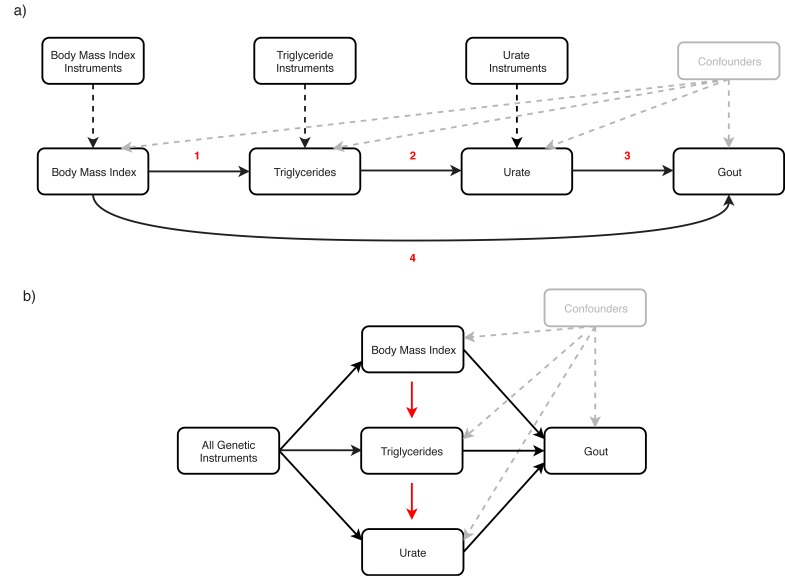
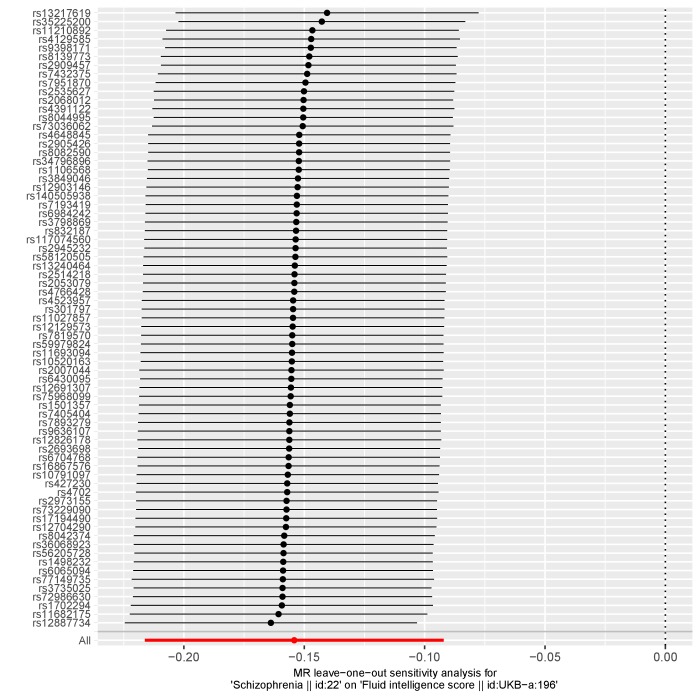
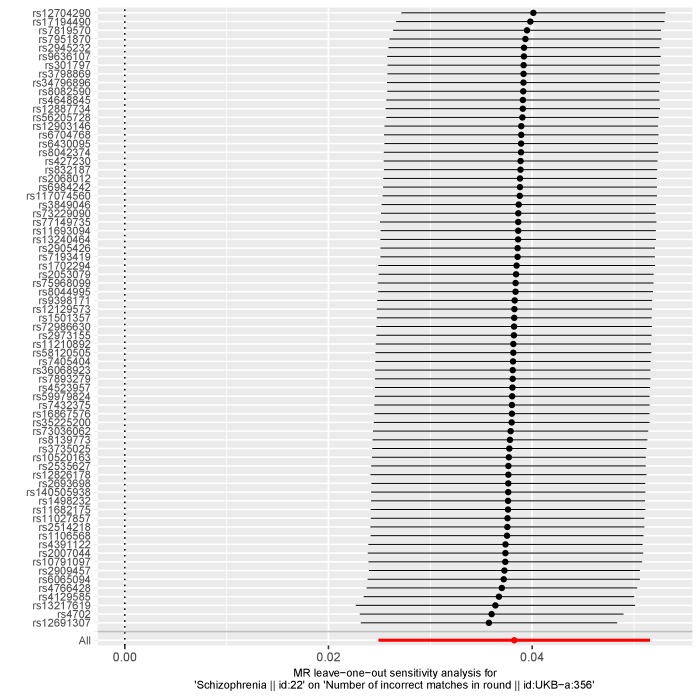
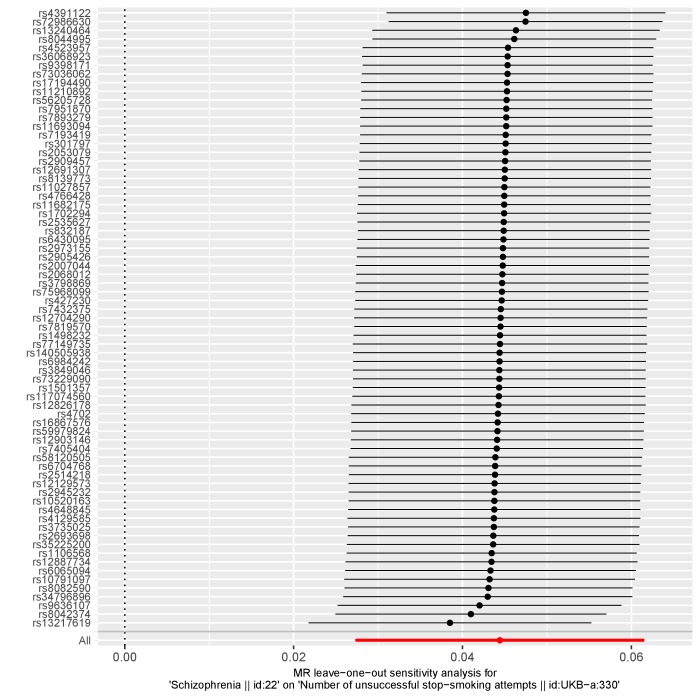
Verification
Claims the paper makes
The claims and statistics of this paper haven’t been checked yet.
Run the check — free, no account needed. It reads the open-access text and checks the sources it cites.
Claims other papers make about this one
Each is checked against this paper’s own text: does it say what the citing paper says it does?
The source backs part of the claim, not all of it — or backs it for a different population, condition or comparison.
In the citing paper
“we and others argue that associations between patient-level PGSs and outcomes are more robust, potentially capturing causal associations.95”
From Cystatin C is glucocorticoid responsive, directs recruitment of Trem2+ macrophages, and predicts failure of cancer immunotherapy (2023) · cites this paper as [95]
Experimental — accuracy not yet measuredIn the citing paper
“In addition, as inherited sequence variation is a prominent cause of phenotypic variation (but the reverse is not true), risk variants identified by GWAS have value as genetic instruments, mapping causal relationships between traits and inferring contributions made by circulating biomarkers and environmental exposures to disease development66.”
From A brief history of human disease genetics (2020) · cites this paper as [66]
Self-check
Percentages, sums and reported differences re-computed from the paper’s own numbers.
The self-check needs the paper’s full text.
Citations
Cites
Sudlow, C., Gallacher, J., Allen, N., Beral, V., Burton, P., Danesh, J., Downey, P., Elliott, P., Green, J., Landray, M., et al. (2015) · PLOS Medicine · doi:10.1371/journal.pmed.1001779 · Cited by 12,728
Bowden, J., Davey Smith, G., & Burgess, S. (2015) · International Journal of Epidemiology · doi:10.1093/ije/dyv080 · Cited by 9,816 · cited 2×
“evaluating the MR-Egger intercept term (Bowden et al., 2015) to discern whether estimates may be biased by directional pleiotropic effects.”
BackgroundMethodBowden, J., Davey Smith, G., Haycock, P. C., & Burgess, S. (2016) · Genetic Epidemiology · doi:10.1002/gepi.21965 · Cited by 8,922 · cited 2×
“, 2013), weighed median (Bowden et al., 2016) and weighted mode approaches.”
MethodThe UK Biobank resource with deep phenotyping and genomic data
Bycroft, C., Freeman, C., Petkova, D., Band, G., Elliott, L. T., Sharp, K., Motyer, A., Vukcevic, D., Delaneau, O., O’Connell, J., et al. (2018) · Nature · doi:10.1038/s41586-018-0579-z · Cited by 8,876 · cited 2×
“In this study, we have constructed 162 different PRS (based on p<5 10 ) using findings from large-scale GWAS and evaluated their association with 551 traits in up to 334,398 individuals enrolled in the UK Biobank study (Bycroft et al., 2018; Sudlow et al., 2015).”
BackgroundMethodThe MR-Base platform supports systematic causal inference across the human phenome
Hemani, G., Zheng, J., Elsworth, B., Wade, K. H., Haberland, V., Baird, D., Laurin, C., Burgess, S., Bowden, J., Langdon, R., et al. (2018) · eLife · doi:10.7554/elife.34408 · Cited by 7,959 · cited 1×
“Constructing polygenic risk scores from large-scale genome-wide association studies We have used the MR-Base platform (Hemani et al., 2018) to identify SNPs from large-scale GWAS to include in our PRS.”
MethodSelf-citationAn integrated map of genetic variation from 1,092 human genomes
The 1000 Genomes Project Consortium (2012) · Nature · doi:10.1038/nature11632 · Cited by 7,711
Mendelian Randomization Analysis With Multiple Genetic Variants Using Summarized Data
Burgess, S., Butterworth, A., & Thompson, S. G. (2013) · Genetic Epidemiology · doi:10.1002/gepi.21758 · Cited by 6,050 · cited 3×
“In terms of MR methods, we applied the inverse variance weighted (IVW) (Burgess et al., 2013), weighed median (Bowden et al.”
MethodInfluentialDavey Smith, G., & Ebrahim, S. (2003) · International Journal of Epidemiology · doi:10.1093/ije/dyg070 · Cited by 5,882
Mendelian randomization: genetic anchors for causal inference in epidemiological studies
Davey Smith, G., & Hemani, G. (2014) · Human Molecular Genetics · doi:10.1093/hmg/ddu328 · Cited by 4,677
Self-citationReading Mendelian randomisation studies: a guide, glossary, and checklist for clinicians
Davies, N. M., Holmes, M. V., & Davey Smith, G. (2018) · BMJ · doi:10.1136/bmj.k601 · Cited by 4,404 · cited 1×
“Along with the emerging utility of PRS to predict disease, they have also been previously used to evaluate putative causal relationships (Davies et al., 2018; Palmer et al., 2012).”
Method
Research works printed but not linked: 1
- Hu, 2006, Pseudo-R2 in logistic regression model, Statistica Sinica, 16, 847
Cited by
Sorted by citations
Mendelian Randomization: Concepts and Scope
Richmond, R. C., & Davey Smith, G. (2022) · Cold Spring Harbor Perspectives in Medicine · doi:10.1101/cshperspect.a040501 · Cited by 841
The Polygenic Score Catalog as an open database for reproducibility and systematic evaluation
Lambert, S. A., Gil, L., Jupp, S., Ritchie, S. C., Xu, Y., Buniello, A., McMahon, A., Abraham, G., Chapman, M., Parkinson, H., et al. (2021) · Nature Genetics · doi:10.1038/s41588-021-00783-5 · Cited by 709
A brief history of human disease genetics
Claussnitzer, M., Cho, J. H., Collins, R., Cox, N. J., Dermitzakis, E. T., Hurles, M. E., Kathiresan, S., Kenny, E. E., Lindgren, C. M., MacArthur, D. G., et al. (2020) · Nature · doi:10.1038/s41586-019-1879-7 · Cited by 697
Cano-Gamez, E., & Trynka, G. (2020) · Frontiers in Genetics · doi:10.3389/fgene.2020.00424 · Cited by 613
“Polygenic risk scores performance has increased as GWAS studies increased in sample sizes and larger validation cohorts became available, as shown in CAD (Ripatti et al., 2010; Mega et al., 2015; Abraham et al., 2016; Khera et al., 2016) and cancer (Garcia-Closas et al., 2013; Mavaddat et al., 2015; Maas et al., 2016).”
BackgroundInfluentialGenetics meets proteomics: perspectives for large population-based studies
Suhre, K., McCarthy, M. I., & Schwenk, J. M. (2021) · Nature Reviews Genetics · doi:10.1038/s41576-020-0268-2 · Cited by 478
Systems biology in cardiovascular disease: a multiomics approach
Joshi, A., Rienks, M., Theofilatos, K., & Mayr, M. (2020) · Nature Reviews Cardiology · doi:10.1038/s41569-020-00477-1 · Cited by 309
Genome-wide association studies identify 137 genetic loci for DNA methylation biomarkers of aging
McCartney, D. L., Min, J. L., Richmond, R. C., Lu, A. T.-H., Sobczyk, M., Davies, G., Broer, L., Guo, X., Jeong, A., Jung, J., et al. (2021) · Genome biology · doi:10.1186/s13059-021-02398-9 · Cited by 310
Self-citationProspective study design and data analysis in UK Biobank
Allen, N. E., Lacey, B., Lawlor, D. A., Pell, J. P., Gallacher, J., Smeeth, L. L., Elliott, P., Matthews, P. M., Lyons, R. A., Whetton, A. D., et al. (2024) · Science Translational Medicine · doi:10.1126/scitranslmed.adf4428 · Cited by 312
“For example, summary statistics of all of the associations of individual genetic variants ( 18 , 19 ) and polygenic risk scores ( 20 ) with a wide range of phenotypes are now available via online browsers.”
BackgroundMiguel-Escalada, I., Bonàs‐Guarch, S., Cebola, I., Ponsa-Cobas, J., Mendieta-Esteban, J., Atla, G., Javierre, B. M., Rolando, D., Farabella, I., Morgan, C. C., et al. (2019) · Nature Genetics · doi:10.1038/s41588-019-0457-0 · Cited by 269
Thompson, D. J., Wells, D., Selzam, S., Peneva, I., Moore, R., Sharp, K., Tarran, W. A., Beard, E. J., Riveros-Mckay, F., Giner-Delgado, C., et al. (2022) · doi:10.1101/2022.06.16.22276246 · Cited by 280
The variant call format provides efficient and robust storage of GWAS summary statistics
Lyon, M., Andrews, S. J., Elsworth, B., Gaunt, T. R., Hemani, G., & Marcora, E. M. (2021) · Genome biology · doi:10.1186/s13059-020-02248-0 · Cited by 260
Self-citationZheng, Z., Liu, S., Sidorenko, J., Wang, Y., Lin, T., Yengo, L., Turley, P., Ani, A., Wang, R., Nolte, I. M., et al. (2024) · Nature Genetics · doi:10.1038/s41588-024-01704-y · Cited by 251
“We then apply the generalized linear model, Eq (3), to link pCD with αD.”
MethodThompson, D. J., Wells, D., Selzam, S., Peneva, I., Moore, R., Sharp, K., Tarran, W. A., Beard, E. J., Riveros-Mckay, F., Giner-Delgado, C., et al. (2024) · PLoS ONE · doi:10.1371/journal.pone.0307270 · Cited by 437
Pleiotropy and Cross-Disorder Genetics Among Psychiatric Disorders
Lee, P. H., Feng, Y. A., & Smoller, J. W. (2020) · Biological Psychiatry · doi:10.1016/j.biopsych.2020.09.026 · Cited by 165
Causal associations between modifiable risk factors and the Alzheimer's phenome
Andrews, S. J., Fulton‐Howard, B., O'Reilly, P., Marcora, E., Goate, A. M., & collaborators of the Alzheimer's Disease Genetics Consortium (2021) · Annals of Neurology · doi:10.1002/ana.25918 · Cited by 156
“In particular, a higher AD PRS was associated with lower DBP and BMI, reduced risk of selfreported diabetes, shorter sleep duration, increased risk of self-reported high cholesterol, and increased amount of moderate-physical activity.(6) Similarly, a second study by Korologou-Linden and colleagues evaluated the associ…”
BackgroundResultInfluentialSignificant sparse polygenic risk scores across 813 traits in UK Biobank
Tanigawa, Y., Qian, J., Venkataraman, G. R., Justesen, J. M., Li, R., Tibshirani, R. J., Hastie, T. J., & Rivas, M. A. (2022) · PLoS Genetics · doi:10.1371/journal.pgen.1010105 · Cited by 153
Accurate and Scalable Construction of Polygenic Scores in Large Biobank Data Sets
Yang, S., & Zhou, X. (2020) · The American Journal of Human Genetics · doi:10.1016/j.ajhg.2020.03.013 · Cited by 138
Genome-wide rare variant analysis for thousands of phenotypes in over 70,000 exomes from two cohorts
Cirulli, E. T., White, S., Read, R. W., Elhanan, G., Metcalf, W. J., Tanudjaja, F., Fath, D. M., Sandoval, E., Isaksson, M., Schlauch, K. A., et al. (2020) · Nature Communications · doi:10.1038/s41467-020-14288-y · Cited by 140
Genetic prediction of complex traits with polygenic scores: a statistical review
Ma, Y., & Zhou, X. (2021) · Trends in Genetics · doi:10.1016/j.tig.2021.06.004 · Cited by 136
“The PGS can also be viewed as the combined effects of multiple instrumental variables, and is applied in Mendelian randomization analysis to study the causal relationships between complex traits [42,44].”
BackgroundHomburger, J. R., Neben, C. L., Mishne, G., Zhou, A. Y., Kathiresan, S., & Khera, A. V. (2019) · Genome Medicine · doi:10.1186/s13073-019-0682-2 · Cited by 125
FinnGen, Sakaue, S., Kanai, M., Karjalainen, J. M., Akiyama, M., Kurki, M., Matoba, N., Takahashi, A., Hirata, M., Kubo, M., et al. (2020) · Nature Medicine · doi:10.1038/s41591-020-0785-8 · Cited by 121
A principal component approach to improve association testing with polygenic risk scores
Coombes, B. J., Ploner, A., Bergen, S. E., & Biernacka, J. M. (2020) · Genetic Epidemiology · doi:10.1002/gepi.22339 · Cited by 98
Genetics and Gene-Environment Interactions in Childhood and Adult Onset Asthma
Morales, E., & Duffy, D. L. (2019) · Frontiers in Pediatrics · doi:10.3389/fped.2019.00499 · Cited by 96
Dietary and Lifestyle-Centered Approach in Gout Care and Prevention
Yokose, C., McCormick, N., & Choi, H. K. (2021) · Current Rheumatology Reports · doi:10.1007/s11926-021-01020-y · Cited by 98
A cross-disorder PRS-pheWAS of 5 major psychiatric disorders in UK Biobank
Leppert, B., Millard, L. A. C., Riglin, L., Smith, G. D., Thapar, A., Tilling, K. M., Walton, E., & Stergiakouli, E. (2020) · PLoS Genetics · doi:10.1371/journal.pgen.1008185 · Cited by 80
“1 within 500kb distance) and computing a weighted, standardized mean score from these, as has been described previously [51,52].”
MethodKwok, M. K., Kawachi, I. I., Rehkopf, D. H., & Schooling, C. M. (2020) · BMC Medicine · doi:10.1186/s12916-020-01831-3 · Cited by 80
“pleiotropy are possible and hence further investigation using MR methods has been proposed [46].”
MethodPries, L.-K., van Os, J., ten Have, M., de Graaf, R., van Dorsselaer, S., Bak, M., Lin, B. D., van Eijk, K. R., Kenis, G., Richards, A. L., et al. (2020) · JAMA Psychiatry · doi:10.1001/jamapsychiatry.2020.2304 · Cited by 79
Lello, L., Raben, T. G., Yong, S. Y., Tellier, L. C. A. M., & Hsu, S. (2019) · Scientific Reports · doi:10.1038/s41598-019-51258-x · Cited by 82
Kendler, K. S., Ohlsson, H., Sundquist, J., & Sundquist, K. (2021) · Translational Psychiatry · doi:10.1038/s41398-021-01454-z · Cited by 71
Mendelian randomization and pleiotropy analysis
Zhu, X. (2020) · Quantitative Biology · doi:10.1007/s40484-020-0216-3 · Cited by 66
Polygenic risk score association with multiple sclerosis susceptibility and phenotype in Europeans
Shams, H., Shao, X., Santaniello, A., Kirkish, G., Harroud, A., Ma, Q., Isobe, N., Alexander, J., Bove, R. M., Baranzini, S. E., et al. (2022) · Brain · doi:10.1093/brain/awac092 · Cited by 75
Mentis, A. A., Dardiotis, E., Efthymiou, V., & Chrousos, G. P. (2021) · BMC Medicine · doi:10.1186/s12916-020-01873-7 · Cited by 85
Genetic insight into sick sinus syndrome
Þórólfsdóttir, R. B., Sveinbjörnsson, G., Aegisdottir, H. M., Benónísdóttir, S., Stefánsdóttir, L., Ivarsdottir, E. V., Halldorsson, G. H., Sigurdsson, J. K., Torp-Pedersen, C. T., Weeke, P. E., et al. (2021) · European Heart Journal · doi:10.1093/eurheartj/ehaa1108 · Cited by 64
“However, finding association in PGS analysis does not confirm causality.(38,39) For the eight PGSs that associated with SSS, we performed a 2-sample Mendelian randomization analysis, equivalent to a fixed effect Genetic insight into SSS 1961”
MethodEpiGraphDB: a database and data mining platform for health data science
Liu, Y., Elsworth, B., Erola, P., Haberland, V., Hemani, G., Lyon, M., Zheng, J., Lloyd, O. C., Vabistsevits, M., & Gaunt, T. R. (2020) · Bioinformatics · doi:10.1093/bioinformatics/btaa961 · Cited by 60
Self-citationBrain Lipids and Lipid Droplet Dysregulation in Alzheimer’s Disease and Neuropsychiatric Disorders
Zhao, X., Zhang, S., Sanders, A. R., & Duan, J. (2023) · Complex Psychiatry · doi:10.1159/000535131 · Cited by 54
“1b) [36].”
BackgroundSubjective Cognitive Decline Plus and Longitudinal Assessment and Risk for Cognitive Impairment
Kang, M.-I., Li, C., Mahajan, A., Spat‐Lemus, J., Durape, S., Chen, J., Gurnani, A. S., Devine, S., Auerbach, S. H., Ang, T. F. A., et al. (2024) · JAMA Psychiatry · doi:10.1001/jamapsychiatry.2024.1678 · Cited by 54
A role for vitamin D and omega-3 fatty acids in major depression? An exploration using genomics
Milaneschi, Y., Peyrot, W. J., Nivard, M. G., Mbarek, H., Boomsma, D. I., & Penninx, B. W. J. H. (2019) · Translational Psychiatry · doi:10.1038/s41398-019-0554-y · Cited by 46
Walker, V. M., Zheng, J., Gaunt, T. R., & Smith, G. D. (2022) · Annual Review of Biomedical Data Science · doi:10.1146/annurev-biodatasci-122120-024910 · Cited by 44
Genetic analyses implicate complex links between adult testosterone levels and health and disease
Leinonen, J. T., Mars, N., Lehtonen, L. E., Ahola‐Olli, A., Ruotsalainen, S., Lehtimäki, T. J., Kähönen, M. A. P., Raitakari, O. T., Mars, N., Ruotsalainen, S., et al. (2023) · Communications Medicine · doi:10.1038/s43856-022-00226-0 · Cited by 46
Extent and context dependence of pleiotropy revealed by high-throughput single-cell phenotyping
Geiler‐Samerotte, K., Li, S., Lazaris, C., Taylor, A., Ziv, N., Ramjeawan, C., Paaby, A. B., & Siegal, M. L. (2020) · PLoS Biology · doi:10.1371/journal.pbio.3000836 · Cited by 41
ExPRSweb: An online repository with polygenic risk scores for common health-related exposures
Ma, Y., Patil, S. B., Zhou, X., Mukherjee, B., & Fritsche, L. G. (2022) · The American Journal of Human Genetics · doi:10.1016/j.ajhg.2022.09.001 · Cited by 40
“109 In our example applications, we showcased the use of ExPRSs for phenome-wide explorations to identify clinical phenotypes potentially associated with an exposure.”
Hematocrit and incidence of venous thromboembolism
Folsom, A. R., Wang, W., Parikh, R. R., Lutsey, P. L., Beckman, J. D., & Cushman, M. (2020) · Research and Practice in Thrombosis and Haemostasis · doi:10.1002/rth2.12325 · Cited by 46
“Systolic blood pressure, mm Hg 122 (22) 119 (19) 121 (18) 123 (19) 125 (20)”
Identifying cross-disease components of genetic risk across hospital data in the UK Biobank
Cortés, A., Albers, P. K., Dendrou, C. A., Fugger, L. H., & McVean, G. (2019) · Nature Genetics · doi:10.1038/s41588-019-0550-4 · Cited by 40
Research Review: A guide to computing and implementing polygenic scores in developmental research
Allegrini, A. G., Baldwin, J. R., Barkhuizen, W., & Pingault, J. (2022) · Journal of Child Psychology and Psychiatry · doi:10.1111/jcpp.13611 · Cited by 45
“The PGS atlas (Richardson, Harrison, Hemani, & Smith, 2019) reports phenome-wide analyses of PGS for a wide array of traits that can be screened to, for example, prioritize certain traits in further analyses.”
Predictive Performance of Exposome Score for Schizophrenia in the General Population
Pries, L.-K., Erzın, G., van Os, J., ten Have, M., de Graaf, R., van Dorsselaer, S., Bak, M., Rutten, B. P. F., & Gülöksüz, S. (2020) · Schizophrenia Bulletin · doi:10.1093/schbul/sbaa170 · Cited by 42
Kleeman, S. O., Thakir, T. M., Demestichas, B., Mourikis, N., Loiero, D., Ferrer, M., Bankier, S., Riazat-Kesh, Y. J. R. A., Lee, H., Chantzichristos, D., et al. (2023) · Cell Genomics · doi:10.1016/j.xgen.2023.100347 · Cited by 37
“95 Also, we performed all PGS analyses in either a held-out validation cohort (for the UKB) or an independent non-over-lapping cohort (TCGA, panIO) to mitigate against the risk of overfitting.”
MethodPeters, T., Nüllig, L., Antel, J., Naaresh, R., Laabs, B., Tegeler, L., Amhaouach, C., Libuda, L., Hinney, A., & Hebebrand, J. (2020) · Frontiers in Genetics · doi:10.3389/fgene.2020.00373 · Cited by 36
Marsman, A., Pries, L.-K., ten Have, M., de Graaf, R., van Dorsselaer, S., Bak, M., Kenis, G., Lin, B. D., Luykx, J. J., Rutten, B. P. F., et al. (2020) · Schizophrenia Bulletin · doi:10.1093/schbul/sbaa086 · Cited by 38
From GWAS to PheWAS: the search for causality in big data
Huang, J. Y., & Labrecque, J. A. (2019) · The Lancet Digital Health · doi:10.1016/s2589-7500(19)30059-7 · Cited by 32
Genetics and Omics Analysis of Autoimmune Skin Blistering Diseases
Olbrich, M. R., Künstner, A., Witte, M., Busch, H. S., & Fähnrich, A. (2019) · Frontiers in Immunology · doi:10.3389/fimmu.2019.02327 · Cited by 34
“So far there are about 6,000 association studies that found more than 70,000 variant-trait associations (104).”
BackgroundIdentifying behaviour-related and physiological risk factors for suicide attempts in the UK Biobank
Zhang, B., You, J., Rolls, E. T., Wang, X., Kang, J., Li, Y., Zhang, R., Zhang, W., Wang, H.-F., Xiang, S., et al. (2024) · Nature Human Behaviour · doi:10.1038/s41562-024-01903-x · Cited by 35
“Of all 1463 unique proteins, 104 showed significant associations with SA-PRS after Bonferroni correction (absolute β = 0.015 to 0.050, P BOF = 1.50 × 10 −17 to 0.049; Fig.”
BackgroundInfluentialOu, Y., Yang, Y., Shen, X., Ma, Y., Chen, S.-D., Dong, Q., Tan, L., & Yu, J. (2021) · Alzheimer s Research & Therapy · doi:10.1186/s13195-021-00782-y · Cited by 33
“This present result was also suggestive of an association between high DBP level and a lower risk of AD.”
BackgroundMethodInfluentialLeyden, G. M., Shapland, C. Y., Smith, G. D., Sanderson, E. C. M., Greenwood, M. P., Murphy, D., & Richardson, T. G. (2022) · The American Journal of Human Genetics · doi:10.1016/j.ajhg.2021.12.013 · Cited by 29
Self-citationDam, V., Onland‐Moret, N. C., Burgess, S., Chirlaque, M., Peters, S. A. E., Schuit, E., Tikk, K., Weiderpass, E., Oliver‐Williams, C., Wood, A., et al. (2022) · The Journal of Clinical Endocrinology & Metabolism · doi:10.1210/clinem/dgac171 · Cited by 28
“However, although studying relationships between genetic risk scores and disease risk provides higher statistical power than formal MR analysis, it is also associated with substantial risk of false-positive findings resulting from horizontal pleiotropy (15).”
Genomic prediction of alcohol-related morbidity and mortality
Kiiskinen, T., Mars, N., Palviainen, T., Koskela, J. T., Rämö, J. T., Ripatti, P., Ruotsalainen, S., Palotie, A. V., Madden, P. A. F., Rose, R. J., et al. (2020) · Translational Psychiatry · doi:10.1038/s41398-019-0676-2 · Cited by 27
Leu, C., Richardson, T. G., Kaufmann, T., van der Meer, D., Andreassen, O. A., Westlye, L. T., Busch, R. M., Smith, G. D., & Lal, D. (2020) · PLoS ONE · doi:10.1371/journal.pone.0232292 · Cited by 27
“We made use of the rich variety of phenotypic information in the UKB [12] to determine if GE- and FE-PRS are associated with traits and disorders related to any brain or cognitive function, using a phenome-association method described by Richardson et al. (2019) [16].”
MethodSelf-citationLiu, C.-Y., Schoeler, T., Davies, N. M., Peyre, H., Lim, K. X., Barker, E. D., Llewellyn, C. H., Dudbridge, F., & Pingault, J. (2020) · International Journal of Epidemiology · doi:10.1093/ije/dyaa214 · Cited by 29
Osterman, M. D., Kinzy, T. G., & Bailey, J. N. C. (2021) · Current Protocols · doi:10.1002/cpz1.126 · Cited by 27
Fang, S., Holmes, M. V., Gaunt, T. R., Smith, G. D., & Richardson, T. G. (2022) · eLife · doi:10.7554/elife.73951 · Cited by 27
Self-citationLi, B., Cai, Y., Chen, C., Li, G., Zhang, M., Lu, Z., Zhang, F., Huang, J., Fan, L., Ning, C., et al. (2023) · Cancer Research · doi:10.1158/0008-5472.can-23-0251 · Cited by 26
Howell, A., Robinson, J. W., Wootton, R. E., McAleenan, A., Tsavachidis, S., Ostrom, Q. T., Bondy, M. L., Armstrong, G., Relton, C. L., Haycock, P., et al. (2020) · BMC Cancer · doi:10.1186/s12885-020-06967-2 · Cited by 24
“As a method, PRS is susceptible to a high rate of false positives due to the presence of horizontal pleiotropy despite increasing statistical power of complementary methods [63].”
BackgroundMethodHuang, L., Ou, Y., Yang, Y., Wang, Z.-T., Tan, L., & Yu, J. (2023) · Translational Psychiatry · doi:10.1038/s41398-023-02553-9 · Cited by 28
“However, several previous studies indicated that higher AD polygenic risk scores (PRS) were associated with lower BP [36], which was confirmed by the current study demonstrating an inverse association between BP and the risk of AD using MR.”
ResultTotal Genotype Score Modelling of Polygenic Endurance-Power Profiles in Lithuanian Elite Athletes
Pranckevičienė, E., Ginevičienė, V., Jakaitienė, A., Januska, L., & Utkus, A. (2021) · Genes · doi:10.3390/genes12071067 · Cited by 29
“Very large samples are required in GWAS.”
BackgroundmtPGS: Leverage multiple correlated traits for accurate polygenic score construction
Xu, C., Ganesh, S. K., & Zhou, X. (2023) · The American Journal of Human Genetics · doi:10.1016/j.ajhg.2023.08.016 · Cited by 21
1H-NMR metabolomics-based surrogates to impute common clinical risk factors and endpoints
Bizzarri, D., Reinders, M. J. T., Beekman, M., Slagboom, P. E., Bbmri-Nl, & van den Akker, E. B. (2021) · EBioMedicine · doi:10.1016/j.ebiom.2021.103764 · Cited by 21
Genomic Stratification of Clozapine Prescription Patterns Using Schizophrenia Polygenic Scores
Kappel, D. B., Legge, S. E., Hubbard, L., Willcocks, I. R., O’Connell, K. S., Smith, R. L., Molden, E., Andreassen, O. A., King, A., Jansen, J., et al. (2022) · Biological Psychiatry · doi:10.1016/j.biopsych.2022.07.014 · Cited by 23
Ma, J., Joehanes, R., Liu, C., Keshawarz, A., Hwang, S., Bui, H., Tejada, B., Sooda, M., Munson, P. J., Demirkale, C. Y., et al. (2022) · Scientific Reports · doi:10.1038/s41598-022-24100-0 · Cited by 22
“These molecular resources can be used in concert to reduce bias due to reverse causality and unmeasured confounding, particularly environmental confounders.(47,48) Nonetheless, this study has several limitations that warrant discussion.”
Background(GICC), T. G. I. C.-C. S., Zhang, C., Ostrom, Q. T., Semmes, E. C., Ramaswamy, V., Hansen, H. M., Morimoto, L. M., de Smith, A. J., Pekmezci, M., Vaksman, Z., et al. (2020) · Acta Neuropathologica Communications · doi:10.1186/s40478-020-01038-w · Cited by 23
“However, a formal application of the MR method, along with various sensitivity analyses, are necessary as prior studies show that risk score association analyses can suffer from higher false positive rates due to horizontal pleiotropy, a violation of the MR assumptions [28, 45].”
BackgroundMethodA Systematic Framework for Assessing the Clinical Impact of Polygenic Risk ScoresPreprint
Kulm, S., Marderstein, A. R., Mezey, J. G., & Elemento, O. (2020) · SSRN Electronic Journal · doi:10.1101/2020.04.06.20055574 · Cited by 25
“32), according to the p-value of the score term in a logistic regression model which includes age and sex covariates.”
Korologou‐Linden, R., Leyden, G. M., Relton, C. L., Richmond, R. C., & Richardson, T. G. (2021) · Human Molecular Genetics · doi:10.1093/hmg/ddab016 · Cited by 22
Self-citationPolygenic Health Index, General Health, and Pleiotropy: Sibling Analysis and Disease Risk Reduction
Widén, E., Lello, L., Raben, T. G., Tellier, L. C. A. M., & Hsu, S. (2022) · Scientific Reports · doi:10.1038/s41598-022-22637-8 · Cited by 24
Insulin resistance: Genetic associations with depression and cognition in population based cohorts
Frangou, S., Shirali, M., Adams, M. J., Howard, D. M., Gibson, J., Hall, L. S., Smith, B. H., Padmanabhan, S., Murray, A. D., Porteous, D. J., et al. (2019) · Experimental Neurology · doi:10.1016/j.expneurol.2019.04.001 · Cited by 19
“These pleiotropic effects are very common and PRS scores for one trait seem to be associated with multiple other traits (Richardson et al., 2019).”
Dourson, A. J., Willits, A., Raut, N. G. R., Kader, L., Young, E. E., Jankowski, M. P., & Chidambaran, V. (2022) · Canadian Journal of Pain · doi:10.1080/24740527.2021.2021799 · Cited by 19
“atlas of PRS associations and putative causal relationships across the human phenome was reported, though it did not include CPSP as a phenotype.(188) Chidambaran et al.”
Polygenic risk, population structure and ongoing difficulties with race in human genetics
Kaplan, J. M., & Fullerton, S. M. (2022) · Philosophical Transactions of the Royal Society B Biological Sciences · doi:10.1098/rstb.2020.0427 · Cited by 20
“the associations with disease risk tooweak) towarrant much clinical action [44].”
BackgroundCell lineage-specific methylome and genome alterations in gout
Tseng, C., Liao, W., Wong, M.-C., Chen, C., Lee, S., Yen, J., & Chang, S. (2021) · Aging · doi:10.18632/aging.202353 · Cited by 19
Polygenic Risk Score Prediction for Endometriosis
Kløve‐Mogensen, K., Rohde, P. D., Twisttmann, S., Nygaard, M., Koldby, K. M., Steffensen, R., Dahl, C. M., Rytter, D., Overgaard, M. T., Forman, A., et al. (2021) · Frontiers in Reproductive Health · doi:10.3389/frph.2021.793226 · Cited by 20
Zhu, X., Zhu, L., Wang, H., Cooper, R., & Chakravarti, A. (2022) · Genetic Epidemiology · doi:10.1002/gepi.22440 · Cited by 18
“…scores is conceptually different from existing approaches using multiple related traits (Inouye et al., 2018; Krapohl et al., 2018; Maier et al., 2018; Richardson et al., 2019) and can be generalized to other diseases by incorporating multiple disease‐related traits through pleiotropy analysis.”
BackgroundGenetic predispositions to psychiatric disorders and the risk of COVID-19
Chen, W., Zeng, Y., Suo, C., Yang, H., Chen, Y., Hou, C., Hu, Y., Ying, Z., Sun, Y., Qu, Y., et al. (2022) · BMC Medicine · doi:10.1186/s12916-022-02520-z · Cited by 19
“It can further be used to predict the risk of developing a second disease outcome and thereby illustrating the genetic association between a disease pair [11, 12].”
BackgroundInvestigating the effects of genetic risk of schizophrenia on behavioural traits
Socrates, A., Maxwell, J. M., Glanville, K. P., Forti, M. D., Murray, R. M., Vassos, E., & O’Reilly, P. F. (2021) · Schizophrenia · doi:10.1038/s41537-020-00131-2 · Cited by 24
Page, M. L., Vance, E. L., Cloward, M. E., Ringger, E., Dayton, L., Ebbert, M., Initiative, T. A. D. N., Investigator, P., Weiner, M. W., Aisen, P. S. S., et al. (2022) · Communications Biology · doi:10.1038/s42003-022-03795-x · Cited by 19
Genetic variants associated with syncope implicate neural and autonomic processes
Aegisdottir, H. M., Þórólfsdóttir, R. B., Sveinbjörnsson, G., Stefánsson, Ó. A., Gunnarsson, B., Tragante, V., Þorleifsson, G., Stefánsdóttir, L., Thorgeirsson, T. E., Ferkingstad, E., et al. (2023) · European Heart Journal · doi:10.1093/eurheartj/ehad016 · Cited by 18
Gülöksüz, S., & van Os, J. (2021) · Frontiers in Psychiatry · doi:10.3389/fpsyt.2021.618842 · Cited by 23
Wendt, F. R., Carvalho, C. M., Pathak, G. A., Gelernter, J. E., & Polimanti, R. A. (2019) · Journal of Clinical Medicine · doi:10.3390/jcm8122040 · Cited by 16
“However, when accompanied by rigorous sensitivity testing of SNPs with effect size outliers, tests for horizontal pleiotropy, and causal inference tests specifically designed to overcome weak instruments, the approach employed here adheres to MR assumptions [59].”
MethodChen, S.-D., Zhang, W., Li, Y., Liu, Y., Huang, Y., Deng, Y., Wu, B., Suckling, J., Rolls, E. T., Feng, J., et al. (2022) · Biological Psychiatry · doi:10.1016/j.biopsych.2022.08.002 · Cited by 18
“Through application of a polygenic risk score (PRS) of AD as a proxy for AD risk, the associations of a wide array of both established and undiscovered nongenetic factors with AD can be systematically screened (11).”
MethodMaj, C., Salvi, E., Citterio, L., Borisov, O., Simonini, M., Glorioso, V., Barlassina, C., Glorioso, N., Thijs, L., Kuznetsova, T., et al. (2022) · Frontiers in Cardiovascular Medicine · doi:10.3389/fcvm.2022.814502 · Cited by 16
Relationship between smoking and ALS: Mendelian randomisation interrogation of causality
Opie-Martin, S., Wootton, R. E., Budu‐Aggrey, A., Shatunov, A., Jones, A. R., Iacoangeli, A., Khleifat, A. A., Smith, G. D., & Al‐Chalabi, A. (2020) · Journal of Neurology Neurosurgery & Psychiatry · doi:10.1136/jnnp-2020-323316 · Cited by 15
Genome-wide association studies identify 137 loci for DNA methylation biomarkers of ageingPreprint
McCartney, D. L., Min, J. L., Richmond, R. C., Lu, A. T.-H., Sobczyk, M., Davies, G., Broer, L., Guo, X., Jeong, A., Jung, J., et al. (2020) · bioRxiv (Cold Spring Harbor Laboratory) · doi:10.1101/2020.06.29.133702 · Cited by 16
Self-citationChidambaran, V., Pilipenko, V. V., Jegga, A. G., Geisler, K. J., & Martin, L. J. (2021) · Frontiers in Genetics · doi:10.3389/fgene.2021.594250 · Cited by 14
“It has been recognized as a unique pain state recently in the International Classification of Diseases (ICD-11) (Schug et al., 2019).”
BackgroundAssociations between COVID-19 risk perceptions and mental health, wellbeing, and risk behaviours
Dyer, M. L., Sallis, H., Khouja, J. N., Dryhurst, S., & Munafo, M. R. (2022) · Journal of Risk Research · doi:10.1080/13669877.2022.2127849 · Cited by 15
Genetically Predicted Body Mass Index and Mortality in Chronic Obstructive Pulmonary Disease
Zhang, J., Moll, M. R., Hobbs, B. D., Bakke, P. S., Regan, E. A., Xu, H., Dupuis, J., Chiles, J. W., McDonald, M., Divo, M. J., et al. (2024) · American Journal of Respiratory and Critical Care Medicine · doi:10.1164/rccm.202308-1384oc · Cited by 14
Genetics of OCD and Related Disorders; Searching for Shared Factors
Grünblatt, E. (2021) · Current topics in behavioral neurosciences · doi:10.1007/7854_2020_194 · Cited by 14
Zapata, I., Hecht, E. E., Serpell, J. A., & Alvarez, C. E. (2020) · bioRxiv (Cold Spring Harbor Laboratory) · doi:10.1101/2020.07.19.211078 · Cited by 15
Garza-Hernandez, D., Estrada, K., & Treviño, V. (2022) · Computers in Biology and Medicine · doi:10.1016/j.compbiomed.2022.105398 · Cited by 13
Association of Vitamin D Polygenic Risk Scores and Disease Outcome in People With Multiple Sclerosis
Vasileiou, E. S., Hu, C., Bernstein, C. N., LUBLIN, F. D., Wolinsky, J. S., Cutter, G., Sotirchos, E. S., Kowalec, K., Salter, A. R., Saidha, S., et al. (2022) · Neurology Neuroimmunology & Neuroinflammation · doi:10.1212/nxi.0000000000200062 · Cited by 12
Levine, Z., Kalka, I. N., Kolobkov, D. S., Rossman, H., Godneva, A., Shilo, S., Keshet, A., Weissglas‐Volkov, D., Shor, T., Diament, A., et al. (2023) · Med · doi:10.1016/j.medj.2023.12.001 · Cited by 11
Physical activity and lung function association in a healthy community-dwelling European population
Collaud, S., Touilloux, B., von Garnier, C., Marques-Vidal, P. M., & Kraege, V. (2024) · BMC Pulmonary Medicine · doi:10.1186/s12890-024-02979-x · Cited by 14
“…on spirometry metrics is similar or even higher than that obtained in polygenic risk scores for asthma, where 95% of R 2 values are below 6% [35] or in similar scores in psychiatry, where R 2 reach 2% for major depressive disorders, 5% for bipolar disorders or 6% for attention deficit…”
ResultResting heart rate and incidence of venous thromboembolism
Folsom, A. R., Lutsey, P. L., Pope, Z., Fashanu, O. E., Misialek, J. R., Cushman, M., & Michos, E. D. (2019) · Research and Practice in Thrombosis and Haemostasis · doi:10.1002/rth2.12288 · Cited by 11
Richardson, T. G., O’Nunain, K., Relton, C. L., & Smith, G. D. (2022) · Arteriosclerosis Thrombosis and Vascular Biology · doi:10.1161/atvbaha.121.316650 · Cited by 10
Self-citationAssociations of Polygenic Risk Score for Late-Onset Alzheimer's Disease With Biomarkers
Li, Q., Lv, X., Jin, F., Liao, K., Gao, L., & Xu, J. (2022) · Frontiers in Aging Neuroscience · doi:10.3389/fnagi.2022.849443 · Cited by 10
“, 2019), diabetes, and diastolic blood pressure (Richardson et al., 2019).”
BackgroundLello, L., Hsu, M., Widén, E., & Raben, T. G. (2023) · Scientific Reports · doi:10.1038/s41598-023-27561-z · Cited by 13
Metadata
- Authors
- Richardson, T. G., Harrison, S., Hemani, G., & Davey Smith, G.
- Affiliations
- University of Bristol (GB)
- MRC Integrative Epidemiology Unit (IEU), Population Health Sciences, Bristol Medical School, University of Bristol, Bristol, United Kingdom
- Corresponding author
- Richardson, Tom G
- Venue
- eLife
- Publisher
- eLife Sciences Publications, Ltd
- Published
- 2019-03-05
- Volume
- 8
- ISSN
- 2050-084X (ISSN-L)
- PMC
- PMC6400585
- OpenAlex
- W2899836172
- Cited by
- 198
- References
- 48
- Citations by year
- 2026: 12 · 2025: 10 · 2024: 24 · 2023: 14 · 2022: 37 · 2021: 41 · 2020: 44 · 2019: 16
- FWCI
- 20.94
- Type
- journal article
- Language
- en
- Open access
- gold
- doi.org
- Licence
- Locations
- eLife (publishedVersion, cc-by)
- bioRxiv (Cold Spring Harbor Laboratory) (acceptedVersion, cc-by)
- Europe PMC (PubMed Central) (publishedVersion, cc-by)
- PubMed Central (publishedVersion, cc-by)
- PubMed (publishedVersion)
- Explore Bristol Research (publishedVersion, cc-by)
- Bristol Research (University of Bristol) (acceptedVersion, other-oa)
- DOAJ (DOAJ: Directory of Open Access Journals) (submittedVersion, cc-by-sa)
- Funders
- Medical Research Council (MC_UU_00011/1)
- Wellcome Trust (208806/Z/17/Z)
- Health Data Research UK (MR/S003886/1)
- Topics
- Life Sciences › Biochemistry, Genetics and Molecular Biology › Genetics › Genetic Associations and Epidemiology
- Life Sciences › Biochemistry, Genetics and Molecular Biology › Genetics › Genetic and phenotypic traits in livestock
- Life Sciences › Biochemistry, Genetics and Molecular Biology › Genetics › Genetic Mapping and Diversity in Plants and Animals
- Keywords
- polygenic risk score, phenome-wide association study, schizophrenia, genetic susceptibility, cognitive function, causal relationship, Mendelian randomization, mediation analysis, multivariable Mendelian randomization, complex disease susceptibility, heritable traits, UK Biobank, web application
- MeSH terms
- United Kingdom, Humans, Schizophrenia, Risk Assessment, Genetic Predisposition to Disease, Multifactorial Inheritance, Databases, Genetic, Genome-Wide Association Study
About these checks
Registry, retraction, Cites and statistics results are computed, not judged, with one exception: a printed reference that no index lists is read once by a model before it counts as a citation error. Claims are extracted by a model and kept only when their quote appears verbatim in the text; each cited source is then checked, with a model’s help, for whether it says what the claim relies on. Those verdicts can be wrong — read the claim’s quote and the cited source before relying on one.
Statistics and arithmetic are recomputed, not judged.
Confidence bands are shown only for fields calibrated on our annotated test set. None is calibrated yet, so no band is shown.
What counts as a claim ›How we measure confidence ›How we check this ›
Are you an author, or do you see a problem with this page? Request a review
