

The DOI matches its Crossref record; 76 of the 77 references it cites were found in a registry or an index, and 1 are not checked yet.
A non-mosaic transchromosomic mouse model of down syndrome carrying the long arm of human chromosome 21.
Open accessAbstract
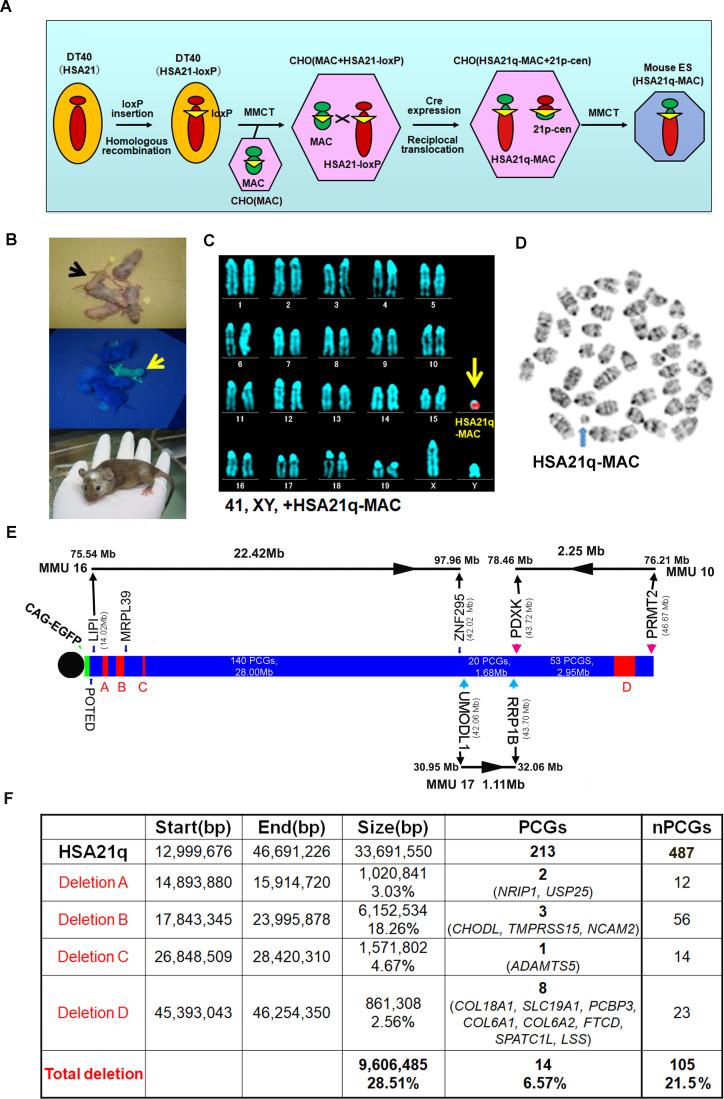
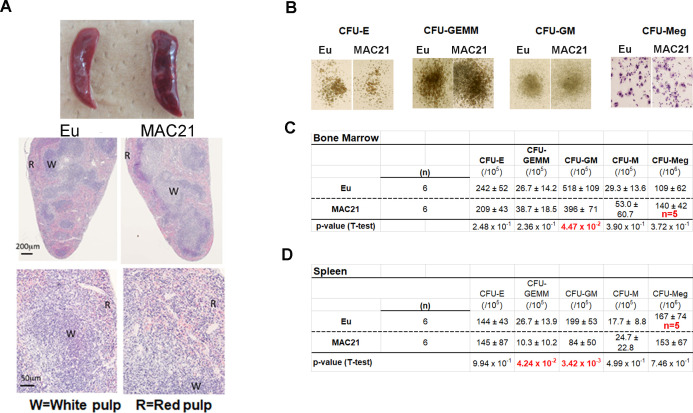
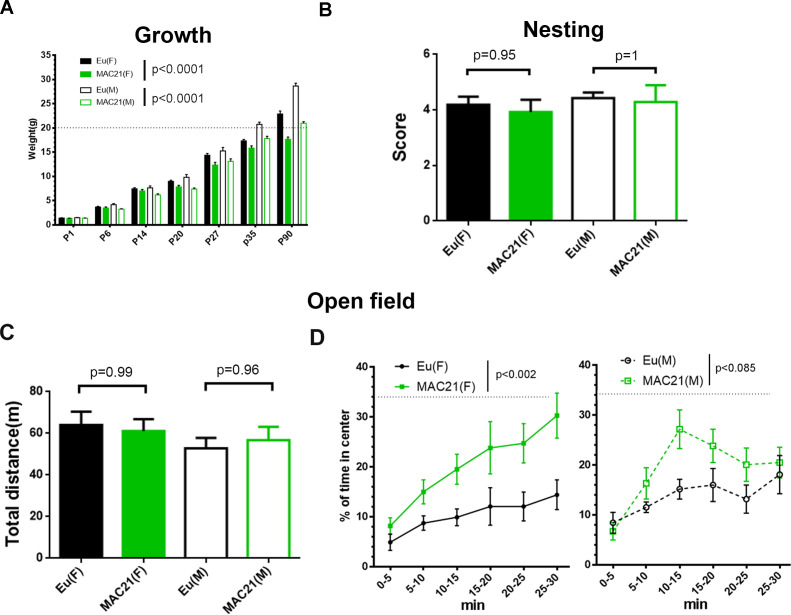
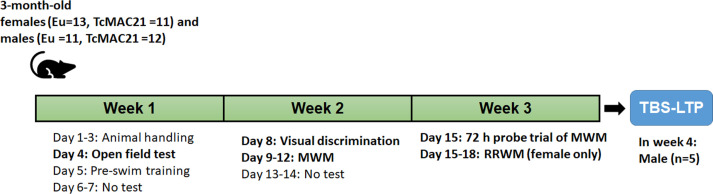
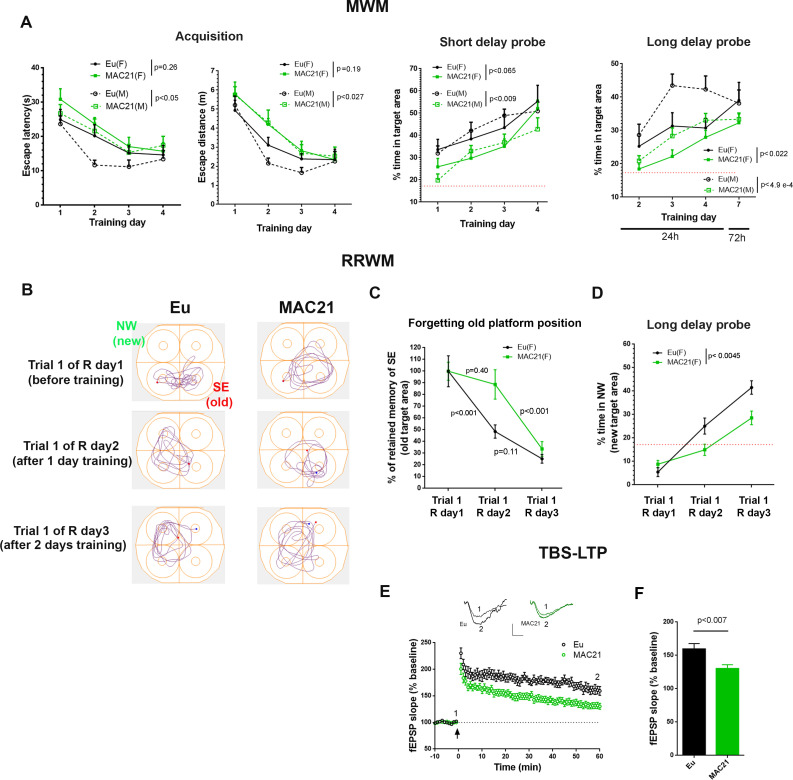
Animal models of Down syndrome (DS), trisomic for human chromosome 21 (HSA21) genes or orthologs, provide insights into better understanding and treatment options. The only existing transchromosomic (Tc) mouse DS model, Tc1, carries a HSA21 with over 50 protein coding genes (PCGs) disrupted. Tc1 is mosaic, compromising interpretation of results. Here, we “clone” the 34 MB long arm of HSA21 (HSA21q) as a mouse artificial chromosome (MAC). Through multiple steps of microcell-mediated chromosome transfer, we created a new Tc DS mouse model, Tc(HSA21q;MAC)1Yakaz (“TcMAC21”). TcMAC21 is not mosaic and contains 93% of HSA21q PCGs that are expressed and regulatable. TcMAC21 recapitulates many DS phenotypes including anomalies in heart, craniofacial skeleton and brain, molecular/cellular pathologies, and impairments in learning, memory and synaptic plasticity. TcMAC21 is the most complete genetic mouse model of DS extant and has potential for supporting a wide range of basic and preclinical research.
Overview
The claims and statistics of this paper haven’t been checked yet.
Run the check — free, no account needed. It reads the open-access text and checks the sources it cites.
Integrity signals
Registry
Cites
Statistics
Figures
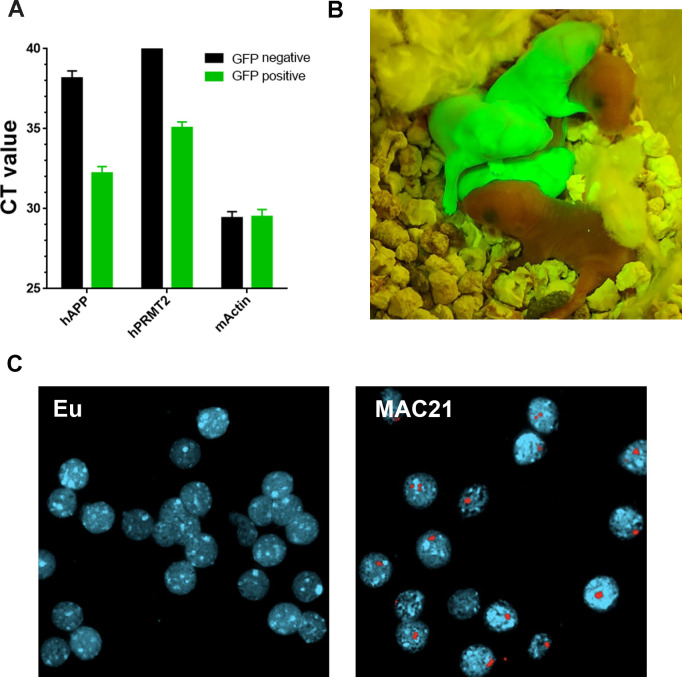
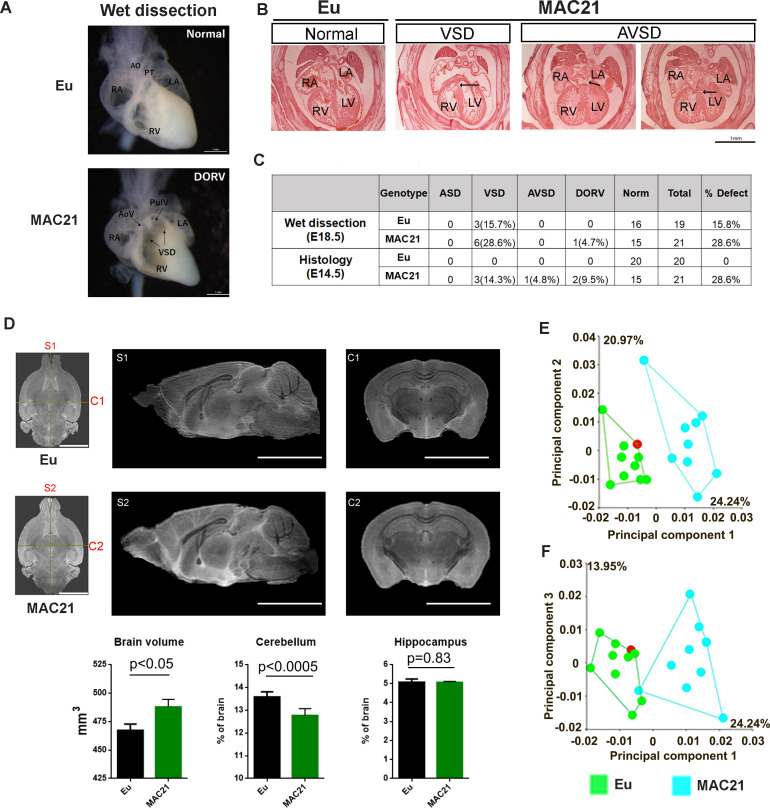
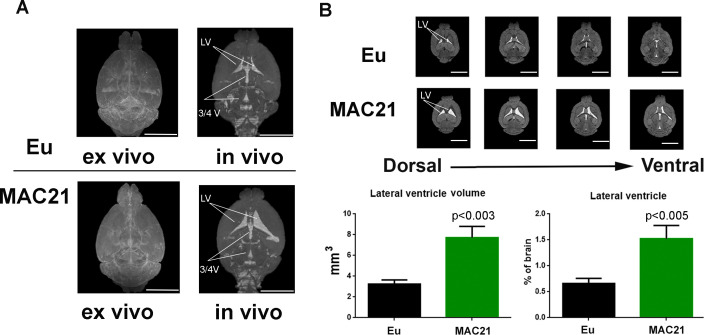
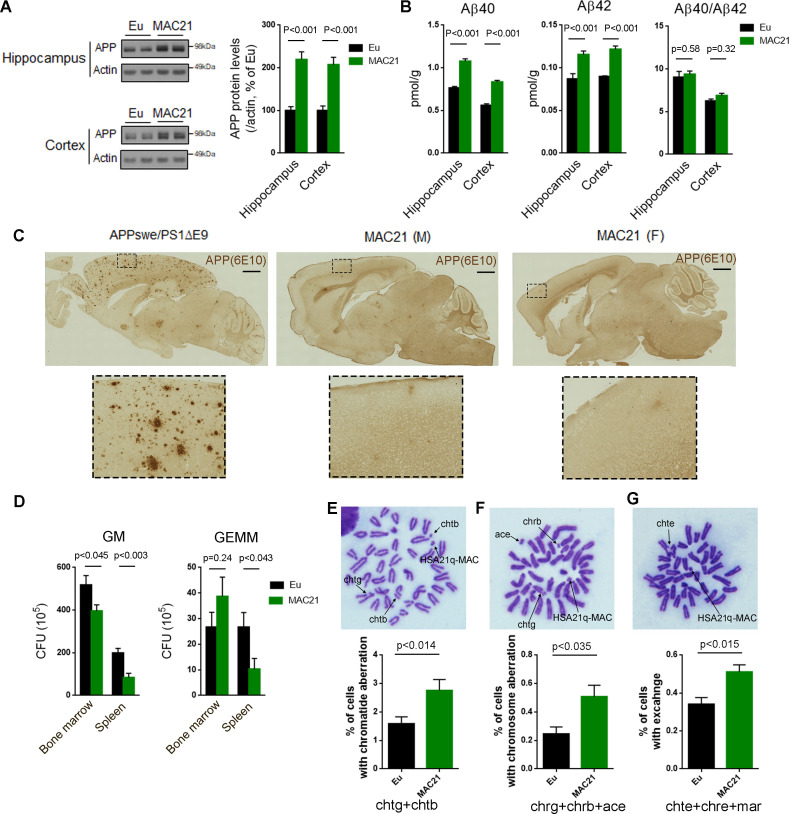
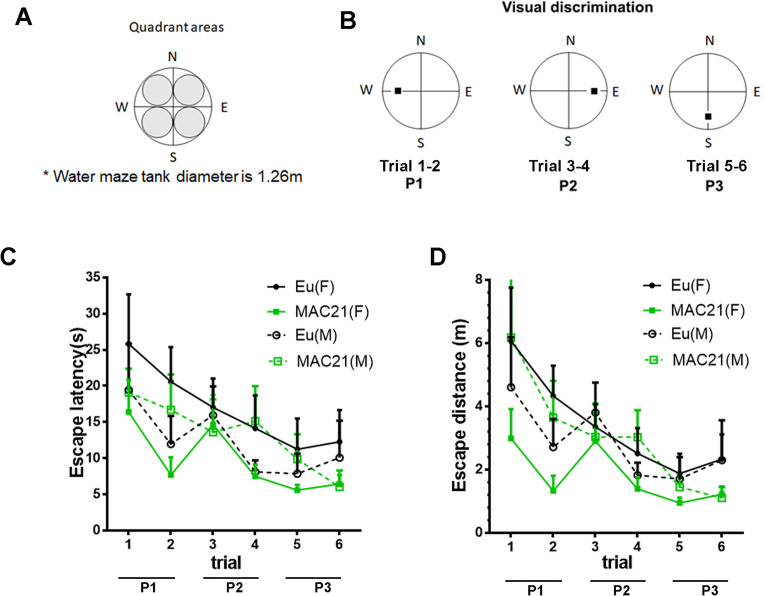
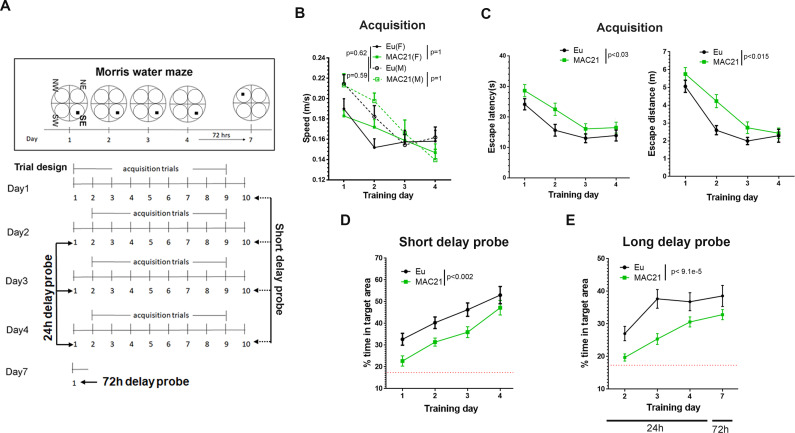
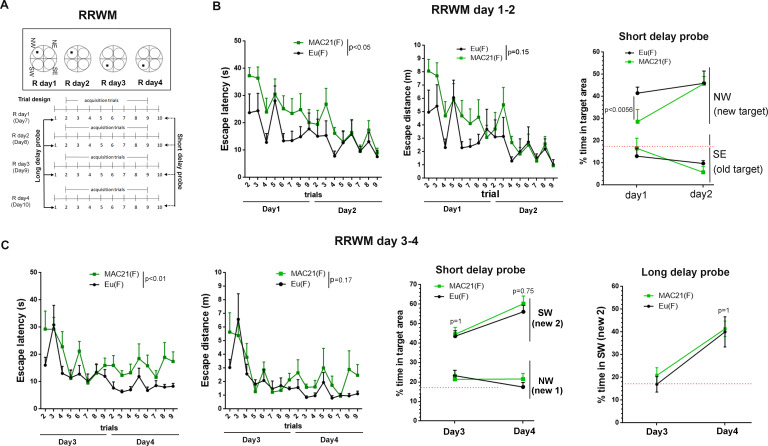
Verification
Claims the paper makes
The claims and statistics of this paper haven’t been checked yet.
Run the check — free, no account needed. It reads the open-access text and checks the sources it cites.
Claims other papers make about this one
Each is checked against this paper’s own text: does it say what the citing paper says it does?
The source backs part of the claim, not all of it — or backs it for a different population, condition or comparison.
In the citing paper
“Similar to human and Ts65Dn data, in MAC21 the cerebellum is decreased in volume compared to euploid at 4–5 months of age. However, there is no change in hippocampal volume and total brain volume is significantly larger in the trisomic mice.”
From Neurodevelopment in Down syndrome: Concordance in humans and models (2022) · cites this paper as Kazuki et al., 2020
Experimental — accuracy not yet measuredThe source backs part of the claim, not all of it — or backs it for a different population, condition or comparison.
In the citing paper
“MAC21, though not well characterized, appears to have an increase in brain volume, the opposite of what is observed in humans.”
From Neurodevelopment in Down syndrome: Concordance in humans and models (2022) · cites this paper as Kazuki et al., 2020
Experimental — accuracy not yet measuredThe cited source says what the claim attributes to it.
In the citing paper
“In addition to modeling the genetics of DS, they also show some of the same behavioral deficits in learning and memory.”
From Neurodevelopment in Down syndrome: Concordance in humans and models (2022) · cites this paper as Kazuki et al., 2020
The cited source says what the claim attributes to it.
In the citing paper
“The transchromosomic mouse model, MAC21, has undergone preliminary characterization and recapitulates some of the phenotypes described in individuals with DS (Kazuki et al., 2020).”
From Neurodevelopment in Down syndrome: Concordance in humans and models (2022) · cites this paper as Kazuki et al., 2020
The cited source says what the claim attributes to it.
In the citing paper
“Like Dp1Tyb/Dp(16)1Yey, they appear to recapitulate some of the non-neuronal phenotypes associated with DS such as skeletal changes and cardiovascular abnormalities.”
From Neurodevelopment in Down syndrome: Concordance in humans and models (2022) · cites this paper as Kazuki et al., 2020
Self-check
Percentages, sums and reported differences re-computed from the paper’s own numbers.
The self-check needs the paper’s full text.
Citations
Cites
ISCN 1995 An international system for human cytogenetic nomenclature
Mitelman, F. (1995) · Cited by 1,930
The DNA sequence of human chromosome 21
Hattori, M., Fujiyama, A., Taylor, T. D., Watanabe, H., Yada, T., Park, H.-S., Toyoda, A., Ishii, K., Totoki, Y., Choi, D., et al. (2000) · Nature · doi:10.1038/35012518 · Cited by 1,475
Antonarakis, S. E., Skotko, B. G., Rafii, M. S., Strydom, A., Pape, S. E., Bianchi, D. W., Sherman, S. L., & Reeves, R. H. (2020) · Nature Reviews Disease Primers · doi:10.1038/s41572-019-0143-7 · Cited by 964
Self-citationA mouse model for Down syndrome exhibits learning and behaviour deficits
Reeves, R. H., Irving, N. G., Moran, T. H., Wohn, A., Kitt, C., Sisodia, S. S., Schmidt, C., Bronson, R. T., & Davisson, M. T. (1995) · Nature Genetics · doi:10.1038/ng1095-177 · Cited by 913
Self-citationDown syndrome phenotypes: the consequences of chromosomal imbalance.
Korenberg, J. R., Chen, X. N., Schipper, R. D., Sun, Z., Gonsky, R., Gerwehr, S., Carpenter, N. J., Däumer, C., Dignan, P. S. J., & Distèche, C. M. (1994) · Proceedings of the National Academy of Sciences · doi:10.1073/pnas.91.11.4997 · Cited by 784
Kleschevnikov, A. M., Belichenko, P. V., Villar, A. J., Epstein, C. J., Malenka, R. C., & Mobley, W. C. (2004) · The Journal of Neuroscience · doi:10.1523/jneurosci.1766-04.2004 · Cited by 459
An Aneuploid Mouse Strain Carrying Human Chromosome 21 with down Syndrome Phenotypes.
O'Doherty, A., Ruf, S., Mulligan, C., Hildreth, V., Errington, M. L., Cooke, S., Sesay, A., Modino, S., Vanes, L., Hernandez, D., et al. (2005) · Science · doi:10.1126/science.1114535 · Cited by 434
Molecular mapping of alzheimer‐type dementia in Down's syndrome
Prasher, V. P., Farrer, M. J., Kessling, A. M., Fisher, E. M. C., West, R. J., Barber, P. C., & Butler, A. C. (1998) · Annals of Neurology · doi:10.1002/ana.410430316 · Cited by 414
Sleegers, K., Brouwers, N., Gijselinck, I., Theuns, J., Goossens, D., Wauters, J., Del‐Favero, J., Cruts, M., van Duijn, C. M., & Broeckhoven, C. V. (2006) · Brain · doi:10.1093/brain/awl203 · Cited by 406
(1990) · PubMed · Cited by 351
Research works printed but not linked: 1
- Besson V. 2005. Studying dosage effects for human chromosome 21 homologous genes using chromosomal engineering in the mouse. 19th International Mouse Genome Conference.
Cited by
Sorted by citations
Items 101–130 of 130
Llambrich, S., Tielemans, B., Saliën, E., Atzori, M., Wouters, K., Bulck, V. V., Platt, M., Vanherp, L., Fernandez, N. G., de la Fuente, L. G., et al. (2023) · eLife · doi:10.7554/elife.89763.1
Llambrich, S., Tielemans, B., Saliën, E., Atzori, M., Wouters, K., Bulck, V. V., Platt, M., Vanherp, L., Fernandez, N. G., de la Fuente, L. G., et al. (2024) · eLife · doi:10.7554/elife.89763.2
Gao, F., Klinedinst, D. K., Fernandez, F., Cheng, B., Savonenko, A. V., Devenney, B., Li, Y., Wu, D., Pomper, M. G., & Reeves, R. H. (2021) · Figshare · doi:10.6084/m9.figshare.15179453
Self-citationGao, F., Klinedinst, D. K., Fernandez, F., Cheng, B., Savonenko, A. V., Devenney, B., Li, Y., Wu, D., Pomper, M. G., & Reeves, R. H. (2021) · Figshare · doi:10.6084/m9.figshare.15179444
Self-citationGao, F., Klinedinst, D. K., Fernandez, F., Cheng, B., Savonenko, A. V., Devenney, B., Li, Y., Wu, D., Pomper, M. G., & Reeves, R. H. (2021) · Figshare · doi:10.6084/m9.figshare.15179456
Self-citationGao, F., Klinedinst, D. K., Fernandez, F., Cheng, B., Savonenko, A. V., Devenney, B., Li, Y., Wu, D., Pomper, M. G., & Reeves, R. H. (2021) · Figshare · doi:10.6084/m9.figshare.15179450
Self-citationGao, F., Klinedinst, D. K., Fernandez, F., Cheng, B., Savonenko, A. V., Devenney, B., Li, Y., Wu, D., Pomper, M. G., & Reeves, R. H. (2021) · Figshare · doi:10.6084/m9.figshare.15179435
Self-citationGao, F., Klinedinst, D. K., Fernandez, F., Cheng, B., Savonenko, A. V., Devenney, B., Li, Y., Wu, D., Pomper, M. G., & Reeves, R. H. (2021) · Figshare · doi:10.6084/m9.figshare.15179447
Self-citationRecent Progress in Basic Research on Cardiovascular Diseases Associated with Down Syndrome
Ishida, H. (2023) · Japanese Society of Pediatric Cardiology and Cardiac Surgery · doi:10.9794/jspccs.39.200
Humanized Rodent Models of Down Syndrome
Reeves, R. H. (2025) · Springer eBooks · doi:10.1007/978-3-031-78611-2_3
Self-citationFolz, A., Sloan, K., & Roper, R. J. (2025) · Springer eBooks · doi:10.1007/978-3-031-78611-2_1
Impact of Cre/LoxP-Mediated Chromosome Engineering Technology on Down Syndrome Research
Xing, Z., Douglas, A., Pao, A., Glass, T. J., Connor, N. P., & Yu, Y. E. (2025) · Springer eBooks · doi:10.1007/978-3-031-78611-2_2
Bartesaghi, R., Chen, X., Johnstone, A. D., Das, U., & Mobley, W. C. (2025) · Springer eBooks · doi:10.1007/978-3-031-89307-0_19
Brain metabolic and behavioral alterations in a Down syndrome model
de Souza, L. E., Righini, C. M., Mantovani, D. B. D. A., Silva, M. P., Lazzarotto, G., Limberger, C., Buchpiguel, C. A., Zimmer, E. R., Real, C. C., Spelta, L. E. W., et al. (2025) · Nuclear Medicine and Biology · doi:10.1016/j.nucmedbio.2025.109052
Gao, F. J., Klinedinst, D. K., Fernandez, F., Cheng, B., Savonenko, A. V., Devenney, B., Li, Y., Wu, D., Pomper, M. G., & Reeves, R. H. (2021) · Figshare · doi:10.6084/m9.figshare.15179438
Self-citationPecze, L., Randi, E. B., & Szabo, C. (2020) · Figshare · doi:10.6084/m9.figshare.13213015
Gao, F. J., Klinedinst, D. K., Fernandez, F., Cheng, B., Savonenko, A. V., Devenney, B., Li, Y., Wu, D., Pomper, M. G., & Reeves, R. H. (2021) · Figshare · doi:10.6084/m9.figshare.15179441
Self-citationAdditional file 1 of Loss of GDE2 leads to complex behavioral changes including memory impairment
Daudelin, D., Westerhaus, A., Zhang, N., Leyder, E. C., Savonenko, A. V., & Sockanathan, S. (2024) · Figshare · doi:10.6084/m9.figshare.26702176
Self-citationAdditional file 2 of Loss of GDE2 leads to complex behavioral changes including memory impairment
Daudelin, D., Westerhaus, A., Zhang, N., Leyder, E., Savonenko, A. V., & Sockanathan, S. (2024) · Figshare · doi:10.6084/m9.figshare.26702179
Self-citationSynthetic rewriting technologies in mammalian cells
Wang, Y., Cui, Y., Zhao, G.-R., Wu, Y., & Yuan, Y. (2026) · Nature Communications · doi:10.1038/s41467-025-68066-9 · Cited by 1
“To date, trisomic mouse models, such as Tc1 and TcMAC21 have been established using technologies like MMCT and MAC, successfully recapitulating many phenotypes of Down syndrome (DS) with broad potential to support basic and clinical research 187,188 .”
Gene dosage imbalance disrupts systemic metabolism in the Dp16 Down syndrome mouse modelPreprint
Chen, F., Saqib, M., Nguyen, C. M., Sarver, D. C., Yu, Y. E., Aja, S. M., Seldin, M. M., & Wong, G. W. (2026) · eLife · doi:10.7554/elife.110476.1
Alldred, M. J., Ibrahim, K. W., Pidikiti, H., Lee, S. H., Heguy, A., Chiosis, G., Mufson, E. J., Stutzmann, G. E., & Ginsberg, S. D. (2026) · The FASEB Journal · doi:10.1096/fj.202504243r
Restoring RCAN1 dosage mitigates sleep and EEG abnormalities in a Down syndrome model
Cain, P., Milstead, R. A., Griffioen, M., Wong, H., Borski, C., Cooper‐Sansone, A., LaPlante, L., Kastengren, K., Cotto, S., Hanson, J. L., et al. (2026) · Neurobiology of Disease · doi:10.1016/j.nbd.2026.107375
Buckman, M. A., Vasileva, A., Kalra, H., Edwin, I., Ma, G., Vasilyev, M., London, B., Jedlicka, C. R., Beasley, G., Breheny, P. J., et al. (2026) · Physiology · doi:10.1152/physiol.2026.41.s1.2293068
MAC Mice: Novel Insights into the Link Between Trisomy 21 and Epilepsy
Amini, A. E., & Knowles, J. K. (2026) · Epiliepsy currents/Epilepsy currents · doi:10.1177/15357597261443076
Wang, C. C., Marx, M., Barth, E., D’Amore, A., Luo, H., & Coyan, G. N. (2026) · Journal of Cardiovascular Translational Research · doi:10.1007/s12265-026-10799-z
“Transchromosomic mouse models developed by Kazuki et [51, 52].”
Gene dosage imbalance disrupts systemic metabolism in the Dp16 Down syndrome mouse modelPreprint
Chen, F., Saqib, M., Nguyen, C. M., Sarver, D. C., Yu, Y. E., Aja, S. M., Seldin, M. M., & Wong, G. W. (2026) · eLife · doi:10.7554/elife.110476.2
Breaking PRC2: when cohesion tips the balance in ML-DS
Zhang, M., & Wagenblast, E. (2026) · Blood · doi:10.1182/blood.2026034219
Stafstrom, C. E., & Shao, L. (2026) · Journal of Clinical Medicine · doi:10.3390/jcm15197471
“The second model, TcMAC21, is created by genetic engineering of human chromosome 21 into the genome of a mouse through successive gene transfers [45].”
Cognitive flexibility deficits in a mouse model of Down syndrome
Wiseman, F. K. (2026) · Disease Models & Mechanisms · doi:10.1242/dmm.053252
Metadata
- Authors
- Kazuki, Y., Gao, F. J., Li, Y., Moyer, A. J., Devenney, B., Hiramatsu, K., Miyagawa-Tomita, S., Abe, S., Kazuki, K., Kajitani, N., Uno, N., Takehara, S., Takiguchi, M., Yamakawa, M., Hasegawa, A., Shimizu, R., Matsukura, S., Noda, N., Ogonuki, N., Inoue, K., Matoba, S., Ogura, A., Florea, L. D., Savonenko, A., Xiao, M., Wu, D., Batista, D. A., Yang, J., Qiu, Z., Singh, N., Richtsmeier, J. T., Takeuchi, T., Oshimura, M., & Reeves, R. H.
- Affiliations
- Chromosome Engineering Research Center (JP)
- Johns Hopkins University (US)
- Tottori University (JP)
- Department of Animal Nursing Science, Yamazaki University of Animal Health Technology, Hachioji, Tokyo, Japan
- Tohoku University (JP)
- National Institute of Advanced Industrial Science and Technology (JP)
- RIKEN BioResource Research Center (JP)
- Department of Neuroscience, John Hopkins University School of Medicine, Baltimore, United States
- Zhejiang University (CN)
- Pennsylvania State University (US)
- California State University, Sacramento (US)
- Corresponding author
- Kazuki, Yasuhiro
- Reeves, Roger H
- ORCID
- Kazuki, Yasuhiro
- Gao, Feng J
- Li, Yicong
- Moyer, Anna J
- Devenney, Benjamin
- Abe, Satoshi
- Kazuki, Kanako
- Uno, Narumi
- Yamakawa, Miho
- Hasegawa, Atsushi
- Shimizu, Ritsuko
- Matsukura, Satoko
- Noda, Naohiro
- Inoue, Kimiko
- Matoba, Shogo
- Ogura, Atsuo
- Florea, Liliana D
- Savonenko, Alena
- Wu, Dan
- Batista, Denise AS
- Yang, Junhua
- Qiu, Zhaozhu
- Singh, Nandini
- Richtsmeier, Joan T
- Takeuchi, Takashi
- Reeves, Roger H
- Venue
- eLife
- Publisher
- eLife Sciences Publications, Ltd
- Published
- 2020-06-29
- Volume
- 9
- ISSN
- 2050-084X (ISSN-L)
- PMC
- PMC7358007
- OpenAlex
- W3037987616
- Cited by
- 125
- References
- 77
- Citations by year
- 2026: 17 · 2025: 20 · 2024: 18 · 2023: 19 · 2022: 23 · 2021: 22 · 2020: 6
- FWCI
- 14.25
- Type
- journal article
- Language
- en
- Open access
- gold
- doi.org
- Licence
- Locations
- eLife (publishedVersion, cc-by)
- PubMed Central (publishedVersion, cc-by)
- PubMed (publishedVersion)
- DOAJ (DOAJ: Directory of Open Access Journals) (submittedVersion, cc-by-sa)
- Funders
- Eunice Kennedy Shriver National Institute of Child Health and Human Development (R21HD098540-01, R01HD038384)
- Japan Society for the Promotion of Science (25221308)
- Core Research for Evolutional Science and Technology (JPMJCR18S4)
- Topics
- Health Sciences › Medicine › Public Health, Environmental and Occupational Health › Down syndrome and intellectual disability research
- Life Sciences › Biochemistry, Genetics and Molecular Biology › Genetics › Genomic variations and chromosomal abnormalities
- Life Sciences › Biochemistry, Genetics and Molecular Biology › Genetics › Genetic and Clinical Aspects of Sex Determination and Chromosomal Abnormalities
- Keywords
- Down syndrome, artificial chromosomes, microcell-mediated chromosome transfer, cardiac anomalies, craniofacial anomalies, brain anomalies, learning and memory impairment, synaptic plasticity, gene expression
- MeSH terms
- Whole Genome Sequencing, Animals, Brain, Chromosomes, Human, Pair 21, Disease Models, Animal, Down Syndrome, Female, Heart Defects, Congenital, Humans, Male, Mice, Inbred C57BL, Mice, Transgenic, Trisomy, Mice
About these checks
Registry, retraction, Cites and statistics results are computed, not judged, with one exception: a printed reference that no index lists is read once by a model before it counts as a citation error. Claims are extracted by a model and kept only when their quote appears verbatim in the text; each cited source is then checked, with a model’s help, for whether it says what the claim relies on. Those verdicts can be wrong — read the claim’s quote and the cited source before relying on one.
Statistics and arithmetic are recomputed, not judged.
Confidence bands are shown only for fields calibrated on our annotated test set. None is calibrated yet, so no band is shown.
What counts as a claim ›How we measure confidence ›How we check this ›
Are you an author, or do you see a problem with this page? Request a review
