

The DOI matches its Crossref record; 76 of the 77 references it cites were found in a registry or an index, and 1 are not checked yet.
A non-mosaic transchromosomic mouse model of down syndrome carrying the long arm of human chromosome 21.
Open accessAbstract
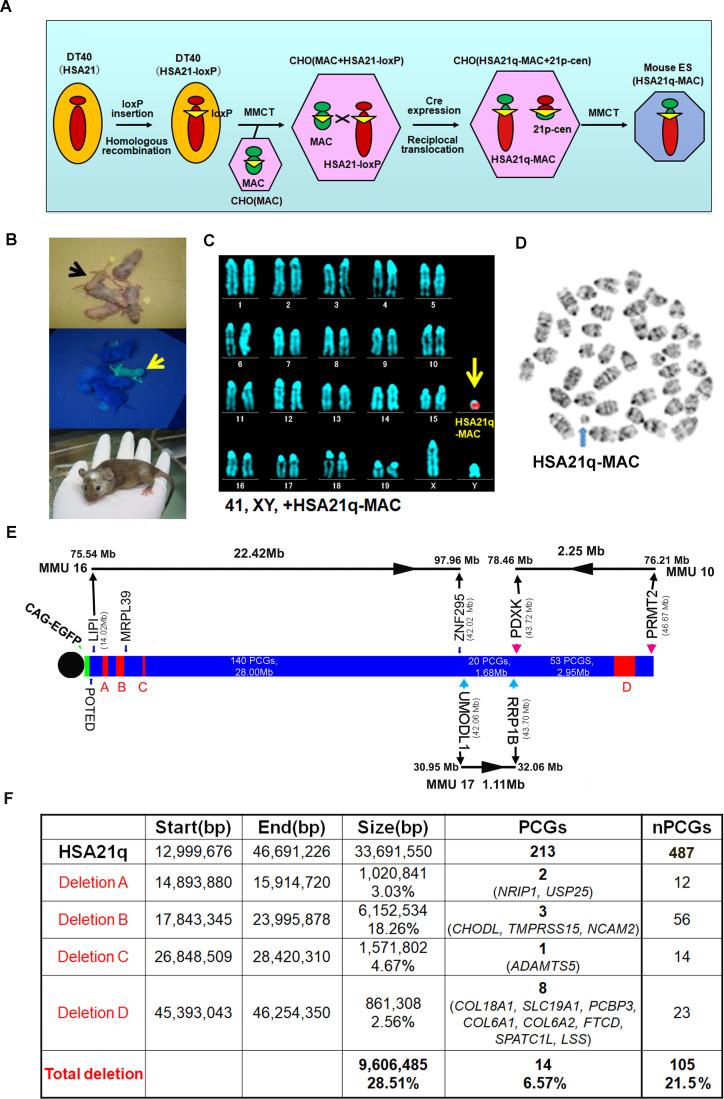
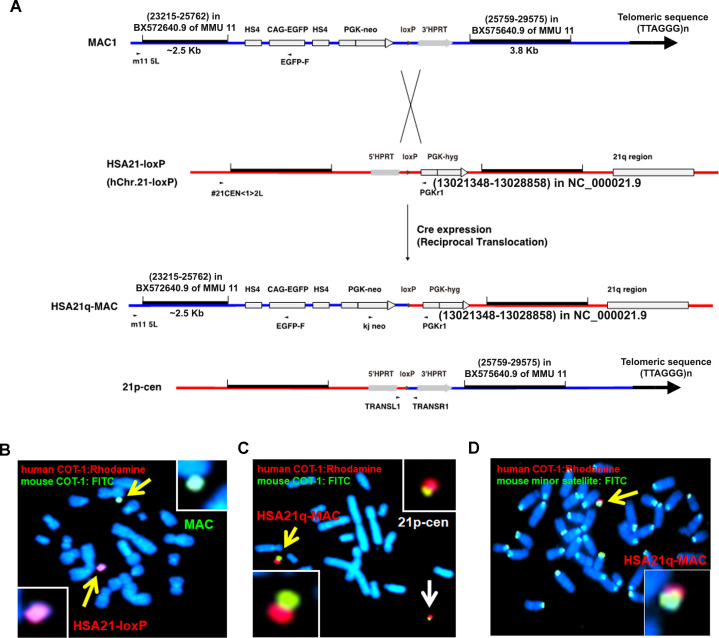
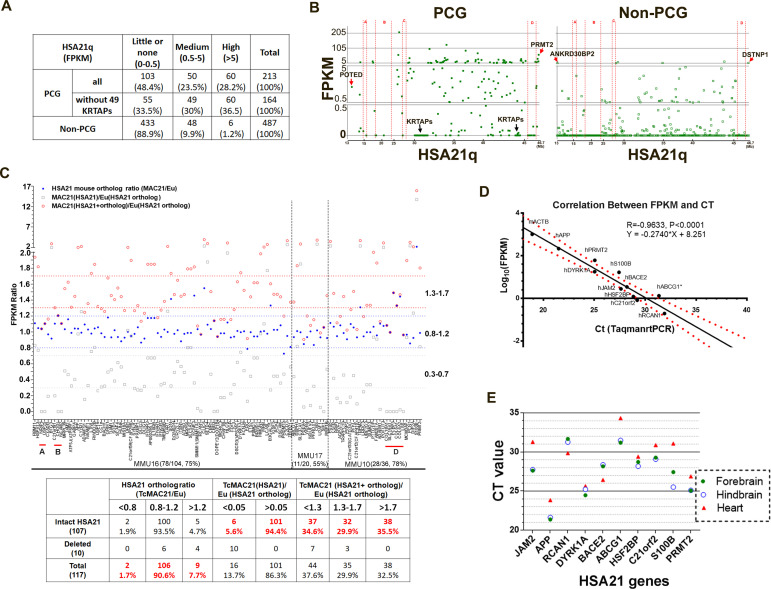
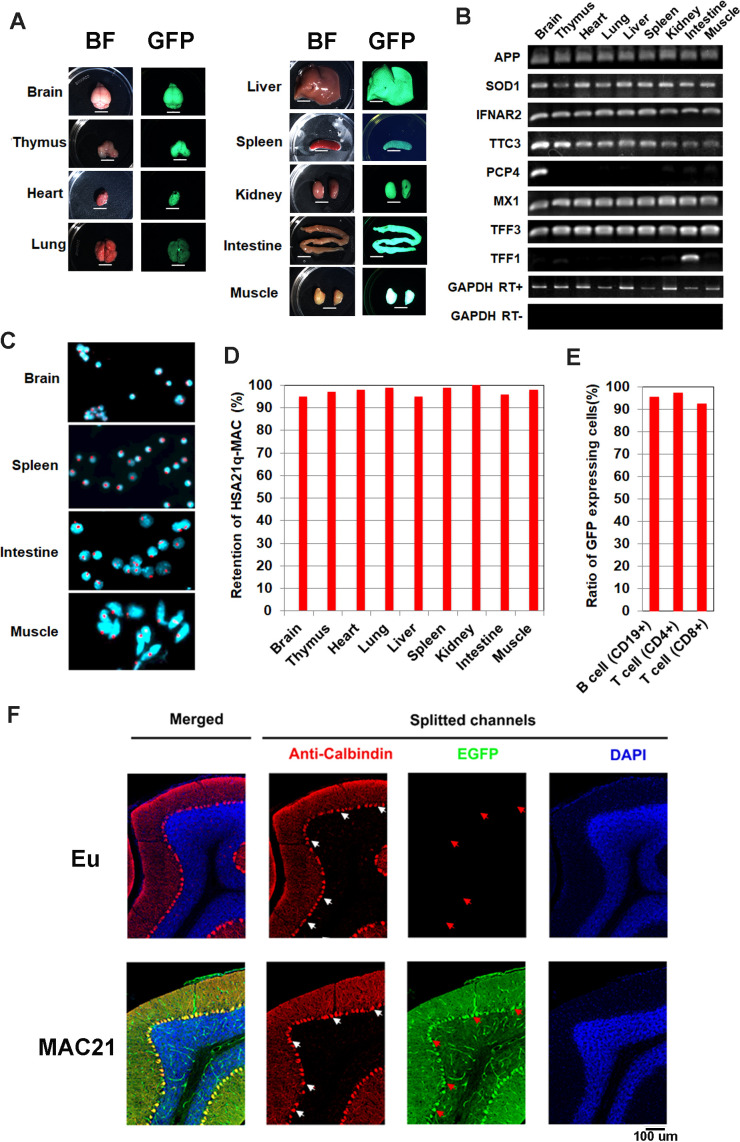
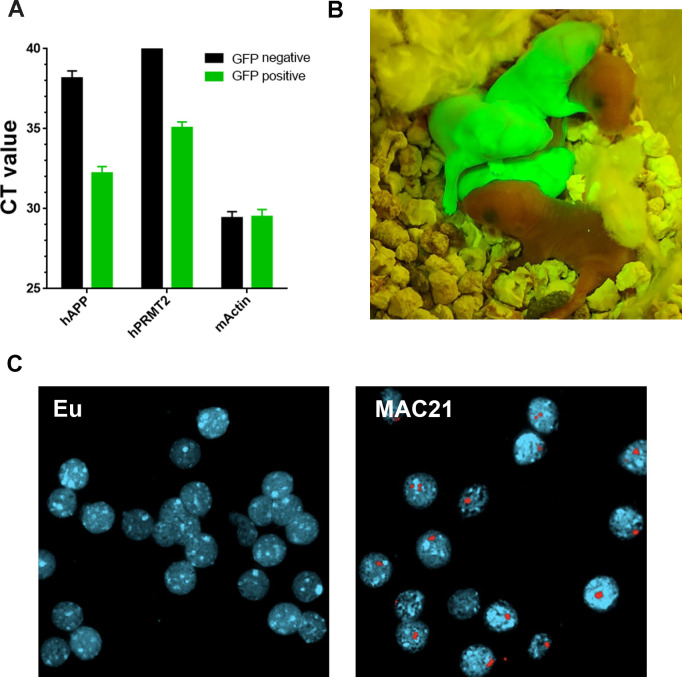
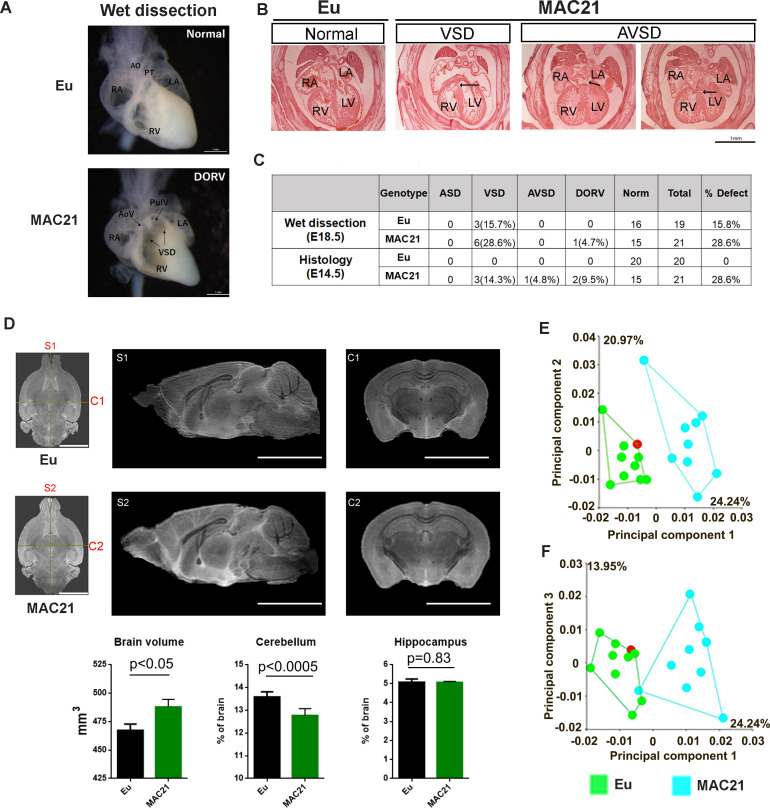
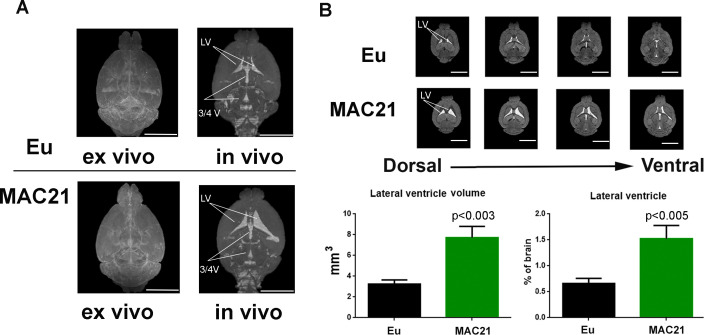
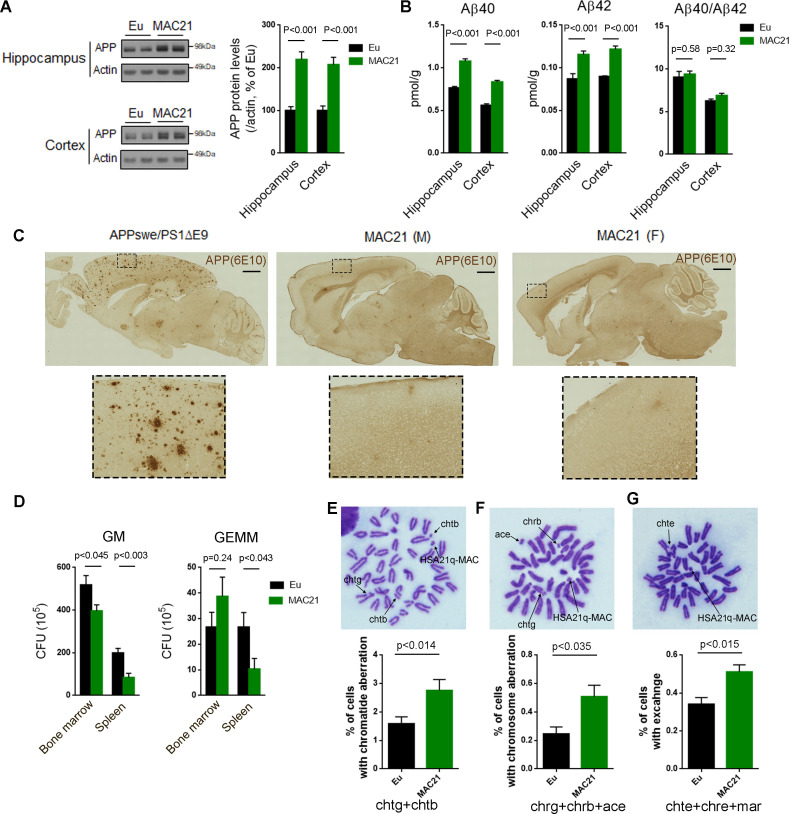
Animal models of Down syndrome (DS), trisomic for human chromosome 21 (HSA21) genes or orthologs, provide insights into better understanding and treatment options. The only existing transchromosomic (Tc) mouse DS model, Tc1, carries a HSA21 with over 50 protein coding genes (PCGs) disrupted. Tc1 is mosaic, compromising interpretation of results. Here, we “clone” the 34 MB long arm of HSA21 (HSA21q) as a mouse artificial chromosome (MAC). Through multiple steps of microcell-mediated chromosome transfer, we created a new Tc DS mouse model, Tc(HSA21q;MAC)1Yakaz (“TcMAC21”). TcMAC21 is not mosaic and contains 93% of HSA21q PCGs that are expressed and regulatable. TcMAC21 recapitulates many DS phenotypes including anomalies in heart, craniofacial skeleton and brain, molecular/cellular pathologies, and impairments in learning, memory and synaptic plasticity. TcMAC21 is the most complete genetic mouse model of DS extant and has potential for supporting a wide range of basic and preclinical research.
Overview
The claims and statistics of this paper haven’t been checked yet.
Run the check — free, no account needed. It reads the open-access text and checks the sources it cites.
Integrity signals
Registry
Cites
Statistics
Figures
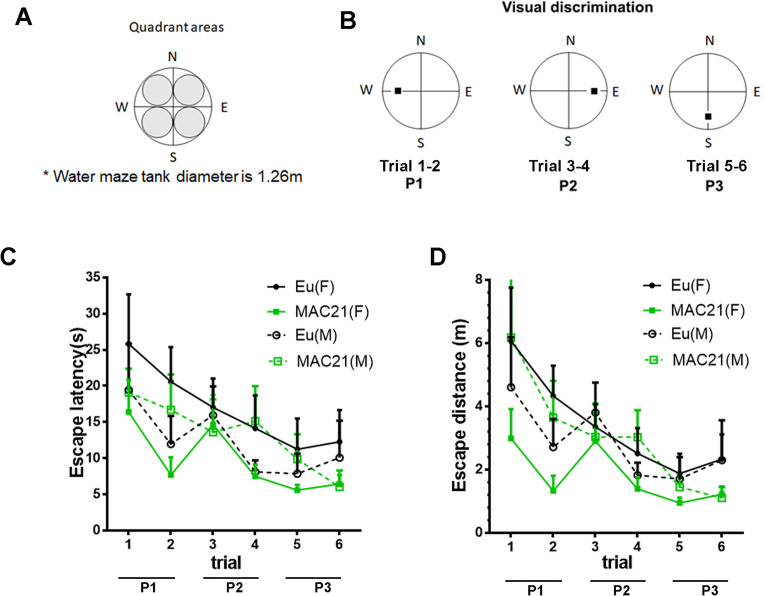
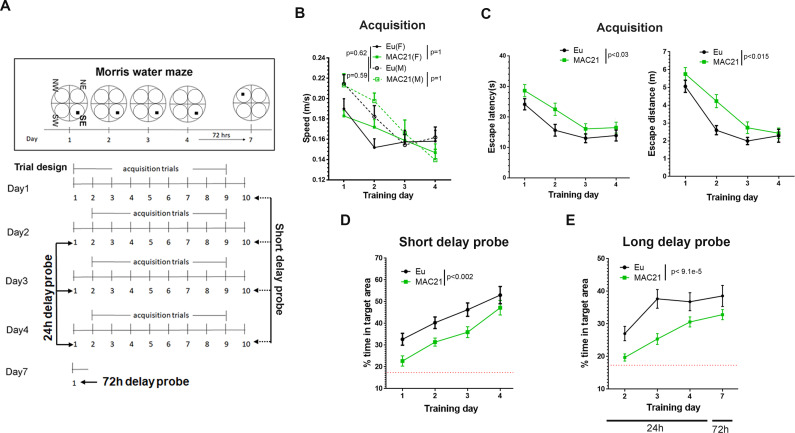
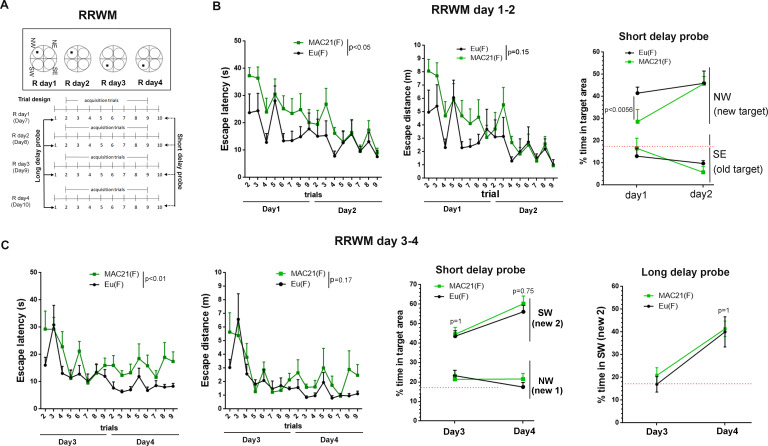
Verification
Claims the paper makes
The claims and statistics of this paper haven’t been checked yet.
Run the check — free, no account needed. It reads the open-access text and checks the sources it cites.
Claims other papers make about this one
Each is checked against this paper’s own text: does it say what the citing paper says it does?
The source backs part of the claim, not all of it — or backs it for a different population, condition or comparison.
In the citing paper
“Similar to human and Ts65Dn data, in MAC21 the cerebellum is decreased in volume compared to euploid at 4–5 months of age. However, there is no change in hippocampal volume and total brain volume is significantly larger in the trisomic mice.”
From Neurodevelopment in Down syndrome: Concordance in humans and models (2022) · cites this paper as Kazuki et al., 2020
Experimental — accuracy not yet measuredThe source backs part of the claim, not all of it — or backs it for a different population, condition or comparison.
In the citing paper
“MAC21, though not well characterized, appears to have an increase in brain volume, the opposite of what is observed in humans.”
From Neurodevelopment in Down syndrome: Concordance in humans and models (2022) · cites this paper as Kazuki et al., 2020
Experimental — accuracy not yet measuredThe cited source says what the claim attributes to it.
In the citing paper
“In addition to modeling the genetics of DS, they also show some of the same behavioral deficits in learning and memory.”
From Neurodevelopment in Down syndrome: Concordance in humans and models (2022) · cites this paper as Kazuki et al., 2020
The cited source says what the claim attributes to it.
In the citing paper
“The transchromosomic mouse model, MAC21, has undergone preliminary characterization and recapitulates some of the phenotypes described in individuals with DS (Kazuki et al., 2020).”
From Neurodevelopment in Down syndrome: Concordance in humans and models (2022) · cites this paper as Kazuki et al., 2020
The cited source says what the claim attributes to it.
In the citing paper
“Like Dp1Tyb/Dp(16)1Yey, they appear to recapitulate some of the non-neuronal phenotypes associated with DS such as skeletal changes and cardiovascular abnormalities.”
From Neurodevelopment in Down syndrome: Concordance in humans and models (2022) · cites this paper as Kazuki et al., 2020
Self-check
Percentages, sums and reported differences re-computed from the paper’s own numbers.
The self-check needs the paper’s full text.
Citations
Cites
ISCN 1995 An international system for human cytogenetic nomenclature
Mitelman, F. (1995) · Cited by 1,930
The DNA sequence of human chromosome 21
Hattori, M., Fujiyama, A., Taylor, T. D., Watanabe, H., Yada, T., Park, H.-S., Toyoda, A., Ishii, K., Totoki, Y., Choi, D., et al. (2000) · Nature · doi:10.1038/35012518 · Cited by 1,475
Antonarakis, S. E., Skotko, B. G., Rafii, M. S., Strydom, A., Pape, S. E., Bianchi, D. W., Sherman, S. L., & Reeves, R. H. (2020) · Nature Reviews Disease Primers · doi:10.1038/s41572-019-0143-7 · Cited by 964
Self-citationA mouse model for Down syndrome exhibits learning and behaviour deficits
Reeves, R. H., Irving, N. G., Moran, T. H., Wohn, A., Kitt, C., Sisodia, S. S., Schmidt, C., Bronson, R. T., & Davisson, M. T. (1995) · Nature Genetics · doi:10.1038/ng1095-177 · Cited by 913
Self-citationDown syndrome phenotypes: the consequences of chromosomal imbalance.
Korenberg, J. R., Chen, X. N., Schipper, R. D., Sun, Z., Gonsky, R., Gerwehr, S., Carpenter, N. J., Däumer, C., Dignan, P. S. J., & Distèche, C. M. (1994) · Proceedings of the National Academy of Sciences · doi:10.1073/pnas.91.11.4997 · Cited by 784
Kleschevnikov, A. M., Belichenko, P. V., Villar, A. J., Epstein, C. J., Malenka, R. C., & Mobley, W. C. (2004) · The Journal of Neuroscience · doi:10.1523/jneurosci.1766-04.2004 · Cited by 459
An Aneuploid Mouse Strain Carrying Human Chromosome 21 with down Syndrome Phenotypes.
O'Doherty, A., Ruf, S., Mulligan, C., Hildreth, V., Errington, M. L., Cooke, S., Sesay, A., Modino, S., Vanes, L., Hernandez, D., et al. (2005) · Science · doi:10.1126/science.1114535 · Cited by 434
Molecular mapping of alzheimer‐type dementia in Down's syndrome
Prasher, V. P., Farrer, M. J., Kessling, A. M., Fisher, E. M. C., West, R. J., Barber, P. C., & Butler, A. C. (1998) · Annals of Neurology · doi:10.1002/ana.410430316 · Cited by 414
Sleegers, K., Brouwers, N., Gijselinck, I., Theuns, J., Goossens, D., Wauters, J., Del‐Favero, J., Cruts, M., van Duijn, C. M., & Broeckhoven, C. V. (2006) · Brain · doi:10.1093/brain/awl203 · Cited by 406
(1990) · PubMed · Cited by 351
Research works printed but not linked: 1
- Besson V. 2005. Studying dosage effects for human chromosome 21 homologous genes using chromosomal engineering in the mouse. 19th International Mouse Genome Conference.
Cited by
Sorted by citations
The brain and its time: intrinsic neural timescales are key for input processing
Golesorkhi, M., Gomez-Pilar, J., Zilio, F., Berberian, N., Wolff, A., Yagoub, M. C. E., & Northoff, G. (2021) · Communications Biology · doi:10.1038/s42003-021-02483-6 · Cited by 198
Aneuploidy as a promoter and suppressor of malignant growth
Vasudevan, A., Schukken, K. M., Sausville, E. L., Girish, V., Adebambo, O. A., & Sheltzer, J. M. (2021) · Nature reviews. Cancer · doi:10.1038/s41568-020-00321-1 · Cited by 176
Telomere Replication: Solving Multiple End Replication Problems
Bonnell, E., Pasquier, E., & Wellinger, R. J. (2021) · Frontiers in Cell and Developmental Biology · doi:10.3389/fcell.2021.668171 · Cited by 113
Access to antivenoms in the developing world: A multidisciplinary analysis
Potet, J., Beran, D., Ray, N., Alcoba, G., Habib, A. G., Iliyasu, G., Waldmann, B., Ralph, R., Faiz, M. A., Monteiro, W. M., et al. (2021) · Toxicon X · doi:10.1016/j.toxcx.2021.100086 · Cited by 103
Ts66Yah, a mouse model of down syndrome with improved construct and face validity
Duchon, A., del Mar Muñiz Moreno, M., Chevalier, C., Nalesso, V., Andre, P., Fructuoso-Castellar, M., Mondino, M., Po, C., Noblet, V., Birling, M.-C., et al. (2022) · Disease Models & Mechanisms · doi:10.1242/dmm.049721 · Cited by 58
Chen, X., Salehi, A., Pearn, M. L., Overk, C., Nguyen, P. D., Kleschevnikov, A. M., Maccecchini, M. L., & Mobley, W. C. (2020) · Alzheimer s & Dementia · doi:10.1002/alz.12185 · Cited by 55
Impact of increased APP gene dose in Down syndrome and the Dp16 mouse model
Sawa, M., Overk, C., Becker, A., Derse, D., Albay, R., Weldy, K., Salehi, A., Beach, T. G., Doran, E., Head, E., et al. (2022) · Alzheimer's & Dementia · doi:10.1002/alz.12463 · Cited by 54
All Creatures Great and Small: New Approaches for Understanding Down Syndrome Genetics
Moyer, A. J., Gardiner, K., & Reeves, R. H. (2021) · Trends in Genetics · doi:10.1016/j.tig.2020.09.017 · Cited by 49
Self-citationNeurodevelopment in Down syndrome: Concordance in humans and models
Klein, J. A., & Haydar, T. F. (2022) · Frontiers in Cellular Neuroscience · doi:10.3389/fncel.2022.941855 · Cited by 47
“MAC21, though not well characterized, appears to have an increase in brain volume, the opposite of what is observed in humans.”
MethodInfluentialShaw, P. R., Klein, J. A., Aziz, N. M., & Haydar, T. F. (2020) · Disease Models & Mechanisms · doi:10.1242/dmm.046243 · Cited by 45
“It will be important to design careful genetic management procedures and standardized protocols for analysis of the newer models arriving in the DS research space, including the MAC21 and Ts66Yah mice (Kazuki et al., 2020; Birling et al., 2017).”
MethodAskary, A., Chen, W., Choi, J., Du, L. Y., Elowitz, M. B., Gagnon, J. A., Schier, A. F., Seidel, S., Shendure, J., Stadler, T., et al. (2024) · Nature Reviews Genetics · doi:10.1038/s41576-024-00788-w · Cited by 40
“…magnitude, spatial transcriptomic methods to advance to a level at which entire animals can be routinely profiled at single-cell resolution, or DNA-based recording to advance to the point where the entire, longitudinal history of a cell can be captured by a single, contiguous DNA sequencing read.”
Pecze, L., Randi, E. B., & Szabó, C. (2020) · Molecular Medicine · doi:10.1186/s10020-020-00225-8 · Cited by 43
“There are also mouse models overexpressing the human chromosome 21, or part of it (O’Doherty et al. 2005; Miyamoto et al. 2014; Kazuki et al. 2020); while these animals have the ‘correct’ extra genes, these are human genes encoding human proteins: the interaction of these human proteins with the mouse proteins is like…”
BackgroundA transchromosomic rat model with human chromosome 21 shows robust down syndrome features.
Kazuki, Y., Gao, F. J., Yamakawa, M., Hirabayashi, M., Kazuki, K., Kajitani, N., Miyagawa-Tomita, S., Abe, S., Sanbo, M., Hara, H., et al. (2022) · The American Journal of Human Genetics · doi:10.1016/j.ajhg.2021.12.015 · Cited by 41
Self-citationPradier, B., Wachsmuth, L., Nagelmann, N., Segelcke, D., Kreitz, S., Heß, A., Pogatzki-Zahn, E. M., & Faber, C. (2021) · NeuroImage · doi:10.1016/j.neuroimage.2021.118626 · Cited by 38
Murray, A., Gough, G., Cindrić, A., Vučković, F., Koschut, D., Borelli, V., Petrović, D. J., Bekavac, A., Plećaš, A., Hribljan, V., et al. (2023) · EBioMedicine · doi:10.1016/j.ebiom.2023.104692 · Cited by 38
Lana-Elola, E., Cater, H., Watson-Scales, S., Greenaway, S., Müller-Winkler, J., Gibbins, D., Nemes, M., Slender, A., Hough, T., Keskivali-Bond, P., et al. (2021) · Disease Models & Mechanisms · doi:10.1242/dmm.049157 · Cited by 35
Chi, C., Knight, W. E., Riching, A. S., Zhang, Z., Tatavosian, R., Zhuang, Y., Moldovan, R., Rachubinski, A. L., Gao, D., Xu, H., et al. (2023) · iScience · doi:10.1016/j.isci.2023.107012 · Cited by 30
Sierra, C., Sabariego-Navarro, M., Fernández‐Blanco, Á., Cruciani, S., Zamora‐Moratalla, A., Novoa, E. M., & Dierssen, M. (2024) · Molecular Psychiatry · doi:10.1038/s41380-024-02440-9 · Cited by 29
“The study was conducted according to the guidelines of the local (law 32/2007) and European regulations (2010/63/EU) and the Standards for Use of Laboratory Animals no.”
The Underlying Relationship between Keratoconus and Down Syndrome
Akoto, T., Li, J. J., Estes, A. J., Karamichos, D., & Liu, Y. (2022) · International Journal of Molecular Sciences · doi:10.3390/ijms231810796 · Cited by 32
Dysregulated systemic metabolism in a Down syndrome mouse model
Sarver, D. C., Xu, C., Vélez, L. M., Aja, S. M., Jaffe, A. E., Seldin, M. M., Reeves, R. H., & Wong, G. W. (2022) · Molecular Metabolism · doi:10.1016/j.molmet.2022.101666 · Cited by 32
Self-citationAβ and tau prions feature in the neuropathogenesis of Down syndrome
Condello, C., Maxwell, A. M., Castillo, E., Aoyagi, A., Graff, C., Ingelsson, M., Lannfelt, L., Bird, T. D., Keene, C. D., Seeley, W. W., et al. (2022) · Proceedings of the National Academy of Sciences · doi:10.1073/pnas.2212954119 · Cited by 27
Brain circuit pathology in Down syndrome: from neurons to neural networks
Bartesaghi, R. (2023) · Reviews in the Neurosciences · doi:10.1515/revneuro-2022-0067 · Cited by 25
Asynchronous excitatory neuron development in an isogenic cortical spheroid model of Down syndrome
Li, Z., Klein, J. A., Rampam, S., Kurzion, R., Campbell, N. B., Patel, Y., Haydar, T. F., & Zeldich, E. (2022) · Frontiers in Neuroscience · doi:10.3389/fnins.2022.932384 · Cited by 24
Mouse models of aneuploidy to understand chromosome disorders
Tosh, J., Tybulewicz, V., & Fisher, E. M. C. (2022) · Mammalian Genome · doi:10.1007/s00335-021-09930-z · Cited by 24
Xing, Z., Li, Y., Cortes-Gomez, E., Jiang, X., Gao, S., Pao, A., Shan, J., Song, Y., Perez, A., Yu, T., et al. (2023) · Human Molecular Genetics · doi:10.1093/hmg/ddad056 · Cited by 23
Self-citationAnand, A., Chatterjee, B., Dhiman, A., Goel, R., Khan, E., Malhotra, A., Santra, V., Salvi, N. C., Khadilkar, M. V., Bhatnagar, I., et al. (2021) · Biosensors and Bioelectronics · doi:10.1016/j.bios.2021.113523 · Cited by 25
Rodent Modeling of Alzheimer's Disease in Down Syndrome: In vivo and ex vivo Approaches
Farrell, C., Mumford, P., & Wiseman, F. K. (2022) · Frontiers in Neuroscience · doi:10.3389/fnins.2022.909669 · Cited by 22
Hypermetabolism in mice carrying a near-complete human chromosome 21
Sarver, D. C., Xu, C., Rodriguez, S., Aja, S. M., Jaffe, A. E., Gao, F., Delannoy, M. R., Periasamy, M., Kazuki, Y., Oshimura, M., et al. (2023) · eLife · doi:10.7554/elife.86023 · Cited by 18
Self-citationDiverse identities and sites of action of cochlear neurotransmitters
Kitcher, S. R., Pederson, A., & Weisz, C. J. C. (2021) · Hearing Research · doi:10.1016/j.heares.2021.108278 · Cited by 19
Cell models for Down syndrome-Alzheimer’s disease research
Wu, Y., West, N. R., Bhattacharyya, A., & Wiseman, F. K. (2022) · Neuronal Signaling · doi:10.1042/ns20210054 · Cited by 17
Moyer, A. J., Fernandez, F., Li, Y., Klinedinst, D. K., Florea, L., Kazuki, Y., Oshimura, M., & Reeves, R. H. (2023) · Disease Models & Mechanisms · doi:10.1242/dmm.049712 · Cited by 18
Self-citationCardiovascular Physiology and Pathophysiology in Down Syndrome
Cılhoroz, B., Receno, C. N., Heffernan, K. S., & DeRuisseau, L. R. (2022) · Physiological Research · doi:10.33549/physiolres.934791 · Cited by 17
“6% of animals had a structural defect of the heart [85], suggesting it”
BackgroundInfluentialBartesaghi, R., Vicari, S., & Mobley, W. C. (2022) · The Annual Review of Pharmacology and Toxicology · doi:10.1146/annurev-pharmtox-041521-103641 · Cited by 18
Behavioral Phenotyping for Down Syndrome in Mice
Roper, R. J., Goodlett, C. R., de Lagrán, M. M., & Dierssen, M. (2020) · Current Protocols in Mouse Biology · doi:10.1002/cpmo.79 · Cited by 14
“A new transchromosomal model has been made that contains ∼93% of Hsa21q (Kazuki et al., 2020).”
MethodBiphasic cell cycle defect causes impaired neurogenesis in down syndrome
Sharma, V., Nehra, S., Do, L. H., Ghosh, A., Deshpande, A. J., & Singhal, N. (2022) · Frontiers in Genetics · doi:10.3389/fgene.2022.1007519 · Cited by 14
“In addition to the development of newer mouse models (Kazuki et al., 2020), human-induced pluripotent stem cells (hiPSCs) (Takahashi and Yamanaka, 2006) (Takahashi et al.”
BackgroundModeling specific aneuploidies: from karyotype manipulations to biological insights
Truong, M. A., Cané‐Gasull, P., & Lens, S. M. A. (2023) · Chromosome Research · doi:10.1007/s10577-023-09735-7 · Cited by 16
“These included the generation of mouse models for Down syndrome by transferring either a large part of human chr21 (Shinohara et al. 2001; O’Doherty et al. 2005), or a mouse artificial cho-mosome containing the q-arm of the human chr21, into mouse embryonic stem cells (ESCs) (Kazuki et al. 2020).”
BackgroundInsights into the Clinical, Biological and Therapeutic Impact of Copy Number Alteration in Cancer
Carey-Smith, S. L., Kotecha, R. S., Cheung, L. C., & Malinge, S. (2024) · International Journal of Molecular Sciences · doi:10.3390/ijms25136815 · Cited by 18
“This includes transgenic models triplicated for Mm10, Mm16 and Mm17 [171], as well as the Tc1 and TcMAC21 models, which were developed using microcell mediated chromosome transfer [172], that span 70–75% of the protein-coding Hsa21 genes [173,174].”
MethodA clinical-translational review of sleep problems in neurodevelopmental disabilities
Peters, S. U., Shelton, A. R., Malow, B. A., & Neul, J. L. (2024) · Journal of Neurodevelopmental Disorders · doi:10.1186/s11689-024-09559-4 · Cited by 15
“These mice have many of the same phenotypic features of DS that are evident in humans, including a distinct facial structure, a greater prevalence for congenital heart defects, a smaller-than-usual cerebellum and learning difficulties [90].”
BackgroundGao, F., Klinedinst, D. K., Fernandez, F., Cheng, B., Savonenko, A. V., Devenney, B., Li, Y., Wu, D., Pomper, M. G., & Reeves, R. H. (2021) · Acta Neuropathologica Communications · doi:10.1186/s40478-021-01237-z · Cited by 14
Self-citationVuong, C. K., Weber, A., Seong, P., Matoba, N., Chen, Y.-J., Peyer, J., Younesi, S., Salinda, A., Gomez, D., Rivas, G., et al. (2026) · Science · doi:10.1126/science.aea1259 · Cited by 18
Rethinking nomenclature for interspecies cell fusions
Pavlovic, B. J., Fox, D., Schaefer, N. K., & Pollen, A. A. (2022) · Nature Reviews Genetics · doi:10.1038/s41576-021-00447-4 · Cited by 13
Watson, L. A., & Meharena, H. S. (2023) · Frontiers in Genetics · doi:10.3389/fgene.2023.1198129 · Cited by 13
“Initial characterization of the TcMAC21 mouse indicates reduced cerebellar volume and behavioral changes consistent with those observed in previous mouse models of DS (Kazuki et al., 2020).”
BackgroundResultDown syndrome and leukemia: An insight into the disease biology and current treatment options
Barwe, S. P., Kolb, E. A., & Gopalakrishnapillai, A. (2023) · Blood Reviews · doi:10.1016/j.blre.2023.101154 · Cited by 13
A dynamic in vitro model of Down syndrome neurogenesis with trisomy 21 gene dosage correction
Bansal, P., Banda, E. C., Glatt-Deeley, H. R., Stoddard, C. E., Linsley, J. W., Arora, N., Deleschaux, C., Ahern, D. T., Kondaveeti, Y., Massey, R. E., et al. (2024) · Science Advances · doi:10.1126/sciadv.adj0385 · Cited by 13
Low bone mass and impaired fracture healing in mouse models of Trisomy21 (Down syndrome)
Sherman, K. M., Williams, D. K., Welsh, C. A., Cooper, A., Falck, A. R., Huggins, S. S., Bokhari, R. S., Gaddy, D., McKelvey, K. D., Dawson, L., et al. (2022) · Bone · doi:10.1016/j.bone.2022.116471 · Cited by 13
Wu, D., Zhang, Y., Cheng, B., Mori, S., Reeves, R. H., & Gao, F. (2021) · Brain Communications · doi:10.1093/braincomms/fcab062 · Cited by 12
Self-citationNeocortical neuronal production and maturation defects in the TcMAC21 mouse model of Down syndrome
Kurabayashi, N., Fujii, K., Otobe, Y., Hiroki, S., Hiratsuka, M., Yoshitane, H., Kazuki, Y., & Takao, K. (2023) · iScience · doi:10.1016/j.isci.2023.108379 · Cited by 13
Self-citationShaking up the silence: consequences of HMGN1 antagonizing PRC2 in the Down syndrome brain
Farley, S. J., Grishok, A., & Zeldich, E. (2022) · Epigenetics & Chromatin · doi:10.1186/s13072-022-00471-6 · Cited by 13
Shao, L., Gao, F., Chinnasamy, V., Kazuki, Y., Oshimura, M., Reeves, R. H., & Stafstrom, C. E. (2023) · Neurobiology of Disease · doi:10.1016/j.nbd.2023.106198 · Cited by 12
Self-citationAbe, S., Honma, K., Okada, A., Kazuki, K., Tanaka, H., Endo, T., Morimoto, K., Moriwaki, T., Hamamichi, S., Nakayama, Y., et al. (2021) · Scientific Reports · doi:10.1038/s41598-021-99535-y · Cited by 11
Self-citationDierssen, M., Hérault, Y., Helguera, P. R., de Lagrán, M. M., Vázquez, A. V., Christian, B. T., Carmona‐Iragui, M., Wiseman, F. K., Mobley, W. C., Fisher, E., et al. (2021) · Molecular Syndromology · doi:10.1159/000514437 · Cited by 11
Simulating PIP2-Induced Gating Transitions in Kir6.2 Channels
Bründl, M., Pellikan, S., & Stary‐Weinzinger, A. (2021) · Frontiers in Molecular Biosciences · doi:10.3389/fmolb.2021.711975 · Cited by 11
Genetics and etiology of congenital heart disease
Narayan, P., Richter, F., & Morton, S. U. (2024) · Current topics in developmental biology/Current Topics in Developmental Biology · doi:10.1016/bs.ctdb.2024.01.009 · Cited by 10
Hiramuki, Y., Hosokawa, M., Osawa, K., Shirakawa, T., Watanabe, Y., Hanajima, R., Kugoh, H., Awano, H., Matsuo, M., & Kazuki, Y. (2025) · Scientific Reports · doi:10.1038/s41598-025-85369-5 · Cited by 10
“Using mouse artificial chromosome, Down syndrome model mice carrying the long arm of human chromosome 21 27 , human antibody-producing mice carrying human immunoglobulin loci 28 , and human drug-metabolizing enzyme-producing rats carrying UGT2 cluster and CYP3A cluster 29 have been developed.”
Self-citationUltrasonic vocalization phenotypes in the Ts65Dn and Dp(16)1Yey mouse models of Down syndrome
Glass, T. J., Lenell, C., Fisher, E. H., Yang, Q., & Connor, N. P. (2023) · Physiology & Behavior · doi:10.1016/j.physbeh.2023.114323 · Cited by 9
Šemberová, K., Svitok, M., Marhold, K., Suda, J., & Schmickl, R. (2021) · Annals of Botany · doi:10.1093/aob/mcab123 · Cited by 9
Li, Y., Xing, Z., Yu, T., Pao, A., Daadi, M. M., & Yu, Y. E. (2021) · Genes · doi:10.3390/genes12081215 · Cited by 10
“The second group of genomic mouse models developed were transchromosomal models [11,12].”
BackgroundInfluentialSelf-citationMiyamoto, H., Kobayashi, H., Kishima, N., Yamazaki, K., Hamamichi, S., Uno, N., Abe, S., Hiramuki, Y., Kazuki, K., Tomizuka, K., et al. (2024) · Nucleic Acids Research · doi:10.1093/nar/gkad1218 · Cited by 8
“…mouse artificial chromosomes (MACs) have achieved the delivery of up to 24 Mb human chromosome fragment (hCF) into mice with stable intra-individual retention and germline transmission, cumulating in generation of hCF containing animal models termed tran-schromosomic (TC) animals ( 3 , 7 , 8 ).”
BackgroundMethodSelf-citationLlambrich, S., González, R., Wouters, J., Muñoz, J. R., Salassa, S., Wouters, K., Bulck, V. V., Sharpe, J. A., Callaerts‐Vegh, Z., Velde, G. V., et al. (2022) · Nutrients · doi:10.3390/nu14194167 · Cited by 6
“Our results replicated previous findings on the face, skull, and mandible morphology in newborn and adult Ts65Dn mice [3,56,57] and were consistent with the craniofacial malformations identified in other models of DS, such as TcMAC21 [58] and Dp1Tyb mice [59,60].”
ResultAraya, P., Niemeyer, B., Schade, K., Dunn, L. N., Waugh, K., Busquet, N., Brindley, C., Brown, C., Winkler, C., Lyford, H. R., et al. (2025) · iScience · doi:10.1016/j.isci.2025.113130 · Cited by 7
Infantile epileptic spasms syndrome: Mechanisms and therapeutic approaches
Stafstrom, C. E. (2025) · Neurotherapeutics · doi:10.1016/j.neurot.2025.e00822 · Cited by 7
“A newer model, transchromosomic mouse artificial chromosome 21 (TcMAC21), carries a copy of human chromosome 21 and therefore harbors a genetic composition very similar to human DS [137].”
Loss of GDE2 leads to complex behavioral changes including memory impairment
Daudelin, D., Westerhaus, A., Zhang, N., Leyder, E. C., Savonenko, A. V., & Sockanathan, S. (2024) · Behavioral and Brain Functions · doi:10.1186/s12993-024-00234-1 · Cited by 8
“These types of probe trials were used in numerous previous studies of cognitive deficits in different mouse and rat models of Alzheimer’s and other diseases [23, 27–29].”
MethodSelf-citationAhmed, M. M., Block, A., Busquet, N., & Gardiner, K. (2021) · Genes · doi:10.3390/genes12101528 · Cited by 8
“There are technical challenges to generating complete trisomy, and while many partial trisomies have been created (reviewed in [21,24–27]), a full trisomy model has only recently been produced [28].”
BackgroundUno, N., Satofuka, H., Miyamoto, H., Honma, K., Suzuki, T., Yamazaki, K., Ito, R., Moriwaki, T., Hamamichi, S., Tomizuka, K., et al. (2023) · Molecular Therapy — Nucleic Acids · doi:10.1016/j.omtn.2023.07.002 · Cited by 6
“The assessment of chromosome damage is an essential consideration; however, a comprehensive study such as quantitative nextgeneration sequencing-based telomere-to-telomere assembly(39) is needed to evaluate the efficiency of transferring intact, complete chromosomes to detect chromosomal damage that is not identifiabl…”
Self-citationThe Hallmarks of Aneuploidy in Cancer and Congenital Syndromes
Cheng, P., Singh, K., Reeves, R. H., & Davoli, T. (2025) · Annual Review of Genomics and Human Genetics · doi:10.1146/annurev-genom-111723-103557 · Cited by 6
“In 2020, scientists introduced TcMAC21, a trans-chromosomic mouse model of DS that contains the human chromosome 21q arm (94).”
Self-citationIncreased seizure susceptibility and neocortical excitability in TcMAC21 Down syndrome mice
Chinnasamy, V., Stafstrom, C. E., & Shao, L. (2025) · Neuroscience · doi:10.1016/j.neuroscience.2025.09.016 · Cited by 5
Tenreiro, M. F., & Muotri, A. R. (2026) · Developmental Cell · doi:10.1016/j.devcel.2026.02.018 · Cited by 6
Raza, M. A., Folz, A., Victorino, D. B., Xing, Z., Chen, X., Zuo, X., Borden, L. K., Potier, M., Mobley, W. C., Dierssen, M., et al. (2026) · STAR Protocols · doi:10.1016/j.xpro.2026.104717 · Cited by 7
“Hsa21 is syntenic with regions on Mmu 16, 10, and 17, containing ∼ 105, 37, and 19 protein-coding genes 20 respectively, not including unrelated keratin-associated genes.”
InfluentialSelf-citationScott-McKean, J. J., Jones, R., Johnson, M. W., Mier, J., Basten, I. A., Stasko, M. R., & Costa, A. C. S. (2023) · Brain Sciences · doi:10.3390/brainsci13050743 · Cited by 5
“The MAC was introduced stably into embryonic stem cells which were then used to produce this mouse model [39].”
MethodBardhan, S., Li, H., Tarver, E. D., Schramm, C. A., Brown, M. K., Garcia, L., Schwartz, B. N., Mazzucco, A., Natarajan, N., Walsh, E., et al. (2024) · American Journal of Medical Genetics Part C Seminars in Medical Genetics · doi:10.1002/ajmg.c.32081 · Cited by 5
Microcell-mediated chromosome transfer between non-identical human iPSCs
Uno, N., Miyamoto, H., Yamazaki, K., Egawa, M., Kobayashi, H., Kazuki, K., Osaki, M., Suzuki, T., Hamamichi, S., Oshimura, M., et al. (2024) · Molecular Therapy — Nucleic Acids · doi:10.1016/j.omtn.2024.102382 · Cited by 5
Self-citationInfantile Spasms in Pediatric Down Syndrome: Potential Mechanisms Driving Therapeutic Considerations
Stafstrom, C. E., & Shao, L. (2024) · Children · doi:10.3390/children11121513 · Cited by 5
“Recently, Reeves and colleagues developed a mouse model of DS called TcMAC21 that is genetically engineered to carry a copy of Hsa21 [82].”
TcMAC21 mouse model recapitulates abnormal vascular physiology observed in humans with Down syndrome
Zheng, X., Sabouri, M., Irwin, B. J., Bernardo, J., & Machin, D. R. (2025) · Physiological Reports · doi:10.14814/phy2.70384 · Cited by 5
“The TcMAC21 mouse recapitulates many DS phenotypes, including congenital heart anomalies, developmental delays, and cognitive impairments (Kazuki et al., 2020).”
InfluentialShao, L., & Stafstrom, C. E. (2025) · Epilepsy Research · doi:10.1016/j.eplepsyres.2025.107686 · Cited by 4
Alldred, M. J., Pidikiti, H., Ibrahim, K. W., Lee, S. H., Heguy, A., Chiosis, G., Mufson, E. J., Stutzmann, G. E., & Ginsberg, S. D. (2025) · Biomolecules · doi:10.3390/biom15081131 · Cited by 3
“Alternative animal models of DS/AD could be considered, such as TcMac21 [102], encodes a triplicated copy of the entire human HSA21 chromosome in mice to confirm validity of targets and to identify potential novel targets not present in this initial analysis.”
Vertebrate and Invertebrate Animal Models for the Study of Down Syndrome
Granholm, A. (2025) · International Journal of Molecular Sciences · doi:10.3390/ijms26168092 · Cited by 6
“The TcMAC21 mouse model of DS was first described in 2020 by Kazuki, Gao, and Reeves et al. [82].”
InfluentialSleep Fragmentation in TcMAC21 Mouse Model of Down Syndrome
Tusk, J., Canas, M. A. S., Haydar, T. F., & Dean, T. (2025) · Nature and Science of Sleep · doi:10.2147/nss.s545188 · Cited by 3
“Of note, the TcMAC21 mice did bear distinguishable physical characteristics noted previously, 13 including abnormal facies and shortened ears, making blinding investigators to mouse genotype impossible as the investigators interacting with the mice were the same as those collecting and analyzing…”
Stander, R. M. H., Ayyappan, N., Sikorski, D., van der Heijden, M. E., & Hsiao, K. (2025) · Translational Psychiatry · doi:10.1038/s41398-025-03744-2 · Cited by 5
“In multi-fi ber photometry experiments, we utilized a red fl uorescent calcium sensor protein [35] to contrast the peri-centromeric GFP on the HSA21q-MAC [25] to independently record neural calcium activity by spectral separation.”
Rataj-Baniowska, M., Mumford, P., Prestia, F., Stephan, P., Beament, M., Birling, M., Lanzillotta, C., Ciafardini, L., Barone, E., Lau, G., et al. (2026) · Alzheimer s & Dementia · doi:10.1002/alz.71498 · Cited by 3
Neuronal oscillations in cognition: Down syndrome as a model of mouse to human translation
Chang, P., Pérez-González, M., Constable, J., Bush, D., Cleverley, K., Tybulewicz, V. L. J., Fisher, E., & Walker, M. C. (2024) · The Neuroscientist · doi:10.1177/10738584241271414 · Cited by 3
“TcMAC21 was then developed to improve upon this and also contains a freely segregating copy of Hsa21 but with ~93% of protein-coding genes and no detectable mosaicism (Kazuki and others 2020; see Fig.”
Yamazaki, K., Matsuo, K., Okada, A., Uno, N., Suzuki, T., Abe, S., Hamamichi, S., Kishima, N., Togai, S., Tomizuka, K., et al. (2022) · Scientific Reports · doi:10.1038/s41598-022-25959-9 · Cited by 3
Self-citationAlldred, M. J., Ibrahim, K. W., Pidikiti, H., Lee, S. H., Heguy, A., Chiosis, G., Mufson, E. J., Stutzmann, G. E., & Ginsberg, S. D. (2025) · Frontiers in Molecular Neuroscience · doi:10.3389/fnmol.2025.1546375 · Cited by 4
Minter, R., & Gardiner, K. (2021) · Genes · doi:10.3390/genes12111697 · Cited by 2
“Few comparisons of results here can be made with learning/memory deficits seen in other mouse models of DS for two reasons: (i) no other models have been assessed for performance in the puzzle box, double-H maze, or acoustic startle/prepulse inhibition, and (ii) female mice have been assessed in only a single DS model…”
ResultA new Down syndrome rat model races forward
Roper, R. J., & Goodlett, C. R. (2022) · Trends in Genetics · doi:10.1016/j.tig.2022.05.001 · Cited by 6
Seeking clarity on sex differences in cardiovascular complications of Down syndrome
Lam, M. P. Y. (2023) · American Journal of Physiology-Heart and Circulatory Physiology · doi:10.1152/ajpheart.00210.2023 · Cited by 3
Atak, Z., Srivastava, A., Gandhi, S., Park, E., Williams, J., Torii, M., & Haydar, T. F. (2025) · Journal of Neuroscience · doi:10.1523/jneurosci.0040-25.2025 · Cited by 2
Comparative analysis of craniofacial shape in two mouse models of Down syndrome: Ts65Dn and TcMAC21
Singh, N., Richtsmeier, J. T., & Reeves, R. H. (2024) · Journal of Anatomy · doi:10.1111/joa.14012 · Cited by 2
“…were bred, cared for, euthanized, and imaged according to the guidelines of the National Institute of Health and RIKEN Guide for the Care and Use of Laboratory Animals as well as the Institutional Animal Care and Use Committee protocols of the local universities involved (Kazuki et al., 2020).”
BackgroundMethodInfluentialSelf-citationIn preprints: insights into human heart development and congenital heart defects
Kathiriya, I. S. (2024) · Development · doi:10.1242/dev.204302 · Cited by 2
Kishima, N., Moriwaki, T., Uno, N., Suzuki, T., Abe, S., Sugawara, M., Nagashima, Y., Kazuki, K., Endo, T., Yamazaki, K., et al. (2025) · Scientific Reports · doi:10.1038/s41598-025-13138-5 · Cited by 2
“The following target DNA: probe combinations were utilized as previously described 9 : mouse DNA: mouse Cot-1 (Invitrogen/Thermo Fisher Scientific), human DNA: human Cot-1 (Invitrogen/Thermo Fisher Scientific), HLA-A :CH501-309N1, HLA-B /C: CH501-248L24, h B2M :RP11-292P13, and mouse minor…”
Self-citationDown syndrome: a model for chromosome abnormalities
Overk, C., & Mobley, W. C. (2022) · Elsevier eBooks · doi:10.1016/b978-0-323-85654-6.00007-1 · Cited by 4
Guedj, F., Kane, E., Bishop, L. A., Pennings, J. L. A., Hérault, Y., & Bianchi, D. W. (2022) · bioRxiv (Cold Spring Harbor Laboratory) · doi:10.1101/2022.09.23.509067 · Cited by 2
“Unfortunately this is not yet the case with the new TcMAC21 mouse model due to deletion in human chromosome 21 that occurred during generation of this strain (75).”
BackgroundSingh, N., Reeves, R. H., & Richtsmeier, J. T. (2025) · Journal of Anatomy · doi:10.1111/joa.70066 · Cited by 1
“TcHSA21rats were maintained on a Wistar (Crlj:Wj, Charles River) and the TcMAC21 mice were on a BDF1 (C57BL/6 L (B6)xDBA/2 J(D2)) background (Kazuki et al., 2020; Kazuki et al., 2022).”
InfluentialSelf-citationGene dosage imbalance disrupts systemic metabolism in the Dp16 Down syndrome mouse model
Chen, F., Saqib, M., Nguyen, C. M., Sarver, D. C., Yu, Y. E., Aja, S. M., Seldin, M. M., & Wong, G. W. (2026) · eLife · doi:10.7554/elife.110476.3 · Cited by 1
Mammalian genome research resources available from the National BioResource Project in Japan
Mizuno‐Iijima, S., Kawamoto, S., Asano, M., Mashimo, T., Wakana, S., Nakamura, K., Nishijima, K.-I., Okamoto, H., Saito, K., Yoshina, S., et al. (2024) · Mammalian Genome · doi:10.1007/s00335-024-10063-2 · Cited by 2
Llambrich, S., Tielemans, B., Saliën, E., Atzori, M., Wouters, K., Bulck, V. V., Platt, M., Vanherp, L., Fernandez, N. G., de la Fuente, L. G., et al. (2023) · eLife · doi:10.1101/2023.07.31.551282 · Cited by 6
“These genetic alterations do not fully represent DS’s aneuploidy and other mouse and rat models have been developed recently that more faithfully represent the trisomic nature of DS ( Kazuki et al., 2020 ; Kazuki et al., 2022 ).”
BackgroundGene dosage imbalance disrupts systemic metabolism in the Dp16 Down syndrome mouse modelPreprint
Chen, F., Saqib, M., Nguyen, C. M., Sarver, D. C., Yu, Y. E., Aja, S. M., Seldin, M. M., & Wong, G. W. (2026) · eLife · doi:10.7554/elife.110476 · Cited by 1
“TcMAC21 is a recently generated transchromosomic mouse model carrying a non-mosaic Hsa21q ( Kazuki et al., 2020 ).”
The first transchromosomic rat model with human chromosome 21 shows robust Down syndrome featuresPreprint
Kazuki, Y., Gao, F., Yamakawa, M. Y., Hirabayashi, M., Kazuki, K., Kajitani, N., Miyagawa‐Tomita, S., Abe, S., Sanbo, M., Hara, H., et al. (2021) · bioRxiv (Cold Spring Harbor Laboratory) · doi:10.1101/2021.10.03.462958
Self-citationA Mouse Model with Complete Penetrance for Atrioventricular Septal Defect/Complete AV CanalPreprint
Li, Y., Andersen, P., Liu, X., Moyer, A. J., Kwon, C., & Reeves, R. H. (2022) · bioRxiv (Cold Spring Harbor Laboratory) · doi:10.1101/2022.02.03.478994
Self-citationIn vivo and in vitro models for research on Down syndrome
Ganguly, B. B. (2022) · Elsevier eBooks · doi:10.1016/b978-0-323-90456-8.00013-2 · Cited by 1
Development of Cortical Neuron Heterogeneity and Impact of Neurodevelopmental Disorders
Li, Z., Tylerand, W. A., & Haydar, T. F. (2023) · doi:10.1002/9781119860914.ch12
Metadata
- Authors
- Kazuki, Y., Gao, F. J., Li, Y., Moyer, A. J., Devenney, B., Hiramatsu, K., Miyagawa-Tomita, S., Abe, S., Kazuki, K., Kajitani, N., Uno, N., Takehara, S., Takiguchi, M., Yamakawa, M., Hasegawa, A., Shimizu, R., Matsukura, S., Noda, N., Ogonuki, N., Inoue, K., Matoba, S., Ogura, A., Florea, L. D., Savonenko, A., Xiao, M., Wu, D., Batista, D. A., Yang, J., Qiu, Z., Singh, N., Richtsmeier, J. T., Takeuchi, T., Oshimura, M., & Reeves, R. H.
- Affiliations
- Chromosome Engineering Research Center (JP)
- Johns Hopkins University (US)
- Tottori University (JP)
- Department of Animal Nursing Science, Yamazaki University of Animal Health Technology, Hachioji, Tokyo, Japan
- Tohoku University (JP)
- National Institute of Advanced Industrial Science and Technology (JP)
- RIKEN BioResource Research Center (JP)
- Department of Neuroscience, John Hopkins University School of Medicine, Baltimore, United States
- Zhejiang University (CN)
- Pennsylvania State University (US)
- California State University, Sacramento (US)
- Corresponding author
- Kazuki, Yasuhiro
- Reeves, Roger H
- ORCID
- Kazuki, Yasuhiro
- Gao, Feng J
- Li, Yicong
- Moyer, Anna J
- Devenney, Benjamin
- Abe, Satoshi
- Kazuki, Kanako
- Uno, Narumi
- Yamakawa, Miho
- Hasegawa, Atsushi
- Shimizu, Ritsuko
- Matsukura, Satoko
- Noda, Naohiro
- Inoue, Kimiko
- Matoba, Shogo
- Ogura, Atsuo
- Florea, Liliana D
- Savonenko, Alena
- Wu, Dan
- Batista, Denise AS
- Yang, Junhua
- Qiu, Zhaozhu
- Singh, Nandini
- Richtsmeier, Joan T
- Takeuchi, Takashi
- Reeves, Roger H
- Venue
- eLife
- Publisher
- eLife Sciences Publications, Ltd
- Published
- 2020-06-29
- Volume
- 9
- ISSN
- 2050-084X (ISSN-L)
- PMC
- PMC7358007
- OpenAlex
- W3037987616
- Cited by
- 125
- References
- 77
- Citations by year
- 2026: 17 · 2025: 20 · 2024: 18 · 2023: 19 · 2022: 23 · 2021: 22 · 2020: 6
- FWCI
- 14.25
- Type
- journal article
- Language
- en
- Open access
- gold
- doi.org
- Licence
- Locations
- eLife (publishedVersion, cc-by)
- PubMed Central (publishedVersion, cc-by)
- PubMed (publishedVersion)
- DOAJ (DOAJ: Directory of Open Access Journals) (submittedVersion, cc-by-sa)
- Funders
- Eunice Kennedy Shriver National Institute of Child Health and Human Development (R21HD098540-01, R01HD038384)
- Japan Society for the Promotion of Science (25221308)
- Core Research for Evolutional Science and Technology (JPMJCR18S4)
- Topics
- Health Sciences › Medicine › Public Health, Environmental and Occupational Health › Down syndrome and intellectual disability research
- Life Sciences › Biochemistry, Genetics and Molecular Biology › Genetics › Genomic variations and chromosomal abnormalities
- Life Sciences › Biochemistry, Genetics and Molecular Biology › Genetics › Genetic and Clinical Aspects of Sex Determination and Chromosomal Abnormalities
- Keywords
- Down syndrome, artificial chromosomes, microcell-mediated chromosome transfer, cardiac anomalies, craniofacial anomalies, brain anomalies, learning and memory impairment, synaptic plasticity, gene expression
- MeSH terms
- Whole Genome Sequencing, Animals, Brain, Chromosomes, Human, Pair 21, Disease Models, Animal, Down Syndrome, Female, Heart Defects, Congenital, Humans, Male, Mice, Inbred C57BL, Mice, Transgenic, Trisomy, Mice
About these checks
Registry, retraction, Cites and statistics results are computed, not judged, with one exception: a printed reference that no index lists is read once by a model before it counts as a citation error. Claims are extracted by a model and kept only when their quote appears verbatim in the text; each cited source is then checked, with a model’s help, for whether it says what the claim relies on. Those verdicts can be wrong — read the claim’s quote and the cited source before relying on one.
Statistics and arithmetic are recomputed, not judged.
Confidence bands are shown only for fields calibrated on our annotated test set. None is calibrated yet, so no band is shown.
What counts as a claim ›How we measure confidence ›How we check this ›
Are you an author, or do you see a problem with this page? Request a review
