

The DOI matches its Crossref record; 1 of the 1 references it cites were found in a registry or an index.
Biofilms deform soft surfaces and disrupt epithelia
Published version of a preprint
Abstract
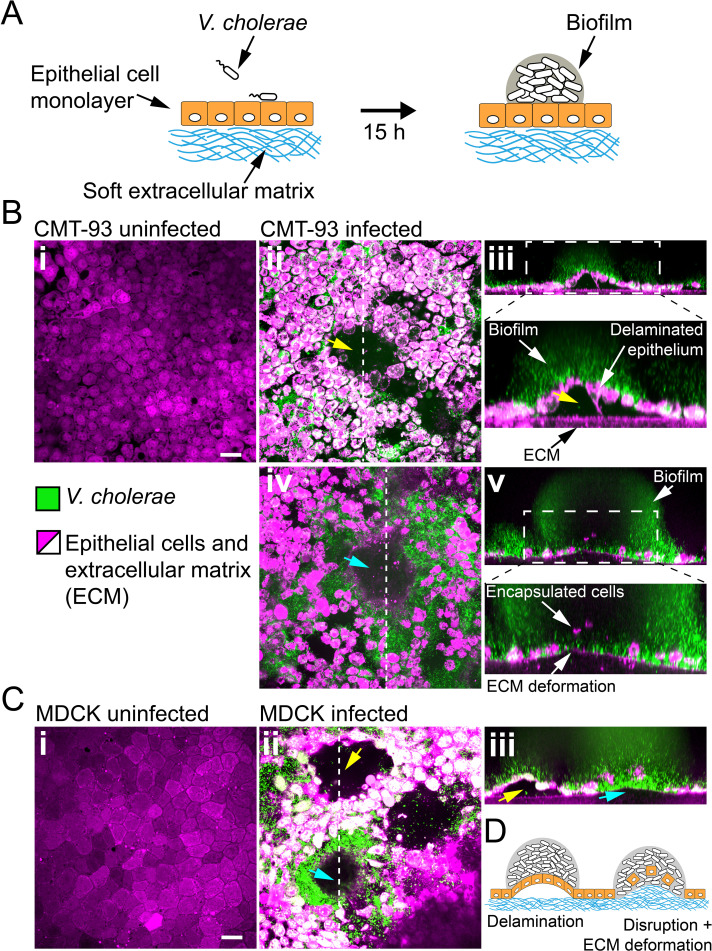
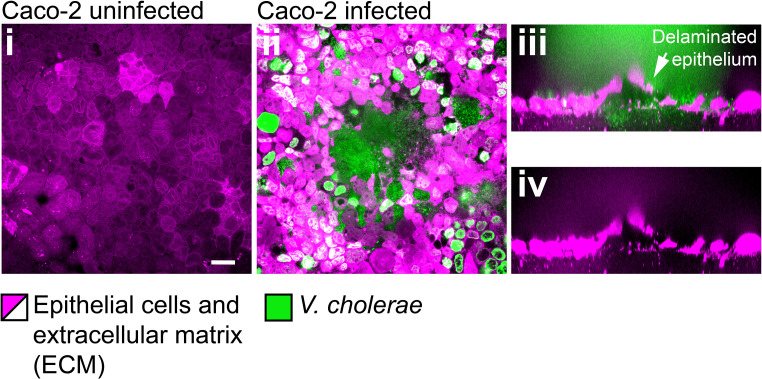
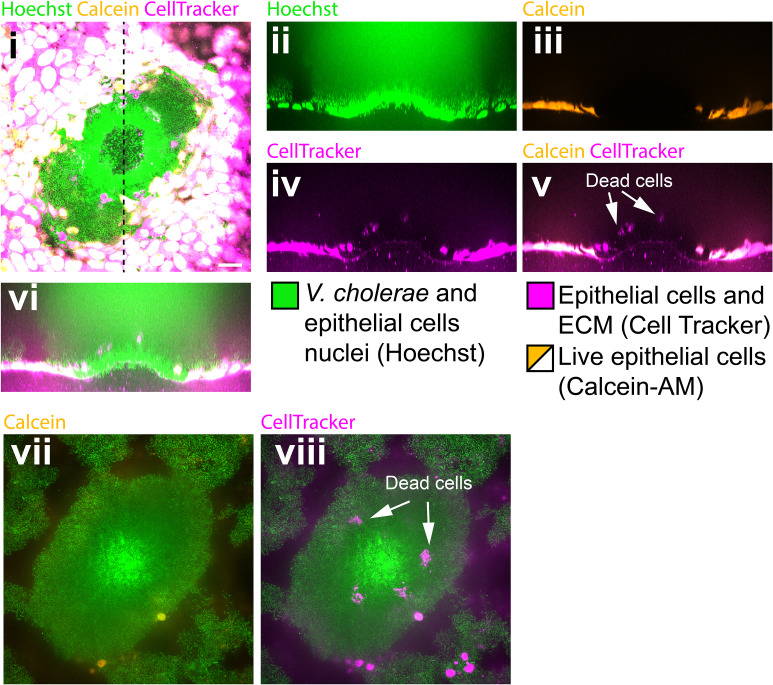
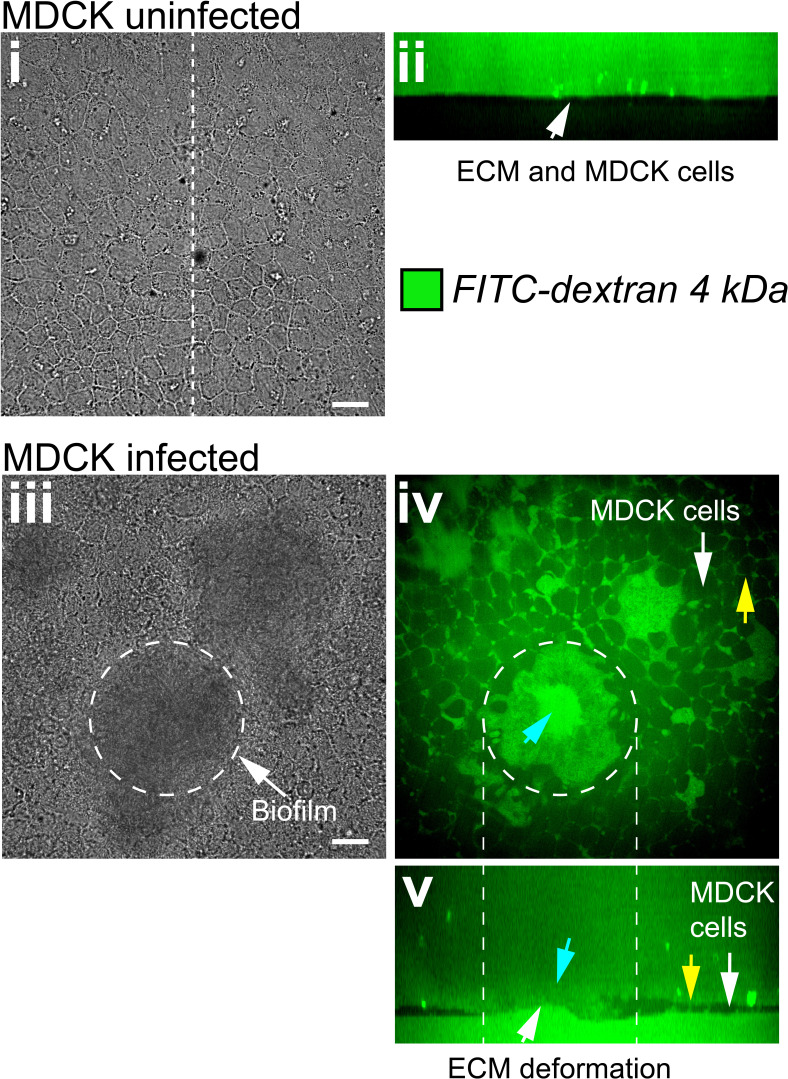
During chronic infections and in microbiota, bacteria predominantly colonize their hosts as multicellular structures called biofilms. A common assumption is that biofilms exclusively interact with their hosts biochemically. However, the contributions of mechanics, while being central to the process of biofilm formation, have been overlooked as a factor influencing host physiology. Specifically, how biofilms form on soft, tissue-like materials remains unknown. Here, we show that biofilms of the pathogens Vibrio cholerae and Pseudomonas aeruginosa can induce large deformations of soft synthetic hydrogels. Biofilms buildup internal mechanical stress as single cells grow within the elastic matrix. By combining mechanical measurements and mutations in matrix components, we found that biofilms deform by buckling, and that adhesion transmits these forces to their substrates. Finally, we demonstrate that V. cholerae biofilms can generate sufficient mechanical stress to deform and even disrupt soft epithelial cell monolayers, suggesting a mechanical mode of infection.
Overview
The claims and statistics of this paper haven’t been checked yet.
Run the check — free, no account needed. It reads the open-access text and checks the sources it cites.
Integrity signals
Registry
Cites
Statistics
Figures
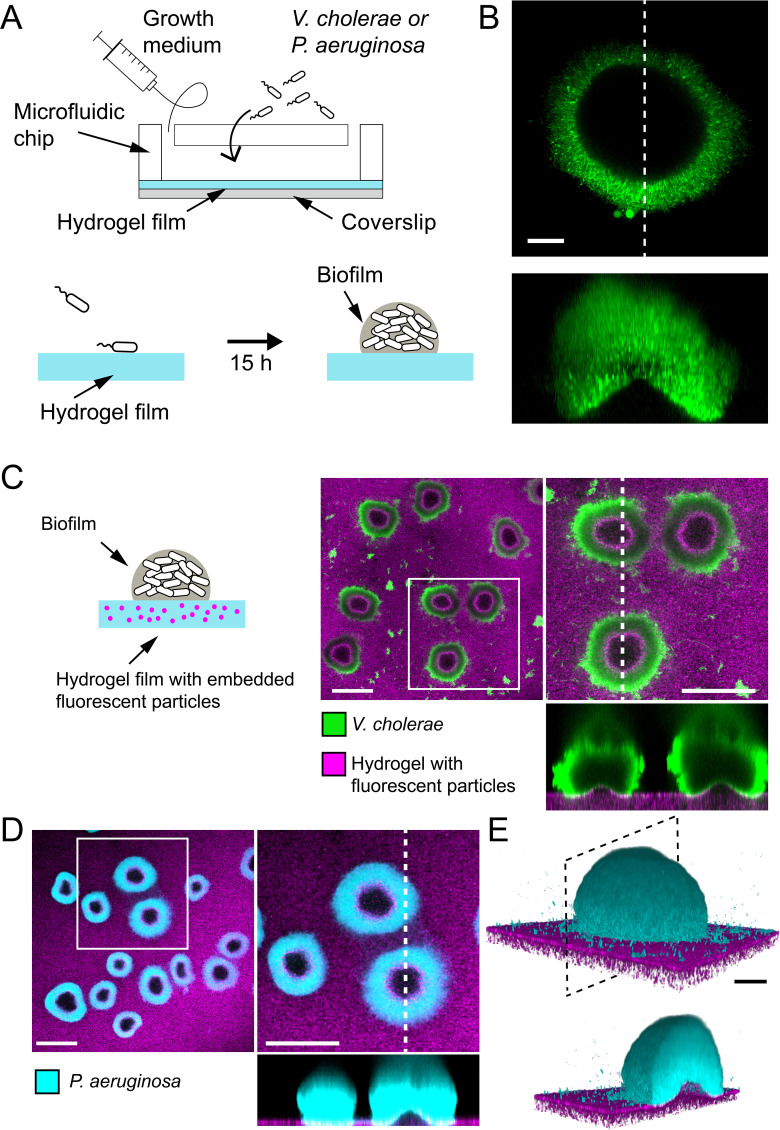
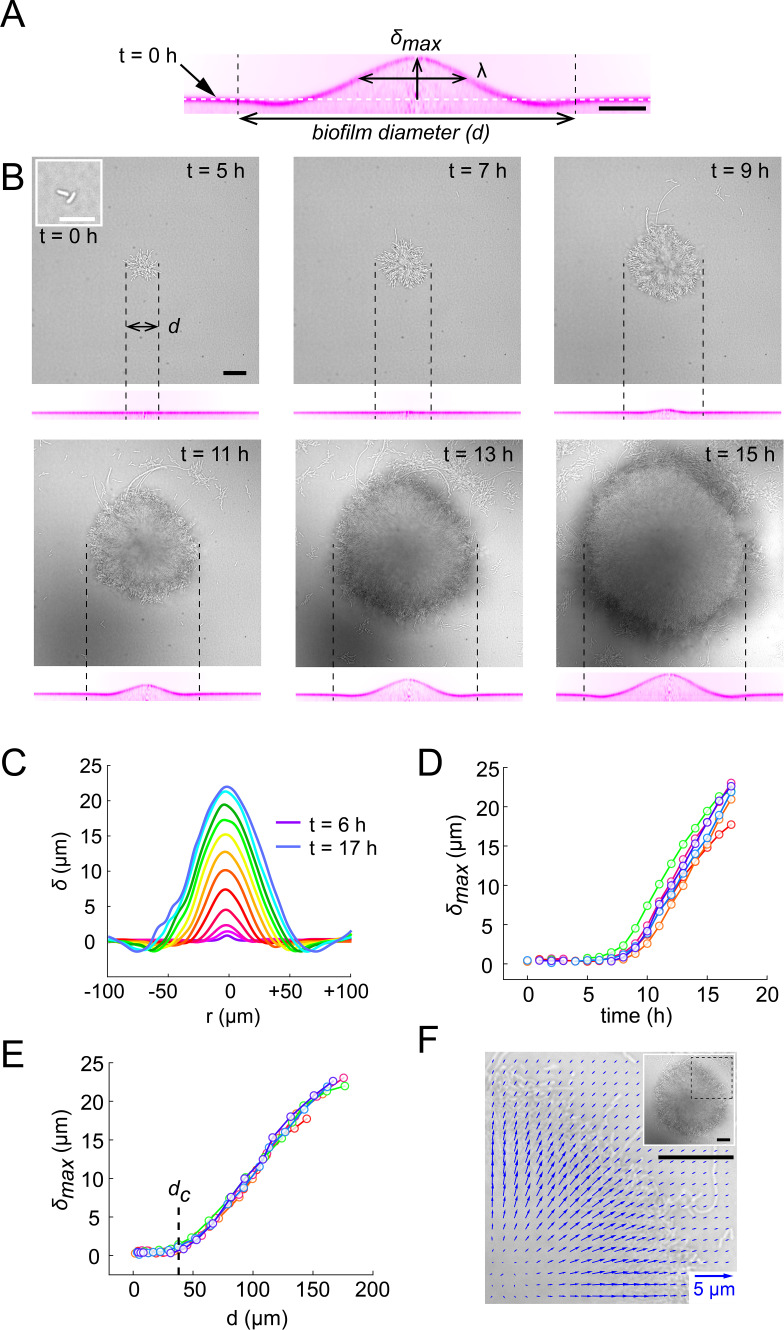
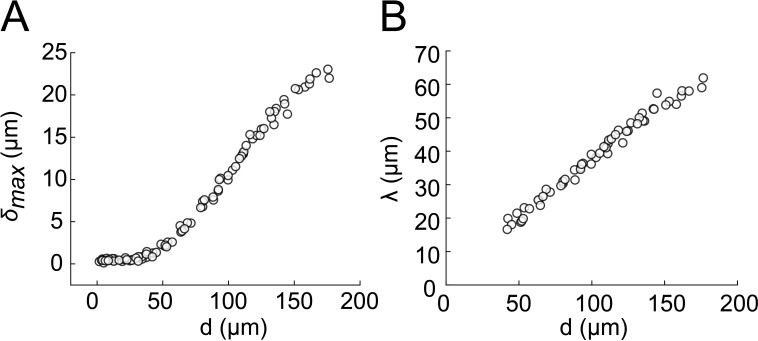
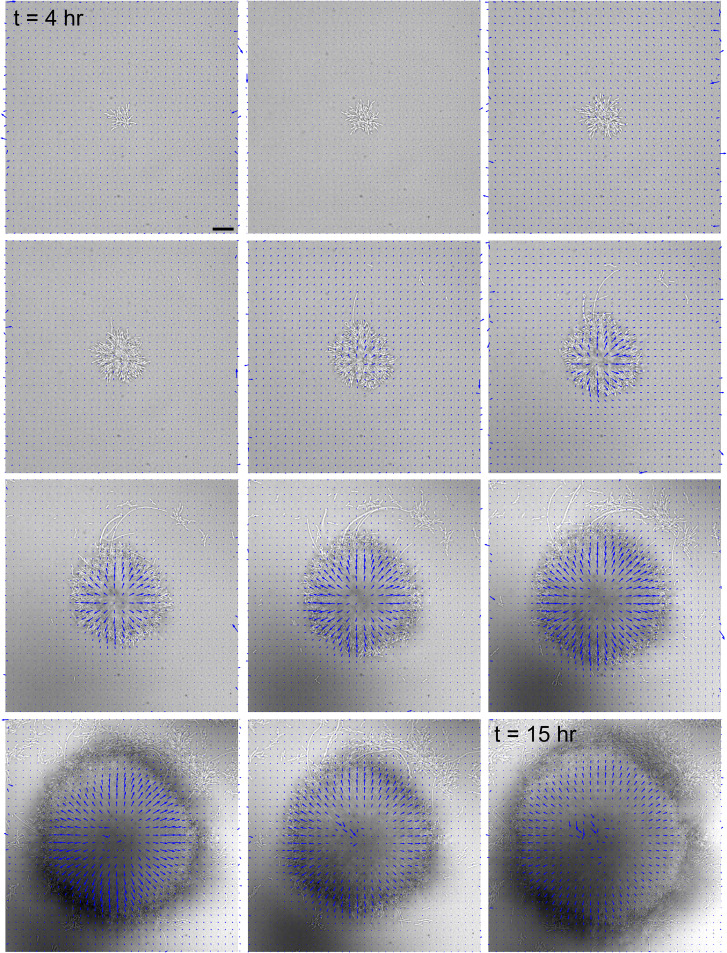
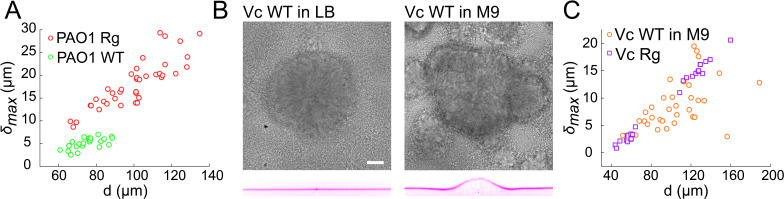
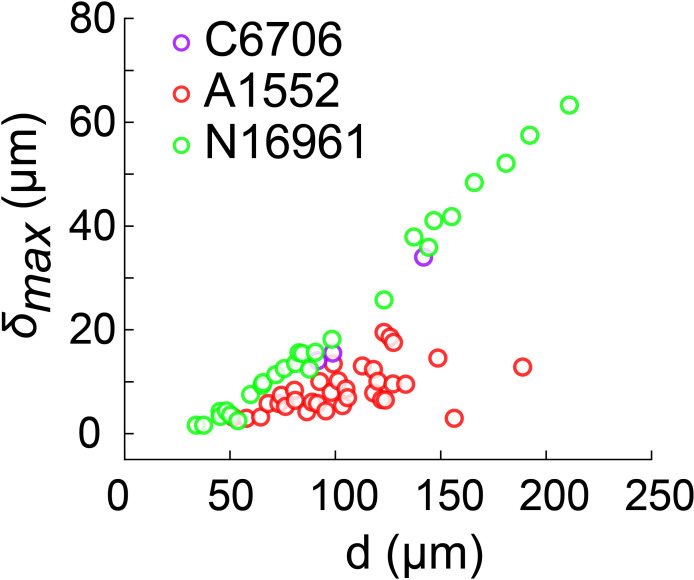
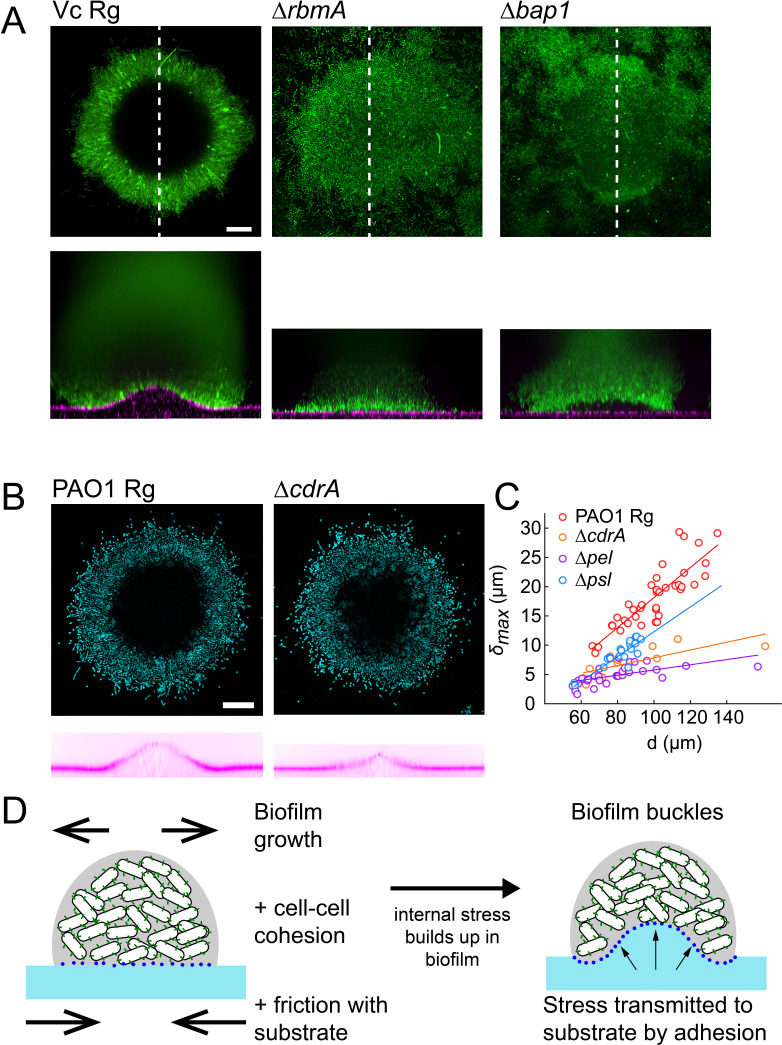
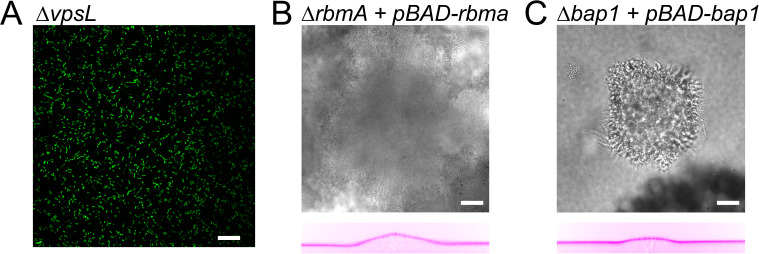
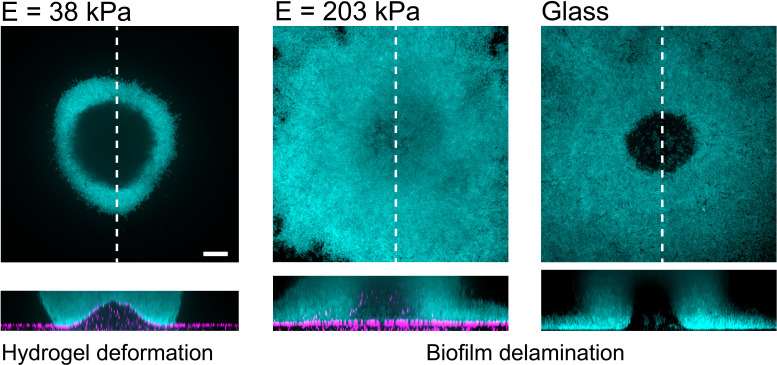
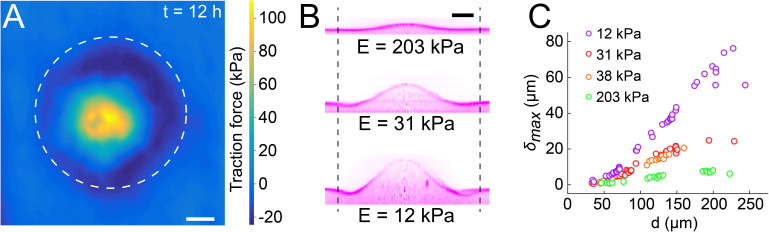
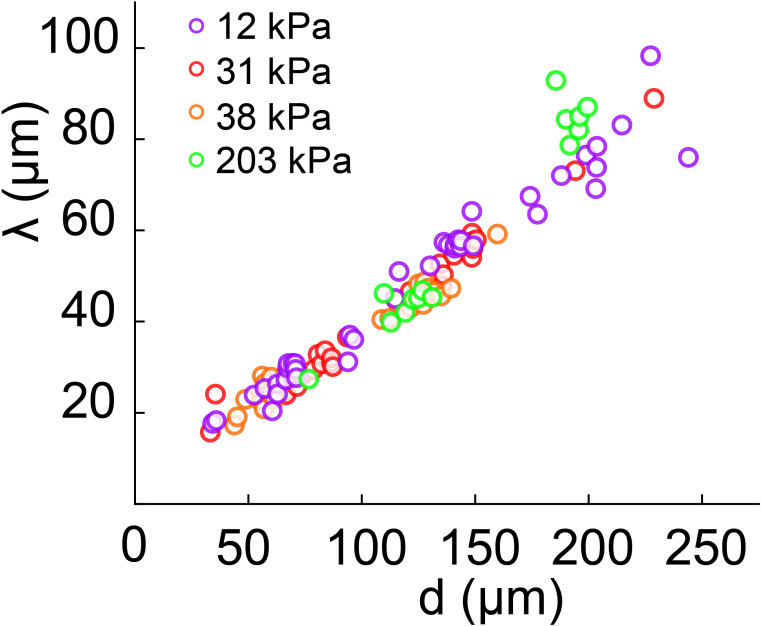
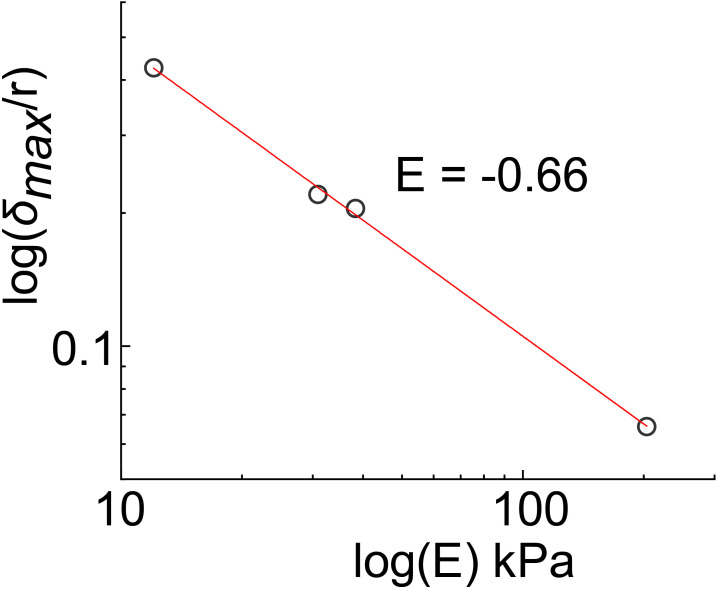
Verification
Claims the paper makes
The claims and statistics of this paper haven’t been checked yet.
Run the check — free, no account needed. It reads the open-access text and checks the sources it cites.
Claims other papers make about this one
Each is checked against this paper’s own text: does it say what the citing paper says it does?
In the citing paper
“The extent to which the BFI burden negatively impacts wound healing outcomes depends on the balance between BFI threat and countering defenses, including host factors and therapeutic intervention.1,3,14,15”
From SEMTWIST Quantification of Biofilm Infection in Human Chronic Wound Using Scanning Electron Microscopy and Machine Learning (2025) · cites this paper as [14]
Self-check
Percentages, sums and reported differences re-computed from the paper’s own numbers.
The self-check needs the paper’s full text.
Citations
Cites
Mechanisms Regulating Intestinal Barrier Integrity and Its Pathological Implications
Chelakkot, C., Ghim, J., & Ryu, S. H. (2018) · Experimental & Molecular Medicine · doi:10.1038/s12276-018-0126-x · Cited by 2,017
Research works printed but not linked: 58
- Ahmad, 2017, Gut permeability and mucosal inflammation: bad, good or context dependent, Mucosal Immunology, 10, 307, 10.1038/mi.2016.128 · DOI
- Asally, 2012, Localized cell death focuses mechanical forces during 3D patterning in a biofilm, PNAS, 109, 18891, 10.1073/pnas.1212429109 · DOI
- Bartlett, 2017, A periplasmic polymer curves Vibrio cholerae and promotes pathogenesis, Cell, 168, 172, 10.1016/j.cell.2016.12.019 · DOI
- Berk, 2012, Molecular architecture and assembly principles of Vibrio cholerae biofilms, Science, 337, 236, 10.1126/science.1222981 · DOI
- Beroz, 2018, Verticalization of bacterial biofilms, Nature Physics, 14, 954, 10.1038/s41567-018-0170-4 · DOI
- Bischoff, 2014, Intestinal permeability--a new target for disease prevention and therapy, BMC Gastroenterology, 14, 10.1186/s12876-014-0189-7 · DOI · Paper page
- Bjarnsholt, 2013, The in vivo biofilm, Trends in Microbiology, 21, 466, 10.1016/j.tim.2013.06.002 · DOI · Paper page
- Charras, 2018, Tensile forces and mechanotransduction at Cell-Cell junctions, Current Biology, 28, R445, 10.1016/j.cub.2018.02.003 · DOI
- Colvin, 2012, The pel and psl polysaccharides provide Pseudomonas aeruginosa structural redundancy within the biofilm matrix, Environmental Microbiology, 14, 1913, 10.1111/j.1462-2920.2011.02657.x · DOI
- De Weirdt, 2015, Micromanagement in the gut: microenvironmental factors govern Colon mucosal biofilm structure and functionality, Npj Biofilms and Microbiomes, 1, 10.1038/npjbiofilms.2015.26 · DOI
- Discher, 2005, Tissue cells feel and respond to the stiffness of their substrate, Science, 310, 1139, 10.1126/science.1116995 · DOI · Paper page
- Donlan, 2002, Biofilms: survival mechanisms of clinically relevant microorganisms, Clinical Microbiology Reviews, 15, 167, 10.1128/CMR.15.2.167-193.2002 · DOI · Paper page
- Douarche, 2015, Bacillus subtilis Bacteria generate an internal mechanical force within a biofilm, Biophysical Journal, 109, 2195, 10.1016/j.bpj.2015.10.004 · DOI
- Drescher, 2016, Architectural transitions in Vibrio cholerae biofilms at single-cell resolution, PNAS, 113, E2066, 10.1073/pnas.1601702113 · DOI
- Dufrêne, 2020, Mechanomicrobiology: how Bacteria sense and respond to forces, Nature Reviews Microbiology, 18, 227, 10.1038/s41579-019-0314-2 · DOI
- Duvernoy, 2018, Asymmetric adhesion of rod-shaped Bacteria controls microcolony morphogenesis, Nature Communications, 9, 25, 10.1038/s41467-018-03446-y · DOI
- Engel, 2015, The bacterium Frischella perrara causes scab formation in the gut of its honeybee host, mBio, 6, 10.1128/mBio.00193-15 · DOI
- Flemming, 2016, Biofilms: an emergent form of bacterial life, Nature Reviews Microbiology, 14, 563, 10.1038/nrmicro.2016.94 · DOI · Paper page
- Flemming, 2010, The biofilm matrix, Nature Reviews Microbiology, 8, 623, 10.1038/nrmicro2415 · DOI · Paper page
- Fong, 2006, Identification and characterization of RbmA, a novel protein required for the development of rugose colony morphology and biofilm structure in Vibrio cholerae, Journal of Bacteriology, 188, 1049, 10.1128/JB.188.3.1049-1059.2006 · DOI
- Fong, 2010, Role of Vibrio polysaccharide (vps) genes in VPS production, biofilm formation and Vibrio cholerae pathogenesis, Microbiology, 156, 2757, 10.1099/mic.0.040196-0 · DOI
- Fong, 2007, The rbmBCDEF gene cluster modulates development of rugose colony morphology and biofilm formation in Vibrio cholerae, Journal of Bacteriology, 189, 2319, 10.1128/JB.01569-06 · DOI
- Gloag, 2018, Viscoelastic properties of Pseudomonas aeruginosa variant biofilms, Scientific Reports, 8, 1, 10.1038/s41598-018-28009-5 · DOI
- Hardy, 2016, A fruitful alliance: the synergy between Atopobium vaginae and Gardnerella vaginalis in bacterial vaginosis-associated biofilm, Sexually Transmitted Infections, 92, 487, 10.1136/sextrans-2015-052475 · DOI
- Harris, 2012, Characterizing the mechanics of cultured cell monolayers, PNAS, 109, 16449, 10.1073/pnas.1213301109 · DOI
- Hartmann, 2019, Emergence of three-dimensional order and structure in growing biofilms, Nature Physics, 15, 251, 10.1038/s41567-018-0356-9 · DOI
- Hickman, 2005, A chemosensory system that regulates biofilm formation through modulation of cyclic diguanylate levels, PNAS, 102, 14422, 10.1073/pnas.0507170102 · DOI
- Jennings, 2015, Pel is a cationic exopolysaccharide that cross-links extracellular DNA in the Pseudomonas aeruginosa biofilm matrix, PNAS, 112, 11353, 10.1073/pnas.1503058112 · DOI
- Kolewe, 2015, Fewer Bacteria adhere to softer hydrogels, ACS Applied Materials & Interfaces, 7, 19562, 10.1021/acsami.5b04269 · DOI
- Kovach, 2017, Evolutionary adaptations of biofilms infecting cystic fibrosis lungs promote mechanical toughness by adjusting polysaccharide production, Npj Biofilms and Microbiomes, 3, 10.1038/s41522-016-0007-9 · DOI
- Lee, 2014, The effects of varying poly(ethylene glycol) hydrogel crosslinking density and the crosslinking mechanism on protein accumulation in three-dimensional hydrogels, Acta Biomaterialia, 10, 4167, 10.1016/j.actbio.2014.05.023 · DOI
- Lichter, 2008, Substrata mechanical stiffness can regulate adhesion of viable Bacteria, Biomacromolecules, 9, 1571, 10.1021/bm701430y · DOI
- Mah, 2001, Mechanisms of biofilm resistance to antimicrobial agents, Trends in Microbiology, 9, 34, 10.1016/S0966-842X(00)01913-2 · DOI · Paper page
- O'Toole, 2000, Biofilm formation as microbial development, Annual Review of Microbiology, 54, 49, 10.1146/annurev.micro.54.1.49 · DOI · Paper page
- Pestrak, 2018, Pseudomonas aeruginosa rugose small-colony variants evade host clearance, are hyper-inflammatory, and persist in multiple host environments, PLOS Pathogens, 14, 10.1371/journal.ppat.1006842 · DOI
- Rivera-Yoshida, 2018, Microbial multicellular development: mechanical forces in action, Current Opinion in Genetics & Development, 51, 37, 10.1016/j.gde.2018.05.006 · DOI
- Rojas, 2018, Regulation of microbial growth by turgor pressure, Current Opinion in Microbiology, 42, 62, 10.1016/j.mib.2017.10.015 · DOI
- Rybtke, 2012, Fluorescence-based reporter for gauging cyclic di-GMP levels in Pseudomonas aeruginosa, Applied and Environmental Microbiology, 78, 5060, 10.1128/AEM.00414-12 · DOI
- Rybtke, 2015, The LapG protein plays a role in Pseudomonas aeruginosa biofilm formation by controlling the presence of the CdrA adhesin on the cell surface, MicrobiologyOpen, 4, 917, 10.1002/mbo3.301 · DOI
- Serra, 2015, Vertical stratification of matrix production is essential for physical integrity and architecture of macrocolony biofilms of Escherichia coli, Environmental Microbiology, 17, 5073, 10.1111/1462-2920.12991 · DOI
- Song, 2014, Stiffness of cross-linked poly(dimethylsiloxane) affects bacterial adhesion and antibiotic susceptibility of attached cells, Langmuir, 30, 10354, 10.1021/la502029f · DOI
- Starkey, 2009, Pseudomonas aeruginosa rugose small-colony variants have adaptations that likely promote persistence in the cystic fibrosis lung, Journal of Bacteriology, 191, 3492, 10.1128/JB.00119-09 · DOI
- Swidsinski, 2013, Presence of a polymicrobial endometrial biofilm in patients with bacterial vaginosis, PLOS ONE, 8, 10.1371/journal.pone.0053997 · DOI
- Takigawa, 1996, Poisson's ratio of polyacrylamide (PAAm) gels, Polymer Gels and Networks, 4, 1, 10.1016/0966-7822(95)00013-5 · DOI
- Teschler, 2015, Living in the matrix: assembly and control of Vibrio cholerae biofilms, Nature Reviews Microbiology, 13, 255, 10.1038/nrmicro3433 · DOI
- Thelin, 1996, Toxin-coregulated pilus, but not mannose-sensitive hemagglutinin, is required for colonization by Vibrio cholerae O1 el Tor biotype and O139 strains, Infection and Immunity, 64, 2853, 10.1128/IAI.64.7.2853-2856.1996 · DOI · Paper page
- Timoshenko, 2019, Theory of Elastic Stability
- Tischler, 2005, Cyclic diguanylate regulates Vibrio cholerae virulence gene expression, Infection and Immunity, 73, 5873, 10.1128/IAI.73.9.5873-5882.2005 · DOI
- Toyjanova, 2014, High resolution, large deformation 3D traction force microscopy, PLOS ONE, 9, 10.1371/journal.pone.0090976 · DOI
- Trejo, 2013, Elasticity and wrinkled morphology of Bacillus subtilis pellicles, PNAS, 110, 2011, 10.1073/pnas.1217178110 · DOI
- Tremaroli, 2012, Functional interactions between the gut Microbiota and host metabolism, Nature, 489, 242, 10.1038/nature11552 · DOI · Paper page
- Wang, 2005, On the buckling of a circular plate on an elastic foundation, Journal of Applied Mechanics, 72, 795, 10.1115/1.1988347 · DOI
- Wang, 2015, A three-dimensional phase diagram of growth-induced surface instabilities, Scientific Reports, 5, 1, 10.1038/srep08887 · DOI
- Wilking, 2013, Liquid transport facilitated by channels in Bacillus subtilis biofilms, PNAS, 110, 848, 10.1073/pnas.1216376110 · DOI
- Yan, 2016, Vibrio cholerae biofilm growth program and architecture revealed by single-cell live imaging, PNAS, 113, E5337, 10.1073/pnas.1611494113 · DOI
- Yan, 2018, Bacterial biofilm material properties enable removal and transfer by capillary peeling, Advanced Materials, 30, 10.1002/adma.201804153 · DOI
- Yan, 2019, Mechanical instability and interfacial energy drive biofilm morphogenesis, eLife, 8, 10.7554/eLife.43920 · DOI
- Yildiz, 1999, Vibrio cholerae O1 el Tor: identification of a gene cluster required for the rugose colony type, exopolysaccharide production, chlorine resistance, and biofilm formation, PNAS, 96, 4028, 10.1073/pnas.96.7.4028 · DOI
Cited by
Sorted by citations
Singh, S., Muniz De Oliveira, F., Wang, C., Kumar, M., Xuan, Y., DeMazumder, D., Sen, C. K., & Roy, S. (2025) · Advances in Wound Care · doi:10.1089/wound.2024.0291 · Cited by 6
Metadata
- Authors
- Cont, A., Rossy, T., Al-Mayyah, Z., & Persat, A.
- Venue
- eLife
- Publisher
- eLife Sciences Publications, Ltd
- Published
- 2020-10-07
- Volume
- 9
- ISSN
- 2050-084X
- PMC
- PMC7556879
- Cited by
- 70
- References
- 1
- Language
- en
- Licence
- Funders
- Swiss National Science Foundation
- Cavaglieri Foundation
- Fondation Beytout
- Gebert Rüf Stiftung
About these checks
Registry, retraction, Cites and statistics results are computed, not judged, with one exception: a printed reference that no index lists is read once by a model before it counts as a citation error. Claims are extracted by a model and kept only when their quote appears verbatim in the text; each cited source is then checked, with a model’s help, for whether it says what the claim relies on. Those verdicts can be wrong — read the claim’s quote and the cited source before relying on one.
Statistics and arithmetic are recomputed, not judged.
Confidence bands are shown only for fields calibrated on our annotated test set. None is calibrated yet, so no band is shown.
What counts as a claim ›How we measure confidence ›How we check this ›
Are you an author, or do you see a problem with this page? Request a review
