

The DOI matches its Crossref record; 36 of the 38 references it cites were found in a registry or an index.
Self-medication with Antibiotics in WHO Southeast Asian Region: A Systematic Review
Open accessAbstract
Antibiotics are essential treatments, especially in the developing world like World Health Organization (WHO) Southeast Asian region where infectious diseases are still the most common cause of death. In this part of the world, antibiotics are purchased and used without the prescription of a physician. Self-medication of antibiotics is associated with the risk of inappropriate drug use, which predisposes patients to drug interactions, masking symptoms of an underlying disease, and development of microbial resistance. Antibiotic resistance is shrinking the range of effective antibiotics and is a global health problem. The appearance of multidrug-resistant bacterial strains, which are highly resistant to many antibiotic classes, has raised a major concern regarding antibiotic resistance worldwide. Even after decades of economic growth and development in countries that belong to the WHO Southeast Asian region, most of the countries in this region still have a high burden of infectious diseases. The magnitude and consequence of self-medication with antibiotics is unknown in this region. There is a need for evidence from well-designed studies on community use of antibiotics in these settings to help in planning and implementing specific strategies and interventions to prevent their irrational use and consequently to reduce the spread of antibiotic resistance. To quantify the frequency and effect of self-medication with antibiotics, we did a systematic review of published work from the Southeast Asian region.
Overview
The claims and statistics of this paper haven’t been checked yet.
Run the check — free, no account needed. It reads the open-access text and checks the sources it cites.
Integrity signals
Registry
Cites
Statistics
Figures
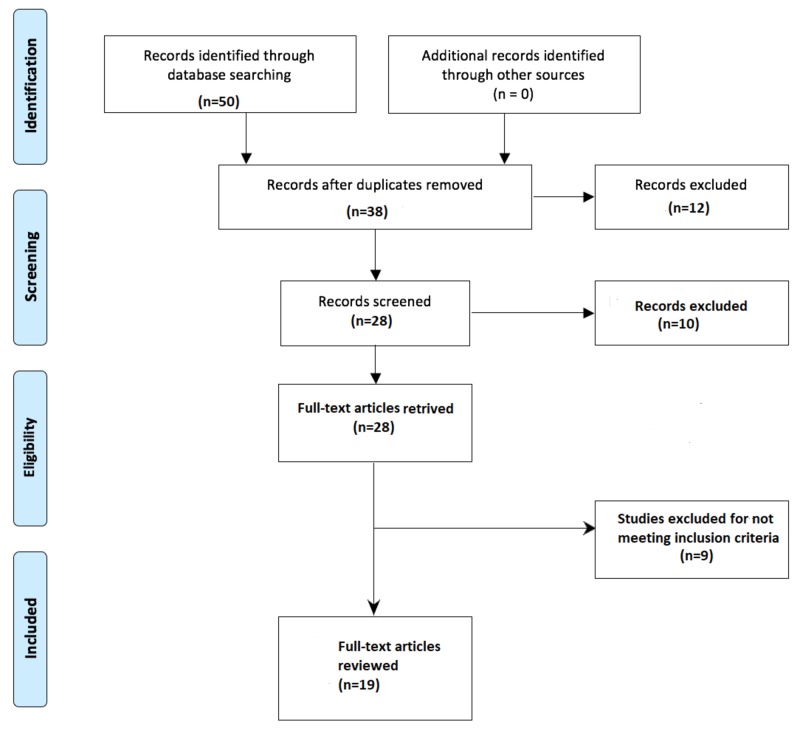
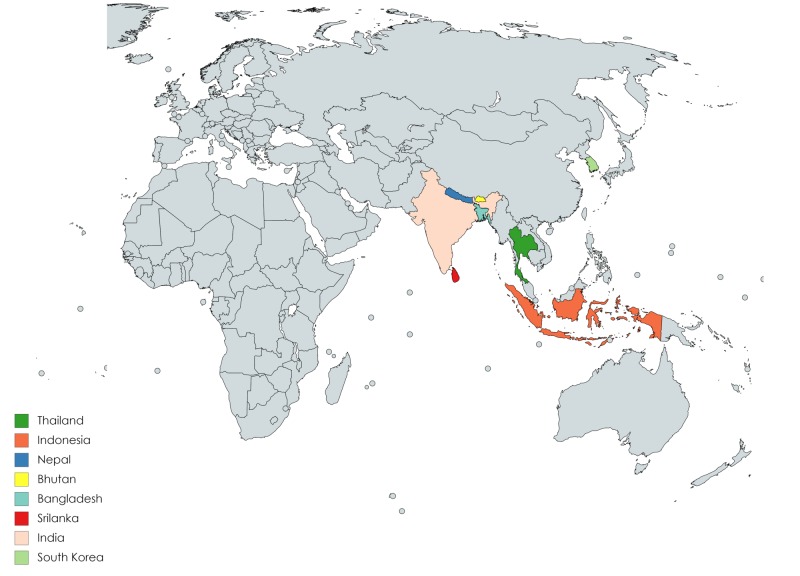
Verification
Claims the paper makes
The claims and statistics of this paper haven’t been checked yet.
Run the check — free, no account needed. It reads the open-access text and checks the sources it cites.
Claims other papers make about this one
Each is checked against this paper’s own text: does it say what the citing paper says it does?
The source backs part of the claim, not all of it — or backs it for a different population, condition or comparison.
In the citing paper
“Among the different channels from which patients in LMICs can access antibiotics, CDROs have been identified to be a predominant source of antibiotics for the wider population [19–22].”
From No prescription? No problem: drivers of non-prescribed sale of antibiotics among community drug retail outlets in low and middle income countries: a systematic review of qualitative studies (2021) · cites this paper as [21]
Experimental — accuracy not yet measuredThe check wasn’t confident either way, so it gives no verdict — never disputed.
In the citing paper
“This finding aligns with research by Gaurav Nepal et al, which reported that 79.6% of pharmacies in Nepal dispensed antibiotics for URI without a prescription. 17”
From Evaluation of antibiotic dispensing without prescription by community pharmacies: a simulated patient study (2025) · cites this paper as [17]
Experimental — accuracy not yet measured
Self-check
Percentages, sums and reported differences re-computed from the paper’s own numbers.
The self-check needs the paper’s full text.
Citations
Cites
Spellberg, B. J., Guidos, R., Gilbert, D. N., Bradley, J. S., Boucher, H. W., Scheld, W. M., Bartlett, J. G., Edwards, J. E., & the Infectious Diseases Society of America (2007) · Clinical Infectious Diseases · doi:10.1086/524891 · Cited by 1,689
Non-prescription antimicrobial use worldwide: a systematic review
Morgan, D. J., Okeke, I. N., Laxminarayan, R., Perencevich, E. N., & Weisenberg, S. (2011) · The Lancet Infectious Diseases · doi:10.1016/s1473-3099(11)70054-8 · Cited by 947 · cited 1×
“It is a form of healthcare practiced in most parts of the world and overall 50% of total antibiotics used are purchased over-the-counter [4-5].”
BackgroundAntimicrobial resistance in developing countries
Hart, C. A., & Kariuki, S. (1998) · BMJ · doi:10.1136/bmj.317.7159.647 · Cited by 745 · cited 1×
“Repercussions of selfmedication with antibiotics leading to health hazards, particularly in the developing world, are multifaceted as they are linked to poverty, inaccessibility, lack of medical professionals, poor quality of healthcare facilities, unregulated distribution of medicines, and patients’ misconceptions ab…”
BackgroundSelf-medication with Antimicrobial Drugs in Europe
Grigoryan, L., Haaijer‐Ruskamp, F. M., Burgerhof, J. G. M., Mechtler, R., Deschepper, R., Tambić-Andrašević, A., Andrajati, R., Monnet, D. L., Cunney, R., Matteo, A. D., et al. (2006) · Emerging infectious diseases · doi:10.3201/eid1203.050992 · Cited by 588 · cited 1×
“Developed countries, such as those of Europe where over-the-counter antibiotic sales are strictly regulated, have much lower prevalence rates of SMA, ranging from 1% to 4% [36].”
BackgroundOcan, M., Obuku, E. A., Bwanga, F., Akena, D., Richard, S., Ogwal-Okeng, J., & Obua, C. (2015) · BMC Public Health · doi:10.1186/s12889-015-2109-3 · Cited by 504
Alhomoud, F., Aljamea, Z., Almahasnah, R., Alkhalifah, K., Basalelah, L., & Alhomoud, F. K. (2017) · International Journal of Infectious Diseases · doi:10.1016/j.ijid.2017.01.014 · Cited by 342 · cited 2×
“reported that the overall prevalence of self-medication varied from 19% to 82% in the Middle East [32].”
BackgroundAntimicrobial resistance in developing countries. Part II: strategies for containment
Okeke, I. N., Klugman, K. P., Bhutta, Z. A., Duse, A. G., Jenkins, P., O’Brien, T., Pablos-Méndez, A., & Laxminarayan, R. (2005) · The Lancet Infectious Diseases · doi:10.1016/s1473-3099(05)70217-6 · Cited by 297 · cited 3×
“This, coupled with the high burden of infectious diseases in these countries, makes the private sector an important alternative source of healthcare [41].”
BackgroundInfluentialImproving antibiotic use in low-income countries: an overview of evidence on determinants
Radyowijati, A., & Haak, H. (2003) · Social Science & Medicine · doi:10.1016/s0277-9536(02)00422-7 · Cited by 291
Estimating Worldwide Current Antibiotic Usage: Report of Task Force 1
Col, N. F., & O'Connor, R. W. (1987) · Clinical Infectious Diseases · doi:10.1093/clinids/9.supplement_3.s232 · Cited by 204 · cited 1×
“Introduction And Background Antibiotics are among the most commonly purchased drugs worldwide [1].”
BackgroundSelf-medication practice in Ethiopia: a systematic review
Ayalew, M. B. (2017) · Patient Preference and Adherence · doi:10.2147/ppa.s131496 · Cited by 182
Research works printed but not linked: 2
- [28]Self-medication with antibiotics among dental students of Kathmandu - prevalence and practice Nepal Med Coll J Pant N Sagtani RA Pradhan M 47 53 17 2015 https://www.researchgate.net/publication/304571326_Self-medication_with_antibiotics_among_dental_students_of_Kathmandu_-_Prevalence_and_Practice
- [43]Assessment of self-medication practices among medical, pharmacy and nursing students at a tertiary care teaching hospital Indian J Hosp Pharm Gaddam D 79 83 49 2012 https://www.researchgate.net/profile/Damodar_Gaddam/publication/230779793_Assessment_of_Self-medication_Practices_among_Medical_Pharmacy_and_Nursing_Students_at_a_Tertiary_Care_Teaching_Hospital/links/09e415045784f24421000000/Assessment-of-Self-medication-Practices-among-Medical-Pharmacy-and-Nursing-Students-at-a-Tertiary-Care-Teaching-Hospital.pdf
Cited by
Sorted by citations
Items 201–271 of 271
A Cross-Sectional Study of Antibiotic Self-Medication
Mousavi, F., Shojaei, P., Nazemi, A., & Dadashi, A. (2020) · Thrita · doi:10.5812/thrita.105794 · Cited by 2
“Taking an inappropriate antibiotic and improper antibiotic usage may cause (1) microbial resistance, (2) spreading of some diseases such as pseudo-membranous colitis, (3) economically negative impact (8).”
BackgroundResultInfluentialPrecha, N., Sukmai, S., Hengbaru, M., Chekoh, M., Laohaprapanon, S., Makkaew, P., & Dom, N. C. (2022) · Research Square · doi:10.21203/rs.3.rs-2082851/v1 · Cited by 2
Prevalence and predictors of self-medication for COVID-19 among slum dwellers in Jinja City, UgandaPreprint
Nakito, P., Kisakye, A. N., Walekhwa, A. W., Tumukunde, G., Mutesi, C., Muhumuza, N., Nyamor, C., Musoke, D., Musinguzi, G., & Byonanebye, D. M. (2023) · medRxiv · doi:10.1101/2023.09.08.23295267 · Cited by 3
Self-medication with antibiotics among youths from Myanmar
Win, P. S., Win, T., & Soe, P. P. (2021) · International Journal of Community Medicine and Public Health · doi:10.18203/2394-6040.ijcmph20210780 · Cited by 1
“The prevalence of self-medication with antibiotics varies across the countries, and such studies are still limited in Myanmar.”
BackgroundResultInfluentialMisau, Y. A., Mogere, D. M., Mbaruk, S., Bello, S., & Oduwole, O. A. (2022) · Pyramid Journal of Medicine · doi:10.4081/pjm.2022.211 · Cited by 2
Vasconcelos, I. D. S., Campos, J. C., & Cartágenes, S. D. C. (2022) · Research Society and Development · doi:10.33448/rsd-v11i16.38492 · Cited by 1
Malik, B., & Bhattacharyya, S. K. (2023) · Mathematical and Computer Modelling of Dynamical Systems · doi:10.1080/13873954.2023.2244175 · Cited by 1
“Countries in the WHO Southeast Asian region, like India, Bangladesh, Nepal, Bhutan, Indonesia, Korea, Sri Lanka, and Thailand, have high self-medication [21; 56] (see Figure E1 and E2 in Appendix).”
BackgroundMishra, R., Rani, R., Sharma, M., & Kumar, R. (2023) · Journal of Medical Evidence · doi:10.4103/jme.jme_24_23 · Cited by 1
KNOWLEDGE, ATTITUDE AND PRACTICE OF SELF-MEDICATION AMONG PEOPLE OF CENTRAL MONROVIA, LIBERIA
Ogwuche, P. A., Adepoju, A. O., & Bah, A. F. (2023) · Malaysian Mental Health Journal · doi:10.26480/mmhj.02.2023.39.45 · Cited by 1
Solano, J. M., Bangona, F. A., Cabungcal, T. M., Guzman, J. K. D., Galera, X., Valle, J., Dapiawen, K. J., Barsicula, S. M., Subia, M. D., & Peña, L. V. C. D. (2025) · Psychology and Education A Multidisciplinary Journal · doi:10.70838/pemj.351007 · Cited by 1
Mushemeza, R., Mwebaza, H., Amutuhaire, P., Nakwanyi, D., Twinomujuni, S. S., & Ojuka, S. (2025) · Journal of Pharmaceutical Health Care and Sciences · doi:10.1186/s40780-025-00469-8 · Cited by 1
“Headaches, fevers and pains have been observed to be common reasons for SM in previous studies [56–59].”
Alhumaid, A., Alhumaid, N., Alkhurayji, K. S., Alsuhaimi, A., Modahi, F. H., Almanidi, N. Y., Almutairi, A., Alanazi, A., & Modahi, N. H. (2025) · Pharmacy · doi:10.3390/pharmacy13050138 · Cited by 1
“However, our study is distinguished by its lower prevalence compared to South Asian regions, where over 60% of pregnant women engage in SM [38].”
Panda, S., Chavan, S. S., Agarwal, S., Sharma, N., Bipinkumar, P., Chaudhari, H., Solanki, D. M., Rajurkar, M., Behera, S., Sonowal, S., et al. (2026) · Drugs - Real World Outcomes · doi:10.1007/s40801-025-00533-7 · Cited by 1
“Among the antibiotic classes most affected are the β-lactams, whose effectiveness is threatened by the emergence of β-lactam-resistant bacteria [10–12].”
Zubaidi, Z. S. A. (2021) · International Journal of Community Medicine and Public Health · doi:10.18203/2394-6040.ijcmph20210200 · Cited by 1
“URTI symptoms are one of the most common illness for patients to SMA in South East Asia.(8) In this study, 60% of the respondents SMA for symptoms related to URTI.”
BackgroundInfluentialPatient Behavior: An Extensive Review
Mohiuddin, A. K. (2019) · Cross Current International Journal of Medical and Biosciences · doi:10.36344/ccijmb.2019.v01i03.002 · Cited by 1
Attitude and Practices of self-medication among the students of Sialkot Medical College, Sialkot
Sajjad, A., Majeed, S., Rehman, M. U., Sarwar, M. S., Batool, M., & Ayoub, A. (2023) · Pakistan Journal of Medical and Health Sciences · doi:10.53350/pjmhs2023174138 · Cited by 1
Ali, A. S. T., Alsheraihi, A. A. A., Alghamdi, S. S. I., Alsuwaylihi, R. S., Alenazi, S., & Hussain, L. S. B. (2023) · Cureus · doi:10.7759/cureus.40436 · Cited by 1
“The sample size was determined by the following criteria: confidence interval (1-α) of 95%, absolute precision (d) of 15%, and proportion of antibiotic self-medication (p) of 42% from the previous study [12].”
ResultAhmad, S. A., Razvi, N., Ahmed, S., Rehman, F. K., Ishaqui, A. A., Imran, S., Imran, M., Farooq, J., Rahman, A., Shaikh, A. M., et al. (2023) · Liaquat Medical Research Journal · doi:10.38106/lmrj.2023.5.3-04 · Cited by 1
Analysis of the Use of Antibiotic Therapy in Surgical Patients at Royal Prima Marelan Hospital
Syahputri, N. A. W., Girsang, E., & Nasution, A. N. (2023) · Jurnal Penelitian Pendidikan IPA · doi:10.29303/jppipa.v9i12.5419 · Cited by 1
“Antibiotic resistance can occur naturally, but the use of antibiotics is not rationally accelerate the process of occurrence of resistant bacteria in society (Irfan et al., 2022; Nepal et al., 2018).”
BackgroundStatus of Chemical Antibiotics Against Bacterial Zoonosis
(2023) · International Journal of Agriculture and Biosciences · doi:10.47278/book.zoon/2023.86 · Cited by 1
Darasawang, W., Laohasiriwong, W., Sornlorm, K., Sungsitthisawad, W., & Mahato, R. K. (2025) · Geospatial health · doi:10.4081/gh.2025.1329 · Cited by 1
“Any product that may be evaluated in this article or claim that may be made by its manufacturer is not guaranteed or endorsed by the publisher. has been estimated at 85.6% (Nepal & Bhatta, 2018).”
InfluentialNdimballan, H., Adebowale, A. S., & Ajayi, I. O. (2025) · Open Research Europe · doi:10.12688/openreseurope.18125.1
Epidemiological Study of Antibiotic Self-Medication in Tehran 1399: A Descriptive Study
Varpaei, H. A. (2020) · Biomedical Journal of Scientific & Technical Research · doi:10.26717/bjstr.2020.31.005040 · Cited by 1
“It seems that high use of amoxicillin may be limited due to its low cost, easy availability, and limited side effects [30].”
BackgroundLubada, E. I., Zulfa, I. M., & Putri, O. E. (2021) · Journal Pharmasci (Journal of Pharmacy and Science) · doi:10.53342/pharmasci.v6i1.196 · Cited by 1
Mardiati, N., Fitriah, R., Artati, N. W., Tiarawati, W., & Zaini, M. (2021) · Borneo Journal of Pharmacy · doi:10.33084/bjop.v4i3.2118 · Cited by 1
Impact of Self-medications and Medications Misuse on Health Outcomes
Alanazi, F., Alenazi, K., Alshakrah, S., Arishi, I., Msaud, R. A., Almutairi, A., Alshamrani, A. Z., & Turki, T. (2023) · International Journal for Scientific Research · doi:10.59992/ijsr.2023.v2n12p21 · Cited by 1
Antibiotic self-medication in Afghanistan: first reportPreprint
Roien, R., Mousavi, S. H., Ataie, M. A., Mohaqiq, M., Delshad, M. H., & Pourhaji, F. (2020) · doi:10.21203/rs.3.rs-23029/v1 · Cited by 1
Khirikoekkong, N., Asarath, S.-A., Munruchaitrakun, M., Blay, N., Waithira, N., Cheah, P. Y., Nosten, F. H., Lubell, Y., Landier, J., & Althaus, T. (2021) · Research Square · doi:10.21203/rs.3.rs-266642/v1 · Cited by 1
Use of antimicrobials during the COVID-19 pandemic: a qualitative study among stakeholders in NepalPreprint
Dhungel, B., Shrestha, U. T., Adhikari, S., Adhikari, N., Bhattarai, A., Pokharel, S., Karkey, A., Limmathurotsakul, D., Ghimire, P., Rijal, K. R., et al. (2023) · medRxiv · doi:10.1101/2023.06.23.23291835 · Cited by 1
Velusamy, S., ShyamSundar, S. S., & Regi, V. J. (2025) · International Journal of Community Medicine and Public Health · doi:10.18203/2394-6040.ijcmph20251716
Givony, S. (2019) · Lithuanian University of Health Sciences
Suleiman, A., Hanisah, N., .C, N. S. M. Z., Sughashini, S., Zulaikha, M. F. N. F., Lugova, H., Daher, A. M., & Jamaluddin, A. (2019)
Palaian, S. (2020) · Elsevier eBooks · doi:10.1016/b978-0-12-819837-7.00026-1
Interventions to reduce non-prescription antimicrobial sales in community pharmacies
Thandar, M. M., Baba, T., Matsuoka, S., & Ota, E. (2020) · Cochrane Database of Systematic Reviews · doi:10.1002/14651858.cd013722
Self-Medication -An Intensifying Global Concern
Khan, N. (2021) · Journal of Clinical Research and Reports · doi:10.31579/2690-1919/158
“ For minor symptoms people mostly prefer to treat them on their own without any consultation [24-27]”
BackgroundShalini, A. (2021) · GLOBAL JOURNAL FOR RESEARCH ANALYSIS · doi:10.36106/gjra/5205499
Green, D. L., Keenan, K. L., Huque, S., Kesby, M., Mushi, M. F., Kansiime, C., Asiimwe, B. B., Kiiru, J., Mshana, S. E., Neema, S., et al. (2021) · SSRN Electronic Journal · doi:10.2139/ssrn.3938836
Karishma, J., Aditi, V., Ansh, J., Hajra, G., Neha, M., & Rathod, S. (2021) · International Journal of Scientific Research in Science and Technology · doi:10.32628/ijsrst218587
Peran Tenaga Teknis Kefarmasian di Puskesmas dalam Mencegah Potensi Resistensi Bakteri
Simamora, S., Sarmadi, S., Rulianti, M. R., & Suzalin, F. (2022) · JURNAL KREATIVITAS PENGABDIAN KEPADA MASYARAKAT (PKM) · doi:10.33024/jkpm.v5i5.5477
Use of Self Medicated Antibiotics in the Population of Peelamedu City, Tamil Nadu
Rodrigues, P. A., Gayathri, P. S. M., Devaki, O. N., Abdulla, N., Shankar, S. L. R., Karan, K., & Abimaheshwaran, K. (2022) · Indian Journal of Pharmacy Practice · doi:10.5530/ijopp.15.3.36
A Review of Antibiotic Dispensing and Use in Asia
Dinero, A. C., Dumogho, D. H., Pesante, R. A., Regalado, R. M. L., & Torres, L. M. (2022) · International Journal of Research Publication and Reviews · doi:10.55248/gengpi.2022.31225
“Antibiotics are bought and used in this region of the globe without a doctor's prescription.[27]These days, there is a lot of worry about antibiotic resistance.”
BackgroundUrbina, A., Morales-Cortés, M., Romero, D. M., & Pérez-Acosta, A. M. (2023) · doi:10.22541/au.168354928.85513735/v1
Lacanilao, L. M. G., Alviz, J. R., Gonzales., A. E., Sumagui, K. N. D., & Manlutac, J. M. D. (2023) · International Journal of Research Publications · doi:10.47119/ijrp1001271620235138
Rojas, Y. R. F. (2022) · Universidad Privada San Juan Bautista · doi:10.59590/upsjb/fcs.med.hum/tesis/4121
Malintha, S. N., Siriwardena, P., & Weerasinghe, M. C. (2023) · Ceylon Medical Journal · doi:10.4038/cmj.v68i1.9602
Antibiotics use among residents in Eastern Nepal: a community-based mixed method study
Acharya, R., Panthi, S., Khatiwada, P., Bhattarai, B., Singh, S., Bhattarai, K., Aryal, R., Neupane, D. P., Thapa, A., Karki, K., et al. (2023) · Annals of Medicine and Surgery · doi:10.1097/ms9.0000000000001611
“Several other studies have also reported that lower educational status [17,19] , engagement with regular jobs [20,21] , and being unsatis fi ed with health care services [23,24] were associated with inappropriate use of anti-biotics.”
BackgroundInfluentialFactors Influencing the Emergence of Antimicrobial Drug Resistance in Clinical Dental Practice
Hafeez, R., Mahmood, H., Raza, F., Jabeen, W., & Hyder, P. R. (2023) · Journal of The Pakistan Dental Association · doi:10.25301/jpda.322.60
Pourbala, H., Mohammadnezhad, G., & Esmaily, H. (2024) · Research Square · doi:10.21203/rs.3.rs-3885512/v1
Assessing the Impact of Self-Medication with Antibiotics Among Medical Students
Rehman, S., Sarfraz, M. R., Bano, S., Ismail, A., Naveed, A., & Malik, A. (2024) · Pakistan Journal of Health Sciences · doi:10.54393/pjhs.v5i02.1242
Knowledge and practices of using antibiotics by patients with acute respiratory infections
Cotelea, V. (2023) · One Health & Risk Management · doi:10.38045/ohrm.2024.1.04
Febriyanti, R., Zamruddin, N. M., & Ramadhan, A. M. (2023) · Proceeding of Mulawarman Pharmaceuticals Conferences · doi:10.25026/mpc.v18i1.693
Alvarenga, C. F., Assis, A. L. E., Pereira, L. M. D. O., Filho, G. A. M., & Gotardelo, D. R. (2024) · Revista Contemporânea · doi:10.56083/rcv4n5-126
Self-medication practices and associated factors among medical students in Iraq
Majeed, H. W., Abbas, N. M., & Al-Rudaini, T. R. (2024) · International Journal of Advanced Academic Studies · doi:10.33545/27068919.2024.v6.i7a.1231
“A systematic review conducted in Southeast Asia revealed a substantial variation in SM prevalence across the region, ranging from 7.3% to 85.59% with an overall average of 42.64% [17] .”
InfluentialDrivers of Irrational Antibiotic Use in Thailand: A Multilevel Analysis of Post-COVID-19 TrendsPreprint
Prasit, N., Phimha, S., Nonthamat, A., Nilnate, N., Nidthumsakul, N., & Sresut, P. (2024) · Research Square · doi:10.21203/rs.3.rs-4639714/v1
Hanna, V. (2024) · Research Square · doi:10.21203/rs.3.rs-4044194/v1
Ashok, U., Nair, G. G., Jayaseelan, O., & Baliga, S. S. (2024) · National Journal of Community Medicine · doi:10.55489/njcm.150920244032
“33 Age was found to be significantly associated (p 0.001) with self-medication in our study, similar to a study done Bangladesh 34 , Pakistan 35 and Nepal 36 suggesting self-medication with antibiotics happens across all age groups and is not restricted to few.”
ResultInfluentialAlokozay, A. M., Nazari, R., Farahmand, M. A., & Shayan, S. J. (2023) · Nangarhar University international journal of biosciences. · doi:10.70436/nuijb.v2i03.70
Huang, C., & Chen, C.-Y. (2024) · Medicine · doi:10.1097/md.0000000000040469
“It may be due to usual routines, not being aware of the side effects of antibiotics, and/or lack of consideration of reducing antibiotic utilization [20] in hospitals with a greater proportion of prophylactic antibiotic use over 1 day for clean surgery.”
Self-medication practice among dental students: associated factors and risks
Zenzano, S. S., Fuentecilla, N. L., & Grandinetti, J. A. (2023) · Health Leadership and Quality of Life · doi:10.56294/hl2023186
The epidemiology of self-medication in Colombia: A systematic literature review and meta-analysis
Urbina, A., Morales-Cortés, M., Romero, D. M., & Pérez-Acosta, A. M. (2024) · Revista Colombiana de Ciencias Químico Farmacéuticas · doi:10.15446/rcciquifa.v52n3.110393 · Cited by 6
Sittiphan, S., Lim, A., Dureh, N., Shah, S., Tanchanarat, A., & Khurram, H. (2025) · Expert Opinion on Drug Safety · doi:10.1080/14740338.2025.2500064
The Level of Awareness on the Antibacterial Therapy Among Adults in Cablong Sta. Barbara Residents
Pajalla, N., Unating, J., Collado, L. A., & Beltran-Villar, J. (2025) · Celebes Nursing Journal. · doi:10.70848/cnj.v2i1.24
Dorairaj, M., Ramya, R., & Sundari, S. (2025) · Cureus · doi:10.7759/cureus.89849
“Antibiotic resistance, however, has become a significant global public health concern in recent years [2].”
Antibiotics and antiviral agents
Sharma, S., & Tiwari, B. K. (2025) · Elsevier eBooks · doi:10.1016/b978-0-443-27461-9.00012-3
Antimicrobial resistance of Brucella melitensis
Laura, L., Arapović, M., Kompes, G., Špičić, S., & Arapović, J. (2025) · Elsevier eBooks · doi:10.1016/b978-0-443-30067-7.00003-6
Almeida, V. F., Verissimo, W. O., da Costa, L. S., Balieiro, V. D. R. S., Melo, A. S., Ribeiro, A. F., Siqueira, M. L. S., & Grisólia, A. B. A. (2025) · Cuadernos de Educación y Desarrollo · doi:10.55905/cuadv17n8-053
Rosalina, A. I. (2026) · Health Care of the Russian Federation · doi:10.47470/0044-197x-2026-70-1-43-49
Paul, S., Noor, F. M., Ahmed, S. T., Naher, N., Aktar, B., Rajapaksha, N., Haputhanthri, T., Theobald, S., Steege, R., Davis, K., et al. (2026) · BMC Public Health · doi:10.1186/s12889-026-27842-y
Абдухалилова, Г. К., Otamuratova, N. K., Akhmedova, K. Y., Tadjieva, N. U., Ходиев, А. В., & Akhmedova, D. R. (2026) · Azerbajdžanskij medicinskij žurnal · doi:10.34921/amj.2026.2.015
Athiyattil¹, S., Kaur, R., Choudhary, S., Sharma, S., Neha, Bano, S., Kaur, J., & Sharma, V. (2026) · Journal of Pure and Applied Microbiology · doi:10.22207/jpam.20.3.54
Weber, L., Janssen, S., Richter, J., & Fischer, E. (2026) · Annals of Pharmacy Education Safety and Public Health Advocacy · doi:10.51847/9uaqck9csw
Metadata
- Authors
- Nepal, G., & Bhatta, S.
- Affiliations
- Tribhuvan University (NP)
- Corresponding author
- Nepal, Gaurav
- ORCID
- Nepal, Gaurav
- Venue
- Cureus
- Published
- 2018-04-05
- Volume
- 10
- Issue
- 4
- Pages
- e2428-e2428
- ISSN
- 2168-8184 (ISSN-L)
- PMC
- PMC5988199
- OpenAlex
- W2796257797
- Cited by
- 272
- References
- 38
- Citations by year
- 2026: 6 · 2025: 36 · 2024: 35 · 2023: 55 · 2022: 42 · 2021: 43 · 2020: 31 · 2019: 23 · 2018: 1
- FWCI
- 3.00
- Type
- journal article
- Language
- en
- Open access
- diamond
- doi.org
- Licence
- cc-by
- Locations
- Cureus (publishedVersion, cc-by)
- Europe PMC (PubMed Central) (publishedVersion, cc-by)
- PubMed Central (publishedVersion, cc-by)
- PubMed (publishedVersion)
- Topics
- Health Sciences › Medicine › Infectious Diseases › Antibiotic Use and Resistance
- Health Sciences › Medicine › Microbiology (medical) › Antibiotic Resistance in Bacteria
- Physical Sciences › Environmental Science › Pollution › Pharmaceutical and Antibiotic Environmental Impacts
- Keywords
- self-medication, antibiotics, antibiotic resistance, multidrug resistance, inappropriate medication use, community antibiotic use, Southeast Asia, infectious diseases, antimicrobial stewardship
About these checks
Registry, retraction, Cites and statistics results are computed, not judged, with one exception: a printed reference that no index lists is read once by a model before it counts as a citation error. Claims are extracted by a model and kept only when their quote appears verbatim in the text; each cited source is then checked, with a model’s help, for whether it says what the claim relies on. Those verdicts can be wrong — read the claim’s quote and the cited source before relying on one.
Statistics and arithmetic are recomputed, not judged.
Confidence bands are shown only for fields calibrated on our annotated test set. None is calibrated yet, so no band is shown.
What counts as a claim ›How we measure confidence ›How we check this ›
Are you an author, or do you see a problem with this page? Request a review
