

The DOI matches its Crossref record; 38 of the 40 references it cites were found in a registry or an index; none of the 36 sources its claims cite is checked for support yet.
Alzheimer’s disease drug development pipeline: 2021
Open accessAbstract
Introduction: The number of individuals worldwide with Alzheimer's disease (AD) is growing at a rapid rate. New treatments are urgently needed. We review the current pipeline of drugs in clinical trials for the treatment of AD. Methods: We interrogated ClinicalTrials.gov, the federal registry of clinical trials to identify drugs in trials. Results: There are 126 agents in 152 trials assessing new therapies for AD: 28 treatments in Phase 3 trials, 74 in Phase 2, and 24 in Phase 1. The majority of drugs in trials (82.5%) target the underlying biology of AD with the intent of disease modification; 10.3% are putative cognitive enhancing agents; and 7.1% are drugs being developed to reduce neuropsychiatric symptoms. Discussion: This pipeline analysis shows that target biological processes are more diversified, biomarkers are more regularly used, and repurposed agents are being explored to determine their utility for the treatment of AD.
Overview
AI snapshot
Written from the paper’s full text.
TL;DR
This annual pipeline review identified 126 agents in 152 ongoing Alzheimer’s disease clinical trials as of January 5, 2021, with most agents intended as disease-modifying therapies. The pipeline showed continued target diversification, frequent biomarker use in later-phase disease-modifying trials, and substantial participant burden.
Key findings
- There were 126 agents in 152 trials: 28 agents in 41 Phase 3 trials, 74 agents in 87 Phase 2 trials, and 24 agents in 24 Phase 1 trials.
- Disease-modifying therapies made up 104 agents (82.5%); 13 (10.3%) were cognitive enhancers and 9 (7.1%) targeted neuropsychiatric/behavioral symptoms.
- Repurposed agents numbered 50, or 39.6% of candidate agents; they were more likely to have academic medical center/NIH sponsors (59%) than industry sponsors (16%).
- Currently active trials required 38,826 participants, contributing 2,540,014 participant-weeks; biopharma sponsored 49% of all trials, academic centers/NIH 29%, public–private partnerships 14%, and others 7%.
Methods
- The authors interrogated ClinicalTrials.gov as of January 5, 2021, including Phase 1, 2, and 3 trials listed as recruiting, active but not recruiting, enrolling by invitation, or not yet recruiting.
- They excluded completed, terminated, suspended, unknown, or withdrawn trials, non-pharmacologic therapeutic approaches, and biomarker trials; stem cell therapies were included.
- Agents were classified by mechanism using the Common Alzheimer’s Disease Research Ontology (CADRO), and trials were categorized as disease-modifying, cognitive-enhancing, or neuropsychiatric-symptom treatments based on trial features and stated intent.
Limitations
- The paper states that ClinicalTrials.gov includes the majority of AD agents in trials, making the review “comprehensive but not exhaustive”; Phase 1 trials conducted outside the United States may be under-represented.
- The authors state that not all trial descriptions on ClinicalTrials.gov note whether biomarkers are included, and they recognize that definitions of “disease-modifying” versus “symptomatic” are arbitrary.
- Evident from the design: this is a registry-based descriptive analysis without efficacy outcomes, and it excludes completed, terminated, suspended, unknown, or withdrawn trials, so it does not assess whether agents work.
Model-written summary. Check it against the paper before relying on it.
Integrity signals
Registry
Cites
Statistics
Figures
Verification
Claims the paper makes
119 Own result · 29 Not checked yet · 17 Own interpretation · 16 No basis given · 4 Own method
A result the paper reports from its own data — it cites no other source for it, so there is none to check. The quote shows it is in the paper.
In the paper
“Of the DMTs 16 (15.4%) have amyloid and 11 (10.6%) have tau as the primary target or as one of several potential effects.”
§ Alzheimer's disease drug development pipeline: 2021 > RESULTS > Overview
plain- Asserted: passes — The authors put it forward as true.
- Checkable: passes — It can be checked against evidence.
- Load-bearing: unclear — It is unclear whether the paper’s conclusions depend on it.
- Based: passes — The paper gives a reason why it holds.
A result the paper reports from its own data — it cites no other source for it, so there is none to check. The quote shows it is in the paper.
In the paper
“There were five Phase 3 prevention trials enrolling cognitively normal participants known to be at risk for AD (preclinical AD).”
§ Alzheimer's disease drug development pipeline: 2021 > RESULTS > Phase 3
plain- Asserted: passes — The authors put it forward as true.
- Checkable: passes — It can be checked against evidence.
- Load-bearing: unclear — It is unclear whether the paper’s conclusions depend on it.
- Based: passes — The paper gives a reason why it holds.
A result the paper reports from its own data — it cites no other source for it, so there is none to check. The quote shows it is in the paper.
In the paper
“There are 10 repurposed agents in Phase 3 trials.”
§ Alzheimer's disease drug development pipeline: 2021 > RESULTS > Phase 3
plain- Asserted: passes — The authors put it forward as true.
- Checkable: passes — It can be checked against evidence.
- Load-bearing: unclear — It is unclear whether the paper’s conclusions depend on it.
- Based: passes — The paper gives a reason why it holds.
A result the paper reports from its own data — it cites no other source for it, so there is none to check. The quote shows it is in the paper.
In the paper
“13 (10.3%) agents in trials target cognitive enhancement”
- Also stated in: § Results · hedged
“10.3% are putative cognitive enhancing agents”
§ Alzheimer's disease drug development pipeline: 2021 > RESULTS > Overview
plain- Asserted: passes — The authors put it forward as true.
- Checkable: passes — It can be checked against evidence.
- Load-bearing: unclear — It is unclear whether the paper’s conclusions depend on it.
- Based: passes — The paper gives a reason why it holds.
- Also stated in: § Results · hedged
A result the paper reports from its own data — it cites no other source for it, so there is none to check. The quote shows it is in the paper.
In the paper
“There were 126 agents in 152 trials of treatments for AD (as of the index date of January 5, 2021).”
- Also stated in: § Results · plain
“There are 126 agents in 152 trials assessing new therapies for AD”
§ Alzheimer's disease drug development pipeline: 2021 > RESULTS > Overview
plain- Asserted: passes — The authors put it forward as true.
- Checkable: passes — It can be checked against evidence.
- Load-bearing: passes — The paper’s conclusions depend on it.
- Based: passes — The paper gives a reason why it holds.
- Also stated in: § Results · plain
A result the paper reports from its own data — it cites no other source for it, so there is none to check. The quote shows it is in the paper.
In the paper
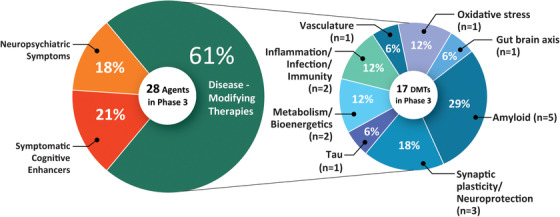
“All four of the biological therapies and one of the small molecules—four monoclonal antibodies and one receptor for advanced glycation end products (RAGE) antagonist—have amyloid as the primary or one of several targets (29.4% of DMTs).”
§ Alzheimer's disease drug development pipeline: 2021 > RESULTS > Phase 3
plain- Asserted: passes — The authors put it forward as true.
- Checkable: passes — It can be checked against evidence.
- Load-bearing: unclear — It is unclear whether the paper’s conclusions depend on it.
- Based: passes — The paper gives a reason why it holds.
A result the paper reports from its own data — it cites no other source for it, so there is none to check. The quote shows it is in the paper.
In the paper
“9 (7.1%) are intended to treat neuropsychiatric and behavioral symptoms”
- Also stated in: § Results · plain
“7.1% are drugs being developed to reduce neuropsychiatric symptoms”
§ Alzheimer's disease drug development pipeline: 2021 > RESULTS > Overview
plain- Asserted: passes — The authors put it forward as true.
- Checkable: passes — It can be checked against evidence.
- Load-bearing: unclear — It is unclear whether the paper’s conclusions depend on it.
- Based: passes — The paper gives a reason why it holds.
- Also stated in: § Results · plain
A result the paper reports from its own data — it cites no other source for it, so there is none to check. The quote shows it is in the paper.
In the paper
“74 agents are in 87 Phase 2 trials”
- Also stated in: § Results · plain
“74 in Phase 2”
§ Alzheimer's disease drug development pipeline: 2021 > RESULTS > Overview
plain- Asserted: passes — The authors put it forward as true.
- Checkable: passes — It can be checked against evidence.
- Load-bearing: unclear — It is unclear whether the paper’s conclusions depend on it.
- Based: passes — The paper gives a reason why it holds.
- Also stated in: § Results · plain
A result the paper reports from its own data — it cites no other source for it, so there is none to check. The quote shows it is in the paper.
In the paper
“In Phase 3 there are 28 agents in 41 trials”
§ Alzheimer's disease drug development pipeline: 2021 > RESULTS > Phase 3
plain- Asserted: passes — The authors put it forward as true.
- Checkable: passes — It can be checked against evidence.
- Load-bearing: unclear — It is unclear whether the paper’s conclusions depend on it.
- Based: passes — The paper gives a reason why it holds.
A result the paper reports from its own data — it cites no other source for it, so there is none to check. The quote shows it is in the paper.
In the paper
“DMTs are the most common agents being studied (104; 82.5% of the total number of agents in trial)”
- Also stated in: § Results · plain
“The majority of drugs in trials (82.5%) target the underlying biology of AD with the intent of disease modification”
§ Alzheimer's disease drug development pipeline: 2021 > RESULTS > Overview
plain- Asserted: passes — The authors put it forward as true.
- Checkable: passes — It can be checked against evidence.
- Load-bearing: unclear — It is unclear whether the paper’s conclusions depend on it.
- Based: passes — The paper gives a reason why it holds.
- Also stated in: § Results · plain
- It may state two separate claims as one. 44
- The quote only partly states this claim. 1
- Probably not a substantial claim. 16
A result the paper reports from its own data — it cites no other source for it, so there is none to check. The quote shows it is in the paper.
In the paper
“There is one Phase 3 trial enrolling both preclinical patients and patients with MCI to mild AD dementia (DIAN‐TU trial); 13 trials in patients with prodromal AD/MCI or prodromal/mild AD dementia; 11 trials of patients with mild to moderate AD; and 11 trials of patients with mild‐to‐severe AD (most of the neuropsychiatric agents).”
§ Alzheimer's disease drug development pipeline: 2021 > RESULTS > Phase 3
plain- Asserted: passes — The authors put it forward as true.
- Checkable: passes — It can be checked against evidence.
- Load-bearing: unclear — It is unclear whether the paper’s conclusions depend on it.
- Based: passes — The paper gives a reason why it holds.
It may state two separate claims as one.
A result the paper reports from its own data — it cites no other source for it, so there is none to check. The quote shows it is in the paper.
In the paper
“The mean treatment exposure period was 154 weeks for prevention trials, 87 weeks for prodromal AD or prodromal AD/mild AD dementia trials, and 31 weeks for mild‐to‐moderate AD dementia trials.”
§ Alzheimer's disease drug development pipeline: 2021 > RESULTS > Phase 3
plain- Asserted: passes — The authors put it forward as true.
- Checkable: passes — It can be checked against evidence.
- Load-bearing: unclear — It is unclear whether the paper’s conclusions depend on it.
- Based: passes — The paper gives a reason why it holds.
It may state two separate claims as one.
A result the paper reports from its own data — it cites no other source for it, so there is none to check. The quote shows it is in the paper.
In the paper
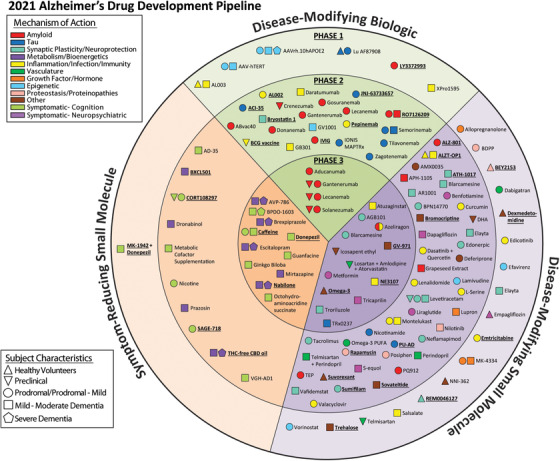
“Two of these trials are assessing monoclonal antibodies (solanezumab, gantenerumab), there is one vaccine trial (CAD106), and two trials of small molecules (icosapent ethyl and a combination of losartan, amlodipine, and atorvastatin).”
§ Alzheimer's disease drug development pipeline: 2021 > RESULTS > Phase 3
plain- Asserted: passes — The authors put it forward as true.
- Checkable: passes — It can be checked against evidence.
- Load-bearing: unclear — It is unclear whether the paper’s conclusions depend on it.
- Based: passes — The paper gives a reason why it holds.
It may state two separate claims as one.
A result the paper reports from its own data — it cites no other source for it, so there is none to check. The quote shows it is in the paper.
In the paper
“Phase 3 trials included a mean of 619 participants per trial and a total of 25,373 participants were needed for enrollment.”
§ Alzheimer's disease drug development pipeline: 2021 > RESULTS > Phase 3
plainn = 25,373- Asserted: passes — The authors put it forward as true.
- Checkable: passes — It can be checked against evidence.
- Load-bearing: unclear — It is unclear whether the paper’s conclusions depend on it.
- Based: passes — The paper gives a reason why it holds.
It may state two separate claims as one.
A result the paper reports from its own data — it cites no other source for it, so there is none to check. The quote shows it is in the paper.
In the paper
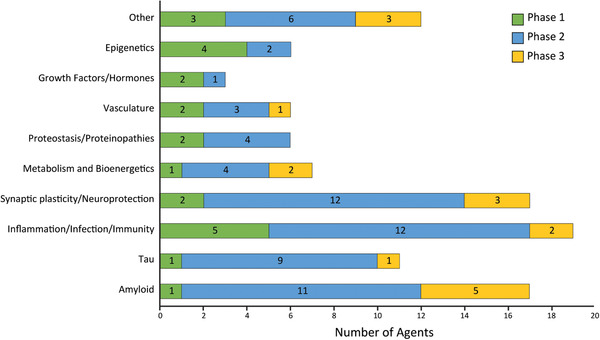
“Other CADRO mechanisms represented among Phase 3 DMT therapies include tau (one agent; 5.9% of Phase 3 DMTs), inflammation/infection (two agents; 11.8%), oxidative stress (two agents; 11.8%), metabolism and bioenergetics (two agents; 11.8%), vascular factors (one agent; 5.9%), synaptic plasticity/neuroprotection (three agents; 17.6%), and gut–brain axis (one agent; 5.9%).”
§ Alzheimer's disease drug development pipeline: 2021 > RESULTS > Phase 3
plain- Asserted: passes — The authors put it forward as true.
- Checkable: passes — It can be checked against evidence.
- Load-bearing: unclear — It is unclear whether the paper’s conclusions depend on it.
- Based: passes — The paper gives a reason why it holds.
It may state two separate claims as one.
A result the paper reports from its own data — it cites no other source for it, so there is none to check. The quote shows it is in the paper.
In the paper
“Across all phases, DMTs comprise 31 (29.8%) biological therapies and 73 (70.2%) small‐molecule drugs.”
§ Alzheimer's disease drug development pipeline: 2021 > RESULTS > Overview
plain- Asserted: passes — The authors put it forward as true.
- Checkable: passes — It can be checked against evidence.
- Load-bearing: unclear — It is unclear whether the paper’s conclusions depend on it.
- Based: passes — The paper gives a reason why it holds.
It may state two separate claims as one.
A result the paper reports from its own data — it cites no other source for it, so there is none to check. The quote shows it is in the paper.
In the paper
“There are 50 repurposed agents in the pipeline—39.6% of the candidate agents.”
§ Alzheimer's disease drug development pipeline: 2021 > RESULTS > Overview
plain- Asserted: passes — The authors put it forward as true.
- Checkable: passes — It can be checked against evidence.
- Load-bearing: unclear — It is unclear whether the paper’s conclusions depend on it.
- Based: passes — The paper gives a reason why it holds.
It may state two separate claims as one.
A result the paper reports from its own data — it cites no other source for it, so there is none to check. The quote shows it is in the paper.
In the paper
“There are 11 (39.3%) symptomatic agents in Phase 3: six (21.4%) cognitive enhancers and five (17.9%) targeting behavioral symptoms.”
§ Alzheimer's disease drug development pipeline: 2021 > RESULTS > Phase 3
plain- Asserted: passes — The authors put it forward as true.
- Checkable: passes — It can be checked against evidence.
- Load-bearing: unclear — It is unclear whether the paper’s conclusions depend on it.
- Based: passes — The paper gives a reason why it holds.
It may state two separate claims as one.
A result the paper reports from its own data — it cites no other source for it, so there is none to check. The quote shows it is in the paper.
In the paper
“Among the 17 DMTs there are four biological therapies and 13 oral agents/small molecule therapies.”
§ Alzheimer's disease drug development pipeline: 2021 > RESULTS > Phase 3
plain- Asserted: passes — The authors put it forward as true.
- Checkable: passes — It can be checked against evidence.
- Load-bearing: unclear — It is unclear whether the paper’s conclusions depend on it.
- Based: passes — The paper gives a reason why it holds.
It may state two separate claims as one.
The paper states this without a source or data behind it here, so there is nothing to check it against. The quote shows it is in the paper.
In the paper
“Since the 2020 review, seven Phase 3 trials have been completed or terminated and there are five new agents in this phase.”
§ Alzheimer's disease drug development pipeline: 2021 > RESULTS > Phase 3
plain- Asserted: passes — The authors put it forward as true.
- Checkable: passes — It can be checked against evidence.
- Load-bearing: unclear — It is unclear whether the paper’s conclusions depend on it.
- Based: passes — The paper gives a reason why it holds.
It may state two separate claims as one.
A result the paper reports from its own data — it cites no other source for it, so there is none to check. The quote shows it is in the paper.
In the paper
“Considering DMTs only, there are 17 in Phase 3, 64 in Phase 2, 23 in Phase 1.”
§ Alzheimer's disease drug development pipeline: 2021 > RESULTS > Overview
plain- Asserted: passes — The authors put it forward as true.
- Checkable: passes — It can be checked against evidence.
- Load-bearing: unclear — It is unclear whether the paper’s conclusions depend on it.
- Based: passes — The paper gives a reason why it holds.
It may state two separate claims as one.
A result the paper reports from its own data — it cites no other source for it, so there is none to check. The quote shows it is in the paper.
In the paper
“Two Phase 2 trials are prevention trials involving participants with preclinical AD (assessing crenezumab and levetiracetam)”
§ Alzheimer's disease drug development pipeline: 2021 > RESULTS > Phase 2
plain- Asserted: passes — The authors put it forward as true.
- Checkable: passes — It can be checked against evidence.
- Load-bearing: unclear — It is unclear whether the paper’s conclusions depend on it.
- Based: passes — The paper gives a reason why it holds.
It may state two separate claims as one.
The paper states this without a source or data behind it here, so there is nothing to check it against. The quote shows it is in the paper.
In the paper
“Across all trials, biopharmaceutical companies sponsor 49% of trials and collaborate in another 14% of trials sponsored by public–private partnerships.”
§ Alzheimer's disease drug development pipeline: 2021 > METHODS > HIGHLIGHTS
plain- Asserted: passes — The authors put it forward as true.
- Checkable: passes — It can be checked against evidence.
- Load-bearing: unclear — It is unclear whether the paper’s conclusions depend on it.
- Based: passes — The paper gives a reason why it holds.
It may state two separate claims as one.
A result the paper reports from its own data — it cites no other source for it, so there is none to check. The quote shows it is in the paper.
In the paper
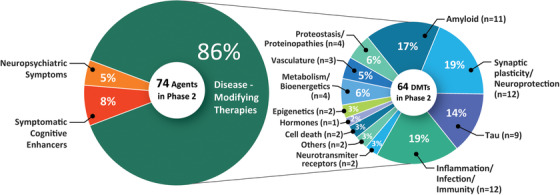
“Of Phase 2 candidate treatments, there are 64 potential DMTs, six cognitive enhancing agents, and four drugs targeting behavioral symptoms.”
§ Alzheimer's disease drug development pipeline: 2021 > RESULTS > Phase 2
plain- Asserted: passes — The authors put it forward as true.
- Checkable: passes — It can be checked against evidence.
- Load-bearing: unclear — It is unclear whether the paper’s conclusions depend on it.
- Based: passes — The paper gives a reason why it holds.
It may state two separate claims as one.
The paper states this without a source or data behind it here, so there is nothing to check it against. The quote shows it is in the paper.
In the paper
“Since the 2020 review, 16 trials have been completed or terminated and there are 22 new agents in the Phase 2 pipeline.”
§ Alzheimer's disease drug development pipeline: 2021 > RESULTS > Phase 2
plain- Asserted: passes — The authors put it forward as true.
- Checkable: passes — It can be checked against evidence.
- Load-bearing: unclear — It is unclear whether the paper’s conclusions depend on it.
- Based: passes — The paper gives a reason why it holds.
It may state two separate claims as one.
A result the paper reports from its own data — it cites no other source for it, so there is none to check. The quote shows it is in the paper.
In the paper
“Among DMTs in Phase 2 there are 21 biologics and 43 small molecules.”
§ Alzheimer's disease drug development pipeline: 2021 > RESULTS > Phase 2
plain- Asserted: passes — The authors put it forward as true.
- Checkable: passes — It can be checked against evidence.
- Load-bearing: unclear — It is unclear whether the paper’s conclusions depend on it.
- Based: passes — The paper gives a reason why it holds.
It may state two separate claims as one.
A result the paper reports from its own data — it cites no other source for it, so there is none to check. The quote shows it is in the paper.
In the paper
“Using the CADRO approach, four of the small molecules and seven of the biologics in Phase 2 have amyloid reduction as one of the mechanisms (17.2% of DMTs).”
§ Alzheimer's disease drug development pipeline: 2021 > RESULTS > Phase 2
plain- Asserted: passes — The authors put it forward as true.
- Checkable: passes — It can be checked against evidence.
- Load-bearing: unclear — It is unclear whether the paper’s conclusions depend on it.
- Based: passes — The paper gives a reason why it holds.
It may state two separate claims as one.
A result the paper reports from its own data — it cites no other source for it, so there is none to check. The quote shows it is in the paper.
In the paper
“Other CADRO mechanisms represented among Phase 2 DMT therapies include tau (nine agents; 14.1% of Phase 2 DMTs), inflammation/infection/immunity (12 agents; 18.8%), transmitter systems and receptors (two agents; 3.1%), oxidative stress (one agent; 1.6%), cell death (2 agents; 3.1%), proteostasis (four agents; 6.3%), metabolism and bioenergetics (four agents; 6.3%), vascular factors (three agents;”
§ Alzheimer's disease drug development pipeline: 2021 > RESULTS > Phase 2
plain- Asserted: passes — The authors put it forward as true.
- Checkable: passes — It can be checked against evidence.
- Load-bearing: unclear — It is unclear whether the paper’s conclusions depend on it.
- Based: passes — The paper gives a reason why it holds.
It may state two separate claims as one. The quote only partly states this claim.
A result the paper reports from its own data — it cites no other source for it, so there is none to check. The quote shows it is in the paper.
In the paper
“Trial participants make an enormous contribution to clinical trials (calculated to be ≈2.5 million participant‐weeks for currently ongoing trials)”
§ Alzheimer's disease drug development pipeline: 2021 > METHODS > RESEARCH IN CONTEXT
plain- Asserted: passes — The authors put it forward as true.
- Checkable: passes — It can be checked against evidence.
- Load-bearing: fails — The paper’s conclusions may not depend on it.
- Based: passes — The paper gives a reason why it holds.
Probably not a substantial claim. The paper’s conclusions may not depend on it.
A result the paper reports from its own data — it cites no other source for it, so there is none to check. The quote shows it is in the paper.
In the paper
“Repurposed agents are more likely to have academic medical centers/NIH sponsors (59%) and less likely to have industry sponsors (16%; Table 5).”
§ Alzheimer's disease drug development pipeline: 2021 > RESULTS > Trial sponsors
plaincorrelational- Asserted: passes — The authors put it forward as true.
- Checkable: passes — It can be checked against evidence.
- Load-bearing: unclear — It is unclear whether the paper’s conclusions depend on it.
- Based: passes — The paper gives a reason why it holds.
It may state two separate claims as one.
A result the paper reports from its own data — it cites no other source for it, so there is none to check. The quote shows it is in the paper.
In the paper
“Across all phases, 54% of trials are conducted in North America only, 25% are conducted only outside North America, and 21% are conducted with both North American and non–North American sites.”
§ Alzheimer's disease drug development pipeline: 2021 > RESULTS > Global distribution of trials
plain- Asserted: passes — The authors put it forward as true.
- Checkable: passes — It can be checked against evidence.
- Load-bearing: unclear — It is unclear whether the paper’s conclusions depend on it.
- Based: passes — The paper gives a reason why it holds.
It may state two separate claims as one.
A result the paper reports from its own data — it cites no other source for it, so there is none to check. The quote shows it is in the paper.
In the paper
“Of these, 25,373 are in Phase 3 trials; 12,414 in Phase 2 trials; and 1039 in Phase 1 trials.”
§ Alzheimer's disease drug development pipeline: 2021 > RESULTS > Trial participants
plain- Asserted: passes — The authors put it forward as true.
- Checkable: passes — It can be checked against evidence.
- Load-bearing: unclear — It is unclear whether the paper’s conclusions depend on it.
- Based: passes — The paper gives a reason why it holds.
It may state two separate claims as one.
A result the paper reports from its own data — it cites no other source for it, so there is none to check. The quote shows it is in the paper.
In the paper
“There are 28 agents in Phase 3, 74 in Phase 2, and 24 in Phase 1.”
§ Alzheimer's disease drug development pipeline: 2021 > DISCUSSION
plain- Asserted: passes — The authors put it forward as true.
- Checkable: passes — It can be checked against evidence.
- Load-bearing: unclear — It is unclear whether the paper’s conclusions depend on it.
- Based: passes — The paper gives a reason why it holds.
It may state two separate claims as one.
A result the paper reports from its own data — it cites no other source for it, so there is none to check. The quote shows it is in the paper.
In the paper
“There are five prevention trials in Phase 3 and two prevention trials in Phase 2; the number of prevention trials in Phase 3 has remained constant over the past 6 years, while the number of Phase 2 prevention trials has varied (0 to 4).”
§ Alzheimer's disease drug development pipeline: 2021 > DISCUSSION
plain- Asserted: passes — The authors put it forward as true.
- Checkable: passes — It can be checked against evidence.
- Load-bearing: unclear — It is unclear whether the paper’s conclusions depend on it.
- Based: passes — The paper gives a reason why it holds.
It may state two separate claims as one.
A result the paper reports from its own data — it cites no other source for it, so there is none to check. The quote shows it is in the paper.
In the paper
“Phase 2 has both more agents in trials and a greater diversity of targets than other phases; this may reflect a more diversified approach to treatment targets in Phase 2 or a reduction of targets in Phase 3 because of the lack of success in Phase 2 outcomes.”
§ Alzheimer's disease drug development pipeline: 2021 > DISCUSSION
plain- Asserted: passes — The authors put it forward as true.
- Checkable: passes — It can be checked against evidence.
- Load-bearing: passes — The paper’s conclusions depend on it.
- Based: passes — The paper gives a reason why it holds.
It may state two separate claims as one.
A result the paper reports from its own data — it cites no other source for it, so there is none to check. The quote shows it is in the paper.
In the paper
“The 126 agents in the pipeline compares to 121 in the pipeline in 2020; 13 with one less agent in Phase 3, nine additional agents in Phase 2, and three less agents in Phase 1.”
§ Alzheimer's disease drug development pipeline: 2021 > DISCUSSION
plain- Asserted: passes — The authors put it forward as true.
- Checkable: passes — It can be checked against evidence.
- Load-bearing: unclear — It is unclear whether the paper’s conclusions depend on it.
- Based: passes — The paper gives a reason why it holds.
It may state two separate claims as one.
A result the paper reports from its own data — it cites no other source for it, so there is none to check. The quote shows it is in the paper.
In the paper
“Although sponsors plan for slow recruitment, 66.7% of Phase 3 trials and 78.6% of Phase 2 trials took longer to complete than originally anticipated as recorded on ClinicalTrials.gov.”
§ Alzheimer's disease drug development pipeline: 2021 > DISCUSSION
plain- Asserted: passes — The authors put it forward as true.
- Checkable: passes — It can be checked against evidence.
- Load-bearing: passes — The paper’s conclusions depend on it.
- Based: passes — The paper gives a reason why it holds.
It may state two separate claims as one.
A result the paper reports from its own data — it cites no other source for it, so there is none to check. The quote shows it is in the paper.
In the paper
“There are 13 cognitive enhancers and nine drugs targeting neuropsychiatric symptoms in the pipeline.”
§ Alzheimer's disease drug development pipeline: 2021 > DISCUSSION
plain- Asserted: passes — The authors put it forward as true.
- Checkable: passes — It can be checked against evidence.
- Load-bearing: unclear — It is unclear whether the paper’s conclusions depend on it.
- Based: passes — The paper gives a reason why it holds.
It may state two separate claims as one.
The paper states this without a source or data behind it here, so there is nothing to check it against. The quote shows it is in the paper.
In the paper
“Since the 2020 pipeline, 7 trials in Phase 3, 18 trials in Phase 2, and 9 trials in Phase 1 have been either completed, terminated, suspended, or the status is unknown.”
§ Alzheimer's disease drug development pipeline: 2021 > DISCUSSION
plain- Asserted: passes — The authors put it forward as true.
- Checkable: passes — It can be checked against evidence.
- Load-bearing: unclear — It is unclear whether the paper’s conclusions depend on it.
- Based: passes — The paper gives a reason why it holds.
It may state two separate claims as one.
A result the paper reports from its own data — it cites no other source for it, so there is none to check. The quote shows it is in the paper.
In the paper
“Repurposed agents are more common in trials in Phase 2 and more likely to be in trials sponsored by NIH/academic medical centers (Table 5).”
§ Alzheimer's disease drug development pipeline: 2021 > DISCUSSION
plaincorrelational- Asserted: passes — The authors put it forward as true.
- Checkable: passes — It can be checked against evidence.
- Load-bearing: passes — The paper’s conclusions depend on it.
- Based: passes — The paper gives a reason why it holds.
It may state two separate claims as one.
What the paper did — it cites no source for this, so there is none to check. The quote shows it is in the paper.
In the paper
“Phase 1 trials are often conducted outside of the United States, may not be registered on ClinicalTrials.gov, and may be under‐represented in our analysis.”
§ Alzheimer's disease drug development pipeline: 2021 > METHODS
hedgedconditional- Asserted: passes — The authors put it forward as true.
- Checkable: passes — It can be checked against evidence.
- Load-bearing: passes — The paper’s conclusions depend on it.
- Based: passes — The paper gives a reason why it holds.
It may state two separate claims as one.
In the paper
“AD has preclinical, prodromal, and dementia phases”
§ Alzheimer's disease drug development pipeline: 2021 > METHODS > HIGHLIGHTS
What the sources say
- Not checked yetcites [20] Dubois B, Feldman HH, Jacova C, et al. Advancing research diagnostic criteria for Alzheimer's disease: the IWG‐2 criteria. Lancet Neurol. 2014; 13: 614‐ 629. 24849862 source
plain- Asserted: passes — The authors put it forward as true.
- Checkable: passes — It can be checked against evidence.
- Load-bearing: fails — The paper’s conclusions may not depend on it.
- Based: passes — The paper gives a reason why it holds.
Probably not a substantial claim. The paper’s conclusions may not depend on it.
In the paper
“The reporting of results of clinical trials is required, but trial sponsors are less adherent to this expectation.”
§ Alzheimer's disease drug development pipeline: 2021 > METHODS
What the sources say
- Not checked yetcites [17] DeVito NJ, Bacon S, Goldacre B. Compliance with legal requirement to report clinical trial results on clinicaltrials.gov: a cohort study. Lancet. 2020; 395: 361‐ 369. 31958402 source
plain- Asserted: passes — The authors put it forward as true.
- Checkable: passes — It can be checked against evidence.
- Load-bearing: fails — The paper’s conclusions may not depend on it.
- Based: passes — The paper gives a reason why it holds.
Probably not a substantial claim. The paper’s conclusions may not depend on it. It may state two separate claims as one.
A conclusion the paper draws from its own results — it cites no other source for it, so there is none to check. The quote shows it is in the paper.
In the paper
“There are 126 agents in clinical trials in 2021; the total number of treatments in trials is similar in 2021 and 2020.”
§ Alzheimer's disease drug development pipeline: 2021 > METHODS > RESEARCH IN CONTEXT
plain- Asserted: passes — The authors put it forward as true.
- Checkable: passes — It can be checked against evidence.
- Load-bearing: unclear — It is unclear whether the paper’s conclusions depend on it.
- Based: passes — The paper gives a reason why it holds.
It may state two separate claims as one.
The paper states this without a source or data behind it here, so there is nothing to check it against. The quote shows it is in the paper.
In the paper
“The United States has more clinical trials than any other country”
§ Alzheimer's disease drug development pipeline: 2021 > METHODS
plain- Asserted: passes — The authors put it forward as true.
- Checkable: passes — It can be checked against evidence.
- Load-bearing: fails — The paper’s conclusions may not depend on it.
- Based: fails — The paper may give no reason why it holds.
Probably not a substantial claim. The paper’s conclusions may not depend on it. The paper may give no reason why it holds.
None of the sources cited for this claim have been checked yet.
In the paper
“Studies of ClinicalTrials.gov suggest that compliance with the common rule is high.”
§ Alzheimer's disease drug development pipeline: 2021 > METHODS
What the sources say
- Not checked yetcites [15] Lassman SM, Shopshear OM, Jazic I, Ulrich J, Francer J. Clinical trial transparency: a reassessment of industry compliance with clinical trial registration and reporting requirements in the United States. BMJ Open. 2017; 7: e015110. PMC5623439 28942418
- Not checked yetcites [16] Phillips AT, Desai NR, Krumholz HM, Zou CX, Miller JE, Ross JS. Association of the FDA Amendment Act with trial registration, publication, and outcome reporting. Trials. 2017; 18: 333. 28720112 PMC5516301
hedged- Asserted: passes — The authors put it forward as true.
- Checkable: passes — It can be checked against evidence.
- Load-bearing: fails — The paper’s conclusions may not depend on it.
- Based: passes — The paper gives a reason why it holds.
Probably not a substantial claim. The paper’s conclusions may not depend on it.
In the paper
“The Common Alzheimer's Disease Research Ontology (CADRO) provides a means of classifying targets for drug development relevant to AD.”
§ Alzheimer's disease drug development pipeline: 2021 > INTRODUCTION
What the sources say
- Not checked yetcites [5] International Alzheimer's and Related Dementia Research Portfolio; Accessed January 4, 2021; https://iadrp.nia.nih.gov/about/cadro
plain- Asserted: passes — The authors put it forward as true.
- Checkable: passes — It can be checked against evidence.
- Load-bearing: fails — The paper’s conclusions may not depend on it.
- Based: passes — The paper gives a reason why it holds.
Probably not a substantial claim. The paper’s conclusions may not depend on it.
A conclusion the paper draws from its own results — it cites no other source for it, so there is none to check. The quote shows it is in the paper.
In the paper
“this review is therefore comprehensive but not exhaustive”
§ Alzheimer's disease drug development pipeline: 2021 > METHODS
plain- Asserted: passes — The authors put it forward as true.
- Checkable: passes — It can be checked against evidence.
- Load-bearing: passes — The paper’s conclusions depend on it.
- Based: passes — The paper gives a reason why it holds.
Probably not a substantial claim. It may state two separate claims as one.
- Rests on an assumption: Phase 1 trials are often conducted outside of the United States, may not be registered on ClinicalTrials.gov, and may be under-represented in this analysis.
- Rests on an assumption: ClinicalTrials.gov includes the majority of agents currently in clinical trials for Alzheimer's disease.
In the paper
“In 2020, the FDA approved 53 new drugs across all therapeutic categories.”
§ Alzheimer's disease drug development pipeline: 2021 > DISCUSSION
What the sources say
- Not checked yetcites [21] Food and Drug Administration. Advancing Health Through Innovation: New Drug Therapy Approvals 2020. US Food and Drug Administration. Silver Spring, MD. 2020.
plain- Asserted: passes — The authors put it forward as true.
- Checkable: passes — It can be checked against evidence.
- Load-bearing: fails — The paper’s conclusions may not depend on it.
- Based: passes — The paper gives a reason why it holds.
Probably not a substantial claim. The paper’s conclusions may not depend on it.
What the paper did — it cites no source for this, so there is none to check. The quote shows it is in the paper.
In the paper
“This sum does not include time devoted to screening prior to randomization or the number of participant‐weeks consumed in screen fails of individuals who do not progress to randomization.”
§ Alzheimer's disease drug development pipeline: 2021 > RESULTS > Trial participants
plain- Asserted: passes — The authors put it forward as true.
- Checkable: passes — It can be checked against evidence.
- Load-bearing: fails — The paper’s conclusions may not depend on it.
- Based: passes — The paper gives a reason why it holds.
Probably not a substantial claim. The paper’s conclusions may not depend on it. It may state two separate claims as one.
What the paper did — it cites no source for this, so there is none to check. The quote shows it is in the paper.
In the paper
“Some Phase 1 trials conducted outside the United States may not be registered on ClinicalTrials.gov and may have gone undetected in this review.”
§ Alzheimer's disease drug development pipeline: 2021 > RESULTS > Global distribution of trials
hedgedconditional- Asserted: passes — The authors put it forward as true.
- Checkable: passes — It can be checked against evidence.
- Load-bearing: fails — The paper’s conclusions may not depend on it.
- Based: fails — The paper may give no reason why it holds.
Probably not a substantial claim. The paper’s conclusions may not depend on it. The paper may give no reason why it holds. It may state two separate claims as one.
A conclusion the paper draws from its own results — it cites no other source for it, so there is none to check. The quote shows it is in the paper.
In the paper
“Thirty‐six percent of the CNS approvals were for DMTs, suggesting that DMT‐related targets, biomarkers, and trial designs are progressing.”
§ Alzheimer's disease drug development pipeline: 2021 > DISCUSSION
hedged- Asserted: passes — The authors put it forward as true.
- Checkable: passes — It can be checked against evidence.
- Load-bearing: passes — The paper’s conclusions depend on it.
- Based: passes — The paper gives a reason why it holds.
It may state two separate claims as one.
A conclusion the paper draws from its own results — it cites no other source for it, so there is none to check. The quote shows it is in the paper.
In the paper
“Phase 2 has both more agents in trials and a greater diversity of targets than other phases; this may reflect a more diversified approach to treatment targets in Phase 2 or a reduction of targets in Phase 3 because of the lack of success in Phase 2 outcomes.”
§ Alzheimer's disease drug development pipeline: 2021 > DISCUSSION
hedgedconditional- Asserted: passes — The authors put it forward as true.
- Checkable: passes — It can be checked against evidence.
- Load-bearing: fails — The paper’s conclusions may not depend on it.
- Based: passes — The paper gives a reason why it holds.
Probably not a substantial claim. The paper’s conclusions may not depend on it. It may state two separate claims as one.
None of the sources cited for this claim have been checked yet.
In the paper
“Stem cell interventions may promote nerve cell regeneration, adding a dimension to therapeutic response beyond the slowing of cognitive decline targeted by DMTs in current trials. 36 , 37”
§ Alzheimer's disease drug development pipeline: 2021 > DISCUSSION
What the sources say
- Not checked yetcites [36] Vasic V, Barth K, Schmidt MHH. Neurodegeneration and neuro‐regeneration‐Alzheimer's disease and stem cell therapy. Int J Mol Sci. 2019: 20. PMC6747457 31480448
- Not checked yetcites [37] Han F, Bi J, Qiao L, Arancio O. Stem cell therapy for Alzheimer's disease. Adv Exp Med Biol. 2020; 1266: 39‐ 55. 33105494
hedgedconditional- Asserted: passes — The authors put it forward as true.
- Checkable: passes — It can be checked against evidence.
- Load-bearing: fails — The paper’s conclusions may not depend on it.
- Based: passes — The paper gives a reason why it holds.
Probably not a substantial claim. The paper’s conclusions may not depend on it.
In the paper
“Cell senescence occurs throughout the lifespan but plays a larger role with aging and is postulated to contribute to many diseases of aging including vascular disease, arthritis, and neurodegeneration. 38”
§ Alzheimer's disease drug development pipeline: 2021 > DISCUSSION
What the sources say
- Not checked yetcites [38] Childs BG, Gluscevic M, Baker DJ, et al. Senescent cells: an emerging target for diseases of ageing. Nat Rev Drug Discov. 2017; 16: 718‐ 735. 28729727 PMC5942225 source
hedgedconditional- Asserted: passes — The authors put it forward as true.
- Checkable: passes — It can be checked against evidence.
- Load-bearing: fails — The paper’s conclusions may not depend on it.
- Based: passes — The paper gives a reason why it holds.
Probably not a substantial claim. The paper’s conclusions may not depend on it. It may state two separate claims as one.
In the paper
“This reflects the increased focus of biopharmaceutical companies on late‐stage development and outsourcing larger portions of the early‐stage drug development enterprise. 31”
§ Alzheimer's disease drug development pipeline: 2021 > DISCUSSION
What the sources say
- Not checked yetcites [31] Dierks RML, Bruyere O, Reginster JY. Critical analysis of valuation and strategical orientation of merger and acquisition deals in the pharmaceutical industry. Expert Rev Pharmacoecon Outcomes Res. 2018; 18: 147‐ 160. 29243501
plaindirect- Asserted: passes — The authors put it forward as true.
- Checkable: passes — It can be checked against evidence.
- Load-bearing: unclear — It is unclear whether the paper’s conclusions depend on it.
- Based: passes — The paper gives a reason why it holds.
It may state two separate claims as one.
In the paper
“The COVID‐19 pandemic further exacerbated recruitment struggles with many clinics suspending research at least temporarily, delaying visits during this time, and experiencing attrition due to SARS‐CoV‐2 infections in patients and family members or an unwillingness to attend medical facilities. 33”
§ Alzheimer's disease drug development pipeline: 2021 > DISCUSSION
What the sources say
- Not checked yetcites [33] Ousset PJ, Vellas B. Viewpoint: impact of the Covid‐19 outbreak on the clinical and research activities of memory clinics: an Alzheimer's disease center facing the Covid‐19 crisis. J Prev Alzheimer's Dis. 2020; 7: 197‐ 198. 32463074 PMC7147199
plaindirect- Asserted: passes — The authors put it forward as true.
- Checkable: passes — It can be checked against evidence.
- Load-bearing: unclear — It is unclear whether the paper’s conclusions depend on it.
- Based: passes — The paper gives a reason why it holds.
It may state two separate claims as one.
A conclusion the paper draws from its own results — it cites no other source for it, so there is none to check. The quote shows it is in the paper.
In the paper
“There are at least an equivalent number of weeks contributed by research partners, doubling the total participant‐partner weeks to 5,080,028 weeks.”
§ Alzheimer's disease drug development pipeline: 2021 > DISCUSSION
plain- Asserted: passes — The authors put it forward as true.
- Checkable: passes — It can be checked against evidence.
- Load-bearing: unclear — It is unclear whether the paper’s conclusions depend on it.
- Based: passes — The paper gives a reason why it holds.
It may state two separate claims as one.
- Rests on an assumption: Research partners contribute at least an equivalent number of weeks as trial participants.
None of the sources cited for this claim have been checked yet.
In the paper
“Three senolytics in current AD trials are metformin, rapamycin, and dasatinib plus quercetin; these therapies have shown benefit in non‐clinical models of aging and AD. 39 , 40 , 41”
§ Alzheimer's disease drug development pipeline: 2021 > DISCUSSION
What the sources say
- Not checked yetcites [39] Zhu Y, Tchkonia T, Pirtskhalava T, et al. The Achilles' heel of senescent cells: from transcriptome to senolytic drugs. Aging Cell. 2015; 14: 644‐ 658. 25754370 PMC4531078 source
- Not checked yetcites [40] Farr SA, Roesler E, Niehoff ML, Roby DA, McKee A, Morley JE. Metformin improves learning and memory in the SAMP8 mouse model of Alzheimer's disease. J Alzheimers Dis. 2019; 68: 1699‐ 1710. 30958364
- Not checked yetcites [41] Partridge L, Fuentealba M, Kennedy BK. The quest to slow ageing through drug discovery. Nat Rev Drug Discov. 2020; 19: 513‐ 532. 32467649 source
plaindirect- Asserted: passes — The authors put it forward as true.
- Checkable: passes — It can be checked against evidence.
- Load-bearing: passes — The paper’s conclusions depend on it.
- Based: passes — The paper gives a reason why it holds.
It may state two separate claims as one.
None of the sources cited for this claim have been checked yet.
In the paper
“Biomarkers play an increasing role in drug development and use the amyloid (A), tau (T), neurodegeneration (N)—A/T/N—biomarker framework. 22 , 23”
§ Alzheimer's disease drug development pipeline: 2021 > DISCUSSION
What the sources say
- Not checked yetcites [22] Cummings J. The role of biomarkers in Alzheimer's disease drug development. Adv Exp Med Biol. 2019; 1118: 29‐ 61. 30747416 PMC6750734
- Not checked yetcites [23] Jack CR Jr, Bennett DA, Blennow K, et al. NIA‐AA research framework: toward a biological definition of Alzheimer's disease. Alzheimer's Dement. 2018; 14: 535‐ 562. 29653606 PMC5958625 source
plaincorrelational- Asserted: passes — The authors put it forward as true.
- Checkable: passes — It can be checked against evidence.
- Load-bearing: unclear — It is unclear whether the paper’s conclusions depend on it.
- Based: passes — The paper gives a reason why it holds.
It may state two separate claims as one.
In the paper
“Many questions remain unresolved concerning the relationship of cellular senescence and neurodegeneration/AD; 43 trials of senolytics will provide key insights into the value of these agents as treatments for AD and late‐life cognitive decline.”
§ Alzheimer's disease drug development pipeline: 2021 > DISCUSSION
What the sources say
- Not checked yetcites [43] Saez‐Atienzar S, Masliah E. Cellular senescence and Alzheimer disease: the egg and the chicken scenario. Nat Rev Neurosci. 2020; 21: 433‐ 444. 32601397 PMC12548380 source
plain- Asserted: passes — The authors put it forward as true.
- Checkable: passes — It can be checked against evidence.
- Load-bearing: fails — The paper’s conclusions may not depend on it.
- Based: passes — The paper gives a reason why it holds.
Probably not a substantial claim. The paper’s conclusions may not depend on it.
A conclusion the paper draws from its own results — it cites no other source for it, so there is none to check. The quote shows it is in the paper.
In the paper
“Global trials allow diversified participant exposures and improved understanding of effects of ethnicity, standard of care, body size, nutrition, and educational level on trial outcomes.”
§ Alzheimer's disease drug development pipeline: 2021 > DISCUSSION
plaindirect- Asserted: passes — The authors put it forward as true.
- Checkable: passes — It can be checked against evidence.
- Load-bearing: fails — The paper’s conclusions may not depend on it.
- Based: fails — The paper may give no reason why it holds.
Probably not a substantial claim. The paper’s conclusions may not depend on it. The paper may give no reason why it holds. It may state two separate claims as one.
A conclusion the paper draws from its own results — it cites no other source for it, so there is none to check. The quote shows it is in the paper.
In the paper
“These observations identify a gap in the trial system that requires remedy to accelerate trials and drug development.”
§ Alzheimer's disease drug development pipeline: 2021 > DISCUSSION
plain- Asserted: passes — The authors put it forward as true.
- Checkable: fails — It may be too vague to check against evidence.
- Load-bearing: passes — The paper’s conclusions depend on it.
- Based: passes — The paper gives a reason why it holds.
Probably not a substantial claim. It may be too vague to check against evidence.
The paper relies on this without support.
Phase 1 trials are often conducted outside of the United States, may not be registered on ClinicalTrials.gov, and may be under-represented in this analysis.
“Phase 1 trials are often conducted outside of the United States, may not be registered on ClinicalTrials.gov, and may be under‐represented in our analysis.”
The paper relies on this without support.
ClinicalTrials.gov includes the majority of agents currently in clinical trials for Alzheimer's disease.
“ClinicalTrials.gov includes the majority of agents currently in clinical trials for AD”
The paper relies on this without support.
Information on completed, terminated, suspended, unknown, or withdrawn trials and reasons for their current status are often not publicly revealed.
“We did not include trials listed as completed, terminated, suspended, unknown, or withdrawn as information on these trials and reasons for their current status are often not publicly revealed.”
The paper relies on this without support.
The features of trials (clinical outcomes, trial duration, use of biomarkers, number of participants) can determine whether a trial was attempting to demonstrate disease modification or symptomatic benefit.
“We used the features of the trials (e.g., clinical outcomes, trial duration, use of biomarkers, number of participants) to determine whether a trial was attempting to demonstrate disease medication or symptomatic benefit.”
The paper relies on this without support.
The available literature can identify a dominant mechanism of action for agents with multiple mechanisms of action.
“Some agents have more than one mechanism of action and, in these cases, we noted both mechanisms and depended on the available literature to identify a dominant mechanism.”
The paper relies on this without support.
The trials registered on ClinicalTrials.gov as of January 5, 2021 are representative of the AD drug development pipeline.
“Table 6 shows the biomarkers used as entry criteria or as outcome measures in current Phase 2 and Phase 3 AD clinical trials of DMTs as described on ClinicalTrials.gov; not all trial descriptions on the website note if biomarkers are included in the trial.”
The paper relies on this without support.
Research partners contribute at least an equivalent number of weeks as trial participants.
“There are at least an equivalent number of weeks contributed by research partners, doubling the total participant‐partner weeks to 5,080,028 weeks.”
The paper relies on this without support.
ClinicalTrials.gov is a US trial registry and most trials conducted by sponsors anywhere in the world are registered on ClinicalTrials.gov.
“This is, in part, a reflection of the fact that ClinicalTrials.gov is a US trial registry (although note that most trials conducted by sponsors anywhere in the world are registered on ClinicalTrials.gov).”
Claims other papers make about this one
Each is checked against this paper’s own text: does it say what the citing paper says it does?
In the citing paper
“The most recent list of studies was provided by the 2024 AD drug development pipeline, which includes 164 trials (of which 127 are exploring possible treatments or medicines).”
From Recent Advances in Therapeutics for the Treatment of Alzheimer’s Disease (2024) · cites this paper as [182]
In the citing paper
“Of these trials, 41% look into disease-modifying small molecule medications, 34% look into biological agents that change disease, and the remaining trials focus on treatments that improve cognitive function or address neuropsychiatric symptoms linked to ADs [68,70,71,182,183,184].”
From Recent Advances in Therapeutics for the Treatment of Alzheimer’s Disease (2024) · cites this paper as [182]
In the citing paper
“Another molecule in Phase 3 is Azeliragon (NTC03980730), an inhibitor of RAGE that can be administered orally [163].”
From Role of Oxidative Damage in Alzheimer’s Disease and Neurodegeneration: From Pathogenic Mechanisms to Biomarker Discovery (2021) · cites this paper as [163]
In the citing paper
“Ginkgo Biloba (NCT03090516) extracts are supposed to improve mitochondrial function and brain blood flow, acting as a cognitive enhancer [163].”
From Role of Oxidative Damage in Alzheimer’s Disease and Neurodegeneration: From Pathogenic Mechanisms to Biomarker Discovery (2021) · cites this paper as [163]
In the citing paper
“Of the 18 agents in phase 3 classified as disease-modifying treatments, three have OS as mechanism of action, two have metabolism/bioenergetic, two have antioxidant properties, and among the three agents acting on synaptic plasticity/neuroprotection, Azeliragon is also meant to ameliorate OS (Table 2).”
From Role of Oxidative Damage in Alzheimer’s Disease and Neurodegeneration: From Pathogenic Mechanisms to Biomarker Discovery (2021) · cites this paper as [163]
In the citing paper
“Looking at the clinical trials that have reached phase 3, beside the very recently approved Aducanumab, there is a progressive interest in the non-amyloid targets [163].”
From Role of Oxidative Damage in Alzheimer’s Disease and Neurodegeneration: From Pathogenic Mechanisms to Biomarker Discovery (2021) · cites this paper as [163]
In the citing paper
“Glucose metabolism amelioration in CNS is supposed to improve the cognitive decline of aMCI patients or prevent the cognitive decline in obese people [163,167].”
From Role of Oxidative Damage in Alzheimer’s Disease and Neurodegeneration: From Pathogenic Mechanisms to Biomarker Discovery (2021) · cites this paper as [163]
In the citing paper
“Indeed, some of the treatments are designed to modify the biology of the disease acting on synaptic dysfunction, mitochondrial dysfunction, microglial modulation, and reducing OS [163].”
From Role of Oxidative Damage in Alzheimer’s Disease and Neurodegeneration: From Pathogenic Mechanisms to Biomarker Discovery (2021) · cites this paper as [163]
Self-check
Percentages, sums and reported differences re-computed from the paper’s own numbers.
Each contradiction between two passages listed here was confirmed by an independent check.
Rated major: it would touch a result — a value a result rests on, reported and recomputed p-values on opposite sides of the significance level, two passages that conflict with no sign which is right, or a cited work retracted before this paper was published.
In the paper
“Five of the approved agents are DMTs involving neurodegeneration—2 for neuromyelitis optica, 1 for multiple sclerosis, 1 for Duchenne muscular dystrophy, and 1 for spinal muscular atrophy. Treatments for neuroblastoma, neurofibromatosis, migraine, on/off in Parkinson's disease, and an agent for sedation comprised the other CNS approvals. There were no new therapies for AD. Thirty‐six percent of the CNS approvals were for DMTs”
§ Alzheimer's disease drug development pipeline: 2021 > DISCUSSION
Reported 36 · recomputed 45.454545
Rated minor: it would not touch a result — a value no result rests on, a p-value that stays on the same side of the significance level, or a conflict that is clerical, resolved elsewhere in the paper, or outside its own findings.
In the paper
§ Alzheimer's disease drug development pipeline: 2021 > RESULTS > Biomarkers
“| Tau PET | 4 (7%) | 3 (14%) |”
§ Alzheimer's disease drug development pipeline: 2021 > RESULTS > Biomarkers
“Three (13%) of the Phase 3 DMT trials include tau PET imaging as an outcome and nine (12%) of Phase 2 DMT trials include tau PET imaging as an outcome.”
Rated minor: it would not touch a result — a value no result rests on, a p-value that stays on the same side of the significance level, or a conflict that is clerical, resolved elsewhere in the paper, or outside its own findings.
In the paper
§ Alzheimer's disease drug development pipeline: 2021 > RESULTS > Global distribution of trials
“Thirty‐seven percent of Phase 3 trials involve North American only and 71% included North America and non–North American countries.”
§ Alzheimer's disease drug development pipeline: 2021 > RESULTS > Global distribution of trials
“| Both | 14 (34%) | 17 (20%) | 1 (4%) |”
Rated minor: it would not touch a result — a value no result rests on, a p-value that stays on the same side of the significance level, or a conflict that is clerical, resolved elsewhere in the paper, or outside its own findings.
In the paper
“| Academic medical centers/NIH | 8 (20%) | 27 (31%) | 9 (38%) | 49 (29%) | 33 (59%) |”
§ Alzheimer's disease drug development pipeline: 2021 > RESULTS > Trial sponsors
Reported 49 · recomputed 44
Citations
Cites
NIA‐AA Research Framework: Toward a biological definition of Alzheimer's disease
Jack, C. R., Bennett, D. A., Blennow, K., Carrillo, M. C., Dunn, B., Haeberlein, S. B., Holtzman, D. M., Jagust, W., Jessen, F., Karlawish, J., et al. (2018) · Alzheimer's & Dementia · doi:10.1016/j.jalz.2018.02.018 · Cited by 10,537
Scheltens, P., De Strooper, B., Kivipelto, M., Holstege, H., Chételat, G., Teunissen, C. E., Cummings, J., & van der Flier, W. M. (2021) · The Lancet · doi:10.1016/s0140-6736(20)32205-4 · Cited by 5,465
Self-citationAdvancing research diagnostic criteria for Alzheimer's disease: the IWG-2 criteria
Dubois, B., Feldman, H. H., Jacova, C., Hampel, H., Molinuevo, J. L., Blennow, K., DeKosky, S. T., Gauthier, S., Selkoe, D., Bateman, R., et al. (2014) · The Lancet Neurology · doi:10.1016/s1474-4422(14)70090-0 · Cited by 3,321
Self-citationThe Achilles' heel of senescent cells: from transcriptome to senolytic drugs
Zhu, Y., Tchkonia, T., Pirtskhalava, T., Gower, A. C., Ding, H., Giorgadze, N., Palmer, A. K., Ikeno, Y., Hubbard, G. B., Lenburg, M., et al. (2015) · Aging Cell · doi:10.1111/acel.12344 · Cited by 2,584
2020 Alzheimer's disease facts and figures
(2020) · Alzheimer's & Dementia · doi:10.1002/alz.12068 · Cited by 2,353
Palmqvist, S., Janelidze, S., Quiroz, Y. T., Zetterberg, H., Lopera, F., Stomrud, E., Su, Y., Chen, Y., Serrano, G. E., Leuzy, A., et al. (2020) · JAMA · doi:10.1001/jama.2020.12134 · Cited by 1,603
Senescent cells: an emerging target for diseases of ageing
Childs, B. G., Gluscevic, M., Baker, D. J., Laberge, R.-M., Marquess, D., Dananberg, J., & van Deursen, J. M. (2017) · Nature Reviews Drug Discovery · doi:10.1038/nrd.2017.116 · Cited by 1,284
High-precision plasma β-amyloid 42/40 predicts current and future brain amyloidosis
Schindler, S. E., Bollinger, J. G., Ovod, V., Mawuenyega, K. G., Li, Y., Gordon, B. A., Holtzman, D. M., Morris, J. C., Benzinger, T. L. S., Xiong, C., et al. (2019) · Neurology · doi:10.1212/wnl.0000000000008081 · Cited by 885
Alzheimer's disease drug development pipeline: 2019
Cummings, J., Lee, G., Ritter, A., Sabbagh, M., & Zhong, K. (2019) · Alzheimer's & Dementia: Translational Research & Clinical Interventions · doi:10.1016/j.trci.2019.05.008 · Cited by 762
Self-citationMattsson, N., Cullen, N. C., Andreasson, U., Zetterberg, H., & Blennow, K. (2019) · JAMA Neurology · doi:10.1001/jamaneurol.2019.0765 · Cited by 726
Research works printed but not linked: 4
- Food and Drug Administration, 2018, U.S. Department of Health and Human Services, Food and Drug Administration
- International Alzheimer's and Related Dementia Research Portfolio
- Food and Drug Administration, 2020, Advancing Health Through Innovation: New Drug Therapy Approvals 2020
- IQVIA, 2019, The Changing Landscape of Research and Development
Cited by
Sorted by citations
Revised criteria for diagnosis and staging of Alzheimer's disease: Alzheimer's Association Workgroup
Jack, C. R., Andrews, J. S., Beach, T. G., Buracchio, T., Dunn, B., Graf, A., Hansson, O., Ho, C., Jagust, W., McDade, E., et al. (2024) · Alzheimer's & Dementia · doi:10.1002/alz.13859 · Cited by 2,803
“182 Despite the importance of these mechanisms, there is a dearth of available I biomarkers.”
2022 Alzheimer's disease facts and figures
Anonymous (2022) · Alzheimer s & Dementia · doi:10.1002/alz.12638 · Cited by 2,469
Global estimates on the number of persons across the Alzheimer's disease continuum
Gustavsson, A., Norton, N., Fast, T., Frölich, L., Georges, J., Holzapfel, D., Kirabali, T., Krolak‐Salmon, P., Rossini, P. M., Ferretti, M. T., et al. (2023) · Alzheimer's & Dementia · doi:10.1002/alz.12694 · Cited by 895
Alzheimer’s disease drug development pipeline: 2022
Cummings, J., Lee, G., Nahed, P., Kambar, M. E. Z. N., Zhong, K., Fonseca, J., & Taghva, K. (2022) · Alzheimer's & Dementia: Translational Research & Clinical Interventions · doi:10.1002/trc2.12295 · Cited by 665
Alzheimer’s disease drug development pipeline: 2023
Cummings, J., Zhou, Y., Lee, G., Zhong, K., Fonseca, J., & Cheng, F. (2023) · Alzheimer's & Dementia: Translational Research & Clinical Interventions · doi:10.1002/trc2.12385 · Cited by 477
Self-citationYin, F. (2023) · The FEBS Journal · doi:10.1111/febs.16344 · Cited by 441
Autophagy in Alzheimer’s disease pathogenesis: Therapeutic potential and future perspectives
Zhang, Z., Yang, X., Song, Y., & Tu, J. (2021) · Ageing Research Reviews · doi:10.1016/j.arr.2021.101464 · Cited by 387
Monteiro, A. R., Barbosa, D. J., Remião, F., & Silva, R. V. D. S. (2023) · Biochemical Pharmacology · doi:10.1016/j.bcp.2023.115522 · Cited by 375
Challenges and hopes for Alzheimer’s disease
Tatulian, S. A. (2022) · Drug Discovery Today · doi:10.1016/j.drudis.2022.01.016 · Cited by 291
Sengupta, U., & Kayed, R. (2022) · Progress in Neurobiology · doi:10.1016/j.pneurobio.2022.102270 · Cited by 318
The amyloid cascade hypothesis: an updated critical review
Kepp, K. P., Robakis, N. K. R. K., Høilund‐Carlsen, P. F., Sensi, S. L., & Vissel, B. (2023) · Brain · doi:10.1093/brain/awad159 · Cited by 315
Alzheimer’s Disease: An Update and Insights Into Pathophysiology
Abubakar, M. B., Sanusi, K. O., Ugusman, A., Mohamed, W. M. Y., Kamal, H., Ibrahim, N. H., Khoo, C. S., & Kumar, J. (2022) · Frontiers in Aging Neuroscience · doi:10.3389/fnagi.2022.742408 · Cited by 302
Applications of Phyto-Nanotechnology for the Treatment of Neurodegenerative Disorders
Bhattacharya, T., Soares, G. A. B. E., Chopra, H., Rahman, M. M., Hasan, Z., Swain, S. S., & Cavalu, S. D. (2022) · Materials · doi:10.3390/ma15030804 · Cited by 267
Designing the next-generation clinical care pathway for Alzheimer’s disease
Hampel, H., Au, R., Mattke, S., van der Flier, W. M., Aisen, P., Apostolova, L., Chen, C., Cho, M., De Santi, S., Gao, P., et al. (2022) · Nature Aging · doi:10.1038/s43587-022-00269-x · Cited by 191
Self-citationPoor Translatability of Biomedical Research Using Animals — A Narrative Review
Marshall, L. J., Bailey, J., Cassotta, M., Herrmann, K., & Pistollato, F. (2023) · Alternatives to Laboratory Animals · doi:10.1177/02611929231157756 · Cited by 219
“Compared to previous analyses, the 2021 pipeline review showed an increase of mechanistic approaches for the treatment of AD, with drugs targeting a variety of different targets, particularly in Phase II trials.(21) Since the 2020 pipeline review, nine trials in Phase I, 18 trials in Phase II and seven trials in Phase…”
ResultBeck, H., Härter, M. W., Haß, B., Schmeck, C., & Bärfacker, L. (2022) · Drug Discovery Today · doi:10.1016/j.drudis.2022.02.015 · Cited by 201
Glutamate and GABA in Microglia-Neuron Cross-Talk in Alzheimer’s Disease
Czapski, G. A., & Strosznajder, J. B. (2021) · International Journal of Molecular Sciences · doi:10.3390/ijms222111677 · Cited by 198
Frisoni, G. B., Altomare, D., Ribaldi, F., Villain, N., Brayne, C., Mukadam, N., Abramowicz, M. J., Barkhof, F., Berthier, M. L., Bieler-Aeschlimann, M., et al. (2023) · The Lancet Regional Health - Europe · doi:10.1016/j.lanepe.2022.100576 · Cited by 187
“…interventions (e.g. probiotics and microbiome-based drugs, metabolism and bioenergetics, photo-oxygenation, SV2A modulators, active on mitochondrial stress, transfusion with young blood, among others) 60,61 will need to show ef fi cacy at reducing the risk for cognitive impairment and dementia.”
BackgroundSelf-citationBuccellato, F. R., D’Anca, M., Fenoglio, C., Scarpini, E., & Galimberti, D. (2021) · Antioxidants · doi:10.3390/antiox10091353 · Cited by 179
Barakos, J. A., Purcell, D. D., Suhy, J., Chalkias, S., Burkett, P., Grassi, C. M., Castrillo‐Viguera, C., Rubino, I., & Vijverberg, E. G. B. (2022) · The Journal of Prevention of Alzheimer s Disease · doi:10.14283/jpad.2022.21 · Cited by 173
“Abnormal aggregation of toxic amyloid beta (Aβ) species in the brain is believed to cause downstream pathologies that lead to neuronal death in Alzheimer’s disease (AD) (1–3); therefore, Aβ has been a primary target of therapy development for AD (4, 5).”
BackgroundBasheer, N., Smolek, T., Hassan, I., Liu, F., Iqbal, K., Zilka, N., & Novak, P. (2023) · Molecular Psychiatry · doi:10.1038/s41380-023-02113-z · Cited by 159
“Studies on the various immunotherapeutic approaches, such as monoclonal antibodies, universally arrive at the conclusion that sample sizes of several hundred subjects are necessary to evaluate clinical ef fi cacy of disease-modifying therapies for AD [212, 213].”
BackgroundTrkB/BDNF signaling pathway and its small molecular agonists in CNS injury
Wang, Y., Liang, J., Xu, B., Yang, J., Wu, Z., & Cheng, L. (2024) · Life Sciences · doi:10.1016/j.lfs.2023.122282 · Cited by 152
Early-stage Alzheimer disease: getting trial-ready
Aisen, P. S. S., Jimenez‐Maggiora, G. A., Rafii, M. S., Walter, S., & Raman, R. (2022) · Nature Reviews Neurology · doi:10.1038/s41582-022-00645-6 · Cited by 157
Xie, J., Cools, L., Imschoot, G. V., Wonterghem, E. V., Pauwels, M. J., Vlaeminck, I., Witte, C. D., Andaloussi, S. E., Wierda, K. D. B., Groef, L. D., et al. (2023) · Journal of Extracellular Vesicles · doi:10.1002/jev2.12306 · Cited by 161
“, 2021), current Alzheimer’s drugs address only disease symptoms (Cummings et al., 2021).”
BackgroundCogswell, P. M., Barakos, J. A., Barkhof, F., Benzinger, T. L. S., Jack, C. R., Poussaint, T. Y., Raji, C. A., Ramanan, V. K., & Whitlow, C. T. (2022) · American Journal of Neuroradiology · doi:10.3174/ajnr.a7586 · Cited by 150
Physiology and pharmacology of amyloid precursor protein
Cho, Y., Bae, H., Okun, E., Arumugam, T. V., & Jo, D. (2022) · Pharmacology & Therapeutics · doi:10.1016/j.pharmthera.2022.108122 · Cited by 150
The Alzheimer’s disease drug development landscape
van Bokhoven, P., de Wilde, A., Vermunt, L., Leferink, P. S., Heetveld, S., Cummings, J., Scheltens, P., & Vijverberg, E. G. B. (2021) · Alzheimer's Research & Therapy · doi:10.1186/s13195-021-00927-z · Cited by 123
Self-citationAstrocyte biomarker signatures of amyloid-β and tau pathologies in Alzheimer’s disease
Ferrari‐Souza, J. P., Ferreira, P. C. L., Bellaver, B., Tissot, C., Wang, Y.-T., Leffa, D. T., Brum, W. S., Benedet, A. L., Ashton, N. J., Bastiani, M. A. D., et al. (2022) · Molecular Psychiatry · doi:10.1038/s41380-022-01716-2 · Cited by 150
Aaldijk, E., & Vermeiren, Y. (2022) · Ageing Research Reviews · doi:10.1016/j.arr.2021.101556 · Cited by 138
The promise of microRNA-based therapies in Alzheimer’s disease: challenges and perspectives
Walgrave, H., Zhou, L., Strooper, B. D., & Salta, E. (2021) · Molecular Neurodegeneration · doi:10.1186/s13024-021-00496-7 · Cited by 137
“antiamyloid and/or anti-TAU and/or anti-inflammatory agents) have been recently considered and are currently in the drug development pipeline as stand-alone or add-on treatments to those already in the clinic (cholinesterase inhibitors and NMDA receptor antagonists) for AD (for a systematic review of ongoing AD clinic…”
BackgroundTransgenic Mouse Models of Alzheimer’s Disease: An Integrative Analysis
Sanchez-Varo, R. M., Mejias‐Ortega, M., Fernandez-Valenzuela, J. J., Nuñez‐Diaz, C., Cáceres-Palomo, L., Vegas‐Gomez, L., Sánchez‐Mejías, E., Trujillo‐Estrada, L., García‐León, J. A., Moreno‐González, I., et al. (2022) · International Journal of Molecular Sciences · doi:10.3390/ijms23105404 · Cited by 136
“Among all of them, Alzheimer’s disease (AD) constitutes the most prevalent type of dementia, affecting around 55 million people worldwide [1], and there is no cure for this medical, economic and social scourge [2].”
BackgroundJönsson, L., Wimo, A., Handels, R., Johansson, G., Boada, M., Engelborghs, S., Frölich, L., Jessen, F., Kehoe, P. G., Kramberger, M., et al. (2023) · The Lancet Regional Health - Europe · doi:10.1016/j.lanepe.2023.100657 · Cited by 129
Poudel, P., & Park, S. (2022) · Pharmaceutics · doi:10.3390/pharmaceutics14040835 · Cited by 124
“Over 50 million individuals worldwide are facing disruptive cognitive functions, and the number of newly diagnosed cases is rapidly increasing due to increases in the human life expectancy and the aging of populations [1,2].”
BackgroundRecommendations to address key recruitment challenges of Alzheimer's disease clinical trials
Langbaum, J. B. S., Zissimopoulos, J., Au, R., Bose, N., Edgar, C. J., Ehrenberg, E., Fillit, H. M., Hill, C. V., Hughes, L., Irizarry, M. C., et al. (2022) · Alzheimer s & Dementia · doi:10.1002/alz.12737 · Cited by 119
Gouveia, F., Camins, A., Ettcheto, M., Bicker, J., Falcão, A. C., Cruz, M. T., & Fortuna, A. C. (2022) · Ageing Research Reviews · doi:10.1016/j.arr.2022.101612 · Cited by 99
Amyloid-Related Imaging Abnormalities: An Update
Roytman, M., Mashriqi, F., Al-Tawil, K., Schulz, P. E., Zaharchuk, G., Benzinger, T. L. S., & Franceschi, A. M. (2023) · American Journal of Roentgenology · doi:10.2214/ajr.22.28461 · Cited by 99
Dilmore, A. H., Martino, C., Neth, B. J., West, K., Zemlin, J., Rahman, G., Panitchpakdi, M. W., Meehan, M. J., Weldon, K. C., Blach, C., et al. (2023) · Alzheimer s & Dementia · doi:10.1002/alz.13007 · Cited by 108
“Despite decades of research, the pathophysiologic events that result in cognitive impairment are not fully understood, delaying the development of effective therapeutic options for neurodegenerative diseases such as Alzheimer’s disease (AD) (1, 2).”
BackgroundLacorte, E., Ancidoni, A., Zaccaria, V., Remoli, G., Tariciotti, L., Bellomo, G., Sciancalepore, F., Corbo, M., Lombardo, F. L., Bacigalupo, I., et al. (2022) · Journal of Alzheimer s Disease · doi:10.3233/jad-220046 · Cited by 104
Kumar, N., Kumar, V., Anand, P., Kumar, V., Dwivedi, A. R., & Kumar, V. (2022) · Bioorganic & Medicinal Chemistry · doi:10.1016/j.bmc.2022.116742 · Cited by 98
Hossain, M. S., & Hussain, M. H. (2025) · Pharmacology Research & Perspectives · doi:10.1002/prp2.70131 · Cited by 105
“Within Europe, it is estimated that there will be around 16.51 million patients [3–5].”
InfluentialNeuroinflammation as a Potential Therapeutic Target in Alzheimer’s Disease
Liu, P., Wang, Y., Sun, Y., & Peng, G. (2022) · Clinical Interventions in Aging · doi:10.2147/cia.s357558 · Cited by 94
“According to an analysis of the 2021 AD drug development pipeline by Cummings et al, therapeutics can be divided into symptomatic or diseasemodifying therapies (DMTs).(2) As they target more diverse biological processes, DMTs are more frequently studied.”
BackgroundMethodInfluentialKamila, P., Kar, K., Chowdhury, S., Chakraborty, P., Dutta, R., S, S., Singh S, A., & Prajapati, B. G. (2025) · IBRO Neuroscience Reports · doi:10.1016/j.ibneur.2025.05.005 · Cited by 90
“Given the emergence of anti-inflammatory agents as promising therapeutic candidates, this review provides an updated perspective on the role of neuroinflammation in AD progression (Cummings et al., 2021).”
Thal, D. R., & Tomé, S. O. (2022) · Brain Research Bulletin · doi:10.1016/j.brainresbull.2022.10.006 · Cited by 92
Oxidative stress–mediated neuroinflammation in Alzheimer’s disease
Firdous, S. M., Khan, S. A., & Maity, A. (2024) · Naunyn-Schmiedeberg s Archives of Pharmacology · doi:10.1007/s00210-024-03188-3 · Cited by 90
“In addition to the recently approved aducanumab, there is a growing interest in non-amyloid therapeutic targets that are currently undergoing phase 3 clinical trials (Cummings et al. 2021).”
Multi-target drugs for Alzheimer's disease
Turgutalp, B., & Kızıl, Ç. (2024) · Trends in Pharmacological Sciences · doi:10.1016/j.tips.2024.05.005 · Cited by 87
Overview of tau PET molecular imaging
Petersen, G. C., Roytman, M., Chiang, G. C.-Y., Li, Y., Gordon, M. L., & Franceschi, A. M. (2022) · Current Opinion in Neurology · doi:10.1097/wco.0000000000001035 · Cited by 87
Parkinson’s Disease Drug Therapies in the Clinical Trial Pipeline: 2021 Update
McFarthing, K., Rafaloff, G., Baptista, M. A. S., Wyse, R. K. H., & Stott, S. (2021) · Journal of Parkinson s Disease · doi:10.3233/jpd-219006 · Cited by 78
“The distribution of novel, repurposed, reformulations and new claim therapies remained similar to 2020, but it is interesting to note that repurposed therapies still represent approximately a third of all the trials in our analysis, including the only two phase 3 DMTs.”
BackgroundInfluentialD’Mello, S. R. (2021) · International Journal of Molecular Sciences · doi:10.3390/ijms22115911 · Cited by 80
Da, Z., Yang, K., Guo, H., Zeng, J., Wang, S., Xu, H., Ge, A., Zeng, L., Chen, S., & Ge, J. (2023) · Biomedicine & Pharmacotherapy · doi:10.1016/j.biopha.2023.114312 · Cited by 77
Mckean, N. E., Handley, R. R., & Snell, R. G. (2021) · International Journal of Molecular Sciences · doi:10.3390/ijms222313168 · Cited by 81
“To date, well over 200 compounds have failed to affect the disease course [10], and this appears to have led to some controversial decisions.”
BackgroundAmyloid Cascade Hypothesis for the Treatment of Alzheimer’s Disease: Progress and Challenges
Wu, T., Ding, L., Cheng, Y., Jiang, S., Riaz, M. W., Fu, N., Mou, C., Ye, M., & Zheng, Y. (2022) · Aging and Disease · doi:10.14336/ad.2022.0412 · Cited by 81
“At present, Aβ is the most common target in the clinical trial for the treatment of AD [12].”
BackgroundMethodInfluentialTargeting Microglia in Alzheimer’s Disease: Pathogenesis and Potential Therapeutic Strategies
Sun, Z., Zhang, X., So, K.-F., Jiang, W., & Chiu, K. (2024) · Biomolecules · doi:10.3390/biom14070833 · Cited by 71
“AL003, a CD33-blocking antibody, has entered the first phase of clinical trials (Clinicaltrials.gov, ID# NCT03822208) [79].”
BackgroundAssociation of peripheral blood DNA methylation level with Alzheimer’s disease progression
Li, Q. S., Vasanthakumar, A., Davis, J. W., Idler, K. B., Nho, K. T., Waring, J. F., Saykin, A. J., & Initiative, A. D. N. (2021) · Clinical Epigenetics · doi:10.1186/s13148-021-01179-2 · Cited by 66
“As of January 5, 2021, 126 investigative agents were in clinical trials for AD; most of them targeting the biological processes underlying AD to modify the disease [6].”
BackgroundNoh, M., Kwon, H. S., Kwon, M., Nahm, M., Jin, H. K., Bae, J., & Kim, S. H. (2025) · Molecular Neurodegeneration · doi:10.1186/s13024-025-00867-4 · Cited by 94
“Never-theless, interest in modulating CD33-mediated immune suppression remains [89].”
Aducanumab: a new phase in therapeutic development for Alzheimer’s disease?
Lalli, G., Schott, J. M., Hardy, J., & Strooper, B. D. (2021) · EMBO Molecular Medicine · doi:10.15252/emmm.202114781 · Cited by 67
Sekikawa, A. M., Wharton, W., Butts, B., Veliky, C. V., Garfein, J., Li, J., Goon, S., Fort, A., Li, M., & Hughes, T. M. (2022) · International Journal of Molecular Sciences · doi:10.3390/ijms231911921 · Cited by 67
“While amyloid-β deposition and phosphorylated tau are major therapeutic targets being tested in recent RCTs [48] or developed [49] for Alzheimer’s disease (AD), vascular, inflammatory, immune, metabolic, and other factors are also involved in pathophysiology of AD/ADRD.”
BackgroundNatural product-based pharmacological studies for neurological disorders
Puri, V., Kanojia, N., Sharma, A., Huanbutta, K., Dheer, D., & Sangnim, T. (2022) · Frontiers in Pharmacology · doi:10.3389/fphar.2022.1011740 · Cited by 72
Monfared, A. A. T., Tafazzoli, A., Ye, W., Chavan, A., & Zhang, Q. (2022) · Neurology and Therapy · doi:10.1007/s40120-022-00350-y · Cited by 60
“DMTs are the most common type among the 120? agents currently being studied in more than 150 clinical trials of treatments for AD [6].”
BackgroundHomocysteine, Cognitive Functions, and Degenerative Dementias: State of the Art
Luzzi, S., Cherubini, V., Falsetti, L., Viticchi, G., Silvestrini, M., & Toraldo, A. (2022) · Biomedicines · doi:10.3390/biomedicines10112741 · Cited by 62
“Currently available drugs can only help to slow down cognitive decline [4,5].”
BackgroundAducanumab: The first targeted Alzheimer's therapy
Yang, P., & Sun, F. (2021) · Drug Discoveries & Therapeutics · doi:10.5582/ddt.2021.01061 · Cited by 62
“A point worth noting is that there are 19 drugs for inflammation/ infection/immunity and 17 drugs for synaptic plasticity/ neuroprotection in the clinical stage; these 2 groups represent the largest proportion (13).”
BackgroundMenopause hormone therapy significantly alters pathophysiological biomarkers of Alzheimer's disease
Depypere, H. T., Vergallo, A., Lemercier, P., Lista, S., Benedet, A. L., Ashton, N. J., Cavedo, E., Zetterberg, H., Blennow, K., Vanmechelen, E., et al. (2022) · Alzheimer s & Dementia · doi:10.1002/alz.12759 · Cited by 61
A Small Molecule Stabilizes the Disordered Native State of the Alzheimer’s Aβ Peptide
Löhr, T., Kohlhoff, K. J., Heller, G. T., Camilloni, C., & Vendruscolo, M. (2022) · ACS Chemical Neuroscience · doi:10.1021/acschemneuro.2c00116 · Cited by 50
Limbocker, R., Errico, S., Barbut, D., Knowles, T. P. J., Vendruscolo, M., Chiti, F., & ZASLOFF, M. A. (2021) · Natural Product Reports · doi:10.1039/d1np00042j · Cited by 54
Morató, X., Pytel, V., Jofresa, S., Ruiz, A., & Boada, M. (2022) · International Journal of Molecular Sciences · doi:10.3390/ijms23169305 · Cited by 53
“REM0046127 was administered for the first time in humans in the Phase 1 study (NCT04672135) generally safe and well-tolerated [30].”
BackgroundRecent Advances in Therapeutics for the Treatment of Alzheimer’s Disease
Thawabteh, A. M., Ghanem, A. W., AbuMadi, S., Thaher, D., Jaghama, W., Karaman, D., & Karaman, R. (2024) · Molecules · doi:10.3390/molecules29215131 · Cited by 56
“These tables represent agents in the three phases of disease-modifying agents’ development for AD [38,46,68,70,71,157,182,183,189].”
BackgroundCell Membrane Biomimetic Nanoparticles with Potential in Treatment of Alzheimer’s Disease
Zhong, X., Na, Y., Yin, S., Yan, C., Gu, J., Zhang, N., & Geng, F. (2023) · Molecules · doi:10.3390/molecules28052336 · Cited by 54
Kochman, U., Sitka, H., Kuźniar, J., Czaja, M., Kozubek, P., Beszłej, J. A., & Leszek, J. (2026) · Molecular Neurobiology · doi:10.1007/s12035-025-05417-z · Cited by 60
Gillis, C., Montenigro, P. H., Nejati, M., & Maserejian, N. N. (2022) · Alzheimer s & Dementia · doi:10.1002/alz.12822 · Cited by 51
Lee, S., Kim, E., Moon, C., Park, C., Lim, J.-W., Baek, M. S., Shin, M., Ki, J., Cho, H., Ji, Y. W., et al. (2023) · Nature Communications · doi:10.1038/s41467-023-43995-5 · Cited by 50
Pre‐diagnostic cognitive and functional impairment in multiple sporadic neurodegenerative diseases
Swaddiwudhipong, N., Whiteside, D. J., Hezemans, F. H., Street, D., Rowe, J. B., & Rittman, T. (2023) · Alzheimer's & Dementia · doi:10.1002/alz.12802 · Cited by 48
“This is consistent with: (1) genetic cohorts highlighting a long prodromal phase of AD identifiedusingneuroimaging,29 (2) the conceptofmild cognitive impairment (MCI) as a precursor to AD, and (3) the finding of early visual memory deficits 10 years prior to AD symptoms.”
Hajjo, R., Sabbah, D. A., Abusara, O. H., & Bawab, A. Q. A. (2022) · Diagnostics · doi:10.3390/diagnostics12122975 · Cited by 57
Alzheimer's disease: The role of proteins in formation, mechanisms, and new therapeutic approaches
Gholami, A. (2023) · Neuroscience Letters · doi:10.1016/j.neulet.2023.137532 · Cited by 52
Joseph‐Mathurin, N., Llibre‐Guerra, J. J., Li, Y., McCullough, A. A., Hofmann, C., Wojtowicz, J., Park, E., Wang, G., Preboske, G. M., Wáng, Q., et al. (2022) · Annals of Neurology · doi:10.1002/ana.26511 · Cited by 48
Enhanced delivery of a low dose of aducanumab via FUS in 5×FAD mice, an AD model
Kong, C., Yang, E.-J., Shin, J., Park, J., Kim, S., Park, S., Chang, W. S., Lee, C., Kim, H.-J., Kim, H.-S., et al. (2022) · Translational Neurodegeneration · doi:10.1186/s40035-022-00333-x · Cited by 52
“According to the recently reported AD drug development pipeline and especially after the United States Food & Drug Administration (FDA) approved aducanumab (Adu), the recent treatment development tends to be progressing more toward the fundamental treatment of the disease rather than merely focusing on symptom relief…”
BackgroundCary, G. A., Wiley, J. C., Gockley, J., Keegan, S., Amirtha Ganesh, S. S., Heath, L., Butler, R. R., Mangravite, L. M., Logsdon, B. A., Longo, F. M., et al. (2024) · Alzheimer's & Dementia: Translational Research & Clinical Interventions · doi:10.1002/trc2.12461 · Cited by 49
Fronza, M. G., Alves, D. A. C., Praticò, D., & Savegnago, L. (2023) · Ageing Research Reviews · doi:10.1016/j.arr.2023.102033 · Cited by 47
Brain‐targeting drug delivery systems
Liu, P., & Jiang, C. (2022) · Wiley Interdisciplinary Reviews Nanomedicine and Nanobiotechnology · doi:10.1002/wnan.1818 · Cited by 47
8-Hydroxyquinolylnitrones as multifunctional ligands for the therapy of neurodegenerative diseases
Knez, D., Diez‐Iriepa, D., Chioua, M., Gottinger, A., Denic, M., Chantegreil, F., Nachon, F., Brazzolotto, X., Skrzypczak-Wiercioch, A., Meden, A., et al. (2023) · Acta Pharmaceutica Sinica B · doi:10.1016/j.apsb.2023.01.013 · Cited by 46
Kuang, S., Zhu, B., Zhang, J., Yang, F., Wu, B., Ding, W., Yang, L., Shen, S., Liang, S. H., Mondal, P., et al. (2023) · Angewandte Chemie International Edition · doi:10.1002/anie.202312519 · Cited by 44
Monfared, A. A. T., Tafazzoli, A., Chavan, A., Ye, W., & Zhang, Q. (2022) · Neurology and Therapy · doi:10.1007/s40120-022-00373-5 · Cited by 44
“Recent clinical trials are focusing on diseasemodifying therapies (DMTs) to produce an enduring change in the clinical progression of AD by interfering with the underlying pathophysiological mechanisms of the disease process, often through primary or intermediate mechanisms such as effects on amyloid or tau [3].”
BackgroundLiang, S., Liu, H., Wang, X., Lin, H., Zheng, L., Zhang, Y., Peng, L., Huang, S., & Chen, L. (2025) · Brain Research Bulletin · doi:10.1016/j.brainresbull.2025.111263 · Cited by 50
Alzheimer’s Disease: Efficacy of Mono- and Combination Therapy. A Systematic Review
Knorz, A. L., & Quante, A. (2021) · Journal of Geriatric Psychiatry and Neurology · doi:10.1177/08919887211044746 · Cited by 46
“In this trial, a significant effect of “formula f” in combination with donepezil over donepezil combined with placebo was observed on the MMSE after 6 months in patients with moderate AD.41 Both studies investigating the combination of ChEI with Gingko biloba showed good methodological quality.”
BackgroundInfluentialUnveiling the Multitarget Anti-Alzheimer Drug Discovery Landscape: A Bibliometric Analysis
Sampietro, A., Pérez-Areales, F. J., Martínez, P., Arce, E. M., Galdeano, C., & Muñoz‐Torrero, D. (2022) · Pharmaceuticals · doi:10.3390/ph15050545 · Cited by 46
“8%) remained among the most pursued [11].”
Plasma biomarkers for prognosis of cognitive decline in patients with mild cognitive impairment
Kivisäkk, P., Magdamo, C., Trombetta, B. A., Noori, A., Kuo, Y., Chibnik, L. B., Carlyle, B. C., Serrano‐Pozo, A., Scherzer, C. R., Hyman, B. T., et al. (2022) · Brain Communications · doi:10.1093/braincomms/fcac155 · Cited by 45
MicroRNAs in Extracellular Vesicles of Alzheimer’s Disease
Li, W., & Zheng, Y. (2023) · Cells · doi:10.3390/cells12101378 · Cited by 43
“Based on their important roles in AD pathology, Tau and Aβ are also important targets in AD treatment [10].”
BackgroundPrados, M., Liu, Y., Jun, H., Lam, J., & Mattke, S. (2022) · Alzheimer s & Dementia · doi:10.1002/alz.12578 · Cited by 42
East Wind, West Wind: Toward the modernization of traditional Chinese medicine
Yagüe, E., Sun, H., & Hu, Y. (2022) · Frontiers in Neuroscience · doi:10.3389/fnins.2022.1057817 · Cited by 42
Calmodulin binding proteins and neuroinflammation in multiple neurodegenerative diseases
O’Day, D. H., & Huber, R. J. (2022) · BMC Neuroscience · doi:10.1186/s12868-022-00695-y · Cited by 45
“The importance of neuroinflammation in neurodegenerative disease is emphasized by the recent increased focus on anti-inflammatory treatments in dozens of ongoing clinical trials [10].”
BackgroundFocused ultrasound mitigates pathology and improves spatial memory in Alzheimer's mice and patients
Karakatsani, M. E., Ji, R., Murillo, M. F., Kugelman, T., Kwon, N., Lao, Y., Liu, K., Pouliopoulos, A. N., Honig, L. S., Duff, K., et al. (2023) · Theranostics · doi:10.7150/thno.79898 · Cited by 49
“exclusively, targeting amyloid-β, one tau pathology and the rest are neuroprotective, anti-inflammatory or metabolic approaches [17].”
BackgroundHaglund, A., Zuber, V., Abouzeid, M., Yang, Y., Ko, J. H., Wiemann, L., Otero‐Jimenez, M., Muhammed, L., Feleke, R., Nott, A., et al. (2025) · Nature Genetics · doi:10.1038/s41588-024-02050-9 · Cited by 46
Therapeutic approaches for improving cognitive function in the aging brain
Chen, L., Jiao, J., & Zhang, Y. (2022) · Frontiers in Neuroscience · doi:10.3389/fnins.2022.1060556 · Cited by 42
“Currently, SAGE718, another NMDA receptor positive allosteric modulator, is in Phase II clinical trial (Cummings et al., 2021).”
BackgroundInfluentialAgger, M. P., Danielsen, E. R., Carstensen, M. S., Nguyen, N. M., Horning, M., Henney, M. A., Jensen, C. B. R., Baandrup, A. O., Kjær, T. W., Madsen, K. H., et al. (2023) · Journal of Alzheimer s Disease · doi:10.3233/jad-221238 · Cited by 40
“Although research towards such disease-modifying treatments is vast [3], many have failed to show clinical improvement.”
Adenosine receptor signalling in Alzheimer’s disease
Trinh, P. N. H., Baltos, J., Hellyer, S. D., May, L. T., & Gregory, K. J. (2022) · Purinergic Signalling · doi:10.1007/s11302-022-09883-1 · Cited by 43
“However, there is an increasing diversity of targets for diseasemodifying therapies, including vasculature, inflammation, and metabolism, reflecting the constantly changing understanding of AD disease biology [92, 93].”
BackgroundThe VTA dopaminergic system as diagnostic and therapeutical target for Alzheimer's disease
Krashia, P., Spoleti, E., & D’Amelio, M. (2022) · Frontiers in Psychiatry · doi:10.3389/fpsyt.2022.1039725 · Cited by 41
Vascular risk burden is a key player in the early progression of Alzheimer’s disease
Ferrari‐Souza, J. P., Brum, W. S., Hauschild, L. A., Ros, L. U. D., Ferreira, P. C. L., Bellaver, B., Leffa, D. T., Bieger, A., Tissot, C., Lussier, F. Z., et al. (2021) · Neurobiology of Aging · doi:10.1016/j.neurobiolaging.2023.12.008 · Cited by 40
High-density lipoprotein in Alzheimer's disease: From potential biomarkers to therapeutics
Jin, Y., Chifodya, K., Han, G., Jiang, W., Chen, Y., Shi, Y., Xu, Q., Xi, Y., Wang, J., Zhou, J., et al. (2021) · Journal of Controlled Release · doi:10.1016/j.jconrel.2021.08.018 · Cited by 41
The Implication of Physiological Ketosis on The Cognitive Brain: A Narrative Review
Altayyar, M., Nasser, J. A., Thomopoulos, D., & Bruneau, M. L. (2022) · Nutrients · doi:10.3390/nu14030513 · Cited by 40
“Although drug development to manage this issue is active and ongoing [16], the FDA has not approved any new drugs to treat cognitive deterioration since 2003, except for Aducanumab which has only recently been approved.”
BackgroundDolphin, H., Dukelow, T., Finucane, C., Commins, S., McElwaine, P., & Kennelly, S. P. (2022) · Frontiers in Neuroscience · doi:10.3389/fnins.2022.897303 · Cited by 38
“There are few effective treatments for cognitive decline and dementia, with no current cure (Cummings et al., 2021) and although the first disease modifying anti-amyloid agent has been licensed by the FDA (Steinbrook, 2021), more therapies are urgently needed to help alleviate the personal, societal and economic cost…”
BackgroundUchida, K. (2022) · Cells · doi:10.3390/cells11050919 · Cited by 41
“There are currently 126 agents in 152 ongoing clinical trials for AD therapeutics, and new types of disease-modifying drugs targeting the underlying pathobiology of AD are also being developed [4].”
BackgroundAlzheimer’s Disease: A Systems View Provides a Unifying Explanation of Its Development
Grobler, C., van Tongeren, M., Gettemans, J., Kell, D. B., & Pretorius, E. (2022) · Journal of Alzheimer s Disease · doi:10.3233/jad-220720 · Cited by 45
Metadata
- Authors
- Cummings, J., Lee, G., Zhong, K., Fonseca, J., & Taghva, K.
- Affiliations
- University of Nevada, Las Vegas (US)
- Biogen (United States) (US)
- Howard R. Hughes College of Engineering Department of Computer Science University of Nevada, Las Vegas (UNLV) Las Vegas Nevada USA
- Corresponding author
- Cummings, Jeffrey
- Venue
- Alzheimer's & Dementia: Translational Research & Clinical Interventions
- Publisher
- Wiley
- Published
- 2021-01
- Volume
- 7
- Issue
- 1
- Pages
- e12179-e12179
- ISSN
- 2352-8737 (ISSN-L)
- PMC
- PMC8145448
- OpenAlex
- W3164214667
- Semantic Scholar
- bbab7a44a3b914a574816f1b4885797eb472650c
- Cited by
- 539
- References
- 40
- Citations by year
- 2026: 48 · 2025: 95 · 2024: 81 · 2023: 102 · 2022: 156 · 2021: 54
- FWCI
- 61.81
- Type
- journal article
- Language
- en
- Open access
- gold
- doi.org
- Licence
- Locations
- Alzheimer s & Dementia Translational Research & Clinical Interventions (publishedVersion, cc-by-nc-nd)
- PubMed Central (publishedVersion, cc-by-nc-nd)
- PubMed (publishedVersion)
- Digital Scholarship - UNLV (University of Nevada Reno) (submittedVersion, cc-by-nc-nd)
- DOAJ (DOAJ: Directory of Open Access Journals) (submittedVersion, cc-by-sa)
- Funders
- National Institute on Aging (P20AG068053)
- National Institute of General Medical Sciences (P20GM109025)
- Topics
- Life Sciences › Neuroscience › Cellular and Molecular Neuroscience › Alzheimer's disease research and treatments
- Health Sciences › Medicine › Psychiatry and Mental health › Dementia and Cognitive Impairment Research
- Health Sciences › Medicine › Pharmacology (medical) › Cholinesterase and Neurodegenerative Diseases
- Keywords
- Alzheimer's disease, drug development pipeline, clinical trials, disease-modifying therapy, cognitive enhancement, neuropsychiatric symptoms, drug repurposing, biomarkers, ClinicalTrials.gov
About these checks
Registry, retraction, Cites and statistics results are computed, not judged, with one exception: a printed reference that no index lists is read once by a model before it counts as a citation error. Claims are extracted by a model and kept only when their quote appears verbatim in the text; each cited source is then checked, with a model’s help, for whether it says what the claim relies on. Those verdicts can be wrong — read the claim’s quote and the cited source before relying on one.
A language model drew the claims from the paper on 2026-10-10, under version 3 of the claim definition (model deepseek-v4.1-flash, prompt extract-v3).
A second model labelled each claim on 2026-10-10 (model jev-1.13-20260917, definition revision gold-guideline-v0.2).
Statistics and arithmetic are recomputed, not judged.
Confidence bands are shown only for fields calibrated on our annotated test set. None is calibrated yet, so no band is shown.
What counts as a claim ›How we measure confidence ›How we check this ›
Are you an author, or do you see a problem with this page? Request a review
